48H

Basic Information

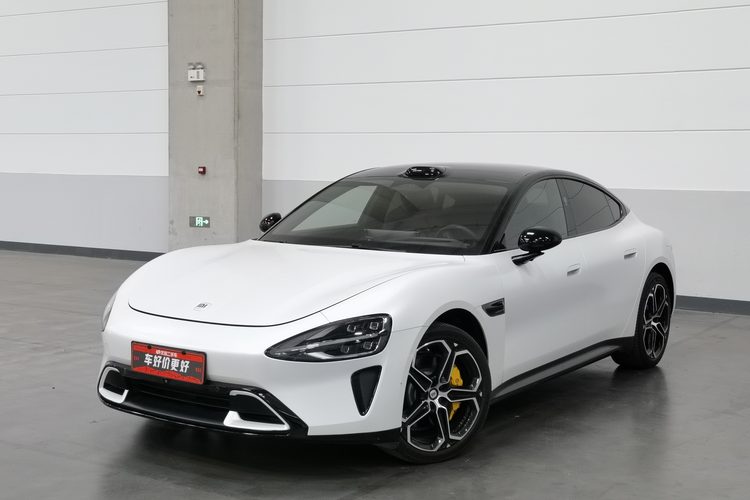
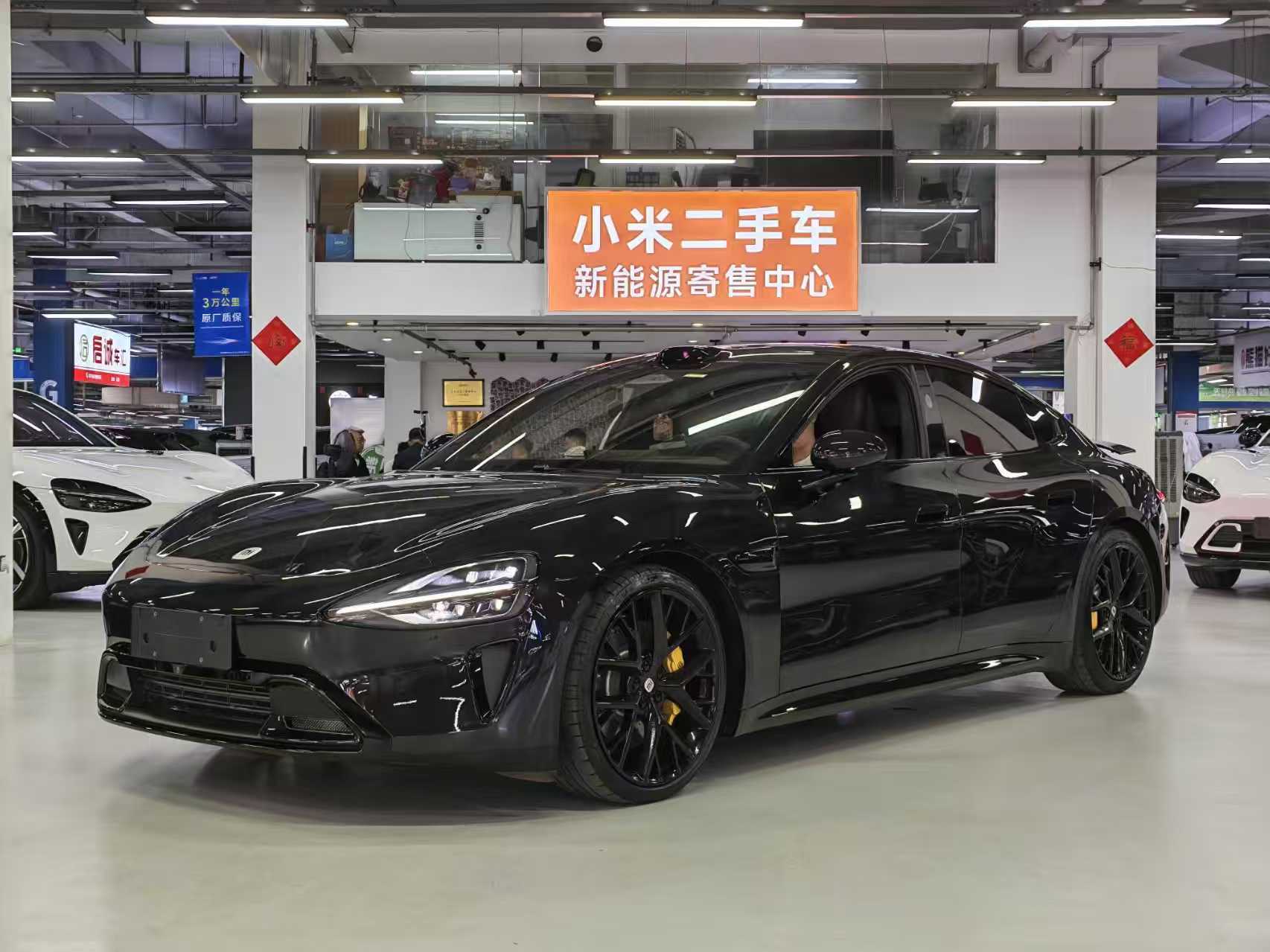
BrandMI
SeriesSU7
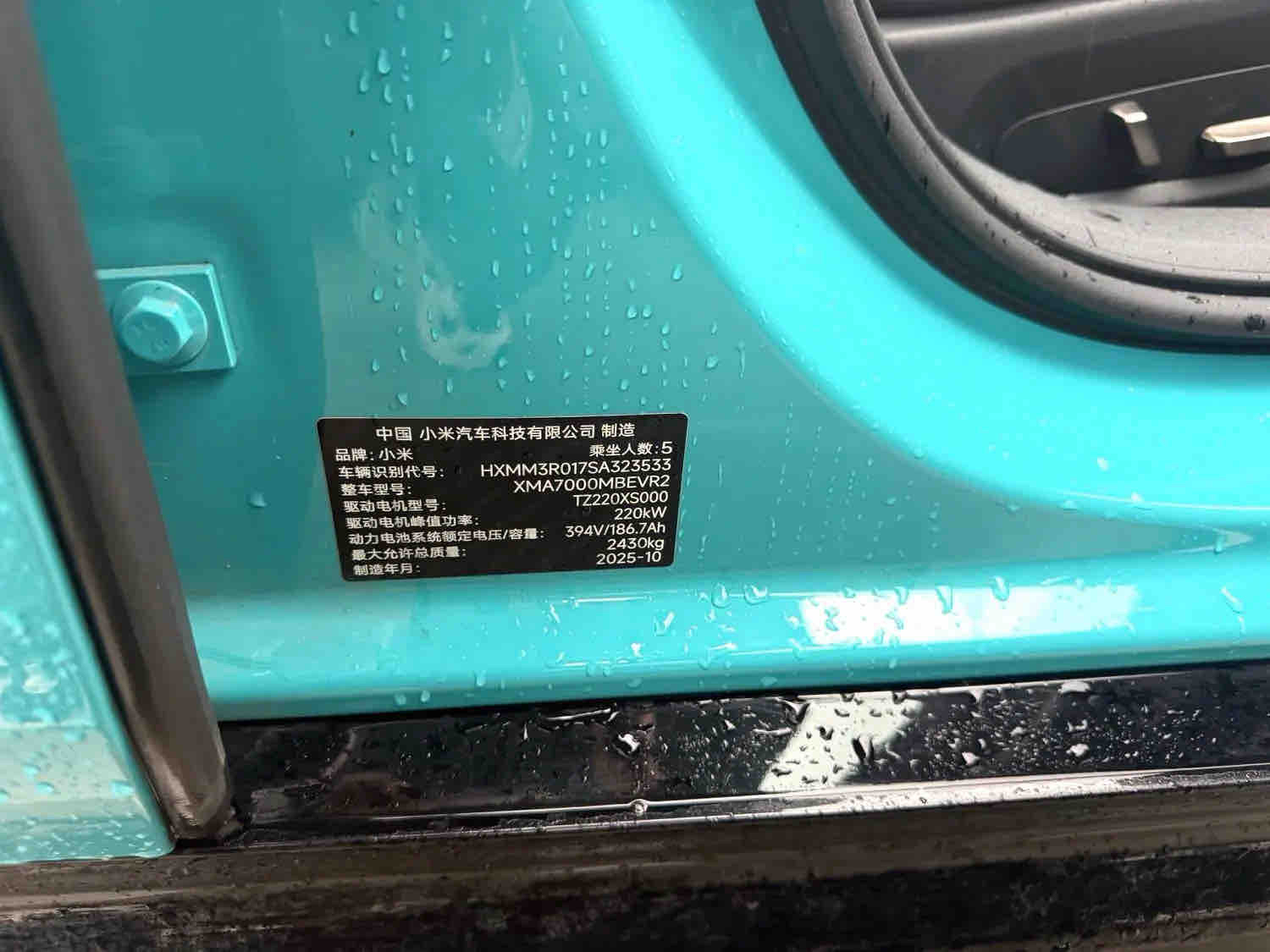
Year2025
First Registration2025/11
Mileage33,000km
Transfer Count0times
FuelOther
TransmissionOther
Engine-
ColorBlue
Seats-

Condition Description

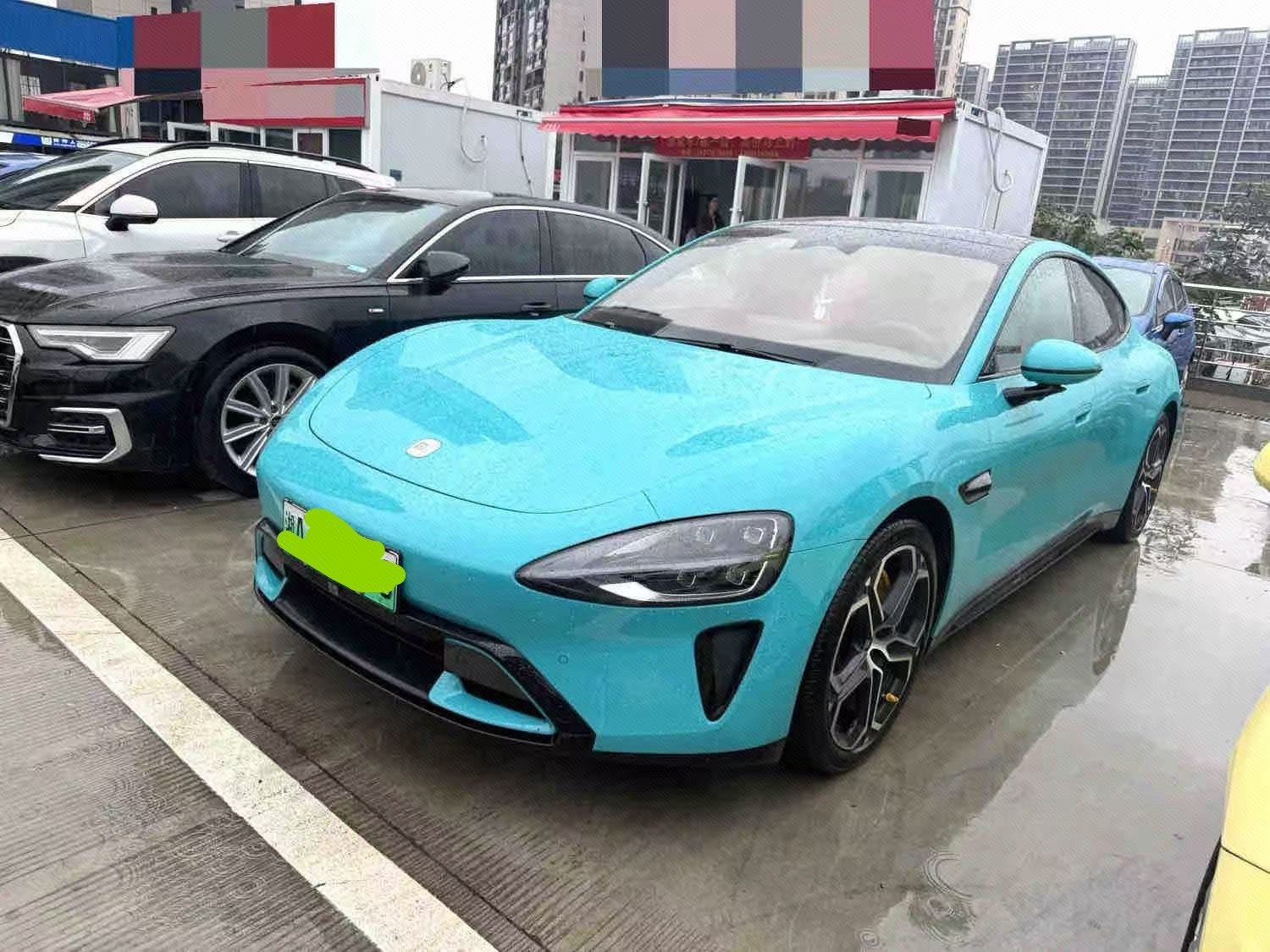
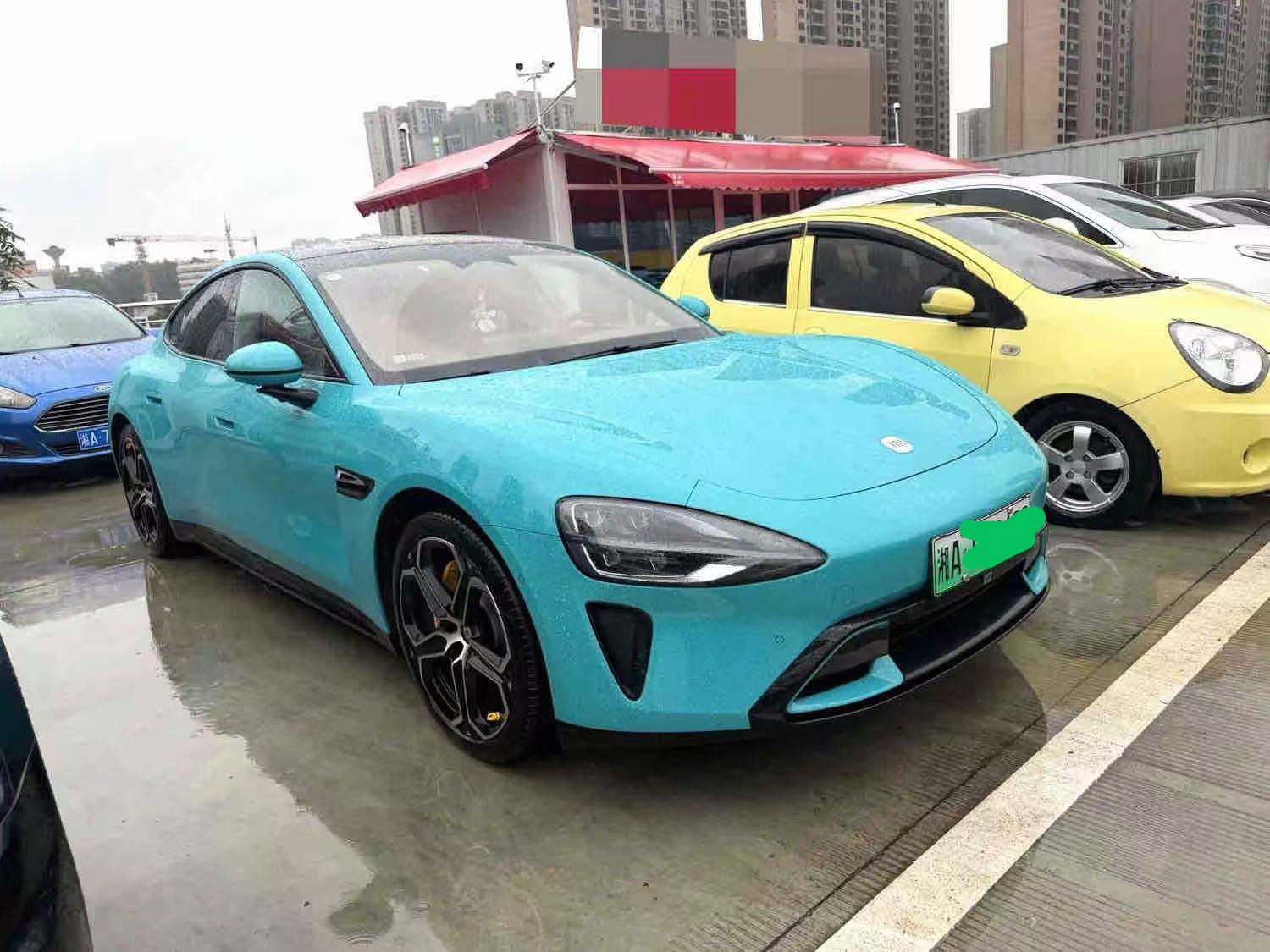
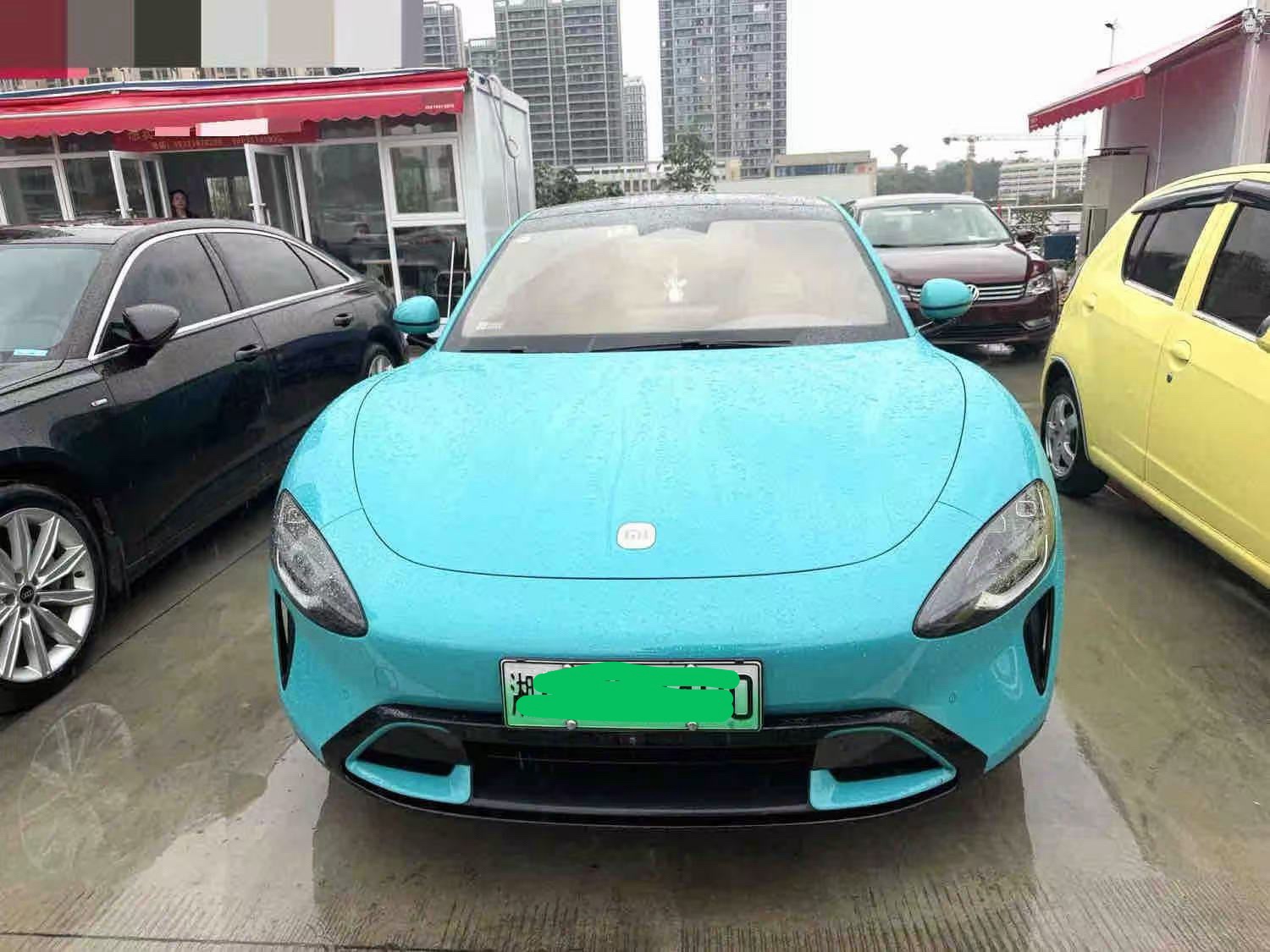
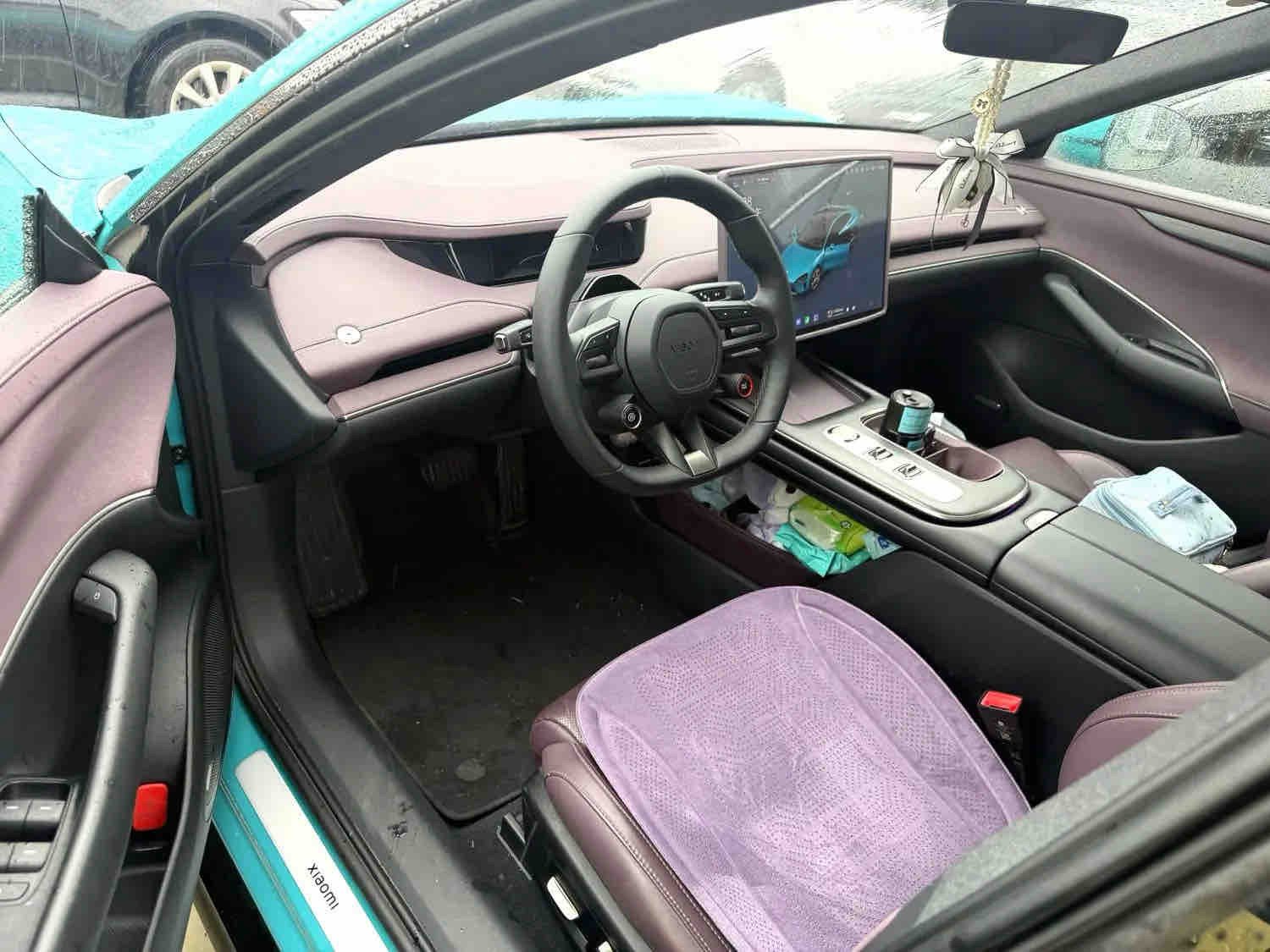
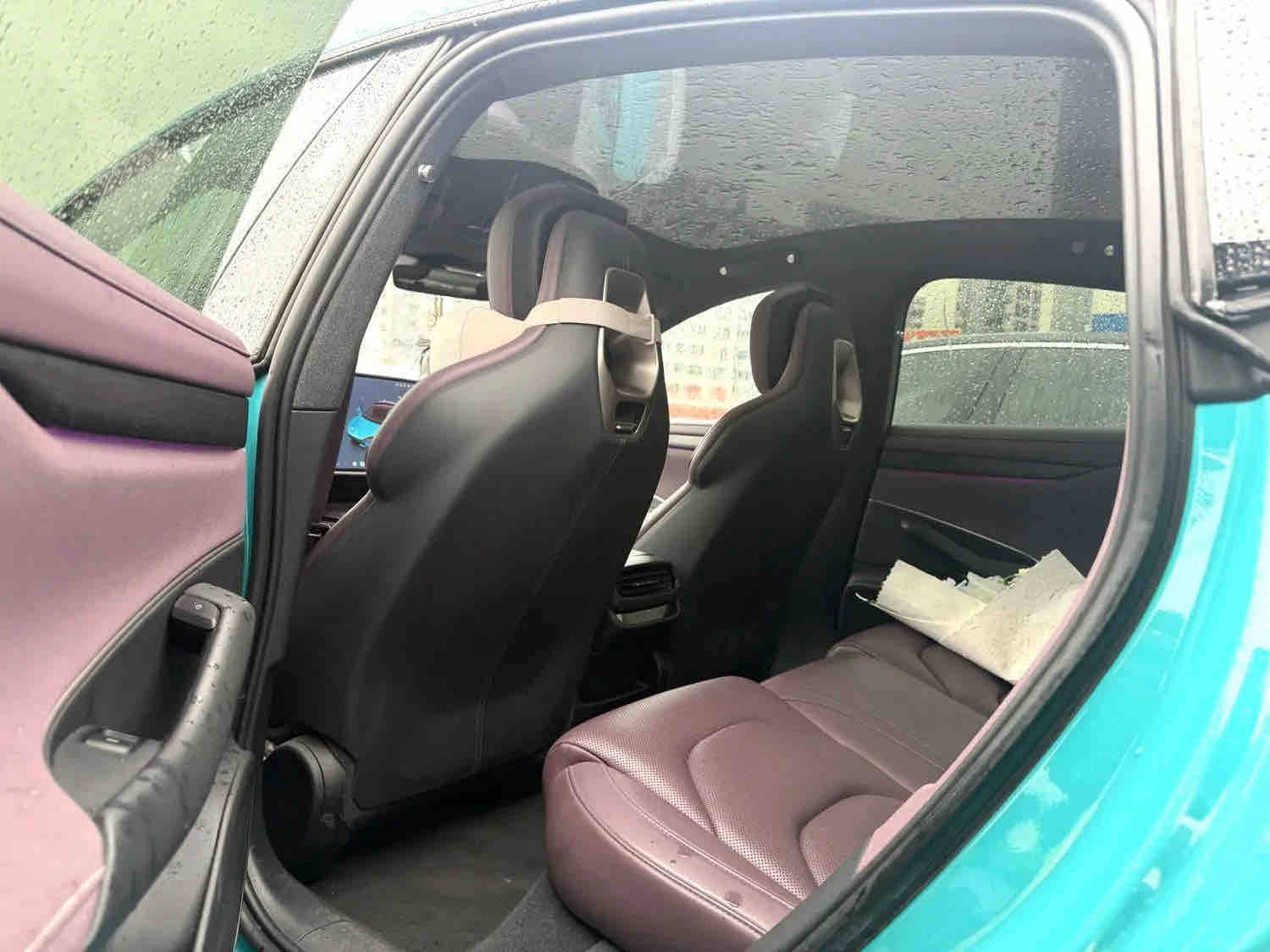
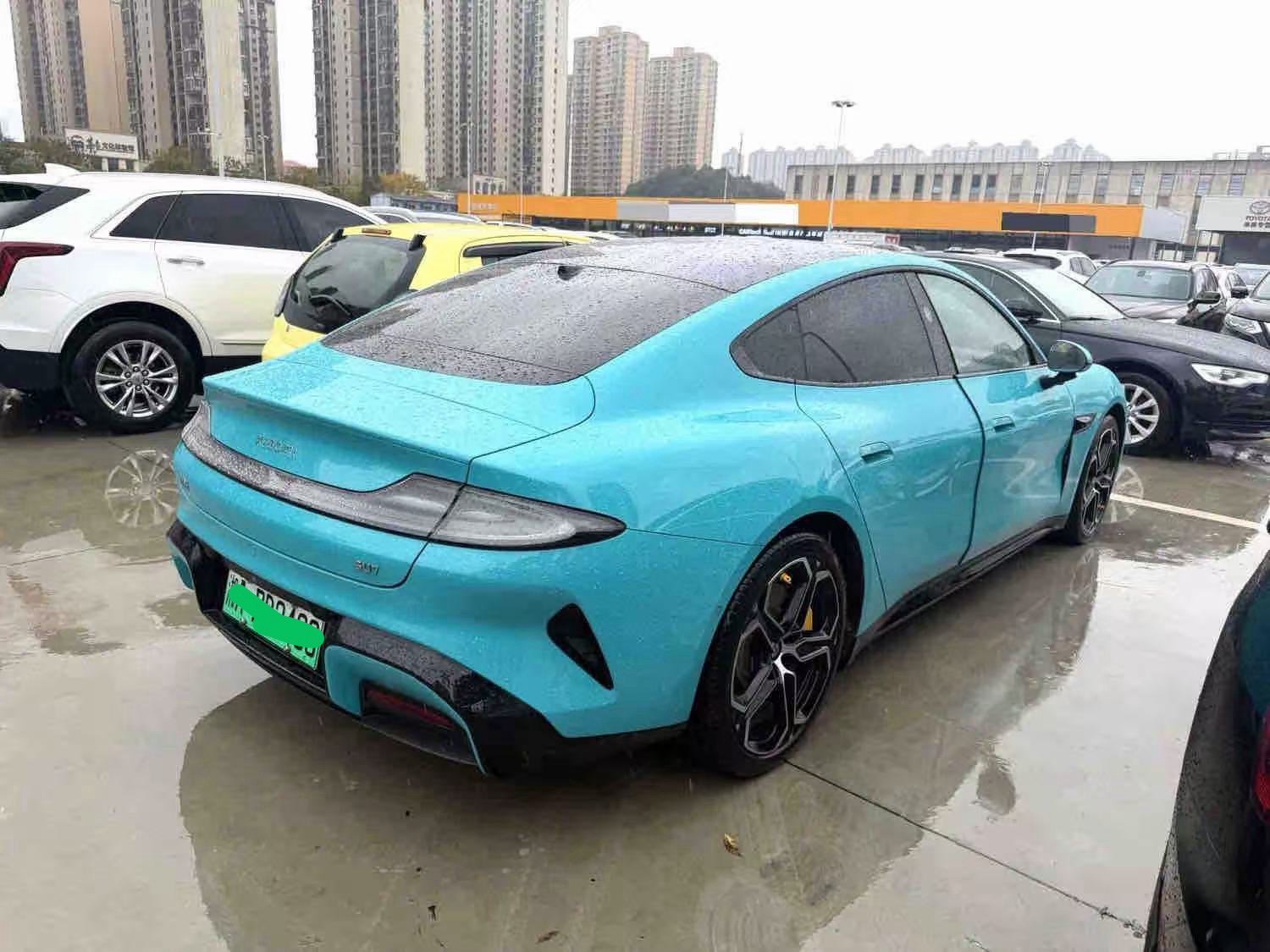
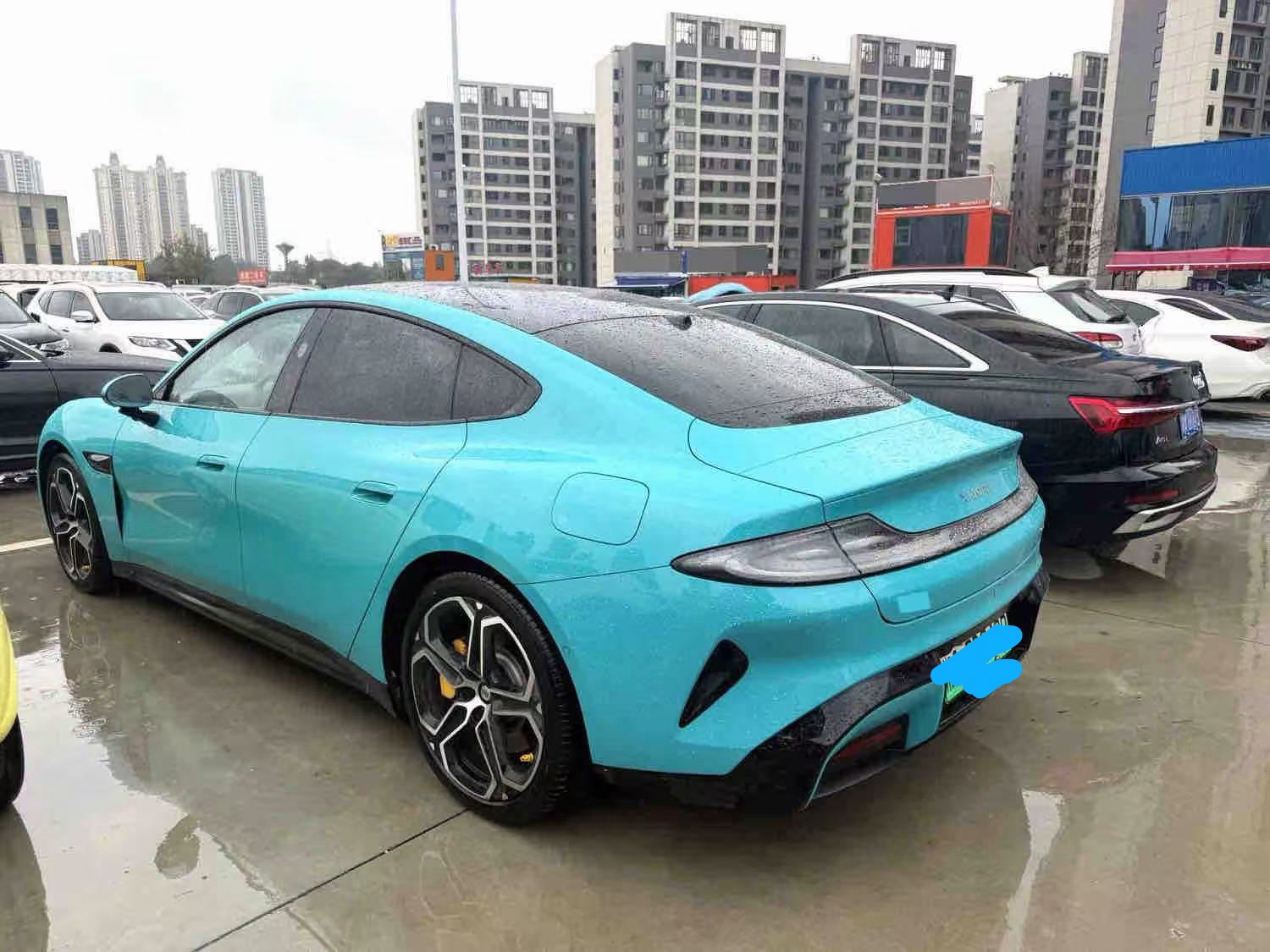
First-hand owner, true odometer reading. Left rear door and left rear fender have been repainted. The rest is original paint and panels.

Document Information

Inspection Expiry Date-
Warranty Expiry Date-
Insurance Expiry Date2027/11

Q&A

More

What core export documents will you provide to ensure smooth customs clearance locally?

After receiving the final payment, we will send you the complete set of original customs clearance documents via DHL or FedEx, which typically includes: - Bill of Lading (B/L) - Commercial Invoice - Packing List - Certificate of Origin (CO) - Used Vehicle Export License issued by the Ministry of Commerce of China Note: If your local customs requires additional documents (such as VIN consistency certificate), please inform us in advance before shipping.

What hidden costs should I budget for when importing a used car from China beyond the FOB price?

Beyond the FOB price, expect: ocean freight (typically $800–2,500 depending on destination), marine insurance (about 0.3–0.5% of the car's value), port handling charges at both ends, customs duty and import tax/VAT in your country, compliance or homologation certification, and inland delivery to your city. Add currency transfer fees and the inspection fee if you hire a third party. Ask the exporter for a landed-cost breakdown and confirm exactly what the quote includes. A cheap FOB price with everything else shifted to you can add 30–50% to the real total. Budget a 15% buffer on top of the estimate, and get fixed quotes for freight and insurance in writing before paying the balance.

What if the used car I imported from China turns out to be a bad deal—can I return it or get a refund?

In practice, returning an imported car is extremely difficult, so your protection must be built in before payment, not after. Once a used car has been exported, reversing the transaction involves re-export paperwork, duties, and freight costs that typically exceed any refund you'd recover. Most exporters' contracts treat the sale as final once the bill of lading is issued. What you can realistically do: 1. If the car differs materially from the contract (wrong VIN, undisclosed accident, tampered odometer), you have grounds for a claim. Document everything and negotiate a partial refund or repair credit—full refunds are rare. 2. If the seller committed outright fraud, you can pursue legal action in China or report to the platform, but cross-border enforcement is slow and costly. 3. Some exporters offer a short arrival warranty (usually 30-90 days) covering major mechanical failures. Claims require immediate notification, third-party inspection reports, and proof the damage existed at shipment. The practical takeaway: never rely on the possibility of a return. Spend the money on a thorough pre-shipment inspection and clear contract terms instead—it's far cheaper than a dispute.