




Can third-party services join the platform?
Yes. Third-party service providers in logistics, inspection, customs clearance, and finance can join the platform as "service providers."
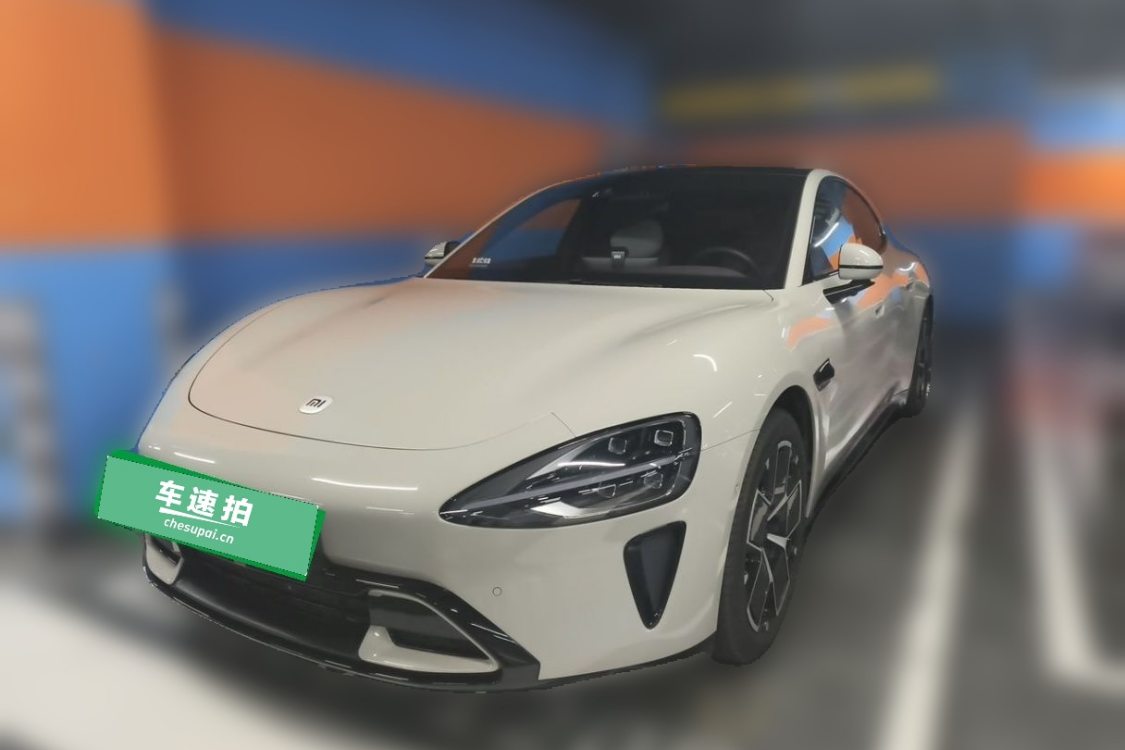
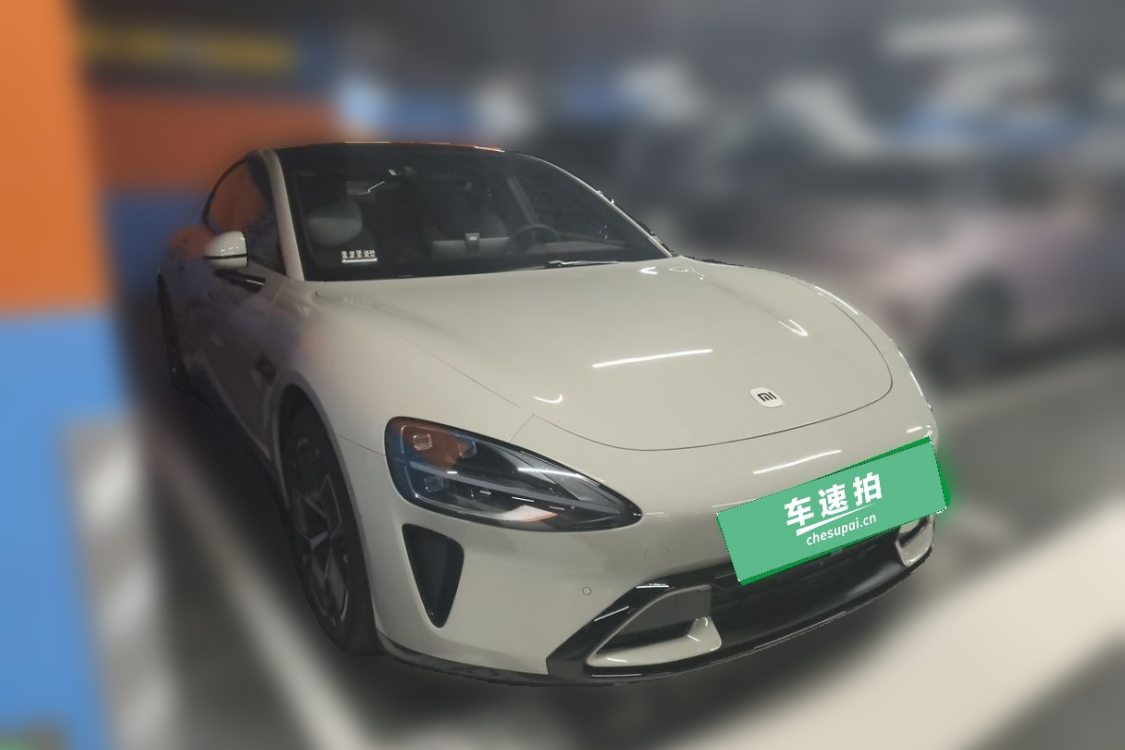
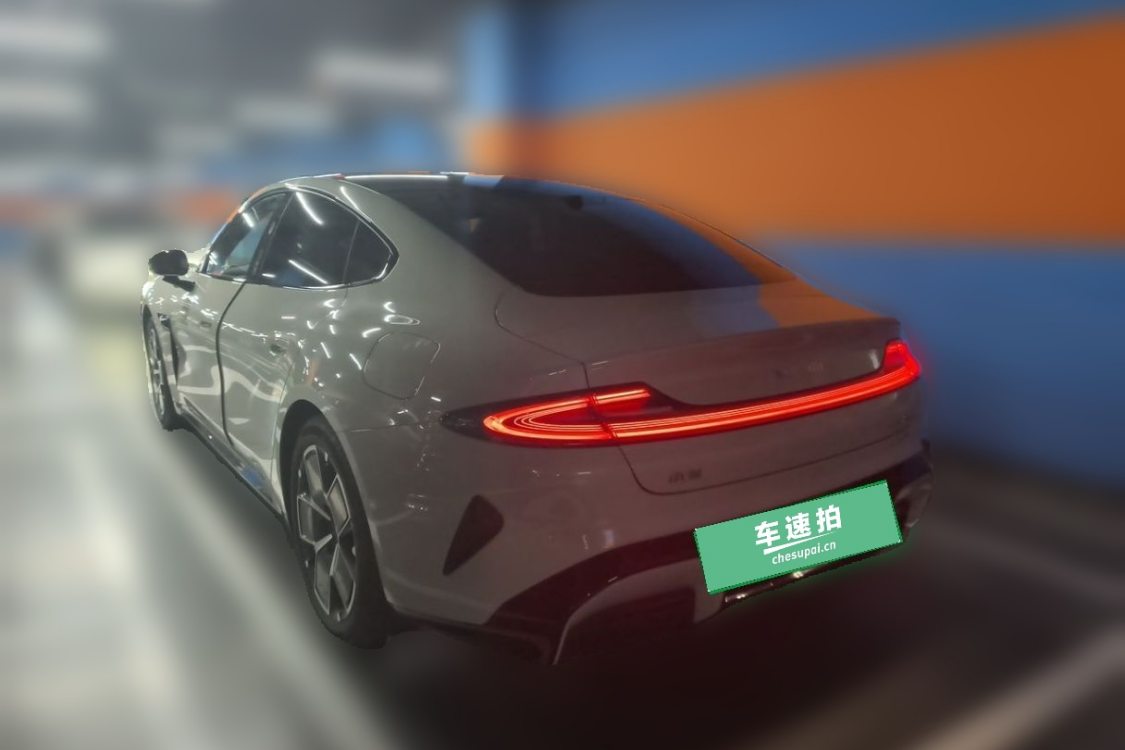
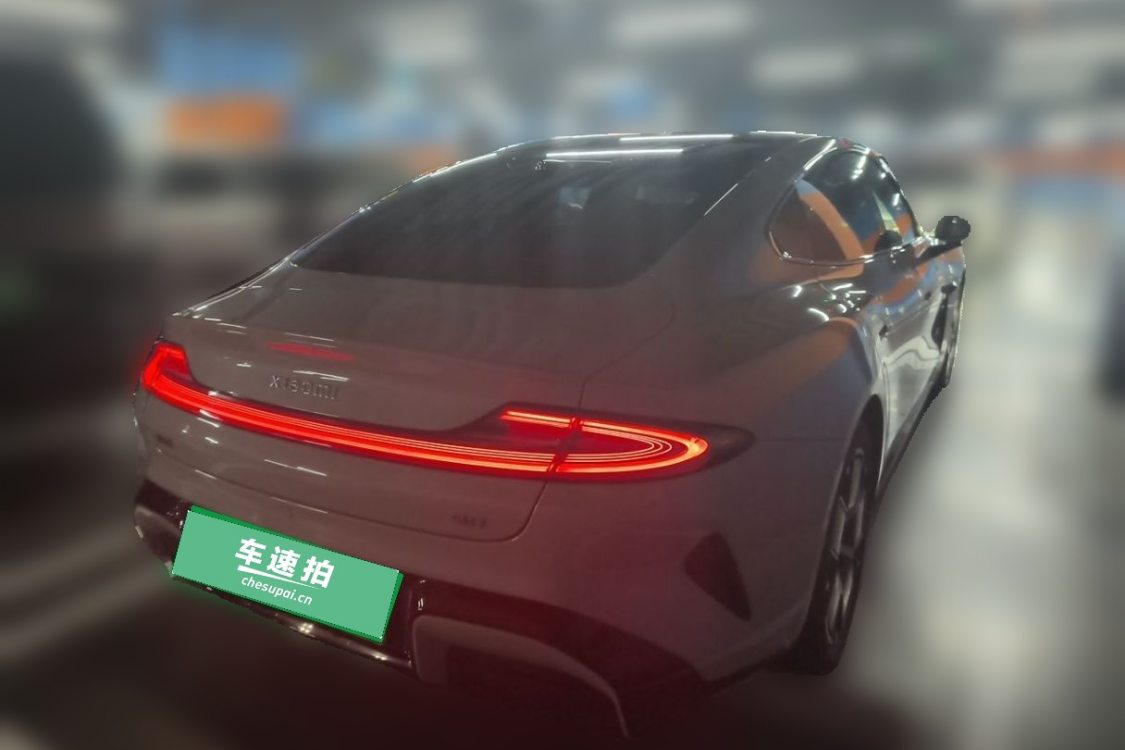
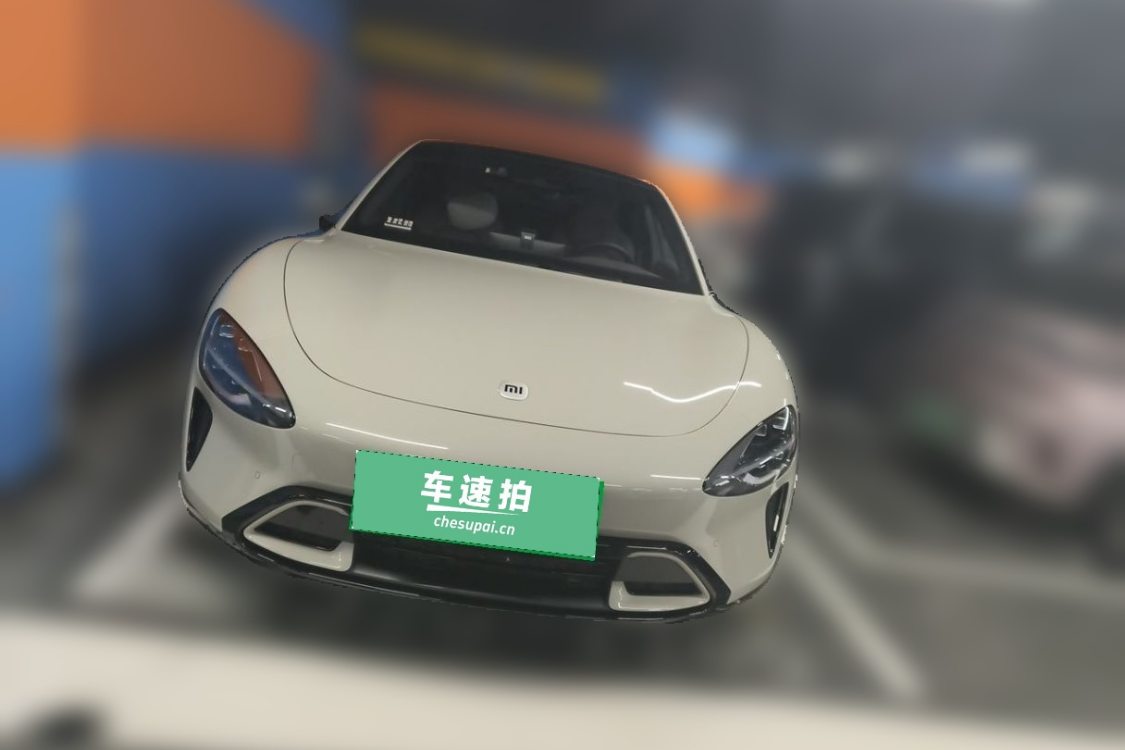
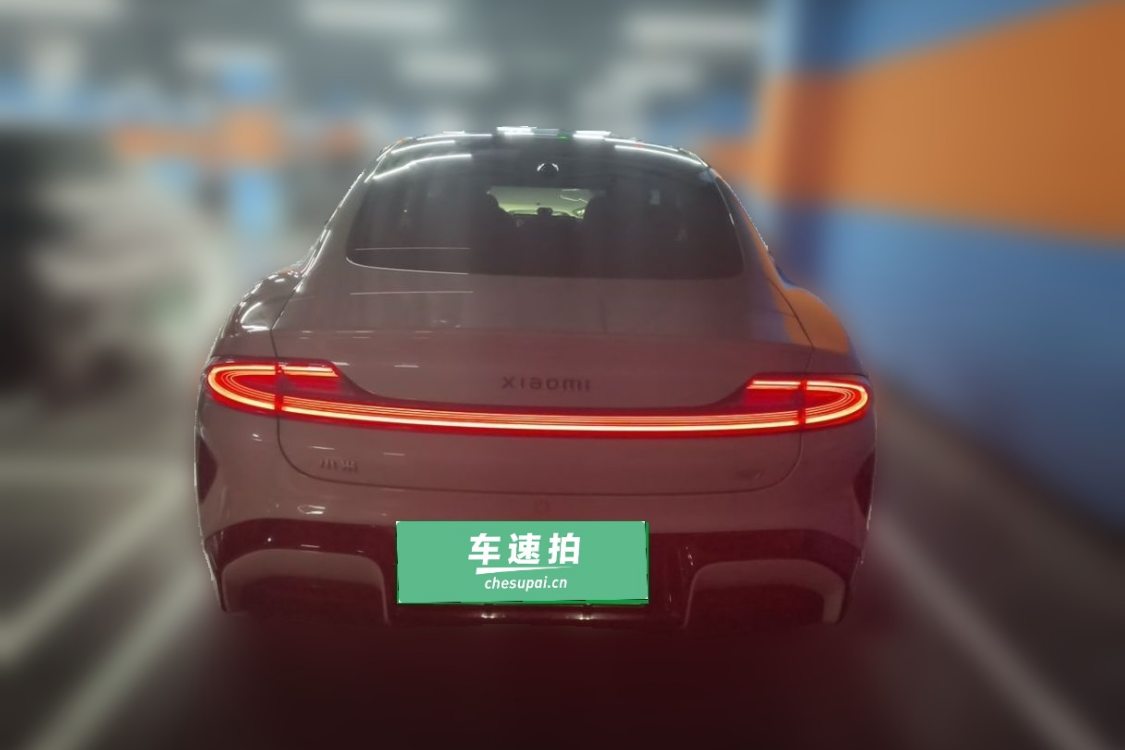
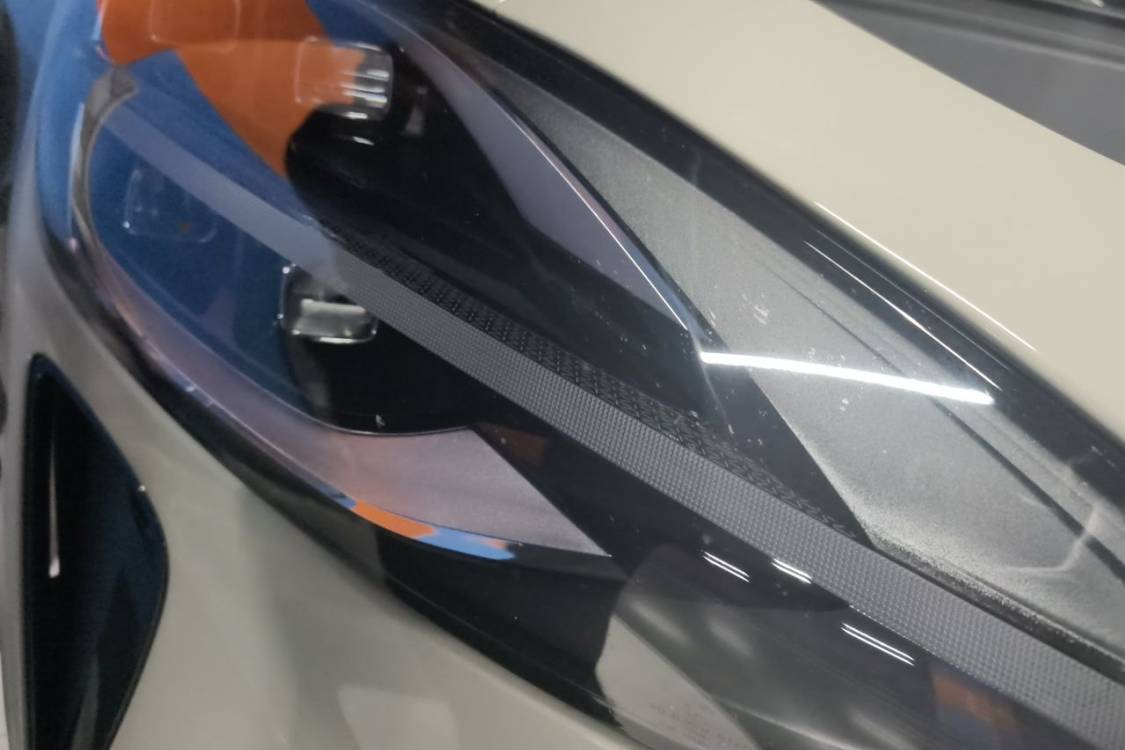
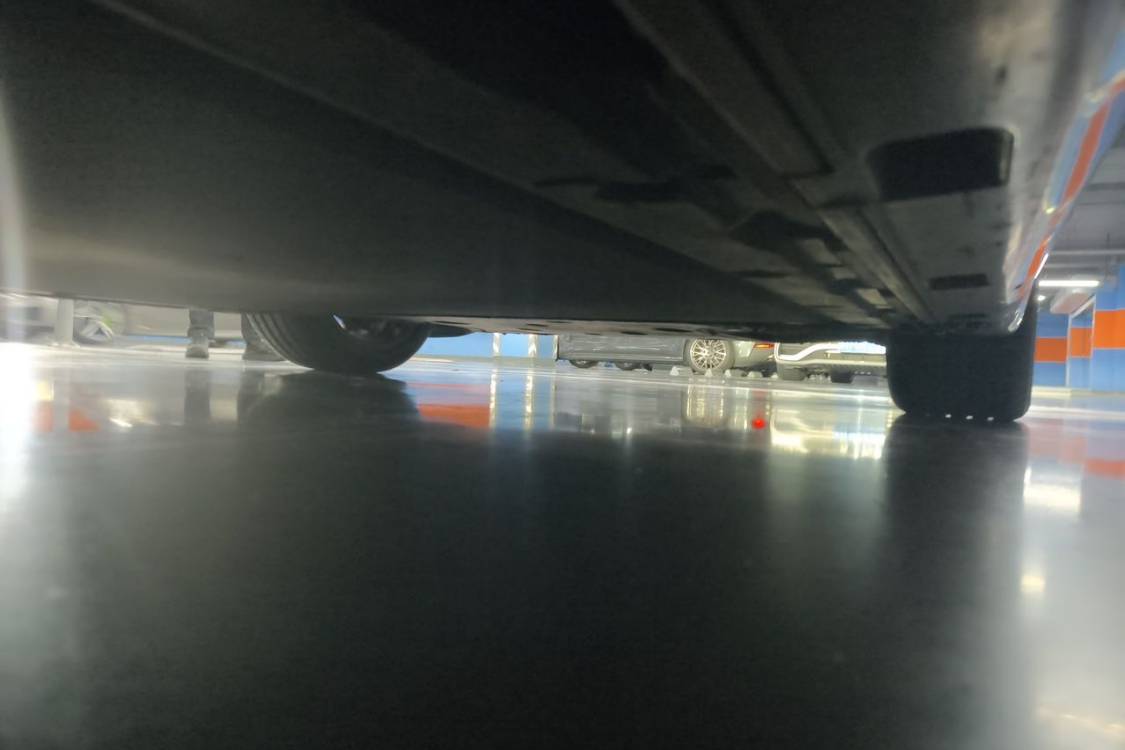
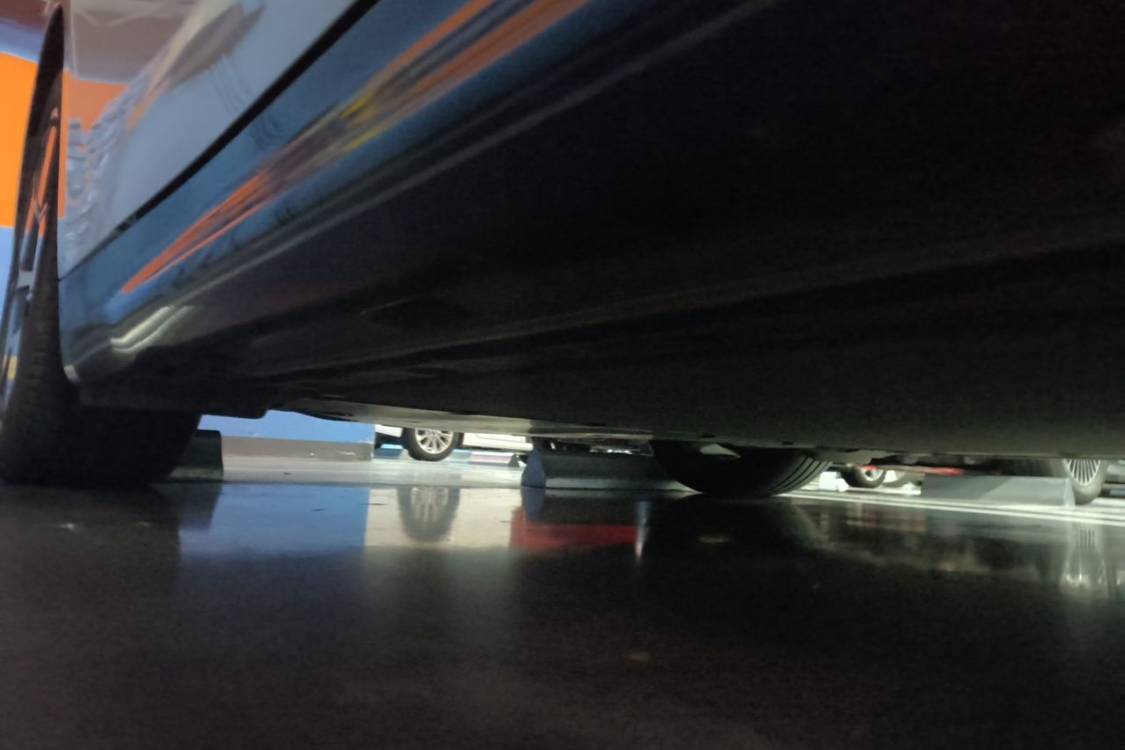
Localized body damage or repair marks present; no accident-related damage or repairs to structural or reinforcing components. Vehicle performance (including battery, motor, and electronic control systems) has degraded or is limited.
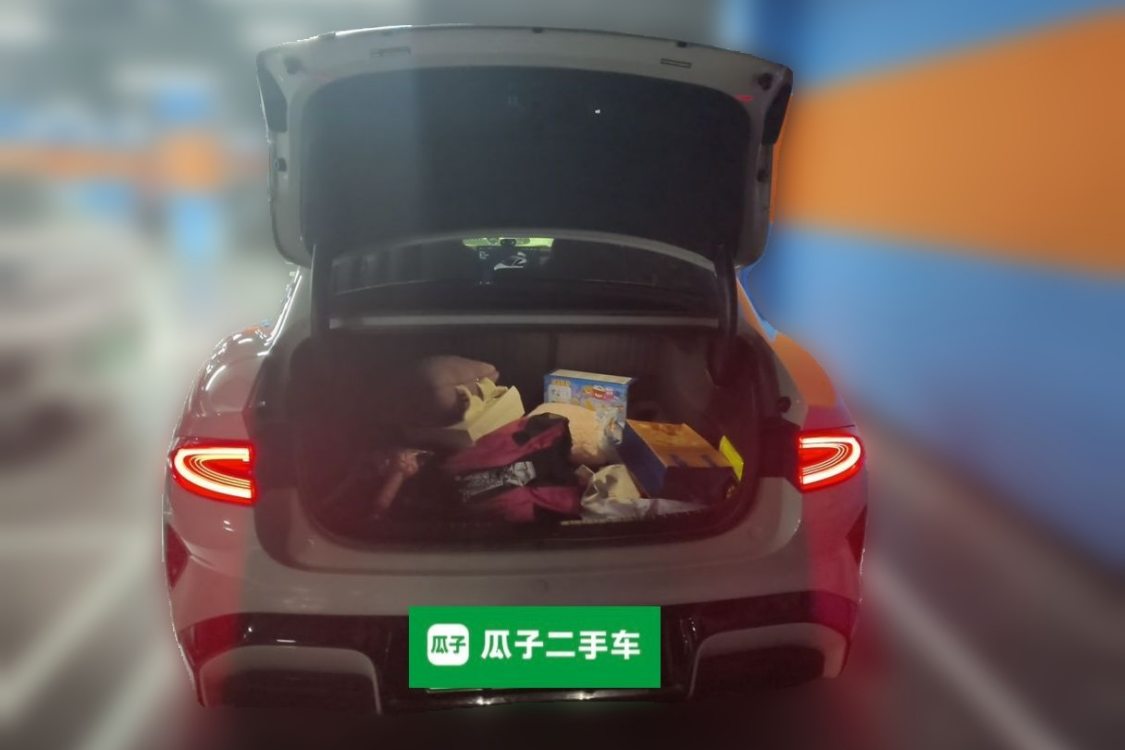
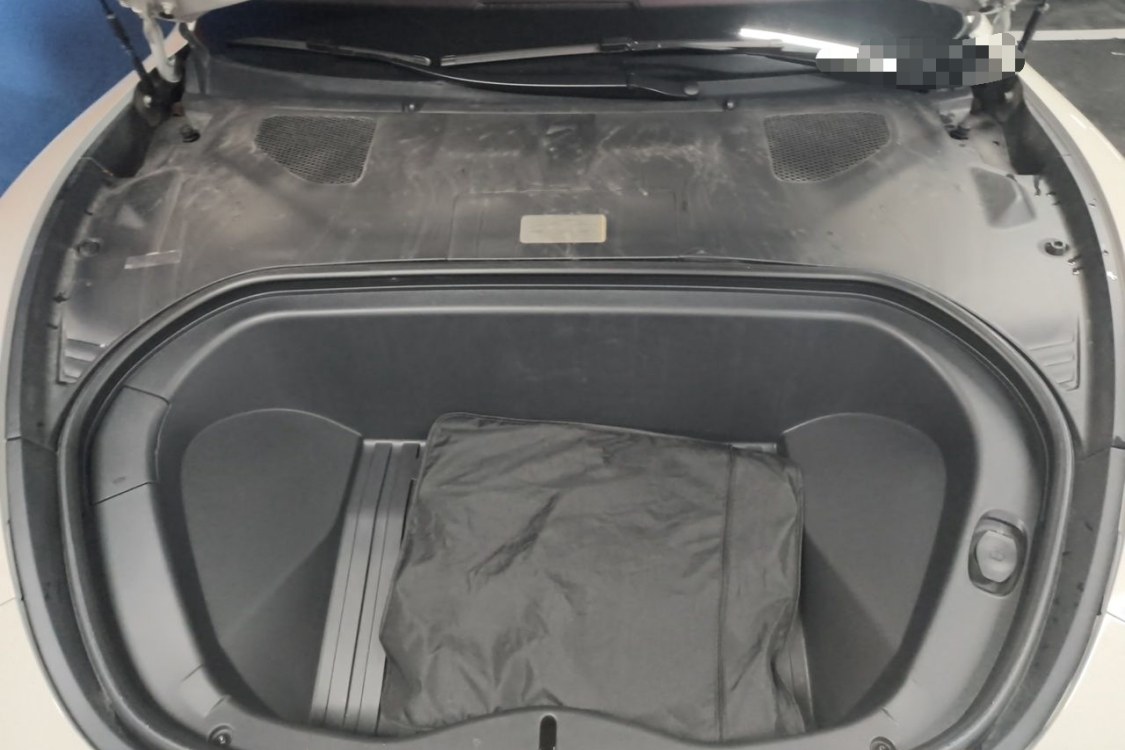
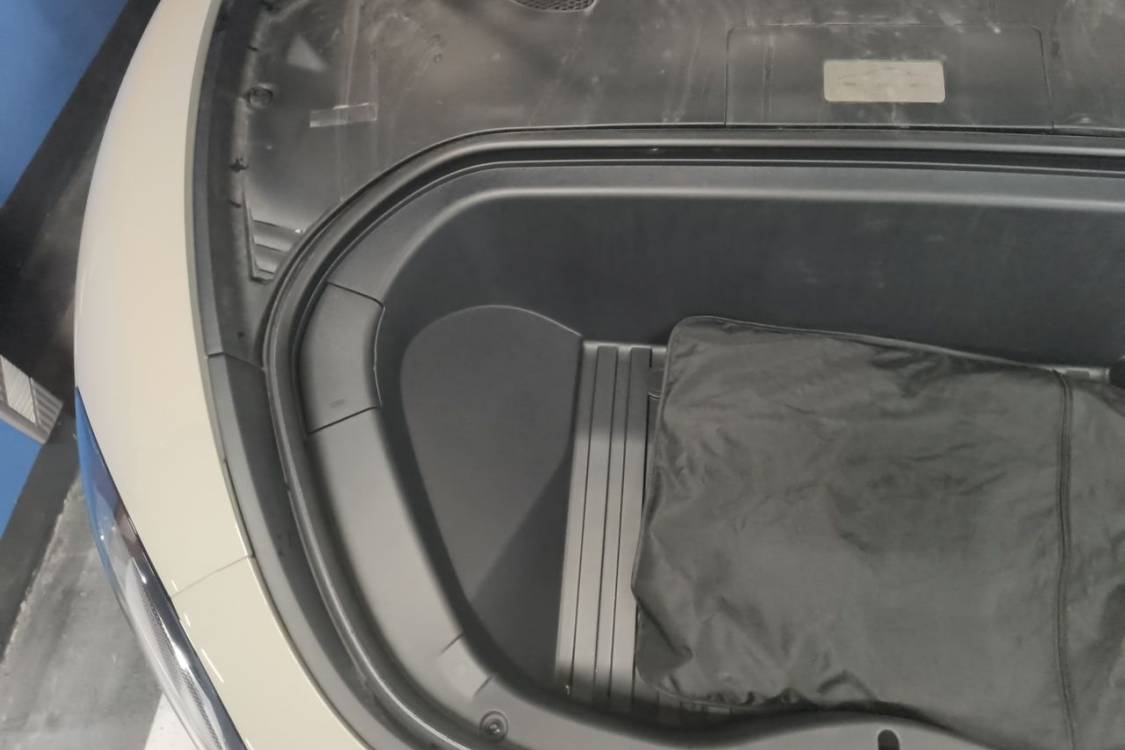
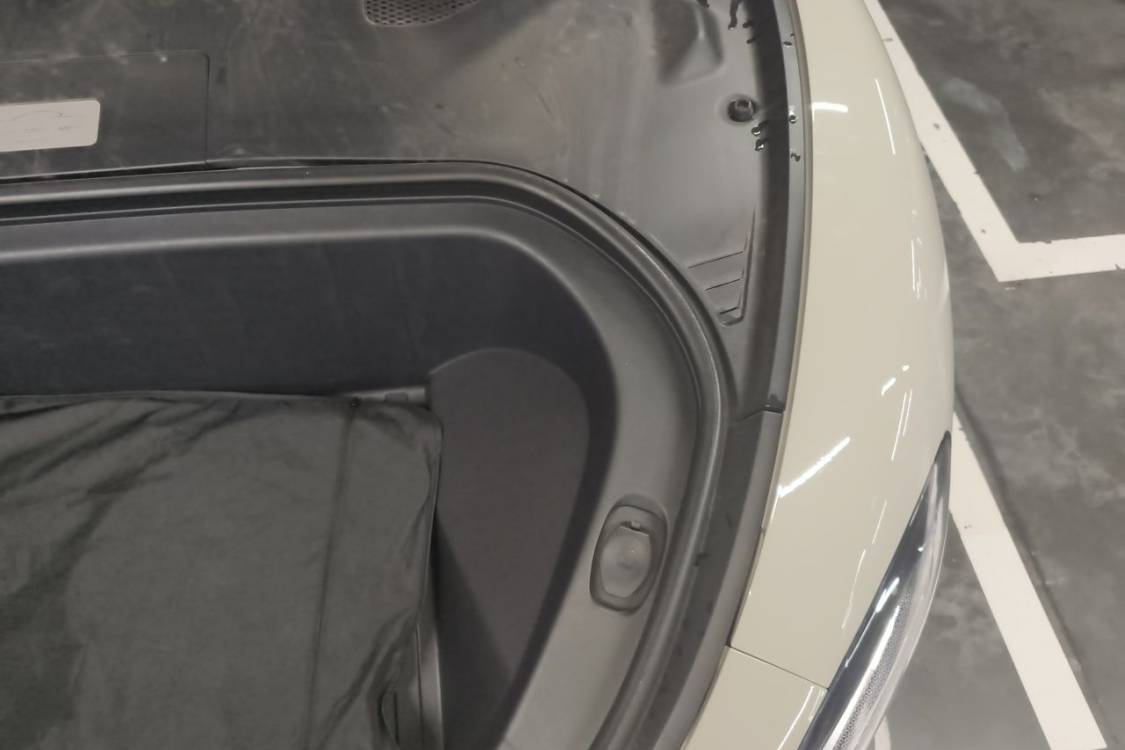
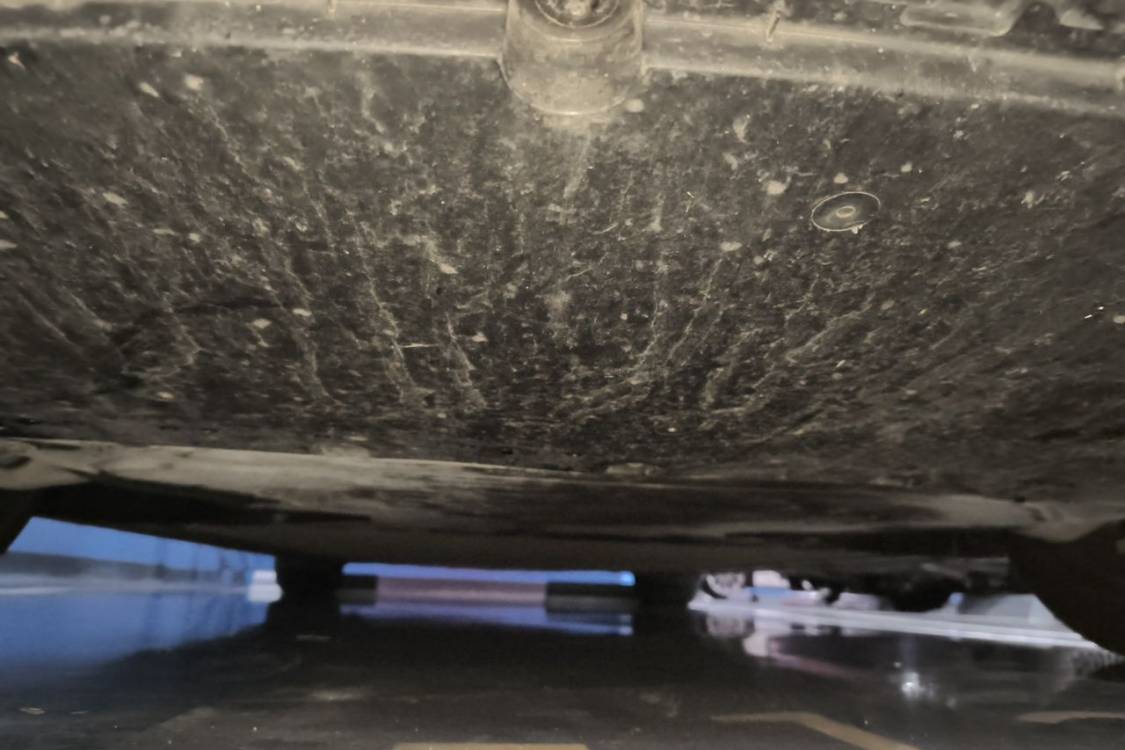
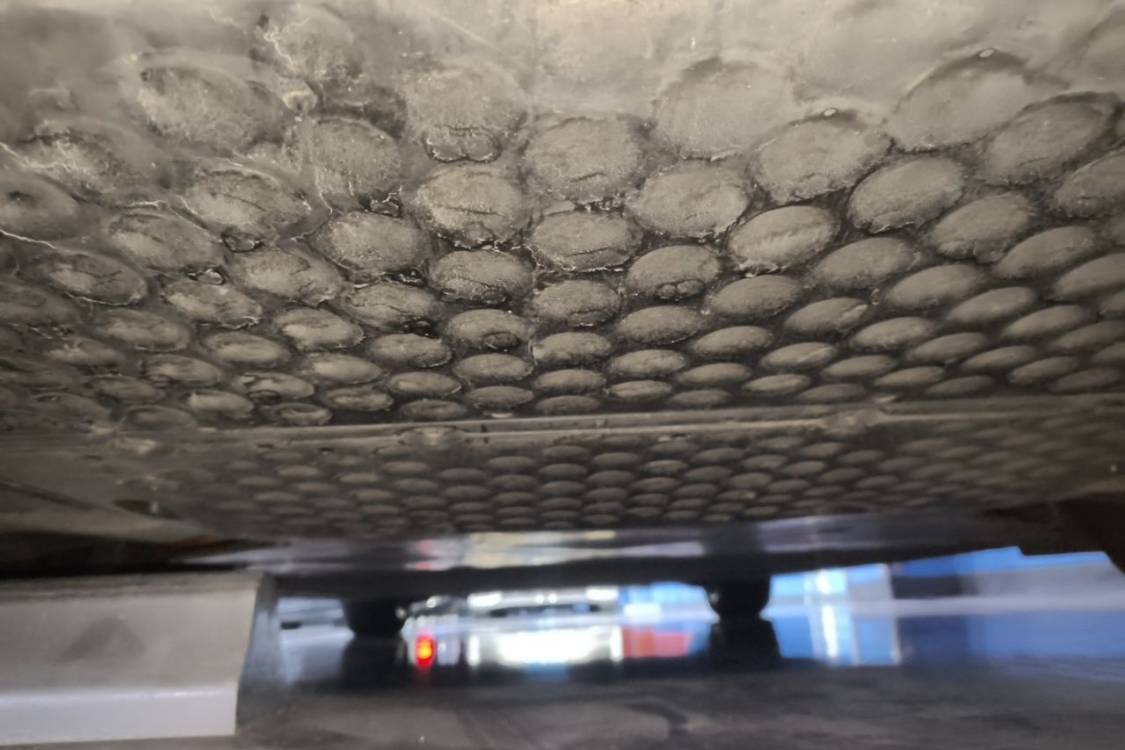
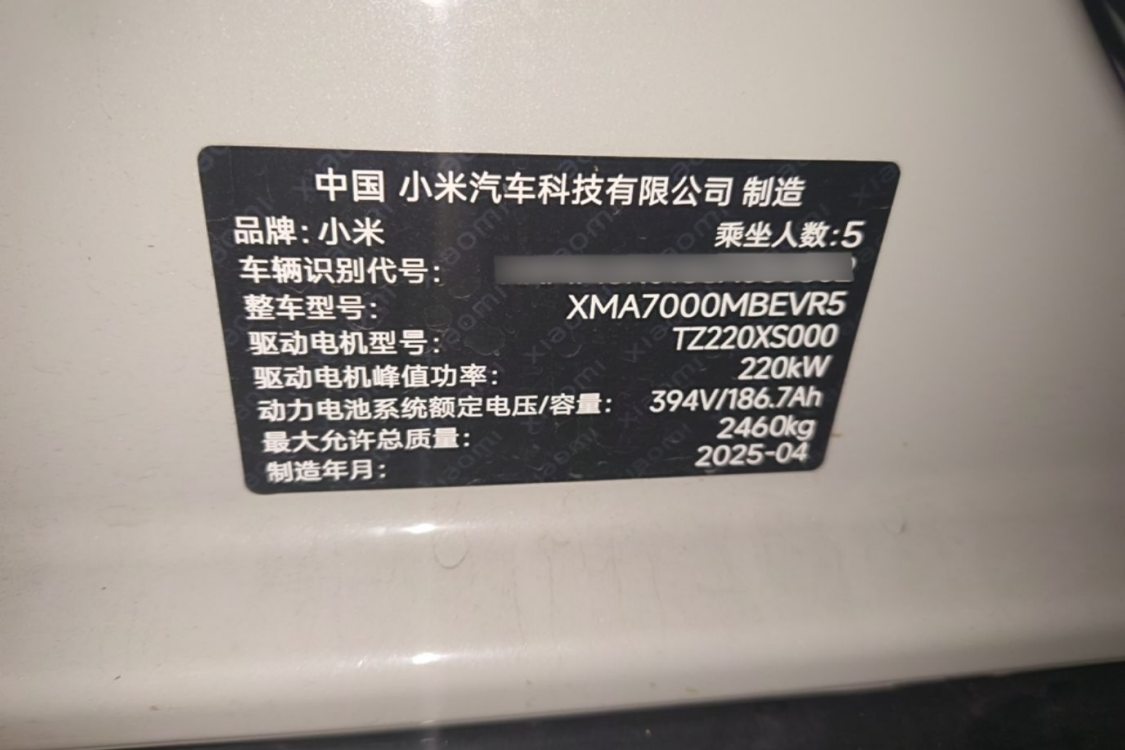
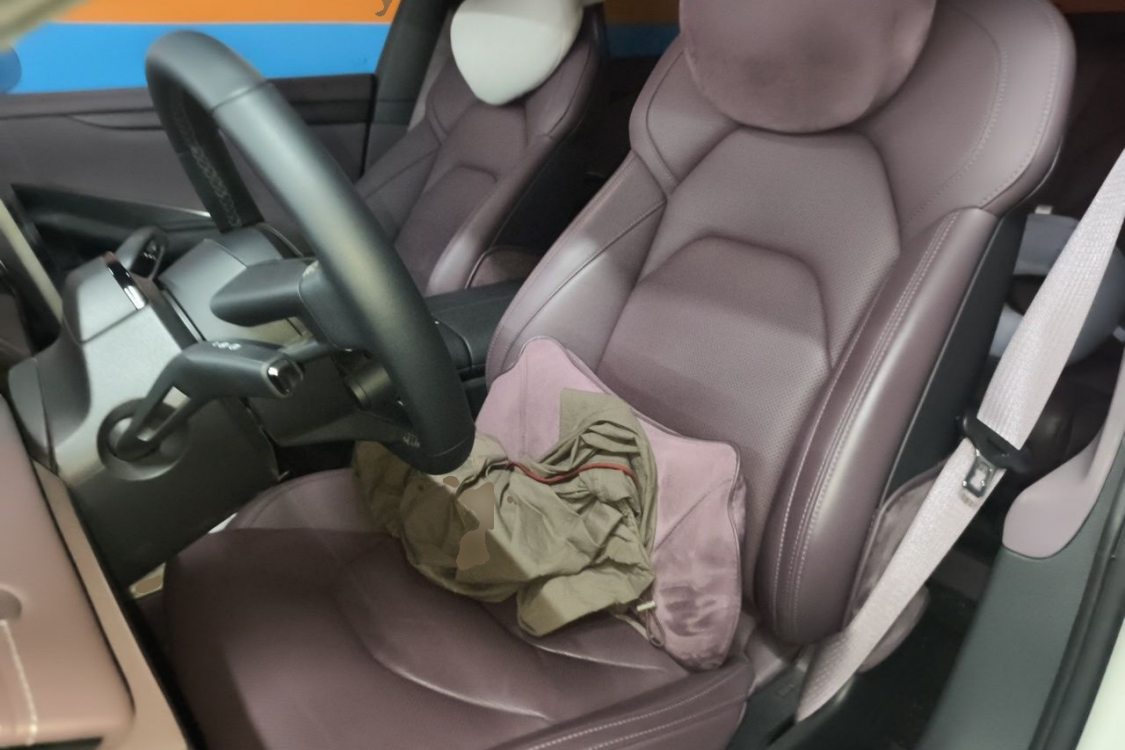
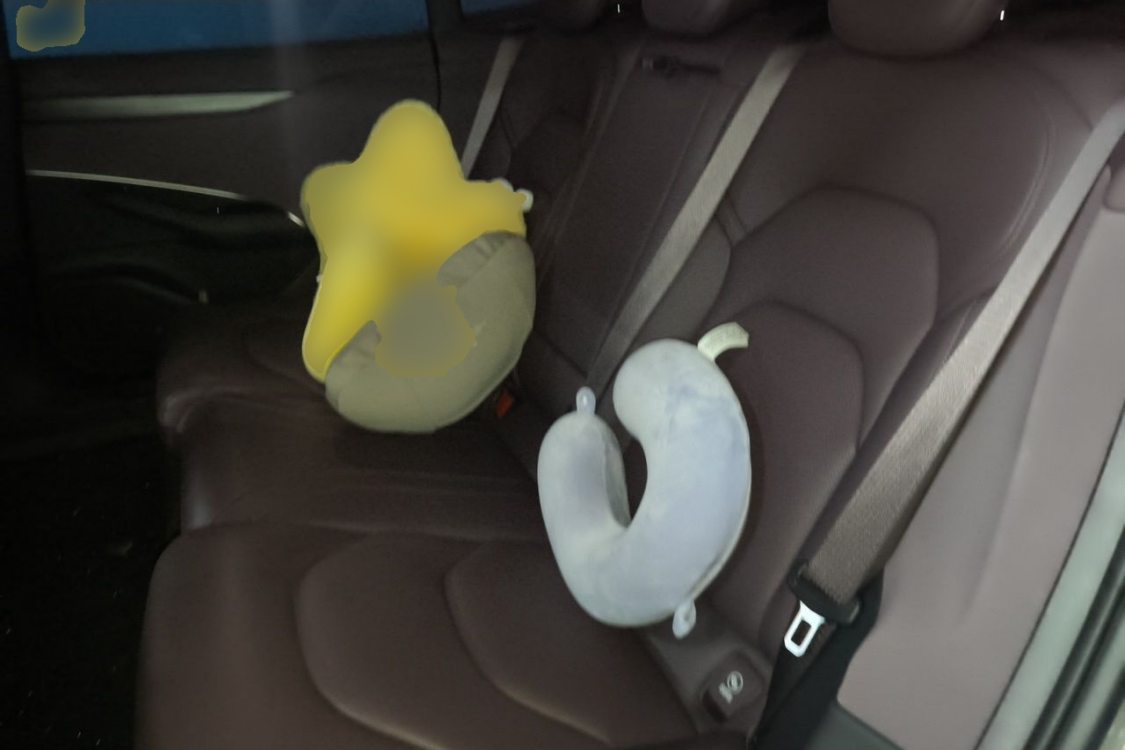
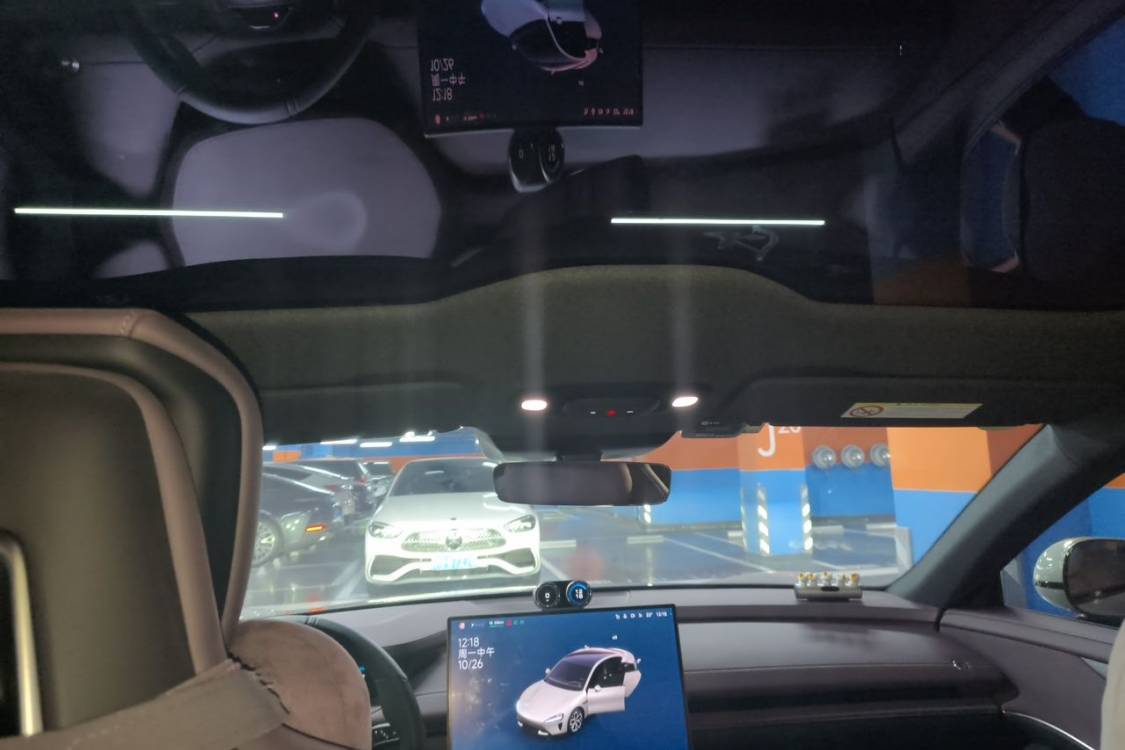
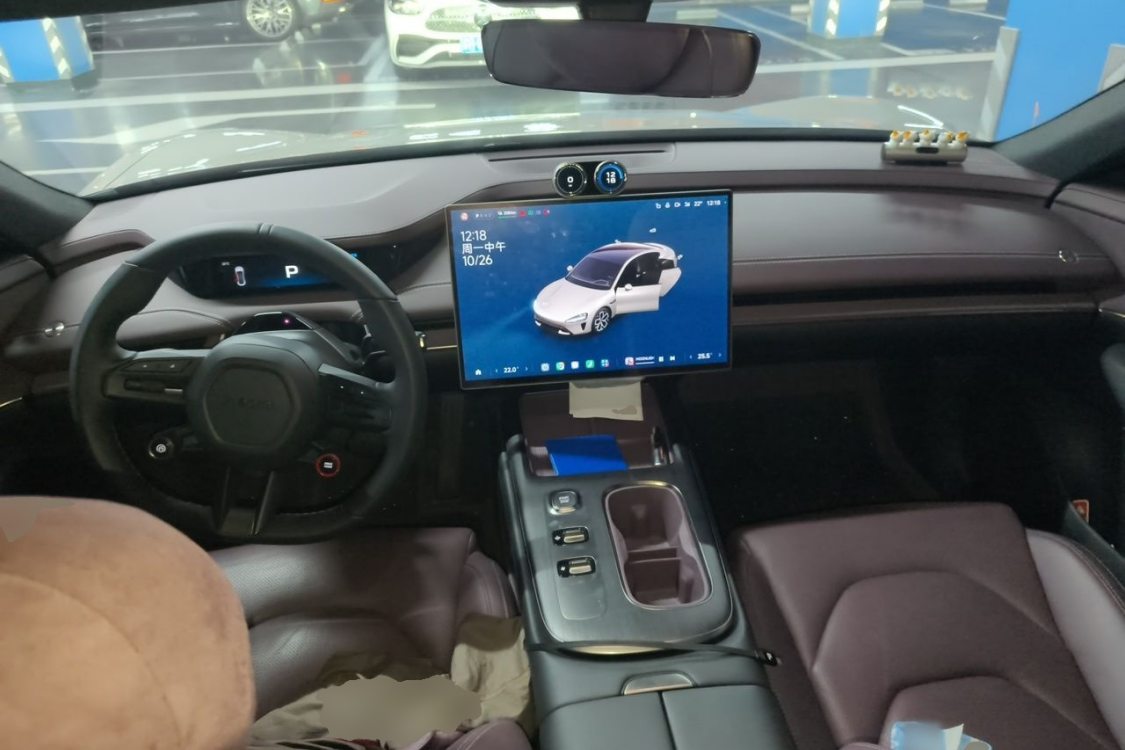
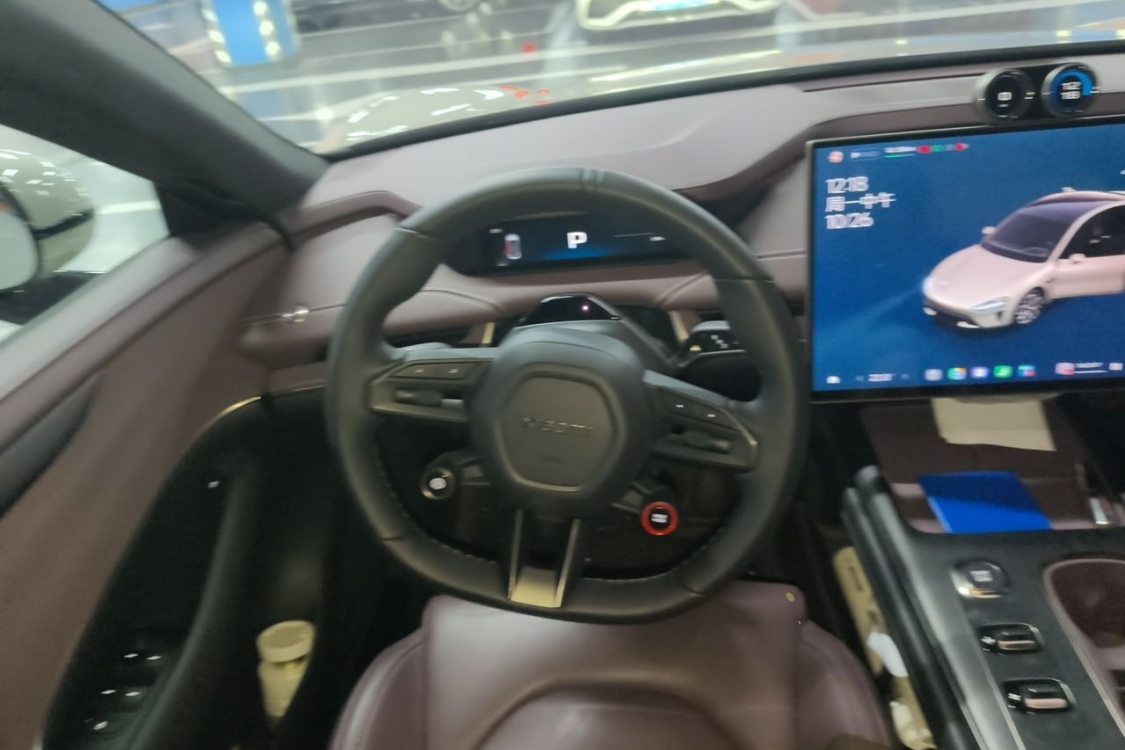
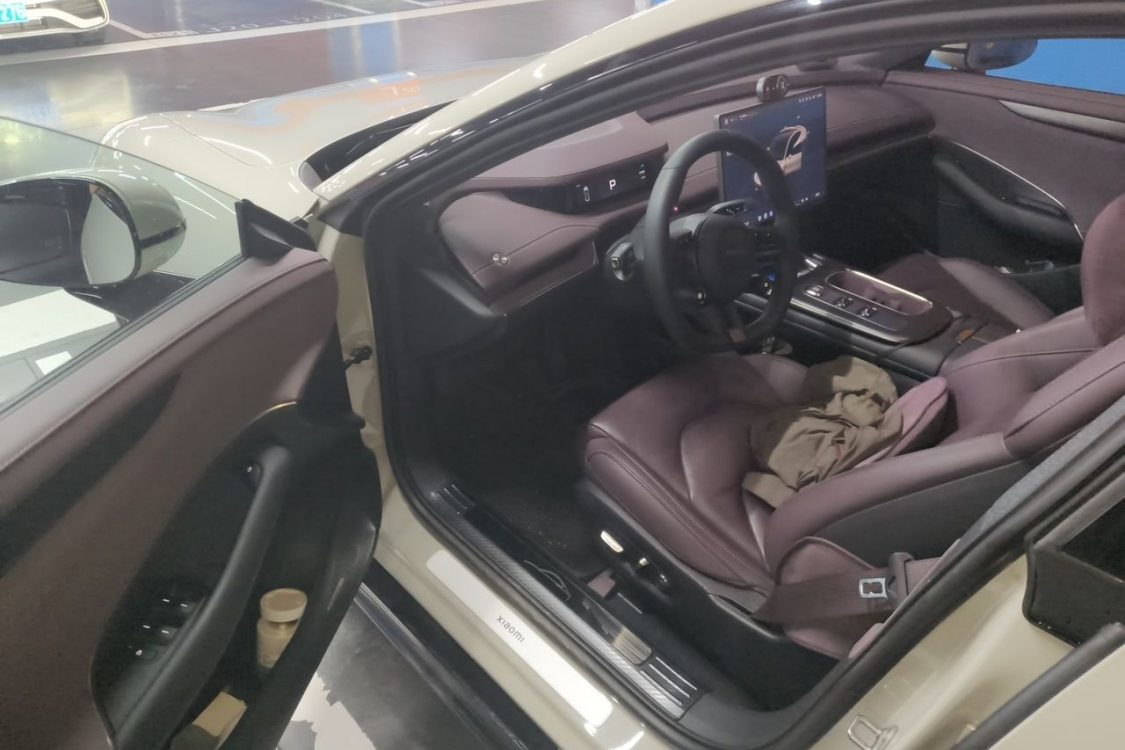
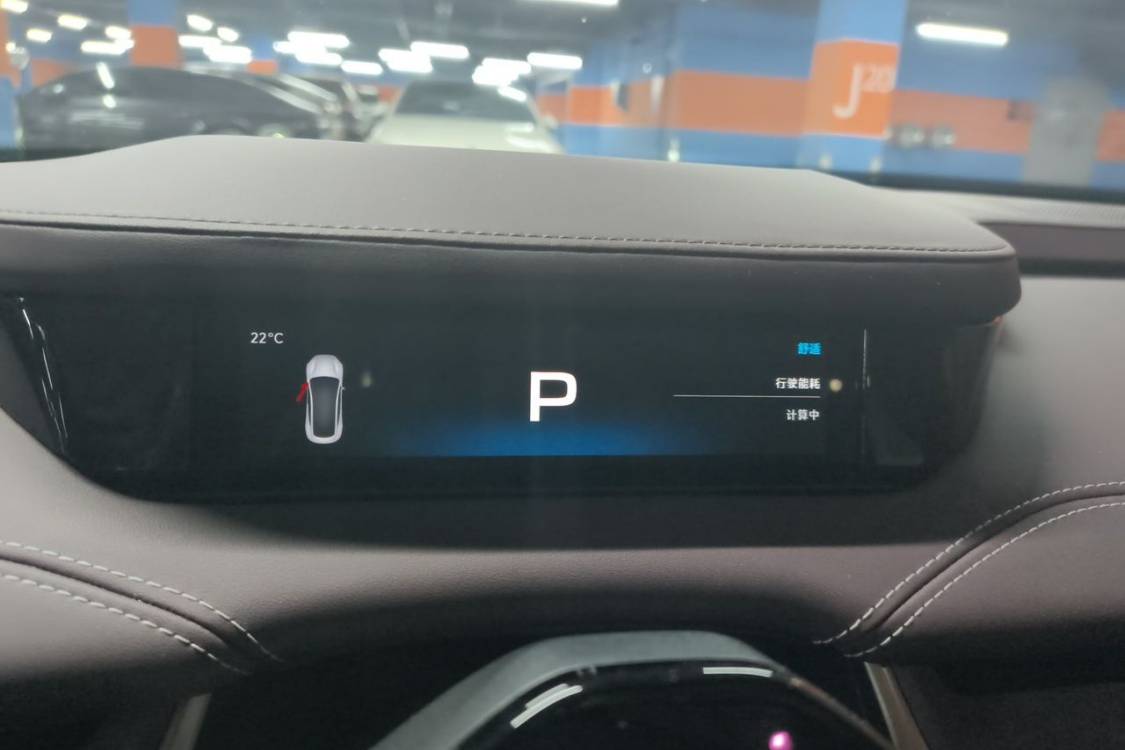
Accident inspection: no damage to main structure, reinforcing components, or panels; hinges normal. Battery, motor, and electronic control systems: underbody of power battery box scratched. Engine bay: key mechanical components normal. Exterior: none. Interior: most features normal; airbags, seatbelts, dashboard, instruments, and lighting system normal. Startup inspection: main components normal. Onboard tools: none.
Yes. Third-party service providers in logistics, inspection, customs clearance, and finance can join the platform as "service providers."
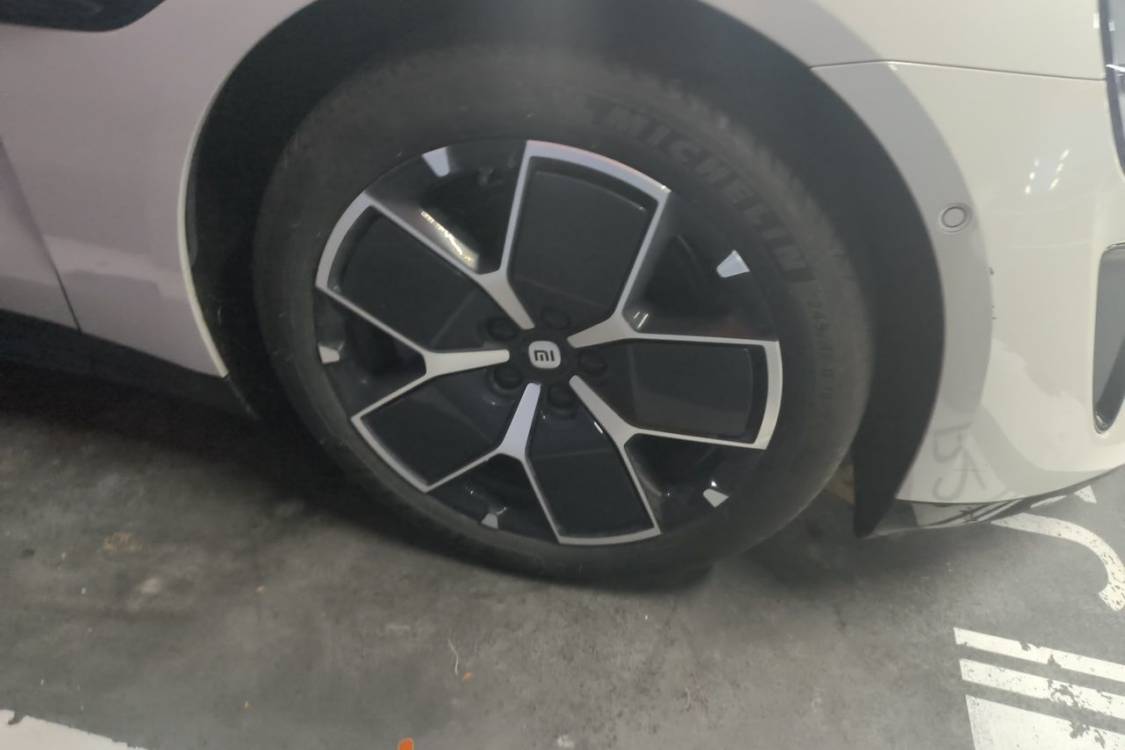
Yes. The inspection report includes a specific "consumable parts consumption list." We will measure the tire tread depth (in millimeters) and the remaining brake pad thickness using calipers. If the tire tread is below the legal wear limit of 1.6mm, we will note it as "recommended to replace immediately upon arrival."
Start with the owner's manual for your exact model and year—it lists the official service intervals and the required fluid specifications. If the manual is only in Chinese, ask the exporter for the English version, or check the manufacturer's website and owner community forums for your region. After the car arrives, do a baseline service even if the seller says it was just serviced: engine oil and filter, air filter, cabin filter, brake fluid check, coolant, and a 12V battery test. From then on, follow the "severe" or "extreme conditions" schedule rather than the normal one—dusty roads, short trips, and hot or very cold climates all count as severe duty, and intervals are usually shorter. Keep every invoice and record. A documented maintenance history makes warranty claims easier and protects resale value.