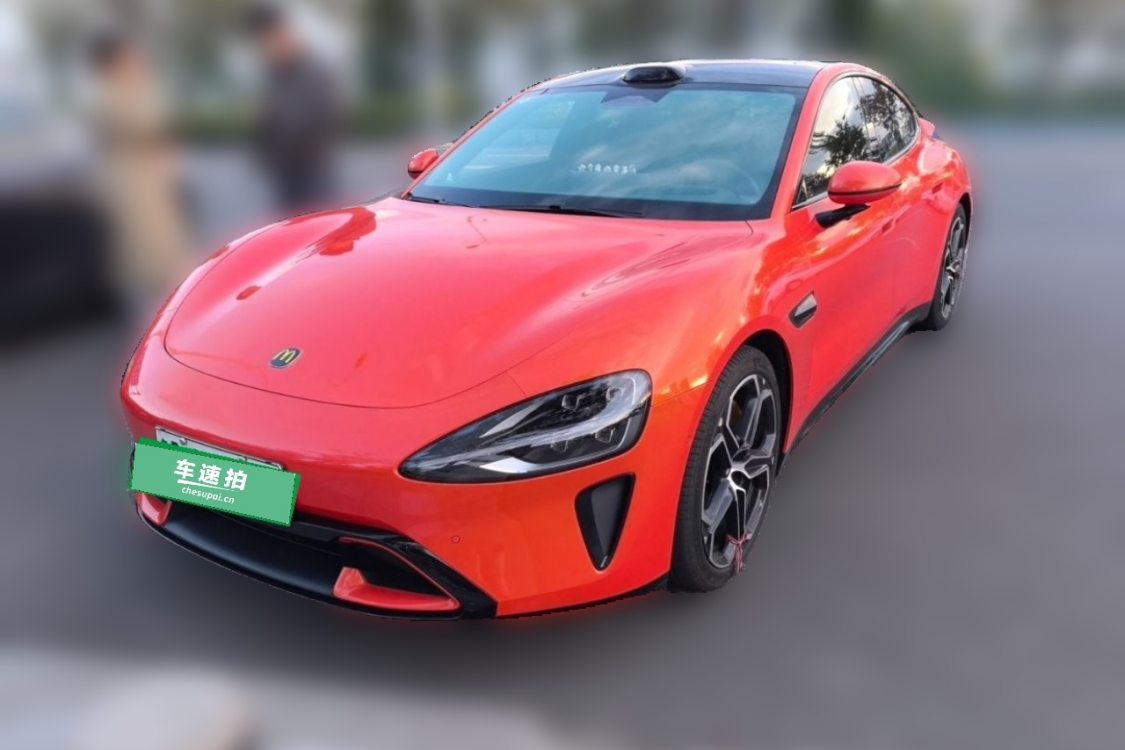
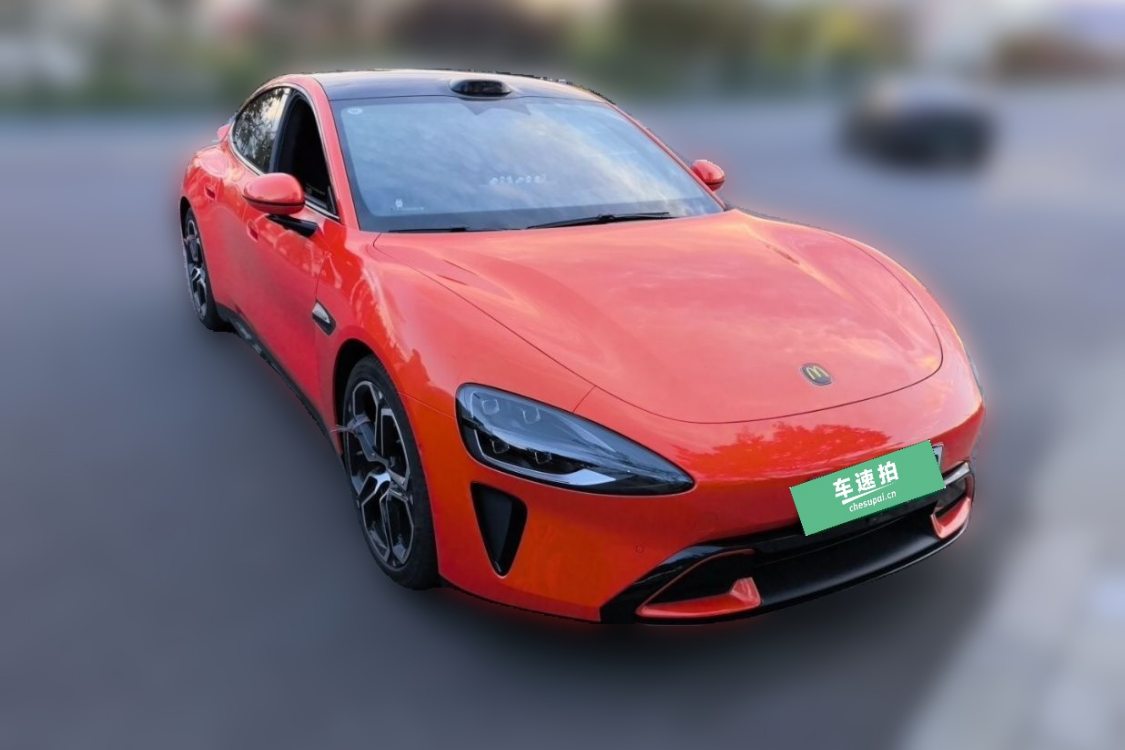
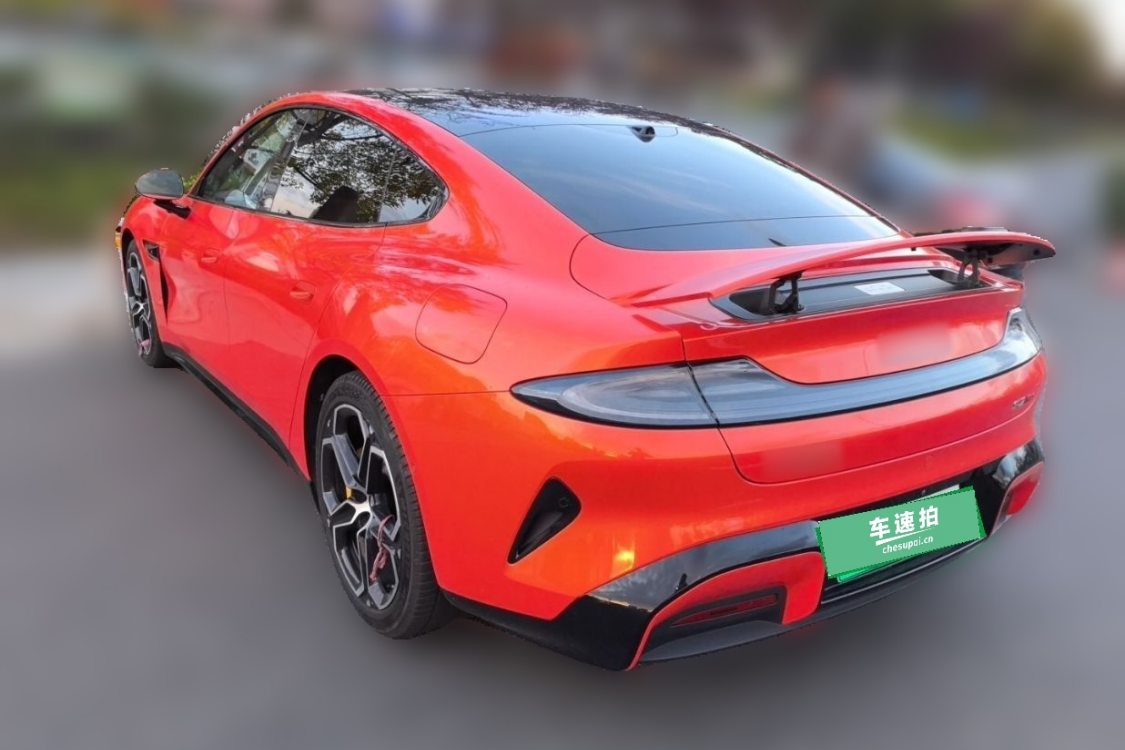
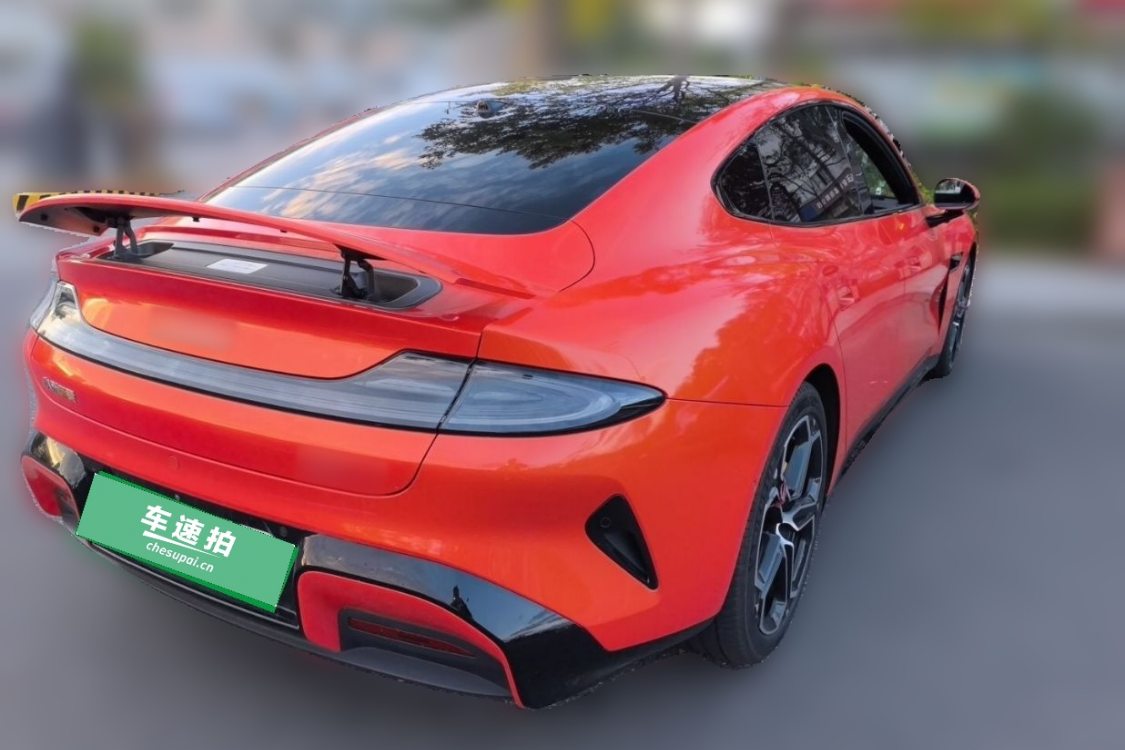



24H

Basic Information

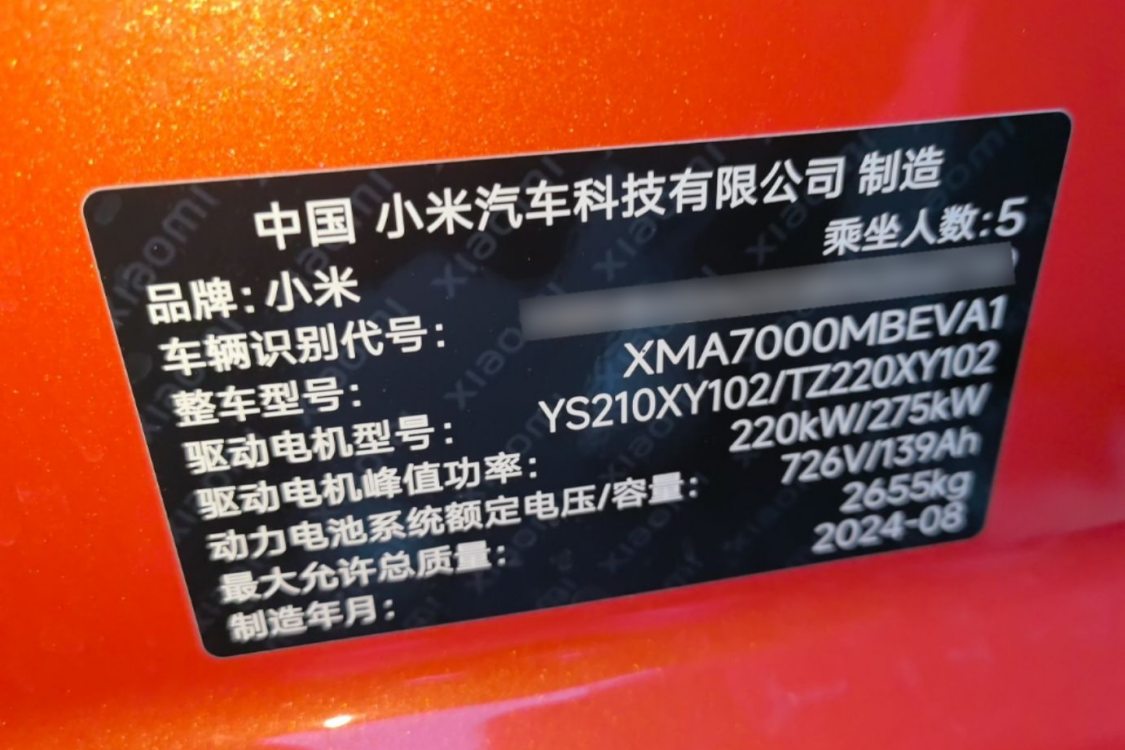
BrandMI
SeriesSU7
Year2026
First Registration2026/01
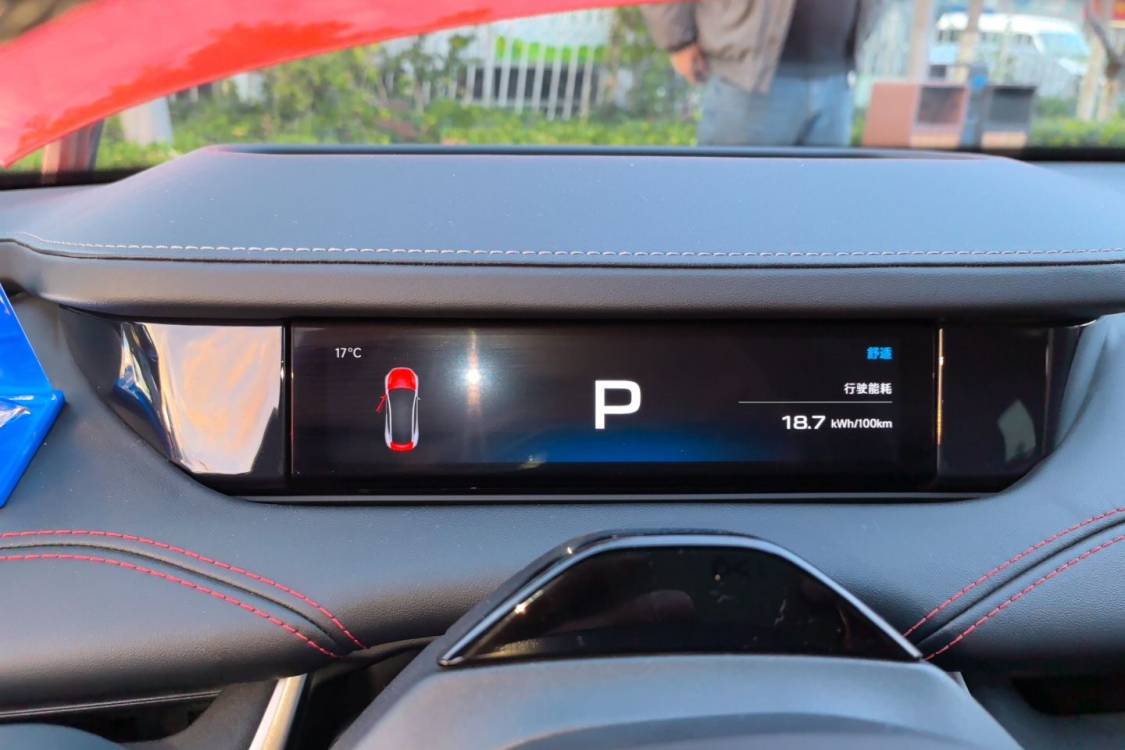
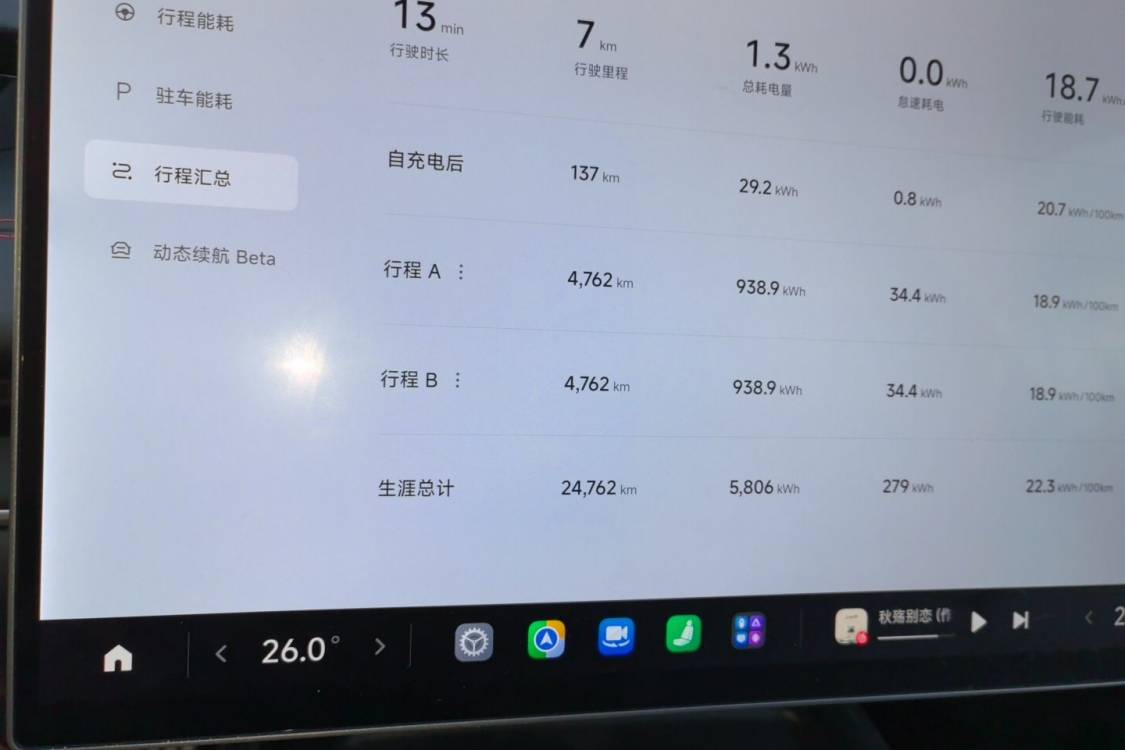
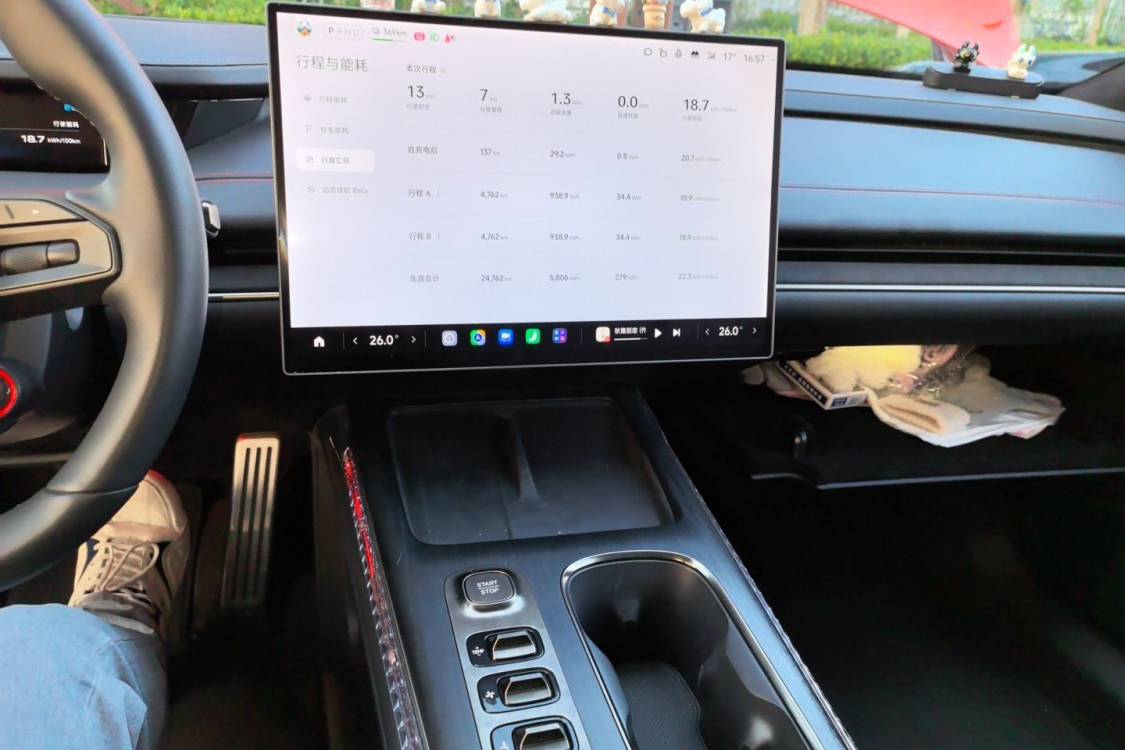
Mileage24,800km
Transfer Count-
FuelElectric
TransmissionOther
Engine-
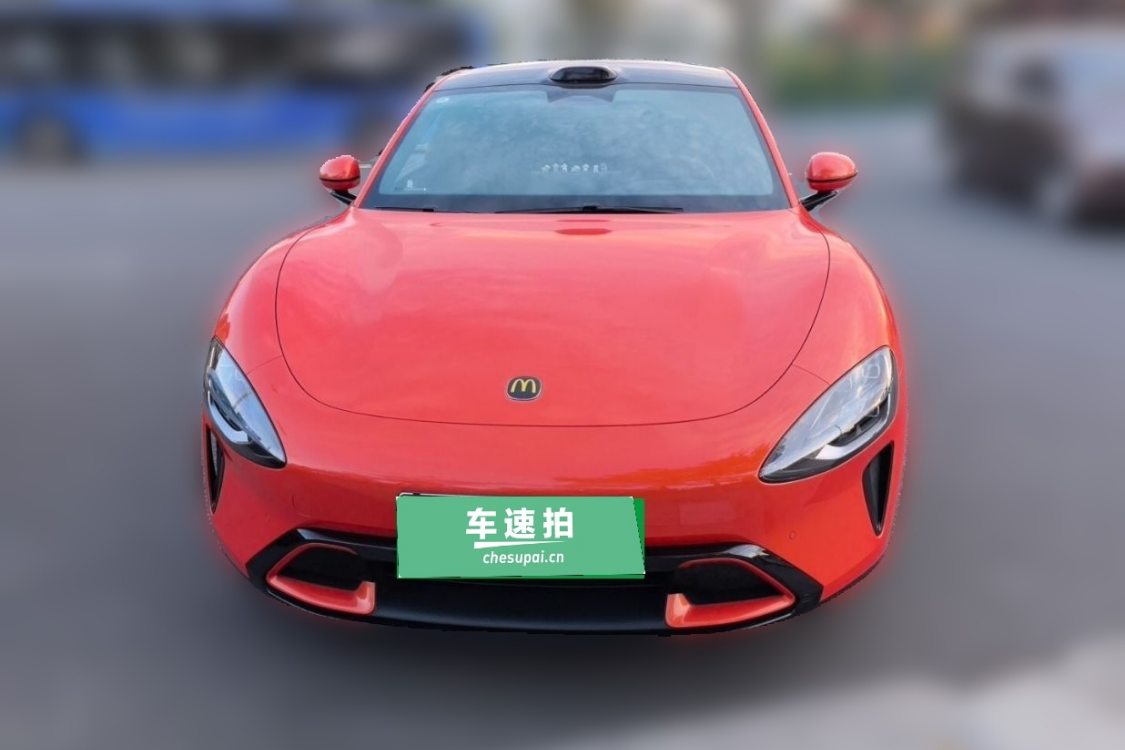
ColorRed
Seats5seats

Condition Description

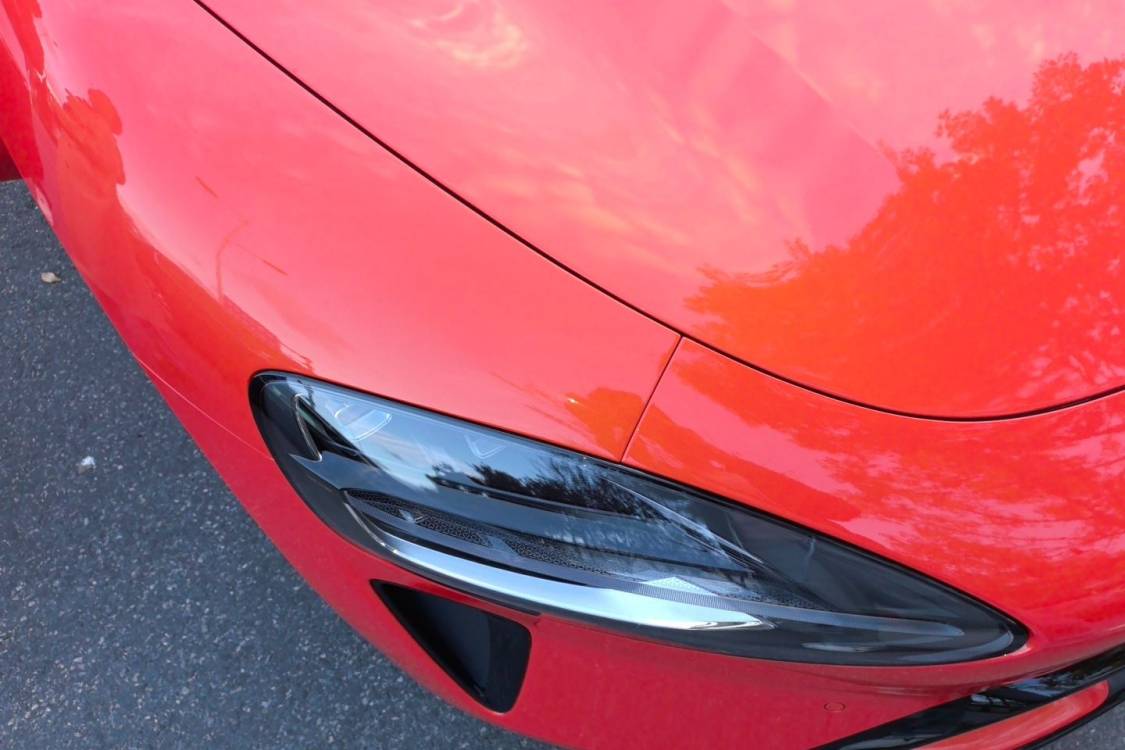
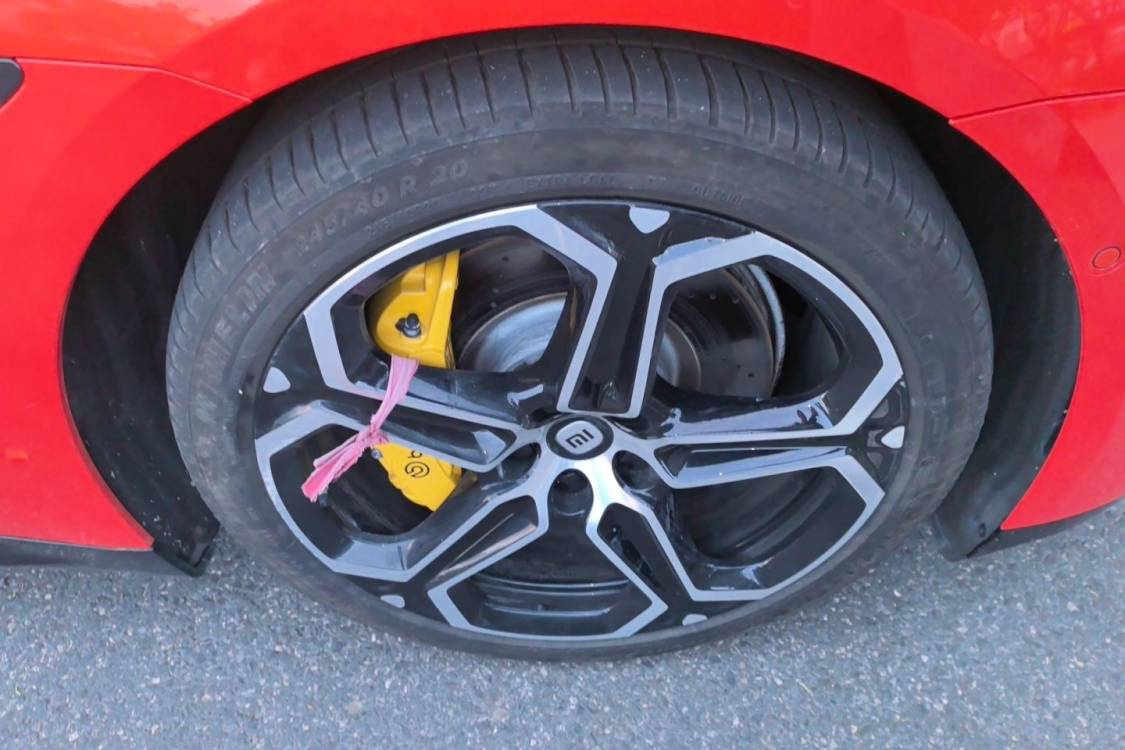
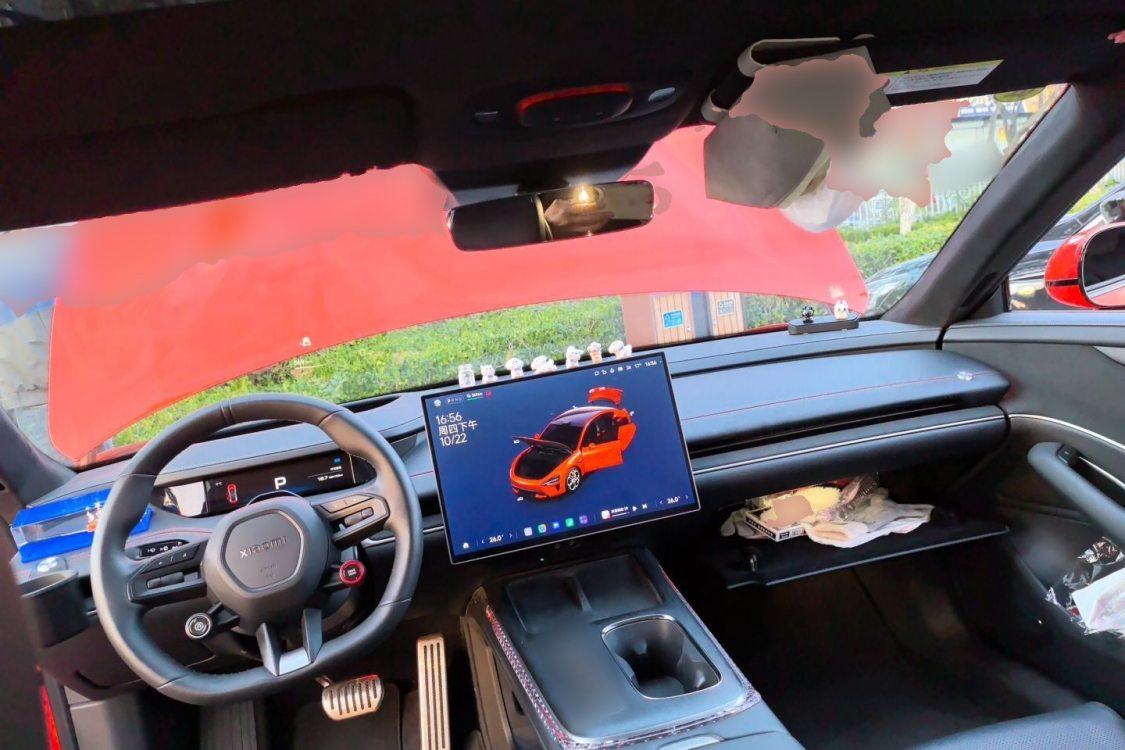
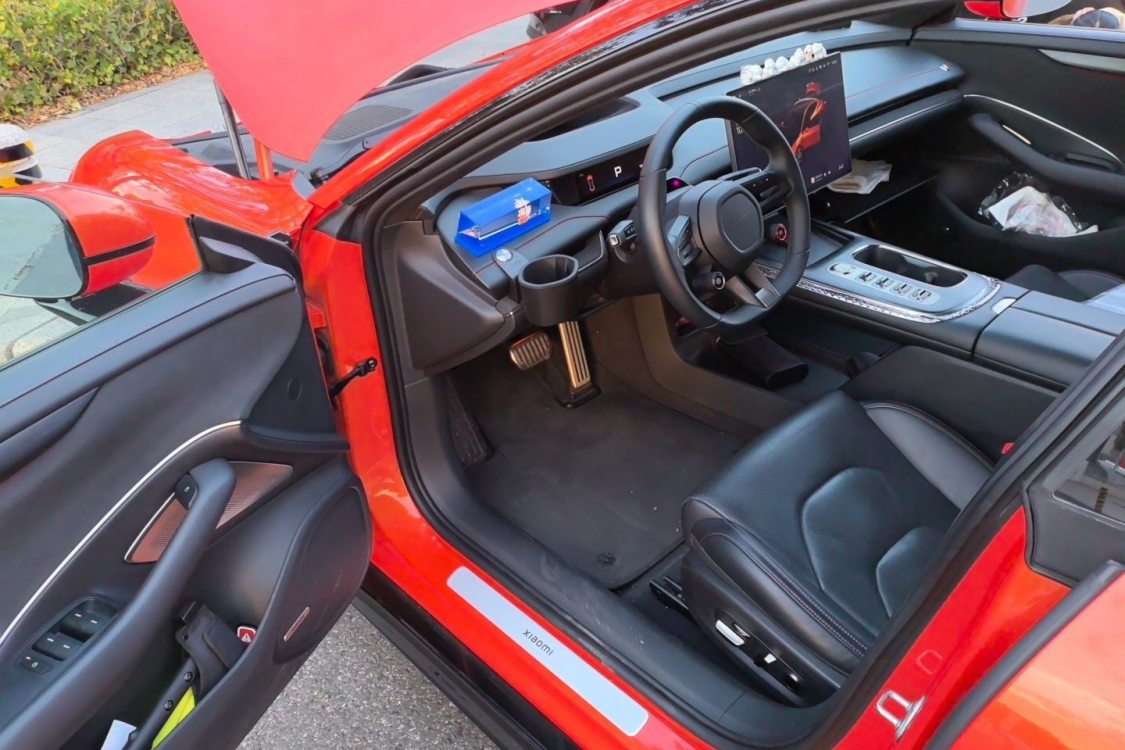
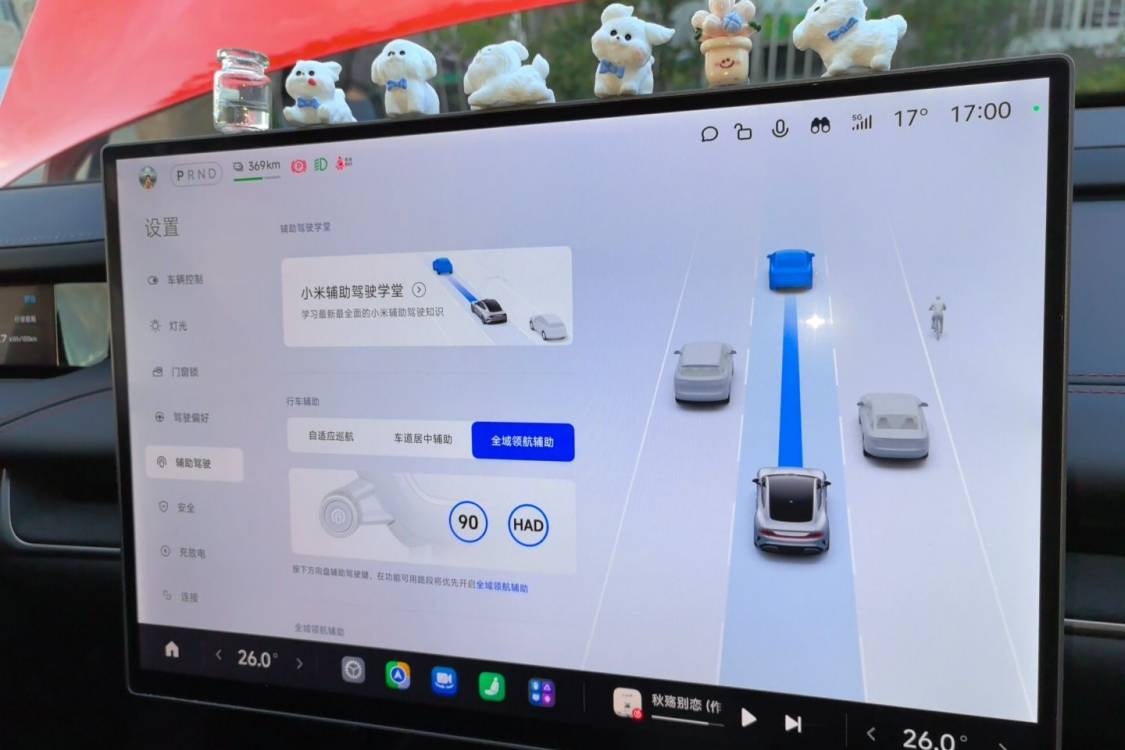
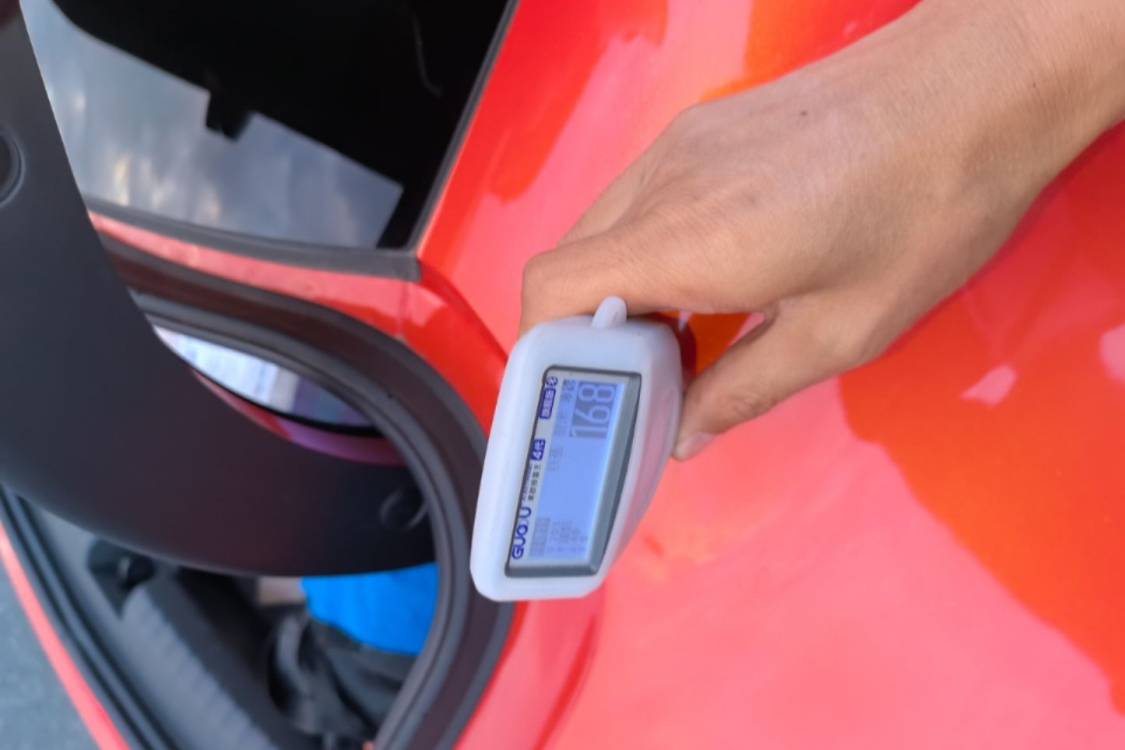
Localized body damage or repair marks present; no accident-related damage or repairs to structural or reinforcing components. Vehicle performance (including battery, motor, and electronic control systems) is degraded or limited.

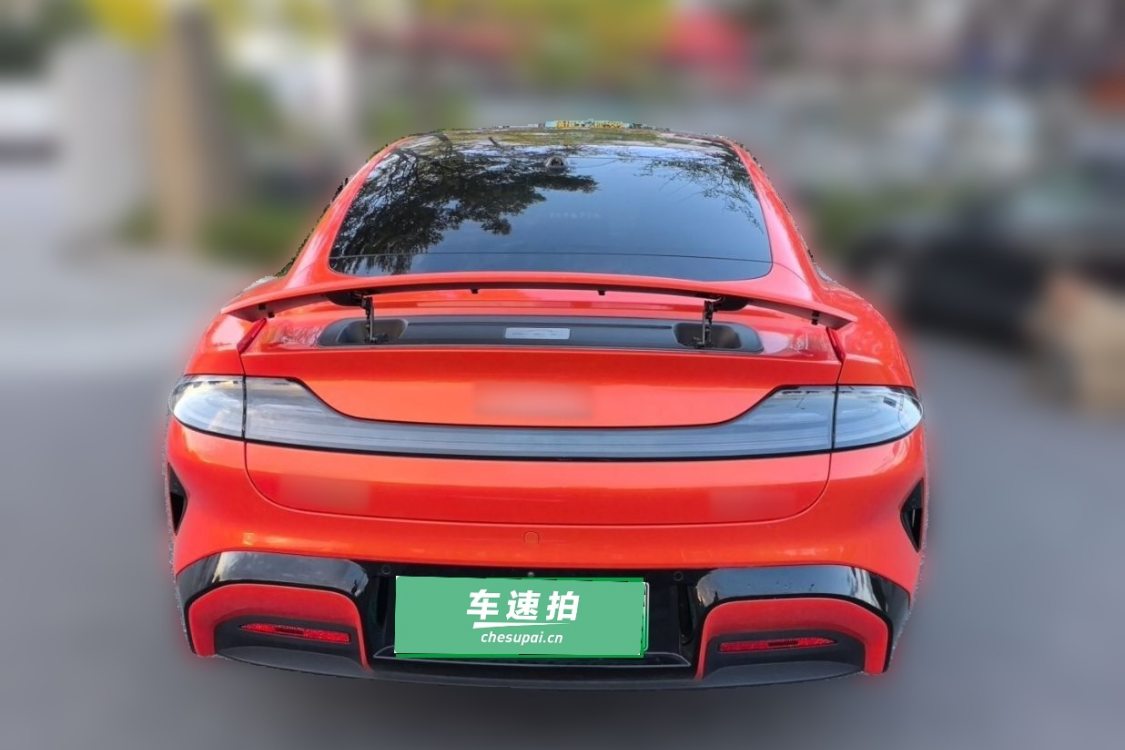
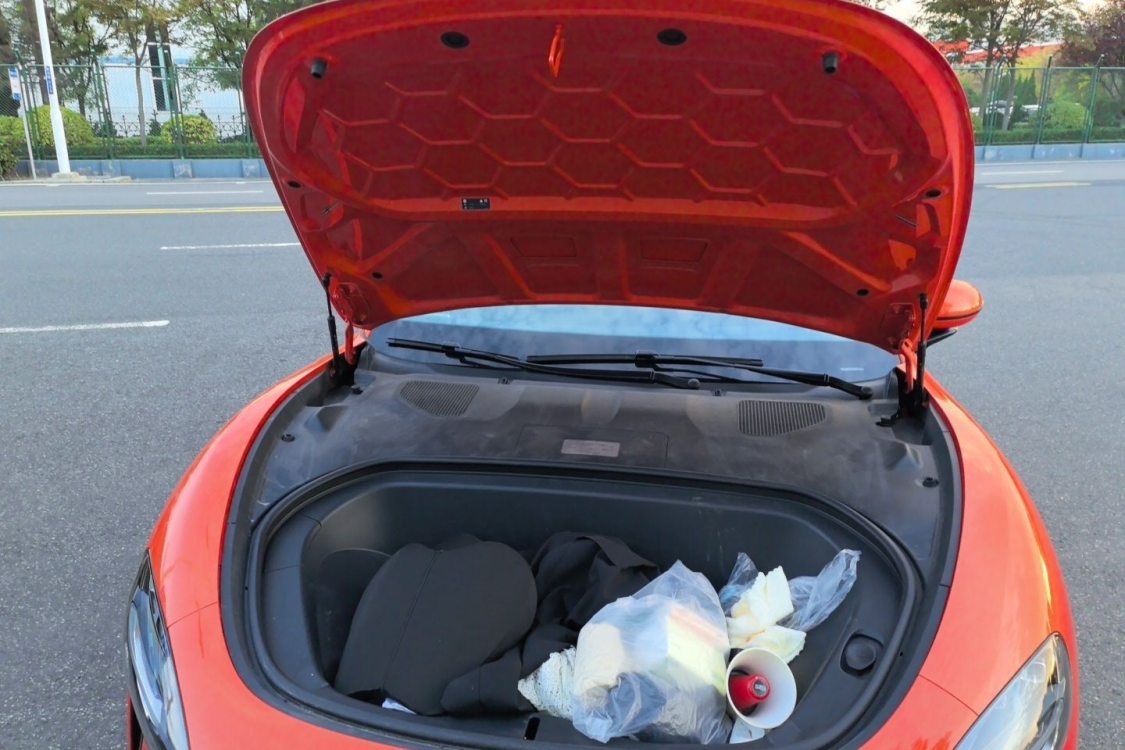
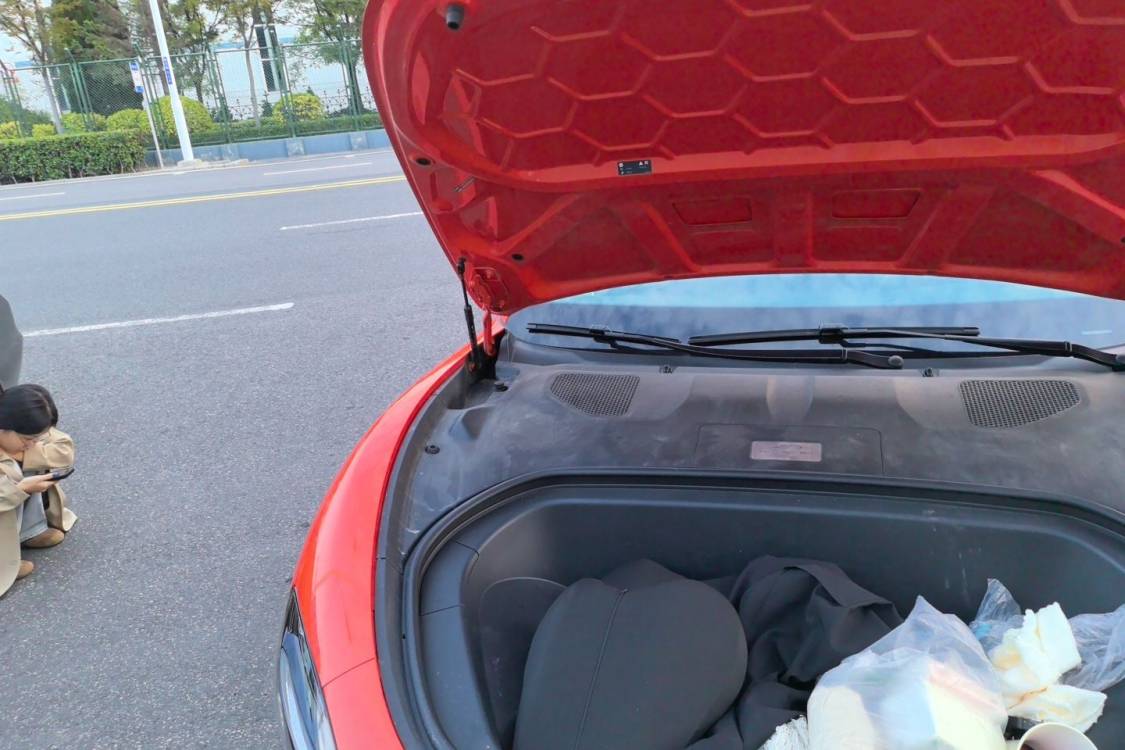
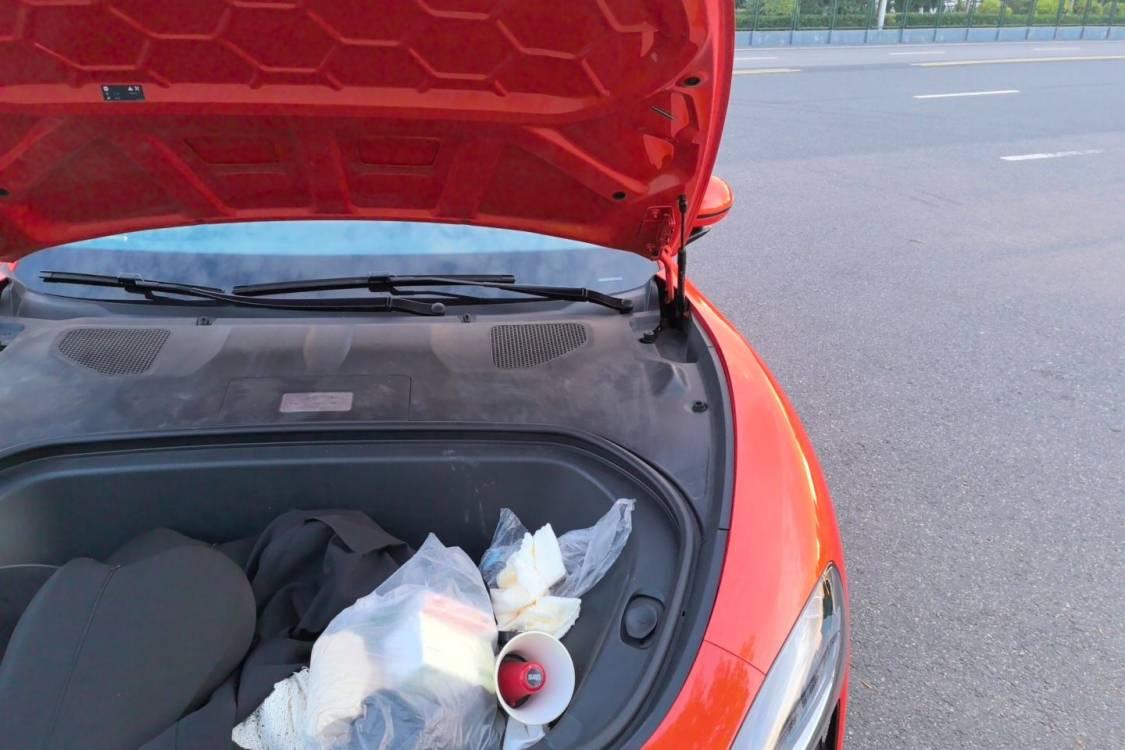
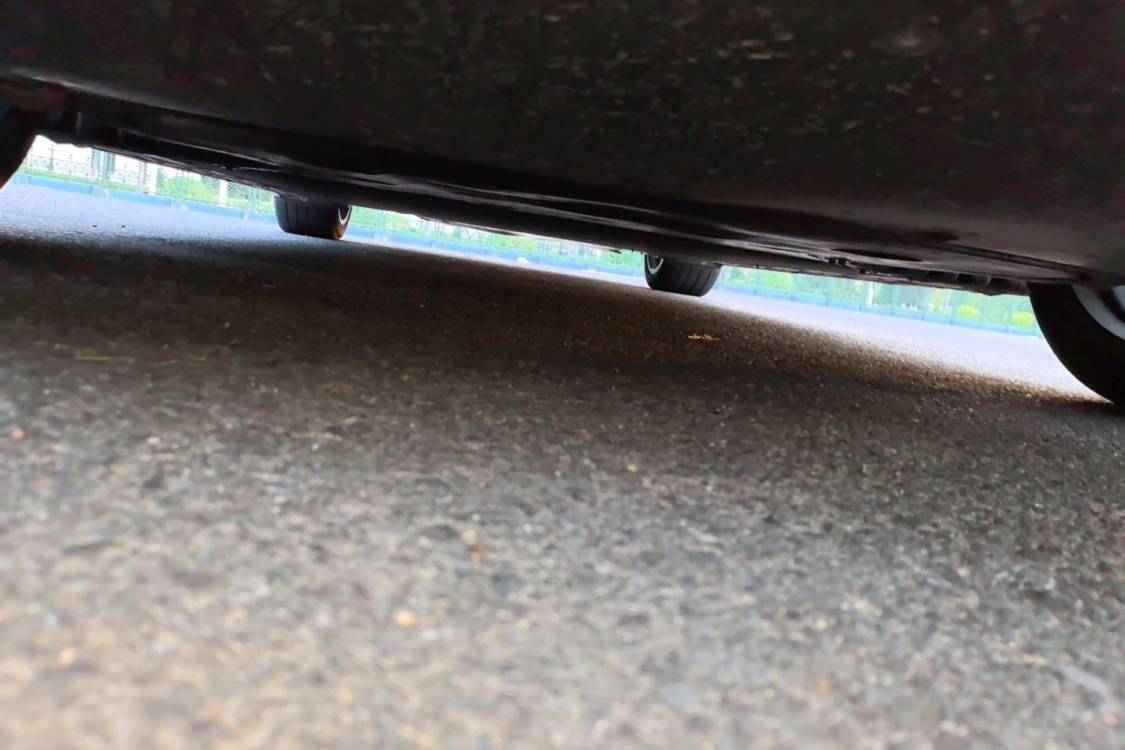
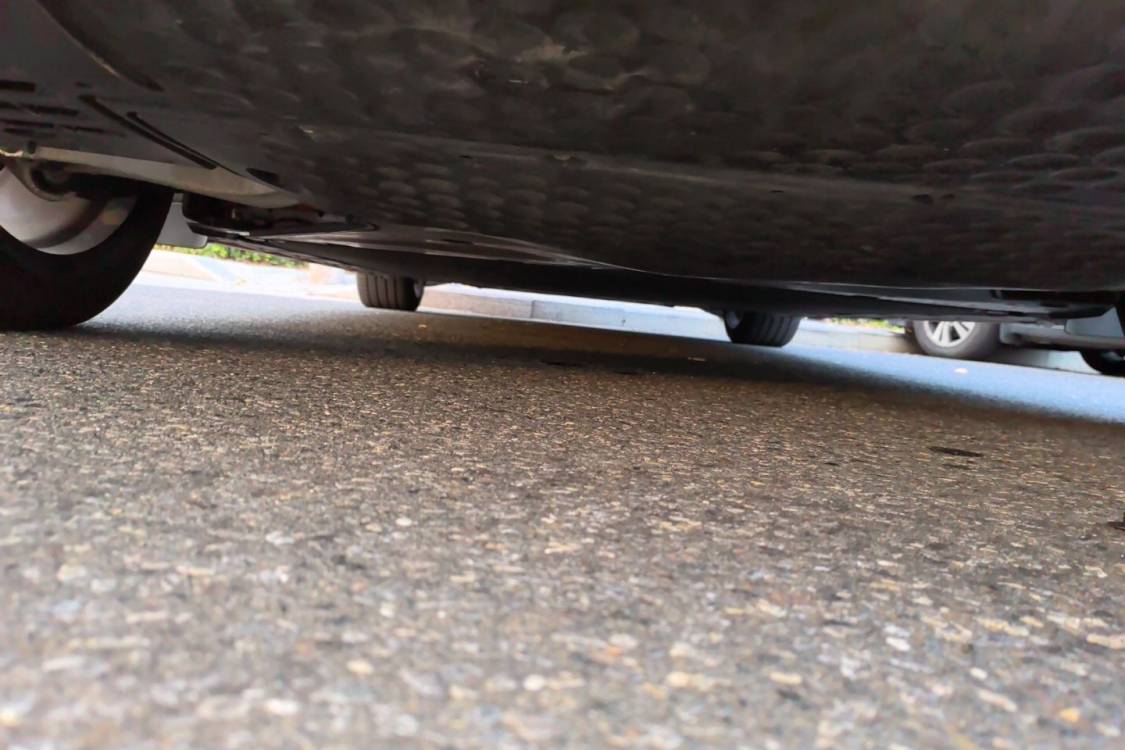
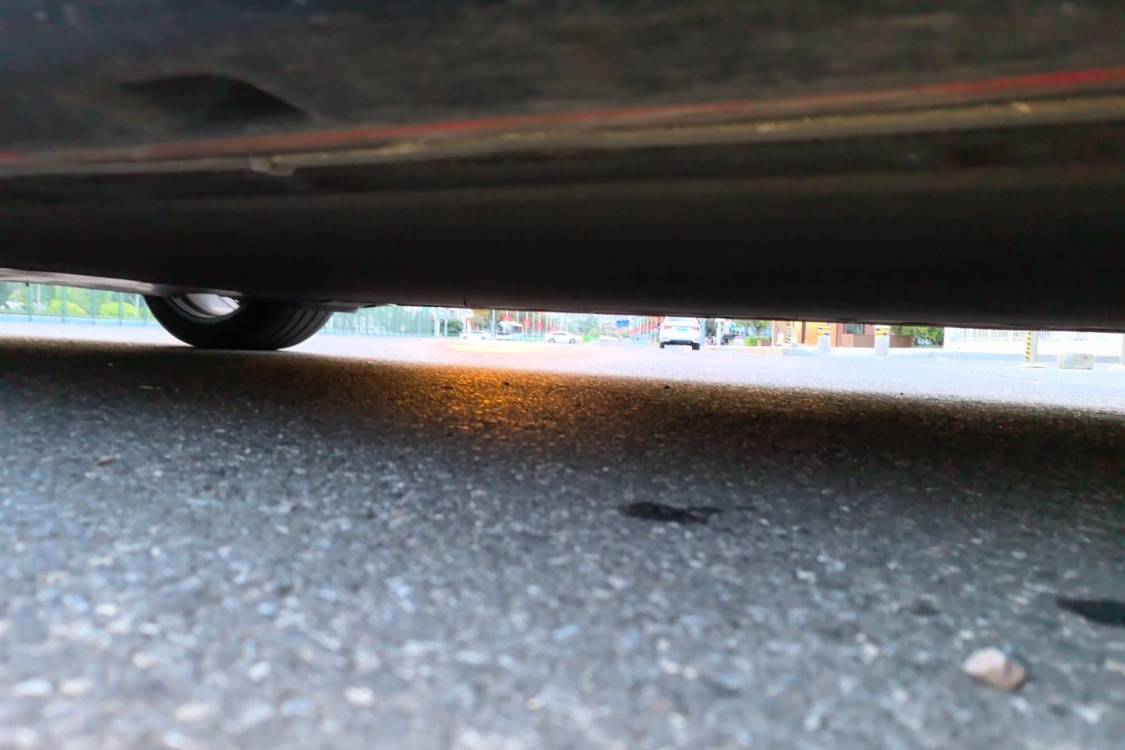
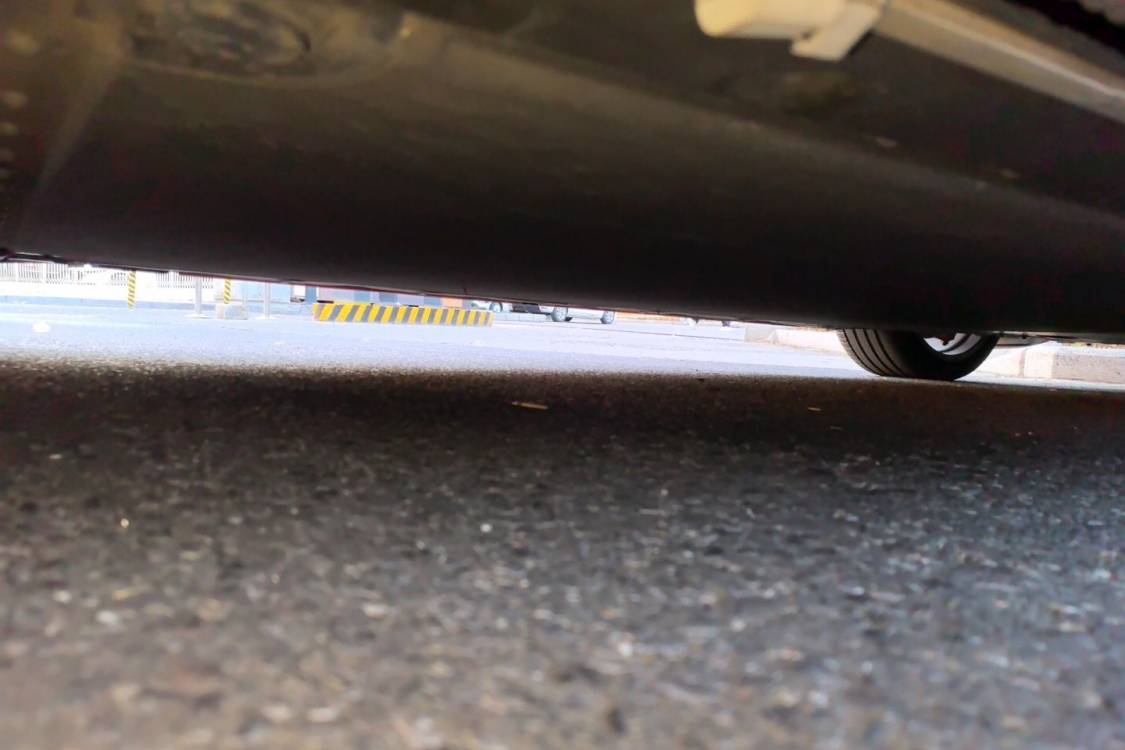
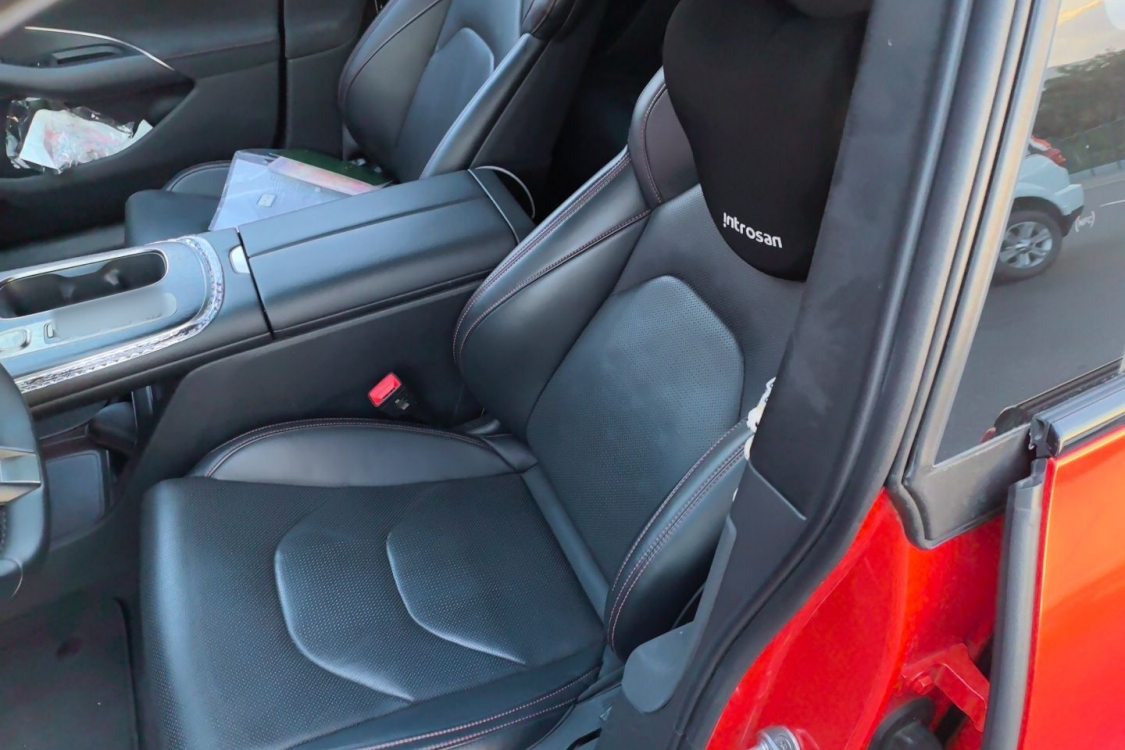
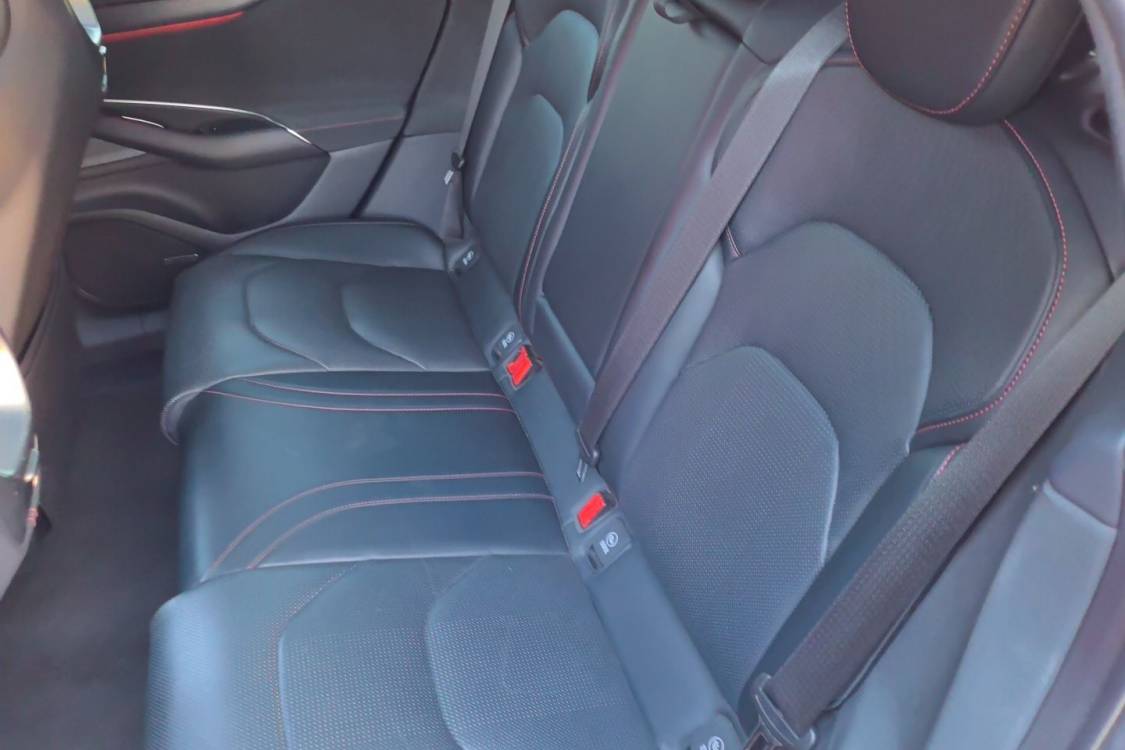
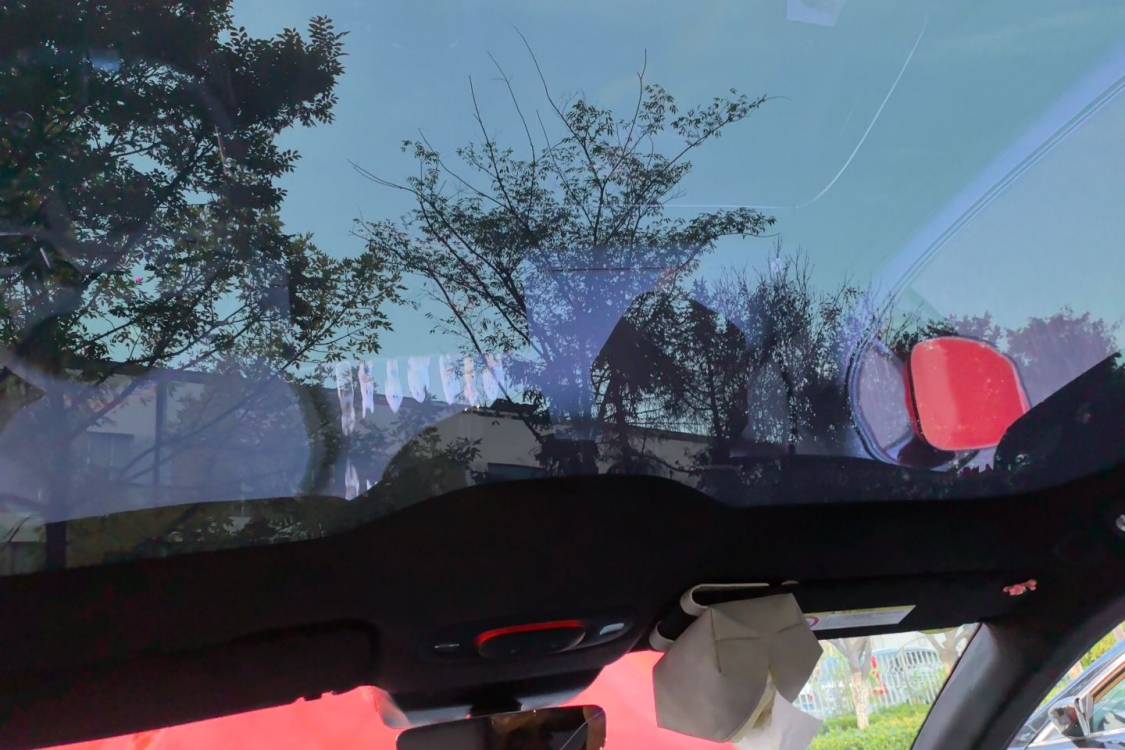
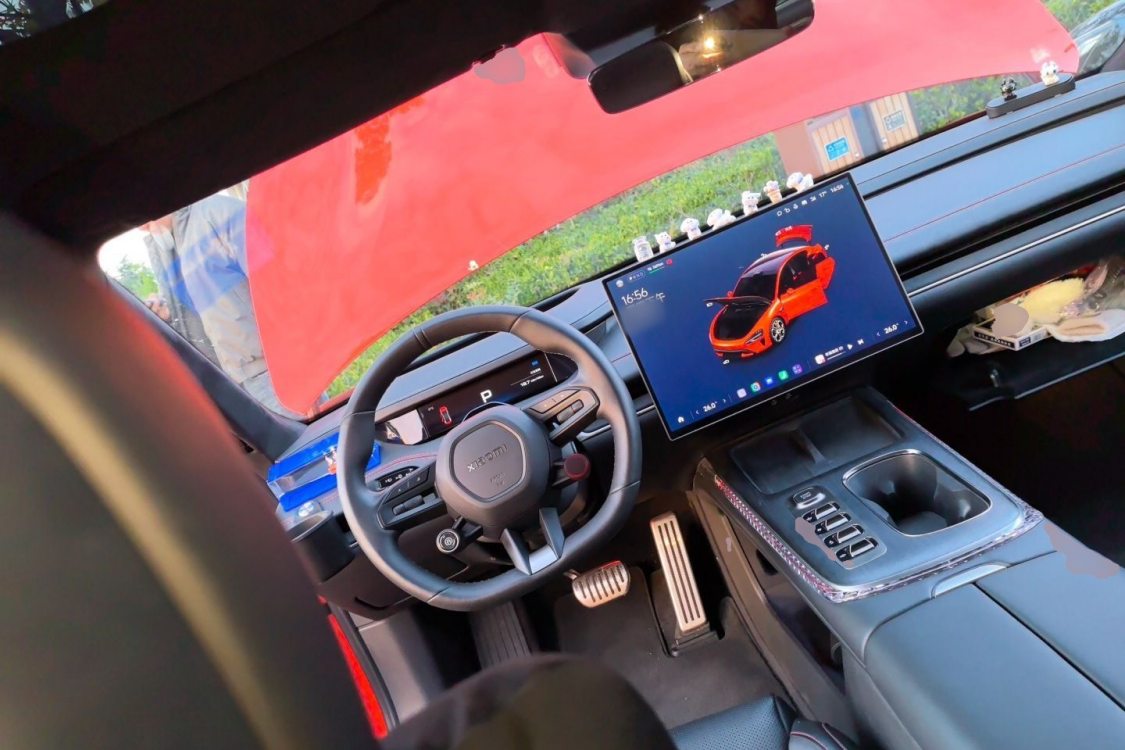
Accident inspection: main structure damaged, reinforcing components undamaged, panels damaged, hinges abnormal. Three-electric-system inspection: scratches on the bottom plate of the power battery pack. Engine bay inspection: key mechanical components in engine bay normal. Exterior: 1 replacement, 3 sheet metal repairs, 1 repaint. Interior: most features normal; airbags, seat belts, dashboard, instruments, and lighting system normal. Startup inspection: main components normal. Onboard tools: none.

电话直连
可讲价

Document Information

Inspection Expiry Date2028/01
Warranty Expiry Date-
Insurance Expiry Date2026/11

Q&A

More

If Chinese customs determines a vehicle to be a "scrapped vehicle" and prohibits its export during inspection, will the deposit be refunded?

Chinese customs strictly prohibits the export of assembled or cut vehicles that meet mandatory scrapping standards. Since our pre-inspection is very strict, this situation is highly unlikely. However, if the vehicle is detained and returned by customs due to a policy misjudgment, we will fully refund your deposit without interest, ensuring you bear no policy risk.


What is a battery SOH certificate and why does it matter when buying a used EV from China?

SOH (State of Health) measures the battery's remaining capacity as a percentage of its original capacity. Two EVs with the same mileage can have very different SOH depending on charging habits and climate exposure, and since the battery represents 30-50% of a used EV's value, the SOH number is effectively the real price tag. A proper certificate includes current SOH percentage, cell voltage balance, charge cycle counts, battery management system fault codes, and often a projected range estimate. In hot-climate markets like the Gulf, a degraded battery degrades even faster, so a documented SOH above 85-90% is strongly recommended. Exporters who provide verified SOH certificates close deals faster and command better prices, so treat the certificate as a core purchase document, not an extra.

Can I get spare parts for a Chinese-brand car in my country, and how do I order them from China?

Parts availability depends on the brand's official presence in your market, but even unsupported brands can be maintained through direct ordering. Check three channels first: the brand's official dealer network (if any), third-party importers who specialize in Chinese auto parts, and generic equivalents. For wear items like brake pads, filters, and wipers, aftermarket suppliers usually stock cross-references by VIN. For model-specific parts — headlights, sensors, control modules — order directly from China. Ask your exporter for the parts catalog by VIN, confirm OEM part numbers, and compare prices. A turbocharger that costs $900 from a local dealer often ships from China for $350 plus $80 freight. Practical tips: bundle multiple parts into one shipment to amortize freight; ask for DDP (delivered duty paid) pricing so customs clearance is handled; and always verify part numbers against your VIN before paying, as Chinese models have running changes mid-year. Keep a small stock of common wear parts — oil filters, air filters, spark plugs — to avoid a 4-6 week wait for routine maintenance.

MI SU7

[青岛.鲁B]小米汽车 小米SU7 2024款 四驱超长续航高阶智驾Max版

EXW: $34,848
Car CodeSWA1885400
Publish Date