

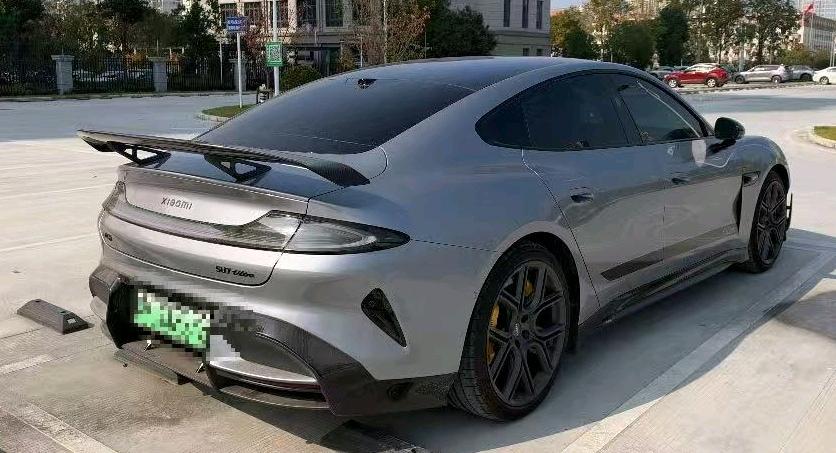
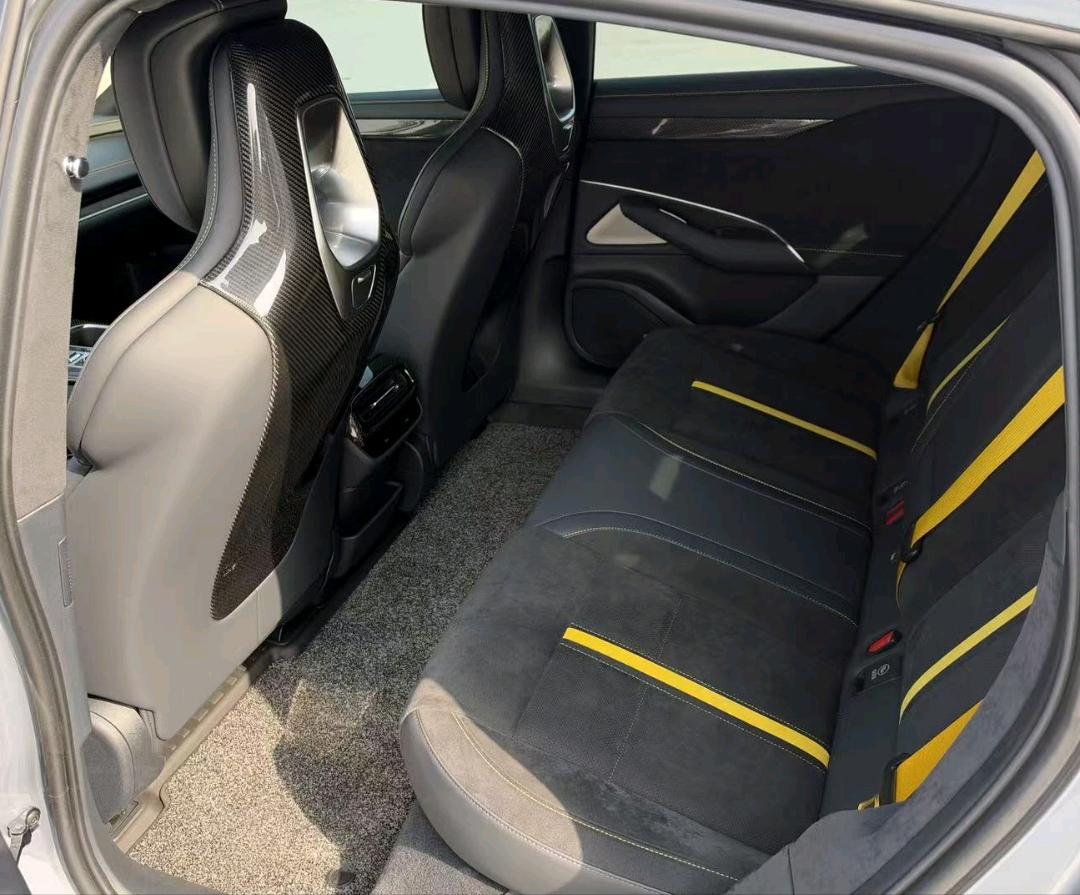



24H

Basic Information

BrandMI
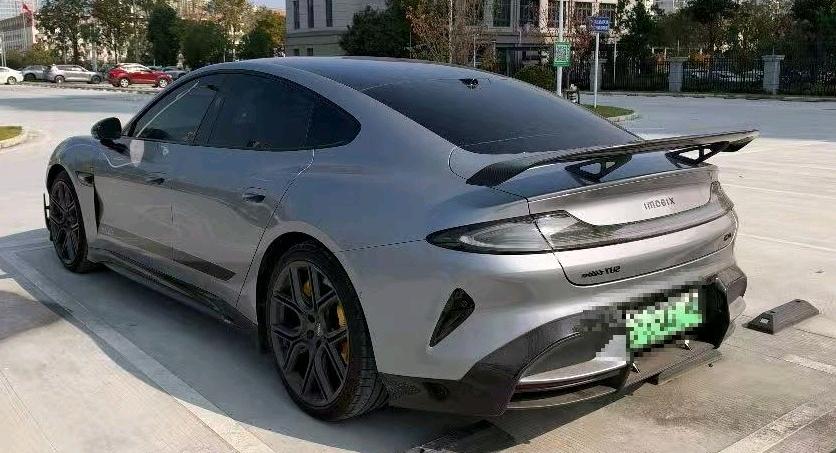
SeriesSU7 Ultra
Year2025
First Registration2025/08
Mileage15,000km
Transfer Count0times
FuelElectric
TransmissionOther
Engine-
ColorGrey
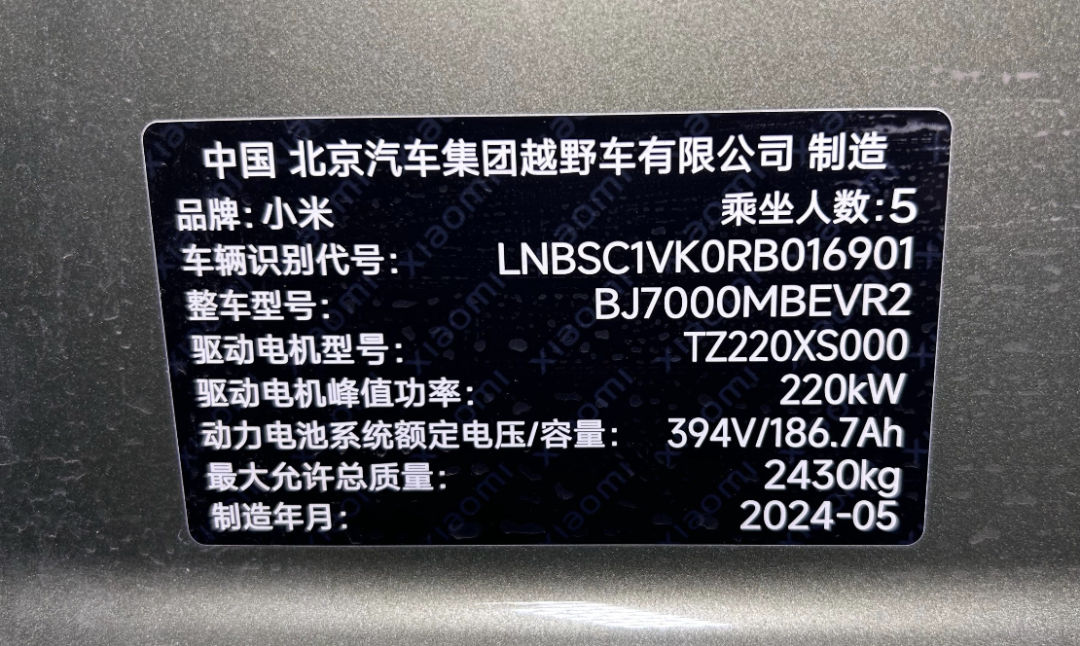
Seats5seats

Condition Description

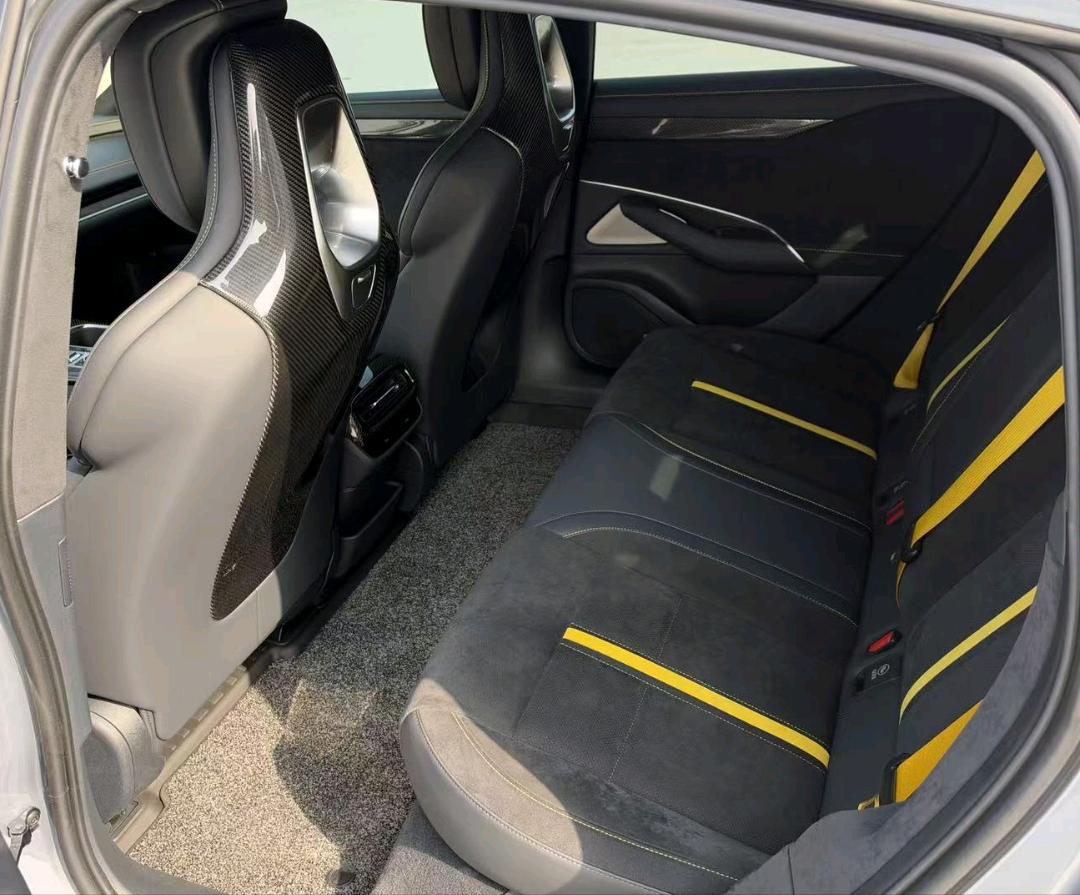
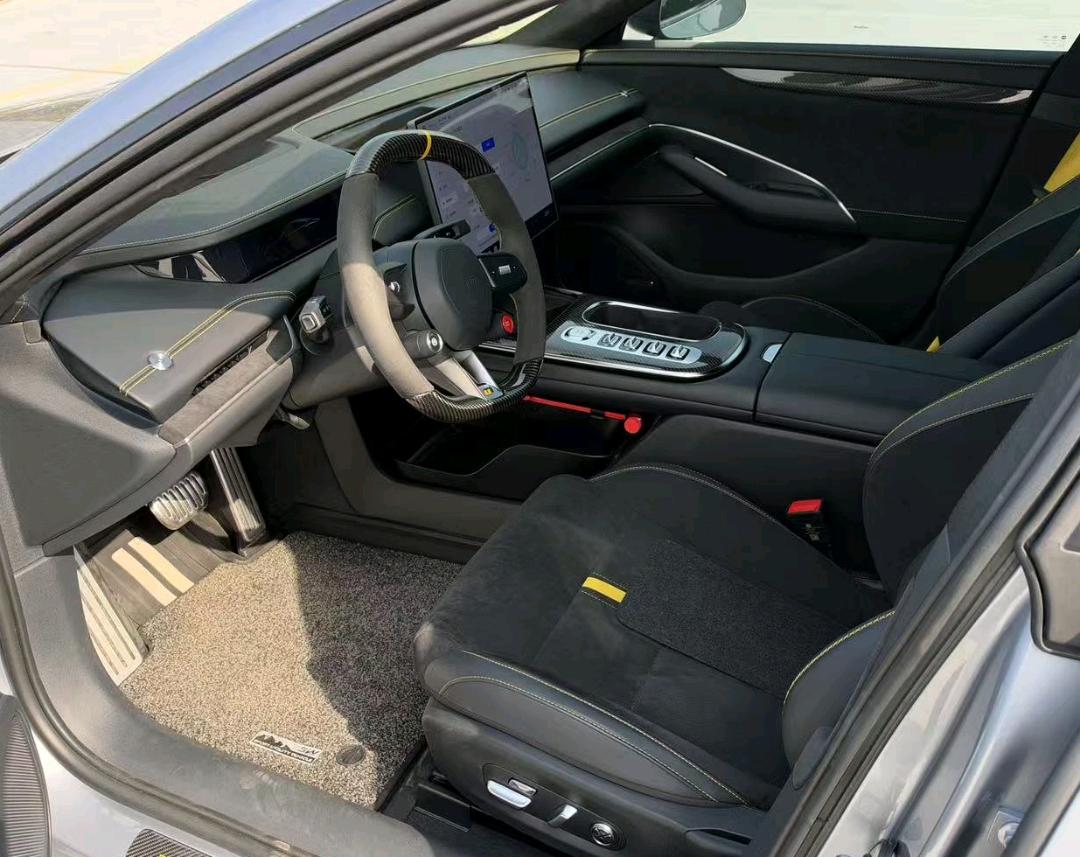
Average condition

One door replaced, other parts original

可议价
已上架
New
Wholesale

Configuration Highlights

✓品牌: 小米汽车
✓车系: 小米SU7 Ultra
✓车型: 小米SU7 Ultra 2025款 Ultra
✓能源类型: 新能源
✓发动机: 新能源
✓驱动方式: 三电机四驱
✓排放标准: 其他
✓指导价: 52.99万
✓纯电续航: 630km
✓电池容量: 93.7kWh
✓车源编号: 12810236
✓VIN: LNBS*******016901

Document Information

Inspection Expiry Date2027/11
Warranty Expiry Date-
Insurance Expiry Date2027/11

Q&A

More

How do I verify that a Chinese used car exporter is a legitimate registered company and not a middleman or scammer?

Start with the business license: every legitimate Chinese company has a Unified Social Credit Code. Ask for a copy and verify it on the National Enterprise Credit Information system or via your freight forwarder. Check that the business scope includes 'used car export'—this requires specific qualifications. Next, look for proof of substance: a real office or yard (verify via live video call, not pre-recorded), staff answering on Chinese business platforms like WeChat with consistent branding, and a corporate bank account in the company's name—never pay a personal account. Cross-check trade history: ask for recent shipping documents (blurred bills of lading with customer info hidden), references from buyers in your region, and whether they hold export licenses issued by Chinese commerce authorities. Red flags: prices far below market, pressure to pay quickly, refusal of video calls, or bank accounts in third countries 'for convenience'. Take your time—real exporters pass these checks easily.


How do I calculate the true total landed cost of importing a used car from China before I commit?

Work backwards from the car's price at the destination, not the seller's quote. Add these layers: 1. Vehicle price: negotiated with the exporter, usually FOB (free on board) China port. 2. Inland China costs: transport to port, export customs clearance, and documentation fees. Ask whether these are included in the FOB price or billed separately (typically $200–500). 3. Freight: ocean shipping to your port. RoRo is cheaper ($800–1,500); a 20ft container costs $1,200–2,500 depending on route. Add BAF/PSS surcharges, which fluctuate monthly. 4. Insurance: usually 1–2% of (vehicle value + freight) for all-risk cover. 5. Destination charges: port handling, terminal fees, customs duties, VAT/GST, and homologation or inspection fees. These vary enormously by country — in some markets duties alone add 30–80% of the car's value. 6. Local delivery: trucking from the port to your city. Get a written itemized estimate from a licensed customs broker in your country before paying any deposit. Rule of thumb: add 40–70% on top of the FOB price for most African and Latin American destinations, 20–35% for GCC countries.

How can I verify the odometer reading is genuine on a Chinese used car from abroad?

Odometer fraud exists everywhere, but cross-checking several data points makes it hard to fake: 1) Maintenance records: ask for service history with mileage entries. Gaps or resets are red flags. 2) Tire wear: a car showing 30,000 km should not have nearly bald tires. Compare tread depth against the claimed mileage. 3) Pedals, steering wheel, and seat bolsters: heavy wear on these with low odometer readings is a classic mismatch. 4) Diagnostic scan: request an OBD readout. Many control modules store mileage data internally — if the ECU shows 120,000 km while the dash shows 40,000, you have your answer. 5) Vehicle history report: in China, apps and platforms can pull insurance claim records and registration history, which often reveal the true mileage trail. Always request a live video showing the odometer with the engine running, and have the number written into your contract.

MI SU7 Ultra

小米SU7 Ultra 2025款 Ultra

-
Car CodeSWA1919074
Publish Date2026/11/23
