









Basic Information

BrandNissan
SeriesQashqai
Year2022
First Registration2022/06
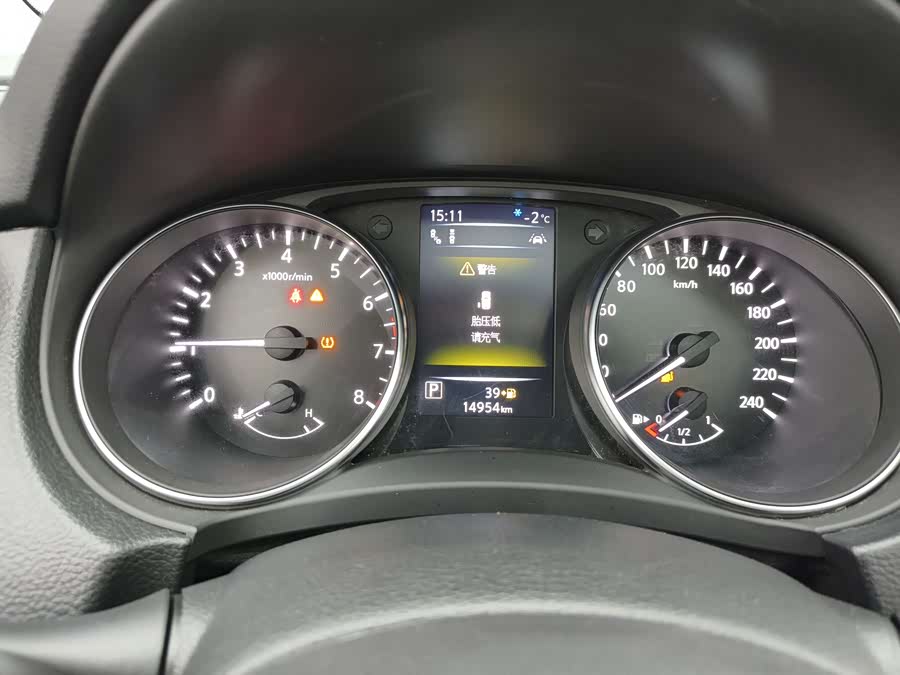
Mileage15,000km
Transfer Count1times
FuelGasoline
TransmissionCVT
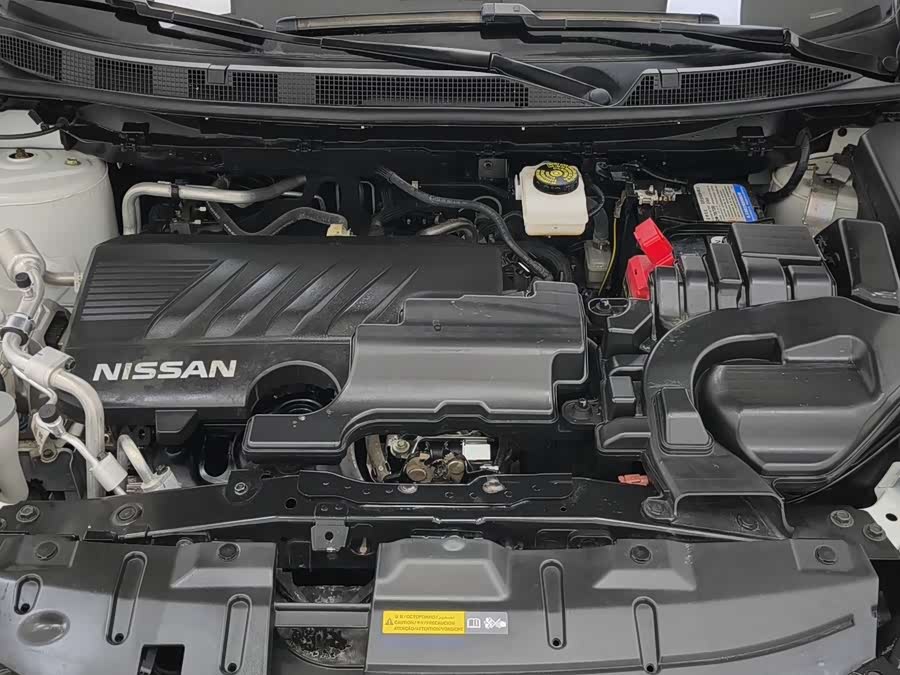
Engine2.0L 151 L4
ColorWhite
Seats-

Condition Description

very good

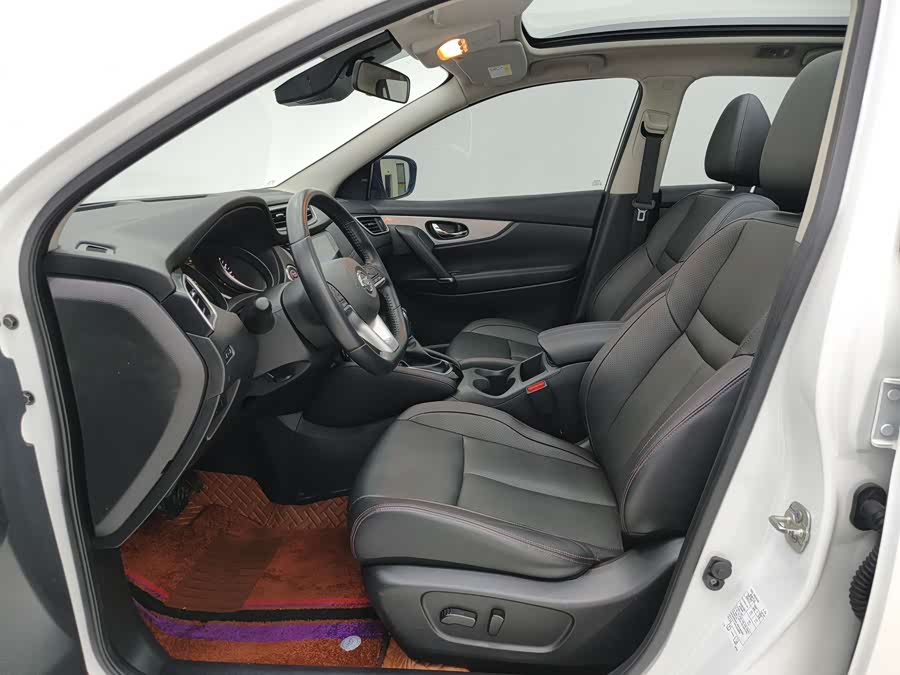
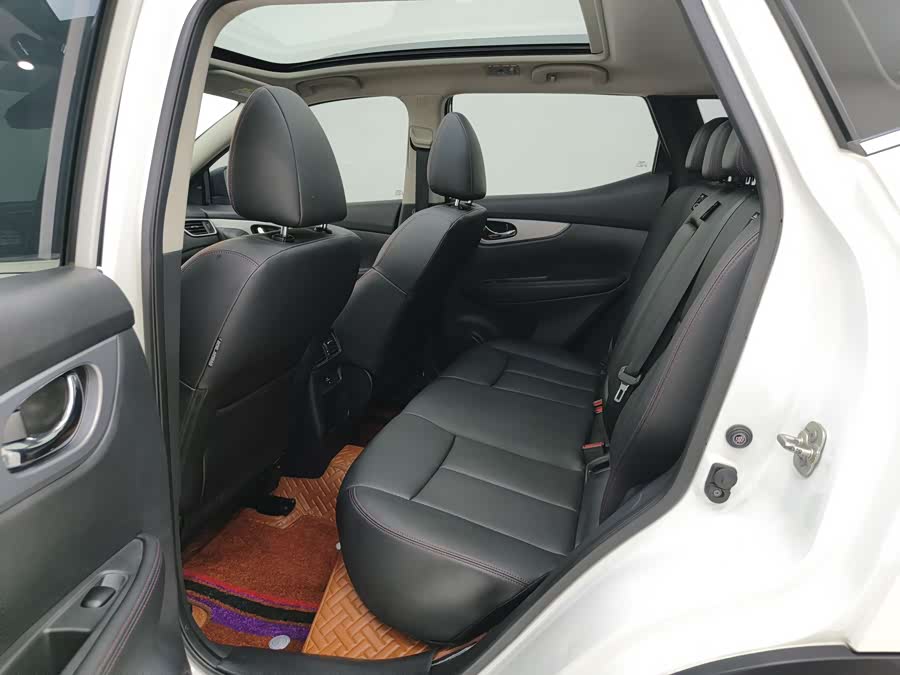
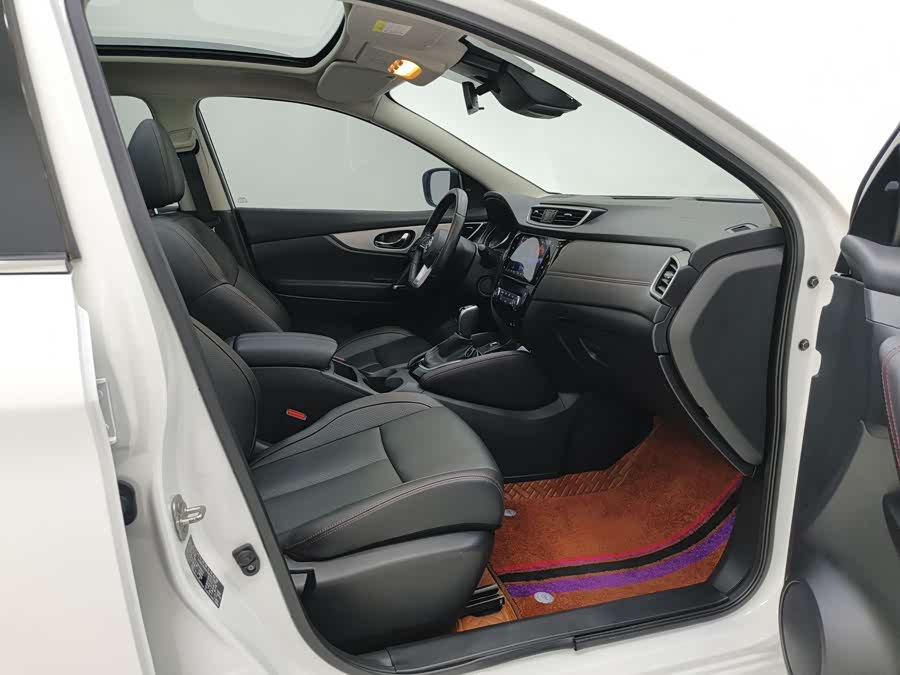
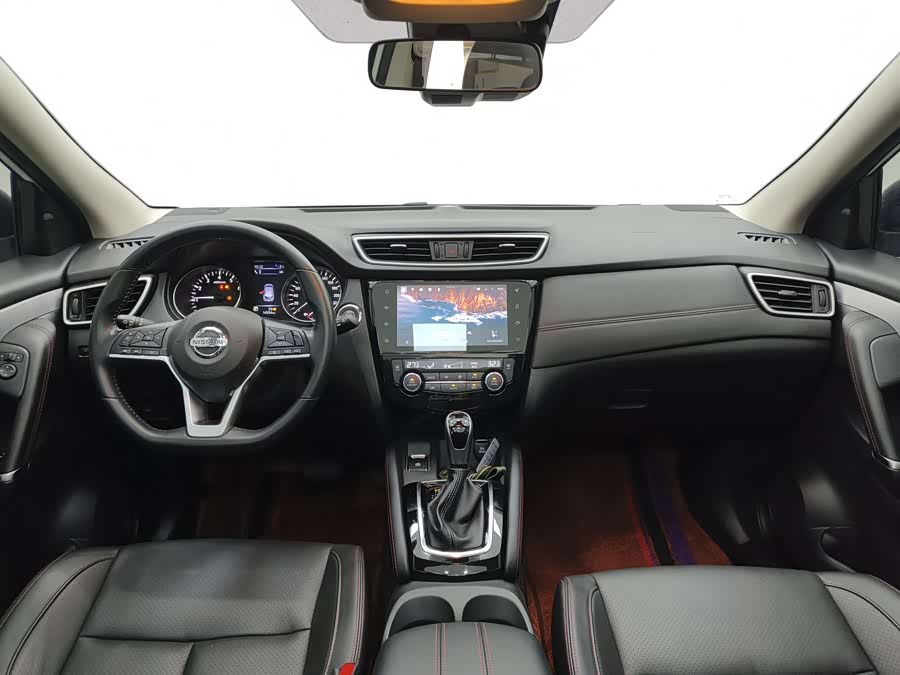
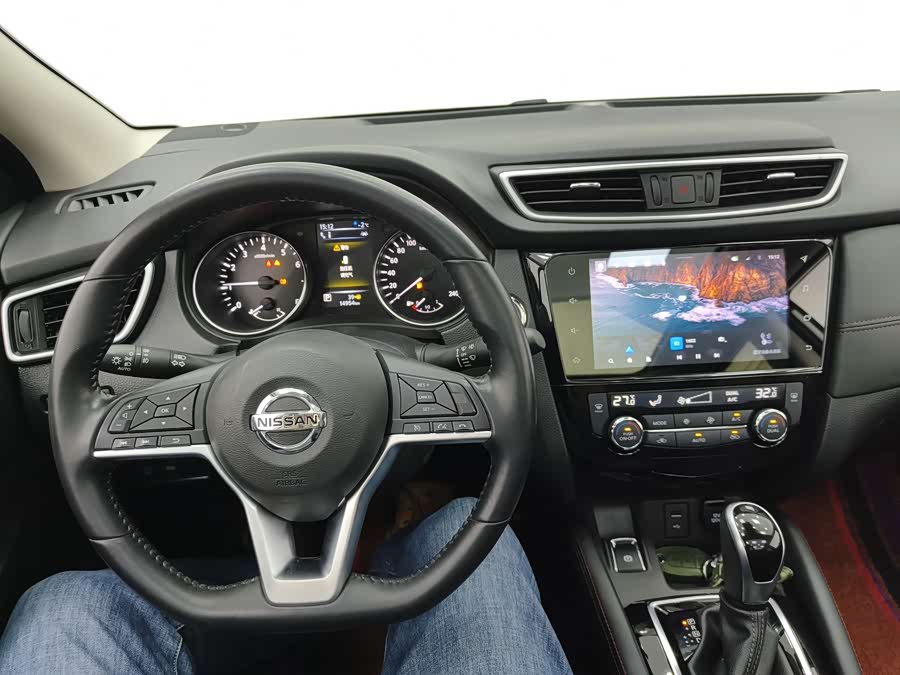
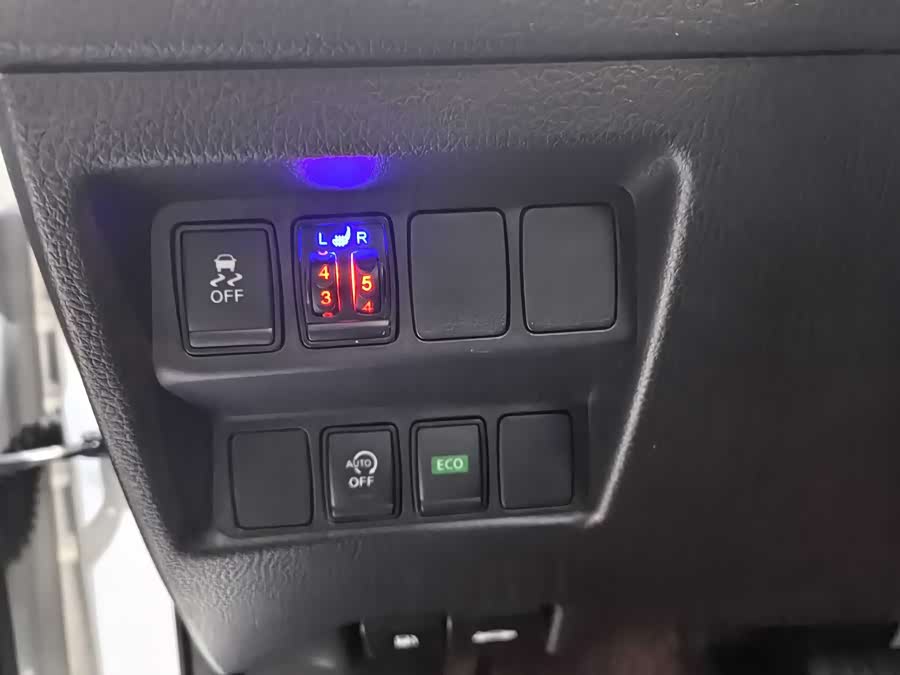
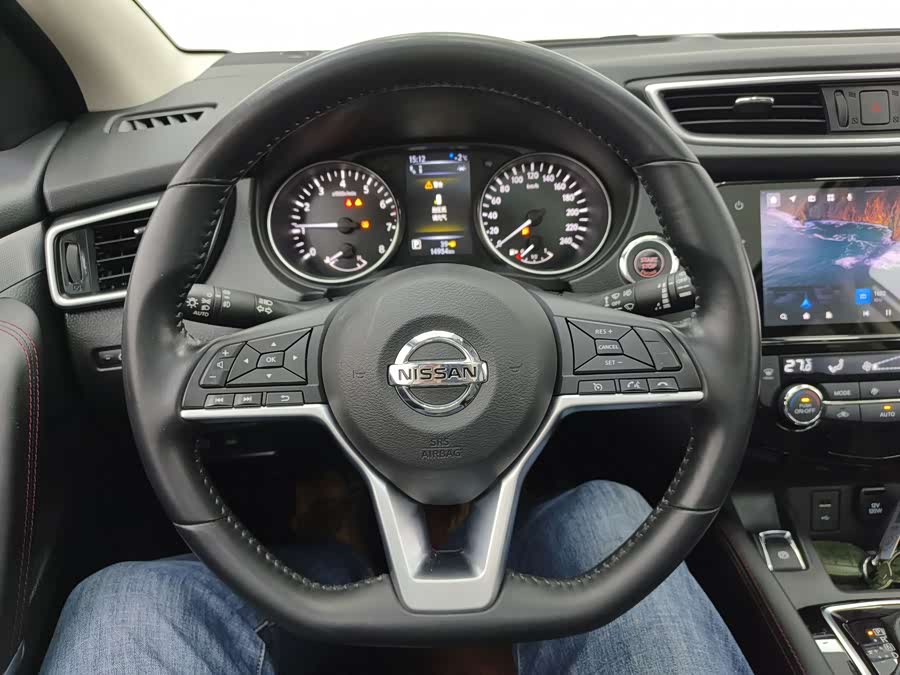
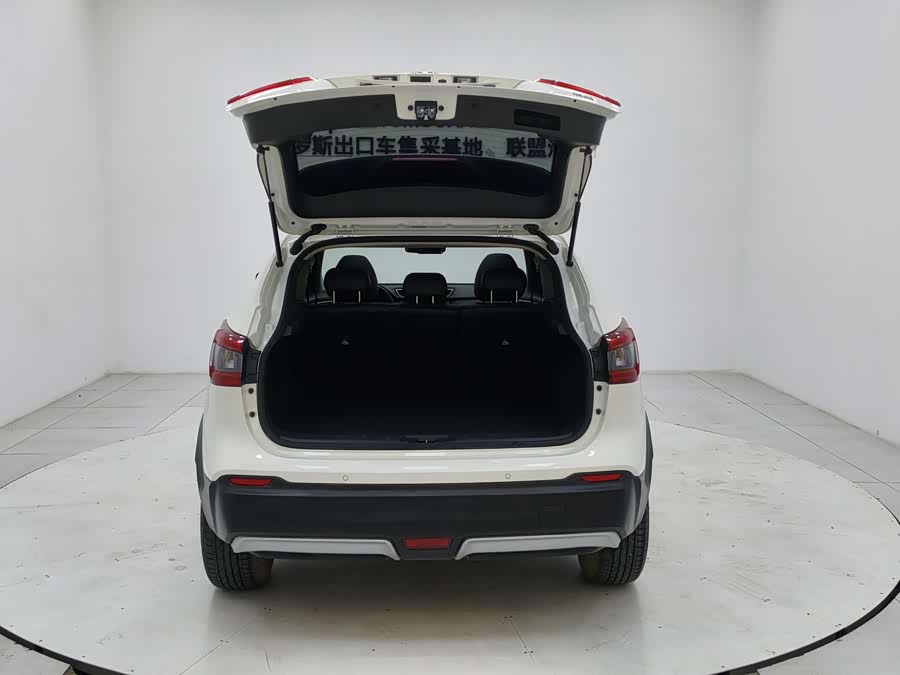
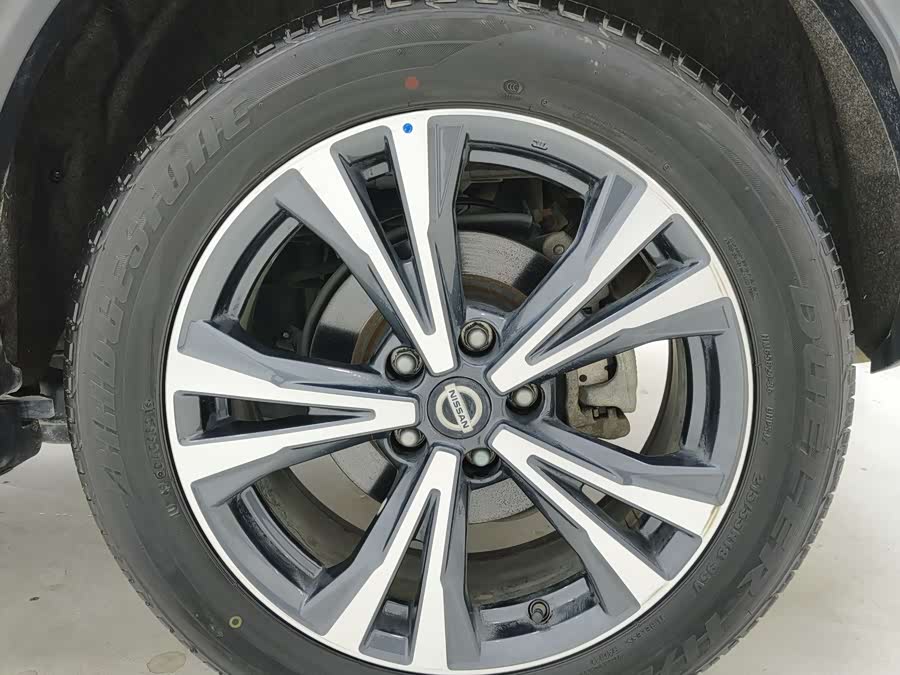
【Vehicle Identification Number】013395 【Vehicle Name】Nissan Qashqai 2022 2.0L CVT XV Prem. Luxury Edition 【Drive Type】2WD 【Color】White 【Manufacture Date】January 2022 【Mileage】14,954 km 【Engine Displacement】2.0L 【Insurance】September 2026 【Keys】2 【Origin】Harbin 【Condition】Original Paint 【Vehicle Configuration】Nissan Qashqai 2022 2.0L CVT XV Prem. Luxury Edition, Original Paint, Low Mileage, 360° Camera, Panoramic View Camera, LED Headlights, Keyless Entry, Push-Button Start, Multifunction Steering Wheel, Automatic Headlights, Rear Air Conditioning Vents, LCD Central Control Screen, Rear Parking Sensors

Configuration Highlights

✓Blind Spot Assist
✓Lane Departure Warning
✓Active Safety System
✓ISOFIX Child Seat Anchors
✓Keyless Start System
✓Active Grille Shutters
✓Built-in Dashcam
✓Bluetooth/Hands-free
✓Connected Car
✓OTA Updates
✓PM2.5 Air Filter
✓Rear Air Vents

Accident & Maintenance Records

Accident Record

🔗 Open Link

Maintenance Record

🔗 Open Link

Document Information

Inspection Expiry Date2026/06
Warranty Expiry Date-
Insurance Expiry Date2026/06

Q&A

More

How do you detect carbon buildup and wear inside the engine using technology without deep disassembly?

We use two steps: 1. Insert a medical-grade endoscope through the spark plug hole to visually inspect cylinder wall scratches and carbon buildup on the piston top; 2. Extract an engine oil sample to check for large metal debris or emulsification (caused by coolant leakage).


What are the common issues with this car? Has this car resolved them?

We will honestly inform you of the common issues with this model (such as the water pump failure in certain German cars) and show that this car has had the improved parts replaced.

How do you assess the leak risk of vehicles with panoramic sunroofs?

We maintain an absolute skeptical attitude. In addition to regular visual inspections, we focus on checking for sediment accumulation around the sunroof drainage channels and look for water stains under the A-pillar trim and front floor mats. This is the only effective physical evidence to determine if the sunroof drainage holes are blocked, leading to hidden leaks.