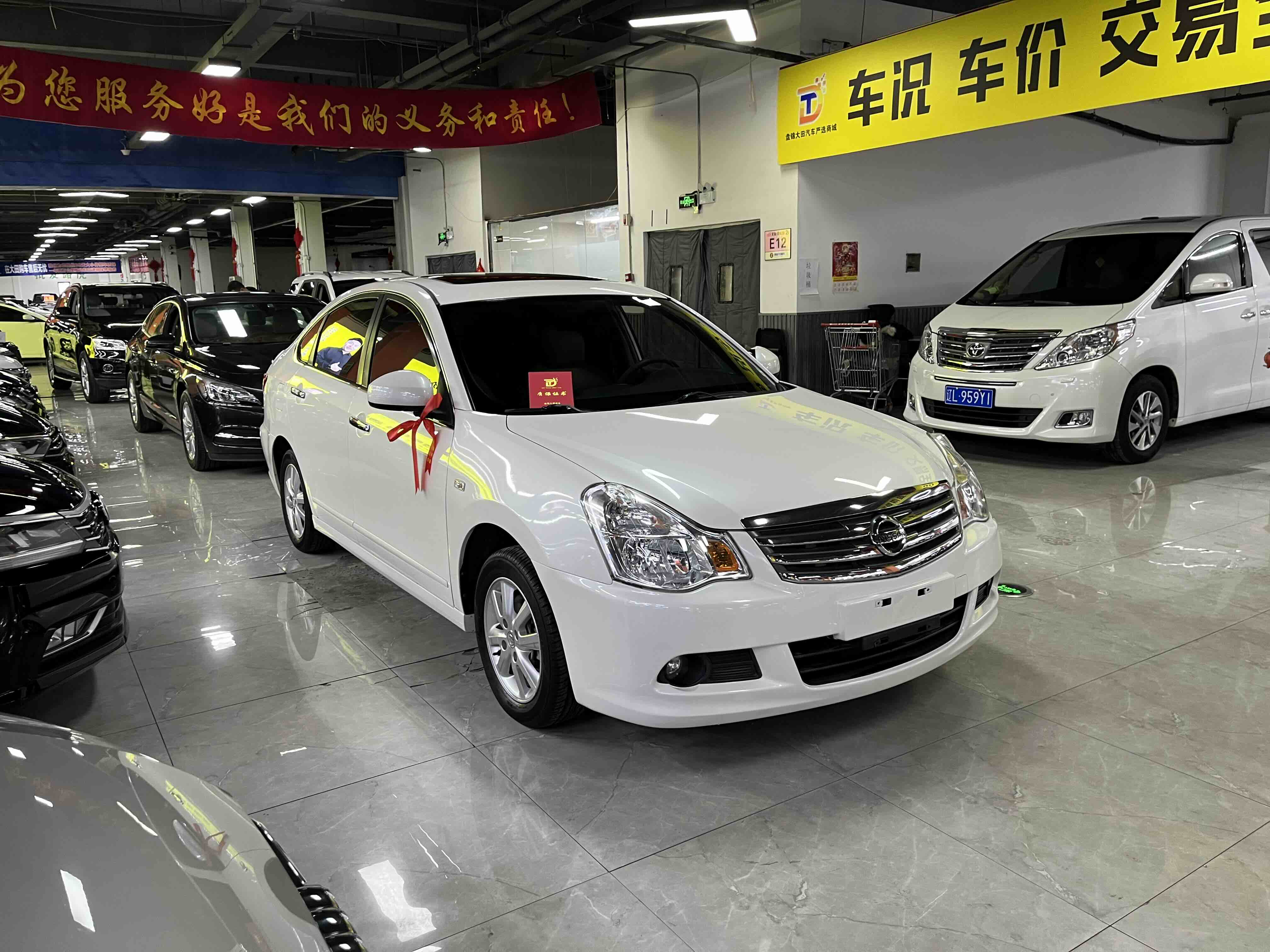
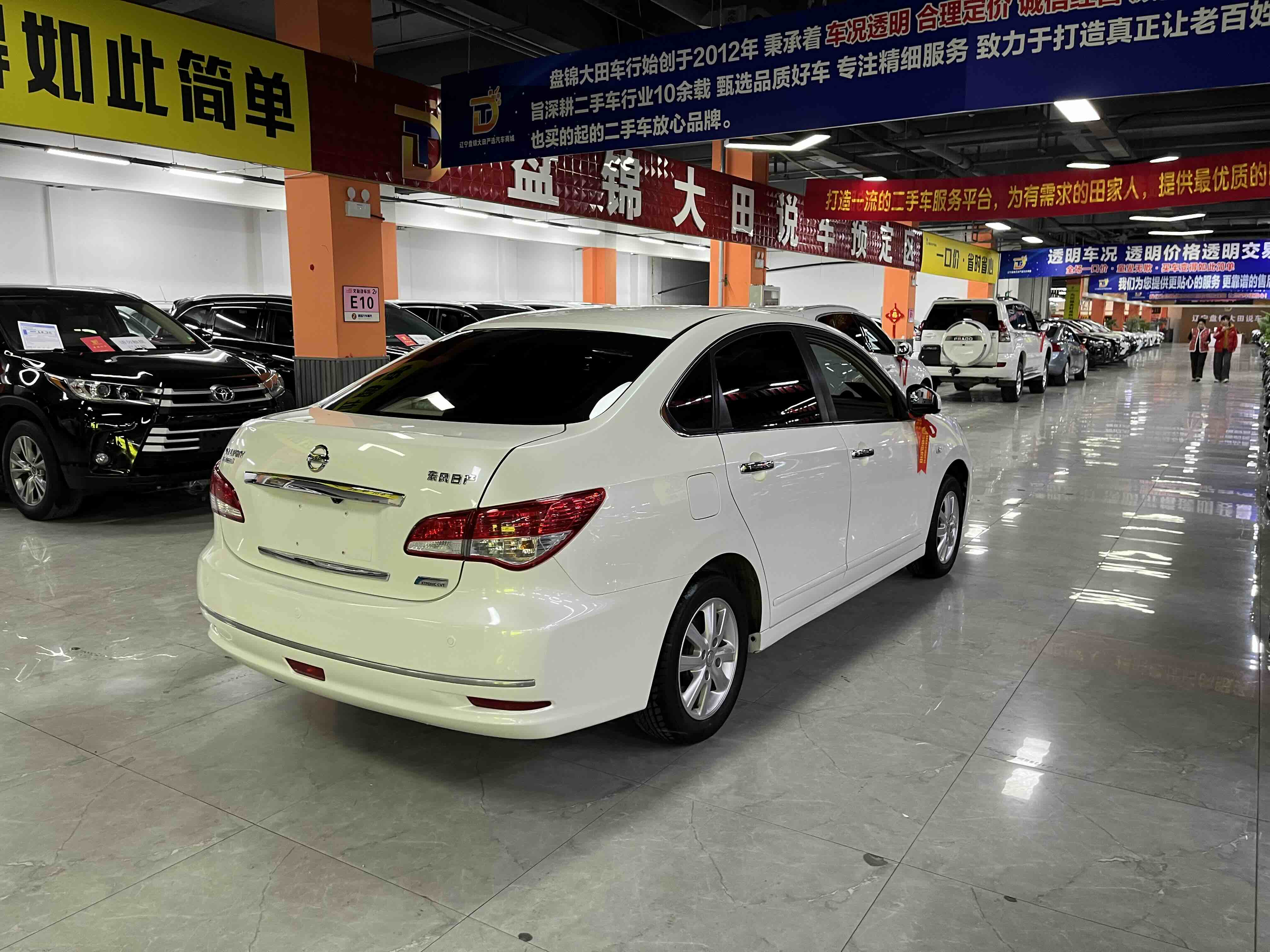
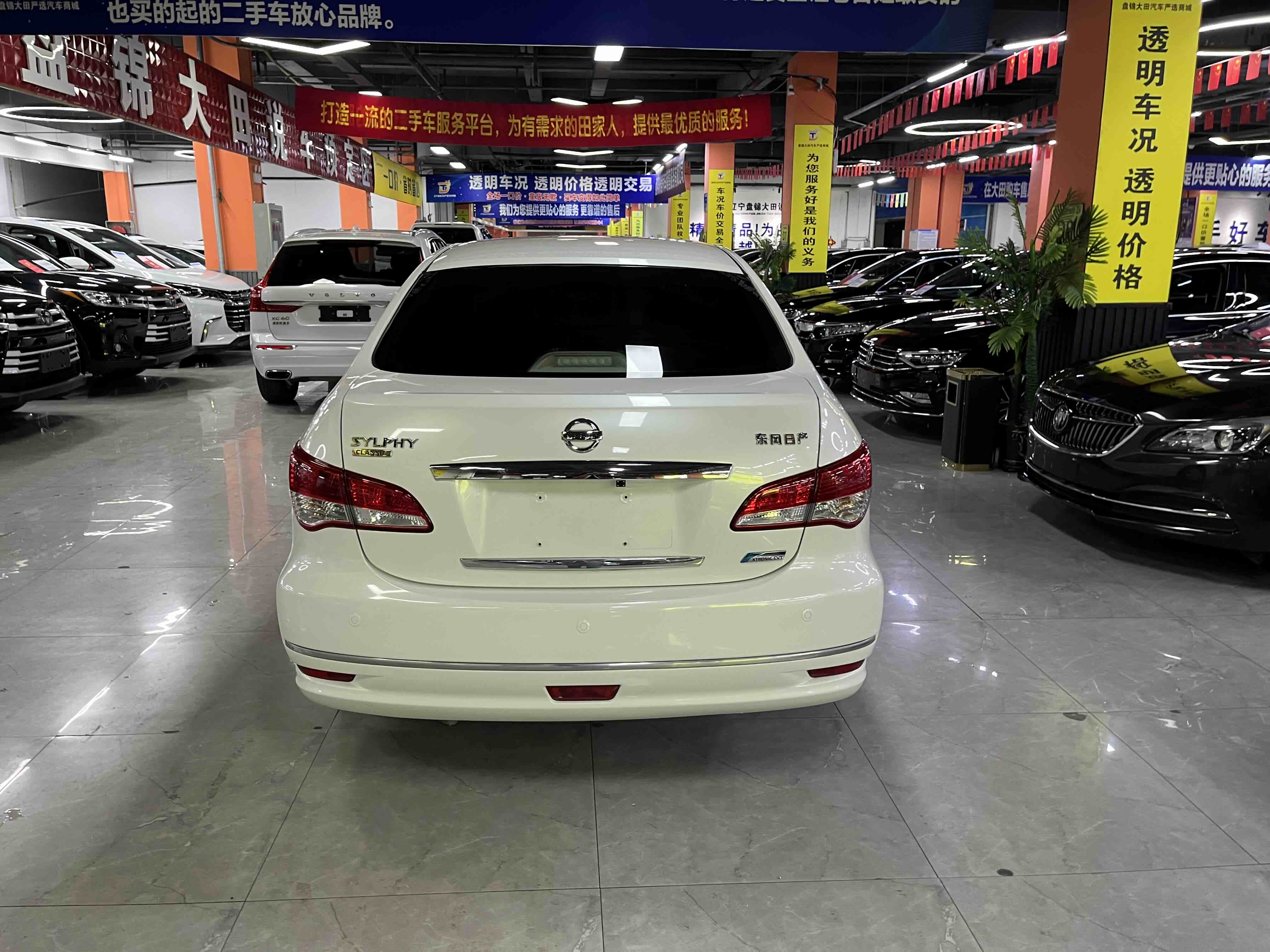
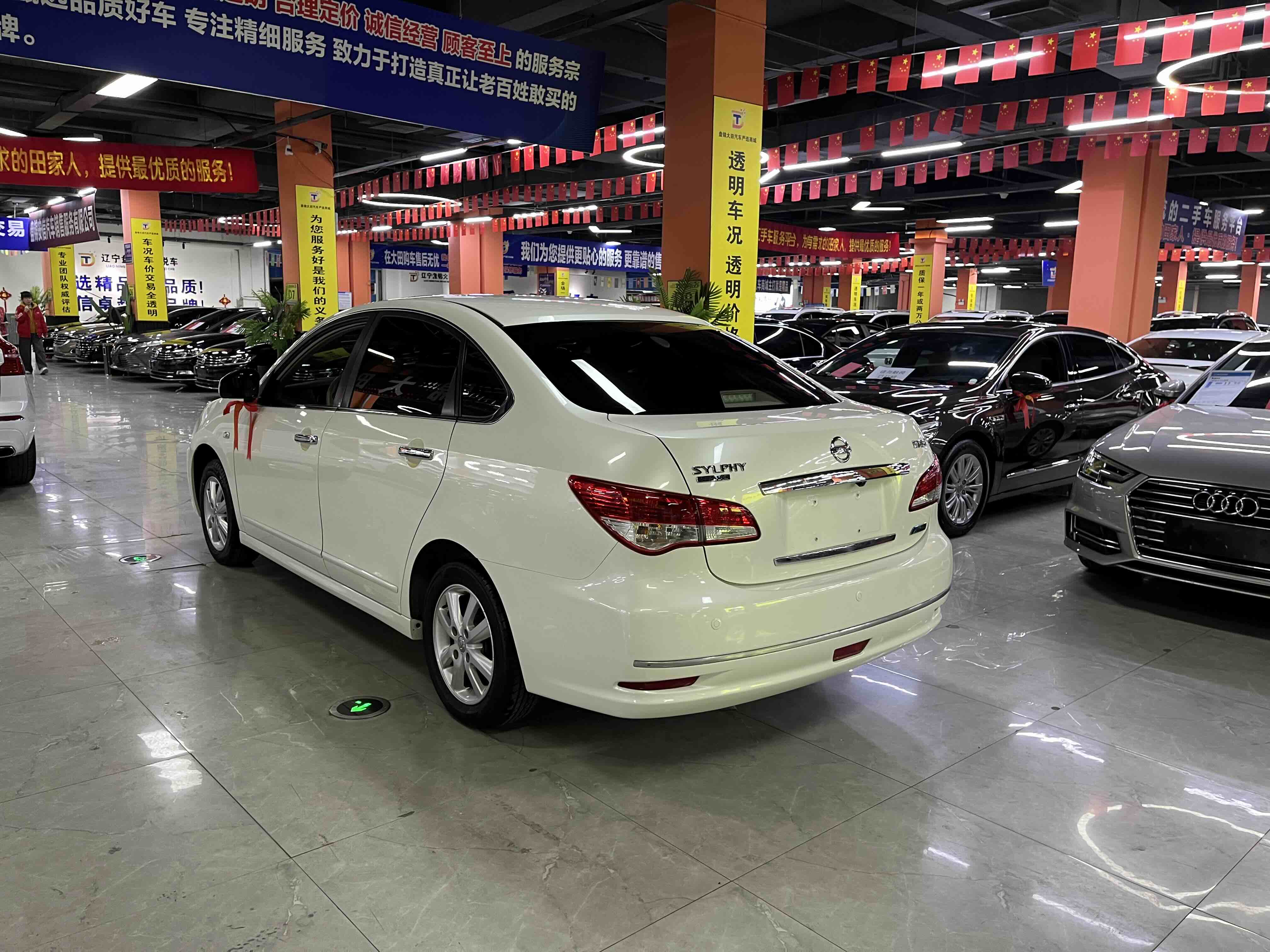
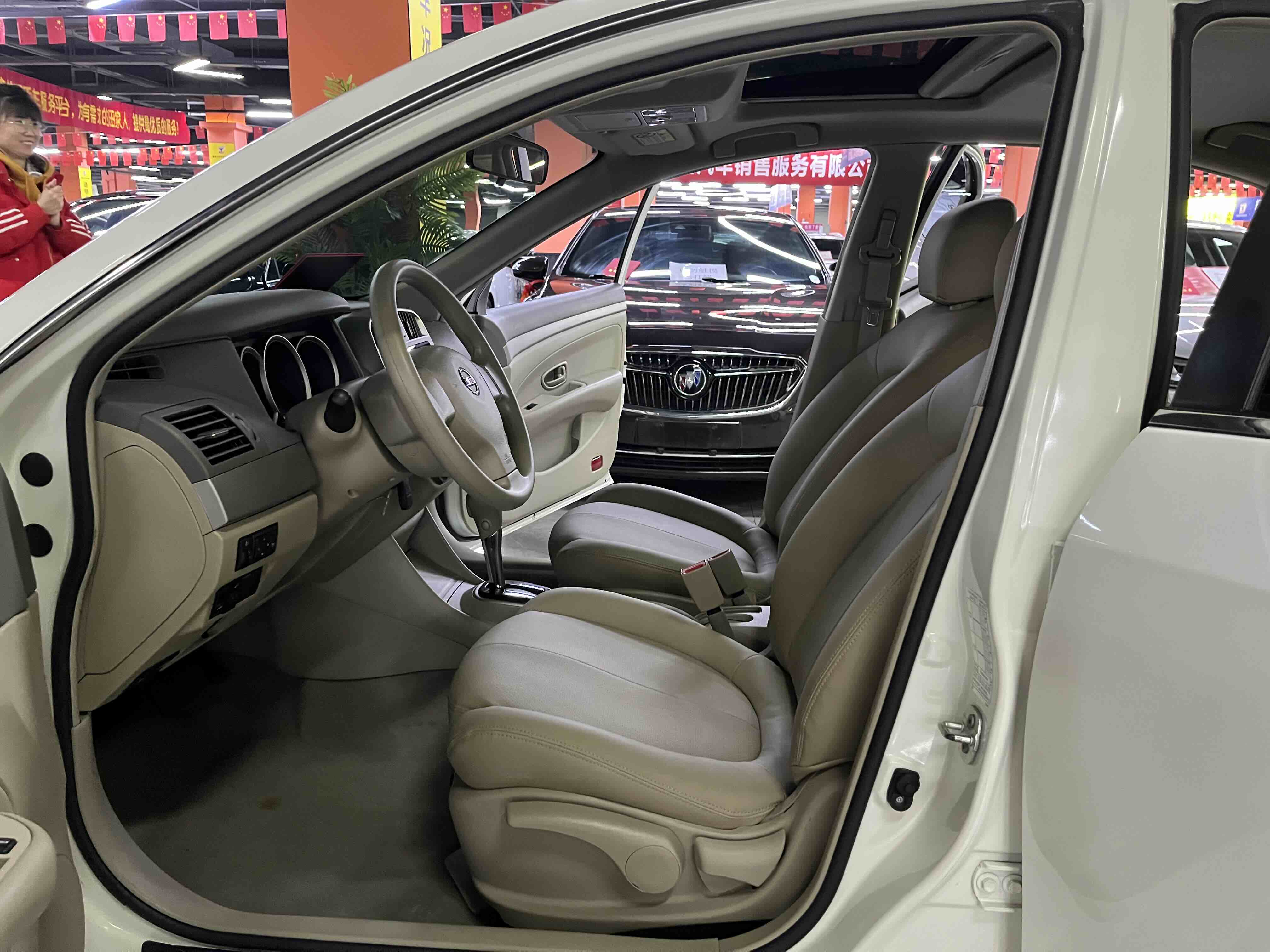
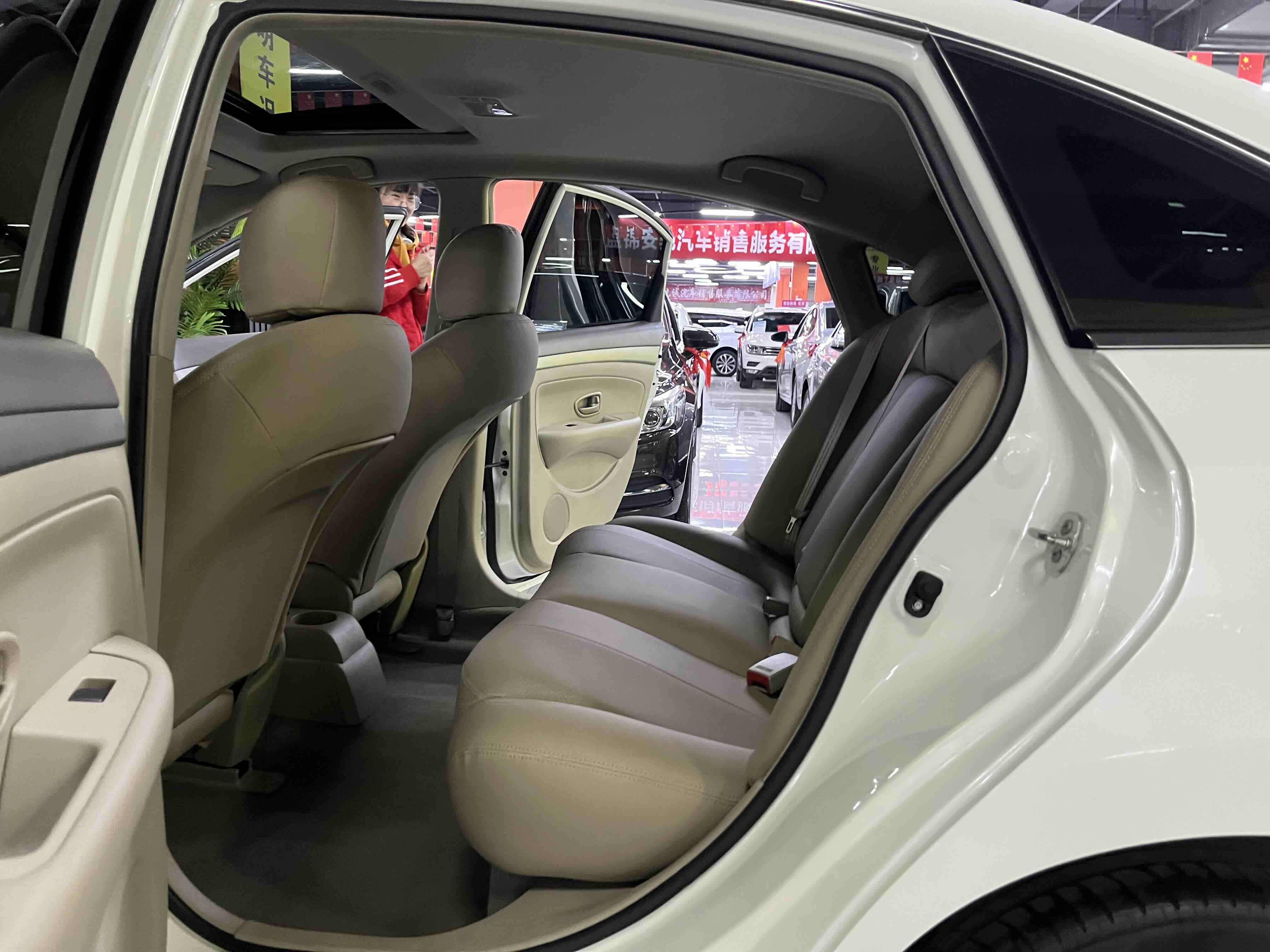
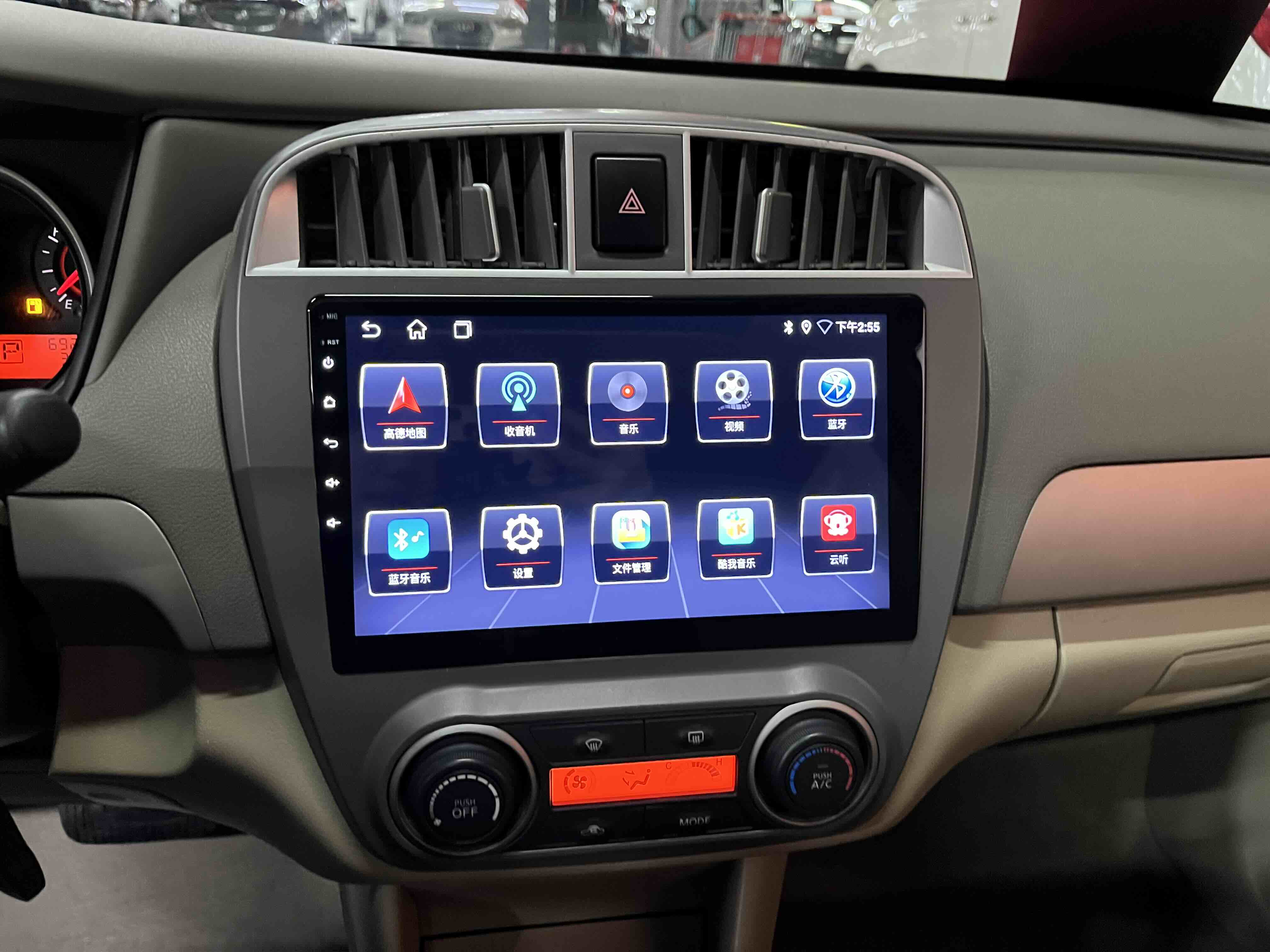
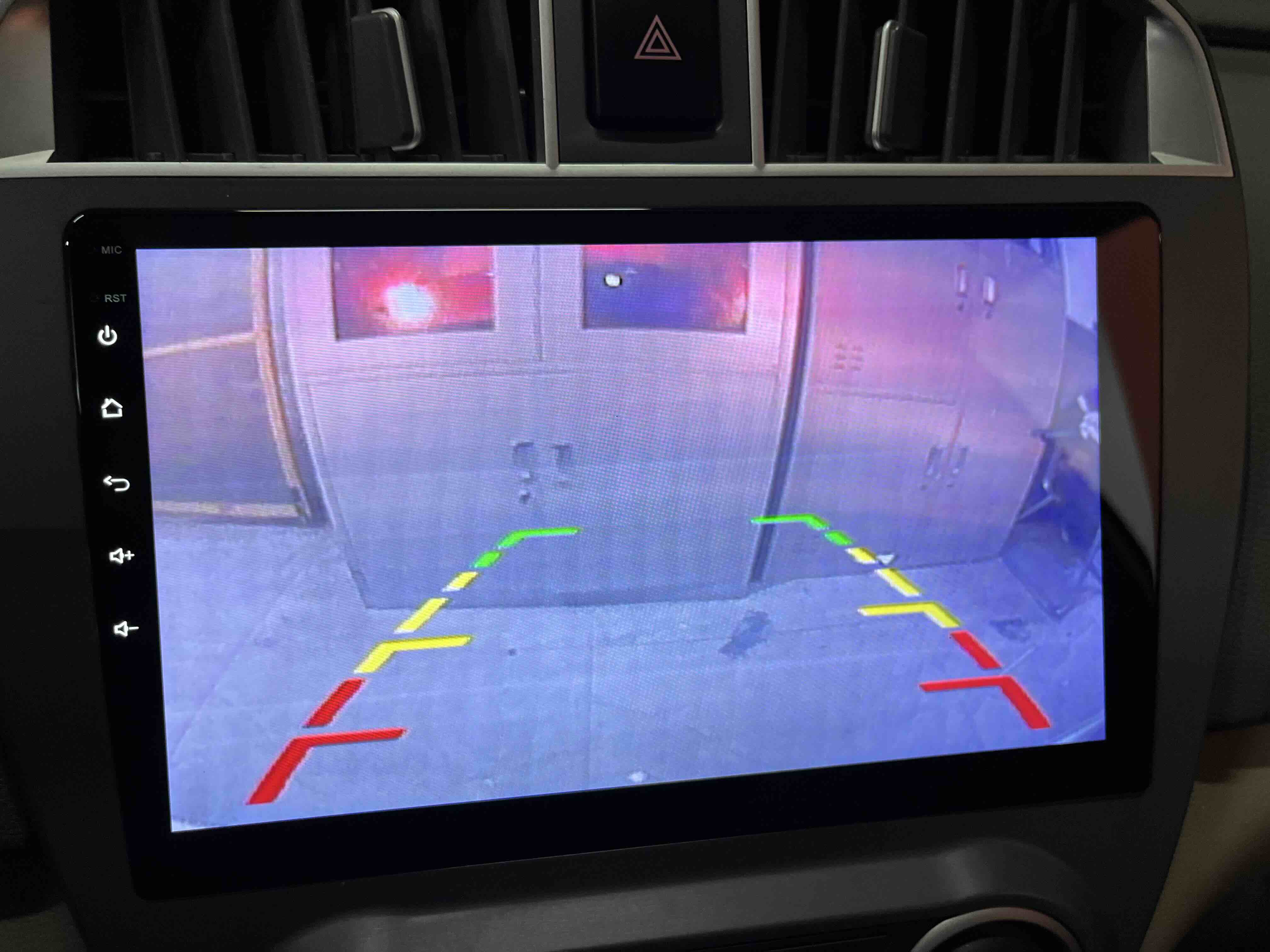
Basic Information

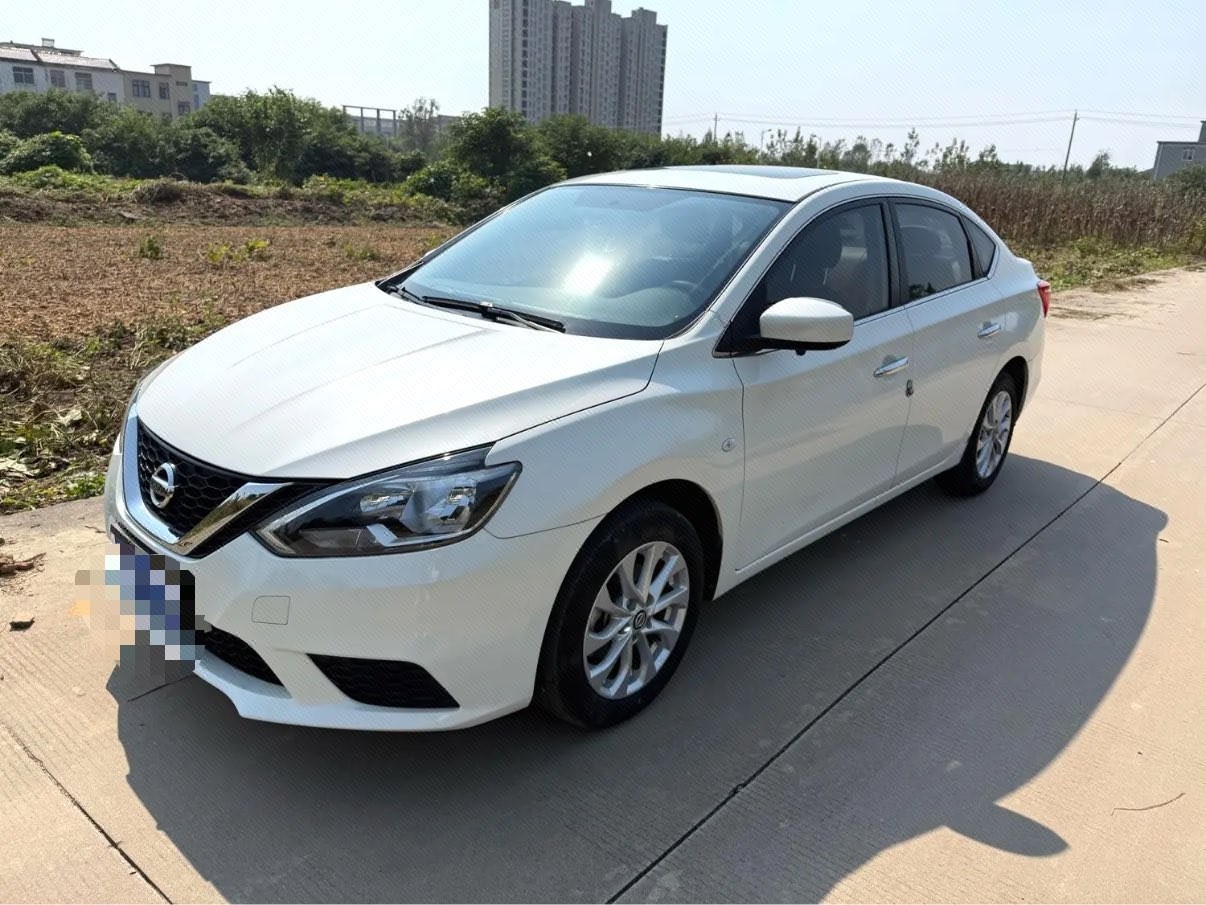
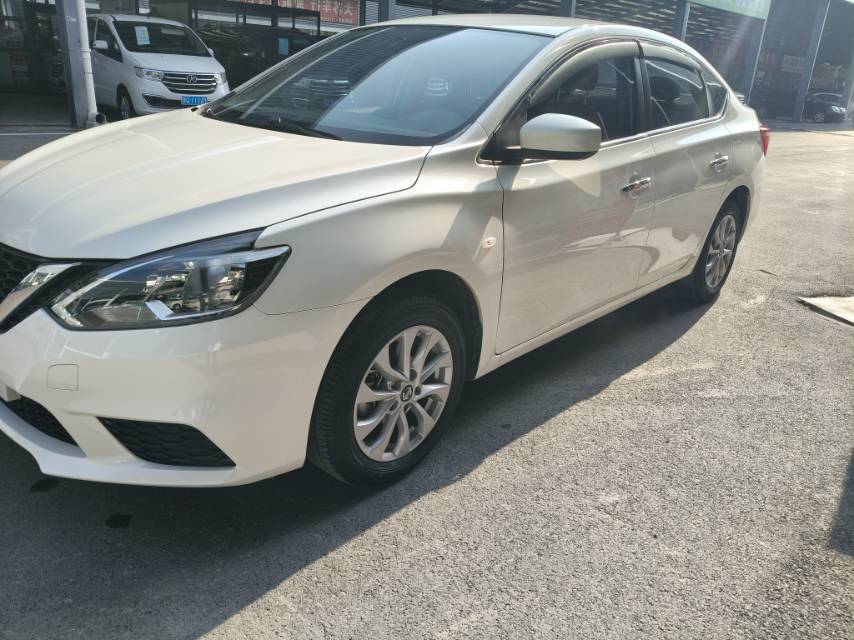
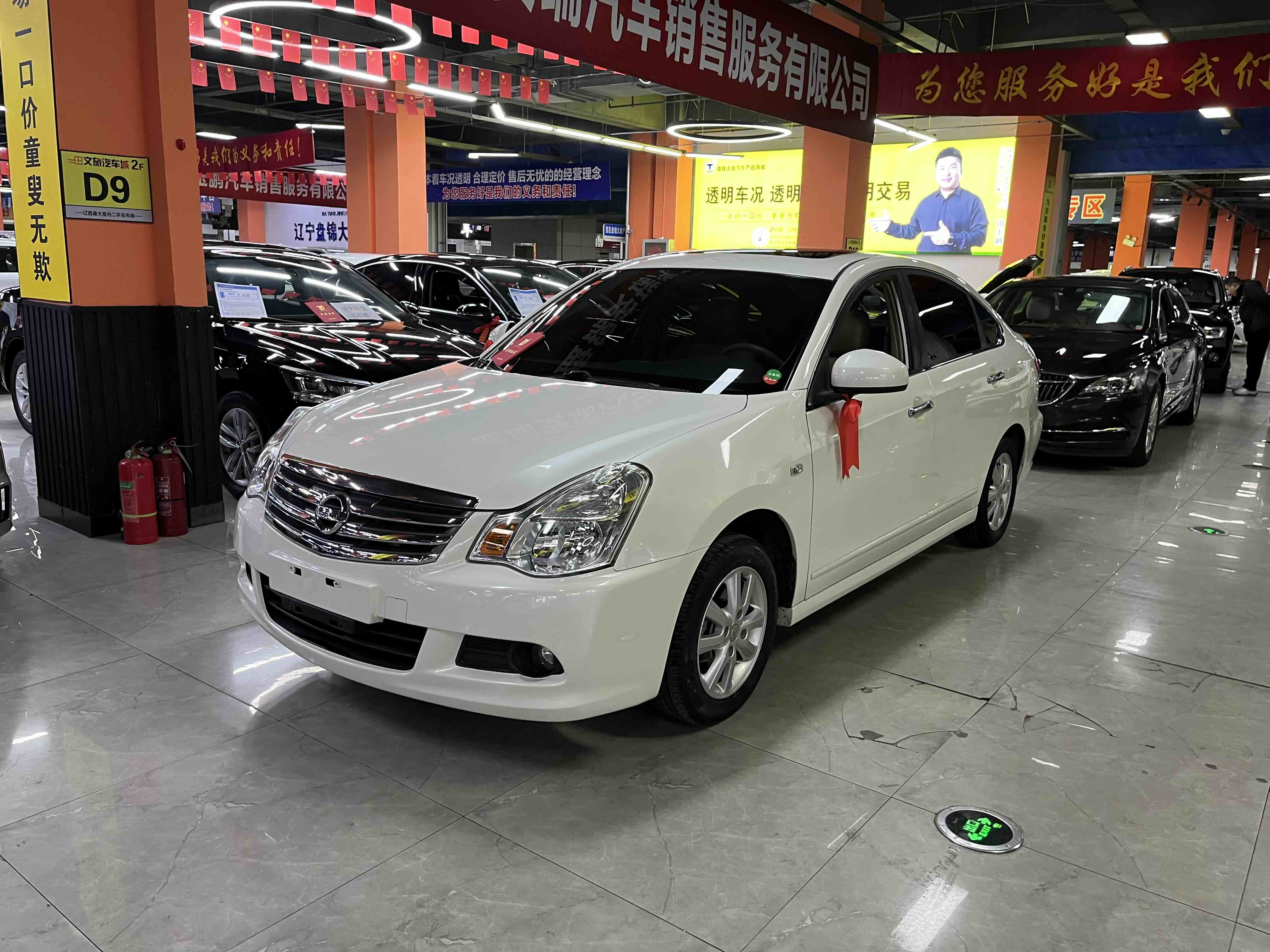
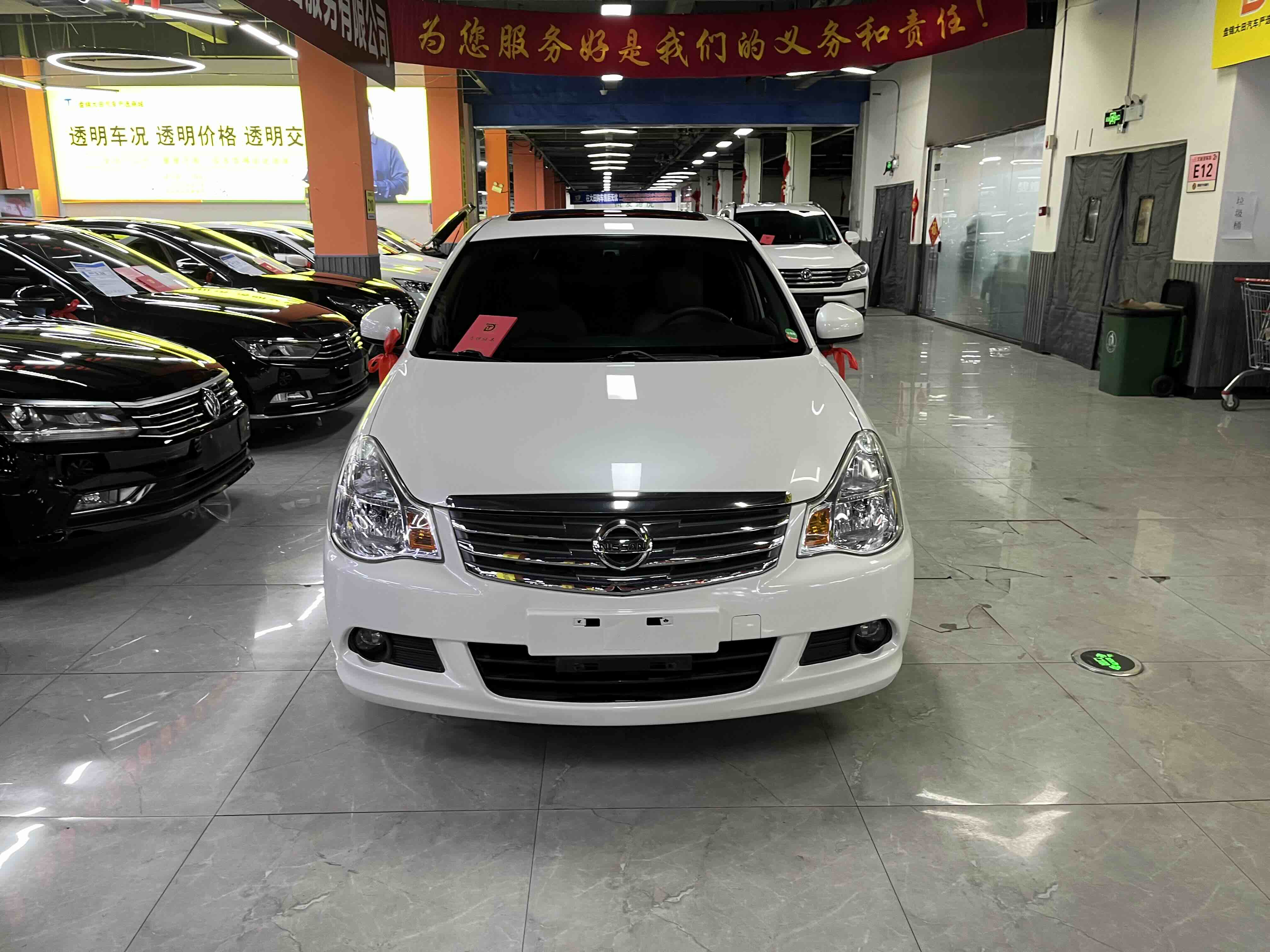
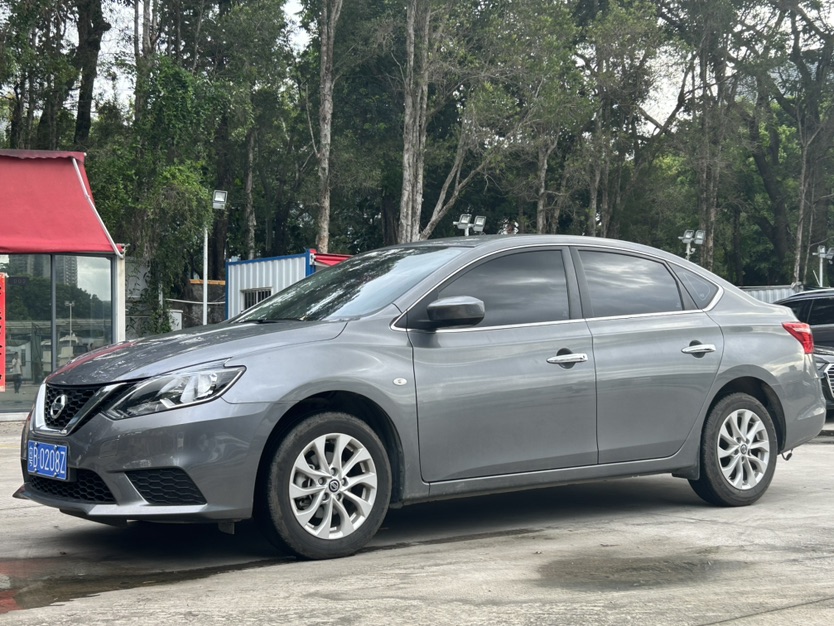
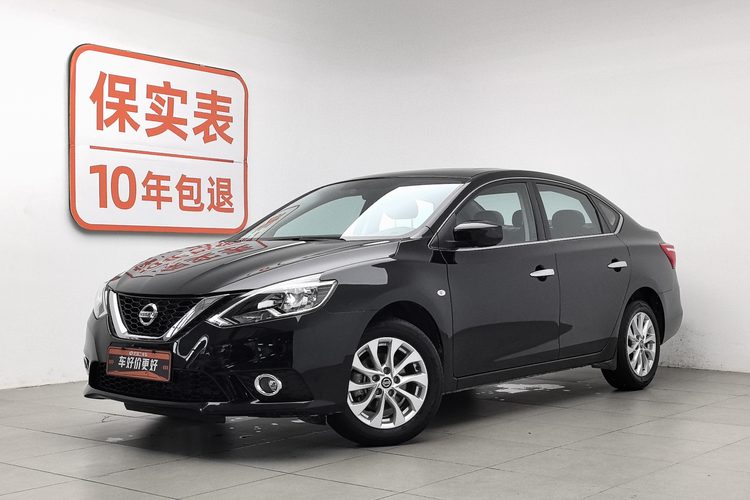
BrandNissan
SeriesSylphy
Year2018
First Registration2018/04
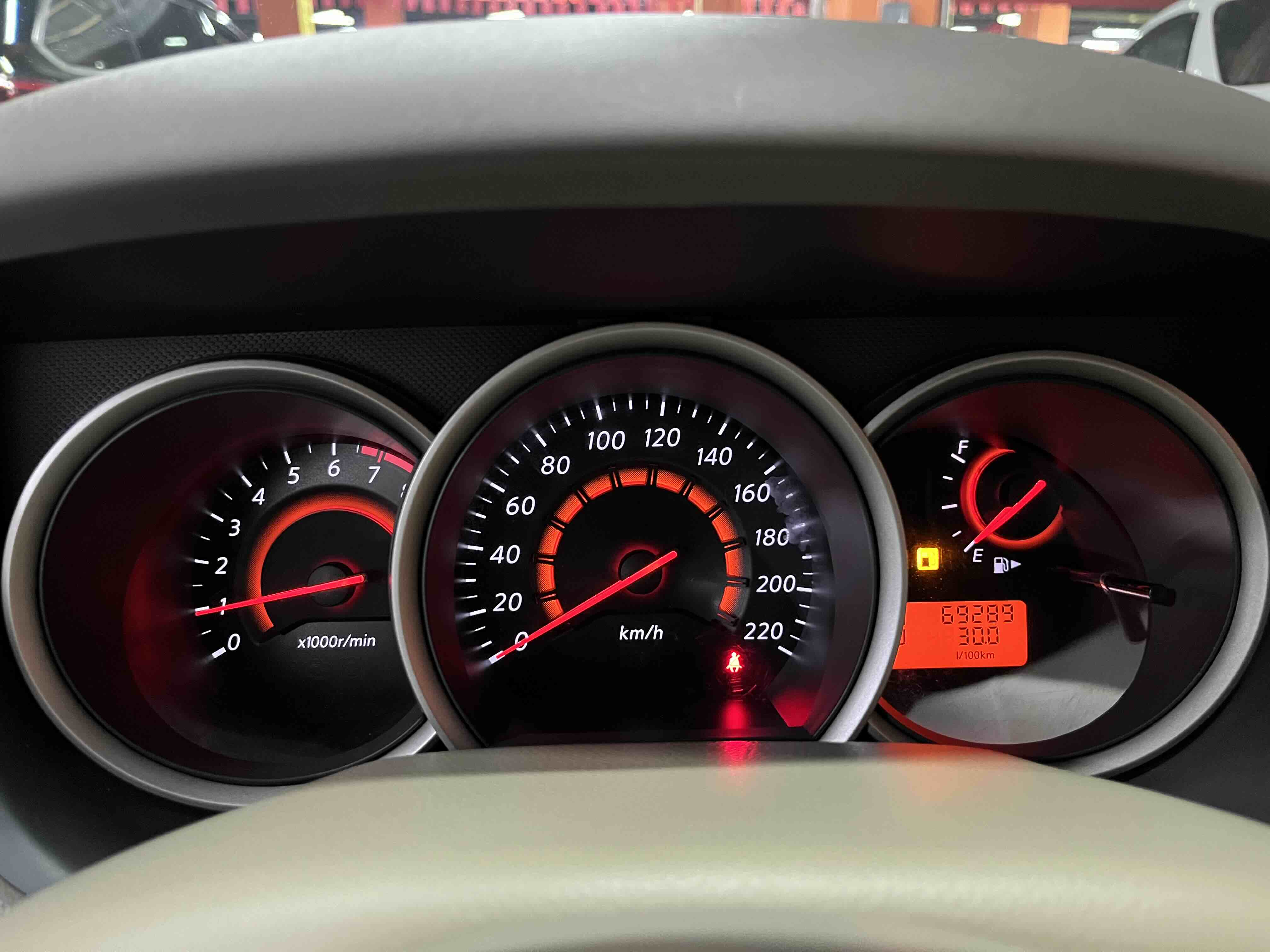
Mileage6.9km
Transfer Count-
FuelGasoline
TransmissionCVT
Engine1.6L 124 L4
ColorWhite
Seats-

Condition Description

Right front leaf repainting Record: 2018-7-20-1473 Cloud record: 2024-10-54287 Accident count: 4 1000 1000 1000 1000 (Record shows right rear leaf, trunk, tailgate, left front door repainted, but actually not repainted) One owner, not transferred ownership Returned documents By Hu Ye

Configuration Highlights

✓Driver/Passenger Airbags
✓ISOFIX Child Seat Anchors
✓ABS Anti-lock Braking
✓Electronic Brake Distribution
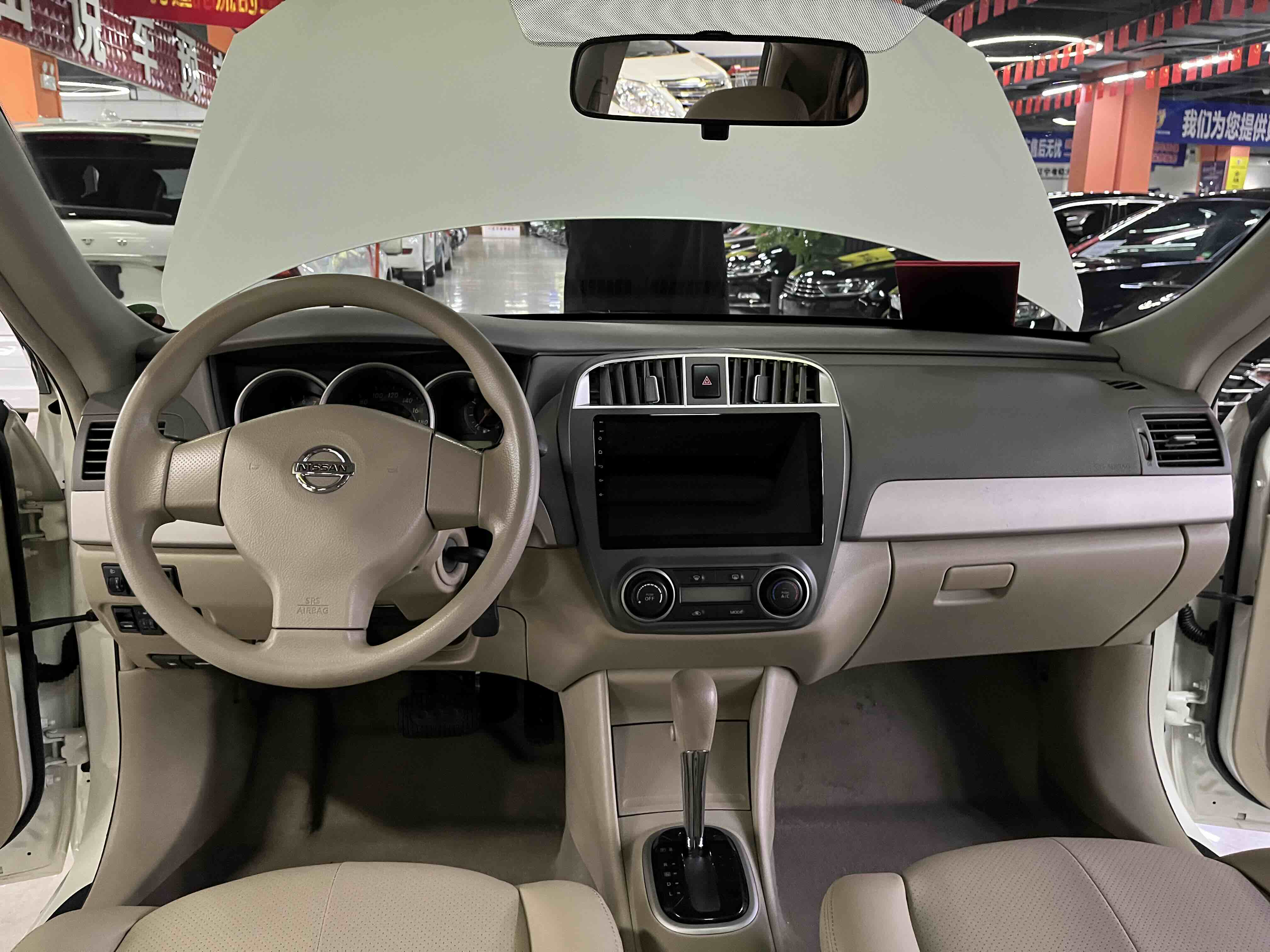
✓Seat Material
✓Rear Cupholders
✓Low Beam Headlights
✓Adjustable Headlight Height
✓Power Windows
✓Anti-pinch Windows
✓Climate Control Type

Q&A

More

How to manage overseas buyers' expectations for continuous software updates of Chinese new energy vehicles (especially from new car manufacturers)?

We repeatedly confirm and emphasize to buyers before sale: after leaving mainland China, most Chinese smart electric vehicle ecosystems (such as cloud voice assistants, online maps, OTA updates) will be permanently offline. You are purchasing a hardware platform with excellent mechanical quality and a three-electric system; please use it as a "standalone" vehicle. Do not trust false promises from other channels claiming "perfect overseas unlocking and continuous official OTA updates."
What should be done if the parameters on the vehicle's Chinese registration certificate do not match those in the destination country's customs database?

The commercial invoice and export license we provide are based on the vehicle's underlying VIN and official Chinese nameplate data. If there are minor discrepancies with the destination country's customs system parameters (such as curb weight), we will issue a "Parameter Explanation Letter" stamped by our company to assist you in explaining, but we cannot change the official document data.

Is China's "National VI B" emission standard equivalent to Europe's Euro VI standard?

From a technical perspective, China's "National VI B (China VI-b)" is one of the strictest emission standards globally, with limits on carbon monoxide, nitrogen oxides, and particulate matter that are even stricter than some of Europe's Euro VI standards. However, the two are not legally recognized by each other, depending on your country's import regulations.