Basic Information

BrandNissan
SeriesSylphy
Year2022
First Registration2022/01
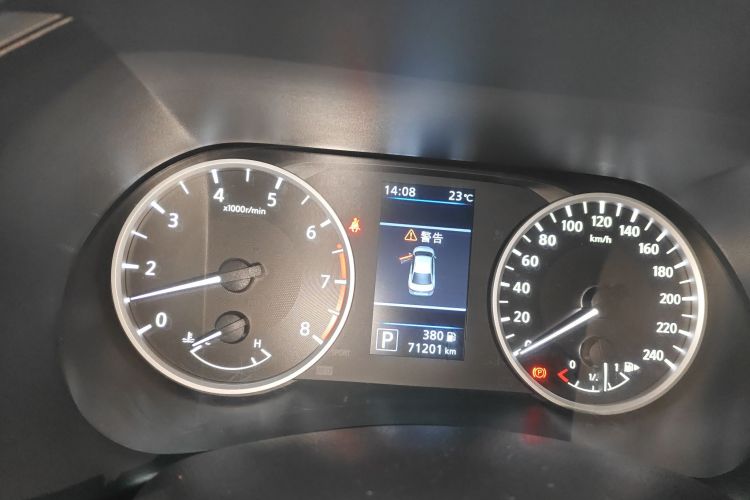
Mileage71,200km
Transfer Count-
FuelGasoline
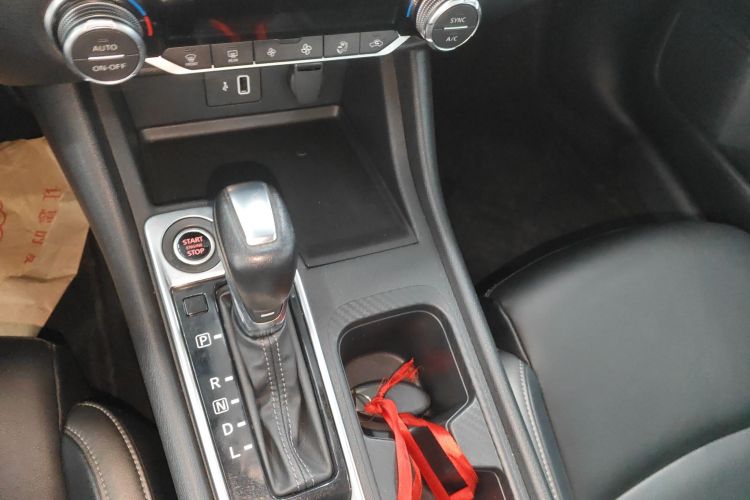
TransmissionCVT
Engine1.6L 135 L4
ColorGrey
Seats-

Condition Description

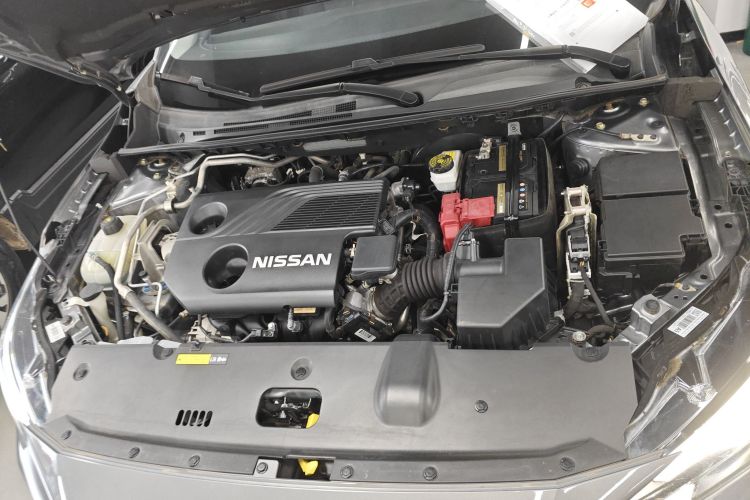
Excellent car condition detection passed the car condition is better than 80%. Excellent car condition claims 1 transfer 0 times

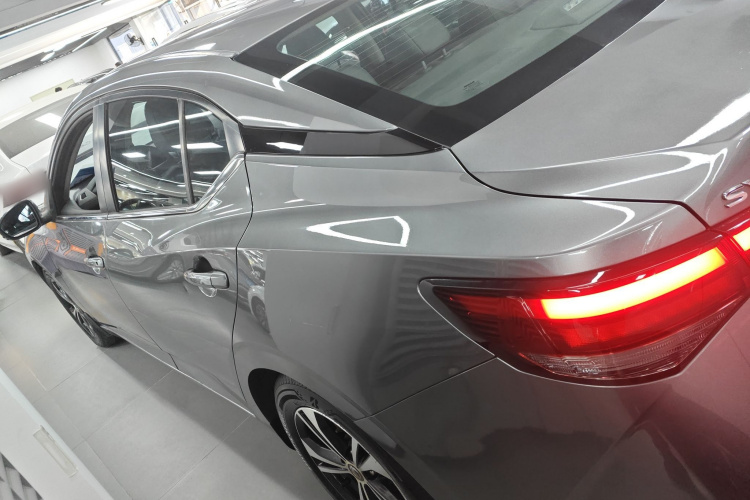
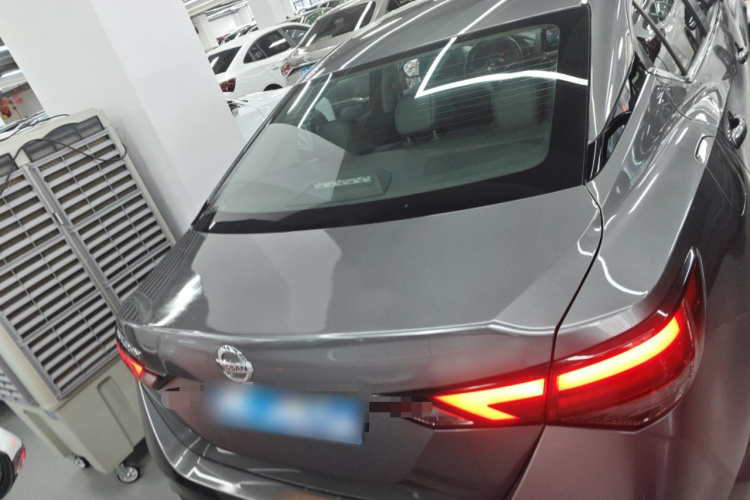
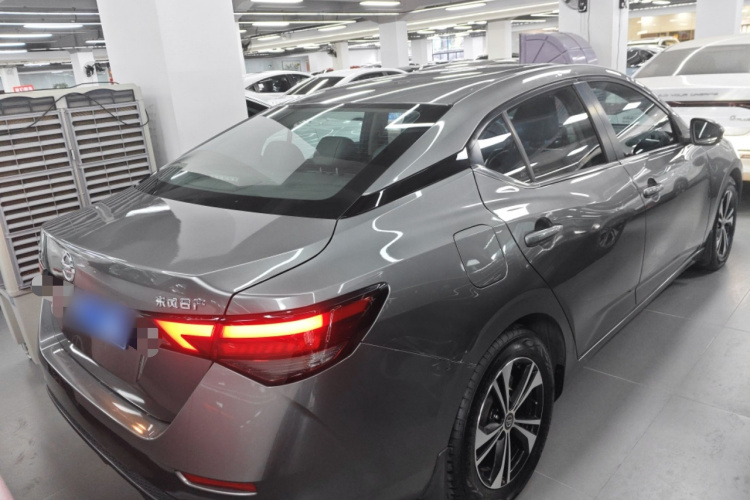
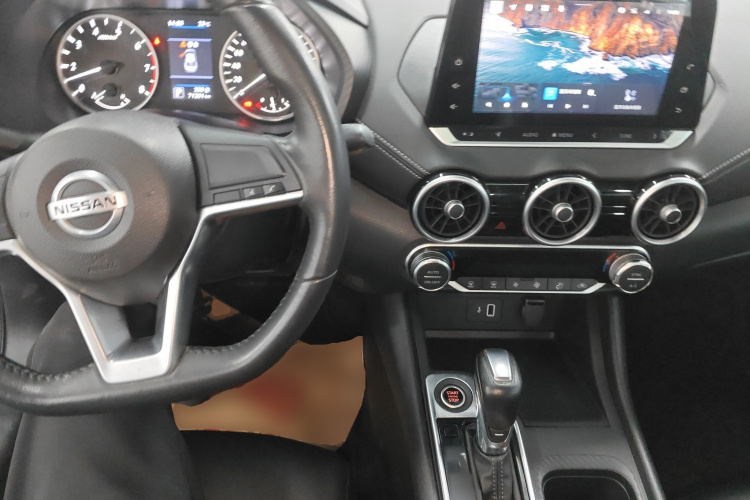
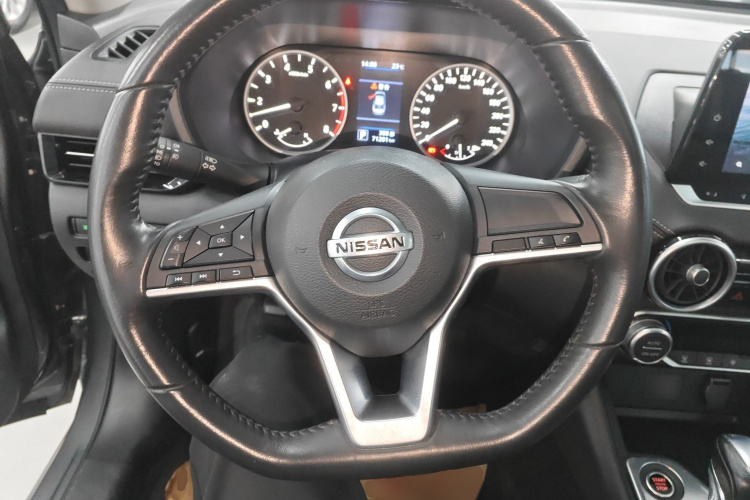
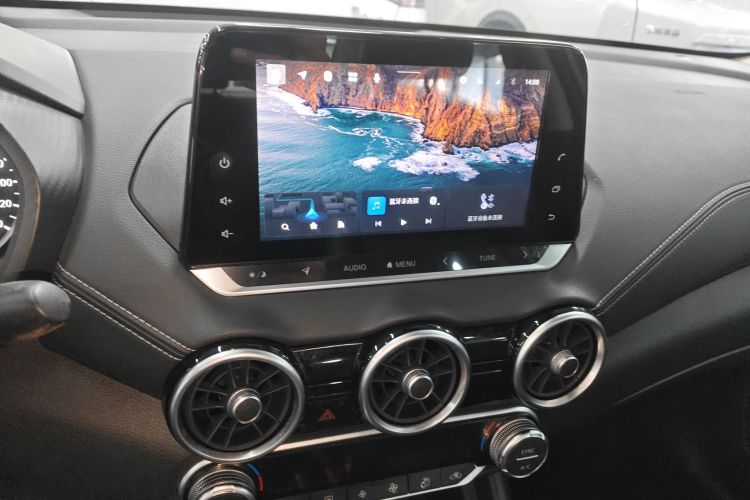
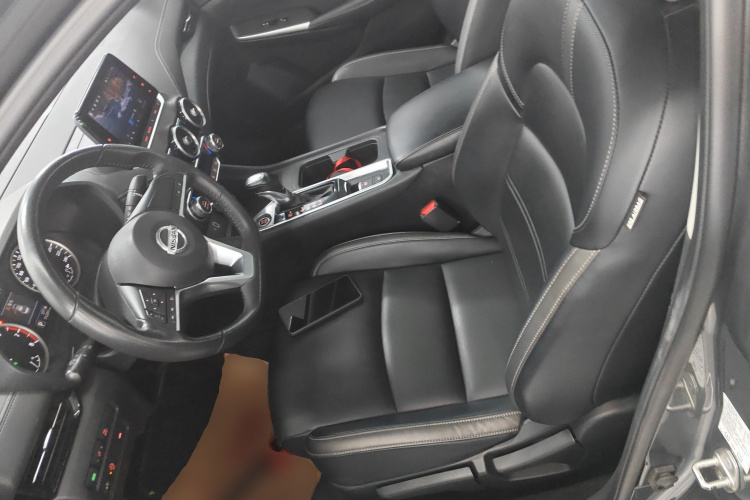
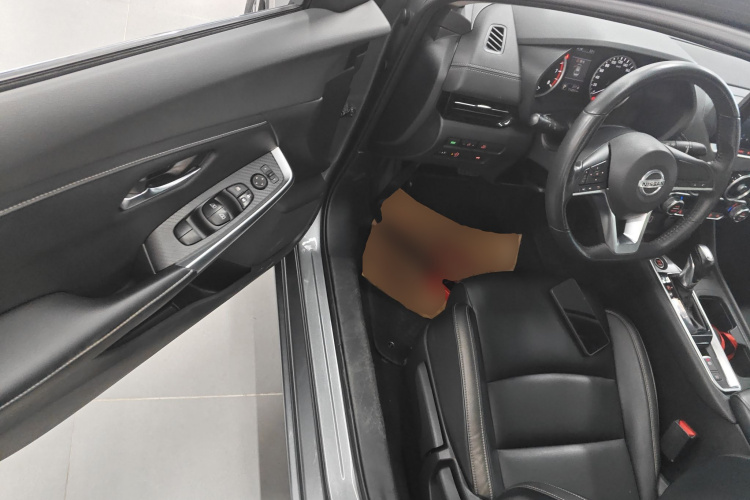
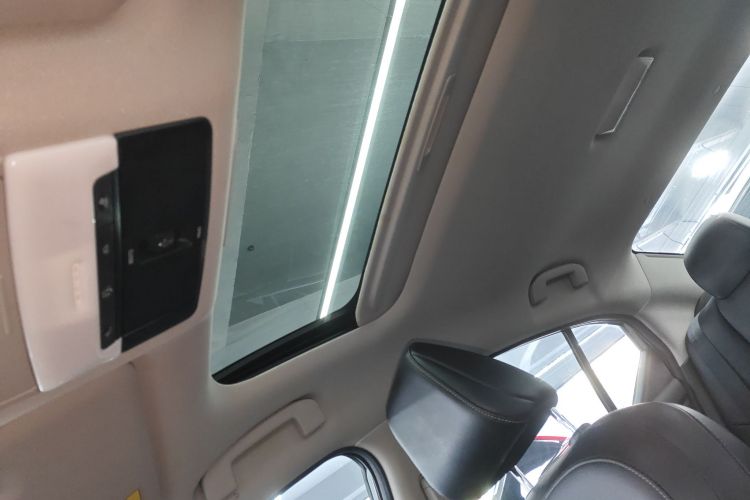
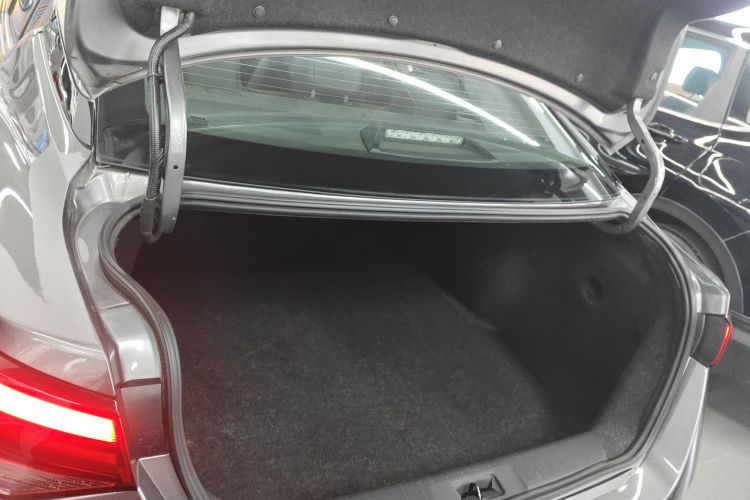
This car is 4 years old with an average annual mileage of 17,800 kilometers, typical of normal family daily use. It has never been transferred to another owner, making it a good first-hand car. The exterior paint is in good condition, although there may be minor marks. The interior is clean and tidy, with slight signs of use. The overall body frame is intact and without any abnormalities. Fluids are normal, and the powertrain runs smoothly without any issues.


Configuration Highlights

✓High Beam Assist
✓Auto Hold
✓Keyless Entry
✓Rain-sensing Wipers
✓Backup Camera
✓High-definition Low Beam
✓Engine Start-Stop
✓Auto Headlights
✓Keyless Start
✓Rear Air Vents
✓Tire Pressure Monitoring
✓Hill Start Assist
✓Anti-pinch Windows

Q&A

More

I want to see the actual car, but I can't come to China. What should I do?

You can watch the car through live streaming or VR, or entrust a local third-party agency to inspect the car for you. Transparency about the car's condition is the foundation of trust.

What are the differences in power loss performance of used lithium iron phosphate (LFP) and ternary lithium (NMC) batteries in cold countries?

If your market is in extremely cold regions (like Russia or Northern Europe), we strongly recommend purchasing ternary lithium (NMC) models equipped with heat pump air conditioning. The range achievement rate of used LFP batteries typically plummets at minus 15 degrees, and we will alert you accordingly.

How are the refrigerant pressure, compressor operation, and heating effect of the air conditioning system deeply tested?

The technician will start the vehicle and turn on the air conditioning system, measuring the actual temperature at the vents at the lowest and highest settings with a thermometer; at the same time, they will connect a manifold pressure gauge to check if the refrigerant pressure in the high and low pressure lines is within the normal range, determining if there is a chronic refrigerant leak.