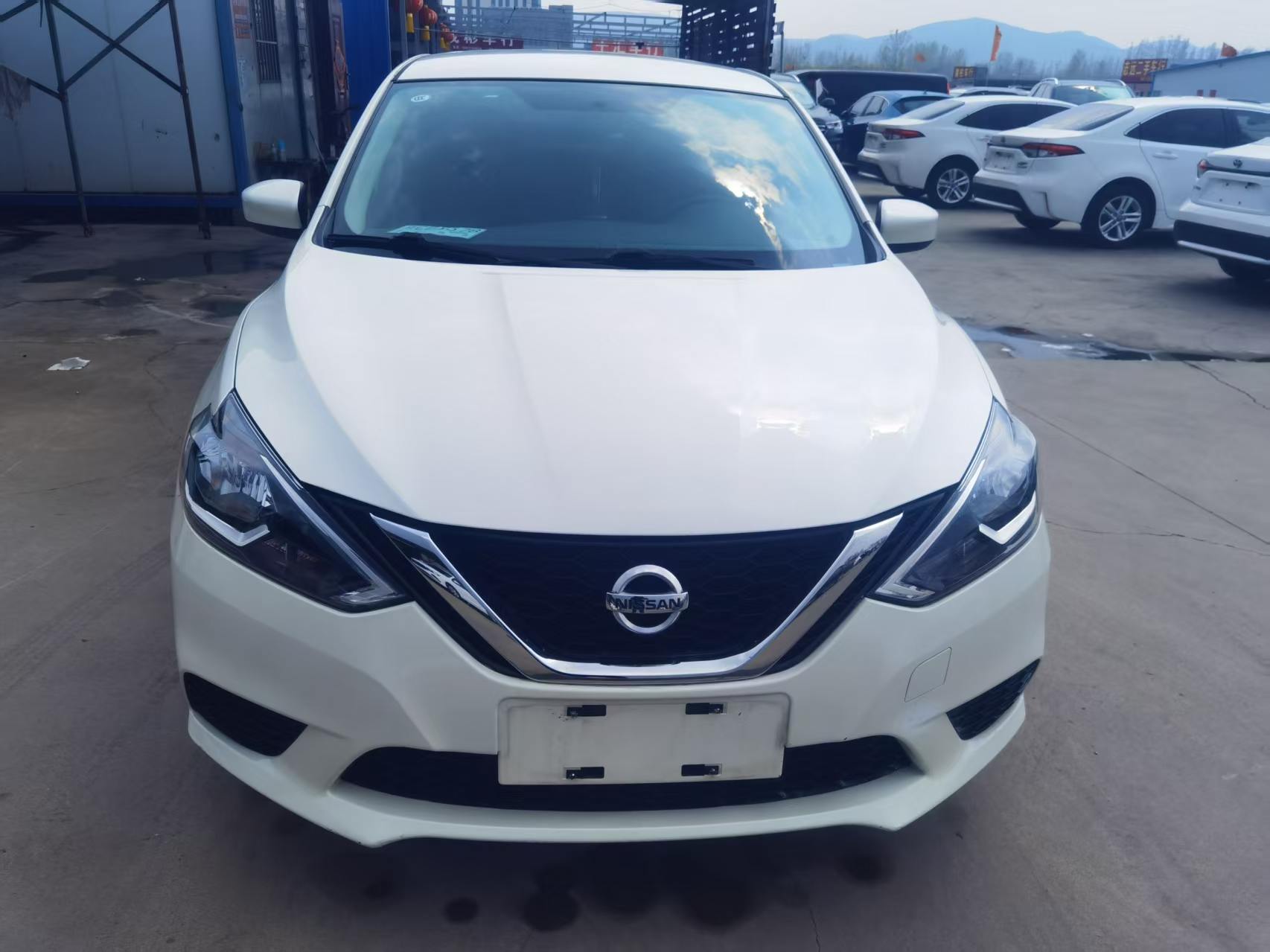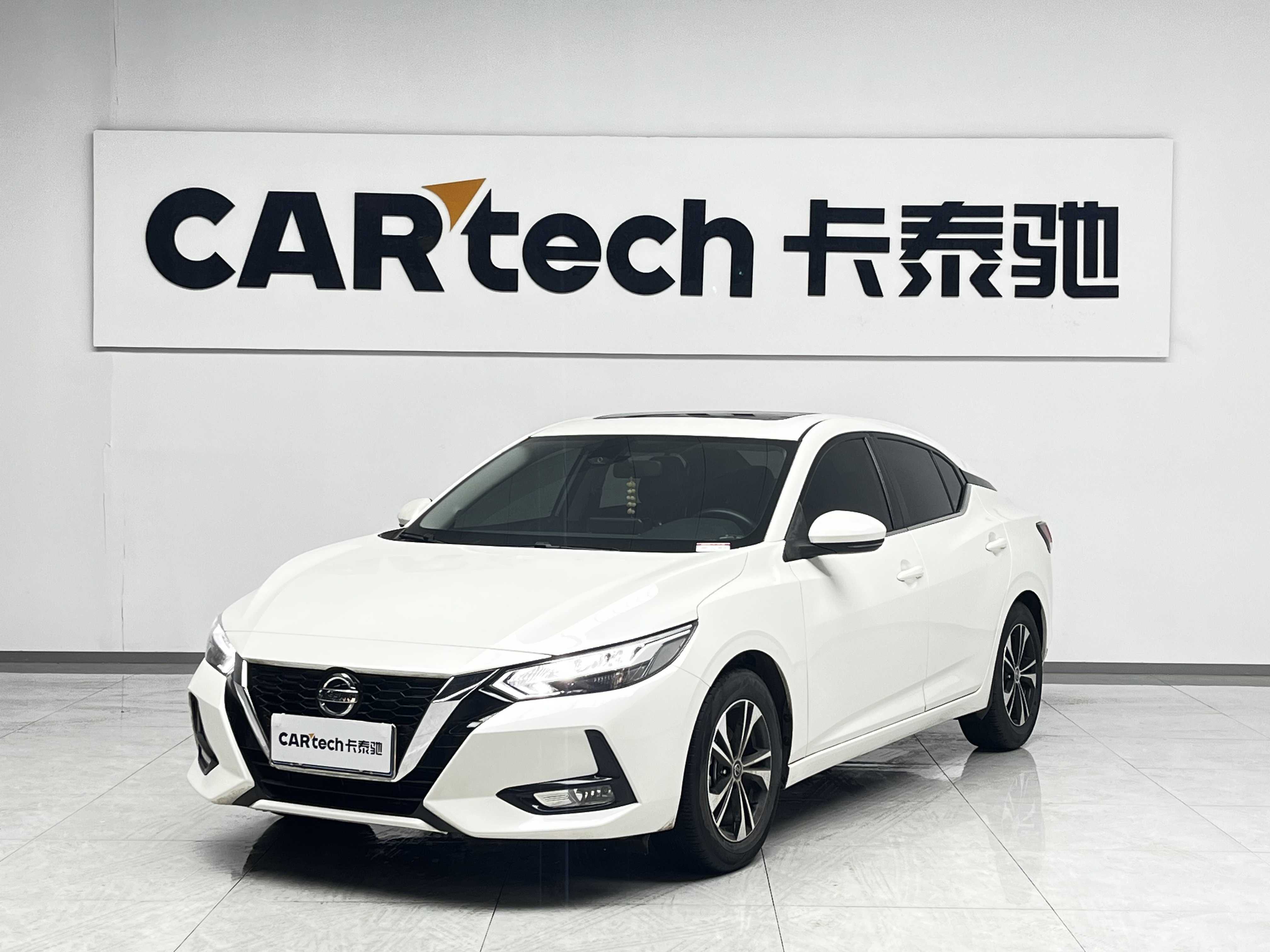



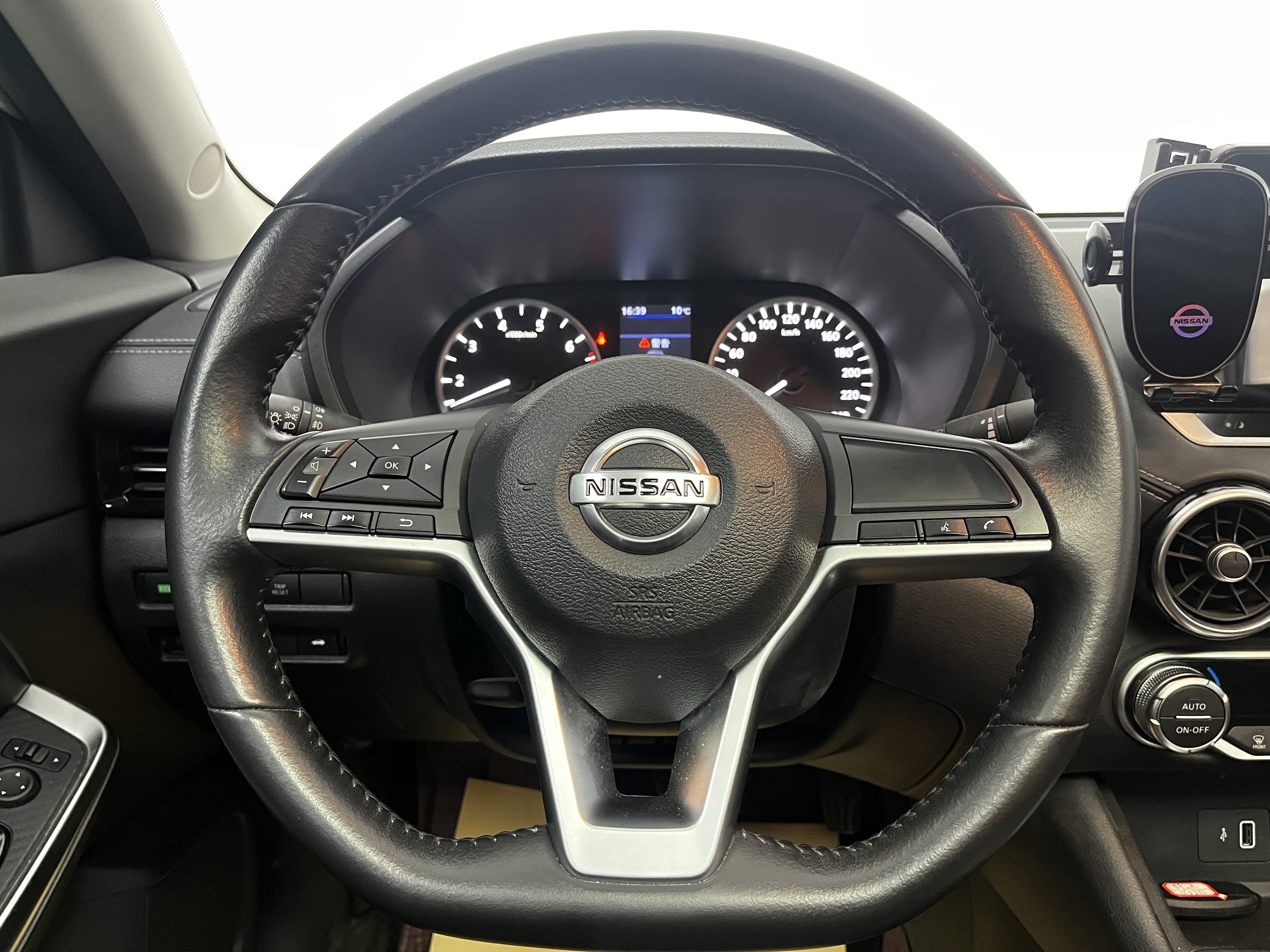
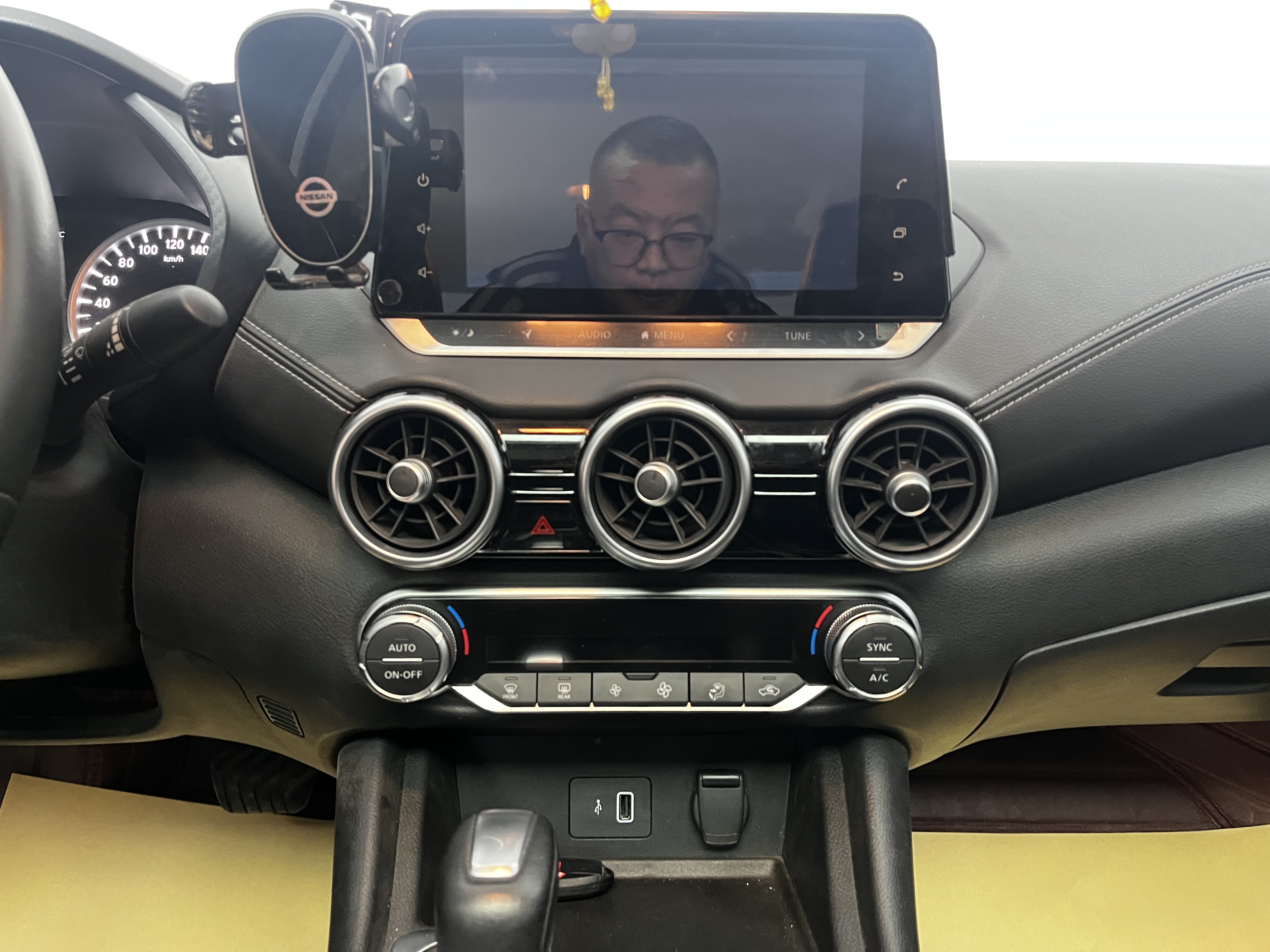
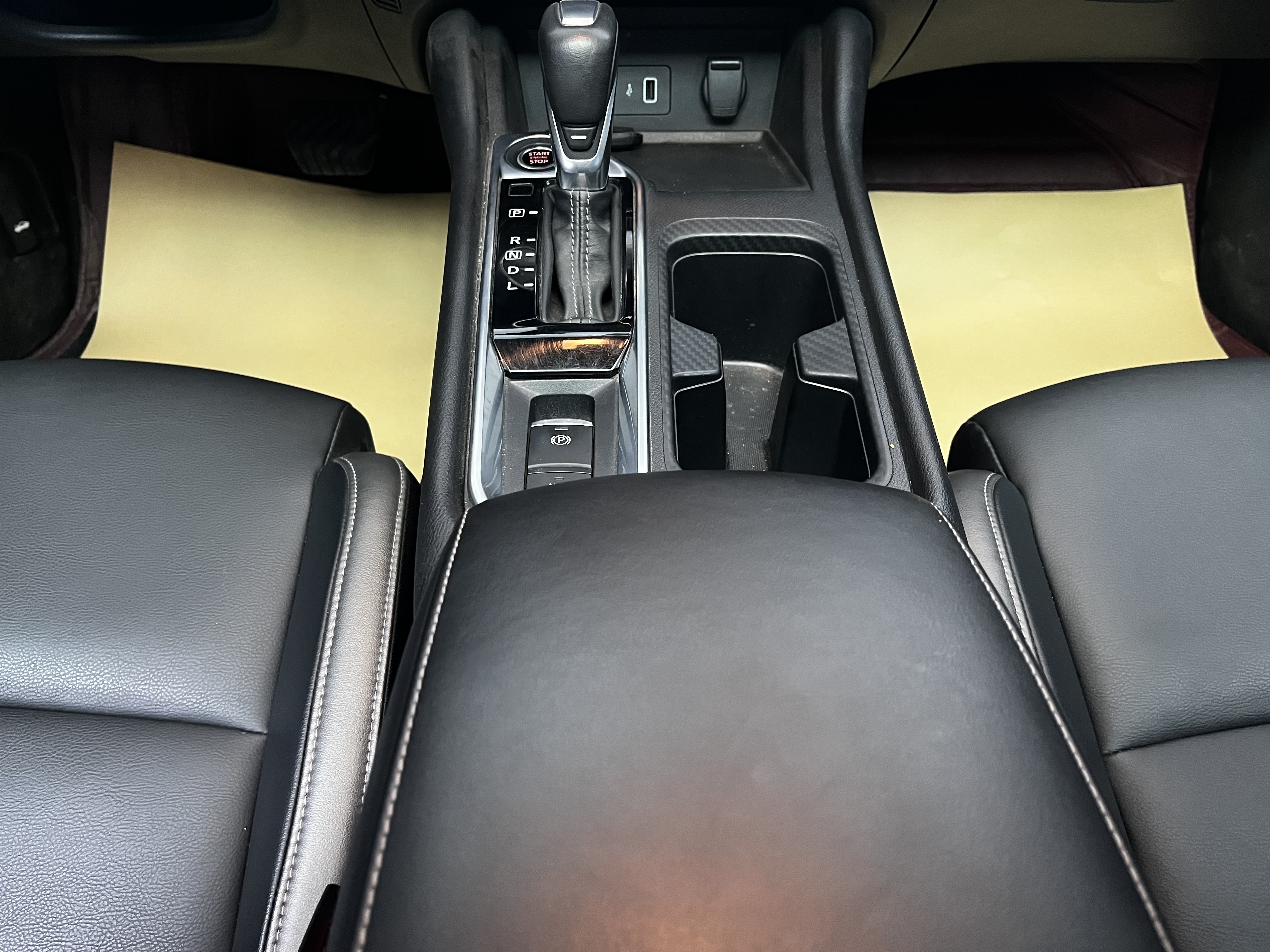
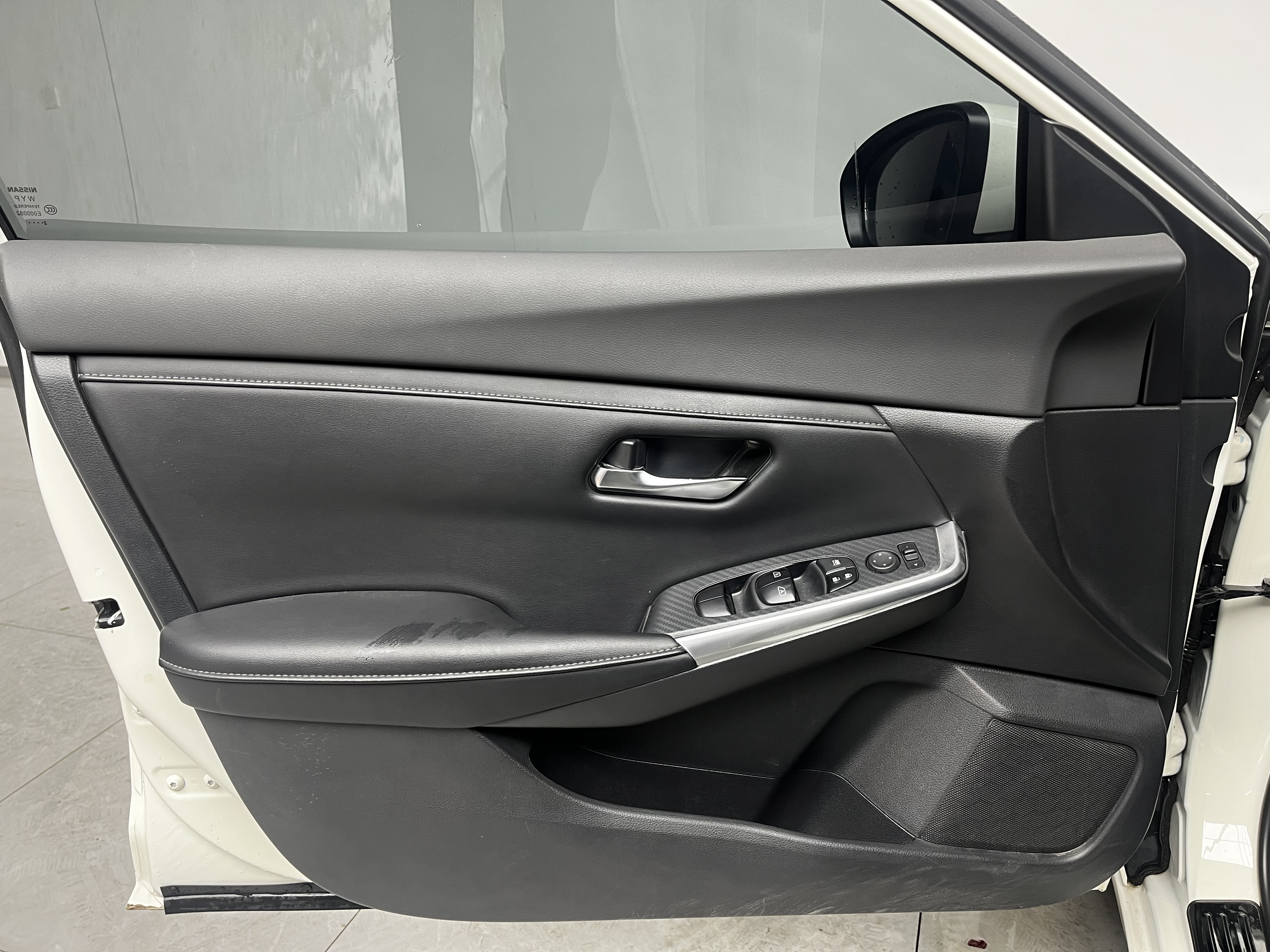

Basic Information

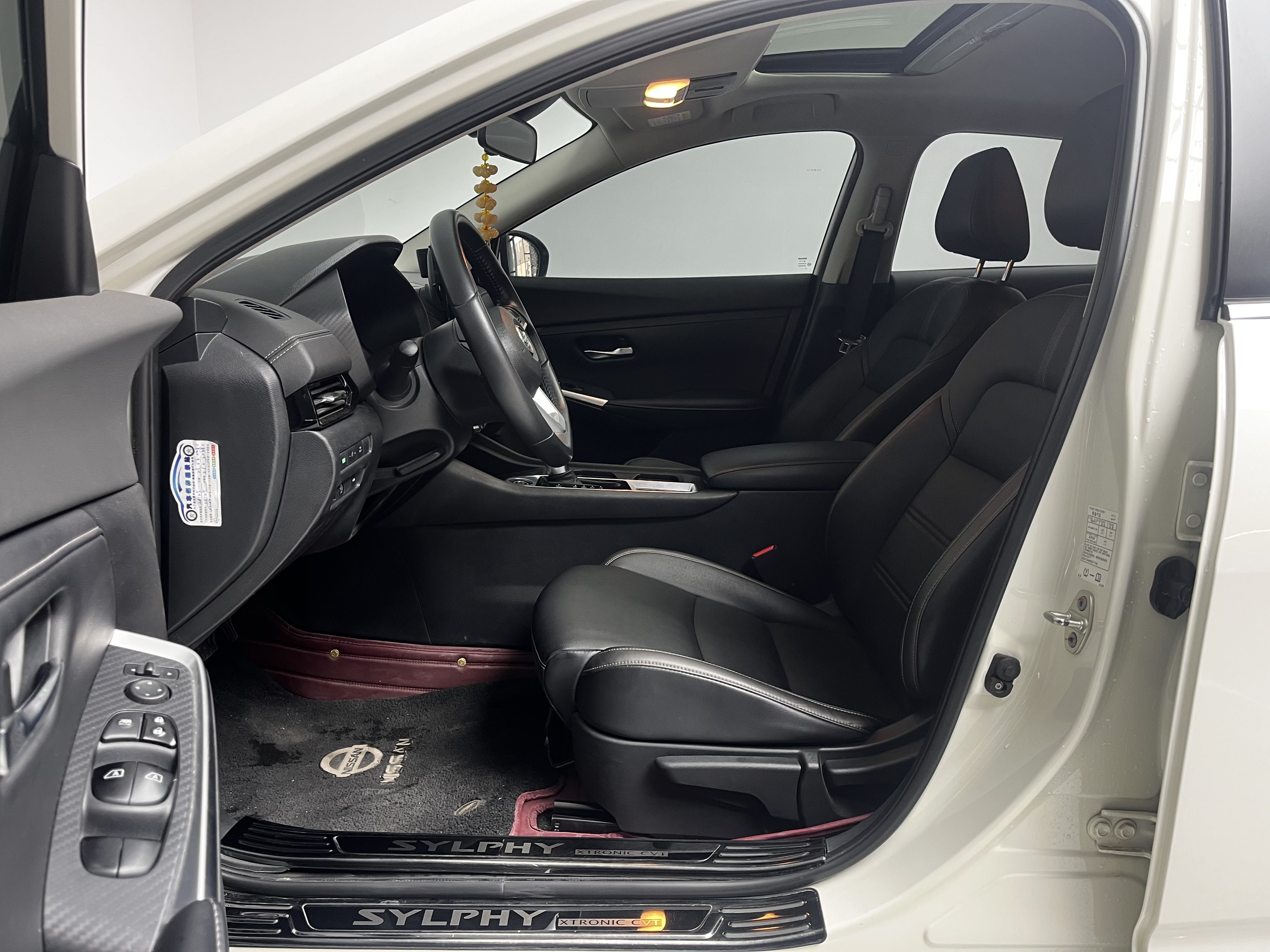
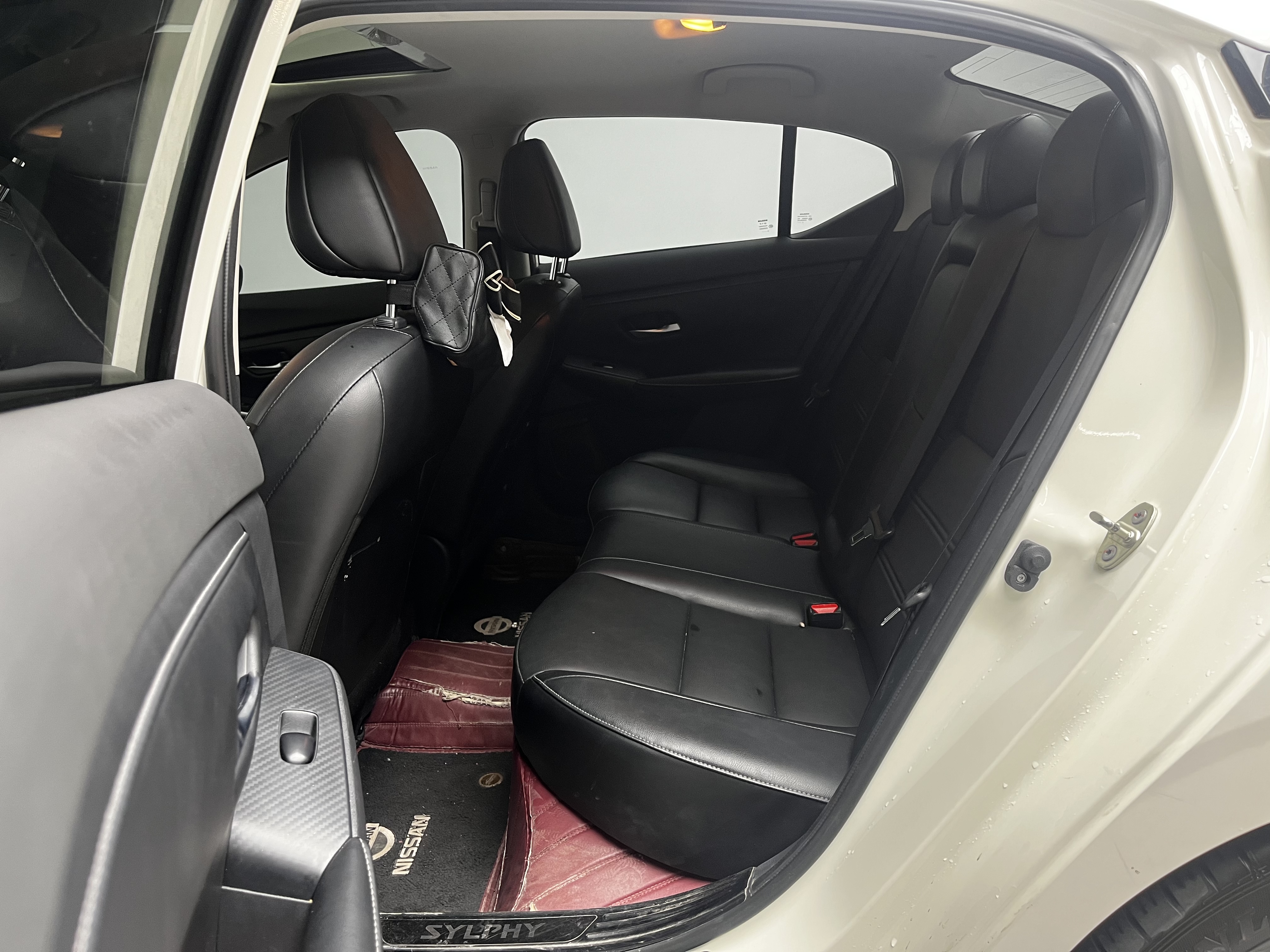
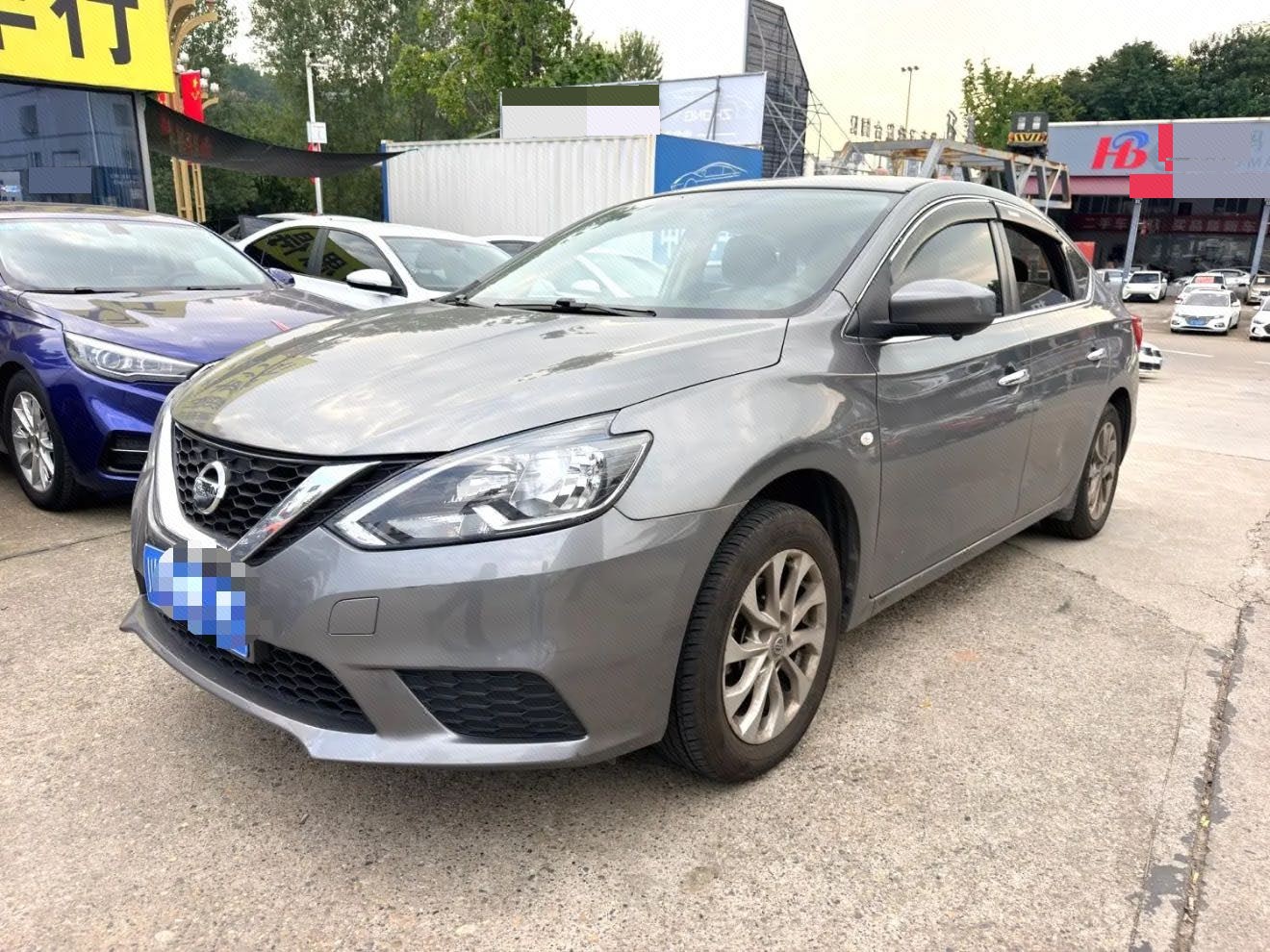
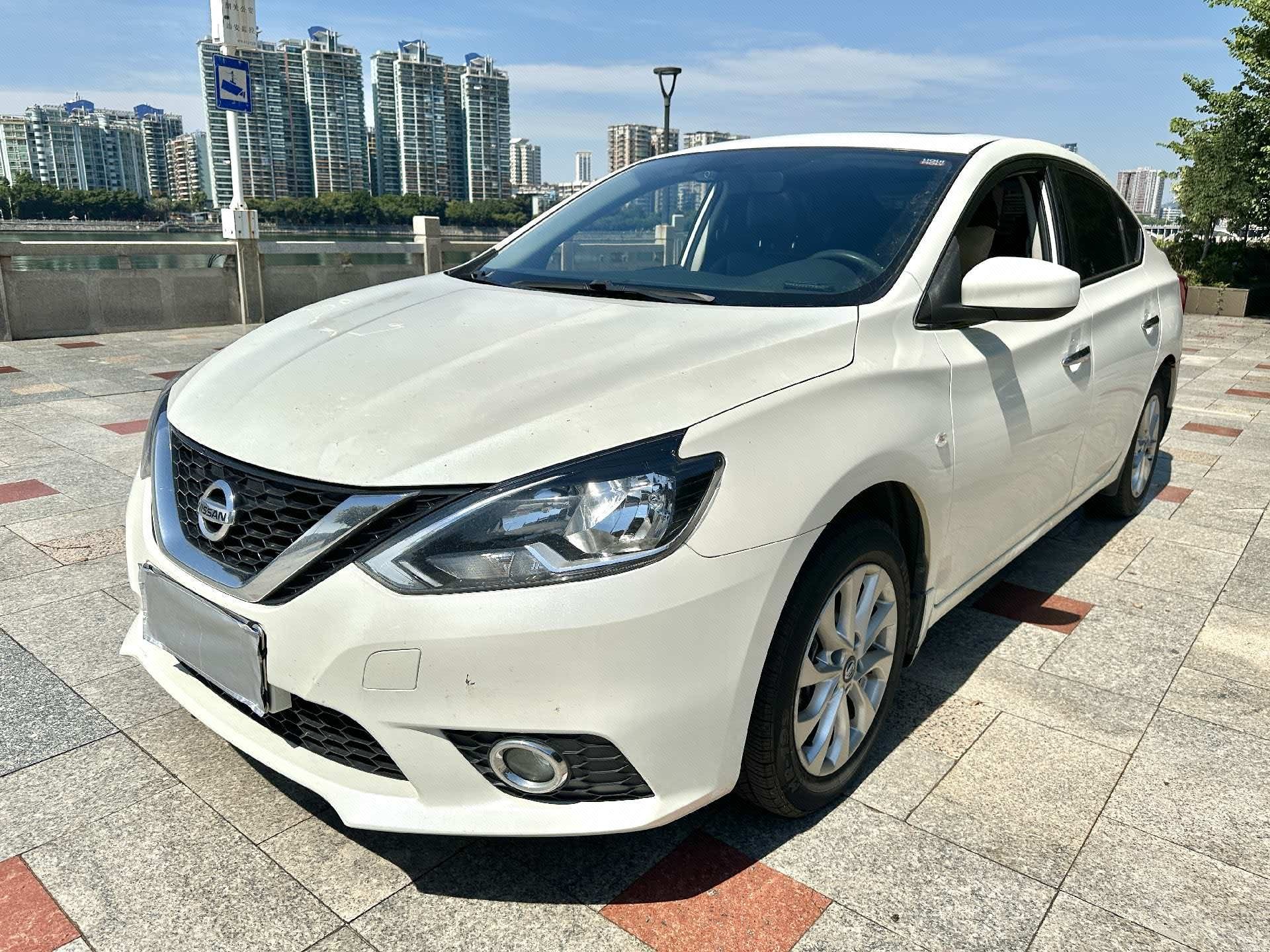
BrandNissan
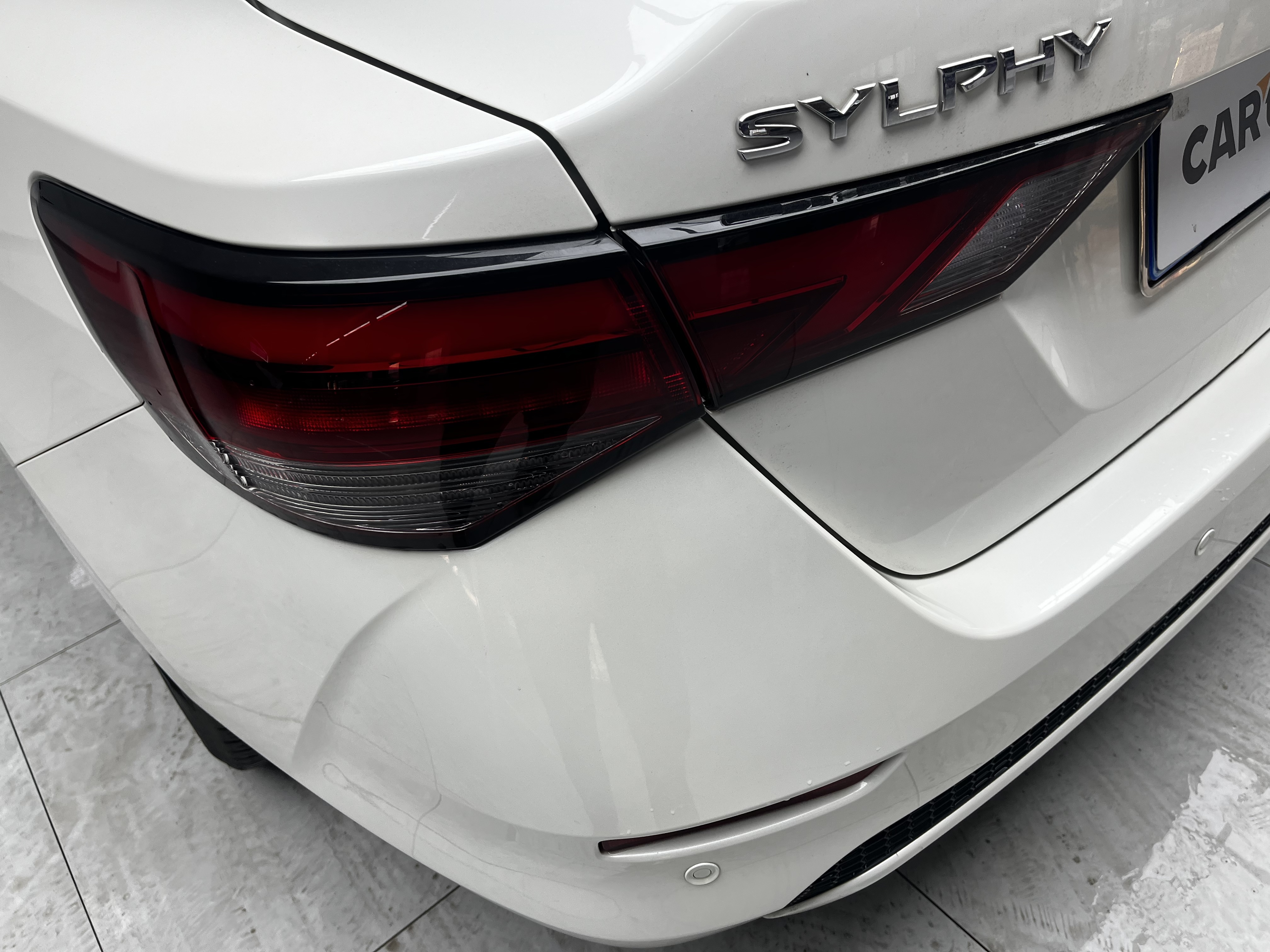
SeriesSylphy
Year2023
First Registration2023/06
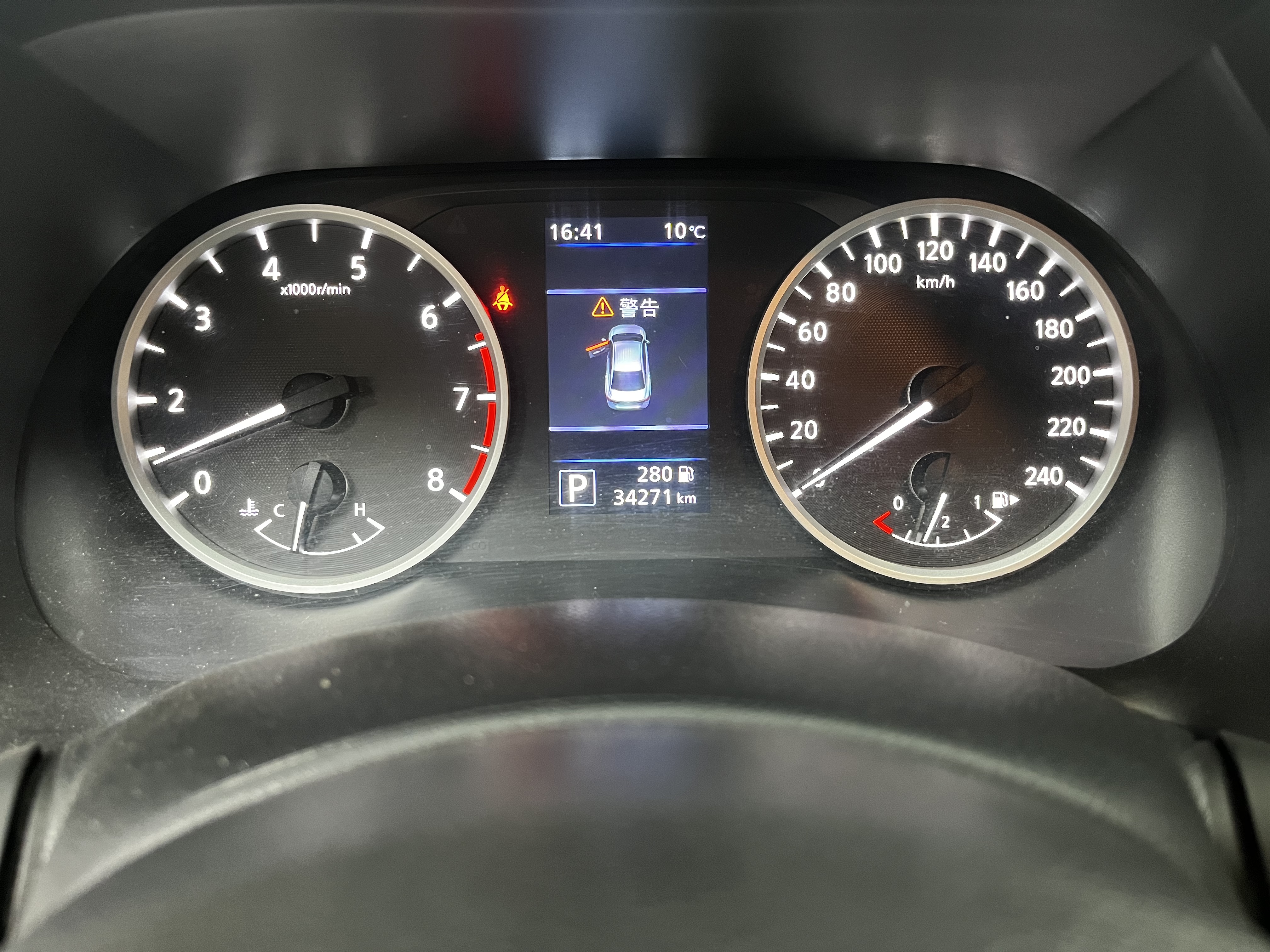
Mileage3.4km
Transfer Count-
FuelGasoline
TransmissionCVT
Engine1.6L 135 L4
ColorWhite
Seats-

Configuration Highlights

✓Driver/Passenger Airbags
✓Front/Rear Side Airbags
✓Front/Rear Curtain Airbags
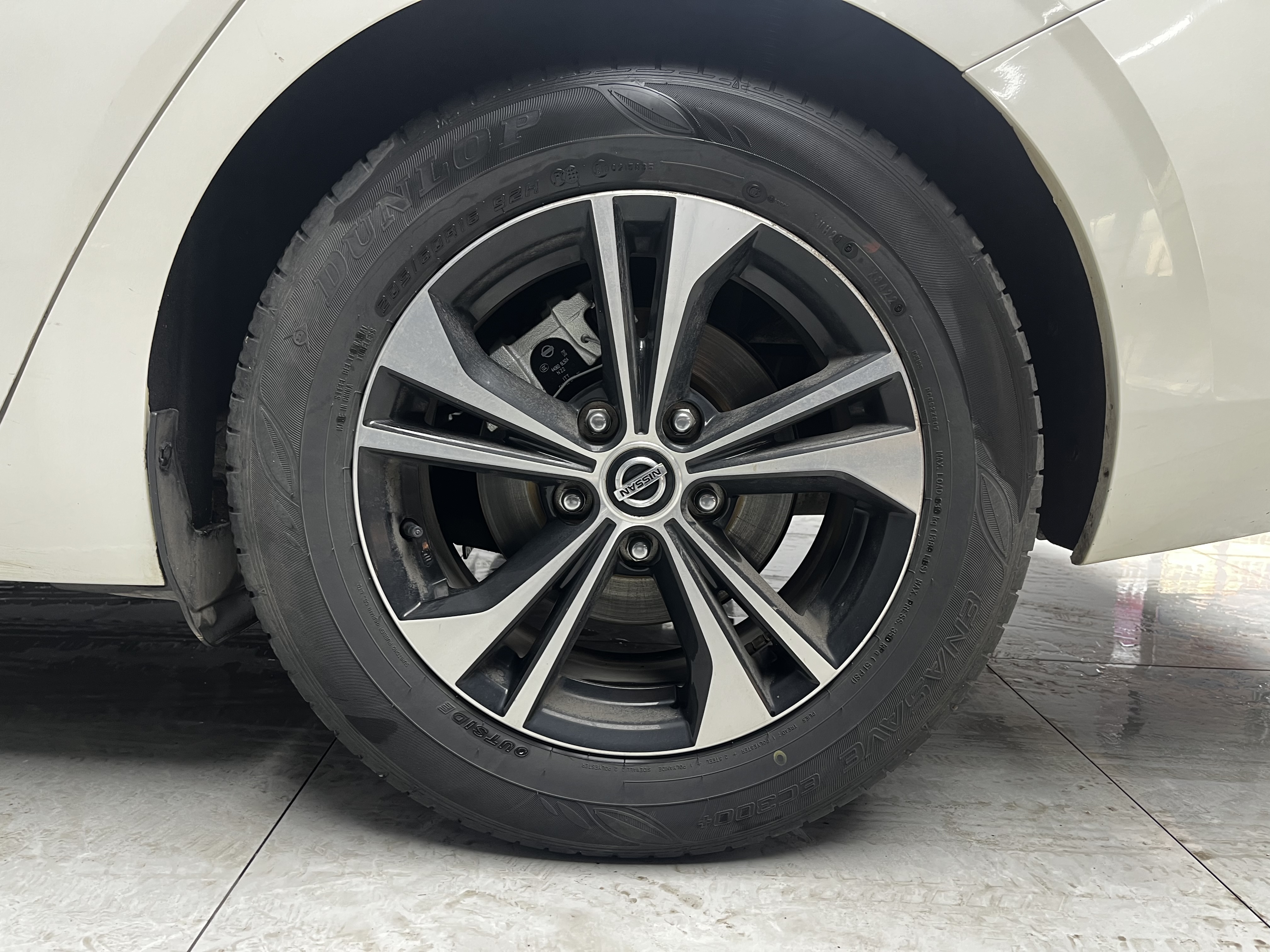
✓Tire Pressure Monitoring
✓ISOFIX Child Seat Anchors
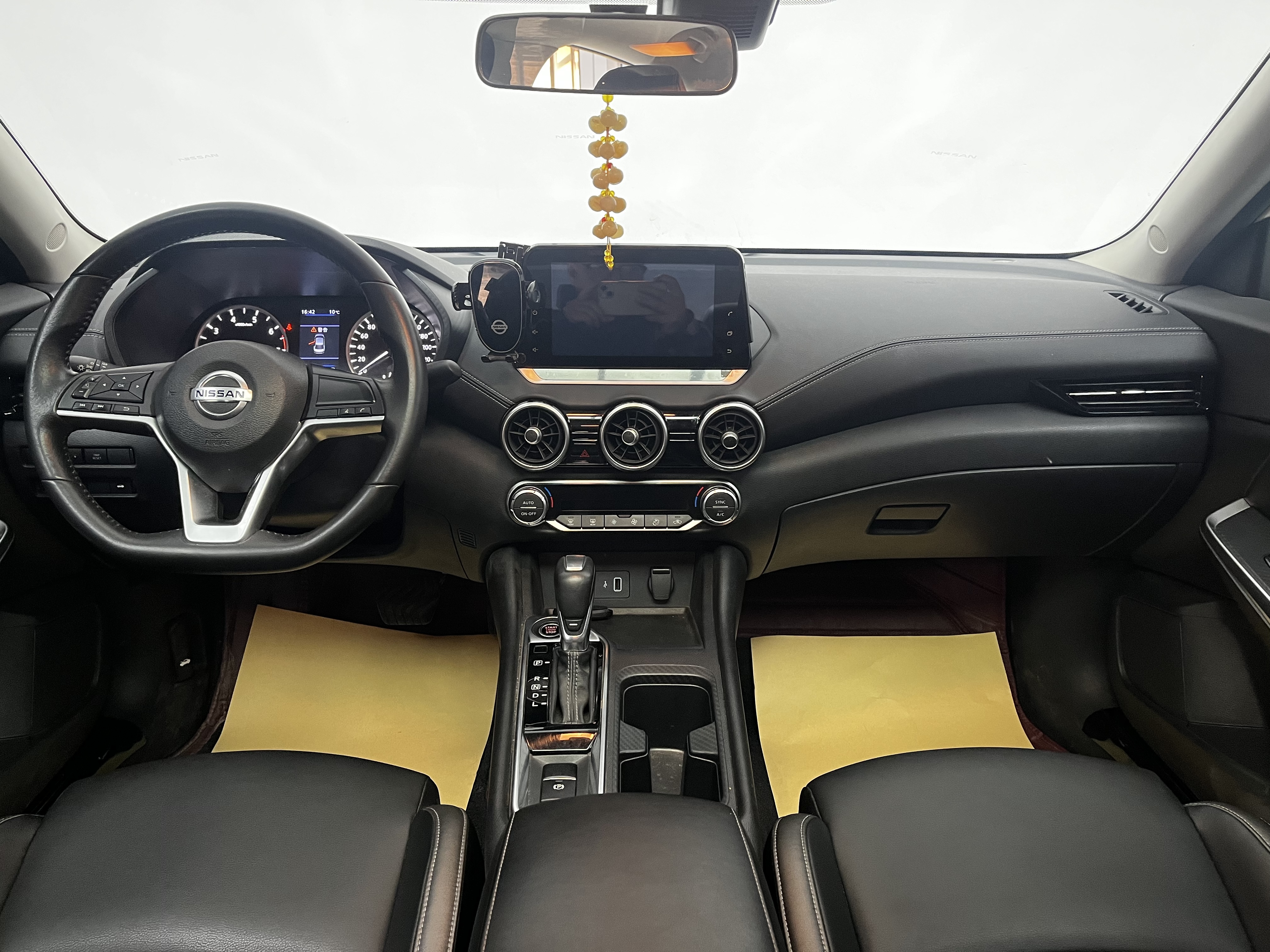
✓Keyless Start System
✓Keyless Entry System
✓ABS Anti-lock Braking
✓Electronic Brake Distribution
✓Electronic Stability Control
✓Hill Start Assist
✓Auto Hold
✓Multifunction Steering Wheel
✓Seat Material
✓Rear Cupholders
✓GPS Navigation
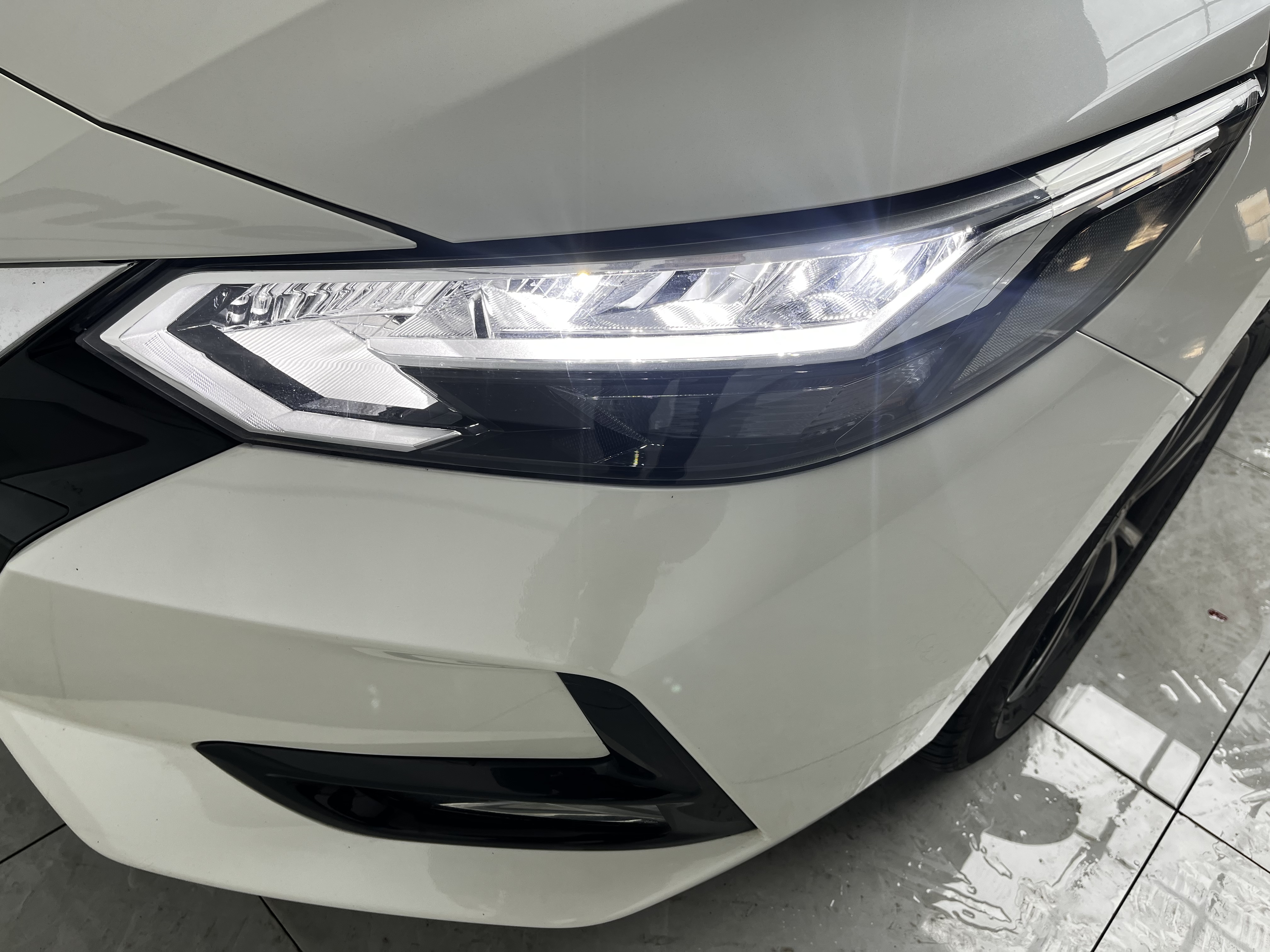
✓Low Beam Headlights
✓Daytime Running Lights
✓Auto Headlights
✓Adjustable Headlight Height
✓Power Windows
✓Anti-pinch Windows
✓Climate Control Type
✓Rear Air Vents
✓Start-Stop System

Q&A

More

If a car frequently transfers between extremely cold areas (like Northeast China) and extremely hot areas (like Hainan), would you provide special risk warnings?

Absolutely. The extreme temperature fluctuations will significantly accelerate the aging of chassis rubber parts, oil seals, and interior plastics. For vehicles frequently dispatched across such latitudes, we will conduct fatigue resistance checks on chassis rubber parts that are twice as stringent as those for vehicles in temperate regions.
Why is there a time difference between the production date on the vehicle nameplate and the first registration date on the registration certificate?

The nameplate date is the absolute time when the vehicle leaves the factory; the registration date is when the vehicle is registered with the traffic management department after sale. The difference represents the time the vehicle spent in the dealer's warehouse or logistics. If the time difference exceeds 6-8 months, the vehicle is considered a "stock vehicle," and we pay special attention to the natural aging of its rubber components.

Is there a specialized aging testing instrument for the insulation test of the vehicle's high-voltage wiring harness?

We will use a megohmmeter (insulation resistance tester) to measure the insulation resistance of the high-voltage bus. If the resistance value is below the national safety standard, it indicates a risk of leakage, and the vehicle will be deemed unqualified.