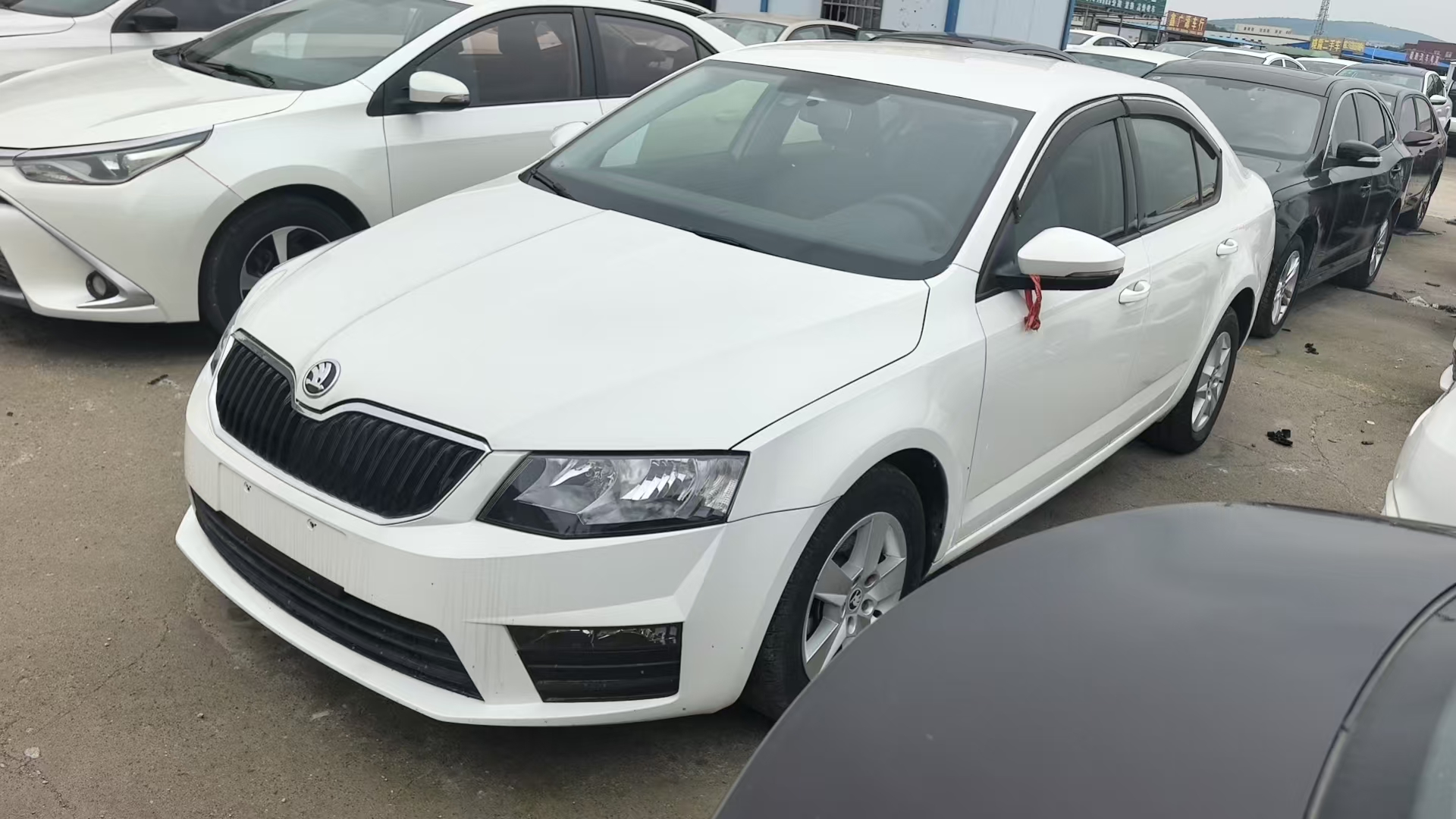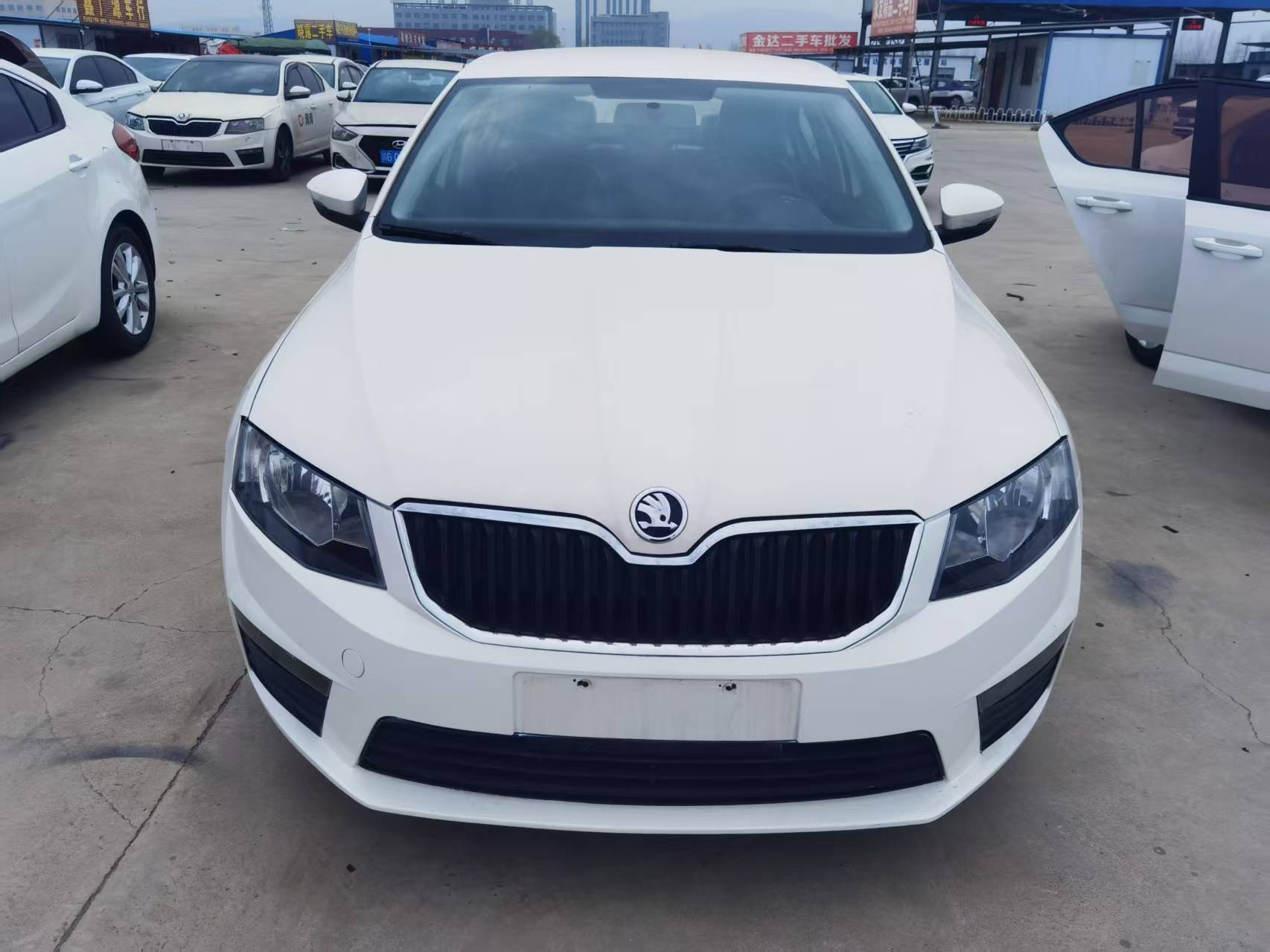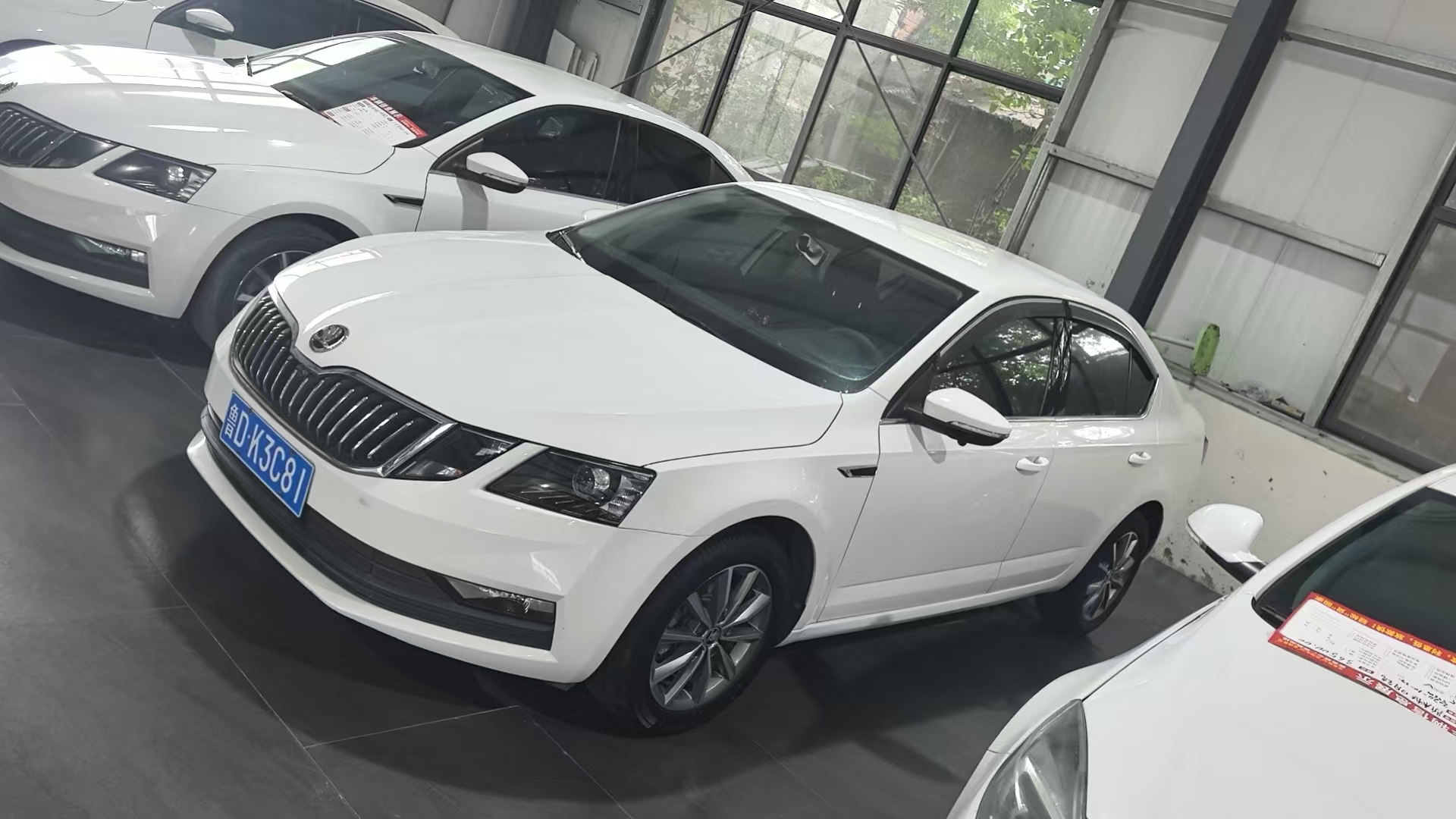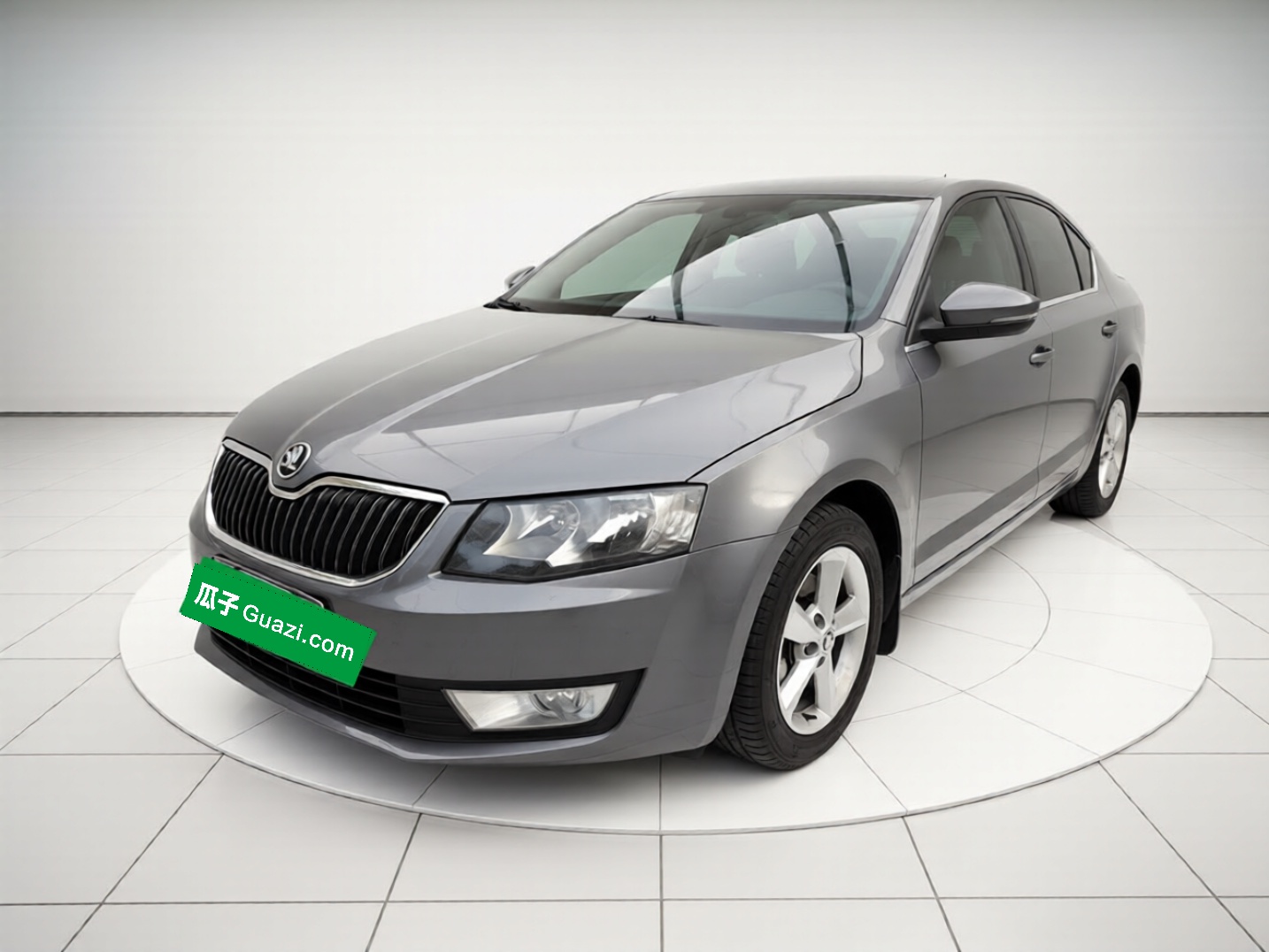

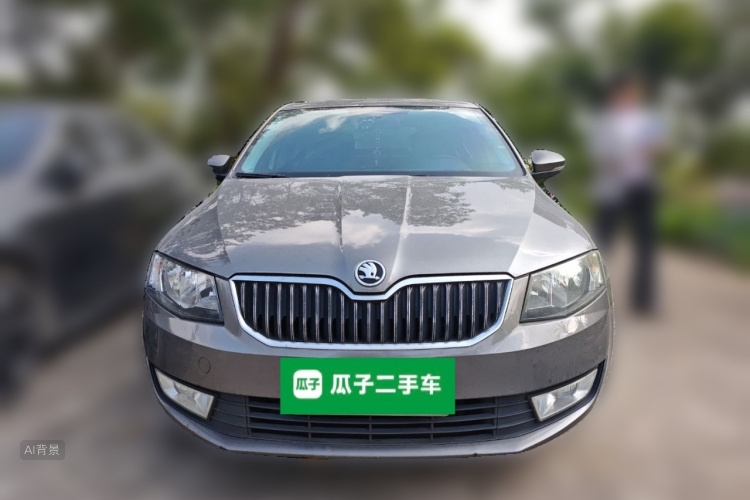
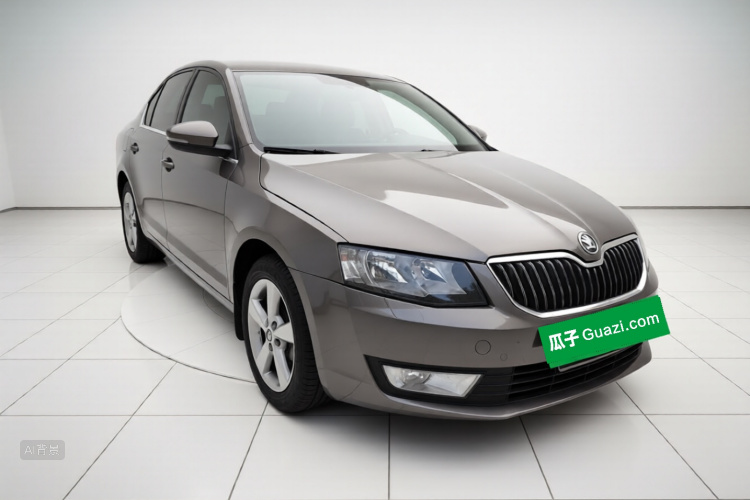
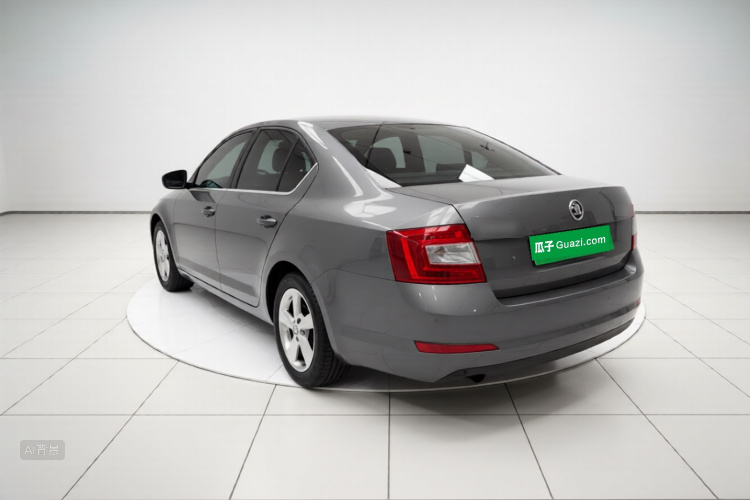
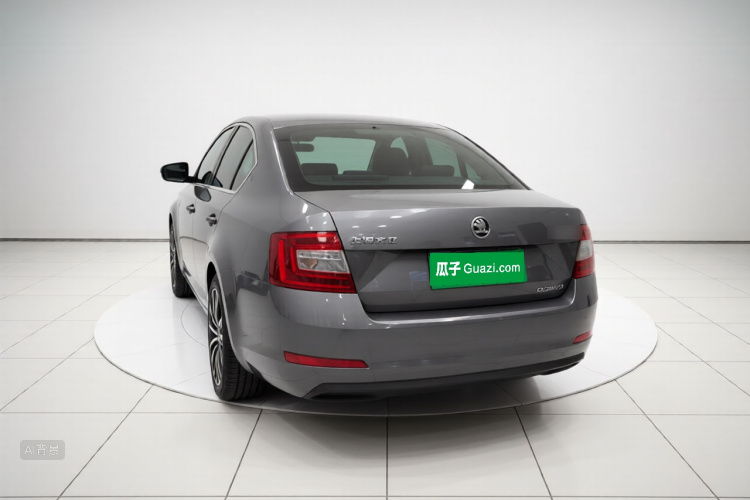




Basic Information

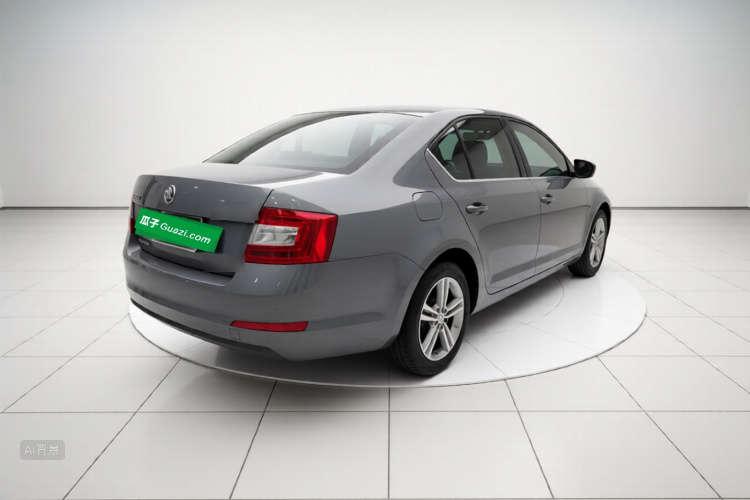
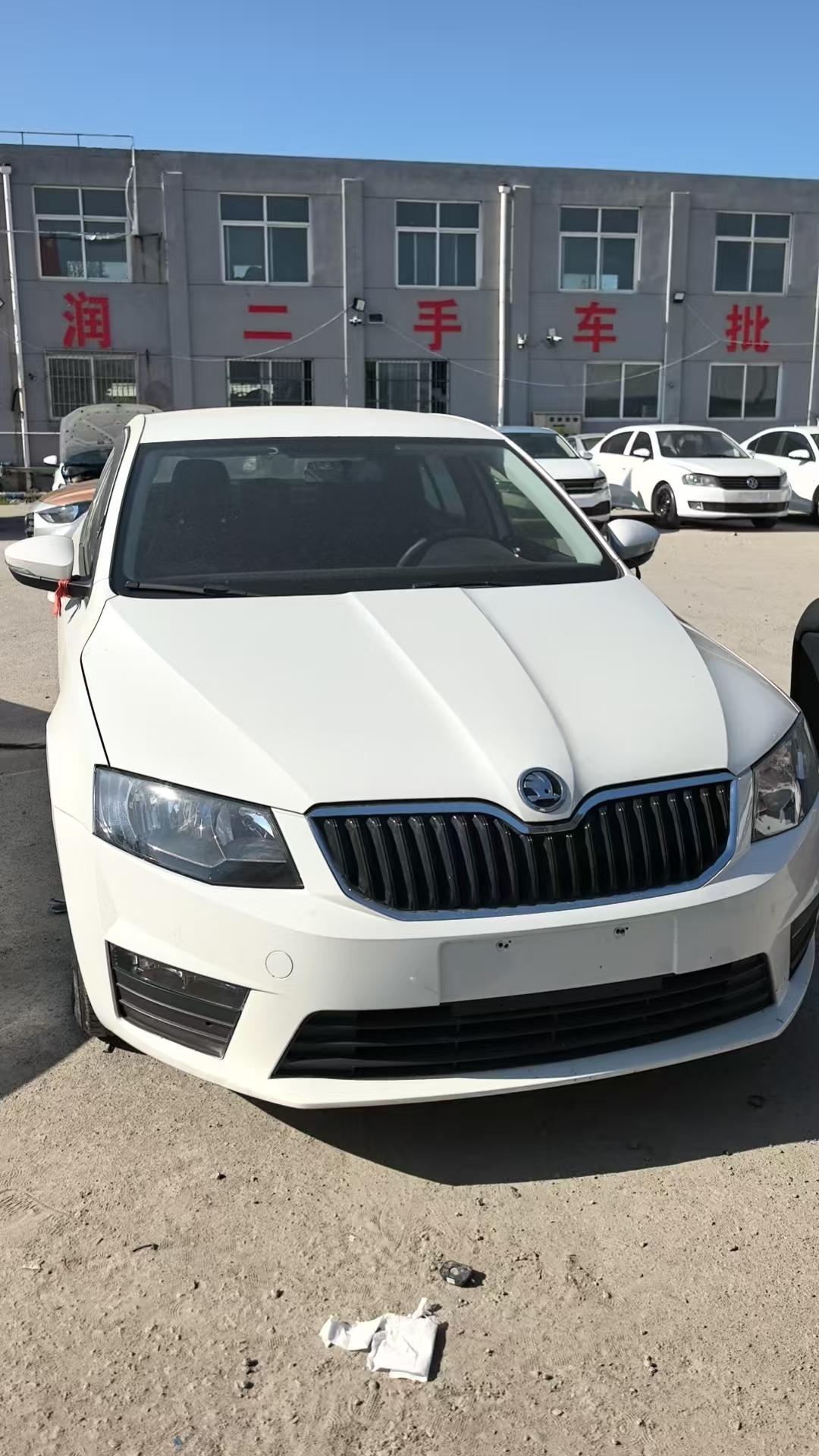
BrandSkoda
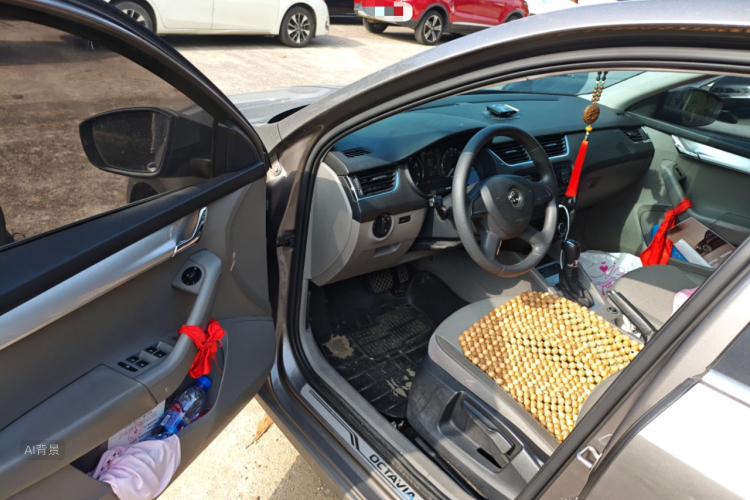
SeriesOctavia
Year2014
First Registration2014/08
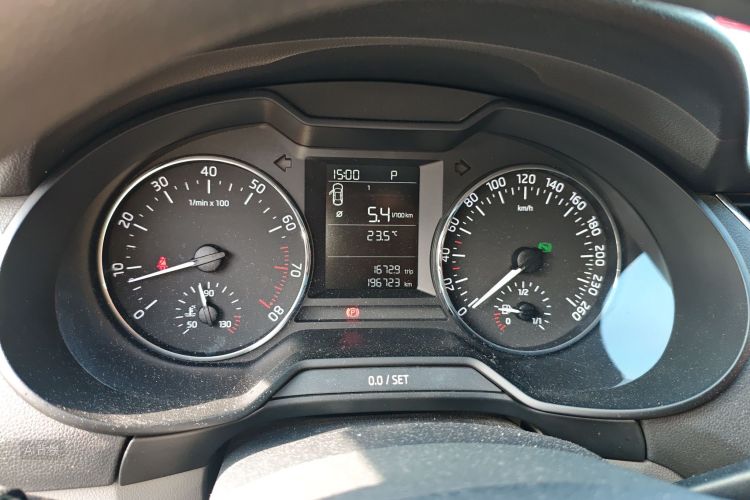
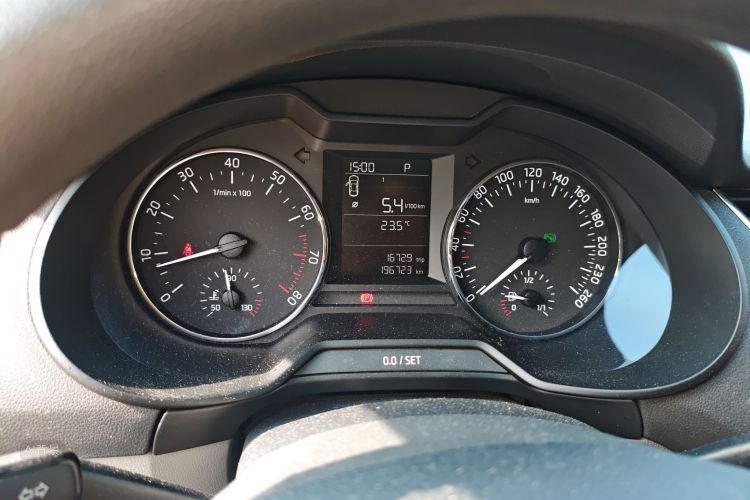
Mileage196,700km
Transfer Count-
FuelGasoline
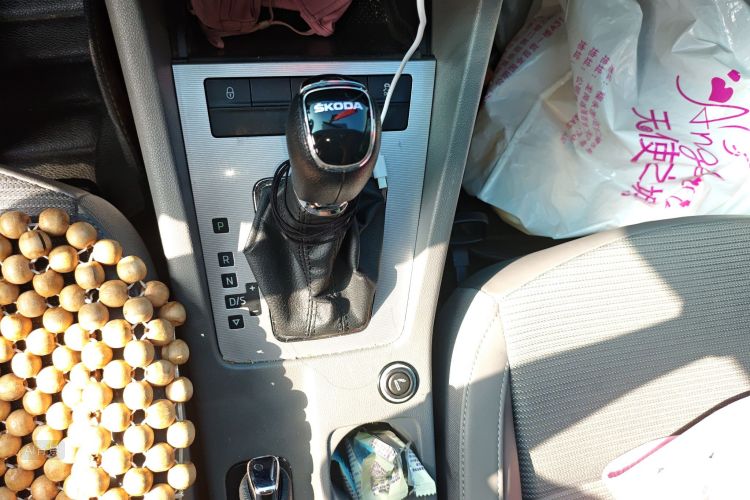
TransmissionManumatic
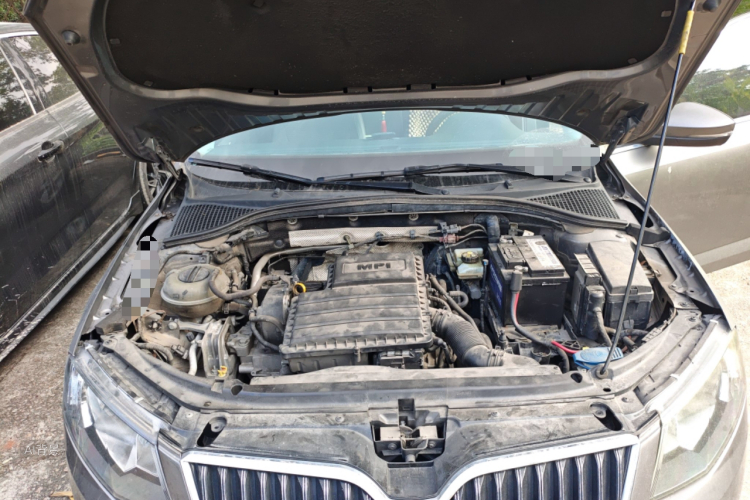
Engine1.6L 105 L4
ColorGrey
Seats-

Condition Description

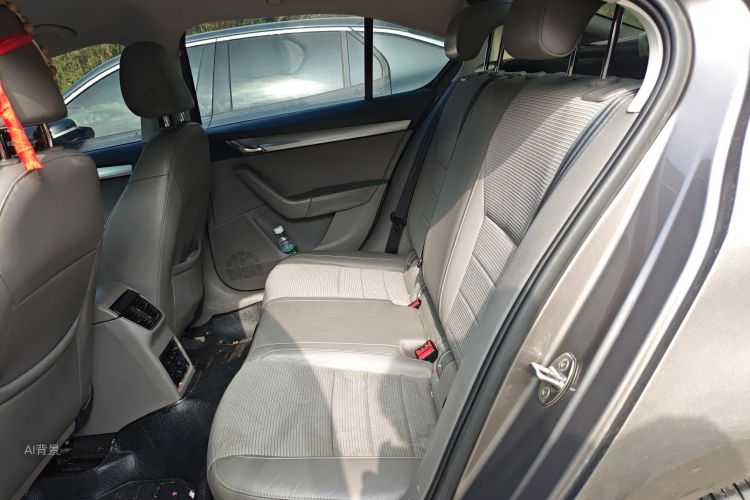
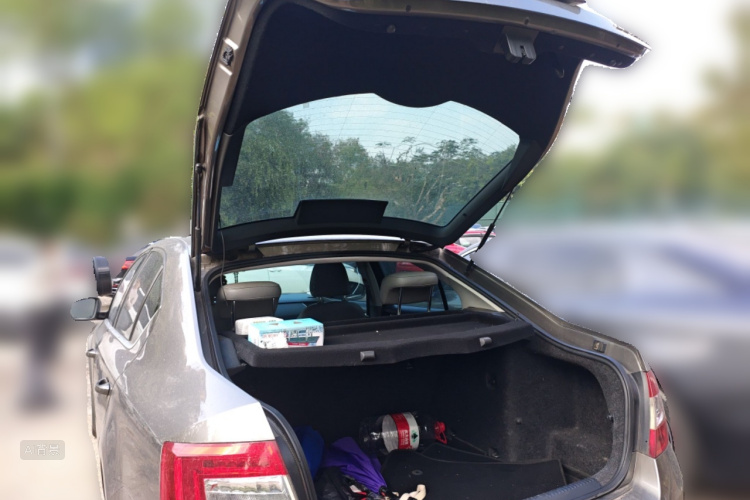
Vehicle condition meets standards, passed inspection, good condition, 6 claims filed, 0 ownership transfers.

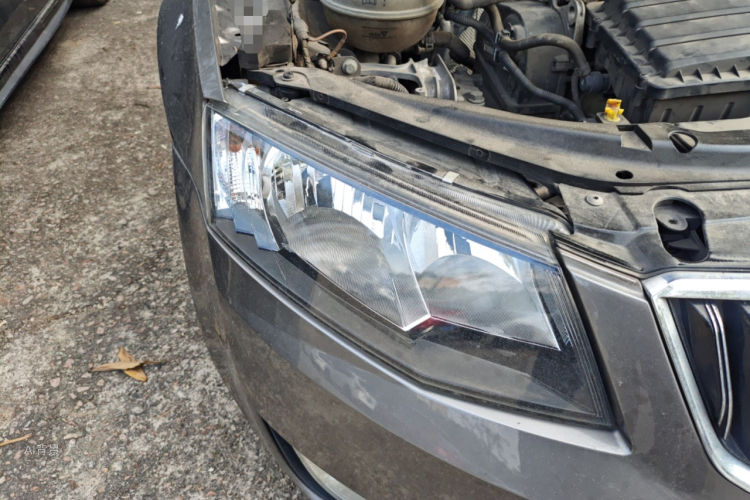
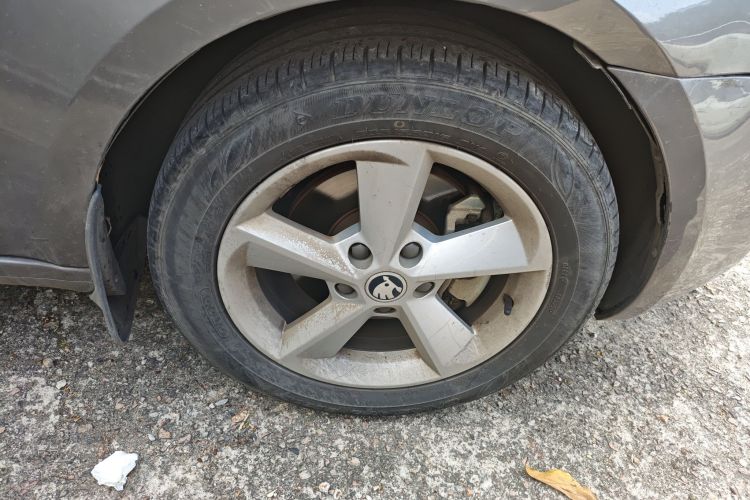
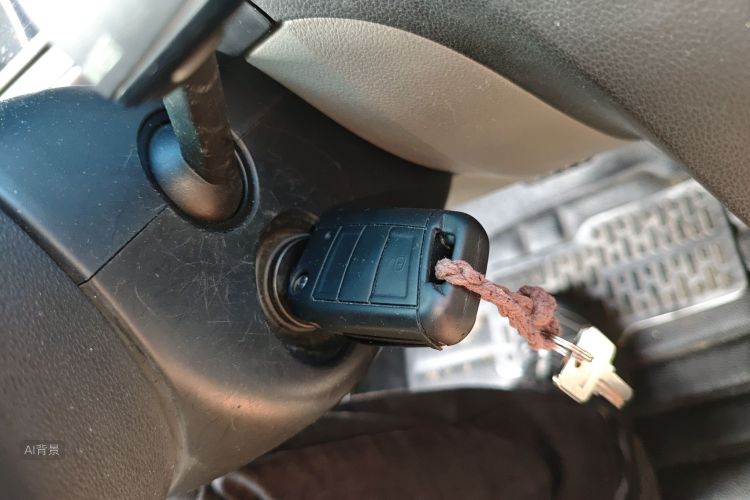
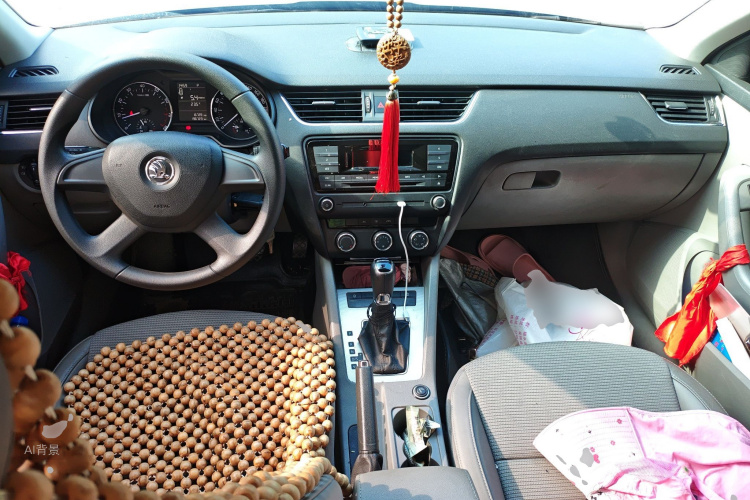
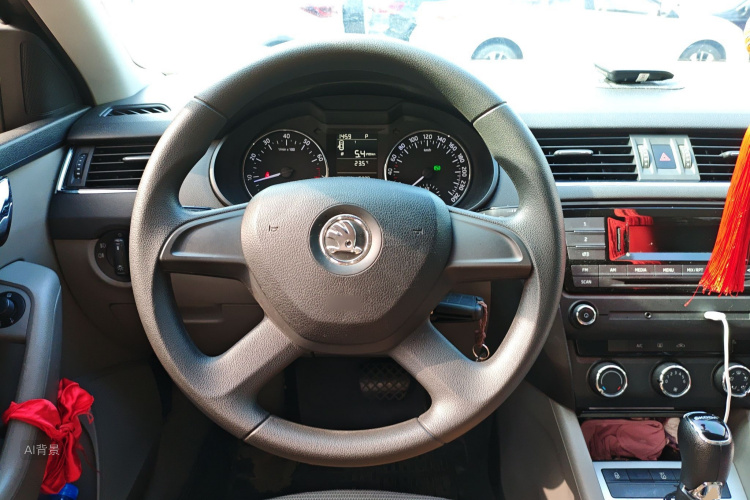
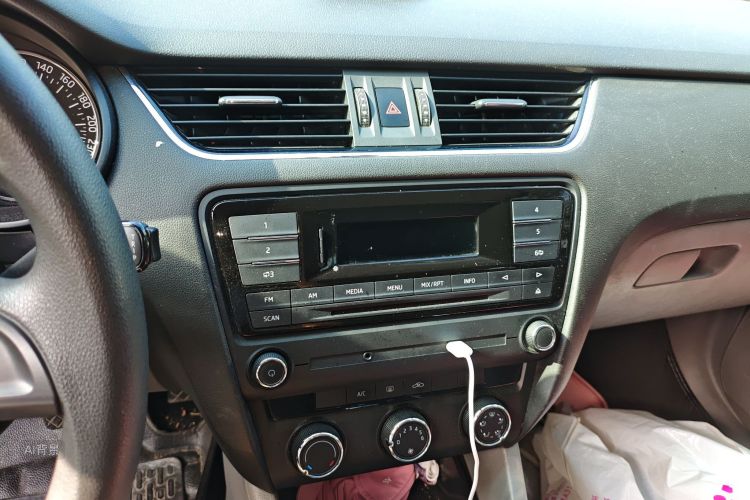
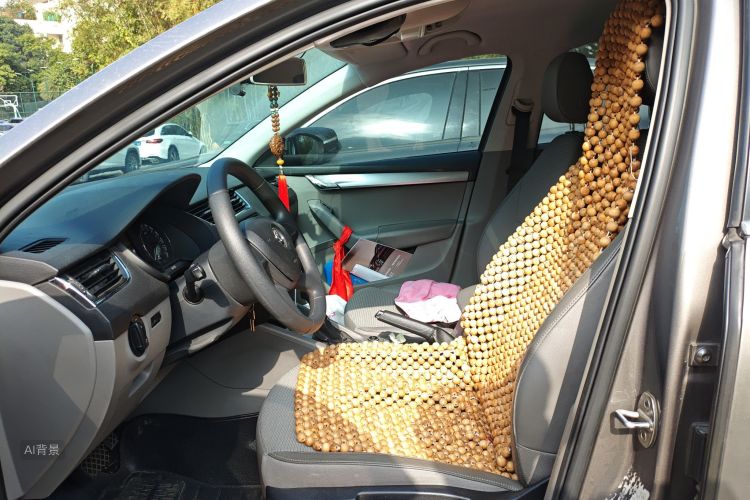
This car is 12 years old, with an average annual mileage of 16,400 kilometers, typical of normal family daily use, and has never been transferred to another owner, making it a good first-hand car; there may be obvious signs of wear and tear on the exterior; the interior shows obvious signs of use or dirt; the overall body frame is intact, but there are a few abnormal issues; the powertrain is functioning normally.

Configuration Highlights

✓Cornering Lights
✓Cruise Control
✓Rear Air Vents
✓Tire Pressure Monitoring
✓Heated Mirrors
✓Hill Start Assist
✓Rear Parking Sensors
✓Anti-pinch Windows

Q&A

More

When checking the history records, can you distinguish whether the vehicle was involved in a "single-vehicle accident (like hitting a wall)" or a "multi-vehicle rear-end collision"?

If insurance claims records are accessed, there will usually be notes like "the insured vehicle is fully responsible for hitting a fixed object" or "third-party liability insurance payment." We can roughly reconstruct the accident scene based on this and cross-verify the stress points on the vehicle's frame with paint thickness gauge data.
Why is there a time difference between the production date on the vehicle nameplate and the first registration date on the registration certificate?

The nameplate date is the absolute time when the vehicle leaves the factory; the registration date is when the vehicle is registered with the traffic management department after sale. The difference represents the time the vehicle spent in the dealer's warehouse or logistics. If the time difference exceeds 6-8 months, the vehicle is considered a "stock vehicle," and we pay special attention to the natural aging of its rubber components.

Can the buyer request the internal resistance test data of the battery pack at different state of charge (SOC) levels?

Obtaining precise internal resistance at different SOC levels requires disassembling the battery pack and connecting it to a professional charge-discharge cabinet for several days of cycling tests. This is beyond the scope of non-destructive used car inspections; we only provide real-time estimated internal resistance data based on OBD port readings.