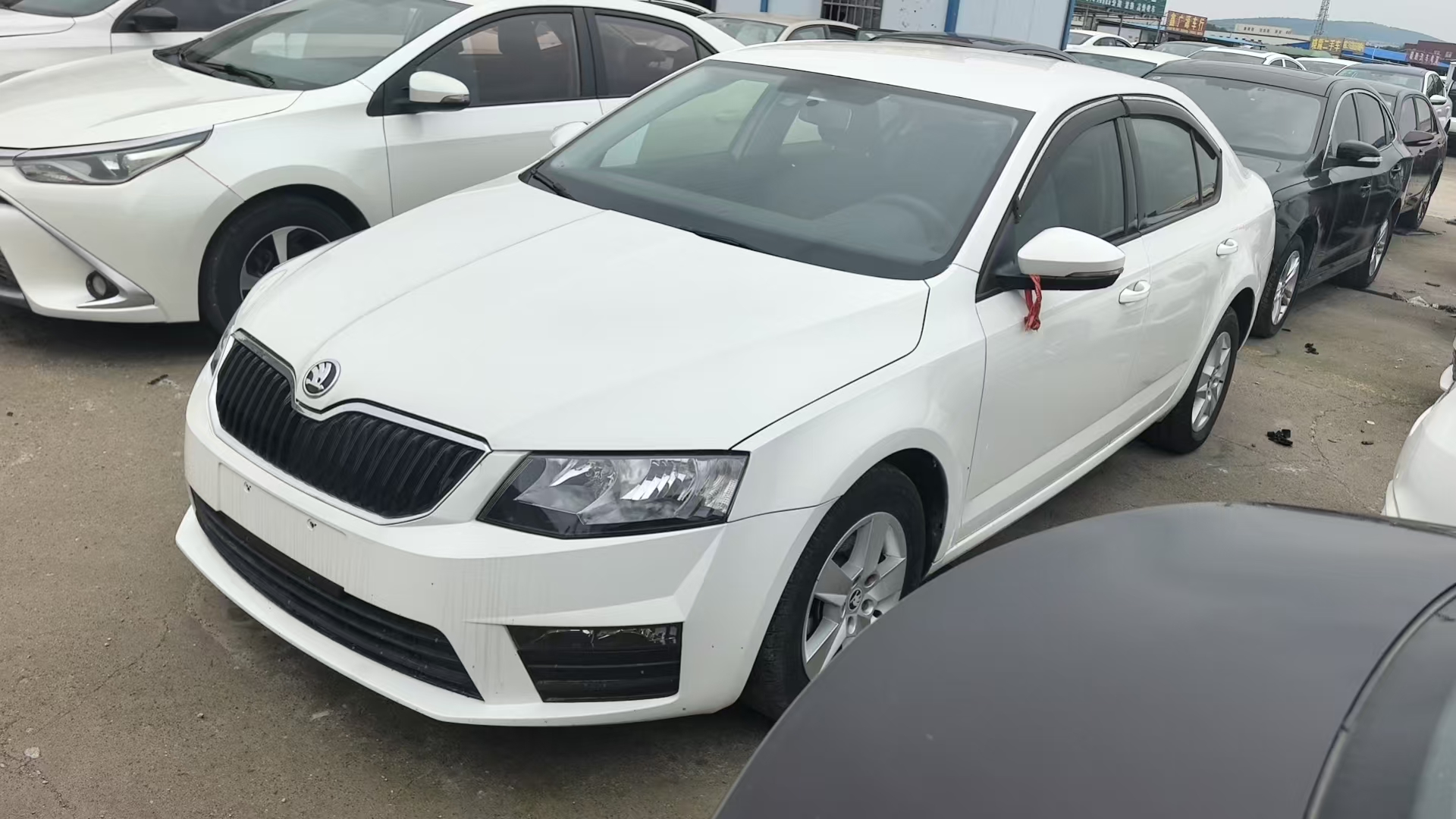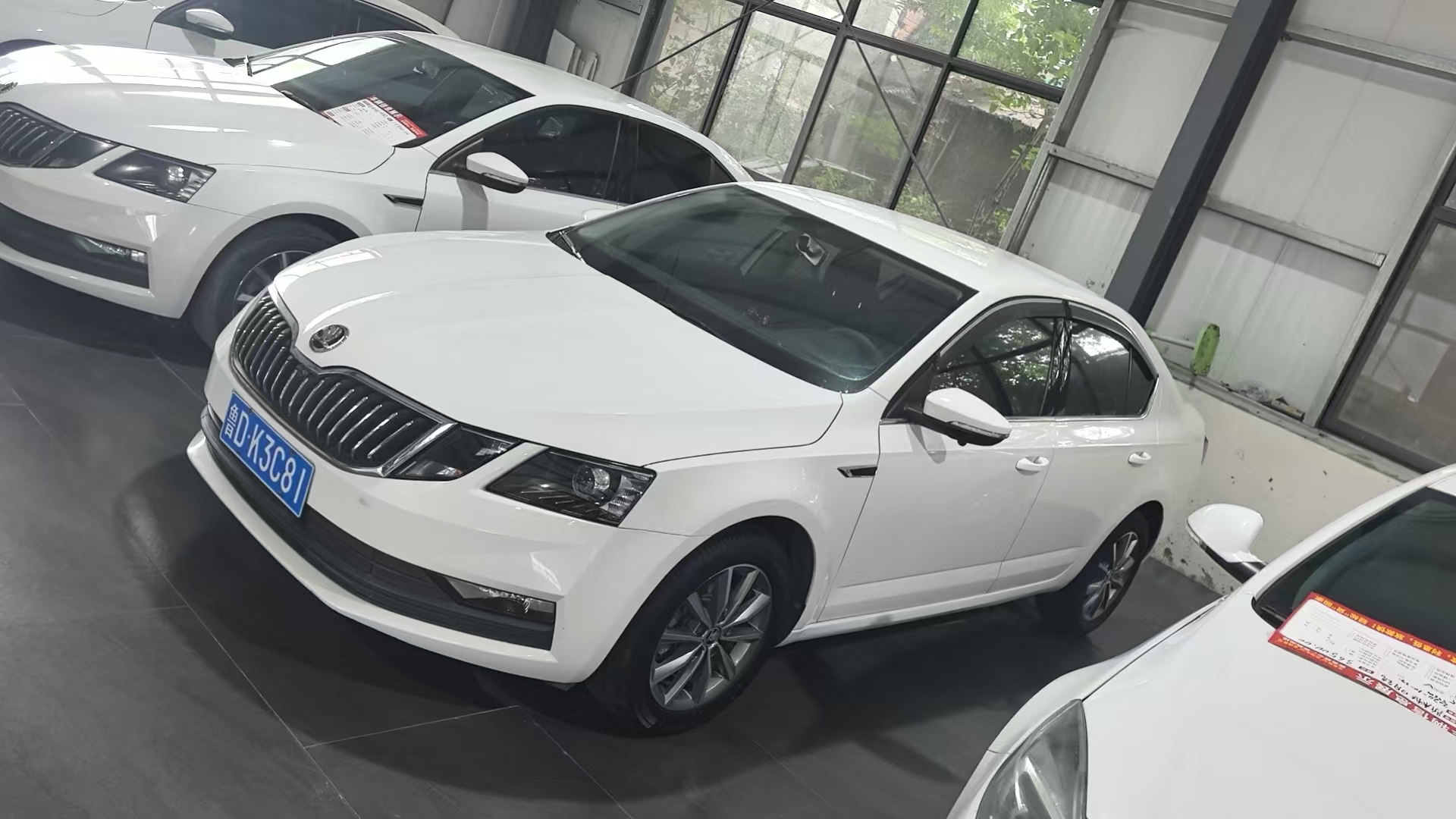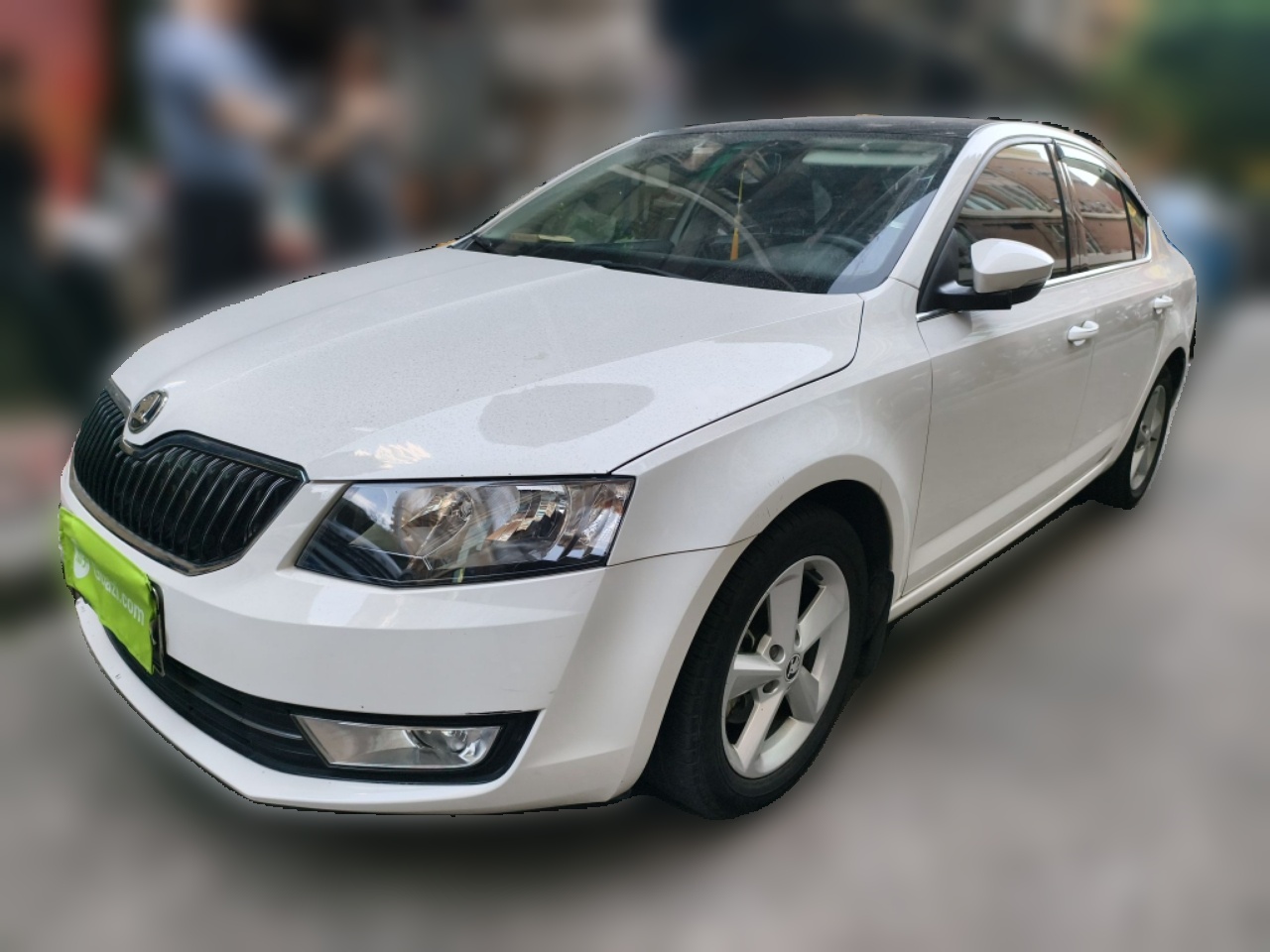
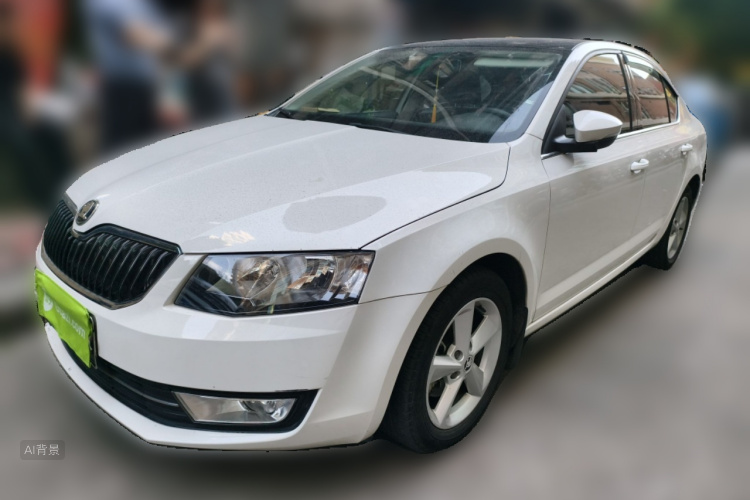

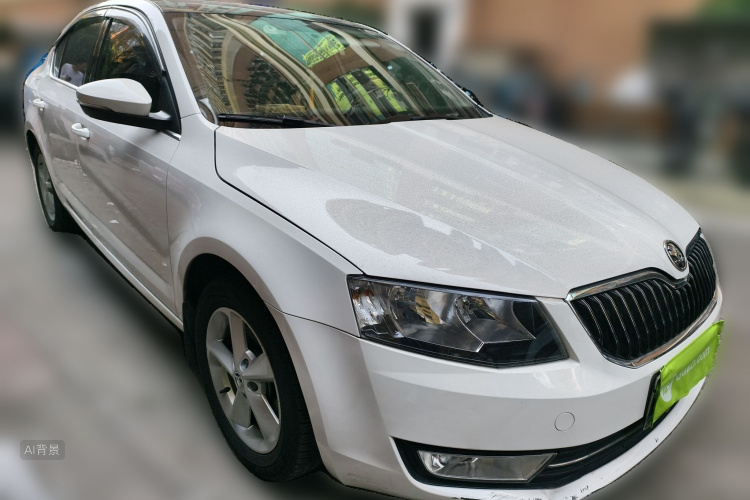
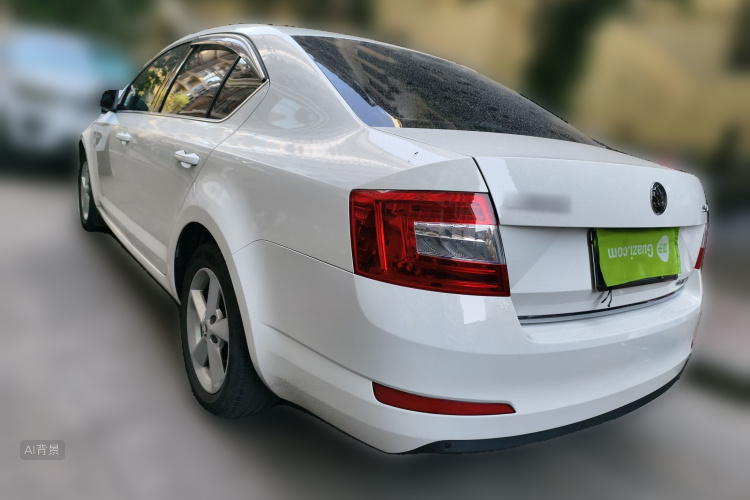
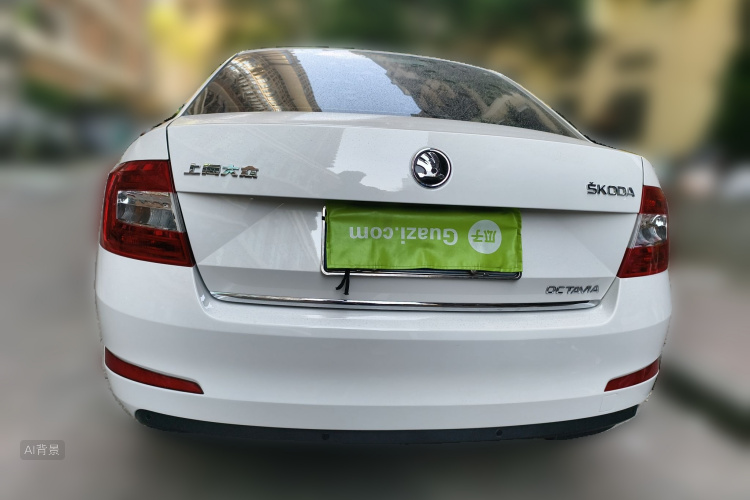
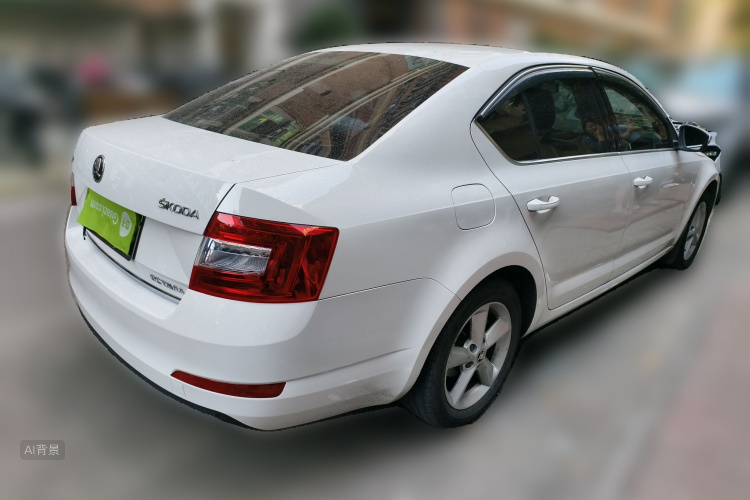
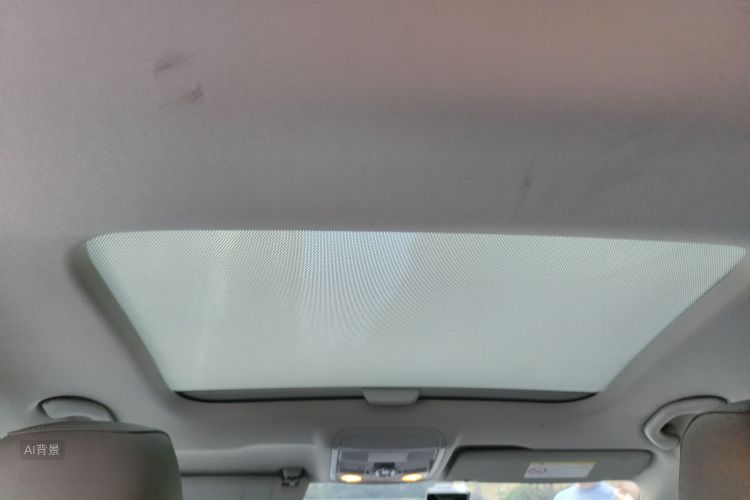

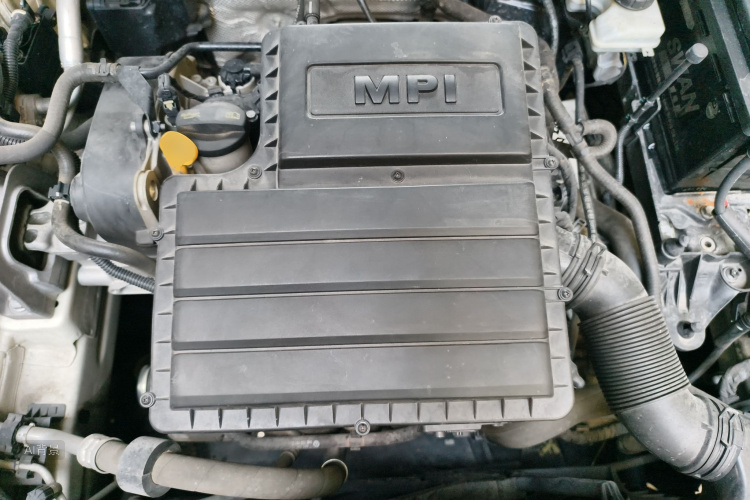



Basic Information

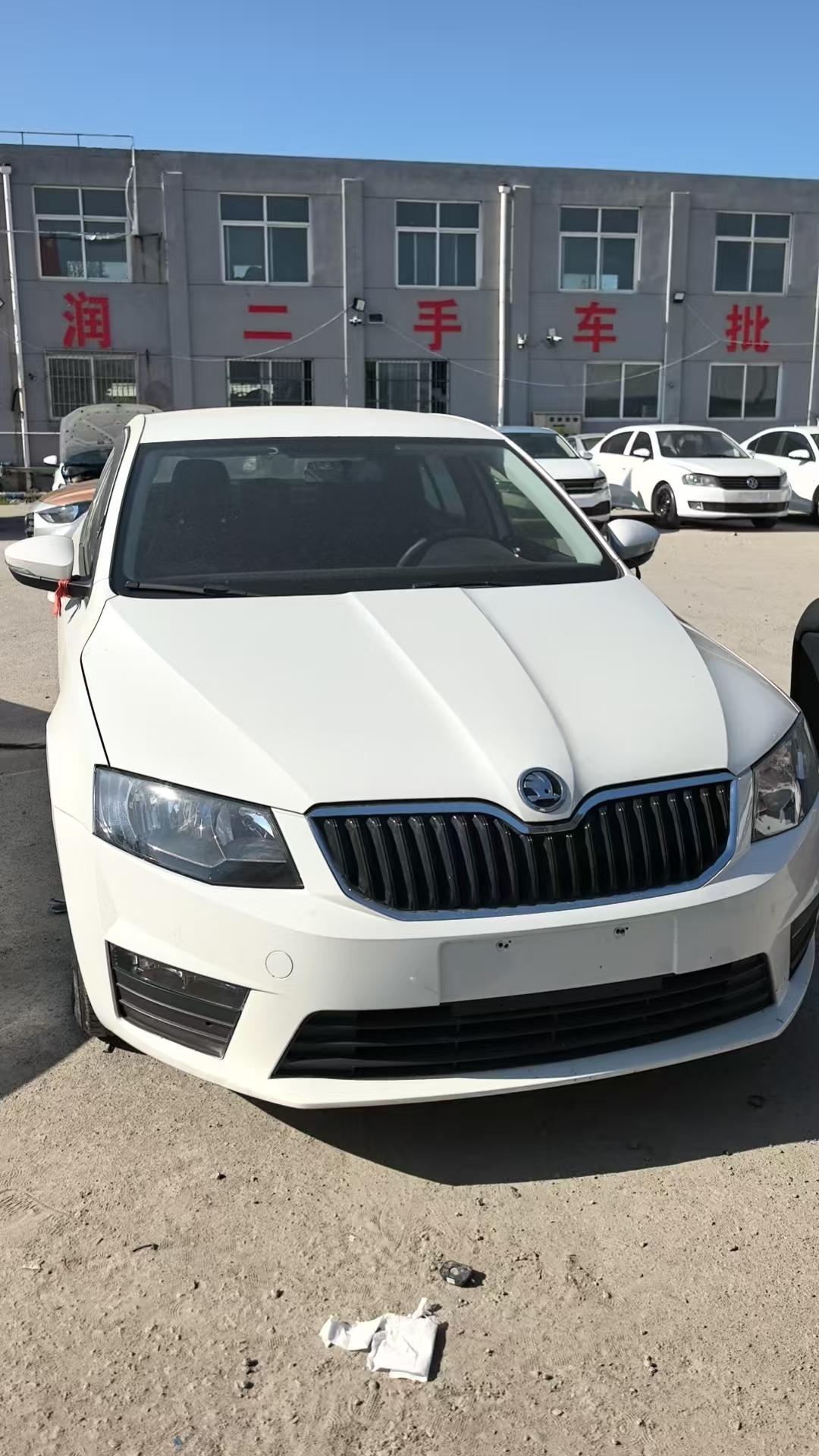
BrandSkoda
SeriesOctavia
Year2015
First Registration2015/04
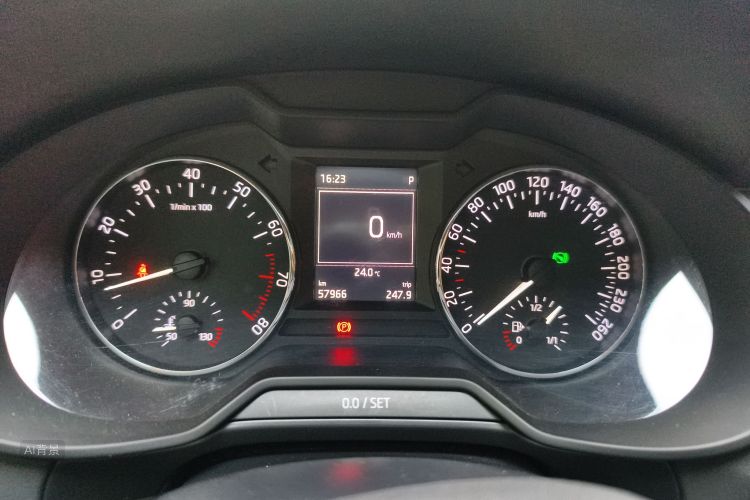
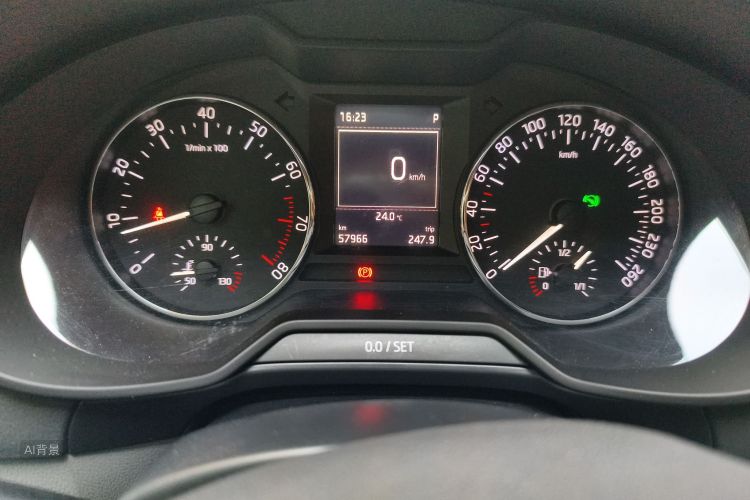
Mileage57,900km
Transfer Count-
FuelGasoline
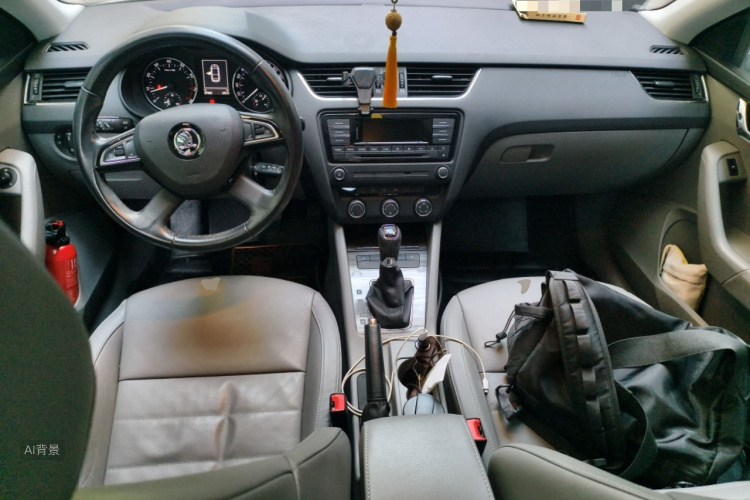
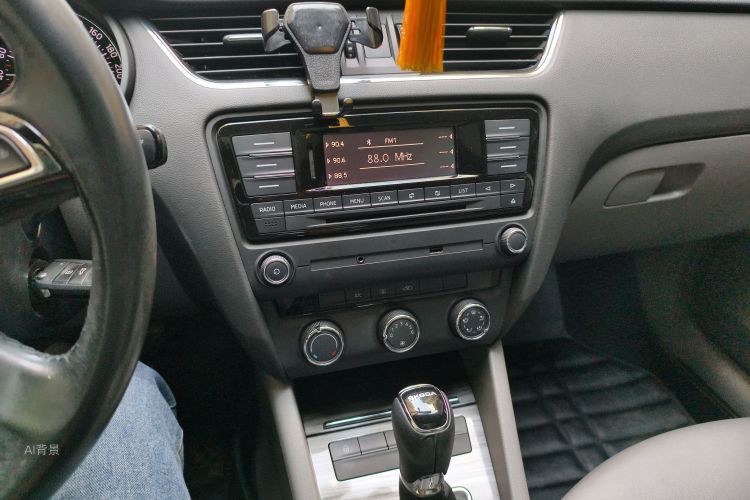
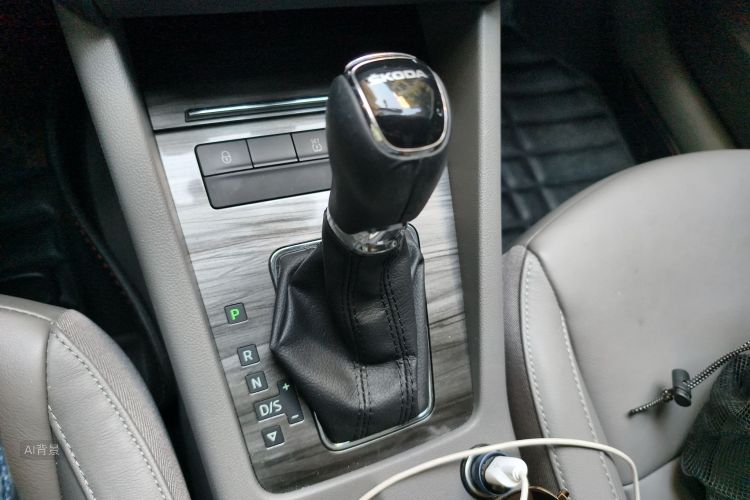
TransmissionManumatic
Engine1.6L 105 L4
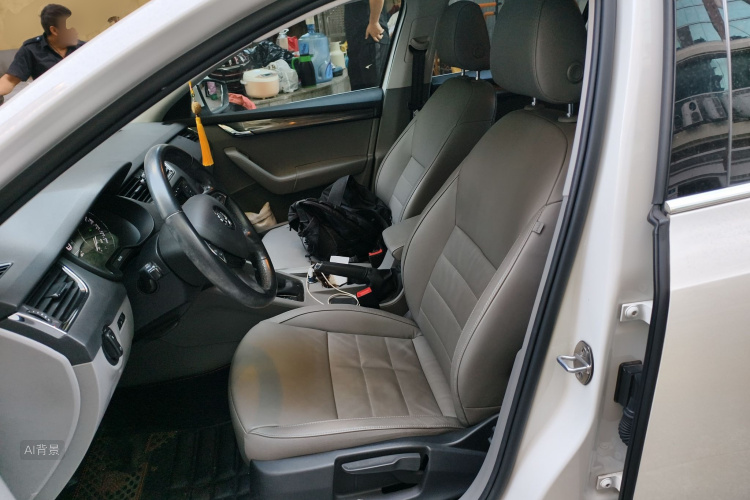
ColorWhite
Seats-

Condition Description

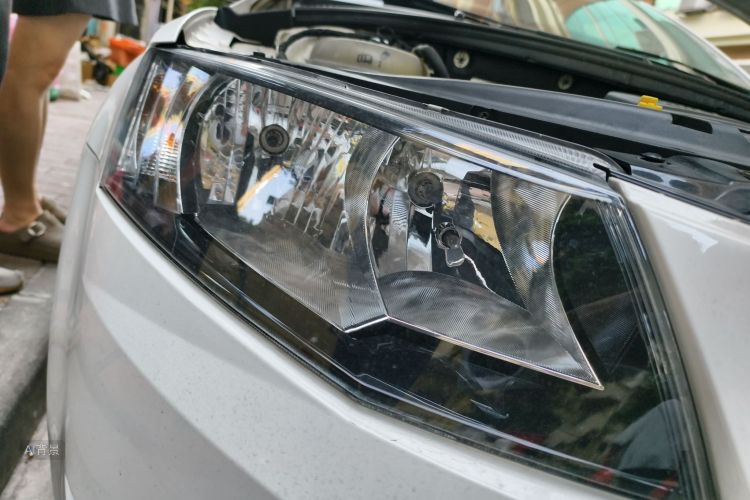
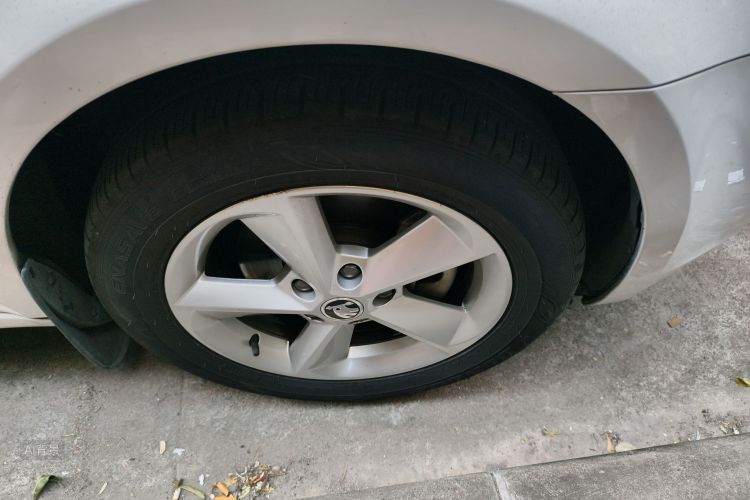
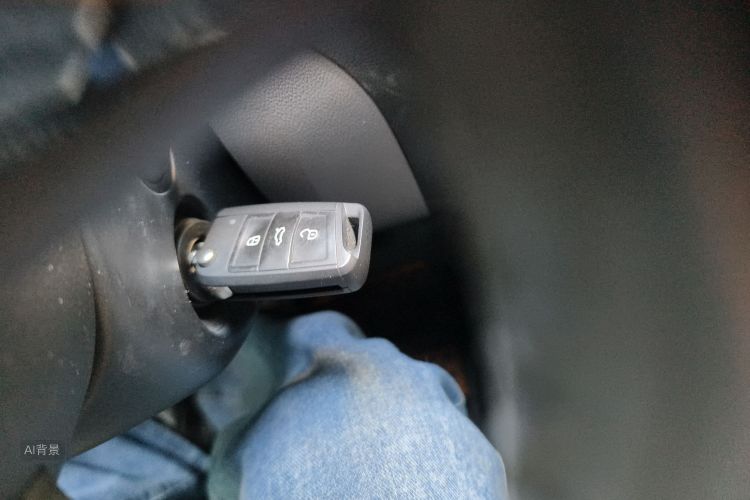
Vehicle condition meets standards, passed inspection, good condition, 5 claims filed, 0 ownership transfers.

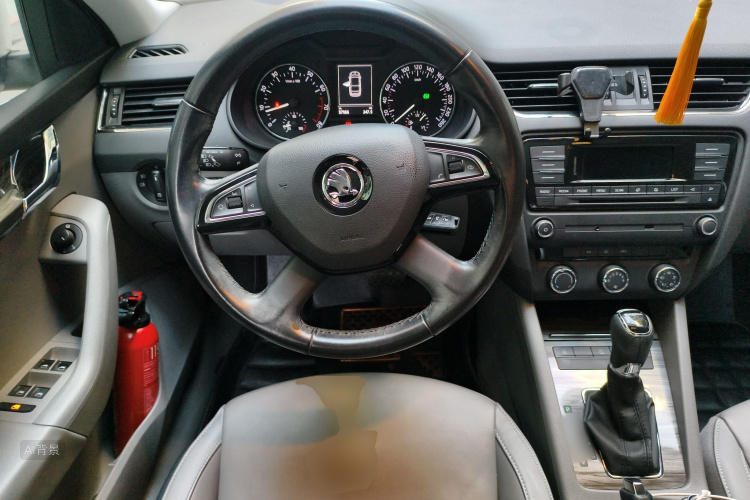
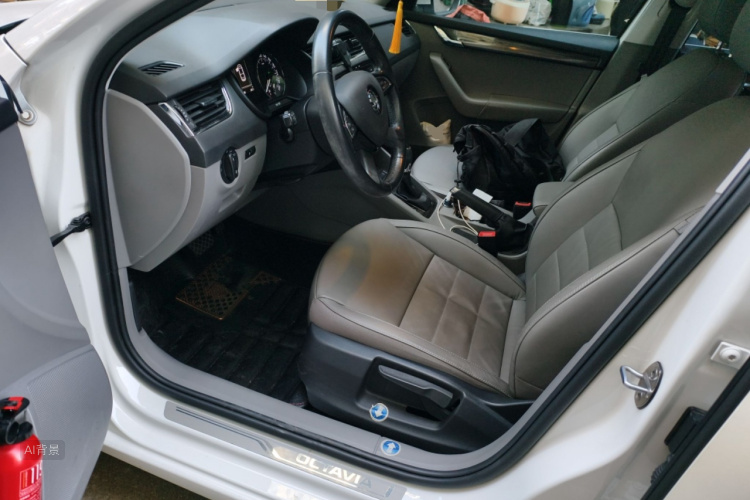
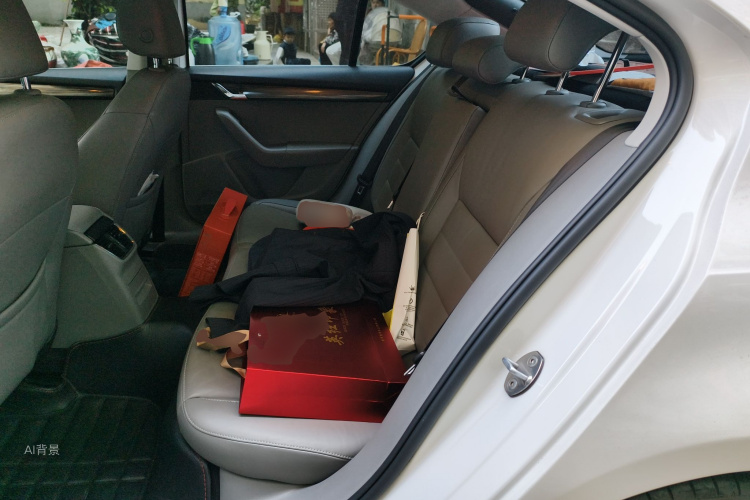
This vehicle is 11 years old, with an average annual mileage of 5,300 kilometers. It has a low frequency of daily use and has never been transferred to another owner, making it a good first-hand vehicle. There may be some obvious signs of wear and tear on the exterior. The interior is in good condition with normal signs of use. The overall body frame is intact, but there are a few abnormal issues. The fluids are normal, and the power system is functioning well.

Configuration Highlights

✓Cornering Lights
✓Cruise Control
✓Rear Air Vents
✓Tire Pressure Monitoring
✓Heated Mirrors
✓Hill Start Assist
✓Rear Parking Sensors
✓Anti-pinch Windows

Q&A

More

Will you provide photos of the loading site as soon as the vehicles are loaded (On Board)?

Unauthorized personnel are prohibited from entering and taking photos inside the roll-on/roll-off ship, but we will provide photos of the vehicles parked in the loading area with the ship in the background. The bill of lading marked "Shipped on board" with the date is the most essential legal proof of loading.

If the technical report contains highly specialized automotive mechanical terms, are there easy-to-understand English explanations?

Our foreign versions of the report standardize terminology and include illustrations. For example, instead of just writing "control arm failure," we specify "Lower Control Arm Bushing Torn" to help your local technicians identify the issue directly.

If a car frequently transfers between extremely cold areas (like Northeast China) and extremely hot areas (like Hainan), would you provide special risk warnings?

Absolutely. The extreme temperature fluctuations will significantly accelerate the aging of chassis rubber parts, oil seals, and interior plastics. For vehicles frequently dispatched across such latitudes, we will conduct fatigue resistance checks on chassis rubber parts that are twice as stringent as those for vehicles in temperate regions.