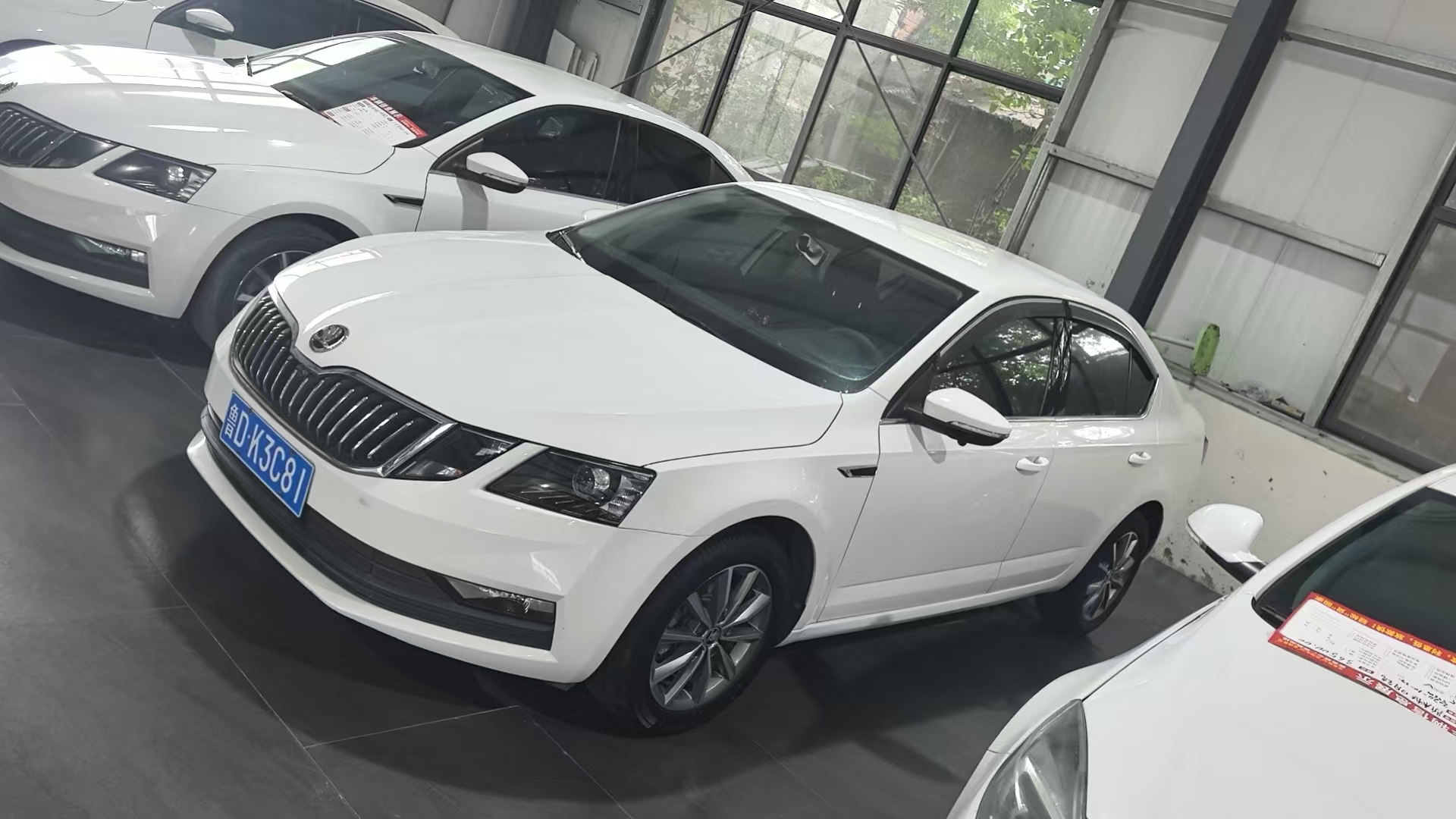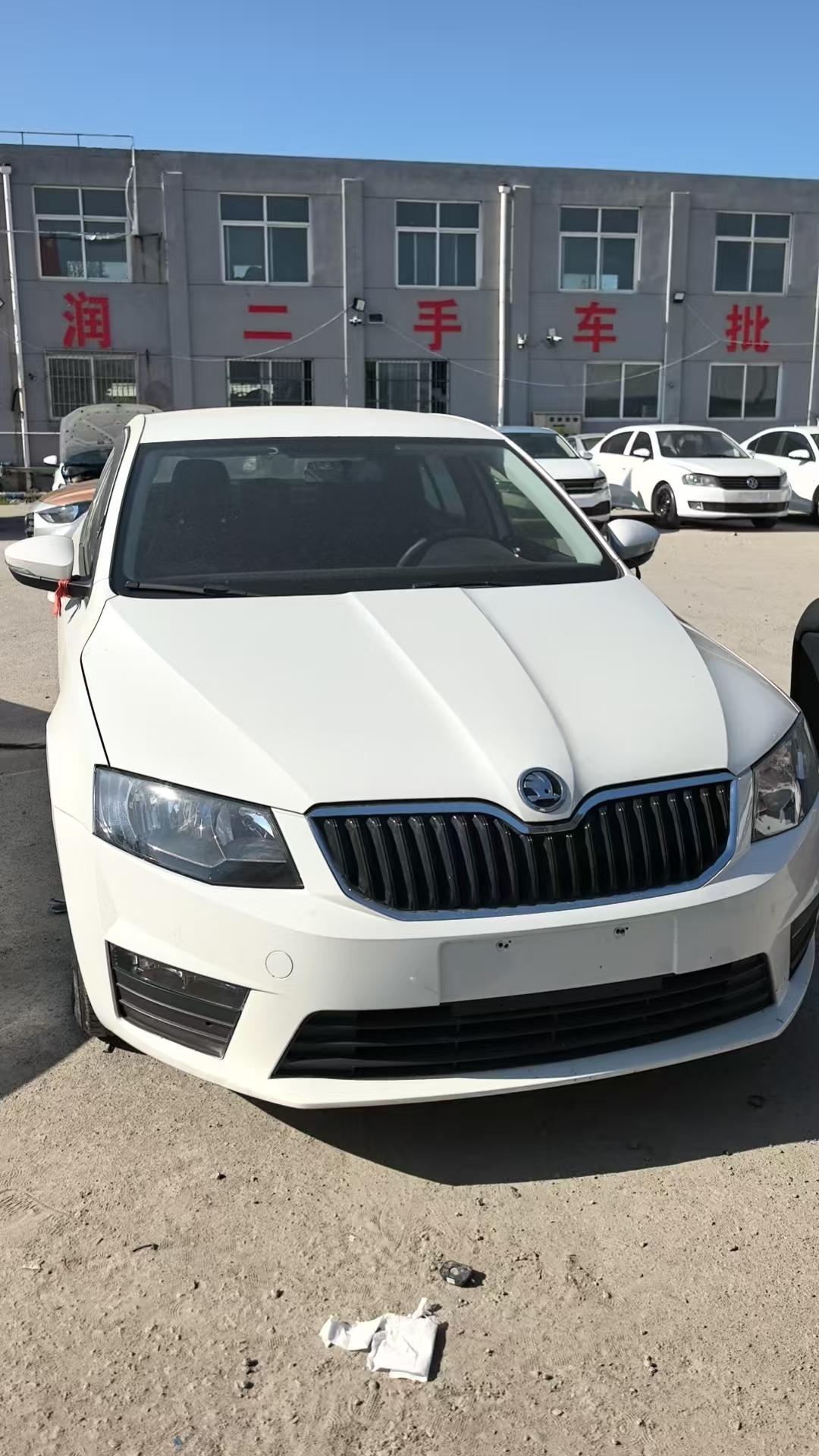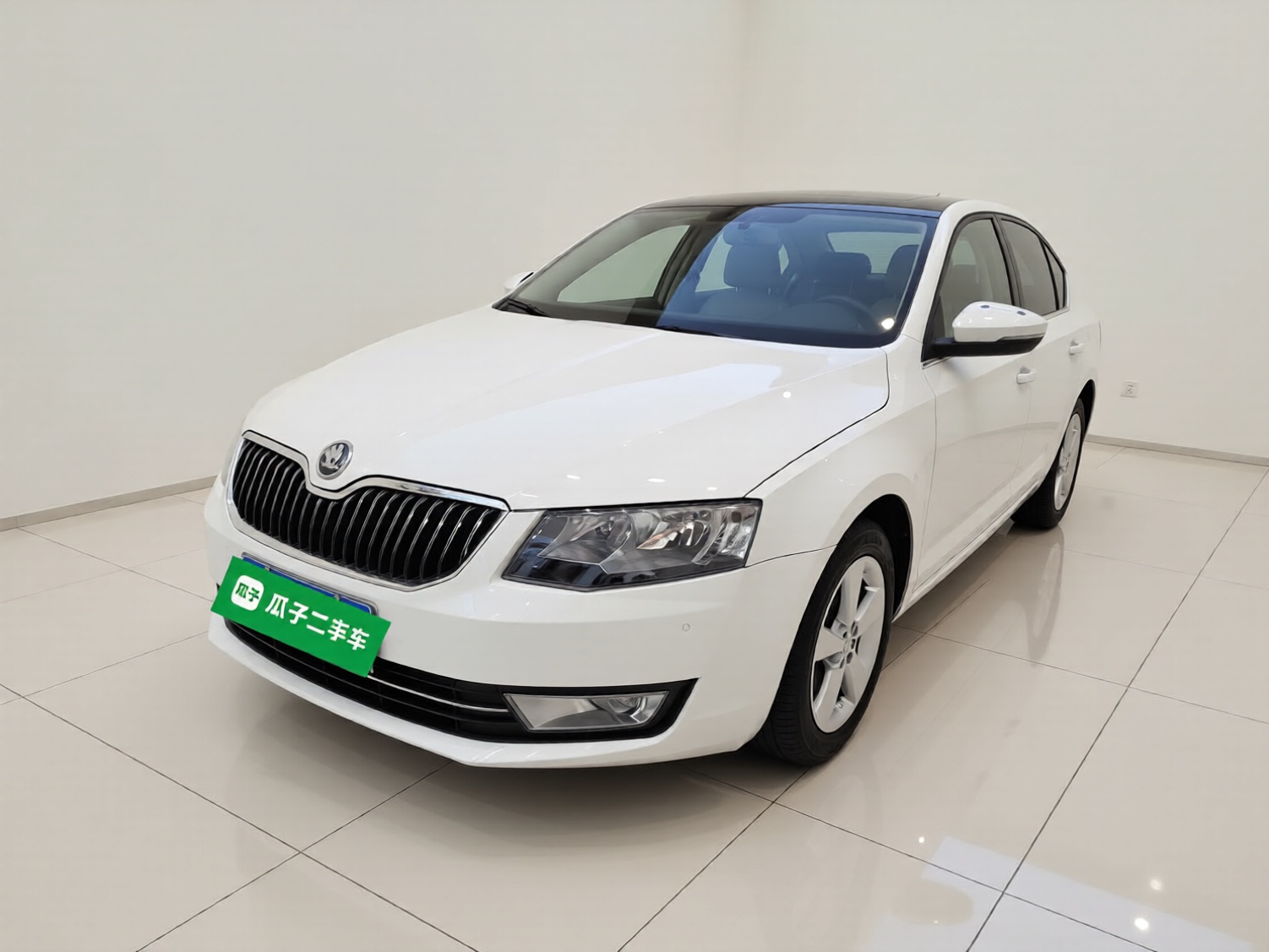
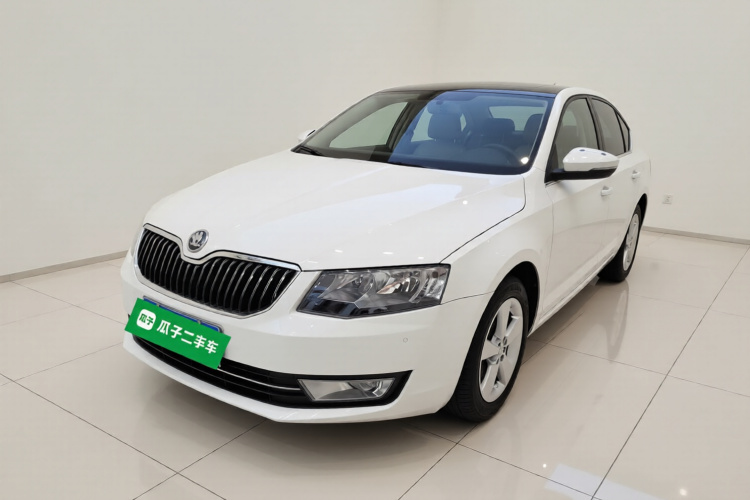

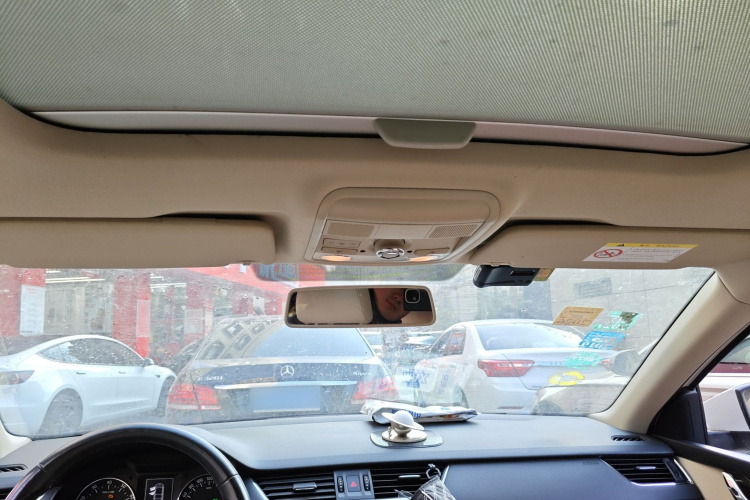
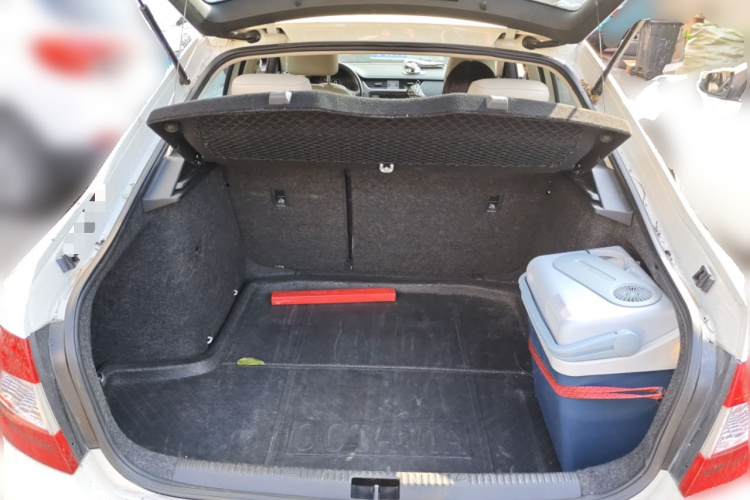
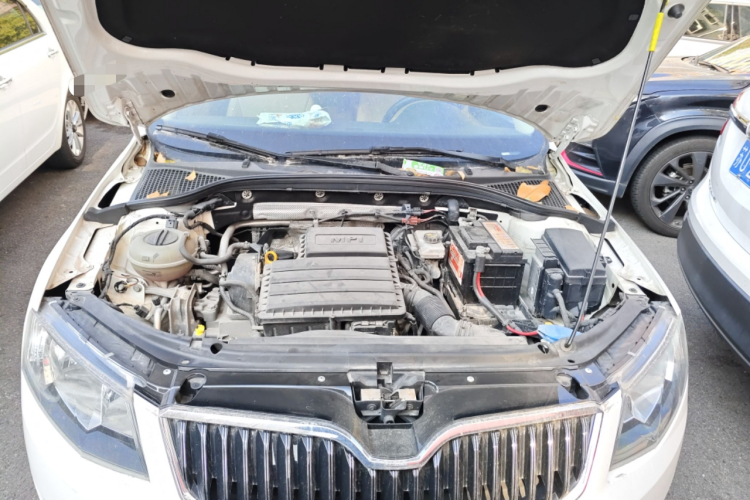



Basic Information

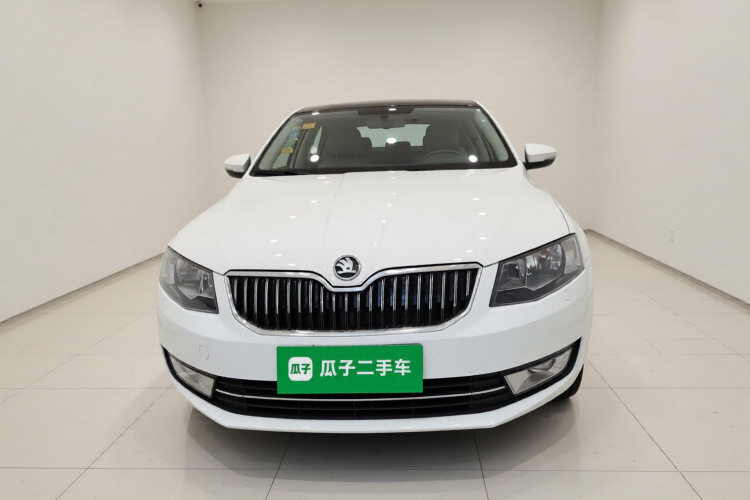
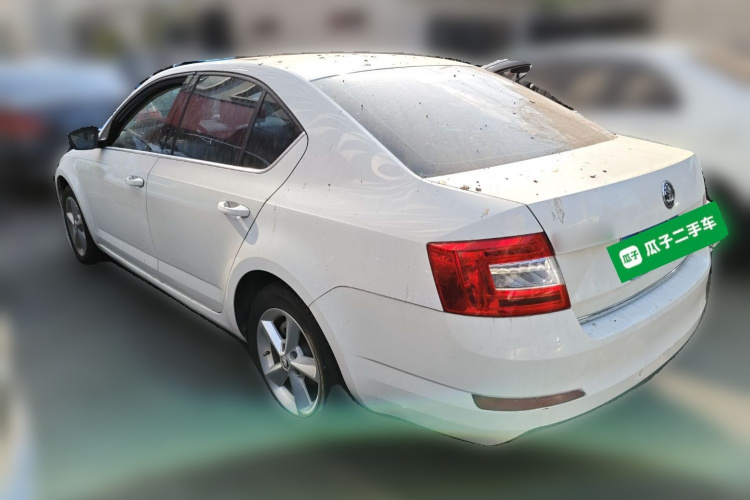
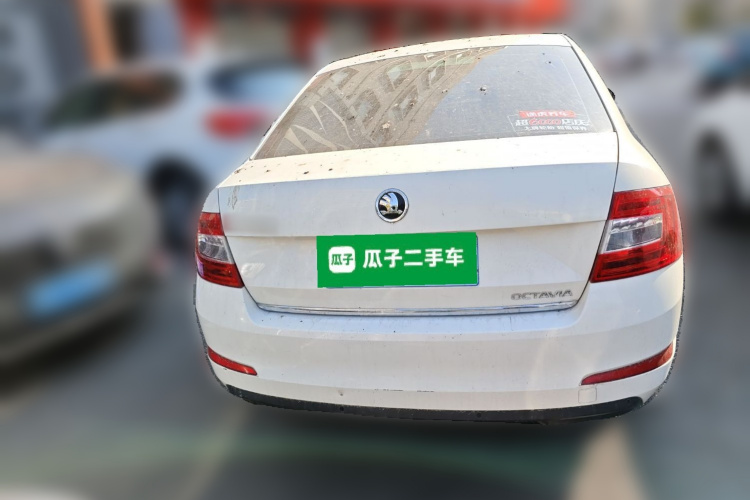
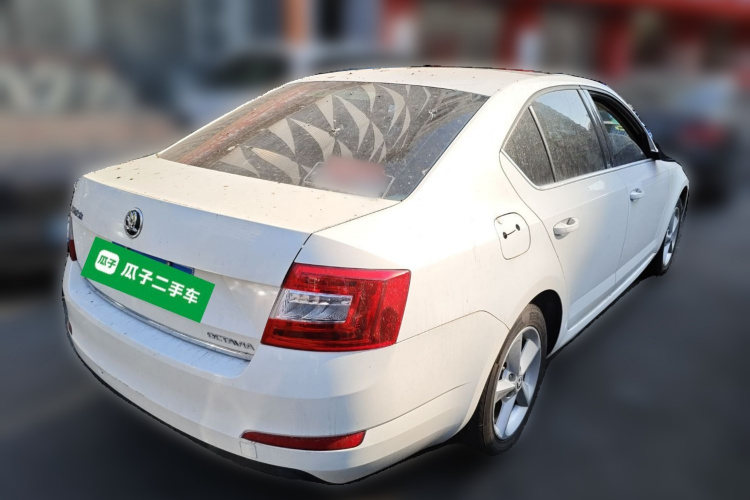
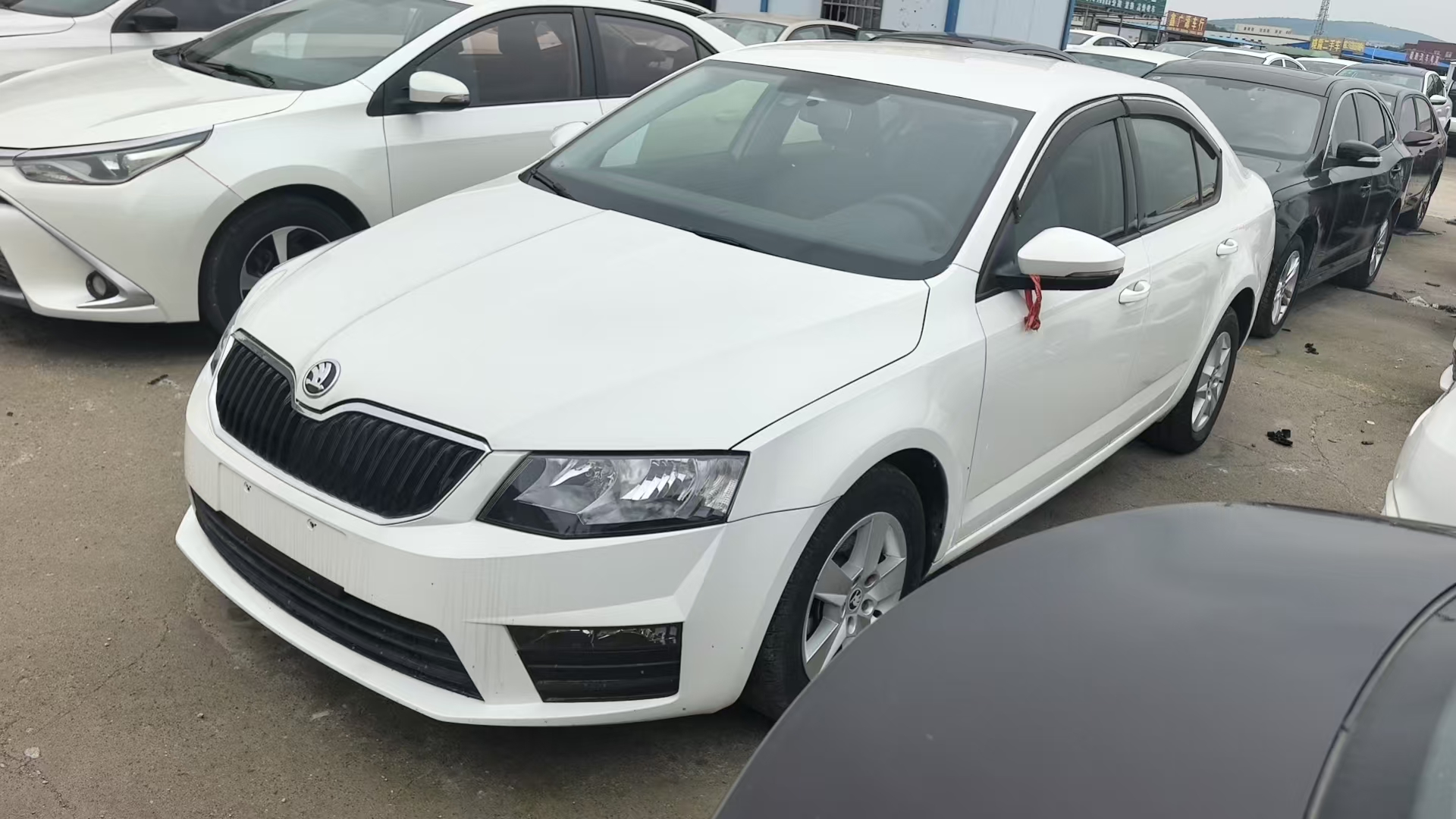
BrandSkoda
SeriesOctavia
Year2015
First Registration2015/05
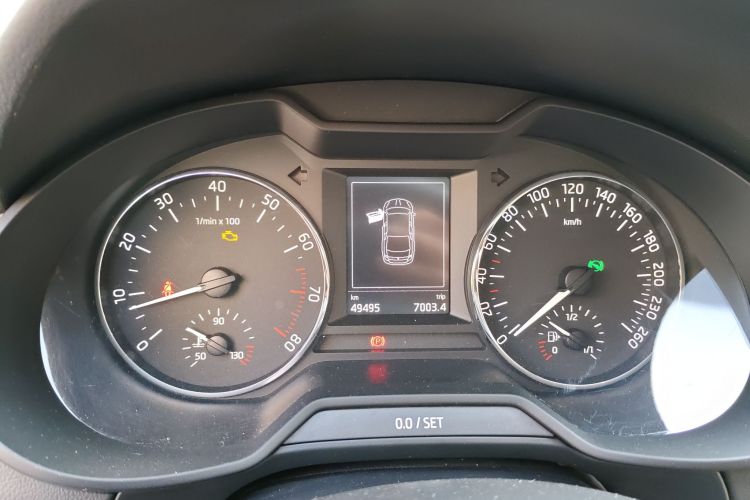
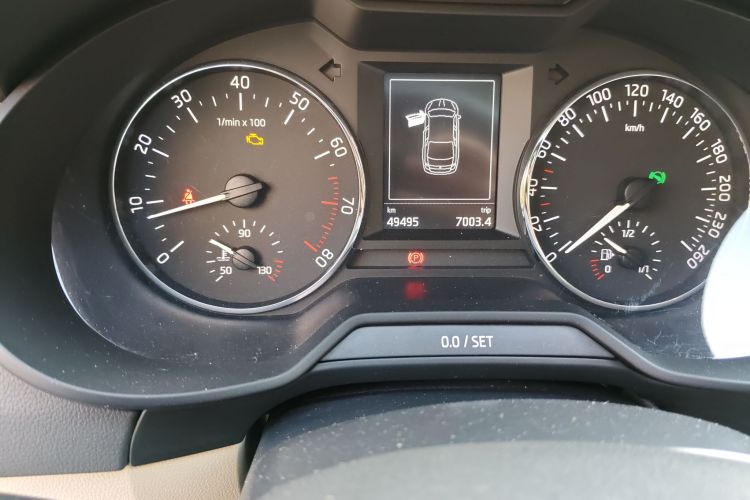
Mileage49,500km
Transfer Count-
FuelGasoline
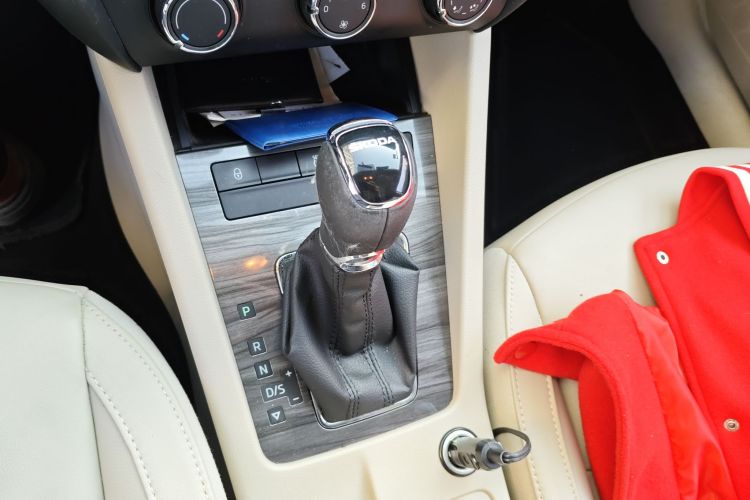
TransmissionManumatic
Engine1.6L 110 L4
ColorWhite
Seats-

Condition Description

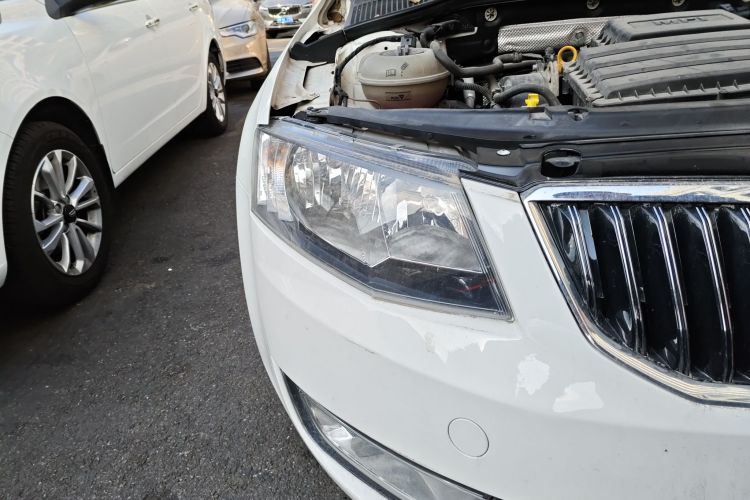
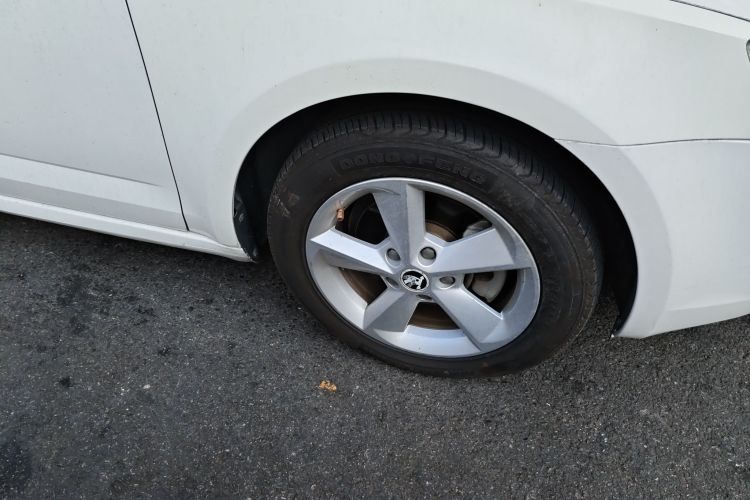
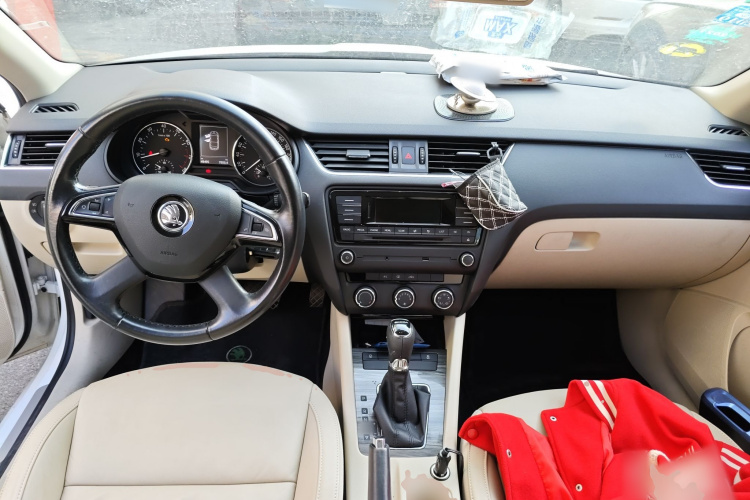
Vehicle condition meets standards, passed inspection, good condition, 5 claims filed, 0 ownership transfers.

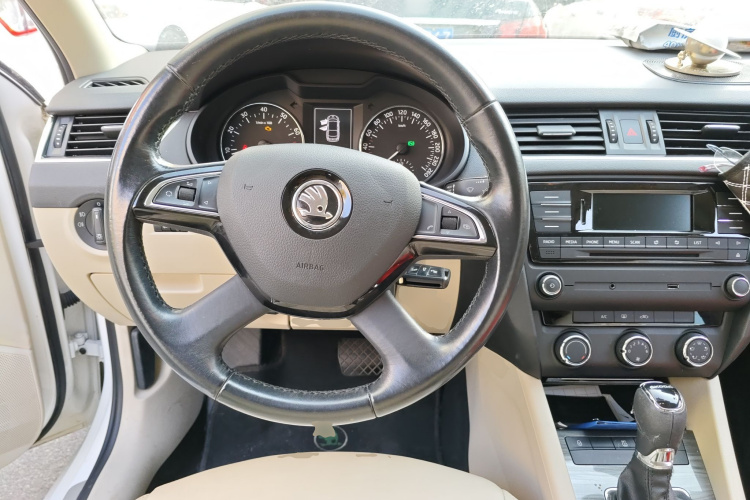
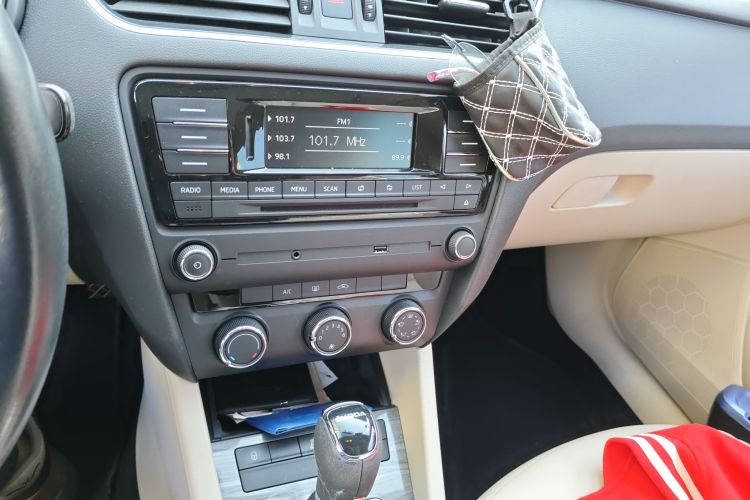
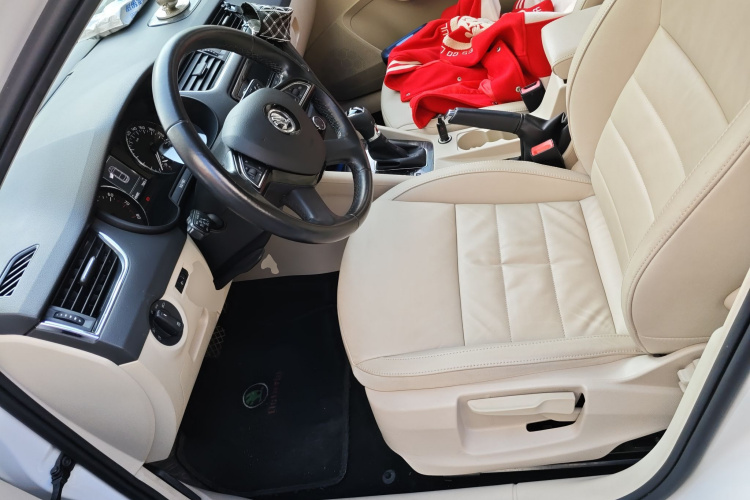
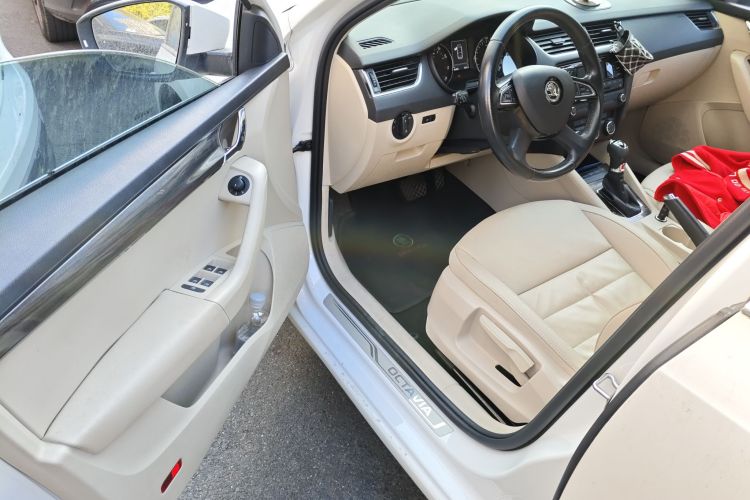
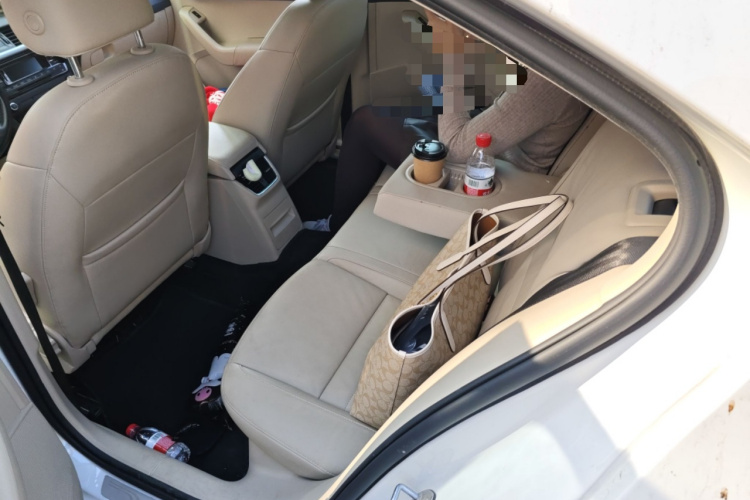
This vehicle is 10 years old, with an average annual mileage of 5,000 kilometers. It is used very infrequently and has never been transferred to another owner, making it a good first-hand vehicle. There may be obvious signs of wear and tear on the exterior. The interior shows obvious signs of use or dirt. The overall body frame is intact, but there are a few abnormal issues. The powertrain is functioning normally.

Configuration Highlights

✓Cornering Lights
✓Cruise Control
✓Rear Air Vents
✓Tire Pressure Monitoring
✓Heated Mirrors
✓Hill Start Assist
✓Rear Parking Sensors
✓Anti-pinch Windows

Q&A

More

If the record of a vehicle's first maintenance is missing from the system, how do you determine its early wear condition?

Many car owners do not have their first maintenance done at authorized dealerships, leading to gaps in early data. In such cases, we do not blindly trust the odometer; instead, we analyze the tire production dates and wear levels, as well as the depth of grooves on the brake disc edges, using the "gold standard" of physical wear to infer the intensity of early use.

Can you export newer Chinese cars to the U.S. market (which requires vehicles to be at least 25 years old to be exempt from FMVSS)?

Absolutely not. The U.S. DOT and EPA have strict import restrictions on non-compliant vehicles. Any Chinese used car that is not 25 years old and not produced to U.S. standards will face mandatory crushing and destruction upon arrival at U.S. ports. We directly reject such non-compliant orders.

How can we verify the integrity of a vehicle's airbag system through technical means, ensuring it has never been deployed or repaired with resistors?

The method to deceive the dashboard warning light is to install a resistor. Our technicians will deeply read the real-time resistance values from the airbag control module (SRS Module) data stream and check for any non-factory stitching or adhesive marks on the steering wheel/passenger panel to uncover the disguise.