


Basic Information

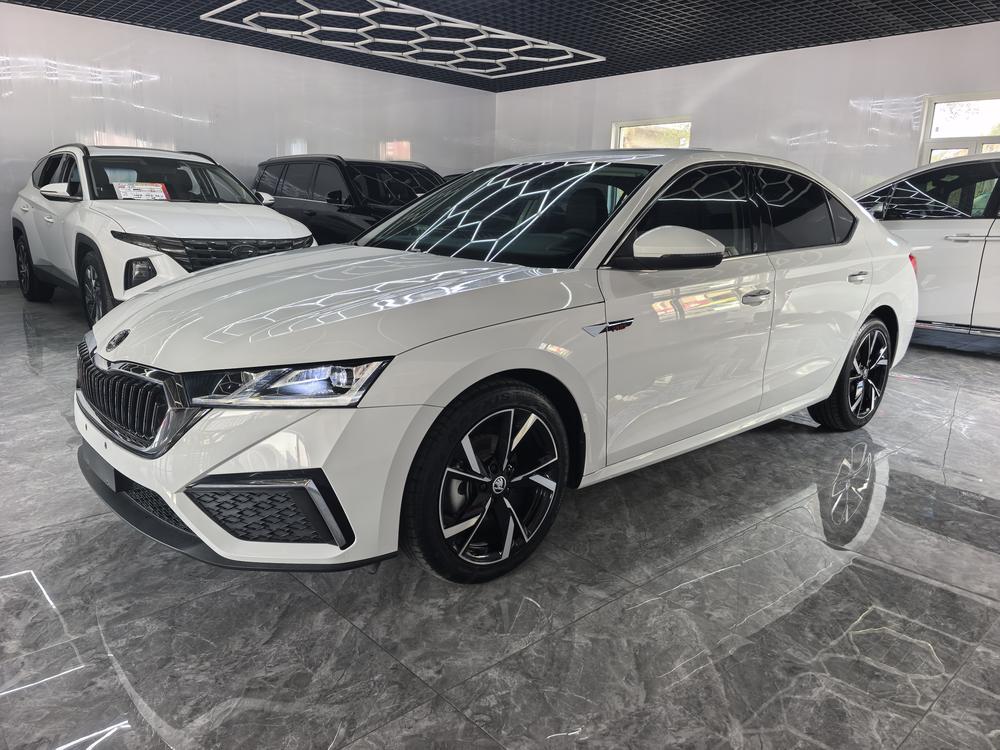
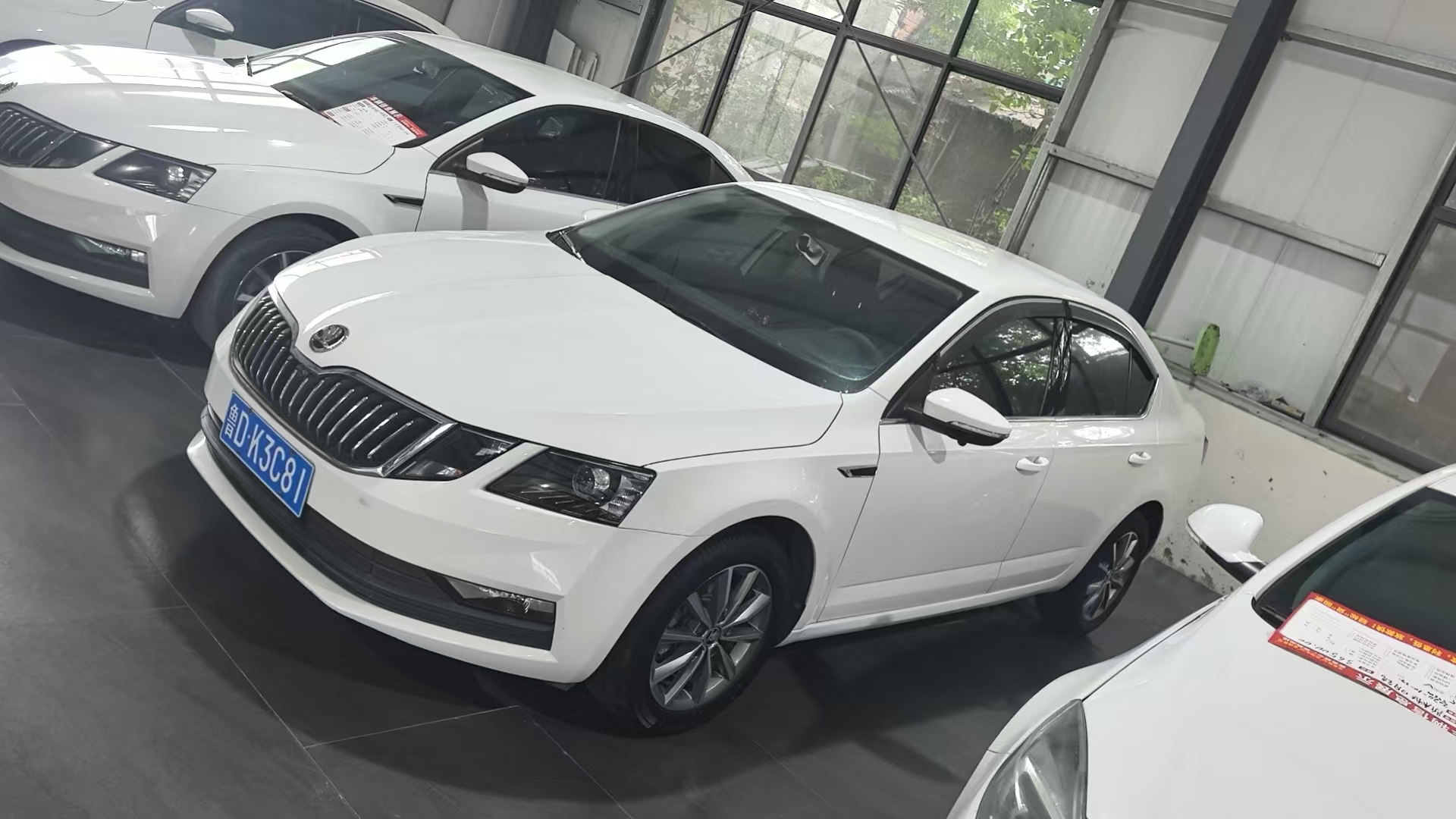
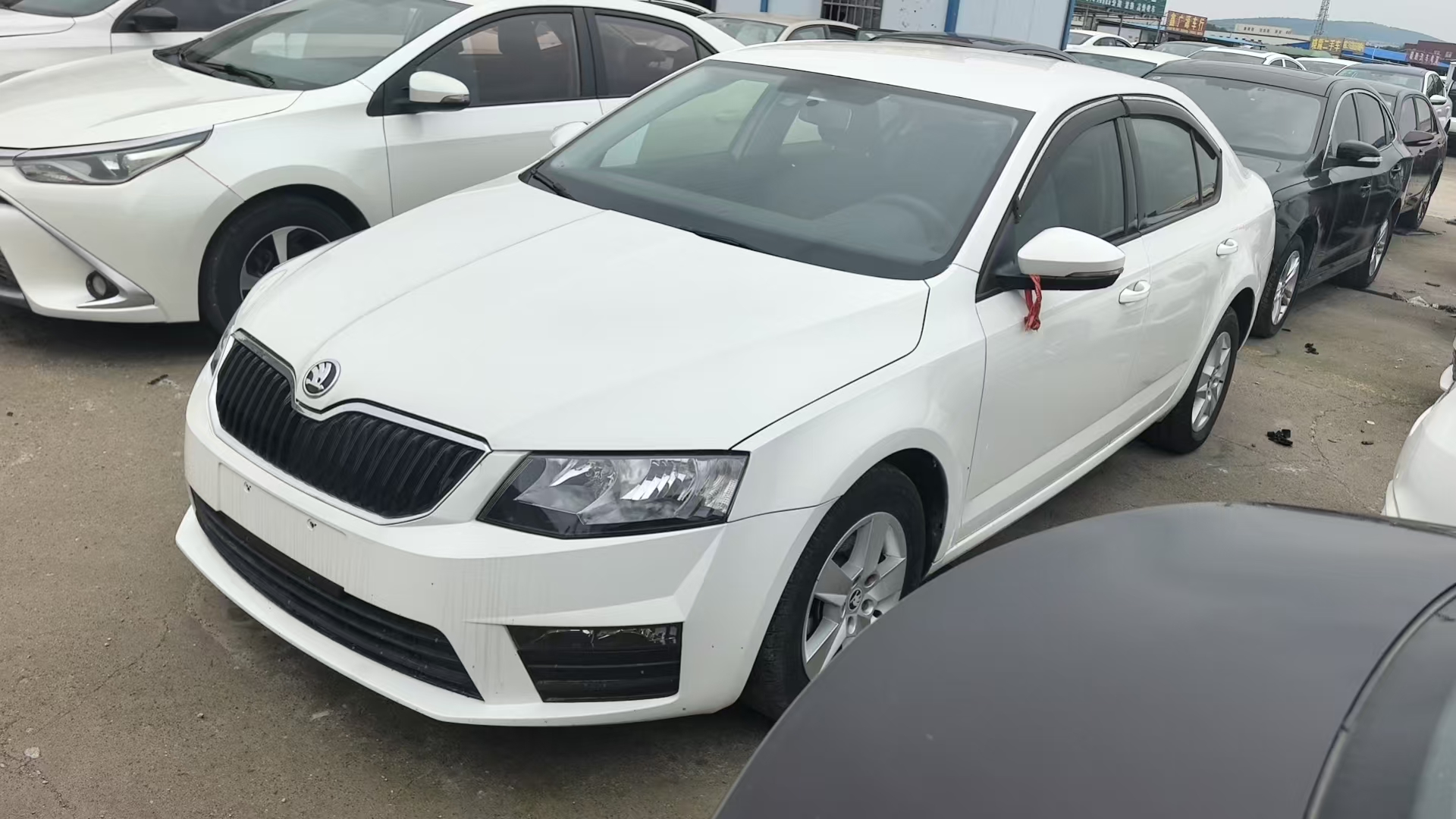
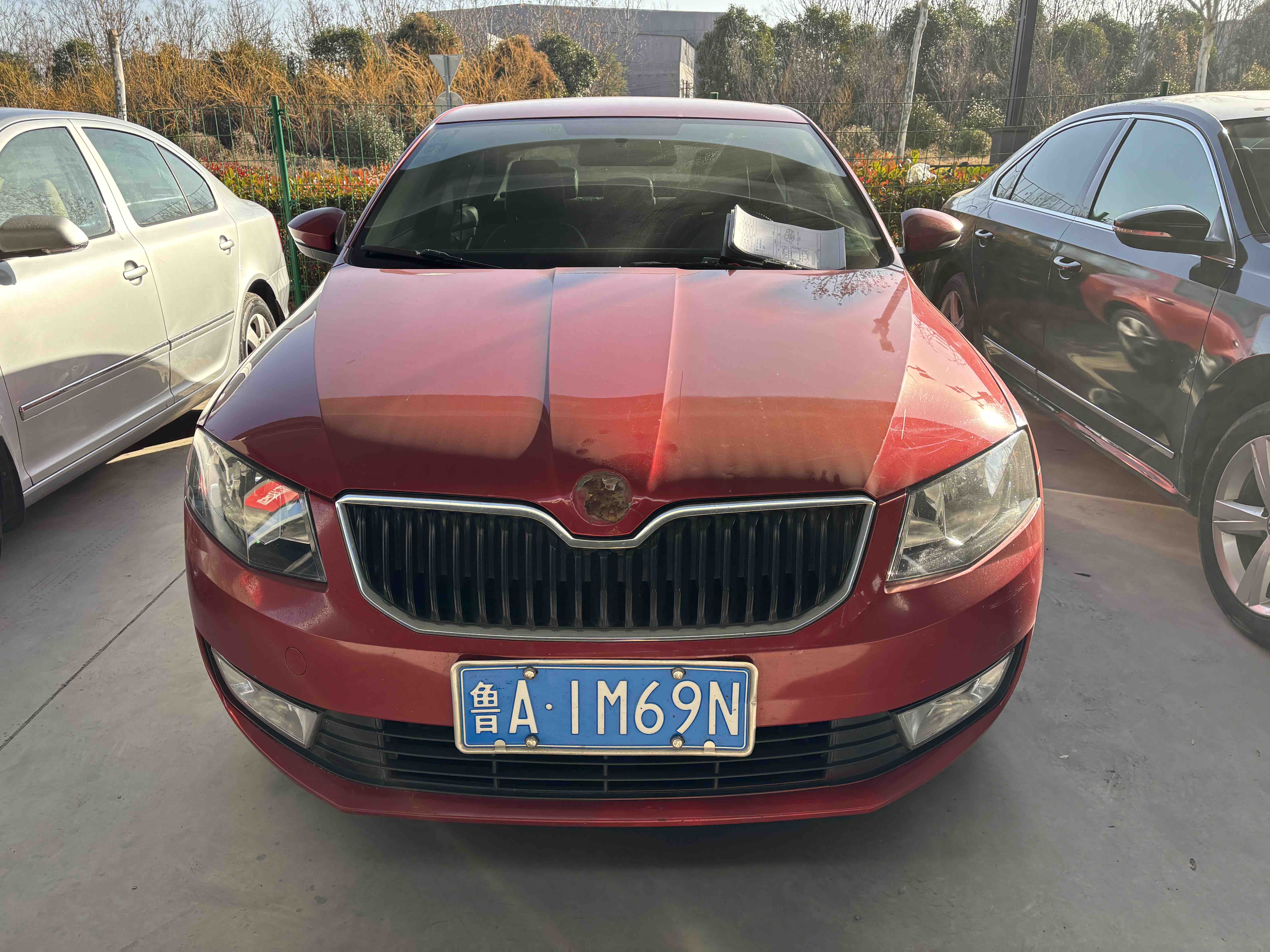
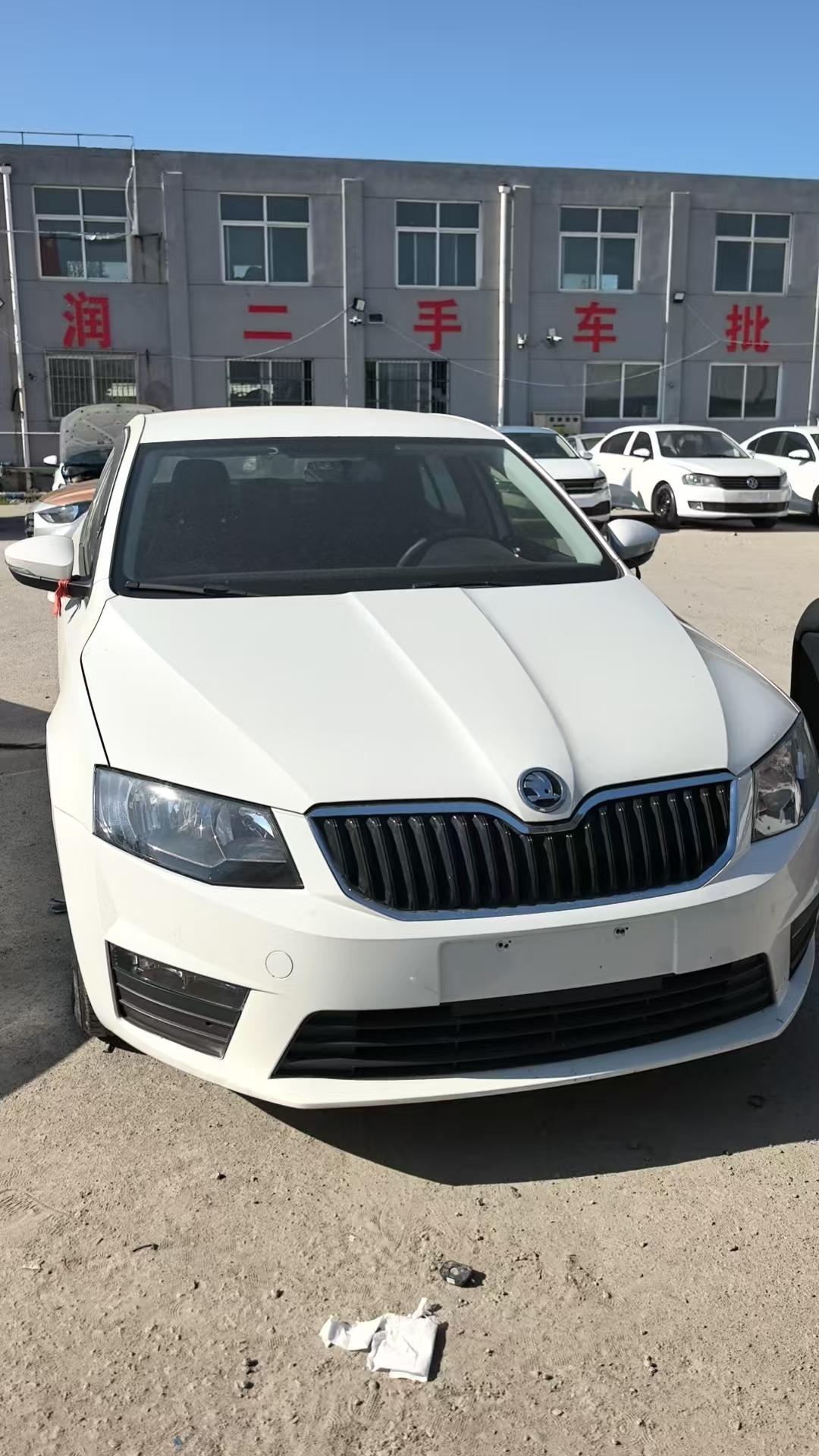
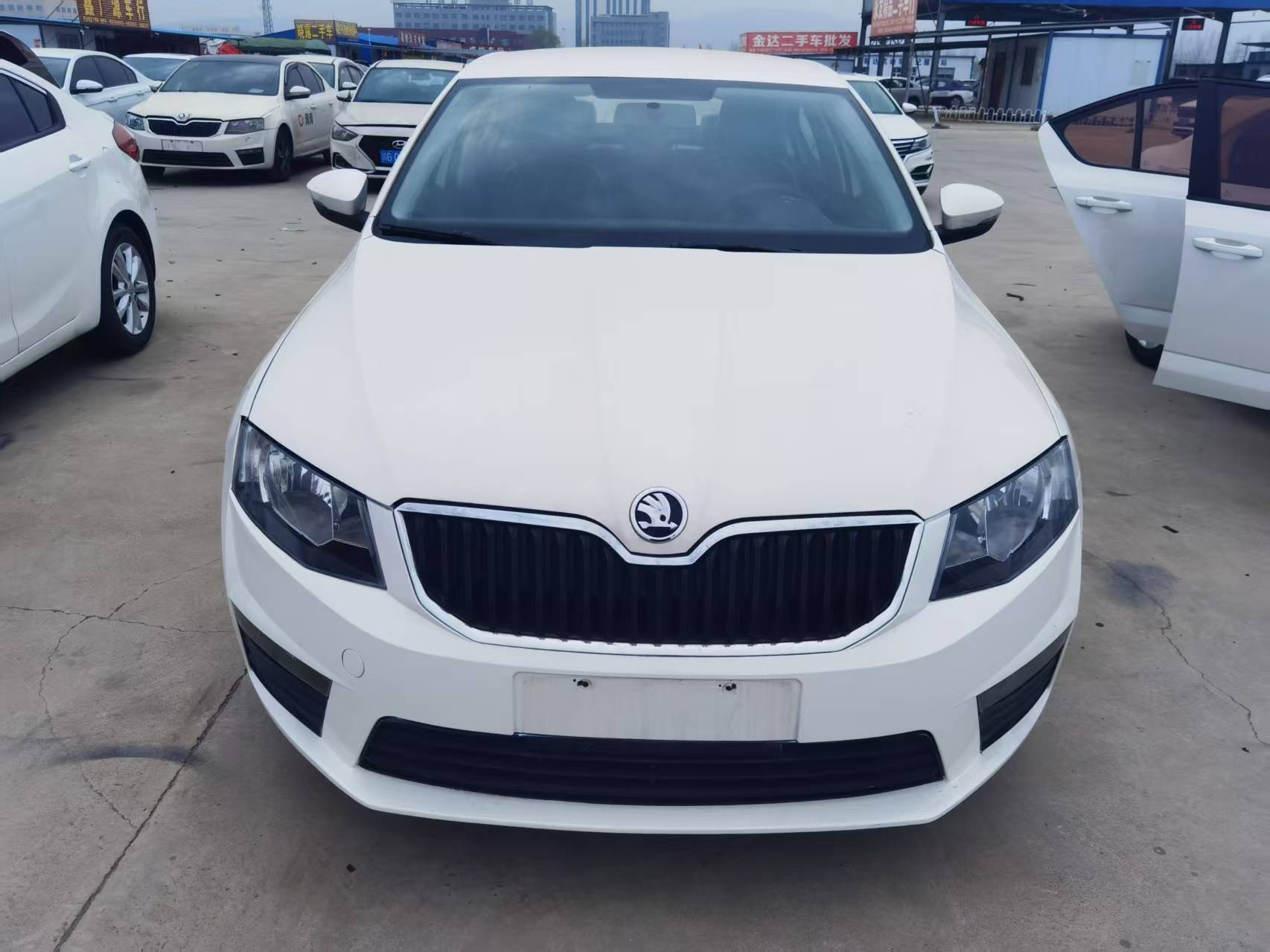
BrandSkoda
SeriesOctavia
Year2015
First Registration2015/01
Mileage11km
Transfer Count1times
FuelGasoline
TransmissionManumatic
Engine1.6L 105 L4
ColorRed
Seats-

Condition Description

Vehicle inspection date: 26.1, insurance expired. Buying from Qiangzi in Yanan. Priced below market value for the body color. Vehicle condition: Except for the roof, hood, trunk lid, and right rear door (original paint), everything else has been repainted. The first screw on the left front fender has been loosened. Yang Yutao

Configuration Highlights

✓Driver/Passenger Airbags
✓Tire Pressure Monitoring
✓ISOFIX Child Seat Anchors
✓ABS Anti-lock Braking
✓Electronic Brake Distribution
✓Electronic Stability Control
✓Hill Start Assist
✓Seat Material
✓Low Beam Headlights
✓Adjustable Headlight Height
✓Power Windows
✓Anti-pinch Windows
✓UV/Heat Insulating Glass
✓Climate Control Type
✓Rear Air Vents

Q&A

More

Is there specific data on paint thickness? How can we determine if it's the original factory paint?

We use a calibrated high-precision paint thickness gauge to take multiple measurements on at least 13 metal surfaces of the entire vehicle. The original paint thickness of mainstream Chinese models typically ranges from 90μm to 150μm. If any area exceeds 200μm or even reaches over 500μm, we will directly conclude that the area has undergone bodywork and filler repair.
When checking the history records, can you distinguish whether the vehicle was involved in a "single-vehicle accident (like hitting a wall)" or a "multi-vehicle rear-end collision"?

If insurance claims records are accessed, there will usually be notes like "the insured vehicle is fully responsible for hitting a fixed object" or "third-party liability insurance payment." We can roughly reconstruct the accident scene based on this and cross-verify the stress points on the vehicle's frame with paint thickness gauge data.

Will you clearly inform if the vehicle was previously a commercial vehicle (ride-hailing, taxi, rental)?

The "usage type" section on the vehicle registration certificate has legal validity. Any vehicle that changes from "commercial" to "non-commercial" has a usage intensity far exceeding that of personal vehicles, and we will label these prominently. Such vehicles are usually cheaper but have more severe mechanical wear.