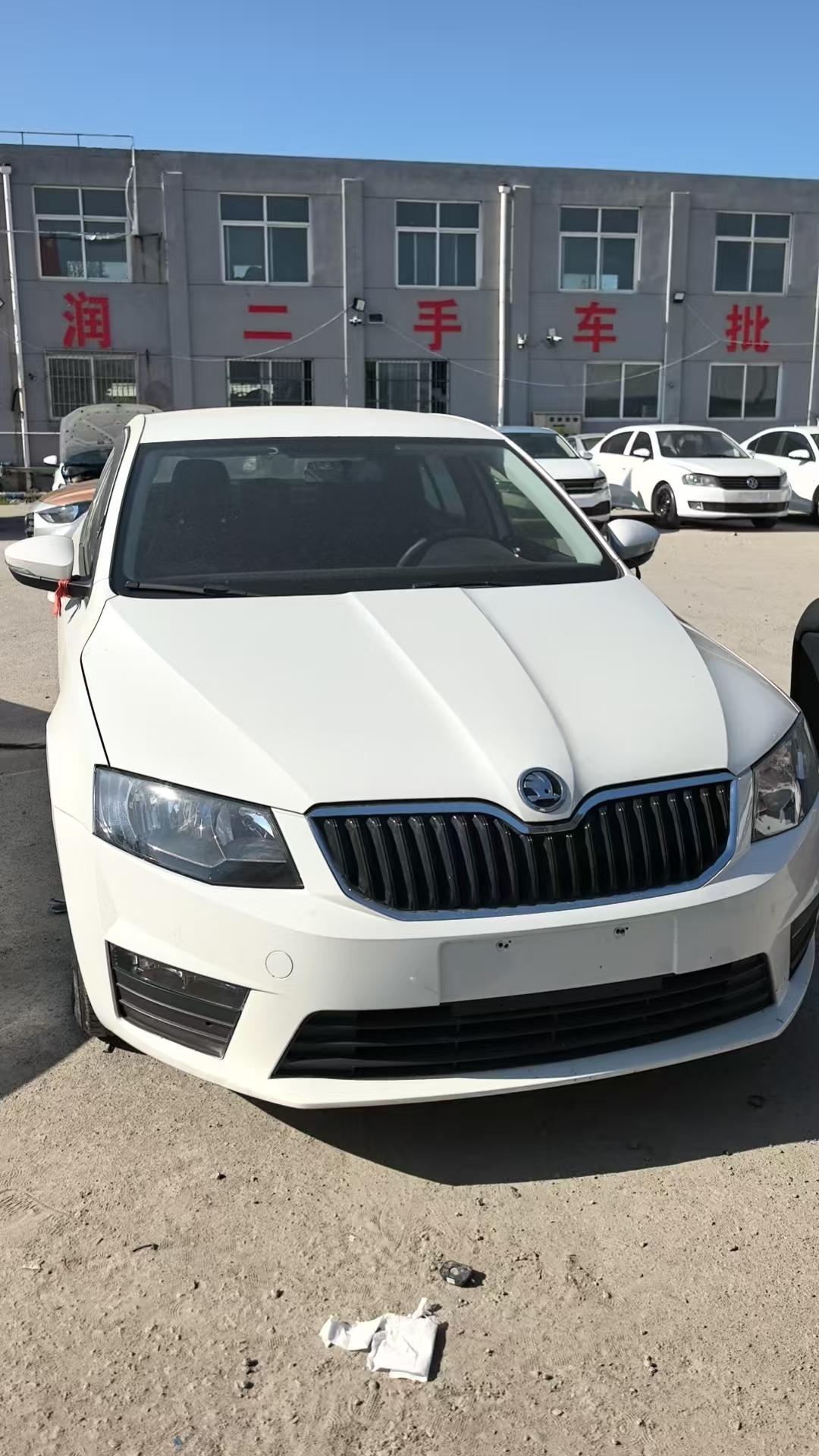






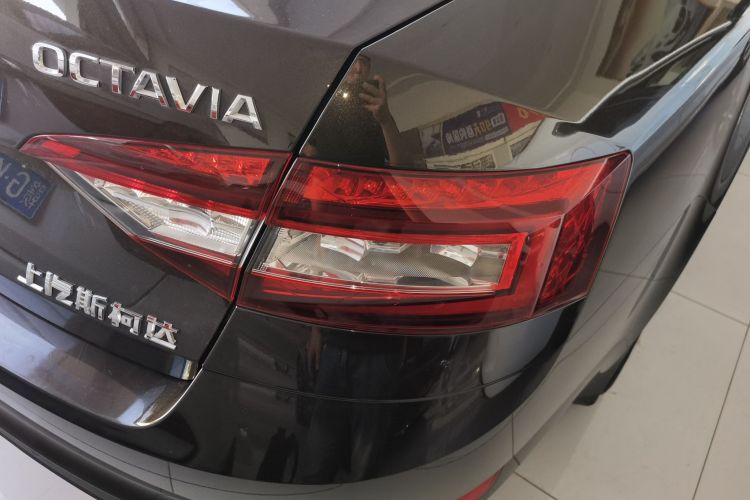
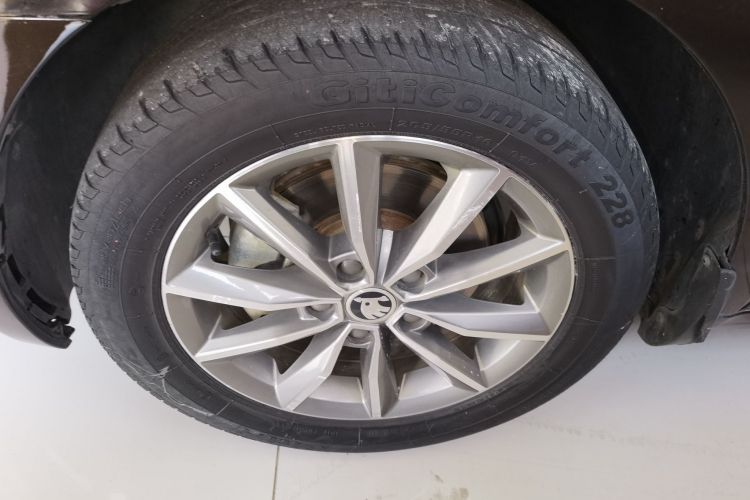
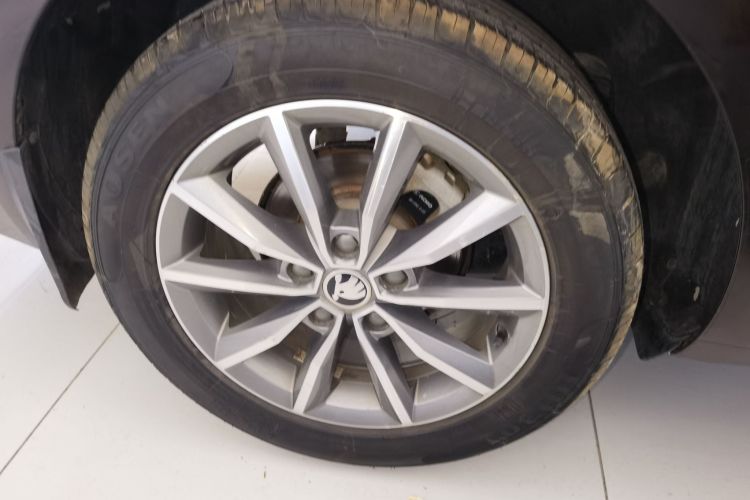




Basic Information

BrandSkoda
SeriesOctavia
Year2018
First Registration2018/12
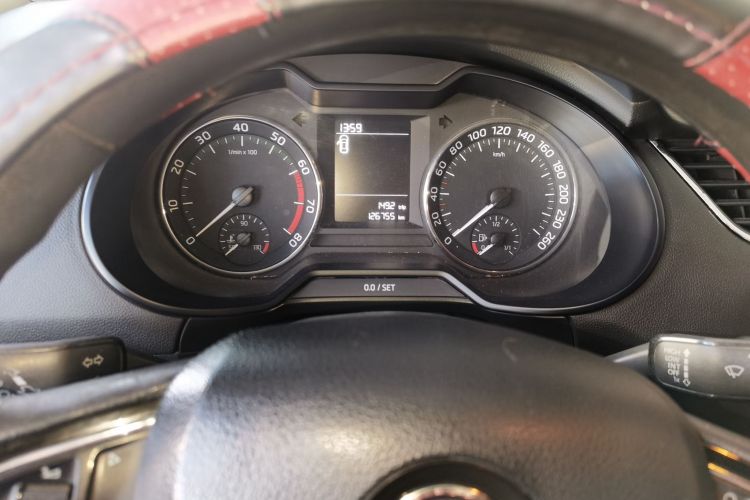
Mileage126,700km
Transfer Count-
FuelGasoline
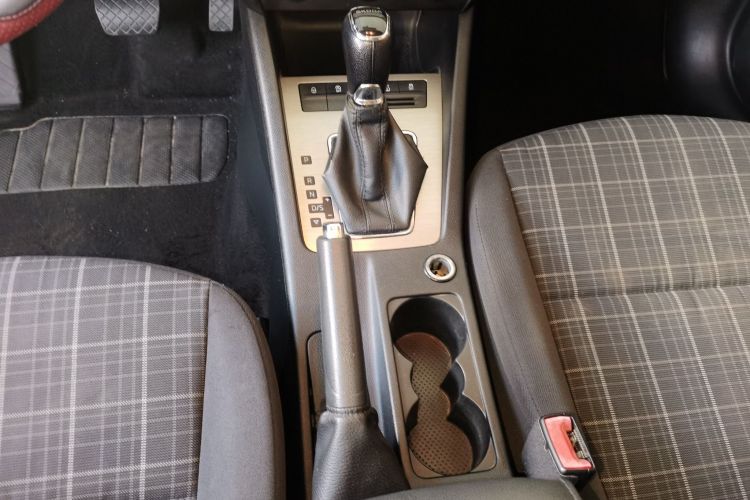
TransmissionManumatic
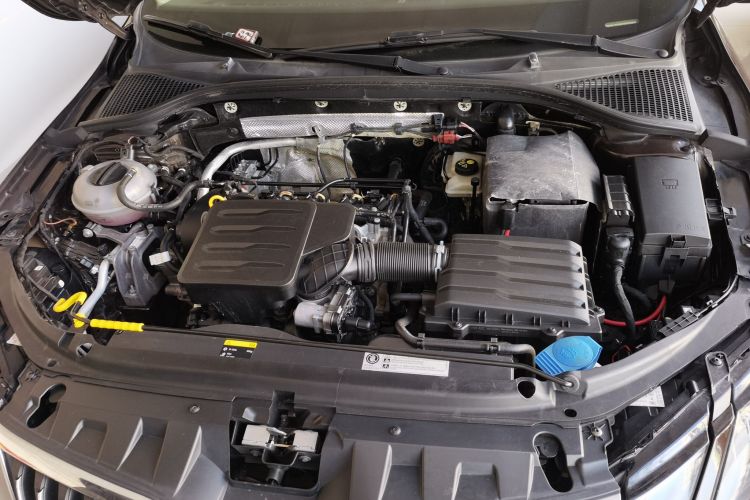
Engine1.5L 116 L4
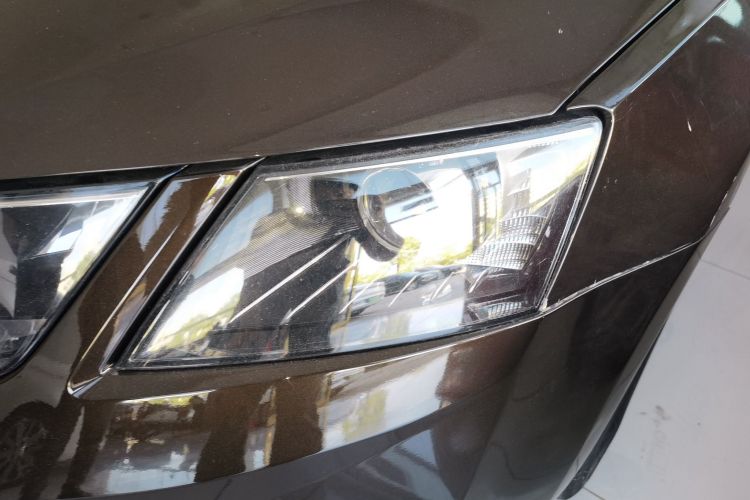
ColorBrown
Seats-

Condition Description

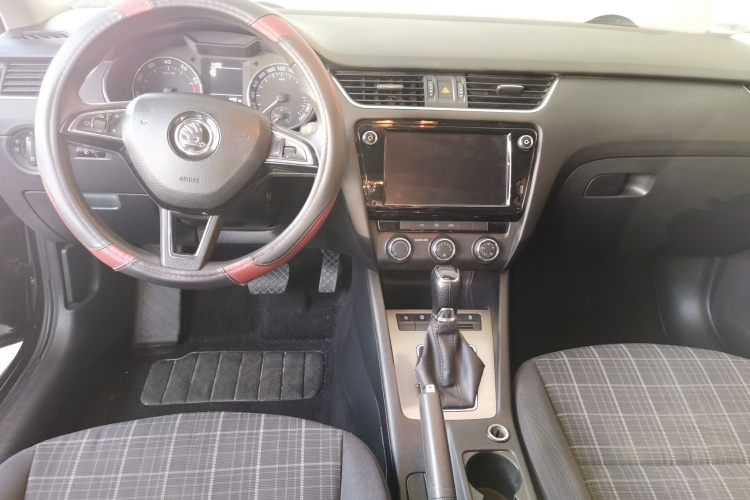
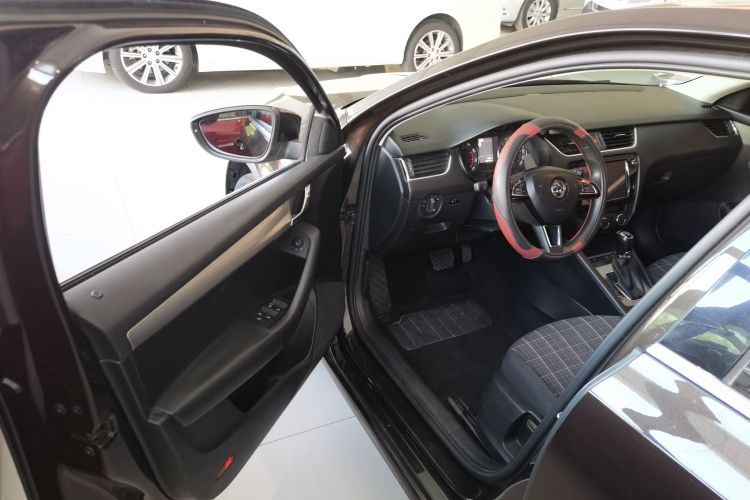
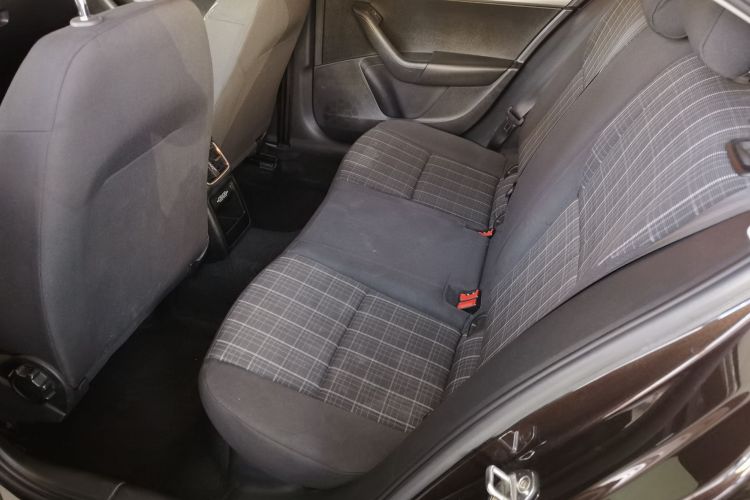
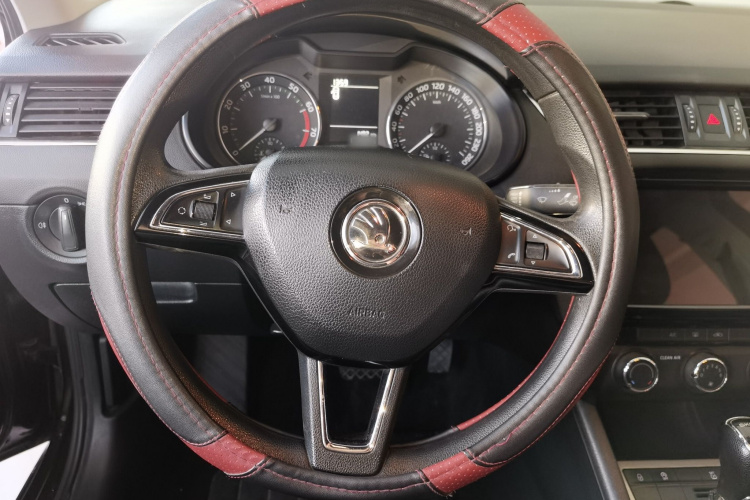
Vehicle condition meets standards; inspection passed; 0 claims; 0 ownership transfers.

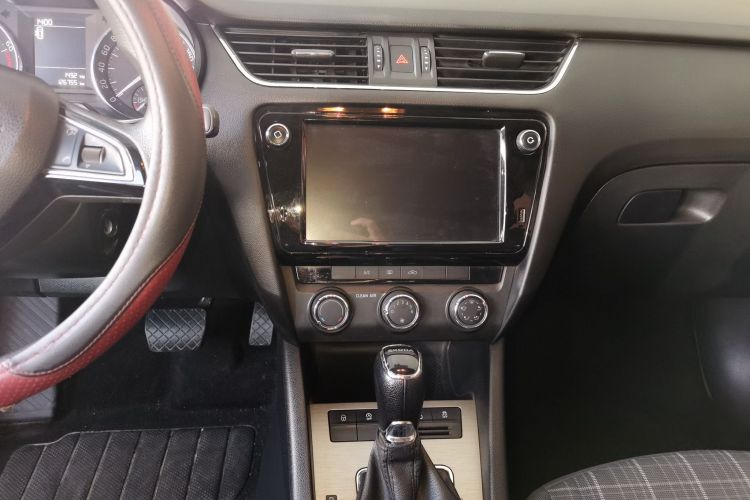
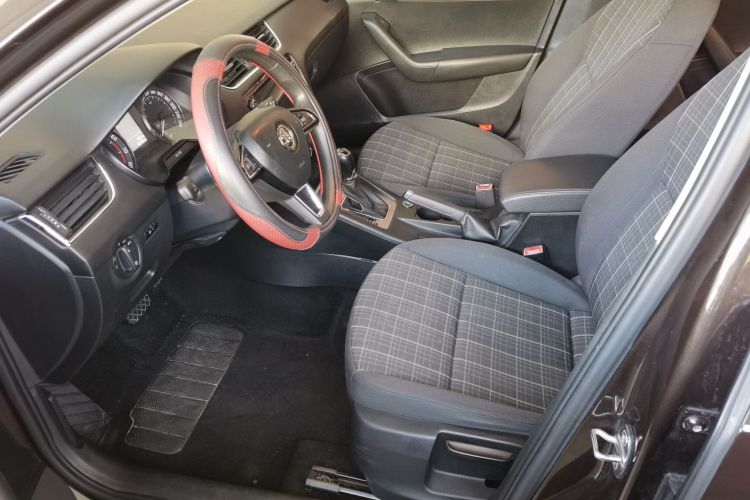
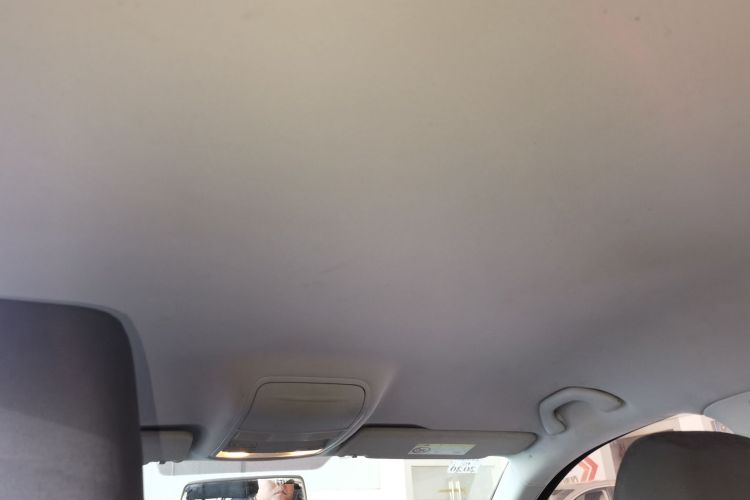
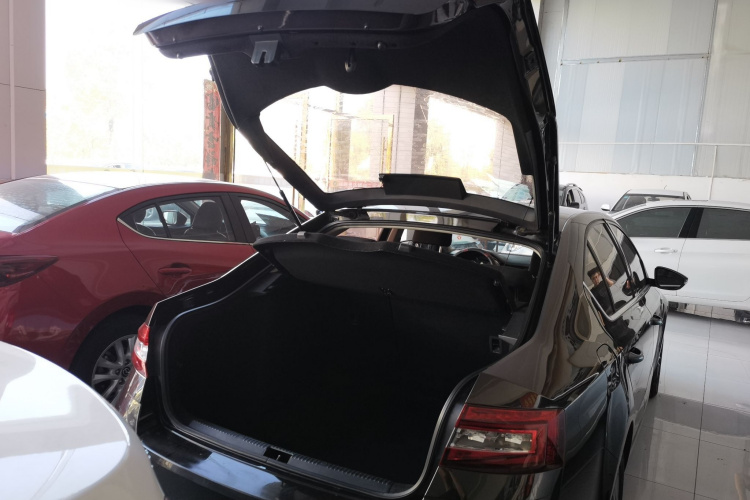
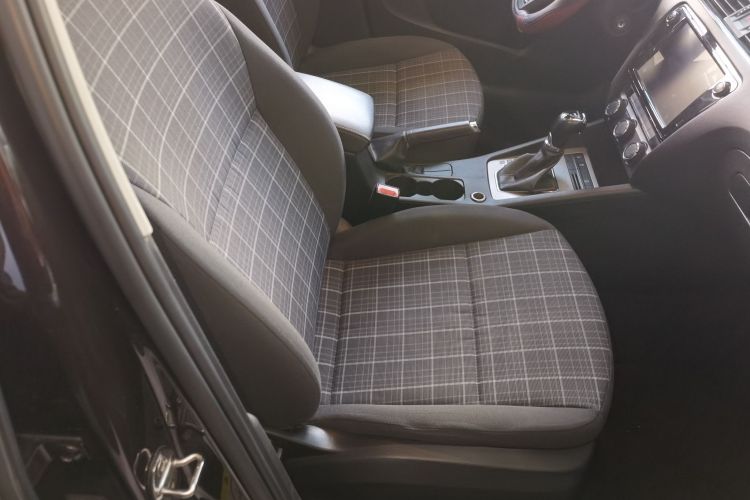
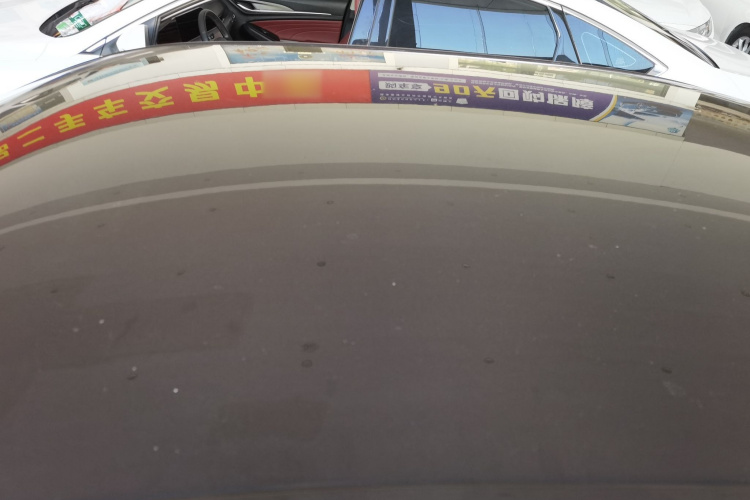
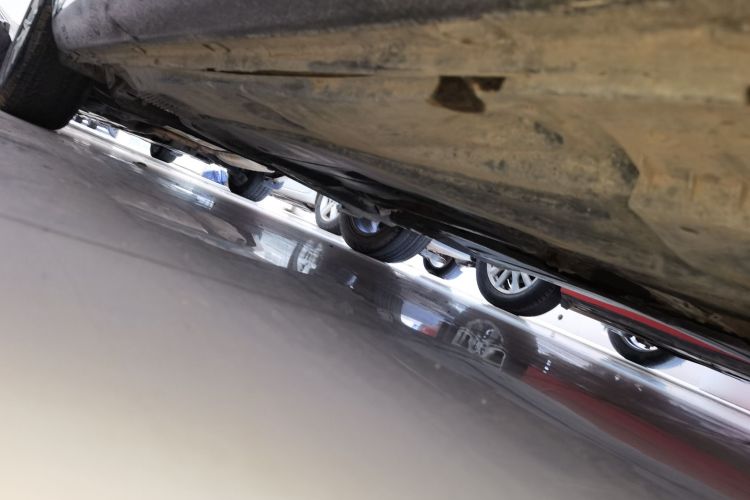
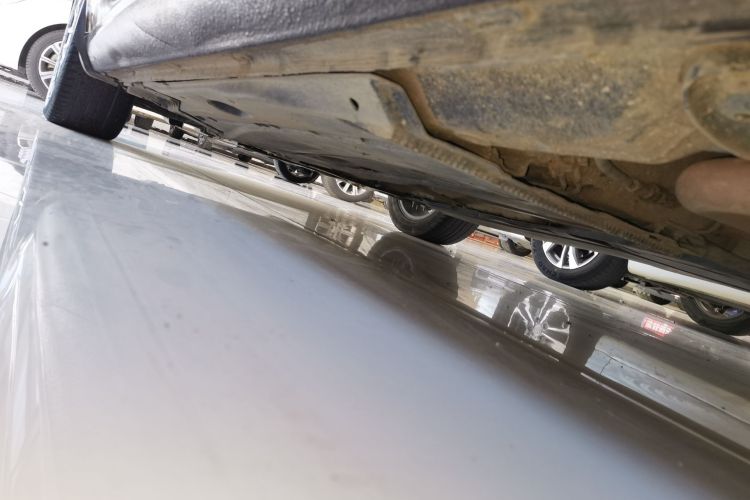
This car is 7 years old, with an average annual mileage of 18,100 kilometers, typical of normal family daily use. It has never been transferred to another owner, making it a good first-hand car. There may be some obvious signs of wear and tear on the exterior. The interior is in good condition with normal signs of use. The overall body frame is intact, but there are a few abnormal issues. Fluids are normal, and the powertrain is functioning well.

Configuration Highlights

✓Cornering Lights
✓Smartphone Connectivity
✓Engine Start-Stop
✓Rear Air Vents
✓Tire Pressure Monitoring
✓Hill Start Assist
✓Rear Parking Sensors
✓Anti-pinch Windows

Q&A

More

Are there specific tests to check if the soundproofing material is intact in a second-hand new energy vehicle equipped with run-flat tires?

We cannot open each tire to inspect the inside. However, if a visual inspection reveals severe creases on the tire sidewall, it indicates that the run-flat tire has been driven for a long time at zero pressure, damaging its internal structure. We would recommend replacing it before shipping.


Can you export newer Chinese cars to the U.S. market (which requires vehicles to be at least 25 years old to be exempt from FMVSS)?

Absolutely not. The U.S. DOT and EPA have strict import restrictions on non-compliant vehicles. Any Chinese used car that is not 25 years old and not produced to U.S. standards will face mandatory crushing and destruction upon arrival at U.S. ports. We directly reject such non-compliant orders.

If the shipping company's basic freight rate (GRI) suddenly increases during the period after I place the order and before paying the final amount, who covers the difference?

Our freight rate quotes have a clear validity period. If the buyer delays the deposit payment and misses the scheduled price lock, the GRI (General Rate Increase) charged by the shipping company must be fully covered by the buyer before booking and loading can be arranged.