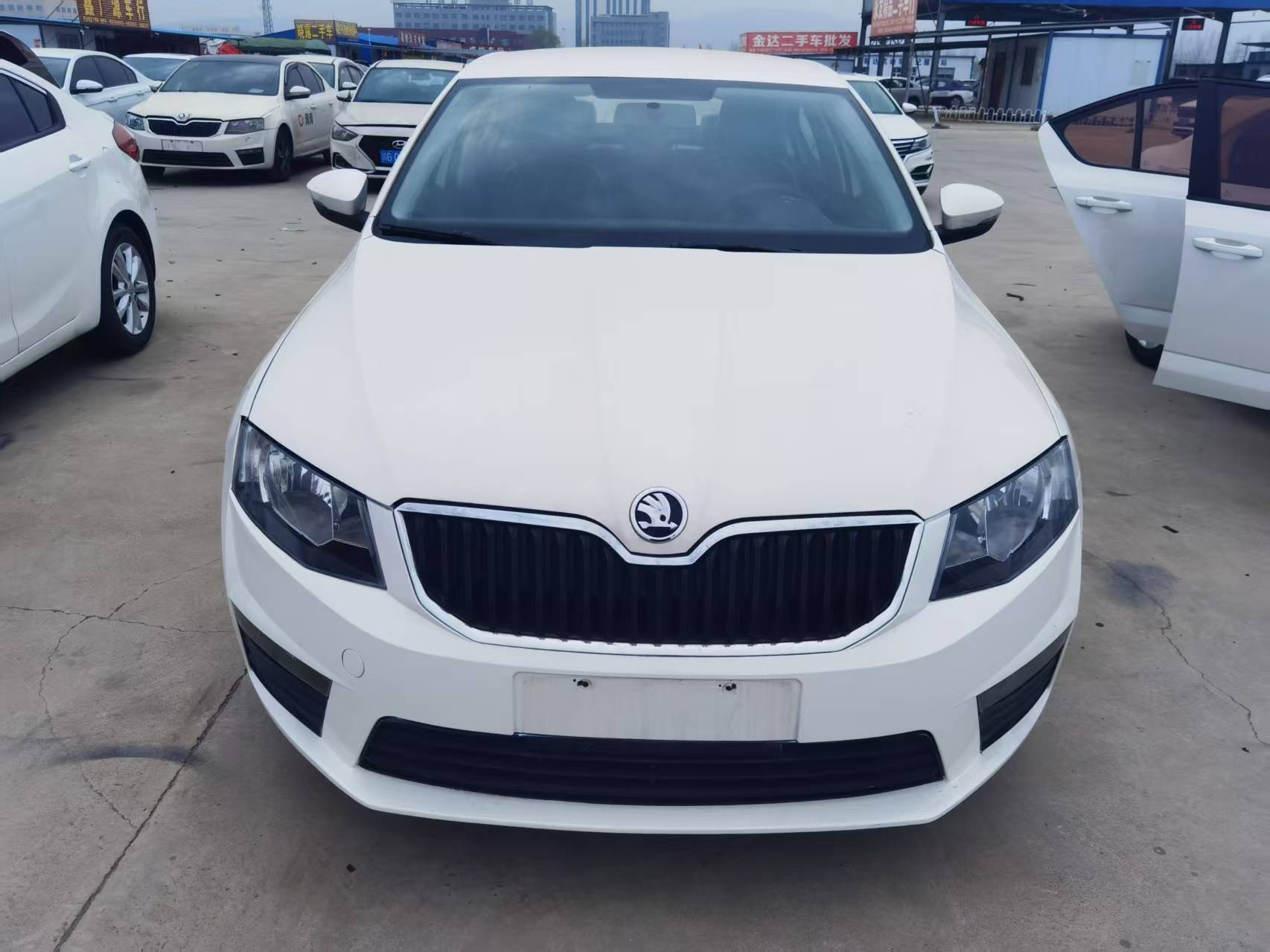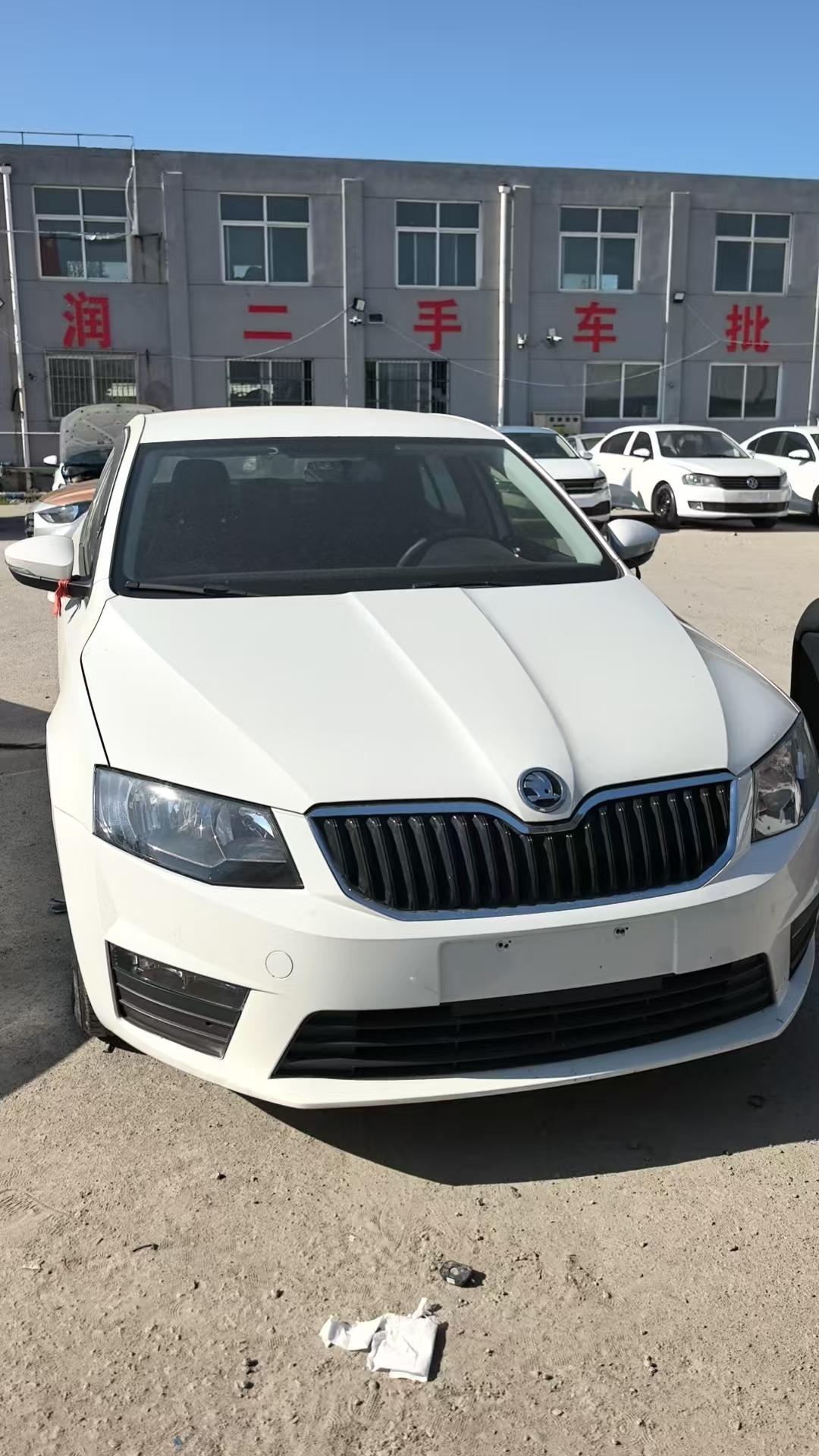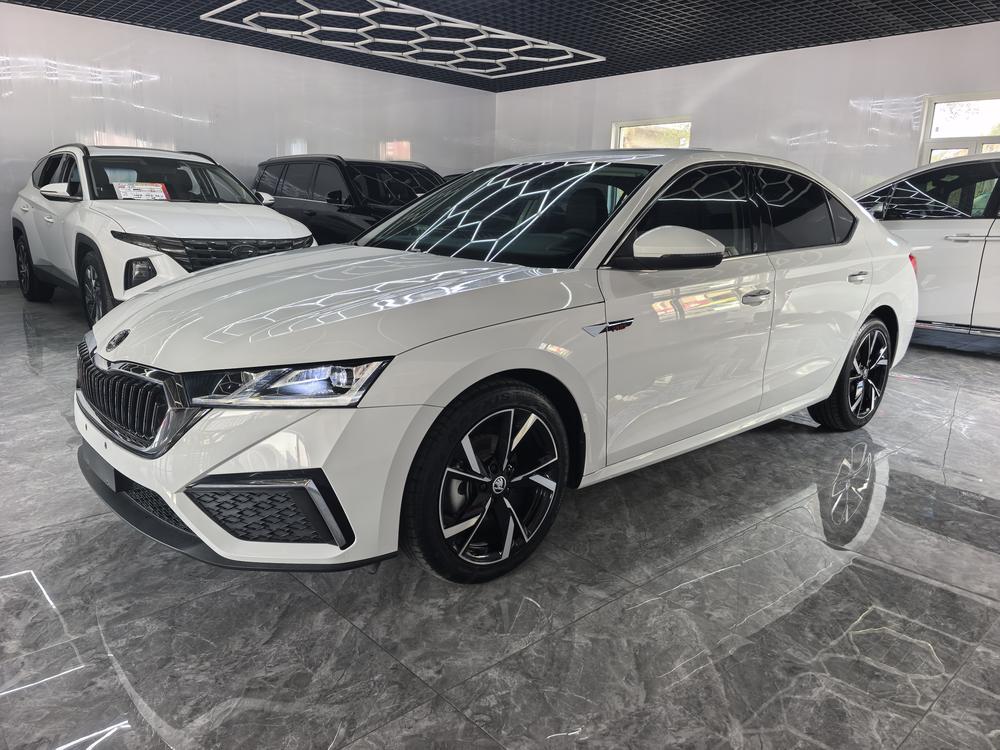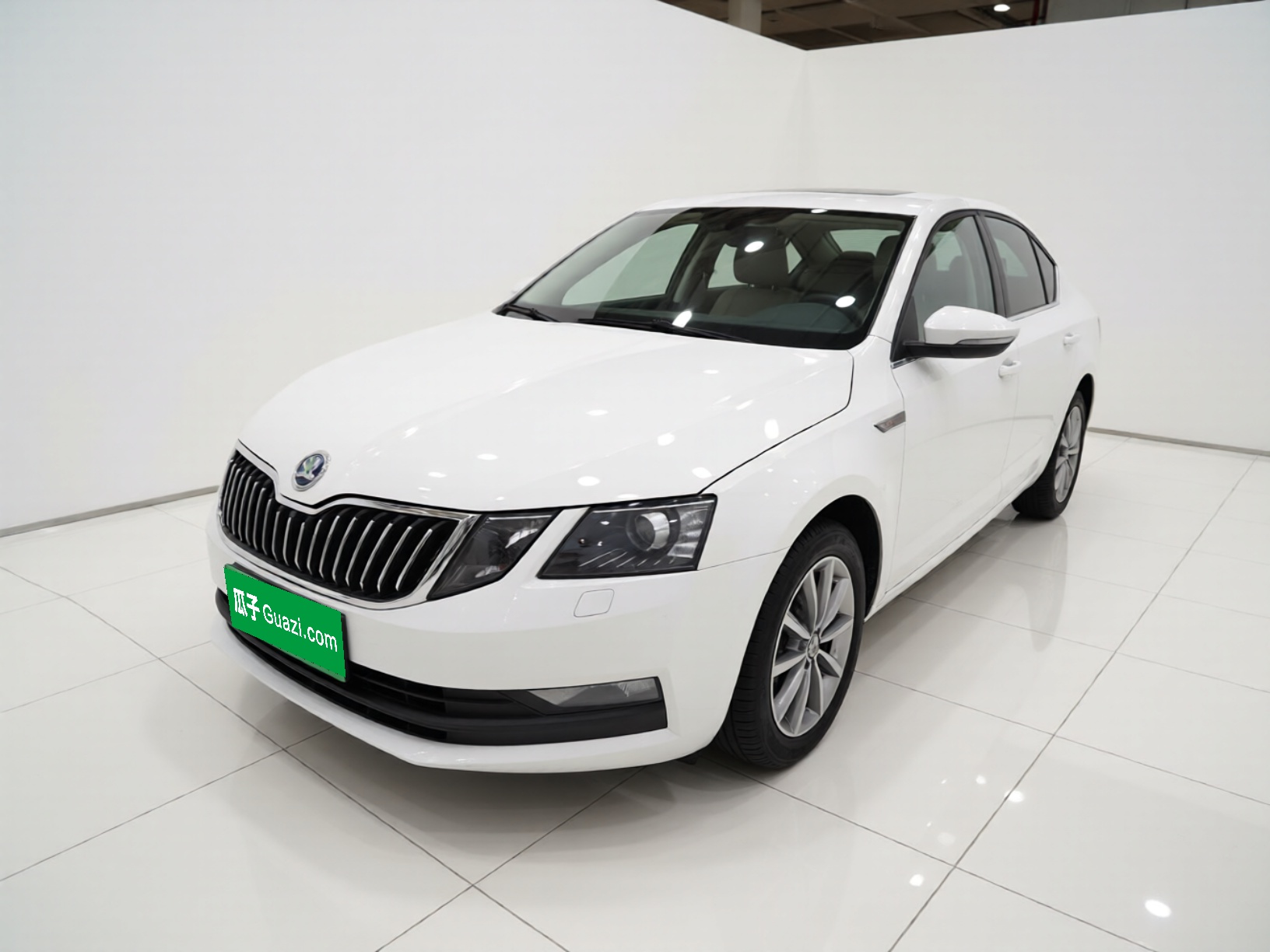
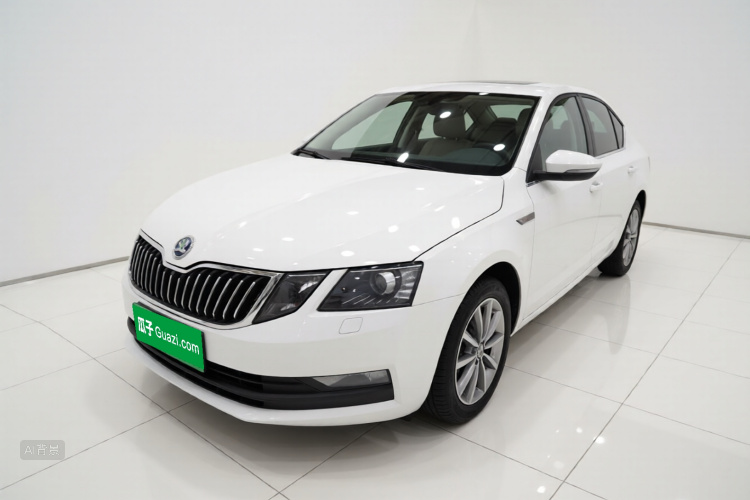
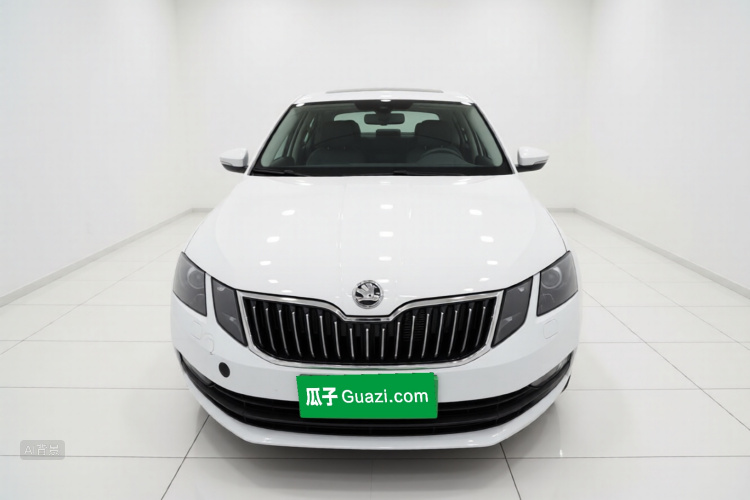
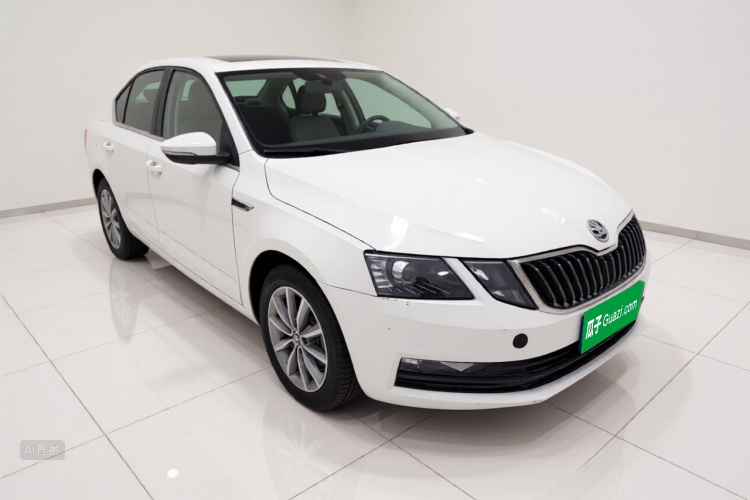
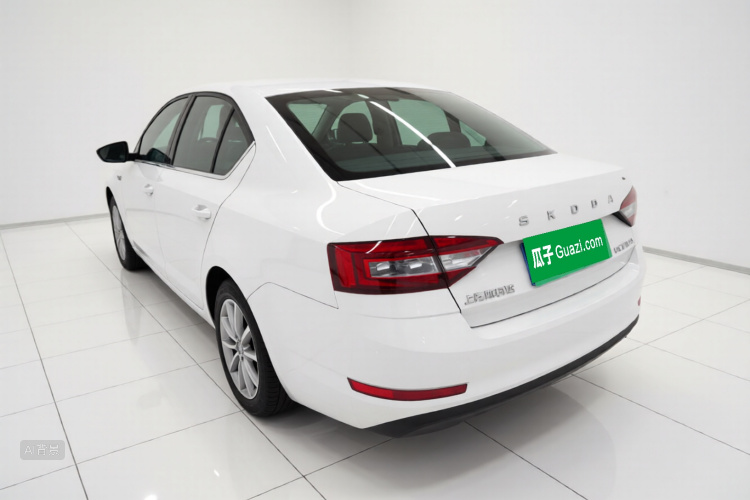

Basic Information

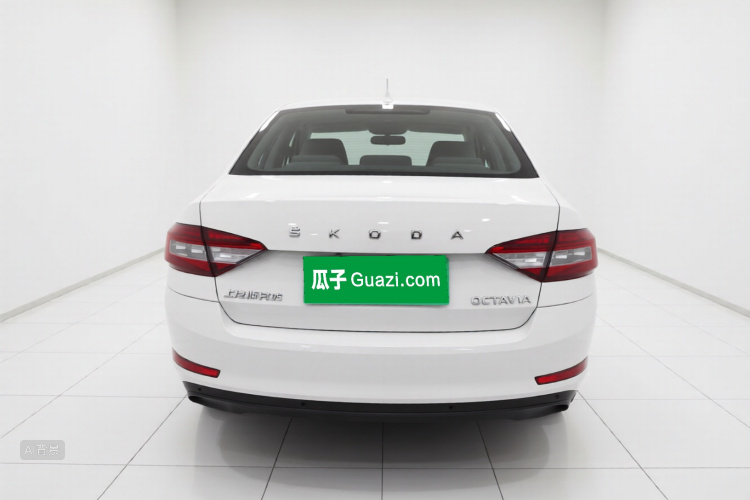
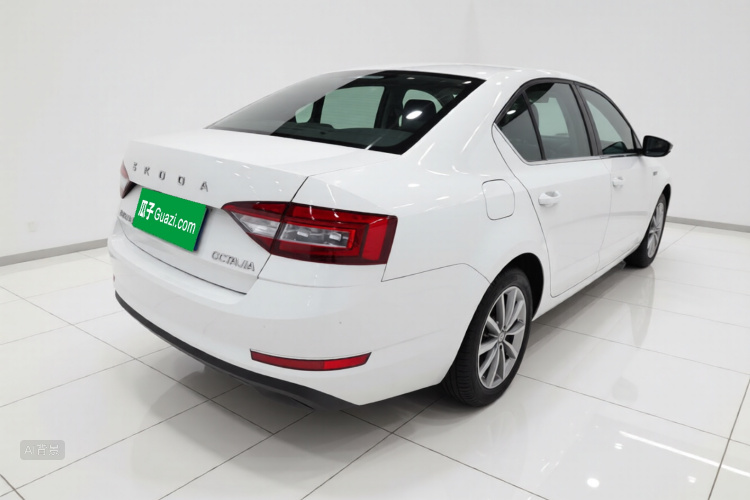
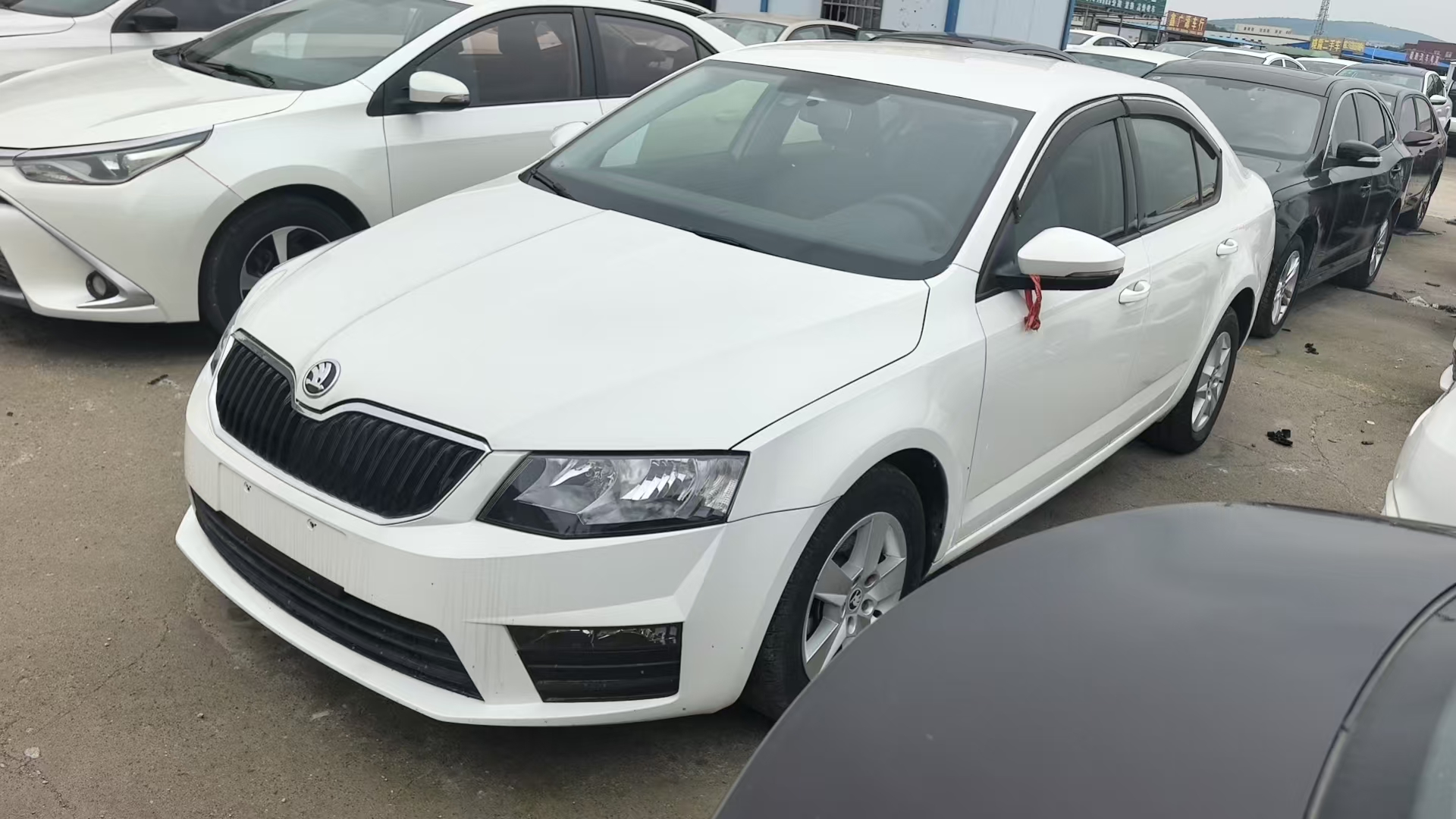
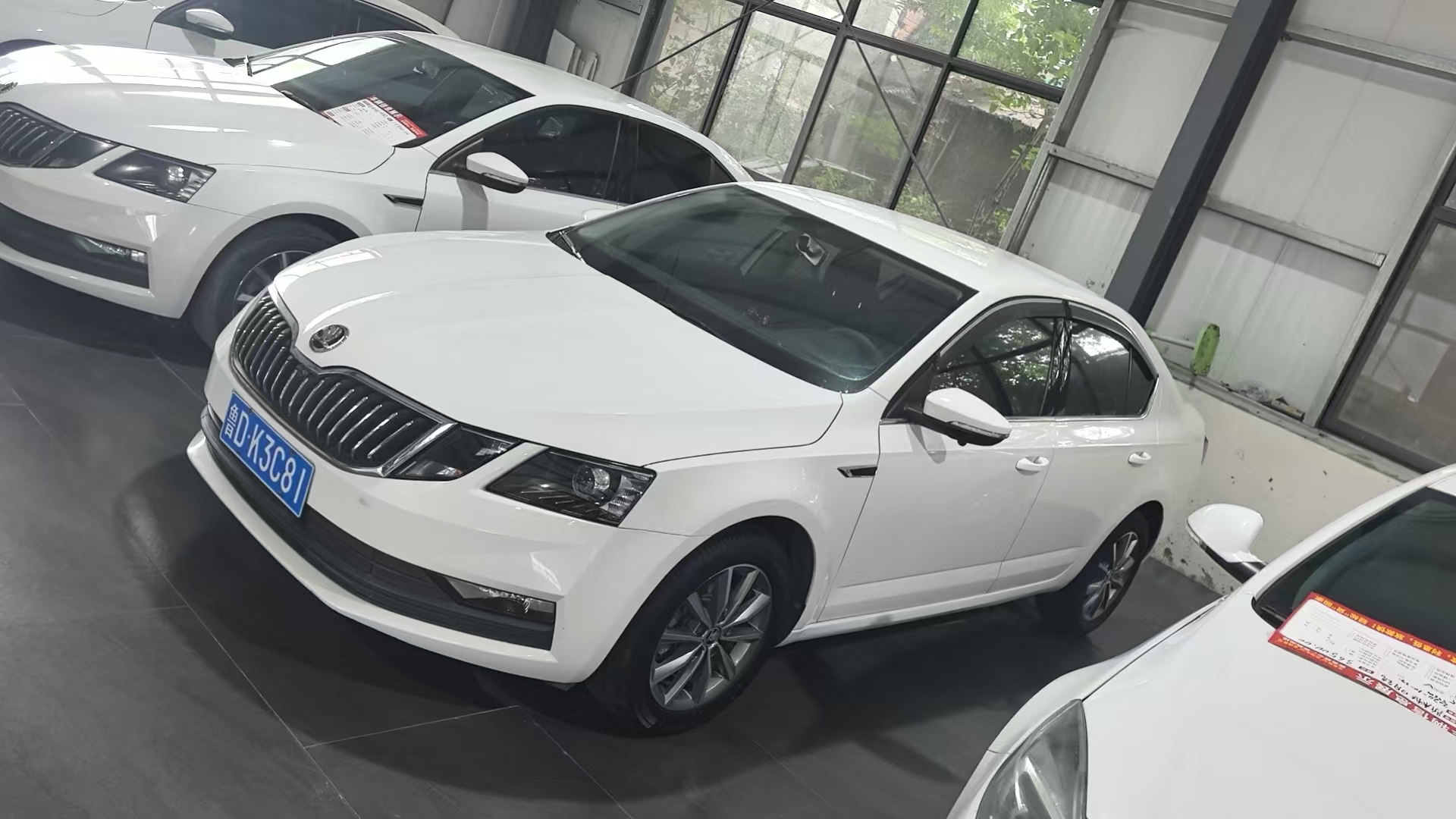
BrandSkoda
SeriesOctavia
Year2020
First Registration2020/08
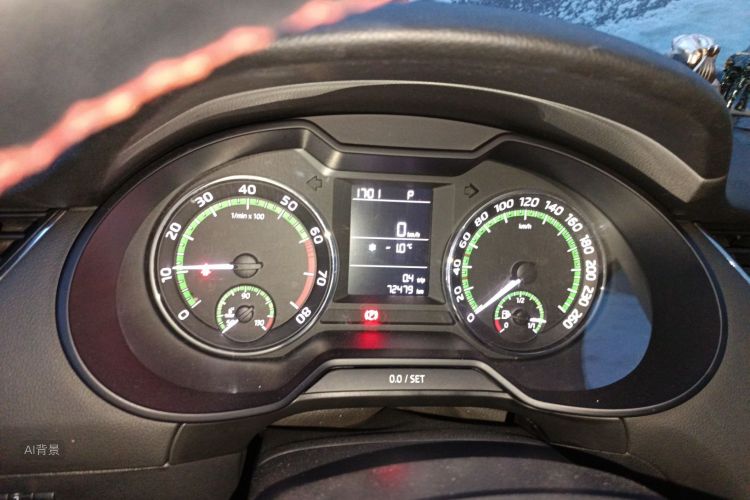
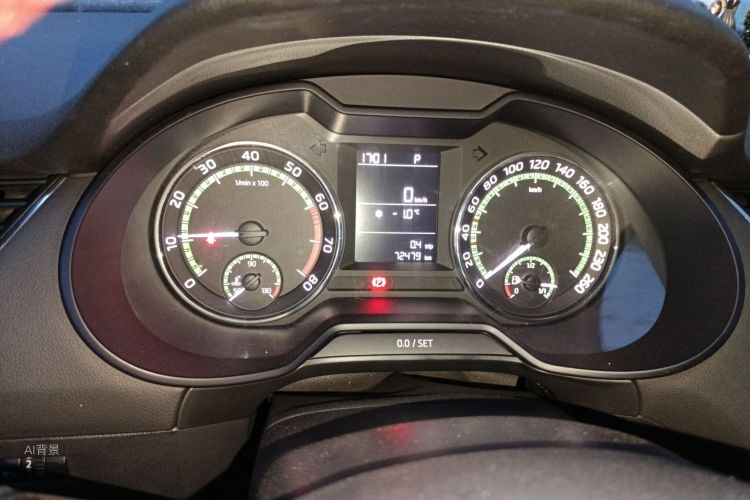
Mileage72,500km
Transfer Count-
FuelGasoline
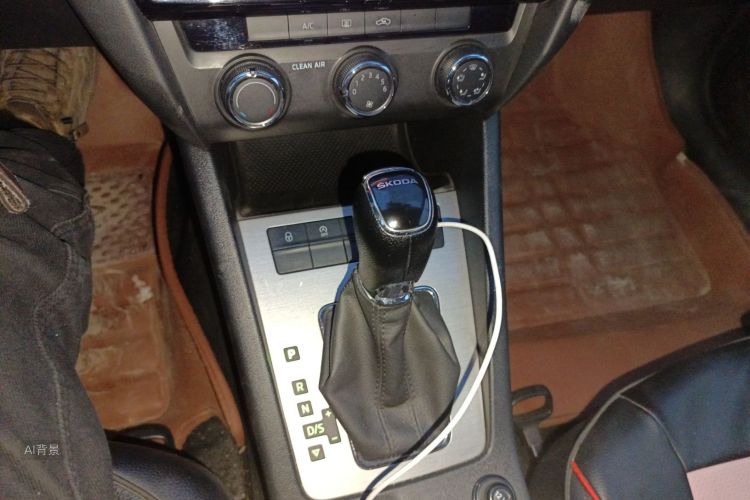
TransmissionManumatic
Engine1.5L 116 L4
ColorWhite
Seats-

Condition Description

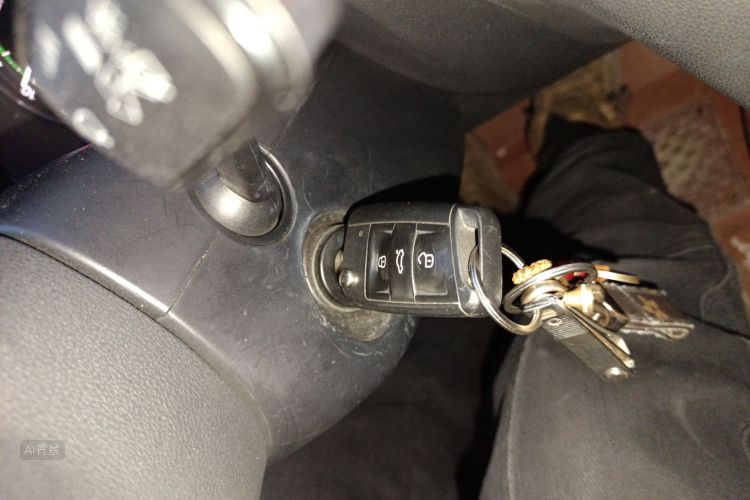
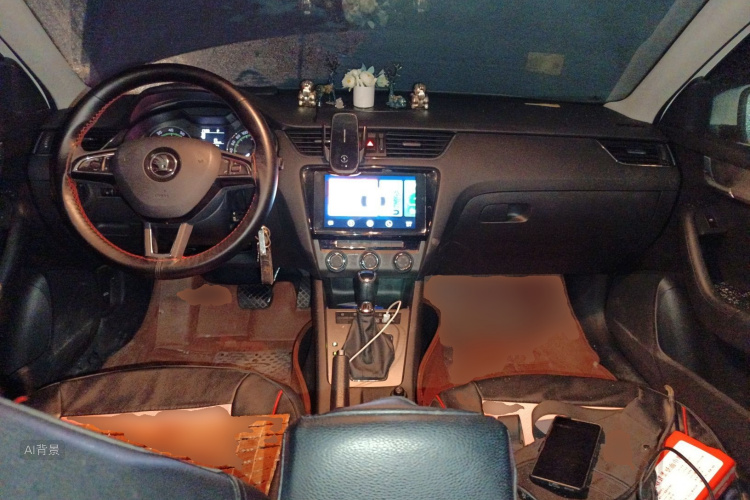
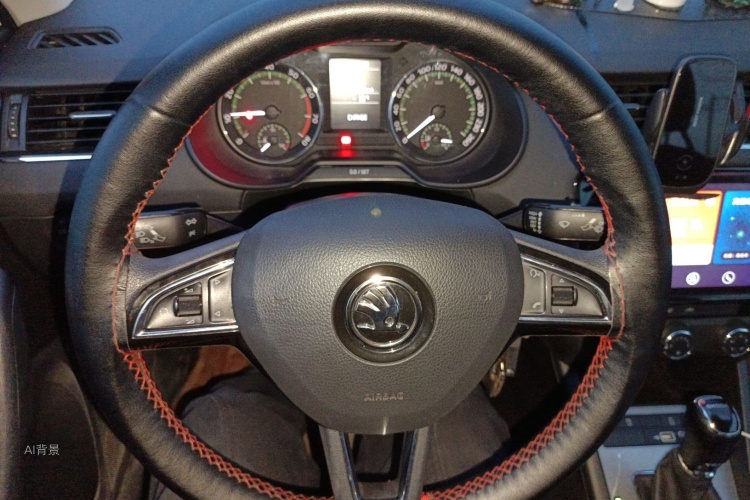
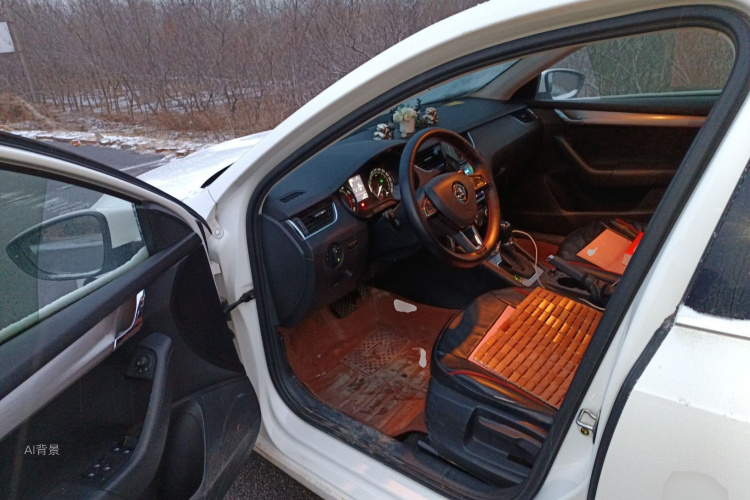
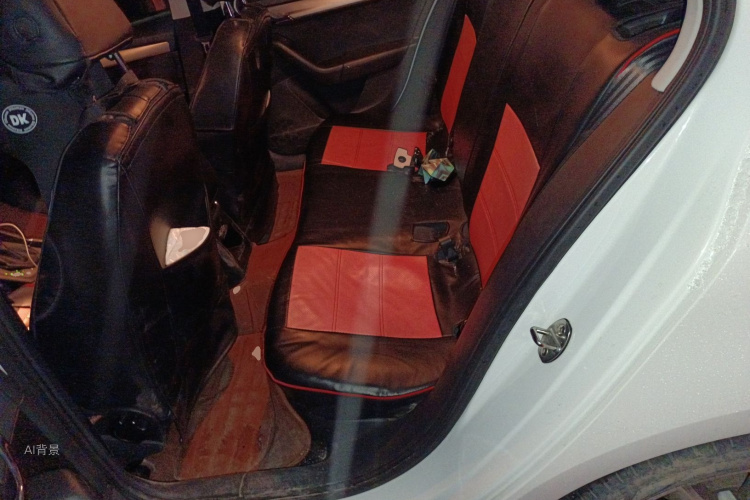
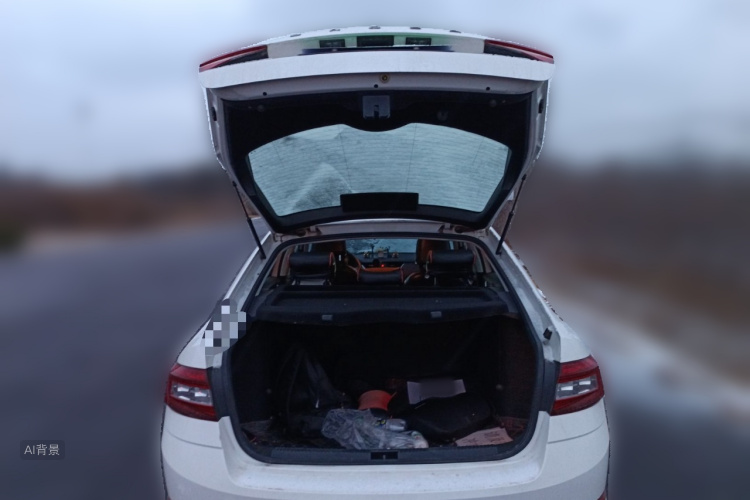
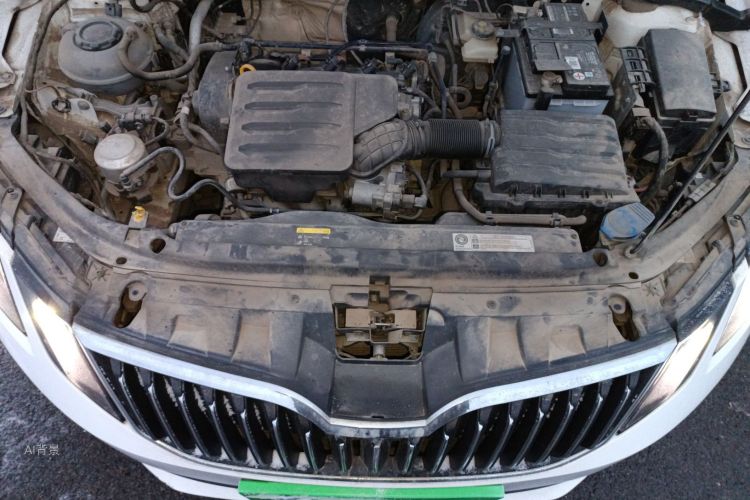
Vehicle in excellent condition, passed inspection, top-notch condition, 1 claim filed, 0 ownership transfers.

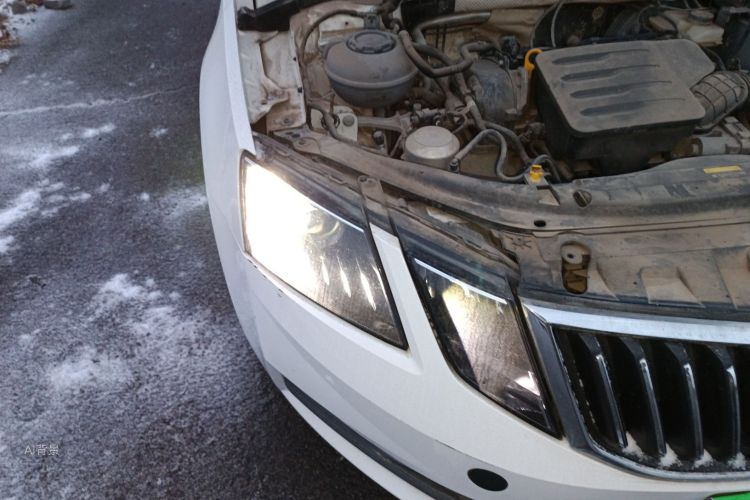
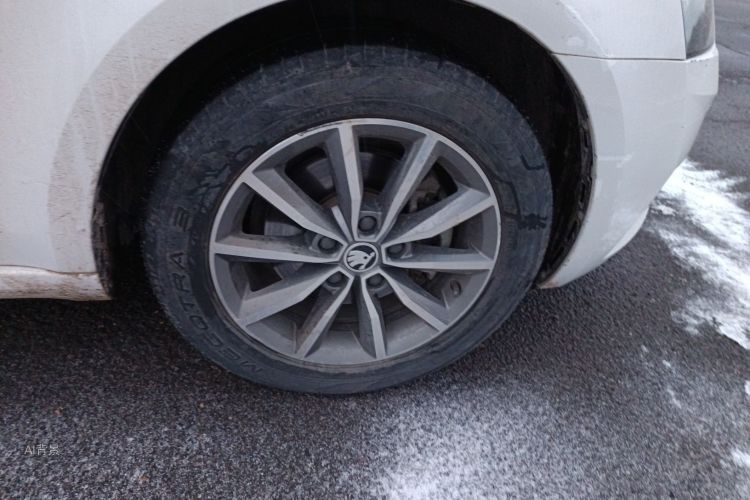
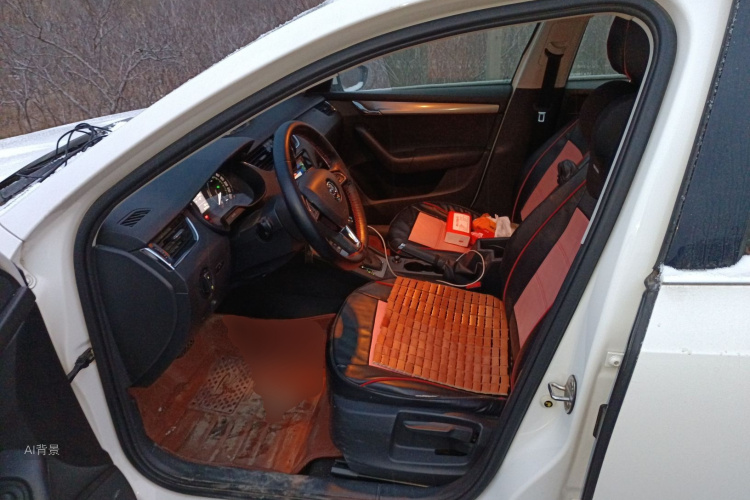
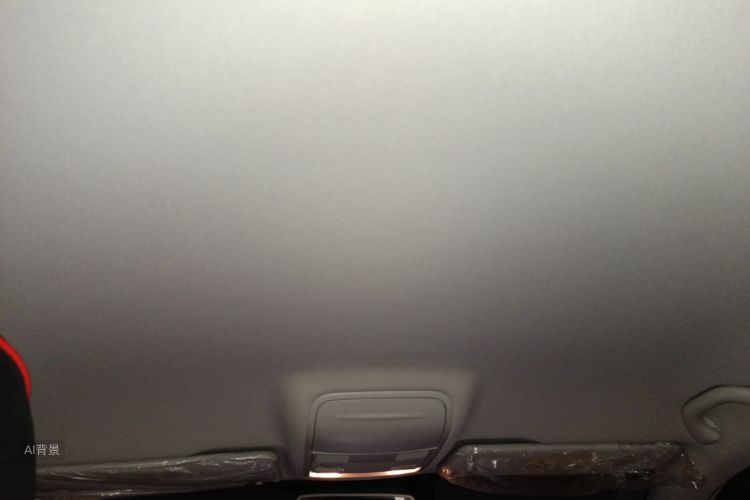
This car is 6 years old with an average annual mileage of 12,100 kilometers, typical of normal family daily use. It has never been transferred to another owner, making it a good one-owner car. The exterior paint is in good condition, with possible minor scratches. The interior is in good condition with normal signs of use. The overall body frame is intact, with a few minor abnormalities. Fluids are normal, and the powertrain is functioning well.

Configuration Highlights

✓Cornering Lights
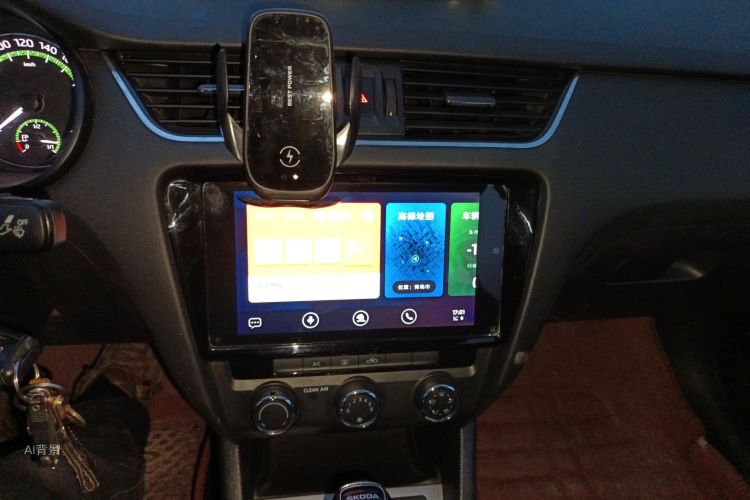
✓Smartphone Connectivity
✓Engine Start-Stop
✓Rear Air Vents
✓Tire Pressure Monitoring
✓Hill Start Assist
✓Rear Parking Sensors
✓Anti-pinch Windows

Q&A

More

After the vehicle arrived at the port, it was found that the rubber parts of the chassis (such as dust covers and engine mounts) had extensive cracking. Does this fall under the compensation for "certain repair parts compensation"?

Absolutely not. The aging and cracking of rubber parts are inevitable over time and are a normal manifestation of vehicle depreciation. Our compensation only covers sudden and catastrophic mechanical failures, such as engine cylinder scoring or transmission gear breakage.
How to ensure that the declared value on the export license matches the commercial invoice exactly to avoid allegations of underreporting for tax evasion?

Our legal red line is that the amounts on the China Customs declaration, export license, commercial invoice, and bank receipt must be consistent across all four documents. We firmly refuse to engage in the illegal act of issuing "false low-value invoices" to assist buyers in evading customs duties in the destination country.

If our country has a free trade agreement (FTA) with China, can you provide specific certificates of origin to reduce tariffs?

Yes. If your country (such as Chile, Peru, ASEAN countries, etc.) has signed a bilateral free trade agreement with China, our documentation center will apply to Chinese customs or the trade promotion agency for specific versions of the certificate of origin (such as Form E, Form F, etc.), which can help you legally apply for significant tariff reductions at the destination port.