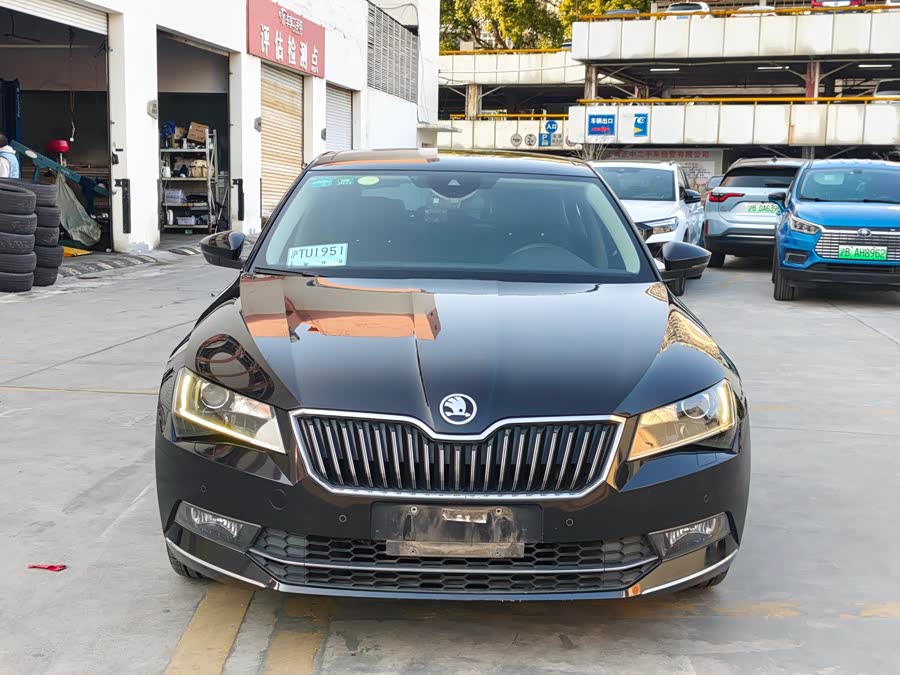
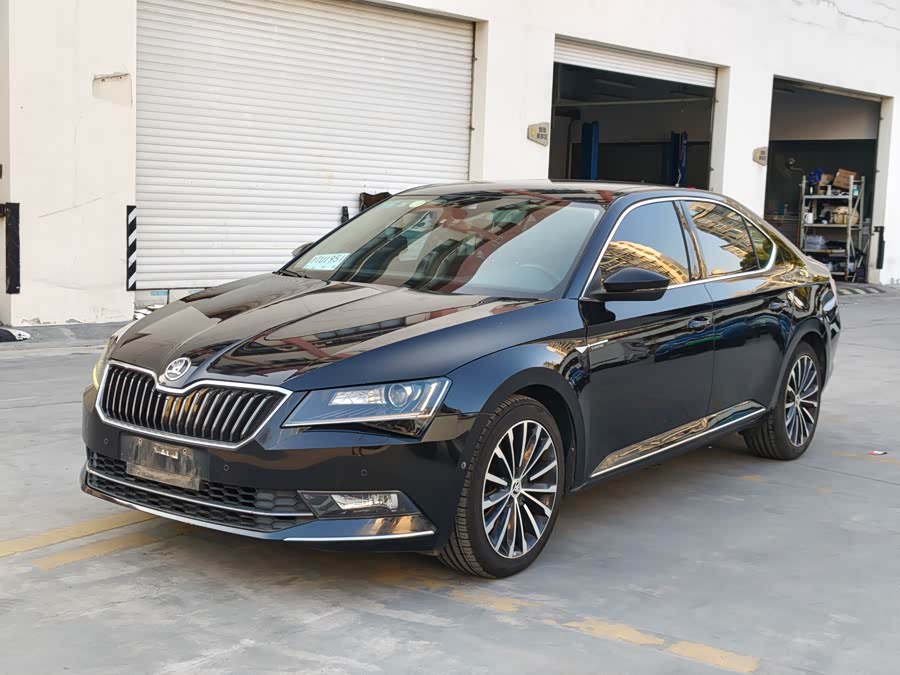
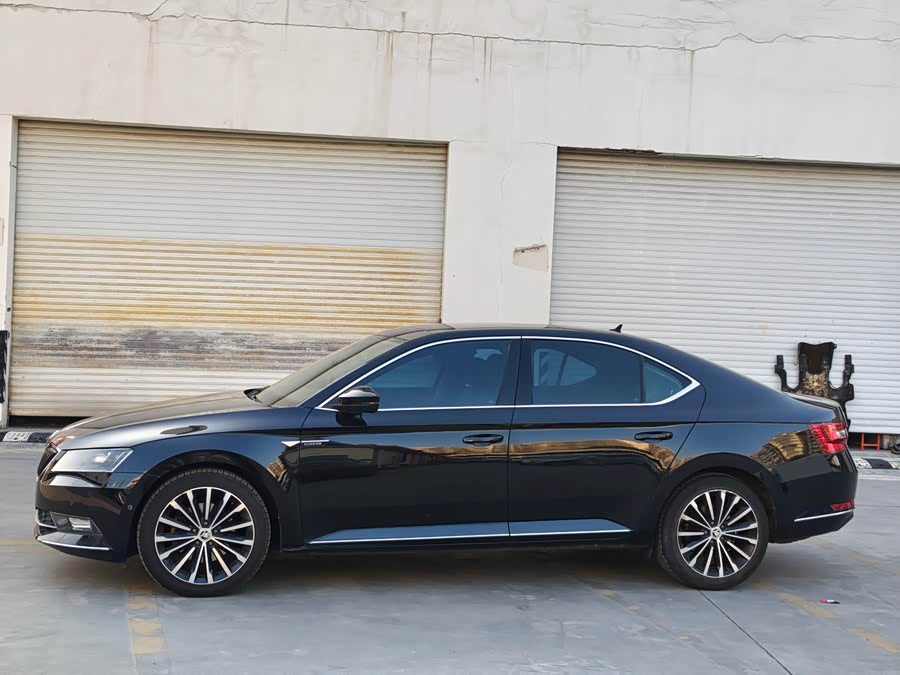
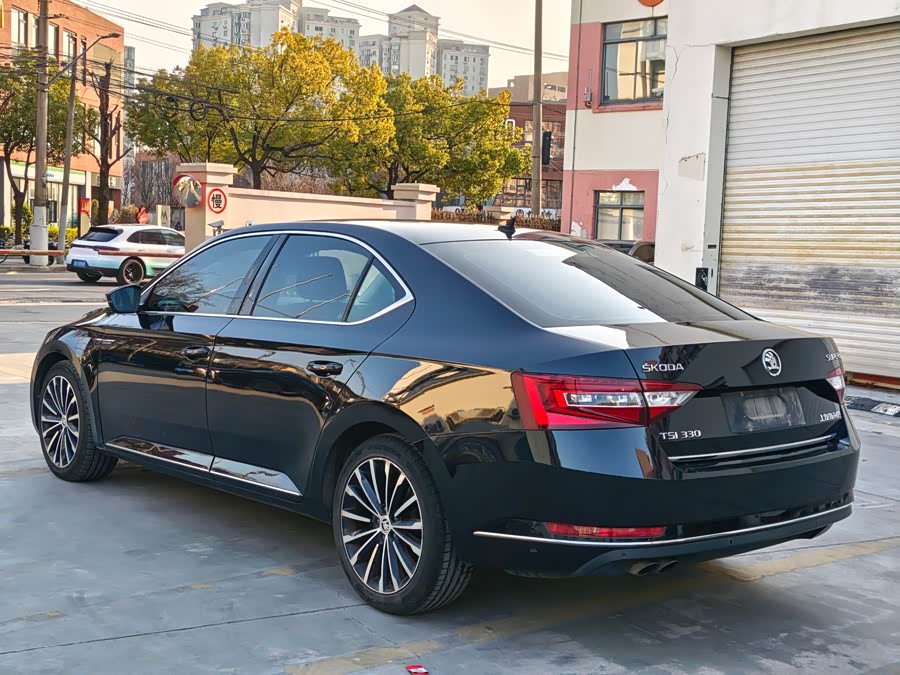
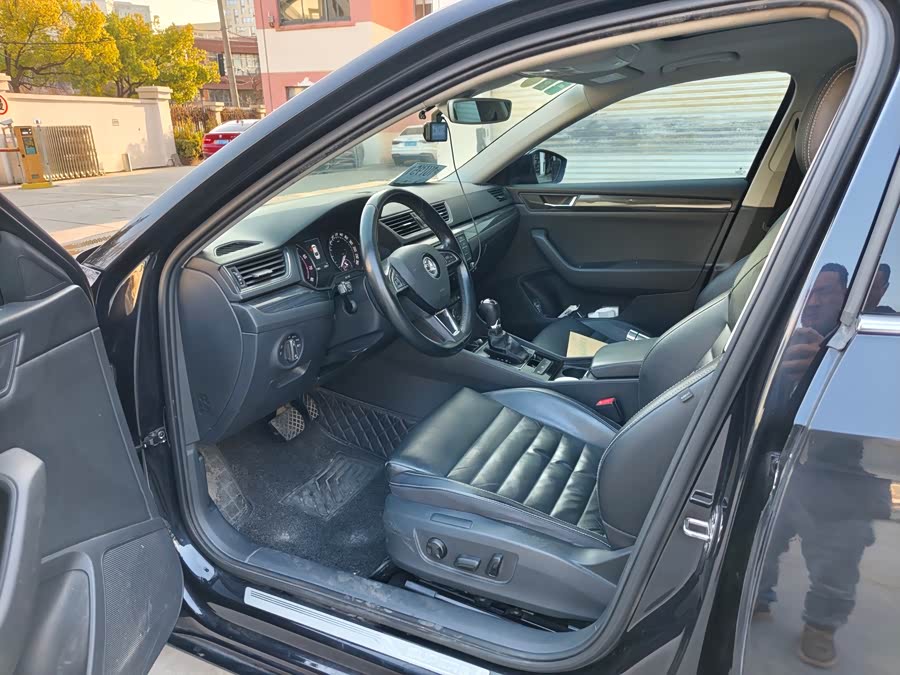
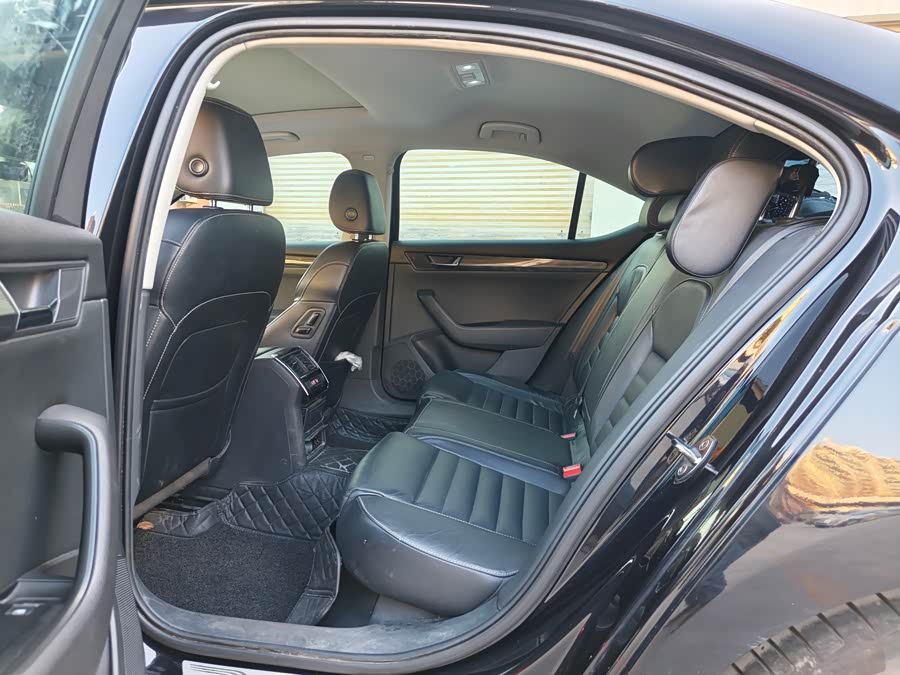
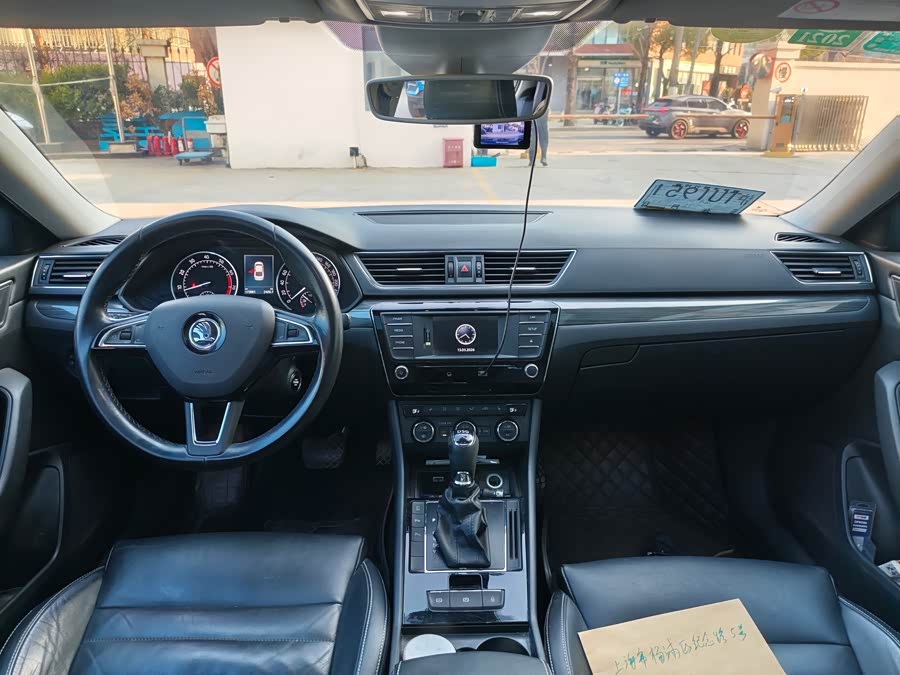
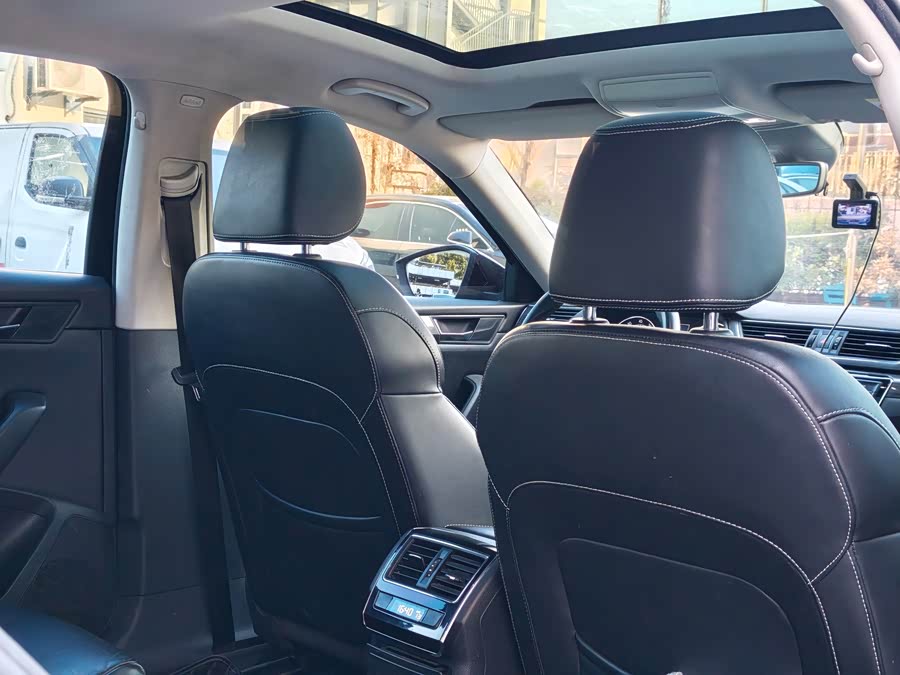
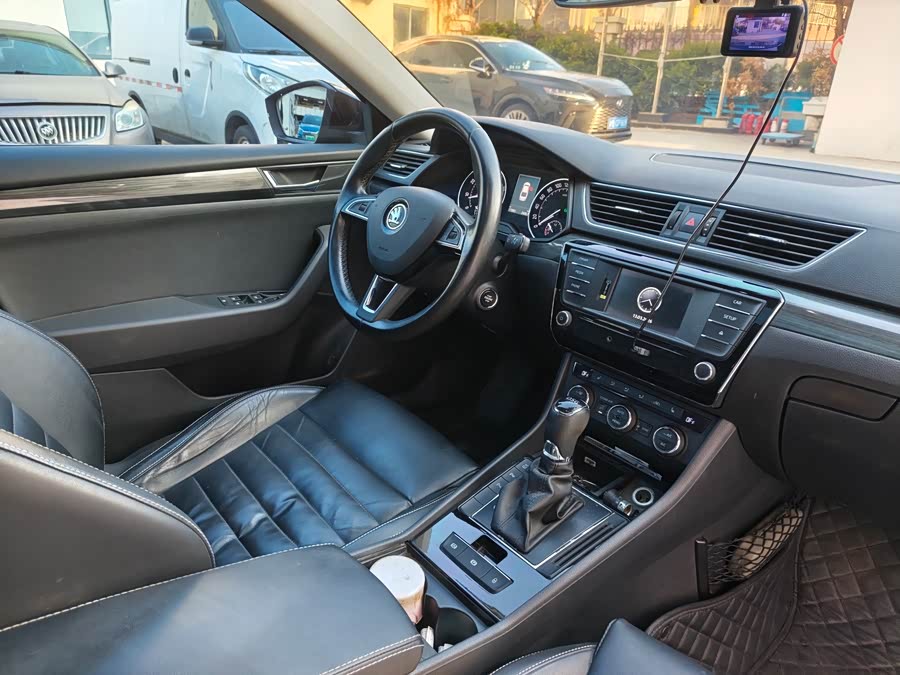


Basic Information

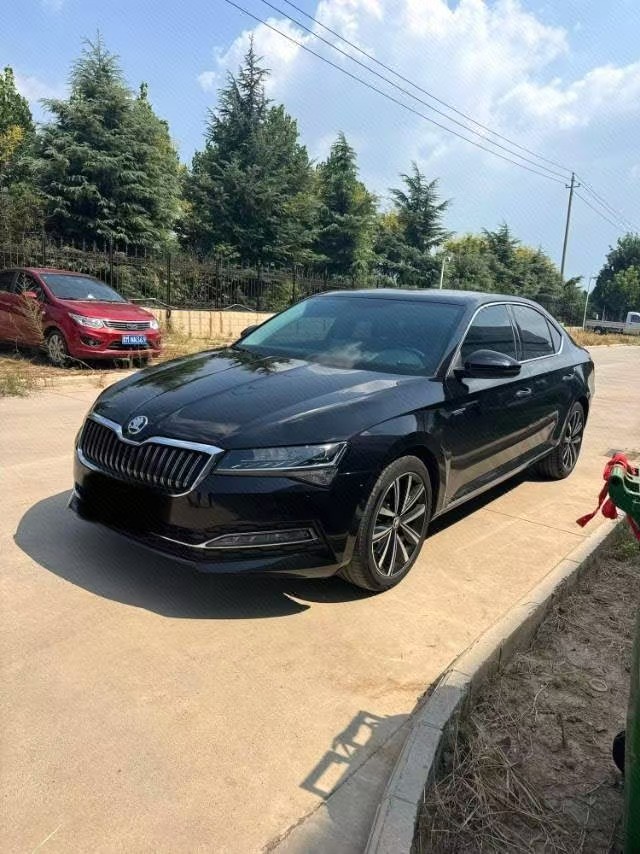
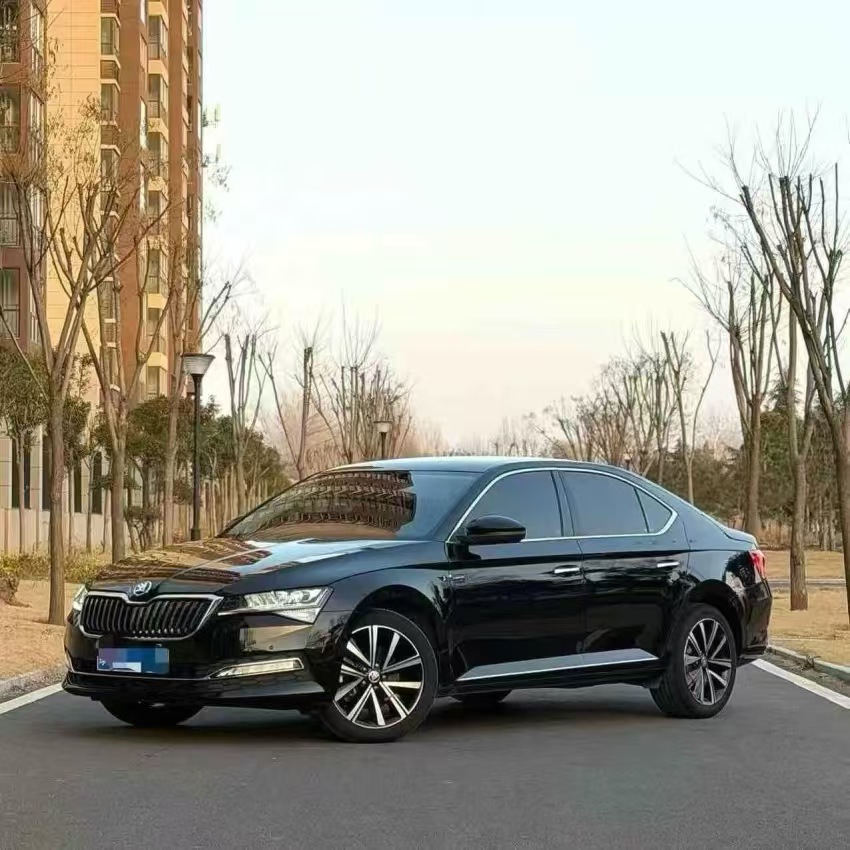
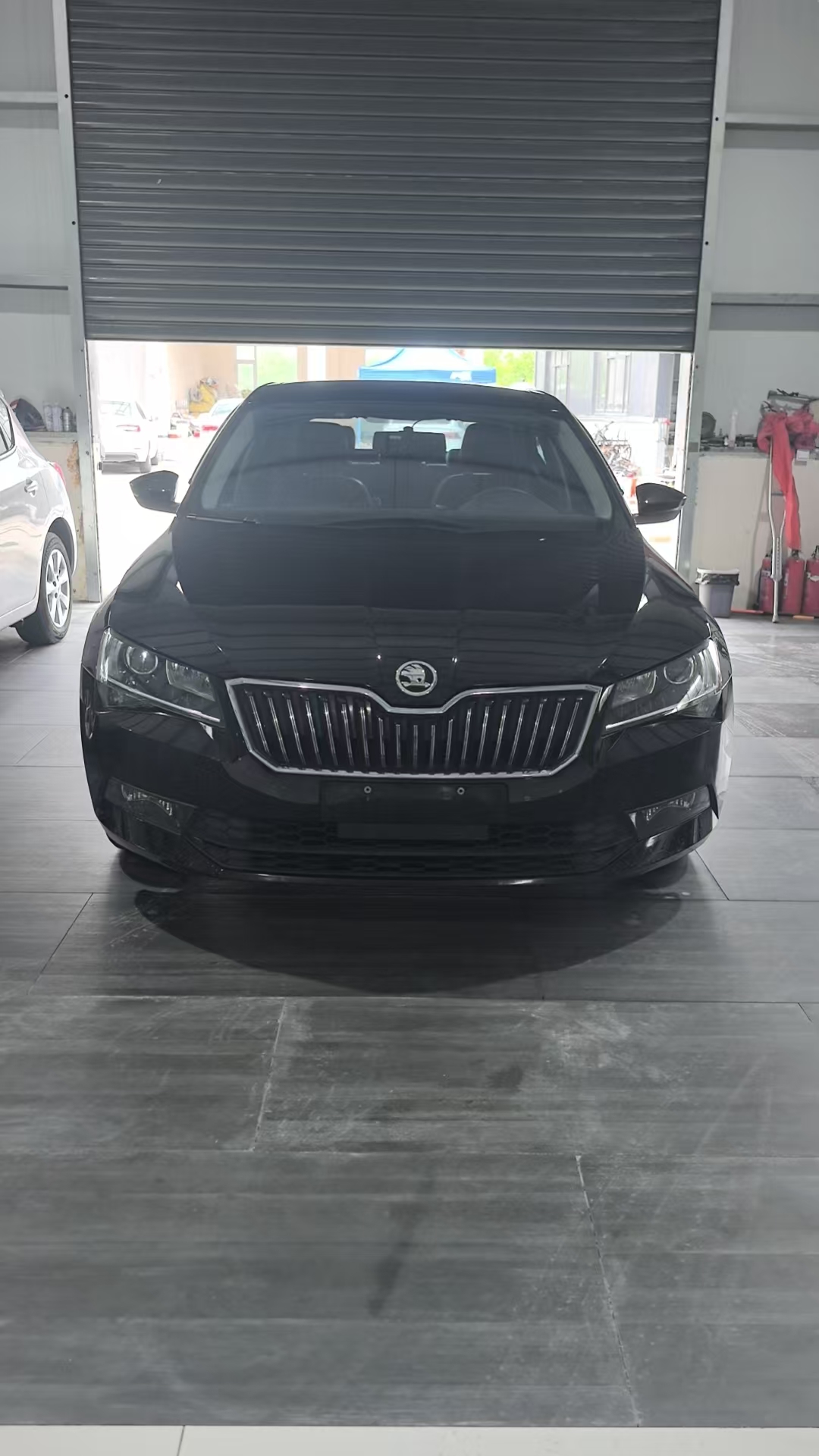
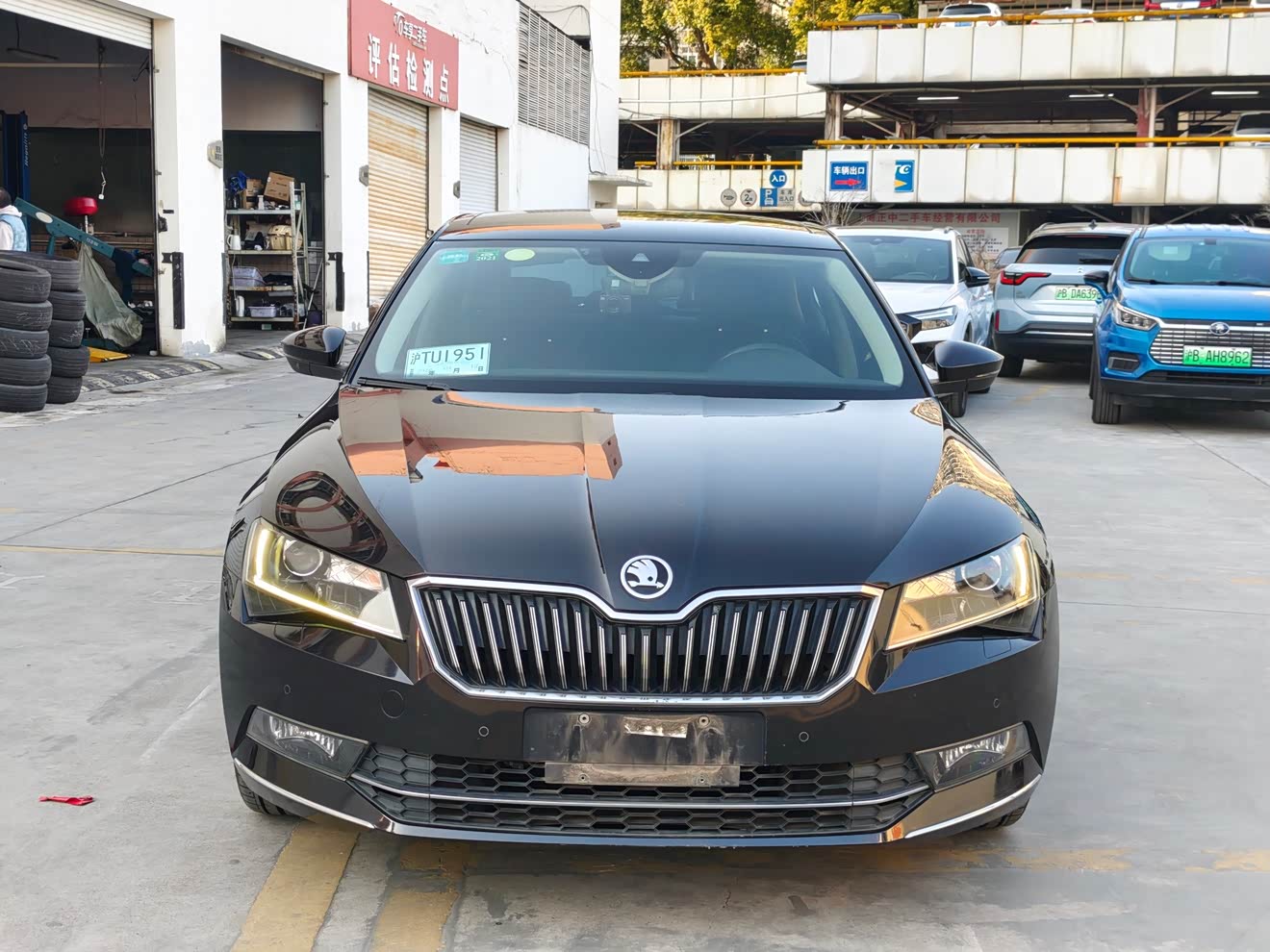
BrandSkoda
SeriesSuperb
Year2017
First Registration2017/01
Mileage170,000km
Transfer Count1times
FuelGasoline
TransmissionDCT
Engine1.8T 180 L4
ColorBlack
Seats-

Condition Description

good

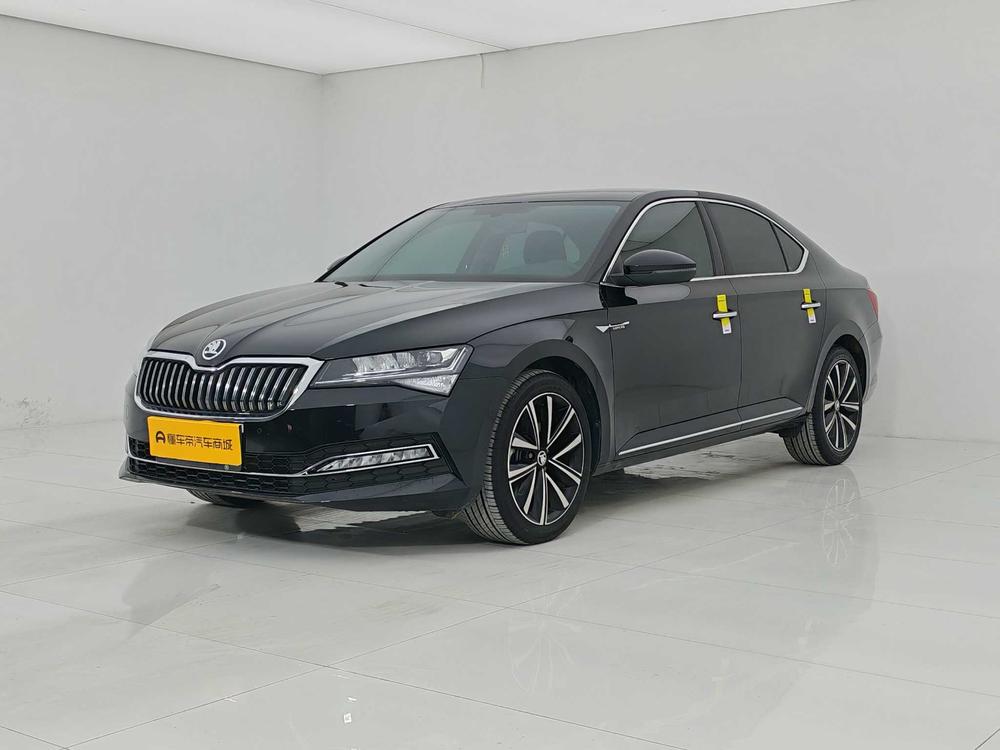
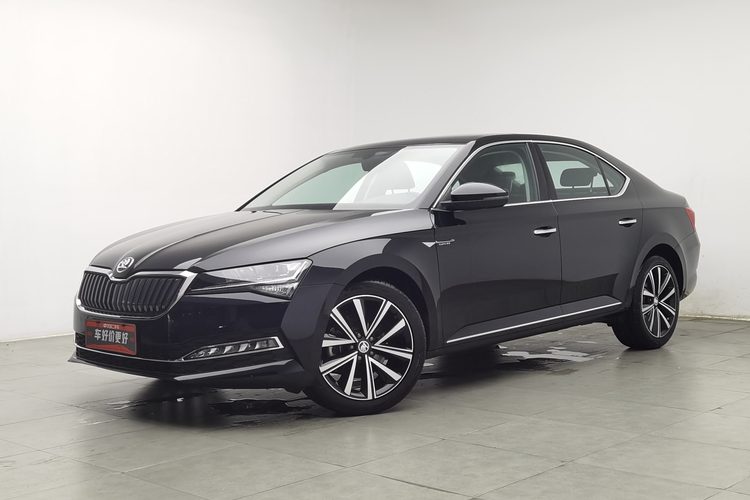
Skoda Superb 1.8T 330 Smart Edition, 170,000 km safe driving, original condition, only four sides repainted, one owner.

Configuration Highlights

✓Tire Pressure Monitoring
✓Lane Departure Warning
✓ISOFIX Child Seat Anchors
✓Auto Hold
✓Auto Park Assist
✓Cruise Control
✓Keyless Start System
✓Keyless Entry System
✓Bluetooth/Hands-free
✓220V/230V Power Outlet
✓Cornering Lights
✓Cornering Lights
✓Adaptive Headlights
✓UV Protection Glass
✓Rear Air Vents

Accident & Maintenance Records

Accident Record

🔗 Open Link

Maintenance Record

🔗 Open Link

Document Information

Inspection Expiry Date2027/01
Warranty Expiry Date-
Insurance Expiry Date2027/01

Q&A

More

What are the differences in power loss performance of used lithium iron phosphate (LFP) and ternary lithium (NMC) batteries in cold countries?

If your market is in extremely cold regions (like Russia or Northern Europe), we strongly recommend purchasing ternary lithium (NMC) models equipped with heat pump air conditioning. The range achievement rate of used LFP batteries typically plummets at minus 15 degrees, and we will alert you accordingly.
For countries with strict anti-dumping laws, do the low-priced used new energy vehicles you export face the risk of being confiscated by customs on the grounds of dumping?

This is a macro policy minefield. Although used cars are rarely classified as dumping, if your single import quantity is too large and the declared price is significantly lower than local similar products, it can easily trigger an investigation by the tax bureau. We strongly recommend B2B buyers to break down shipments into smaller batches and use multiple invoices for customs clearance.

Is China's "National VI B" emission standard equivalent to Europe's Euro VI standard?

From a technical perspective, China's "National VI B (China VI-b)" is one of the strictest emission standards globally, with limits on carbon monoxide, nitrogen oxides, and particulate matter that are even stricter than some of Europe's Euro VI standards. However, the two are not legally recognized by each other, depending on your country's import regulations.