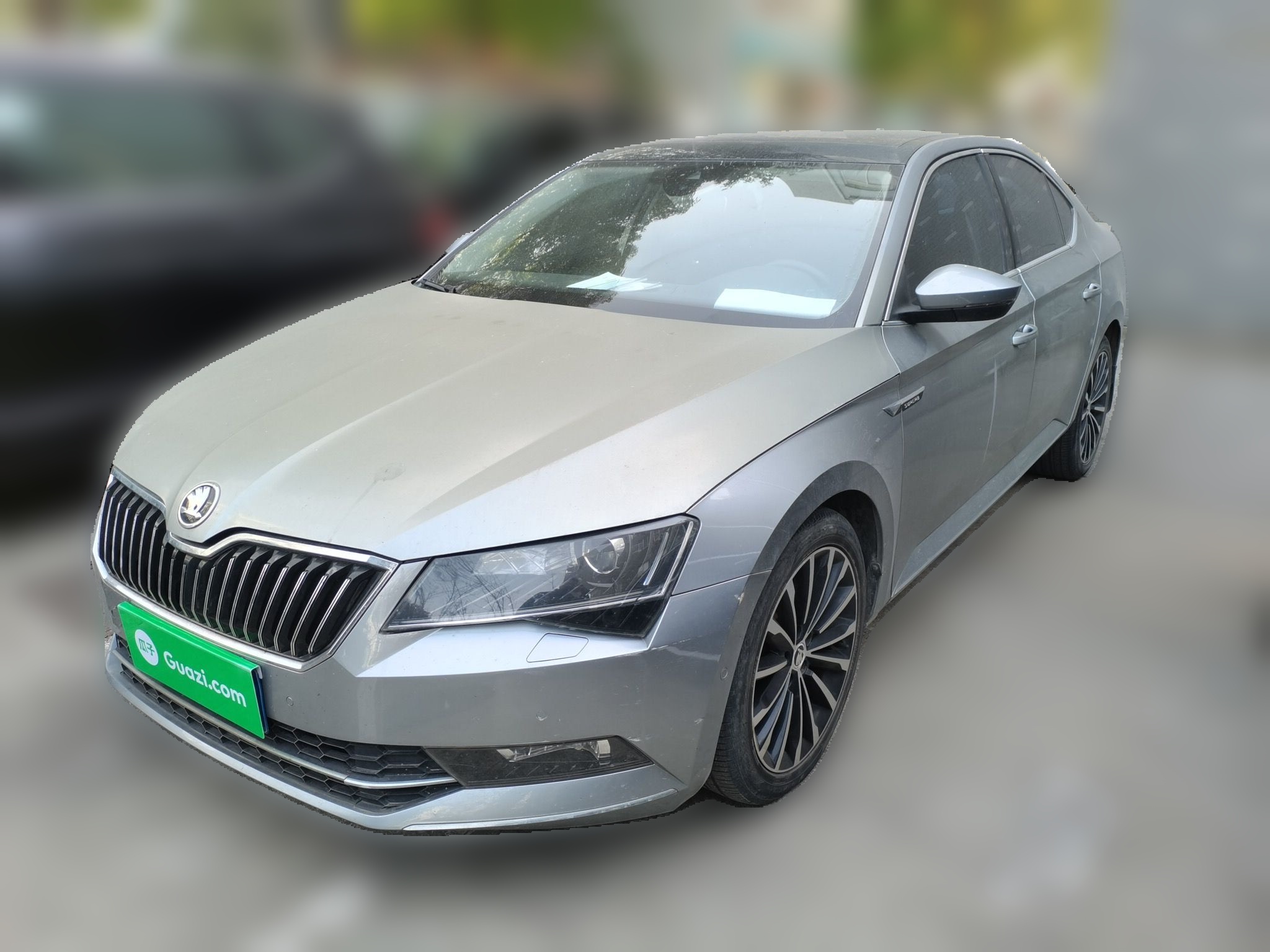
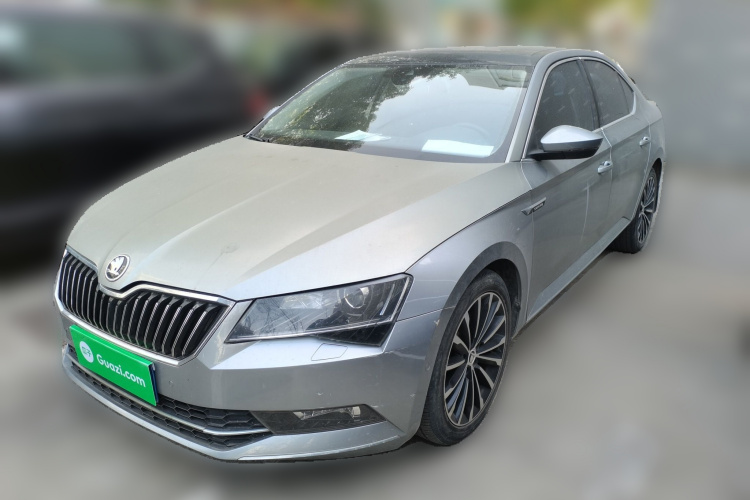

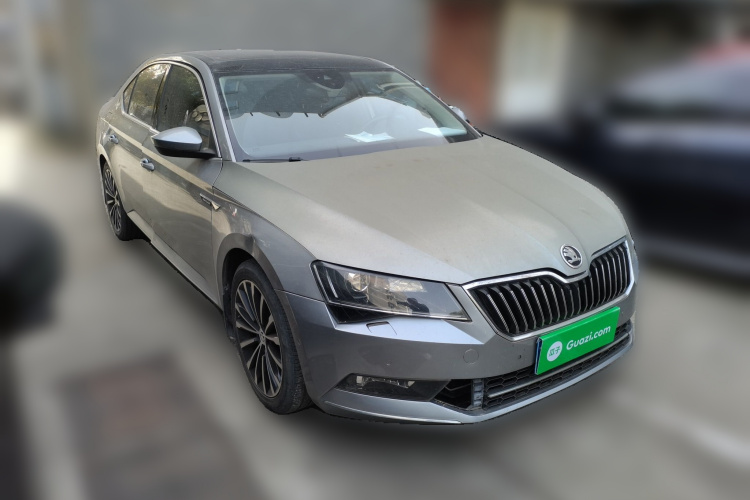
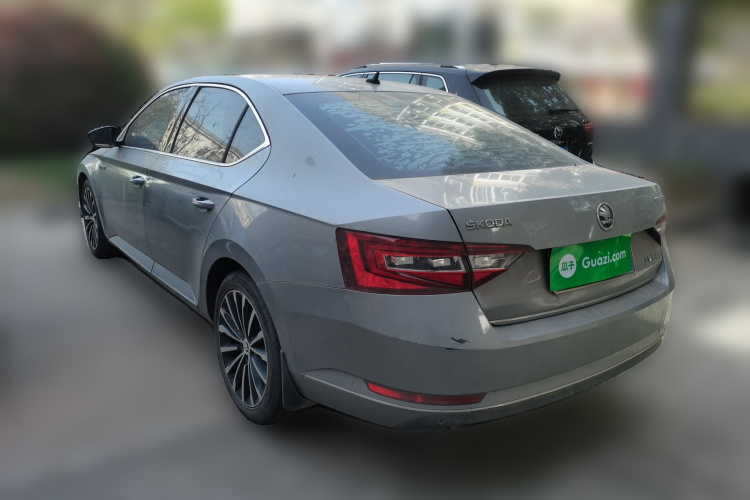

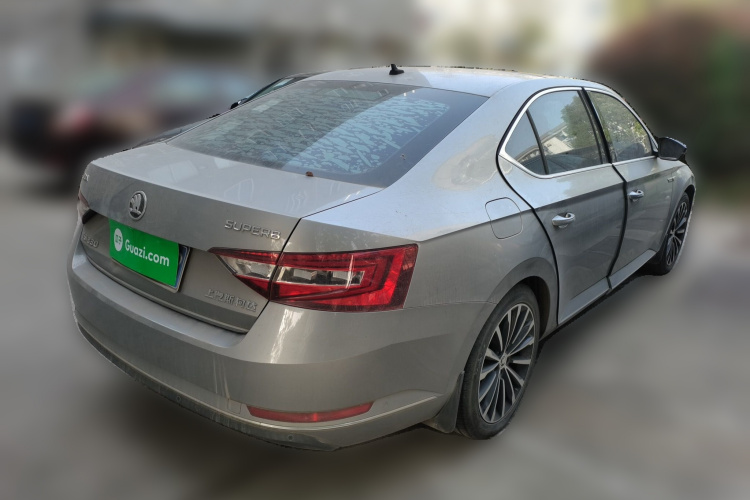

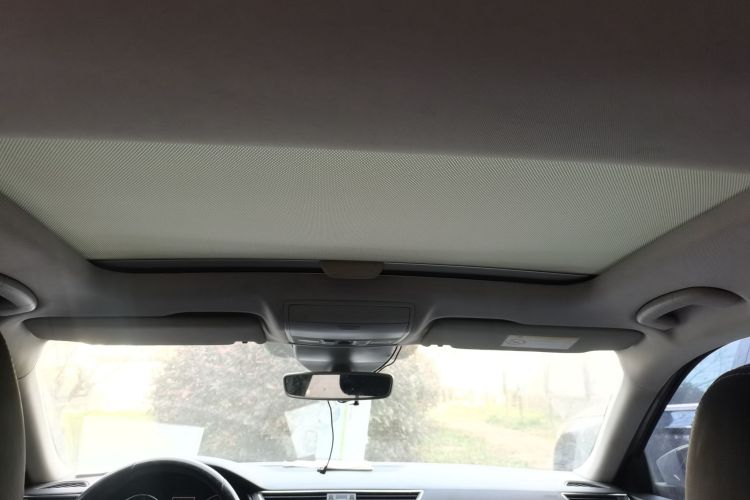
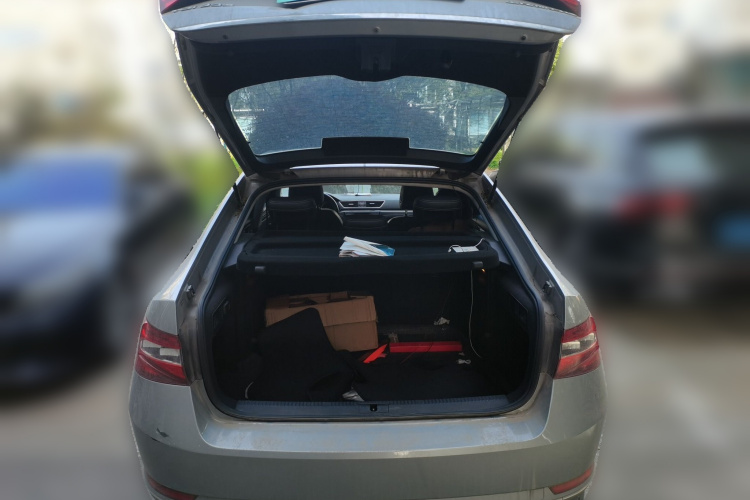
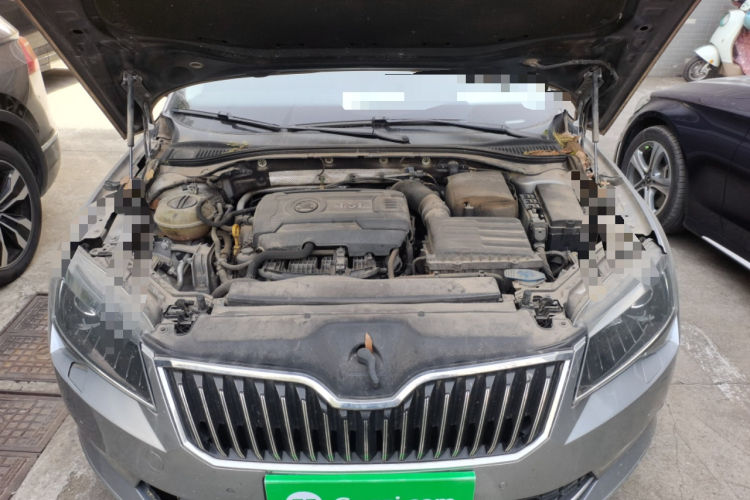



Basic Information

BrandSkoda
SeriesSuperb
Year2016
First Registration2016/12
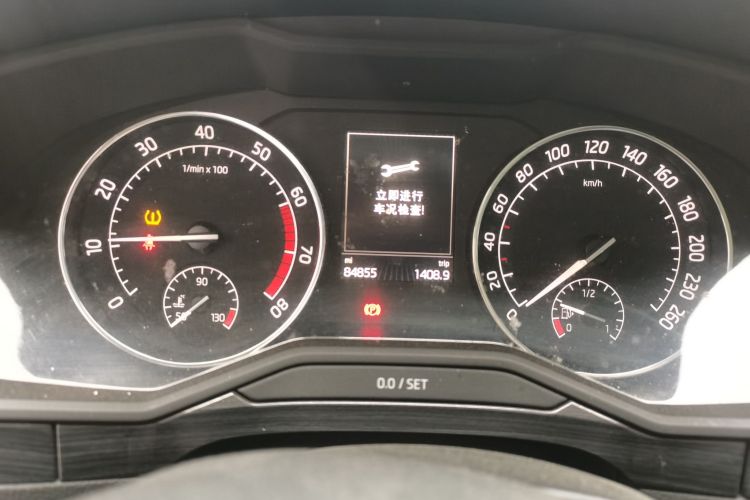
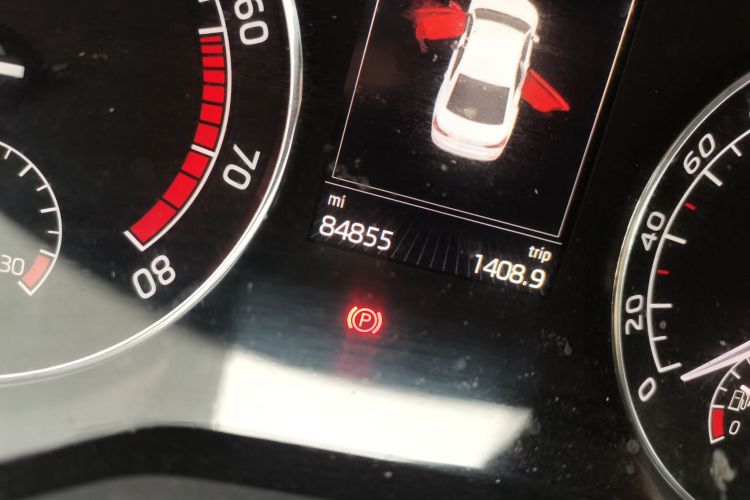
Mileage136,600km
Transfer Count-
FuelGasoline
TransmissionDCT
Engine1.8T 180 L4
ColorGrey
Seats-

Condition Description

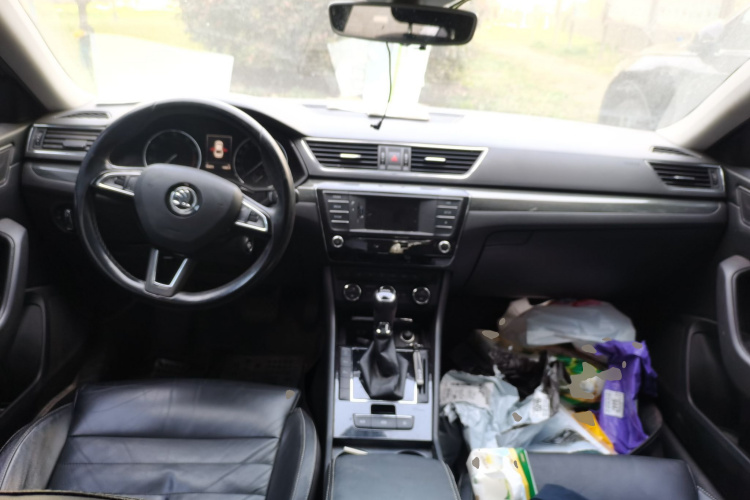
Vehicle condition meets standards, passed inspection; vehicle condition is average; 4 claims filed; 0 ownership transfers.

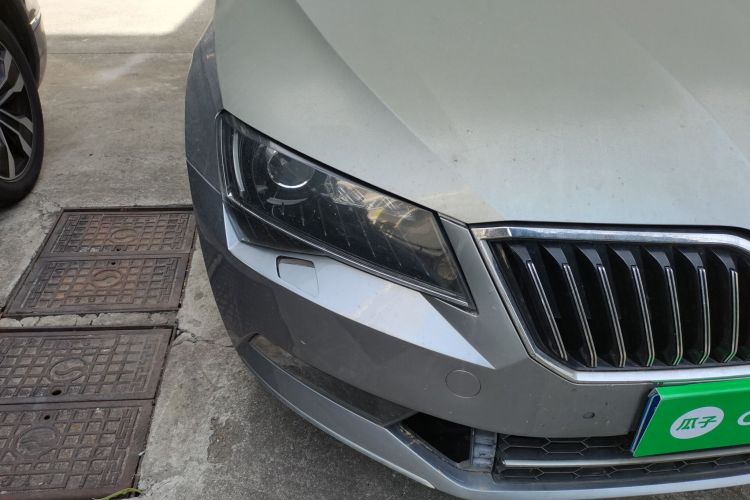
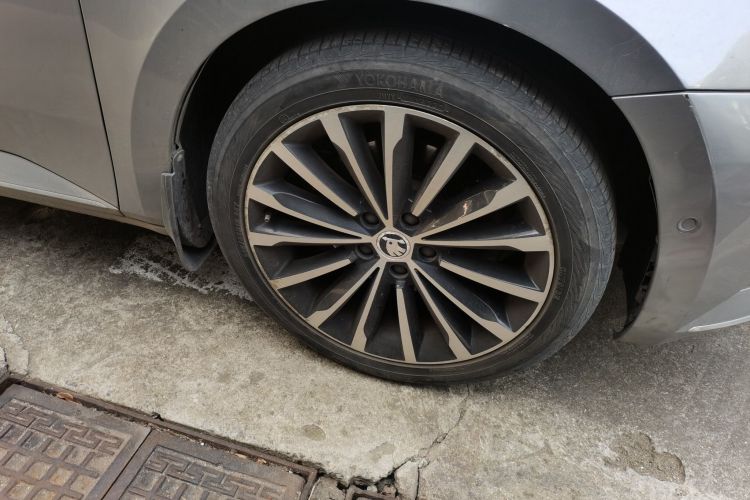
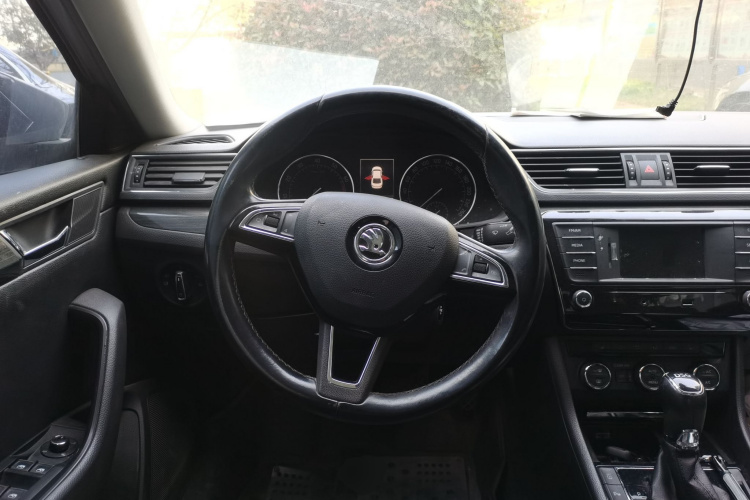
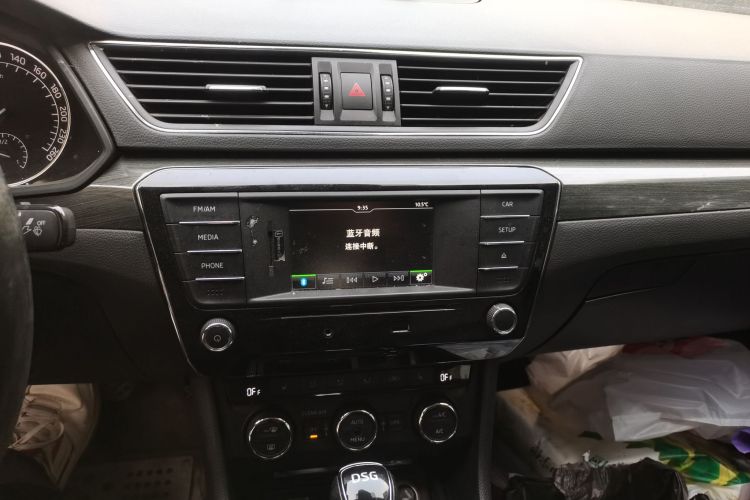
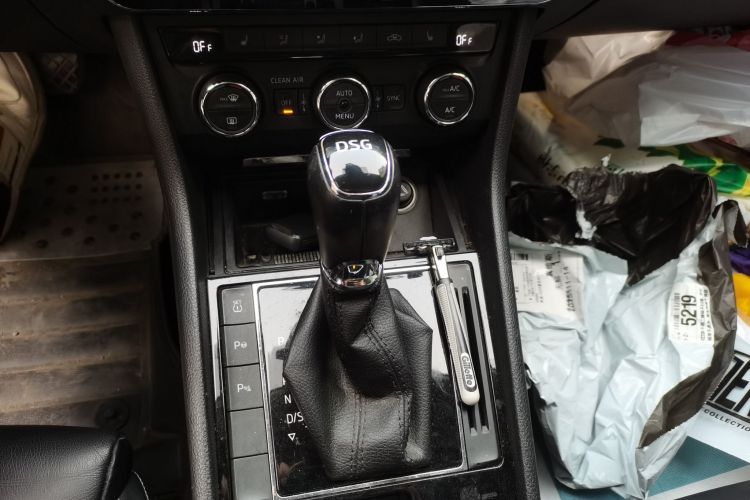
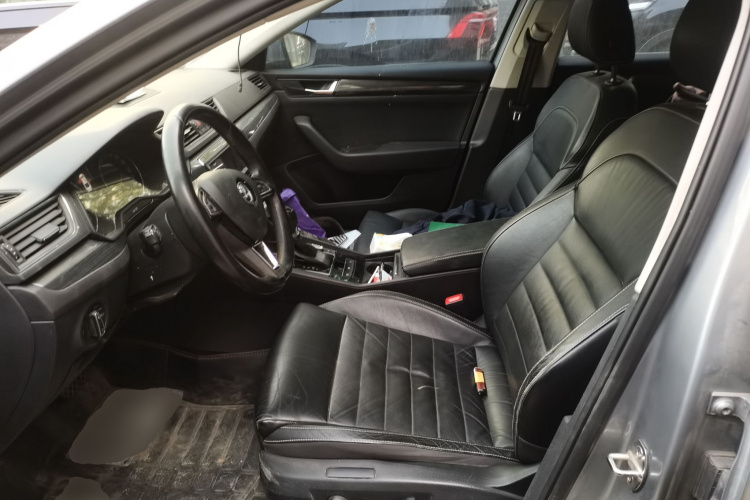
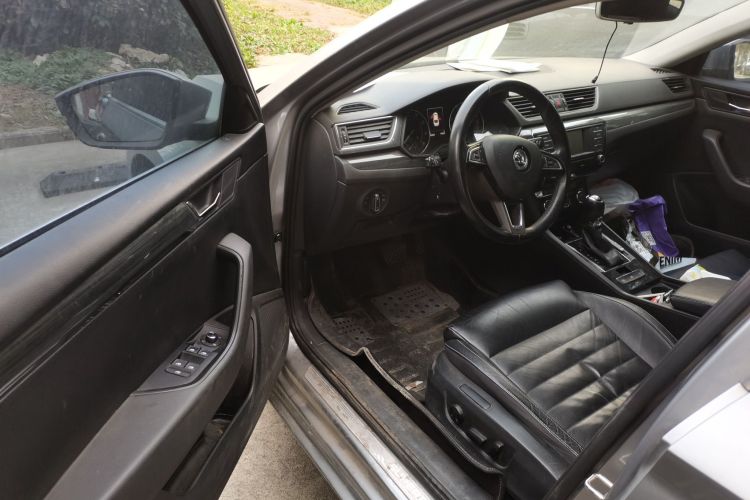
This car is 9 years old, with an average annual mileage of 15,200 kilometers, typical of normal family daily use. It has never been transferred to another owner, making it a good first-hand car. The exterior may have some obvious signs of wear and tear. The interior shows obvious signs of use or dirt. The overall body frame is intact, but there are a few abnormal issues. The powertrain is functioning normally.

Configuration Highlights

✓Rear Control Passenger Seat
✓Adaptive Headlights
✓Lane Departure Warning
✓Auto Park
✓Cornering Lights
✓Knee Airbags
✓High Beam Assist
✓Front Radar
✓Auto Hold
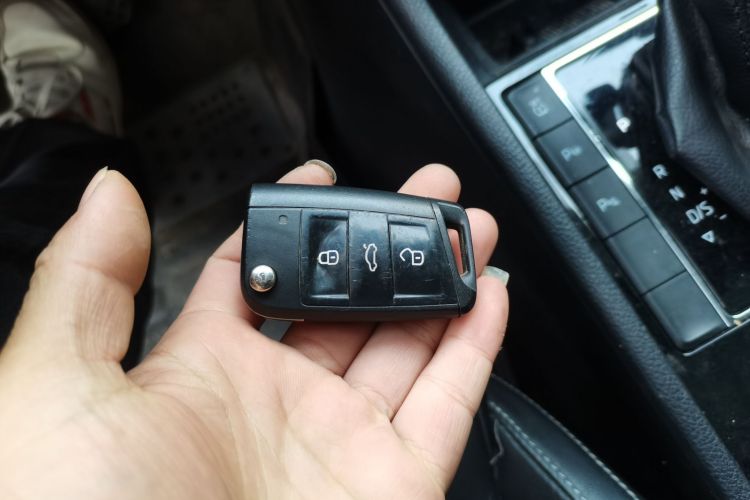
✓Keyless Entry
✓Rain-sensing Wipers
✓High-definition Low Beam
✓Power Folding Mirrors
✓Power Seats
✓Auto Headlights
✓Cruise Control
✓Keyless Start
✓Rear Air Vents
✓Tire Pressure Monitoring
✓Heated Mirrors
✓Hill Start Assist
✓Rear Parking Sensors
✓Anti-pinch Windows

Q&A

More

What are the specific evaluation criteria for "original paint" on your platform? Does repainting a bumper count?

Strict definition: All metal body parts (doors, hood, fenders) and the frame must retain the original factory paint, with uniform paint thickness readings. Minor touch-ups or replacements of plastic bumpers, as they do not affect metal corrosion protection and vehicle structure, can still be classified as "original paint" in a broad sense, but we will separately note the condition of the bumper.


Are there specific tests to check if the soundproofing material is intact in a second-hand new energy vehicle equipped with run-flat tires?

We cannot open each tire to inspect the inside. However, if a visual inspection reveals severe creases on the tire sidewall, it indicates that the run-flat tire has been driven for a long time at zero pressure, damaging its internal structure. We would recommend replacing it before shipping.

Why is there a time difference between the production date on the vehicle nameplate and the first registration date on the registration certificate?

The nameplate date is the absolute time when the vehicle leaves the factory; the registration date is when the vehicle is registered with the traffic management department after sale. The difference represents the time the vehicle spent in the dealer's warehouse or logistics. If the time difference exceeds 6-8 months, the vehicle is considered a "stock vehicle," and we pay special attention to the natural aging of its rubber components.