






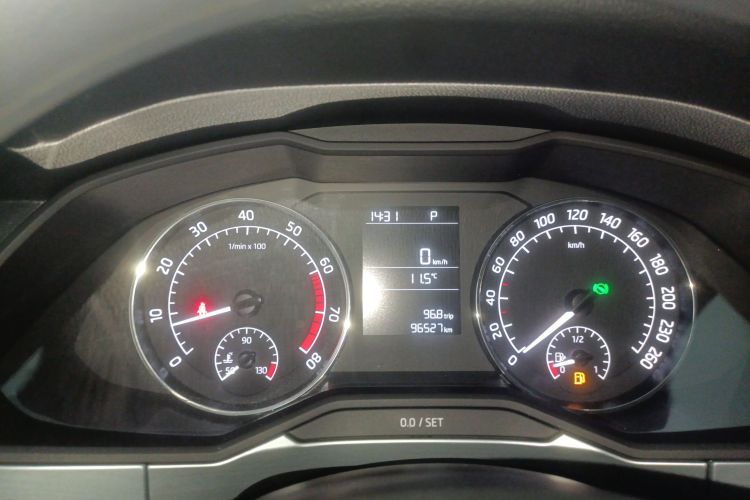
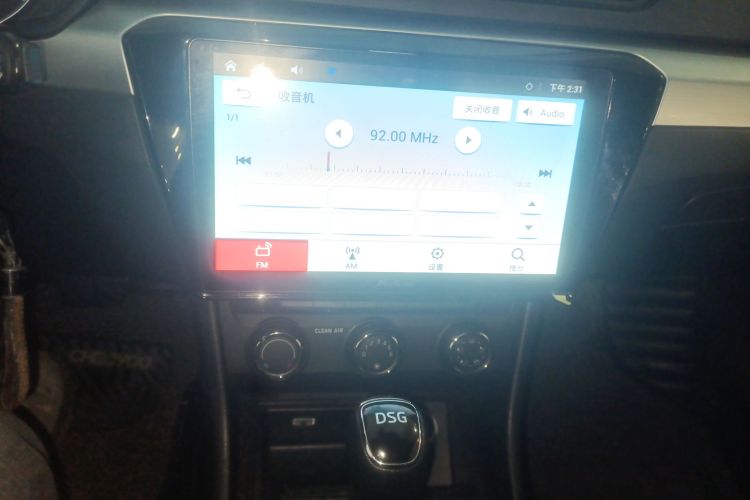
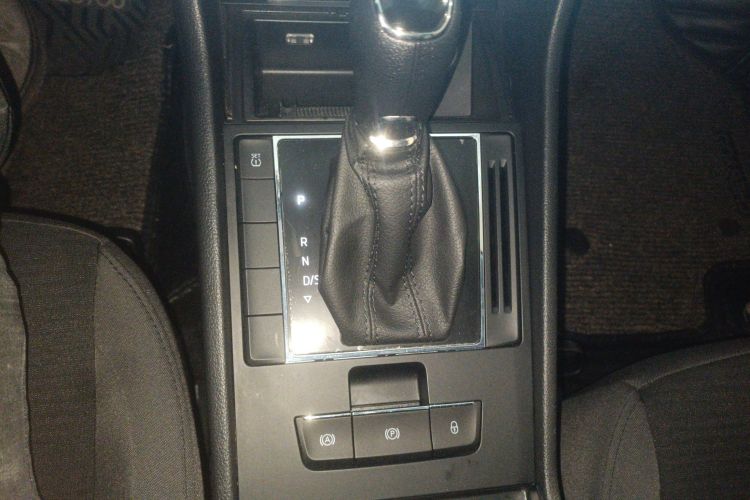
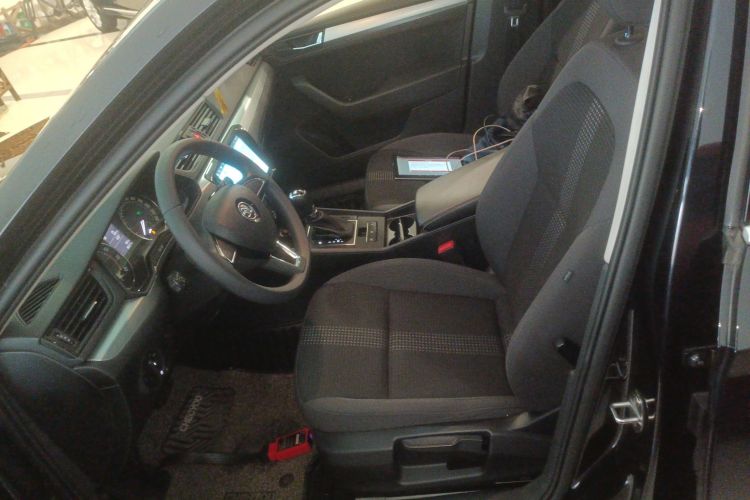





Basic Information

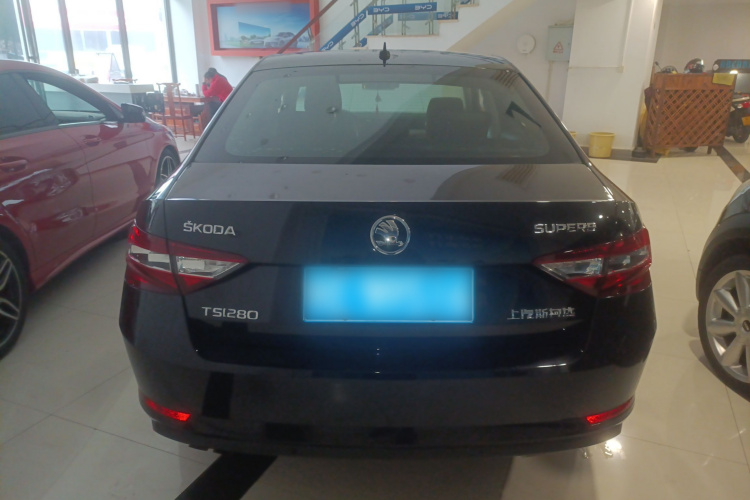
BrandSkoda
SeriesSuperb
Year2018
First Registration2018/12
Mileage96,500km
Transfer Count2times
FuelGasoline
TransmissionDCT
Engine1.4T 150 L4
ColorBlack
Seats-

Condition Description

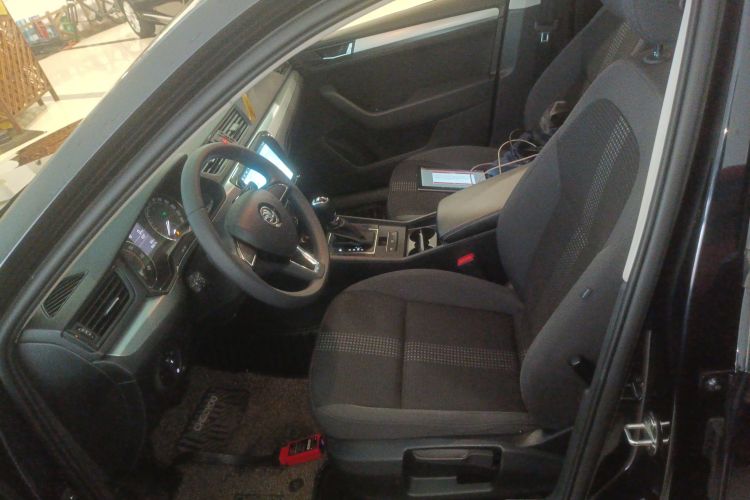
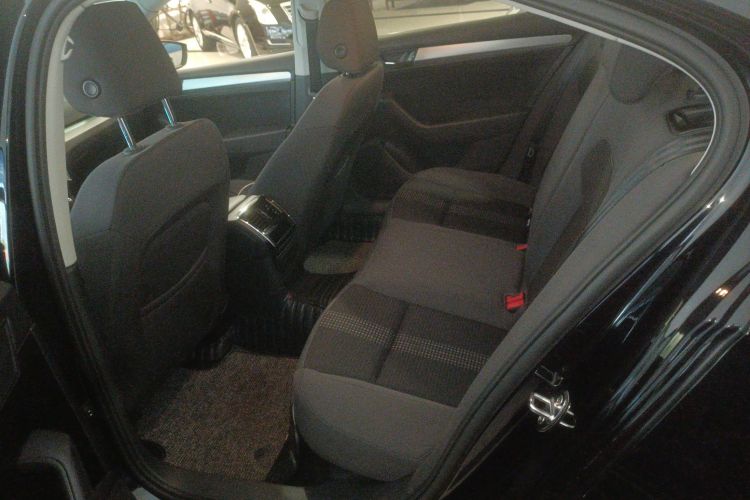
Vehicle in good condition, passed inspection. Vehicle in good condition, 3 insurance claims, 2 ownership transfers.

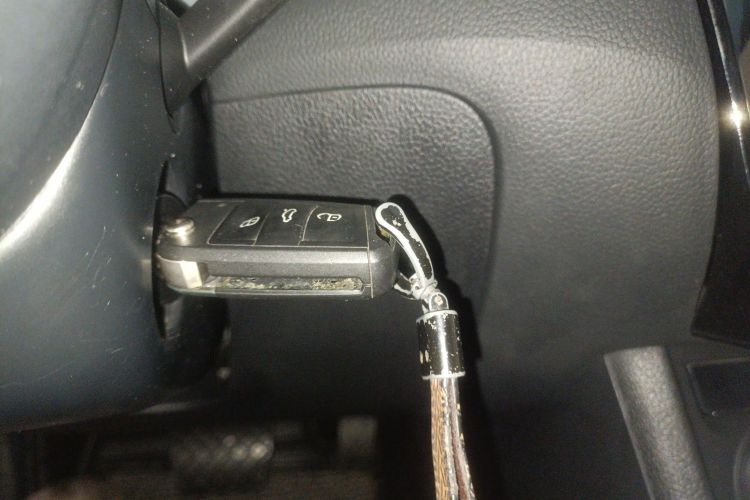
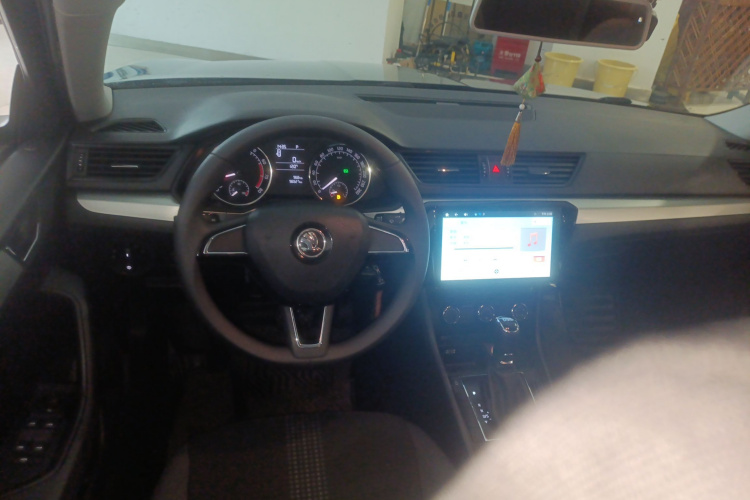
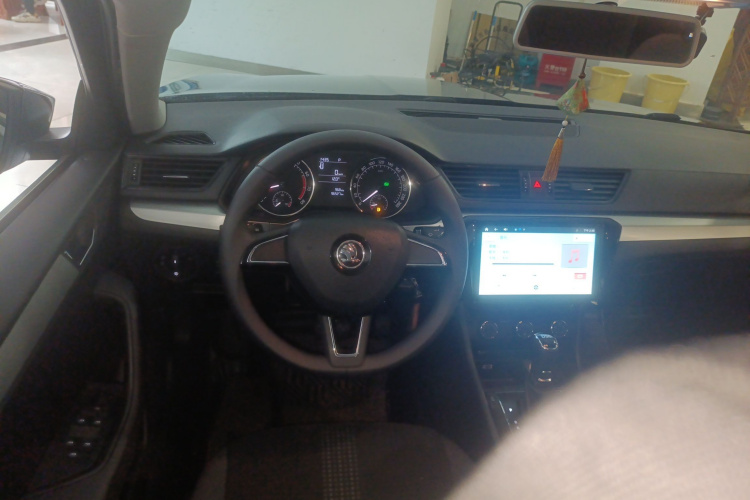
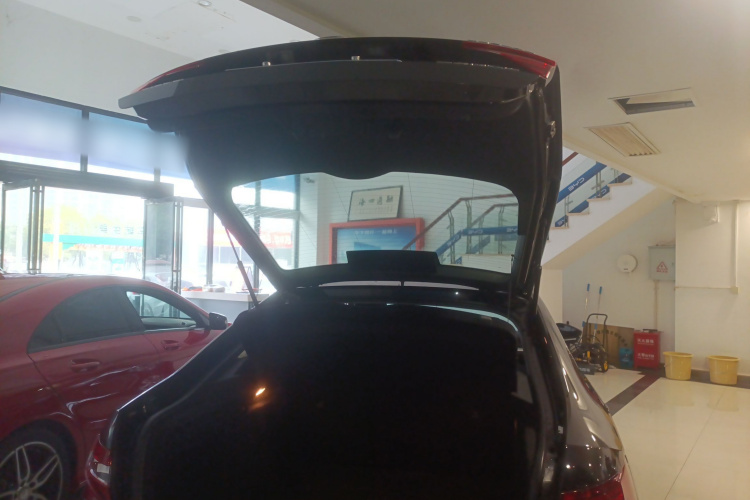
This vehicle is 8 years old, with an average annual mileage of 12,100 kilometers, typical daily family use, and has been transferred twice. There may be noticeable signs of wear and tear on the exterior. The interior is in good condition with normal signs of use. The overall body frame is intact and without any abnormalities. Fluids are normal, and the powertrain is functioning well.

Configuration Highlights

✓Cornering Lights
✓High Beam Assist
✓Auto Hold
✓High-definition Low Beam
✓Cruise Control
✓Rear Air Vents
✓Tire Pressure Monitoring
✓Heated Mirrors
✓Hill Start Assist
✓Rear Parking Sensors
✓Anti-pinch Windows

Q&A

More

After receiving the car, I found that the 12V battery was dead and couldn't start, or the wiper rubber was aging. Does this count as a quality breach on your part?

No, it does not. International shipping (especially RoRo) usually takes 30 to 60 days, during which the vehicle is stationary. A dead 12V battery, natural tire pressure loss, and even wiper aging due to temperature differences are all reasonable physical wear during long-distance transport. We strongly recommend that overseas buyers bring a portable jump starter and an air pump when picking up their vehicles at the port.


When calculating the total cost of a used car, what percentage of the car price do you recommend setting aside for "unforeseen local preparation costs"?

Based on practical risk assessment, we strongly recommend setting aside 3% to 5% of the car price as a buffer fund for even the highest-rated used cars, to cover oil changes, new tires, minor shipping scratches, and local inspection labor costs.

If the customs of the destination country values the vehicle higher than your commercial invoice amount, leading to a surge in duties, who is responsible?

The customs of the destination country has the right to disregard the commercial invoice and reassess the value based on its internal database (such as the customs valuation red book). Any additional duties incurred are a result of the importing country's policy and are fully borne by the buyer (importer).