Sold

Basic Information

BrandTesla
SeriesModel 3
Year2020
First Registration2020/12
Mileage75,000km
Transfer Count0times
FuelOther
TransmissionOther
Engine-
ColorBlack
Seats-

Condition Description

December 2020, 2020 Tesla Model 3 standard range, original black wrapped blue. One owner, 75,000 km, original panels and original paint.

Document Information

Inspection Expiry Date-
Warranty Expiry Date-
Insurance Expiry Date2026/12

Q&A

More

What should be done if the parameters on the vehicle's Chinese registration certificate do not match those in the destination country's customs database?

The commercial invoice and export license we provide are based on the vehicle's underlying VIN and official Chinese nameplate data. If there are minor discrepancies with the destination country's customs system parameters (such as curb weight), we will issue a "Parameter Explanation Letter" stamped by our company to assist you in explaining, but we cannot change the official document data.

When buying remotely, how do I assess the engine, transmission, brakes, and tires of a used car from China over a live video call?

A structured live video inspection can catch most mechanical problems. Ask the seller to do the following in order: Cold start: film the engine bay before starting — check for leaks, cracked hoses, and corrosion. Then start from cold and listen for rattling or knocking during the first minute; abnormal noises on cold start often mean worn internals. Fluids: pull the oil dipstick — milky or foamy oil suggests head gasket issues. Check coolant color and level. Transmission: with the car warmed up, film each gear shift, forward and reverse. Hesitation, harsh jerks, or slipping RPM are red flags. Brakes: test at low speed in a safe area — the pedal should feel firm, not spongy, and the car must not pull to one side. Tires: walk around and film each tire's sidewall and tread. Uneven wear suggests alignment or suspension problems. Combine this with an independent pre-shipment inspection for a professional report — the video call is your first filter, not the final verdict.

How do seasonal factors—peak seasons, weather, holidays—affect shipping times and rates from China?

Timing your shipment can save both money and weeks of waiting. Several predictable patterns affect routes from China. Peak season surcharges: January through March, before Chinese New Year, exporters rush to ship, so container and RoRo space tightens and rates rise 20-50%. Book at least 3-4 weeks ahead during this window. After the holiday (usually February), factories and ports restart gradually, causing 2-3 weeks of backlog. Weather effects: Typhoon season (July-September) can delay departures from southern Chinese ports like Shenzhen and Guangzhou. Winter fog and ice affect northern ports like Dalian and Tianjin, slowing loading operations. Destination-side factors: Monsoon seasons can slow port operations in South and Southeast Asia. Holiday periods at destination (e.g., Ramadan in the Gulf, year-end holidays elsewhere) reduce customs staffing and extend clearance times. Practical advice: ask your forwarder for rate calendars, avoid booking right before major Chinese holidays, and build 1-2 weeks of buffer into delivery promises to your customers. Flexible departure ports (Shanghai vs. Ningbo vs. Shenzhen) can also help you find available space.
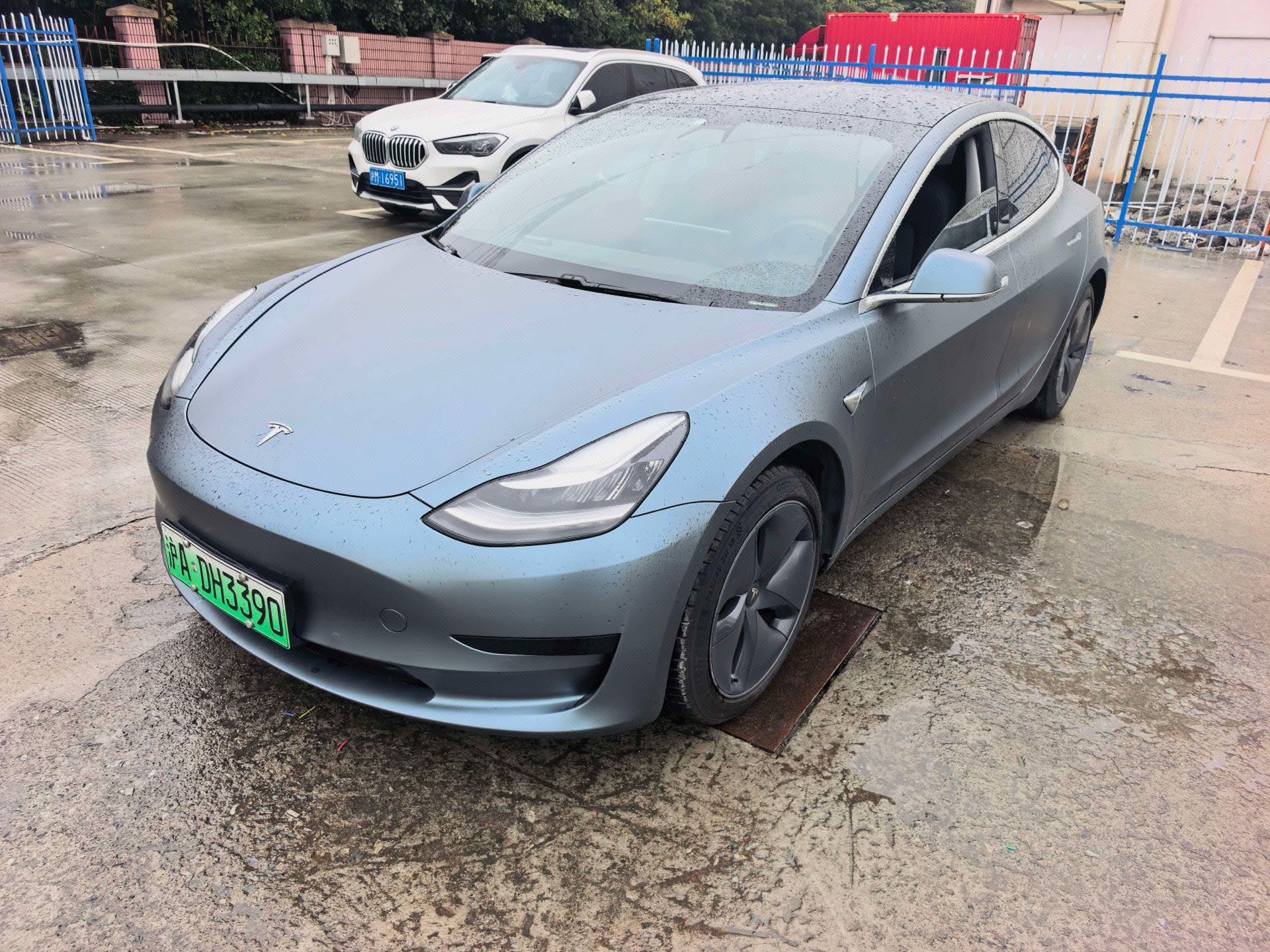

Tesla Model 3

特斯拉 2020款 Model 3 标准续航后驱升级版(改款) 自动挡

EXW: $15,833
Car CodeSWA1909570
Publish Date2026/11/14




