
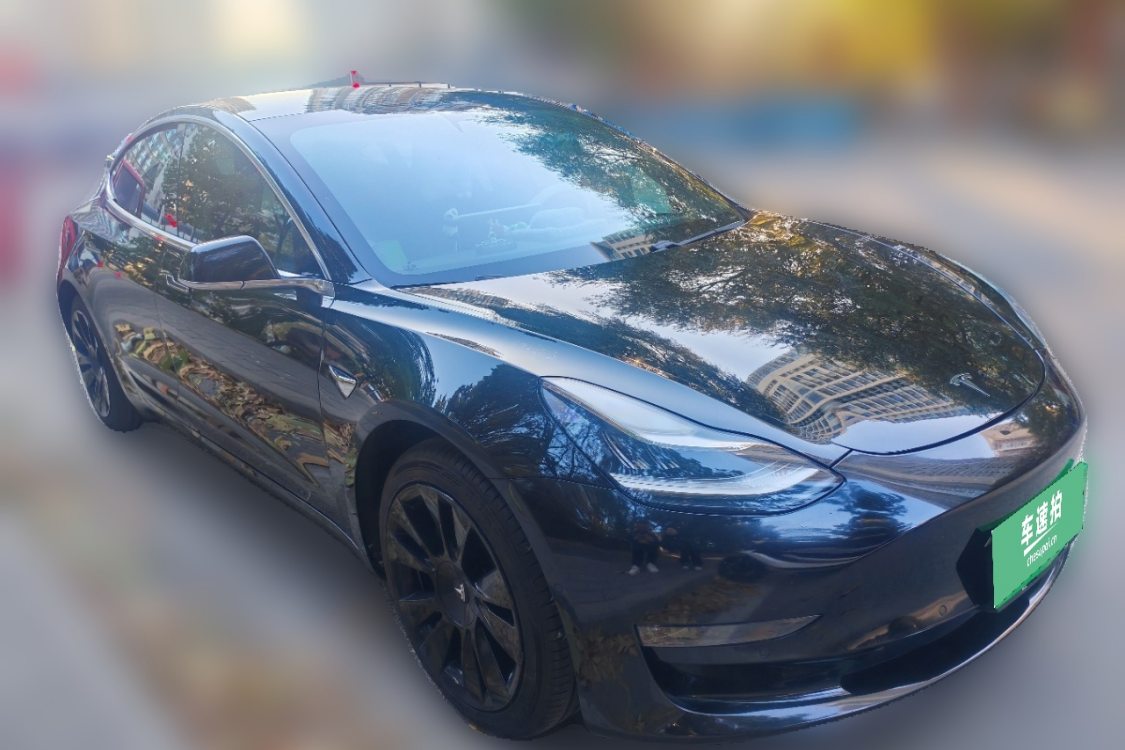
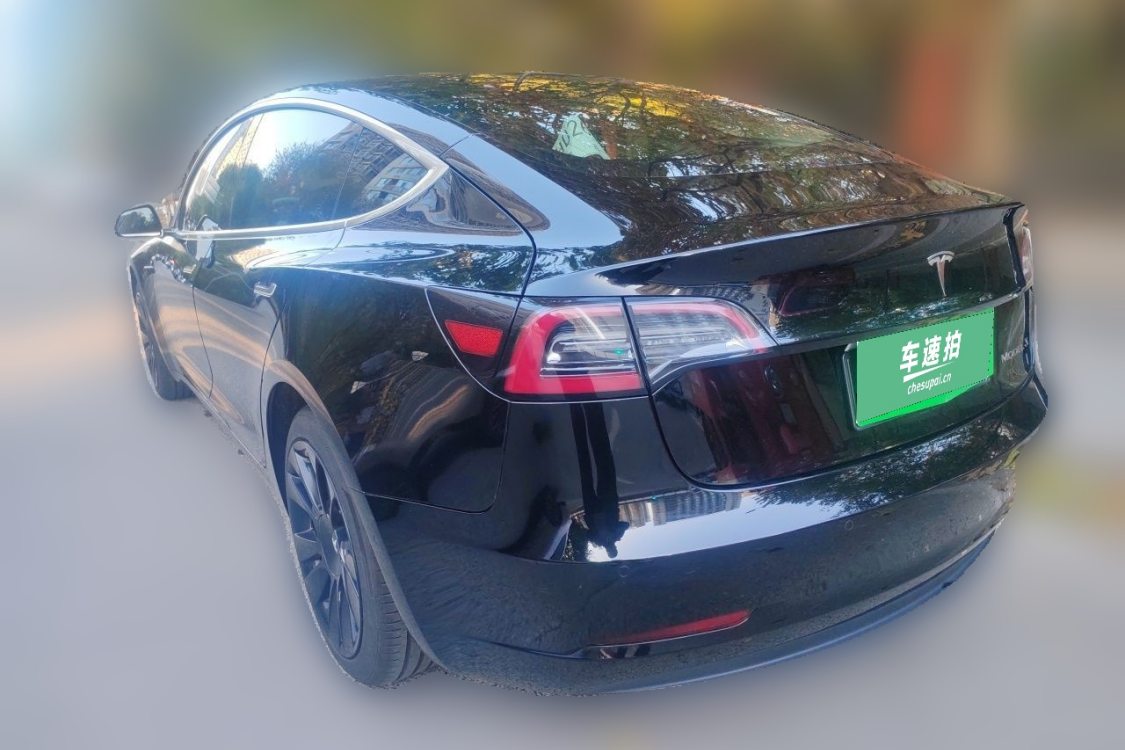

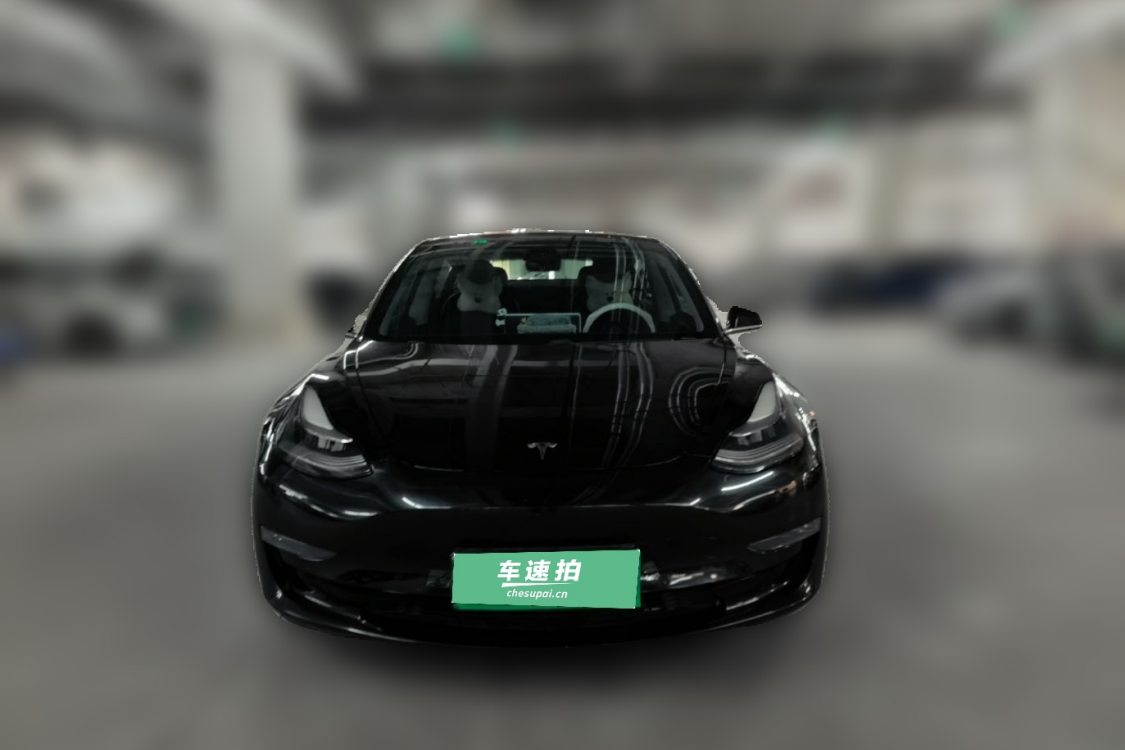
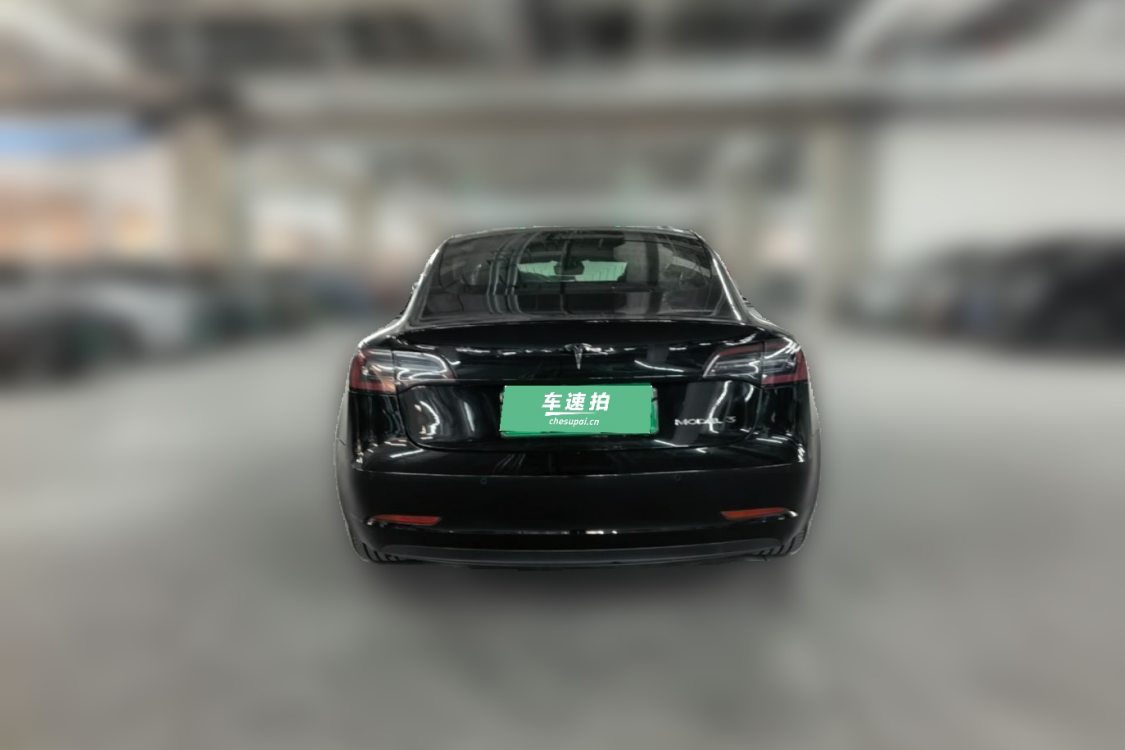

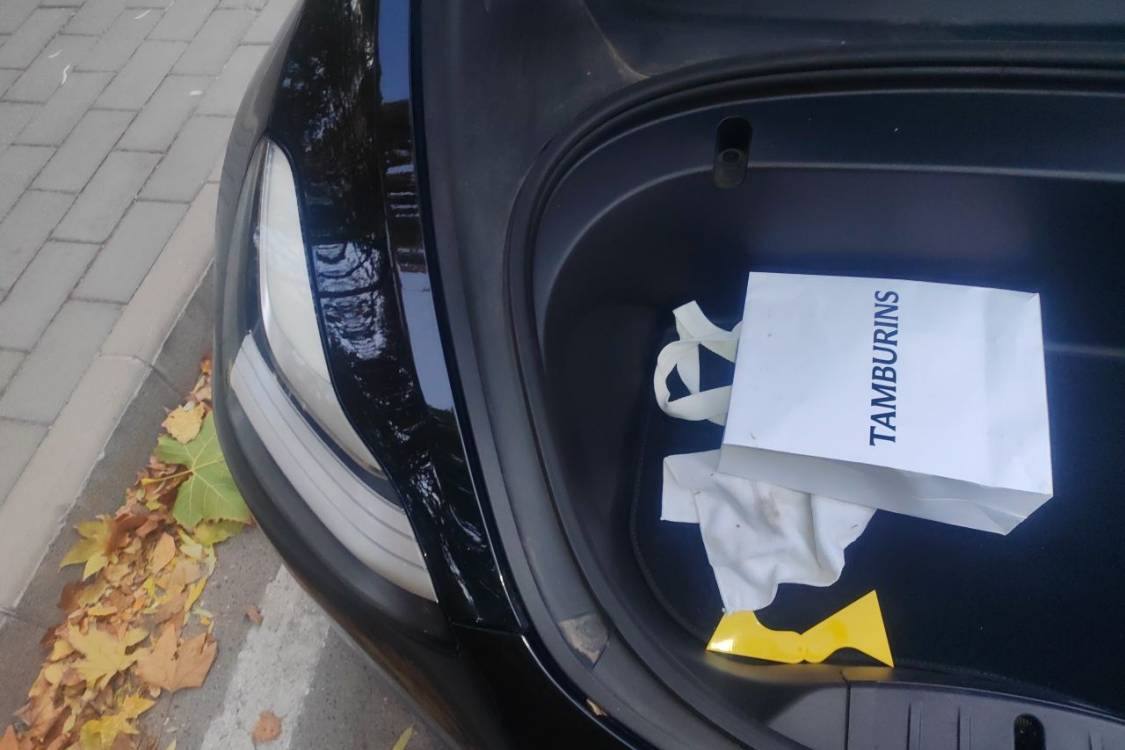
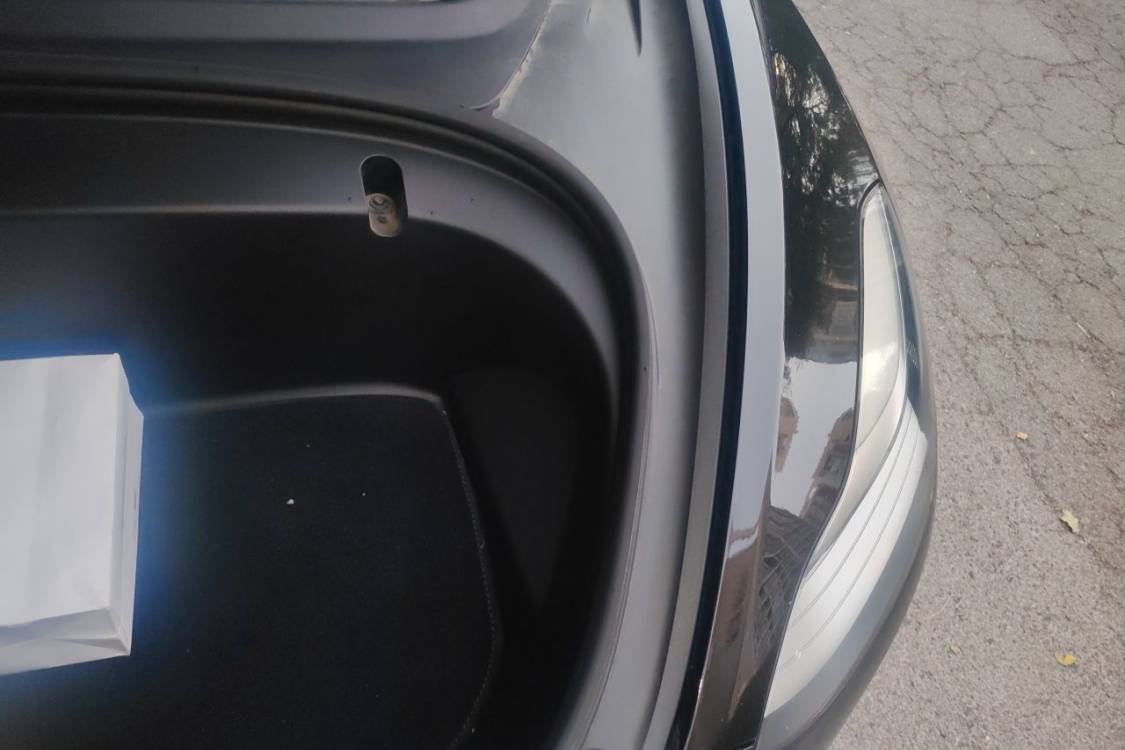
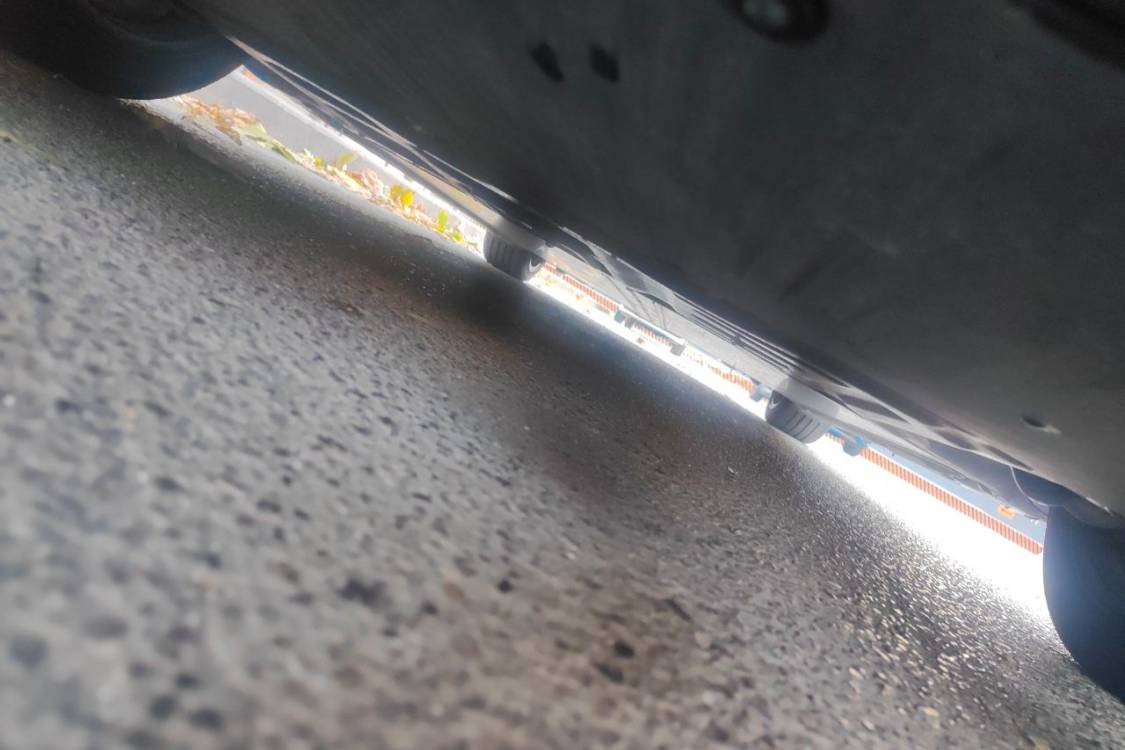
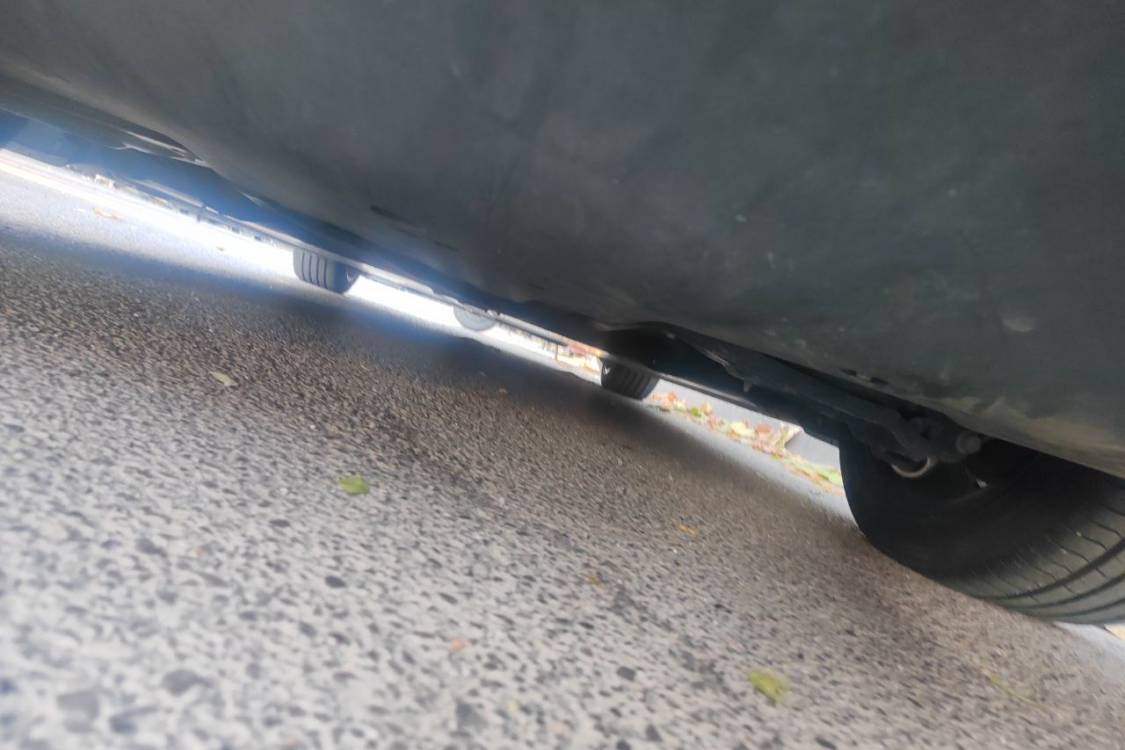
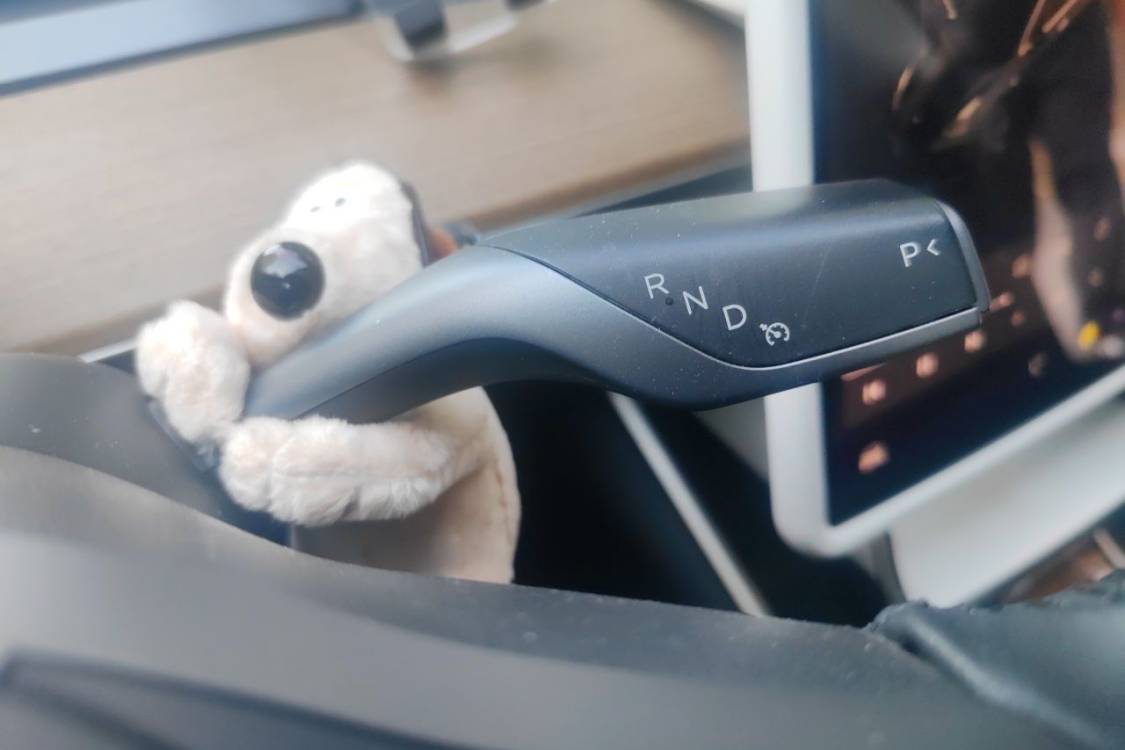
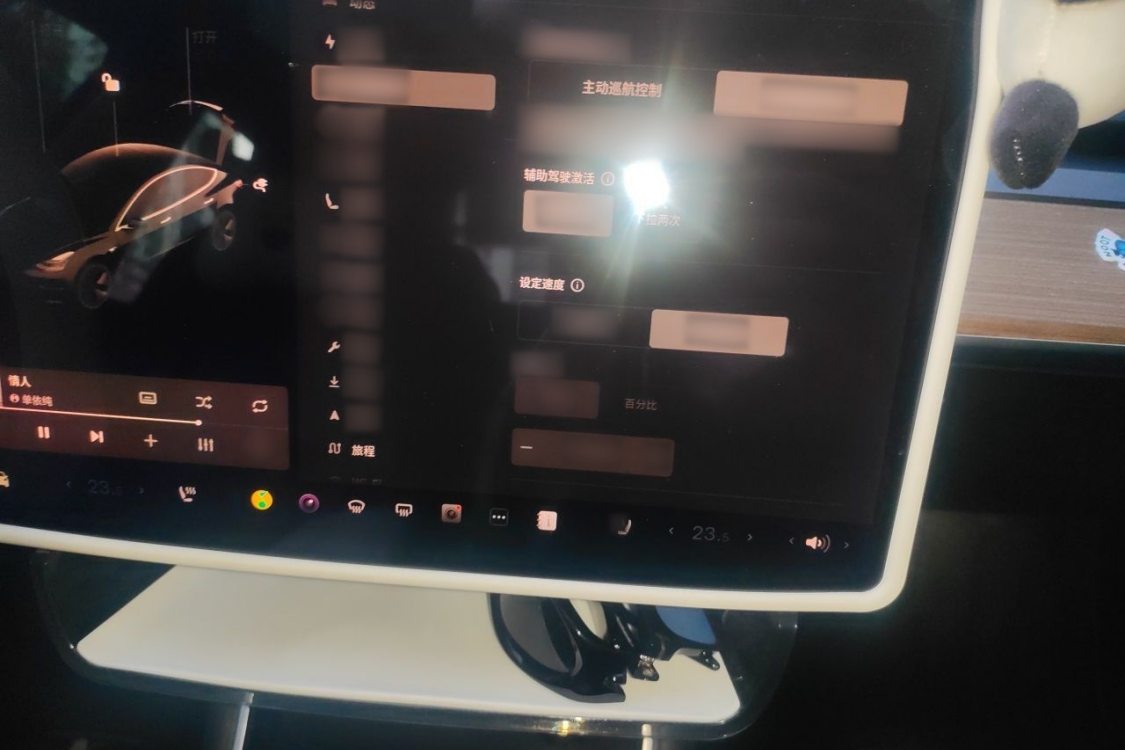



Basic Information

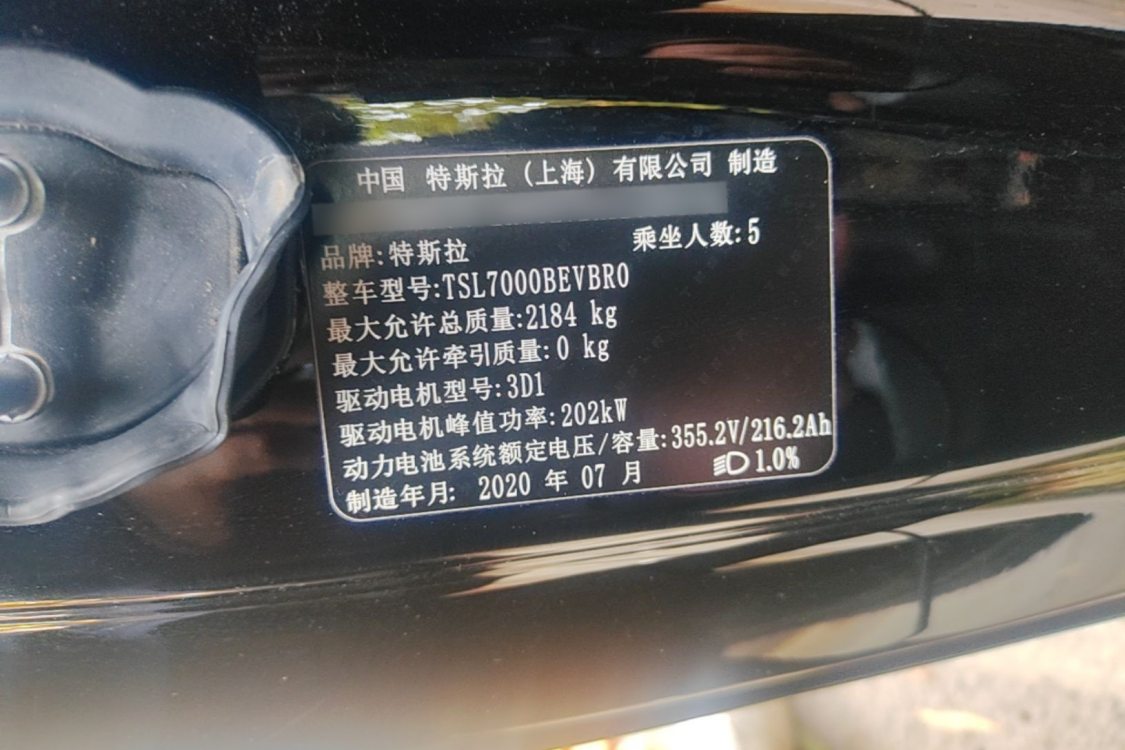
BrandTesla
SeriesModel 3
Year2020
First Registration2020/07
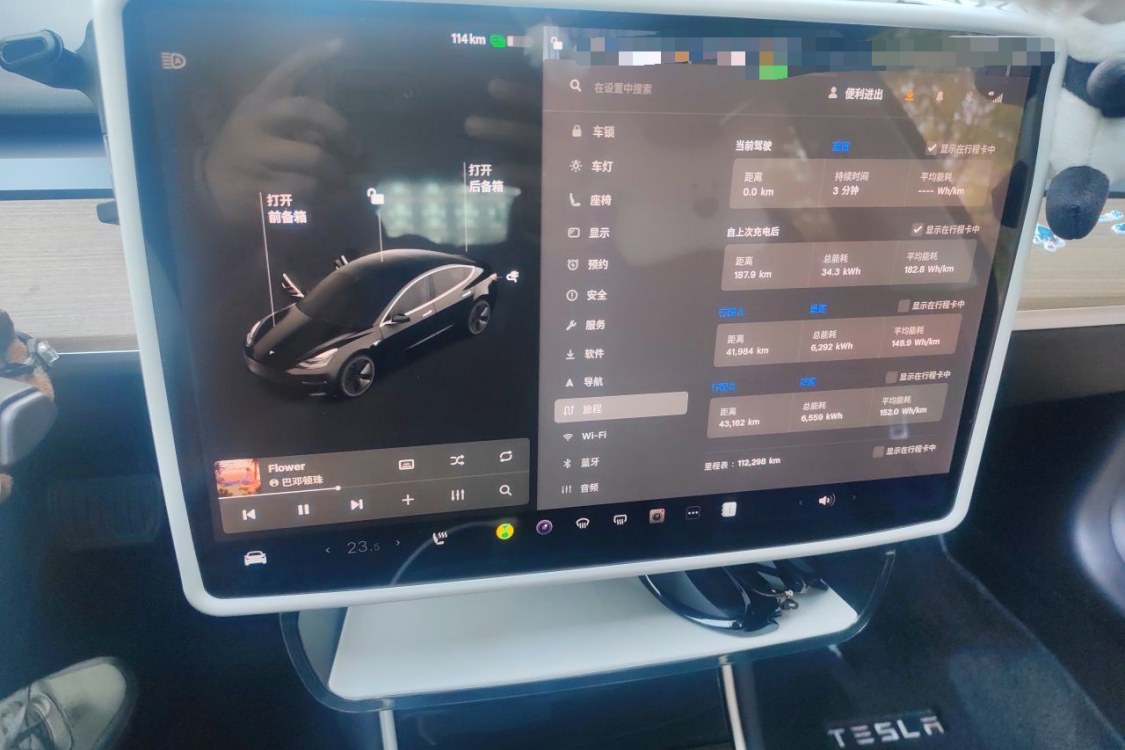
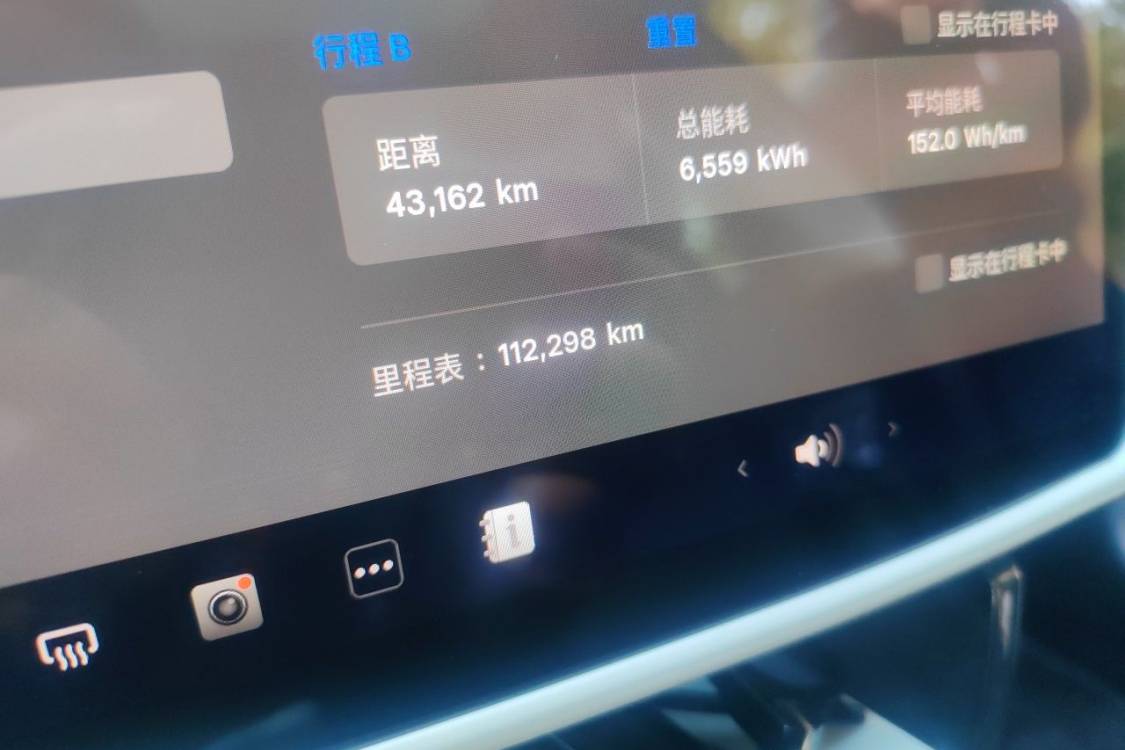
Mileage112,300km
Transfer Count1times
FuelOther
TransmissionOther
Engine-
ColorBlack
Seats-

Condition Description

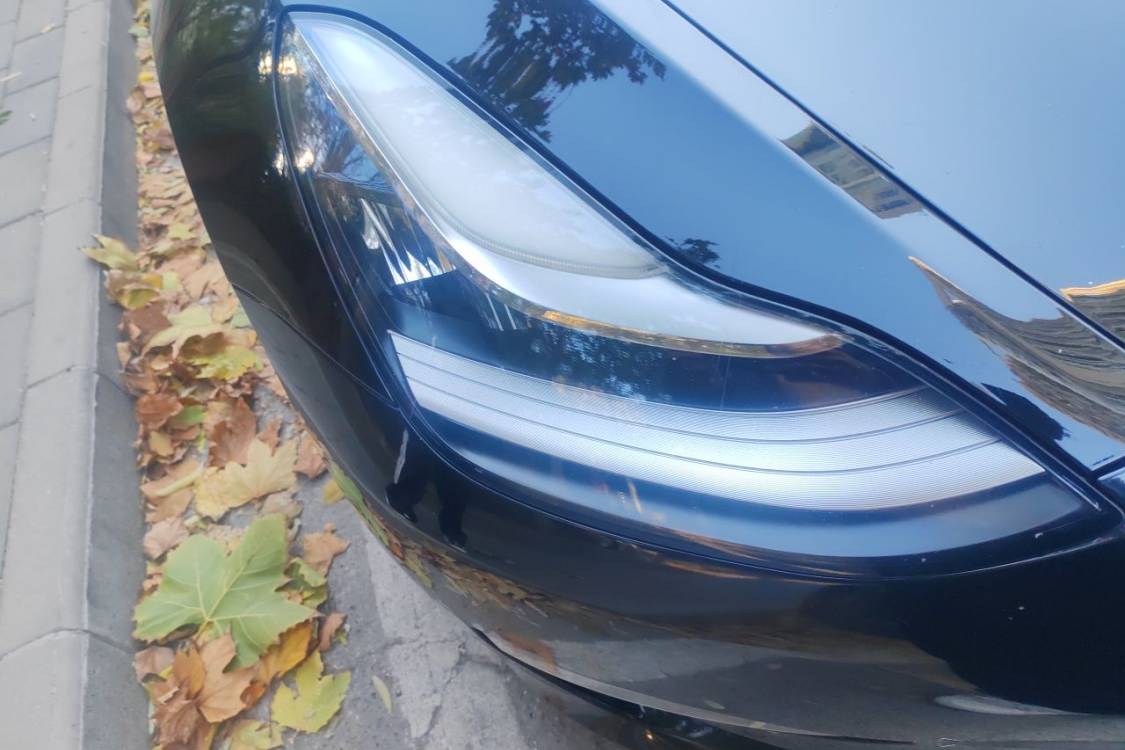
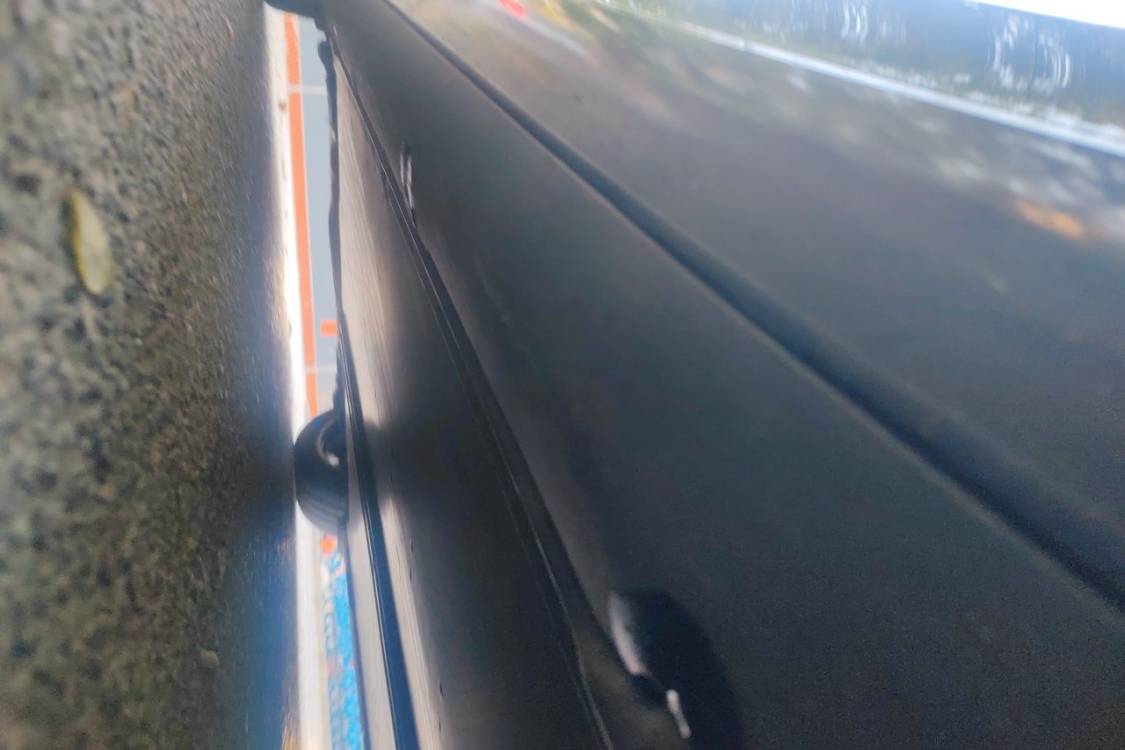
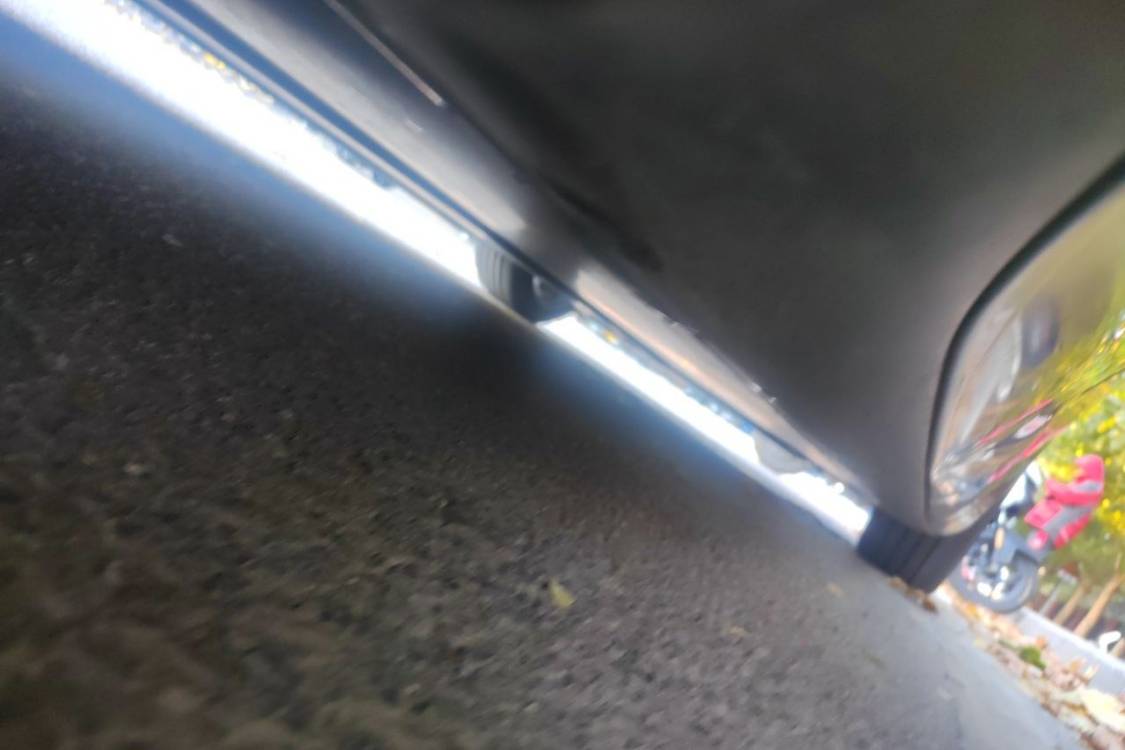
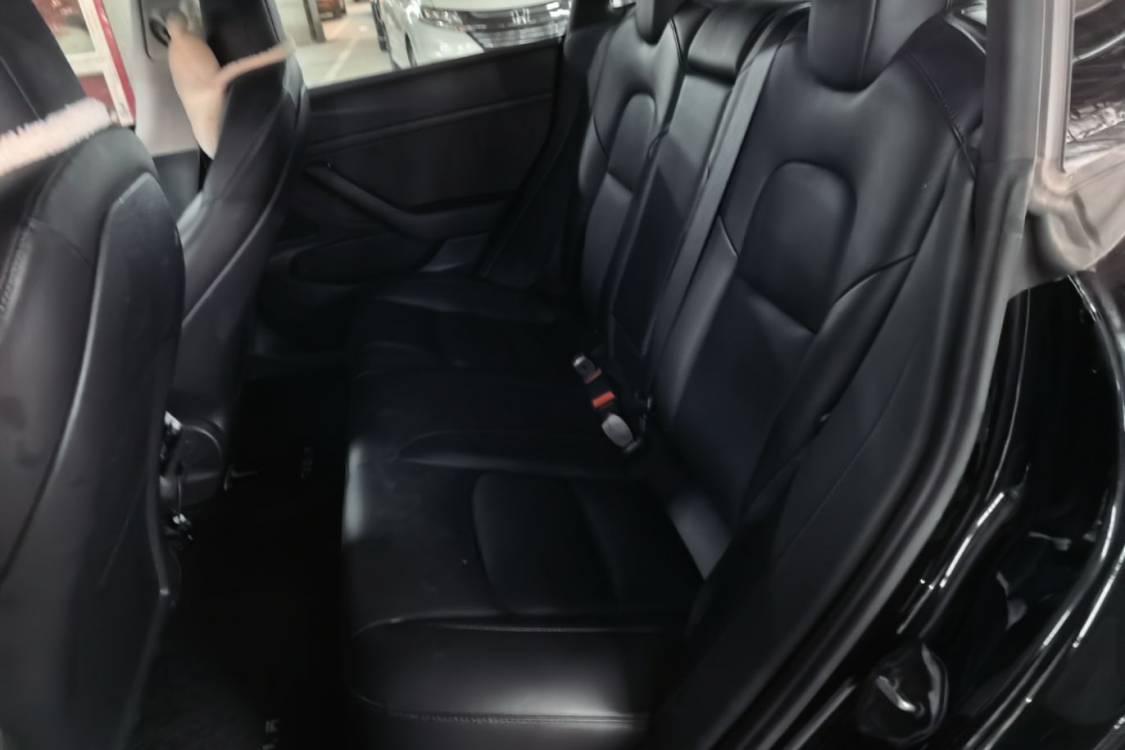
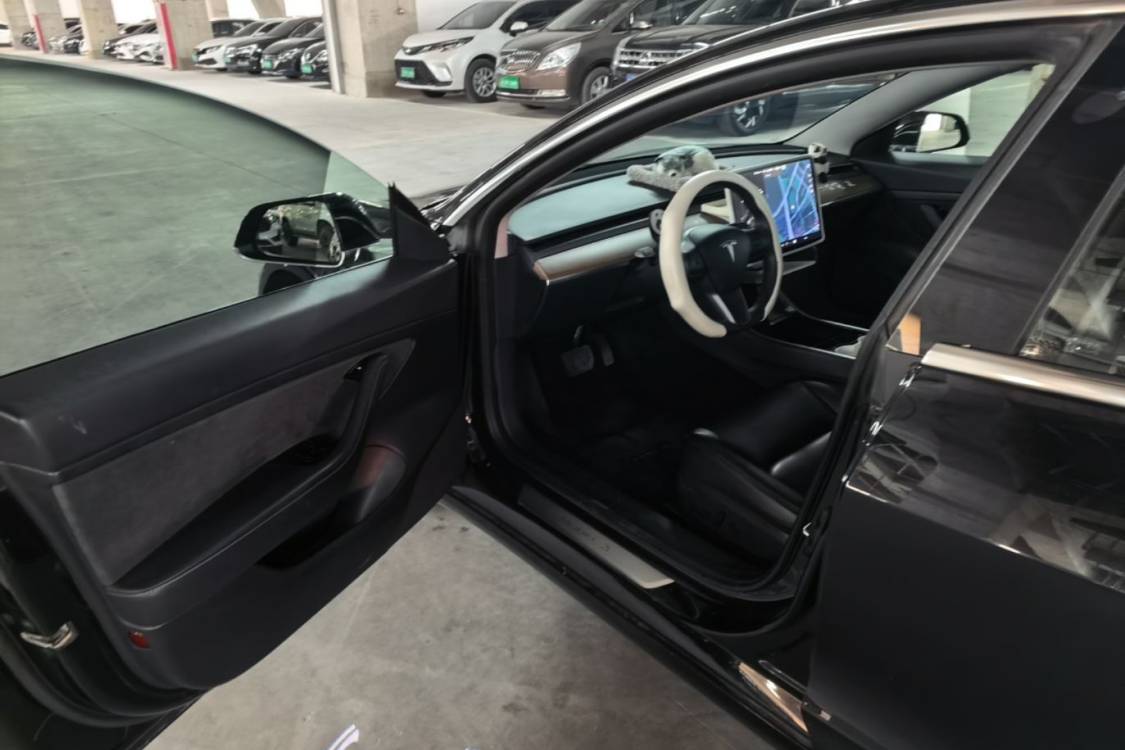
Body components (structural/reinforcing/panels) have accident-related damage; passive safety devices are defective; vehicle performance (including battery, motor, and electronic control systems) is degraded or remains limited after repairs.

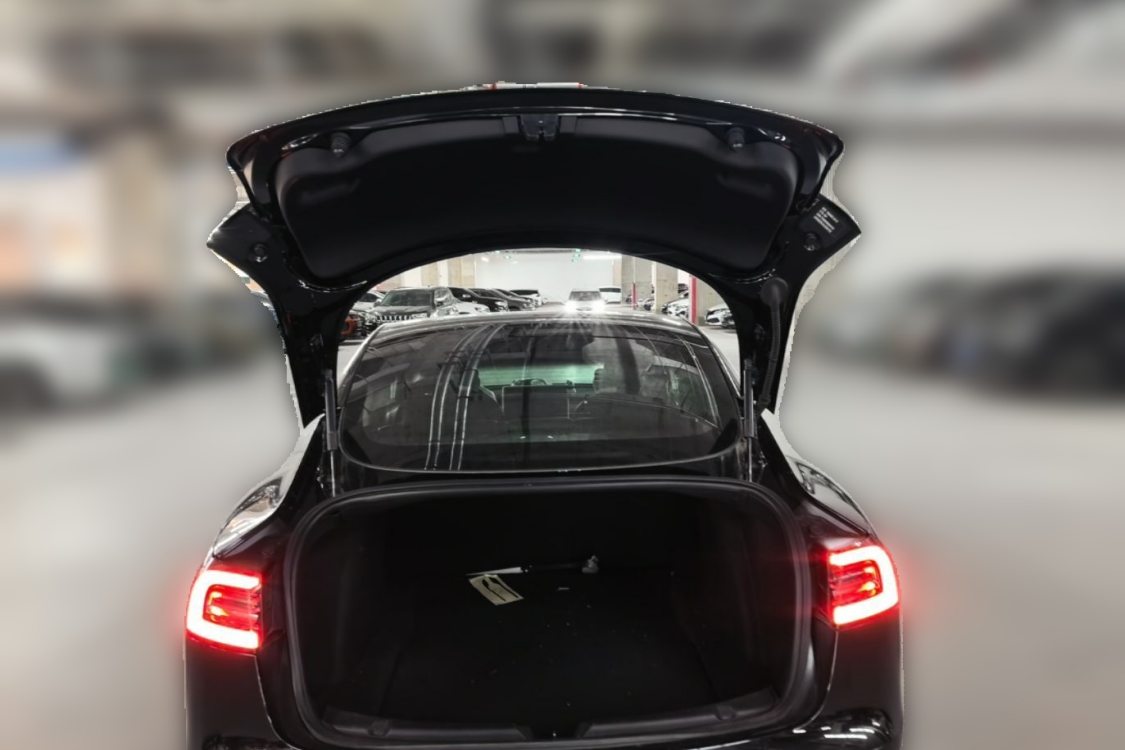
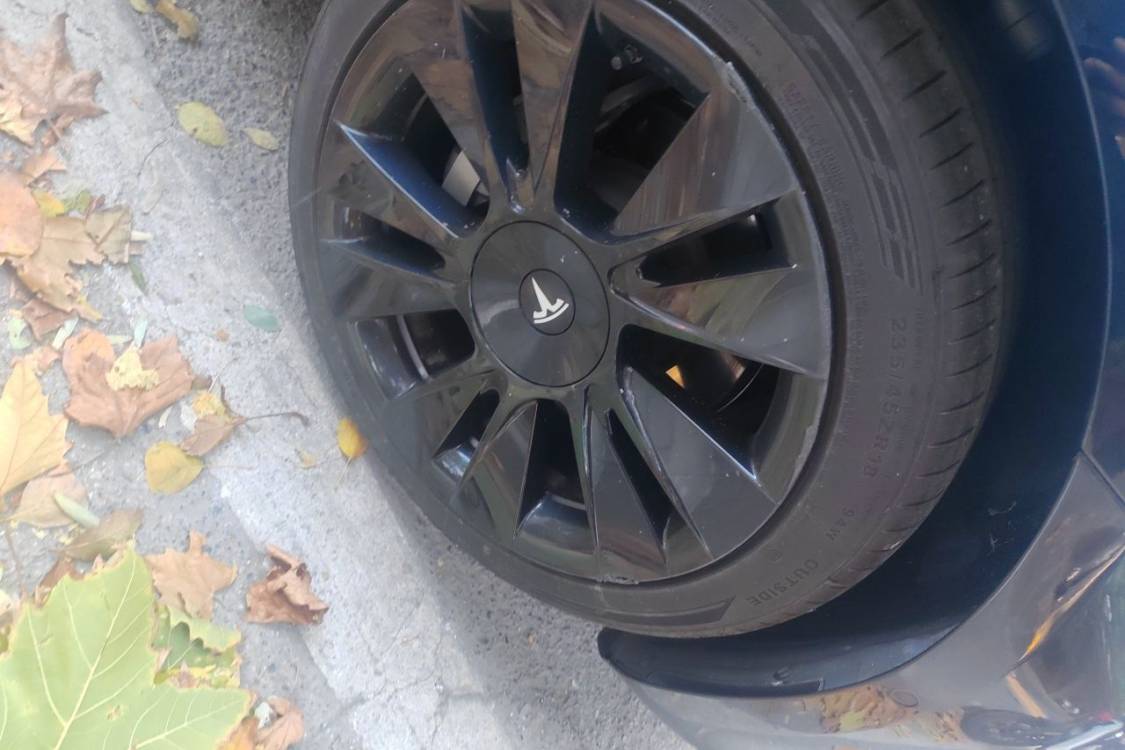
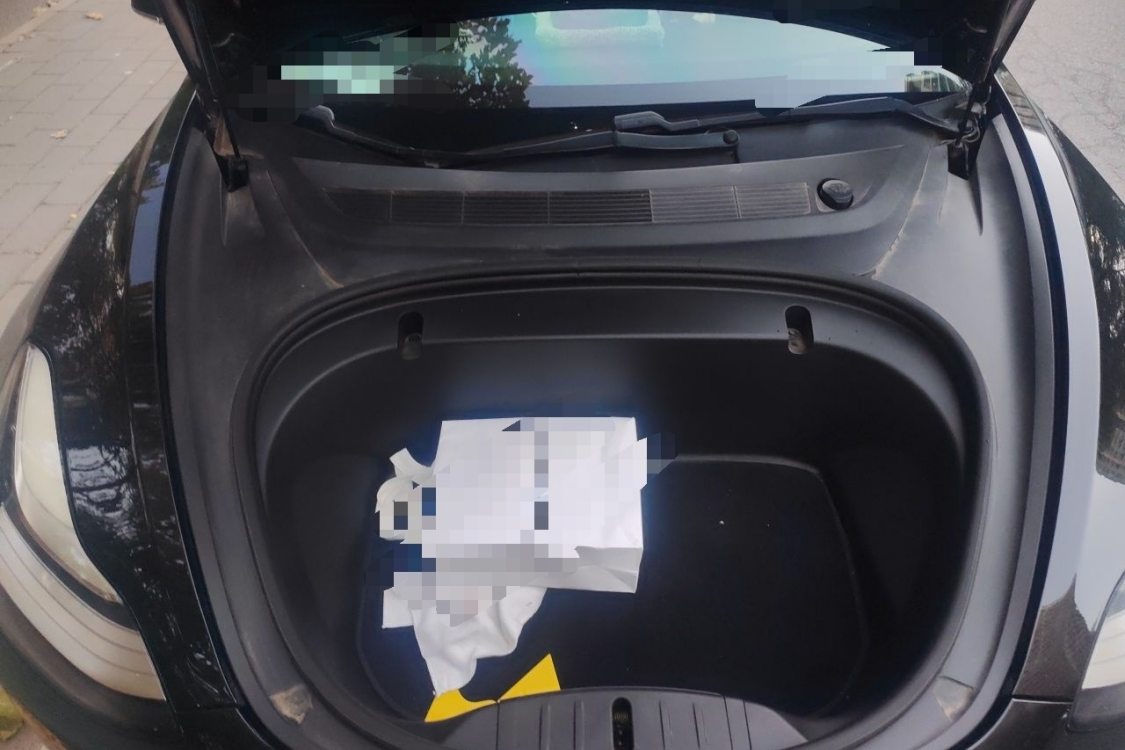
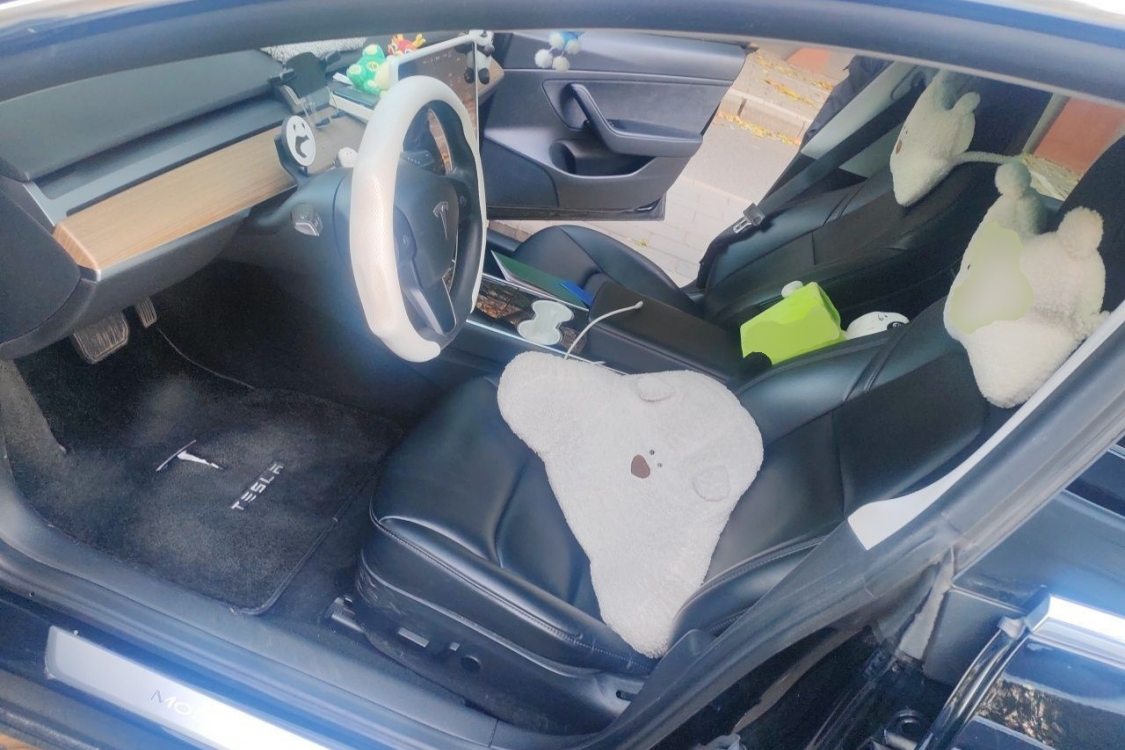
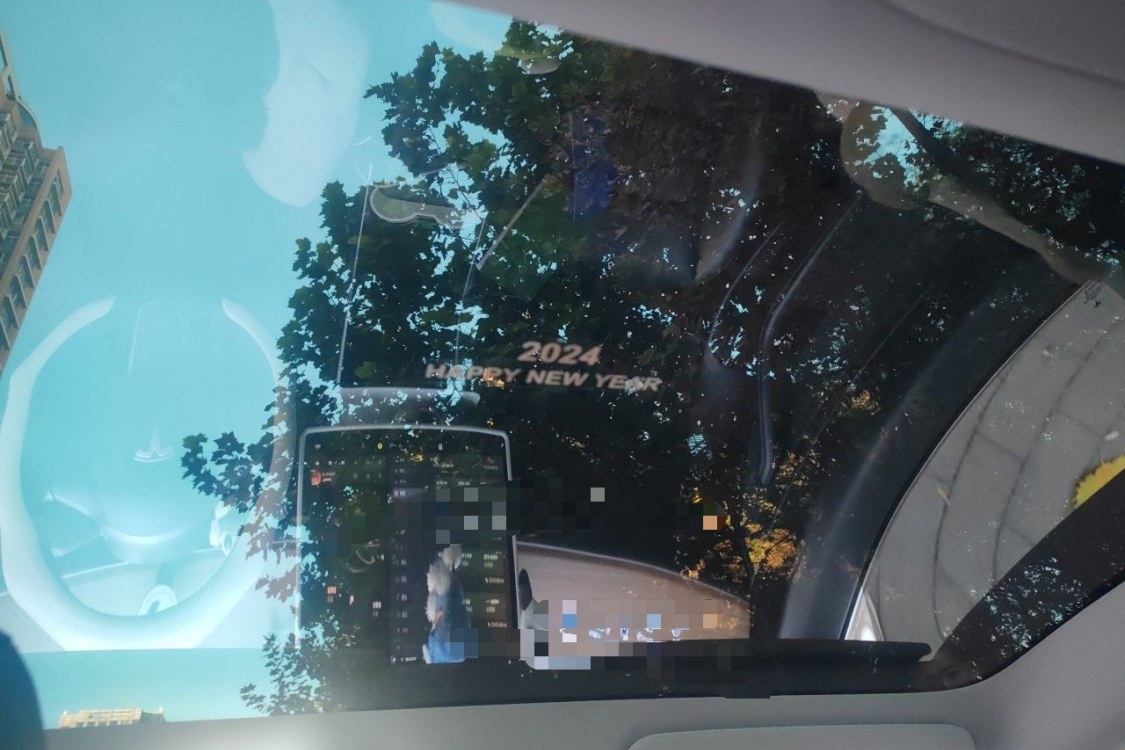
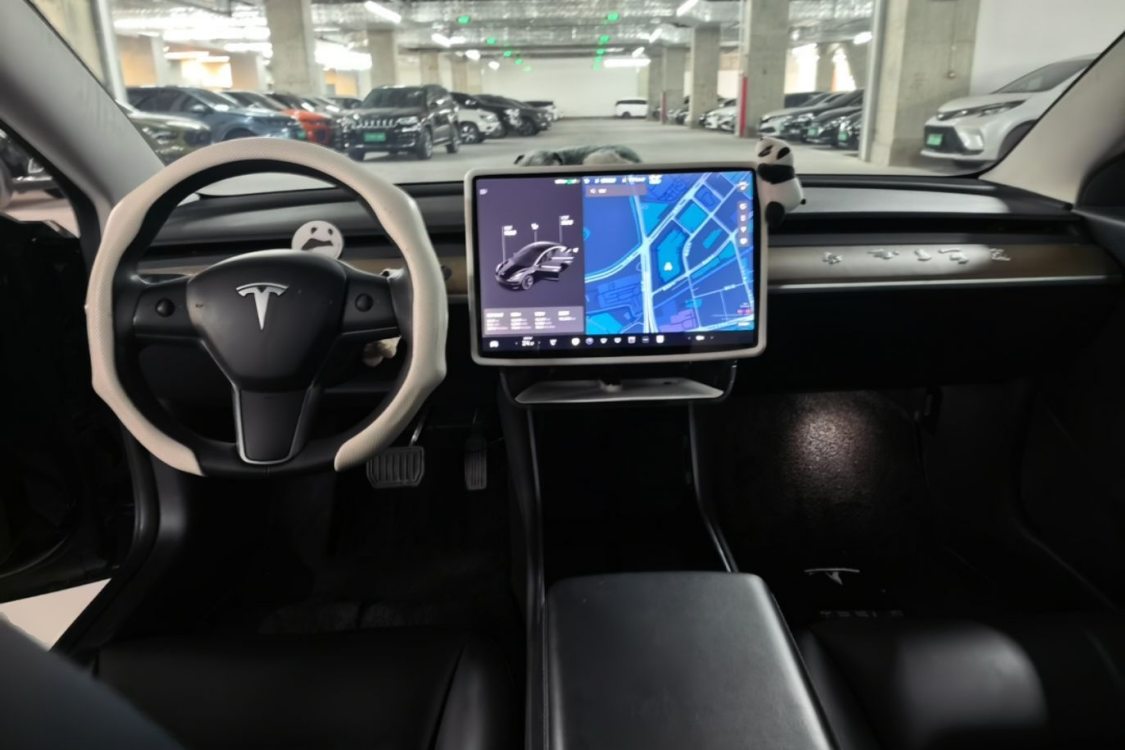
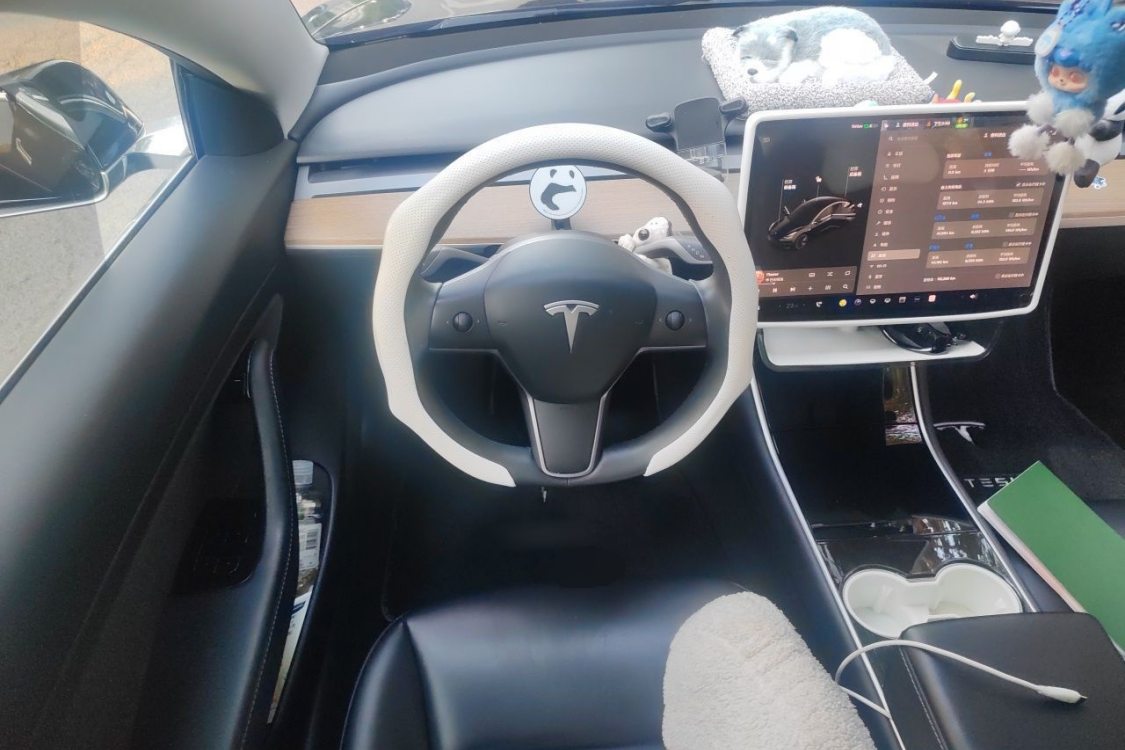
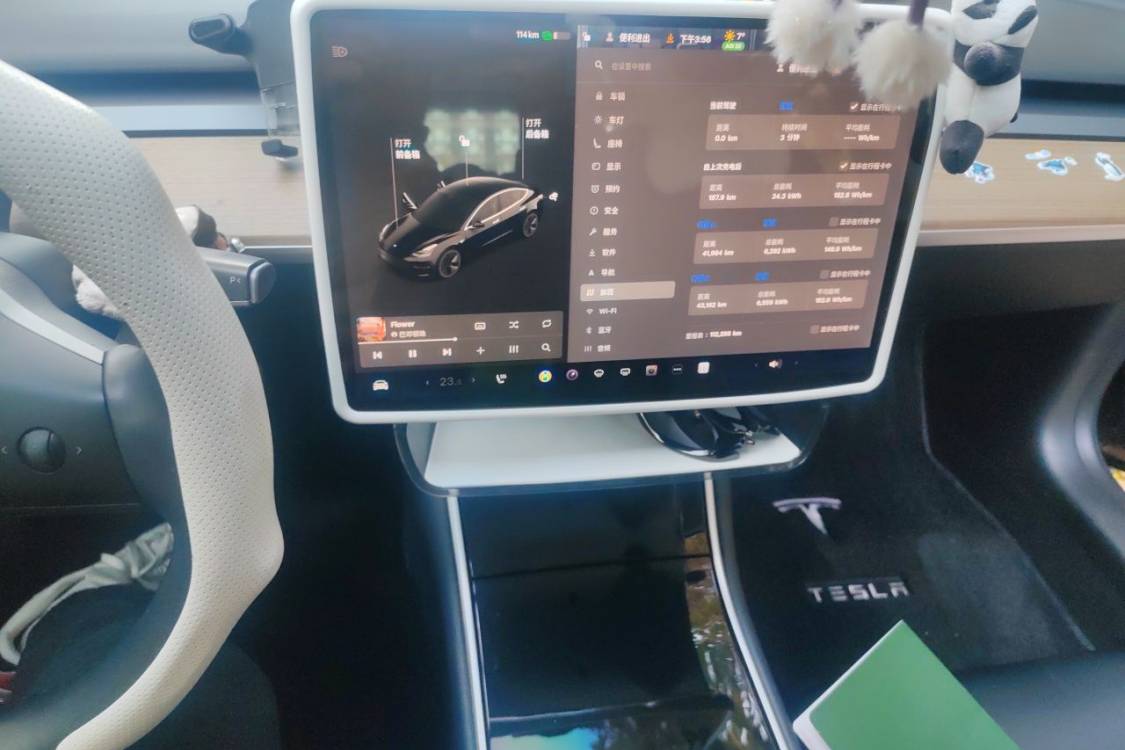
Accident inspection: main structure damaged, reinforcing components damaged, panels damaged, hinges normal. Battery, motor, and electronic control systems: power battery box bottom guard has dents and scratches. Engine bay: key mechanical components normal. Exterior: 3 areas of sheet metal repair. Interior: most features normal, airbags normal, seatbelts normal, dashboard normal, instrument readings normal, lighting system normal. Startup inspection: main components normal. Onboard tools: none.

独家上新
可讲价
平台物流
可转售
VIP车源
新能源
新检测标准升级>
必卖车源
非泡水

Document Information

Inspection Expiry Date2028/07
Warranty Expiry Date-
Insurance Expiry Date2027/07

Q&A

More

For countries with strict anti-dumping laws, do the low-priced used new energy vehicles you export face the risk of being confiscated by customs on the grounds of dumping?

This is a macro policy minefield. Although used cars are rarely classified as dumping, if your single import quantity is too large and the declared price is significantly lower than local similar products, it can easily trigger an investigation by the tax bureau. We strongly recommend B2B buyers to break down shipments into smaller batches and use multiple invoices for customs clearance.


What should a pre-purchase inspection in China include if I cannot be there in person?

A proper third-party inspection has four parts, and you should insist on all of them. 1. Lift inspection: the car goes on a hoist to examine the underbody, frame rails, suspension arms and oil pan for impact damage or leaks — areas no photo set can cover. 2. Paint thickness check: a gauge reading from every panel. Inconsistent or very high values reveal repainting; structural points like the A/B/C pillars matter most because they indicate accident repairs. 3. OBD diagnostics: fault codes and live data from the engine, transmission, ABS and airbag modules. Stored historical codes often tell the truth the dashboard hides. 4. Road test: cold and warm driving to check shifting, braking and unusual noises. The report should carry the VIN, inspection date and the agency's stamp or digital signature. It costs very little compared to the price of the car, and it filters out most problem vehicles before your money moves.

What if the used car I imported from China turns out to be a bad deal—can I return it or get a refund?

In practice, returning an imported car is extremely difficult, so your protection must be built in before payment, not after. Once a used car has been exported, reversing the transaction involves re-export paperwork, duties, and freight costs that typically exceed any refund you'd recover. Most exporters' contracts treat the sale as final once the bill of lading is issued. What you can realistically do: 1. If the car differs materially from the contract (wrong VIN, undisclosed accident, tampered odometer), you have grounds for a claim. Document everything and negotiate a partial refund or repair credit—full refunds are rare. 2. If the seller committed outright fraud, you can pursue legal action in China or report to the platform, but cross-border enforcement is slow and costly. 3. Some exporters offer a short arrival warranty (usually 30-90 days) covering major mechanical failures. Claims require immediate notification, third-party inspection reports, and proof the damage existed at shipment. The practical takeaway: never rely on the possibility of a return. Spend the money on a thorough pre-shipment inspection and clear contract terms instead—it's far cheaper than a dispute.

Tesla Model 3

[北京.冀R]特斯拉 Model 3 2020款 改款 长续航后轮驱动版

EXW: $15,500
Car CodeSWA1915571
Publish Date
