



48H

Basic Information

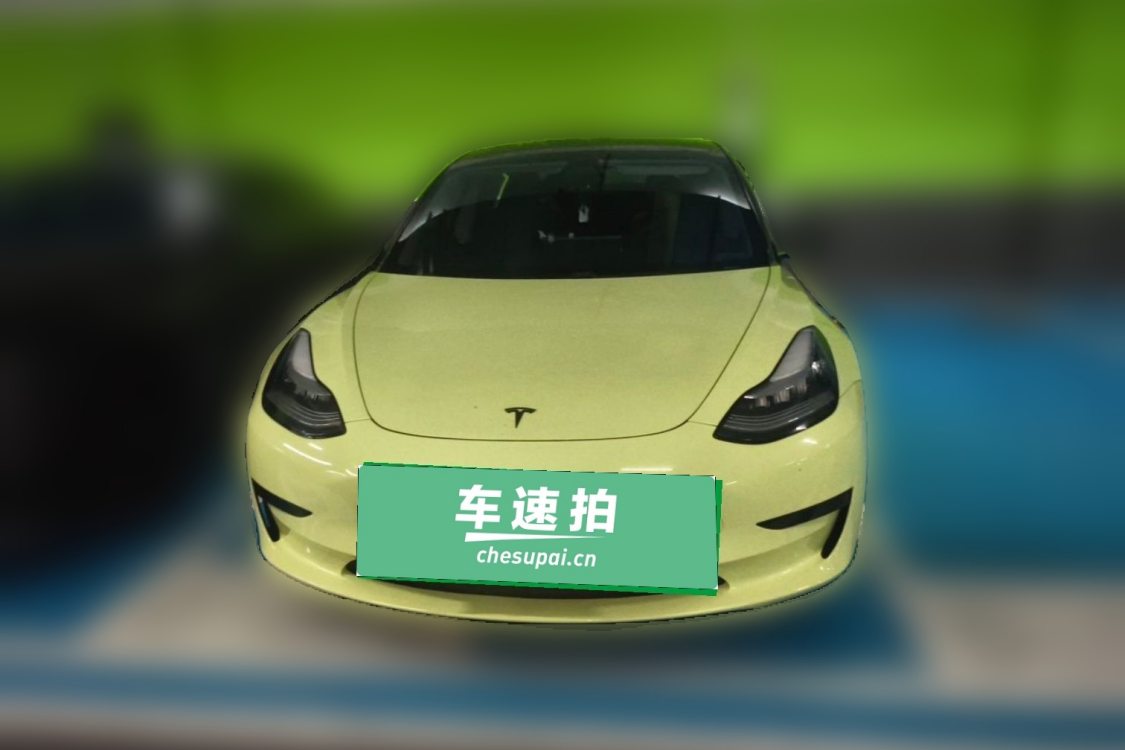
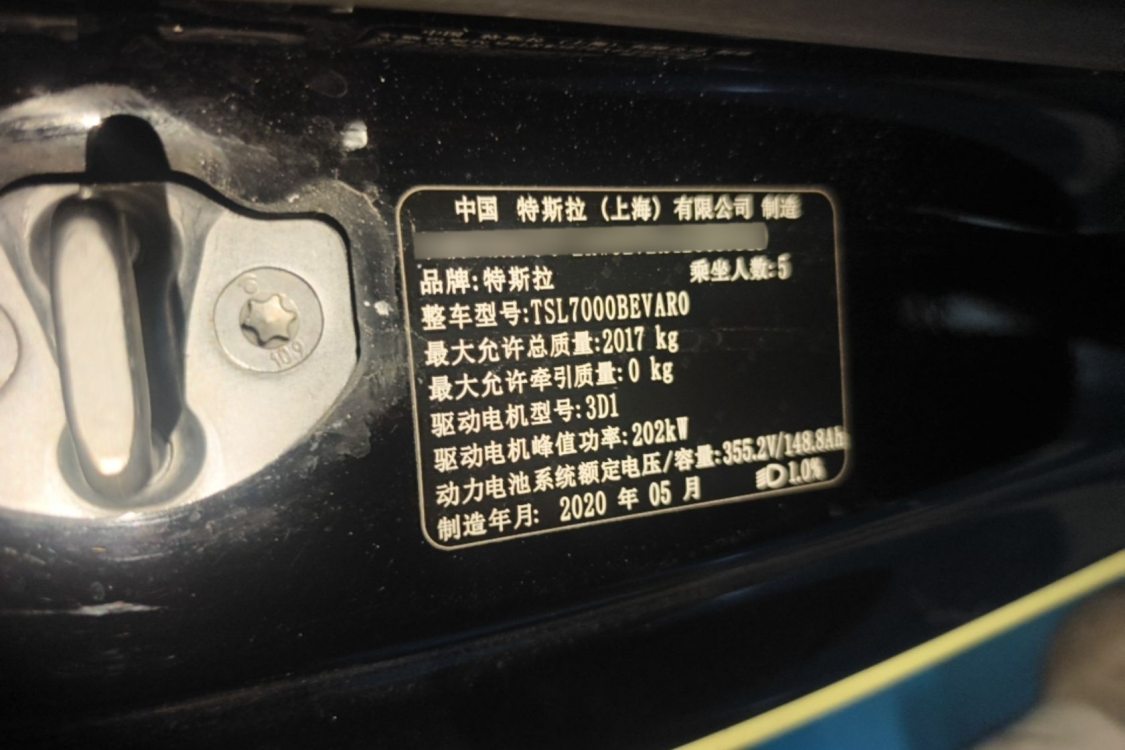
BrandTesla
SeriesModel 3
Year2020
First Registration2020/05
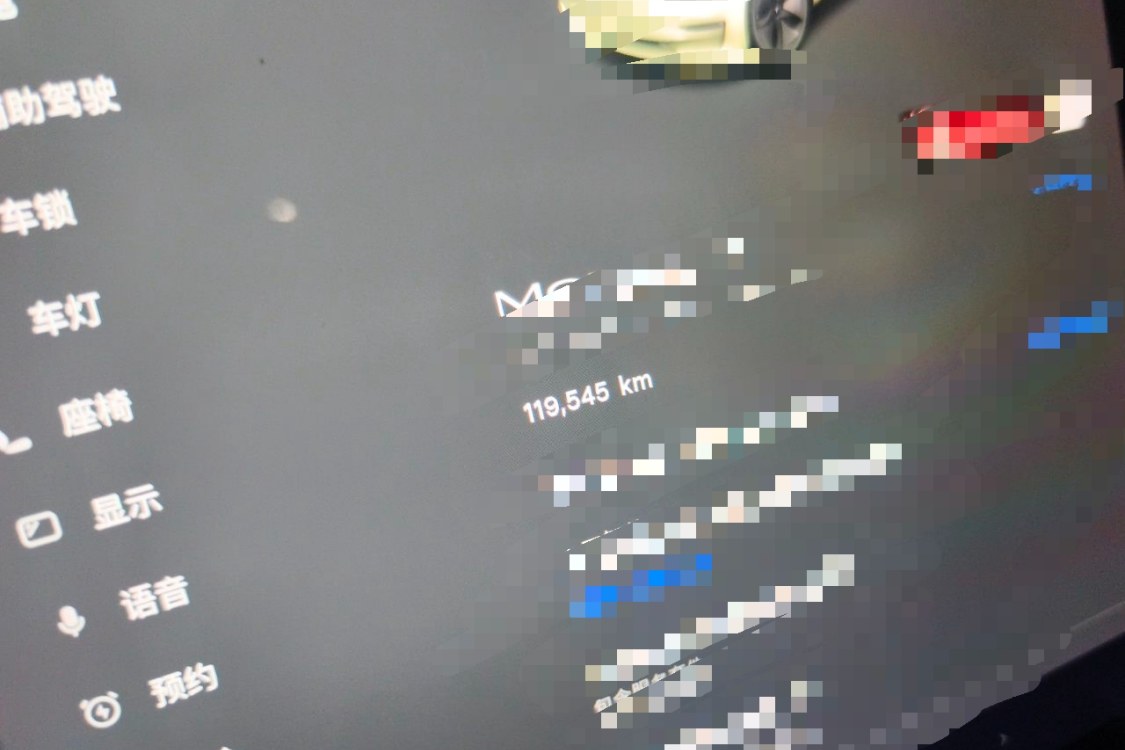
Mileage119,500km
Transfer Count-
FuelOther
TransmissionOther
Engine-
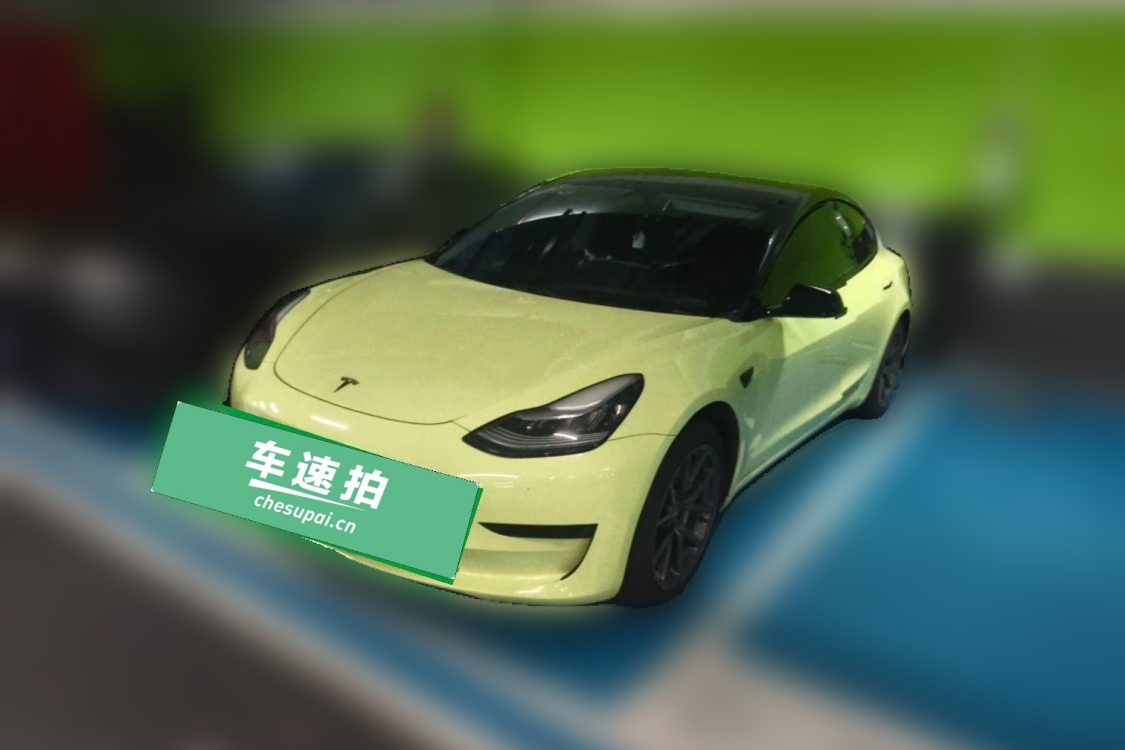
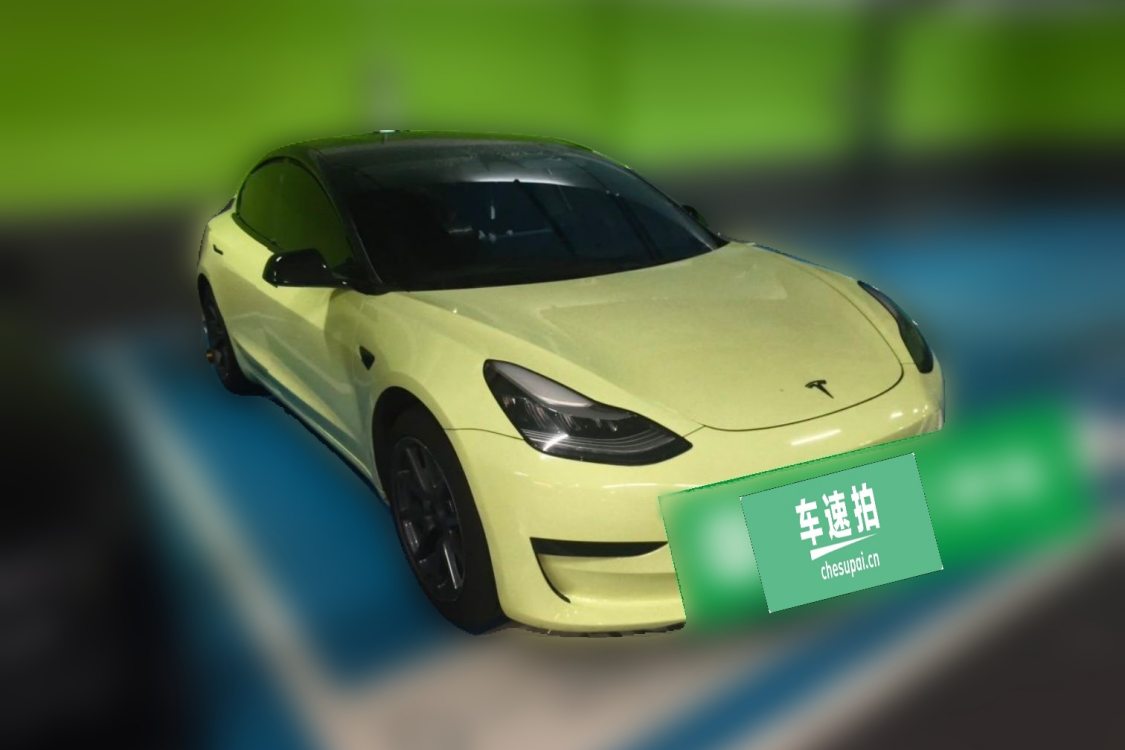
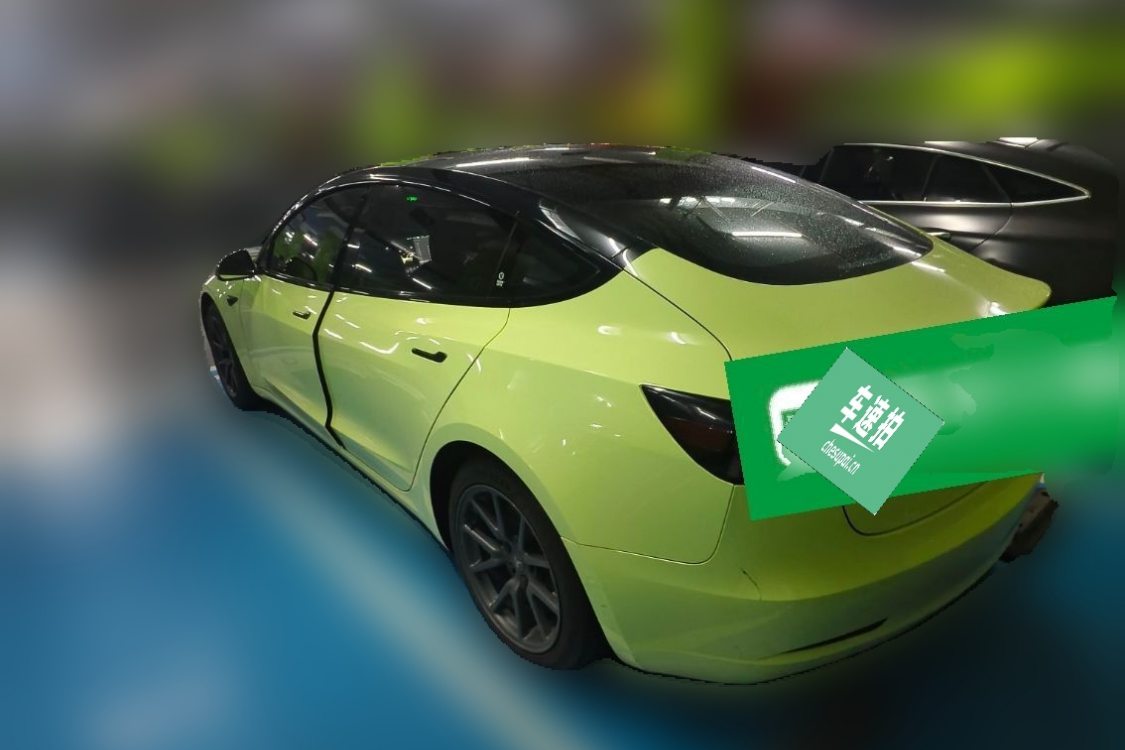
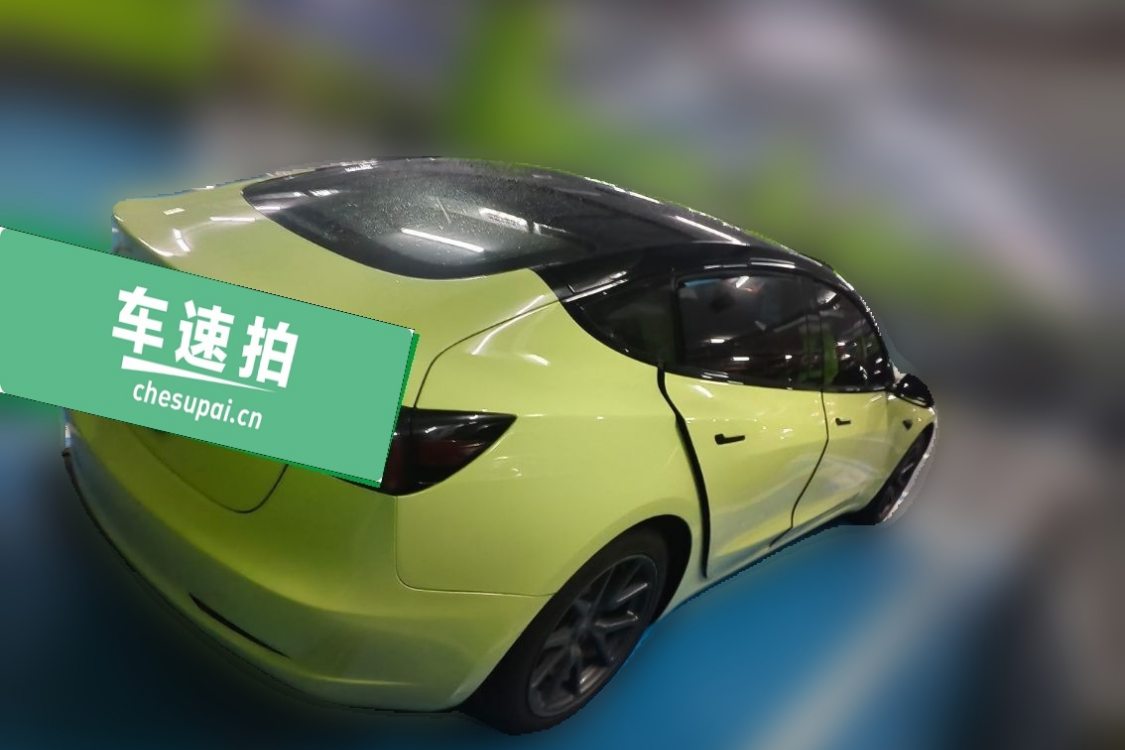
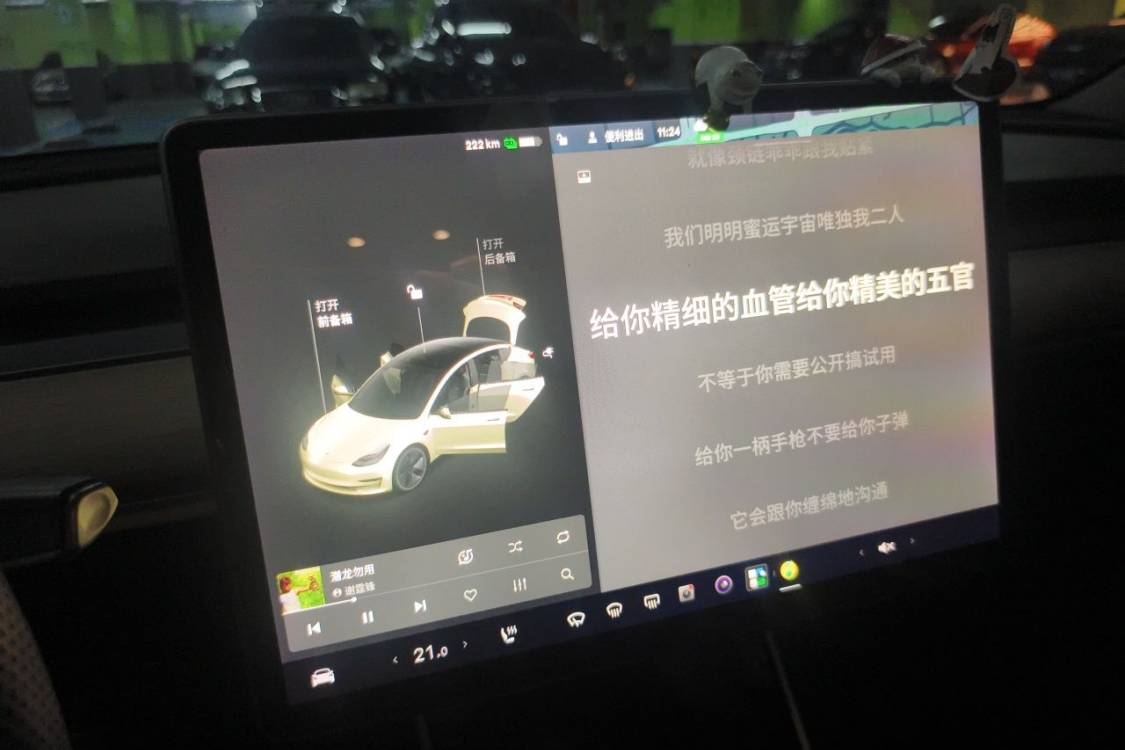
ColorYellow
Seats-

Condition Description

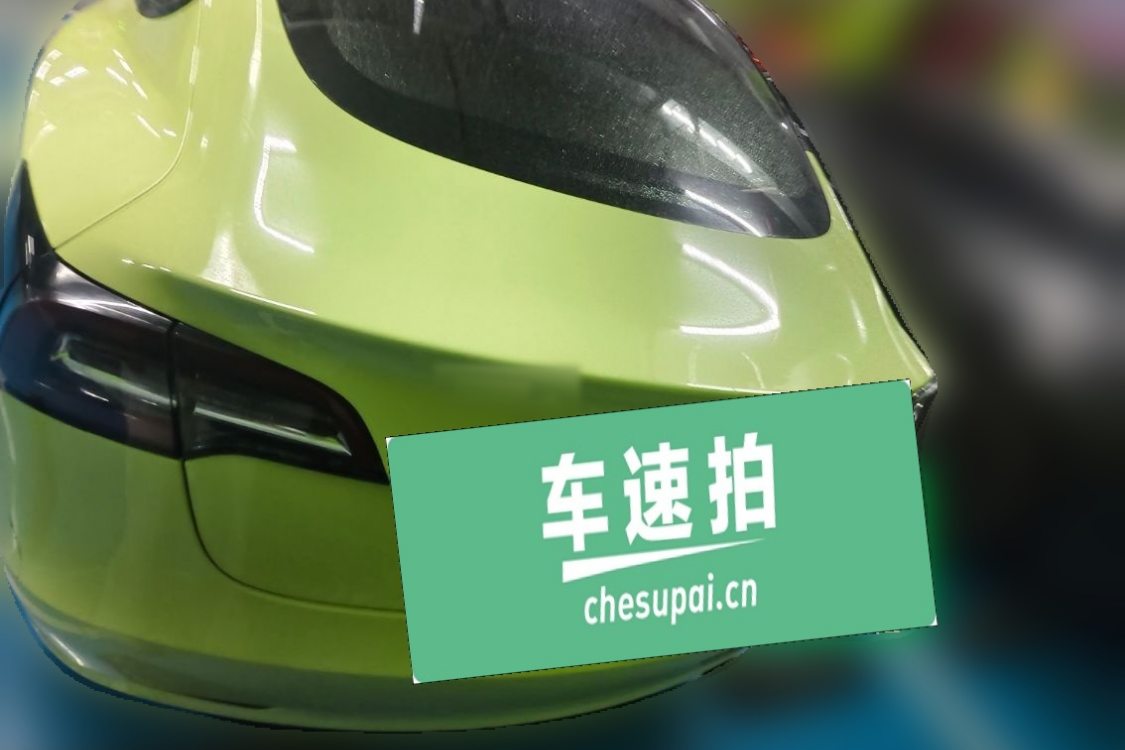
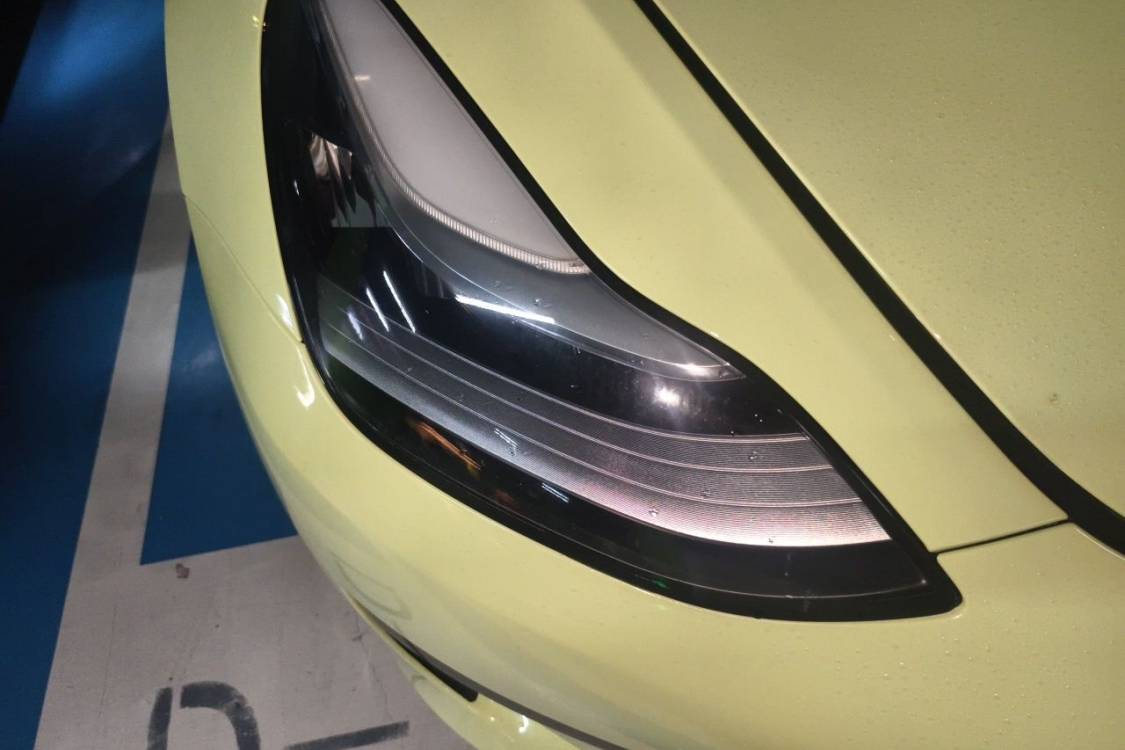
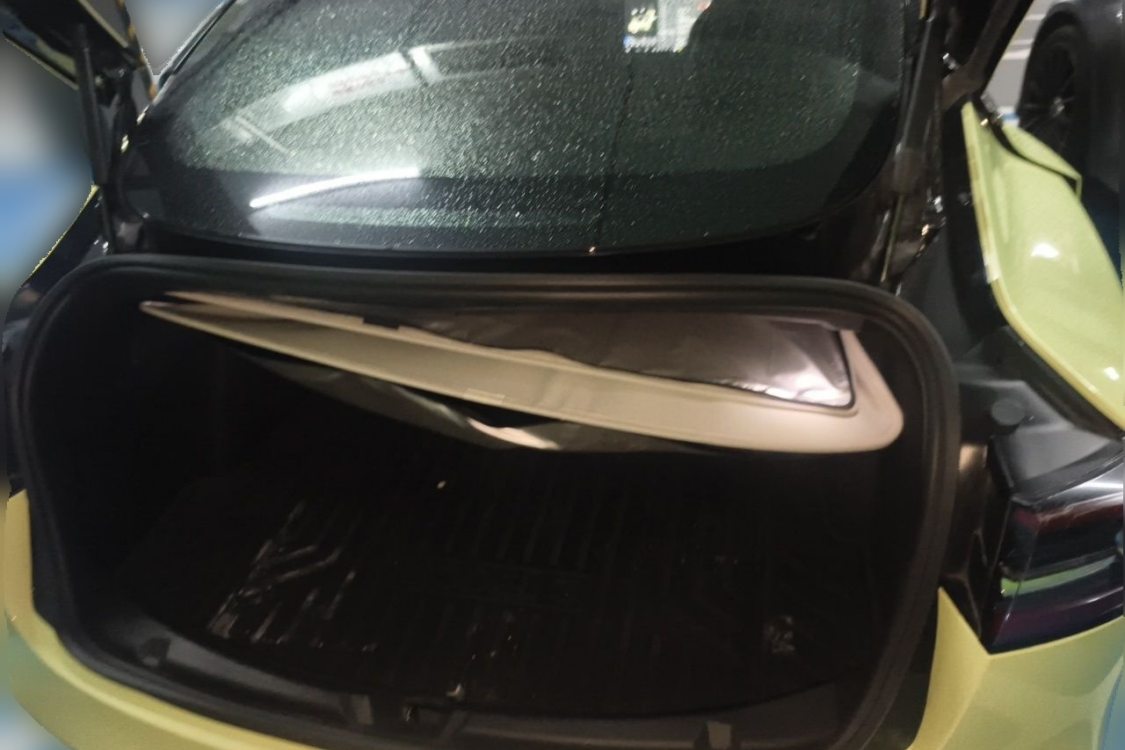
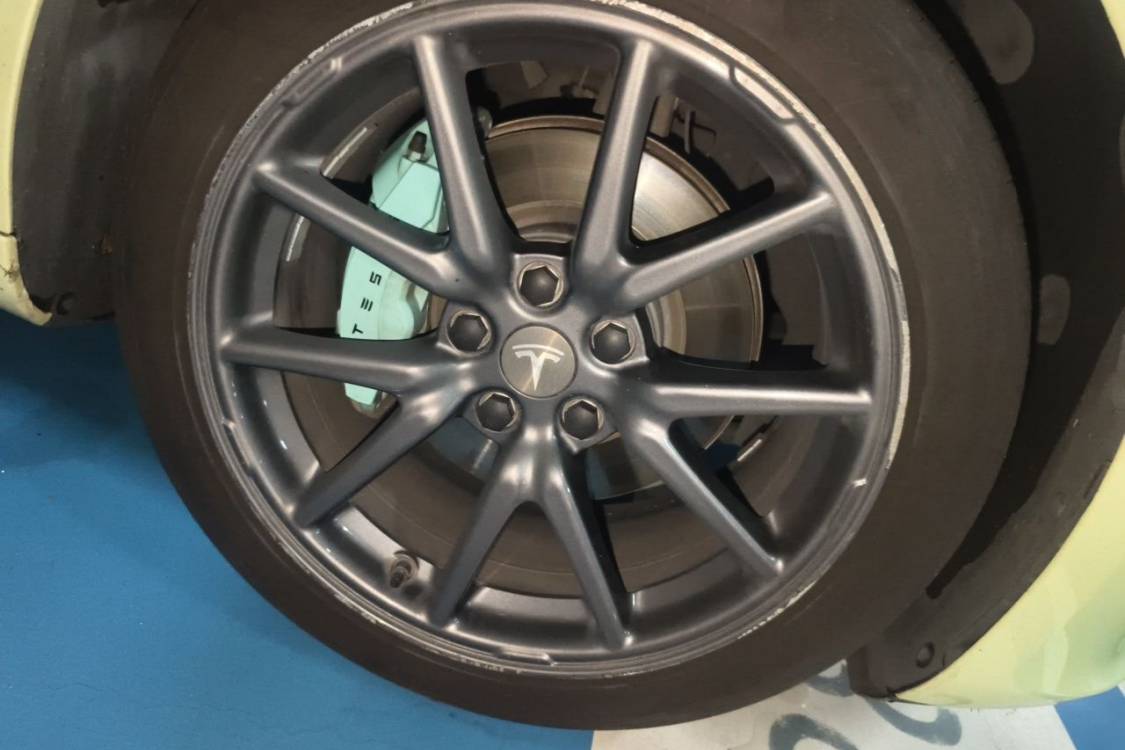
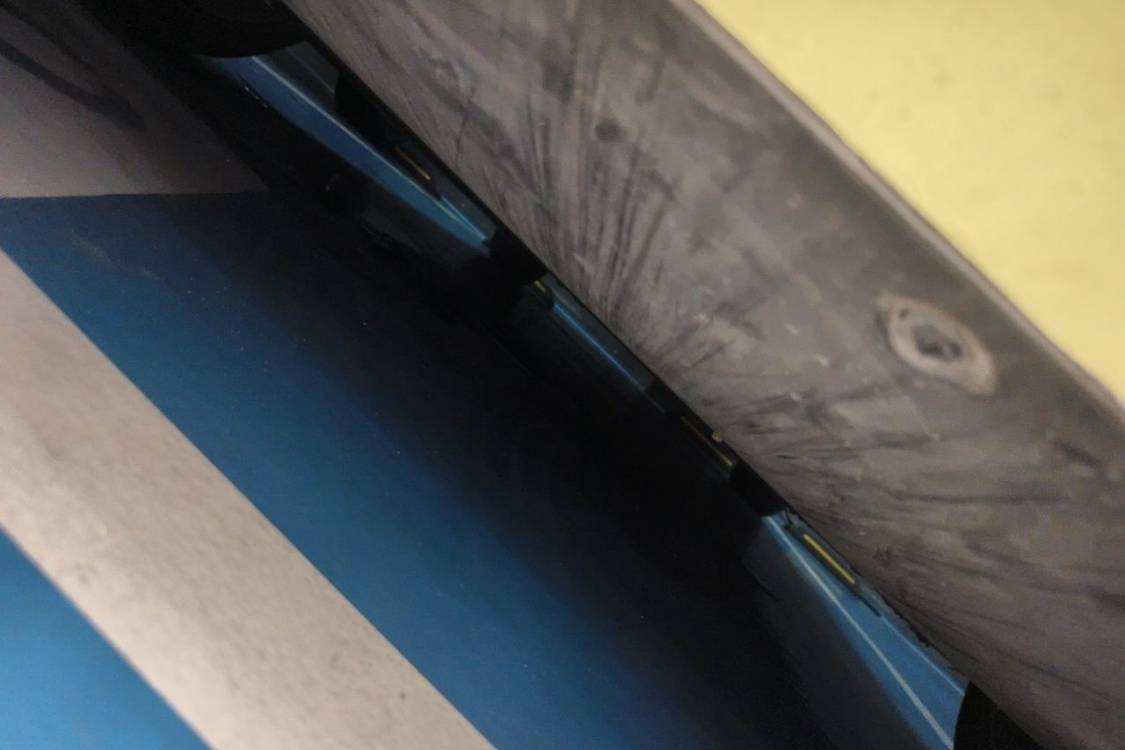
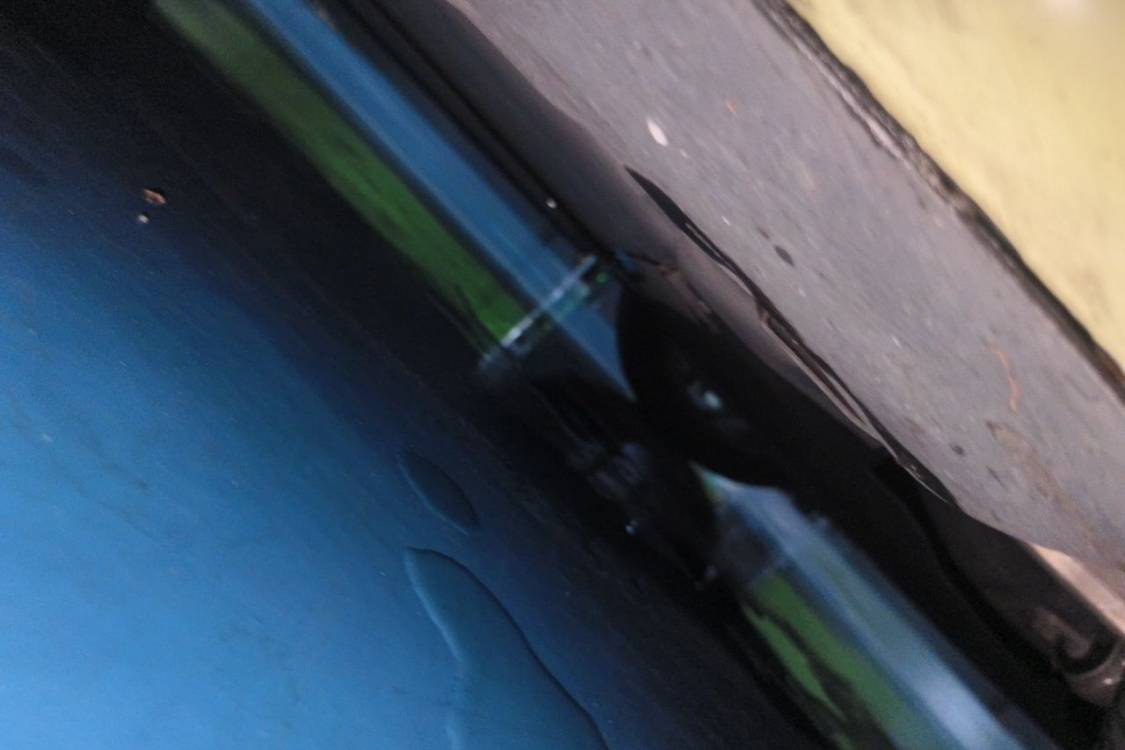
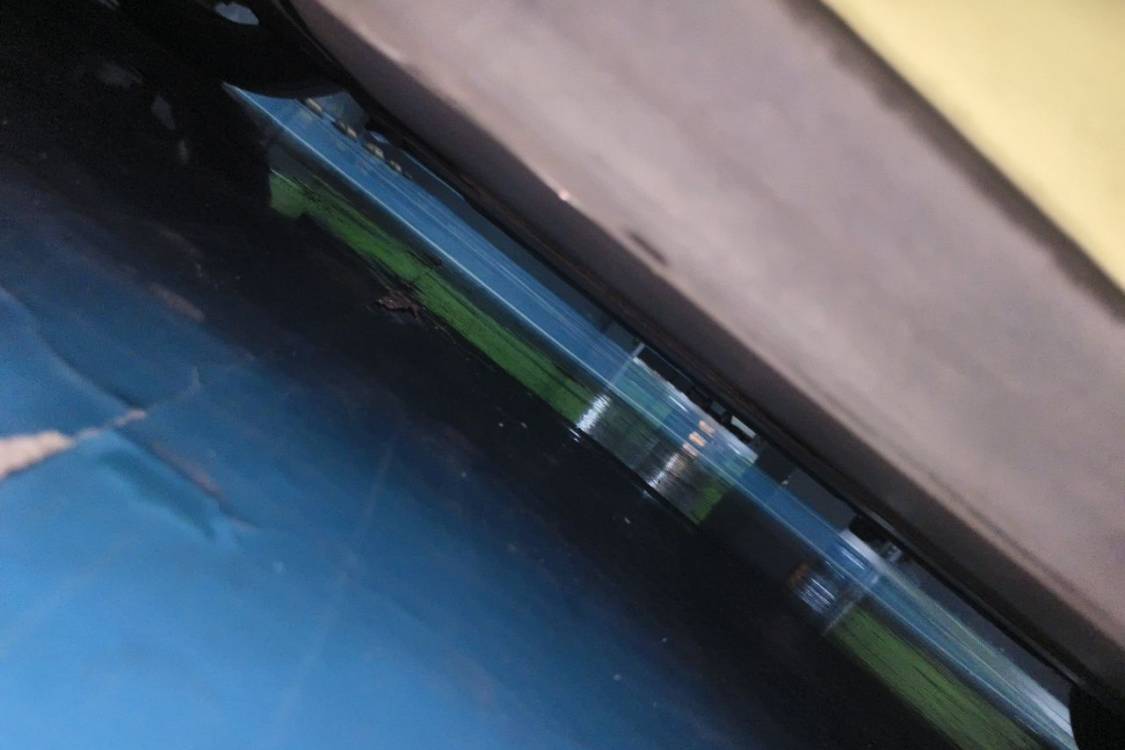
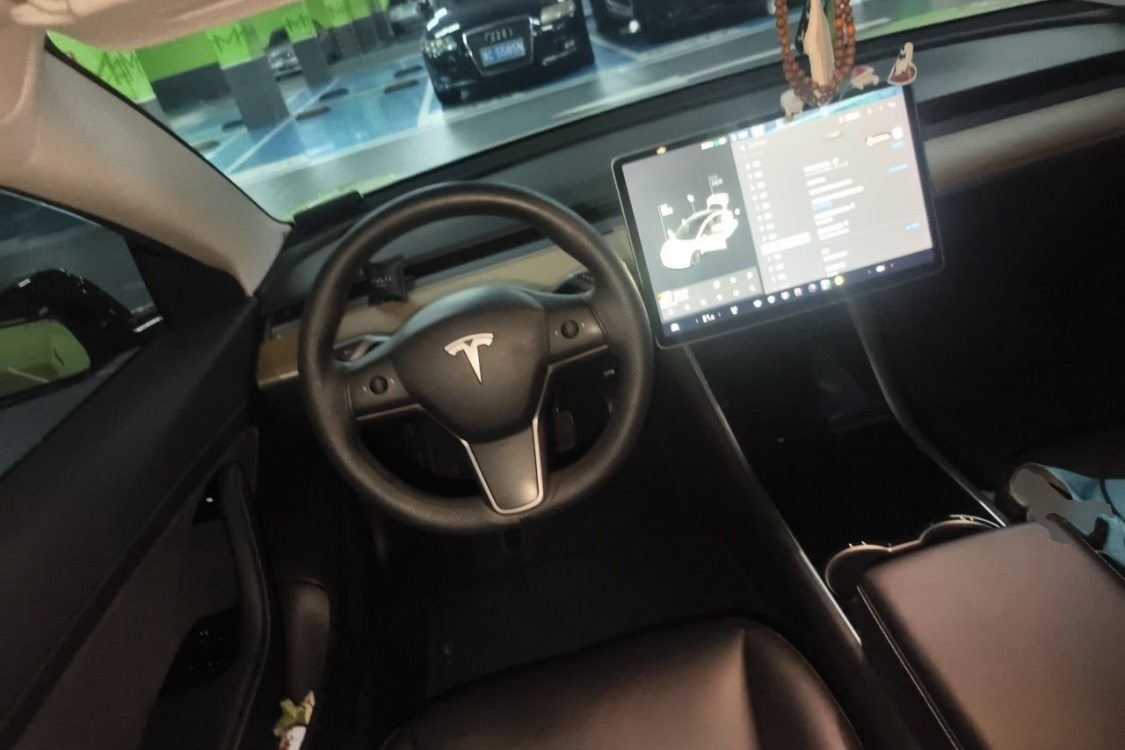
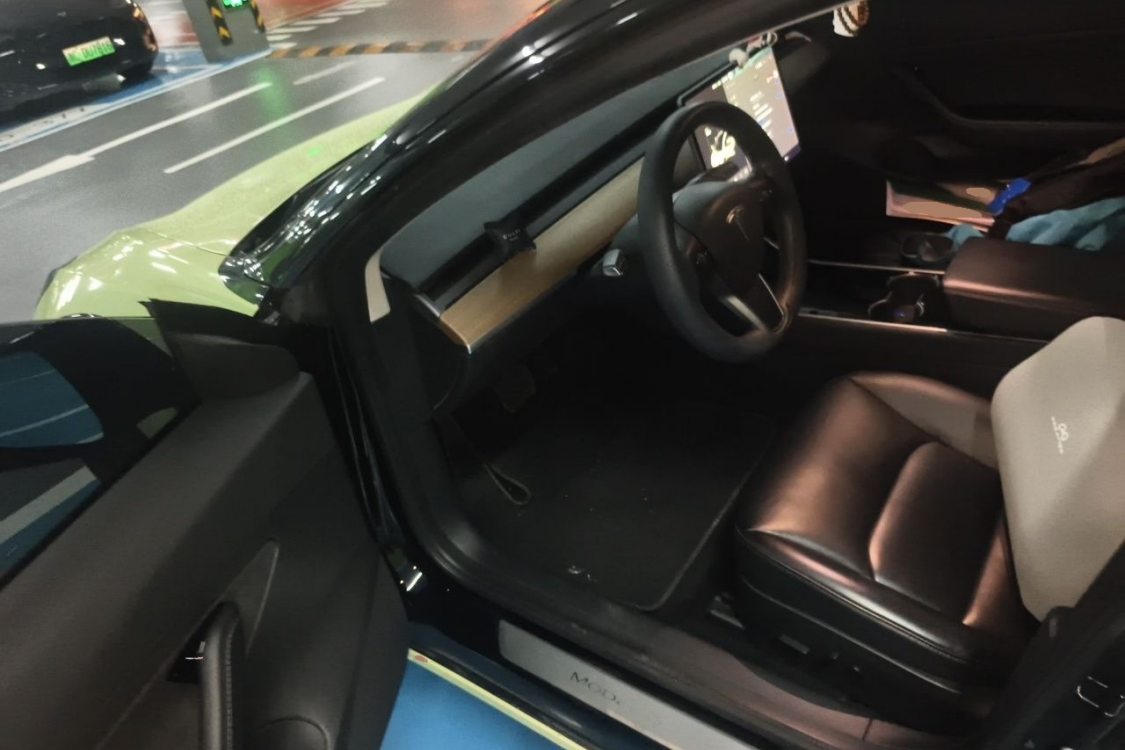
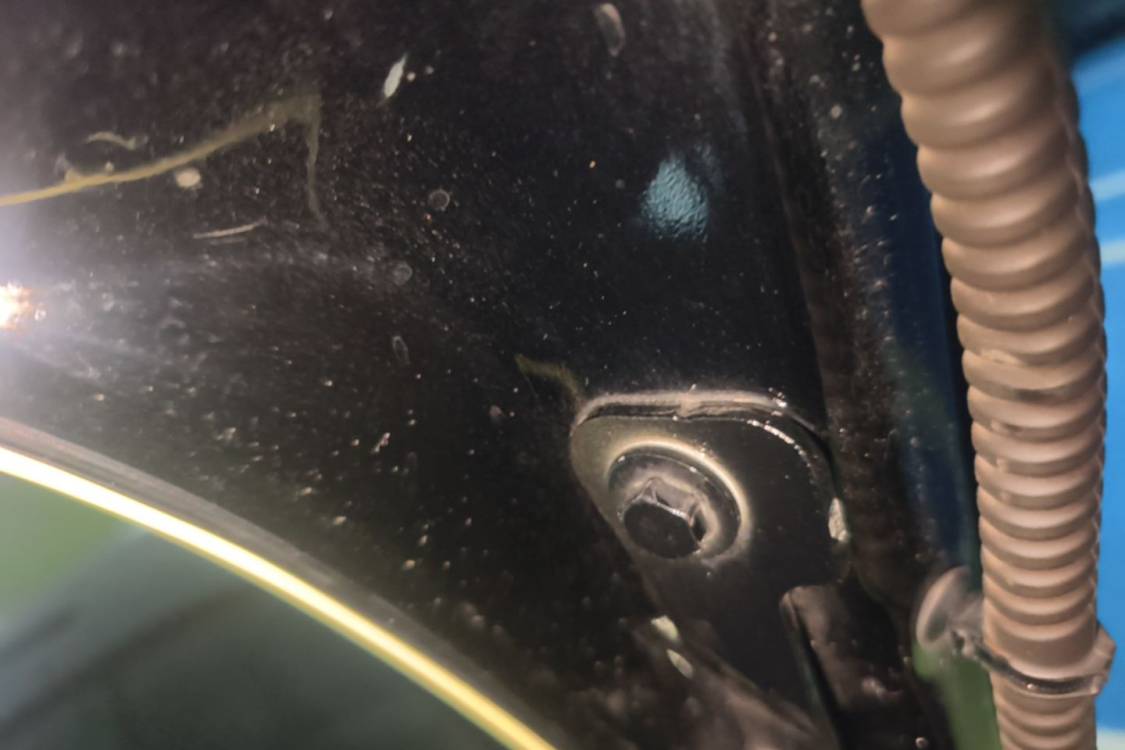
Body components (structural/reinforcing/panels) have accident-type damage; passive safety devices defective; vehicle performance (including three-electric systems) degraded or still performance-limited after repairs.

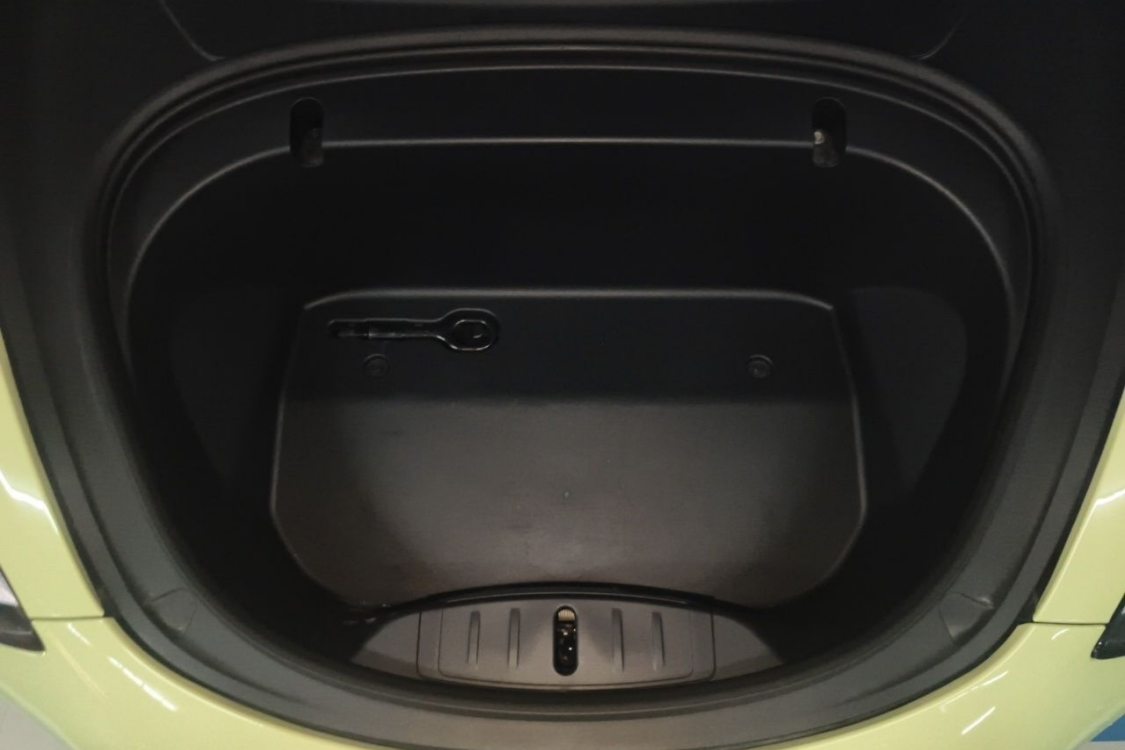
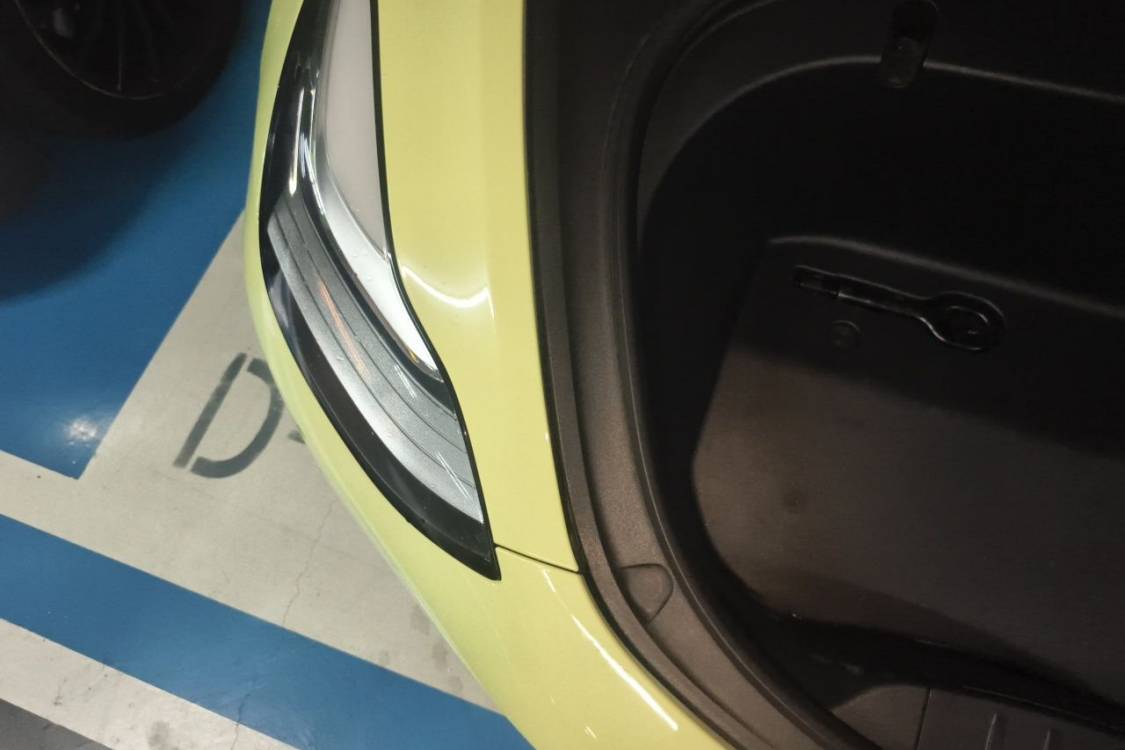
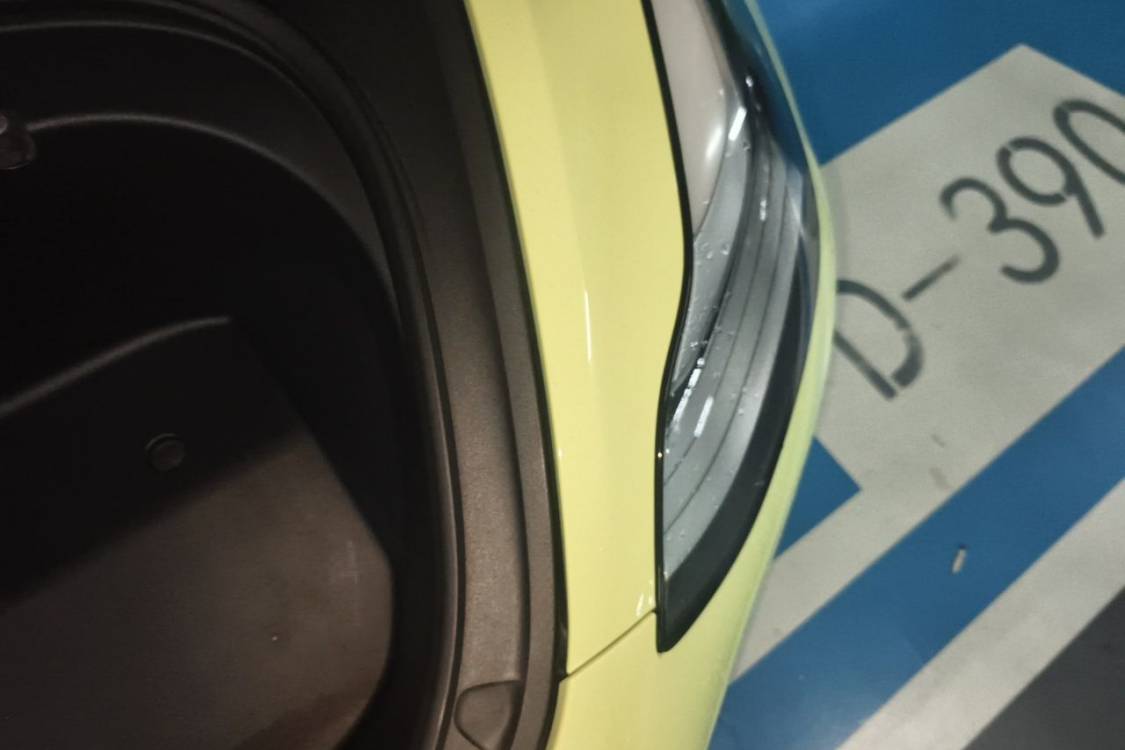
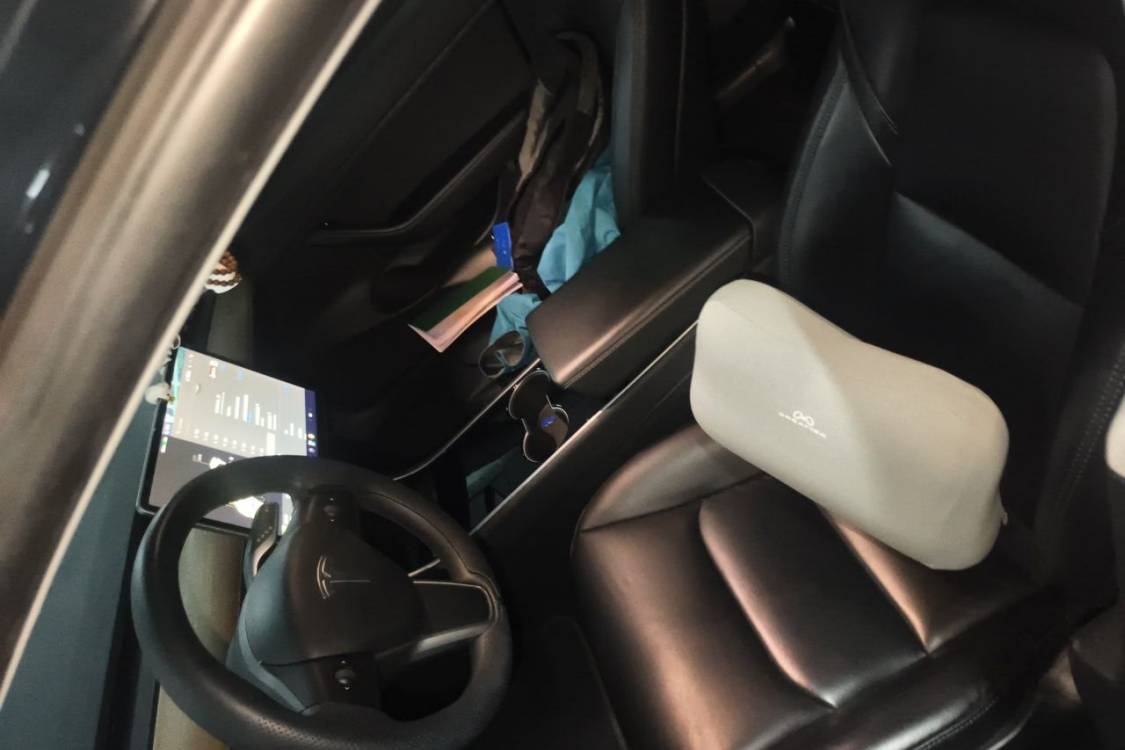
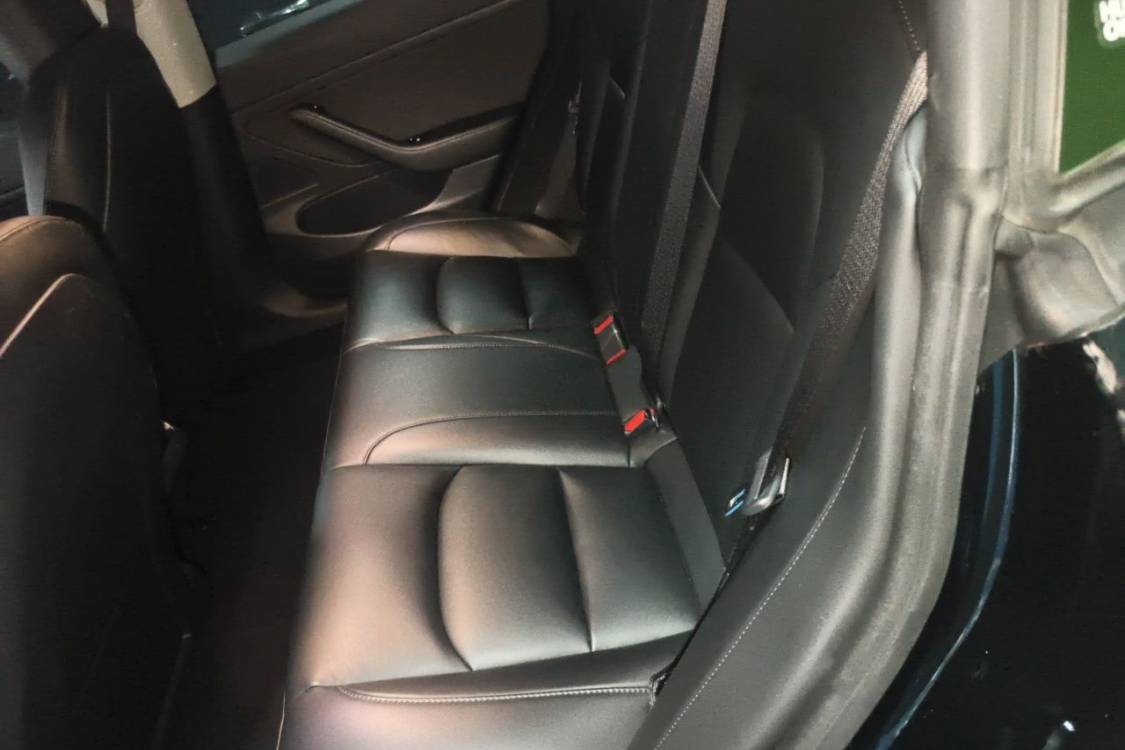
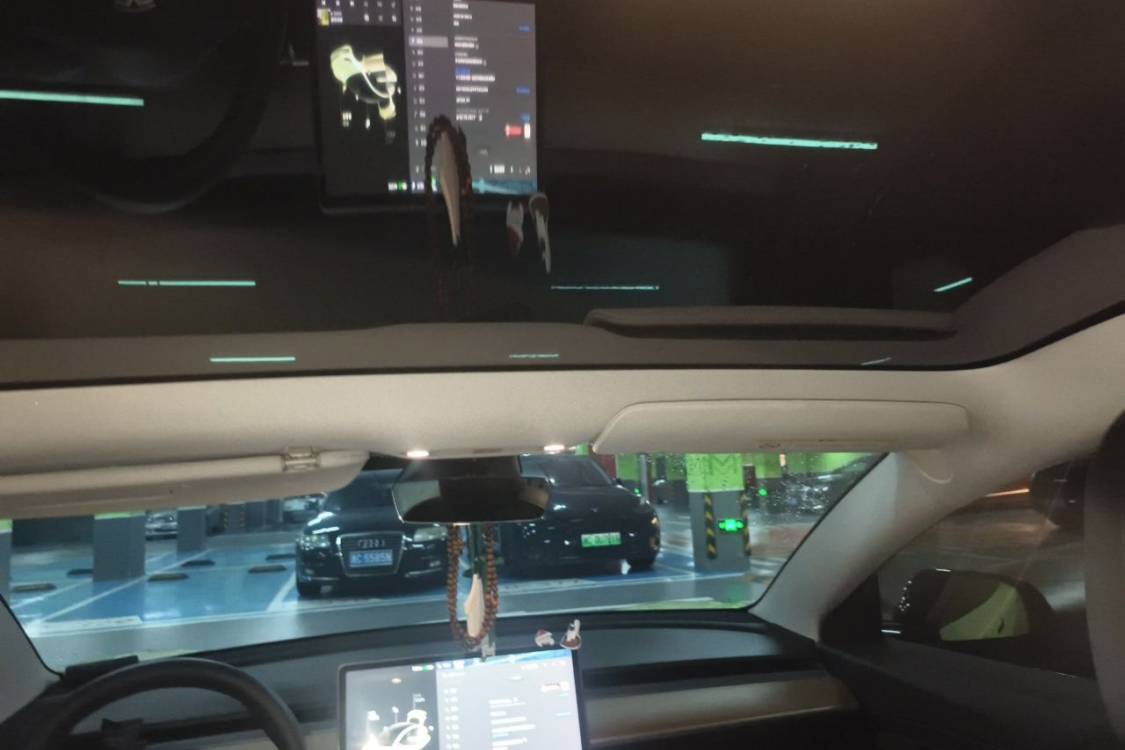
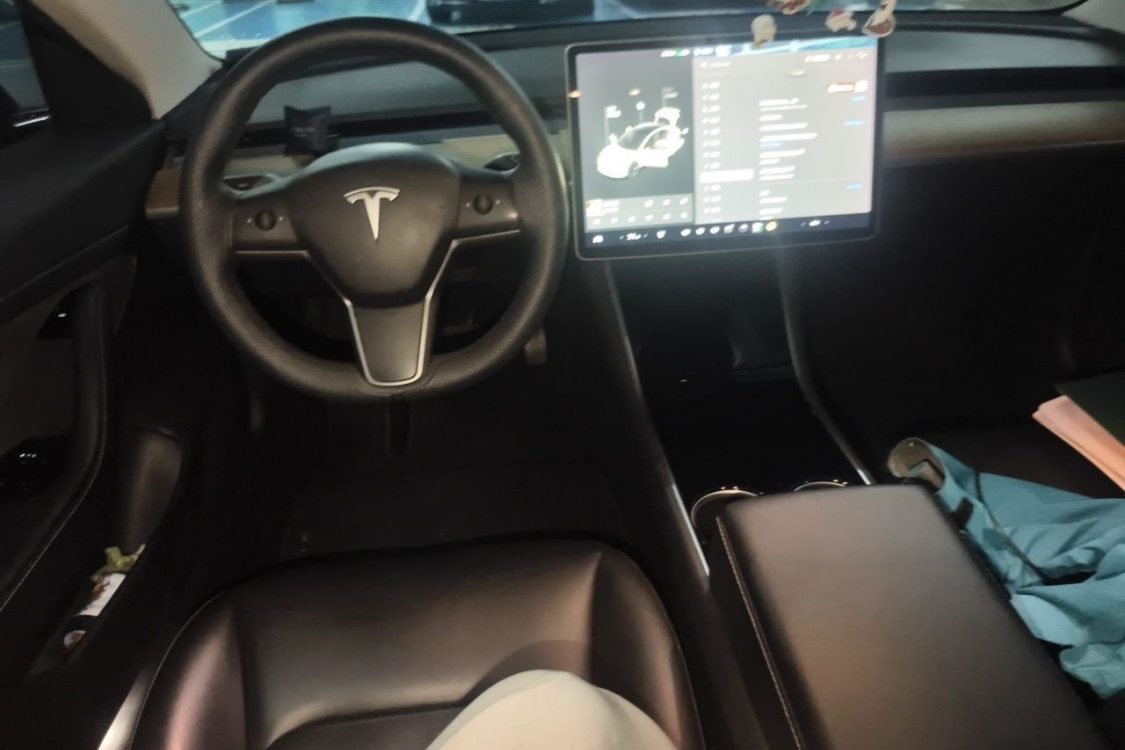
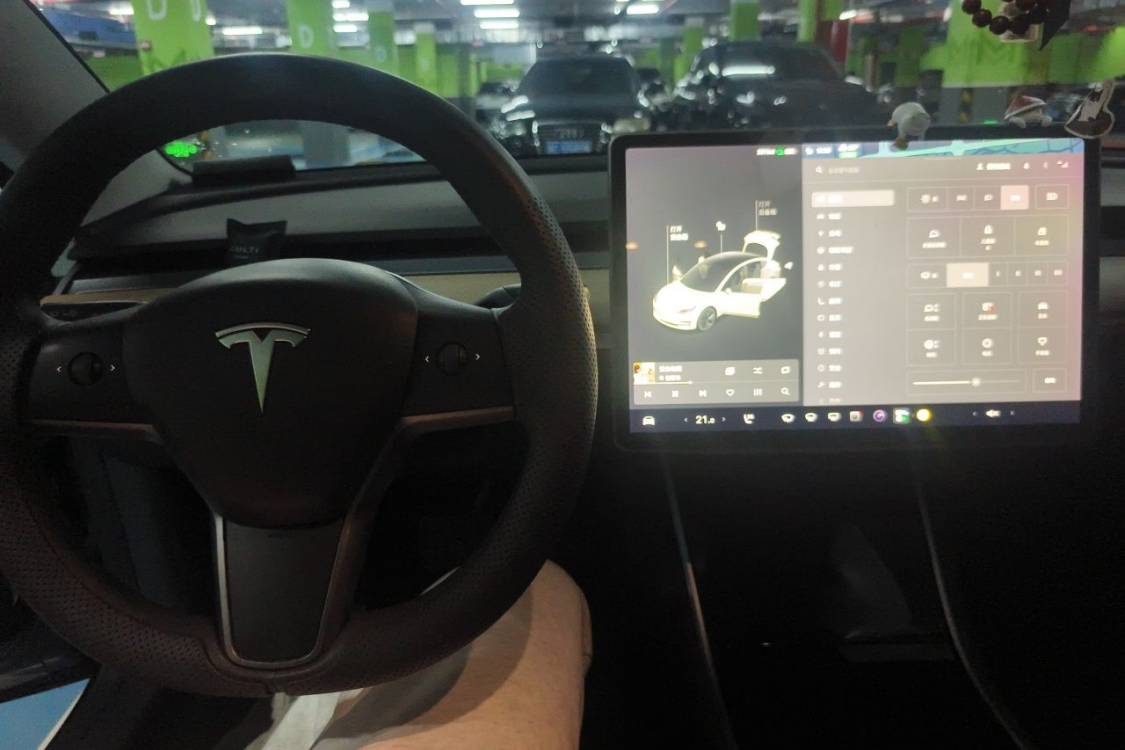
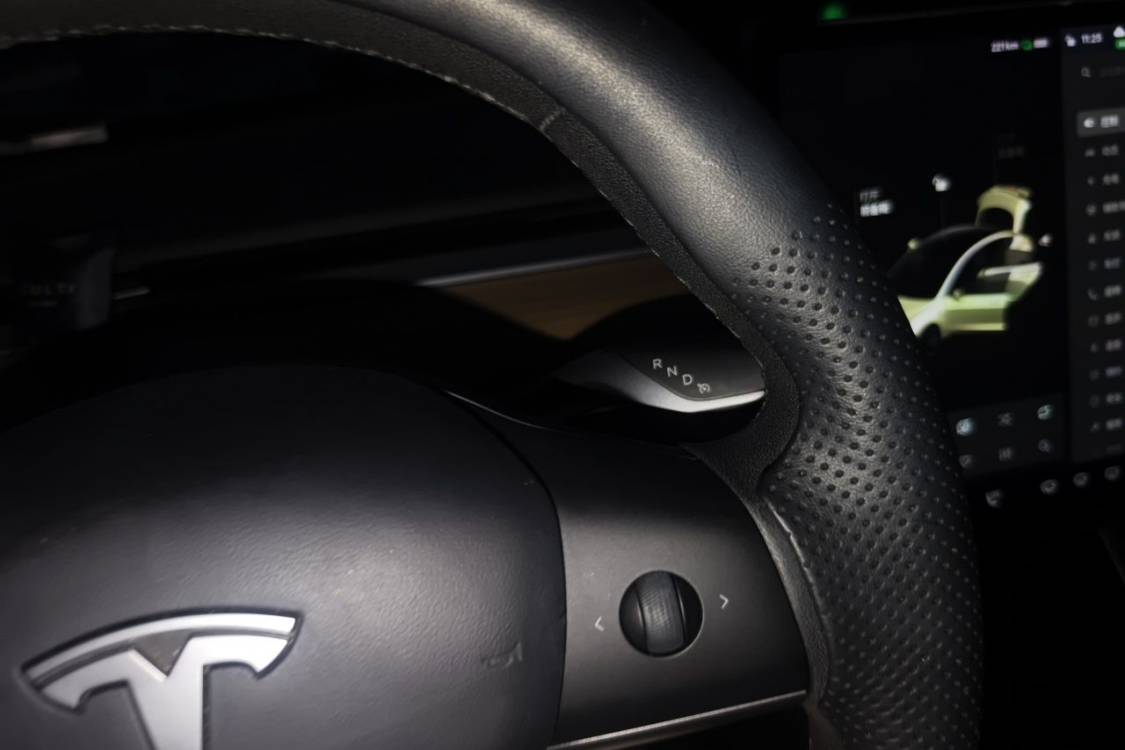
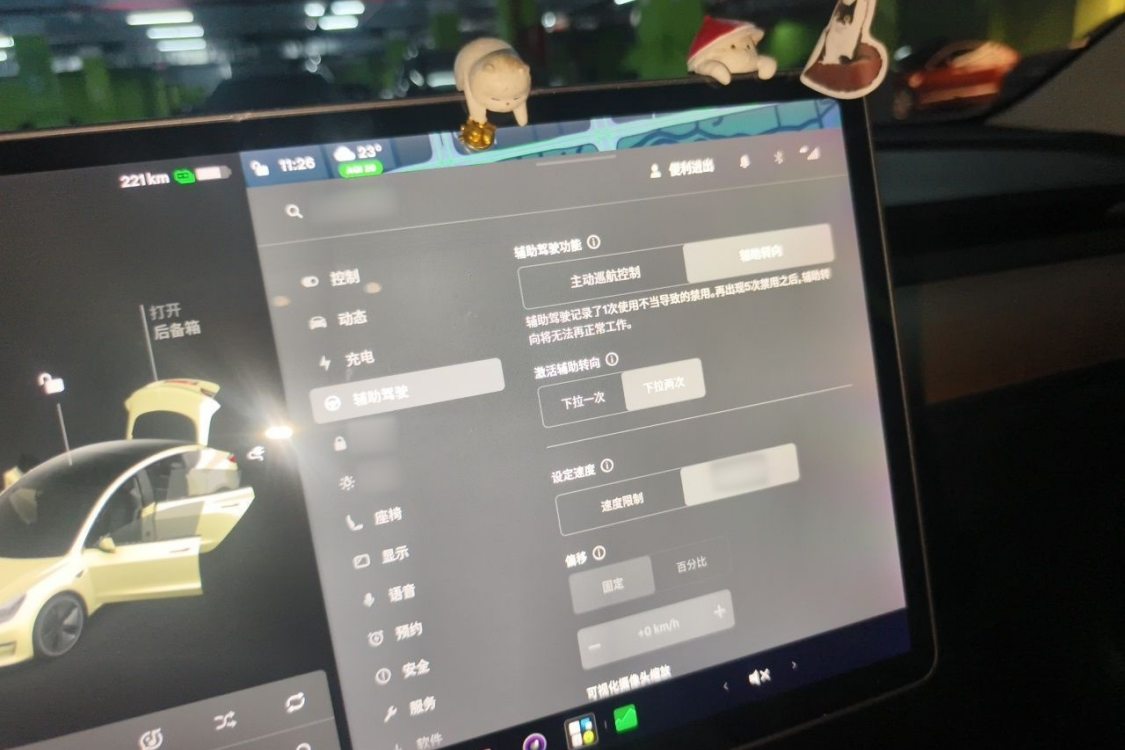
Accident inspection: main structure damaged, reinforcing parts damaged, panels damaged, hinges abnormal. Three-electric system: power battery underbody guard scratched. Engine bay: key mechanical components normal. Exterior: 1 replacement, 6 panel repairs, 1 repaint. Interior: most features normal, airbags normal, seatbelts normal, dashboard normal, instrument check normal, lighting system normal. Start-up check: main components normal. Tool kit: absent.

独家上新
可讲价
平台物流
可转售
VIP车源
新能源
零过户
新检测标准升级>
必卖车源
非泡水

Document Information

Inspection Expiry Date2028/05
Warranty Expiry Date-
Insurance Expiry Date2027/05

Q&A

More

After long-distance sea transport, does the vehicle's air conditioning refrigerant (Freon) need to be vacuumed and recharged?

If there is a minor leak in the lines due to bumps, it is possible that the cooling may not work upon arrival. This is a normal physical loss. The cost of vacuuming, pressure testing, and recharging refrigerant at a local auto repair shop is low and is the buyer's responsibility.


Is the platform responsible if the car wireless charging panel cannot charge due to the buyer's outdated phone model?

The vehicle's wireless charging module (usually Qi protocol) is considered functional as long as it can properly sense and light up with our tested mainstream models. The seller is not responsible for charging issues caused by the buyer's personal electronic device compatibility.

How are import duties on used cars from China calculated, and which HS code applies?

Used cars are classified under HS heading 8703 (motor vehicles for transport of persons), with the last four digits determined by engine type and size. Gasoline cars usually fall in 8703.21–8703.80 depending on displacement; pure EVs fall under 8703.80; hybrids have their own subheadings. The duty amount depends on your country's tariff schedule: 1. Most countries charge duty on the CIF value (car price + freight + insurance), not the FOB price. 2. Many developing markets levy higher duties on used vehicles than new ones, and some add a surcharge based on age — older cars can cost significantly more to clear. 3. After duty, you typically pay VAT/GST on the CIF + duty total, plus port and customs fees. Practical tips: ask your exporter to state the exact HS code on the commercial invoice and confirm it with a local customs broker before shipping. A wrong code can trigger reclassification, penalties, or delays. Also budget for any excise tax tied to engine capacity — in several markets a 2.5L car clears far cheaper than a 3.5L one.

Tesla Model 3

[温州.浙C]特斯拉 Model 3 2019款 标准续航后驱升级版

EXW: $15,000
Car CodeSWA1897431
Publish Date
