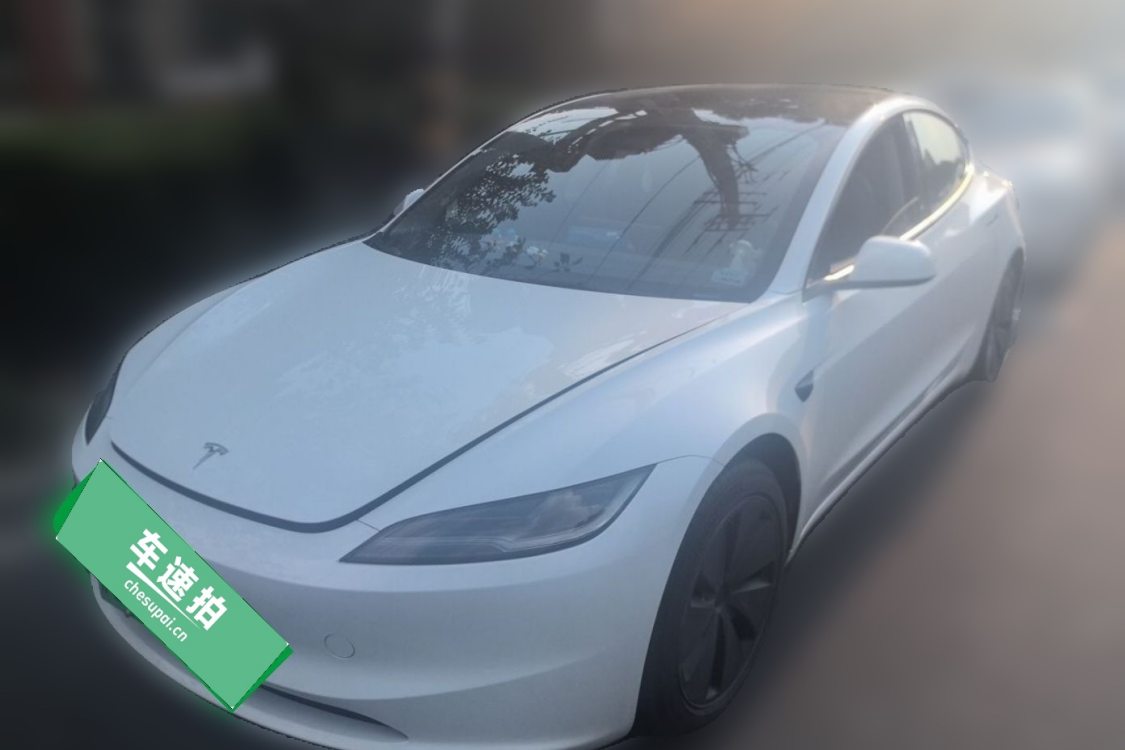
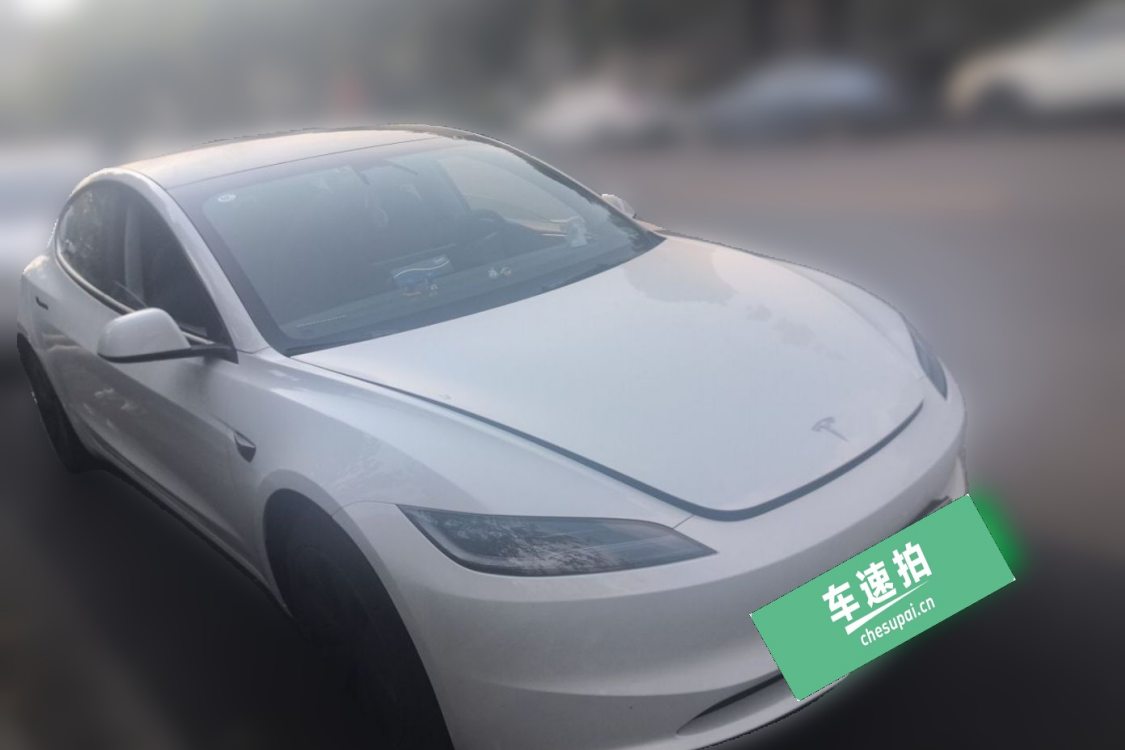
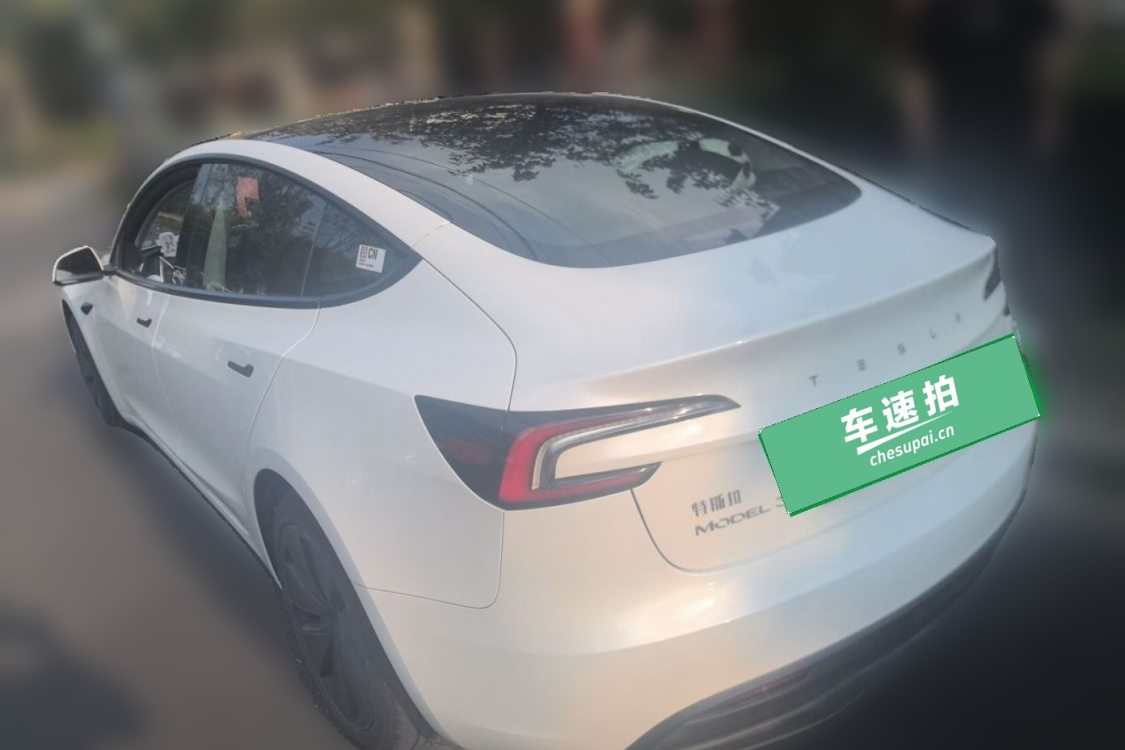
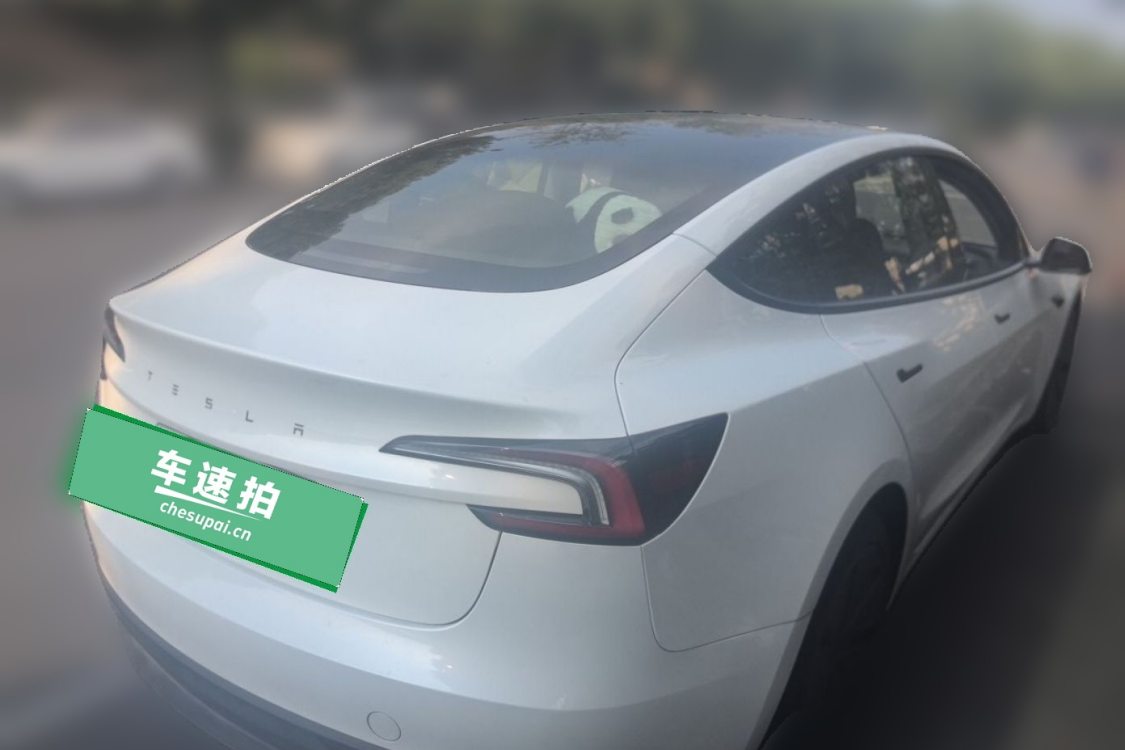
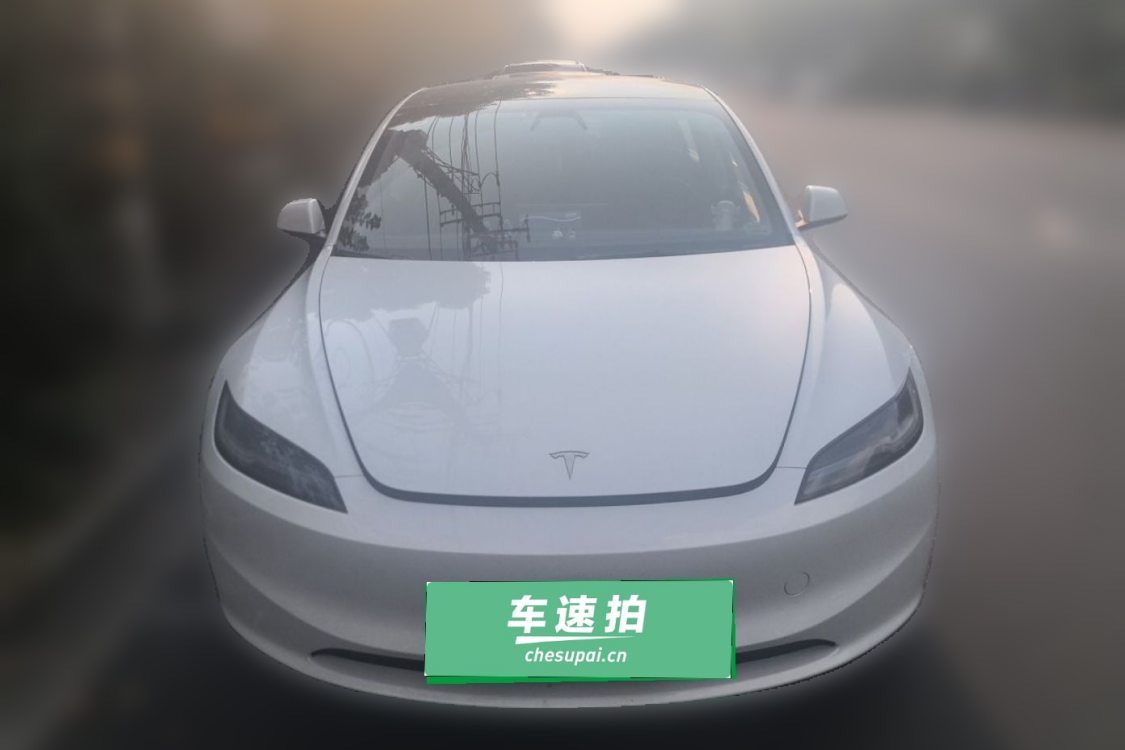
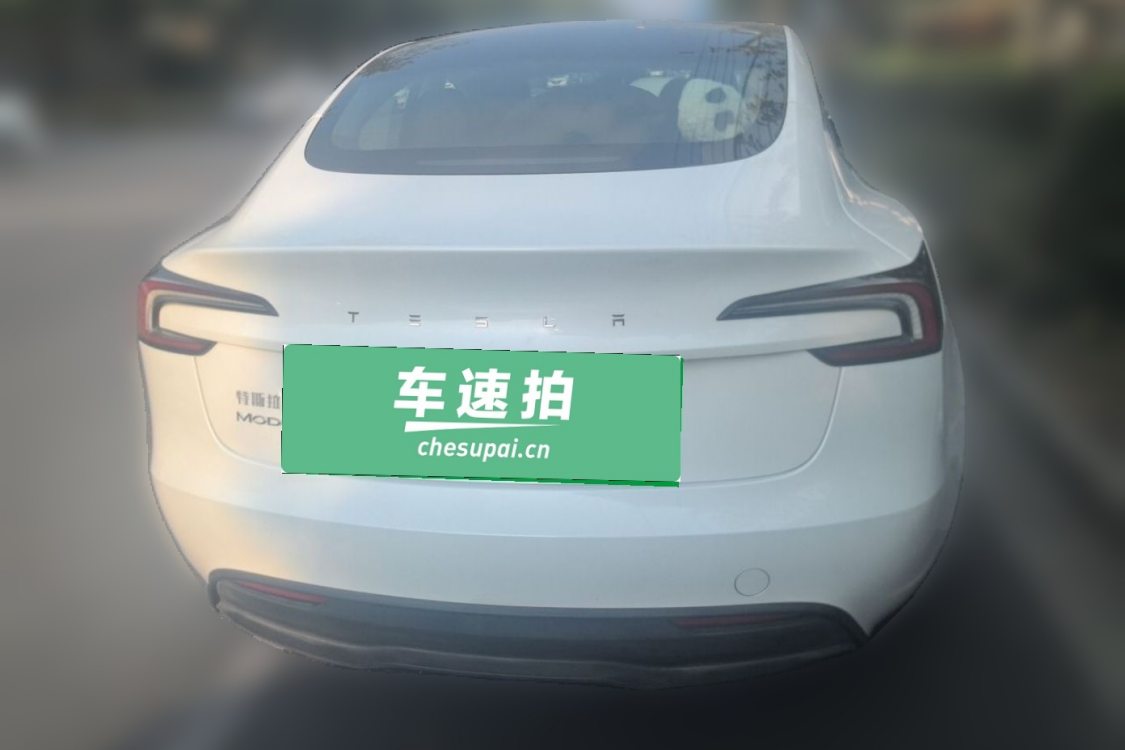
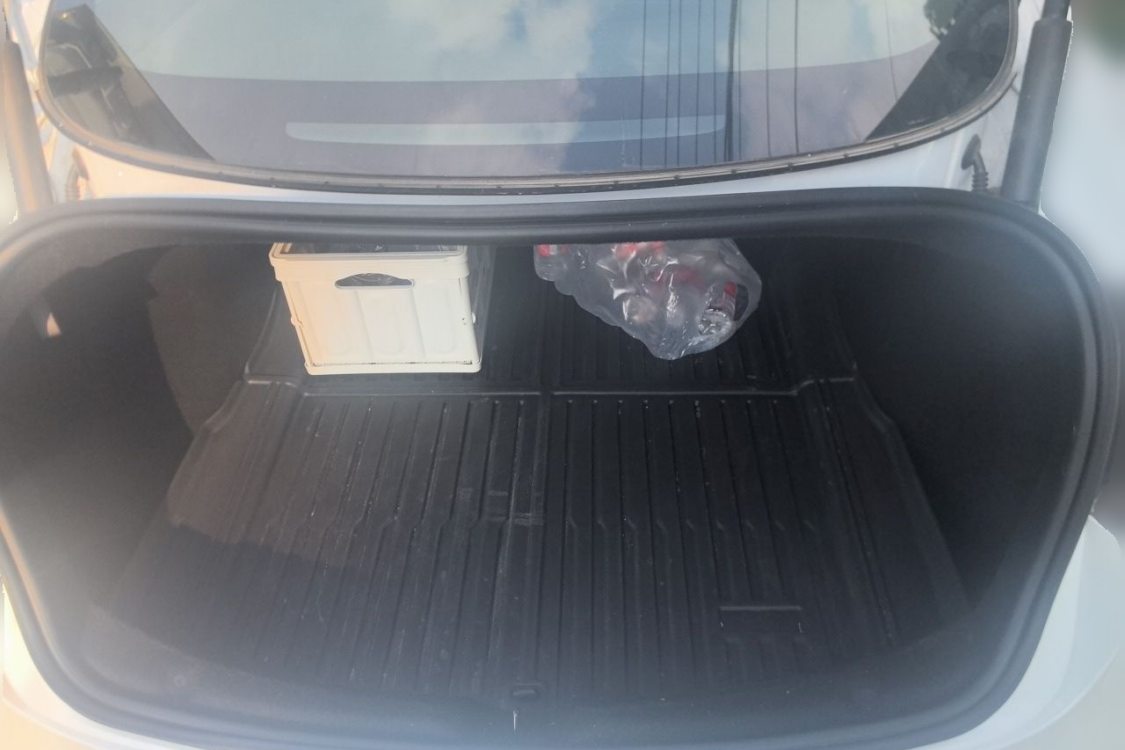
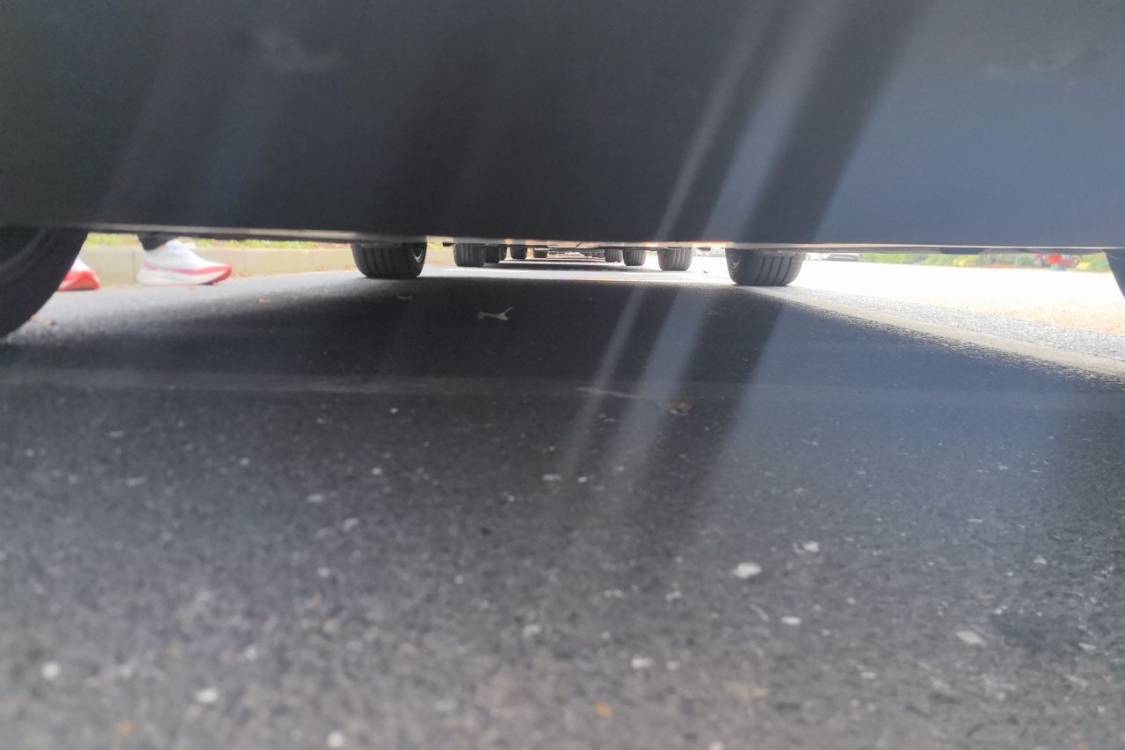
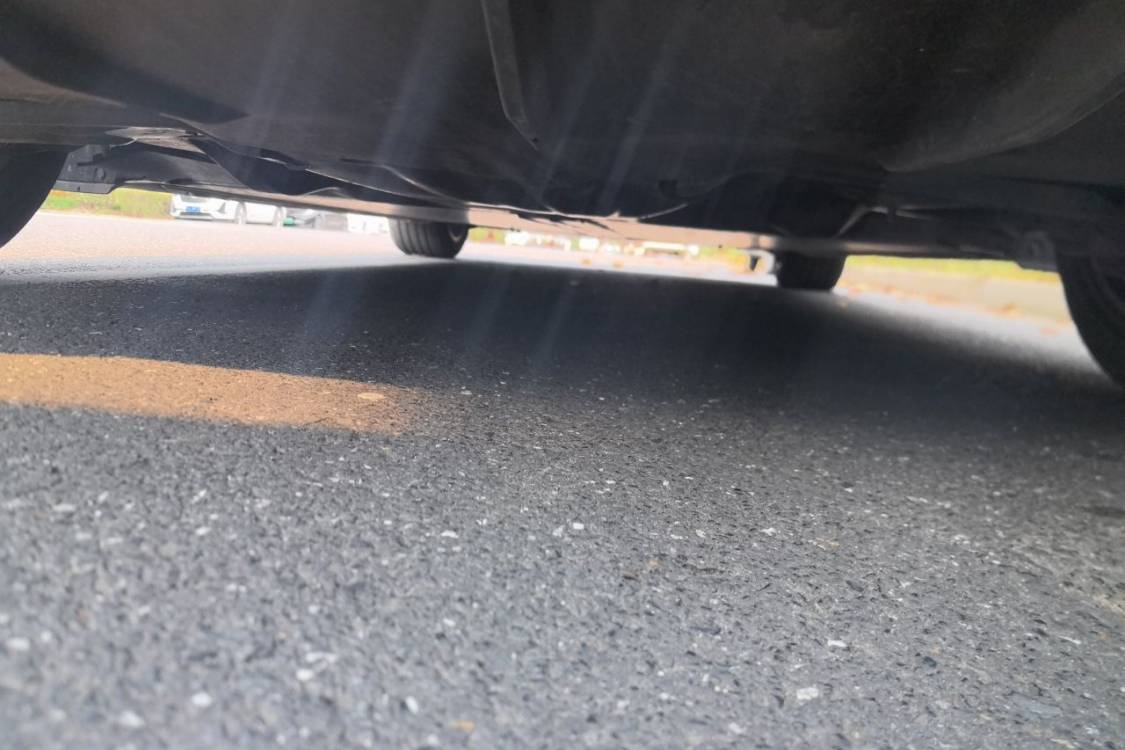
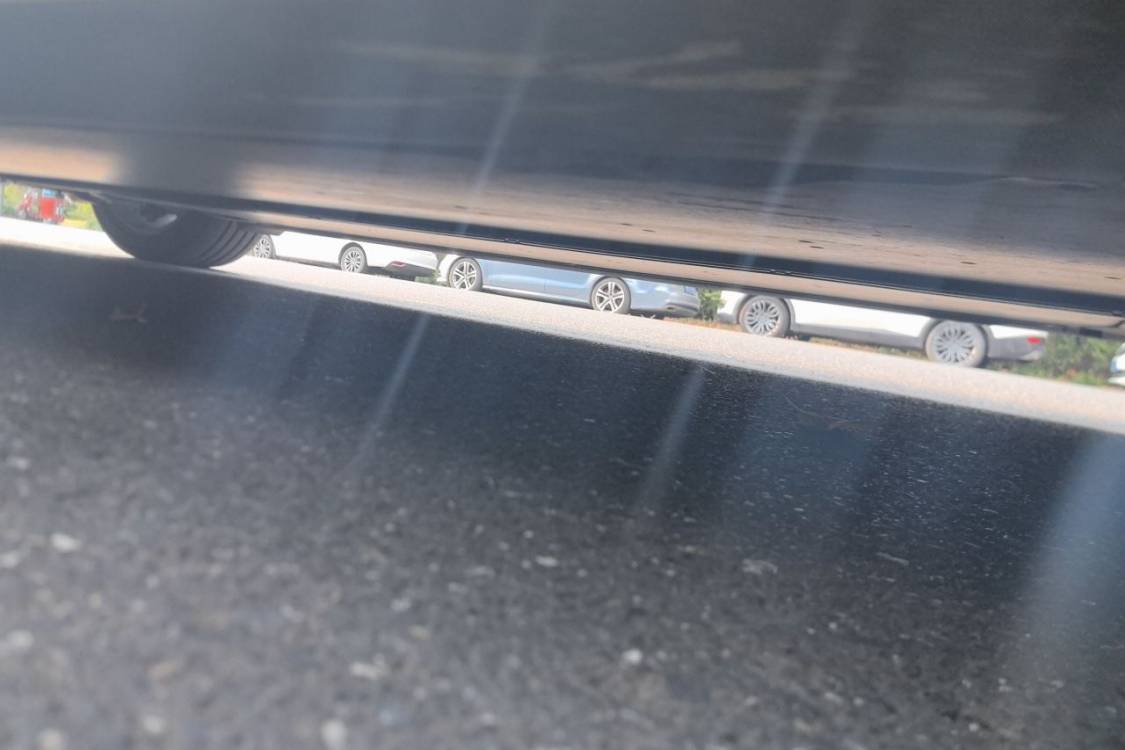
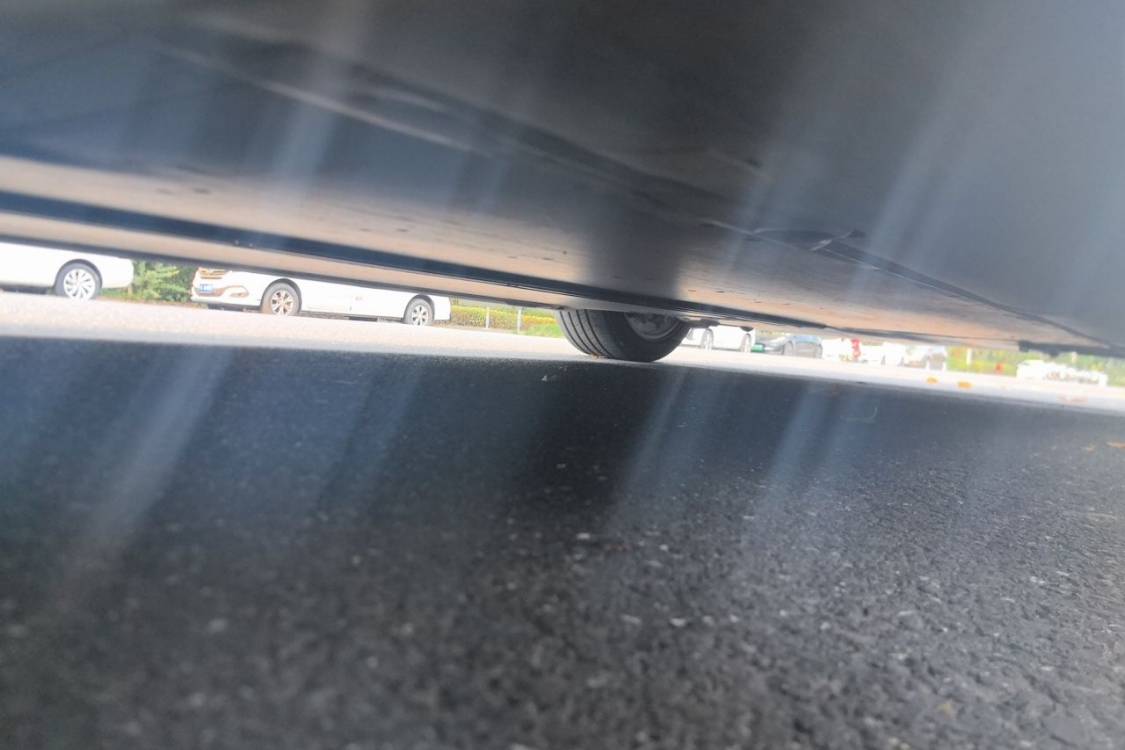
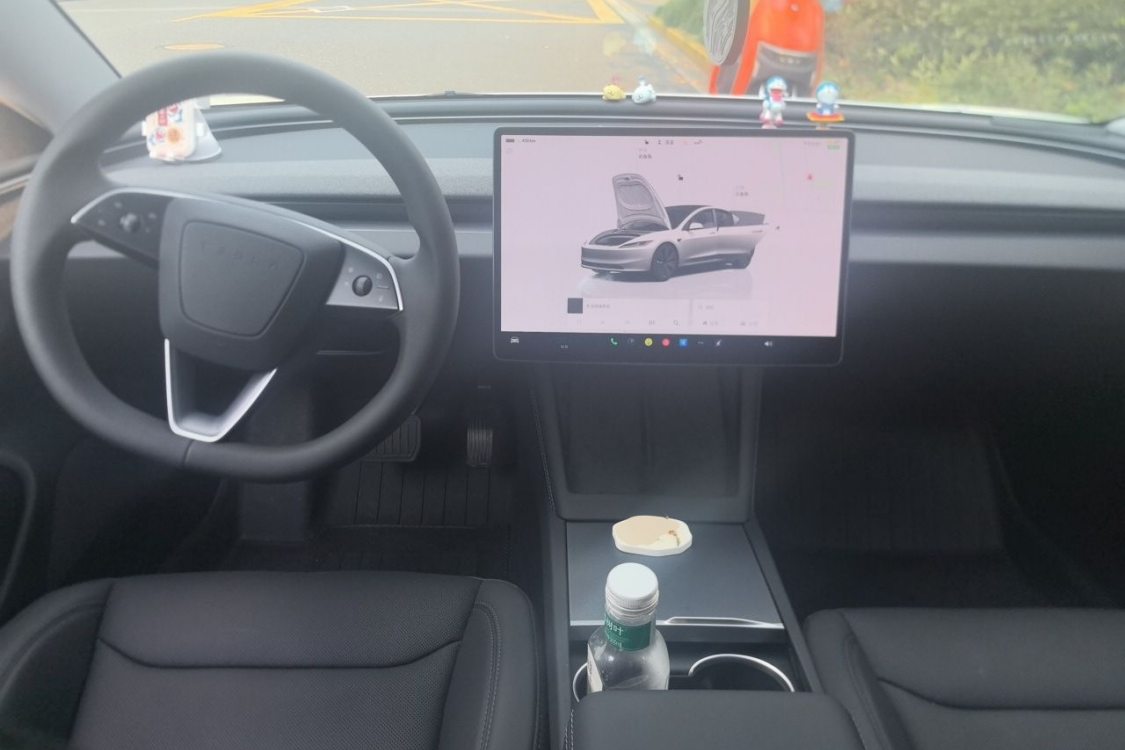
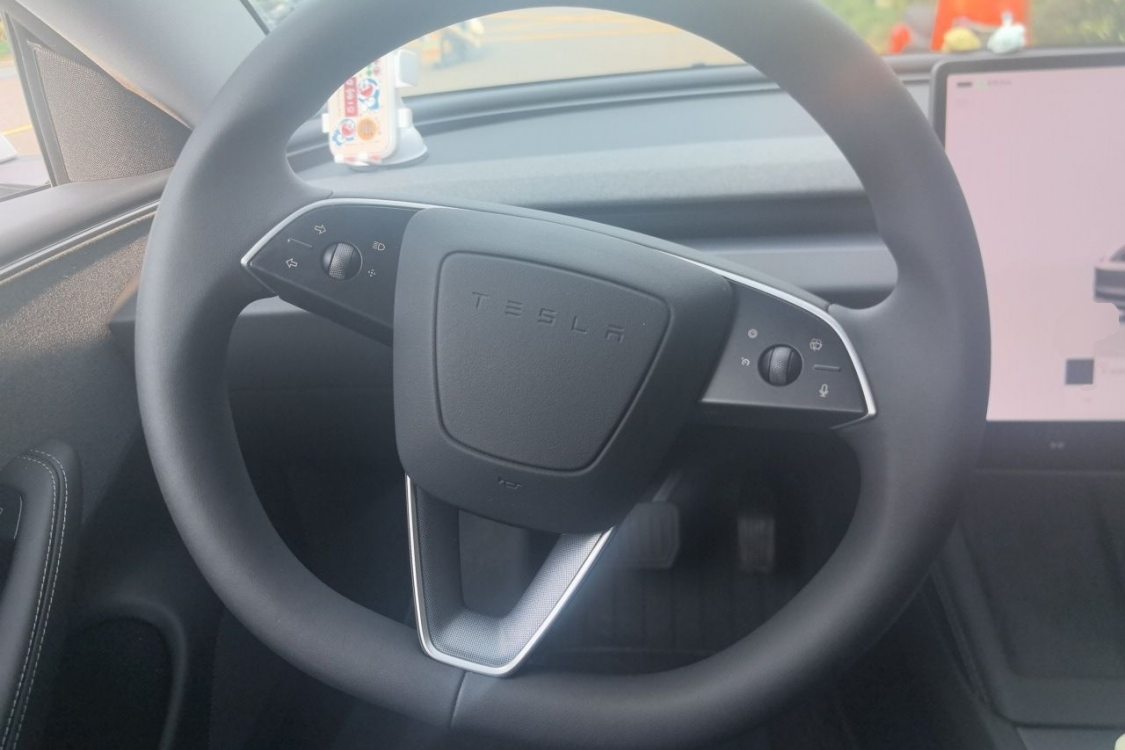
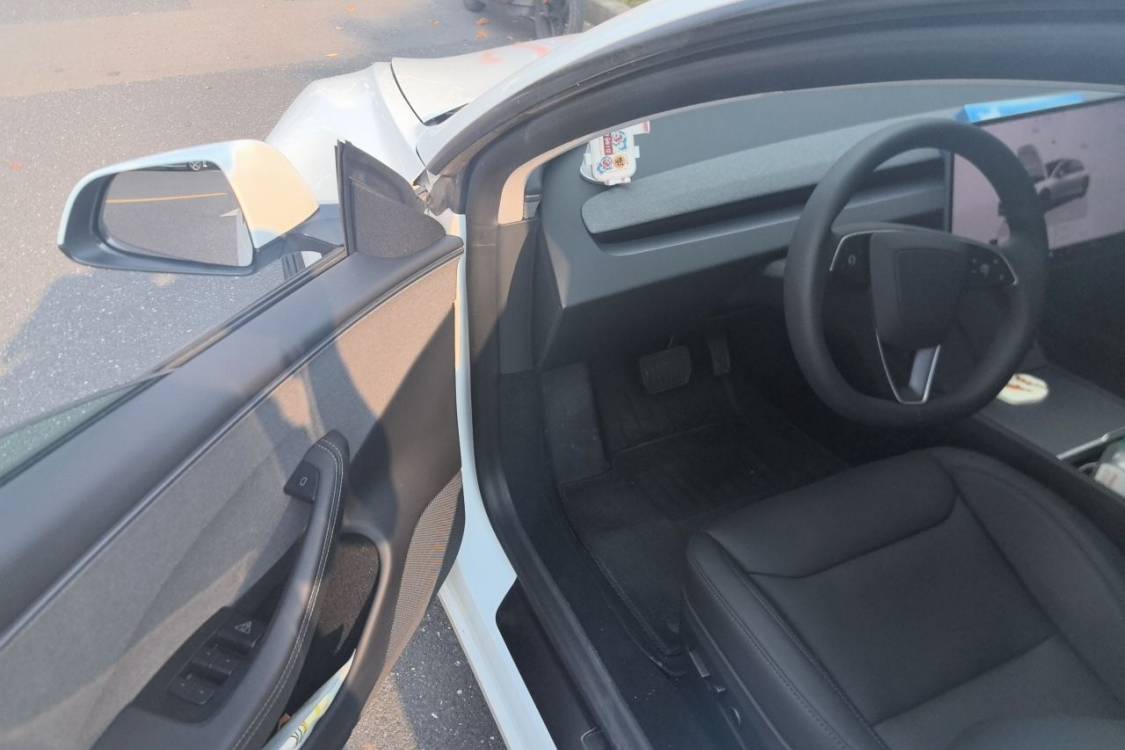
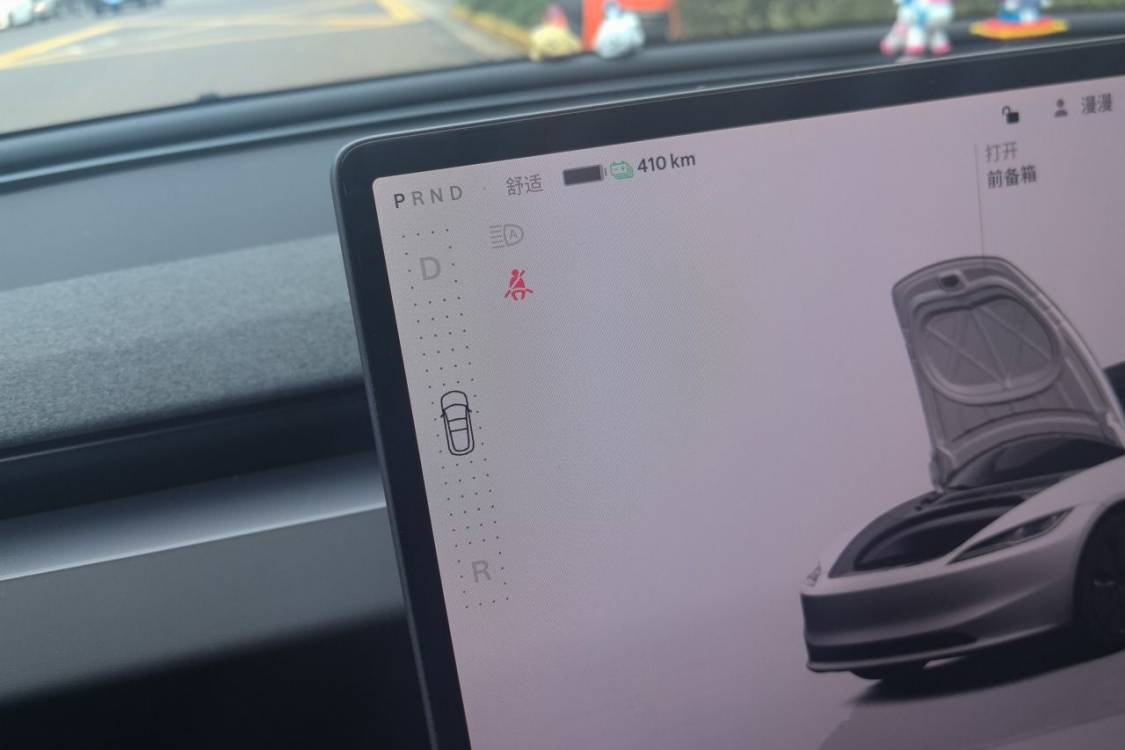



Basic Information

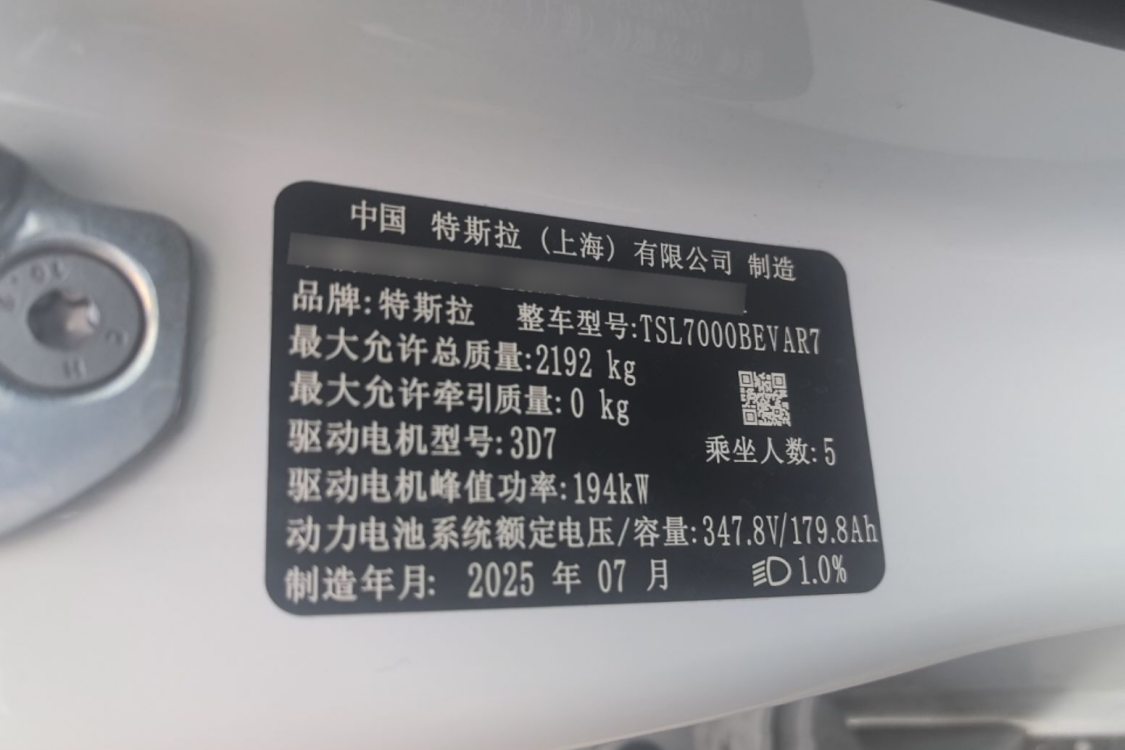
BrandTesla
SeriesModel 3
Year2025
First Registration2025/07
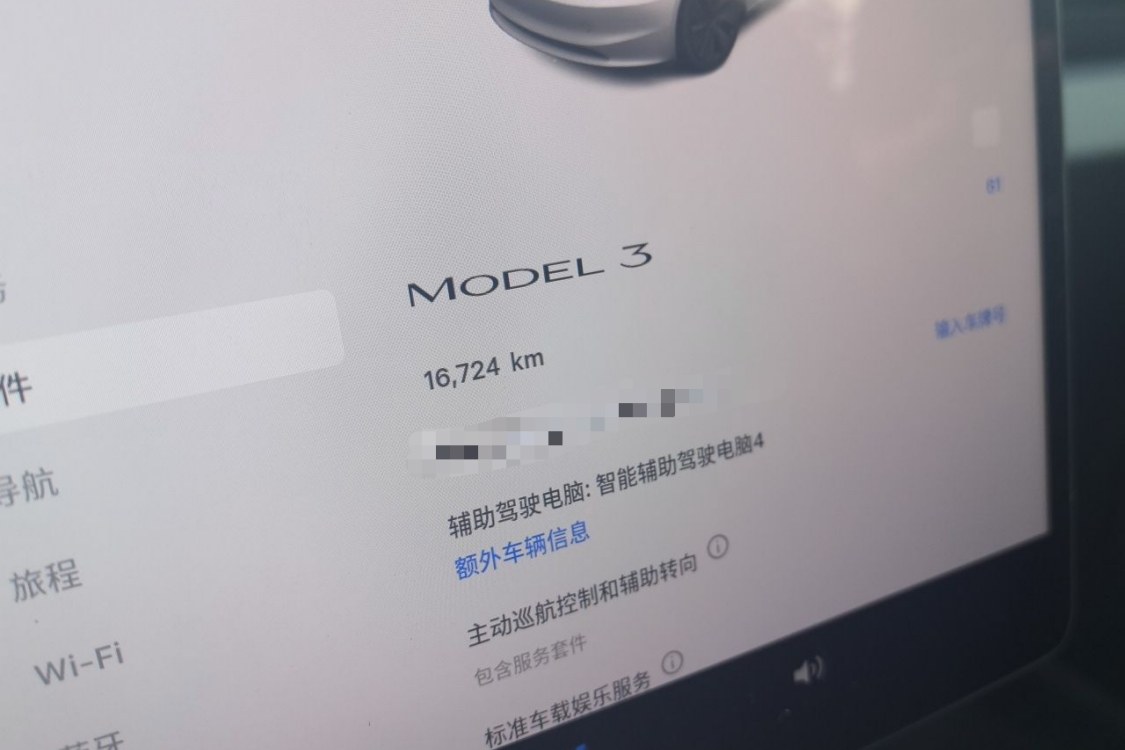
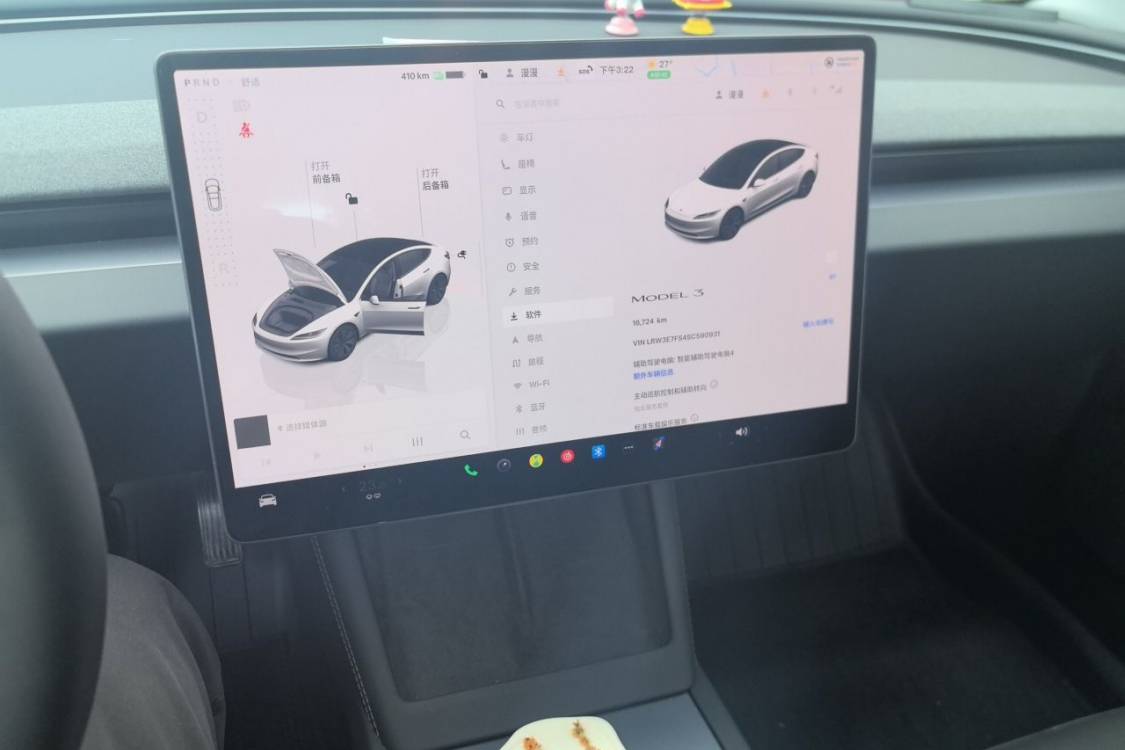
Mileage16,700km
Transfer Count-
FuelOther
TransmissionOther
Engine-
ColorWhite
Seats-

Condition Description

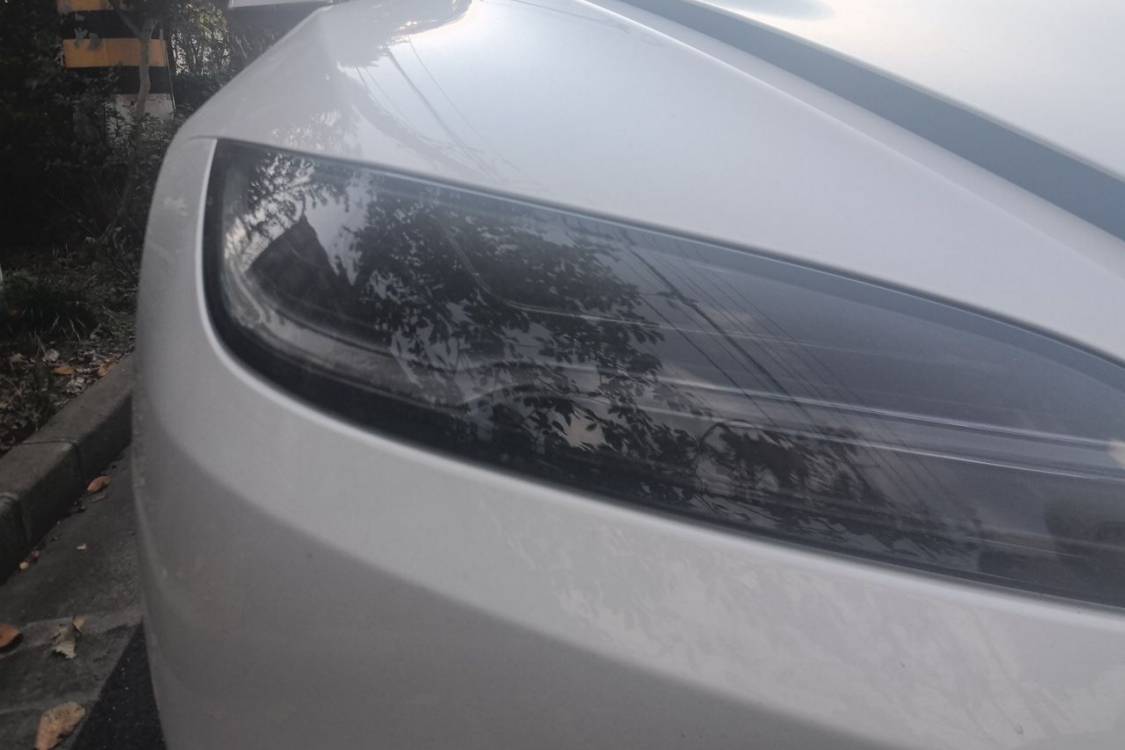
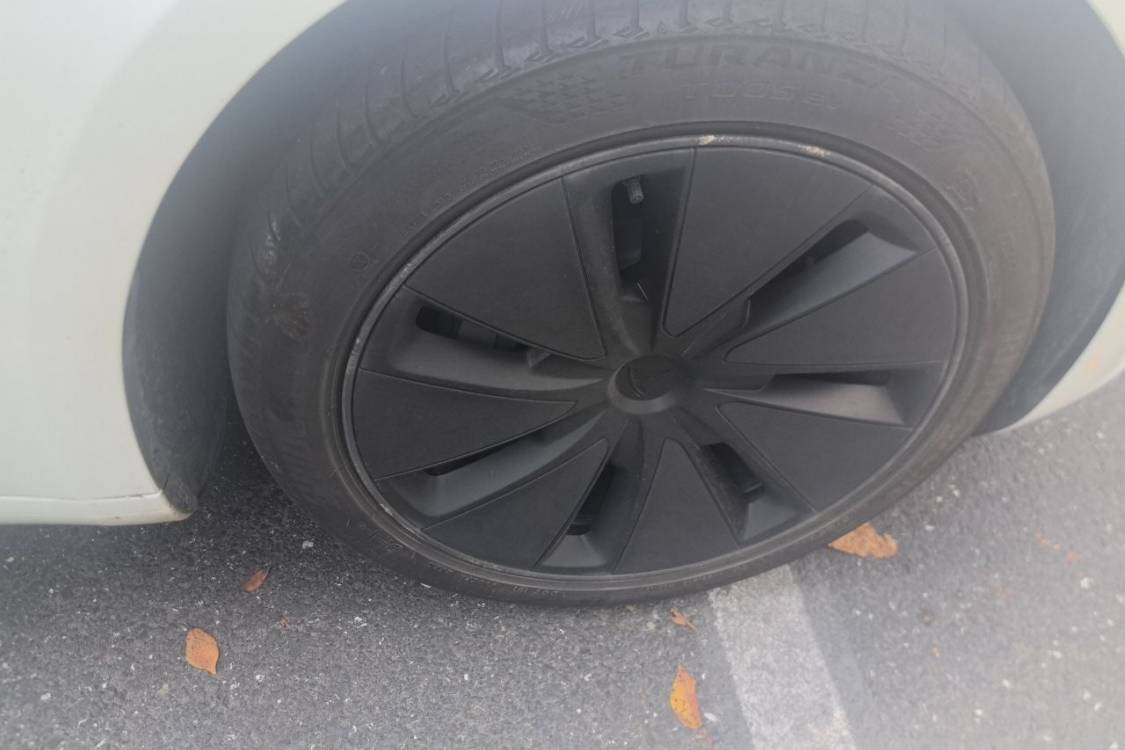
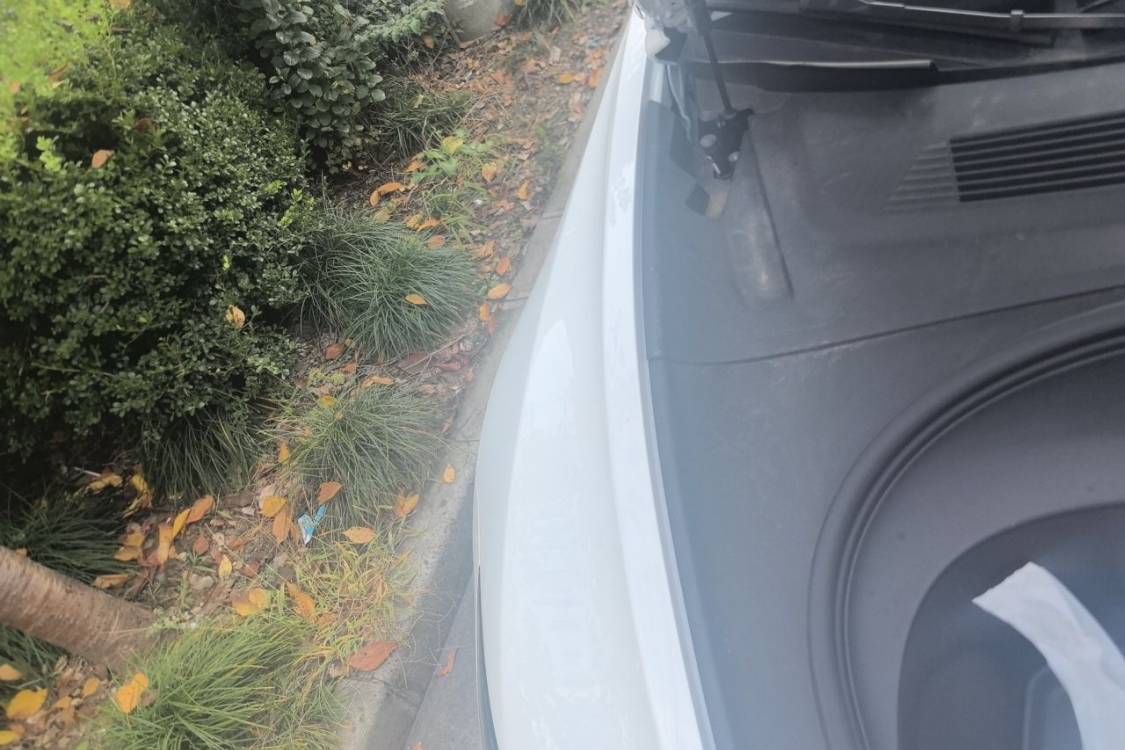
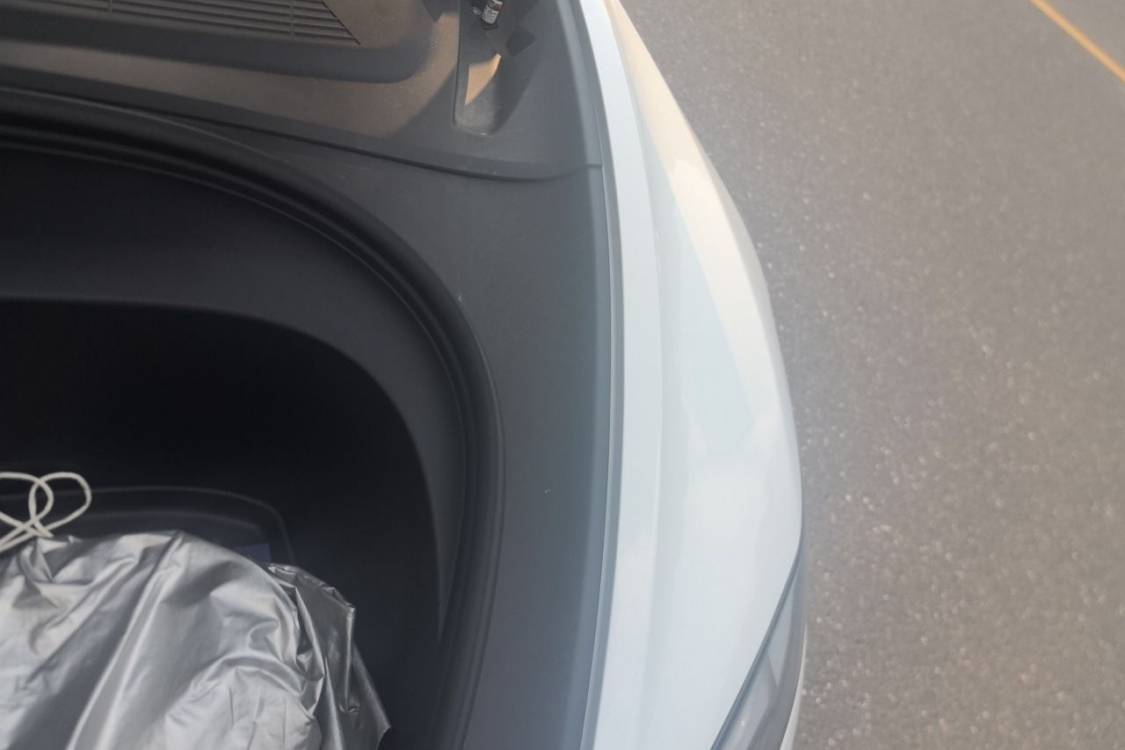
Localized body damage or repair marks present; no accident-related damage or repairs to structural or reinforcement components. Vehicle performance (including battery, motor, and electronic control systems) has degraded or is limited.

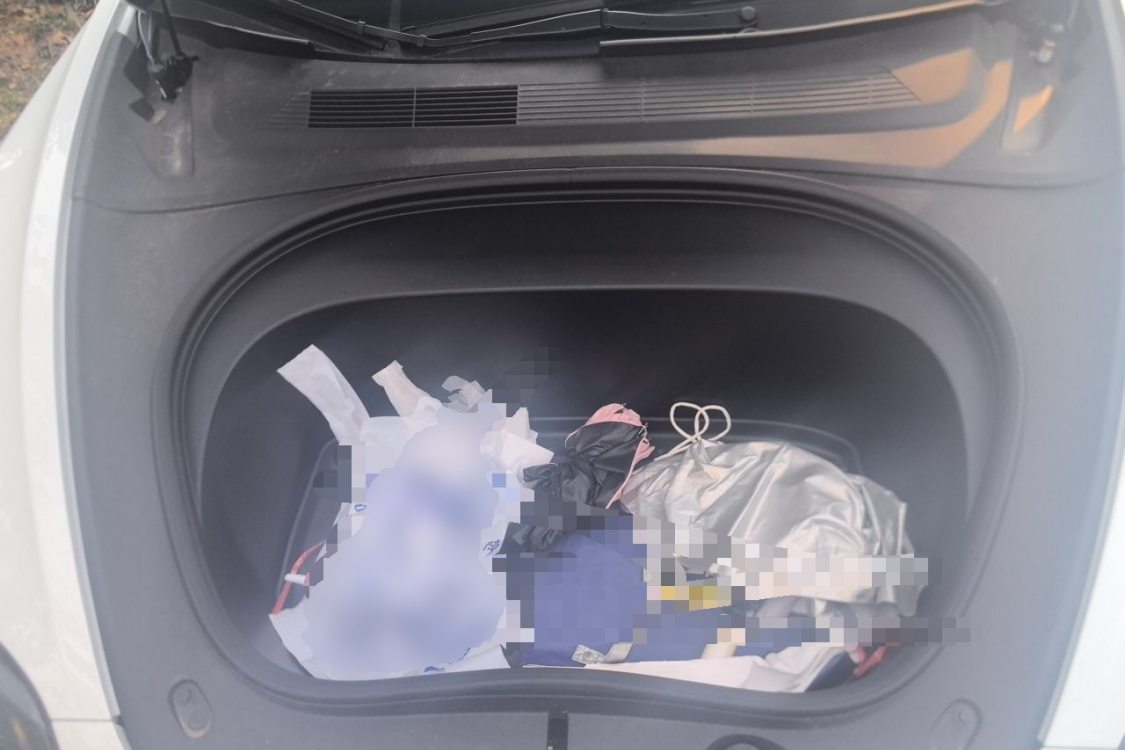
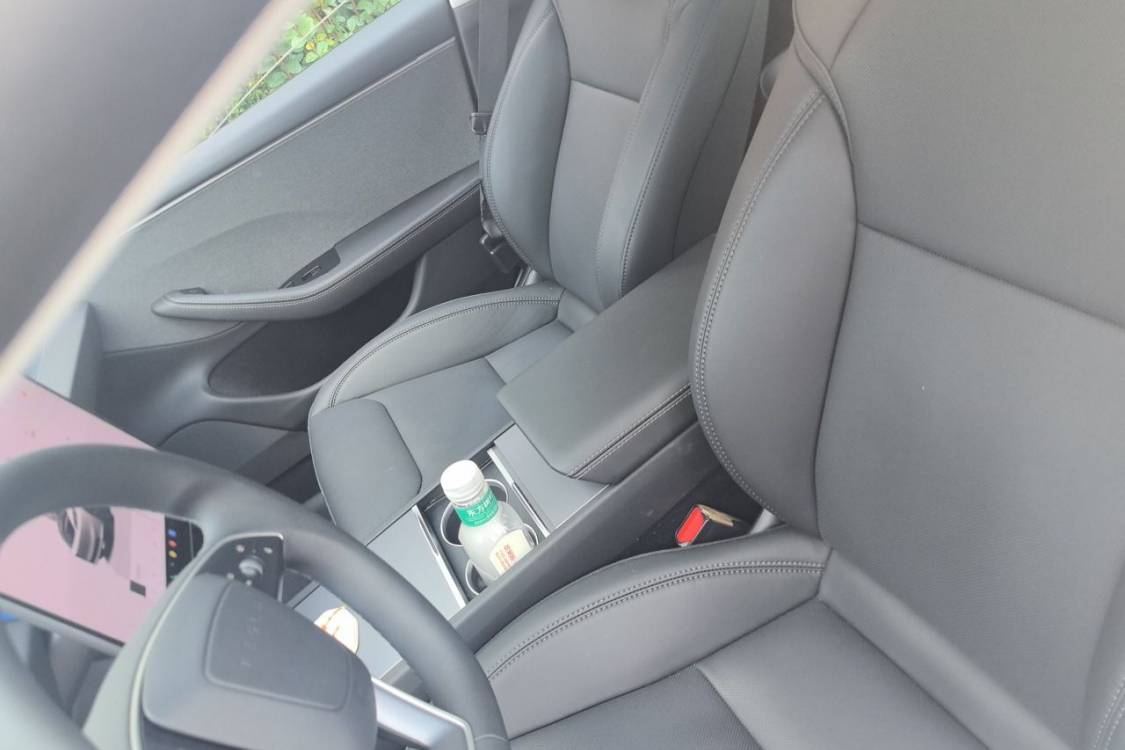
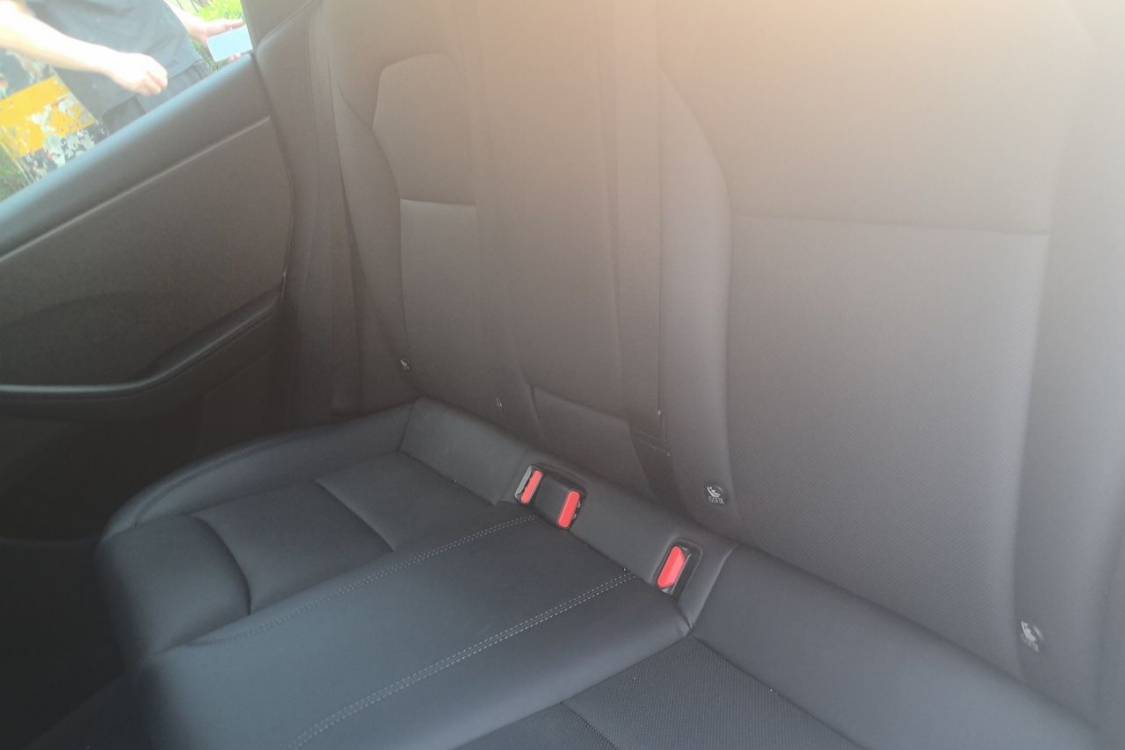
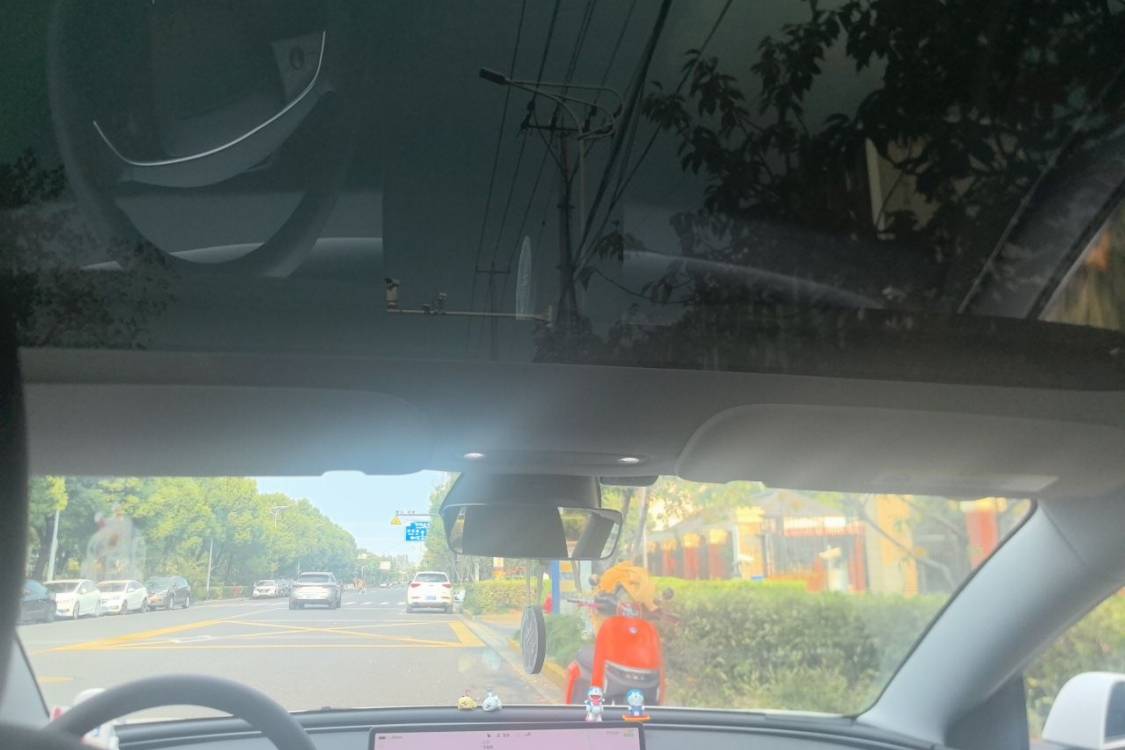
Accident inspection: no damage to main structure, reinforcement parts, or cover panels; hinges normal. Battery, motor, and electronic control systems: normal. Engine bay: key mechanical components normal. Exterior: none. Interior: most functions normal; airbags, seatbelts, dashboard, and instrument readings normal; lighting system normal. Startup inspection: major components normal. Onboard tools: none.

电话直连
可讲价
平台物流
可转售
车主降价
新能源
零过户
新检测标准升级>
非泡水

Document Information

Inspection Expiry Date2026/11
Warranty Expiry Date-
Insurance Expiry Date2026/12

Q&A

More

How is the degree of wear on the interior defined? (e.g., steering wheel, seat patina or cracking)

Interior assessment is divided into three core areas: the driver's high-frequency contact area (steering wheel, gear shift, edge of the driver's seat), central control button area, and rear seats and ceiling. The natural sheen of leather surfaces (patina) is normal; however, any physical damage (such as leather tearing, fabric burn holes, or plastic breakage) will be classified as "structural interior damage" and clearly marked.


What should I check about the 12V auxiliary battery in a used Chinese EV before shipping?

The 12V battery is small but critical: when it dies, the car cannot start, unlock, or charge. Used EVs often have weak 12V batteries because they sit on lots for months. Before shipping, ask the exporter to: 1. Measure the battery voltage after the car has rested overnight. It should read around 12.4-12.8V; anything under 12.2V means the battery is degraded. 2. Start the car and check that the charging system holds 13.8-14.4V, confirming the DC-DC converter works. 3. Scan for stored fault codes related to low voltage, which indicate the battery has been deeply discharged repeatedly. During ocean freight, the battery slowly self-discharges. Ask that it be disconnected or kept on a maintainer before loading, and budget for a replacement after arrival if the battery is over 3 years old. A new 12V battery costs little compared to being stranded at the port.

What if the used car I imported from China turns out to be a bad deal—can I return it or get a refund?

In practice, returning an imported car is extremely difficult, so your protection must be built in before payment, not after. Once a used car has been exported, reversing the transaction involves re-export paperwork, duties, and freight costs that typically exceed any refund you'd recover. Most exporters' contracts treat the sale as final once the bill of lading is issued. What you can realistically do: 1. If the car differs materially from the contract (wrong VIN, undisclosed accident, tampered odometer), you have grounds for a claim. Document everything and negotiate a partial refund or repair credit—full refunds are rare. 2. If the seller committed outright fraud, you can pursue legal action in China or report to the platform, but cross-border enforcement is slow and costly. 3. Some exporters offer a short arrival warranty (usually 30-90 days) covering major mechanical failures. Claims require immediate notification, third-party inspection reports, and proof the damage existed at shipment. The practical takeaway: never rely on the possibility of a return. Spend the money on a thorough pre-shipment inspection and clear contract terms instead—it's far cheaper than a dispute.

Tesla Model 3

[上海.沪B]特斯拉 Model 3 2025款 后轮驱动版

EXW: $29,545
Car CodeSWA1906152
Publish Date
