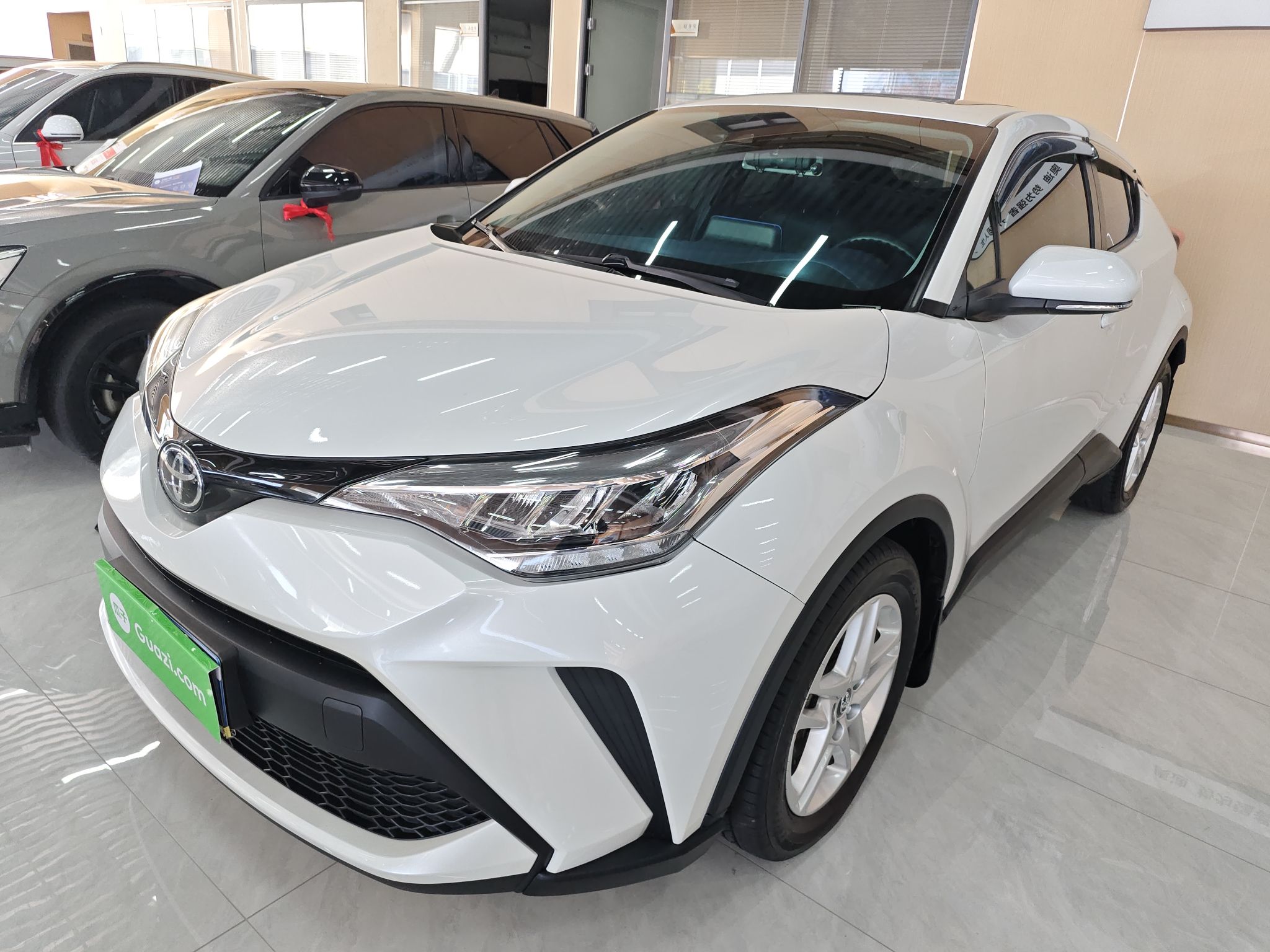
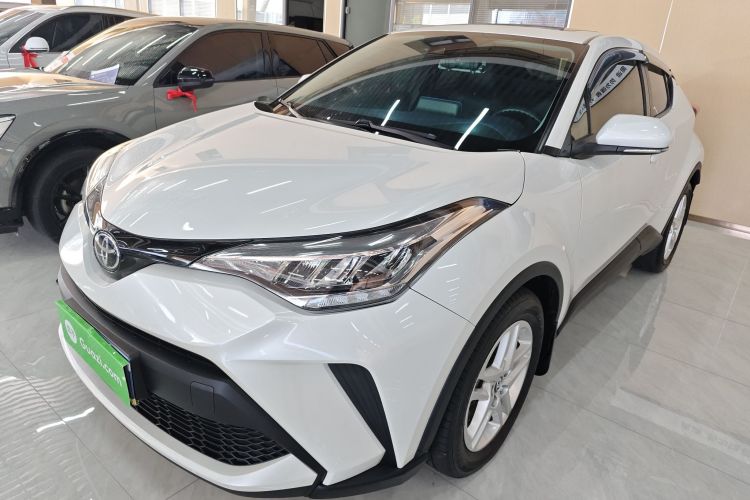
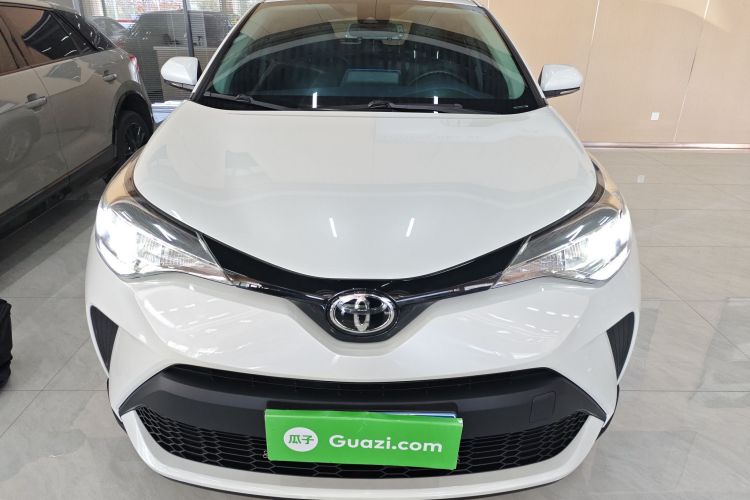
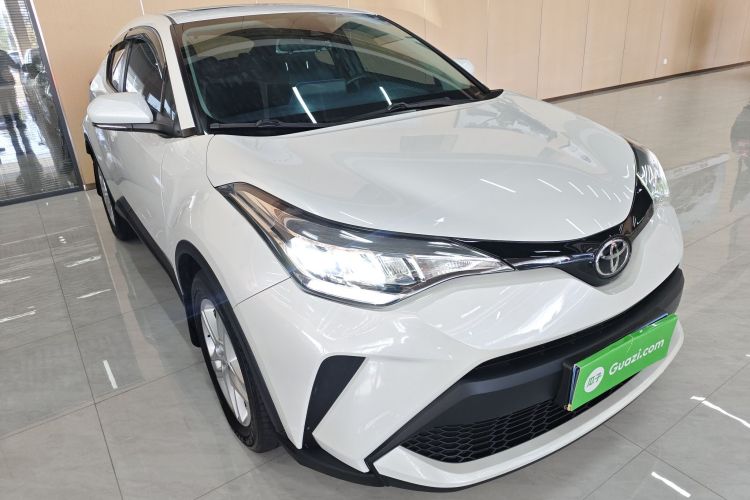
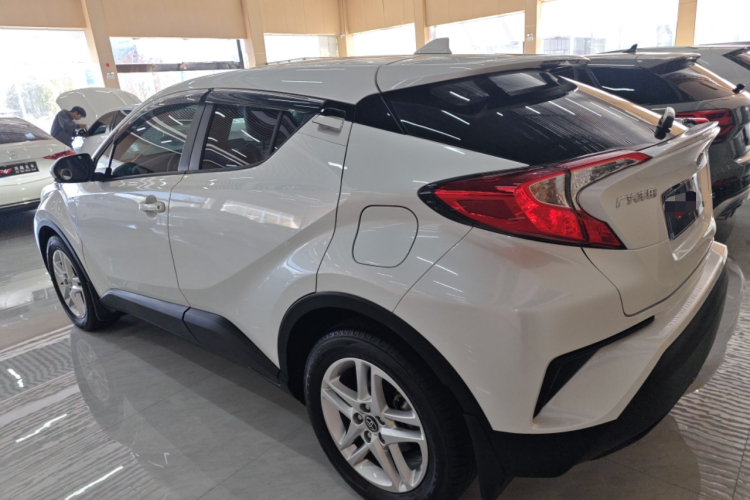
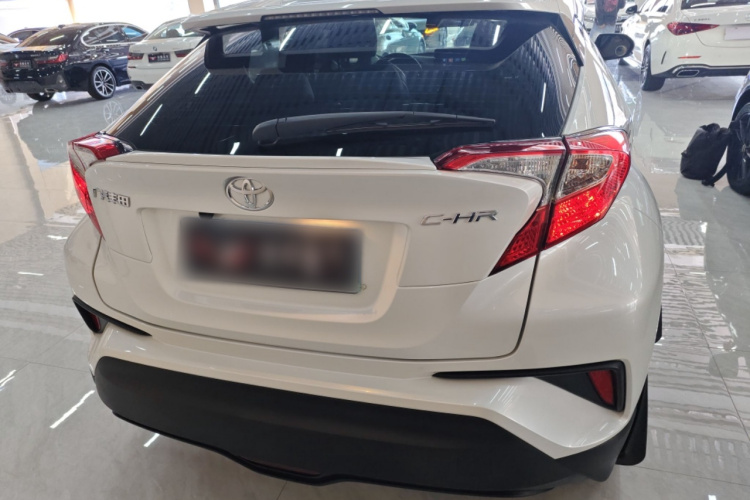
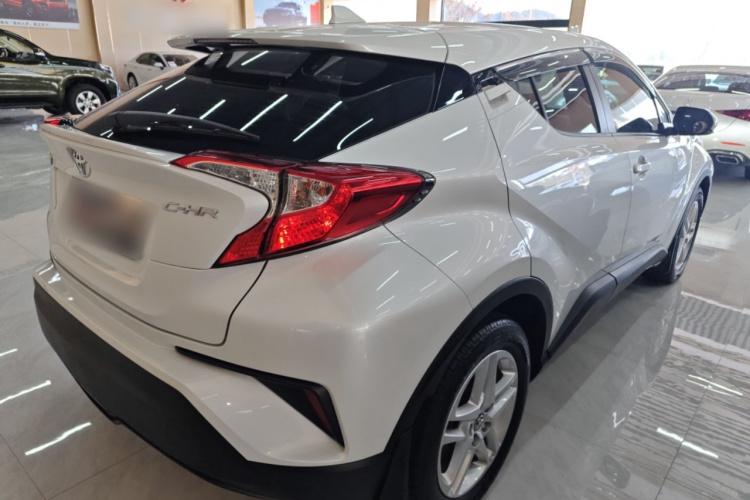
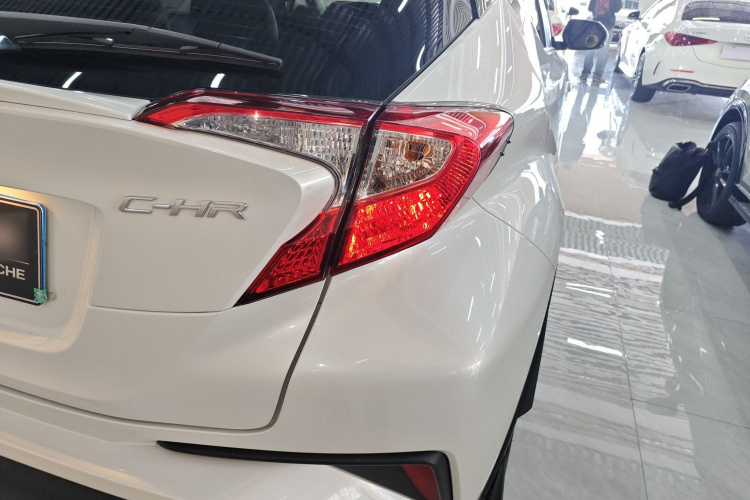



Basic Information

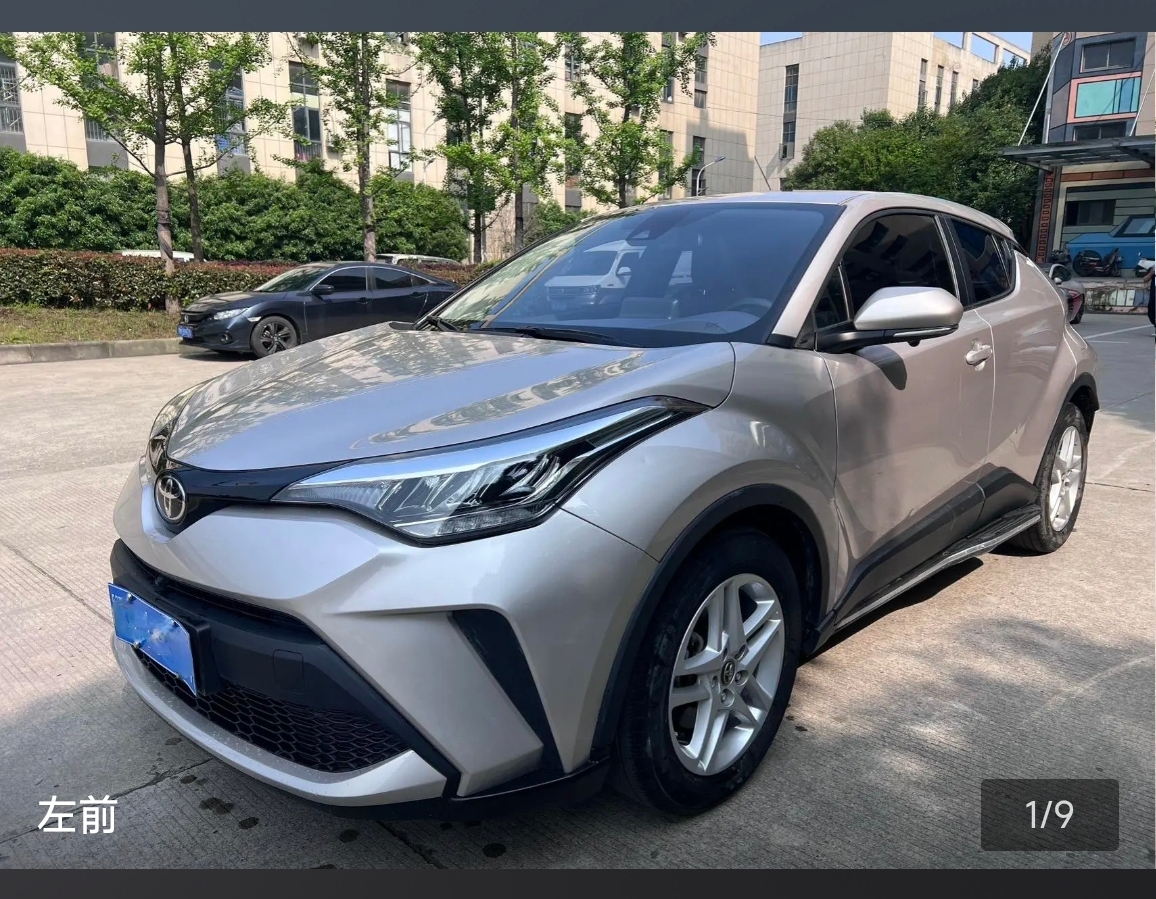
BrandToyota
SeriesC-HR
Year2023
First Registration2023/04
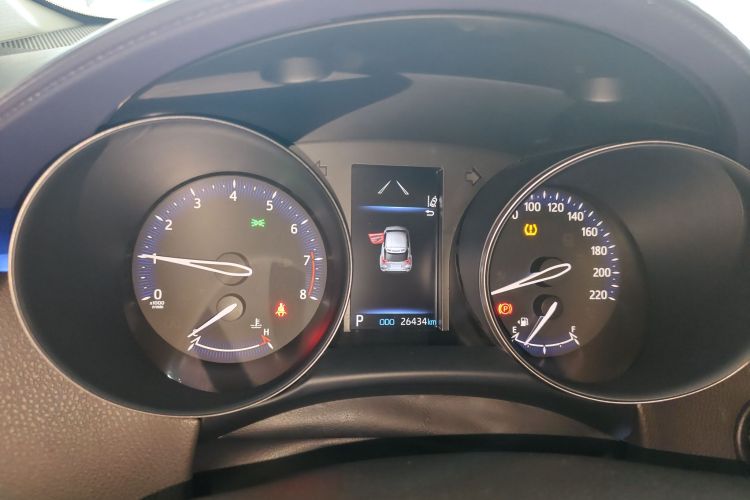
Mileage26,400km
Transfer Count1times
FuelGasoline
TransmissionCVT
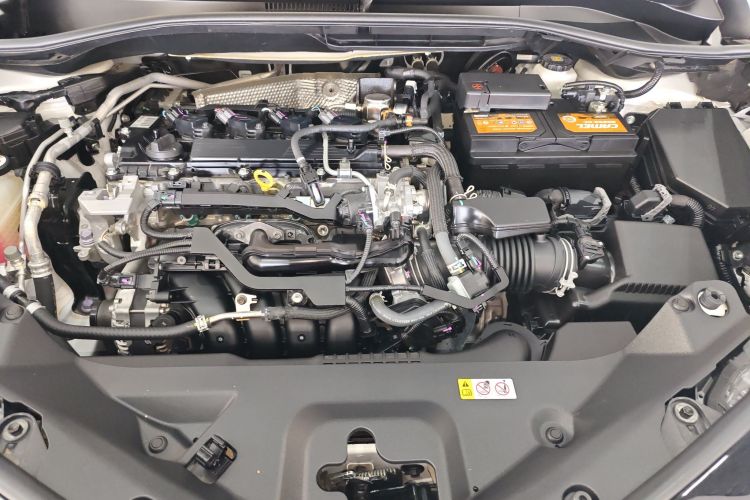
Engine2.0L 171 L4
ColorWhite
Seats-

Condition Description

Excellent vehicle condition, passed inspection, better than 80% of vehicles for sale, top-quality condition, 0 claims, 1 ownership transfer.

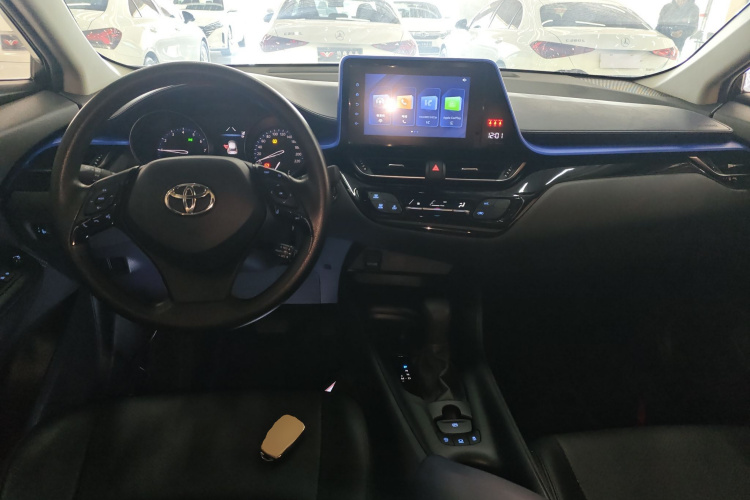
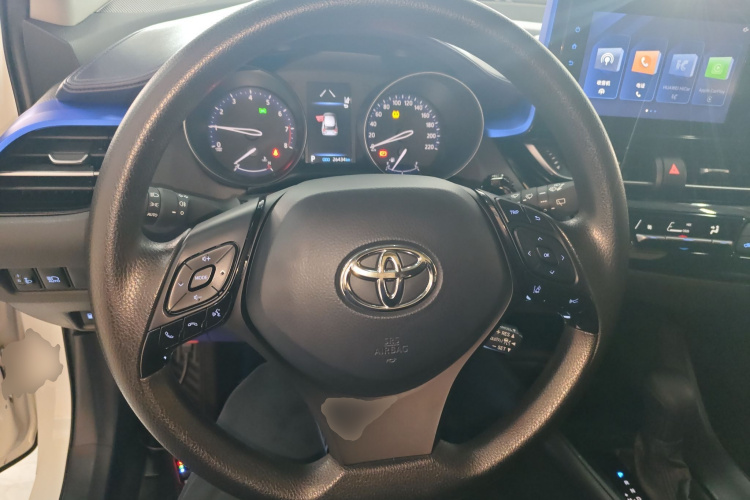
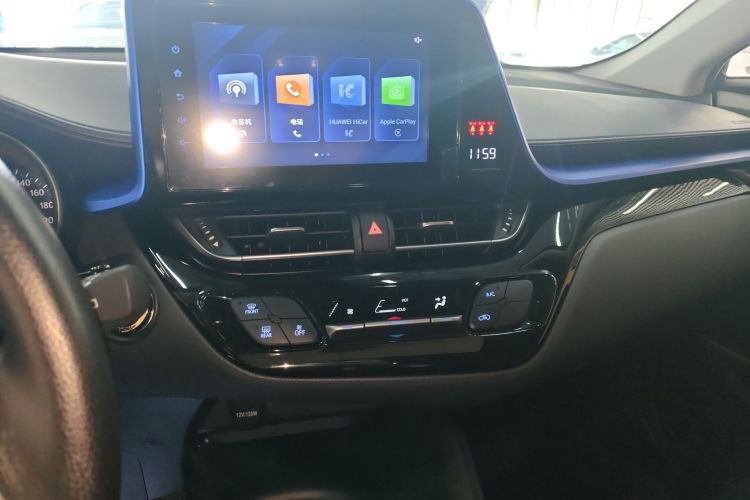
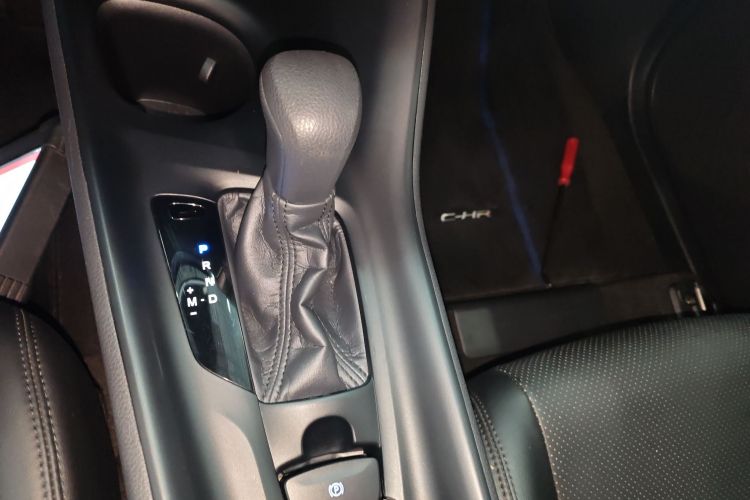
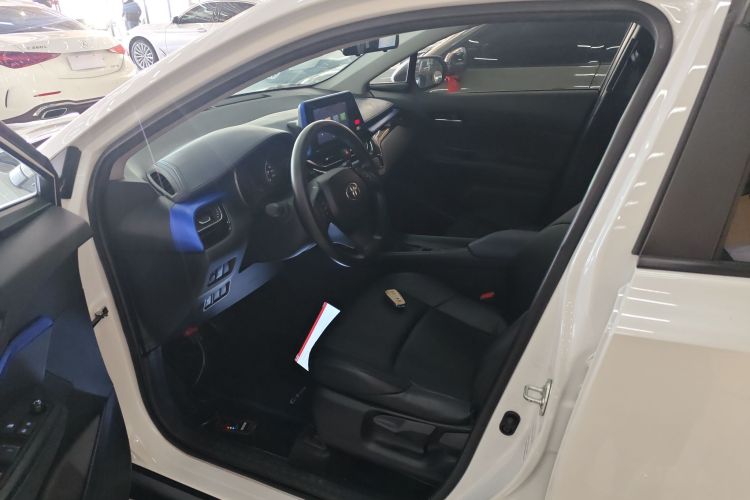
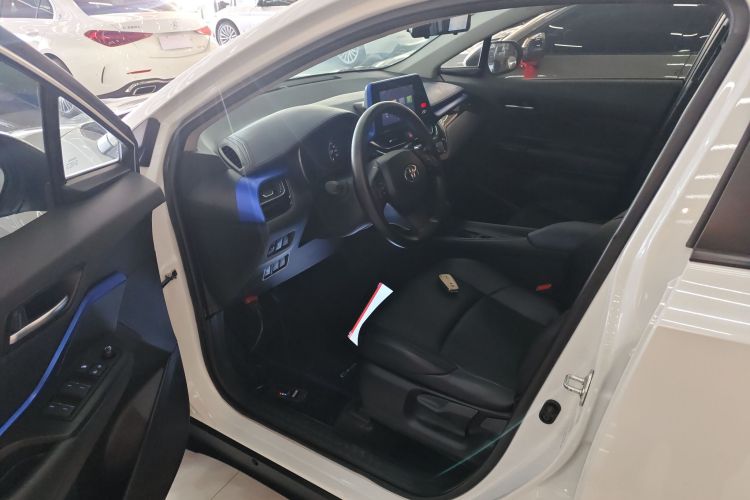
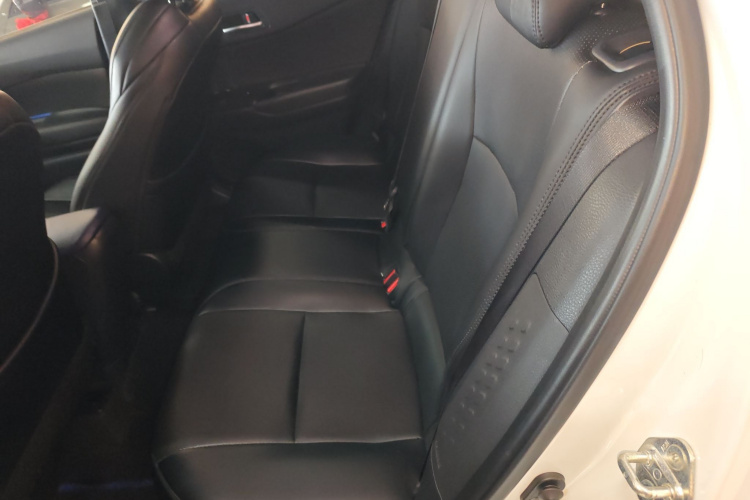
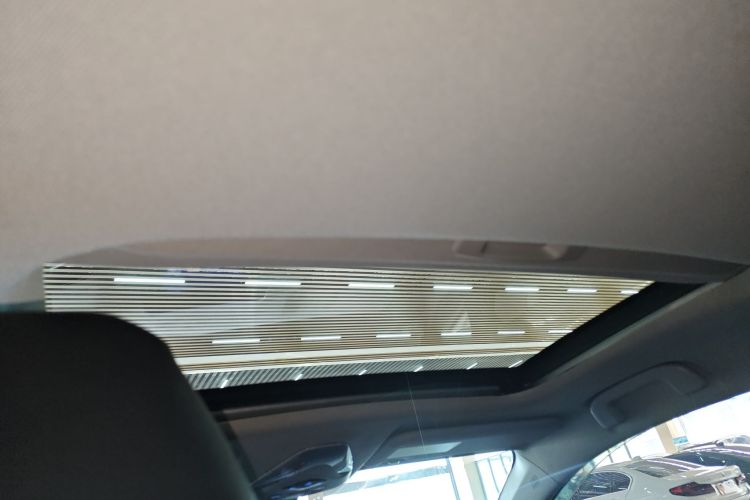
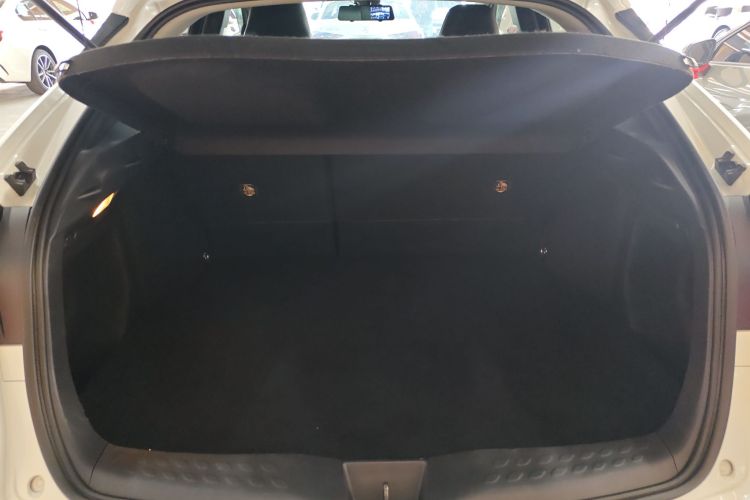
This vehicle is 3 years old, with an average annual mileage of 8,800 kilometers. It has been used infrequently and has been transferred once. The exterior is in excellent condition, with a glossy paint finish but minor scratches. The interior is clean and tidy, with minor signs of use. The overall body frame is intact and without any abnormalities. Fluids are normal, and the powertrain operates smoothly without any issues.

Configuration Highlights

✓Adaptive Cruise Control
✓Adaptive Headlights
✓Lane Departure Warning
✓Knee Airbags
✓Smartphone Connectivity
✓High Beam Assist
✓Auto Hold
✓Keyless Entry
✓High-definition Low Beam
✓Engine Start-Stop
✓Auto Headlights
✓Keyless Start
✓Tire Pressure Monitoring
✓Hill Start Assist
✓Anti-pinch Windows

Q&A

More

After long-distance sea transport, does the vehicle's air conditioning refrigerant (Freon) need to be vacuumed and recharged?

If there is a minor leak in the lines due to bumps, it is possible that the cooling may not work upon arrival. This is a normal physical loss. The cost of vacuuming, pressure testing, and recharging refrigerant at a local auto repair shop is low and is the buyer's responsibility.

When B2B buyers make bulk purchases, can they request to combine the accessory costs and vehicle price on the same commercial invoice to reduce overall tariffs?

No, this is a serious customs violation. Complete vehicles (HS Code 8703) and auto parts (HS Code 8708, etc.) are subject to completely different import tax rates. Combining them on one invoice could lead to the invoice being returned by customs and may expose you to tax fraud accusations at the destination port.

Why are the shipping costs for used electric vehicles (EVs) usually higher than for internal combustion engine vehicles (ICEs)?

Pure electric vehicles are classified as Class 9 Dangerous Goods due to their large lithium batteries, leading to strict shipping regulations. Shipping companies have high requirements for the loading position and fire isolation measures for dangerous goods, and some roll-on/roll-off ships refuse to accept used EVs. As a result, EVs often require more expensive special container shipping and incur additional handling fees for hazardous materials.

Toyota C-HR 2.0L 171 L4

丰田C-HR 2022款 2.0L 舒适版

EXW: $15,000
Car CodeSWA1616908
Publish Date