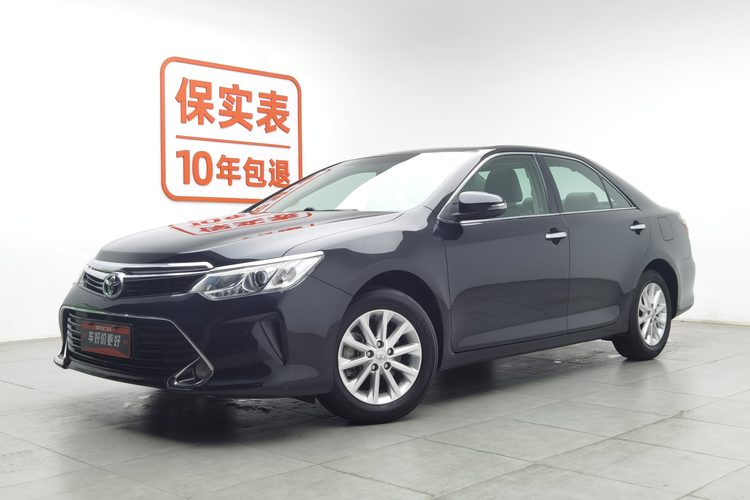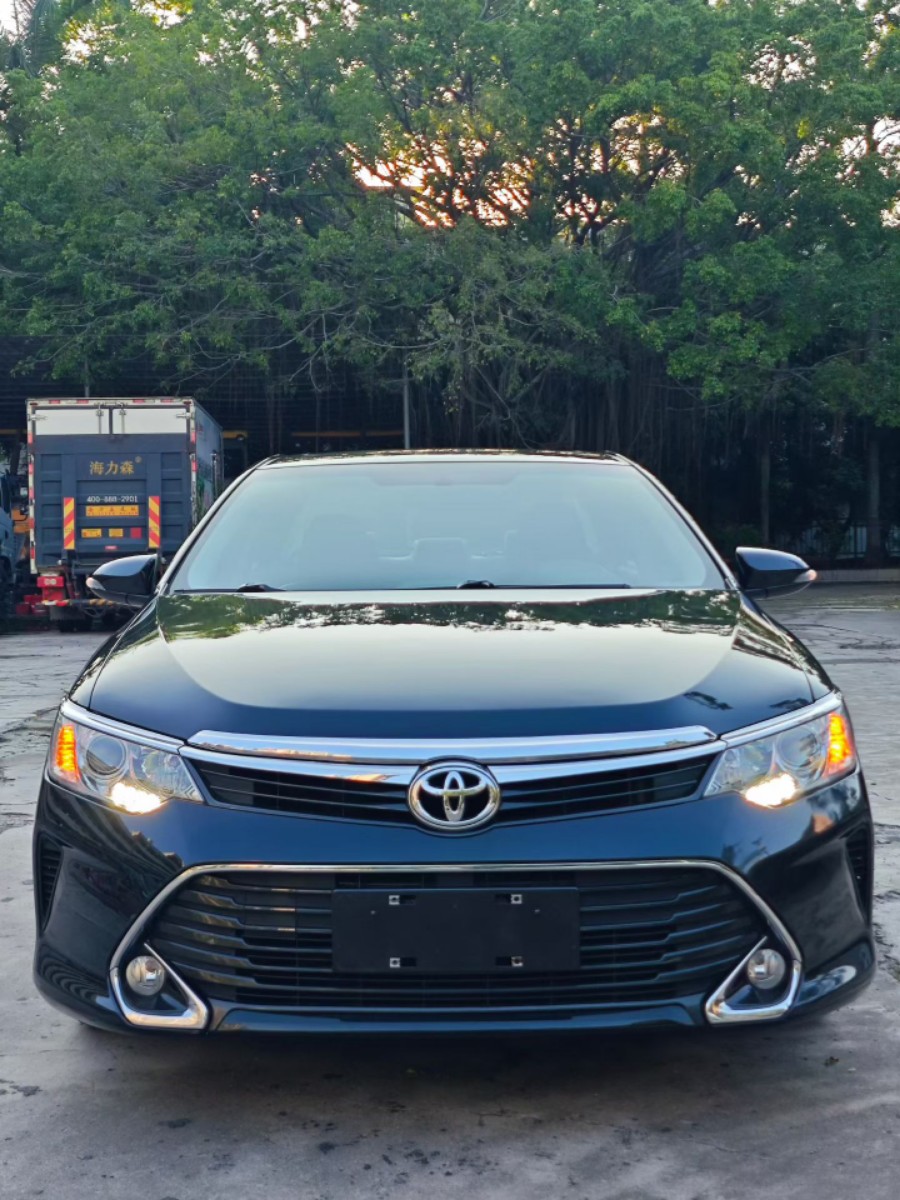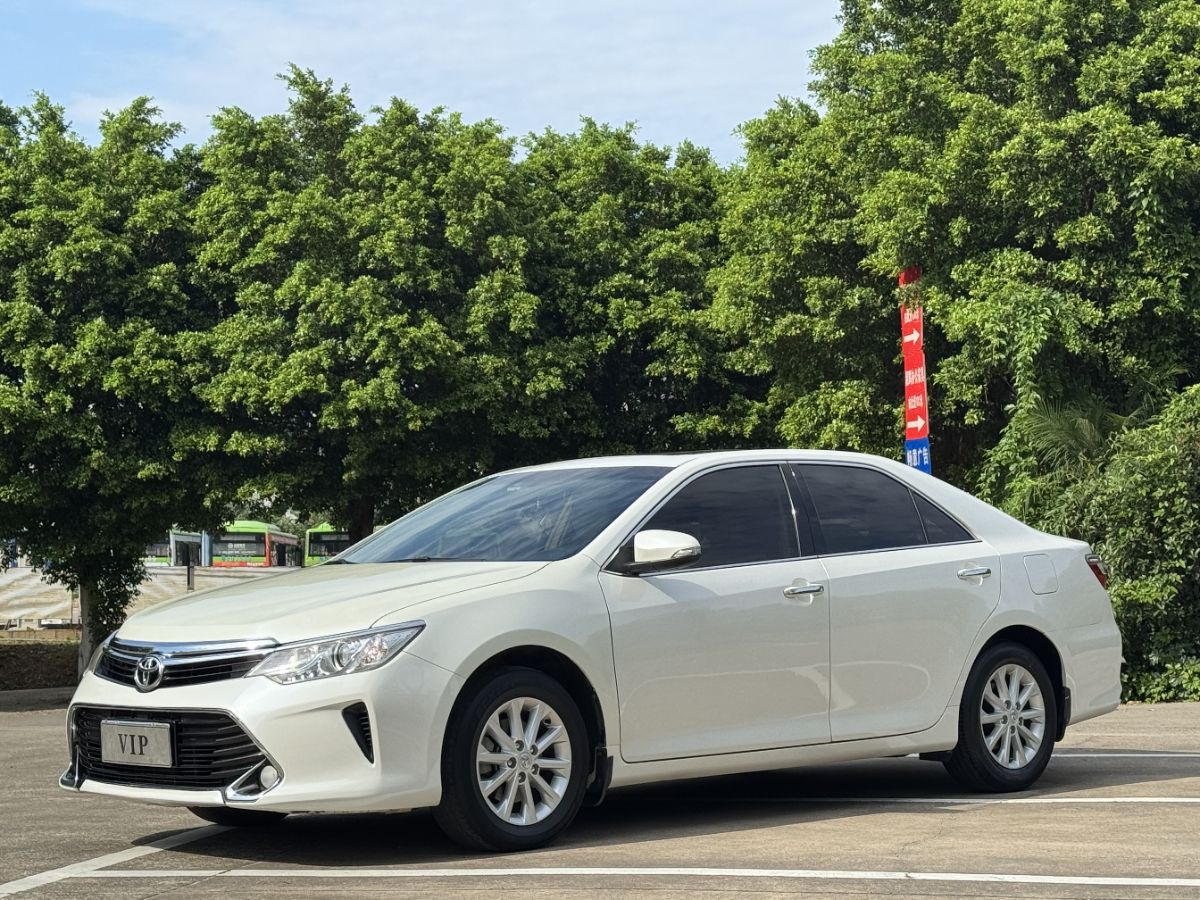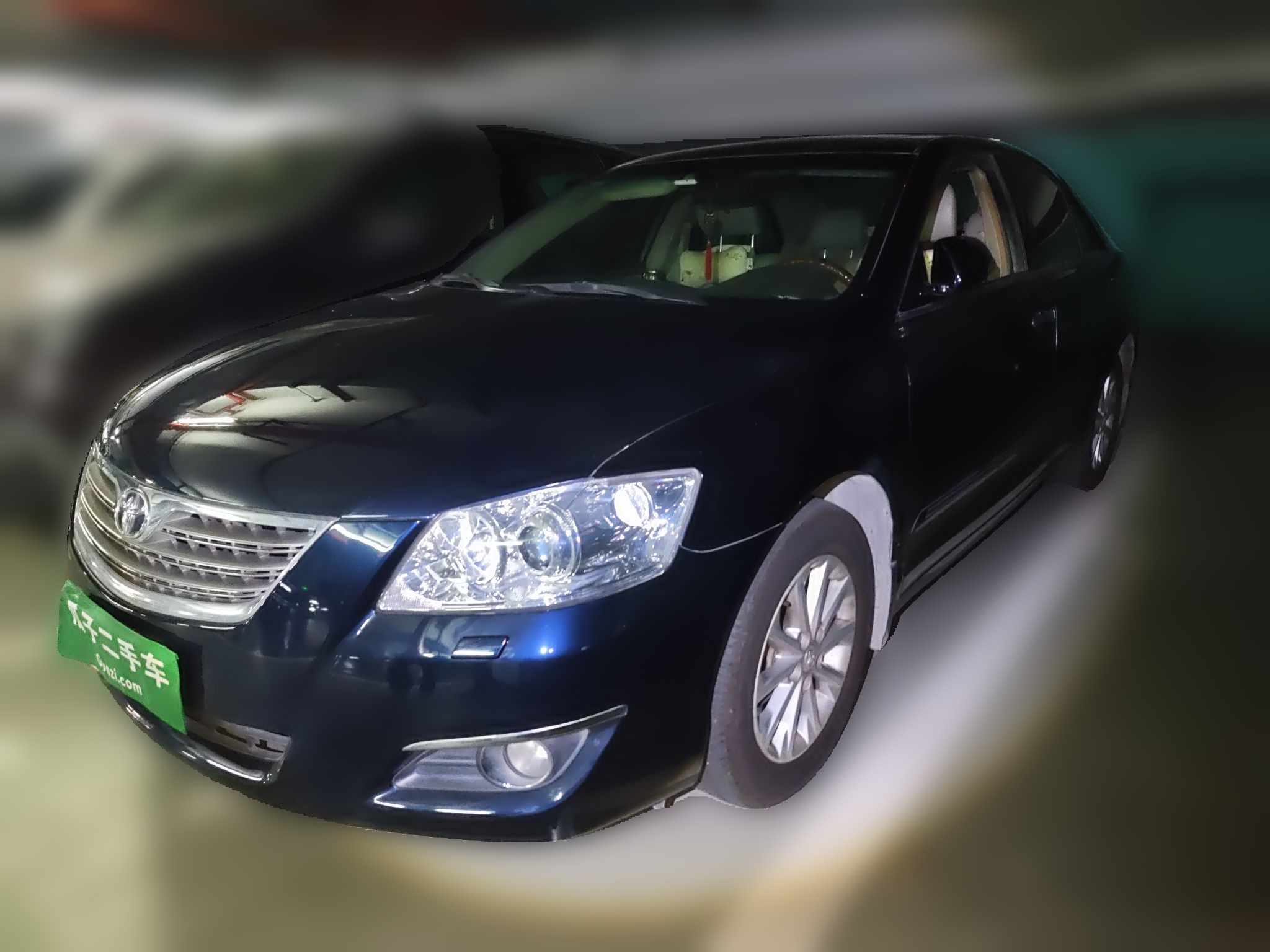
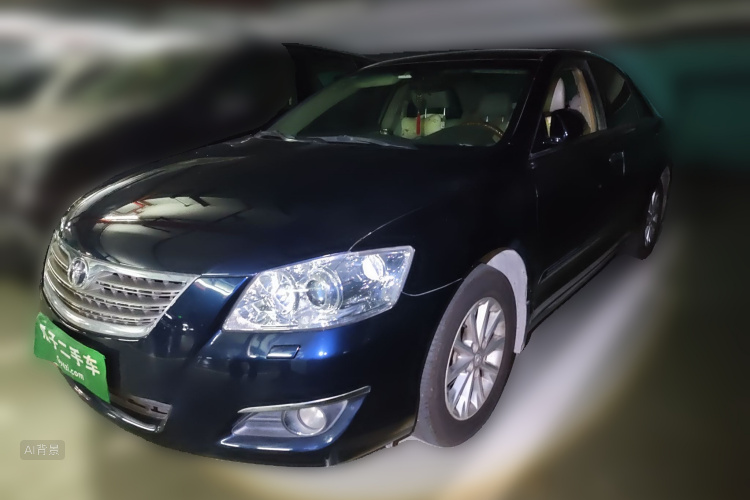
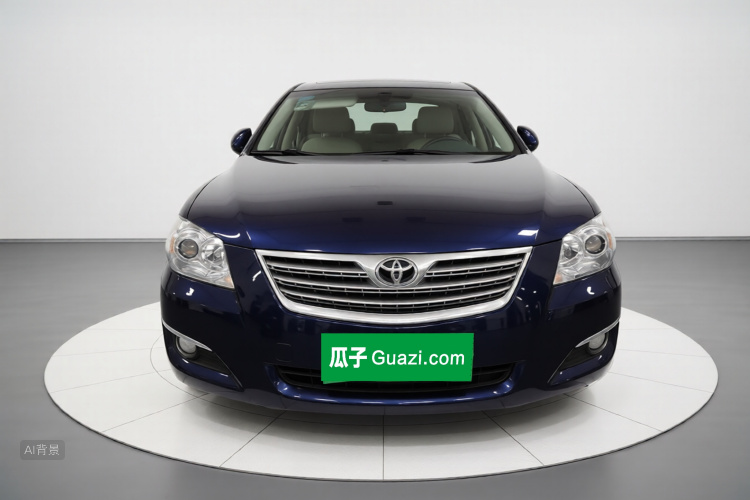
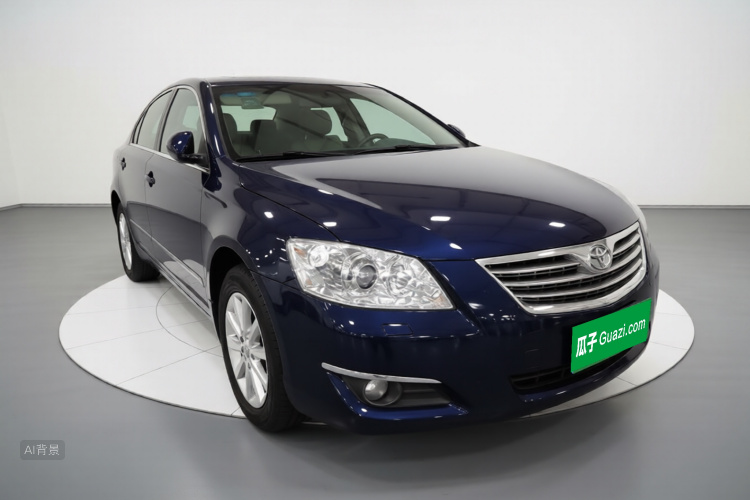
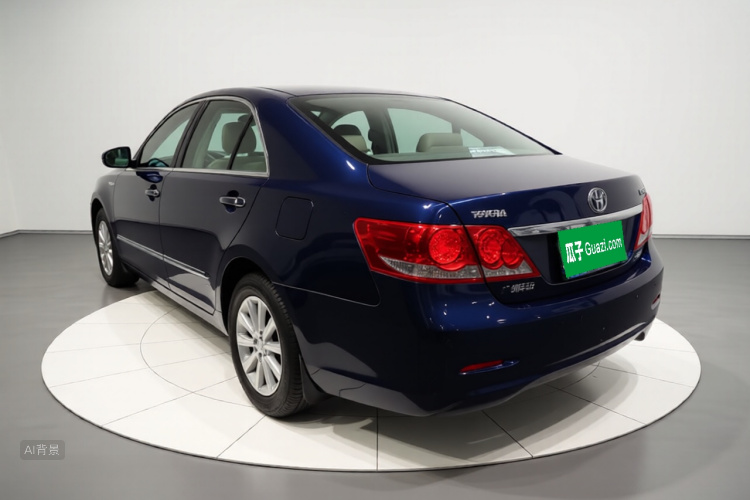
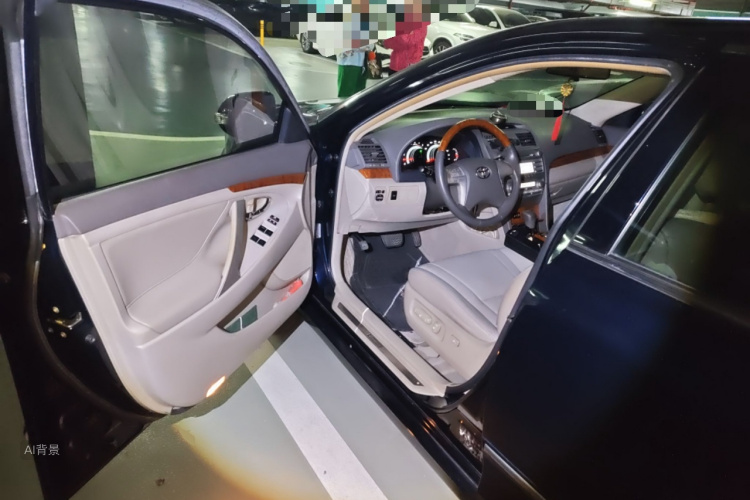
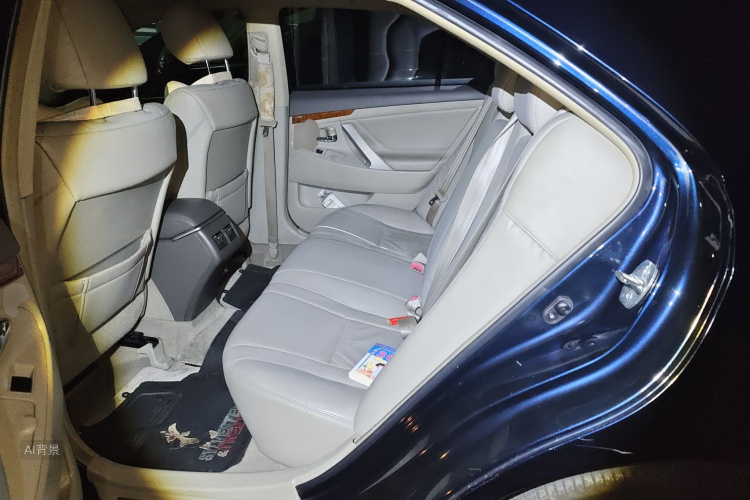

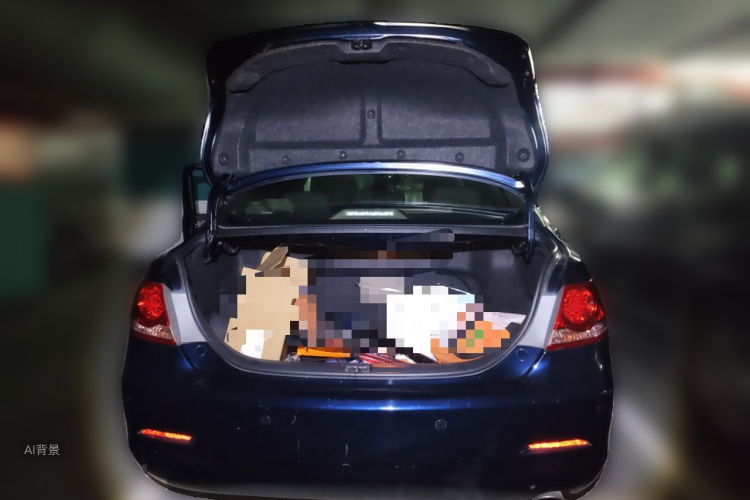
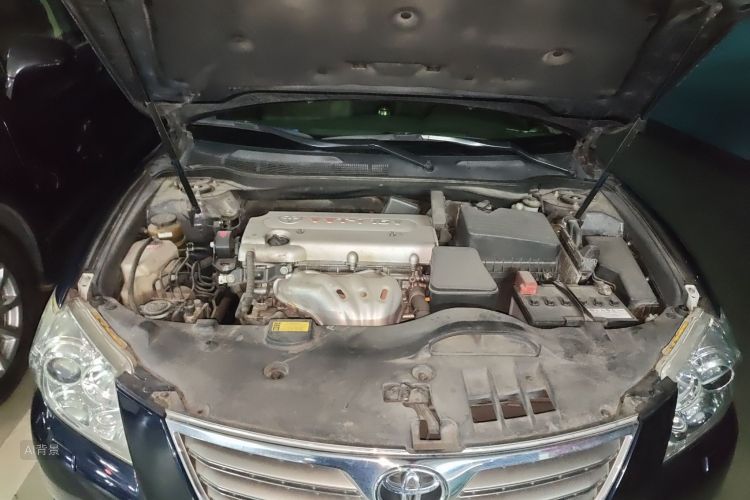



Basic Information

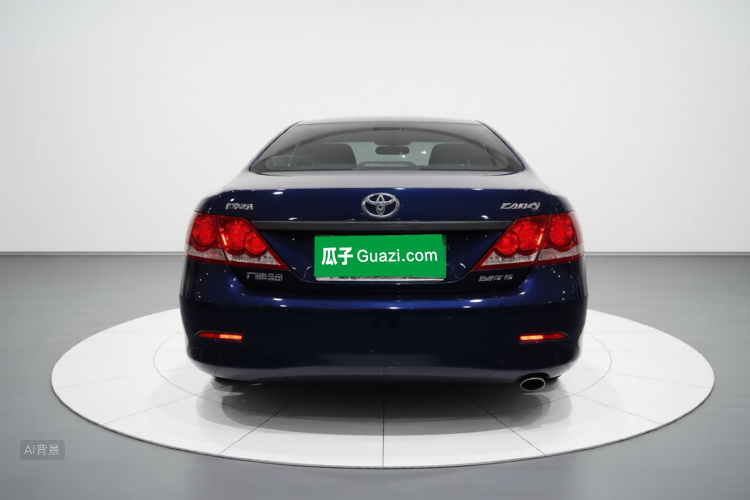
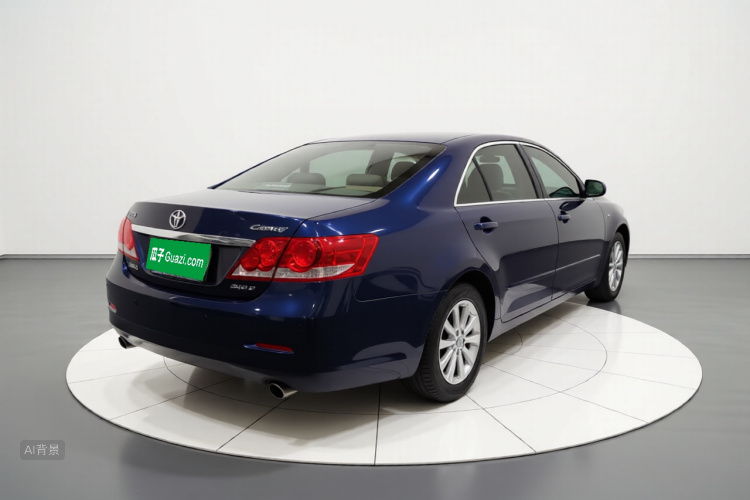
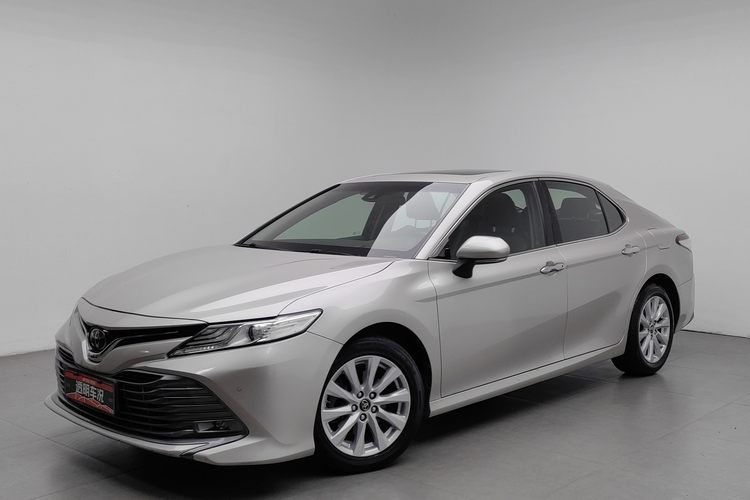
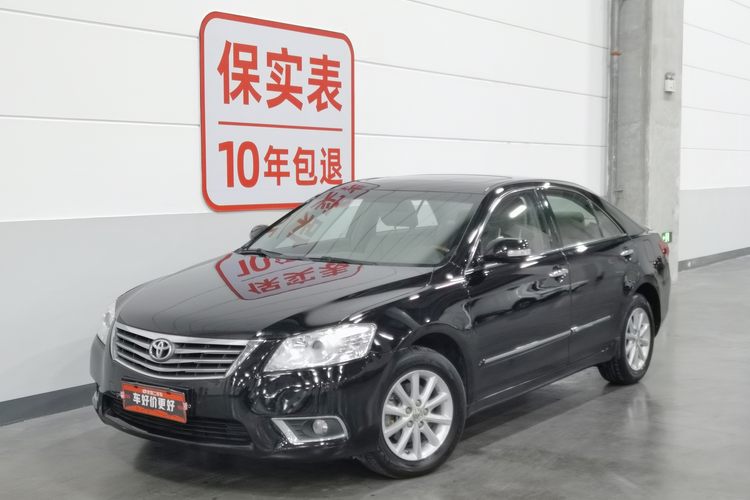
BrandToyota
SeriesCamry
Year2008
First Registration2008/04
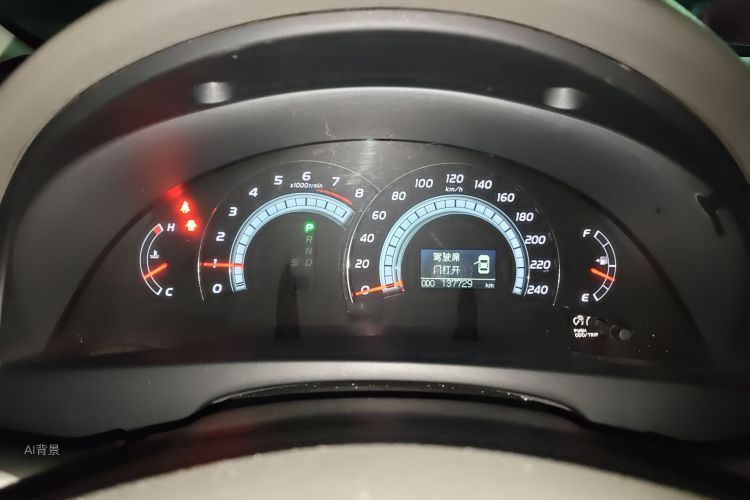
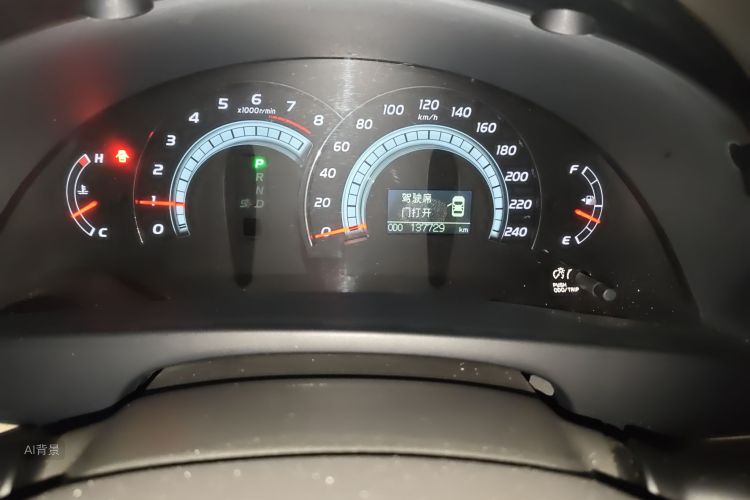
Mileage137,700km
Transfer Count-
FuelGasoline
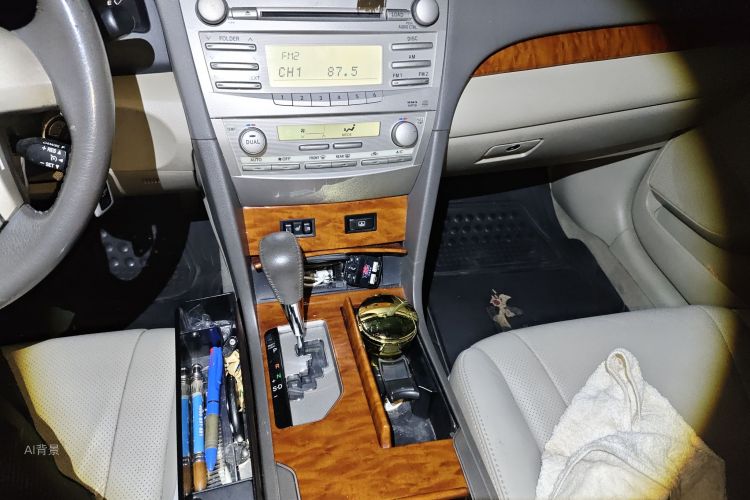
TransmissionManumatic
Engine2.4L 167 L4
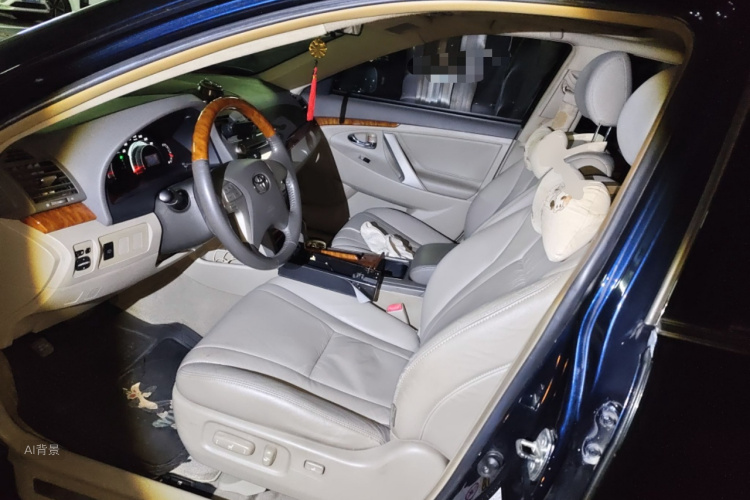
ColorBlue
Seats-

Condition Description

Vehicle condition meets standards; inspection passed; vehicle condition meets standards; 14 claims filed; 0 ownership transfers.

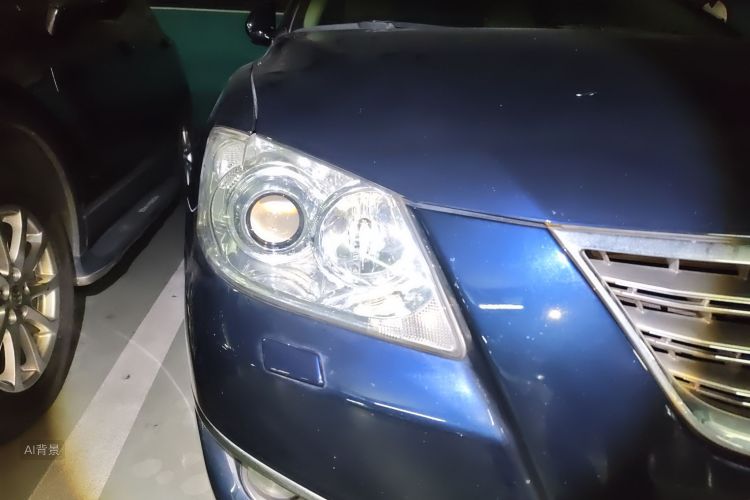
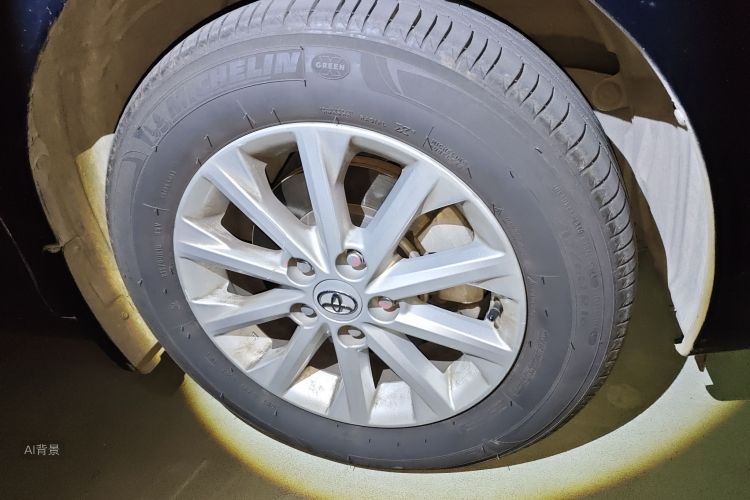
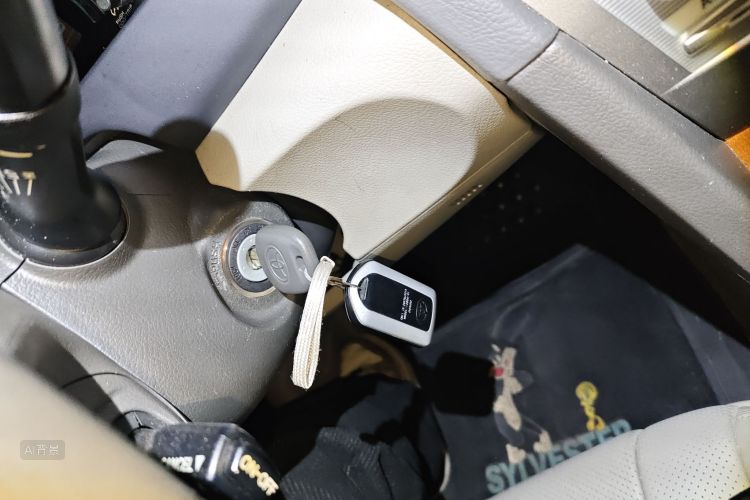
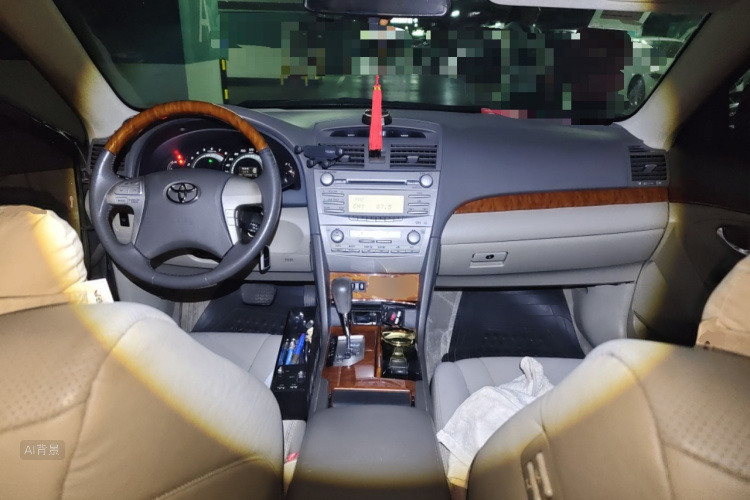
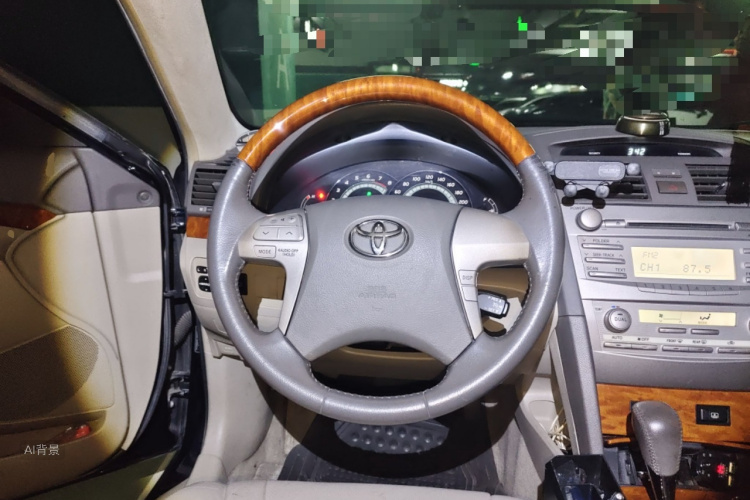
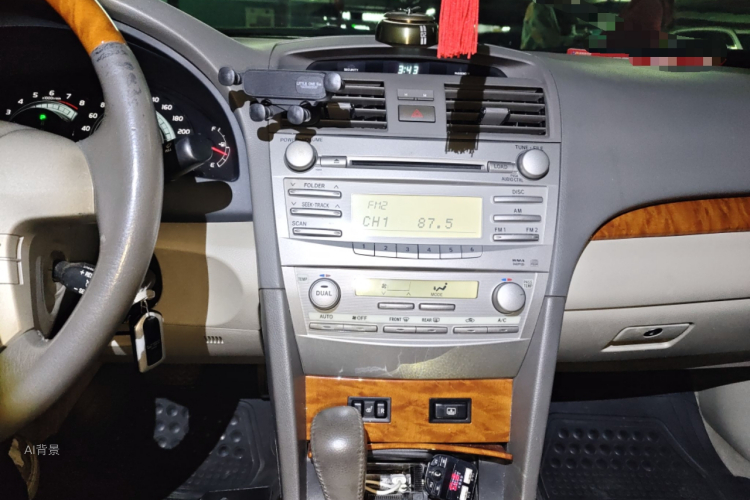
This vehicle is 18 years old, with an average annual mileage of 7,700 kilometers. It has a low frequency of daily use and has never been transferred to another owner, making it a good first-hand vehicle. There may be obvious signs of wear and tear on the exterior. The interior shows obvious signs of use or dirt. The overall body frame is intact, but there are a few abnormal issues. The powertrain is operating normally.

Configuration Highlights

✓High-definition Low Beam
✓Power Folding Mirrors
✓Power Seats
✓Auto Headlights
✓Cruise Control
✓Rear Air Vents
✓Heated Mirrors
✓Rear Parking Sensors
✓Anti-pinch Windows

Q&A

More

Can I request the original factory parameter sheet for the vehicle (such as the standard camber angles and toe values) from your after-sales service so I can do a four-wheel alignment locally?

This is after-sales support we are very happy to provide. Since overseas alignment machines often lack databases for Chinese brand vehicles, we will send you screenshots of the core chassis parameters from the service manual, making it easier for your technician to manually input the data for precise adjustments.
Why are the shipping costs for used electric vehicles (EVs) usually higher than for internal combustion engine vehicles (ICEs)?

Pure electric vehicles are classified as Class 9 Dangerous Goods due to their large lithium batteries, leading to strict shipping regulations. Shipping companies have high requirements for the loading position and fire isolation measures for dangerous goods, and some roll-on/roll-off ships refuse to accept used EVs. As a result, EVs often require more expensive special container shipping and incur additional handling fees for hazardous materials.

Why do used cars of the same brand, year, and configuration with complete 4S dealership records cost several hundred dollars more than those without records?

Complete records represent underlying trust and zero odometer adjustment risk. In the used car market, solid data history itself carries a high premium. The extra few hundred dollars buys you an impeccable endorsement when selling overseas.