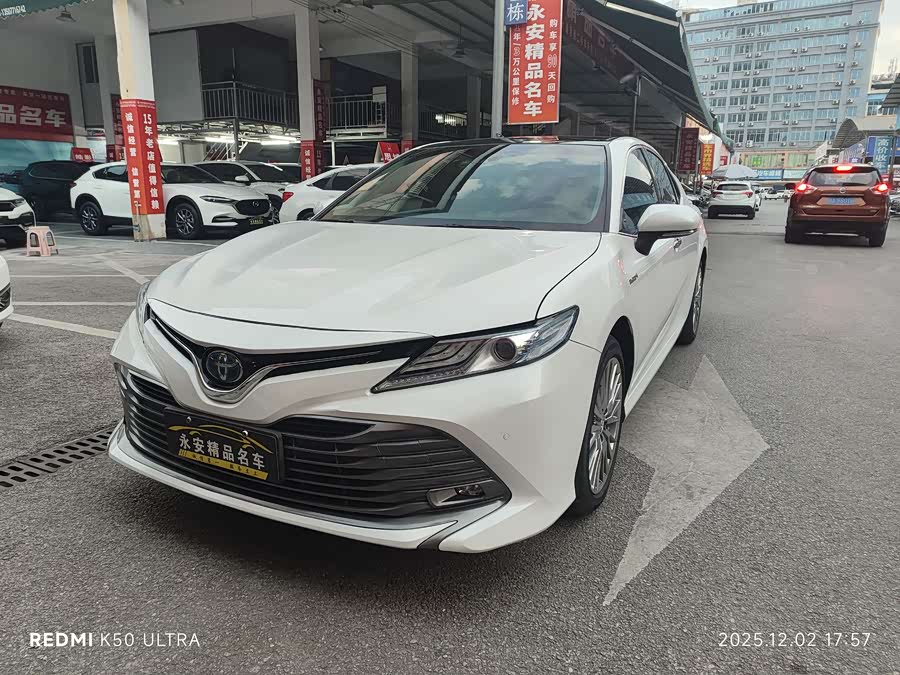
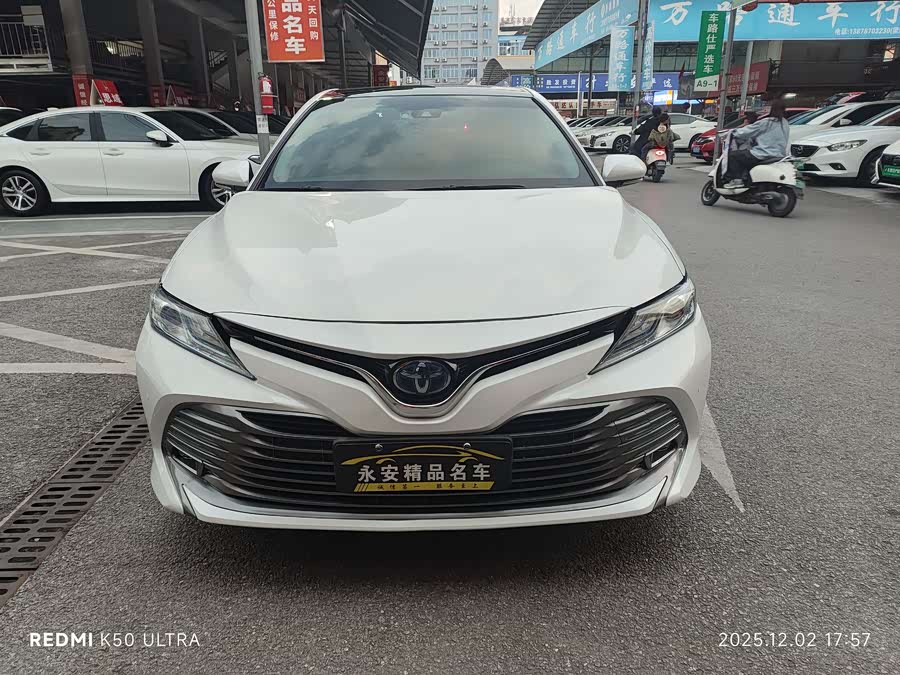
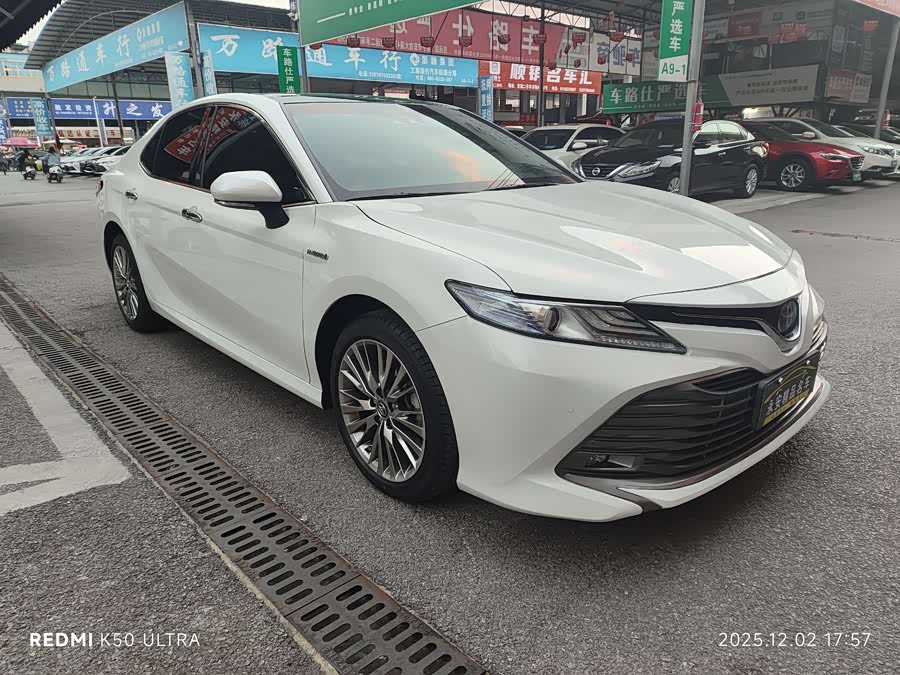
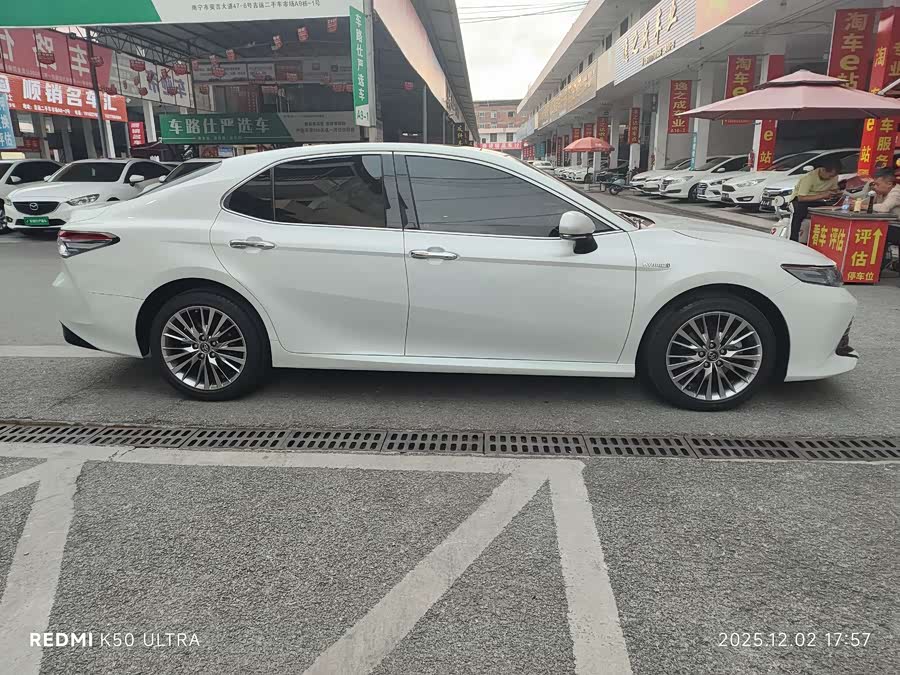
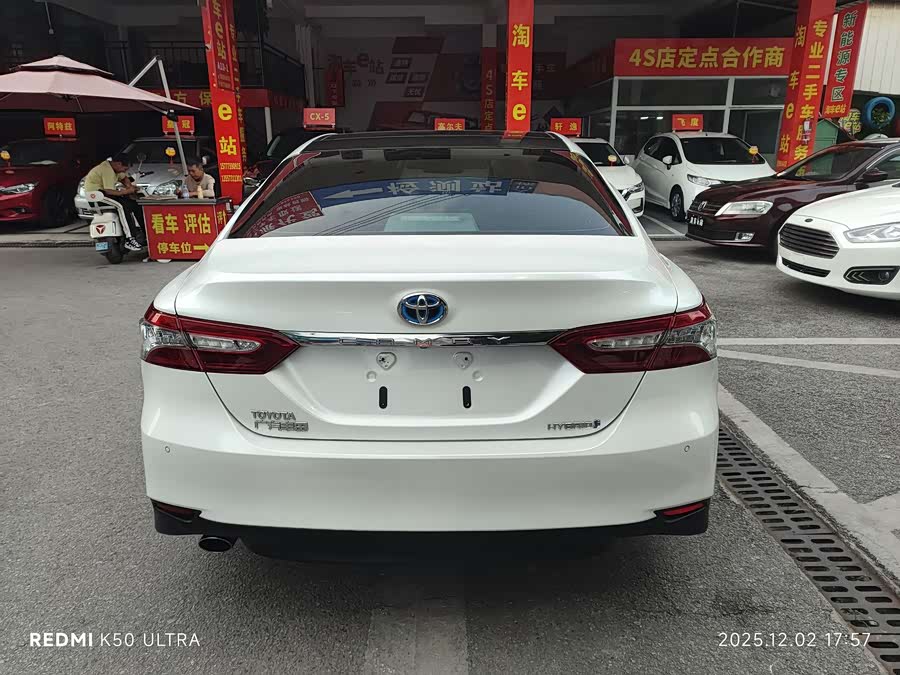
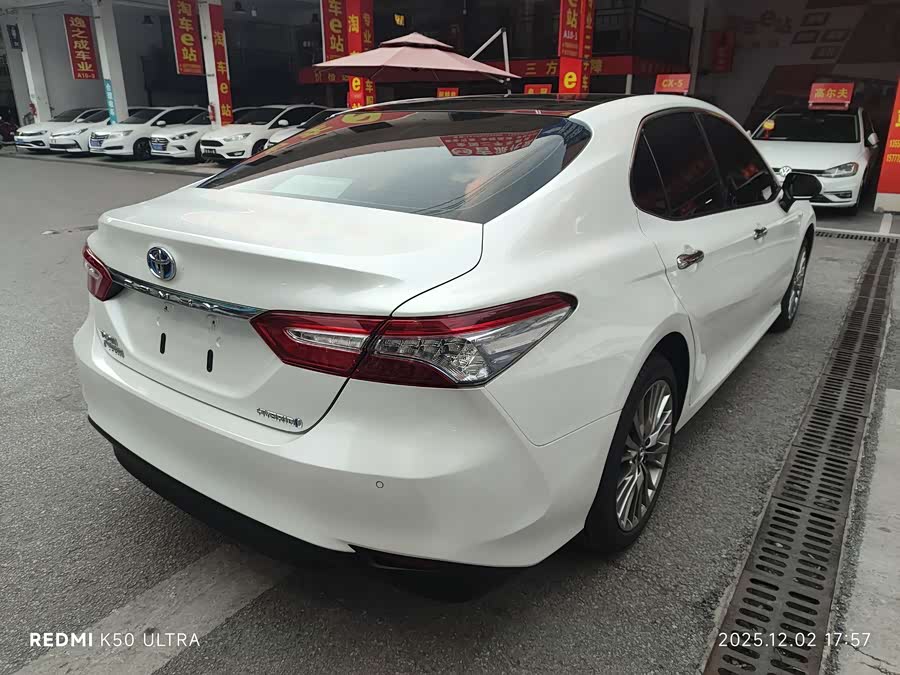
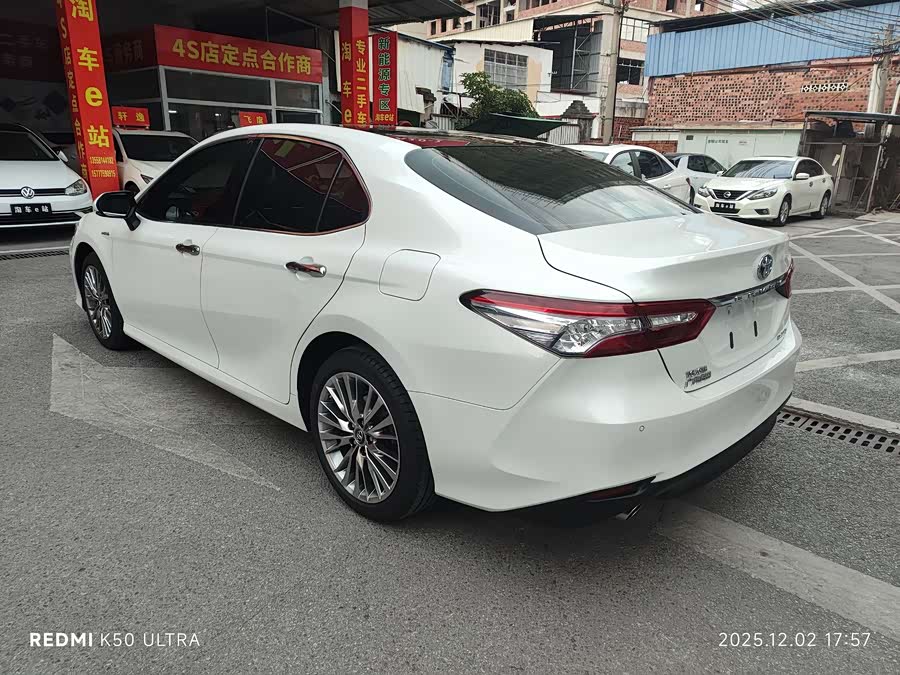
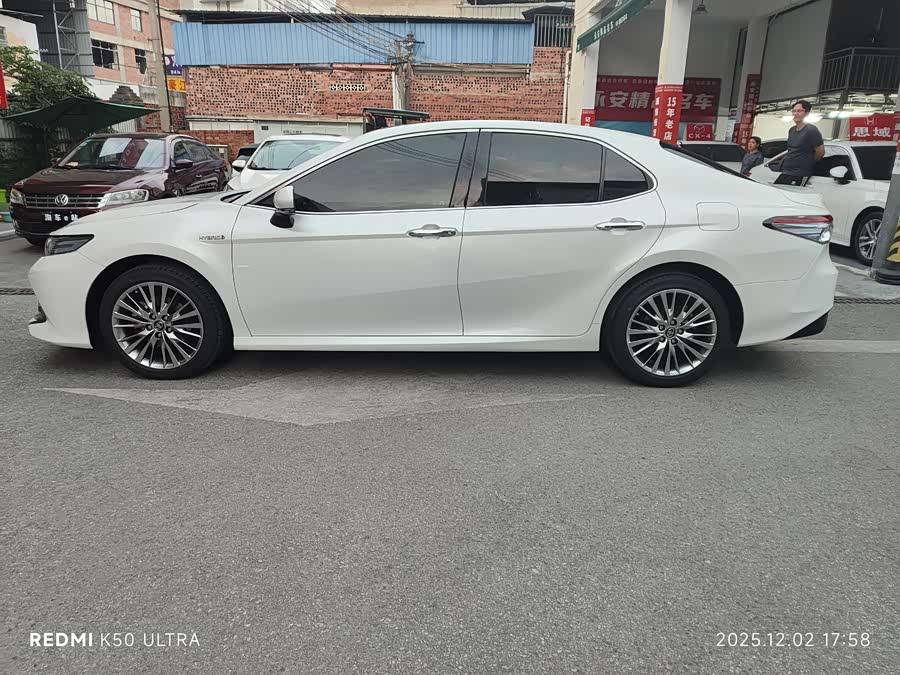
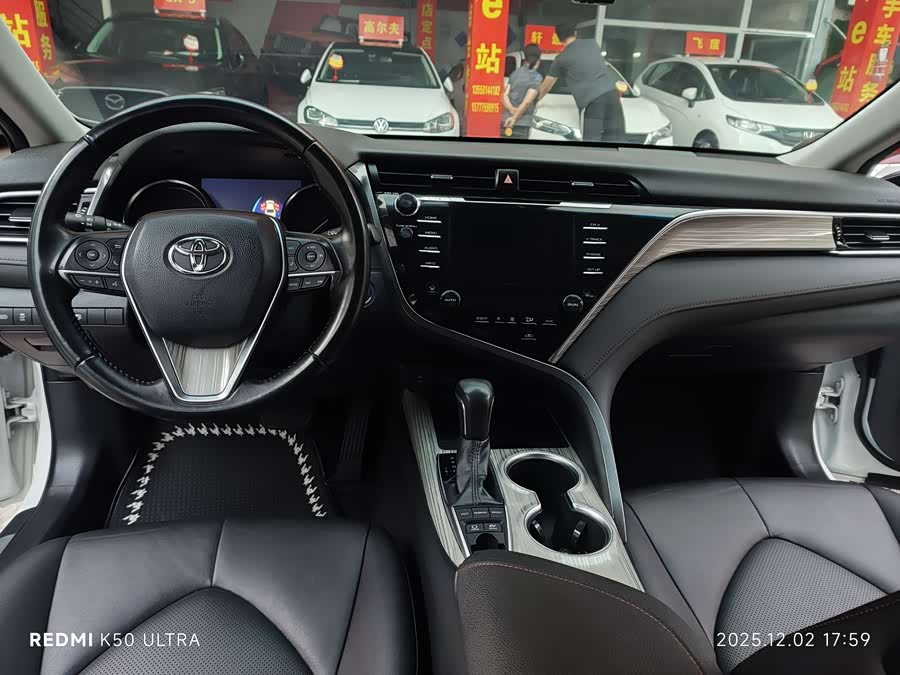
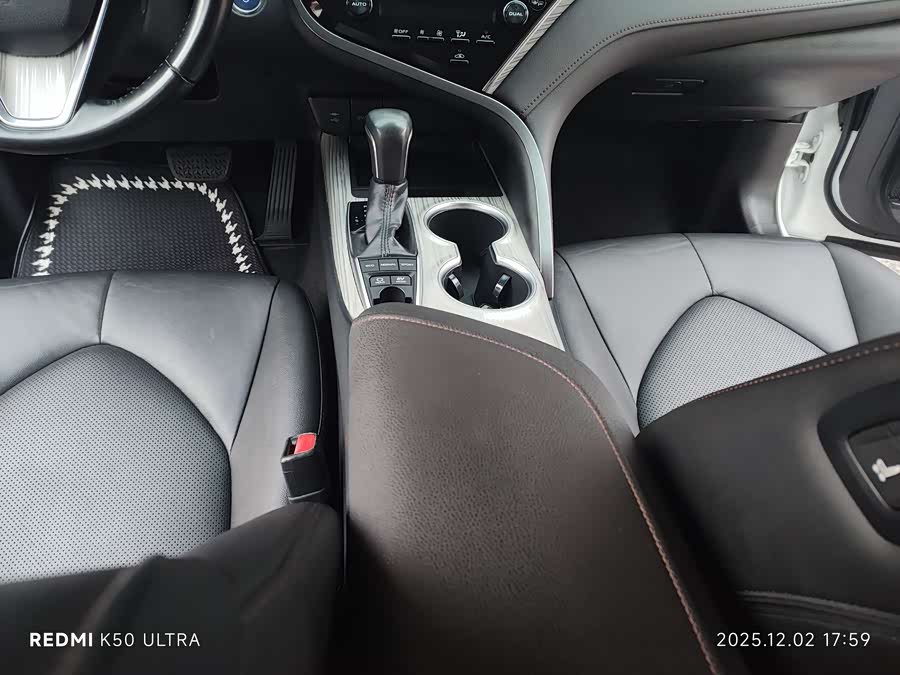
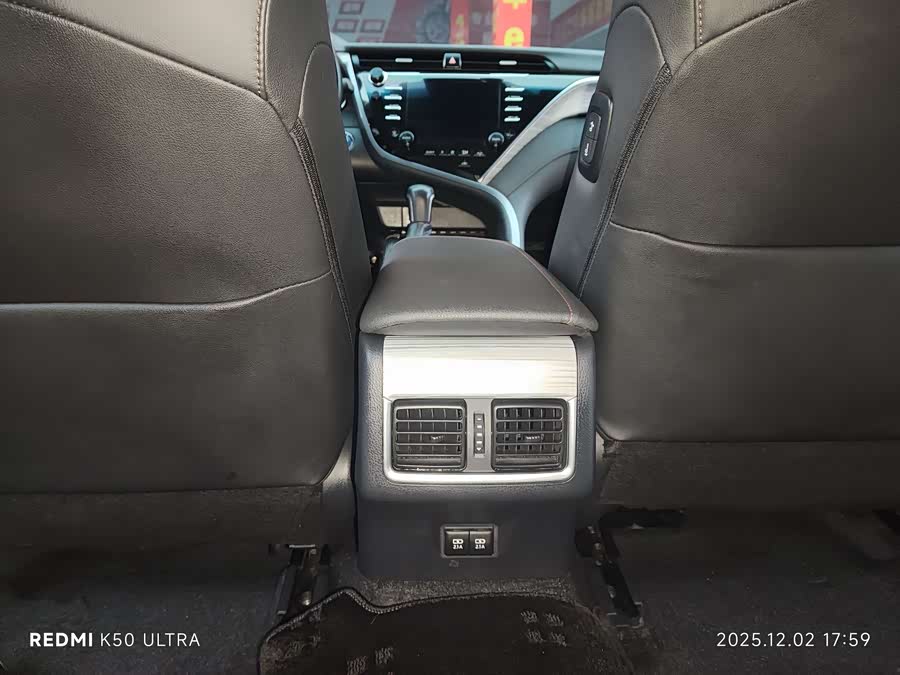

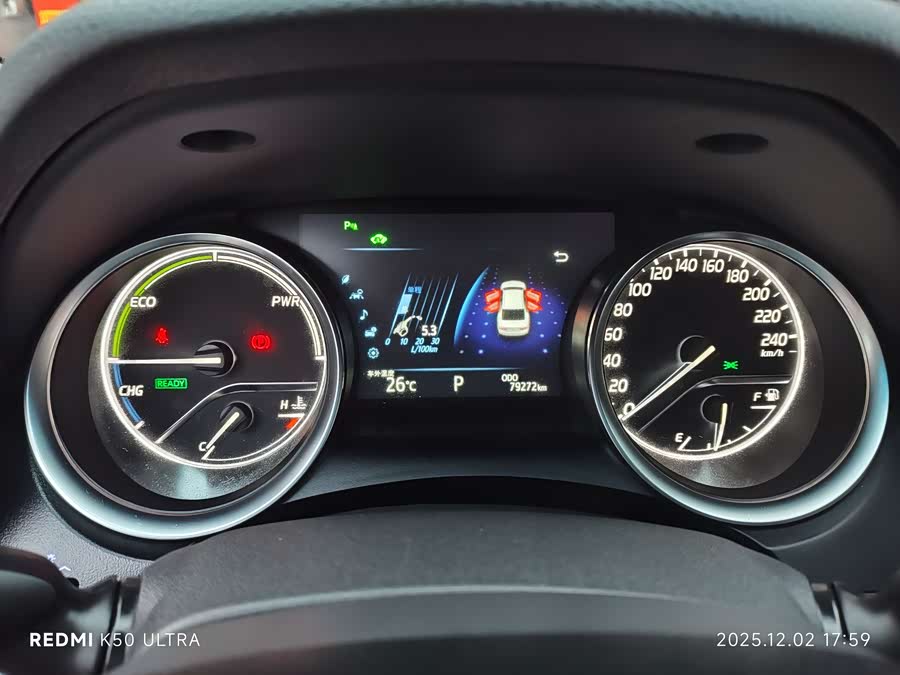
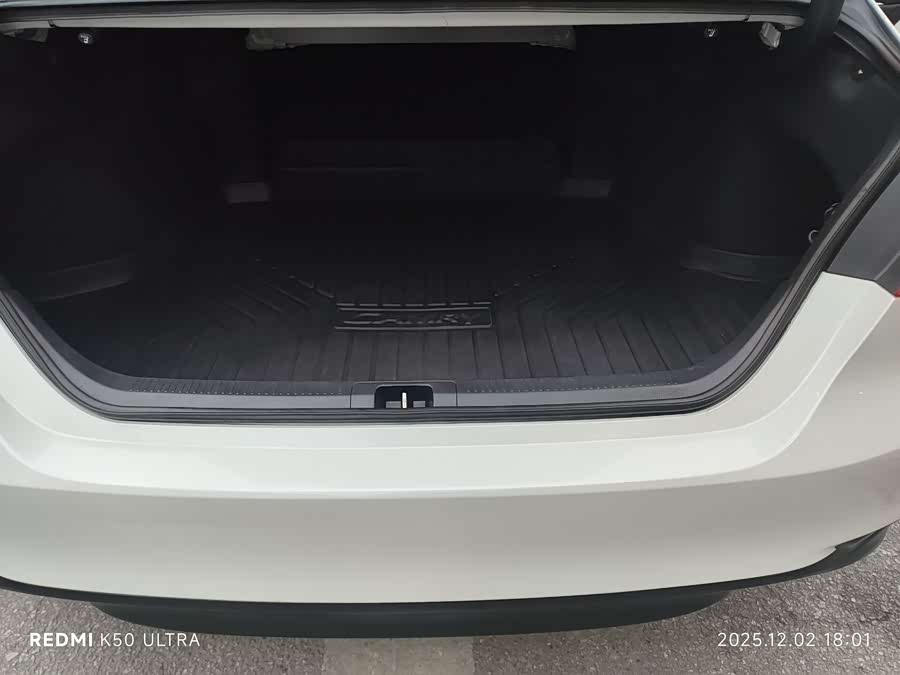
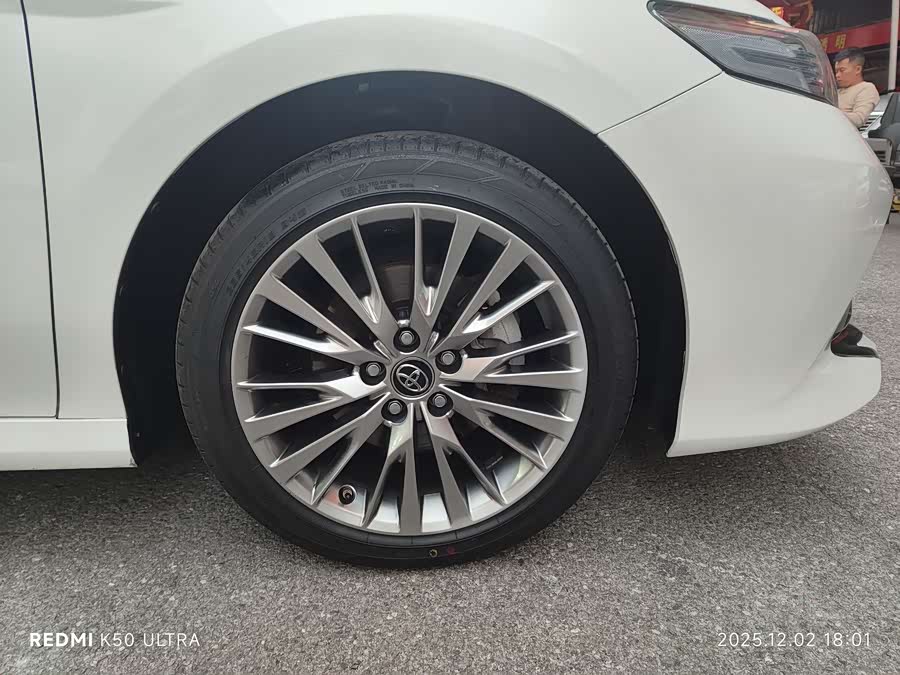



Basic Information

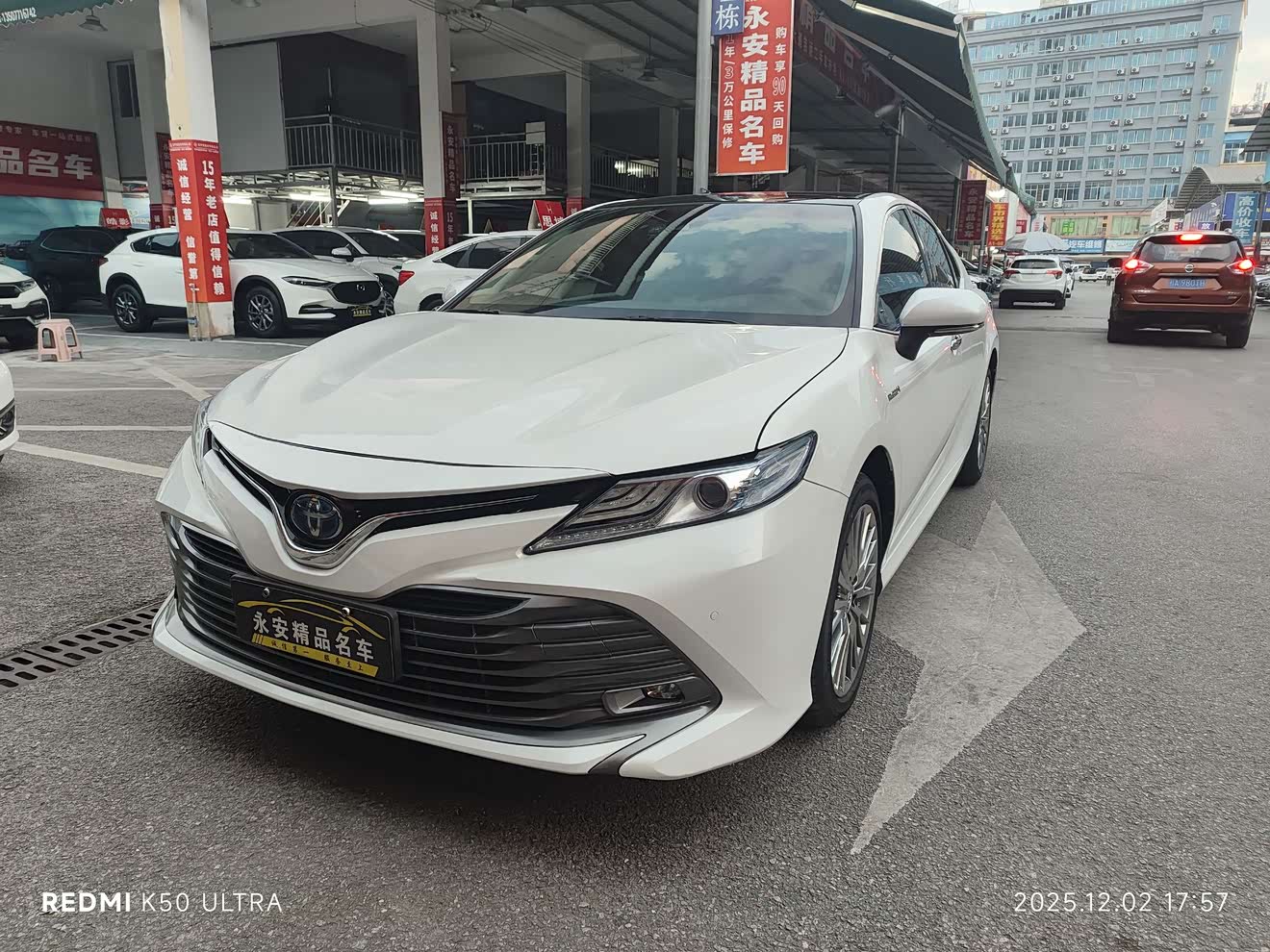
BrandToyota
SeriesCamry
Year2019
First Registration2019/01
Mileage79,000km
Transfer Count-
FuelHEV
TransmissionE-CVT
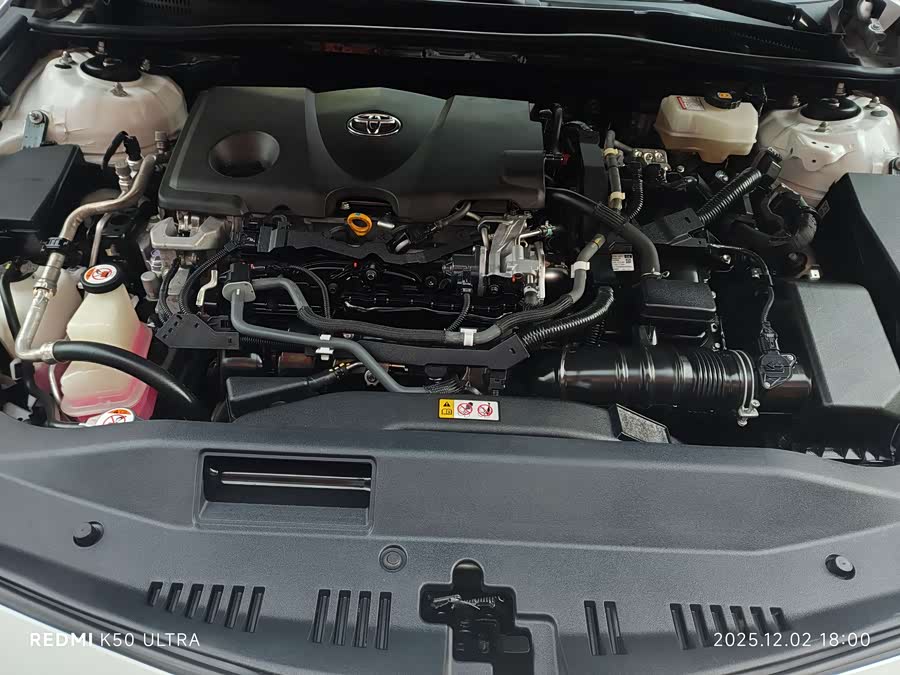
Engine2.5L 178 L4
ColorWhite
Seats-

Condition Description

very good

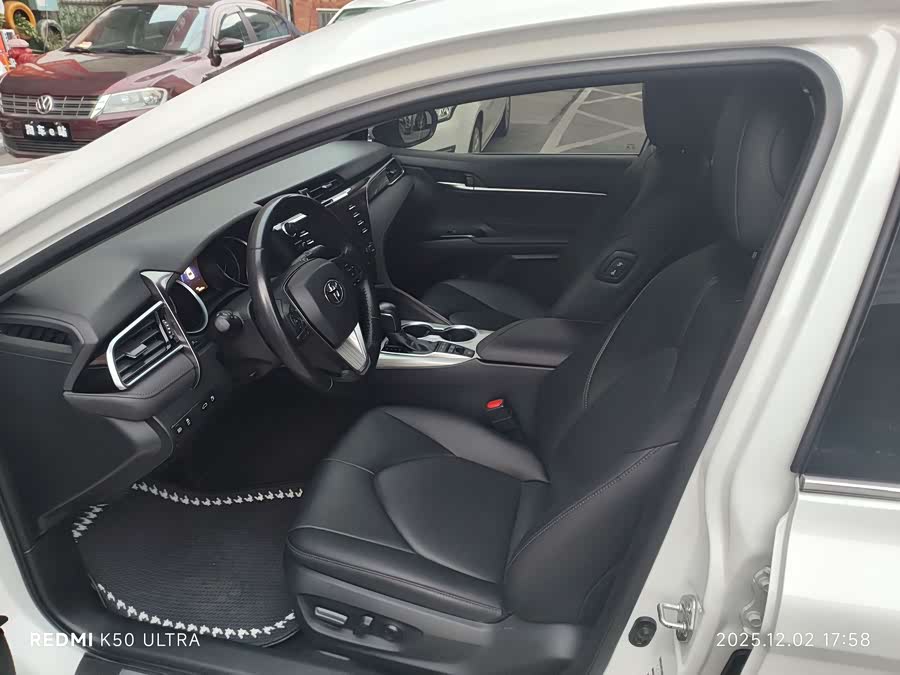
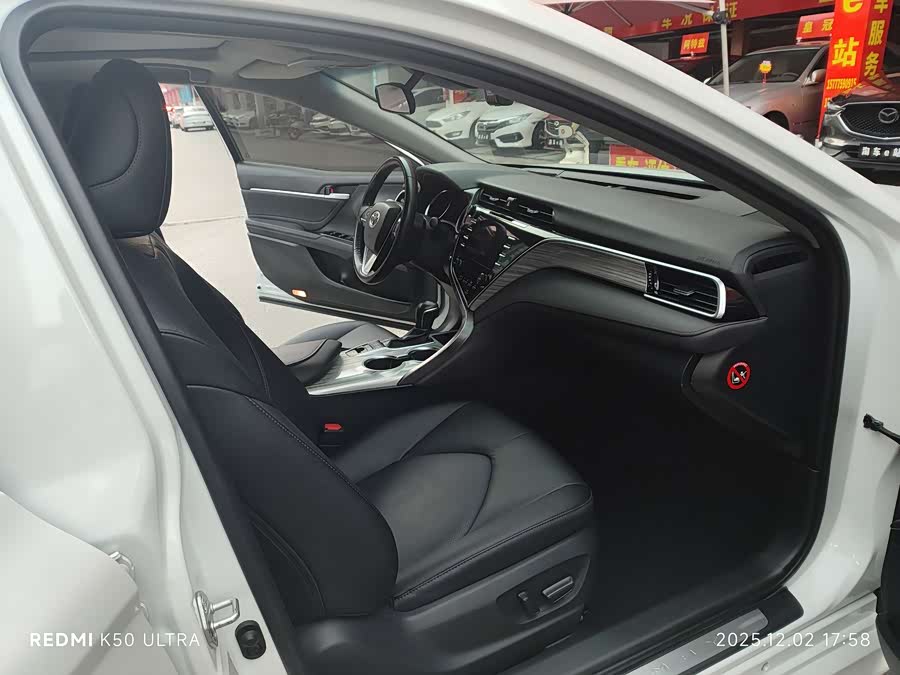
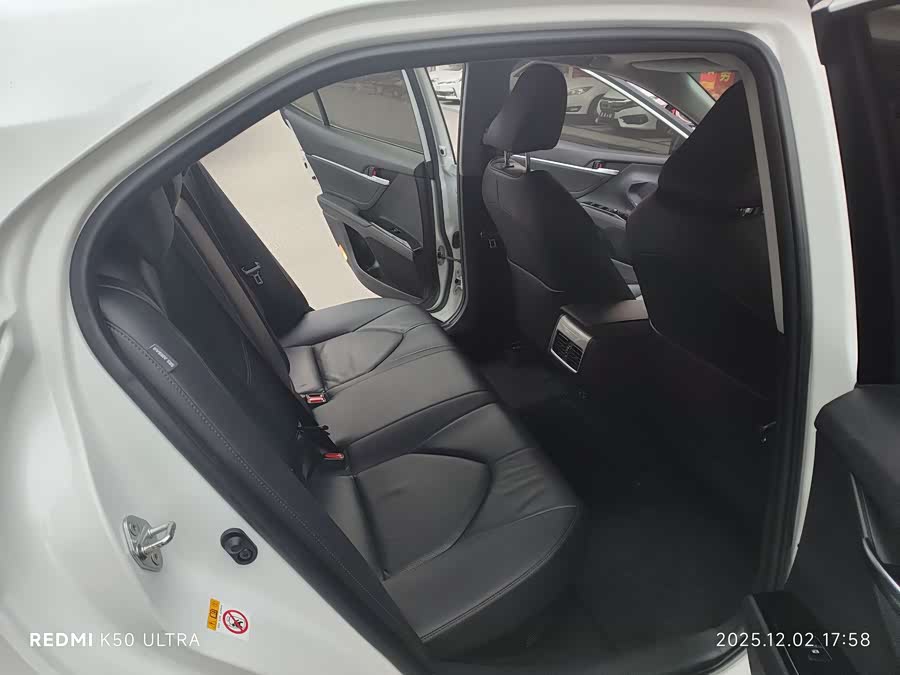
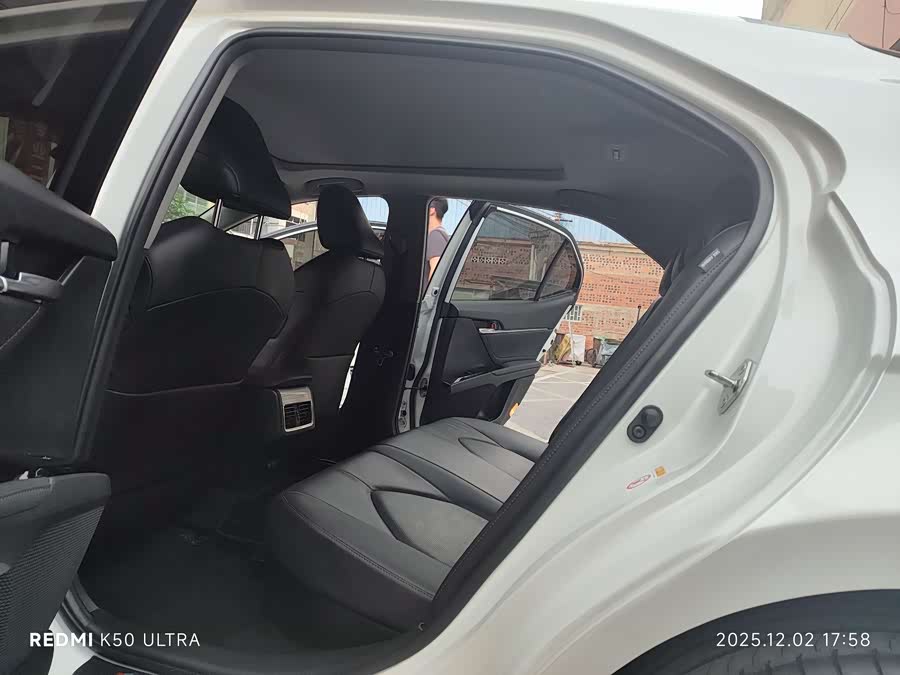
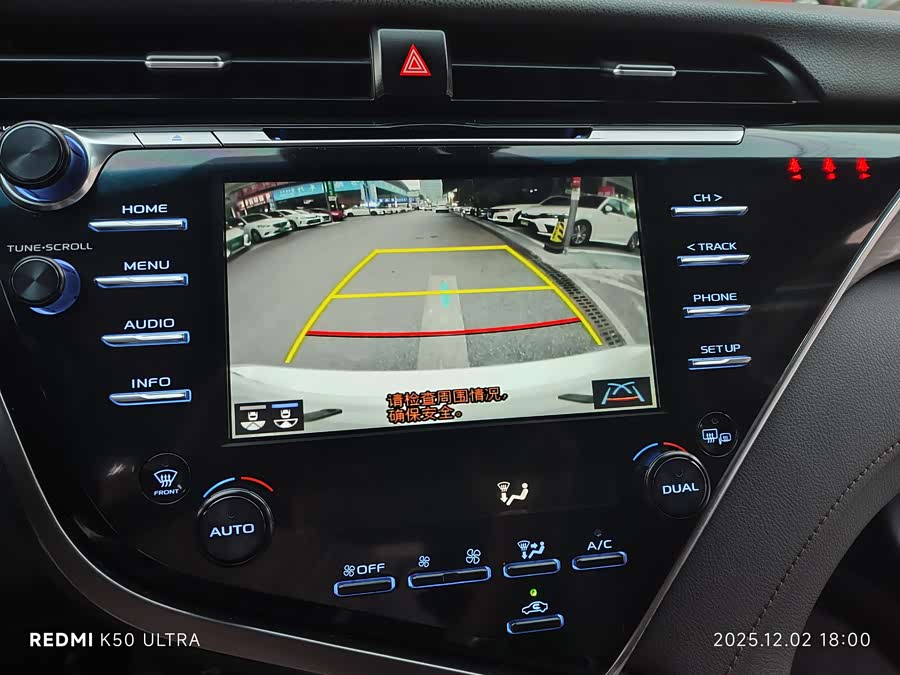
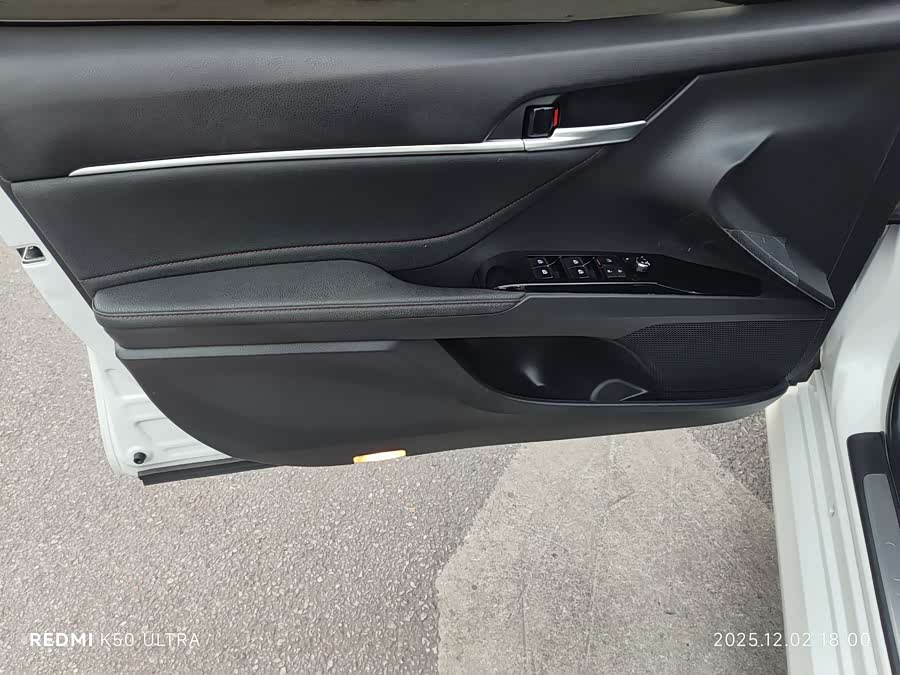
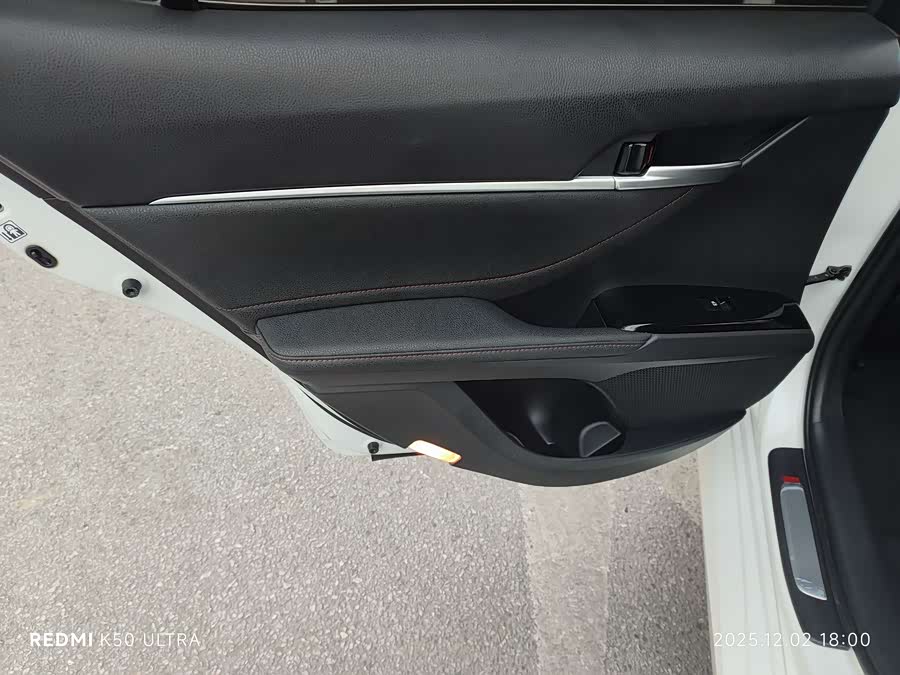
One owner, fully serviced at 4S dealerships, 79,000 km safe mileage, odometer reading guaranteed! Original parts, no replacements, mostly original paint! Interior new with no signs of wear, exterior paint in excellent condition. All functions are normal, overall excellent condition. Passed third-party inspection by ChaBos, no accidents, no water damage, no fire damage. Enjoy a 90-day buyback guarantee, one-year or 20,000 km warranty, buy with confidence.

0 transfers

Configuration Highlights

✓Tire Pressure Monitoring
✓Lane Departure Warning
✓Active Safety System
✓ISOFIX Child Seat Anchors
✓Auto Hold
✓Keyless Start System
✓Active Grille Shutters
✓Head-Up Display
✓Bluetooth/Hands-free
✓Adaptive Headlights
✓PM2.5 Air Filter
✓Air Purifier
✓Rear Air Vents

Accident & Maintenance Records

Accident Record

🔗 Open Link

Maintenance Record

🔗 Open Link

Document Information

Inspection Expiry Date2026/01
Warranty Expiry Date-
Insurance Expiry Date2026/01

Q&A

More

Can B2B buyers request to see copies/translations of all original historical records for an entire batch of vehicles?

Yes. For bulk purchases, we can organize and package the core historical records (transfer records, maintenance summaries) for each vehicle. If an English version is needed, we can provide a basic machine translation reference, and human translation assistance for key technical terms.
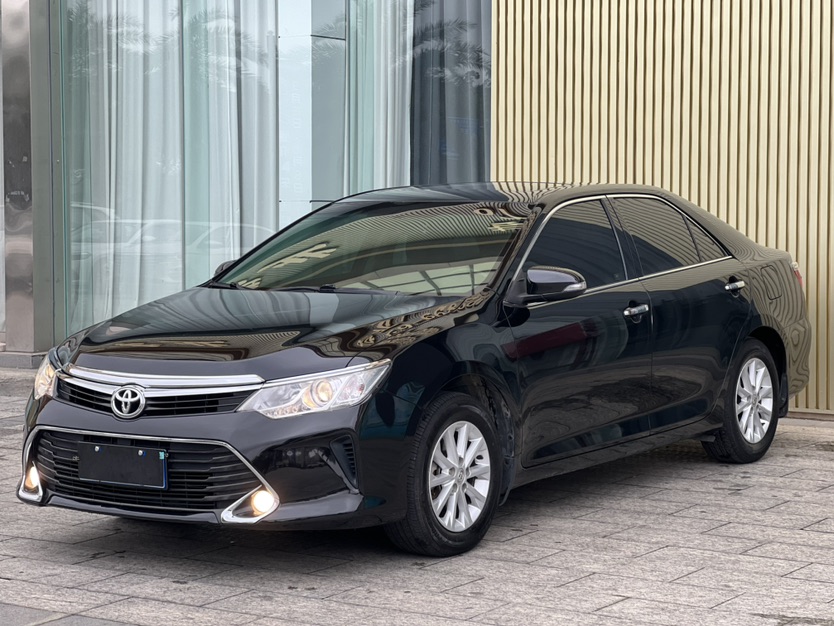
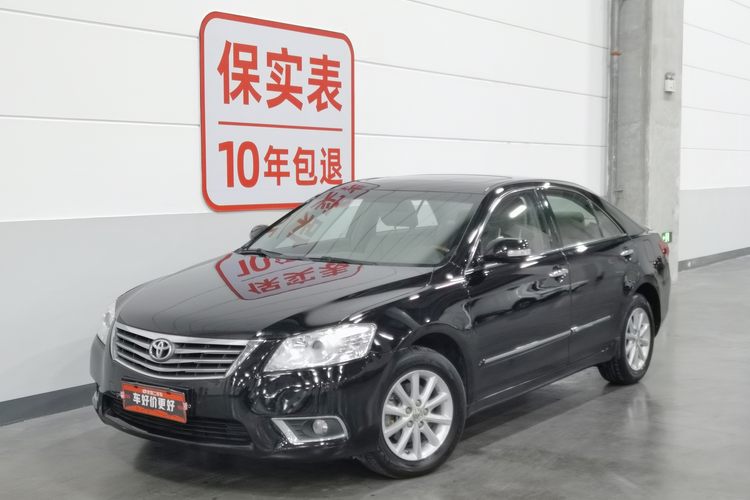
What generation is this car?

We will directly check the registration certificate (the big green book) and count the number of changes.

Why are the shipping costs for used electric vehicles (EVs) usually higher than for internal combustion engine vehicles (ICEs)?

Pure electric vehicles are classified as Class 9 Dangerous Goods due to their large lithium batteries, leading to strict shipping regulations. Shipping companies have high requirements for the loading position and fire isolation measures for dangerous goods, and some roll-on/roll-off ships refuse to accept used EVs. As a result, EVs often require more expensive special container shipping and incur additional handling fees for hazardous materials.