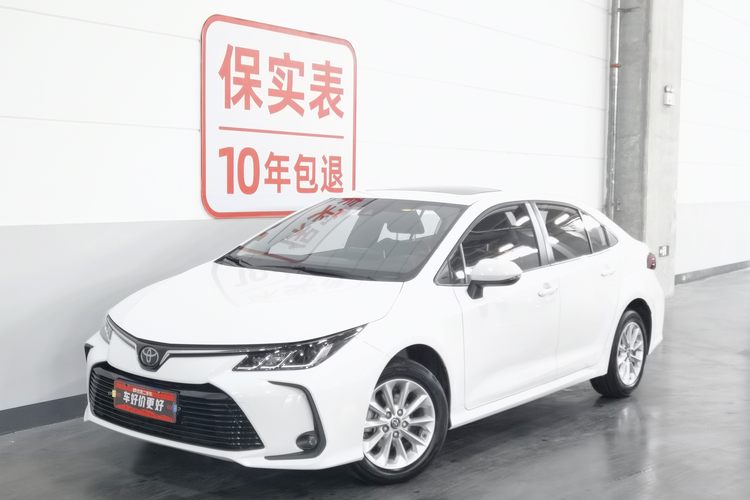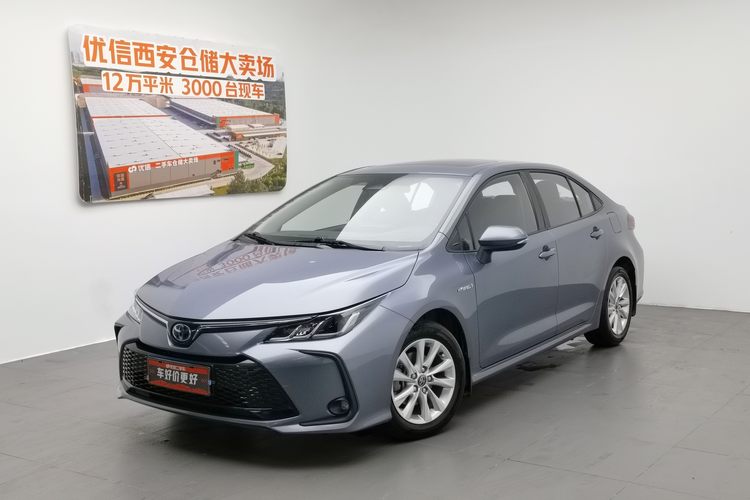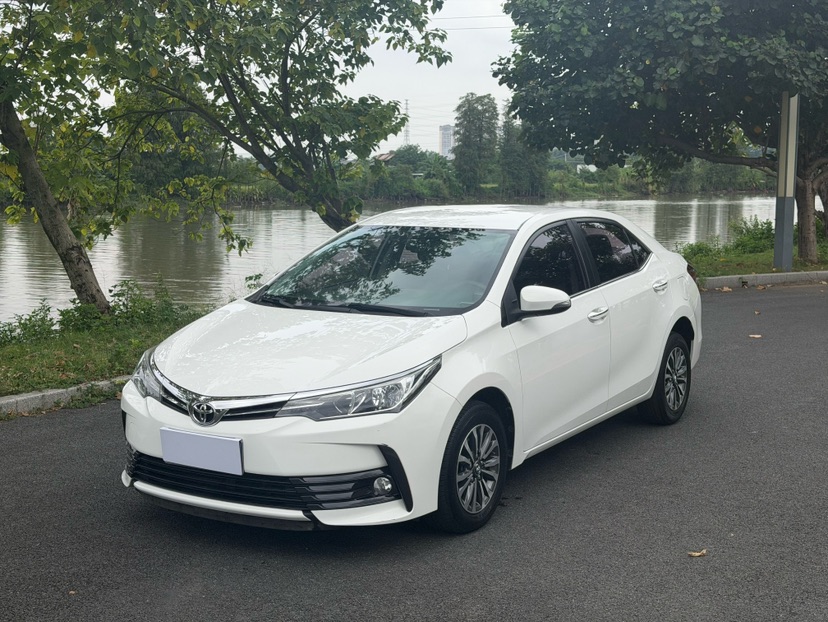
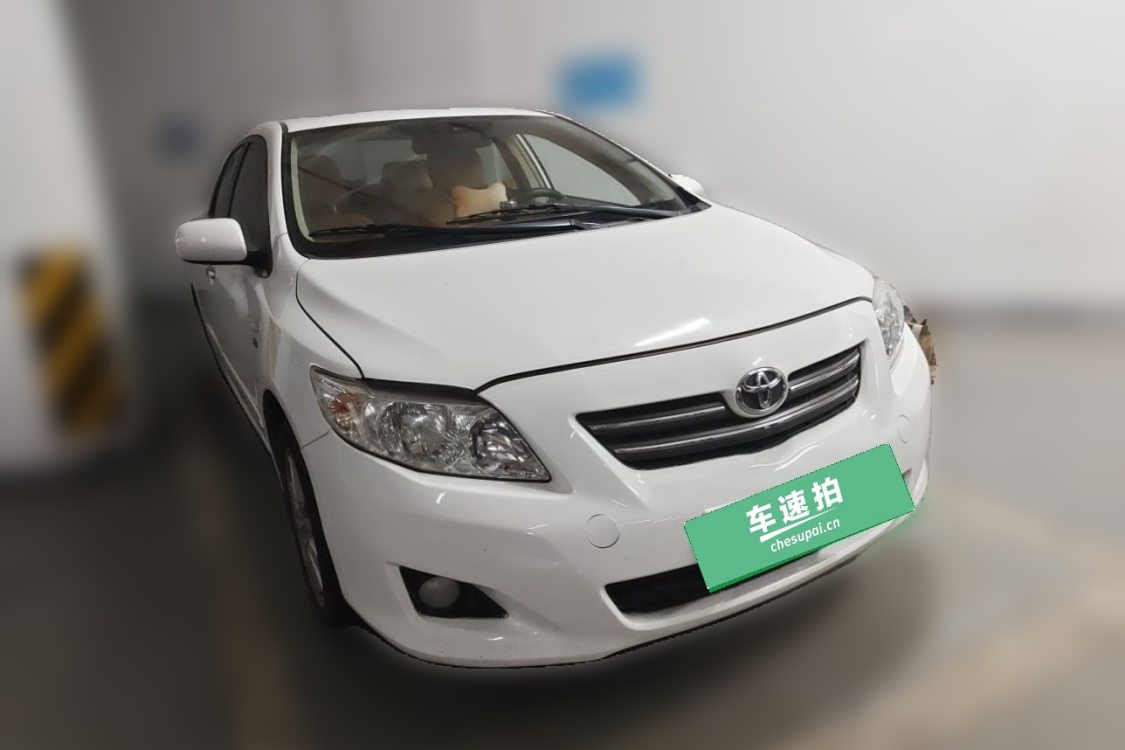
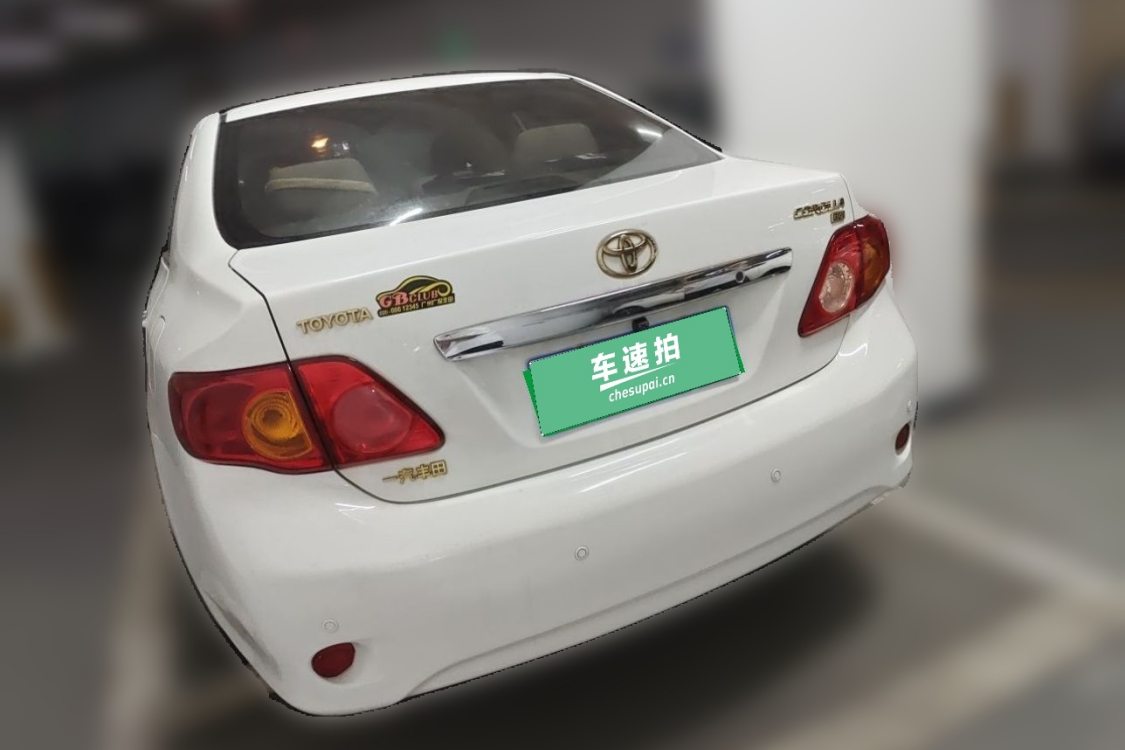
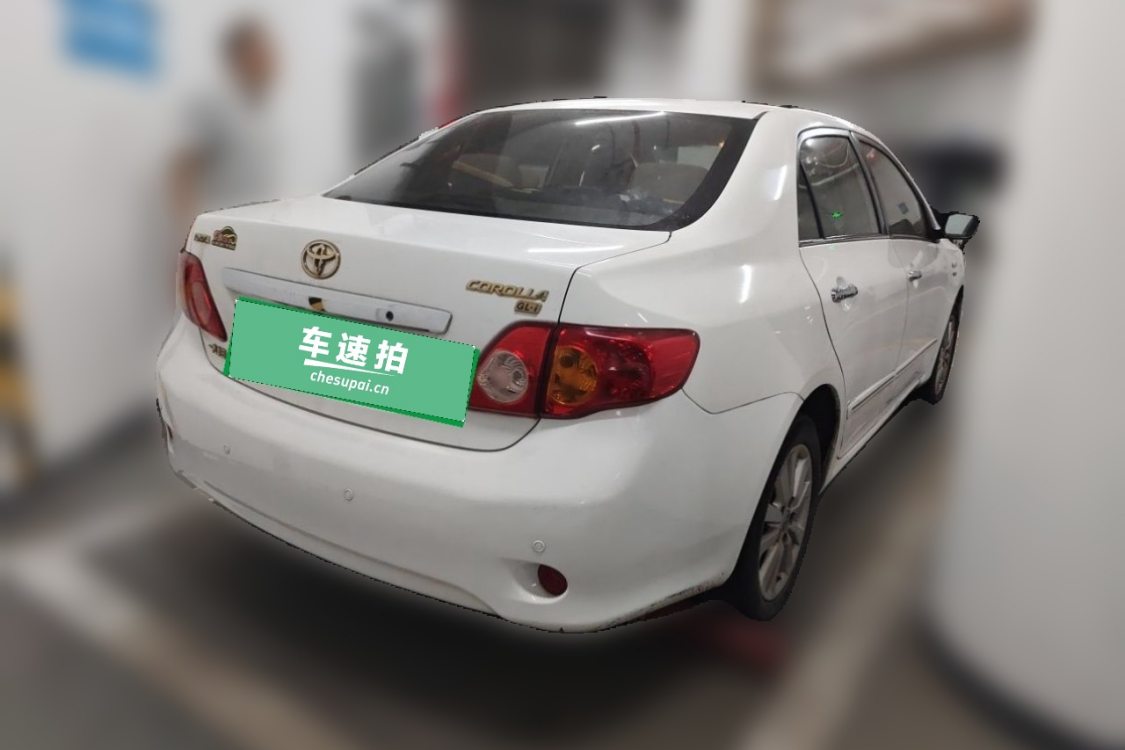
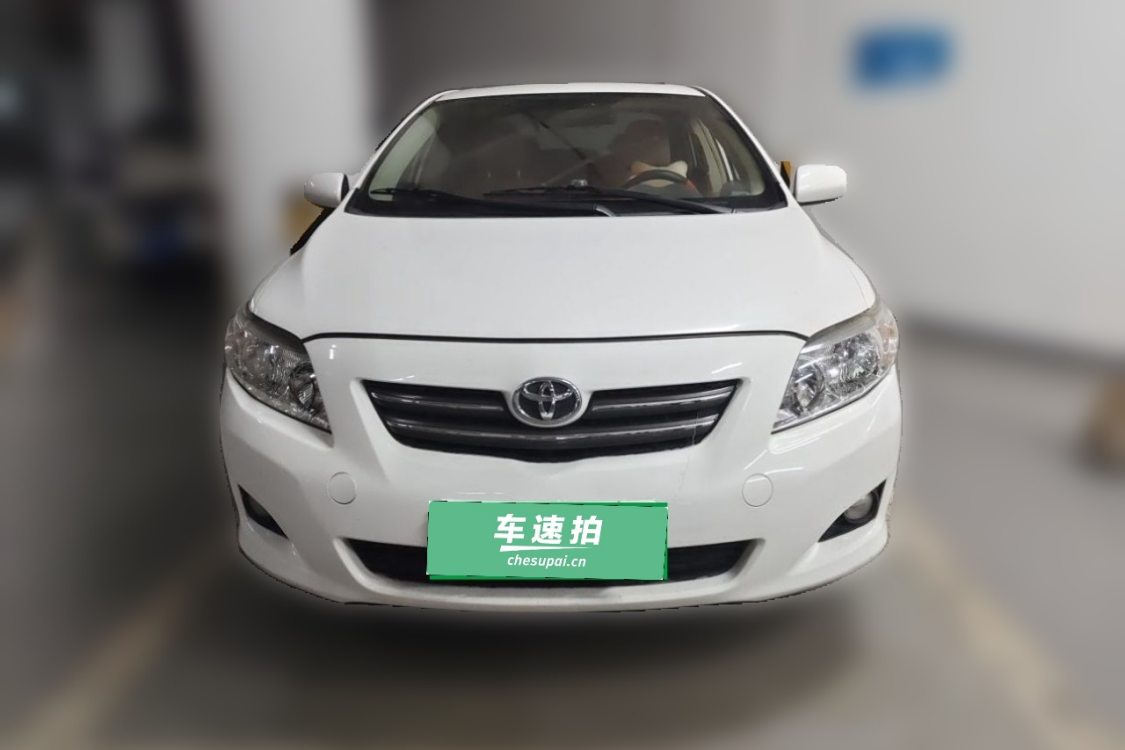
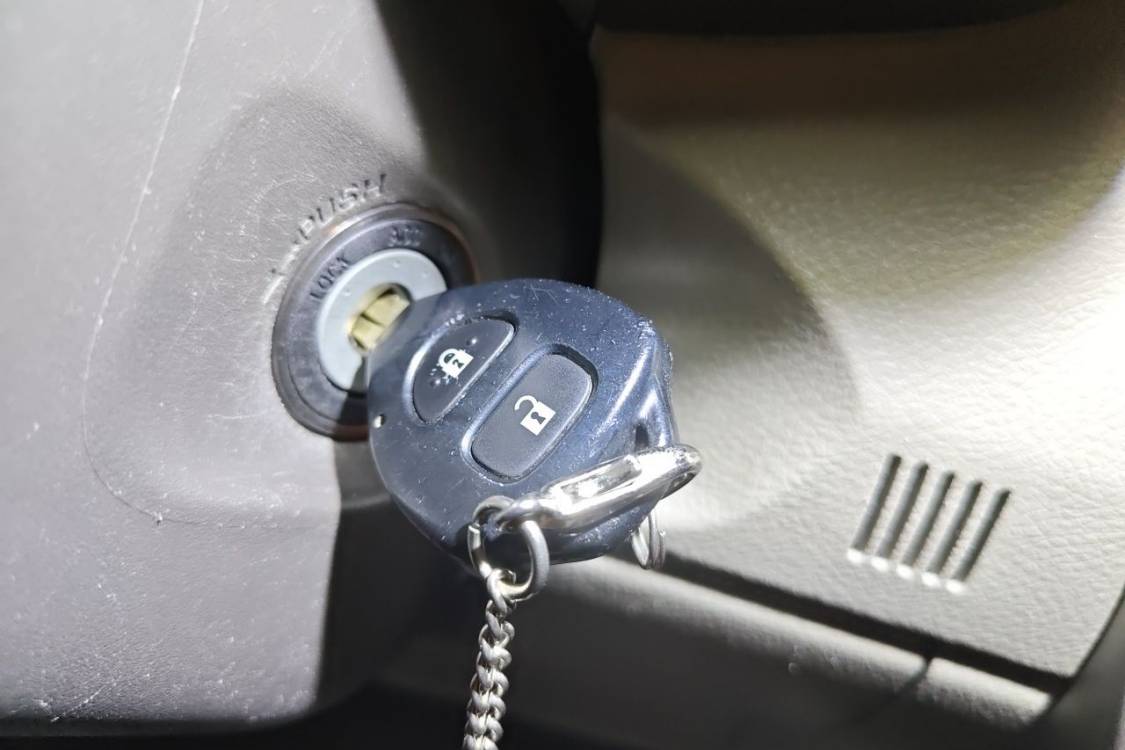



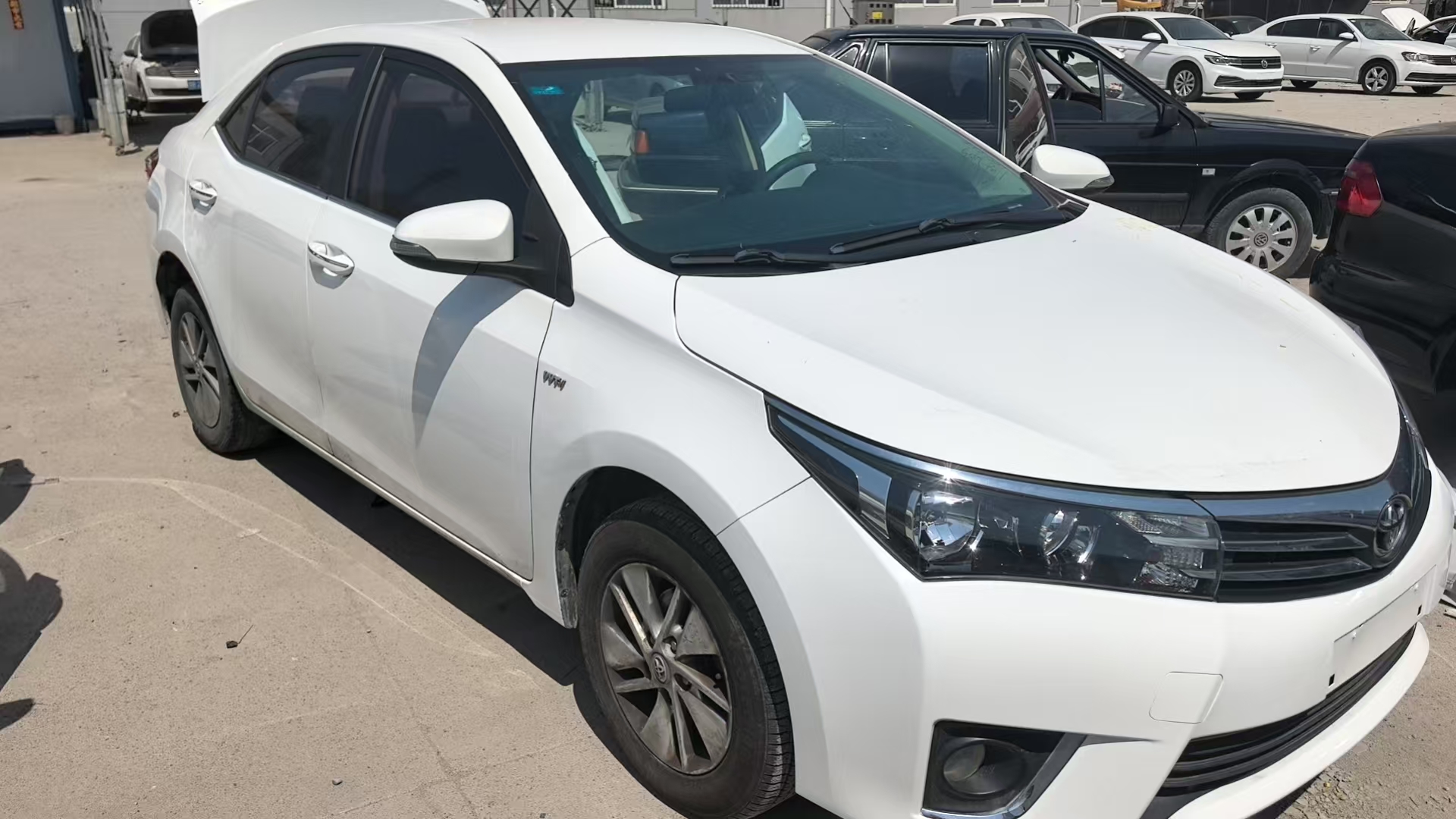
Basic Information

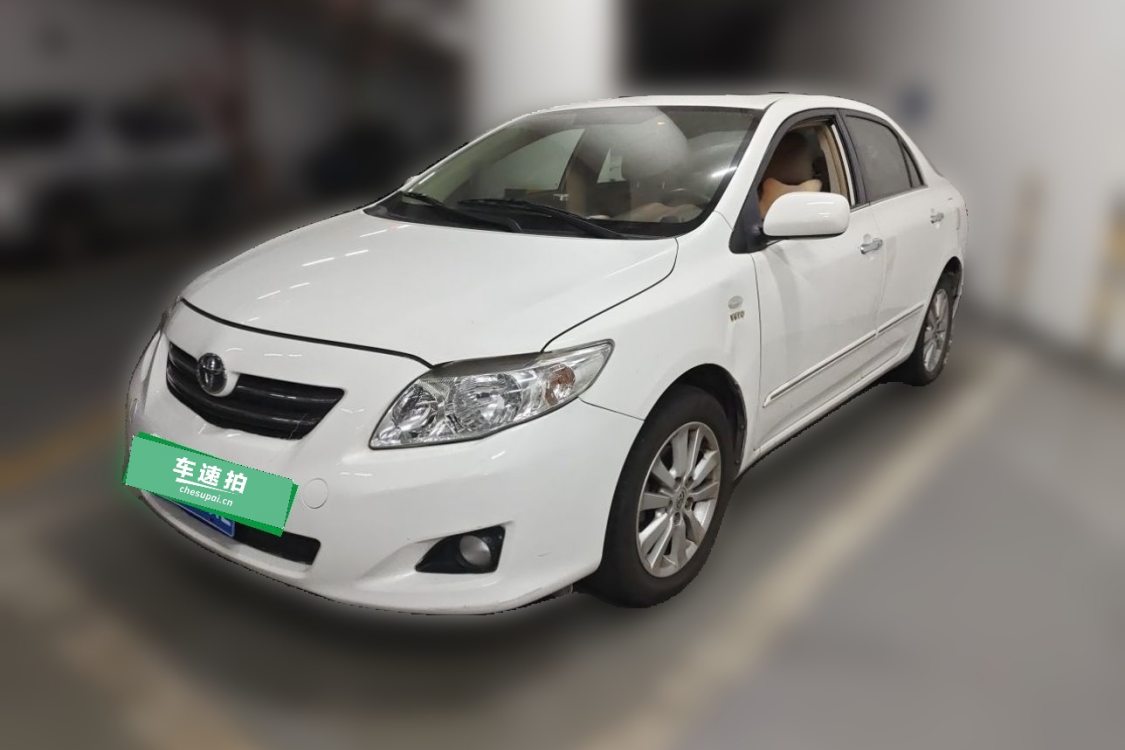
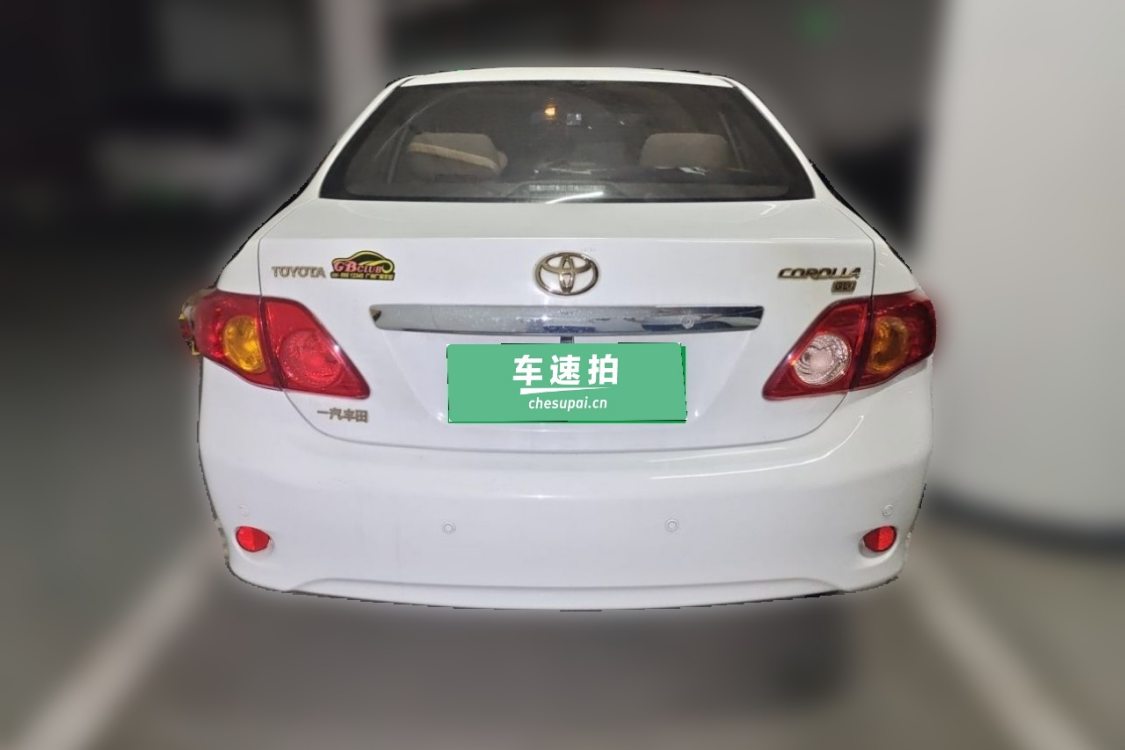
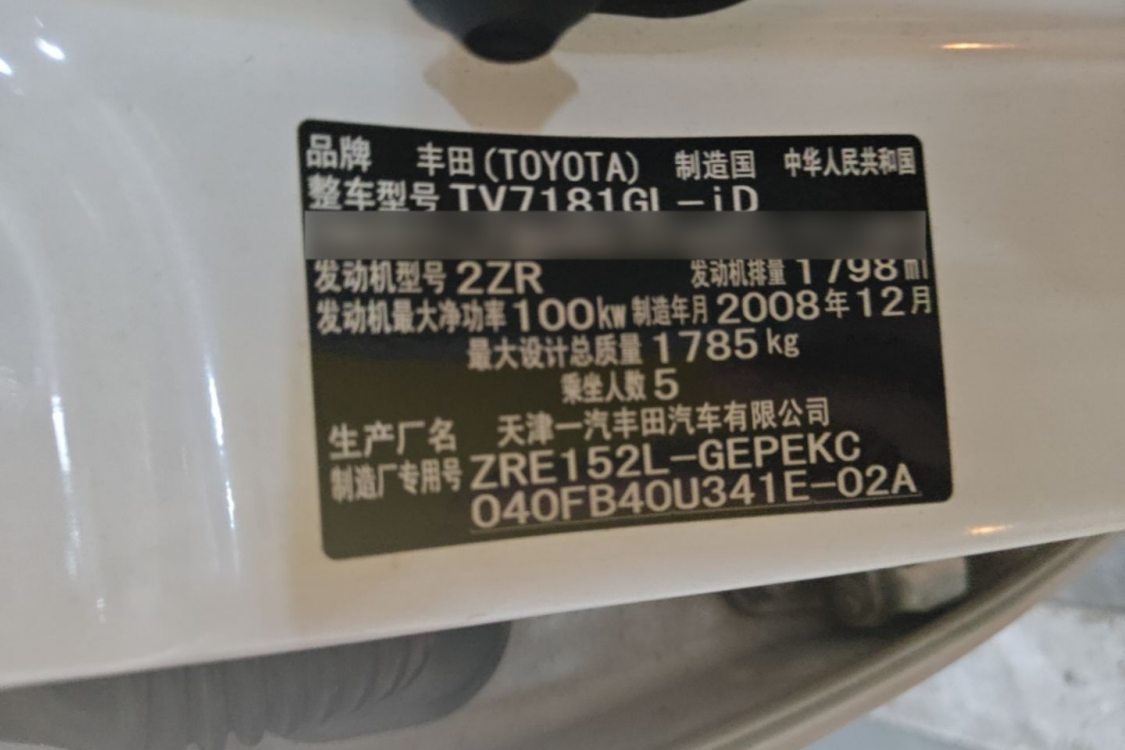
BrandToyota
SeriesCorolla
Year2009
First Registration2009/01
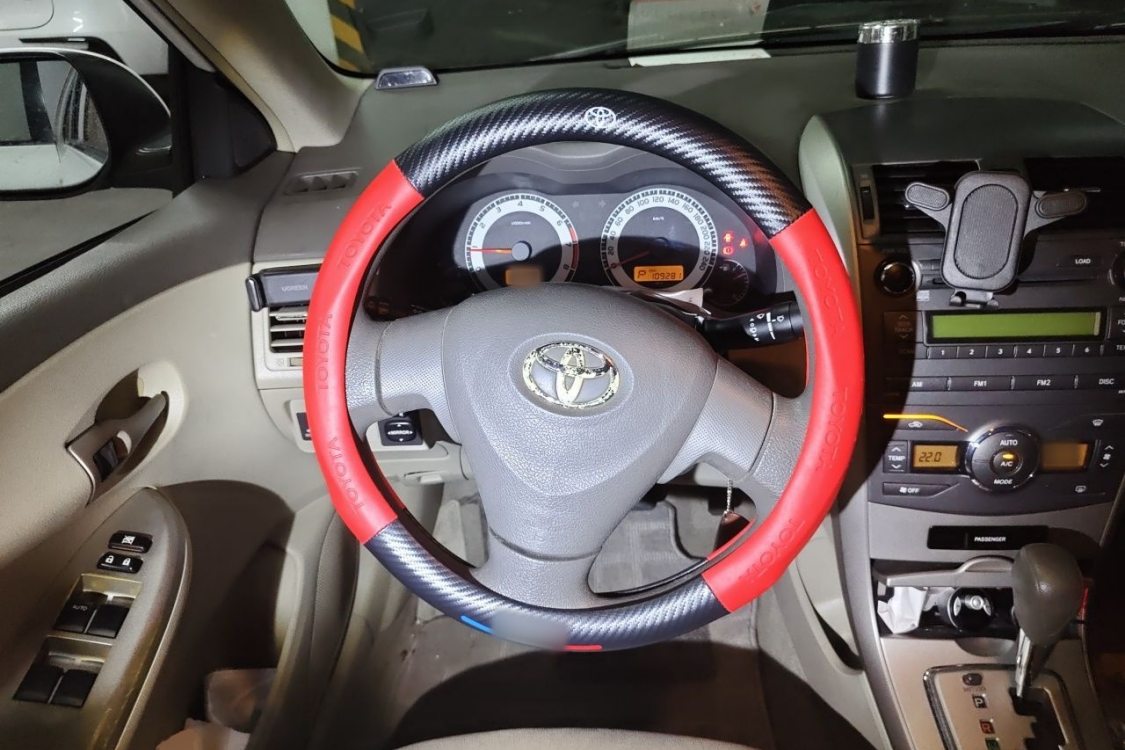
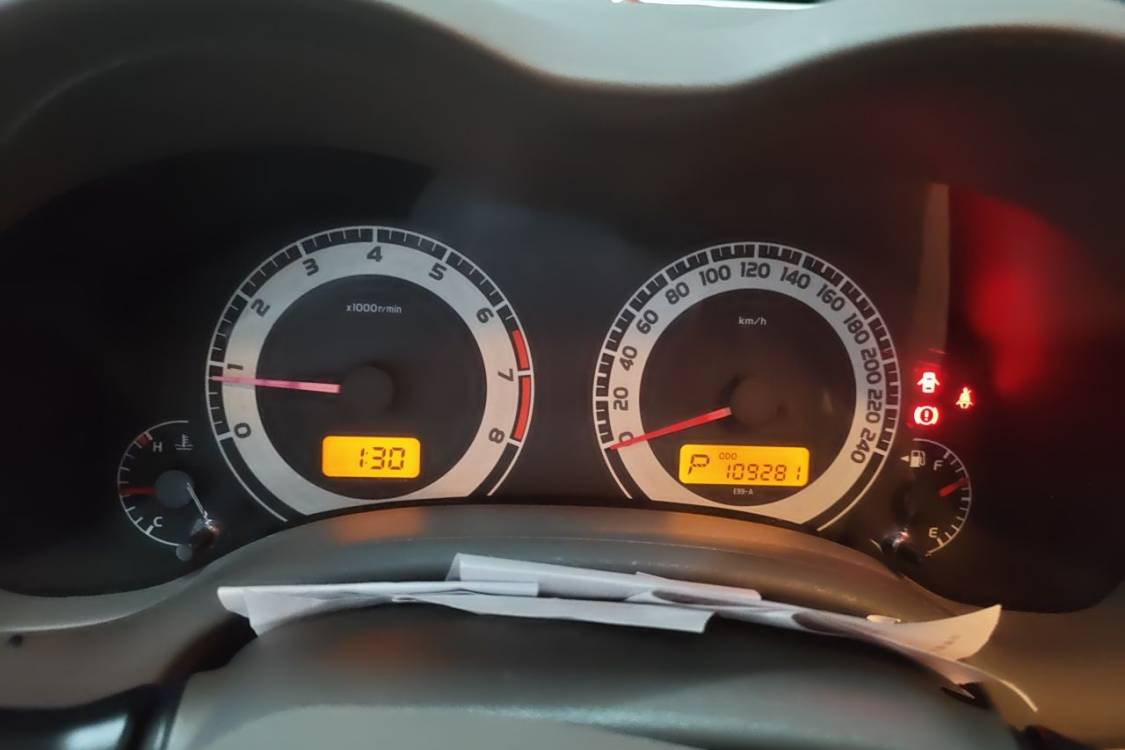
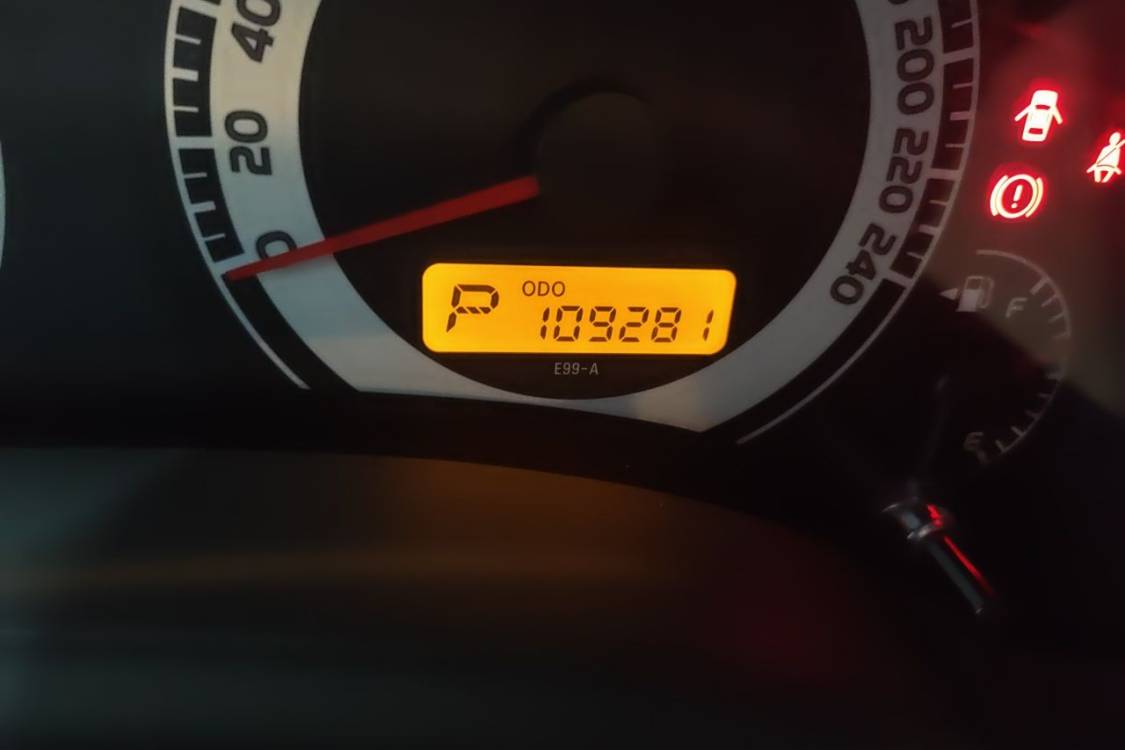
Mileage109,200km
Transfer Count1times
FuelGasoline
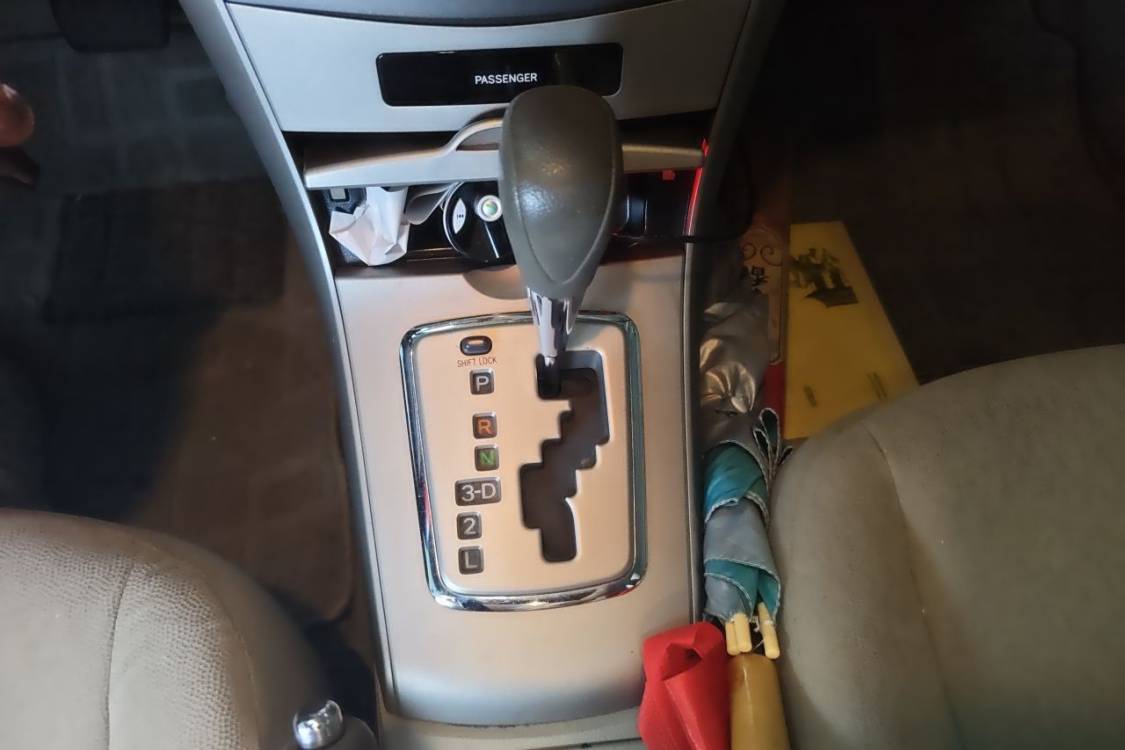
TransmissionAutomatic
Engine1.8L 136 L4
ColorWhite
Seats-

Condition Description

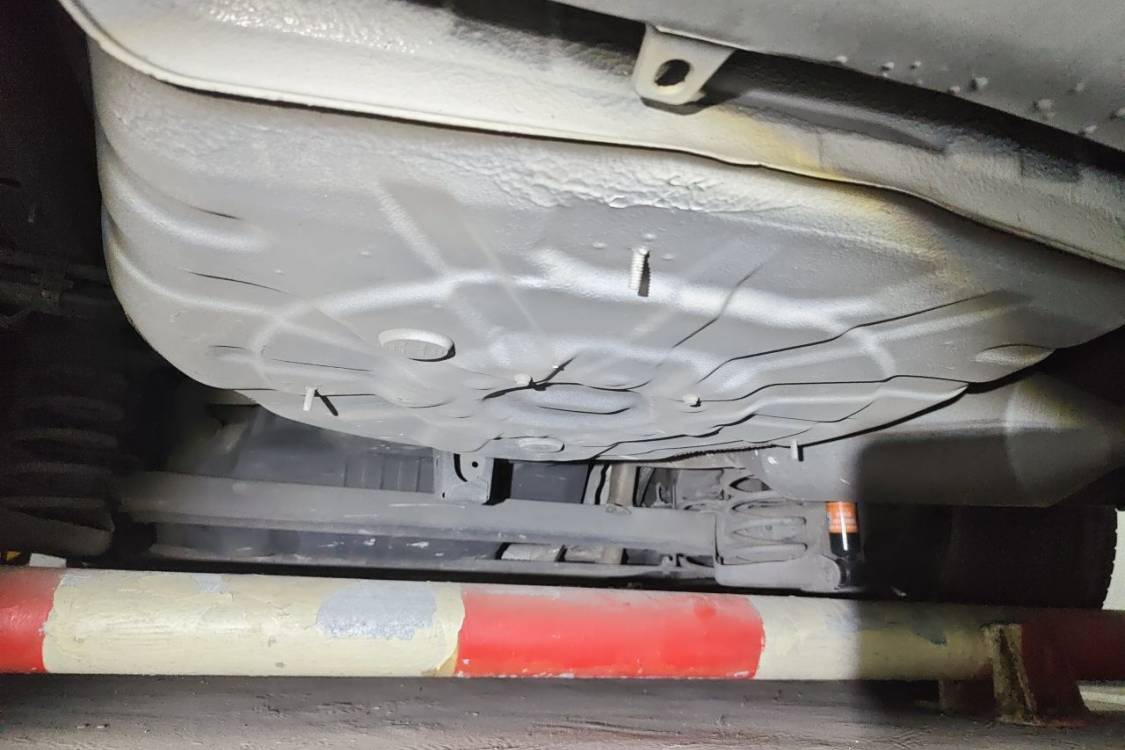
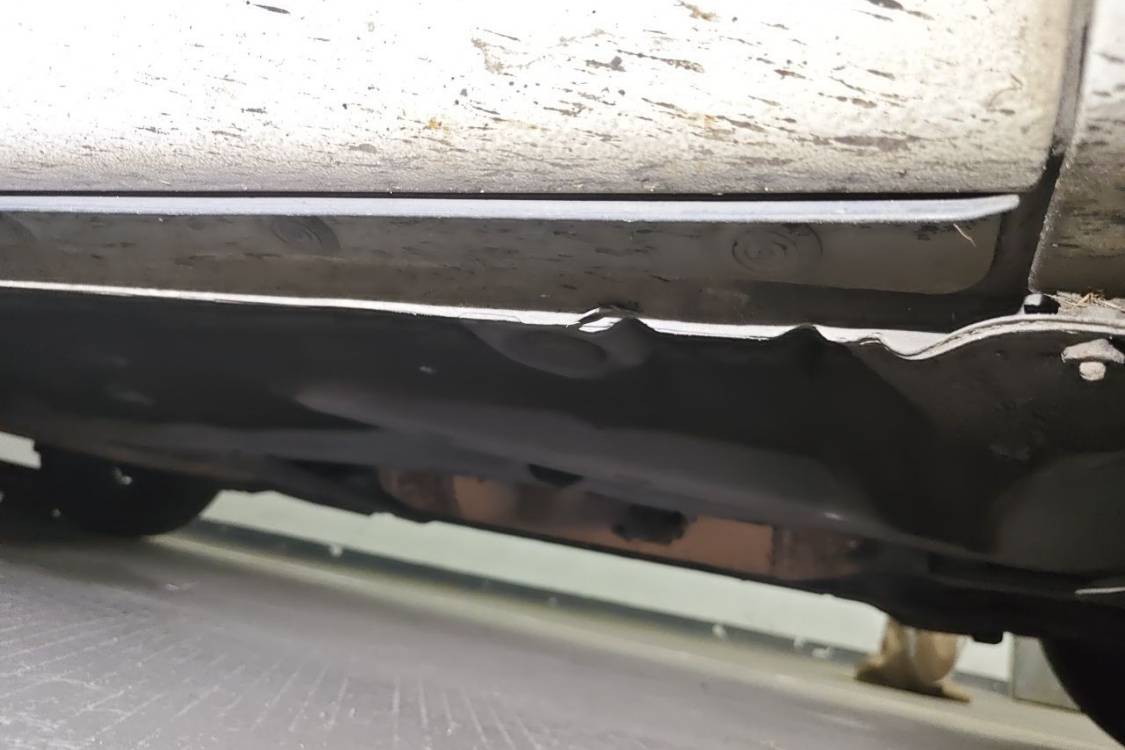
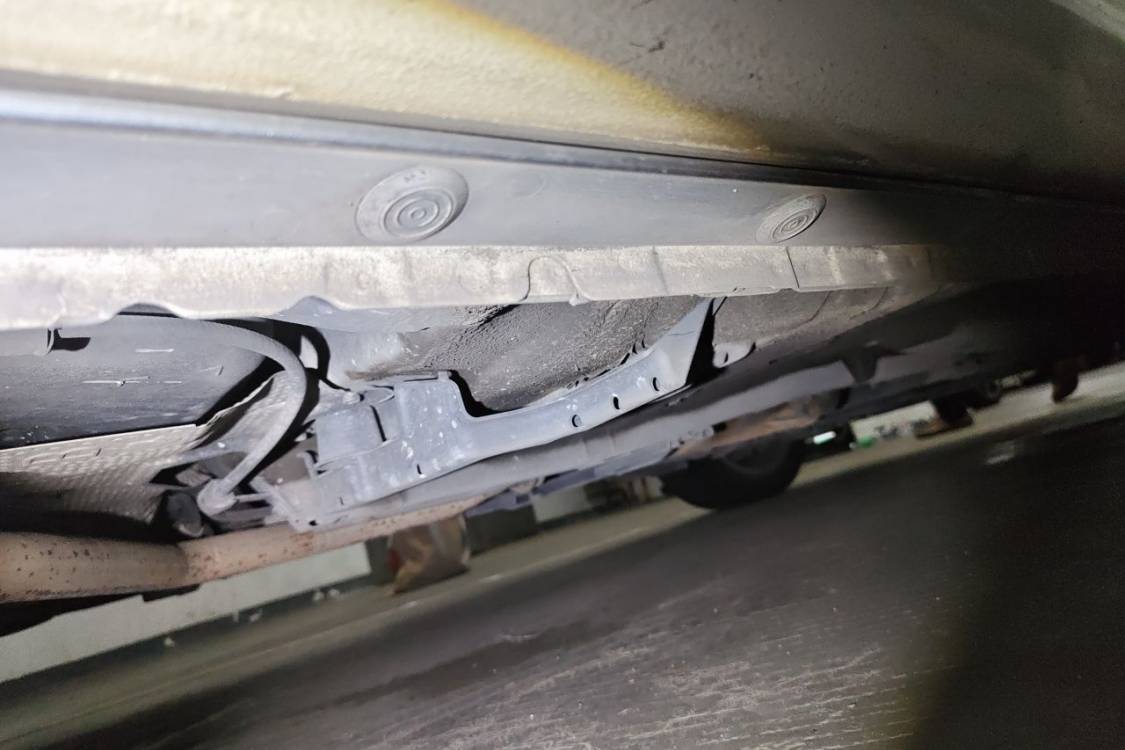
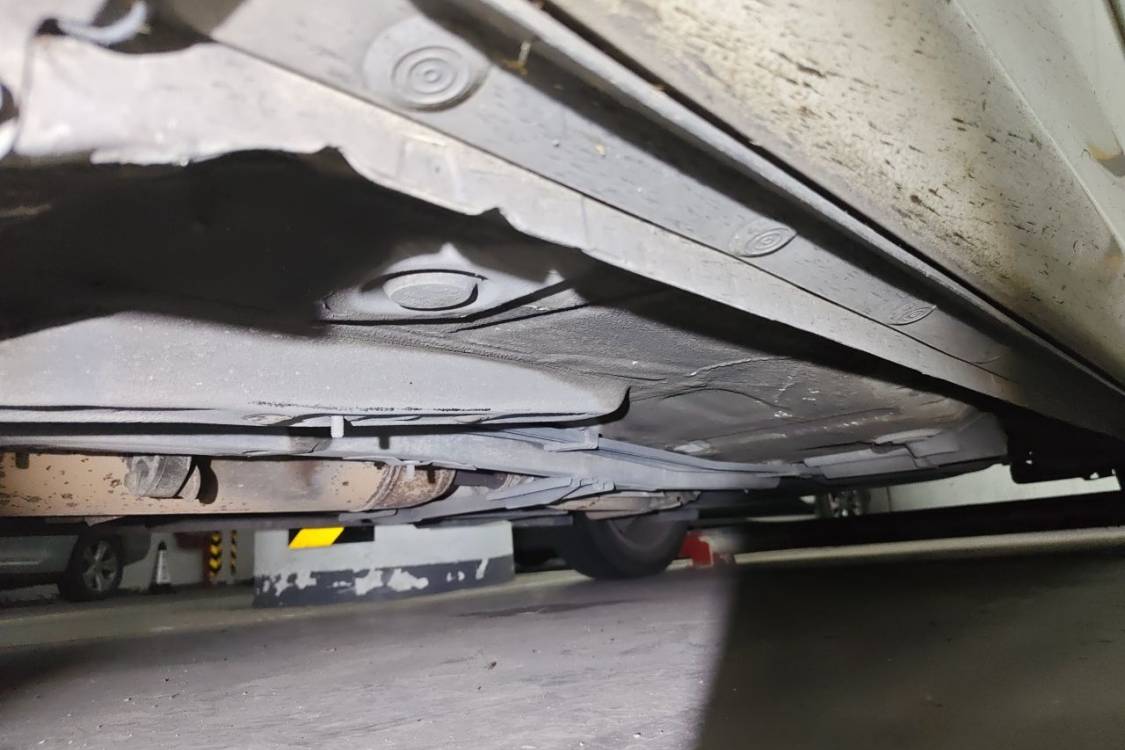
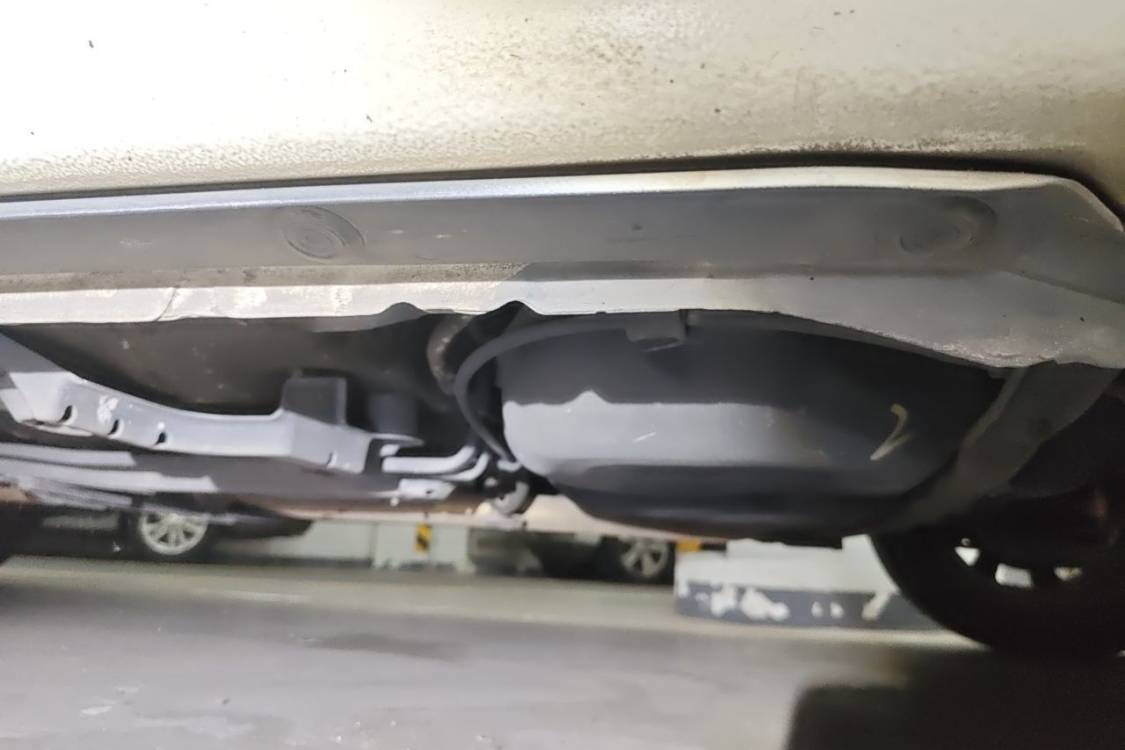
Body components (structural/reinforcing/panels) have accident-type damage; passive safety devices are defective; vehicle performance (including three-electric system) is degraded or remains limited after repairs.

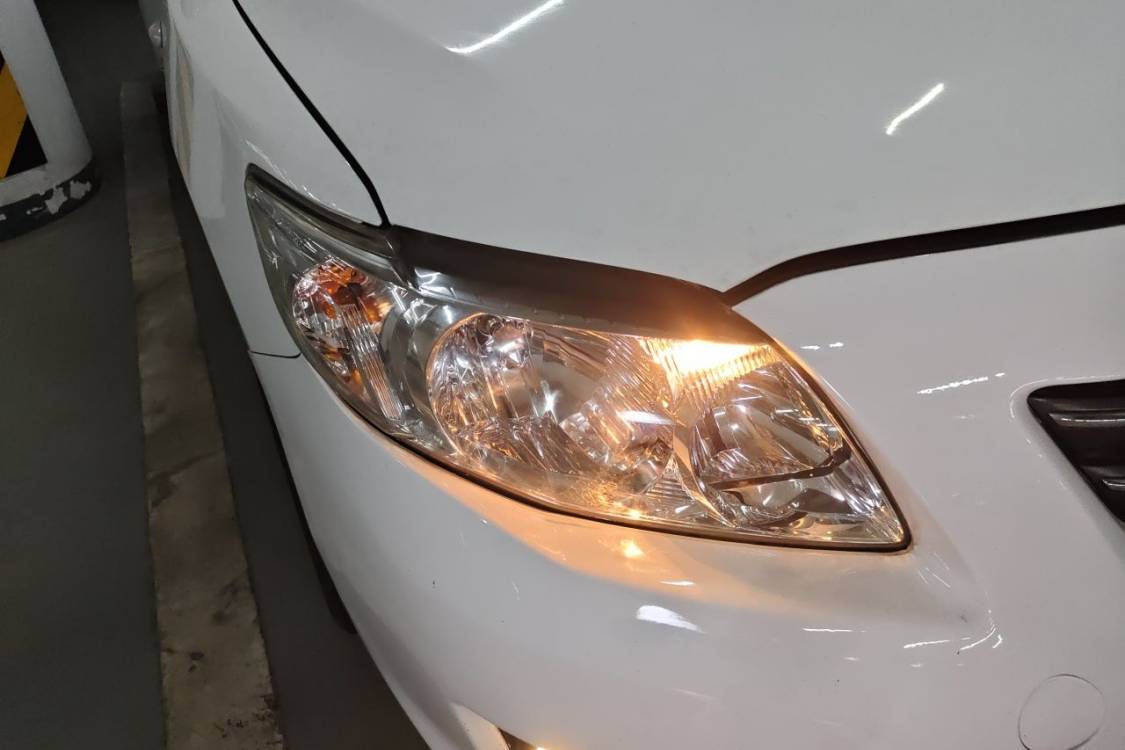
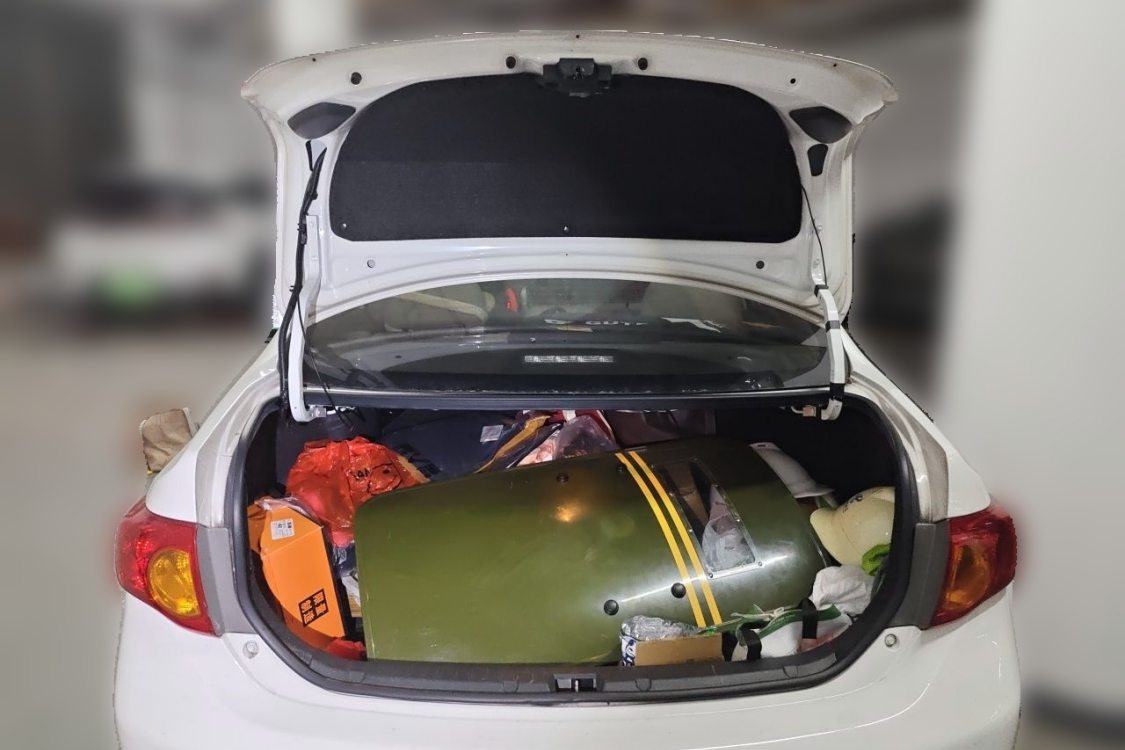
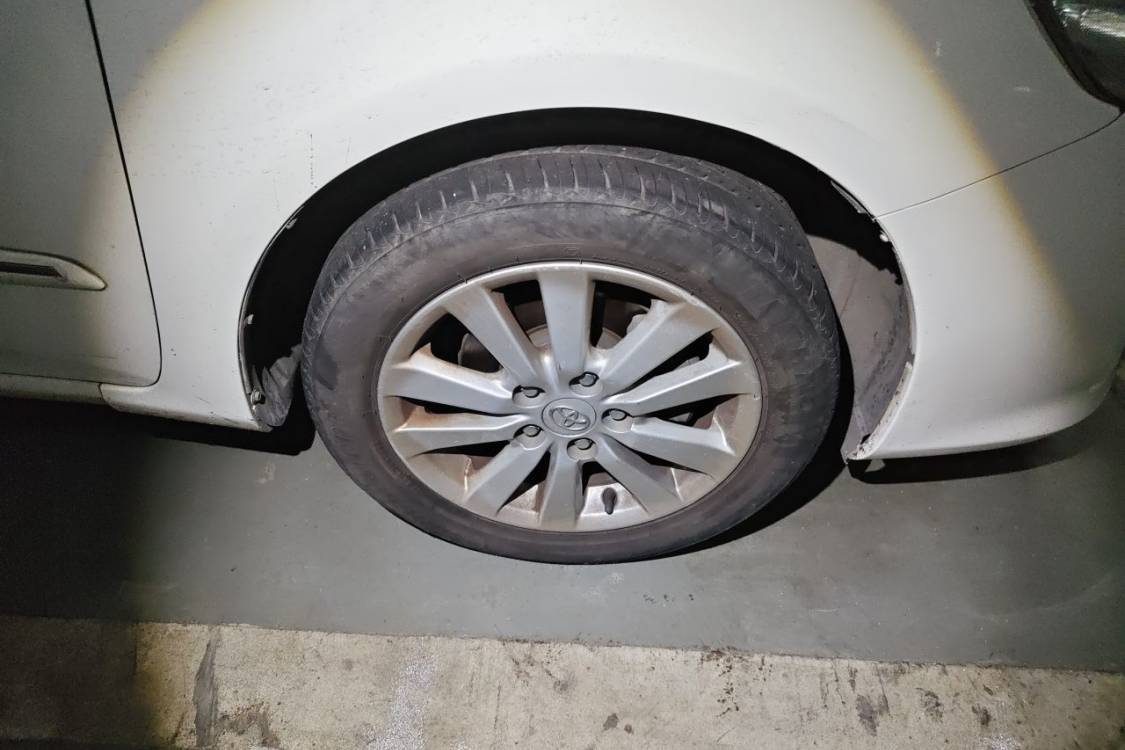
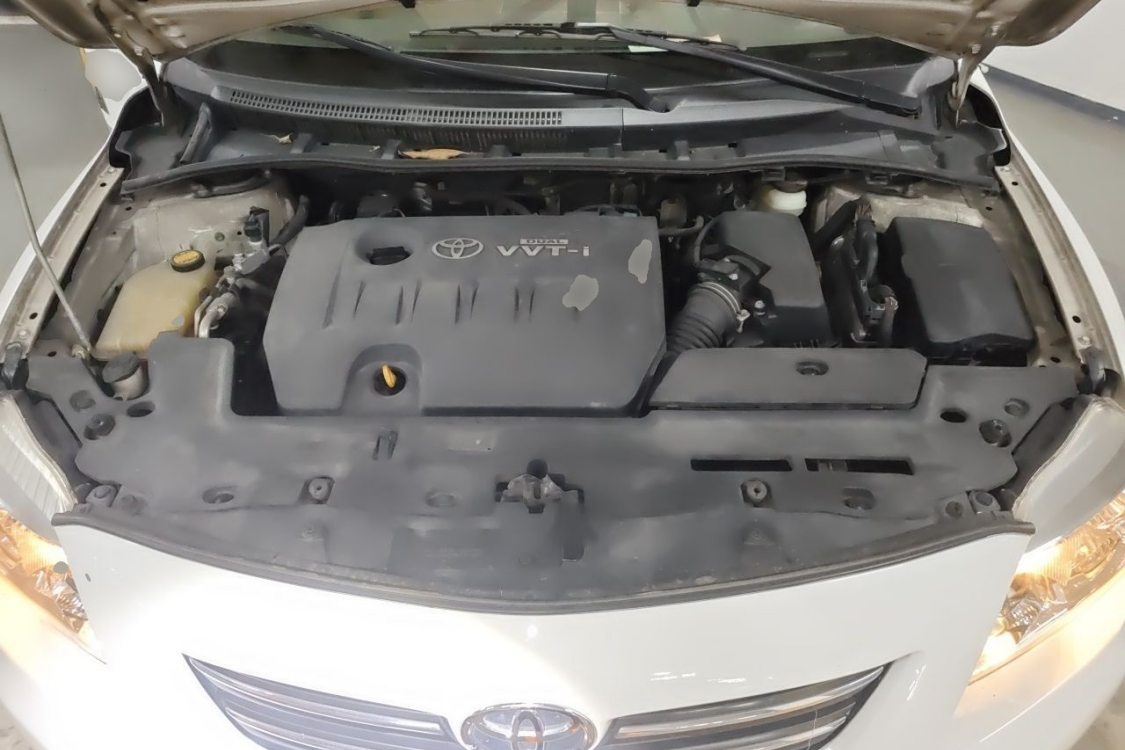
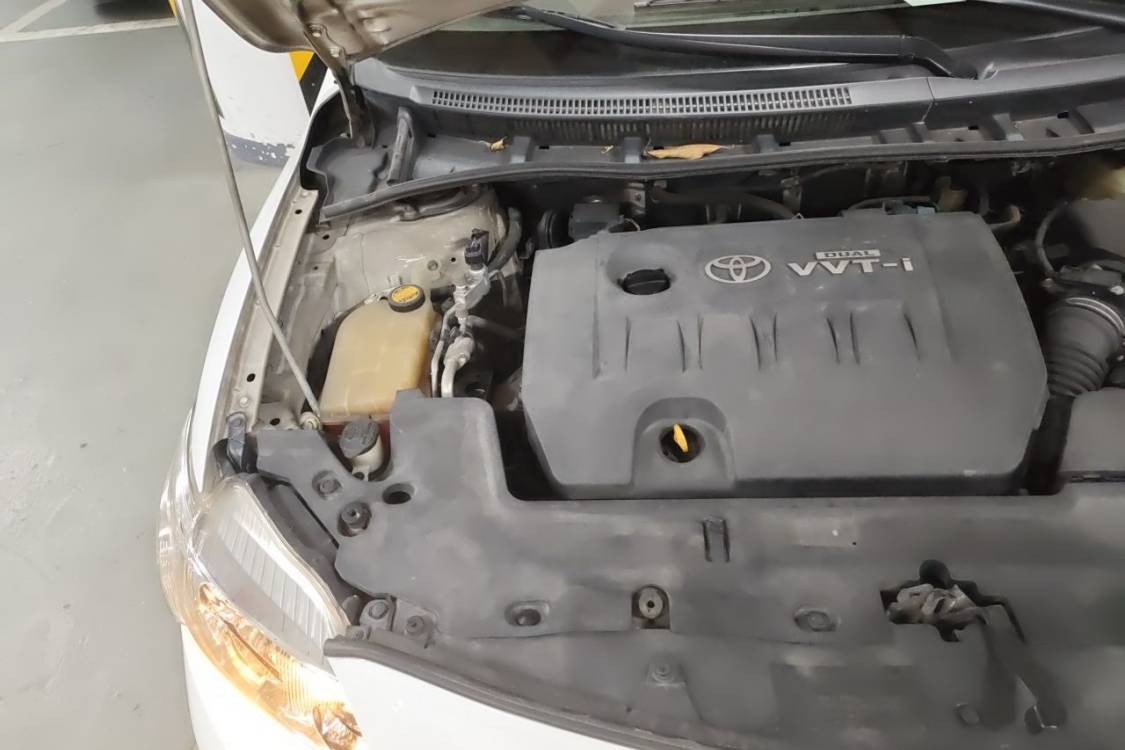
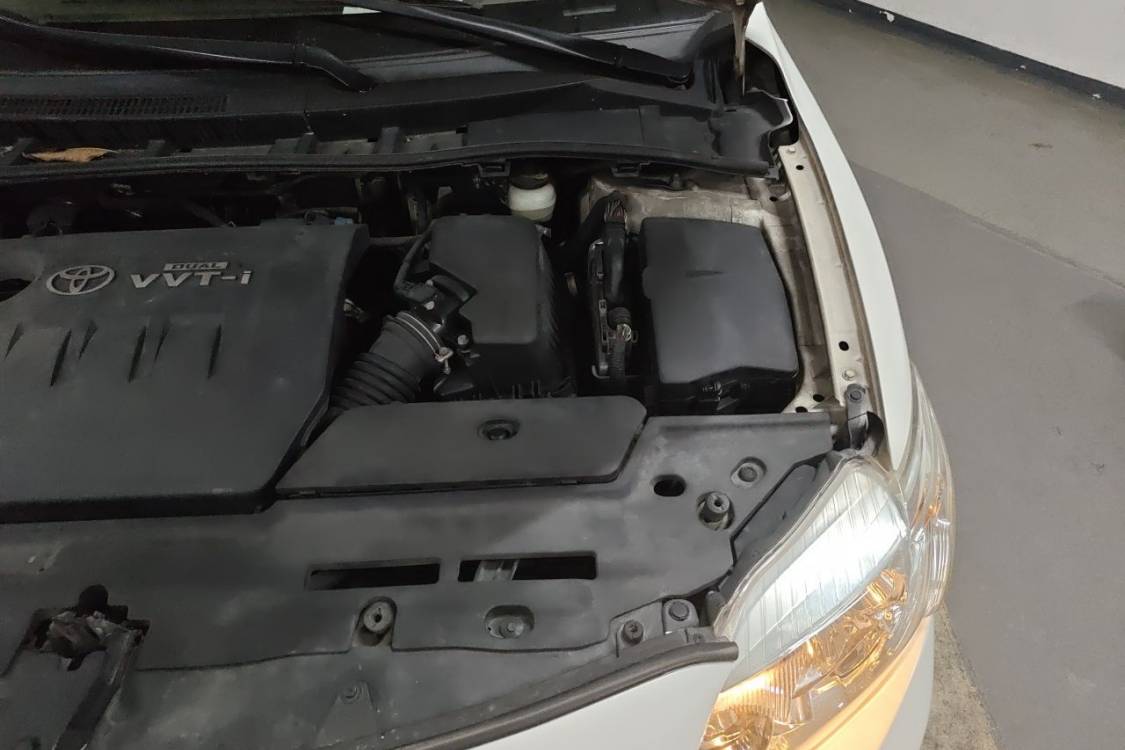
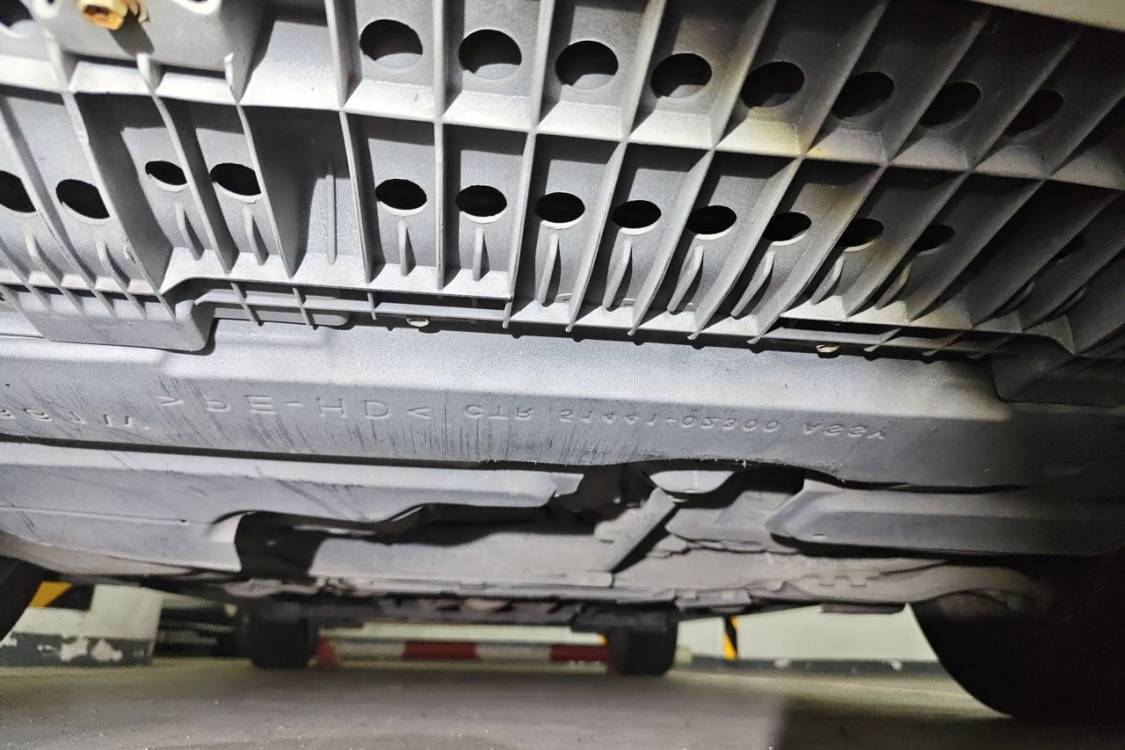
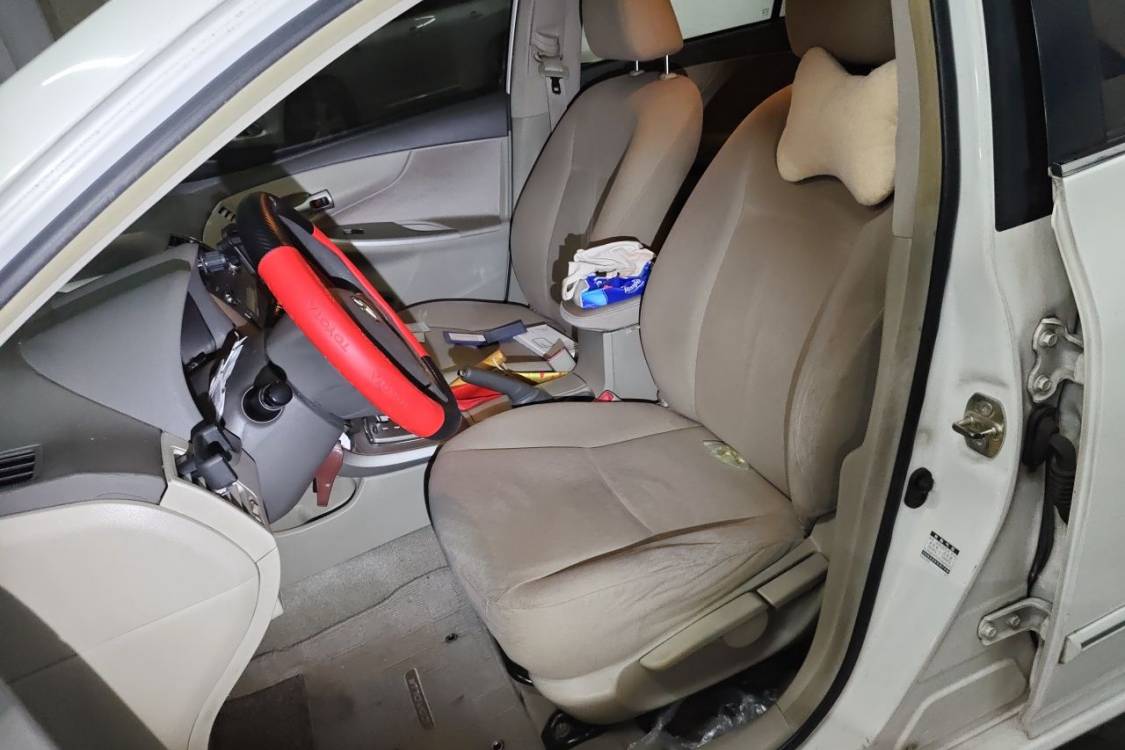
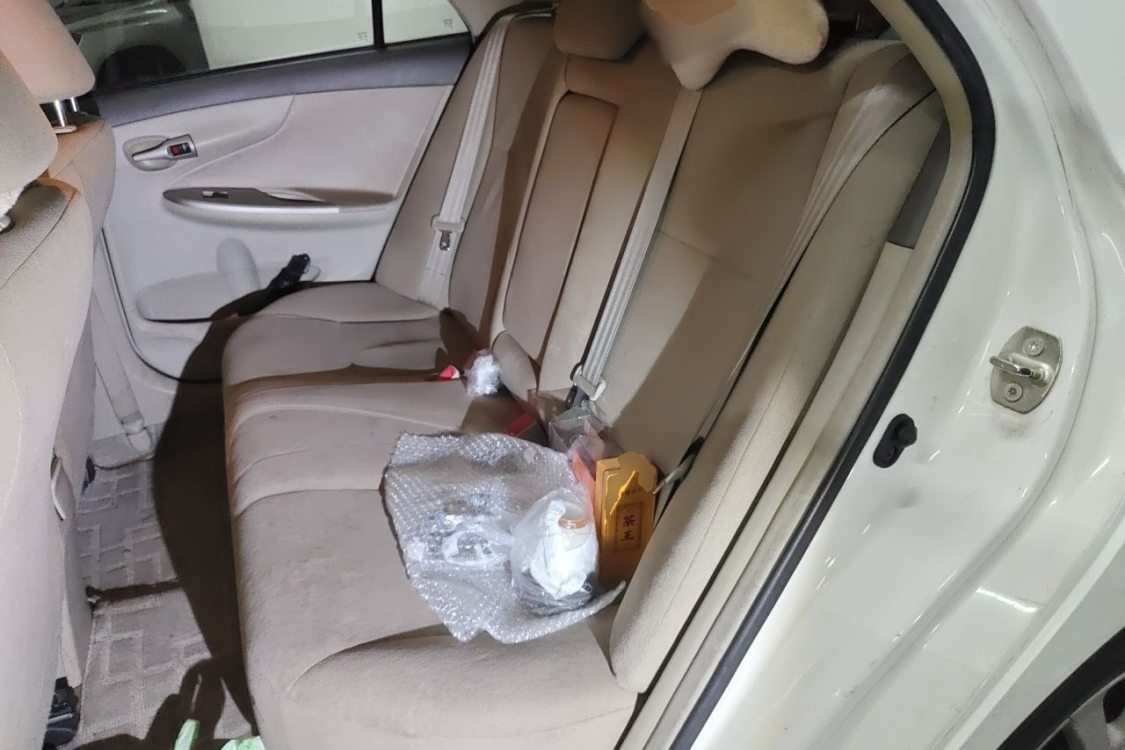
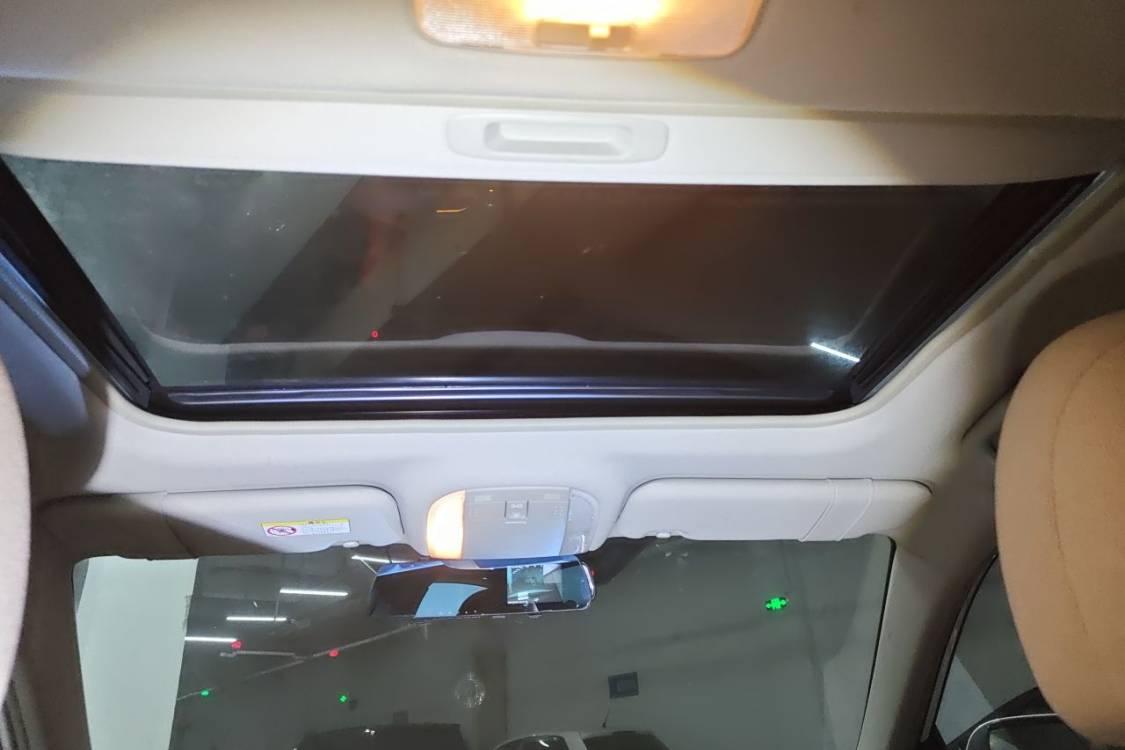
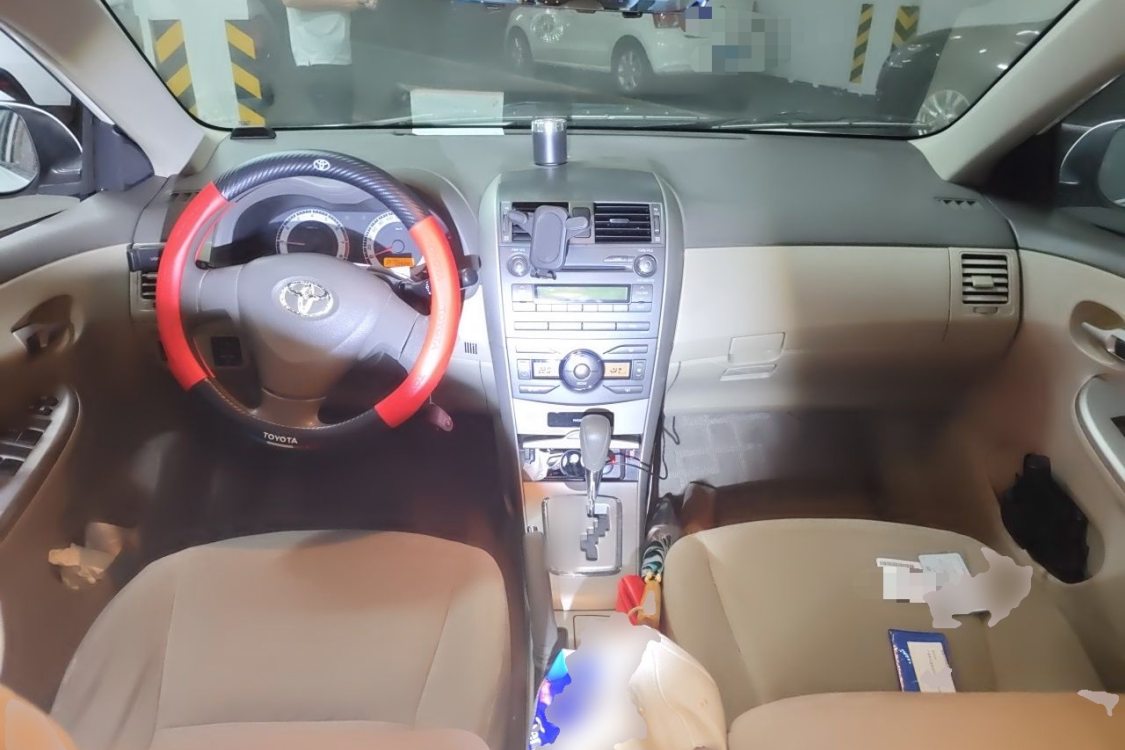
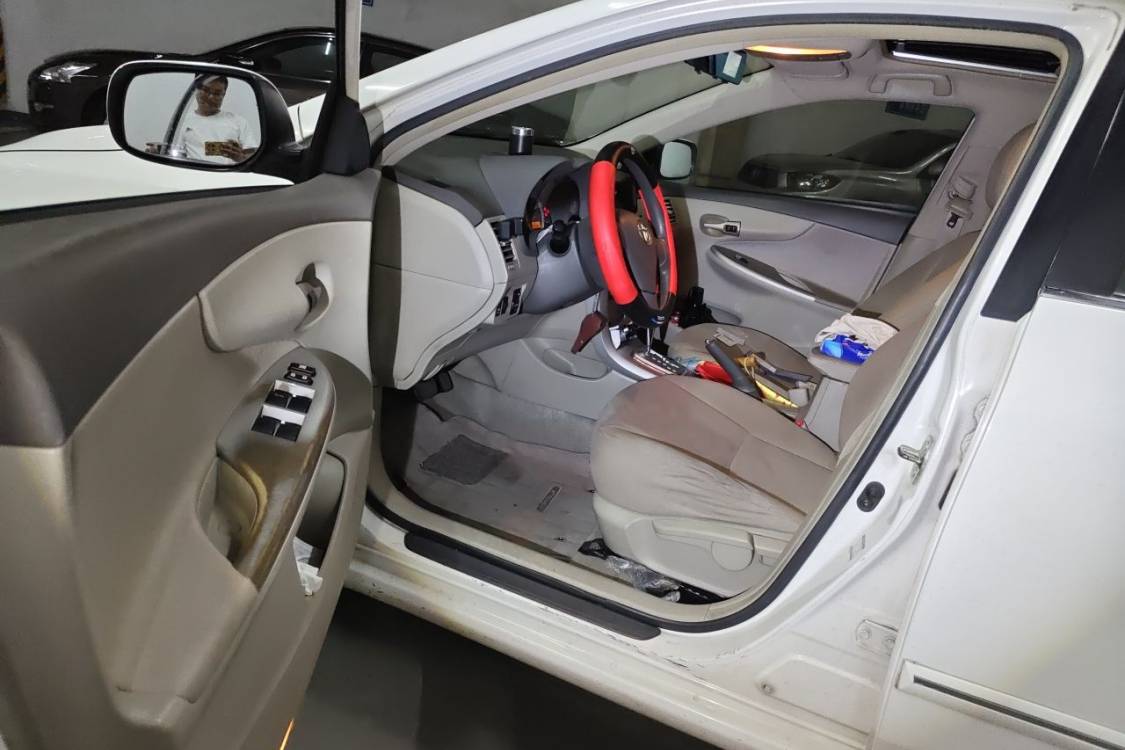
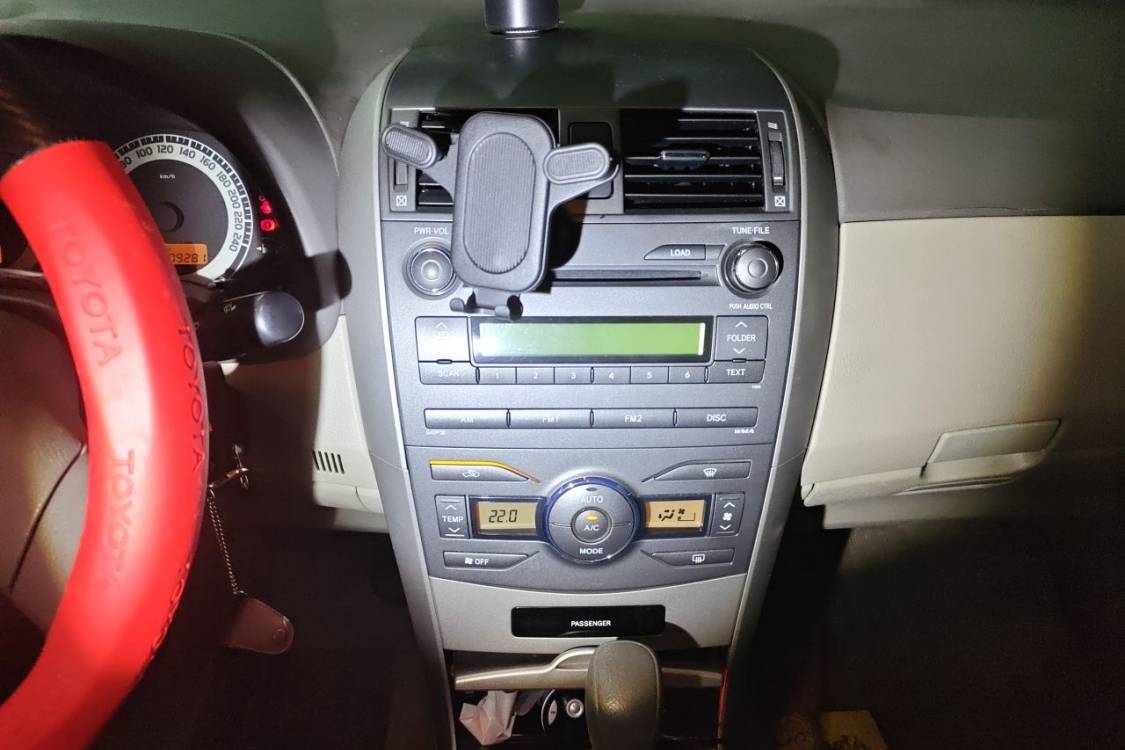
Accident inspection: main structure damaged, reinforcing parts damaged, panels damaged, hinges normal. Engine bay: valve cover gasket oil leak, engine cylinder head gasket oil leak. Exterior: 8 areas of sheet metal repair. Interior: left front door trim scratched, most features normal, airbag system normal, lighting system normal. Startup inspection: main components normal. No tool kit.

电话直连
可讲价
平台物流
非泡水

Document Information

Inspection Expiry Date-
Warranty Expiry Date-
Insurance Expiry Date2026/08

Q&A

More

How are the refrigerant pressure, compressor operation, and heating effect of the air conditioning system deeply tested?

The technician will start the vehicle and turn on the air conditioning system, measuring the actual temperature at the vents at the lowest and highest settings with a thermometer; at the same time, they will connect a manifold pressure gauge to check if the refrigerant pressure in the high and low pressure lines is within the normal range, determining if there is a chronic refrigerant leak.
How long is your quotation valid? What is the basis for re-quoting after it expires?

Our FOB vehicle quotes are typically valid for 72 hours (as domestic retail vehicle sources can be sold at any time); sea freight quotes are valid for 7 to 14 days (depending on shipping line changes). After expiration, prices need to be recalculated based on real-time exchange rates and domestic procurement conditions.

Why are the shipping costs for used electric vehicles (EVs) usually higher than for internal combustion engine vehicles (ICEs)?

Pure electric vehicles are classified as Class 9 Dangerous Goods due to their large lithium batteries, leading to strict shipping regulations. Shipping companies have high requirements for the loading position and fire isolation measures for dangerous goods, and some roll-on/roll-off ships refuse to accept used EVs. As a result, EVs often require more expensive special container shipping and incur additional handling fees for hazardous materials.