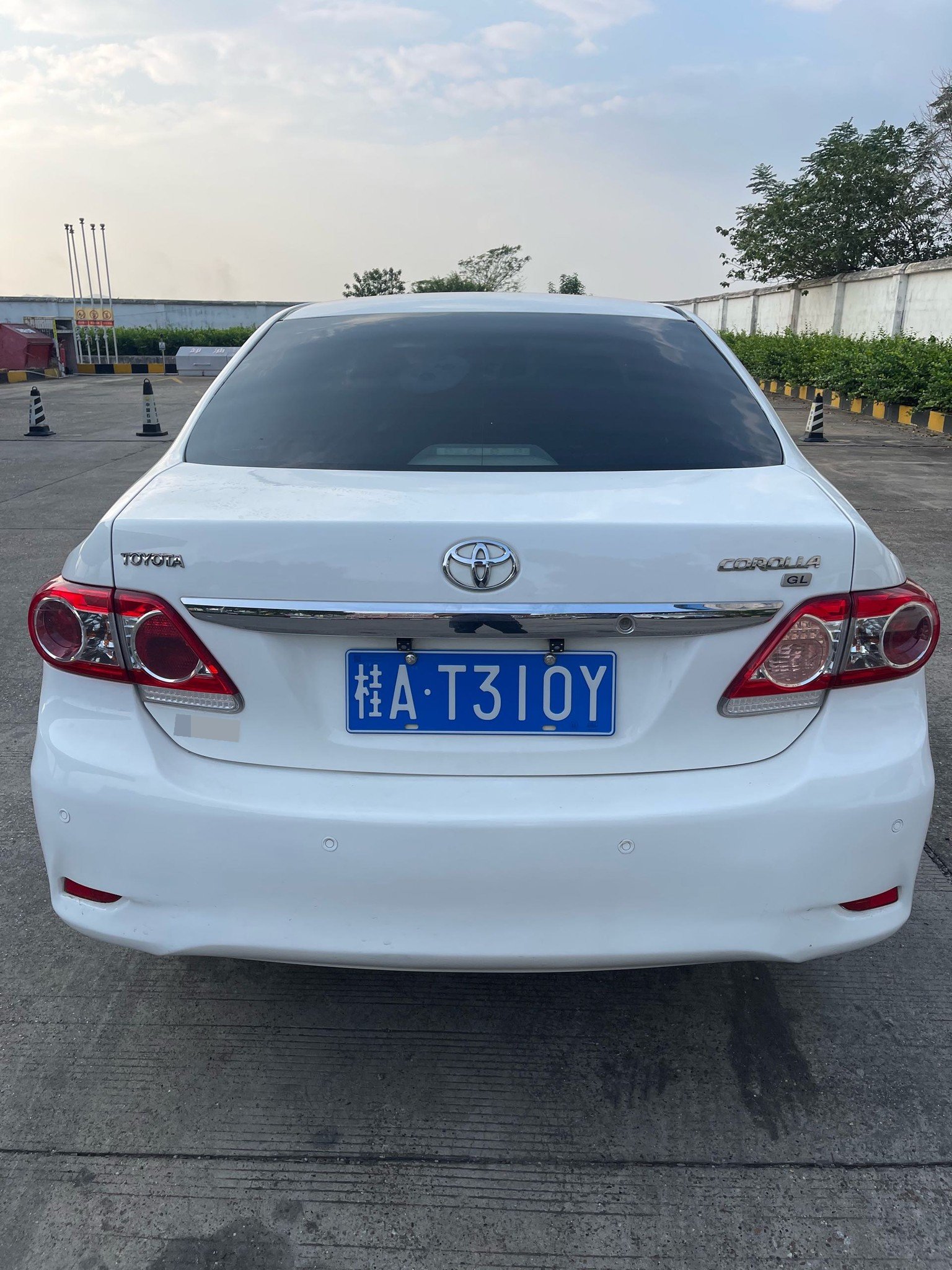
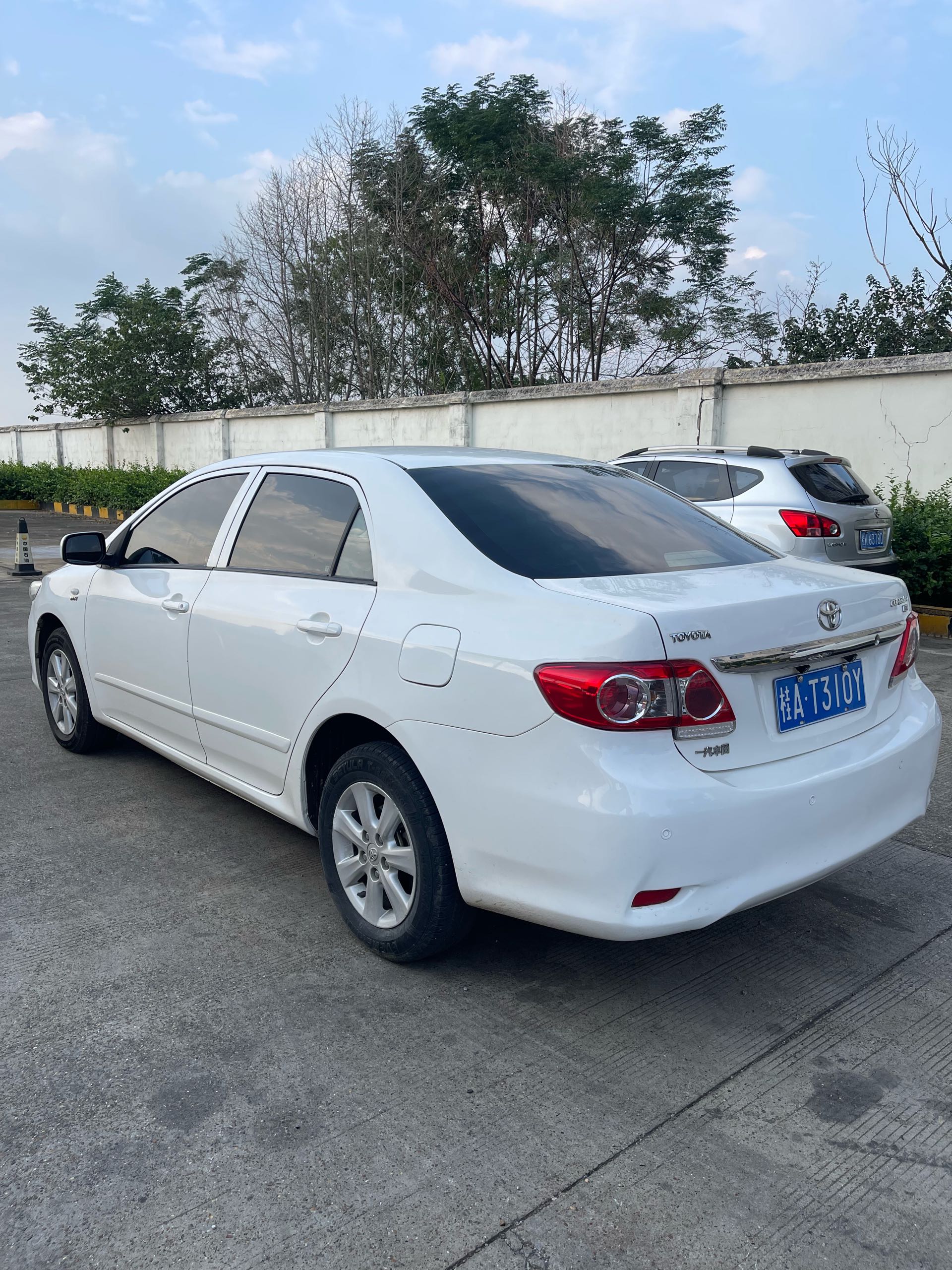
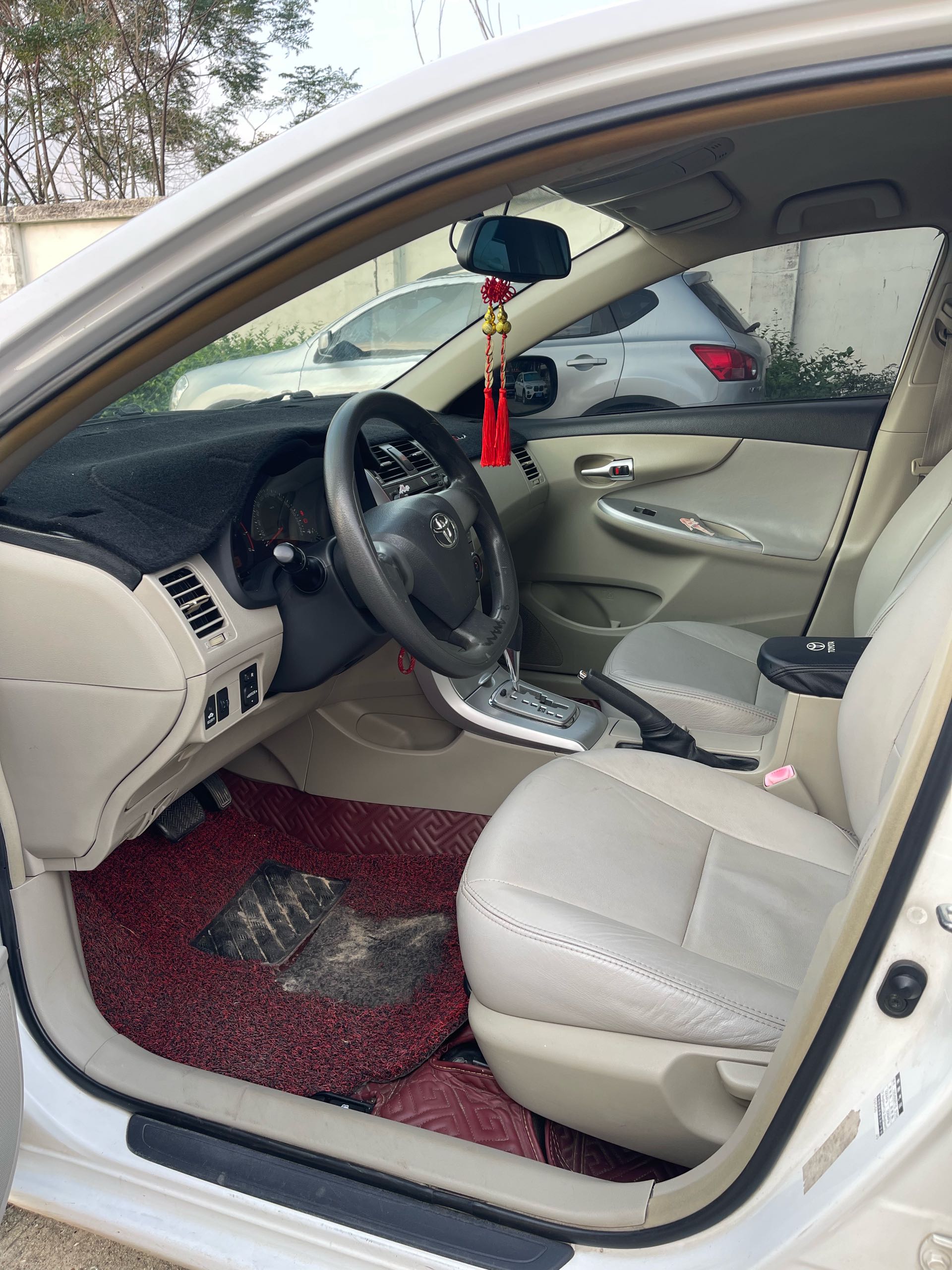
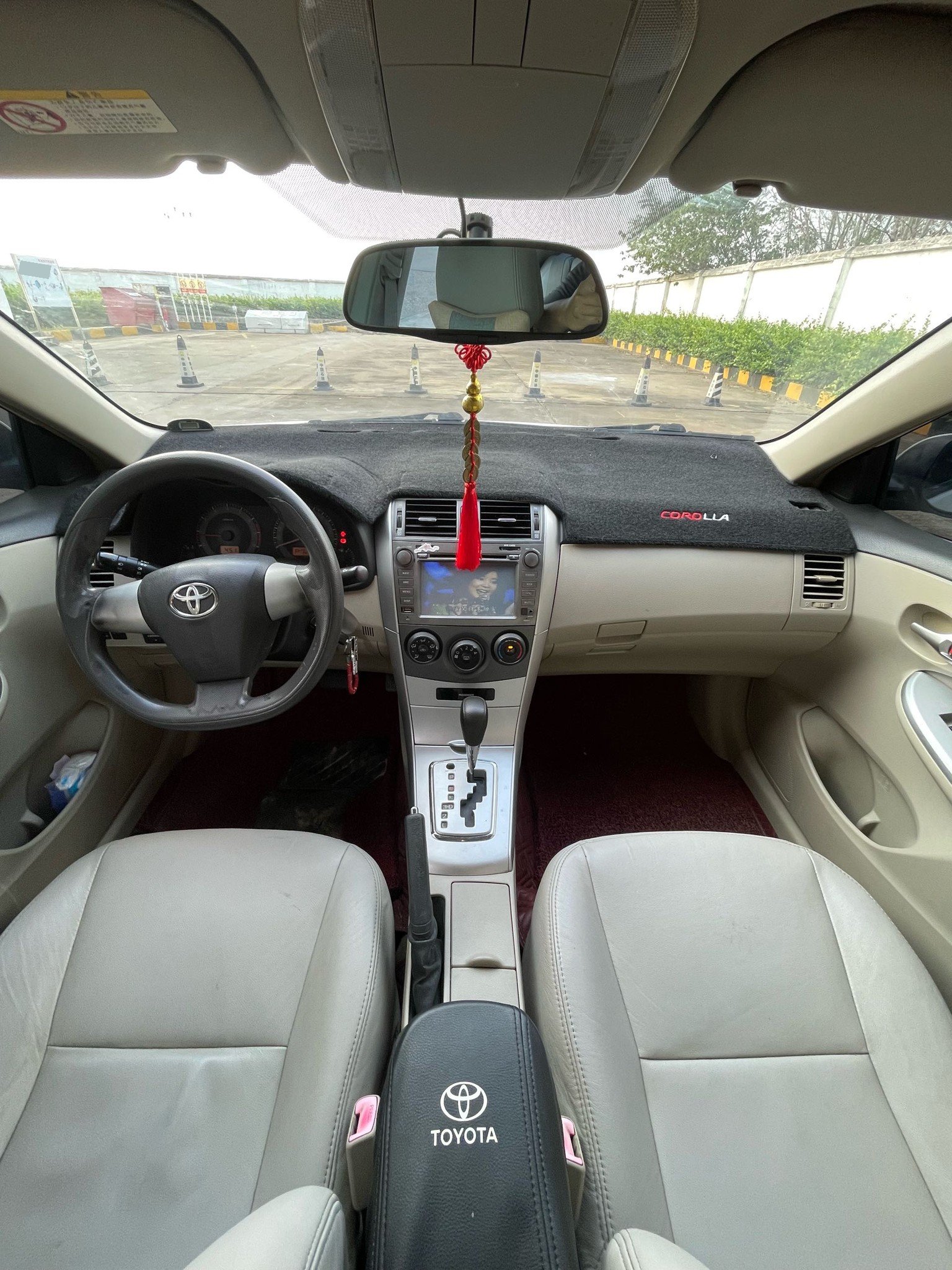



Basic Information

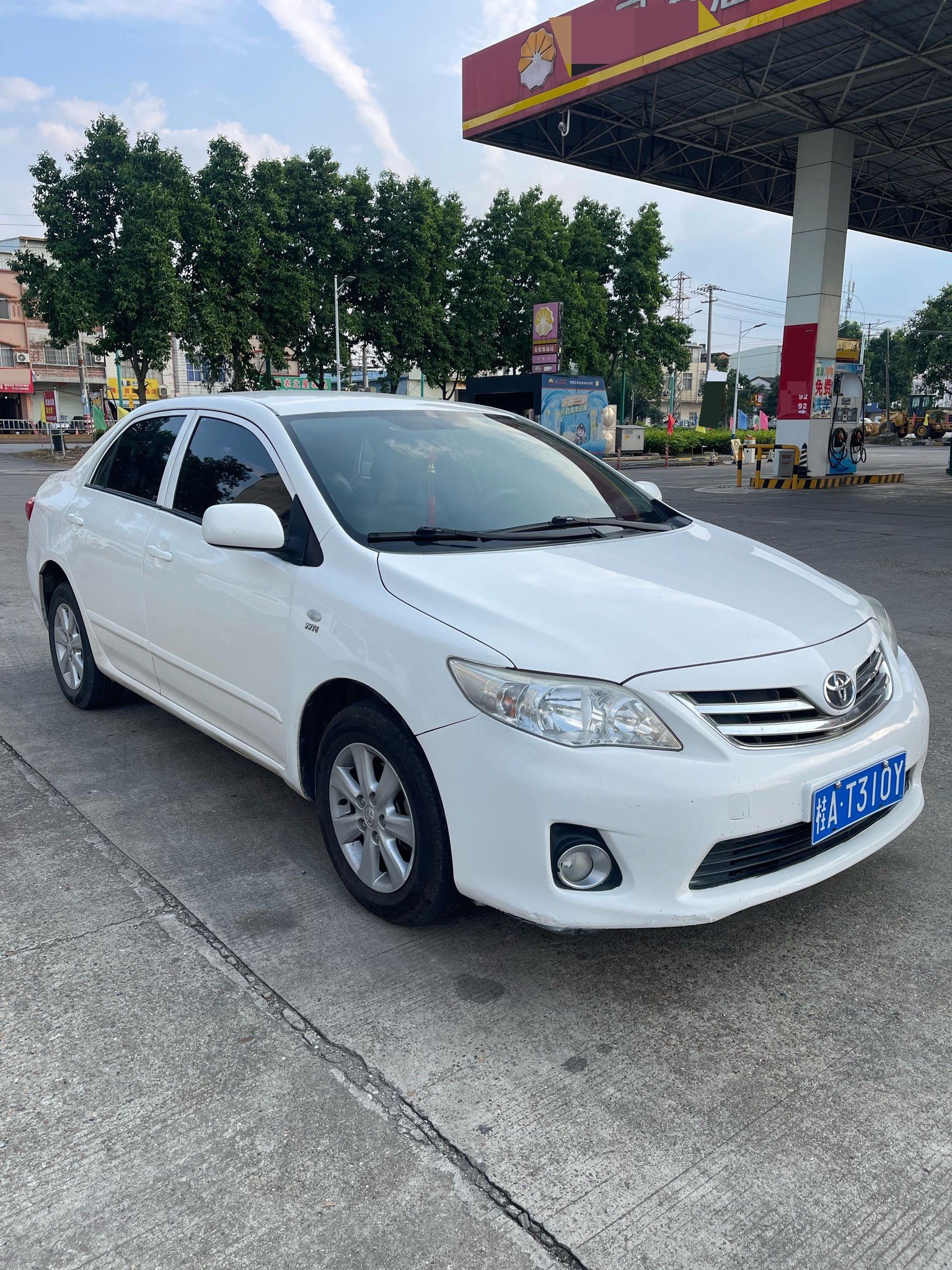
BrandToyota
SeriesCorolla
Year2011
First Registration2011/08
Mileage140,000km
Transfer Count0times
FuelGasoline
TransmissionAutomatic
Engine1.6L 122 L4
ColorWhite
Seats-

Condition Description

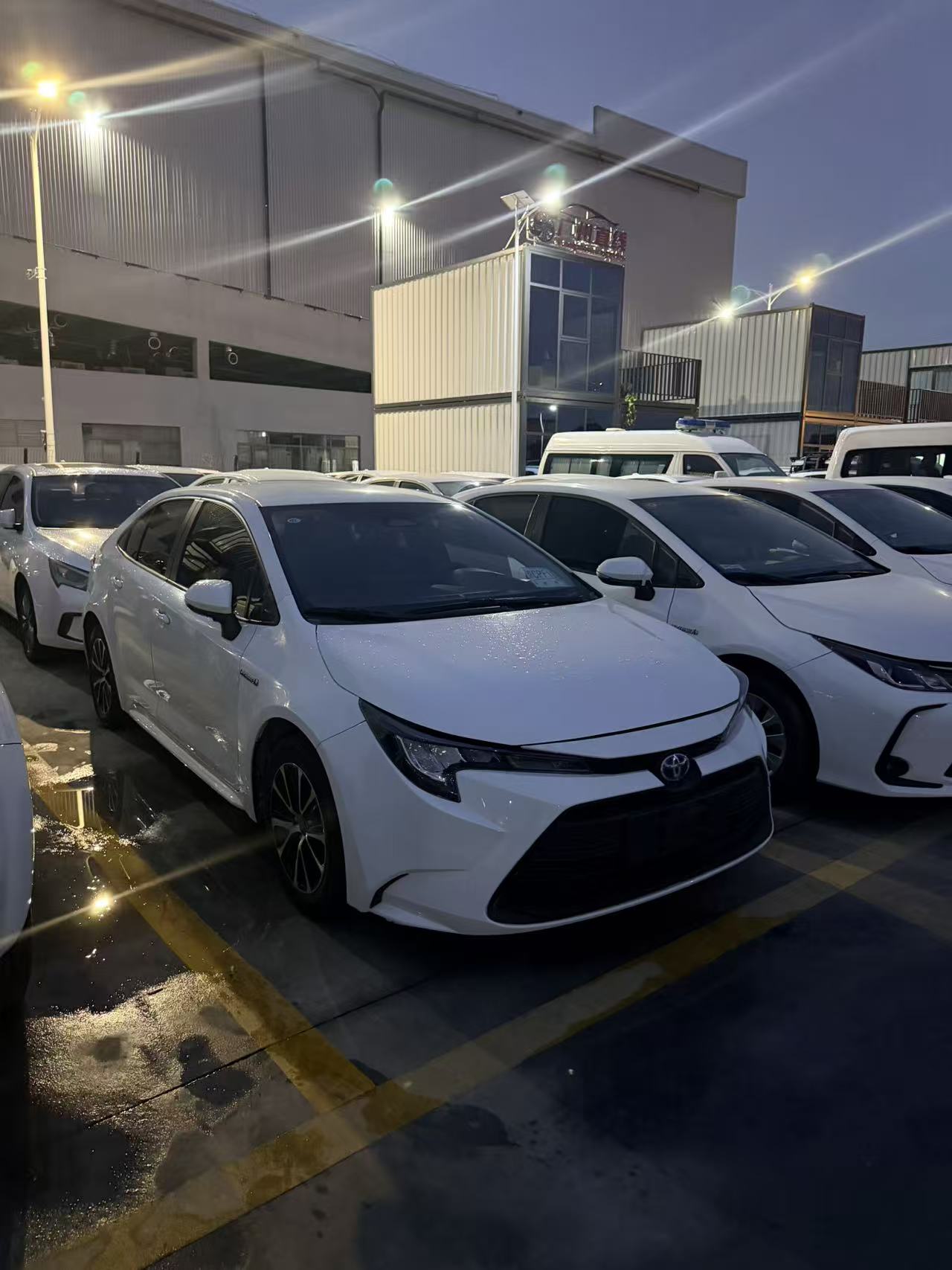
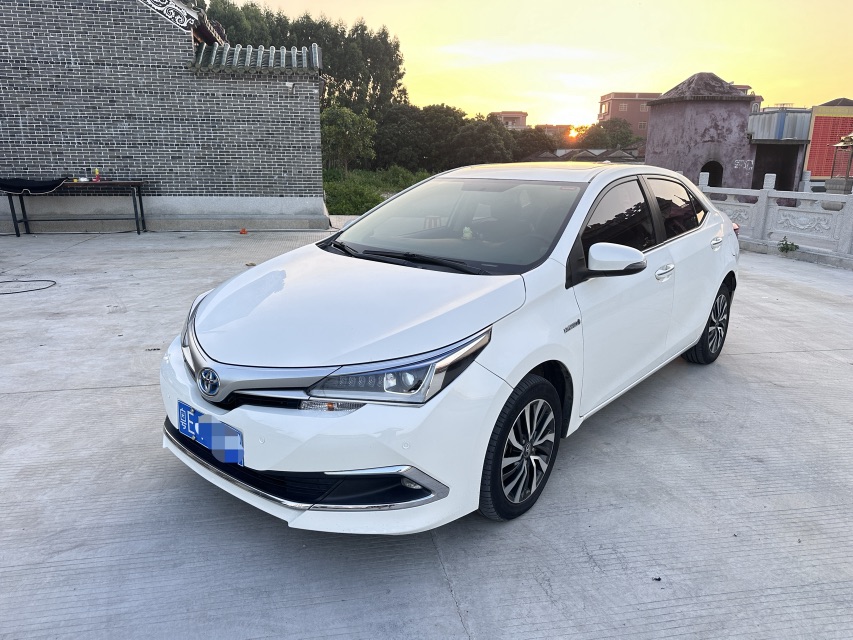
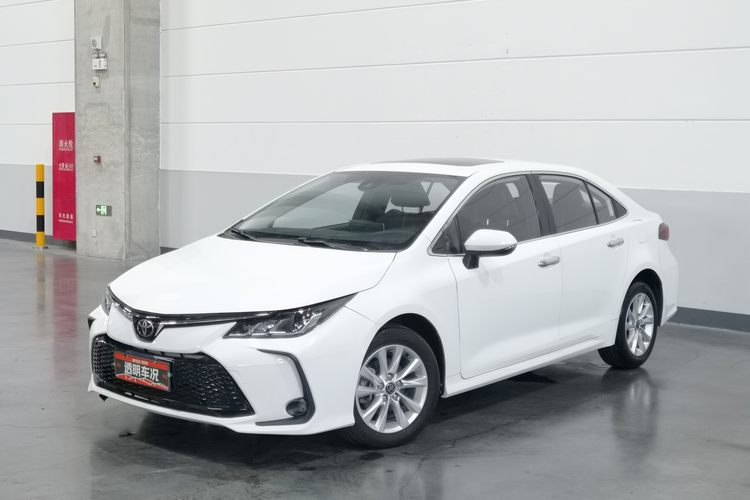
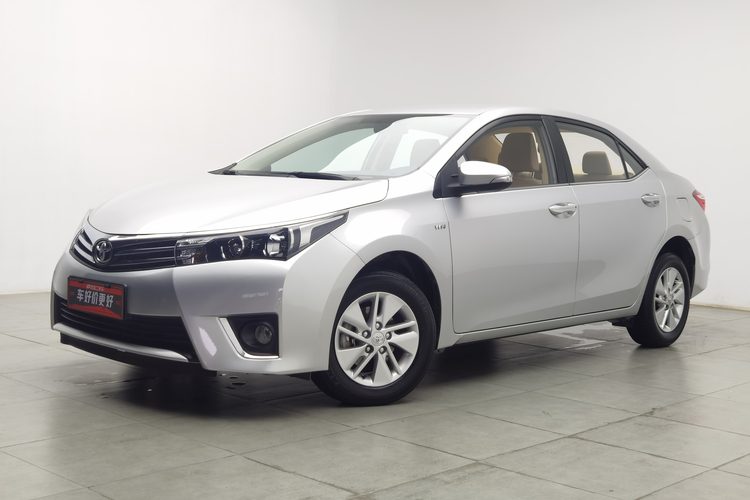
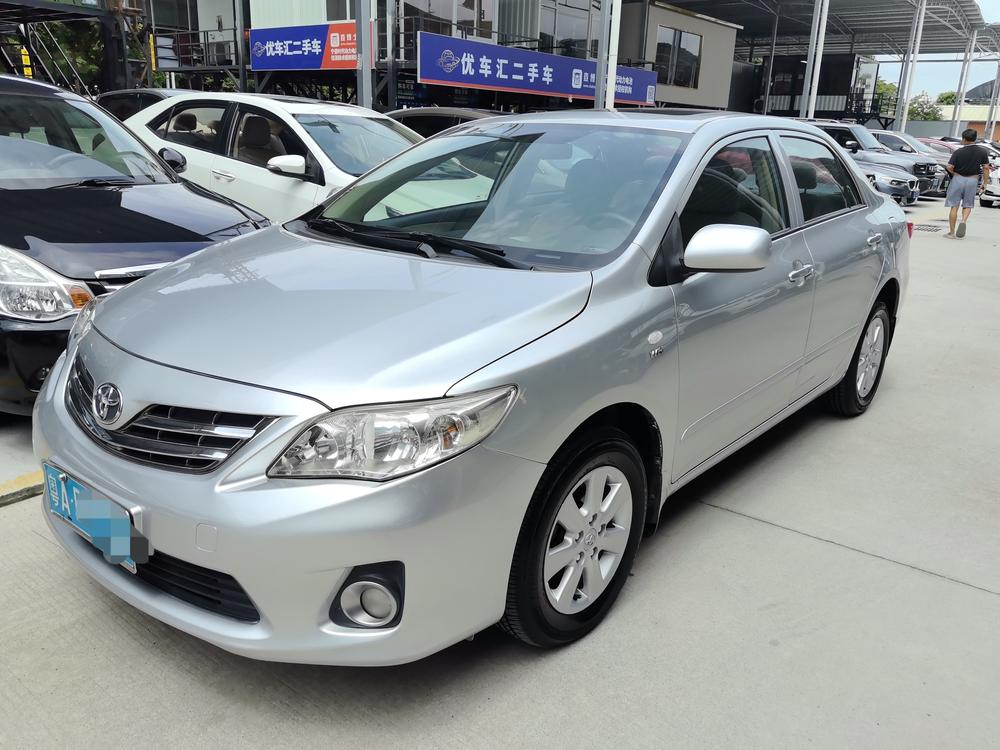
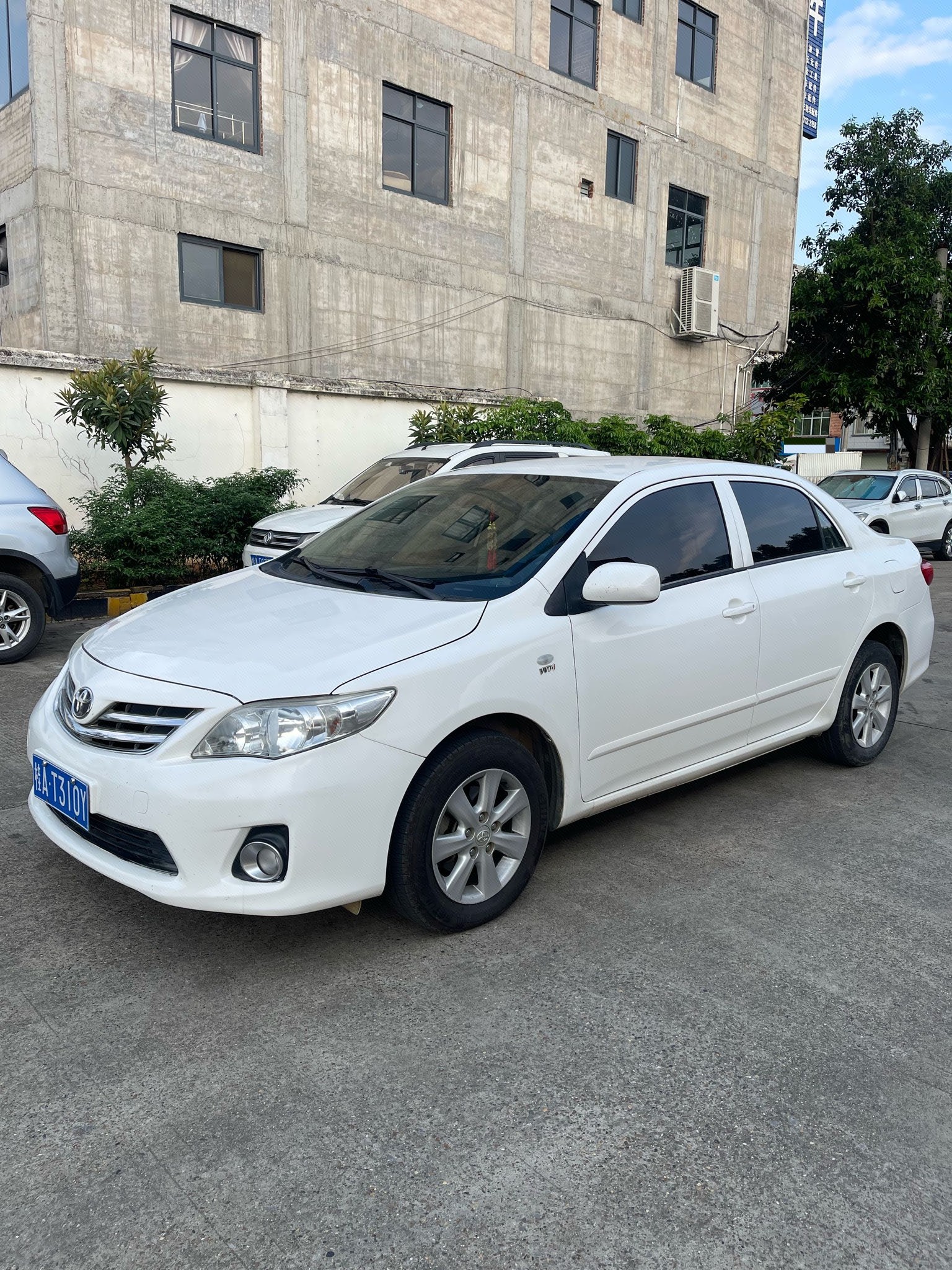
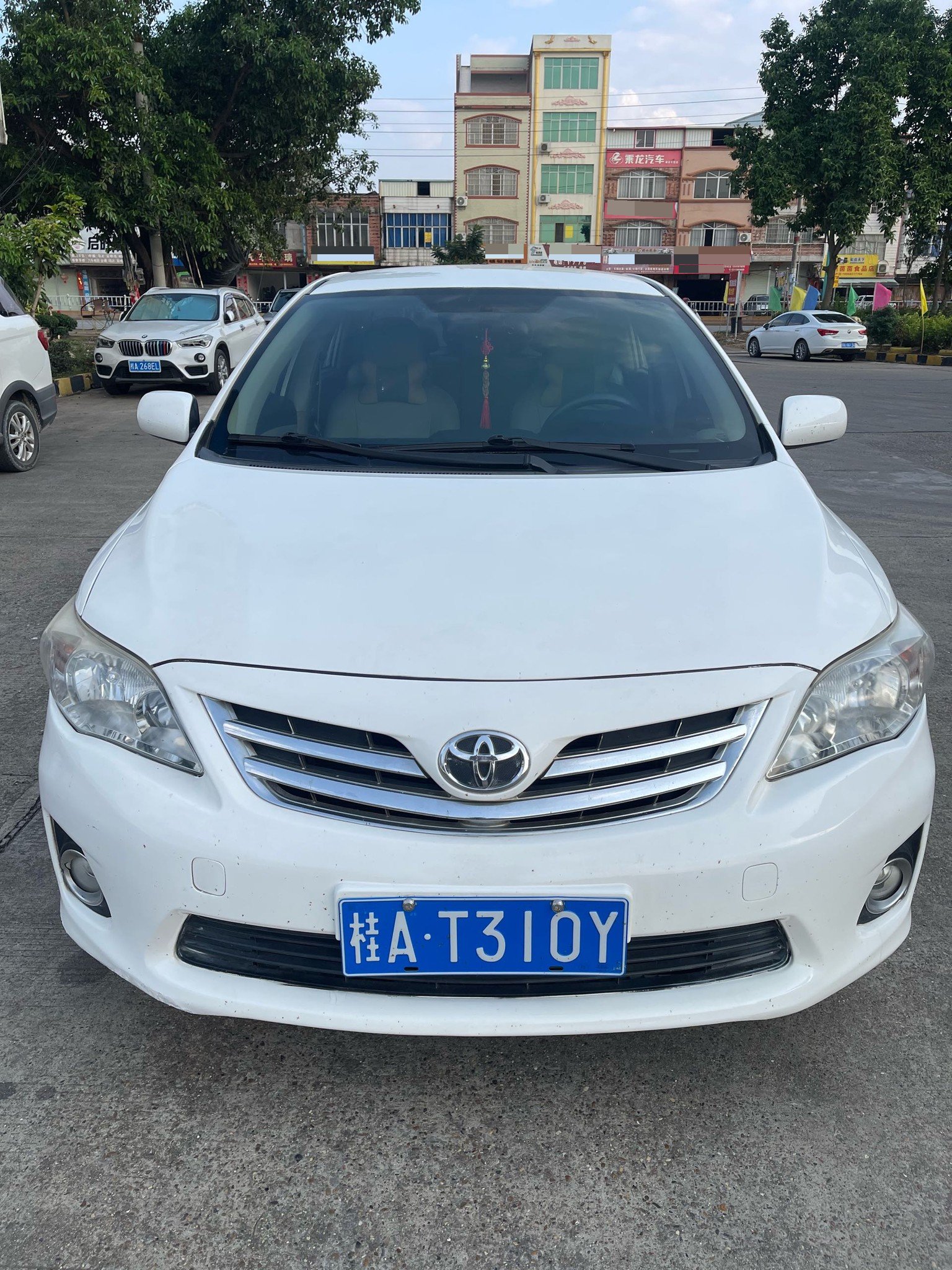
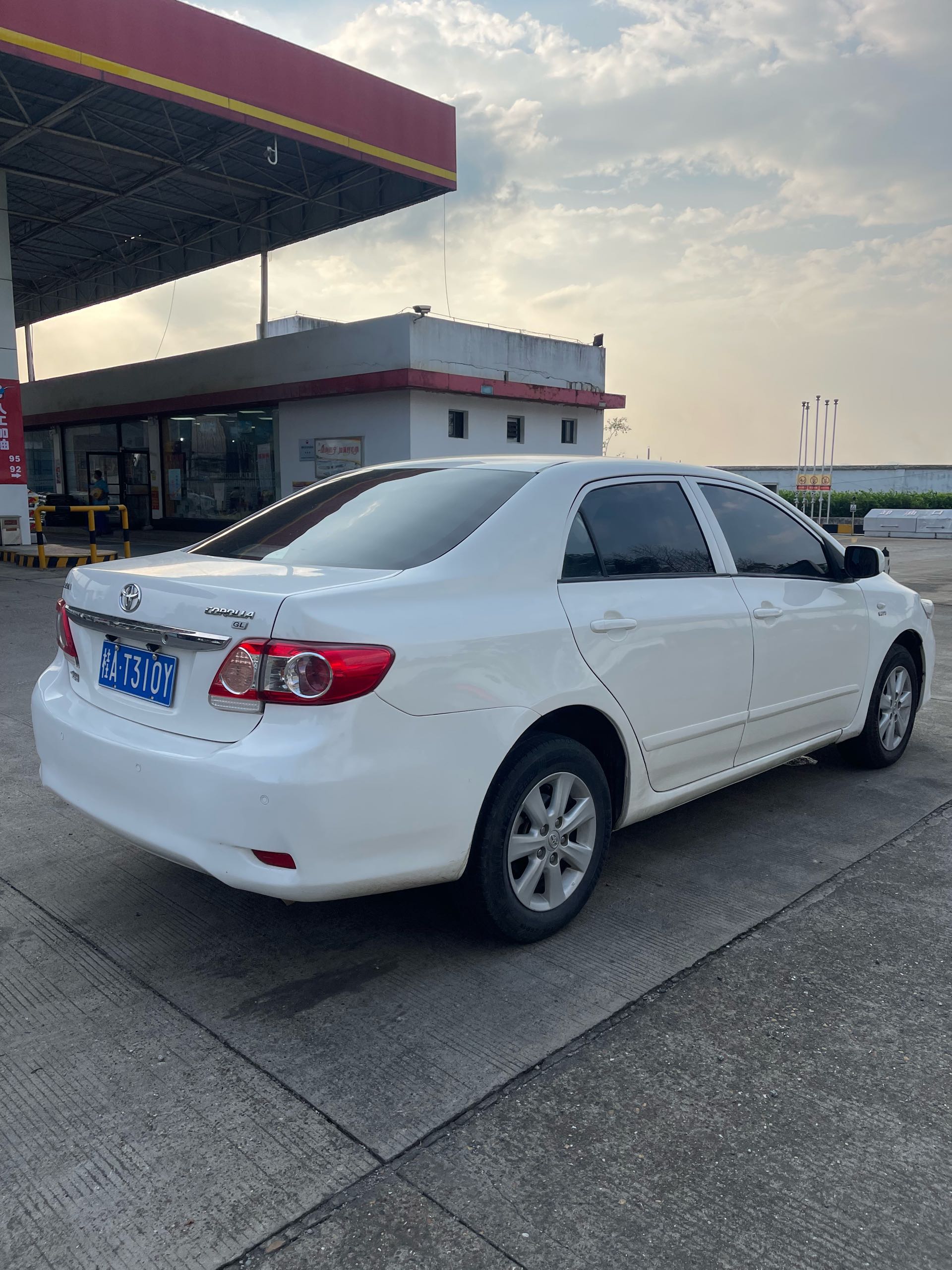
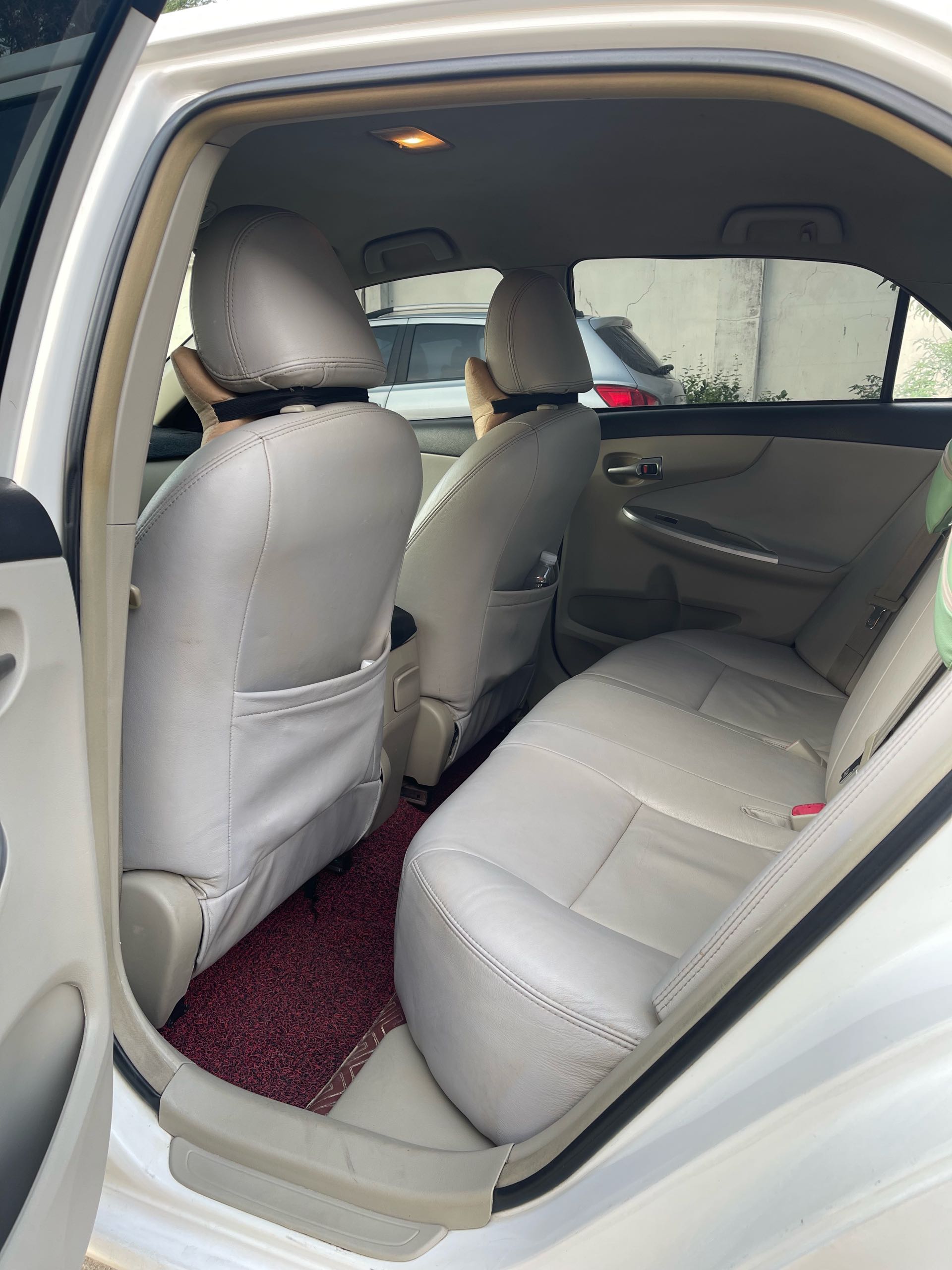
2011 Toyota Corolla 1.6L automatic, driven over 100,000 km, excellent condition with three guarantees, dual fees valid until next July, no investment needed, rearview camera and parking sensors, leather seats, solid chassis.

Document Information

Inspection Expiry Date-
Warranty Expiry Date-
Insurance Expiry Date2027/08

Q&A

More

What core export documents will you provide to ensure smooth customs clearance locally?

After receiving the final payment, we will send you the complete set of original customs clearance documents via DHL or FedEx, which typically includes: - Bill of Lading (B/L) - Commercial Invoice - Packing List - Certificate of Origin (CO) - Used Vehicle Export License issued by the Ministry of Commerce of China Note: If your local customs requires additional documents (such as VIN consistency certificate), please inform us in advance before shipping.


Why do some low-mileage, relatively new "almost new cars" get sold by their original owners?

There are various reasons, including but not limited to: financial needs, restrictions from lottery policies, moving abroad, or dissatisfaction with certain features of the vehicle. We will ensure that the vehicle was not sold due to catastrophic failures by ruling out major accidents, water damage, and flooding.

Should I ship my used car from China in a container or by roll-on/roll-off (RORO)?

It depends on the car's value, type and destination. RORO means the car is driven onto the vessel and secured on deck or in the hull. It is usually cheaper per car and does not involve container packing fees. The downside: the car sits exposed to salt air for weeks, and RORO service is limited to ports with dedicated terminals. Container shipping (one 20ft or 40ft container per 1-2 cars) costs more but gives much better protection. It is strongly recommended for electric vehicles (battery safety regulations), luxury cars, and vehicles going on long voyages or rough sea routes. Practical tips: whichever method you choose, ask for the car to be shipped with a full battery charge disconnected at the terminals, tire pressures adjusted, and a condition report with photos signed at loading. For EVs, confirm the shipping line accepts used electric vehicles and what state-of-charge limits apply.