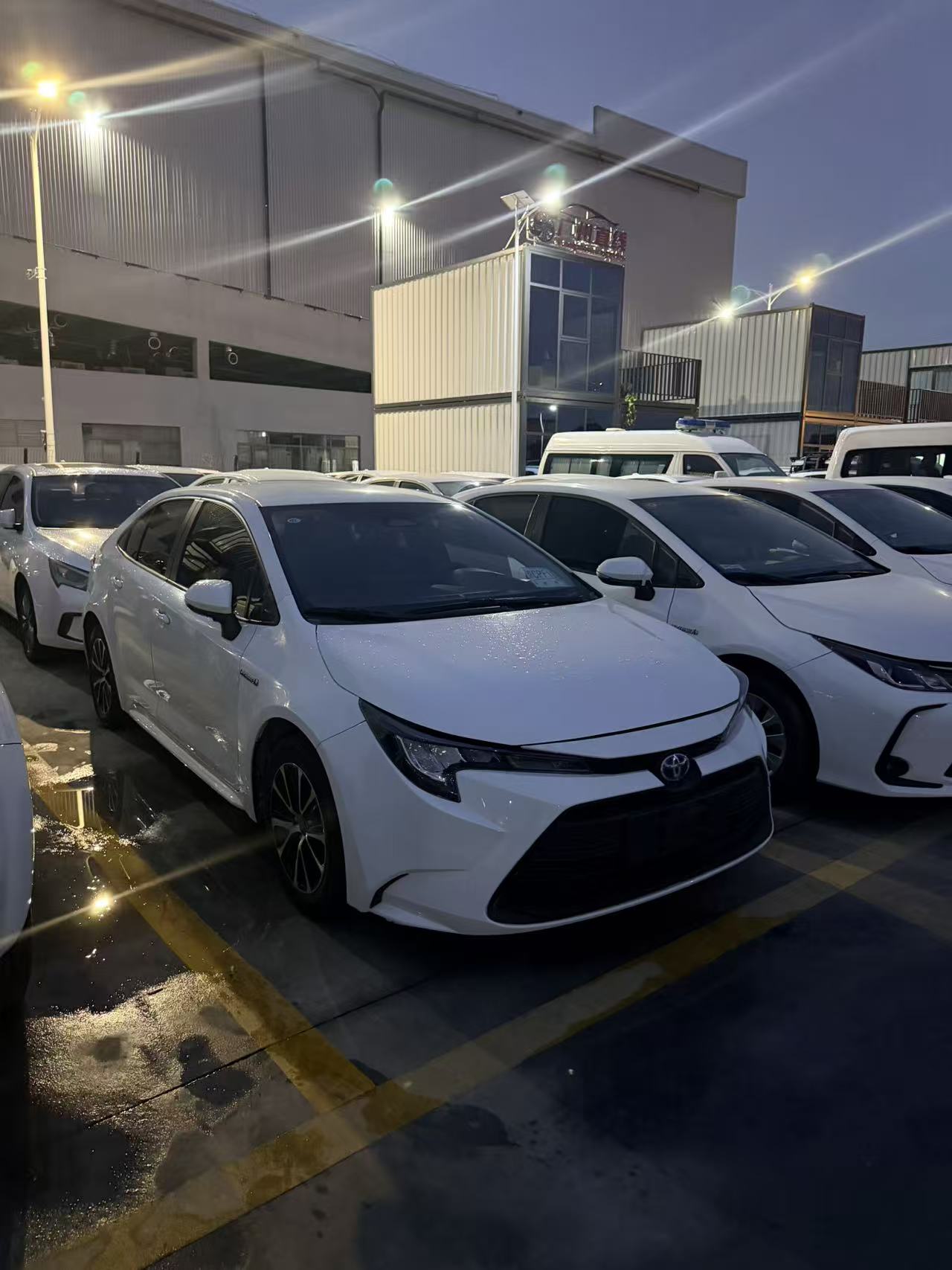
Basic Information

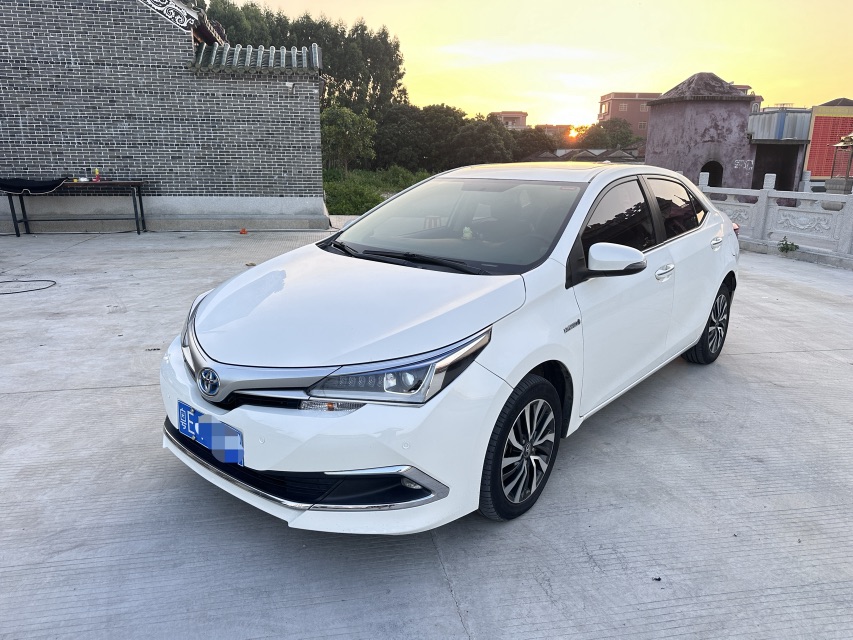
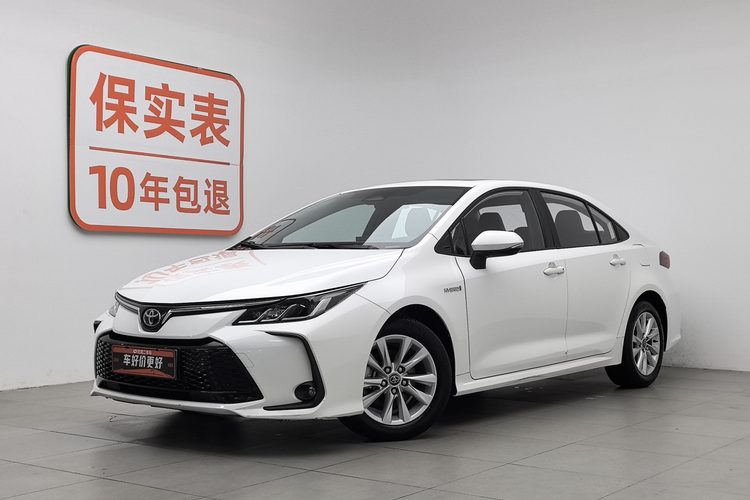
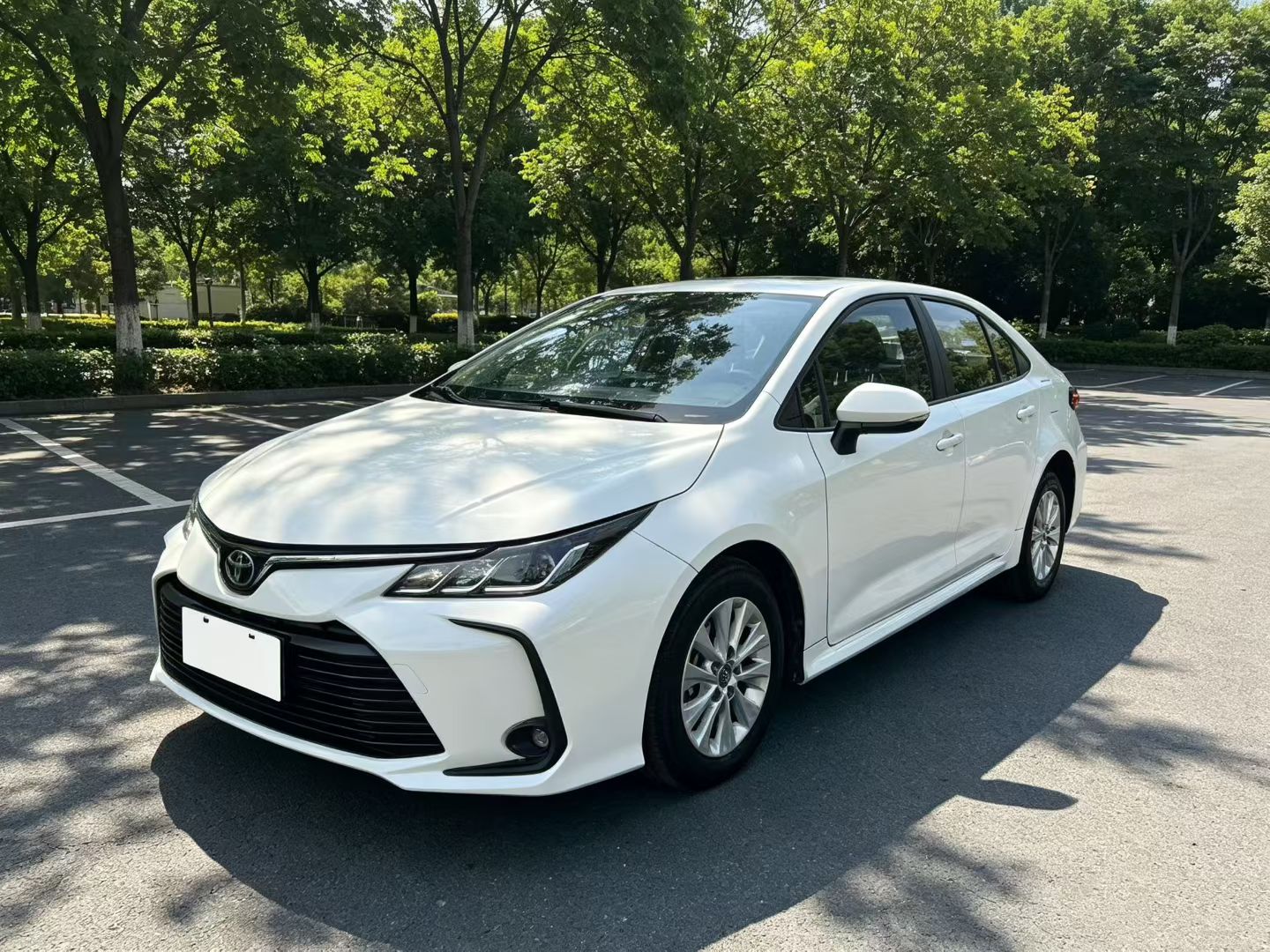
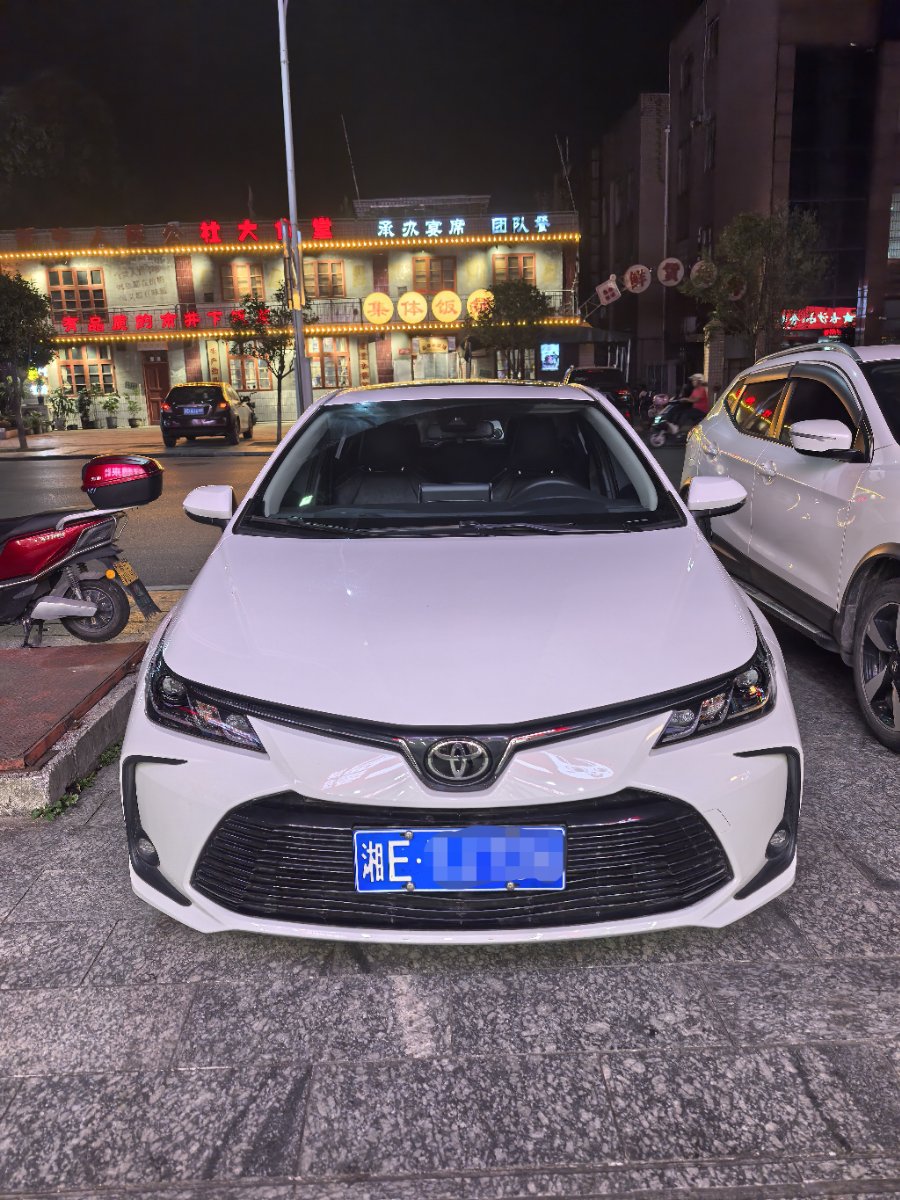
BrandToyota
SeriesCorolla
Year2014
First Registration2014/11
Mileage105,200km
Transfer Count2times
FuelGasoline
TransmissionCVT
Engine1.6L 122 L4
ColorWhite
Seats-

Condition Description

Body components (structural/reinforcement/panels) have accident-type damage; passive safety devices are defective; vehicle performance (including three-electric system) is degraded or remains performance-limited after repairs.

Accident inspection: main structure damaged, reinforcement parts damaged, panels damaged, hinges abnormal; engine bay: key mechanical components normal; exterior: 1 replacement, 4 repainted areas; interior: left front door trim damaged, left front seat damaged, most features normal, airbags normal, lighting system normal; startup inspection: main components normal; tool kit: absent.

可讲价

Document Information

Inspection Expiry Date2026/11
Warranty Expiry Date-
Insurance Expiry Date2026/10

Q&A

More

Does the vehicle comply with UNECE regulations? Is there an EC certificate?

Verify if the vehicle model is within the manufacturer's EU certification scope. If not, contact the certification company for single model certification; otherwise, it cannot be registered in Europe.

How are import duties on used cars from China calculated, and which HS code applies?

Used cars are classified under HS heading 8703 (motor vehicles for transport of persons), with the last four digits determined by engine type and size. Gasoline cars usually fall in 8703.21–8703.80 depending on displacement; pure EVs fall under 8703.80; hybrids have their own subheadings. The duty amount depends on your country's tariff schedule: 1. Most countries charge duty on the CIF value (car price + freight + insurance), not the FOB price. 2. Many developing markets levy higher duties on used vehicles than new ones, and some add a surcharge based on age — older cars can cost significantly more to clear. 3. After duty, you typically pay VAT/GST on the CIF + duty total, plus port and customs fees. Practical tips: ask your exporter to state the exact HS code on the commercial invoice and confirm it with a local customs broker before shipping. A wrong code can trigger reclassification, penalties, or delays. Also budget for any excise tax tied to engine capacity — in several markets a 2.5L car clears far cheaper than a 3.5L one.

RoRo, container, or flat rack: which shipping method should I choose for a used car from China?

RoRo (roll-on/roll-off): the cheapest per car for running vehicles. Cars are driven onto the vessel and secured on decks. Transit to major ports (Jebel Ali, Rotterdam, Karachi) takes 15 to 35 days. Downside: cars are exposed to weather and salt air, and minor handling scratches happen occasionally. Container (20ft/40ft): one 40ft high-cube fits one car with parts, or two small cars with racking. Cost is higher than RoRo but cars are sealed and protected. Best for high-value vehicles, EVs (battery safety rules often require container), or when shipping spare parts together. Flat rack: for oversized vehicles (trucks, buses, modified cars). Priced per dimensions. Practical advice: for a standard used car to a port with RoRo service, choose RoRo and add marine insurance (0.3%–0.8% of value). If your destination lacks RoRo calls or you ship an EV, use a container. Always get the booking confirmation and bill of lading copy before paying the final balance.