48H

Basic Information

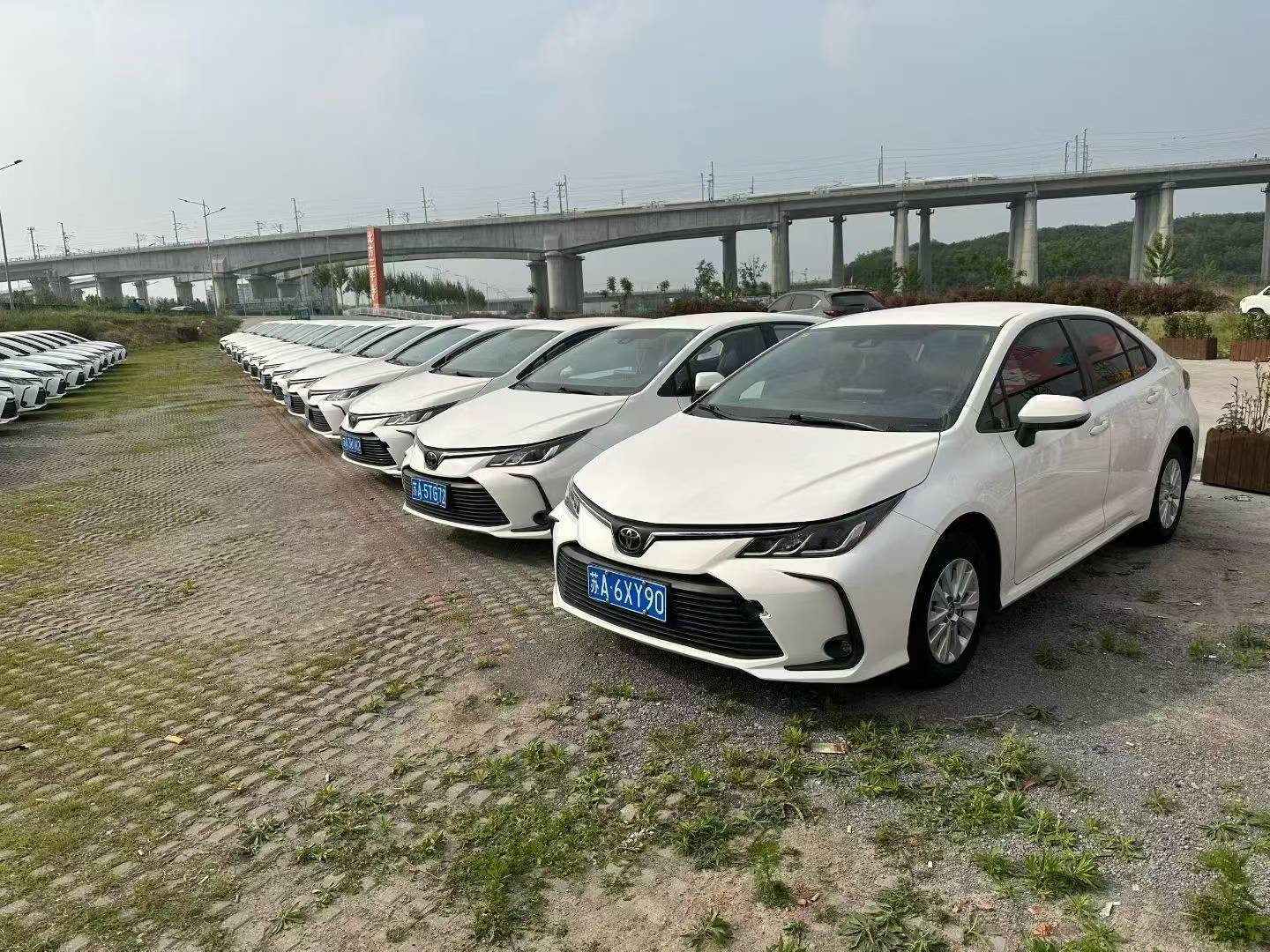
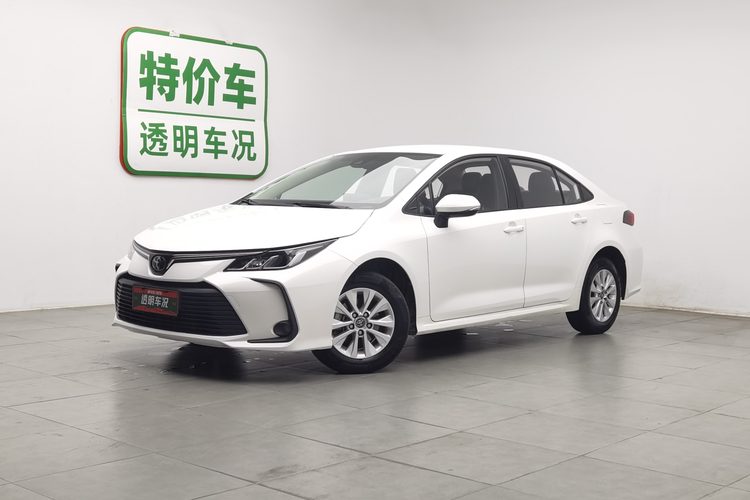
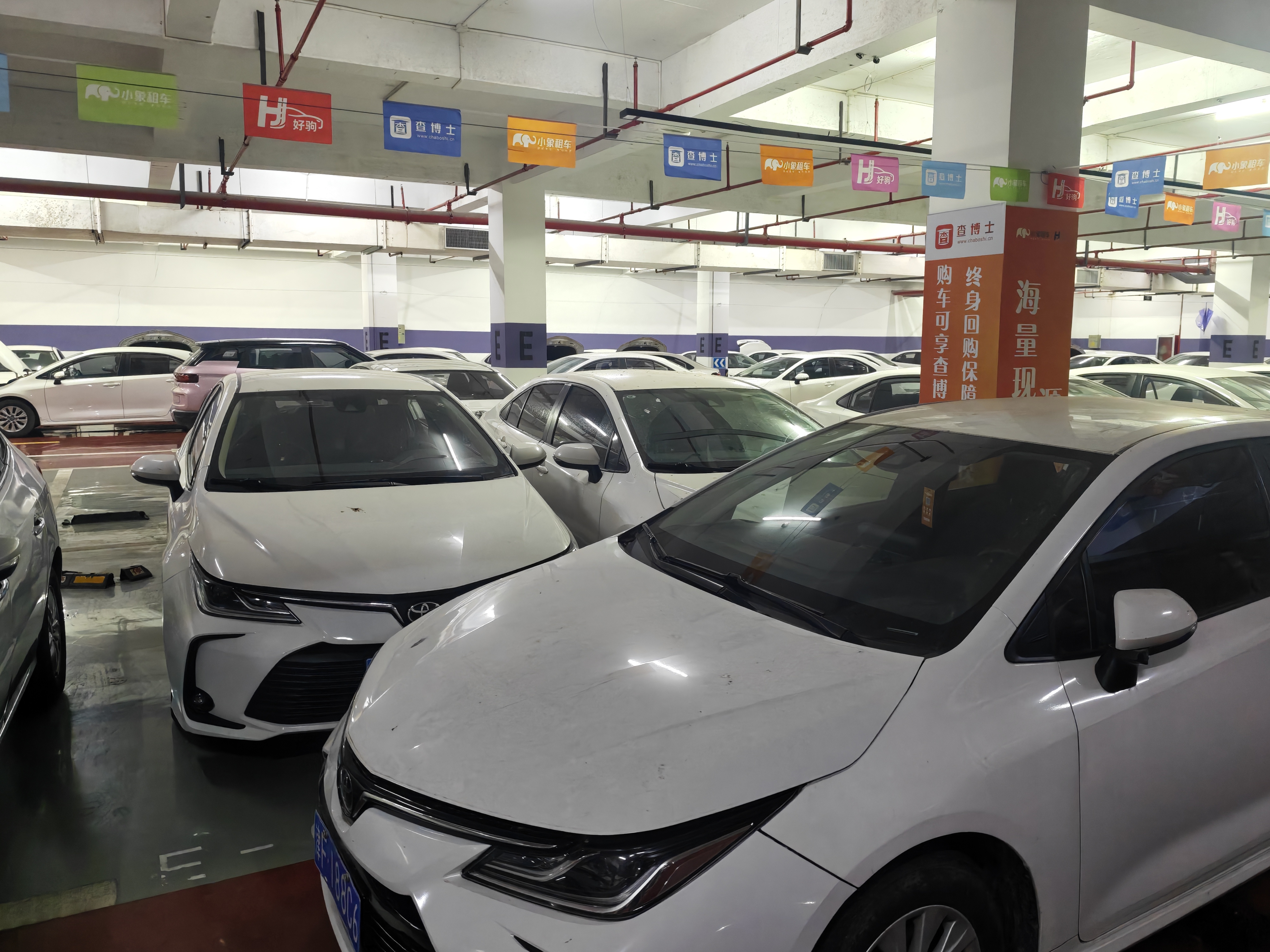
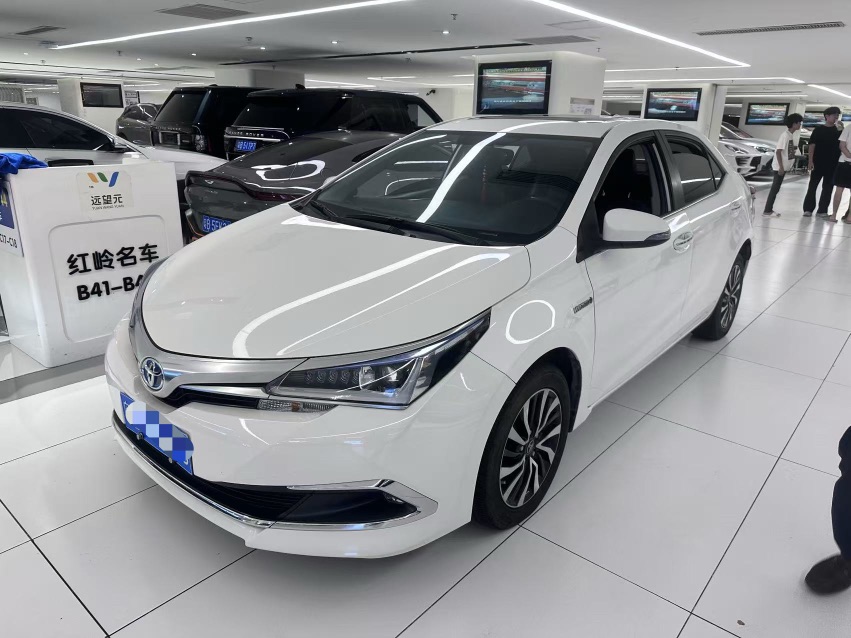
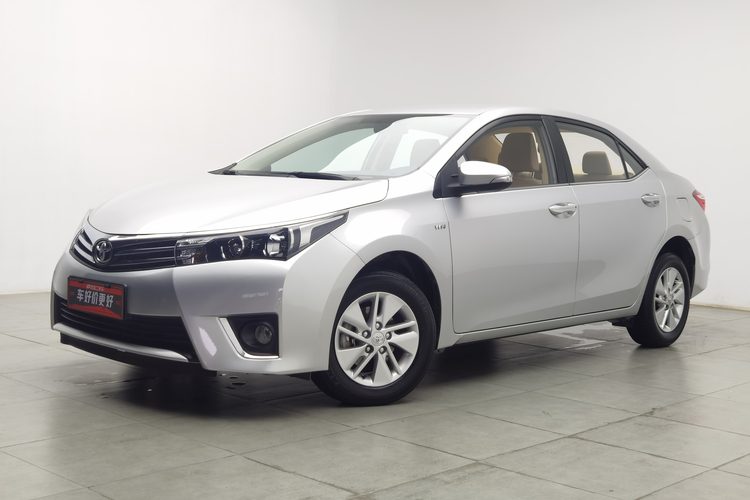
BrandToyota
SeriesCorolla
Year2014
First Registration2014/11
Mileage122,300km
Transfer Count-
FuelGasoline
TransmissionManual
Engine1.6L 122 L4
ColorWhite
Seats-

Condition Description

Body components (structural/reinforcing/panels) have accident-type damage; passive safety devices defective; vehicle performance (including three-electric system) degraded or performance limited after repair.

Accident inspection: main structure damaged, reinforcing parts damaged, panels damaged, hinges abnormal; engine bay: key mechanical components normal; exterior: 3 parts replaced, 2 parts panel-beaten, 4 parts repainted; interior: modified interior (other), most features normal, airbag system normal, lighting system normal; startup test: main components normal; onboard tools: none.

可讲价

Document Information

Inspection Expiry Date2026/11
Warranty Expiry Date-
Insurance Expiry Date-

Q&A

More

If a car's history record is missing and cannot be found, will sellwellauto still allow it to be listed for sale?

Yes, but it will be downgraded. For vehicles that are out of warranty and have no claims records, we will require a more in-depth physical inspection and clearly label the details page as "Data Unavailable" to ensure transparency about the risks. These vehicles typically have a higher price discount.


Should I pay the Chinese exporter in USD or RMB, and how do exchange rates affect the final price?

Most exporters quote in USD for international buyers, but some accept RMB (CNY). Key points: 1. USD payment is standard and easiest; the exchange-rate risk usually sits with the exporter, so the price may be slightly higher. 2. Paying in RMB can save 1-3% if you have access to CNY through your bank or a trading company. 3. Lock the exchange rate in the contract: agree the final amount is fixed in the invoicing currency on the invoice date. 4. Always pay by corporate bank transfer (T/T) to the exporter's company account — never to personal accounts. Ask for a proforma invoice with a validity date (usually 7-15 days) so you know exactly how much to wire, and confirm who bears the bank transfer fees.

How do seasonal factors—peak seasons, weather, holidays—affect shipping times and rates from China?

Timing your shipment can save both money and weeks of waiting. Several predictable patterns affect routes from China. Peak season surcharges: January through March, before Chinese New Year, exporters rush to ship, so container and RoRo space tightens and rates rise 20-50%. Book at least 3-4 weeks ahead during this window. After the holiday (usually February), factories and ports restart gradually, causing 2-3 weeks of backlog. Weather effects: Typhoon season (July-September) can delay departures from southern Chinese ports like Shenzhen and Guangzhou. Winter fog and ice affect northern ports like Dalian and Tianjin, slowing loading operations. Destination-side factors: Monsoon seasons can slow port operations in South and Southeast Asia. Holiday periods at destination (e.g., Ramadan in the Gulf, year-end holidays elsewhere) reduce customs staffing and extend clearance times. Practical advice: ask your forwarder for rate calendars, avoid booking right before major Chinese holidays, and build 1-2 weeks of buffer into delivery promises to your customers. Flexible departure ports (Shanghai vs. Ningbo vs. Shenzhen) can also help you find available space.