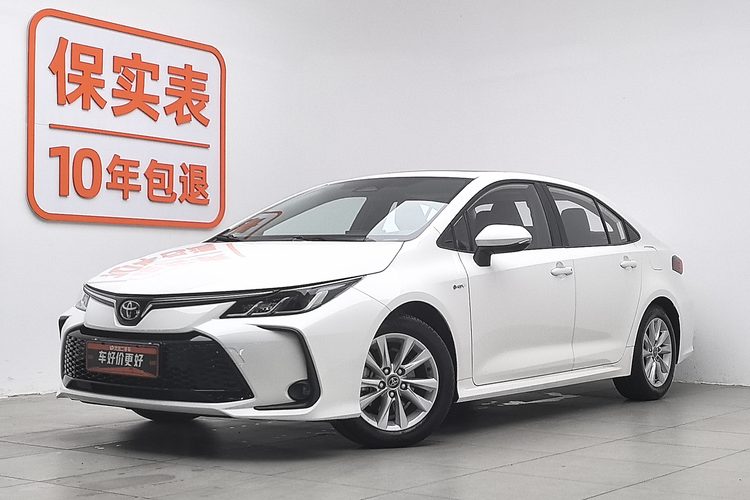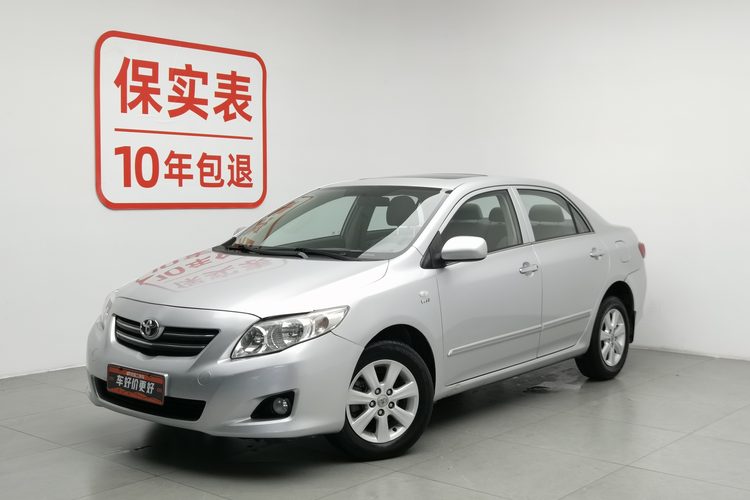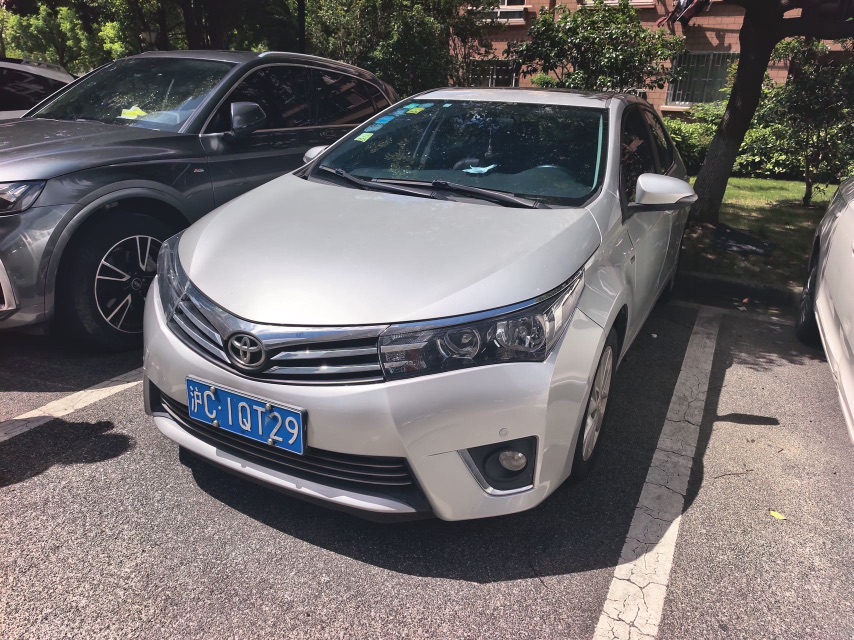



Basic Information

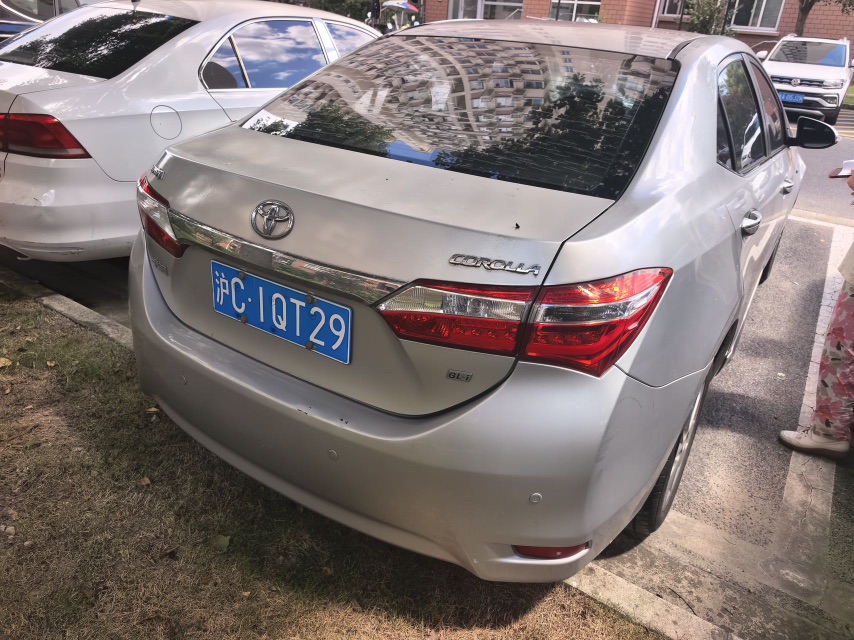
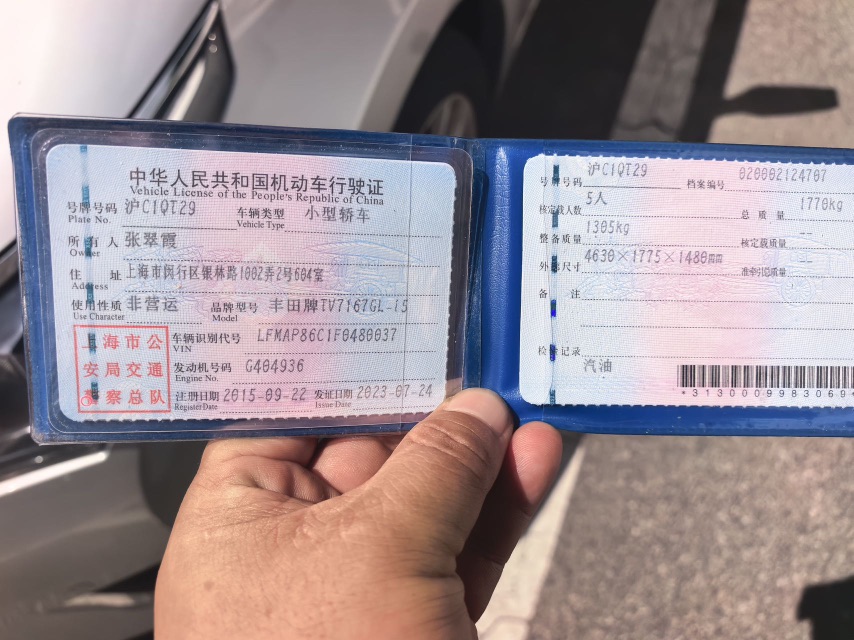
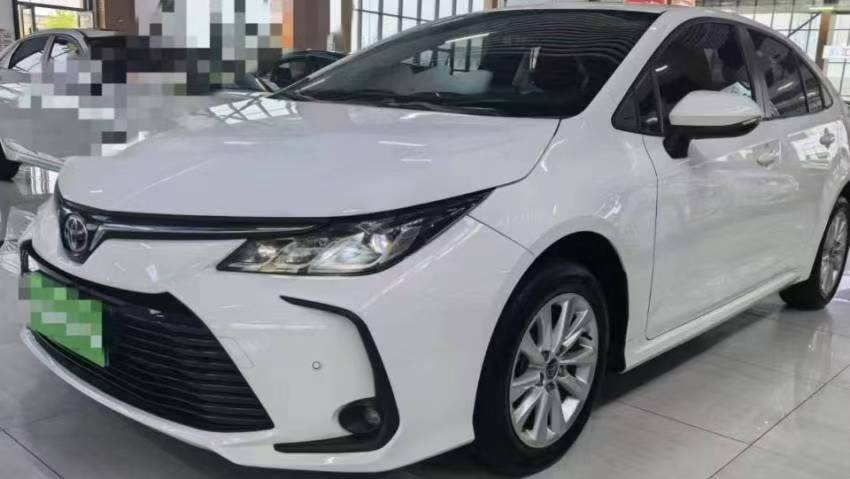
BrandToyota
SeriesCorolla
Year2015
First Registration2015/09
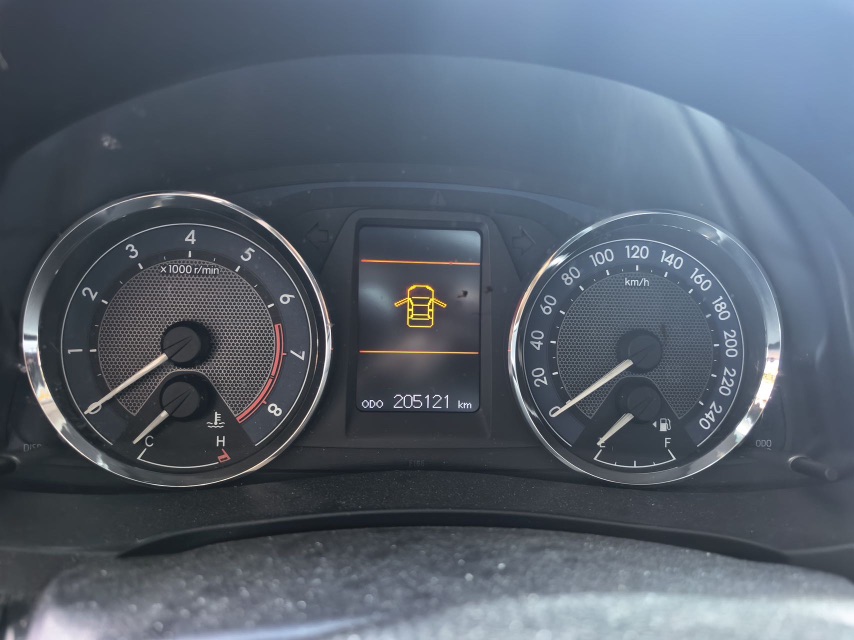
Mileage205,000km
Transfer Count1times
FuelGasoline
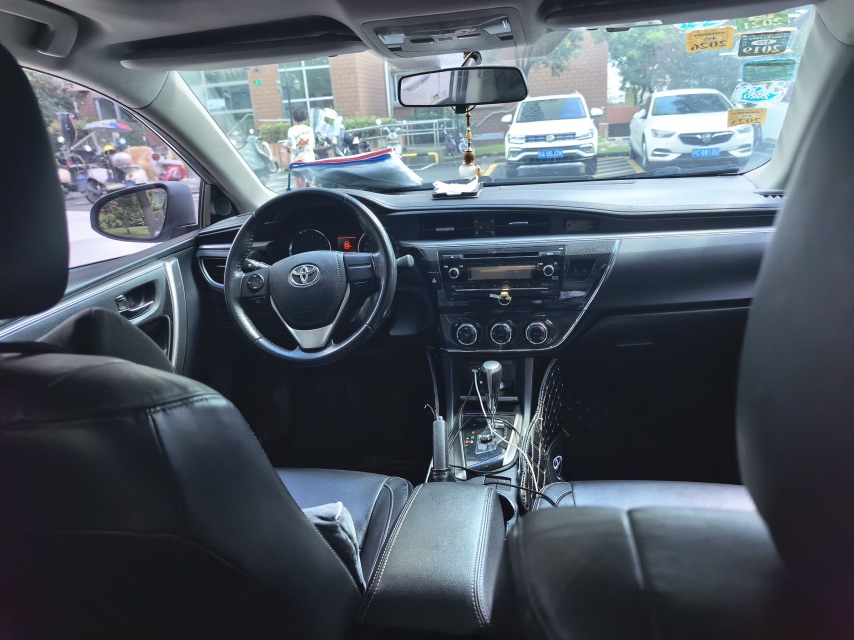
TransmissionCVT
Engine1.6L 122 L4
ColorGrey
Seats-

Condition Description

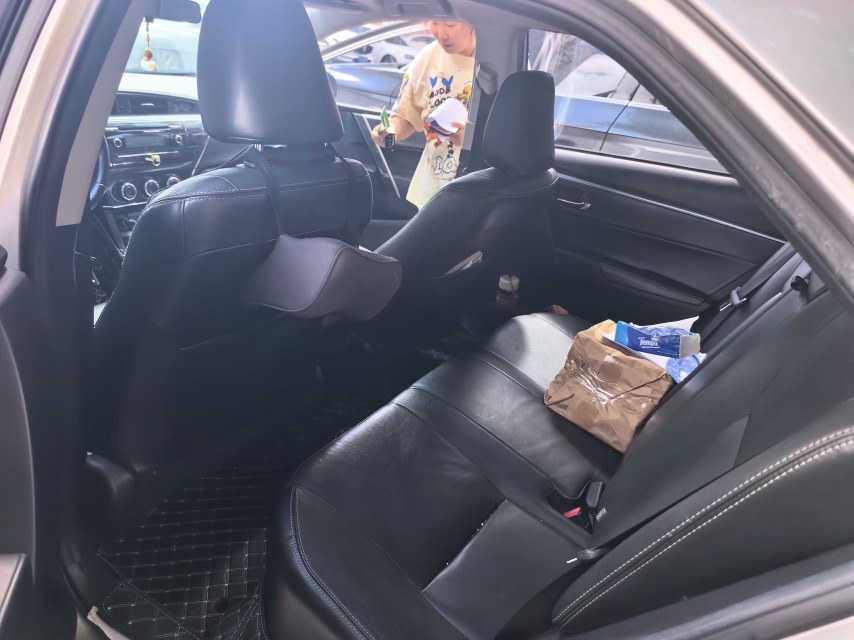
2015 model, 205,000 km. Roof has original paint. Left front door, left rear door, right rear door, radiator support frame, hood, and both headlights replaced. Left front/rear door sill beam cut, left B-pillar cut, left rear fender cut, right C-pillar cut. Trunk lid replaced. Rear panel repaired with bodywork. Airbags deployed. 5 panels need investment. One-owner vehicle. Insurance valid until April 22, 2027.

燃油车
轿车
自动
维保开放
事故开放
查验开放

Configuration Highlights

✓品牌: 丰田
✓车系: 卡罗拉
✓车型: 2014款 1.6L CVT GL-i真皮版
✓车身类型: 轿车
✓座位数: 5
✓排量: 1.6L
✓变速箱: 自动
✓能源类型: 燃油车
✓VIN: LFMAP86C1F0480037
✓搜索关键词: 丰田卡罗拉 2014款卡罗拉1.6LCVTGL-i真皮版

Document Information

Inspection Expiry Date2027/09
Warranty Expiry Date-
Insurance Expiry Date2026/09

Q&A

More

Will you investigate if the previous owner had any records of illegal street racing or dangerous driving during their ownership?

This involves personal privacy, and we have no right or ability to retrieve personal driving violation records from the traffic police system. We can only infer if there was aggressive driving by checking if the engine has been reprogrammed with a higher-level ECU (stage 1/2) or if the transmission has a history of severe overheating.
What level of condition should overseas buyers expect for cars older than 5 years?

Maintain objective expectations. Vehicles over 5 years old inevitably show signs of decreased paint gloss, slight aging of rubber seals, irreversible patina on interiors, and surface rust on chassis components. As long as core structure and mechanical failures are not involved, these are normal depreciation characteristics over time.

Why are the shipping costs for used electric vehicles (EVs) usually higher than for internal combustion engine vehicles (ICEs)?

Pure electric vehicles are classified as Class 9 Dangerous Goods due to their large lithium batteries, leading to strict shipping regulations. Shipping companies have high requirements for the loading position and fire isolation measures for dangerous goods, and some roll-on/roll-off ships refuse to accept used EVs. As a result, EVs often require more expensive special container shipping and incur additional handling fees for hazardous materials.