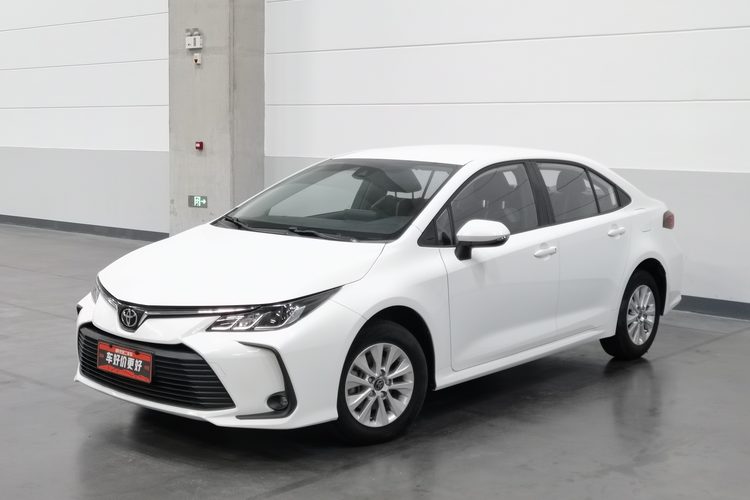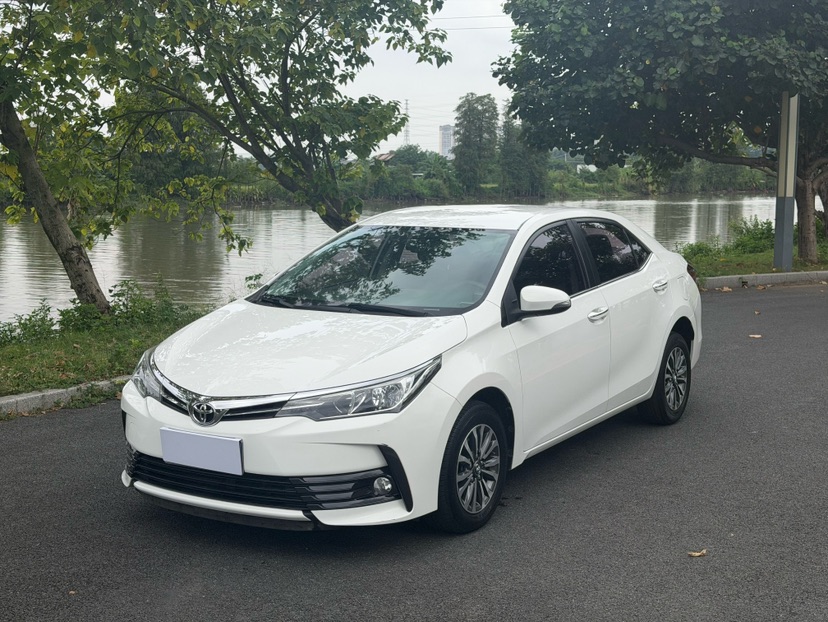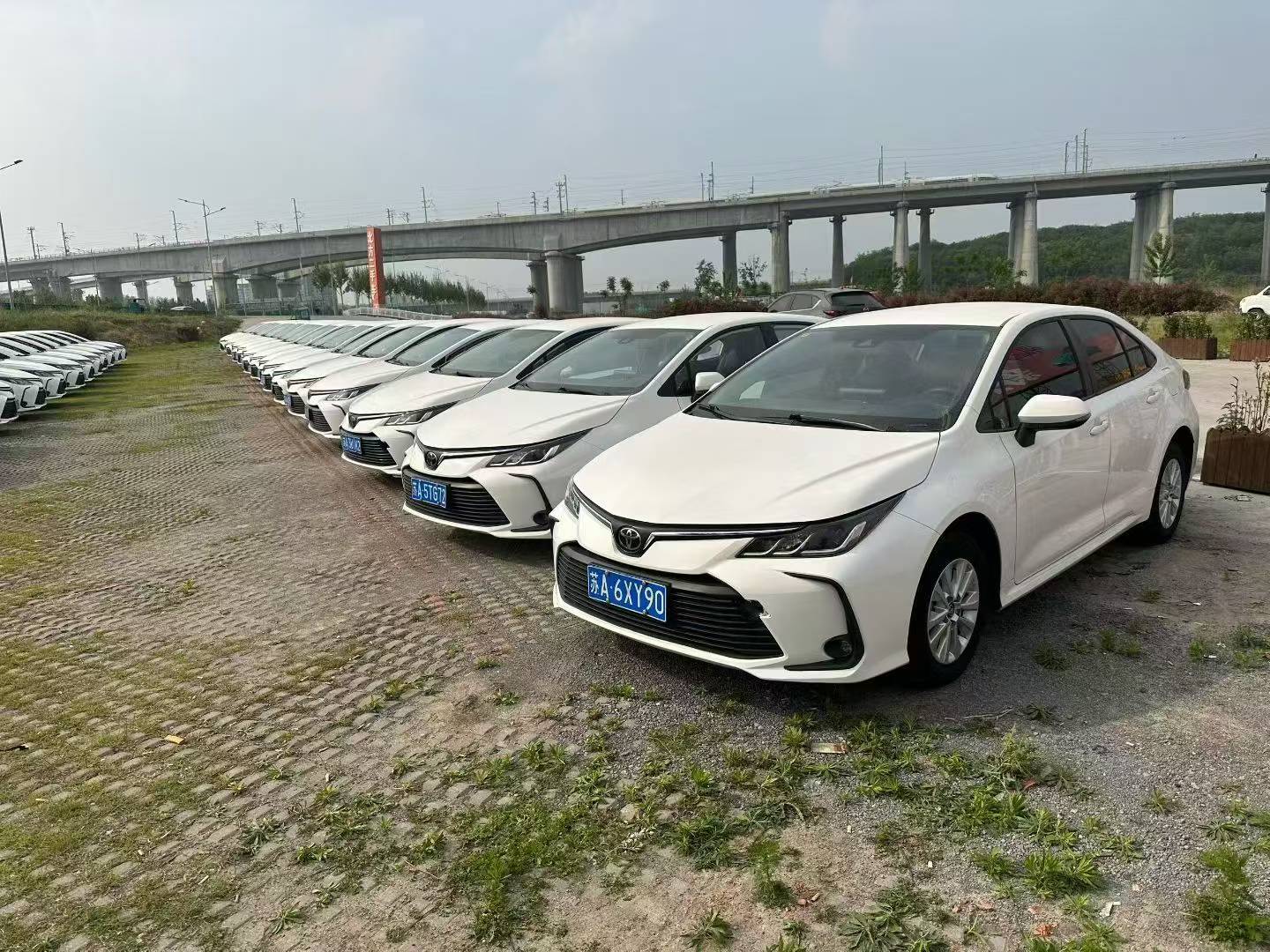
Basic Information

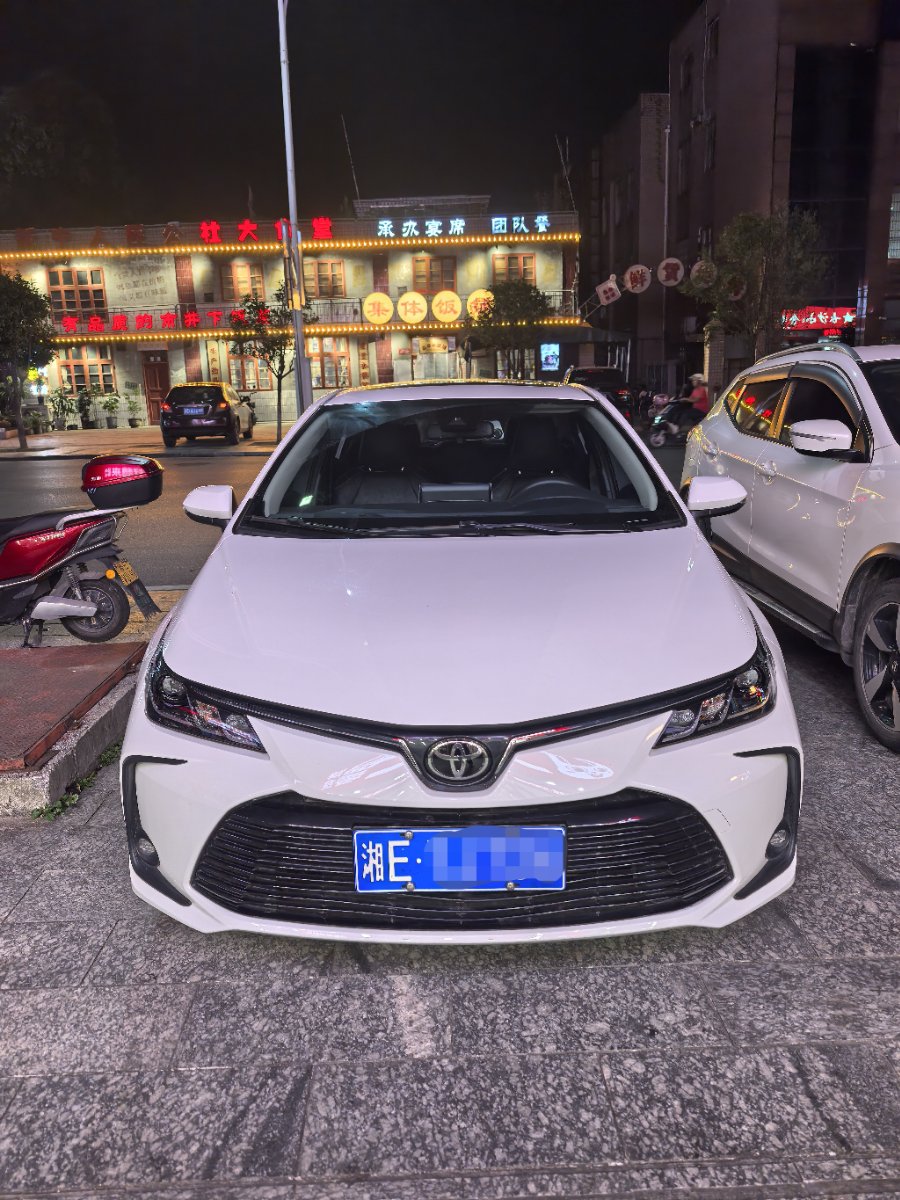
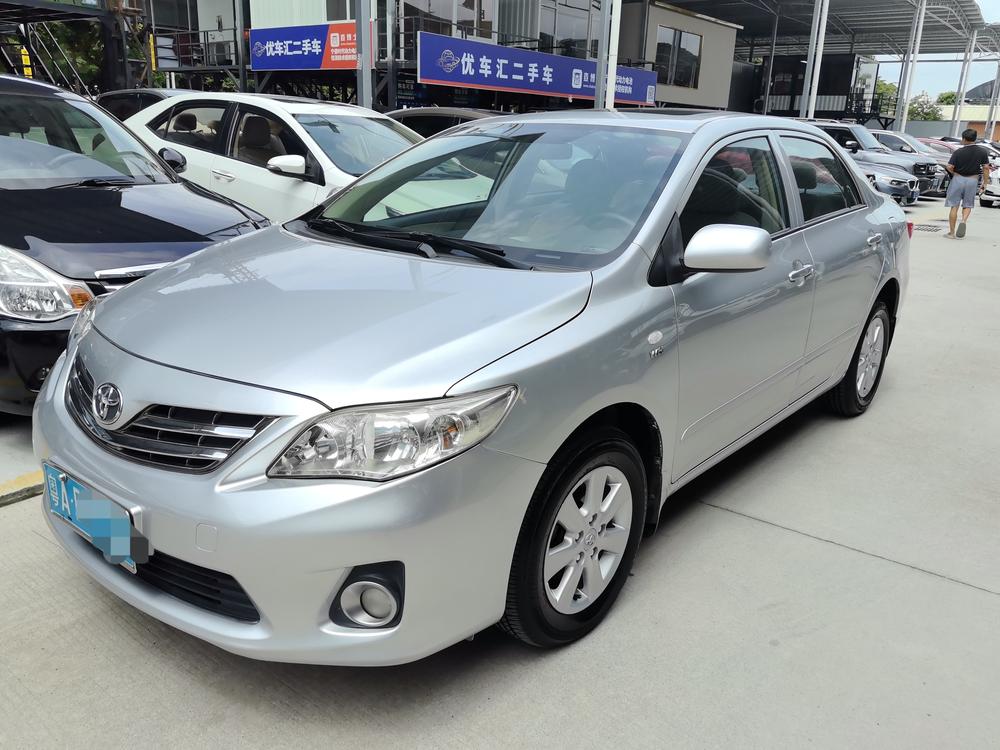
BrandToyota
SeriesCorolla
Year2015
First Registration2015/10
Mileage53,800km
Transfer Count-
FuelGasoline
TransmissionCVT
Engine1.6L 122 L4
ColorWhite
Seats-

Condition Description

Body components (structural/reinforcing/panels) have accident-related damage; passive safety devices are defective; vehicle performance (including three-electric system) is degraded or remains limited after repair.

Accident inspection: main structure damaged, reinforcing parts damaged, panels damaged, hinges normal; engine bay: key mechanical components normal; exterior: 1 replacement, 2 sheet metal repairs, 1 repaint; interior: most features normal, airbags normal, seatbelts normal, dashboard normal, instrument check normal, lighting system normal; start-up check: main components normal; tool kit: absent.

电话直连
可讲价
平台物流
可转售
零过户
新检测标准升级>

Document Information

Inspection Expiry Date2026/10
Warranty Expiry Date-
Insurance Expiry Date2026/10

Q&A

More

What qualifications do the third-party testing organizations have? Are they internationally recognized (e.g., SGS)?

We mainly collaborate with professional organizations certified by China's national CMA (Certification of Inspection and Testing Institutions). If you need the highest level of international endorsement, we can arrange for independent inspection agencies like SGS or TÜV to conduct Pre-Shipment Inspections (PSI) before loading at the port.
Can you export newer Chinese cars to the U.S. market (which requires vehicles to be at least 25 years old to be exempt from FMVSS)?

Absolutely not. The U.S. DOT and EPA have strict import restrictions on non-compliant vehicles. Any Chinese used car that is not 25 years old and not produced to U.S. standards will face mandatory crushing and destruction upon arrival at U.S. ports. We directly reject such non-compliant orders.

How do you detect carbon buildup and wear inside the engine using technology without deep disassembly?

We use two steps: 1. Insert a medical-grade endoscope through the spark plug hole to visually inspect cylinder wall scratches and carbon buildup on the piston top; 2. Extract an engine oil sample to check for large metal debris or emulsification (caused by coolant leakage).