


48H

Basic Information

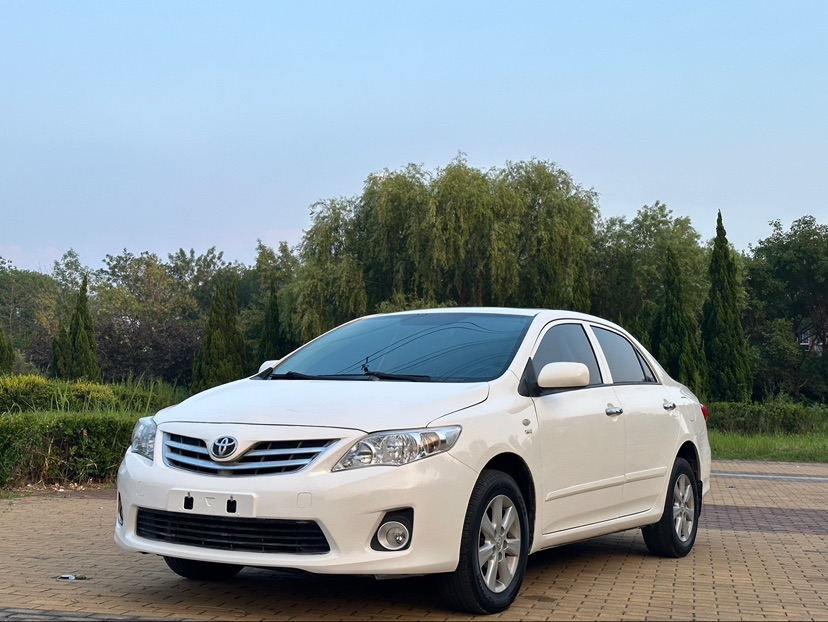
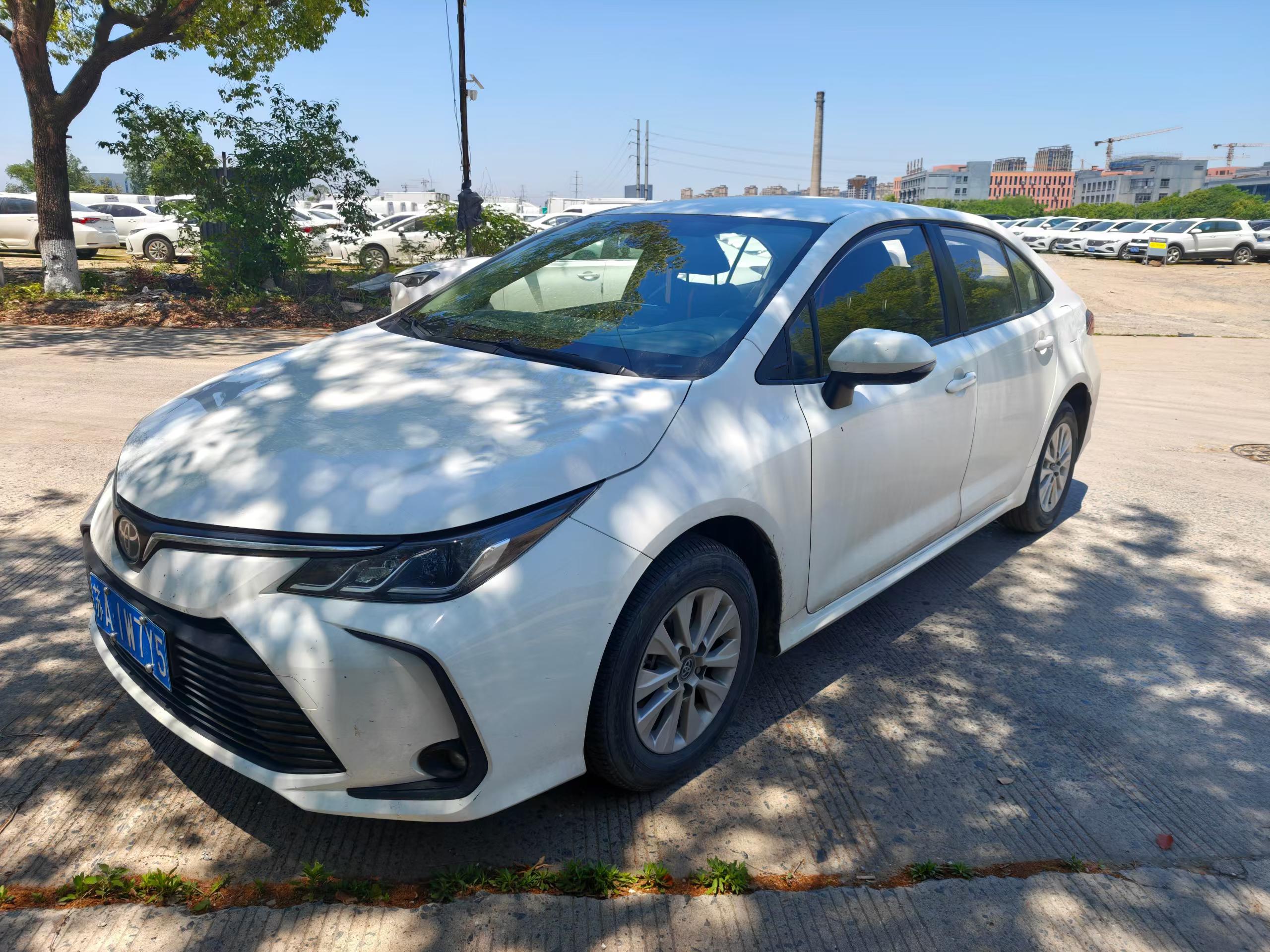
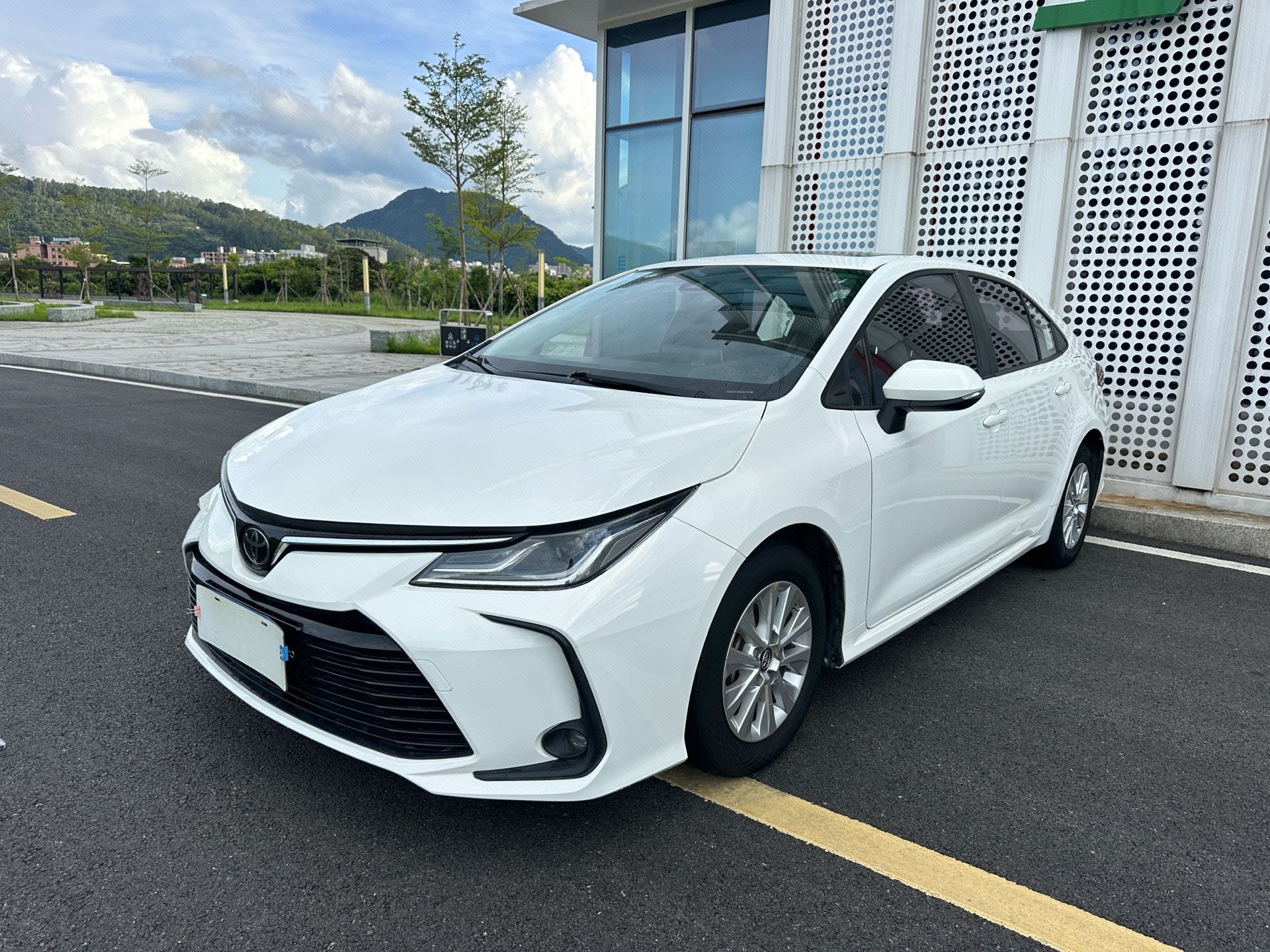
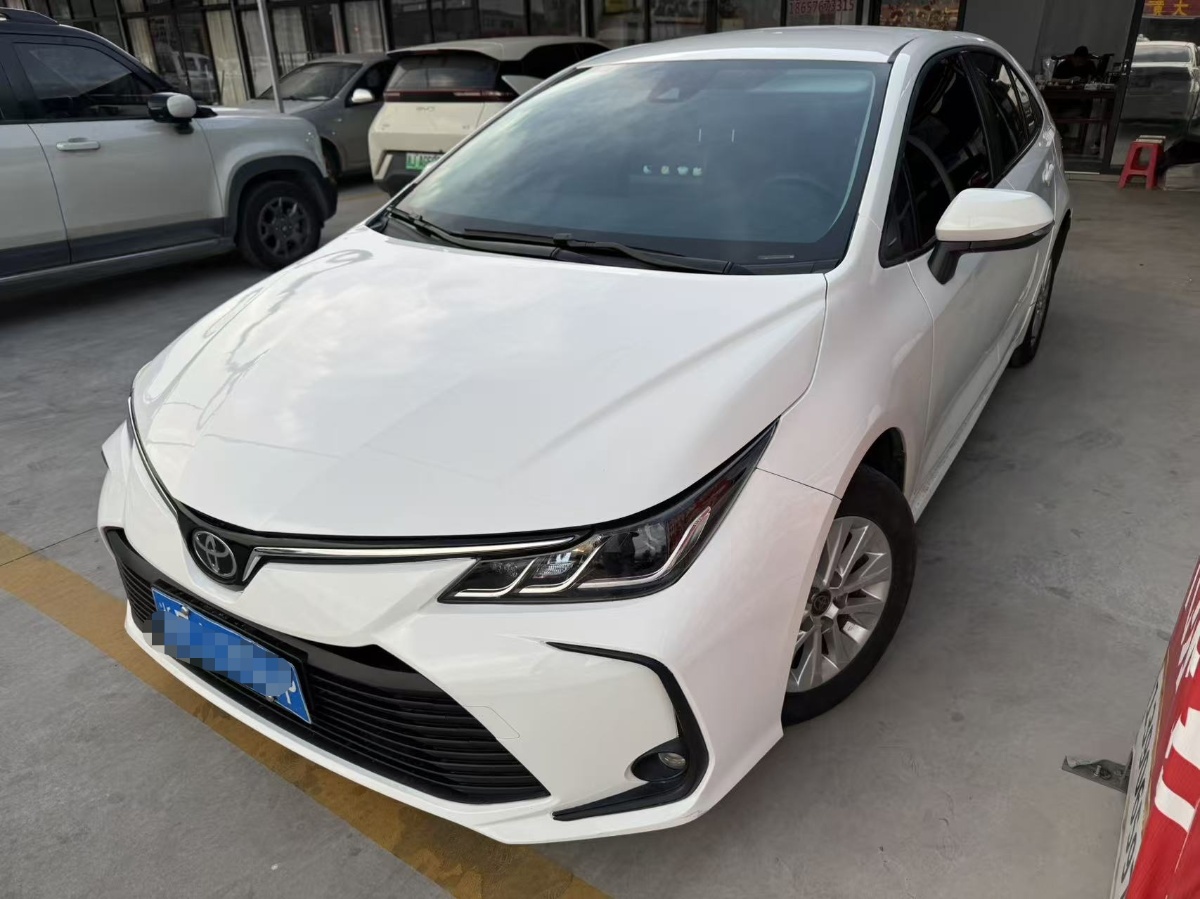
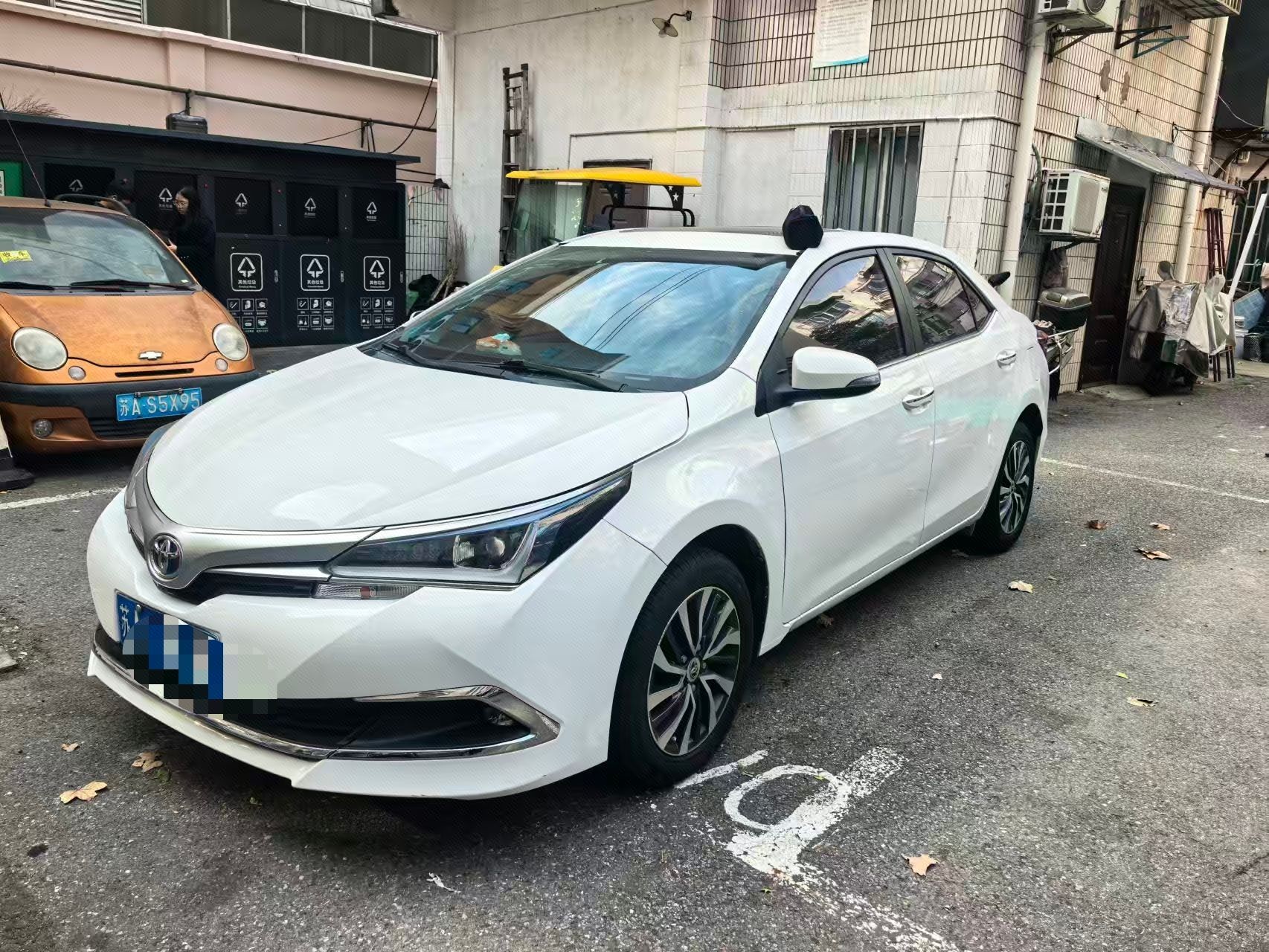
BrandToyota
SeriesCorolla
Year2016
First Registration2016/08
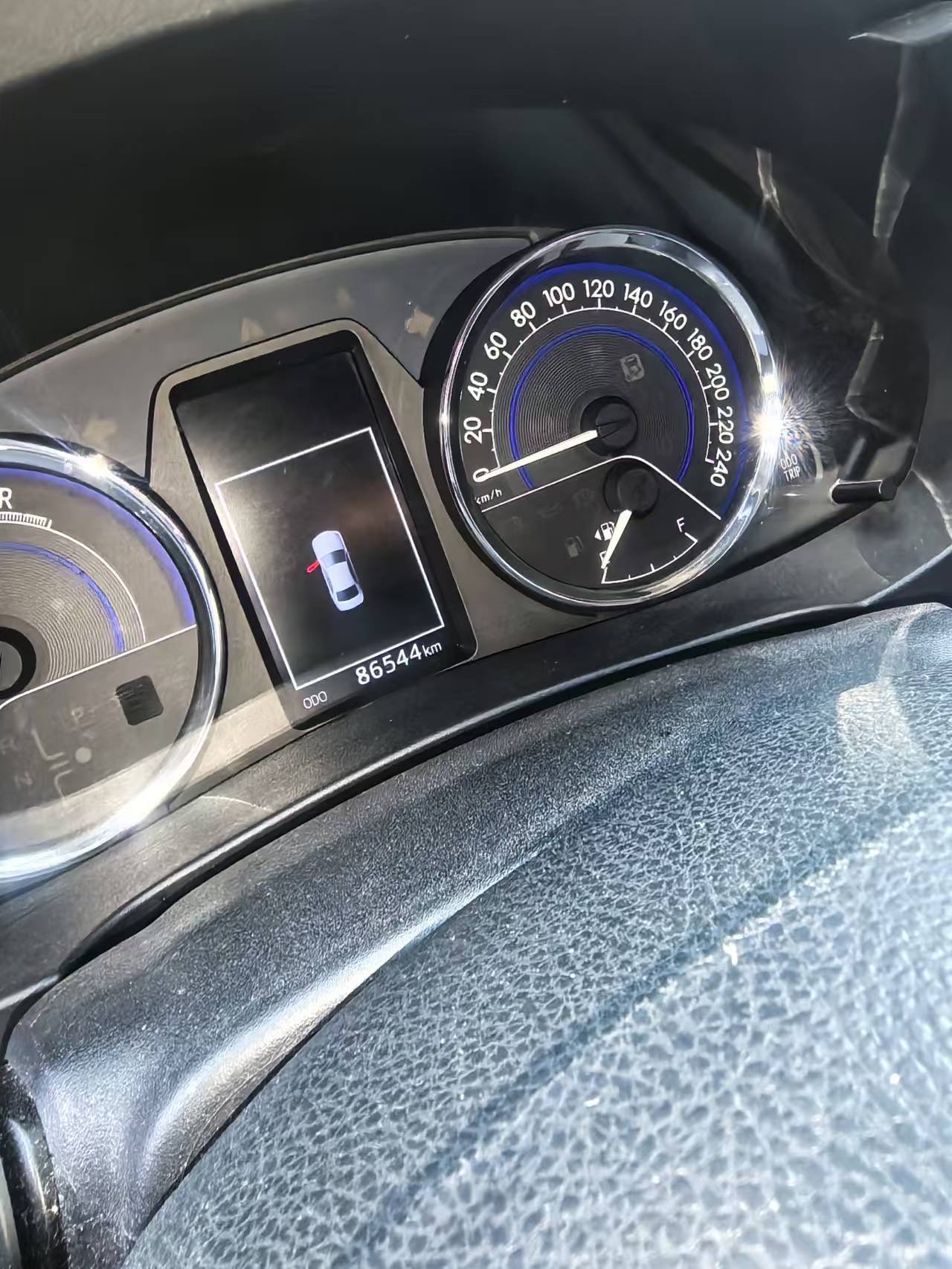
Mileage86,000km
Transfer Count0times
FuelHEV
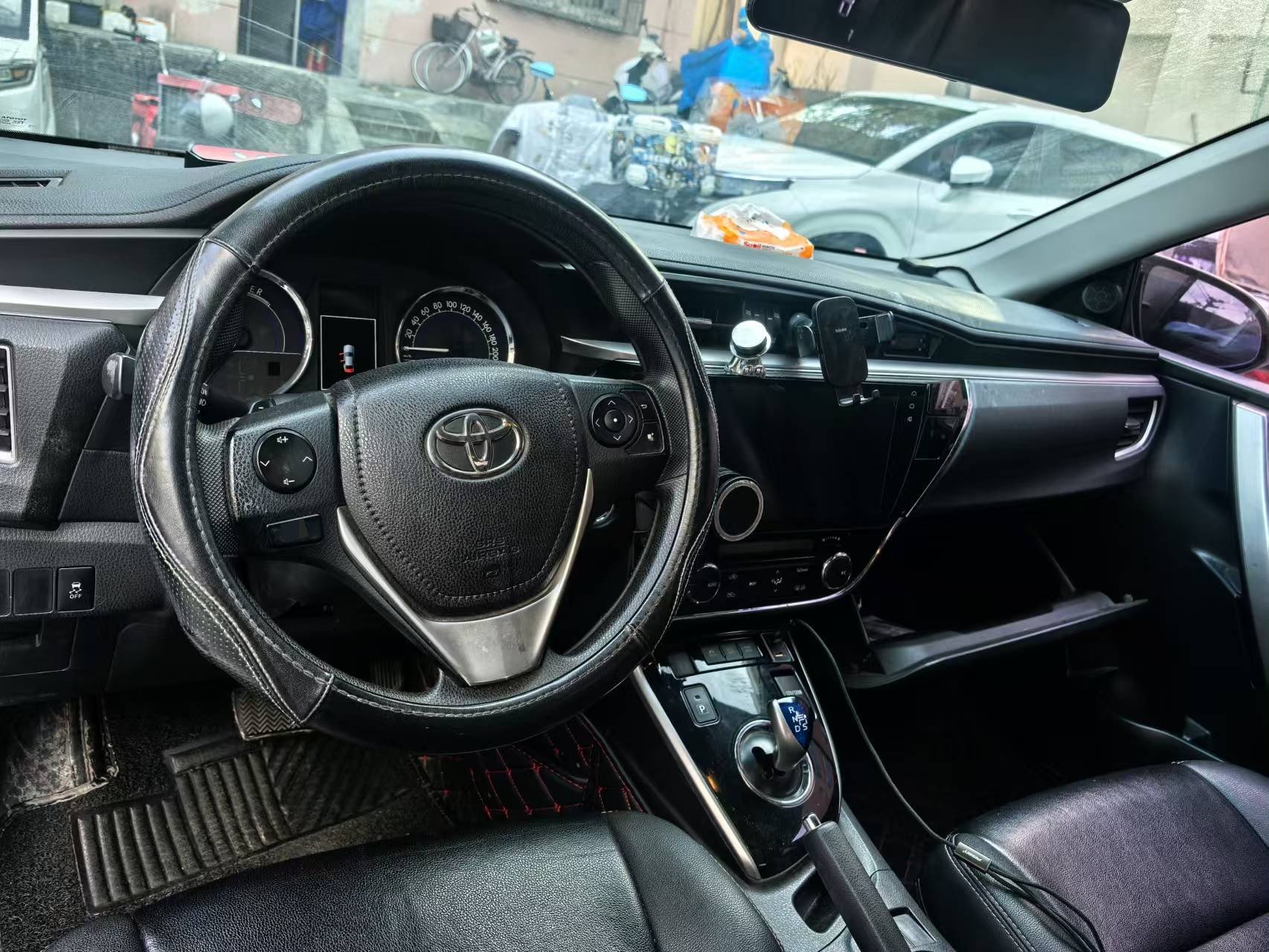
TransmissionE-CVT
Engine1.8L 99 L4
ColorWhite
Seats-

Condition Description

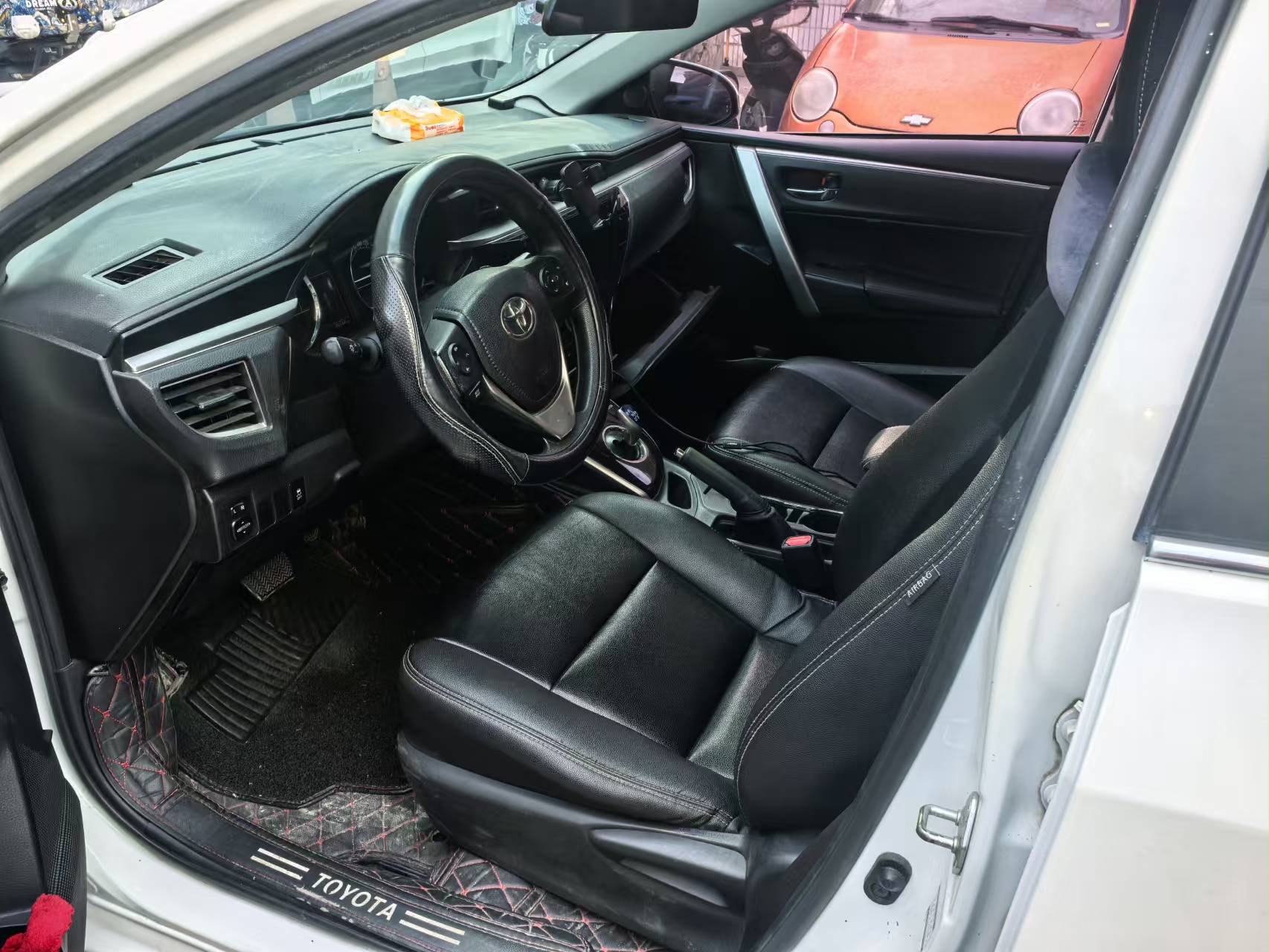
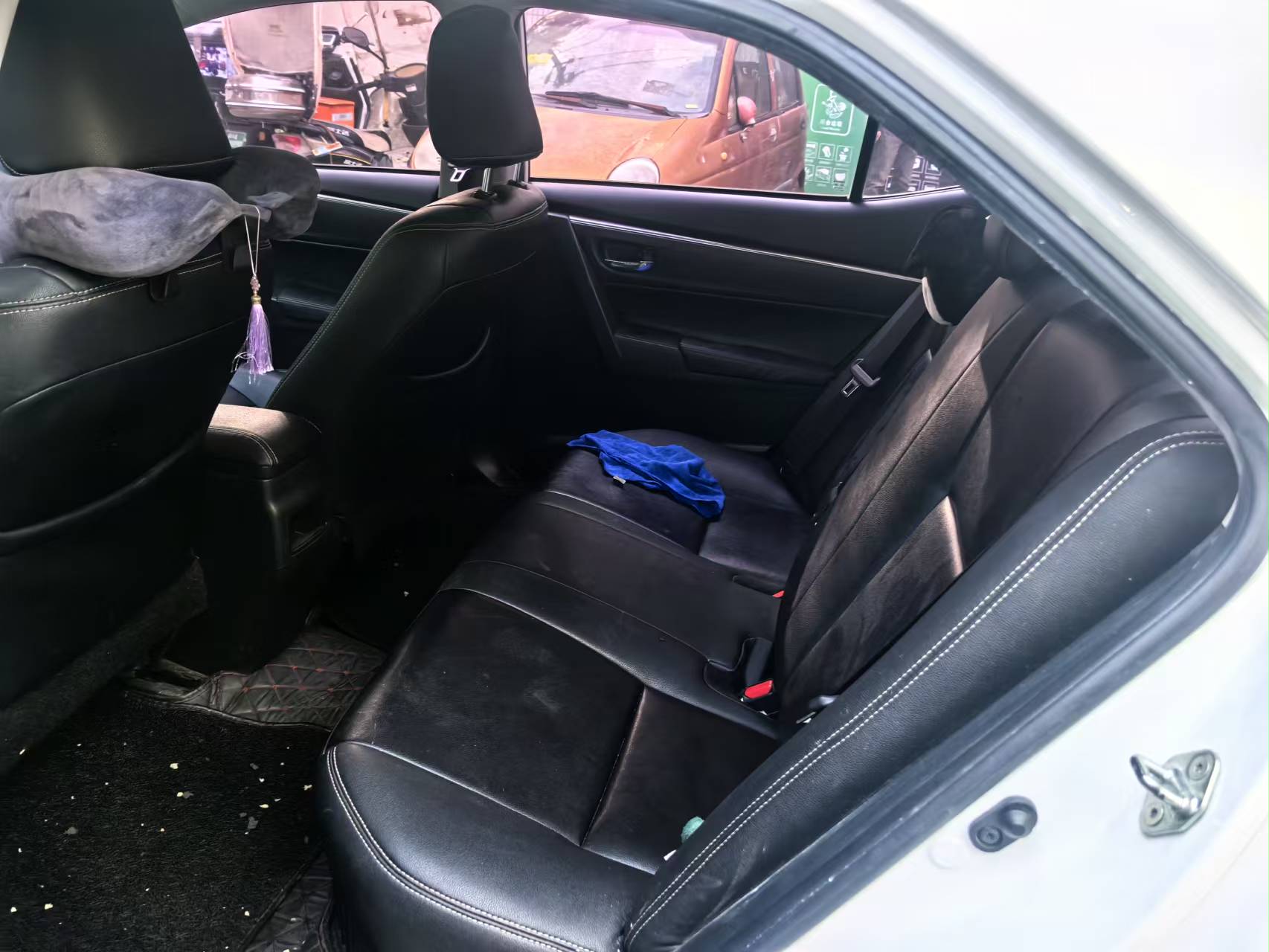
No accidents. The entire vehicle has been repainted. Interior and exterior are like new.

Document Information

Inspection Expiry Date-
Warranty Expiry Date-
Insurance Expiry Date2027/08

Q&A

More

How can I check if a used car from China has been in a major accident, and what records actually exist?

China does not have a single public accident database like CARFAX, but you can still verify history from several sources. First, ask the exporter for the insurance claim records (出险记录). Major repairs go through insurance, and the claim history shows the date, amount, and damaged parts. A car with large claim amounts (over half its value) is effectively a total loss rebuild. Second, check the vehicle's registration certificate (机动车登记证书) for transfer history — multiple transfers in a short period often follow an accident. Third, run a VIN check through commercial platforms (paid, around 20-50 RMB) which aggregate insurance, maintenance, and auction data. Cross-check everything against a physical inspection: paint thickness readings on structural points, weld quality under the seals, and underbody photos. If the records and the physical condition do not match, walk away or demand a large discount.


What can a pre-purchase OBD diagnostic scan actually reveal about a used Chinese car?

An OBD scan is one of the most cost-effective tools in a remote pre-purchase inspection, but you need to know what it can and cannot tell you. What it reveals well: current and stored fault codes across the engine, transmission, ABS, airbag, and body modules. A car with dozens of cleared codes in multiple modules may have electrical problems or a history of tampering. It also shows readiness monitors — if all monitors show 「not ready」 on a car that claims to be freshly serviced, the codes were probably cleared recently to hide something. What it reveals with the right software: live data. You can watch engine idle stability, coolant temperature under load, transmission shift behavior, and battery cell voltages on EVs. Abnormal fuel trims or misfire counters can flag worn injectors or coils before any warning light appears. What it cannot do: prove real mileage (odometers can be corrected digitally), detect physical accident repairs, or judge paint and rust. Practical advice: ask your inspector for a full-system scan report with screenshots, not just a 「no codes」 verbal summary. For Chinese brands, make sure the tool supports their protocols — mainstream scanners cover BYD, Geely, and Chery well, but some small brands need brand-specific software.

How long does importing a used car from China take from order to delivery, and what are typical lead times for each step?

A realistic timeline: sourcing and negotiation 3-7 days; deposit and booking 1-2 days; pre-shipment inspection 2-4 days; export clearance and vessel booking 7-14 days; sea freight 2-5 weeks depending on destination; import customs clearance and port release 5-10 days. Overall, plan for roughly 5-8 weeks from order to port of destination by sea. For Central Asia and Russia by rail, 2-3 weeks total is common. Tips: ask the exporter for a written schedule with milestones (inspection done, customs cleared, vessel loaded, ETA); track the vessel yourself once you have the container or booking number; and remember Chinese holidays — Chinese New Year and Golden Week can add 1-2 weeks of delay.