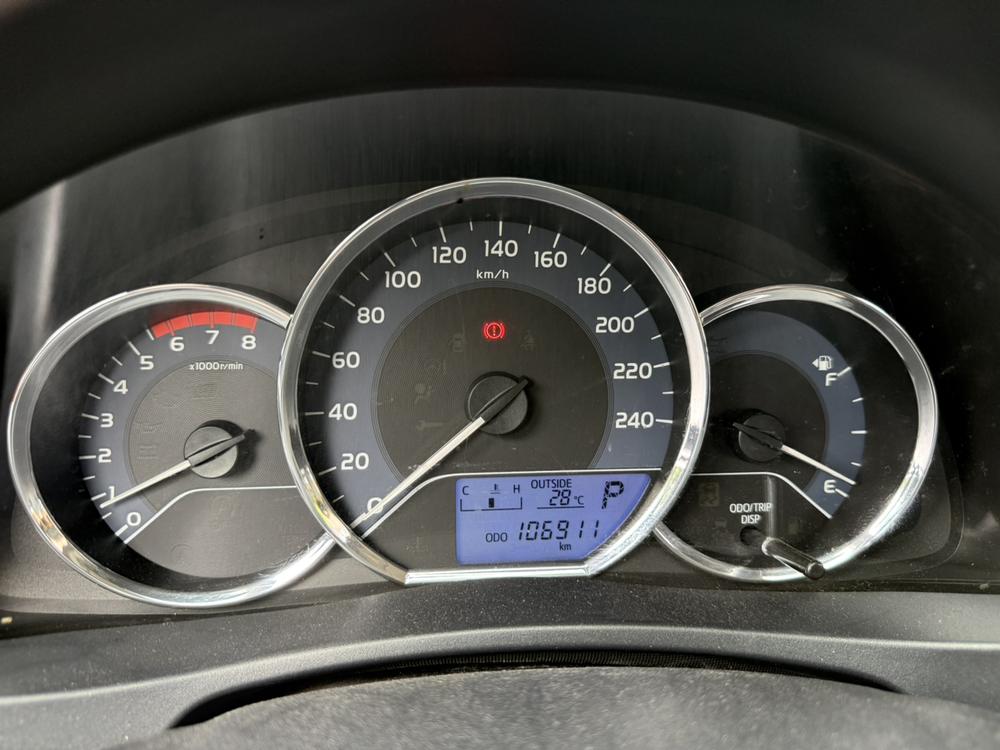
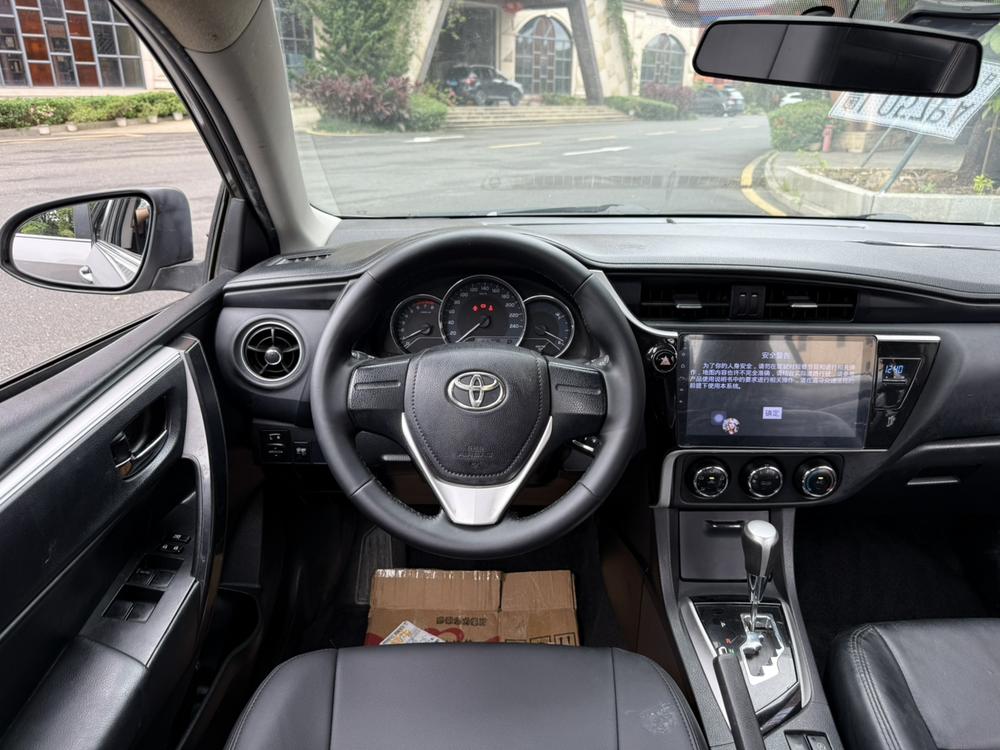
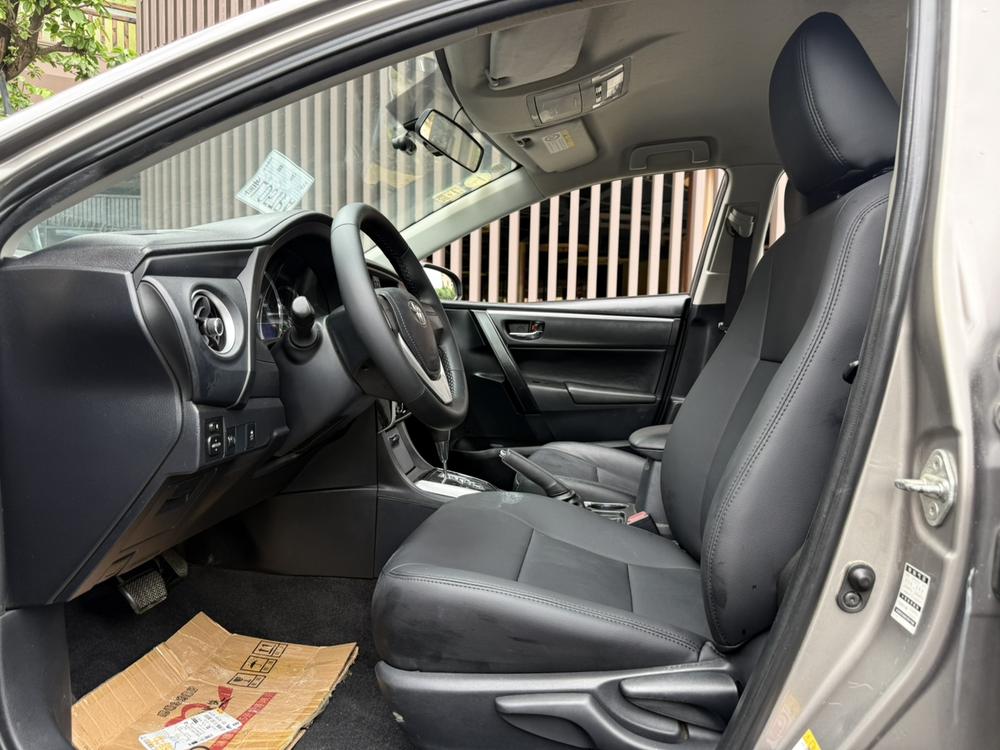
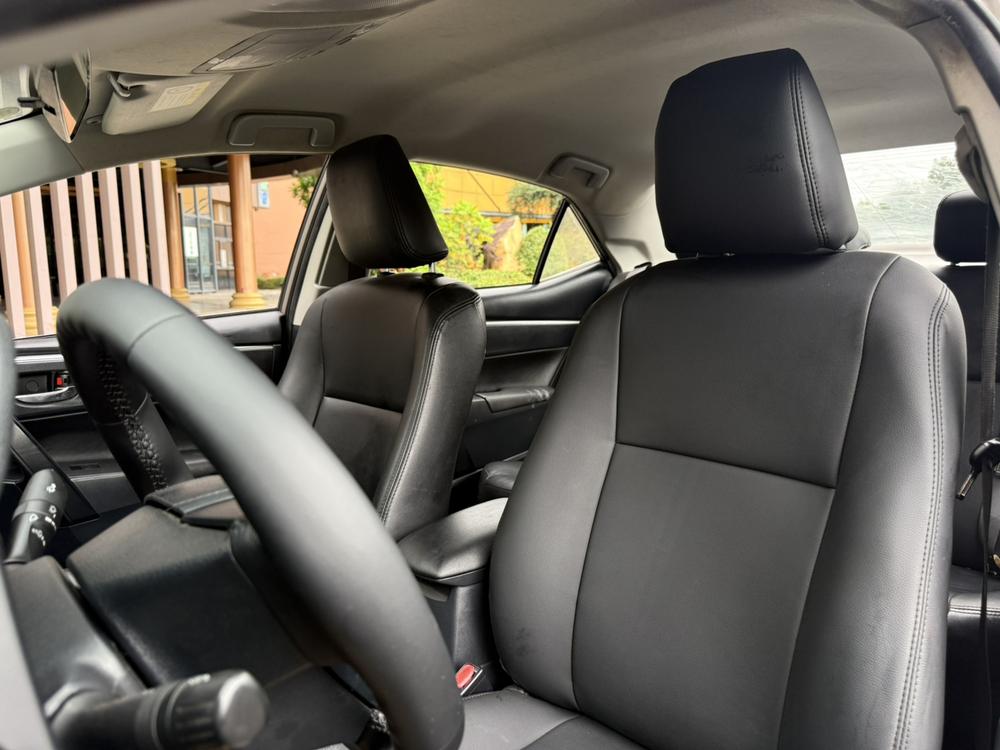
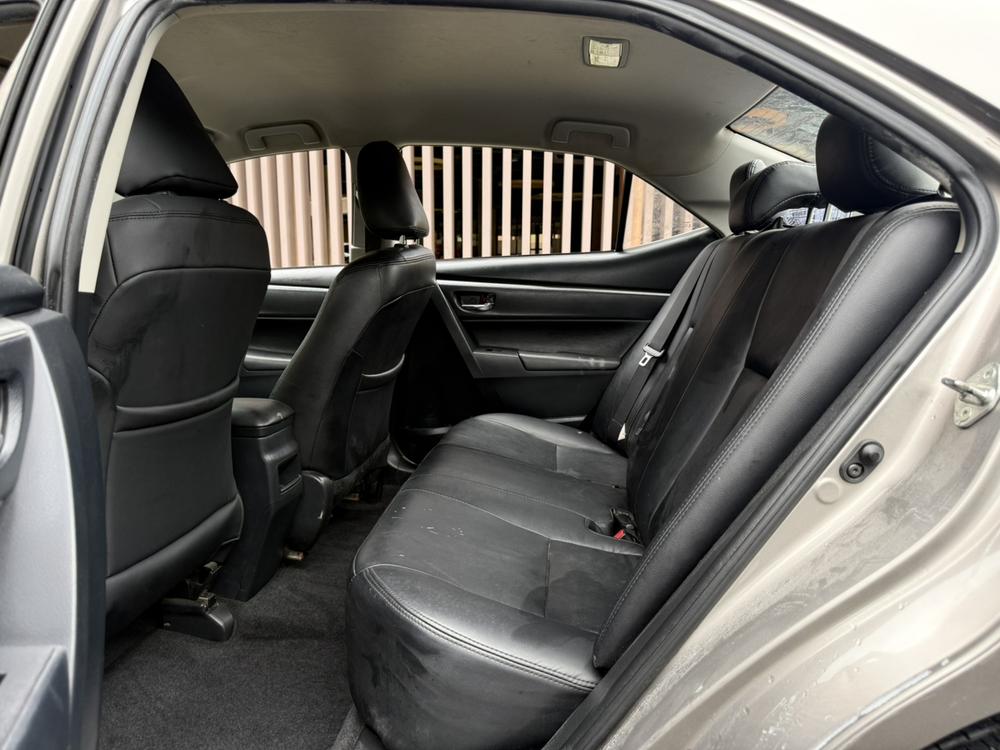
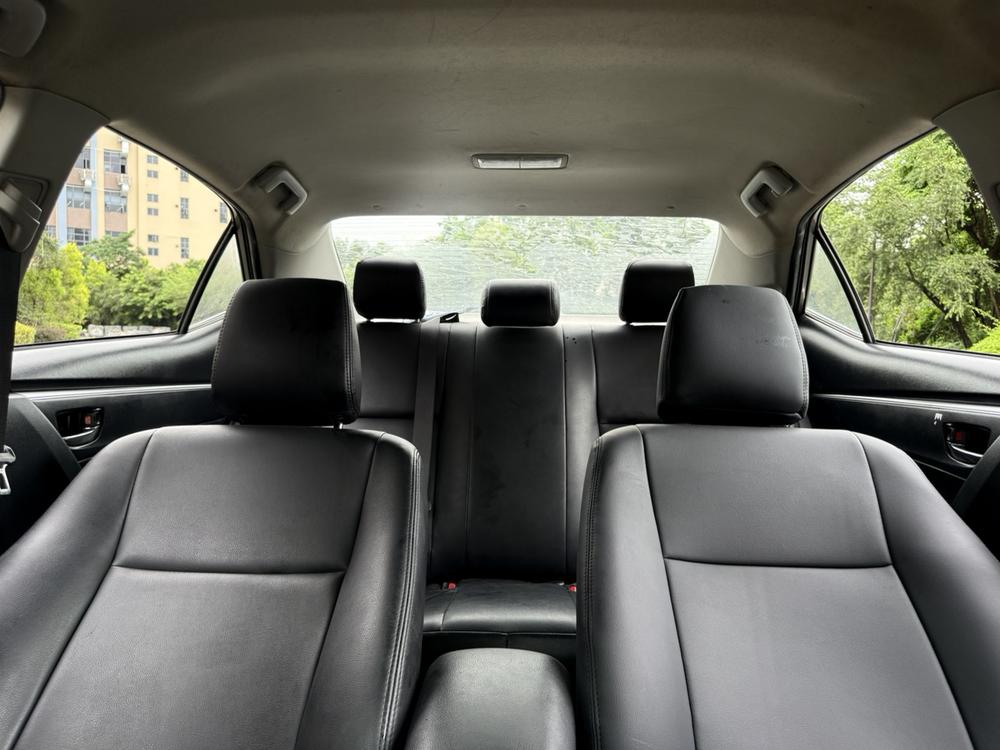
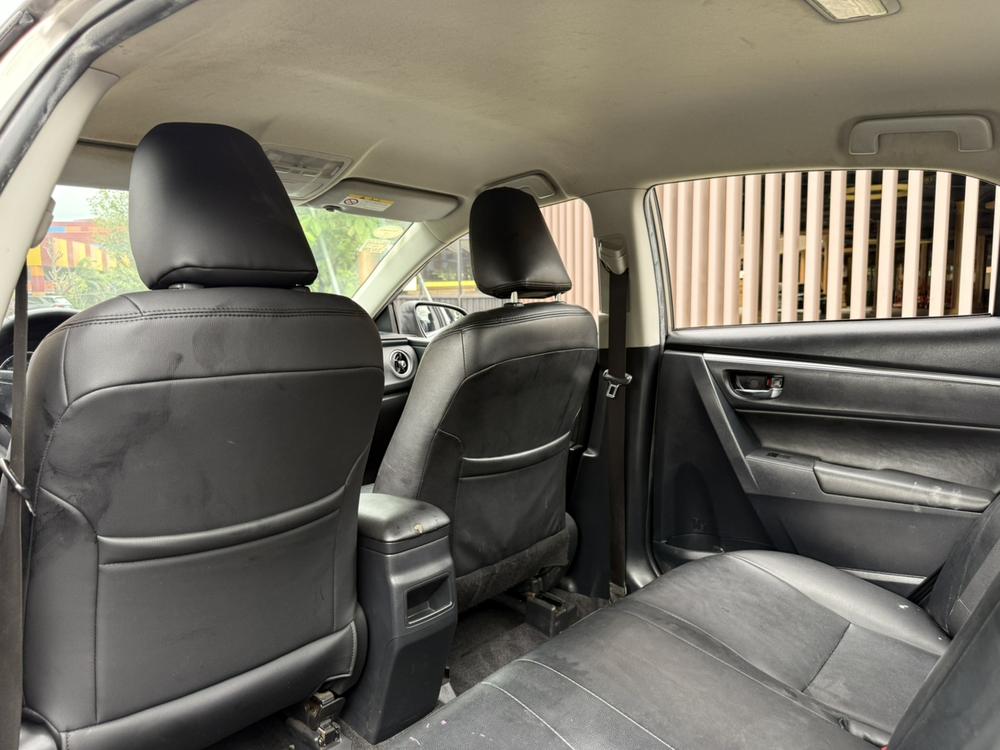
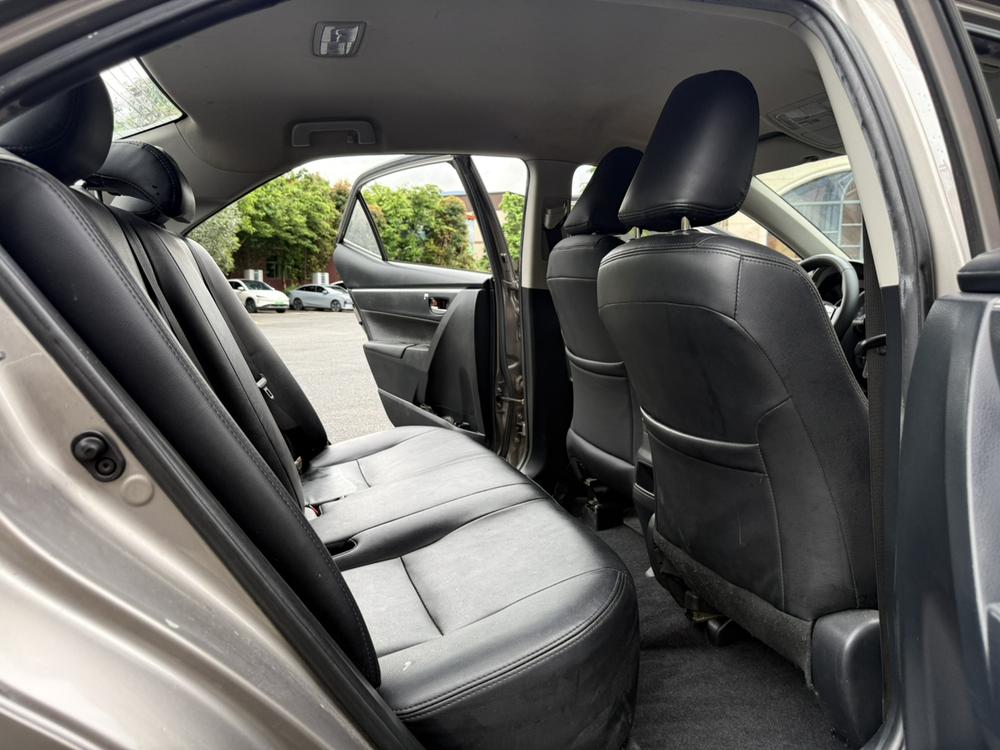
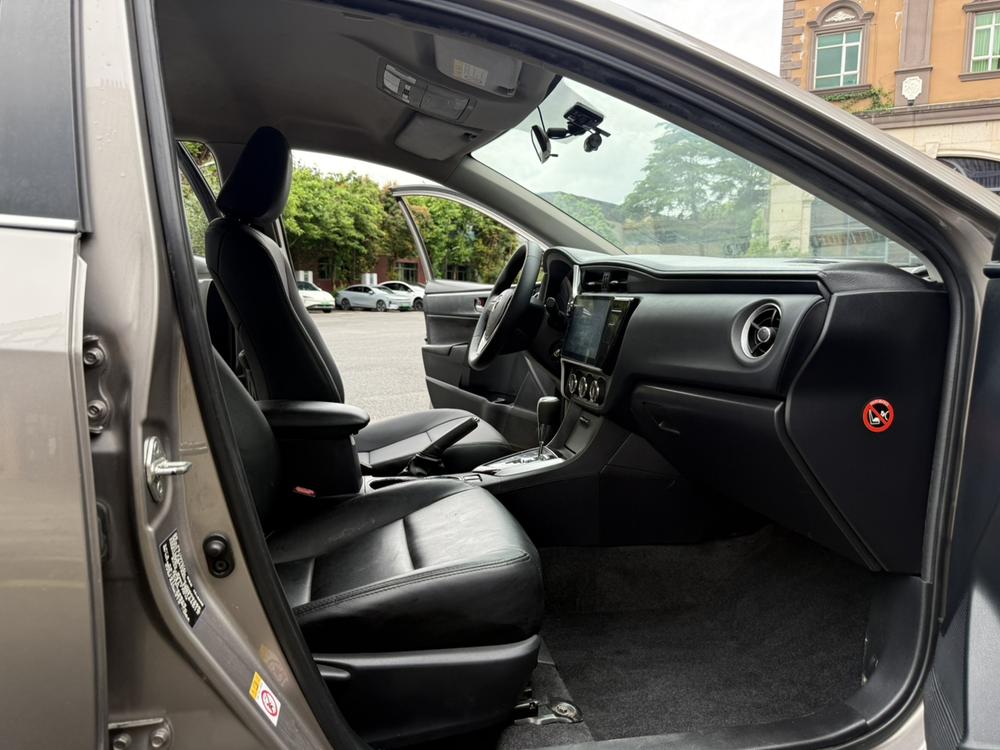
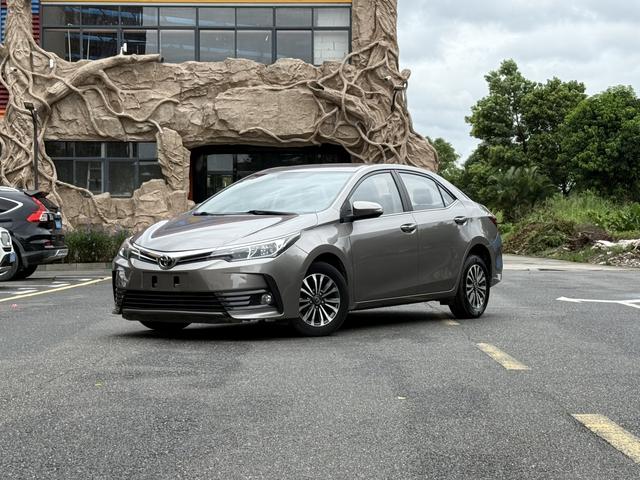



24H

Basic Information

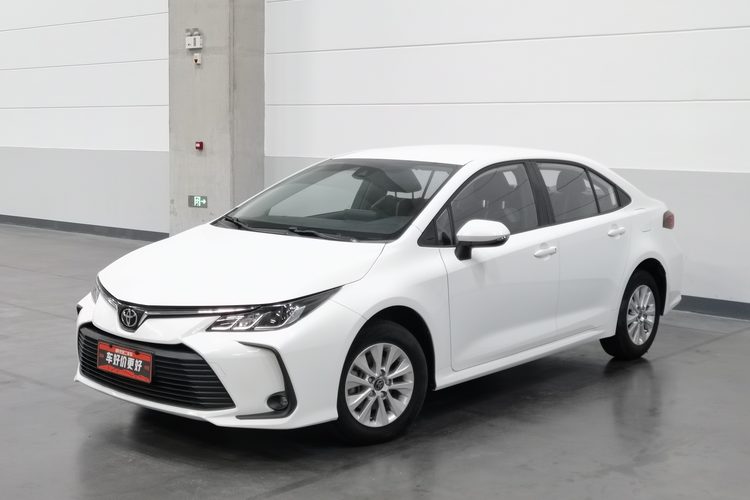
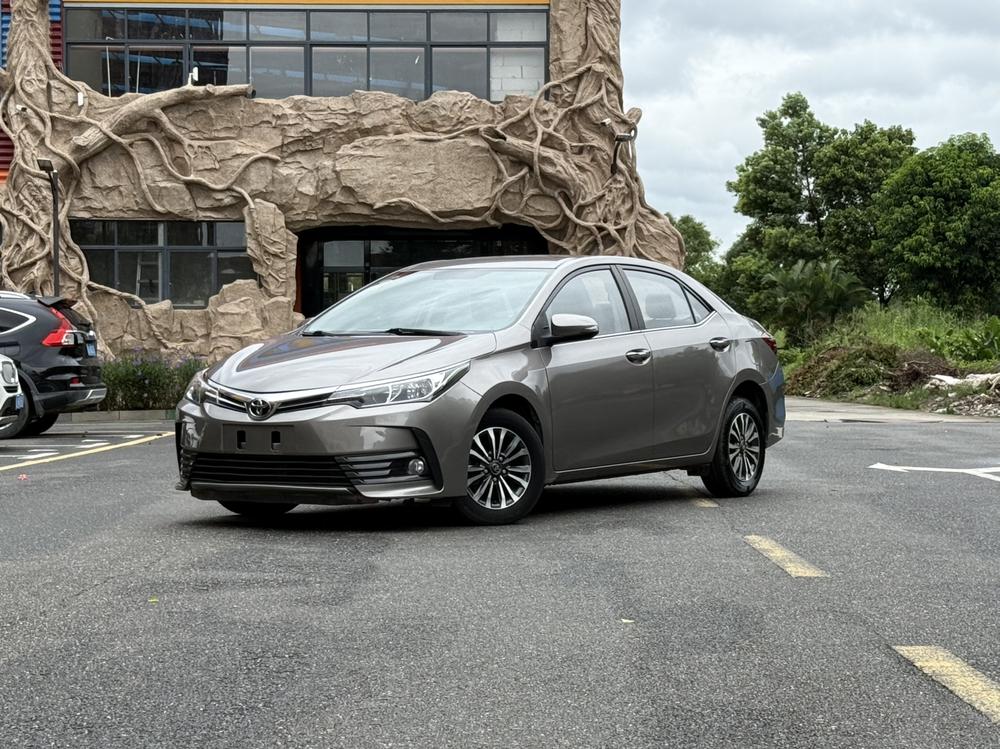
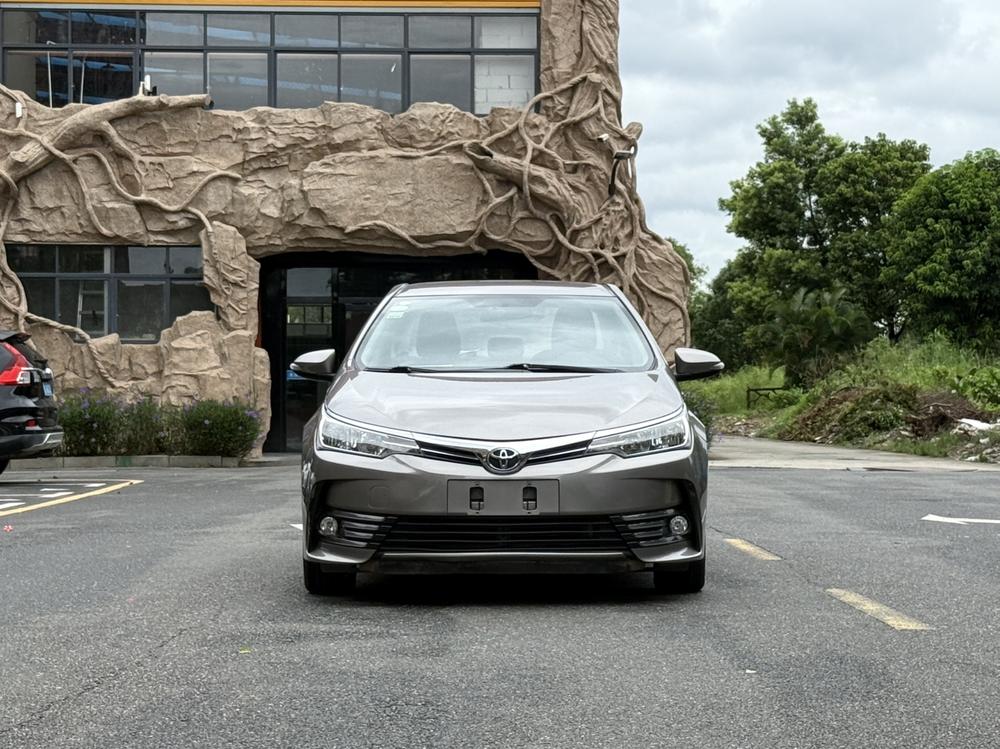
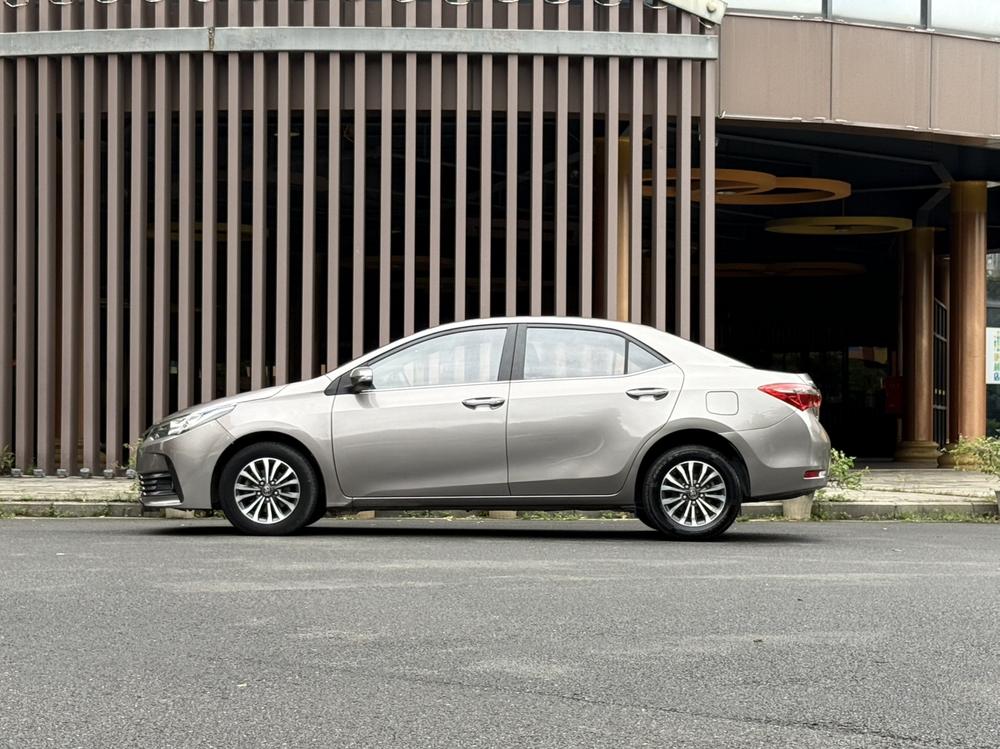
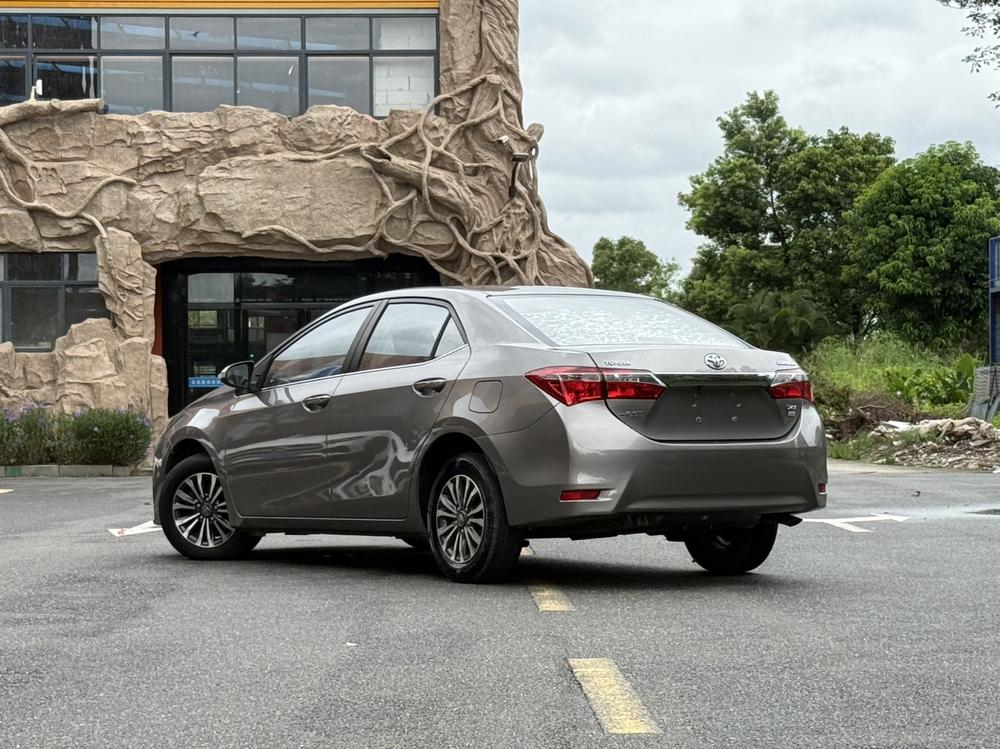
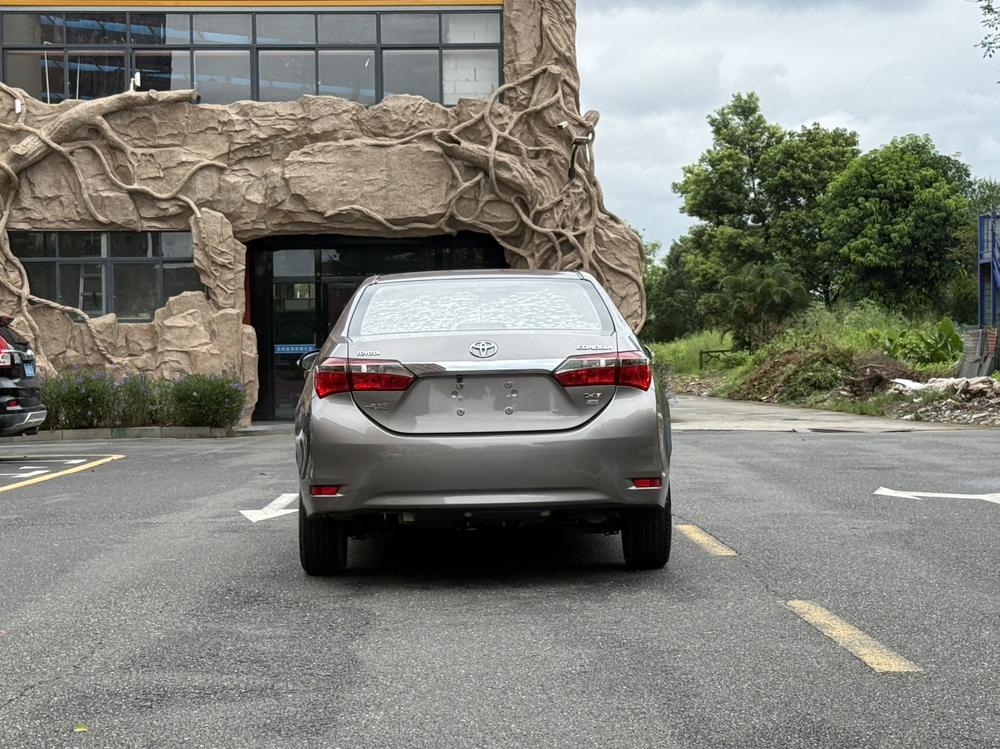
BrandToyota
SeriesCorolla
Year2018
First Registration2018/01
Mileage106,000km
Transfer Count0times
FuelGasoline
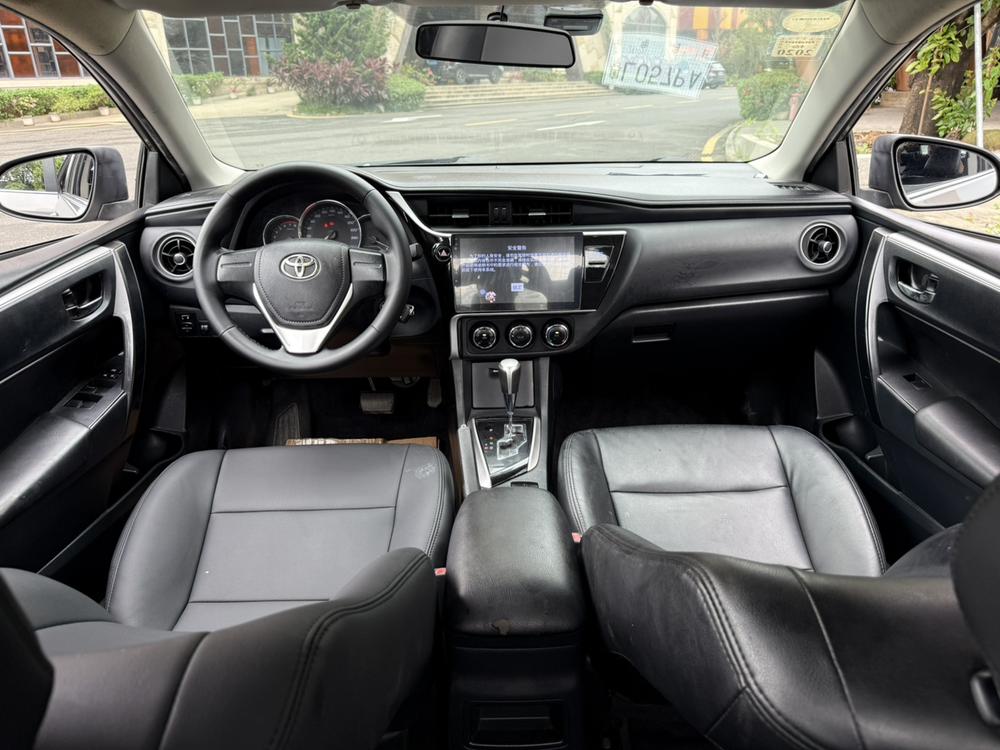
TransmissionCVT
Engine1.2T 116 L4
Color
Seats-

Condition Description

官方质检 · 60天全车质保· 7天无理由有偿退车

Configuration Highlights

✓上牌时间: 2018-01
✓表显里程: 10.6万公里
✓车源地: 惠州
✓排放标准: 国五
✓发动机: 1.2T
✓轴距: 2700mm
✓变速箱: 自动
✓最大功率: 85kW

Q&A

More

Can I purchase the original OBD diagnostic computer and account from you for local repairs?

We can purchase the hardware (diagnostic device) on your behalf. However, the original online diagnostic accounts (especially those involving anti-theft programming and module matching) have strict domestic IP location and real-name authentication restrictions, making it very difficult to log in stably from overseas for a long time, and we cannot guarantee technical support for this.
What insurance should I arrange when shipping a used car from China, and what do Incoterms like FOB and CIF mean for me?

Two separate protections matter: cargo insurance and contractual risk transfer. Cargo insurance: for container or RoRo shipments, buy marine cargo insurance covering total loss and damage, typically 110% of the CIF value (average cost 0.3%–0.8%). Check exclusions — many policies exclude pre-existing damage, so a pre-shipment inspection report is essential to prove the car's condition at loading. Incoterms define who bears risk and cost at each stage: 1. FOB (Free On Board): exporter pays until the car is loaded on the vessel; risk passes to you at that point. You pay ocean freight and insurance. Common and usually cheapest if you have your own freight forwarder. 2. CIF (Cost, Insurance and Freight): exporter pays freight and minimum insurance to your port. Convenient but the insurance coverage is basic — consider topping it up. 3. EXW (Ex Works): you handle everything from the exporter's yard; only choose this if you have a trusted agent in China. Put the agreed Incoterm and port clearly in the contract, and never release final payment before the Bill of Lading is issued.

Are the quality assessment standards for used commercial vehicles (pickups, light vans) the same as for passenger cars?

Completely different. The assessment of commercial vehicles focuses on: the extent of wear/deformation in the cargo area, whether the frame has been twisted due to overload, the fatigue of the leaf springs, and the emissions of the diesel engine. Minor exterior scratches carry very little weight in the assessment of commercial vehicles.