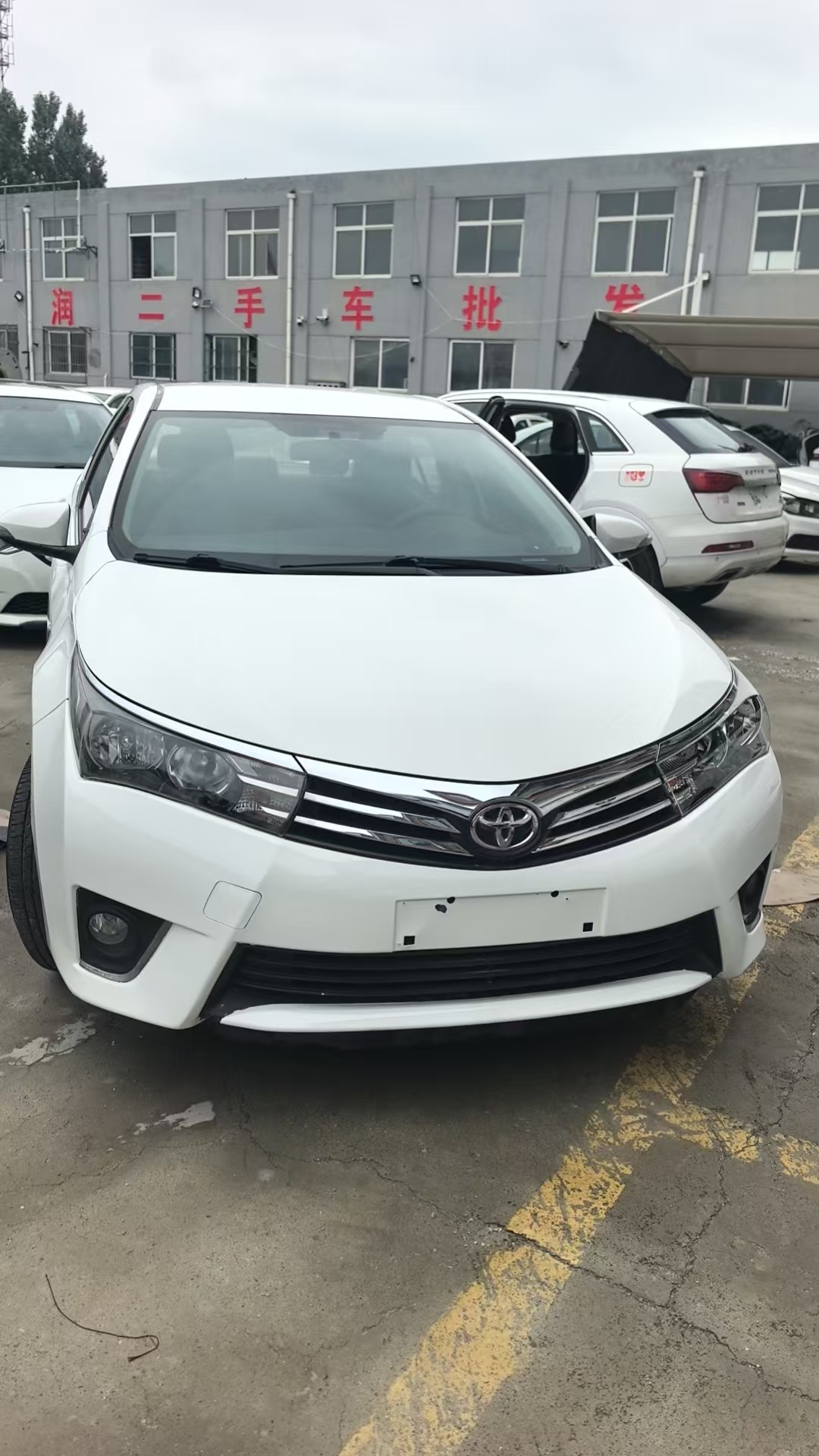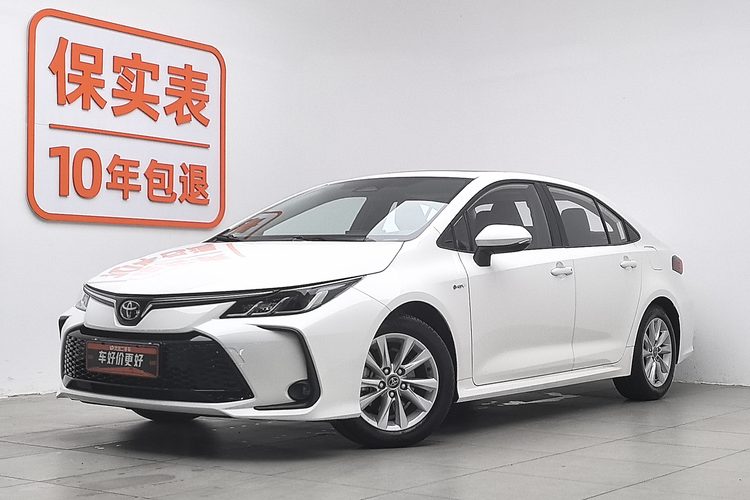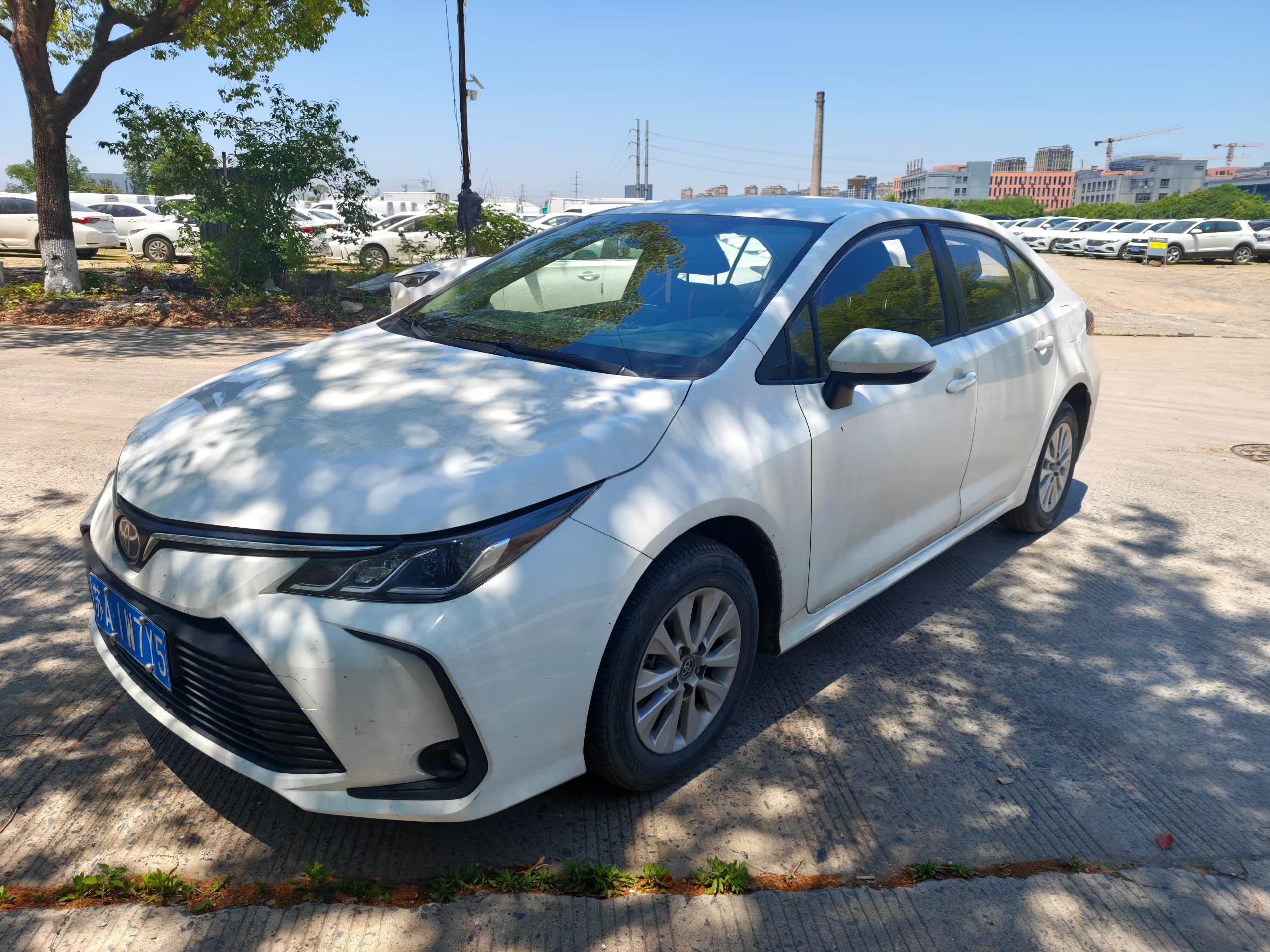


Basic Information

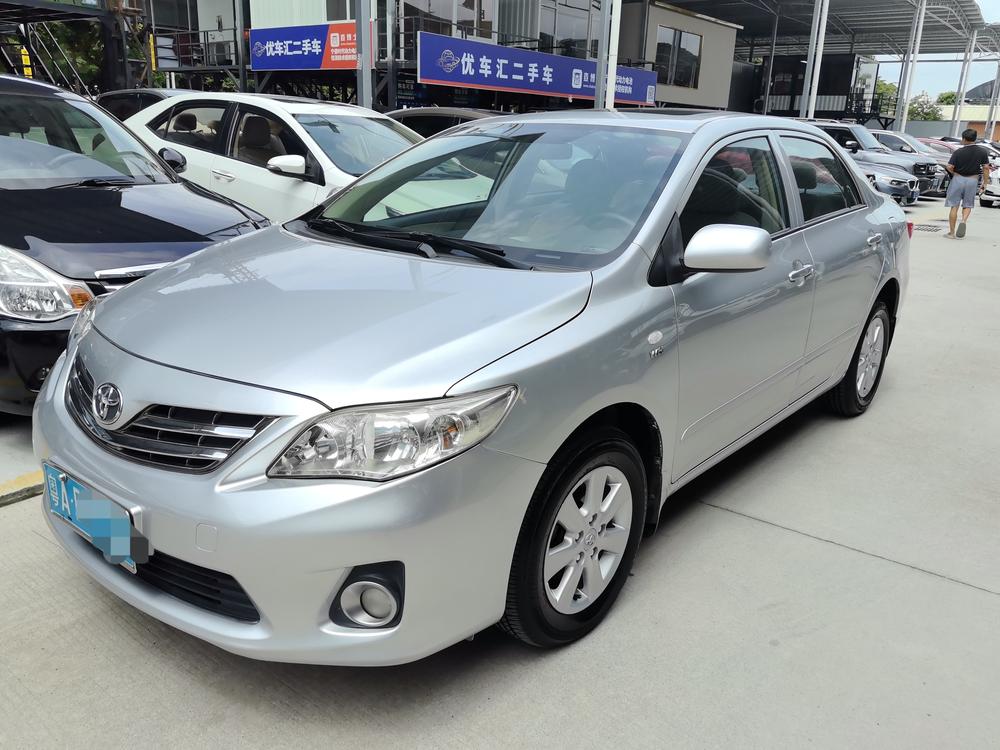
BrandToyota
SeriesCorolla
Year2017
First Registration2017/08
Mileage124,100km
Transfer Count-
FuelHEV
TransmissionE-CVT
Engine1.8L 99 L4
ColorBlue
Seats-

Condition Description

Vehicle has major accident/fire/flood damage or major defects in power battery components (structural/reinforcing/panel parts), repaired or unrepaired, still affecting body structural strength or safe use, with hidden fault risks.

Accident inspection: main structure damaged, reinforcing parts damaged, panels damaged, hinges abnormal. Engine bay: key mechanical components normal. Exterior: 3 replaced parts, 7 panel repairs, 1 repaint. Interior: left front seat rail and mounting screws show disassembly marks; most features normal; airbag system normal; lighting system normal. Start-up test: main components normal. Tools: spare tire present.

电话直连
可讲价
平台物流
可转售
车主降价
新能源
零过户
非泡水

Document Information

Inspection Expiry Date2027/08
Warranty Expiry Date-
Insurance Expiry Date2026/08

Q&A

More

If a car frequently transfers between extremely cold areas (like Northeast China) and extremely hot areas (like Hainan), would you provide special risk warnings?

Absolutely. The extreme temperature fluctuations will significantly accelerate the aging of chassis rubber parts, oil seals, and interior plastics. For vehicles frequently dispatched across such latitudes, we will conduct fatigue resistance checks on chassis rubber parts that are twice as stringent as those for vehicles in temperate regions.
Are there specific photos or reports from the lift perspective regarding the concealed parts of the chassis (such as the suspension system and shock absorber leaks)?

Definitely. Lifting the chassis is a mandatory part of our standards. The report will specifically show whether there are oil stains on the front and rear shock absorber cylinders, if the rubber boots of the lower control arm ball joints are torn, and if the steering tie rods are loose or deformed.

After picking up the car, I found the tire pressure warning (TPMS). How can I reset the tire pressure sensor myself?

Temperature differences during sea transport can easily trigger the tire pressure warning. After inflating the tires to the standard pressure (usually 2.5 Bar), most vehicles will automatically clear the warning after driving a few kilometers; some models require manually clicking "Tire Pressure Reset" in the "Vehicle Settings" on the central screen.