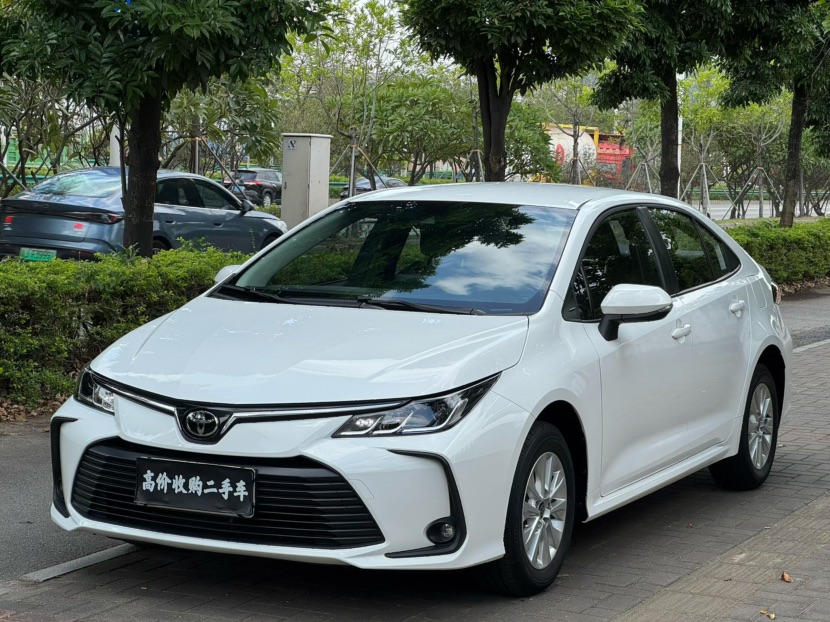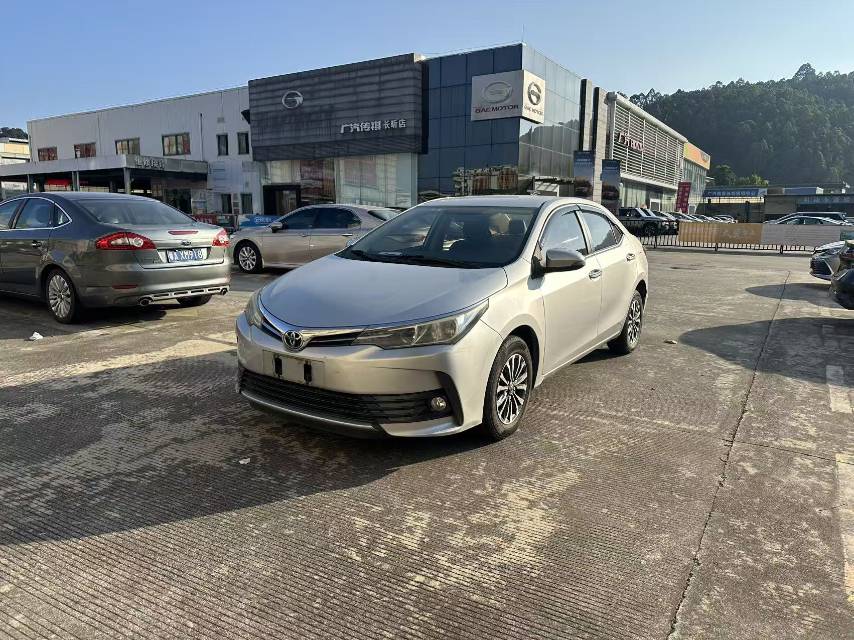
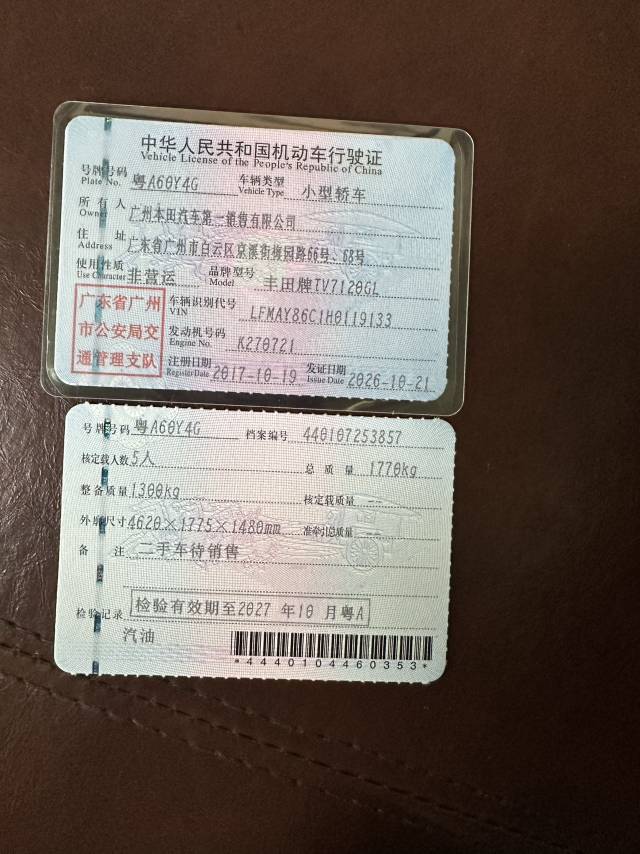
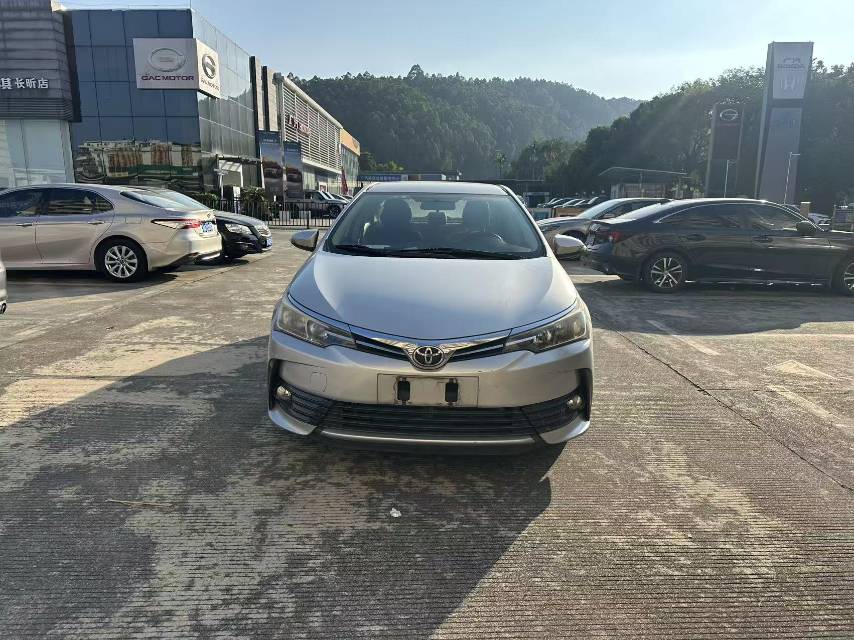



48H

Basic Information

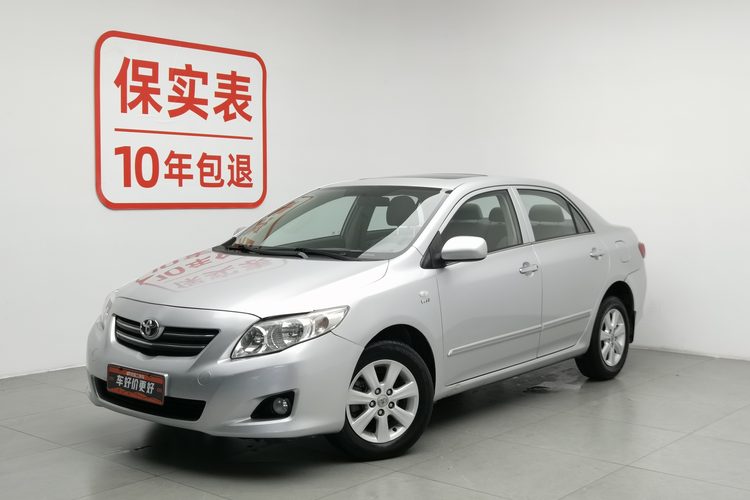
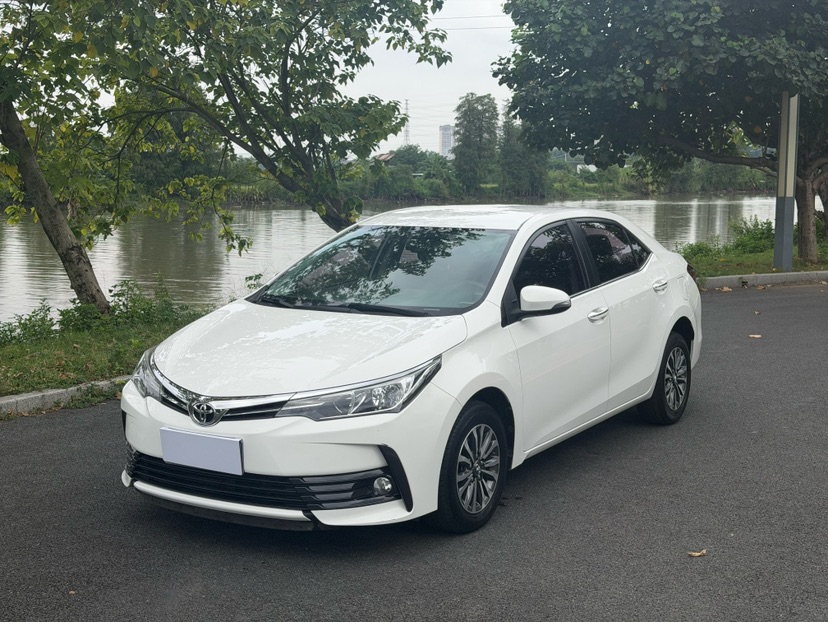
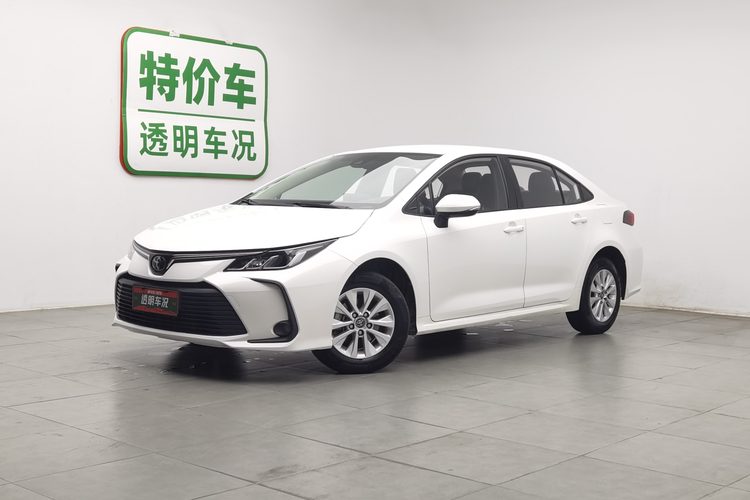
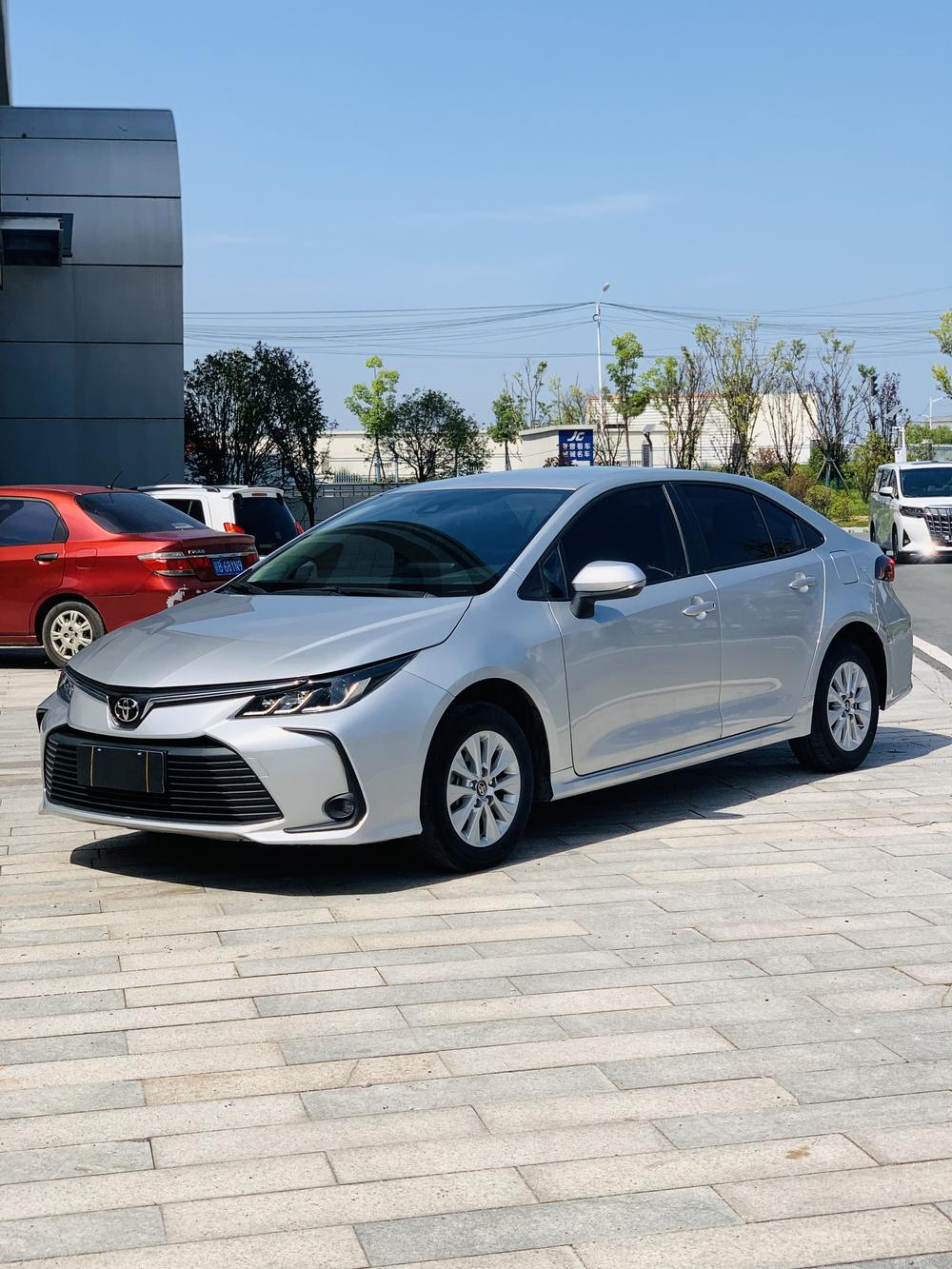
BrandToyota
SeriesCorolla
Year2017
First Registration2017/10
Mileage65,000km
Transfer Count0times
FuelGasoline
TransmissionCVT
Engine1.2T 116 L4
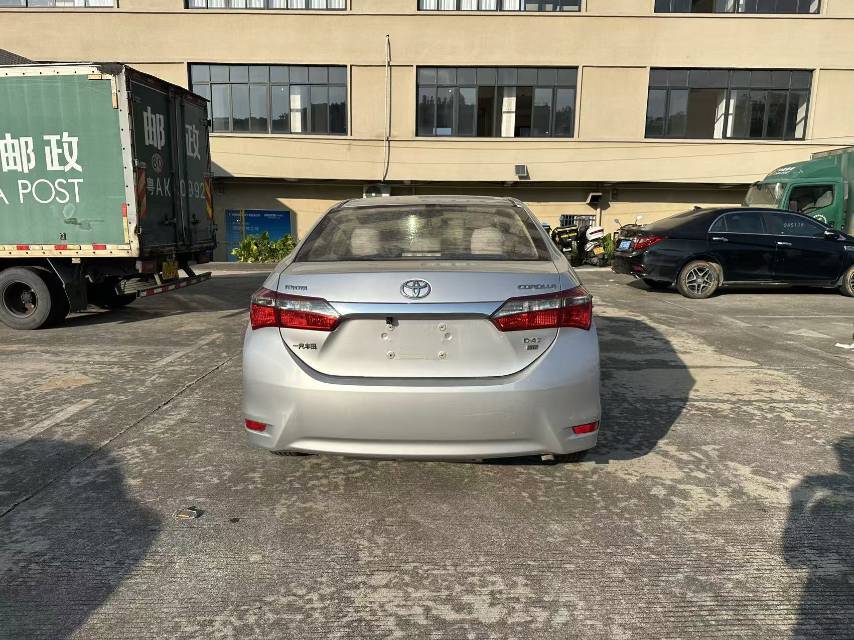
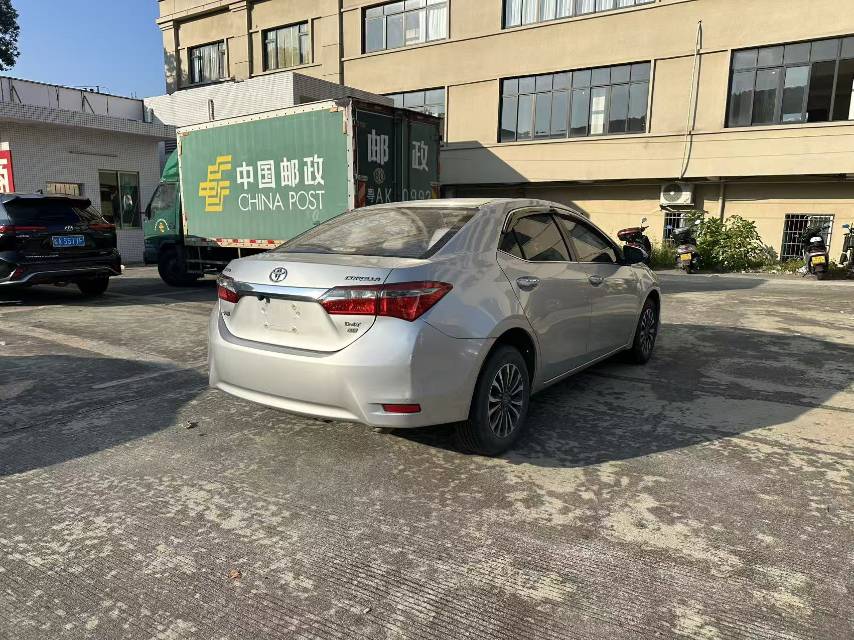
ColorGrey
Seats-

Condition Description

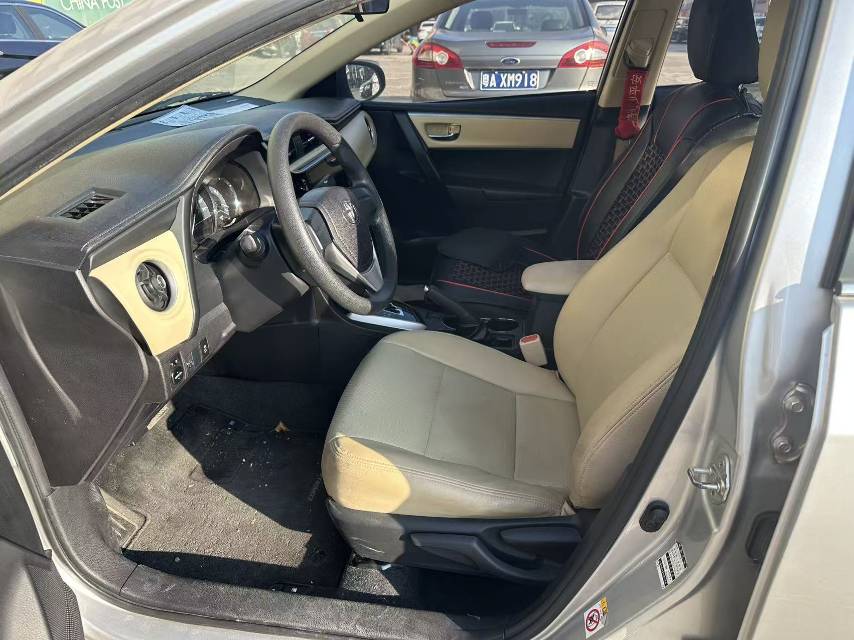
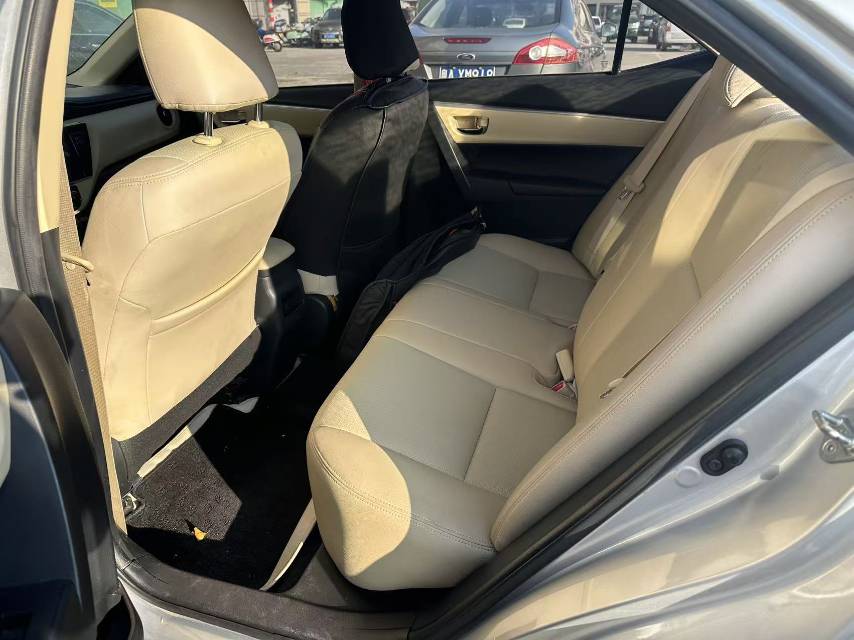
Average condition

Several panels repainted, left front fender replaced, passed Chaboshi inspection, compulsory traffic insurance valid until September 2027

可议价
已上架
New
Wholesale

Configuration Highlights

✓品牌: 丰田
✓车系: 卡罗拉
✓车型: 丰田 卡罗拉 2017款 1.2T CVT GL 改款 国V
✓能源类型: 燃油车
✓发动机: 1.2T
✓变速箱: CVT
✓驱动方式: 前轮驱动
✓排放标准: 国V
✓指导价: 11.78万
✓车源编号: 12810859
✓VIN: LFMA*******119133

Document Information

Inspection Expiry Date2027/10
Warranty Expiry Date-
Insurance Expiry Date2027/09

Q&A

More

How do I handle recalls and software updates for my imported Chinese car once I'm back home?

Recalls and software updates depend on the brand's official presence in your country. Recalls: ask the seller for the VIN and confirm with the manufacturer whether any recall campaigns apply. Some Chinese brands have overseas service networks that honor recalls even for exported used cars; others don't. OTA updates: many connected features update over the air regardless of location, but some are region-locked. Before buying, ask the seller to confirm the car's software region and whether updates work outside China. Practical steps: keep your export documents and purchase invoice—they may be required to prove eligibility for warranty or recall work. Join owner communities for your model, as they share firmware and service information, and budget for dealer-level diagnostics at an independent shop familiar with Chinese vehicles. If the brand has no local presence, parts and software support will come mostly from parallel importers, so factor that into your decision.


After the vehicle arrived at the port, it was found that the rubber parts of the chassis (such as dust covers and engine mounts) had extensive cracking. Does this fall under the compensation for "certain repair parts compensation"?

Absolutely not. The aging and cracking of rubber parts are inevitable over time and are a normal manifestation of vehicle depreciation. Our compensation only covers sudden and catastrophic mechanical failures, such as engine cylinder scoring or transmission gear breakage.

Can I combine several cars into one container to save on freight when importing from China, and how does consolidation work?

Yes, consolidation is common and can cut freight cost per car significantly, especially for shared purchases or small-volume importers. How it works: 1. A 40ft high-cube container typically fits 2-4 cars depending on size and loading method (standard loading vs. specialized racking that allows 4+ cars). Confirm the loading plan with your forwarder in writing. 2. Cars are secured with wheel chocks, straps, and padded braces. Professional loading with photos before the doors close is essential — request a photo report for insurance purposes. 3. One container means one bill of lading and one customs entry, but each car still needs its own invoice, export documents, and destination customs declaration. Things to watch: - Liability: if one car shifts and damages another in transit, insurance claims get complicated. Take out proper cargo insurance covering both vehicles. - Timing: all cars in the container must be ready at the same port at the same time, or you pay storage fees. - For EVs, check the shipping line's battery and state-of-charge rules — they may limit how many EVs go in one box. For a single car, RoRo or a 20ft container is usually simpler; consolidation mainly pays off from 2+ cars.