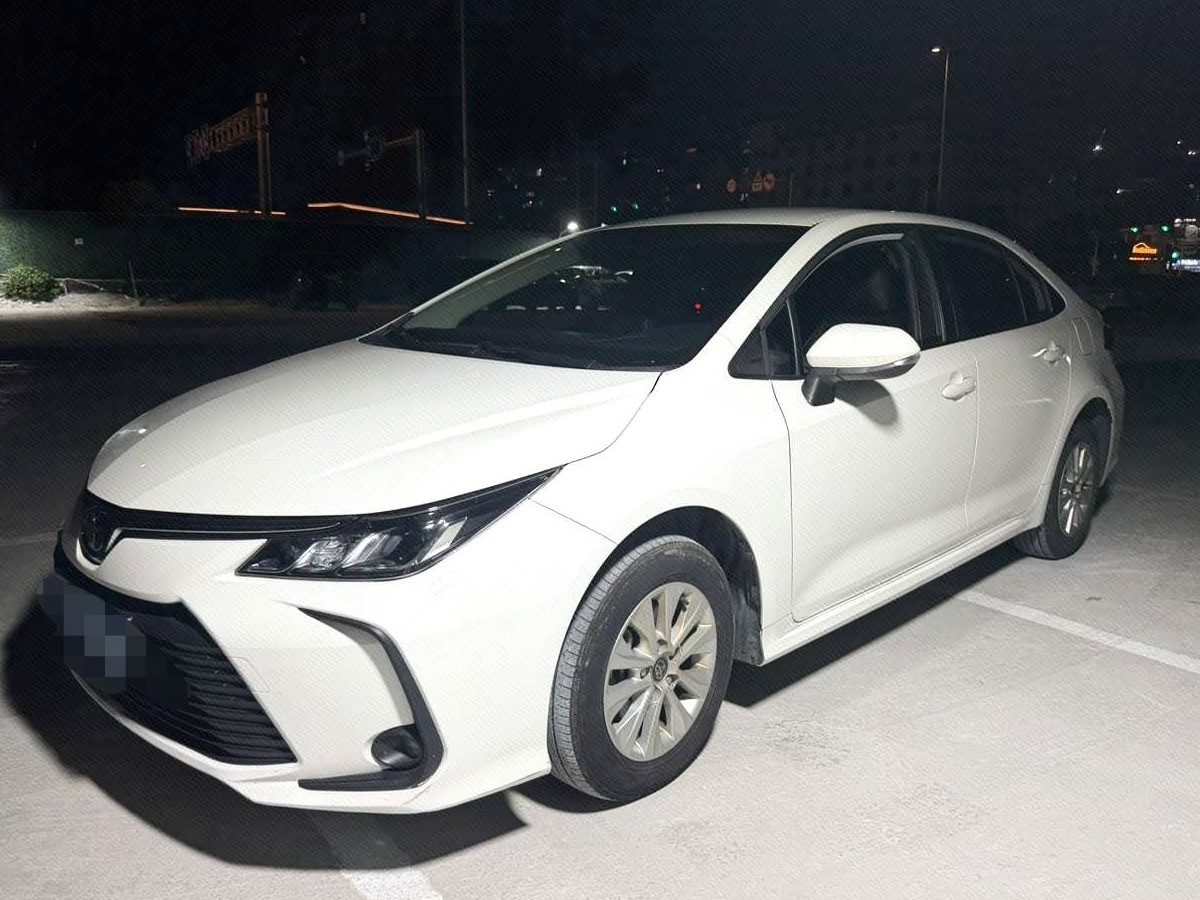
Basic Information

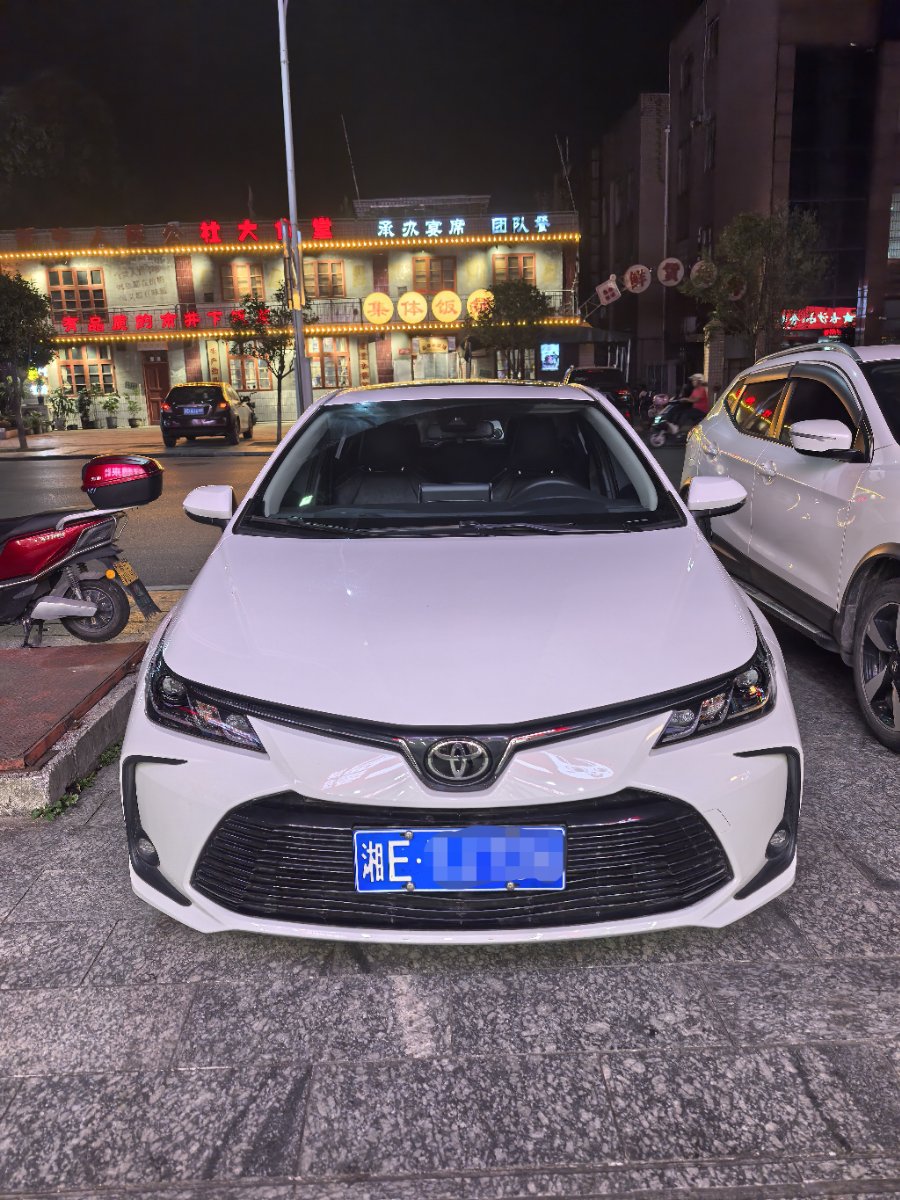
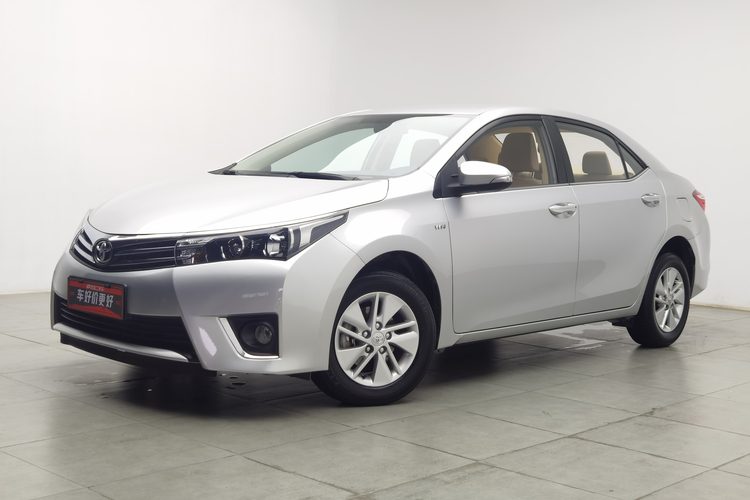
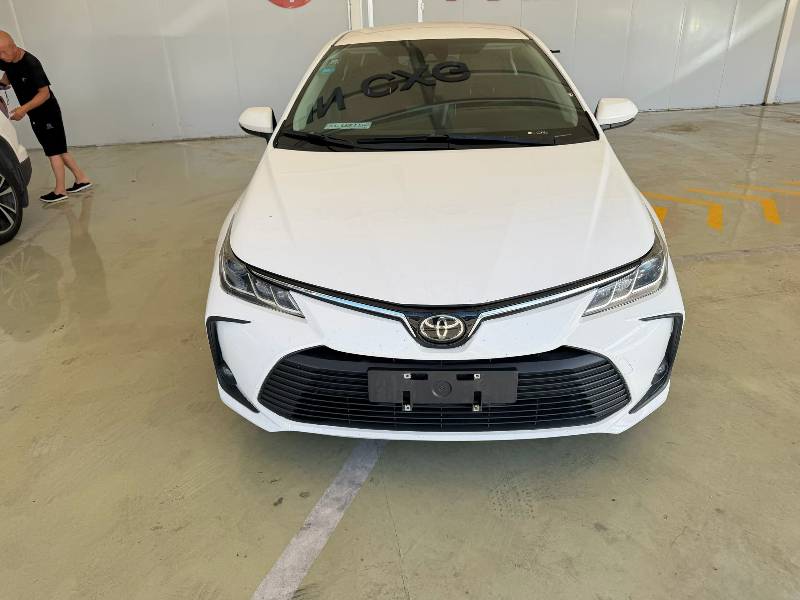
BrandToyota
SeriesCorolla
Year2018
First Registration2018/01
Mileage119,400km
Transfer Count-
FuelHEV
TransmissionE-CVT
Engine1.8L 99 L4
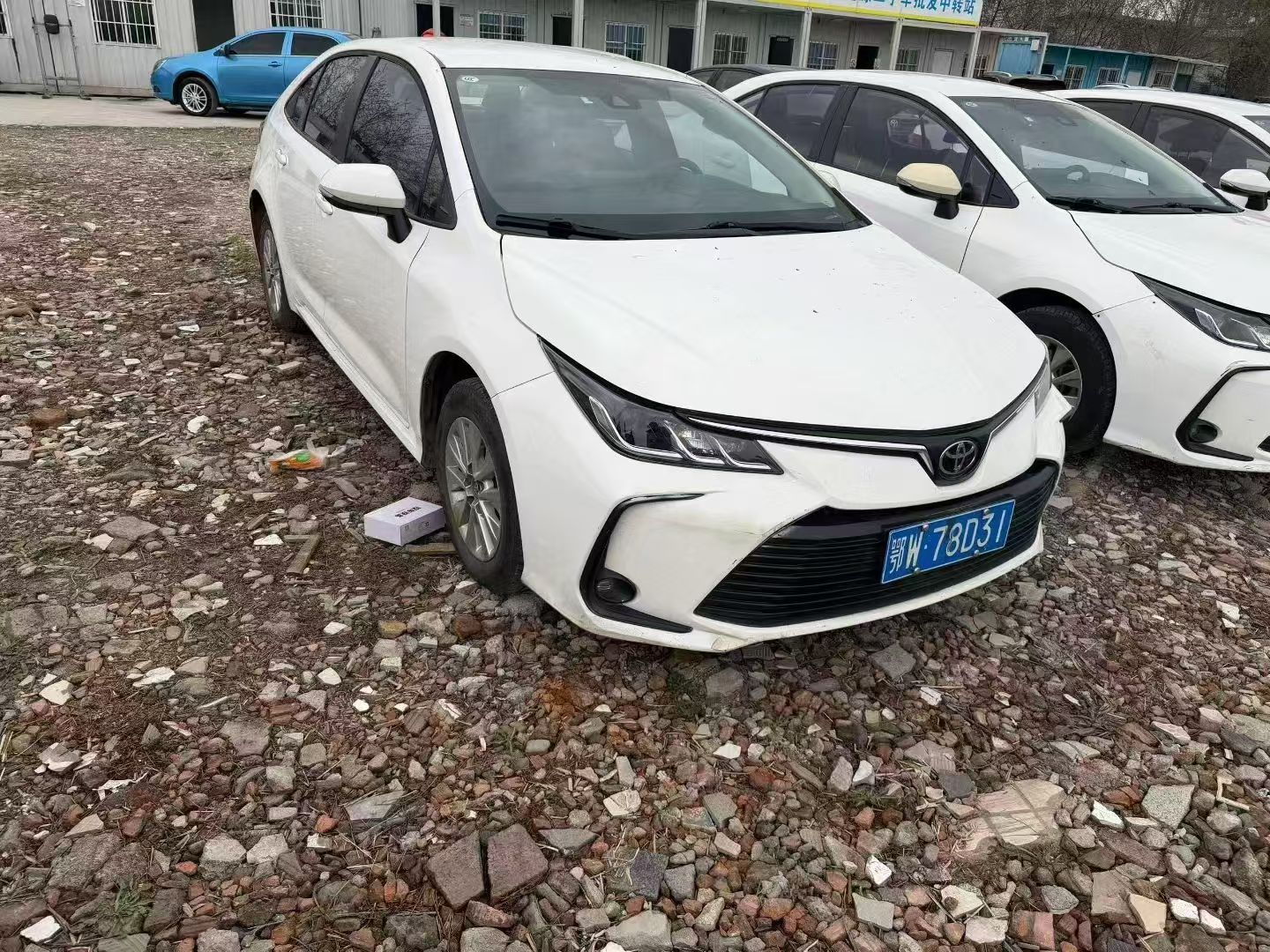
ColorWhite
Seats-

Condition Description

The body has localized damage or repair marks. Structural and reinforcing components have no accident-related damage or repairs. Vehicle performance (including three-electric system) has degraded or is limited.

Accident inspection: main structure undamaged, reinforcing components undamaged, cover panels undamaged, hinges normal. Engine bay inspection: key mechanical components normal. Exterior: 1 replaced part, 4 painted areas. Interior: most features normal, airbags normal, seatbelts normal, dashboard normal, instrument cluster normal, lighting system normal. Startup inspection: main components normal. Tool kit: absent.

可讲价

Document Information

Inspection Expiry Date2027/01
Warranty Expiry Date-
Insurance Expiry Date2027/01

Q&A

More

Besides the purchase price, what other fees should I budget for when importing a used car from China?

The purchase price is only part of your total landed cost. Plan for these items: - Inland transport in China: moving the car from the seller's city to the export port, plus transfer and inspection fees. - Export fees: customs declaration, port handling, and terminal charges. Ask for an FOB (Free On Board) quote so these are included. - Ocean freight: RoRo (roll-on/roll-off) is cheapest for regular cars, but EVs often require special containers or dedicated EV shipping due to battery regulations, which costs more. - Insurance: marine cargo insurance, typically 1-3% of the car's value. - Import side: import duty, VAT or sales tax, customs brokerage, port charges at destination, and any homologation or compliance testing fees. As a rule of thumb, add 25-40% on top of the FOB price for a realistic landed-cost estimate, depending on your country's tax rates. Get a written breakdown from both your supplier and a customs broker before committing.


The bank returned my car payment due to compliance issues. Who bears the exchange rate loss and fees?

If the buyer's country is under international sanctions, or if the buyer fails to provide a legitimate source of funds leading to the bank returning the payment, all transfer fees and exchange rate losses incurred during this period are to be borne entirely by the buyer.

Beyond the car price, what costs should I budget when importing a used car from China?

A realistic budget has several layers beyond the vehicle price. First, inland logistics in China: moving the car to the export port typically costs $300-$800. Second, export handling: inspection, customs declaration and paperwork usually add $500-$1,000. Third, ocean freight. A 20ft container to most destinations runs $1,200-$3,000 depending on route; RoRo shipping can be cheaper for driveable cars. Add marine insurance, usually 0.3%-0.5% of the car value. Fourth, destination charges: port handling, customs duties, VAT/GST and local registration fees. These vary widely; some countries charge duties of 20%-80% of the vehicle value plus an excise based on engine capacity. Finally, any compliance work: inspection certificates, modifications to meet local standards, or homologation. Ask your exporter for a full CIF quote and have a local customs broker confirm destination taxes before you commit.