


Basic Information

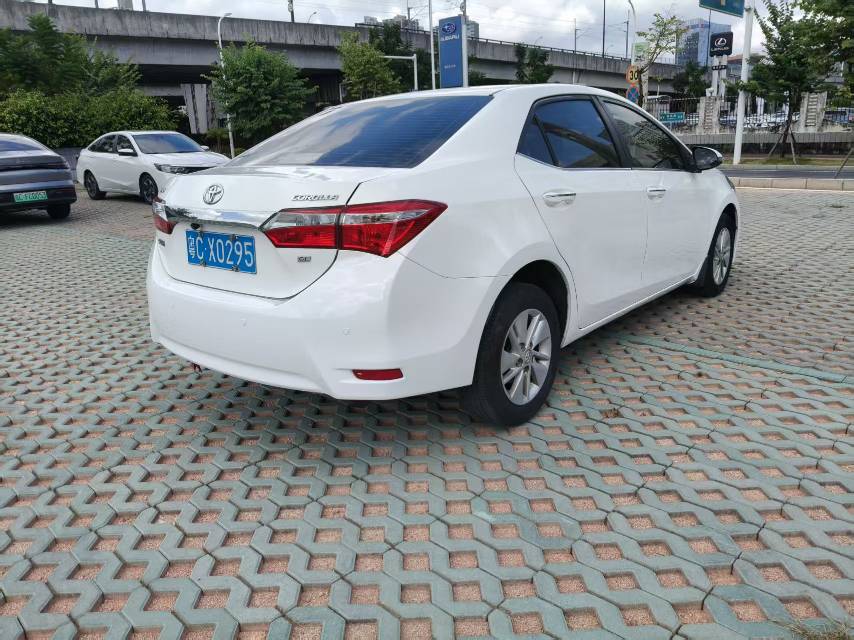
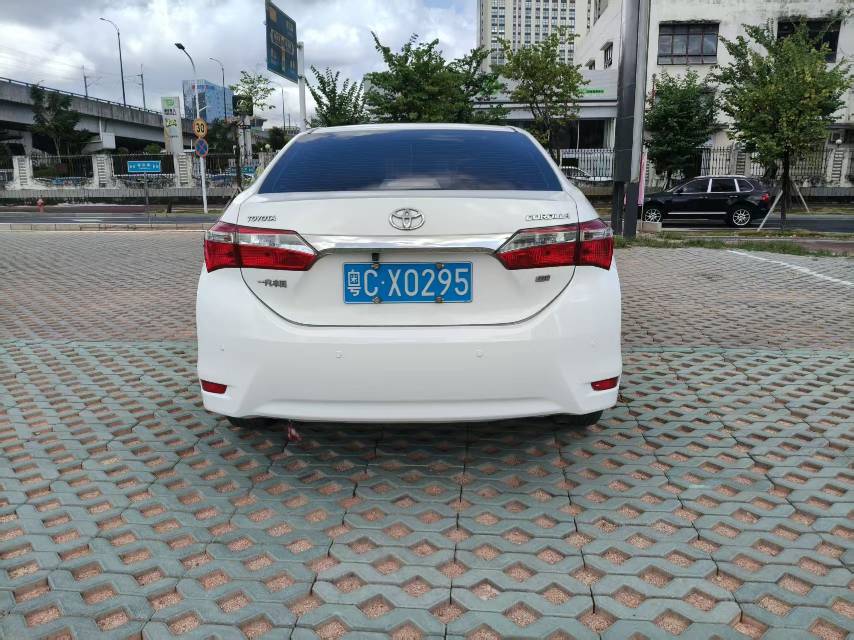
BrandToyota
SeriesCorolla
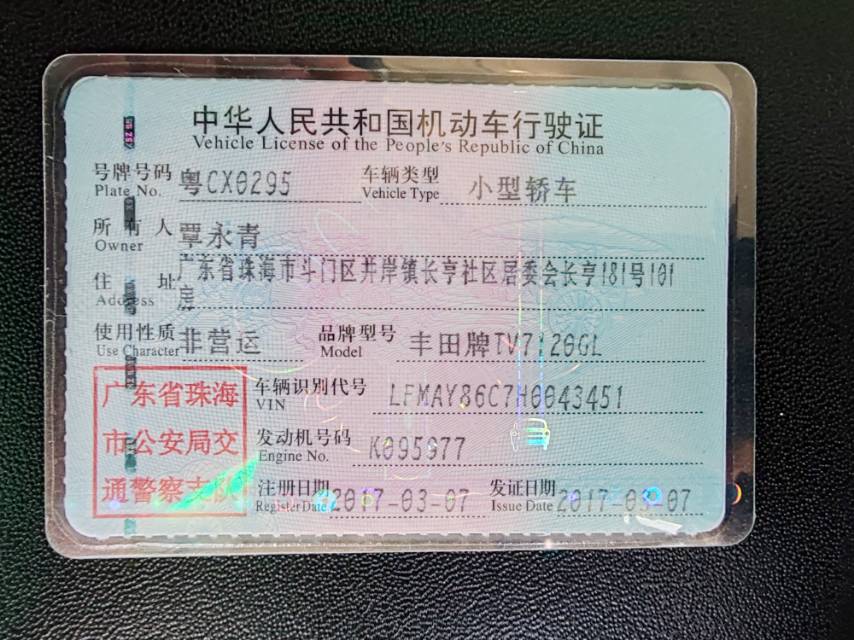
Year2017
First Registration2017/03
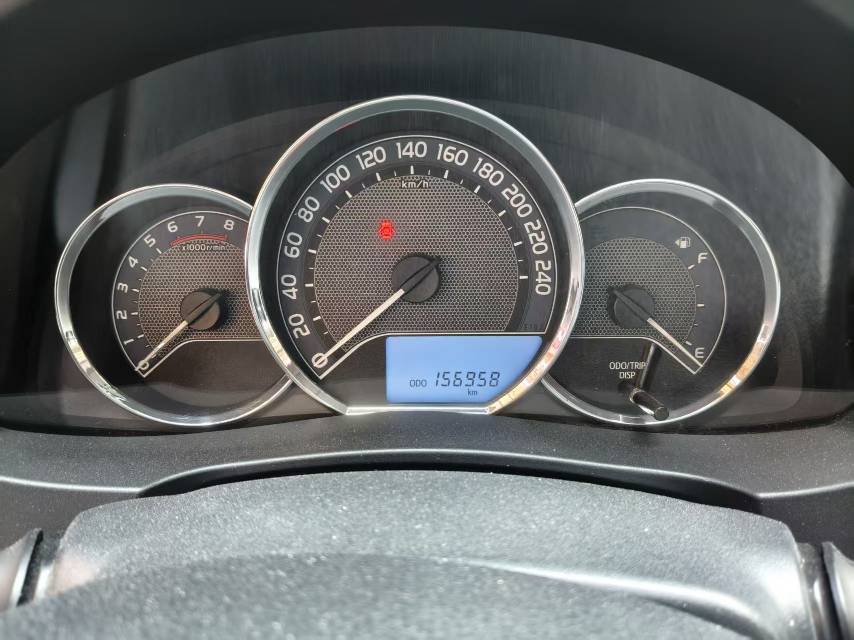
Mileage150,000km
Transfer Count1times
FuelGasoline
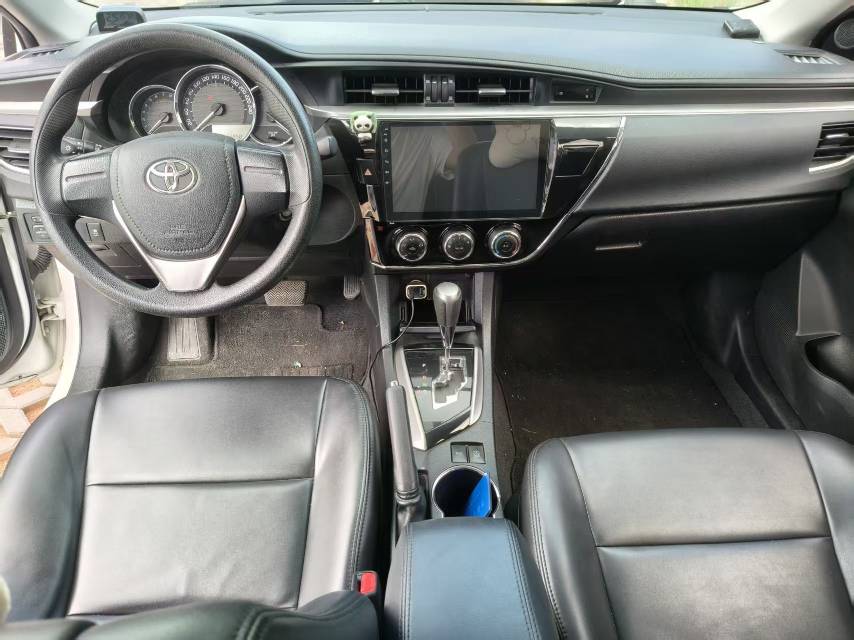
TransmissionCVT
Engine1.2T 116 L4
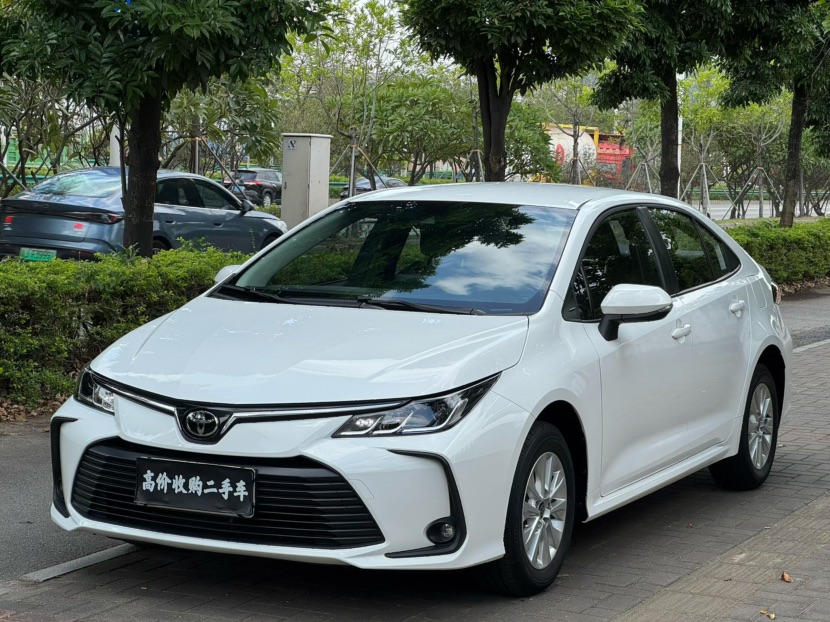
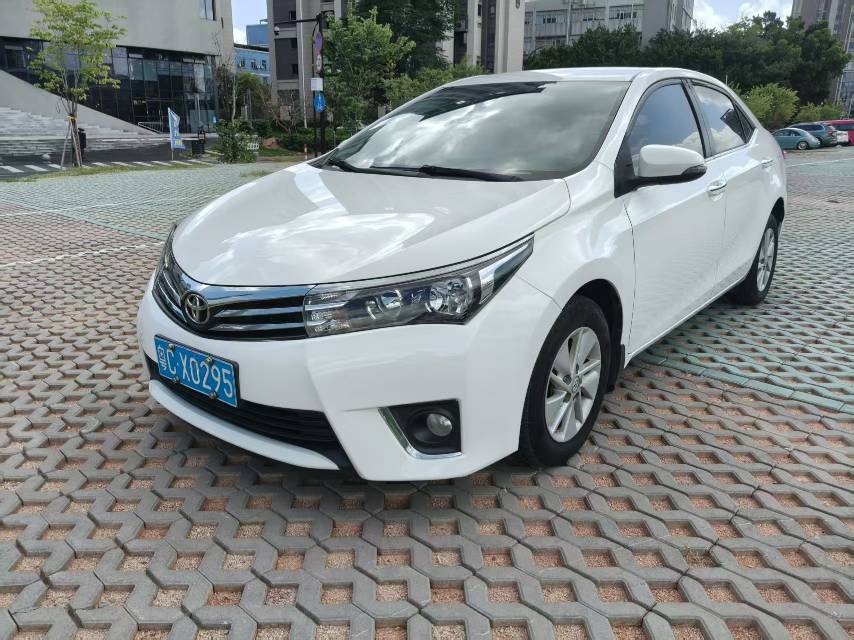
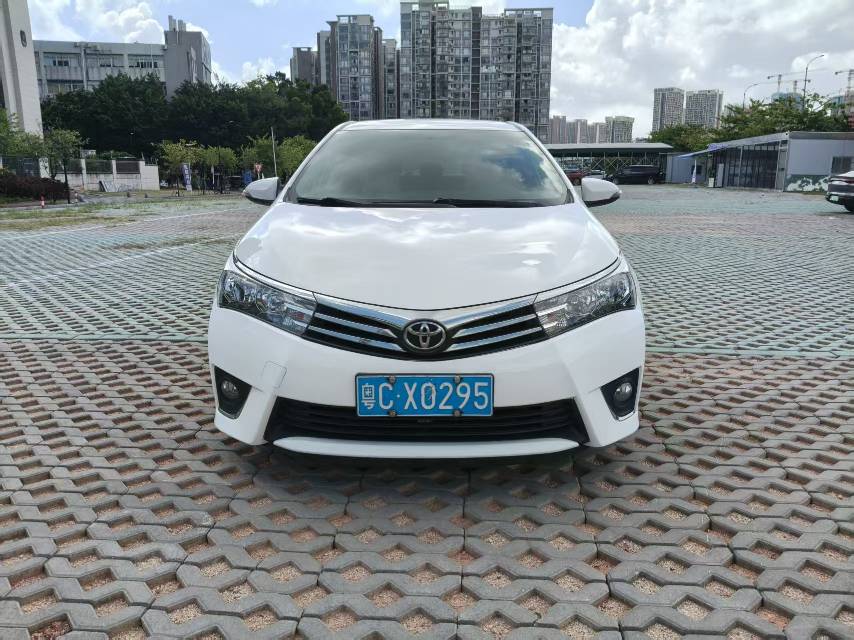
ColorWhite
Seats-

Condition Description

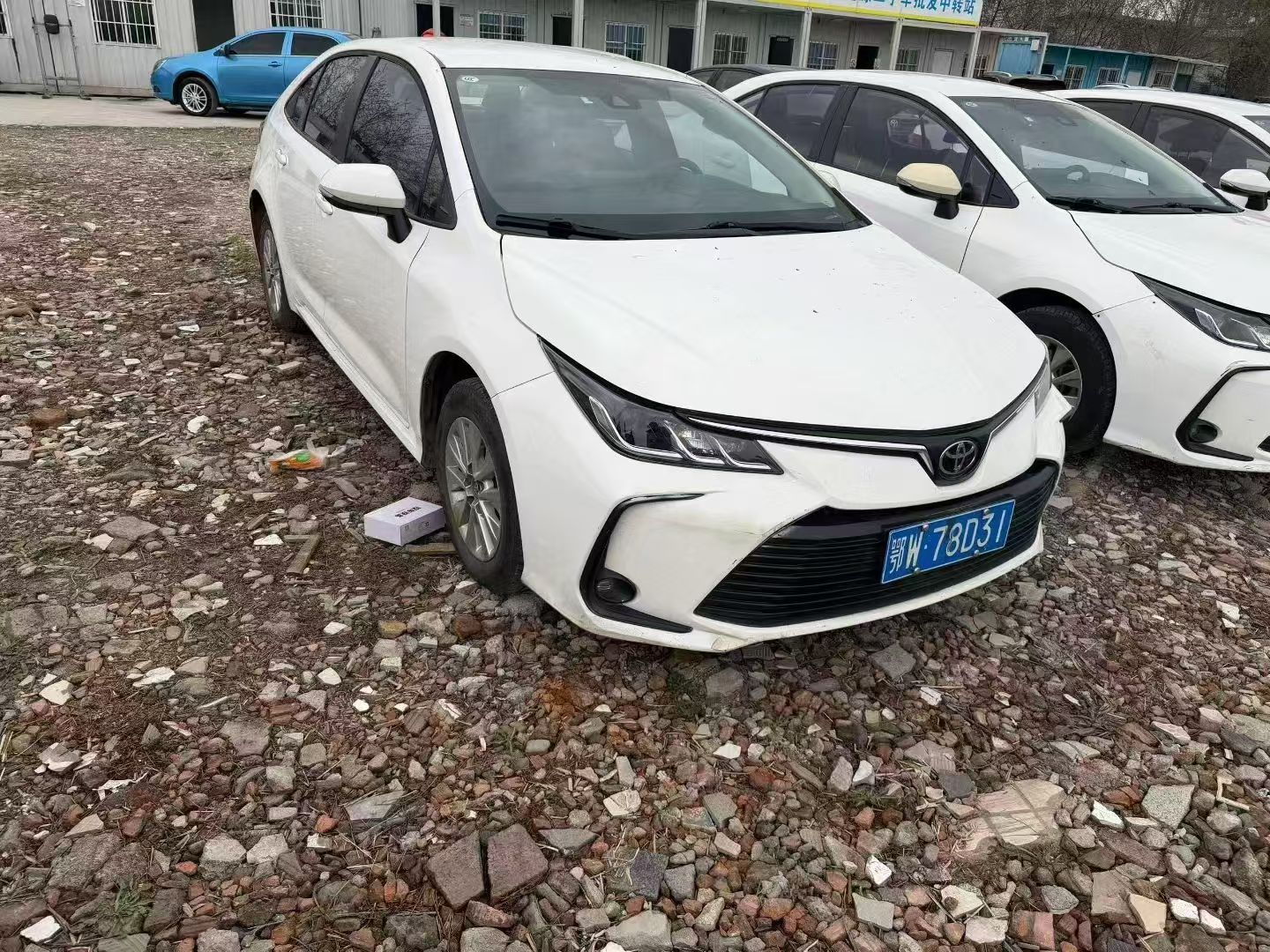
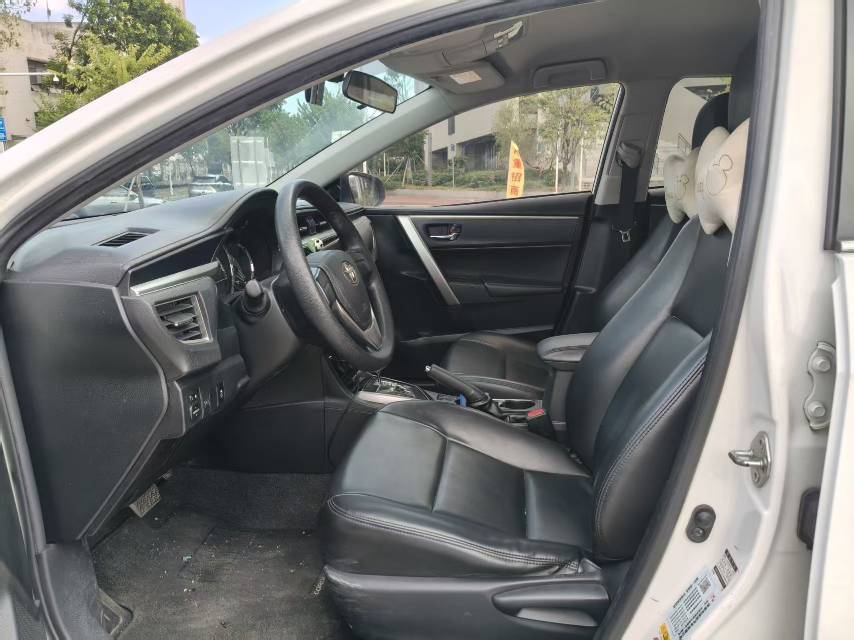
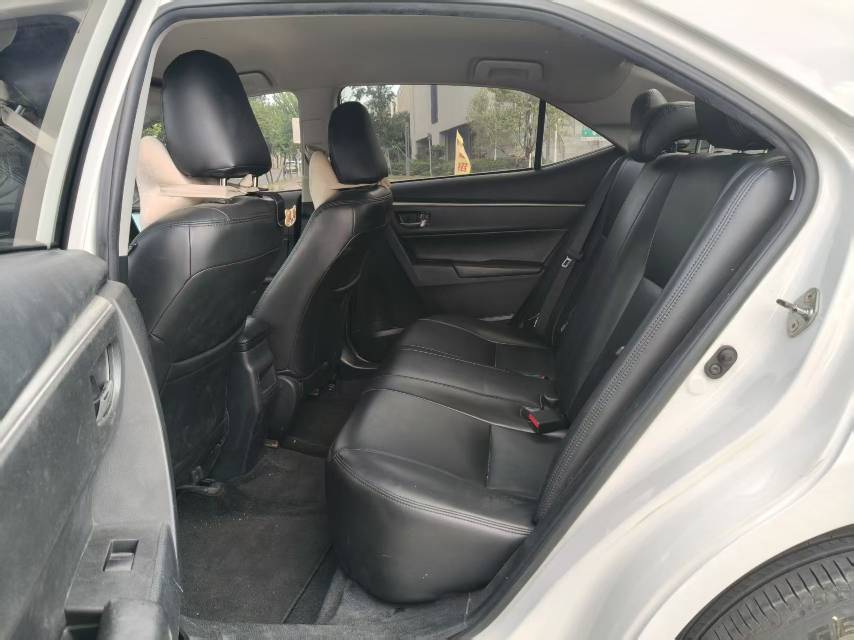
Front-end assembly replaced, rear tail panel repaired, four beams and six pillars intact, airbags intact, front hood and rear deck lid replaced. One-owner vehicle, actual mileage 150,000 km. Exterior paint freshly refinished, interior and exterior in good cosmetic condition.

燃油车
轿车
自动
维保开放
事故开放
查验开放

Configuration Highlights

✓品牌: 丰田
✓车系: 卡罗拉
✓车型: 2017款 1.2T CVT GL
✓车身类型: 轿车
✓座位数: 5
✓排量: 1.2T
✓变速箱: 自动
✓能源类型: 燃油车
✓VIN: LFMAY86C7H0043451
✓搜索关键词: 丰田卡罗拉 2017款卡罗拉1.2TCVTGL

Document Information

Inspection Expiry Date2027/03
Warranty Expiry Date-
Insurance Expiry Date2027/03

Q&A

More

How can I verify the odometer reading is genuine on a Chinese used car from abroad?

Odometer fraud exists everywhere, but cross-checking several data points makes it hard to fake: 1) Maintenance records: ask for service history with mileage entries. Gaps or resets are red flags. 2) Tire wear: a car showing 30,000 km should not have nearly bald tires. Compare tread depth against the claimed mileage. 3) Pedals, steering wheel, and seat bolsters: heavy wear on these with low odometer readings is a classic mismatch. 4) Diagnostic scan: request an OBD readout. Many control modules store mileage data internally — if the ECU shows 120,000 km while the dash shows 40,000, you have your answer. 5) Vehicle history report: in China, apps and platforms can pull insurance claim records and registration history, which often reveal the true mileage trail. Always request a live video showing the odometer with the engine running, and have the number written into your contract.


What generation is this car?

We will directly check the registration certificate (the big green book) and count the number of changes.

What is a Certificate of Origin and why do I need one when importing a car from China?

A Certificate of Origin (C/O) is an official document stating where the vehicle was manufactured. Customs authorities use it to decide which tariff rates and trade agreements apply to your import. Why it matters: many countries offer preferential tariffs for certain origins. With a valid C/O, such as the ASEAN-China Form E or a GSP Form A, you may pay reduced or zero duty. Without it, you typically pay the standard, higher rate. The certificate must match the vehicle exactly: VIN, make, model and invoice details. It is usually issued by the China Council for the Promotion of International Trade (CCPIT) or customs authorities. Practical tips: request the C/O before shipment, because adding it later is slow; check that your country's customs accepts the specific C/O format; and confirm with your broker whether your vehicle category qualifies for preferential rates. This single document can save you thousands in duty.