


24H

Basic Information

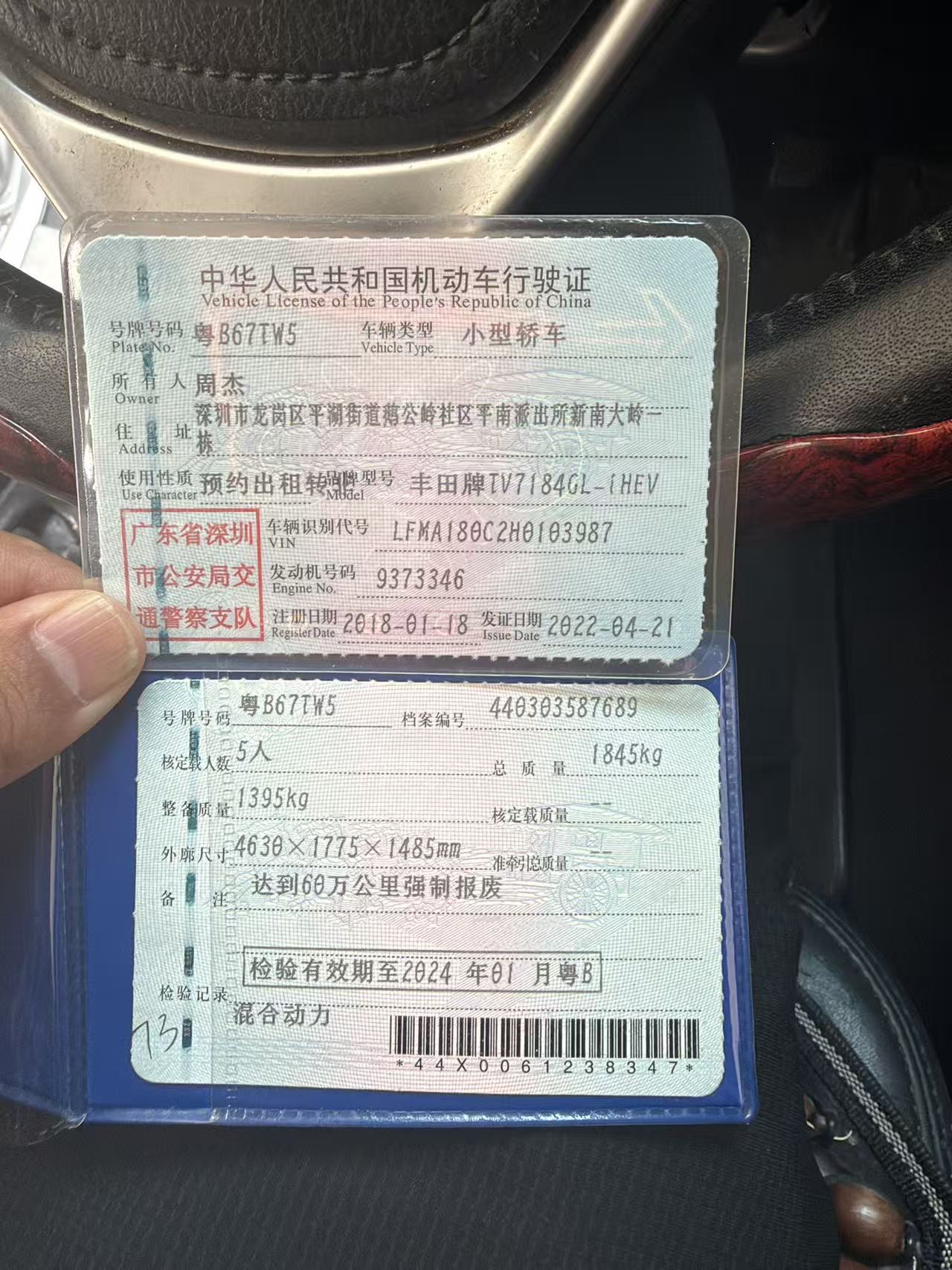
BrandToyota
SeriesCorolla
Year2018
First Registration2018/01
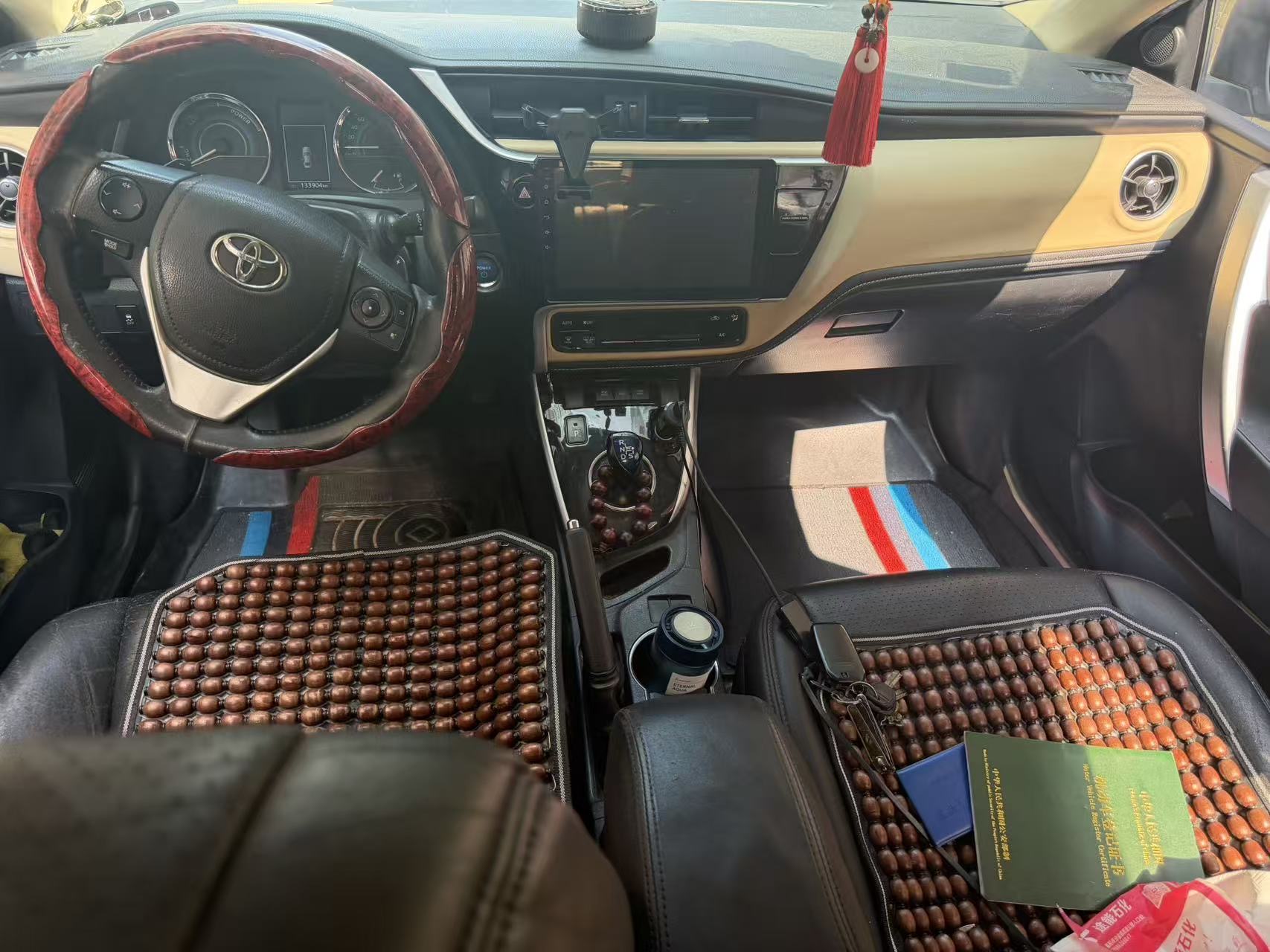
Mileage133,000km
Transfer Count1times
FuelHEV
TransmissionE-CVT
Engine1.8L 99 L4
ColorGrey
Seats-

Condition Description

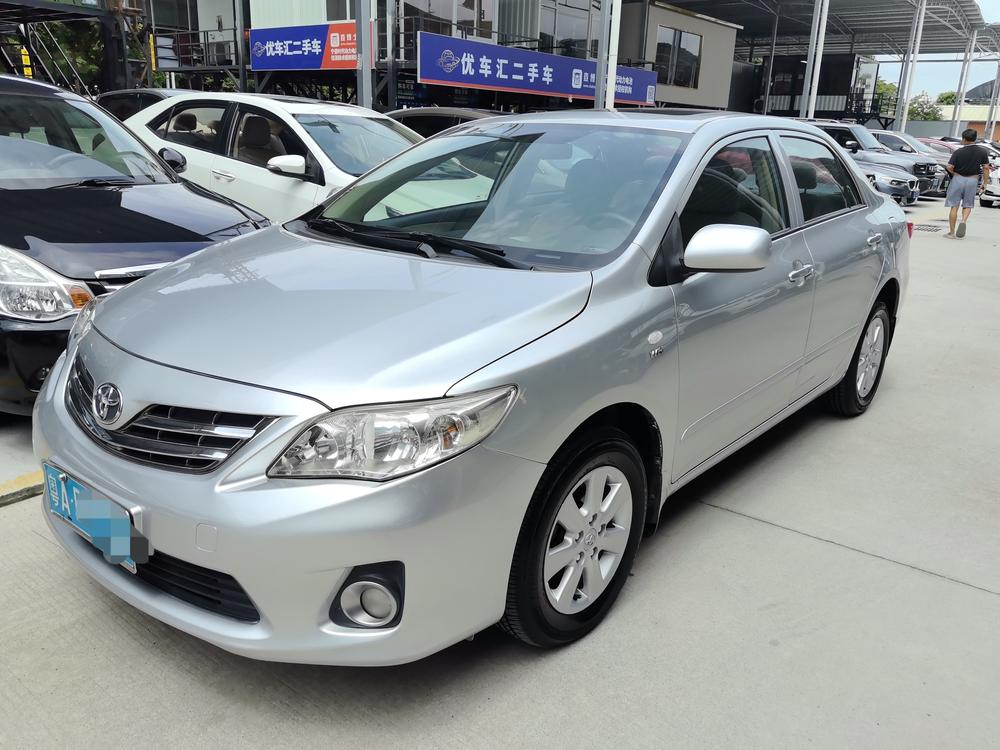
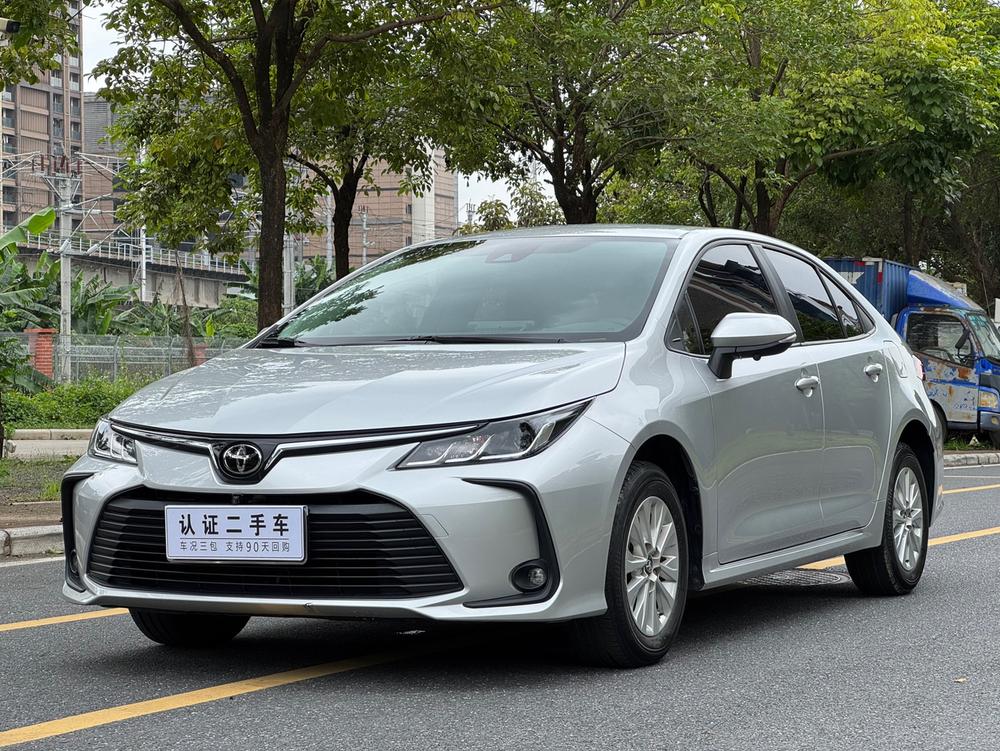
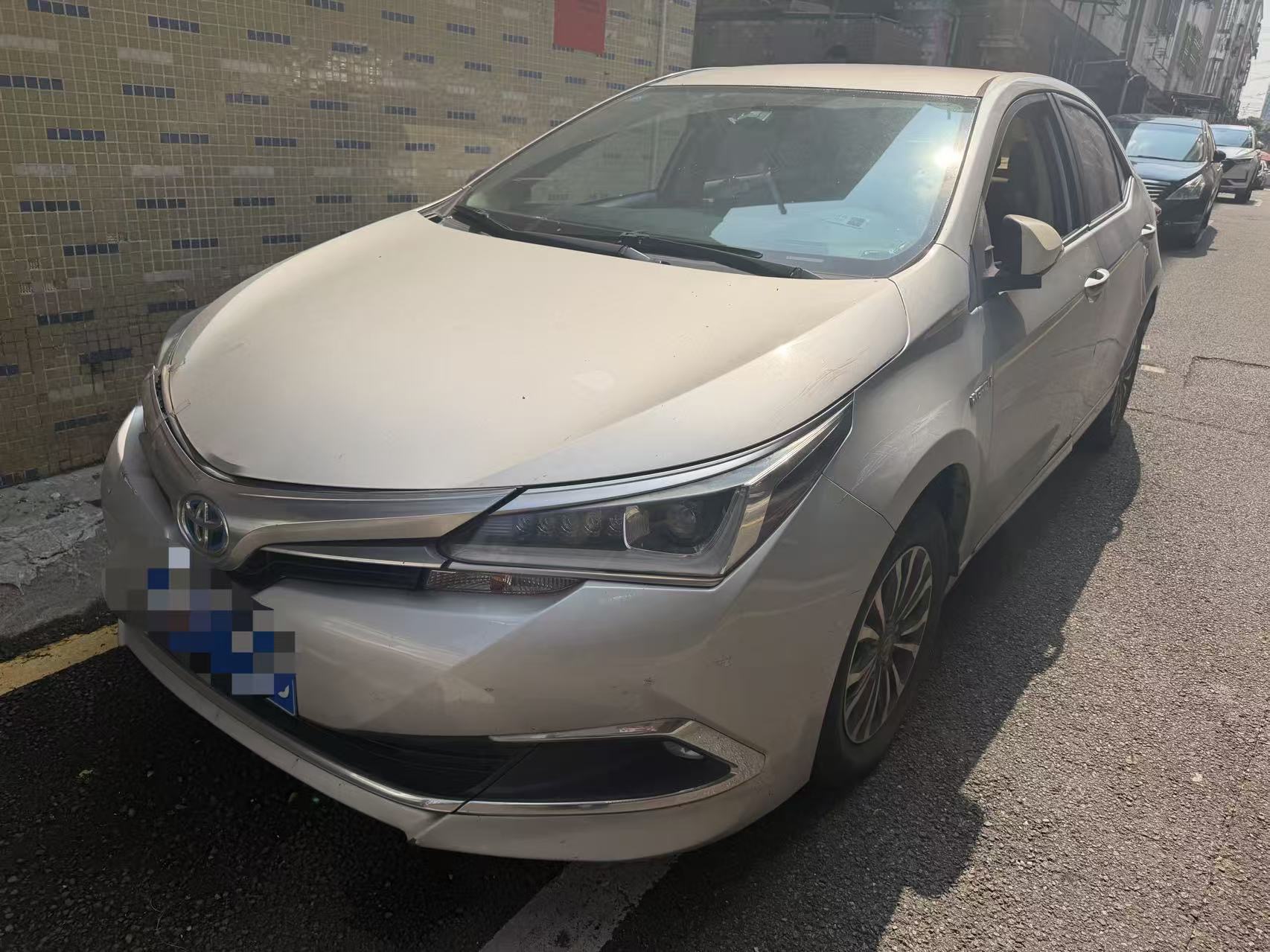
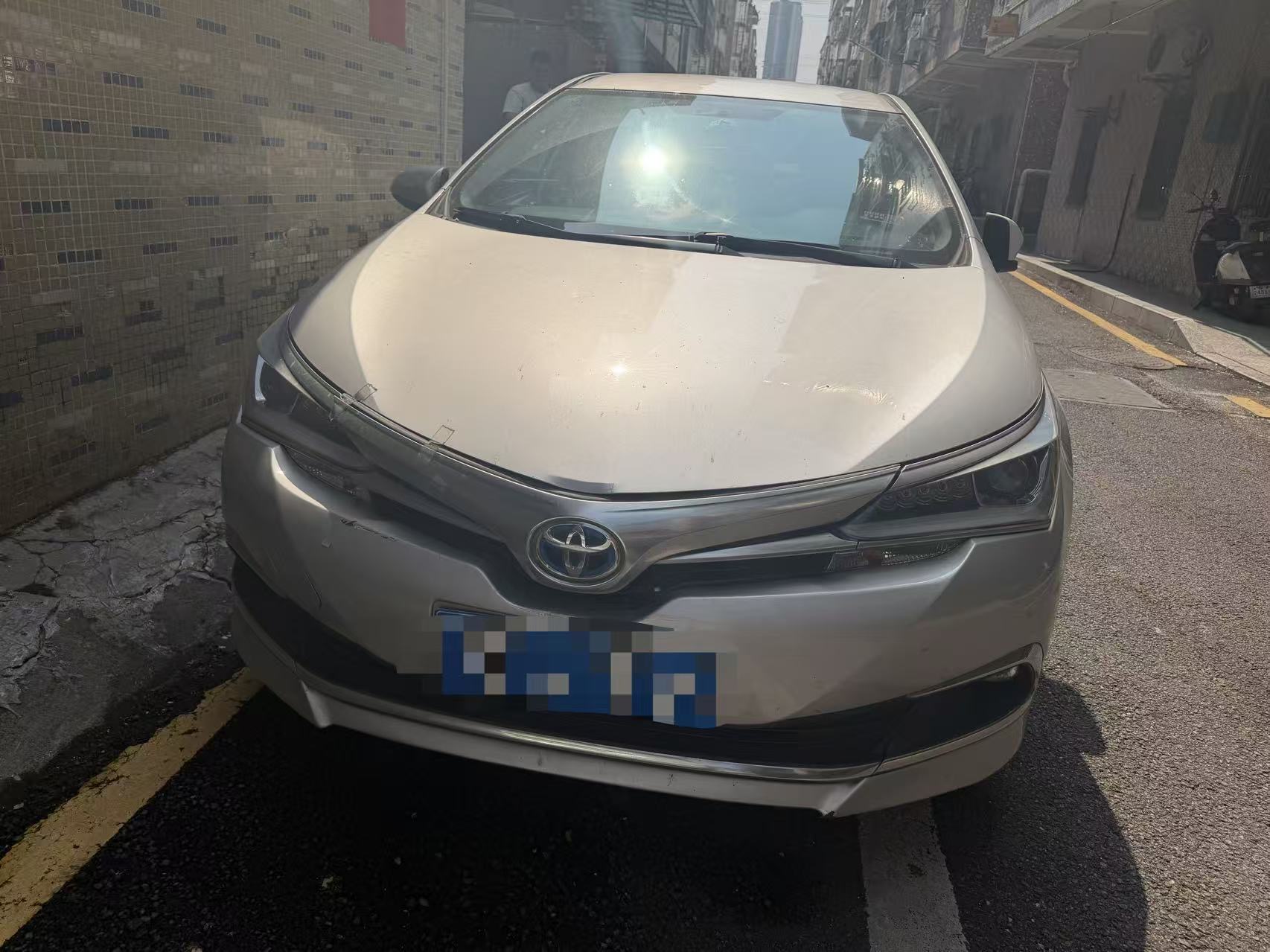
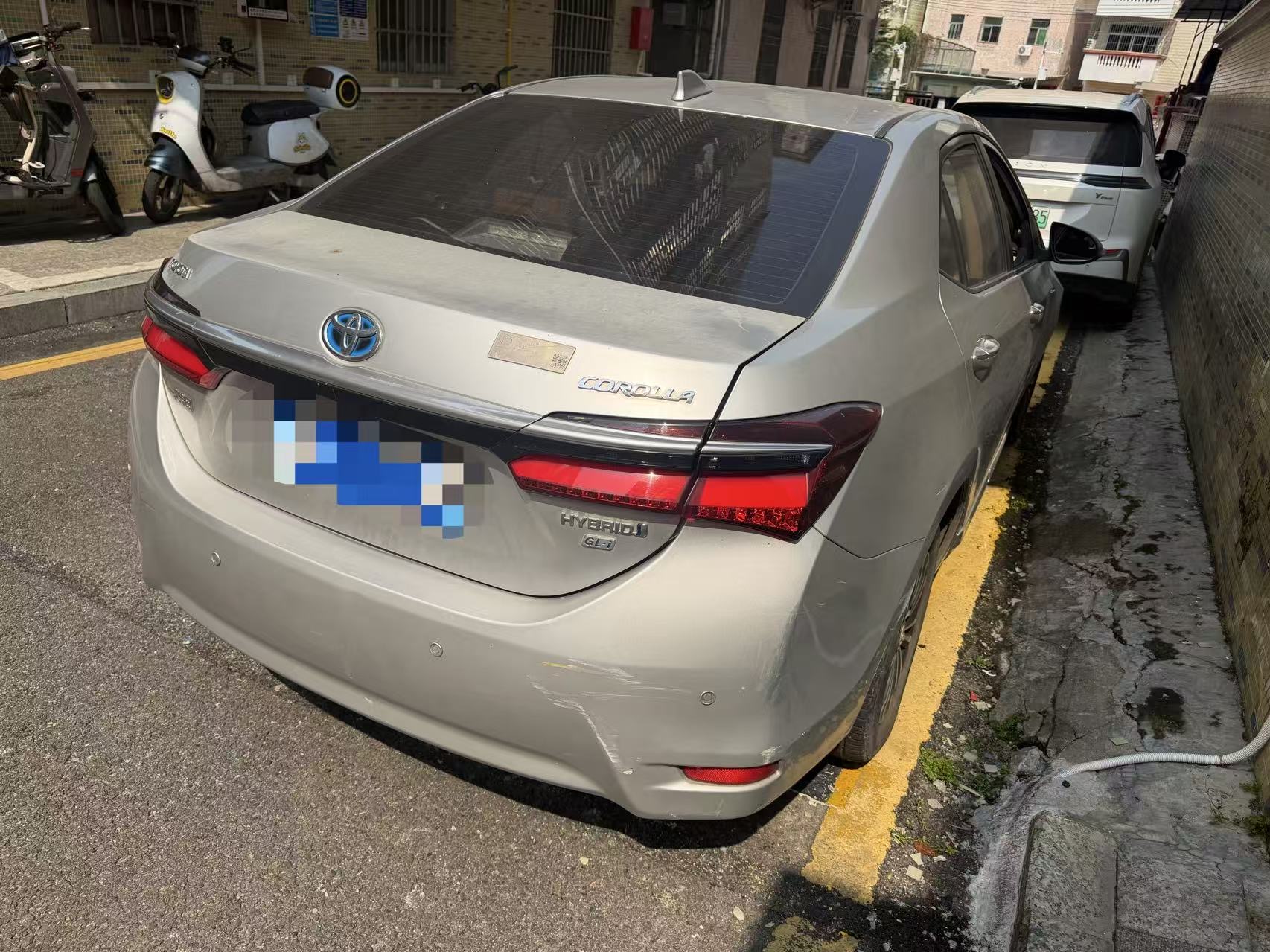
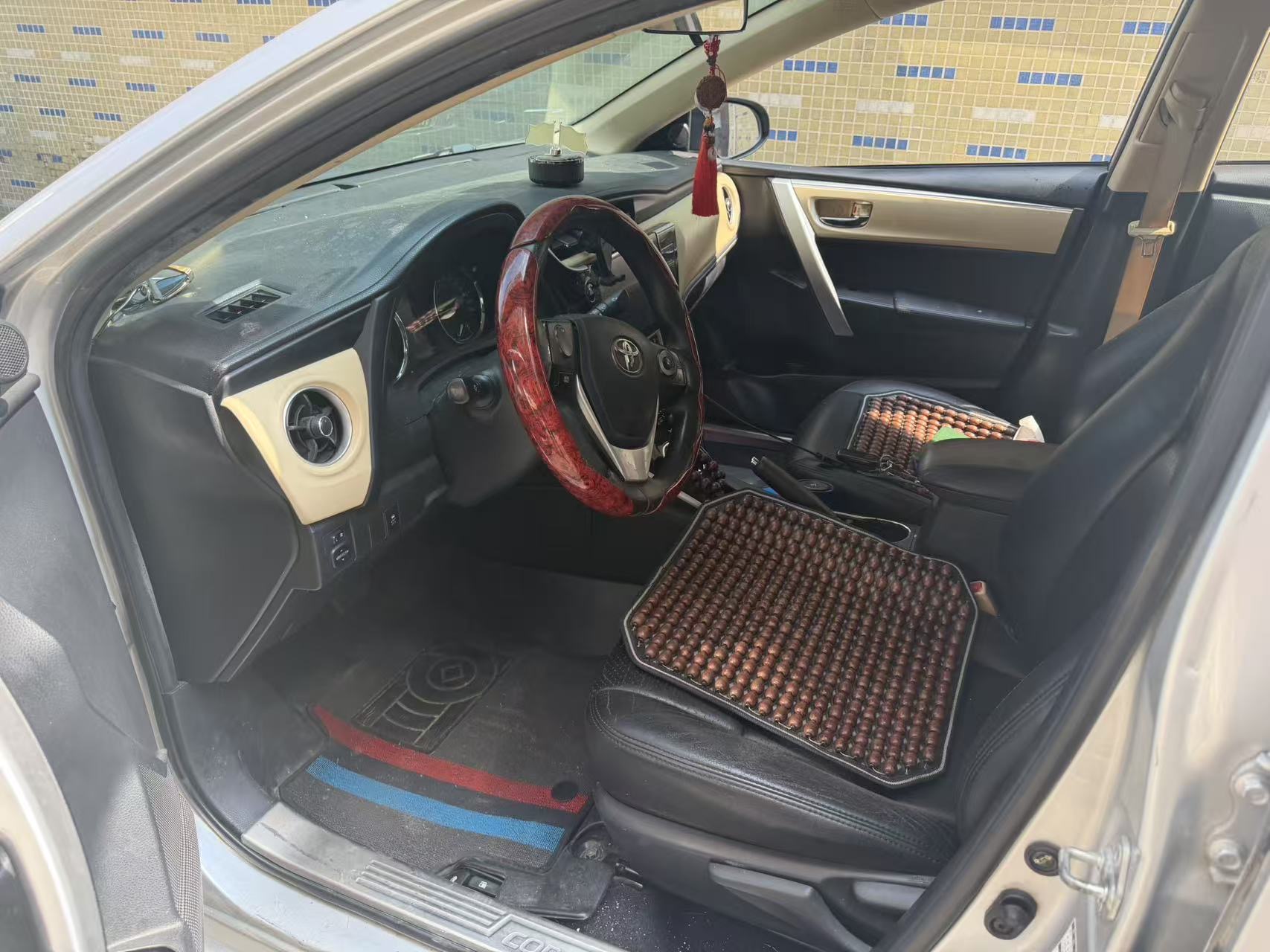
Left front fender, left two doors, and right front door replaced; front sills on both sides repaired with sheet metal; rear panel slightly rusted; only roof and hood retain original paint. Vehicle converted from operating to non-operating use.

燃油车
轿车
自动
维保开放
事故开放
查验开放

Configuration Highlights

✓品牌: 丰田
✓车系: 卡罗拉
✓车型: 2017款 改款双擎 1.8L E-CVT先锋版
✓车身类型: 轿车
✓座位数: 5
✓排量: 1.8L
✓变速箱: 自动
✓能源类型: 燃油车
✓VIN: LFMA180C2H0103987
✓搜索关键词: 丰田卡罗拉 2017款卡罗拉双擎1.8LE-CVT先锋版

Document Information

Inspection Expiry Date2027/01
Warranty Expiry Date-
Insurance Expiry Date2027/01

Q&A

More

Will the type of refrigerant in the vehicle (such as R134a or R1234yf) be indicated on the export documents for environmental customs clearance?

Europe and some developed countries have very strict regulations on greenhouse gases. If required by customs, we will specify the exact refrigerant type and charge amount according to the vehicle's air conditioning compressor nameplate in the remarks section of the packing list and commercial invoice.
Is China's "National VI B" emission standard equivalent to Europe's Euro VI standard?

From a technical perspective, China's "National VI B (China VI-b)" is one of the strictest emission standards globally, with limits on carbon monoxide, nitrogen oxides, and particulate matter that are even stricter than some of Europe's Euro VI standards. However, the two are not legally recognized by each other, depending on your country's import regulations.

Can the used cars you export meet the SASO certification or GSO standards required by the Middle Eastern market?

It must be stated objectively: used cars in China are produced according to national standards (GB) and have not been originally certified by Saudi SASO or GSO of Gulf countries. Buyers must find a local agent with customs clearance capabilities to complete the clearance through exemption documents or compliant modifications after arrival (such as wrapping or adding specific alarms).