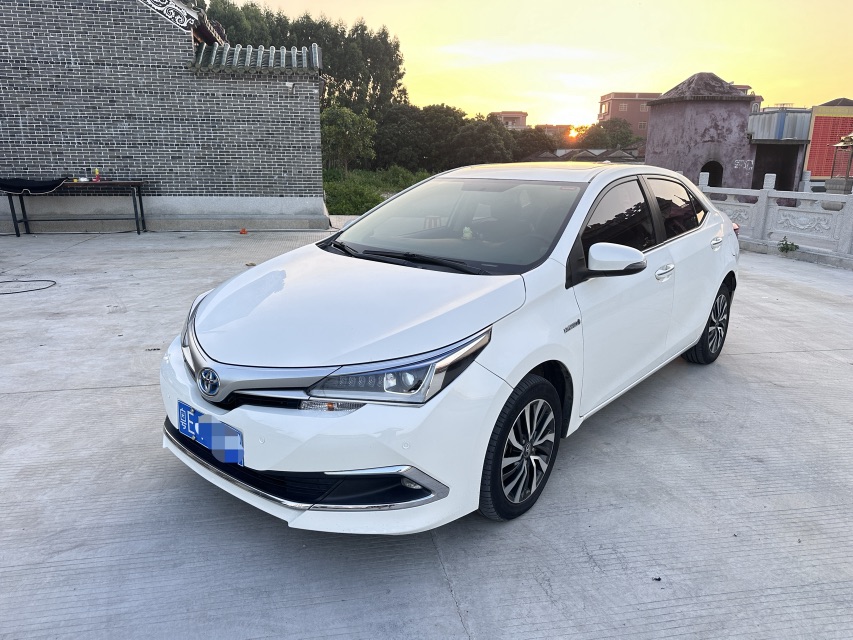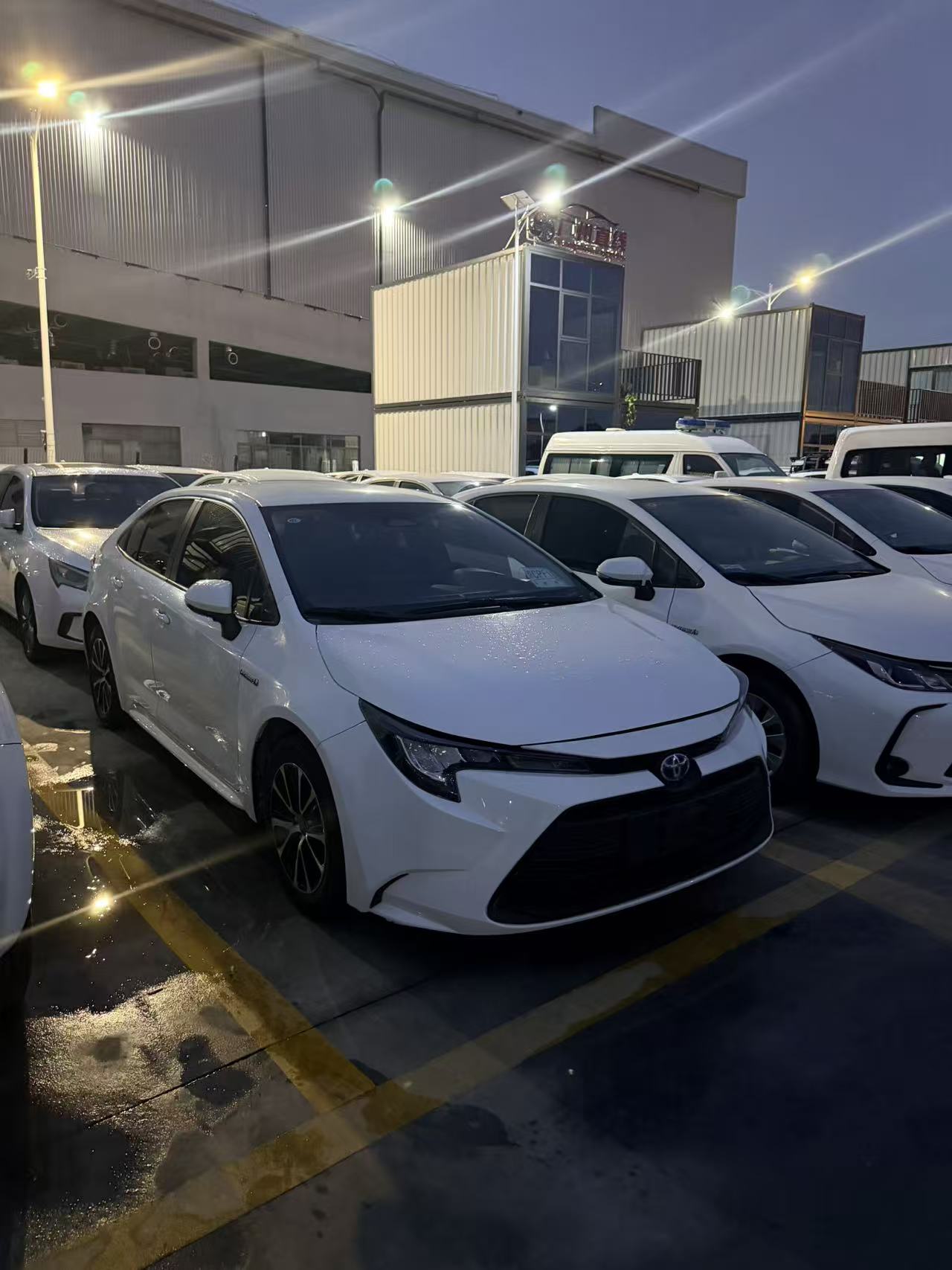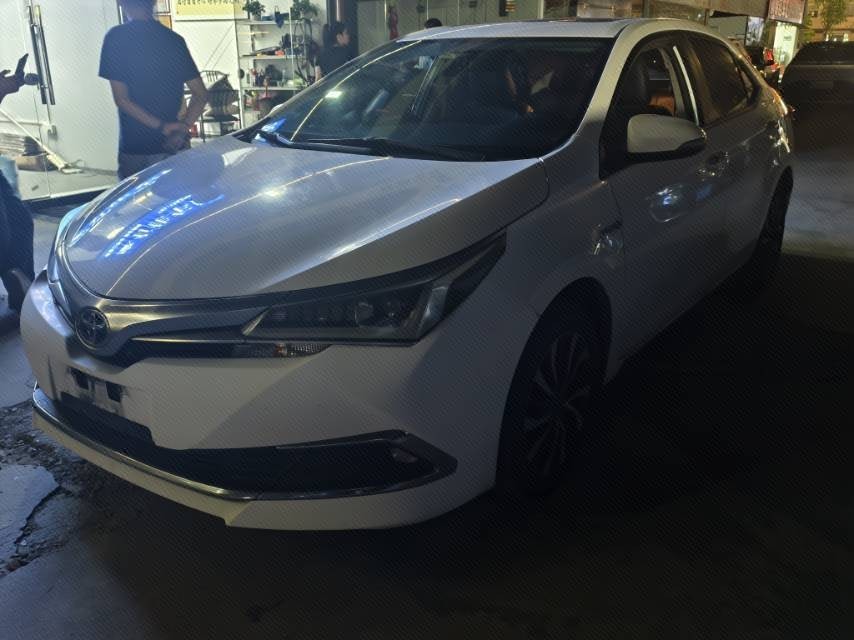
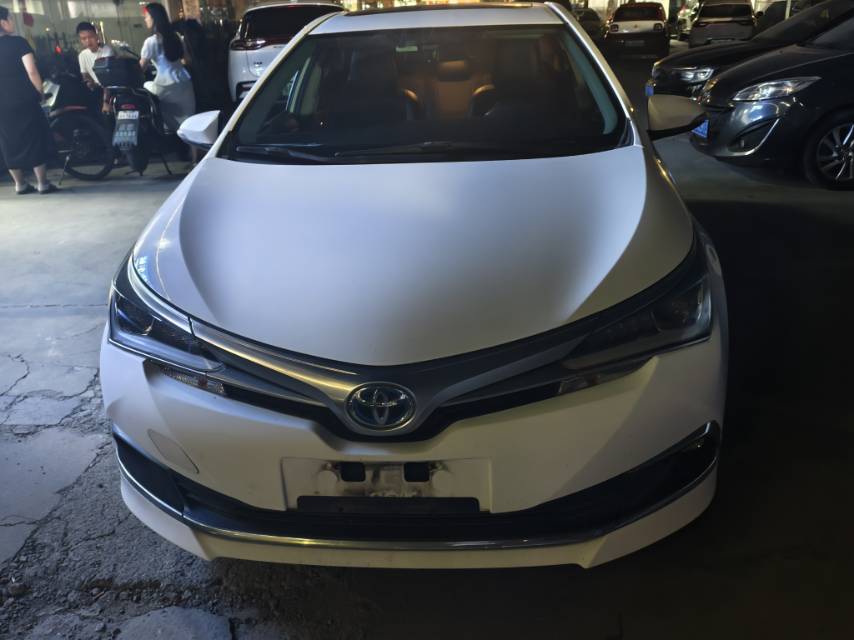



Basic Information

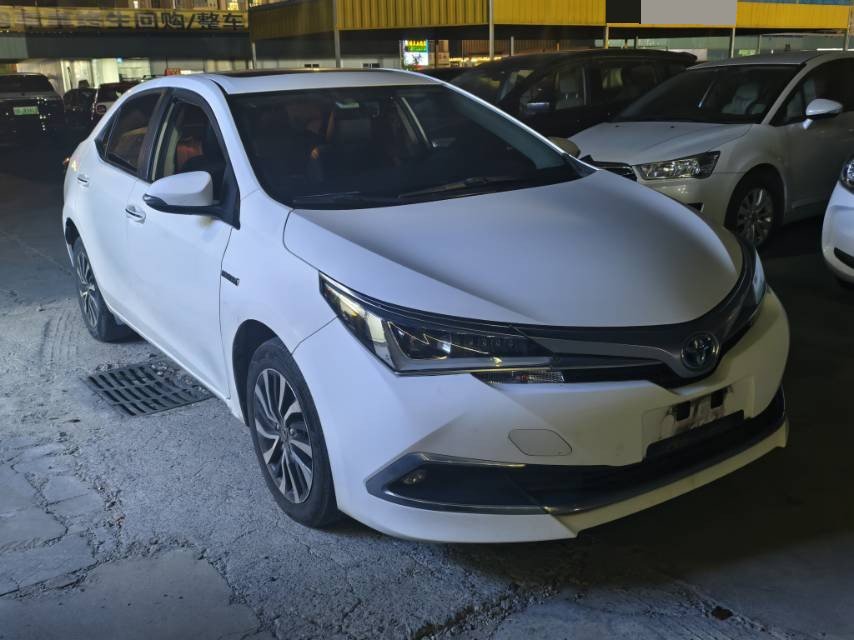
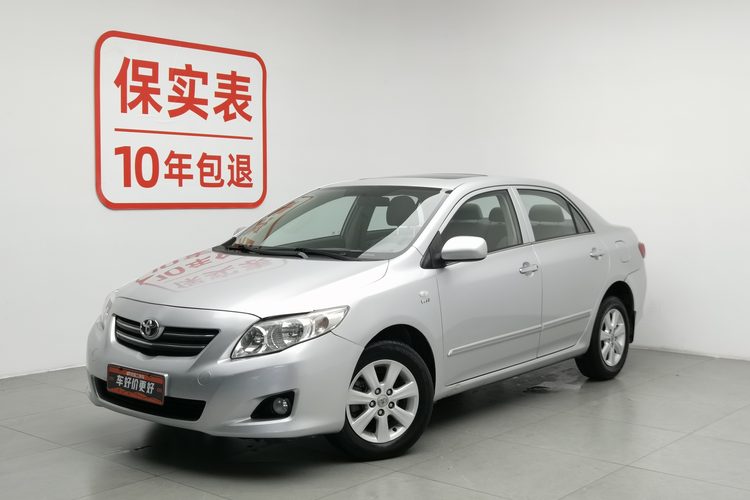
BrandToyota
SeriesCorolla
Year2018
First Registration2018/12
Mileage150,000km
Transfer Count0times
FuelHEV
TransmissionE-CVT
Engine1.8L 99 L4
ColorWhite
Seats-

Condition Description

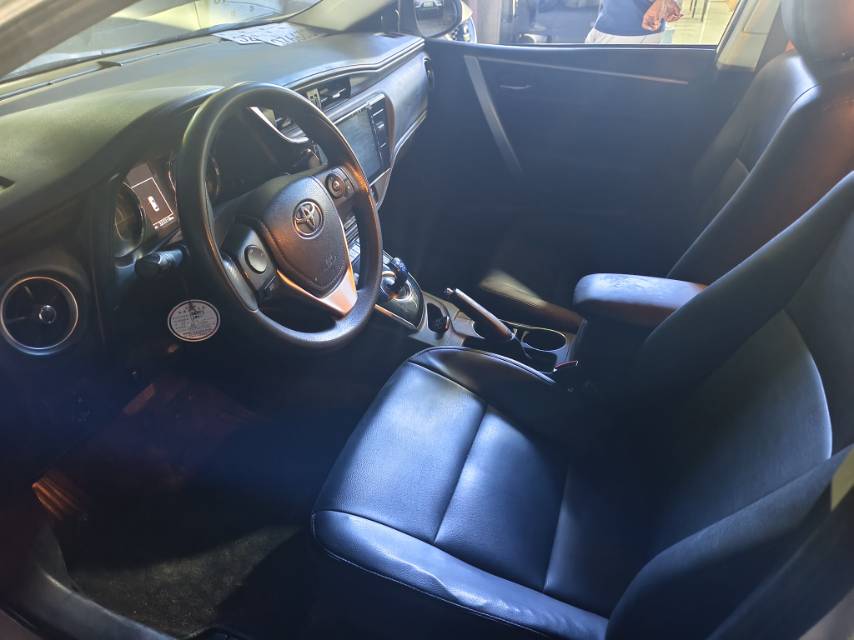
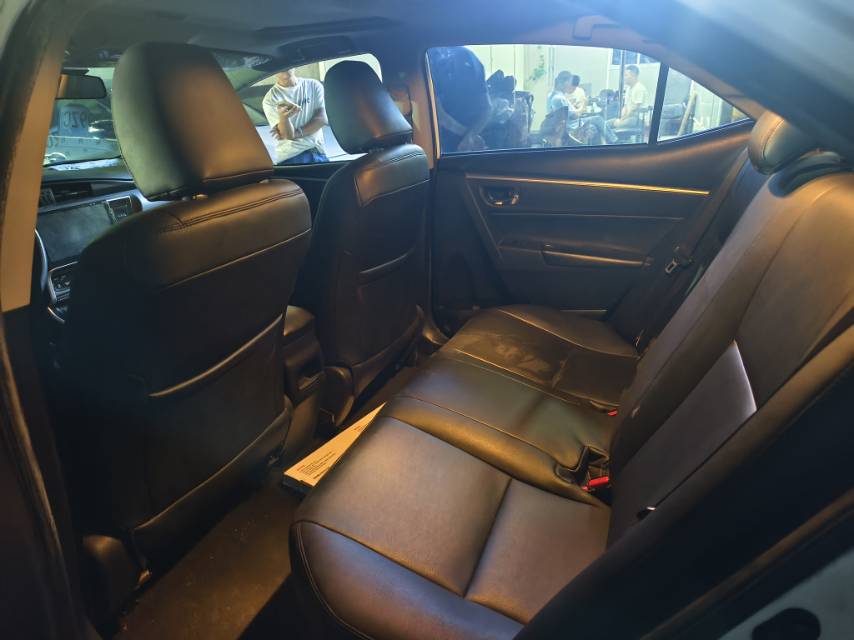
First registered December 2018. Converted from commercial to non-commercial use, with a single mileage limit of 600,000 km. Condition is excellent.

Document Information

Inspection Expiry Date-
Warranty Expiry Date-
Insurance Expiry Date2026/12

Q&A

More

What should I do if the roll-on/roll-off vessel carrying my vehicle experiences a fire or a typhoon at sea causing damage?

Under CIF (Cost, Insurance, and Freight) terms, we will insure your vehicle with a reputable international insurance company for "All Risks" before shipment. If total loss or partial damage occurs during sea transport, the risk transfers to you once the goods cross the ship's rail. However, sellwellauto will not stand by; we will assist you in preparing complete claims documentation (such as the bill of lading, invoice, and damage photos) to initiate a cross-border claim process with the insurance company, minimizing your financial loss.
What are "fire-damaged" or "flood-damaged" cars? How do you completely rule them out?

We thoroughly rule them out by checking if the cabin wiring harness is melted, if the seat belts have water stains or mold, if there is unusual rust or debris in the seat tracks and cigarette lighter, and by verifying with the insurance company for any "total loss claims." These two types of cars are an absolute sales ban for us.

If a problem arises after the car arrives, how are disputes and claims typically handled with a Chinese exporter?

Handling claims with an overseas exporter works best when expectations are set before payment. Prevention: put the inspection standard, photo/video evidence requirements, and a dispute clause into the sales contract. Keep all chat records and payment receipts. Typical process if issues arise: 1) Notify the exporter within 48-72 hours of delivery with photos/videos as evidence. 2) Most disputes fall into two buckets: shipping damage (handled via marine insurance — this is why insurance matters) or undisclosed mechanical defects (handled per contract, often via partial refund, spare parts, or repair cost sharing). Realistic expectations: exporters rarely accept returns, so negotiate compensation instead. A reputable company will usually cover reasonable repair costs for defects confirmed to pre-exist shipment. Tip: for higher-value cars, hire a local third-party inspection at destination as final evidence — it strengthens any claim significantly.