


24H

Basic Information

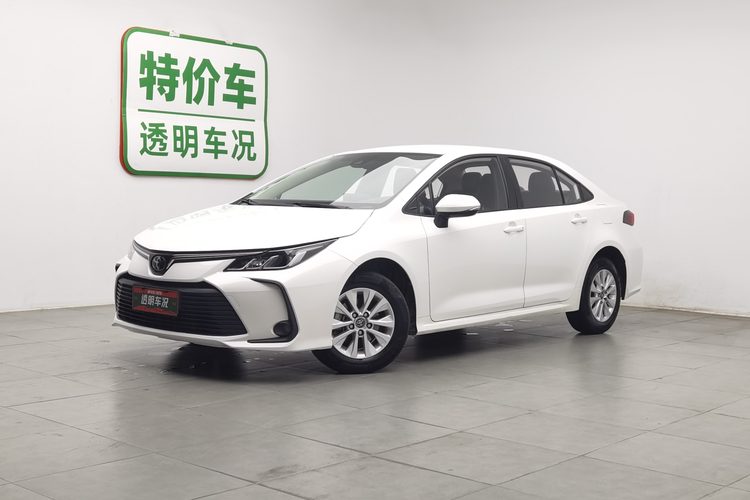
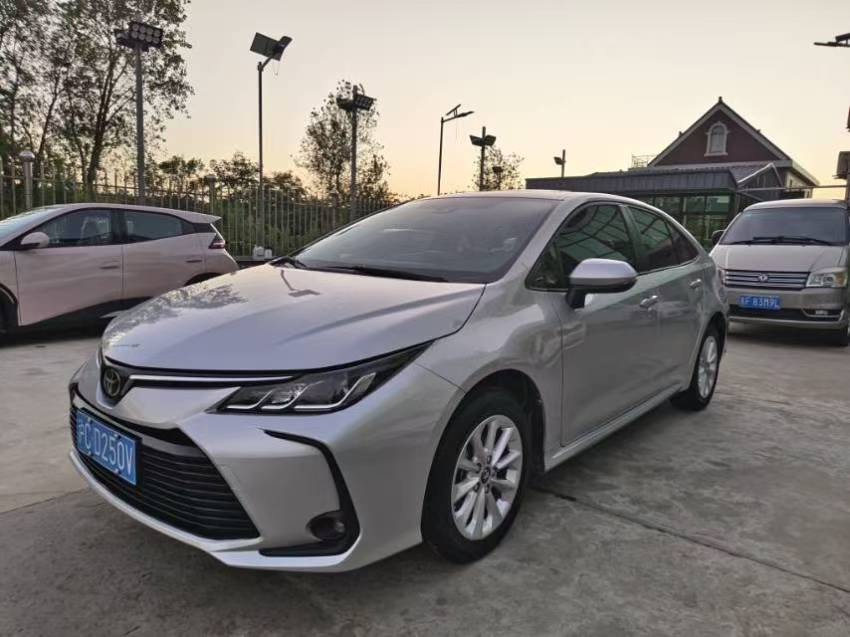
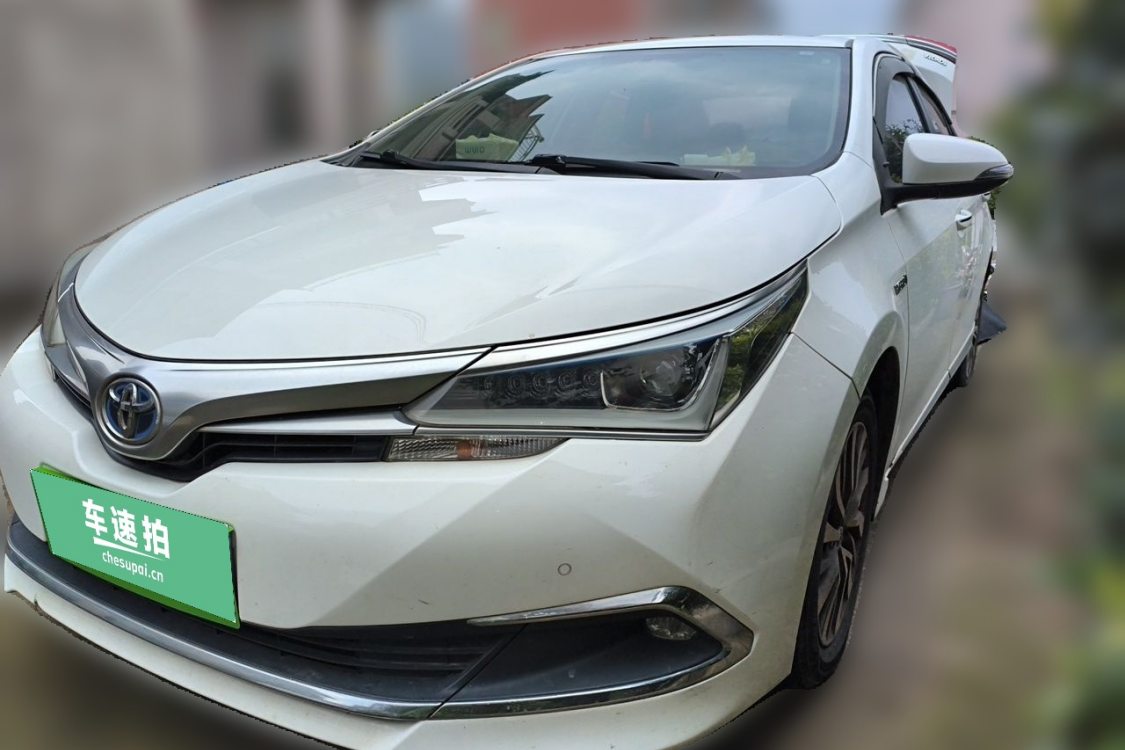
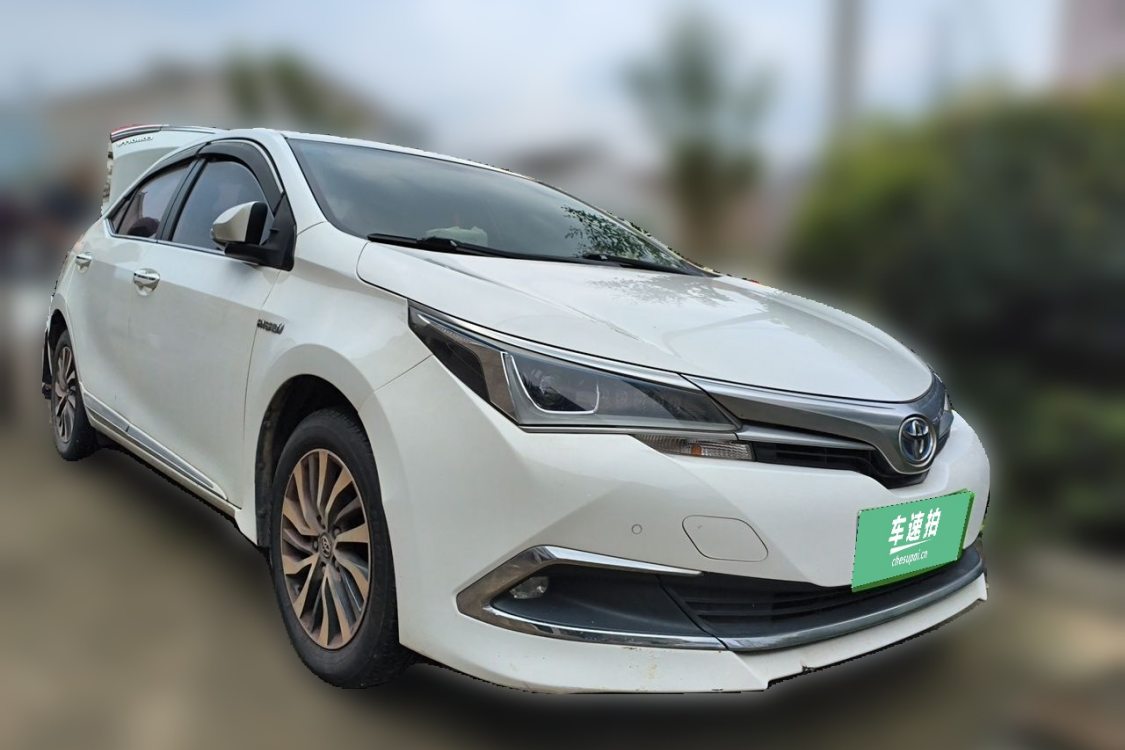
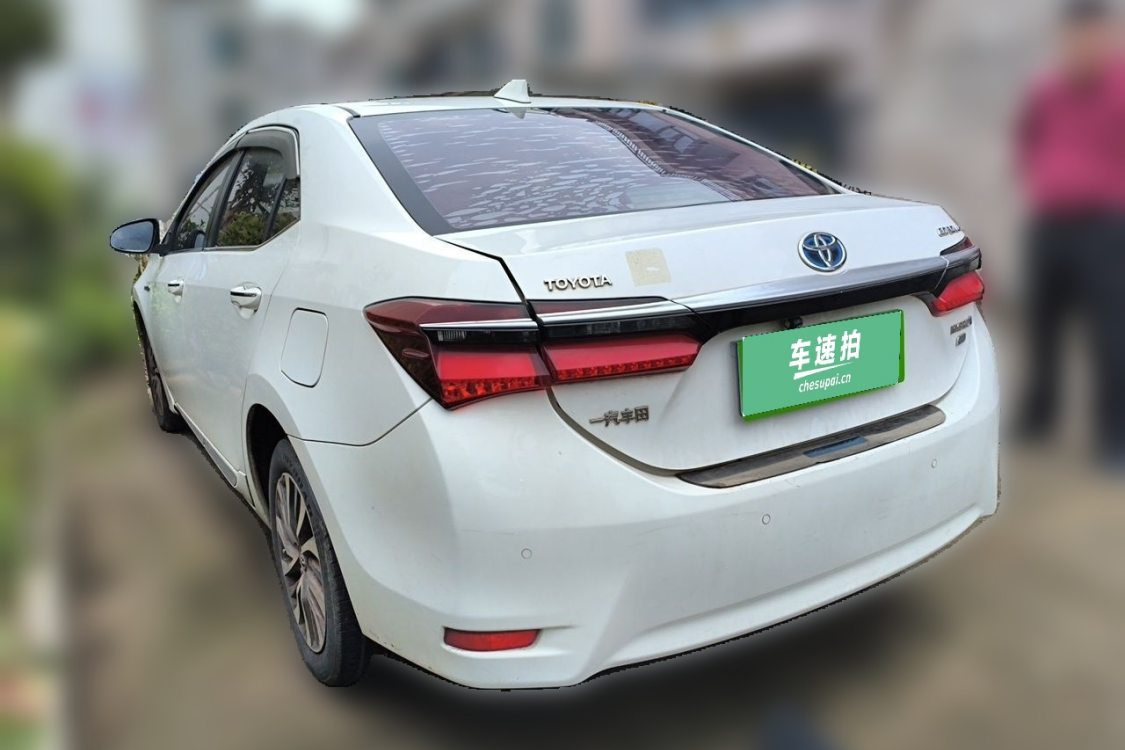
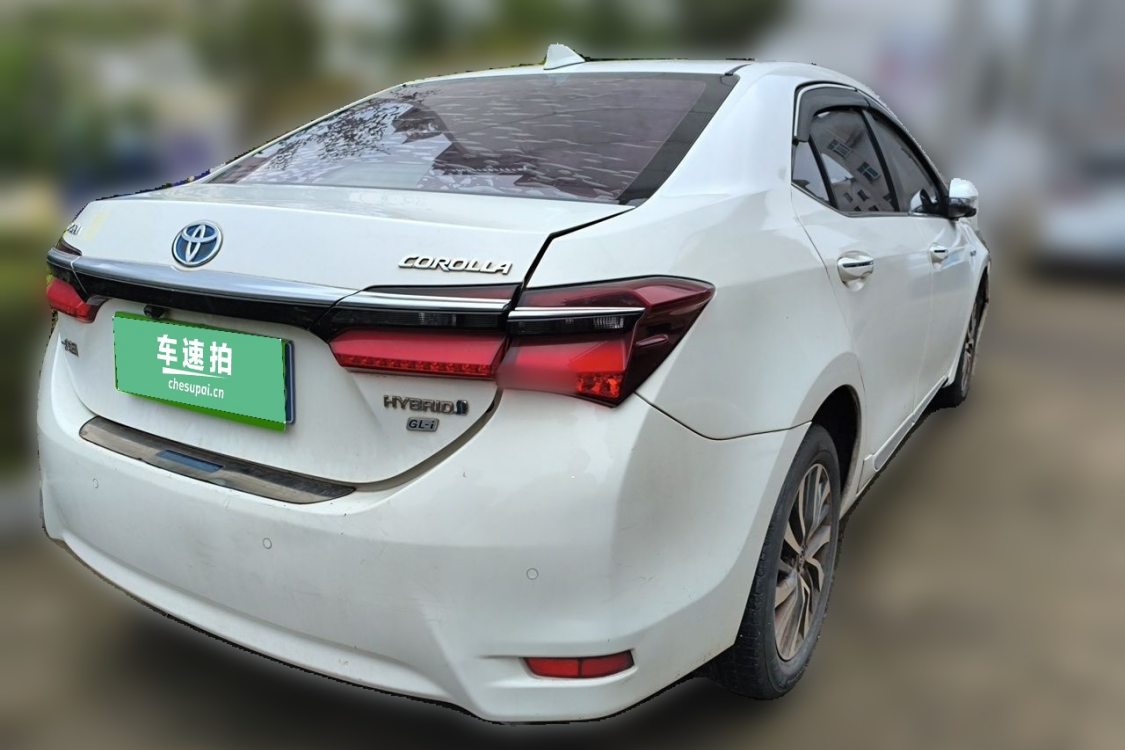
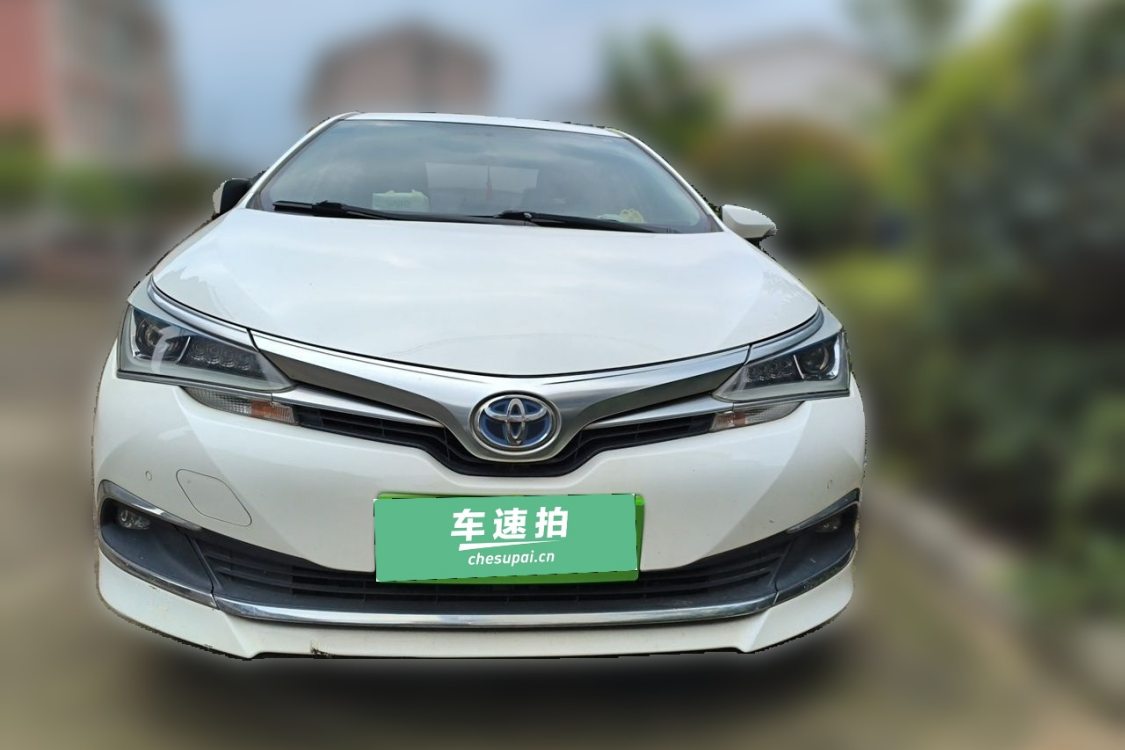
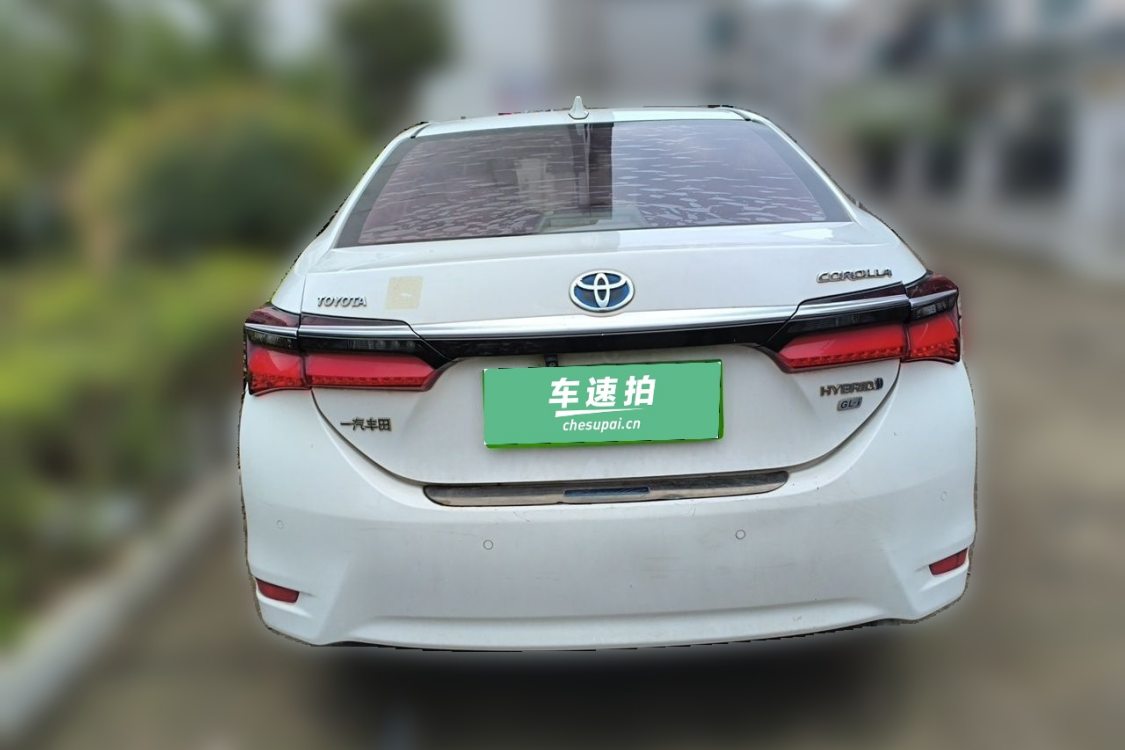
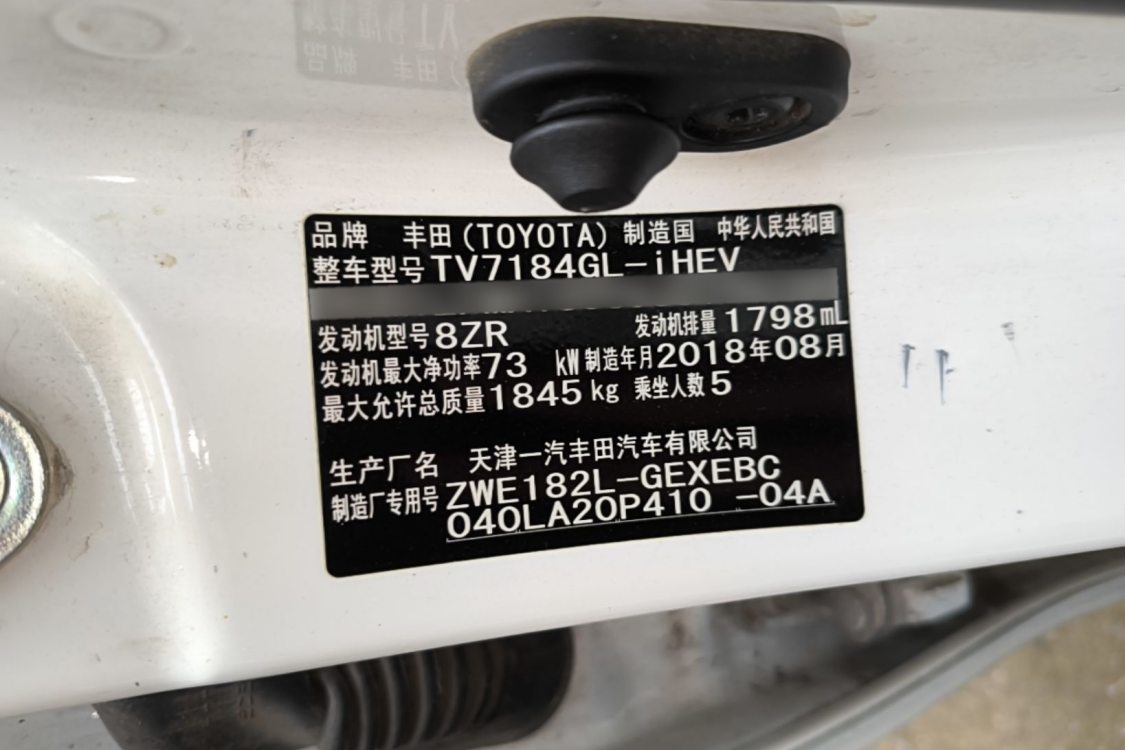
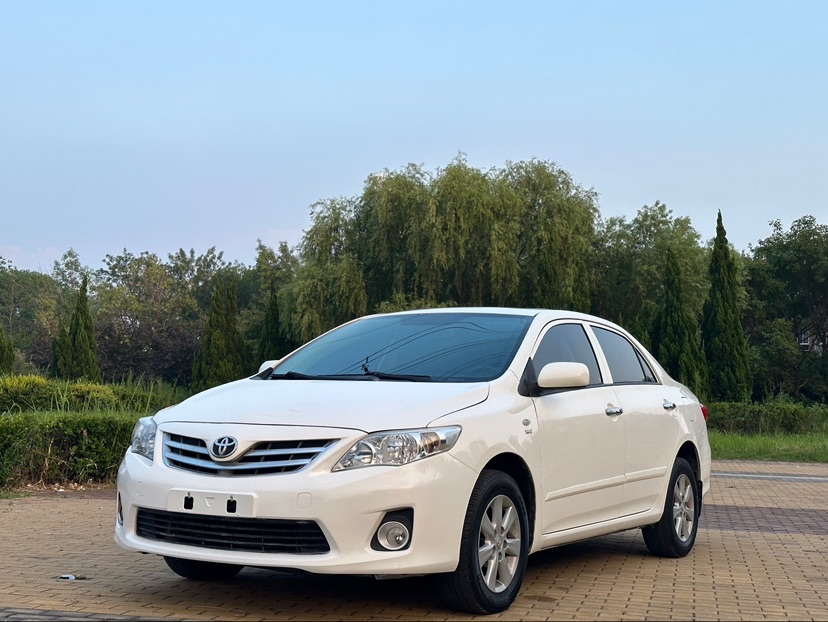
BrandToyota
SeriesCorolla
Year2018
First Registration2018/11
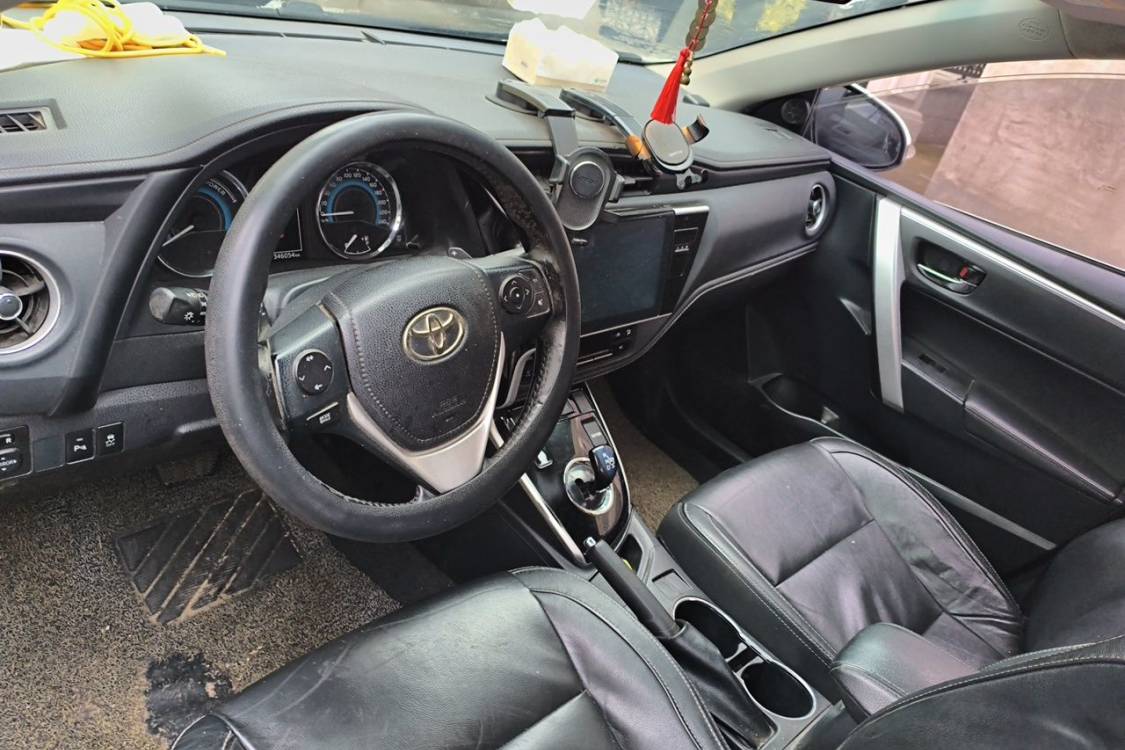
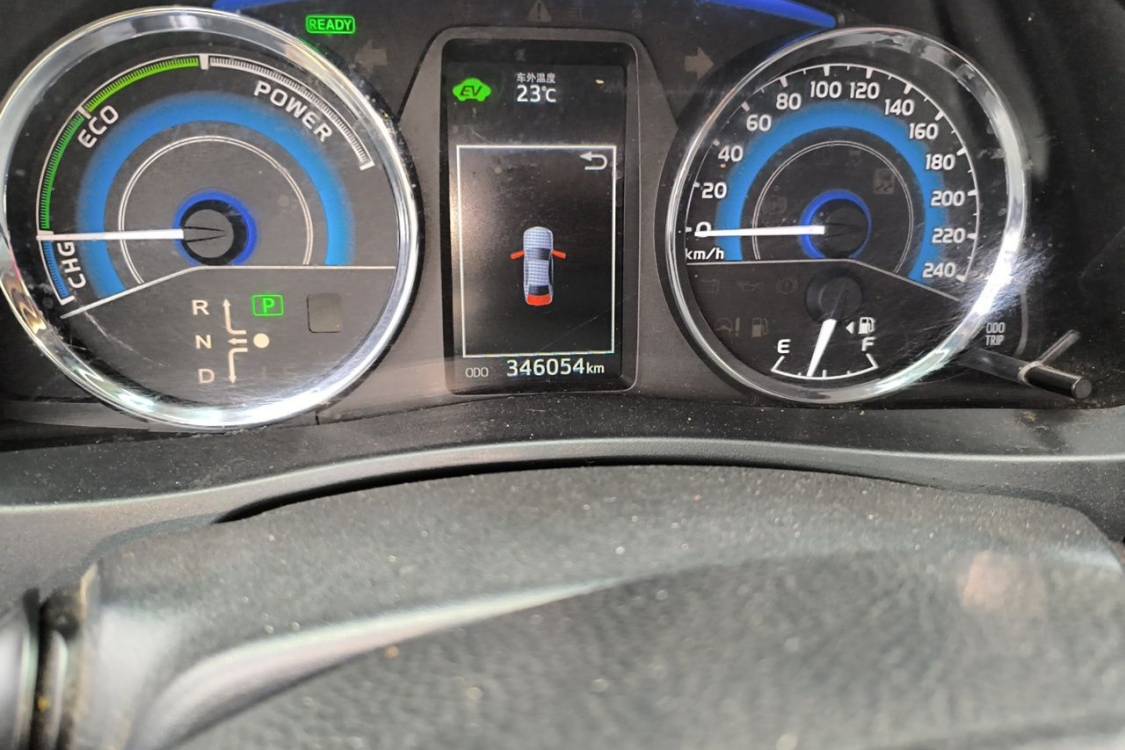
Mileage346,000km
Transfer Count-
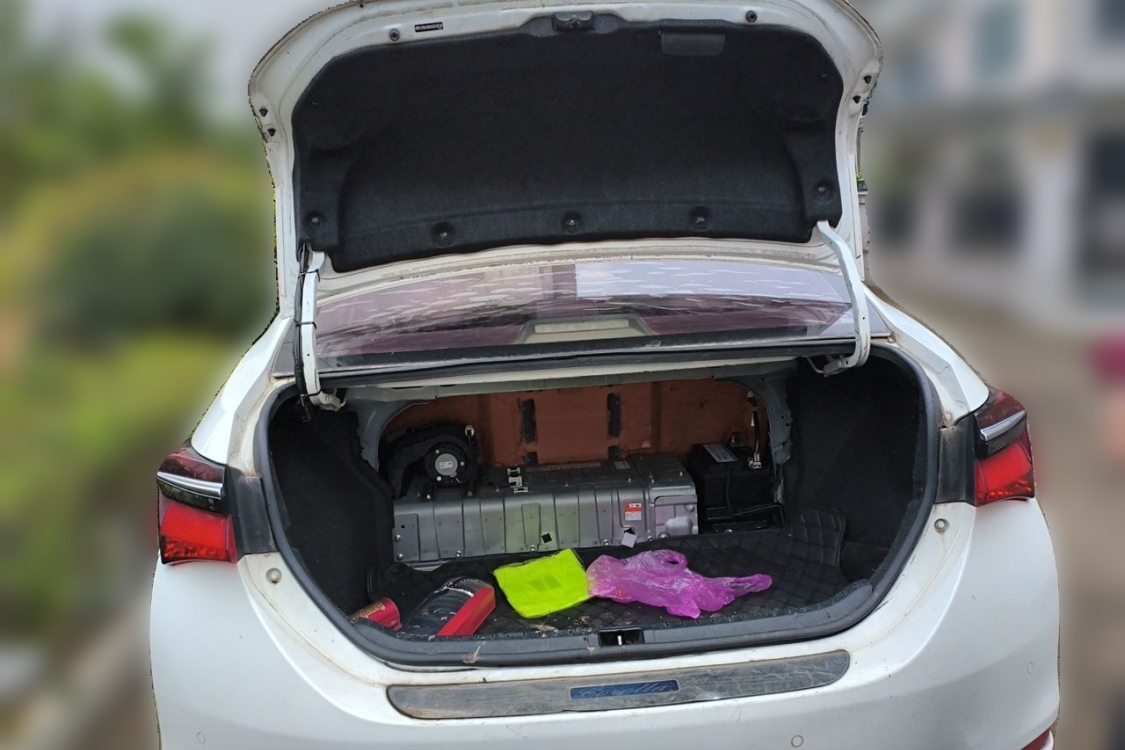
FuelHEV
TransmissionE-CVT
Engine1.8L 99 L4
ColorWhite
Seats-

Condition Description

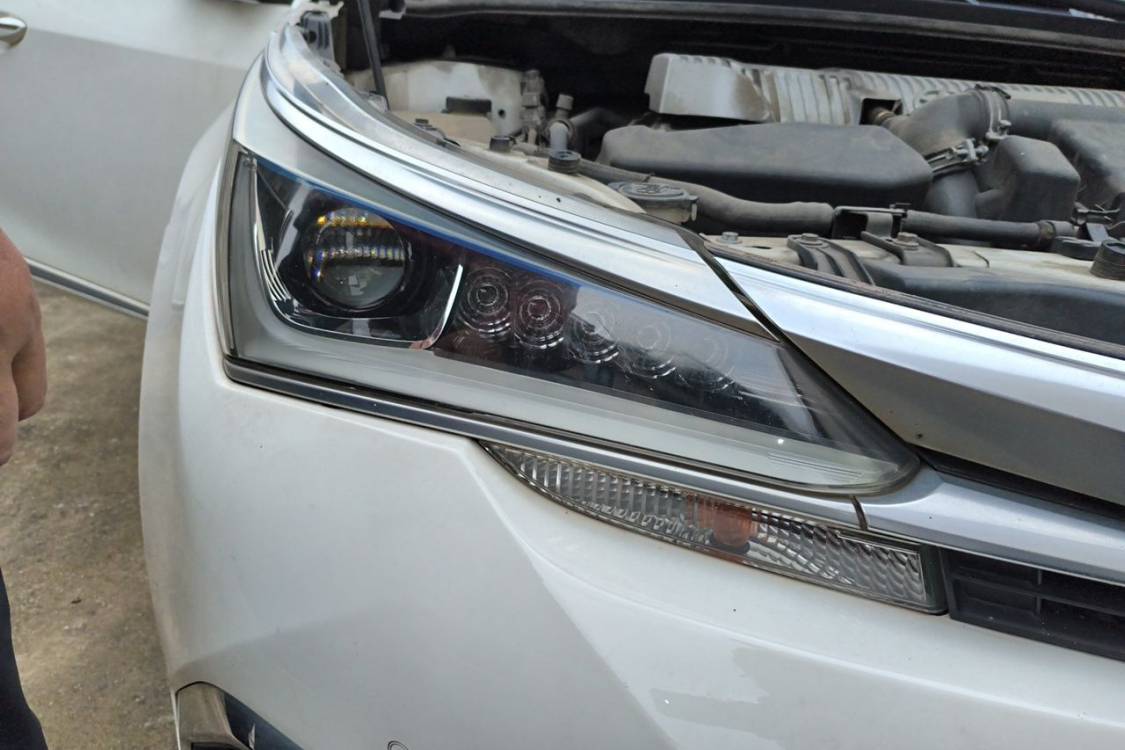
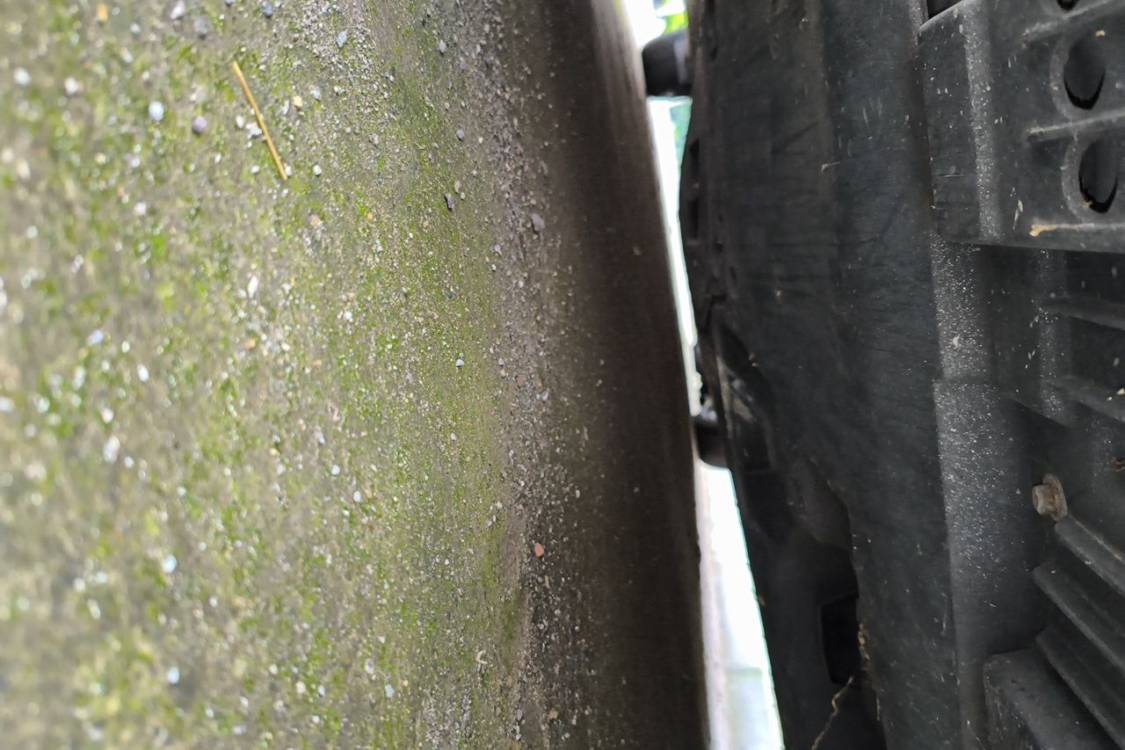
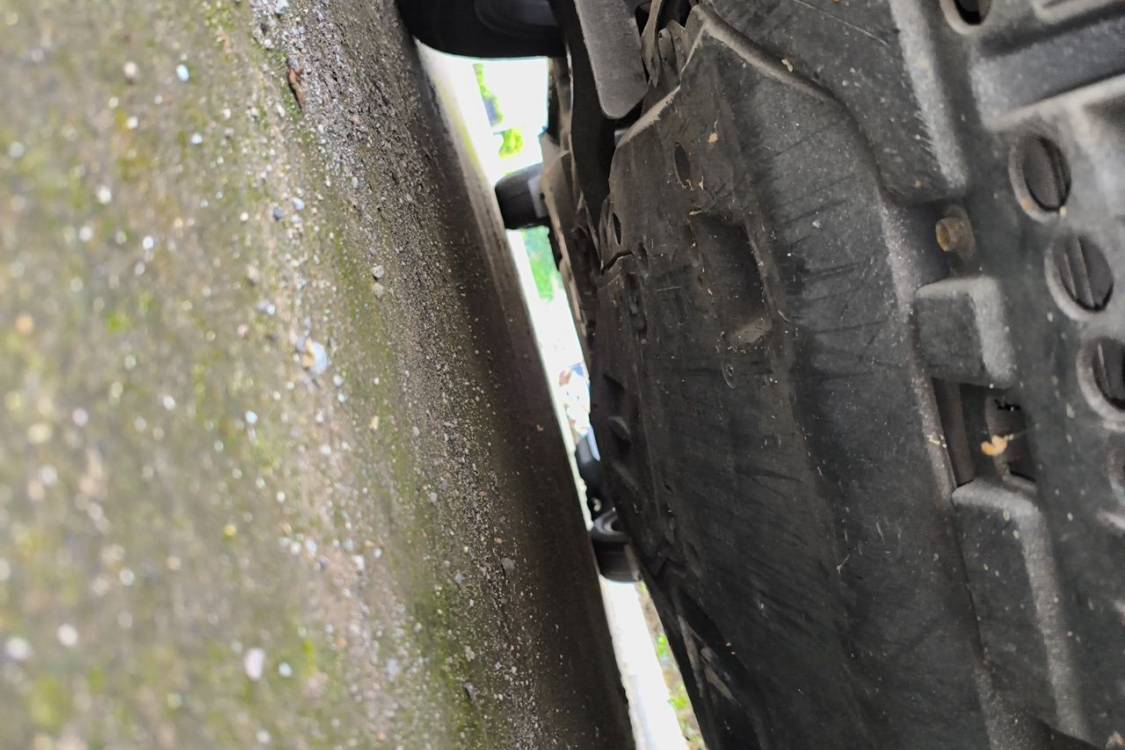
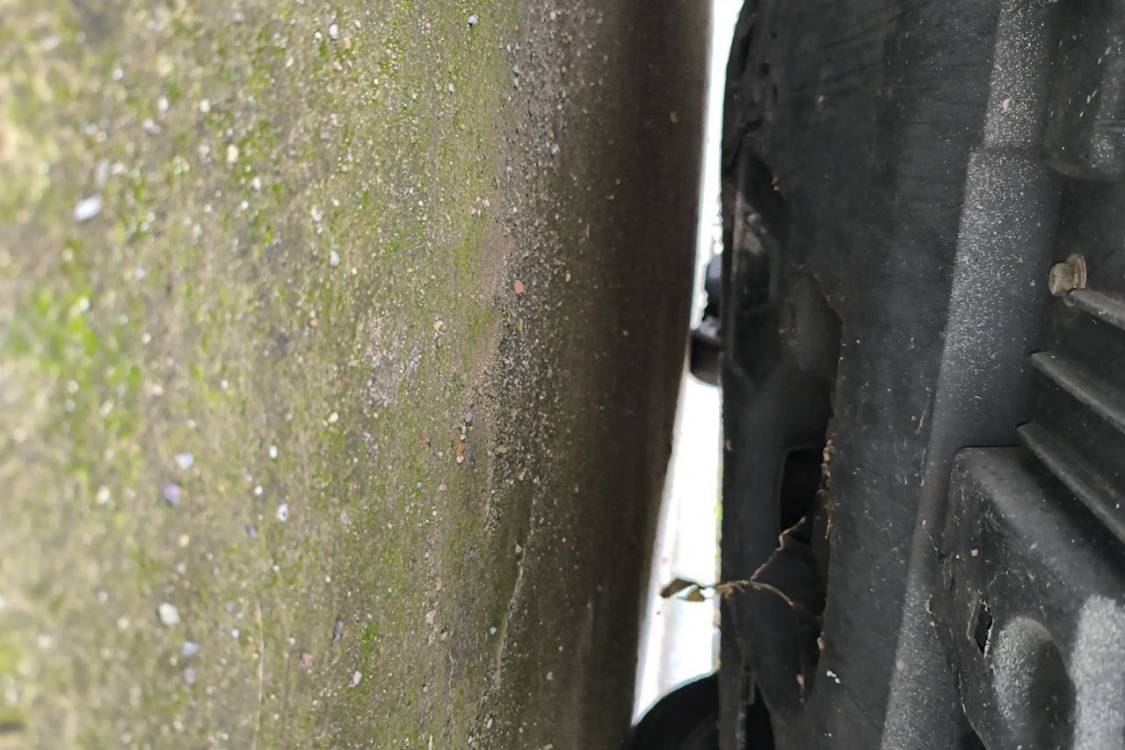
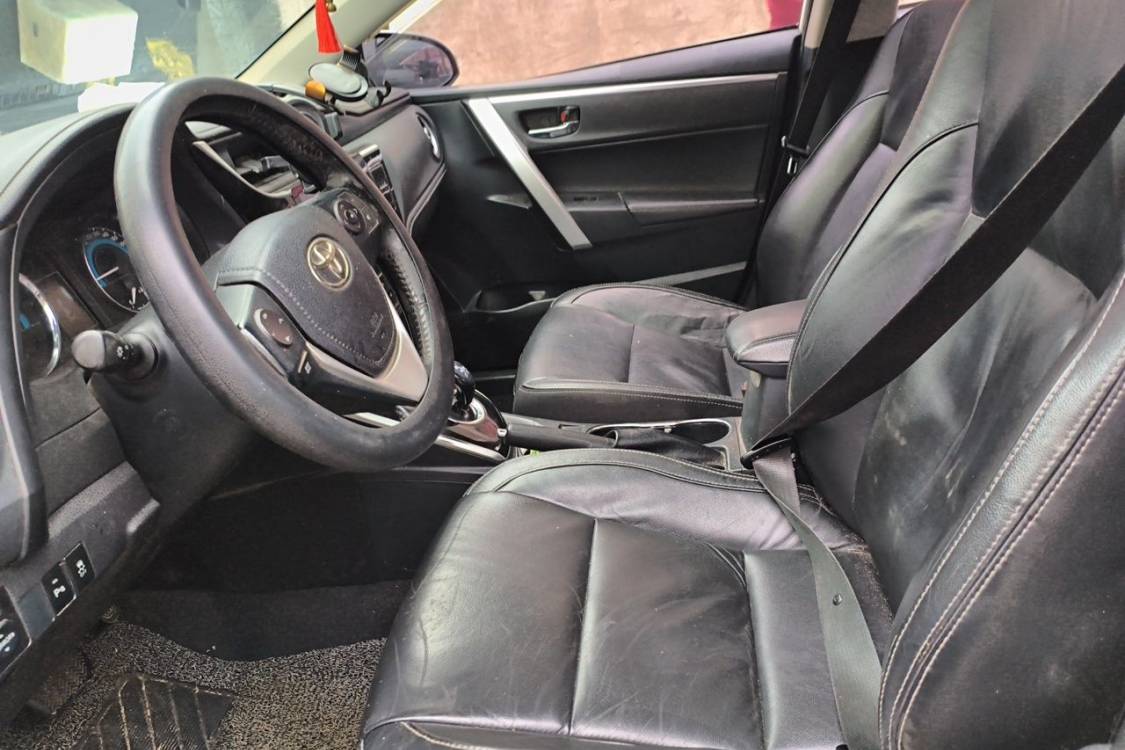
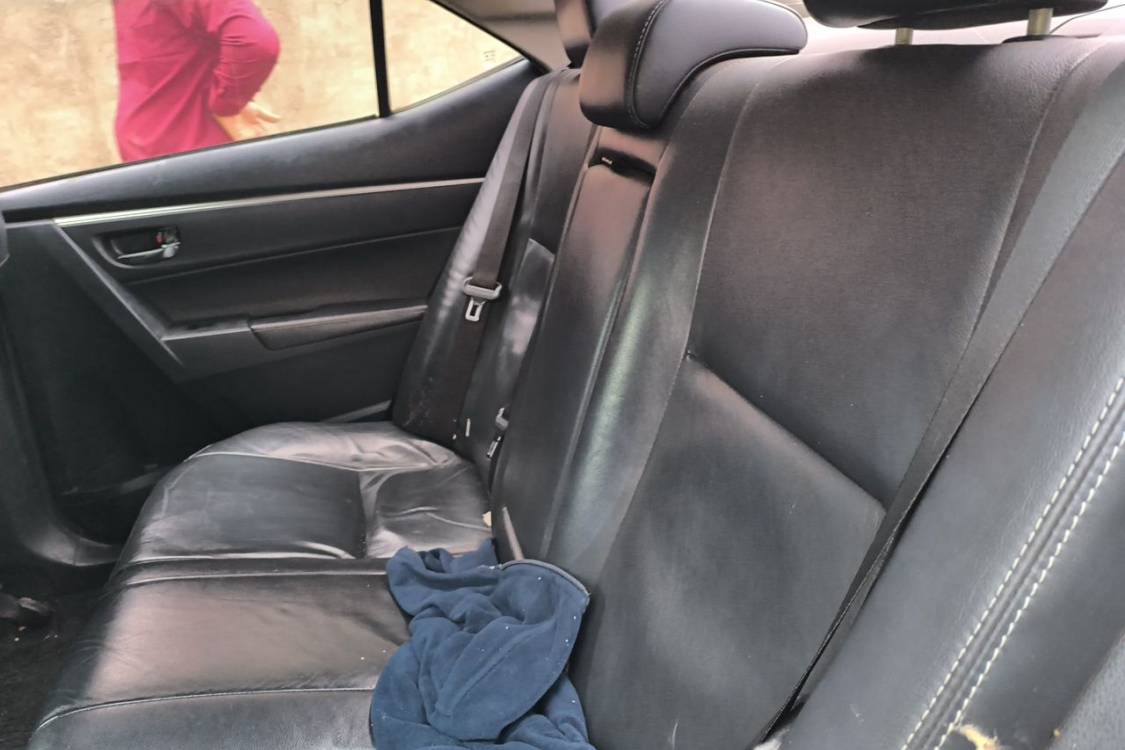
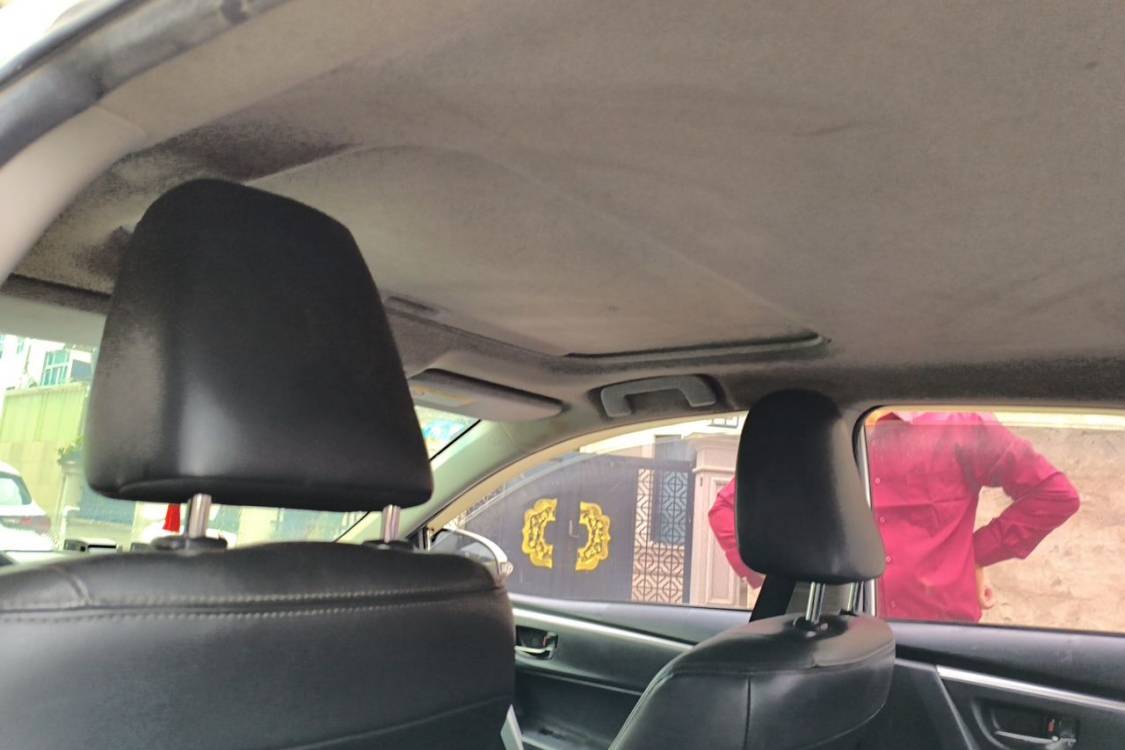
Body components (structural/reinforcing/panels) have accident-related damage; passive safety devices are defective; vehicle performance (including three-electric system) is degraded or remains performance-limited after repairs.

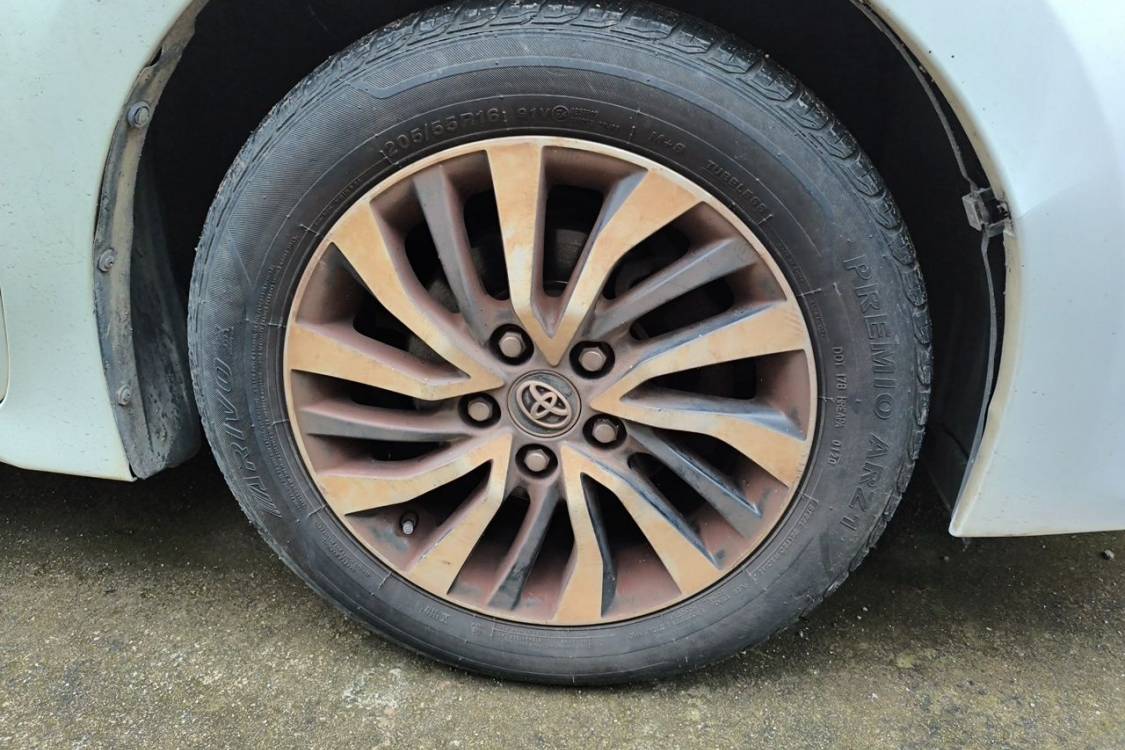
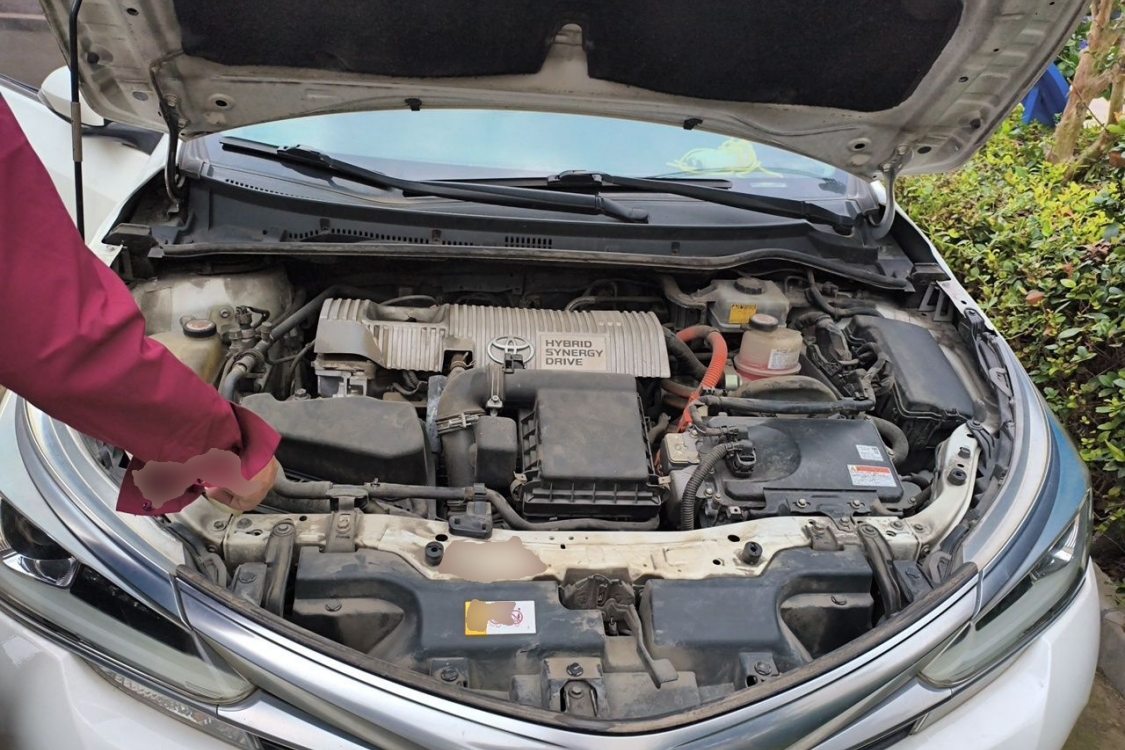
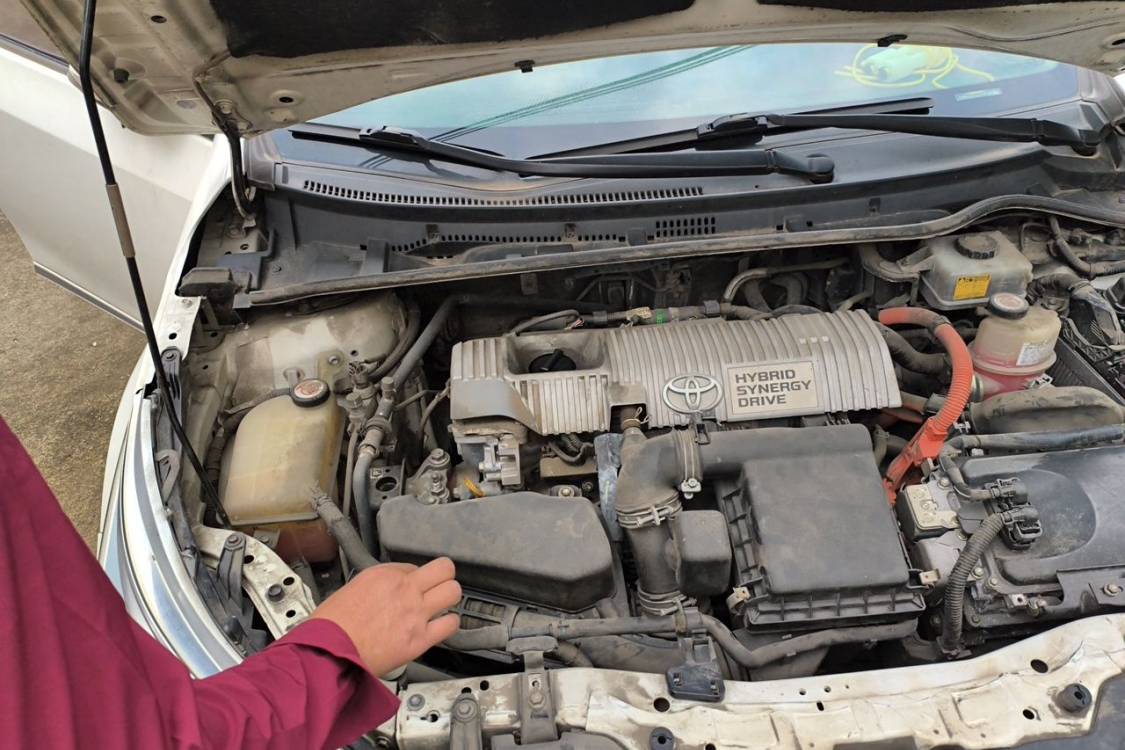
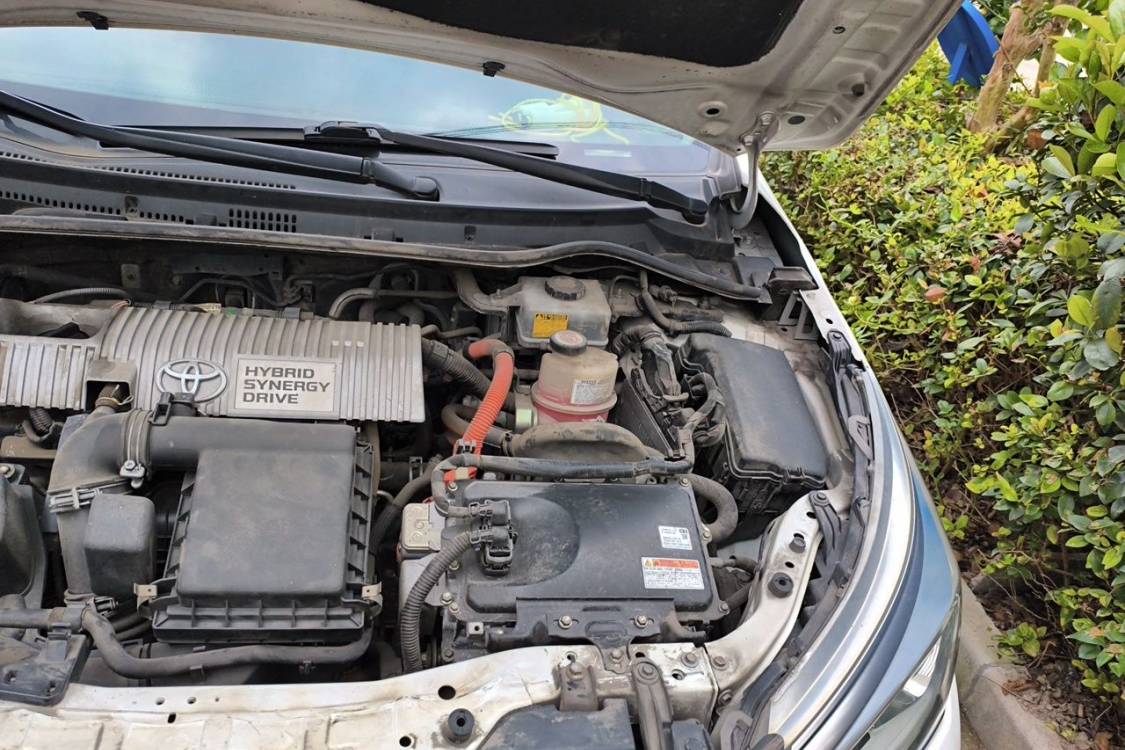
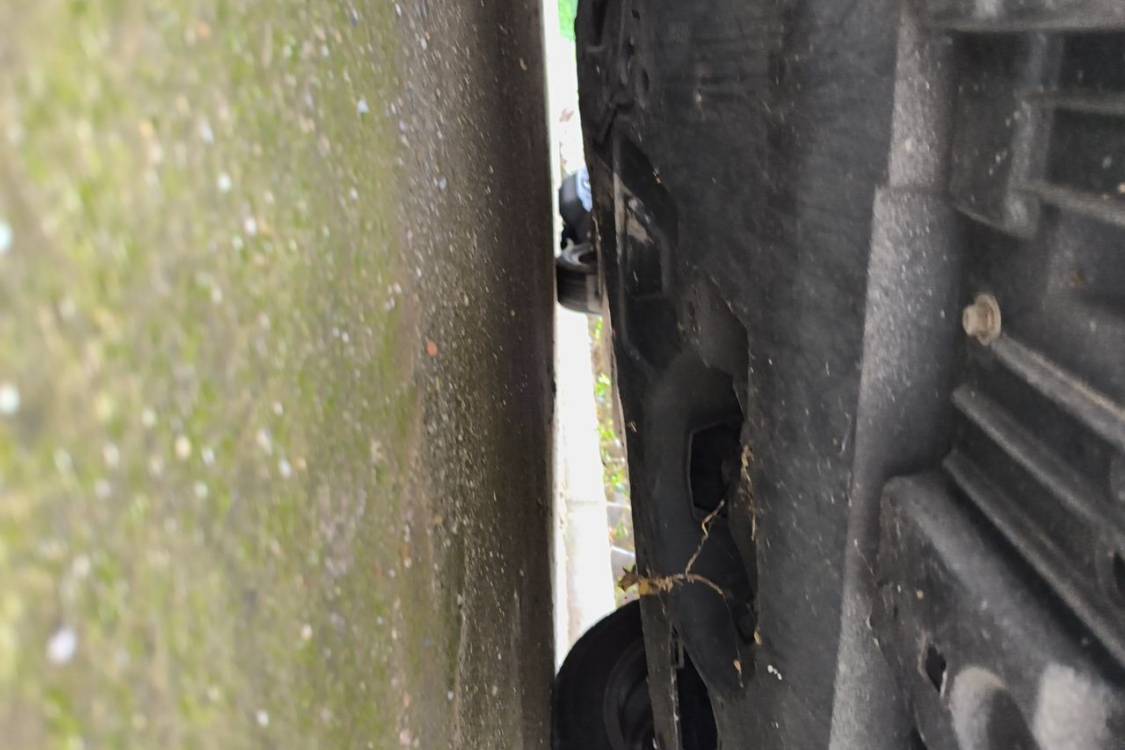
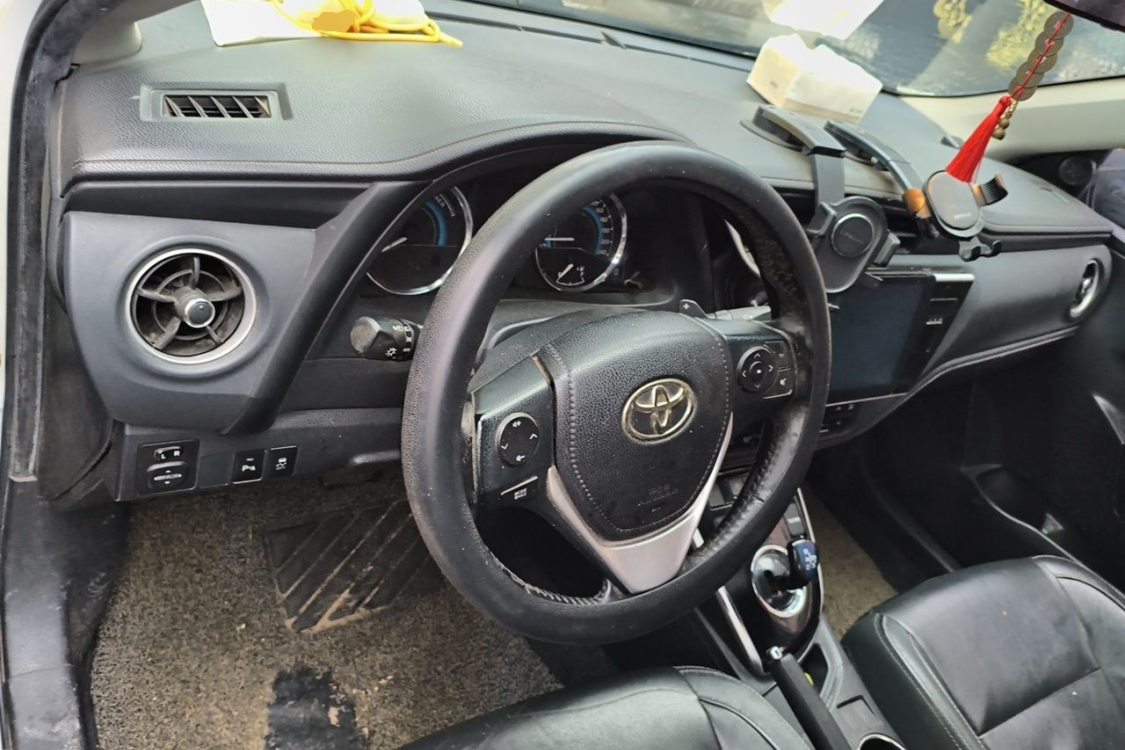
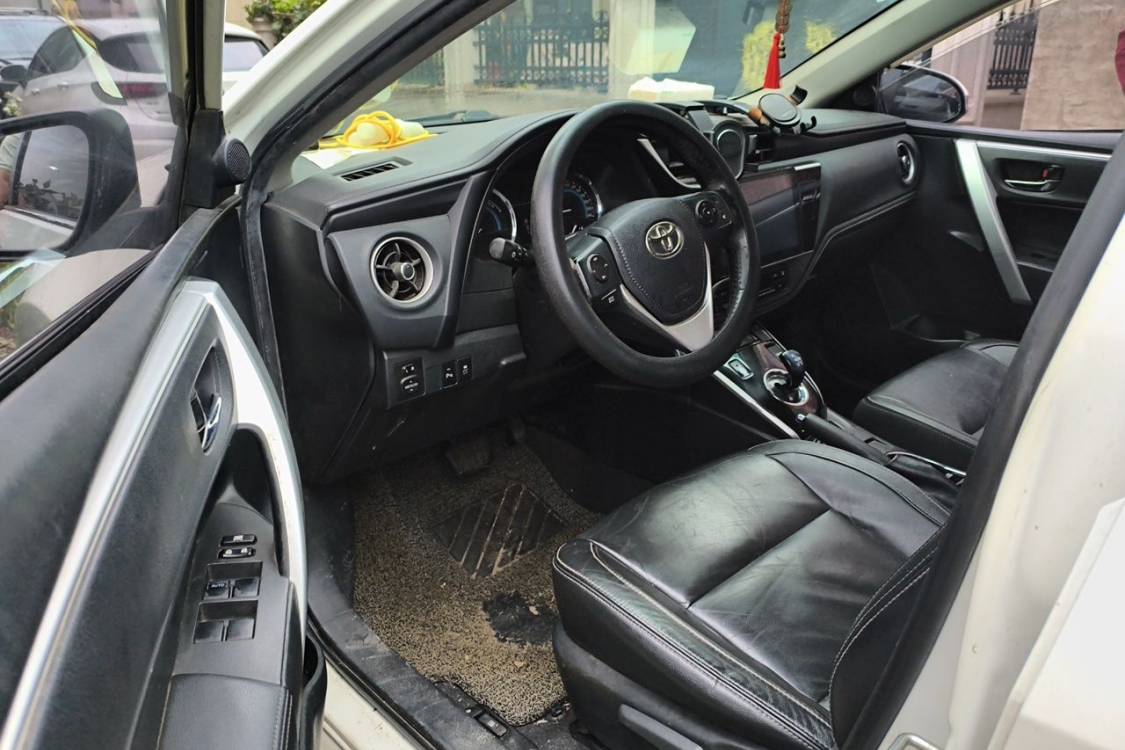
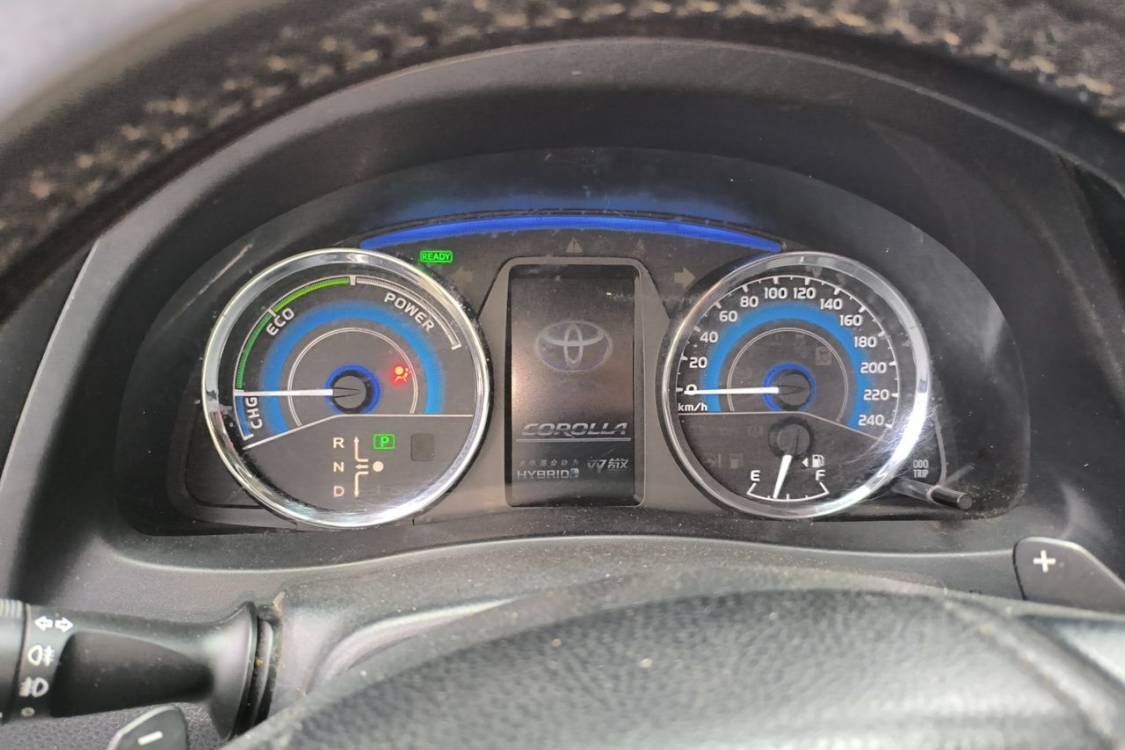
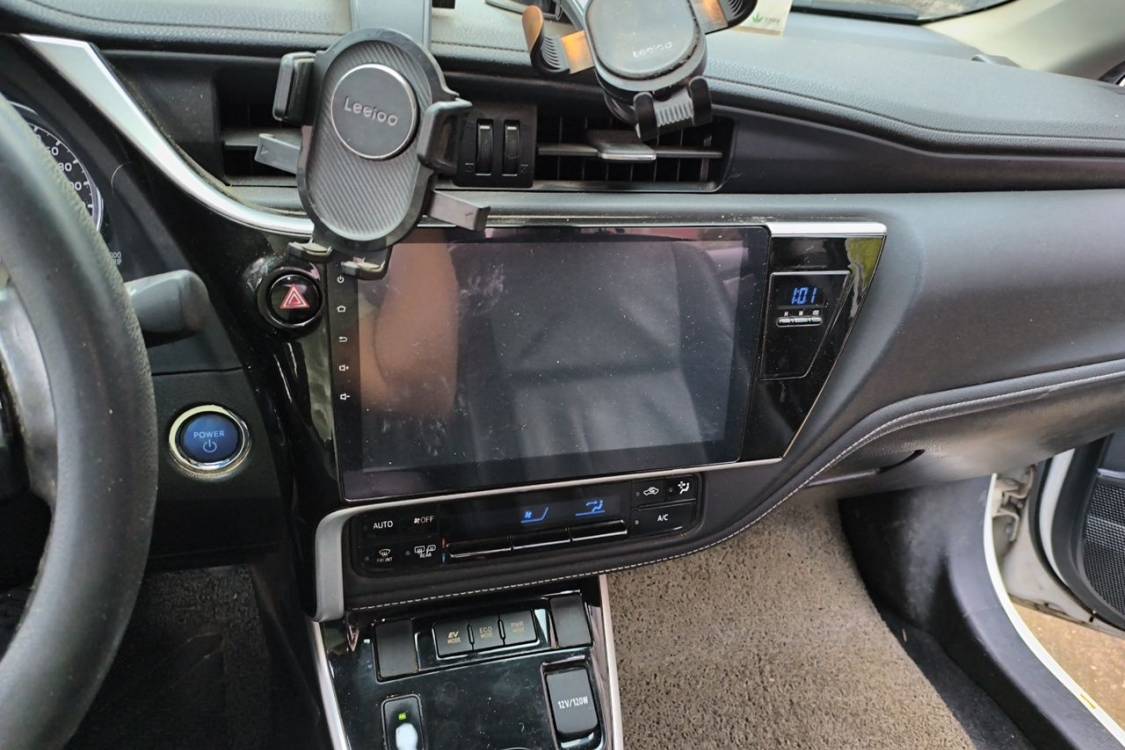
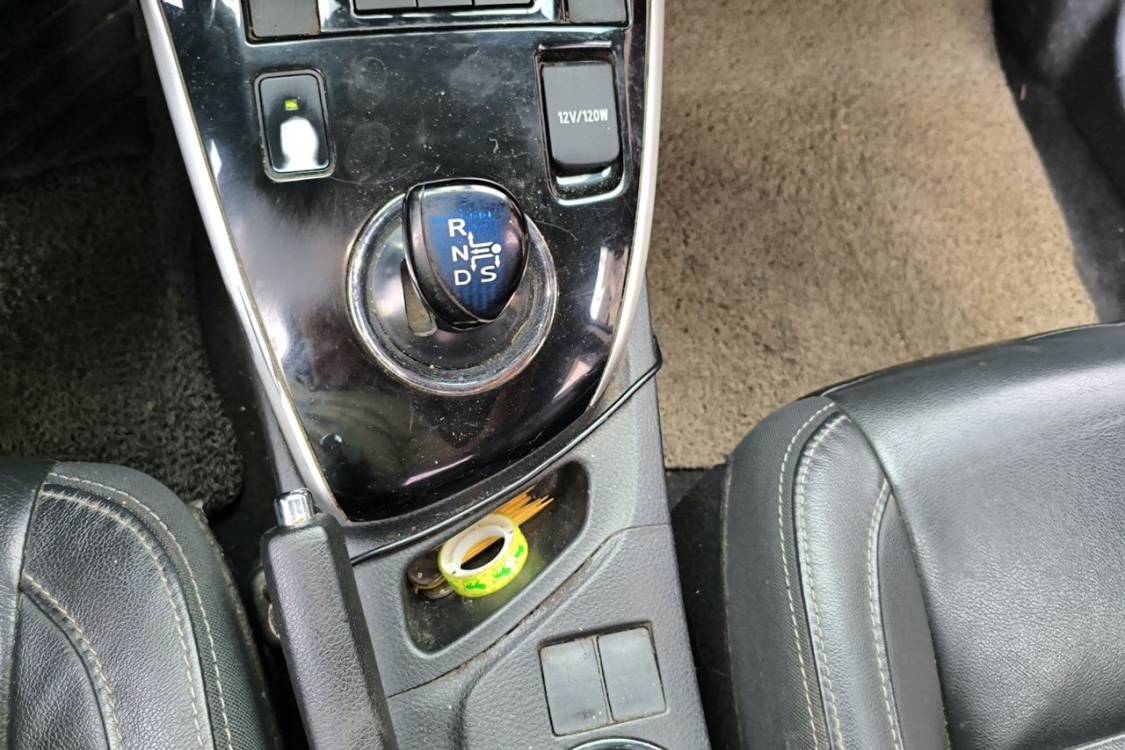
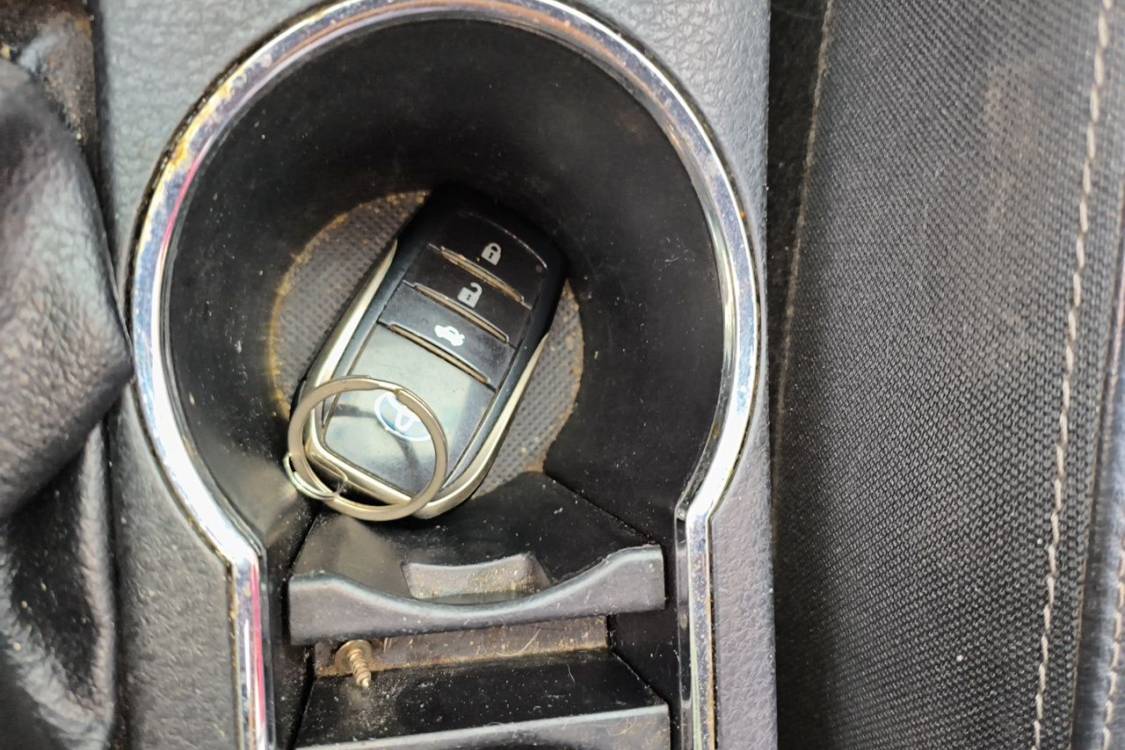
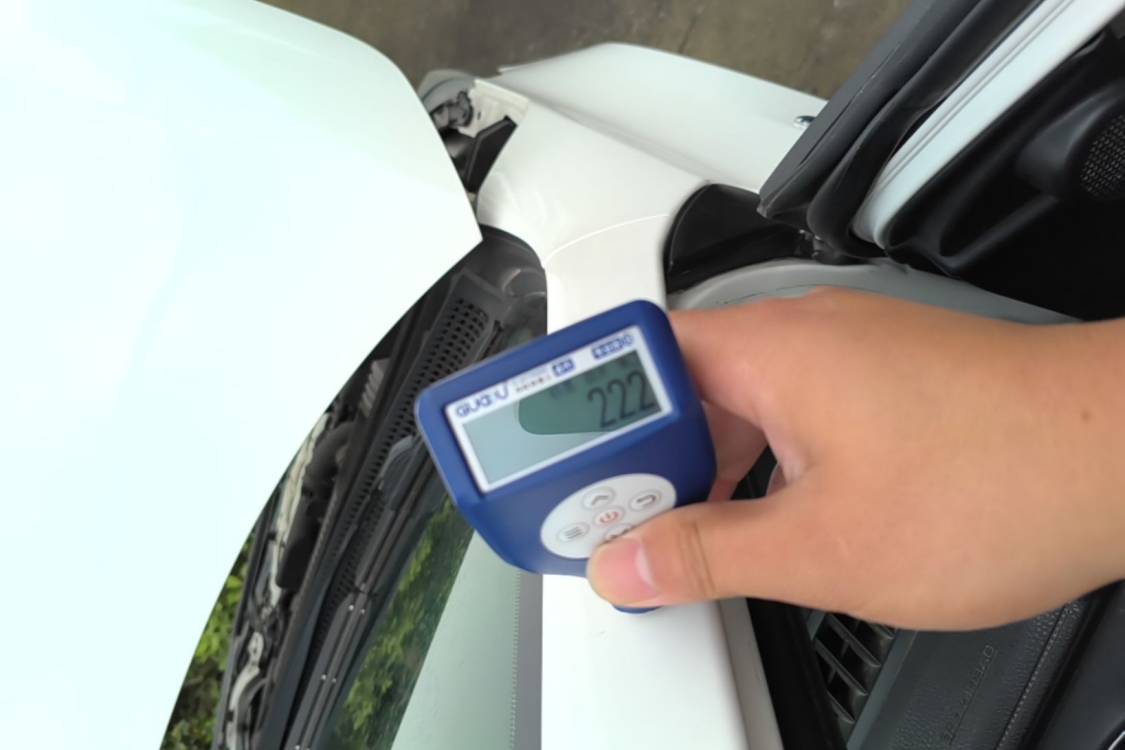
Accident inspection: main structure damaged, reinforcing parts damaged, panels damaged, hinges normal. Engine bay: key mechanical components normal. Exterior: 1 replacement, 3 sheet metal repairs, 2 paint jobs. Interior: most features normal, airbag normal, seatbelt normal, dashboard normal, instrument check normal, lighting system normal. Startup check: main components normal. Onboard tools: none.

电话直连
可讲价
平台物流
VIP车源
车主降价
3个工作日内过户
新能源
营转非
零过户
新检测标准升级>
非泡水

Document Information

Inspection Expiry Date2026/11
Warranty Expiry Date-
Insurance Expiry Date2026/11

Q&A

More

Is there a specific testing process for the smooth transition between the engine and motor in hybrid (HEV/PHEV) vehicles?

Yes. For hybrid vehicles, technicians will conduct forced switching tests between EV (electric) and HEV (hybrid) modes, focusing on the sensation of clutch engagement and reading the hybrid system's specific fault codes to ensure the complex dual power system operates correctly.

If the remittance info for the international wire transfer has the wrong contract number, will it cause delays in currency exchange and shipping?

It will cause serious obstacles. China's foreign exchange controls are extremely strict. If the remittance note and the remitter do not match our declared contract, the bank will reject the transaction (Pending). We will need to spend several days submitting additional explanations to the foreign exchange authority, which will inevitably delay the shipping schedule.

What tools and equipment does a professional pre-shipment inspection of a used car use?

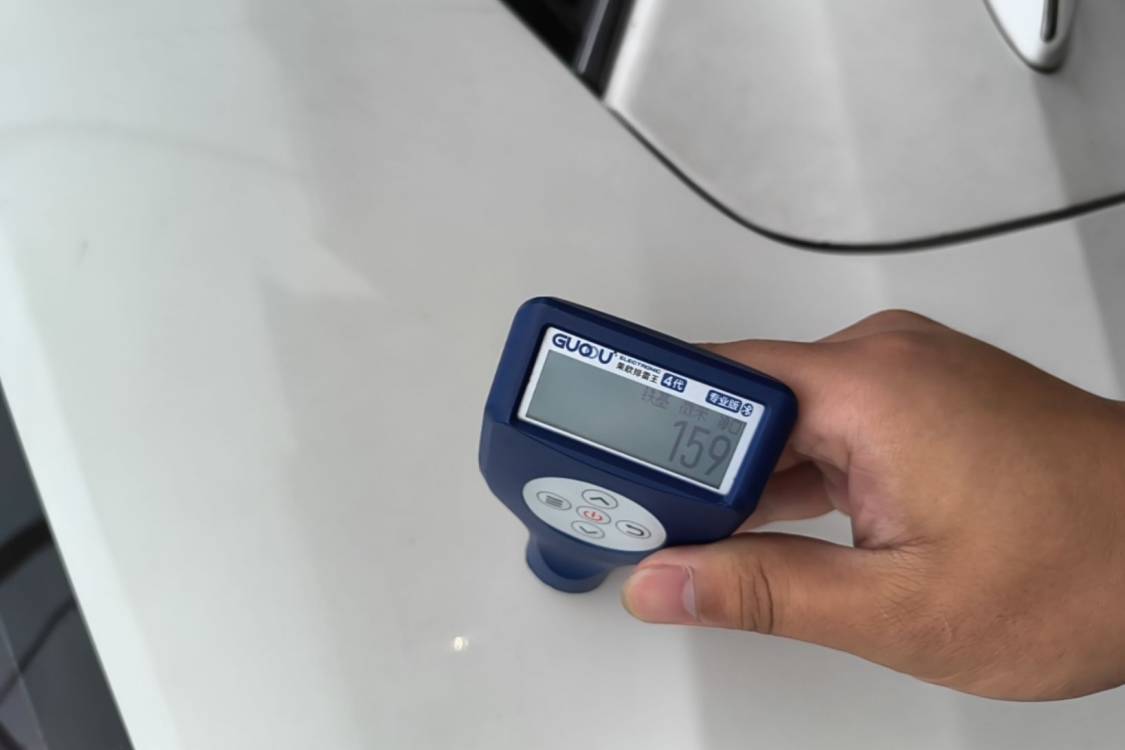
A proper inspection relies on equipment, not just eyes. The inspector should use a paint thickness gauge to measure 50-60 points across body panels; original paint is typically 80-150 microns. An OBD diagnostic scanner reads stored and pending fault codes across all control units, and for EVs it also reads battery state of health and charge cycle counts. The car must go on a lift for the underbody check: frame rails, suspension components, oil leaks and accident repair marks are only visible from below. A battery tester checks starting voltage and charging system health, and a tread depth gauge documents tire condition. Ask for the report to include raw readings and dated photos rather than a simple pass/fail summary - that is what makes it verifiable.