


24H

Basic Information

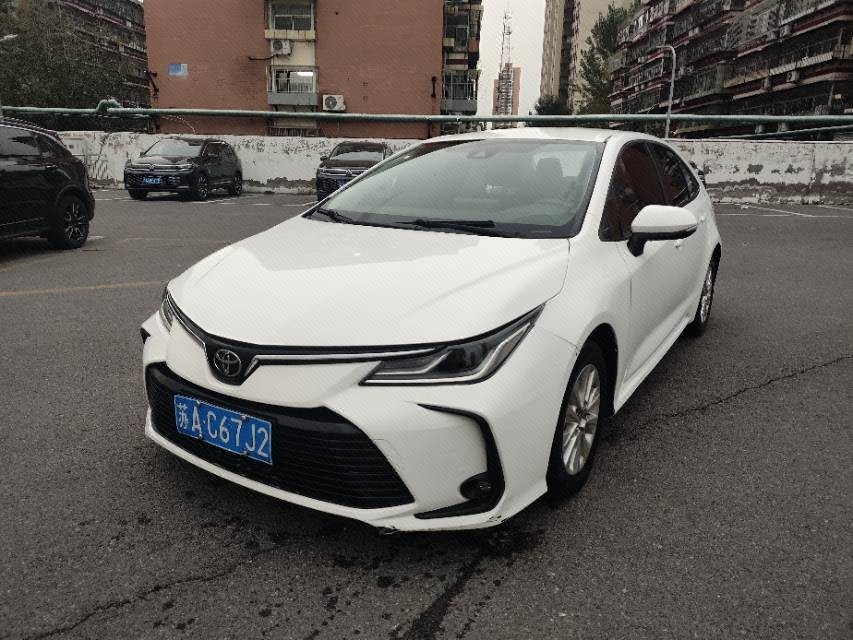
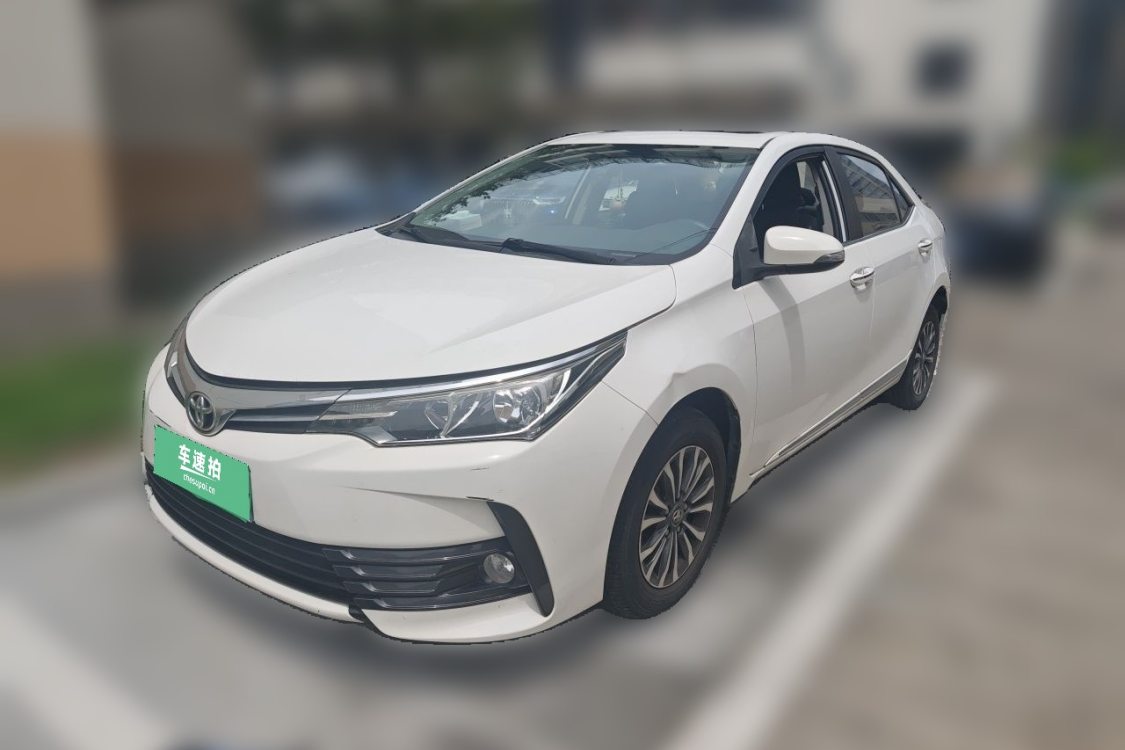
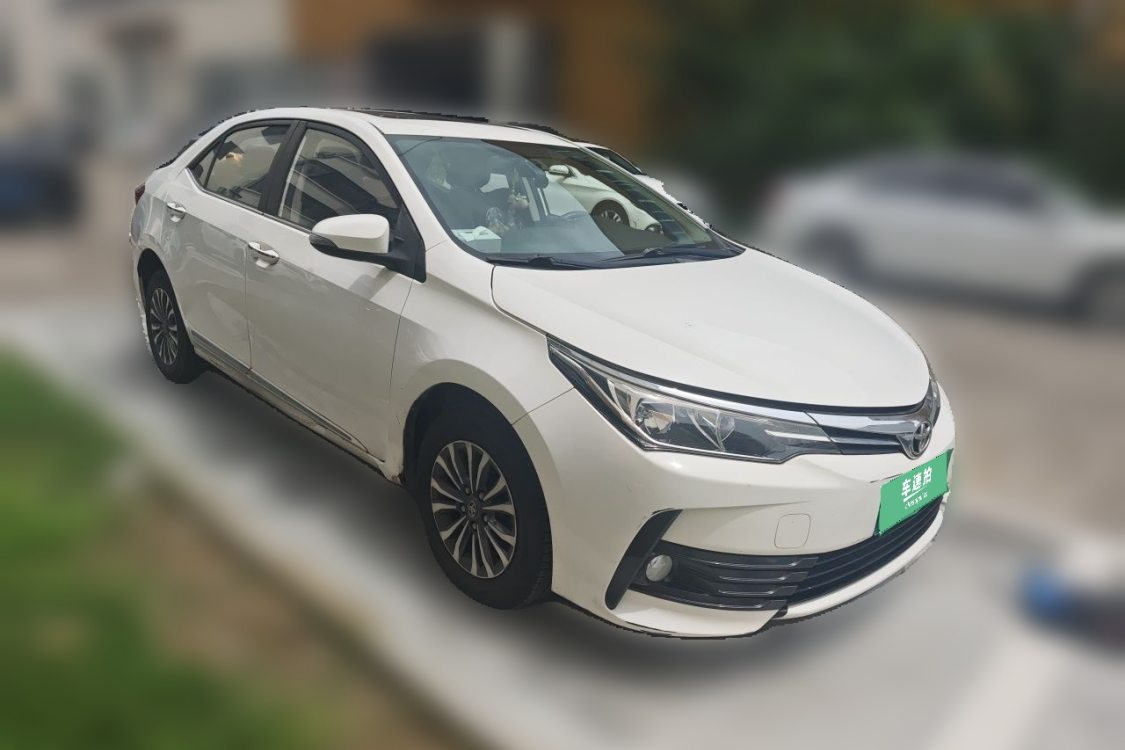
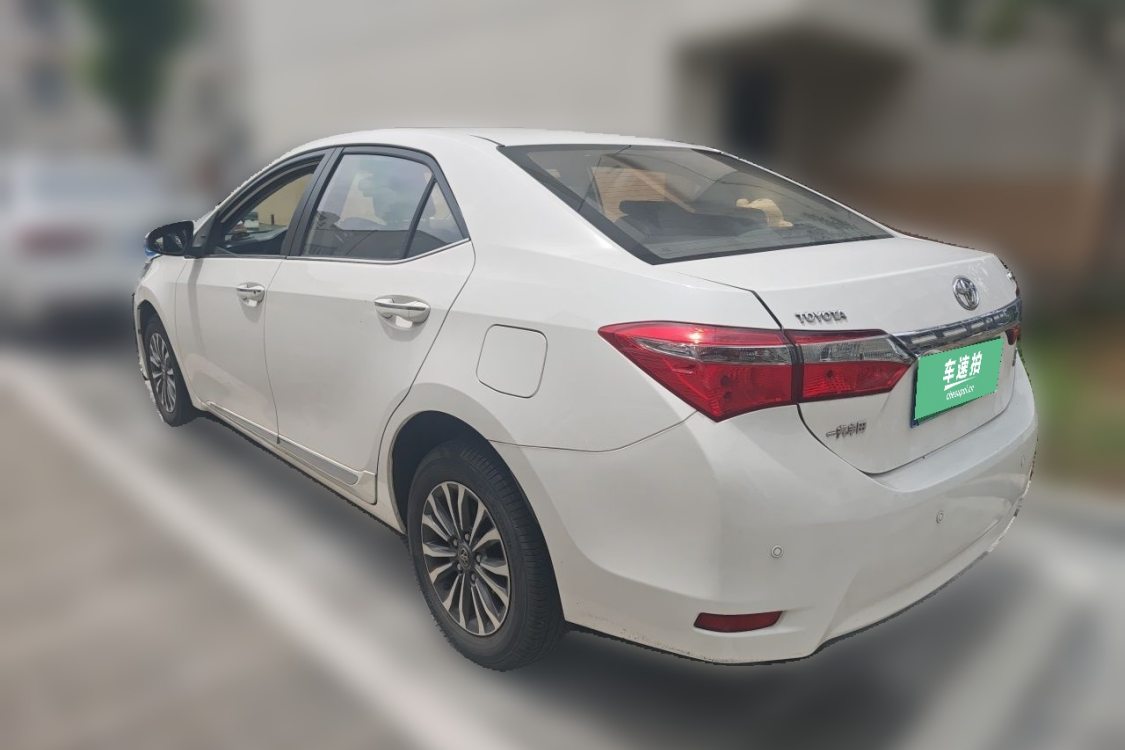
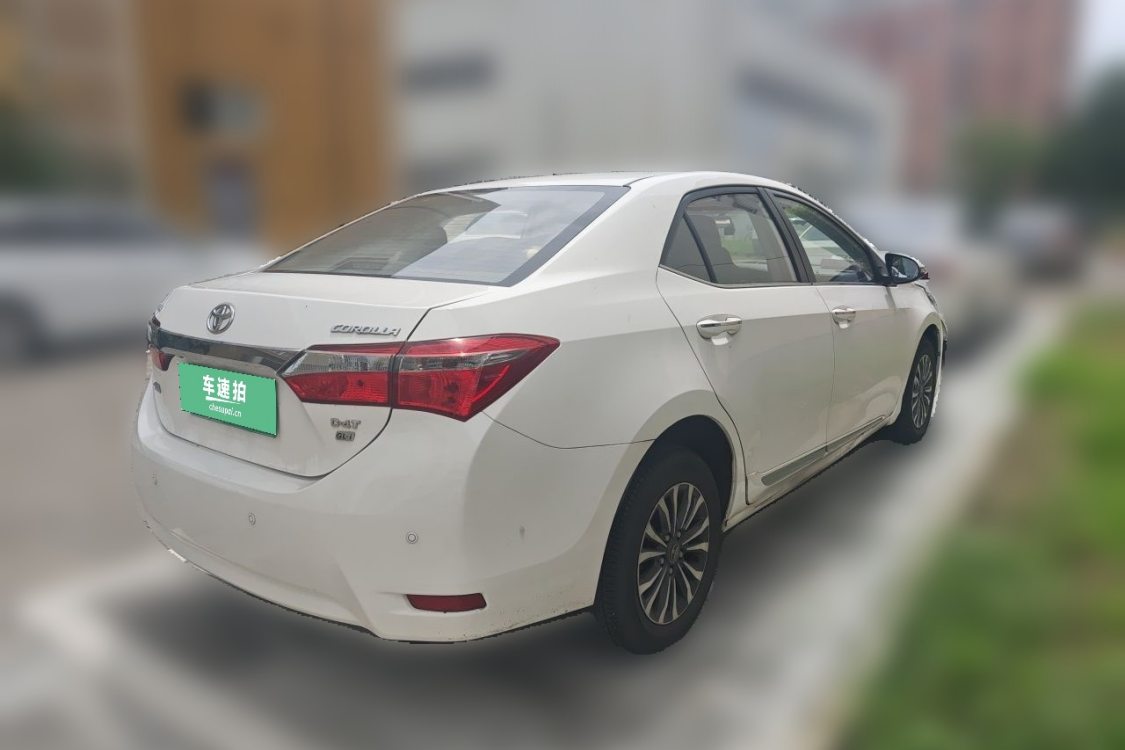
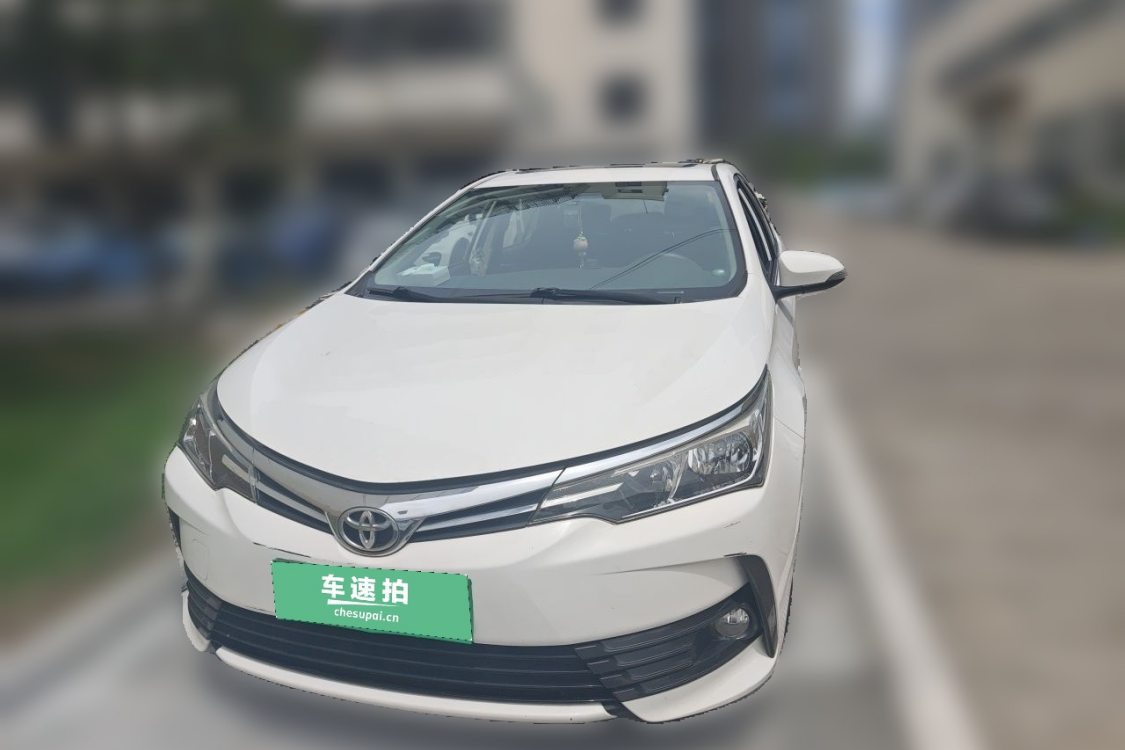
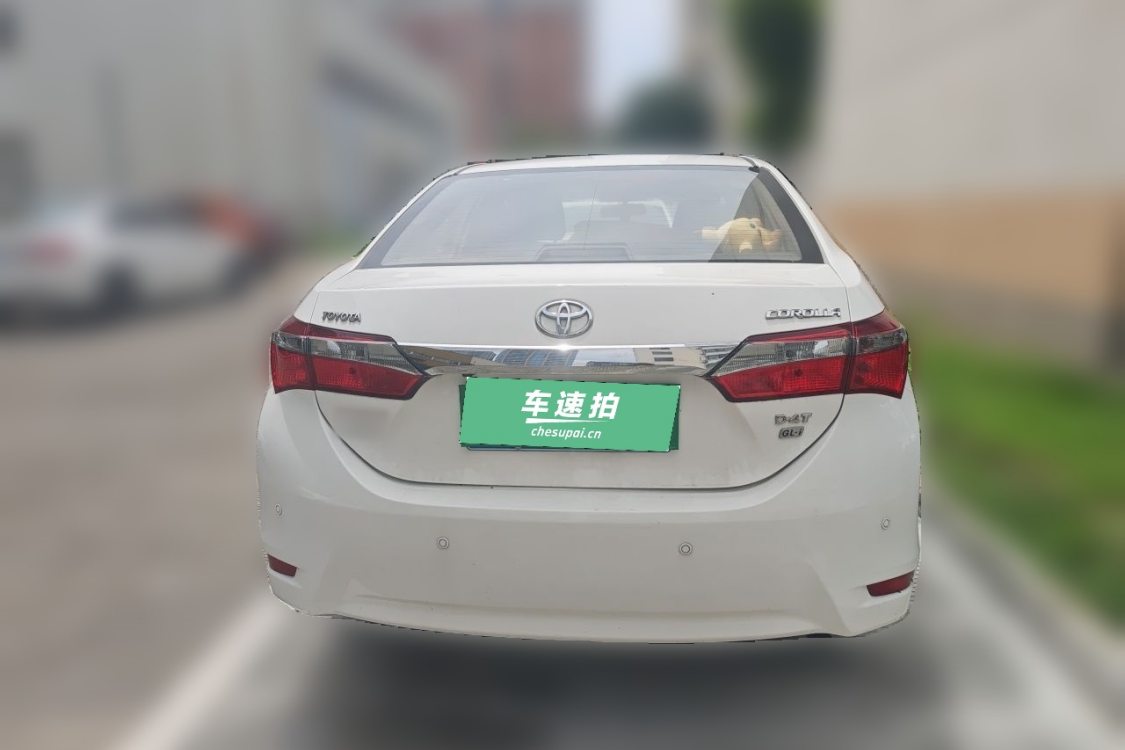
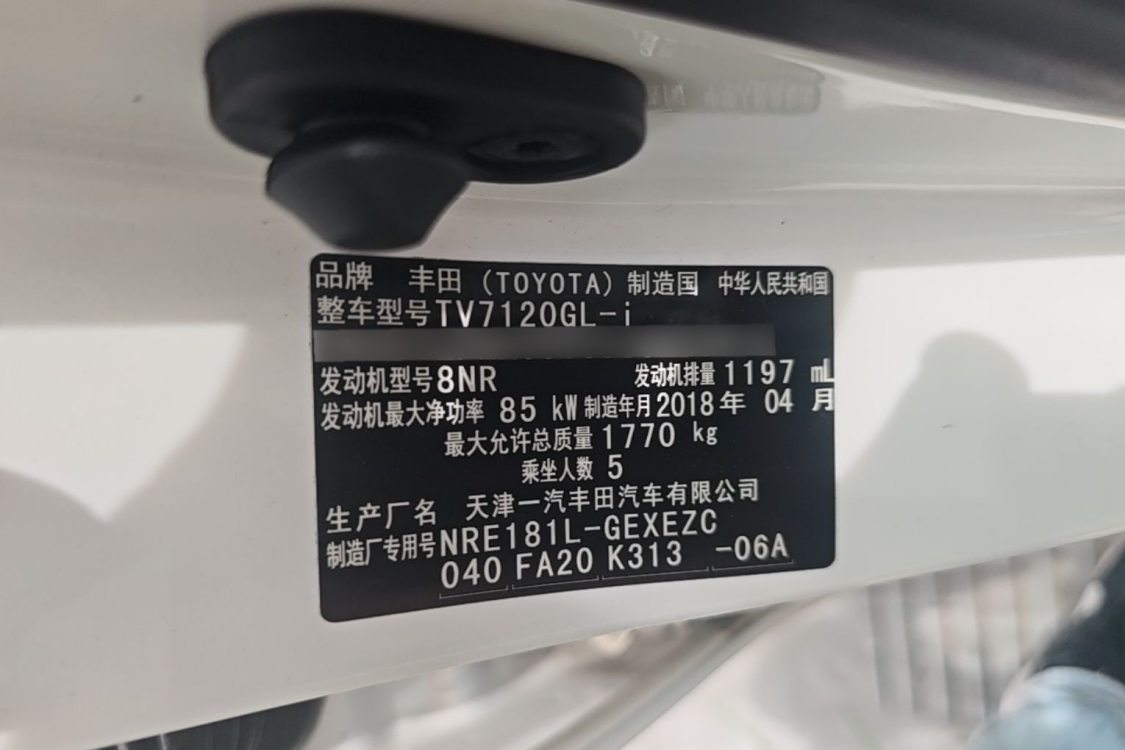
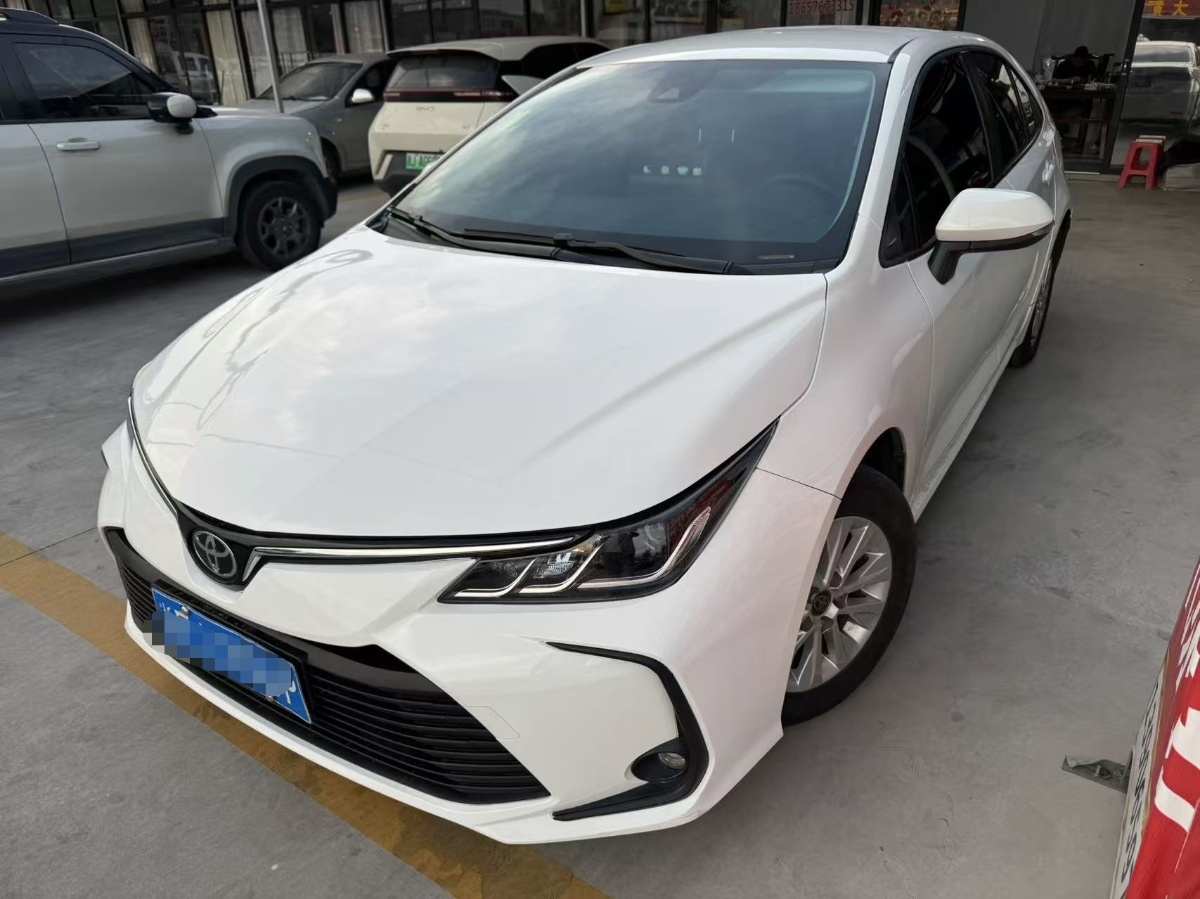
BrandToyota
SeriesCorolla
Year2018
First Registration2018/04
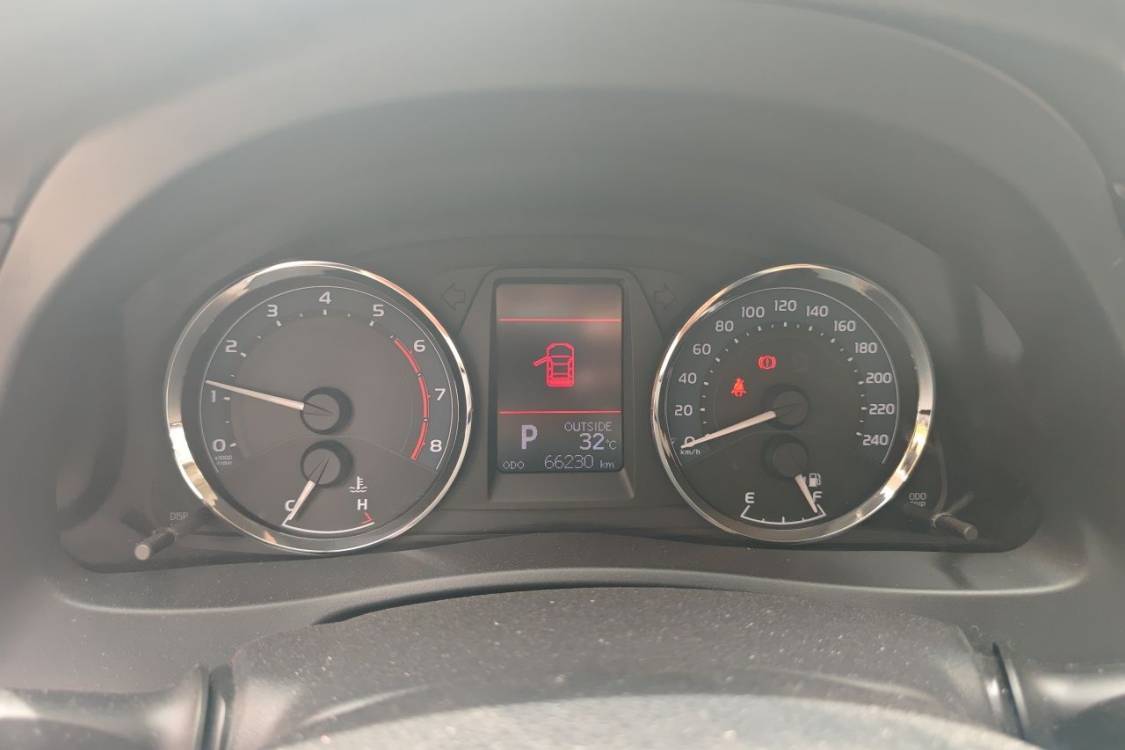
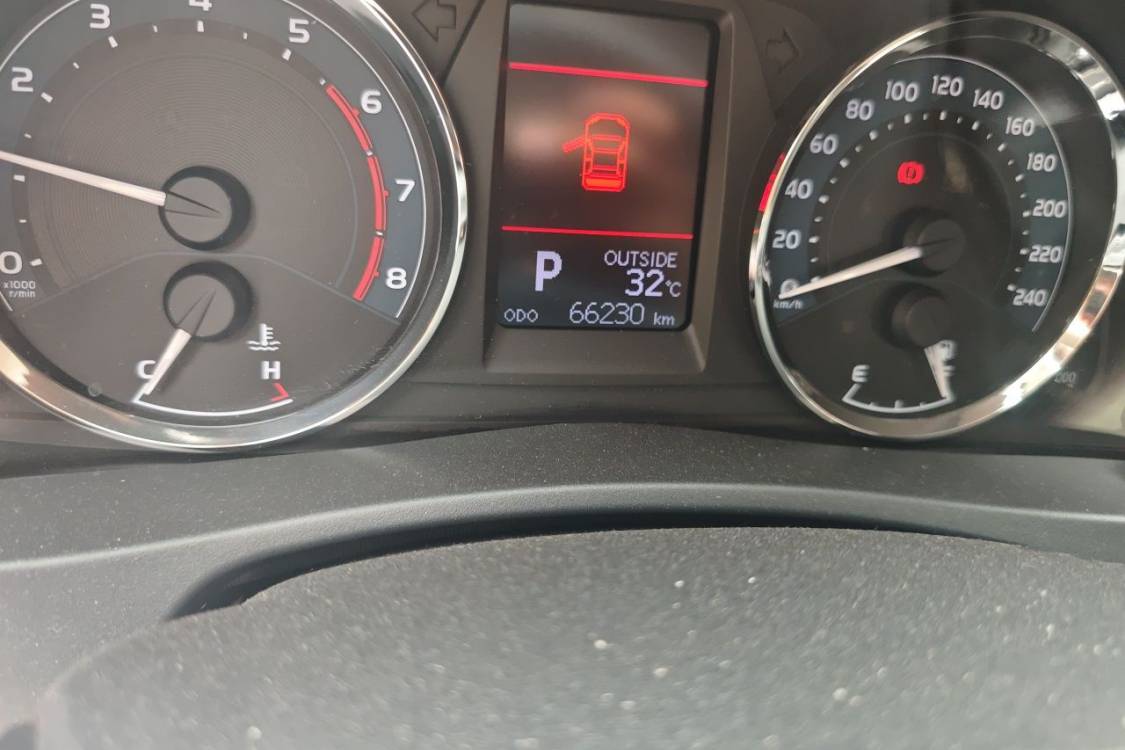
Mileage66,200km
Transfer Count-
FuelGasoline
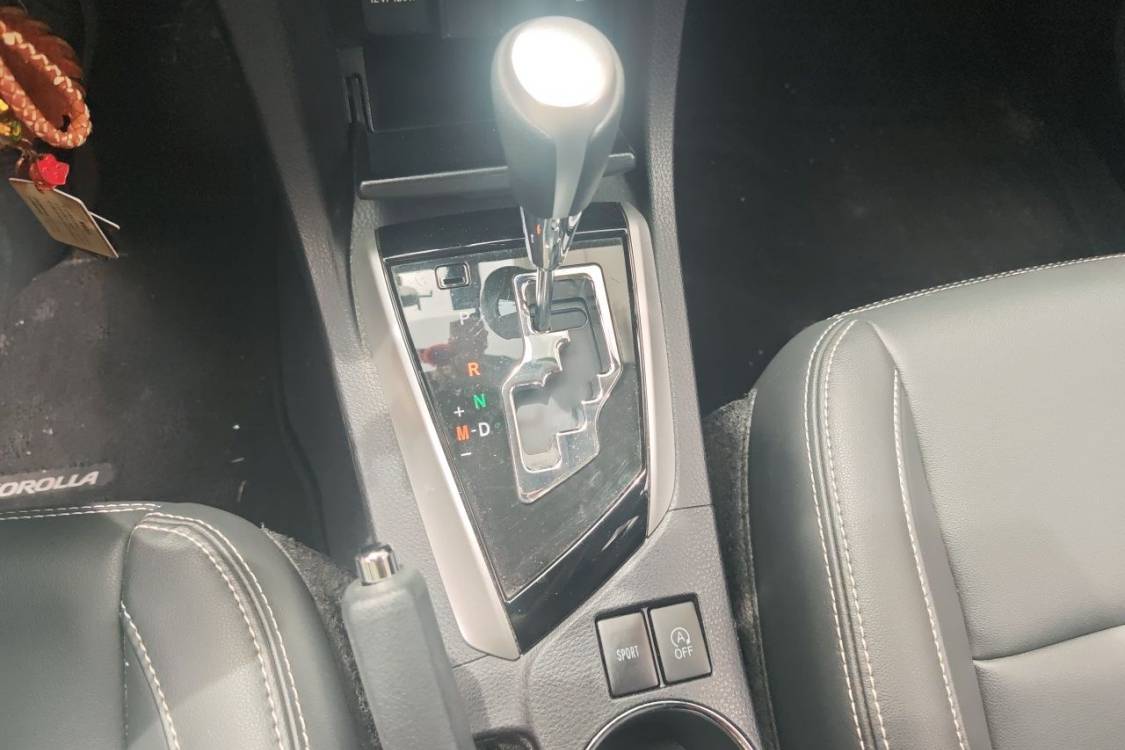
TransmissionCVT
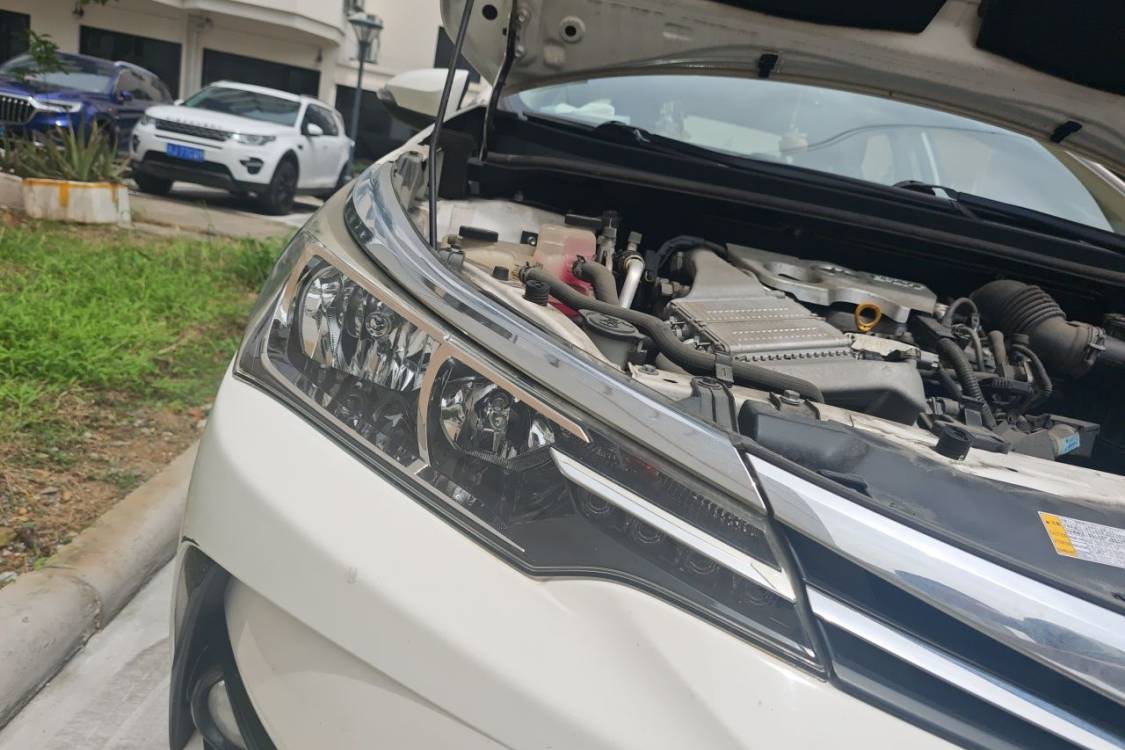
Engine1.2T 116 L4
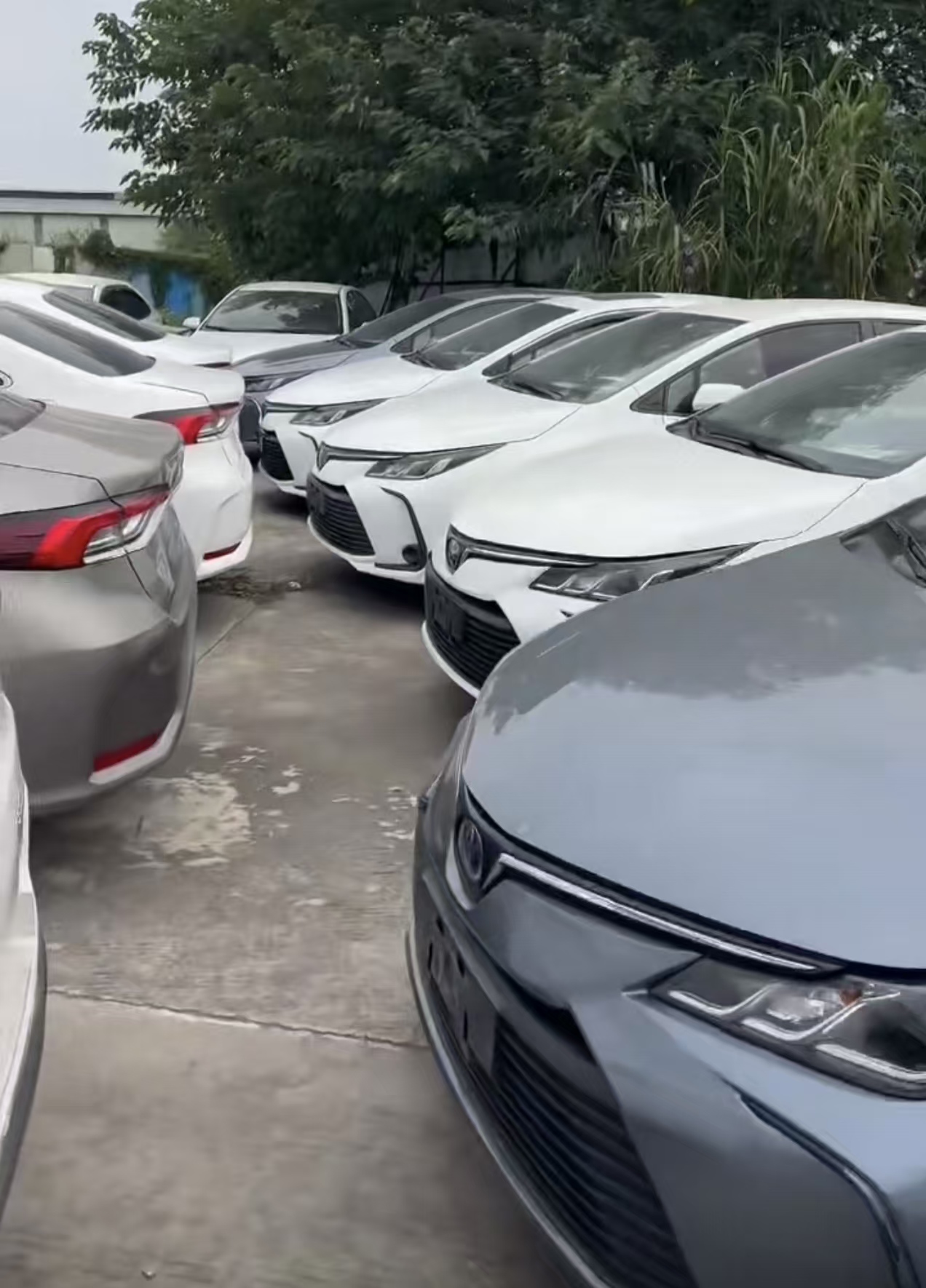
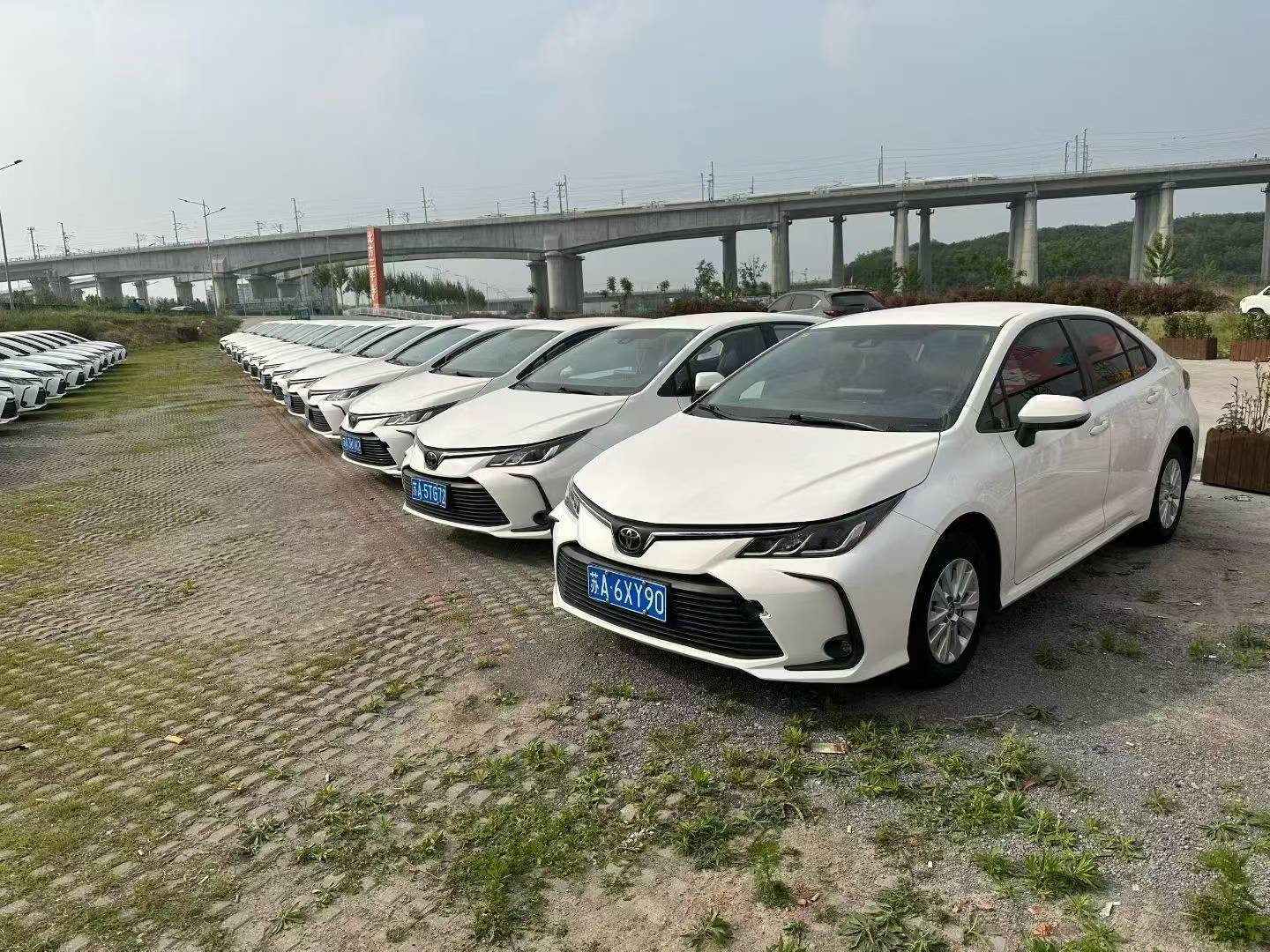
ColorWhite
Seats-

Condition Description

Vehicle has major defects in structural/reinforcing/covering parts due to major accident, fire, flood, or power battery components; repaired or unrepaired, still affecting body structural strength or safe use, with hidden fault risks.

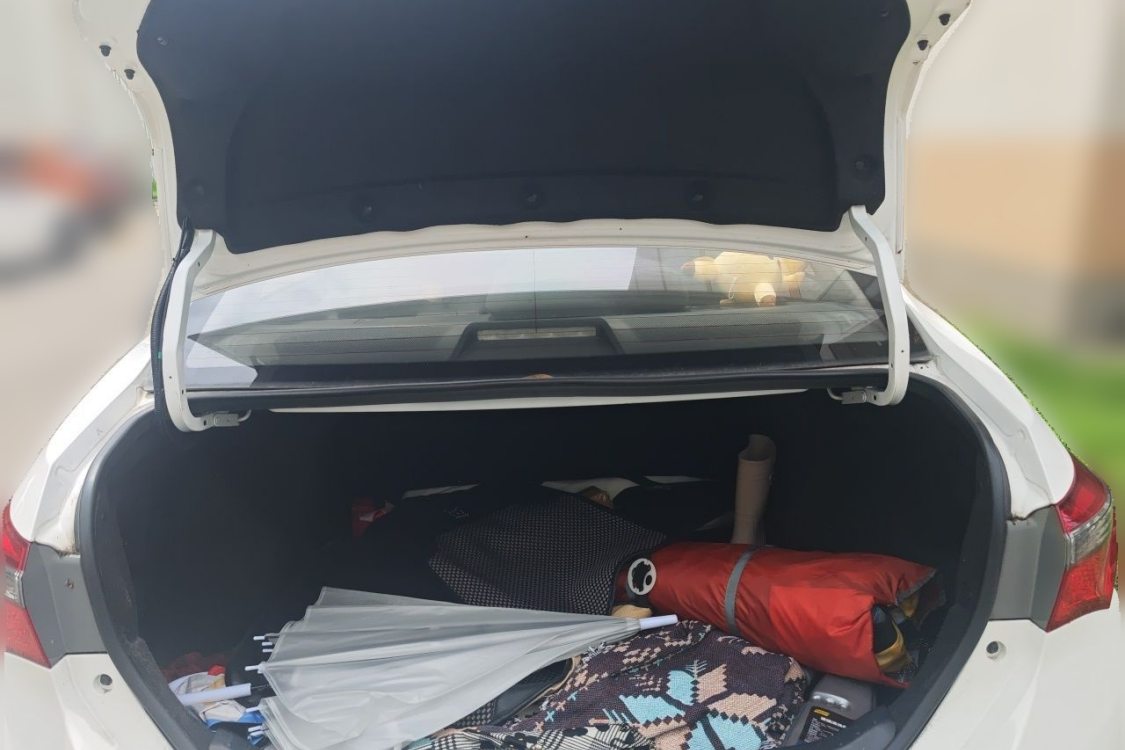
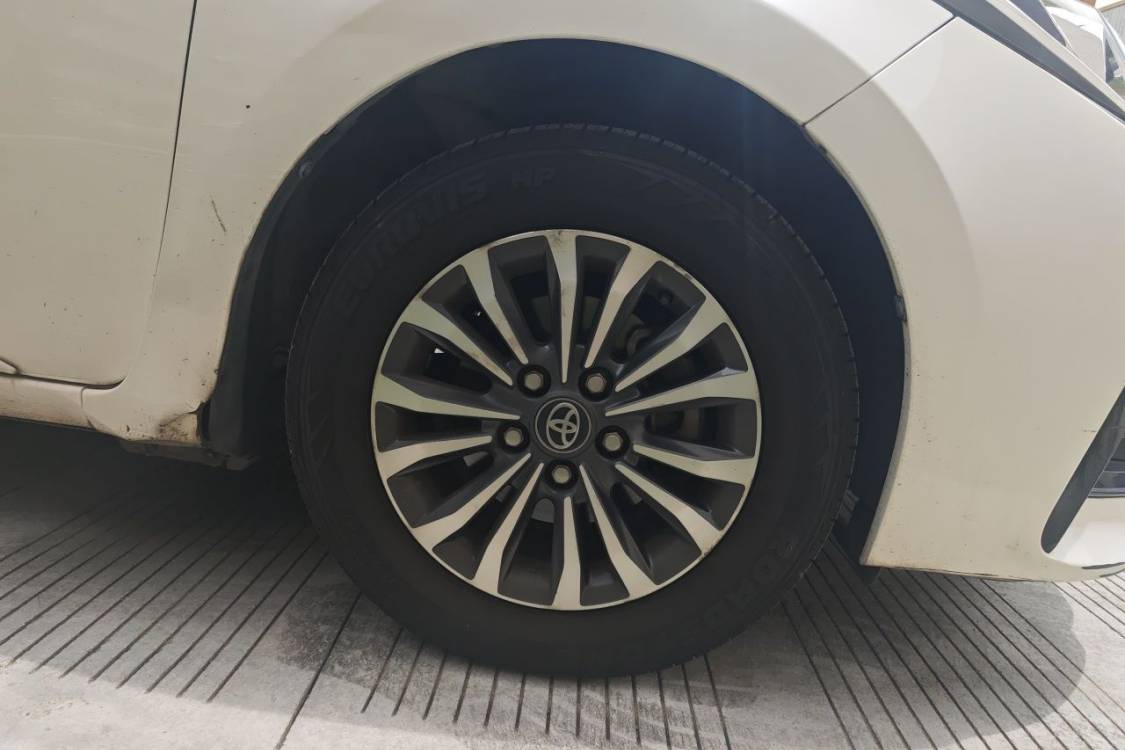
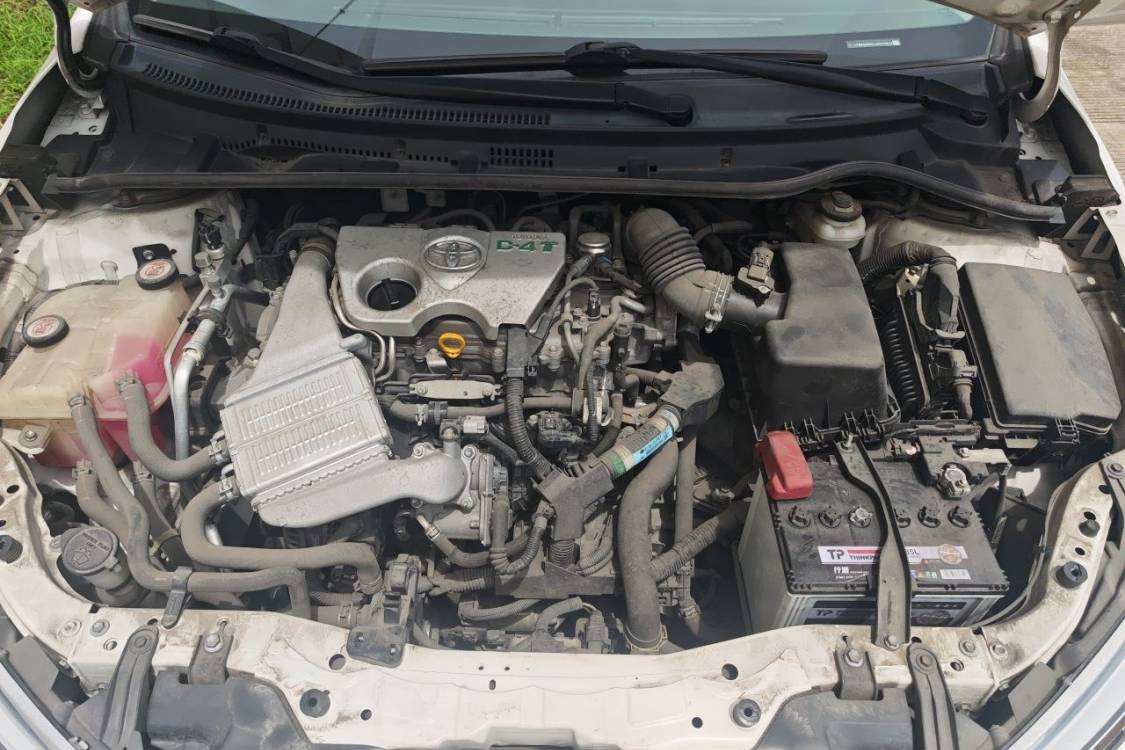
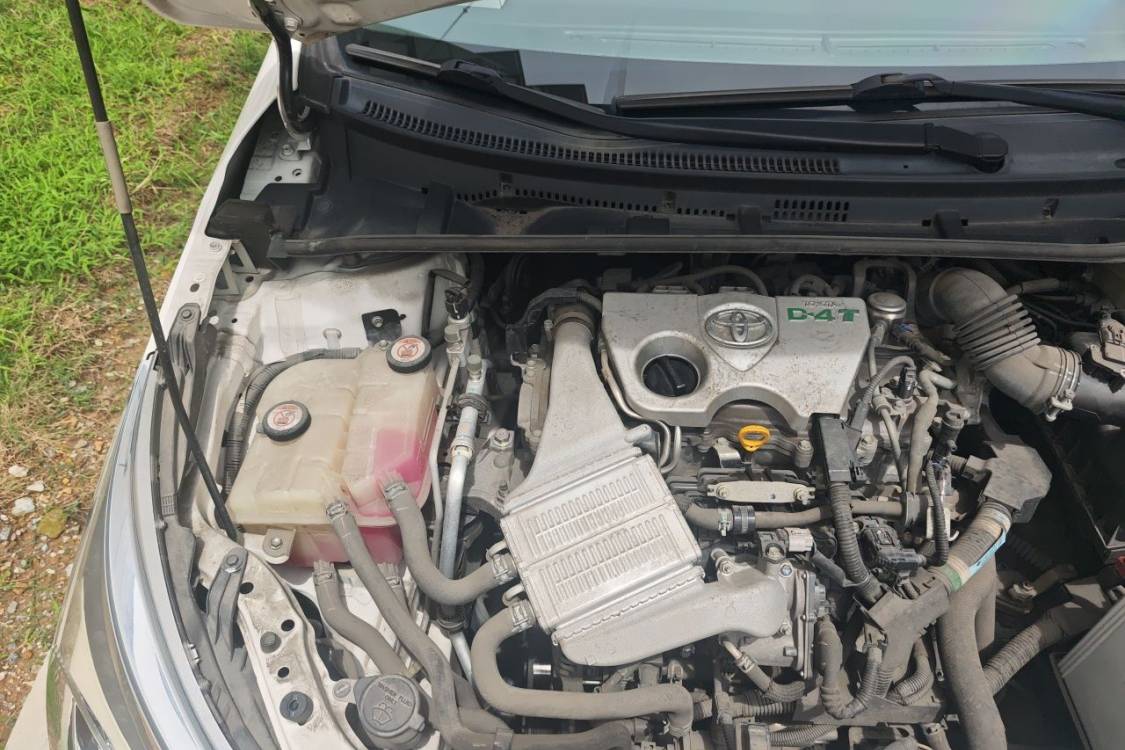
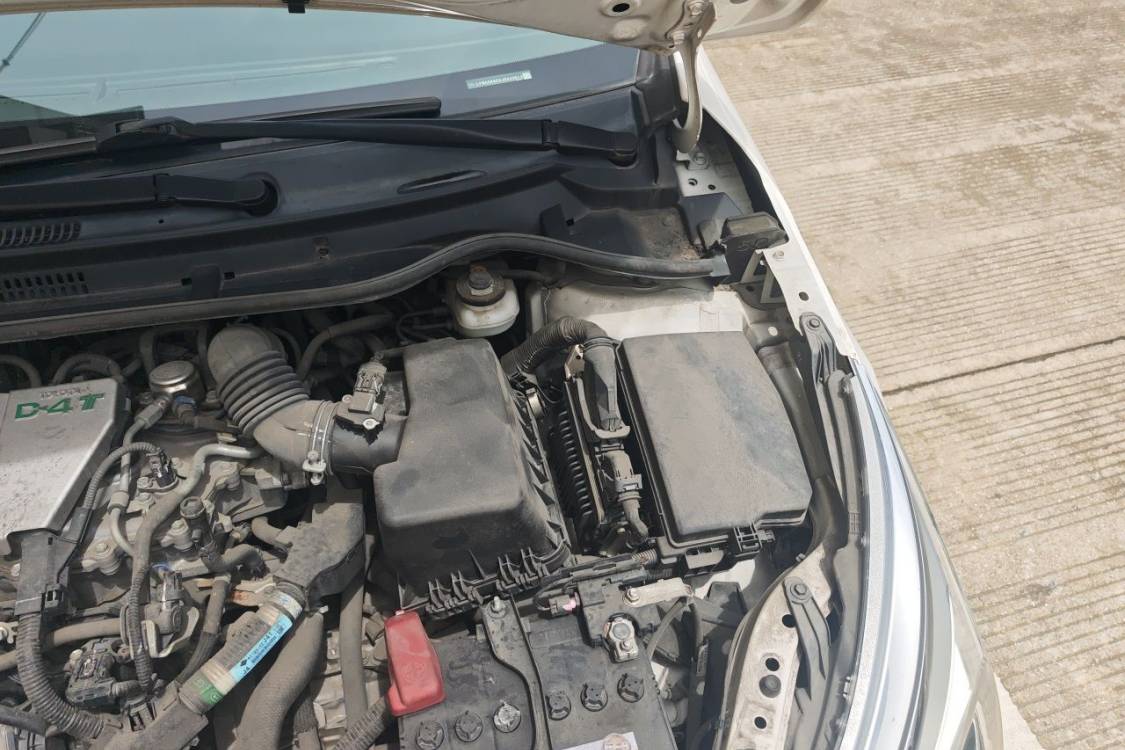
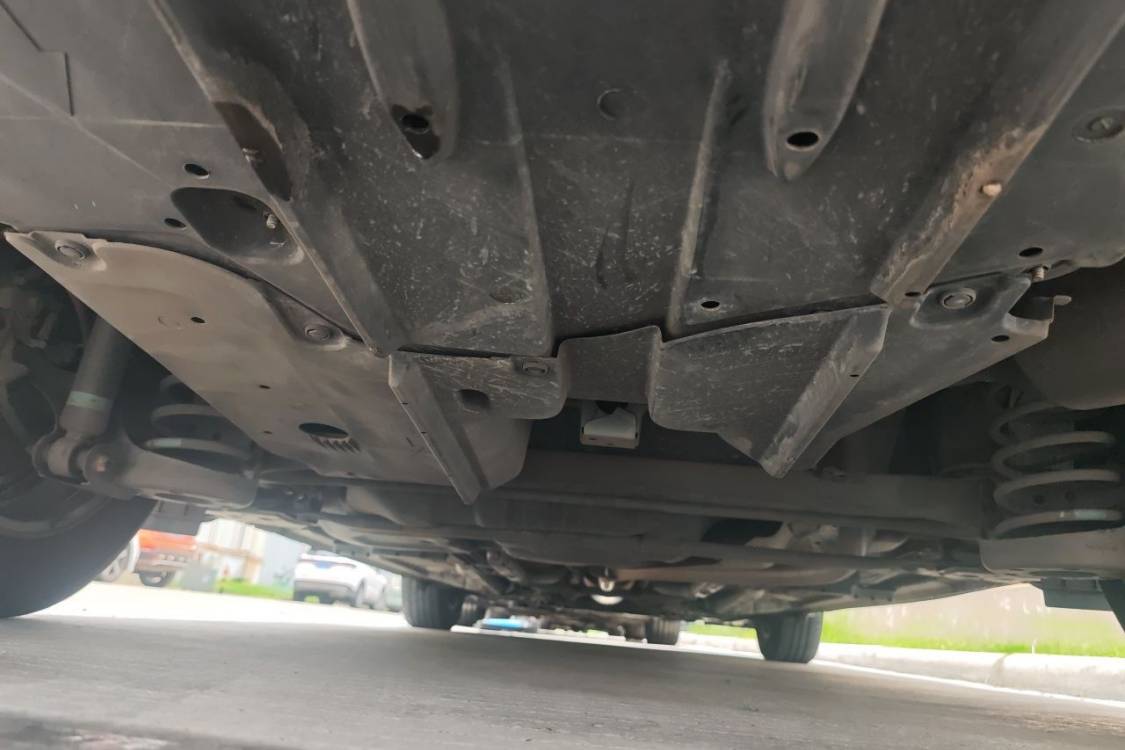
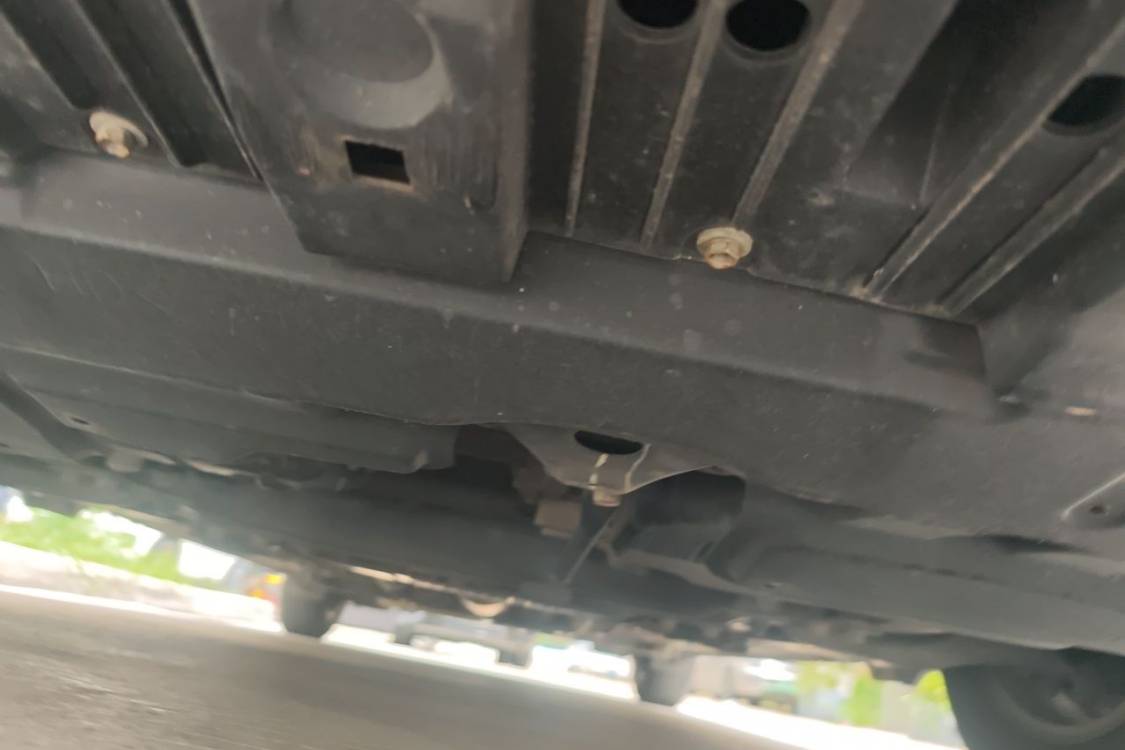
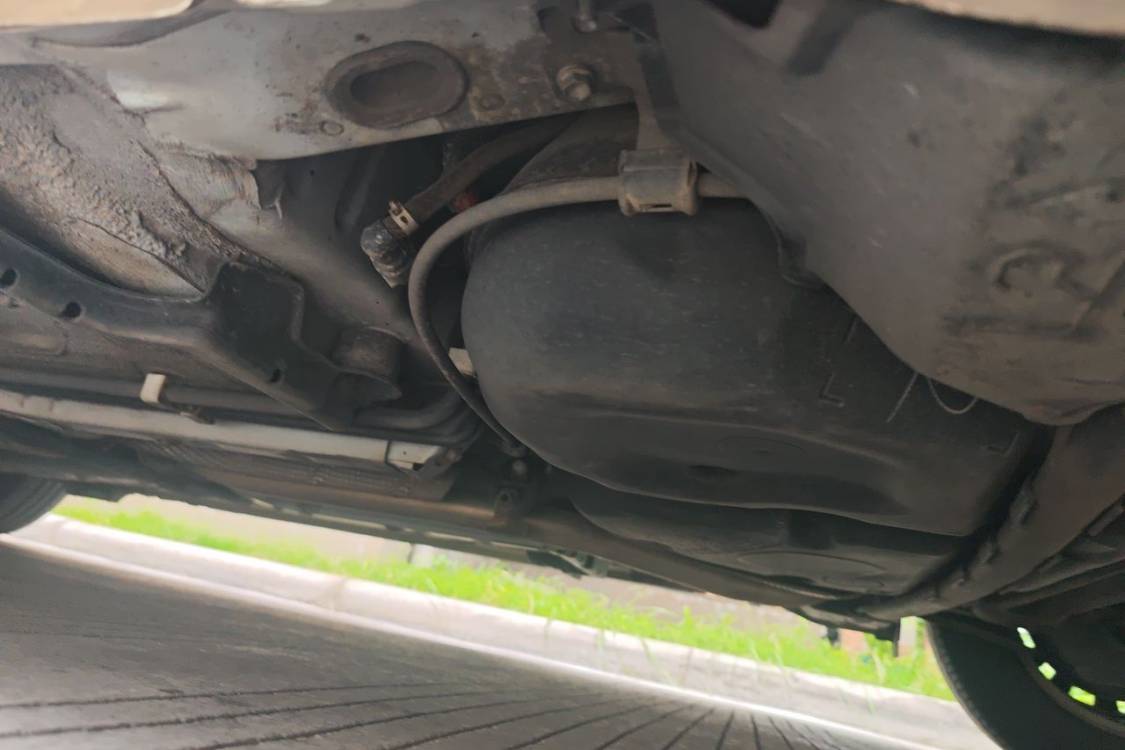
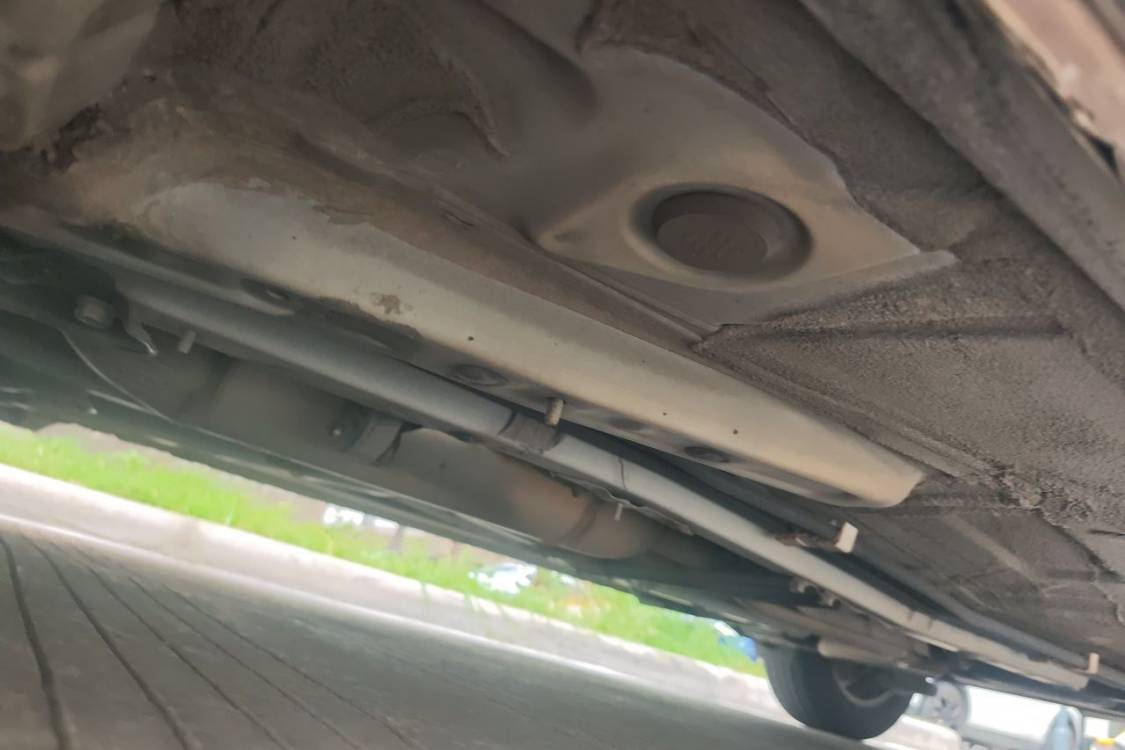
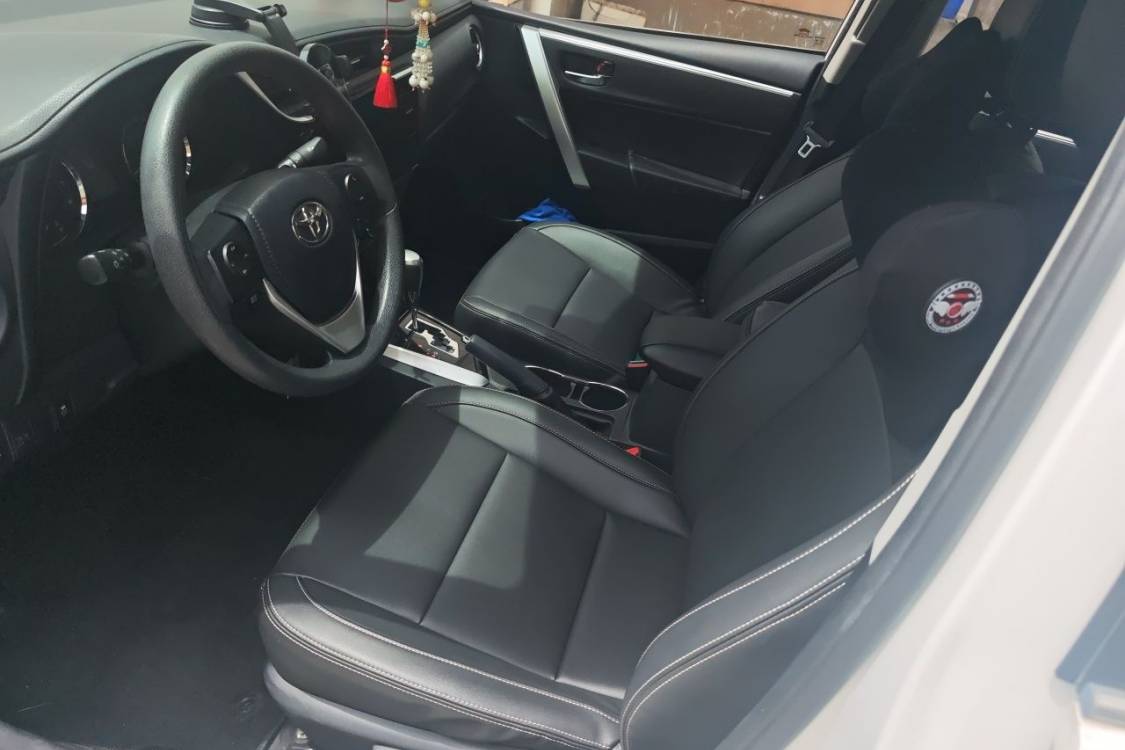
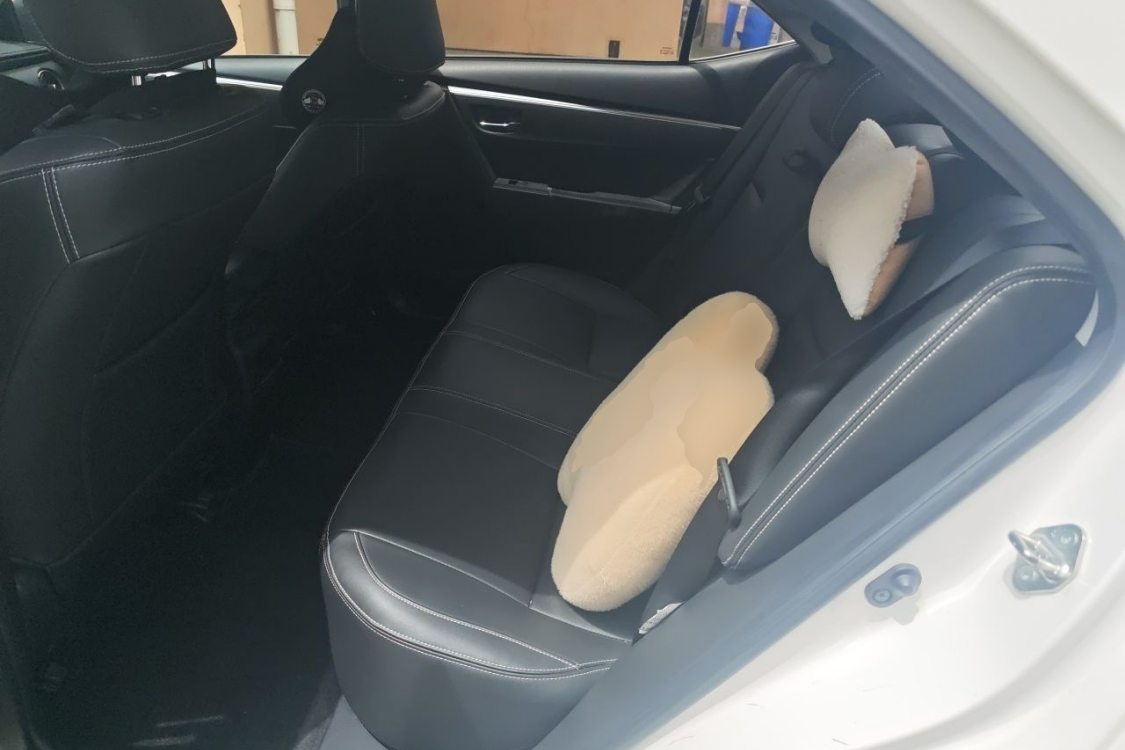
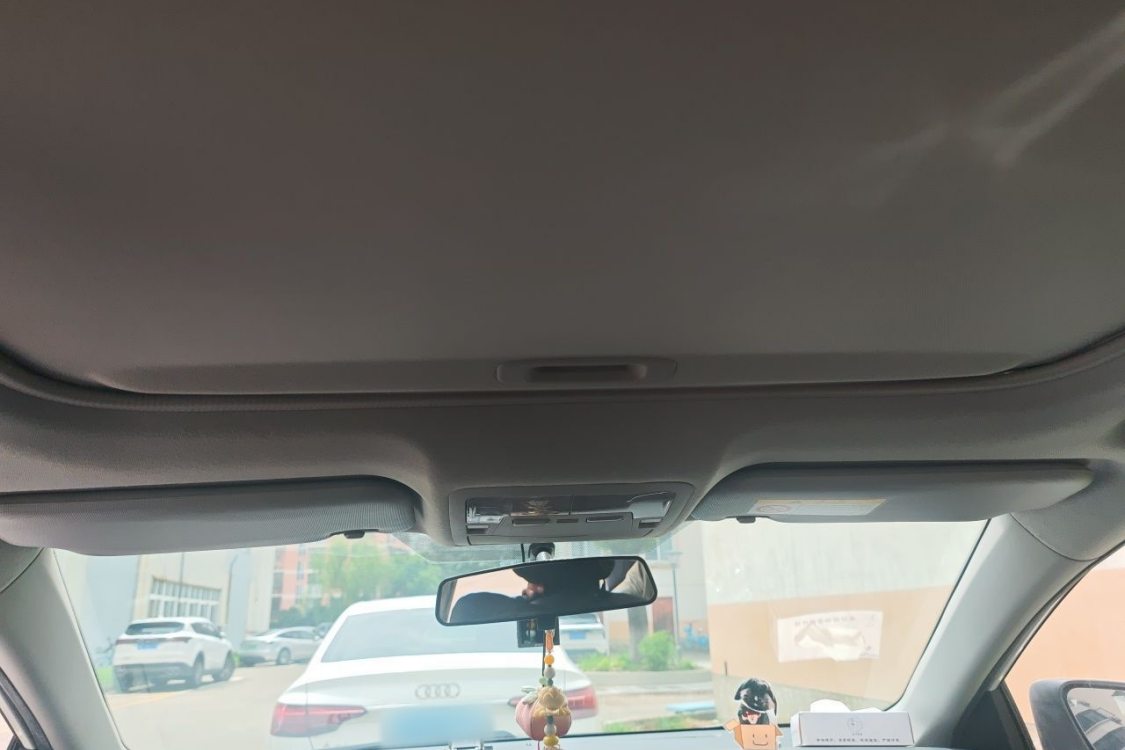
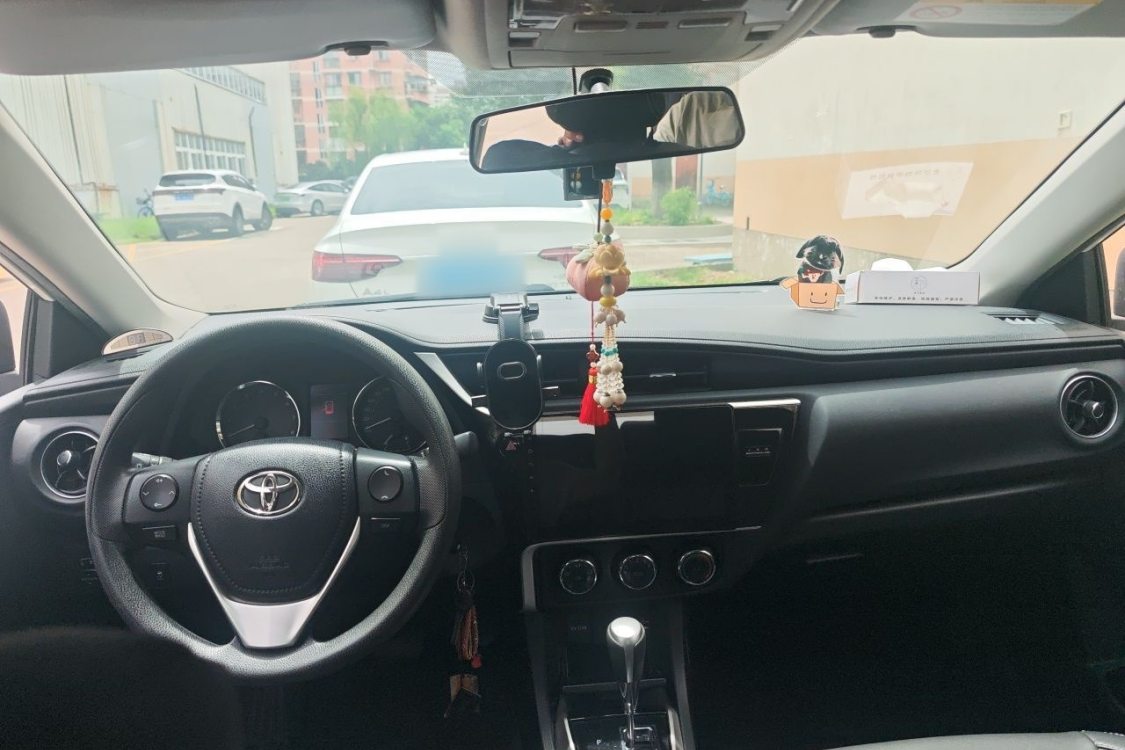
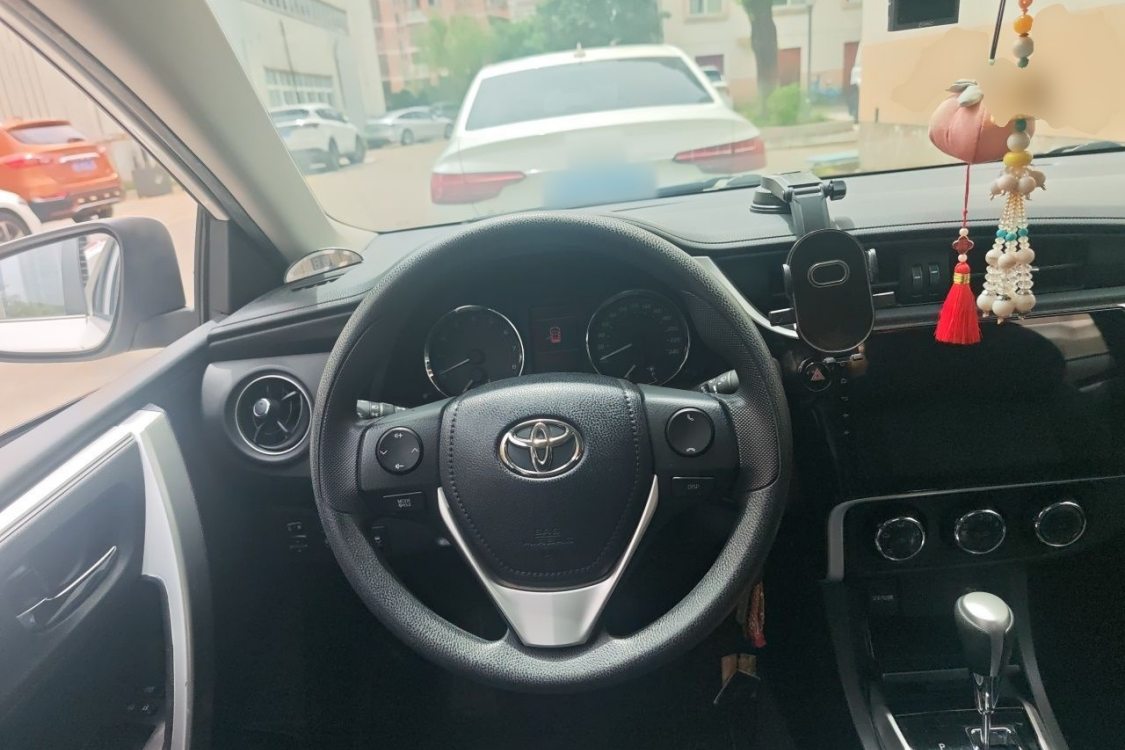
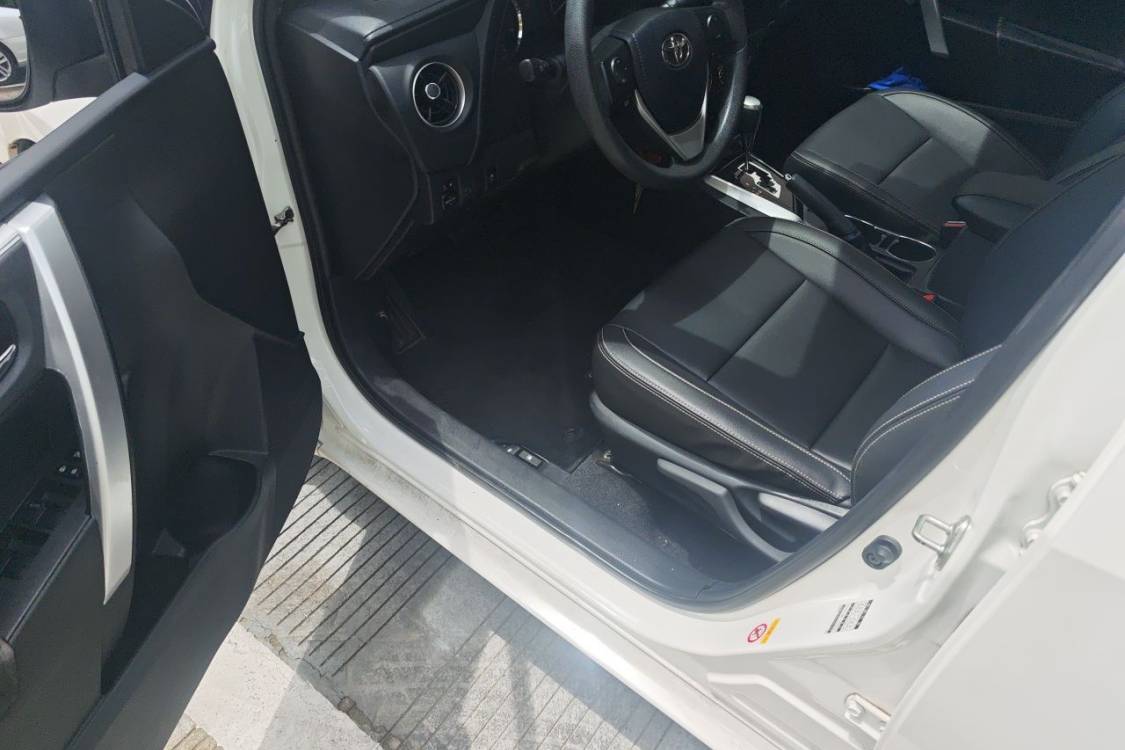
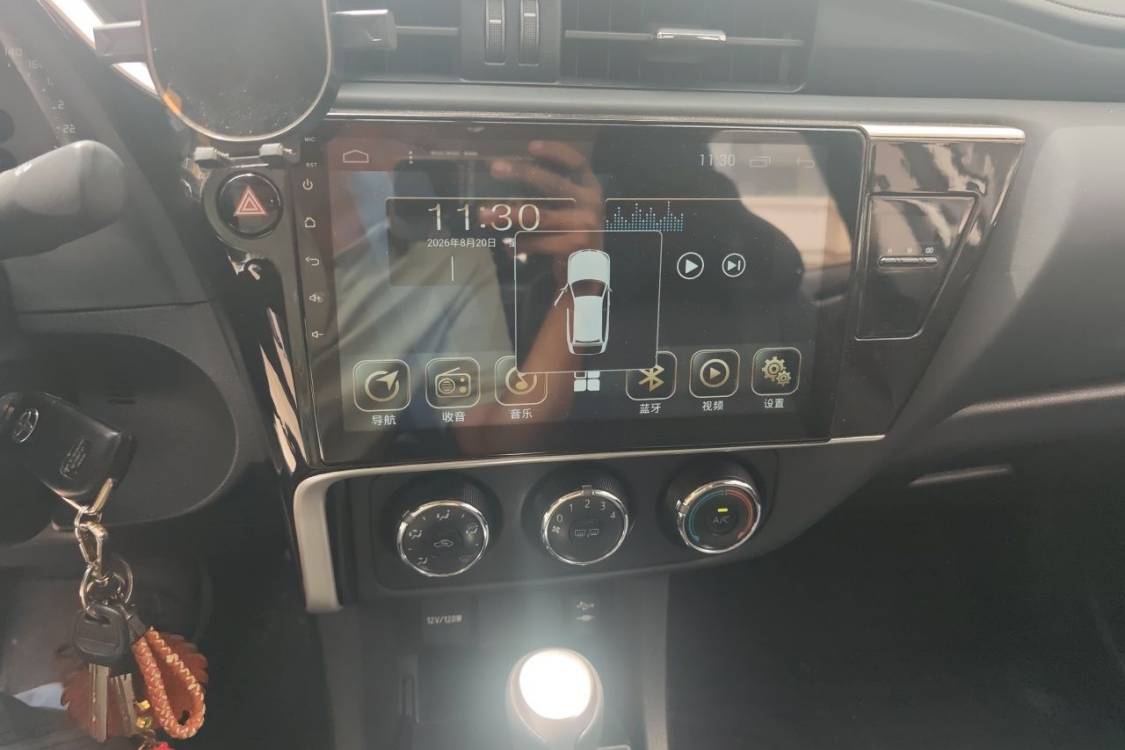
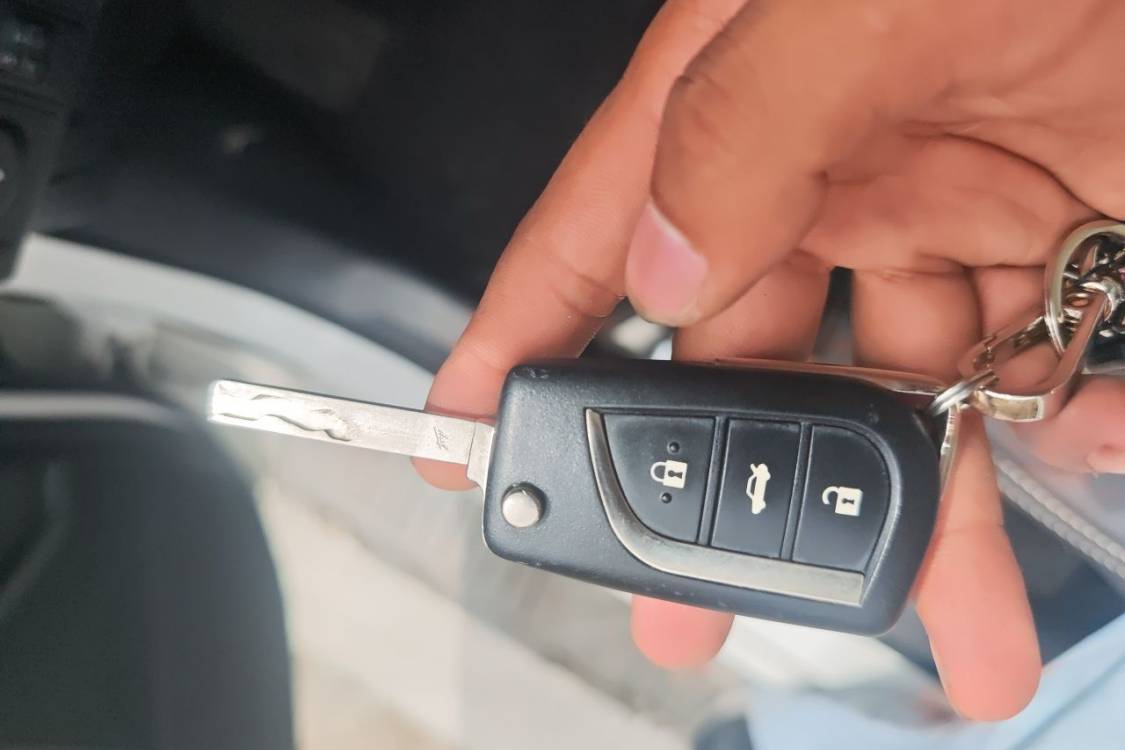
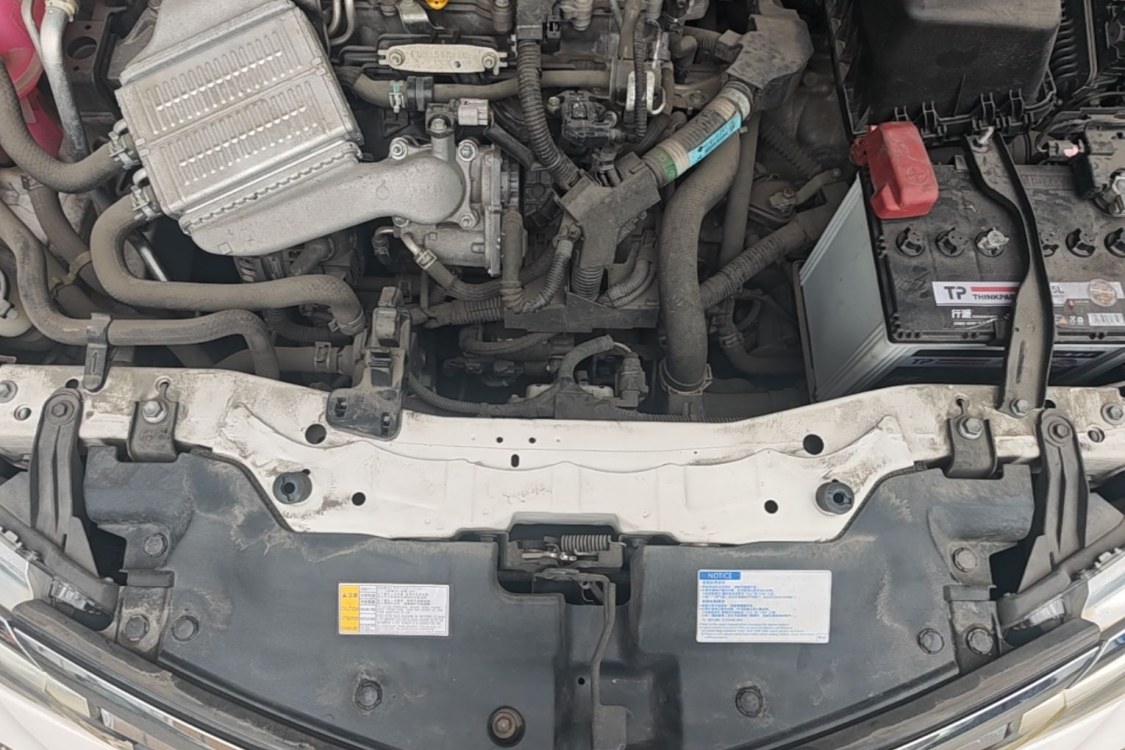
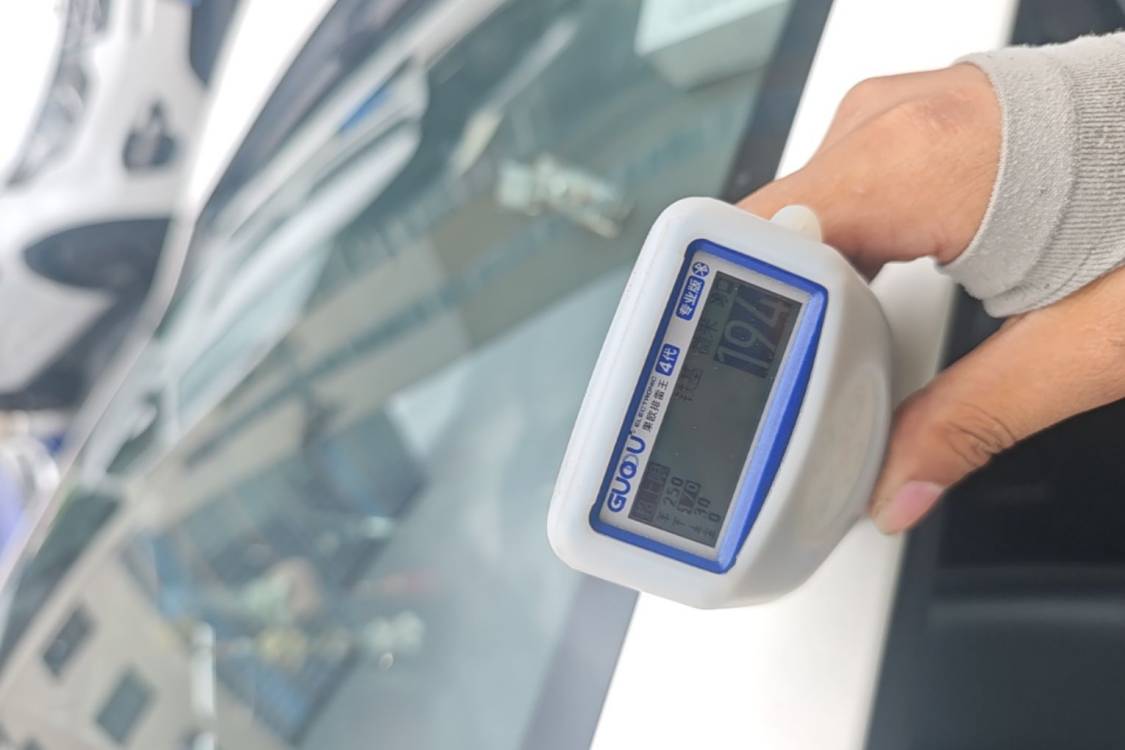
Accident inspection: main structure damaged, reinforcing parts damaged, covering parts damaged, hinges normal. Engine bay: key mechanical components normal. Exterior: 10 repainted areas. Interior: right front door trim panel damaged, right rear door trim panel damaged; most features normal, airbags normal, lighting system normal. Startup inspection: main components normal. Tool kit: missing.

电话直连
可讲价
平台物流
可转售
零过户
新检测标准升级>
非泡水

Document Information

Inspection Expiry Date2028/04
Warranty Expiry Date-
Insurance Expiry Date2027/04

Q&A

More

For PHEV plug-in hybrid models, are you responsible if overseas technicians do not follow the dedicated hybrid mode for exhaust during oil changes, leading to engine overheating?

This is a typical case of "secondary damage caused by unprofessional rescue." Many hybrid vehicles require access to "maintenance mode" via engineering computers to allow the water pump to run at full speed for exhaust. We do not bear any moral or financial responsibility for cylinder damage caused by local technicians' misoperation.
How can I check a used car's history in China before buying—accident records, mileage, and ownership?

China's vehicle data is less centralized than in the US or Europe, but you can still verify a lot: 1. Ask the exporter for the VIN and order a third-party history report from Chinese services; they aggregate insurance claims and repair records. 2. Cross-check the registration date on the title with the odometer—a 3-year-old car showing 30,000 km but registered as a ride-hailing vehicle is a red flag. 3. Request maintenance records from the brand's dealer network; digital records are increasingly common. 4. Verify the seller legally owns the car: the registration certificate name should match the exporter's business license. Gaps are common, so treat the history report as one input, not proof. Combine it with an independent pre-purchase inspection, and hold back part of the payment until the inspection passes.

When checking the history records, can you distinguish whether the vehicle was involved in a "single-vehicle accident (like hitting a wall)" or a "multi-vehicle rear-end collision"?

If insurance claims records are accessed, there will usually be notes like "the insured vehicle is fully responsible for hitting a fixed object" or "third-party liability insurance payment." We can roughly reconstruct the accident scene based on this and cross-verify the stress points on the vehicle's frame with paint thickness gauge data.