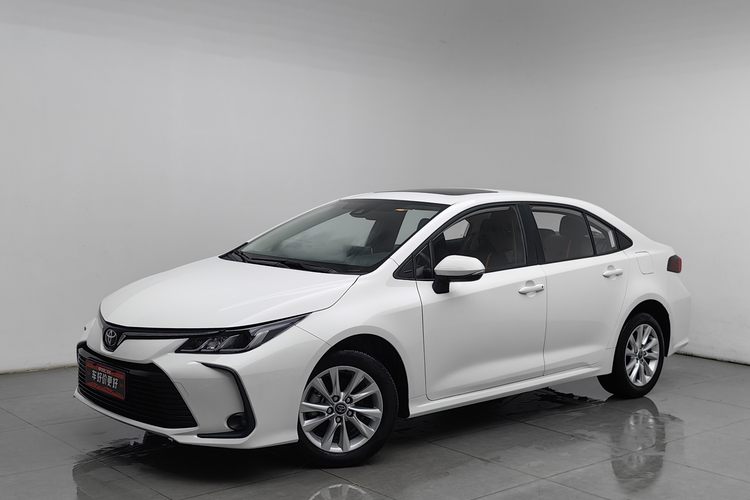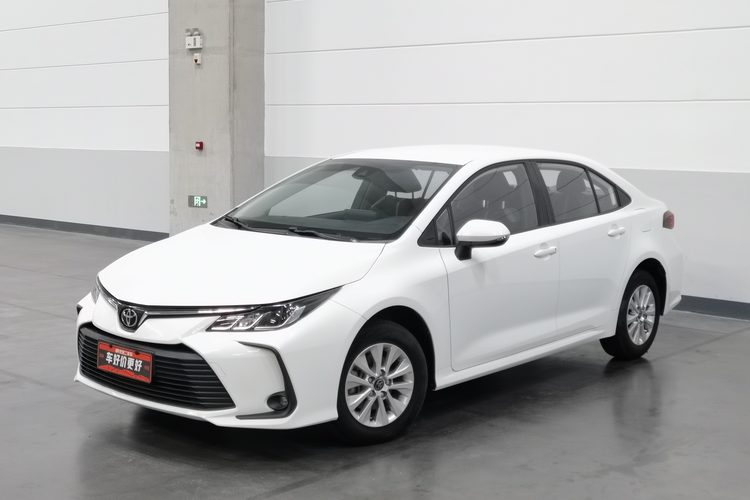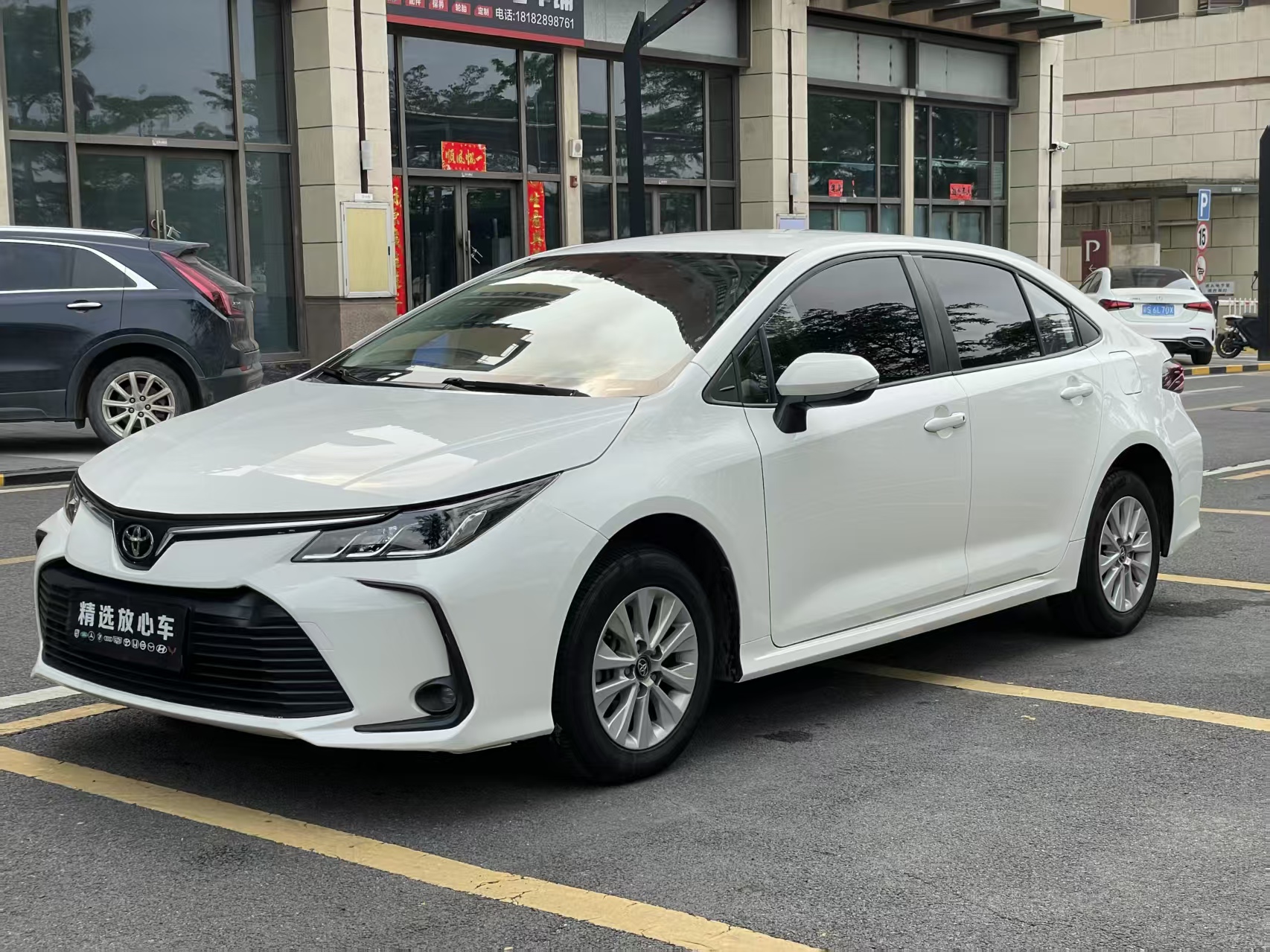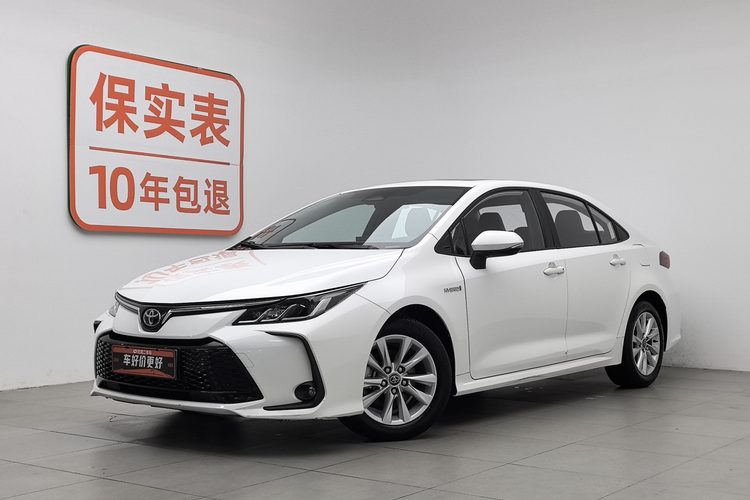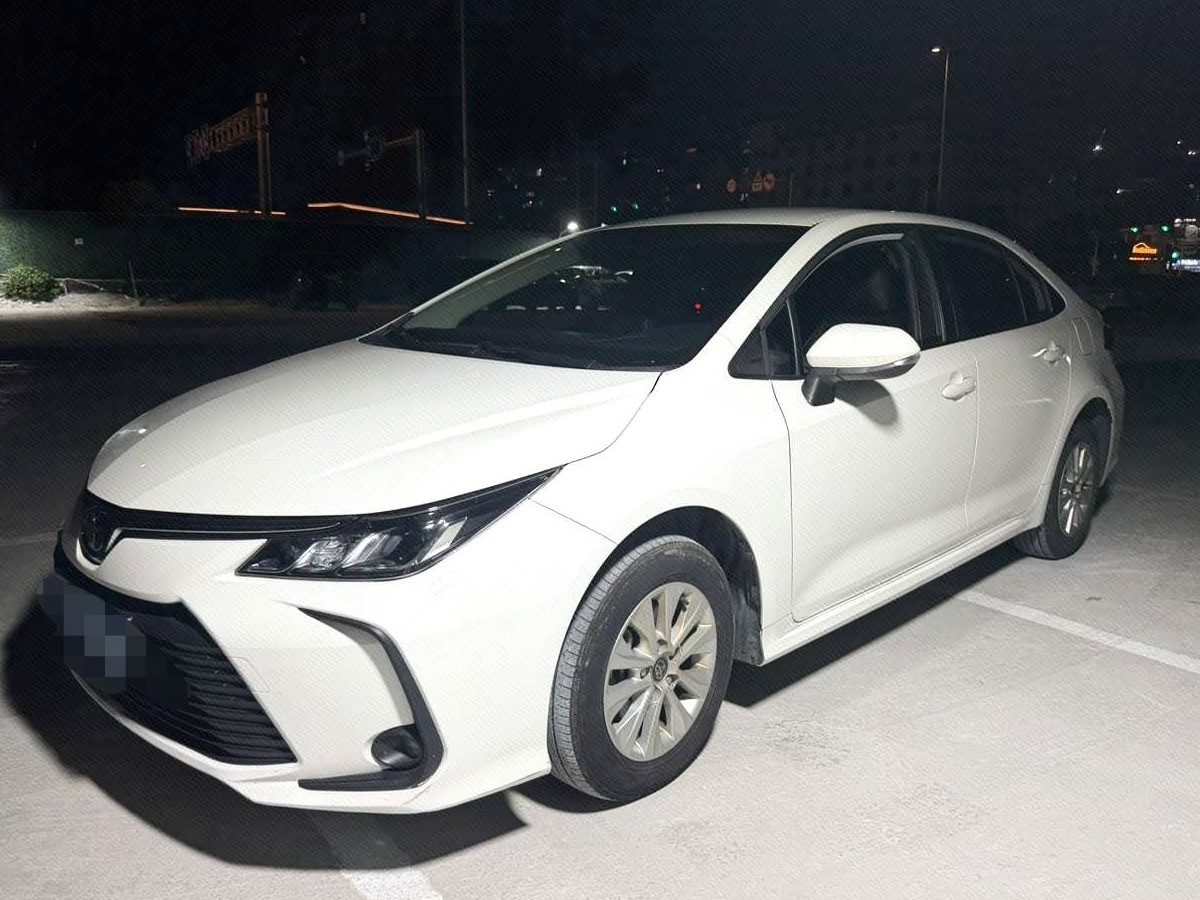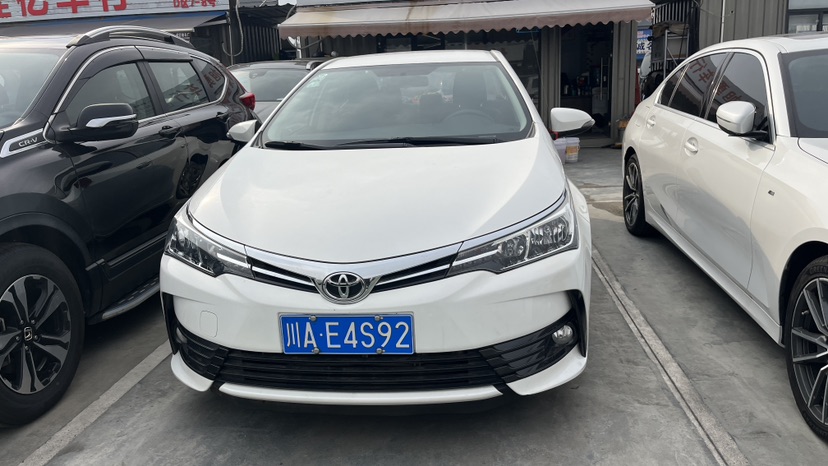
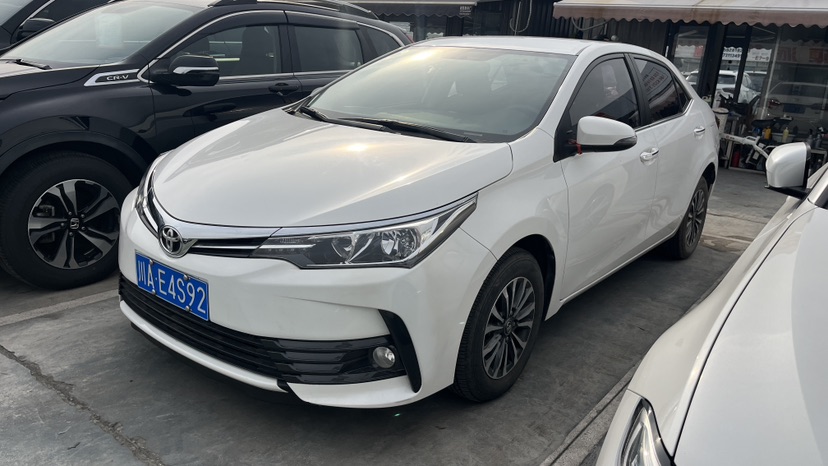
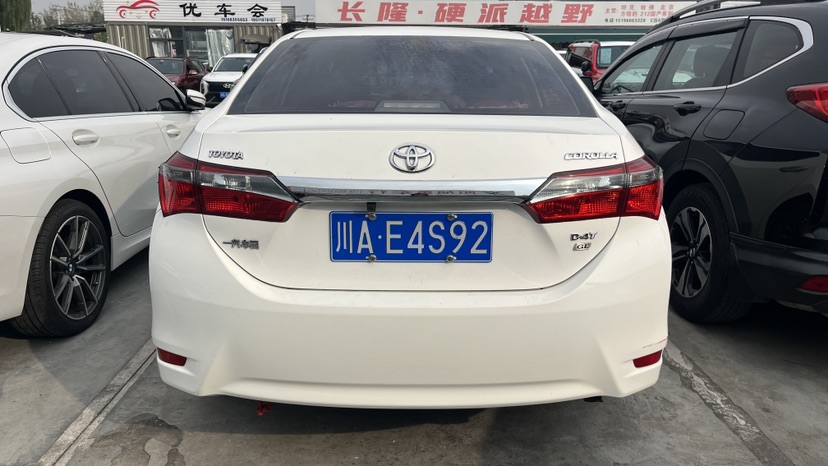



Basic Information

BrandToyota
SeriesCorolla
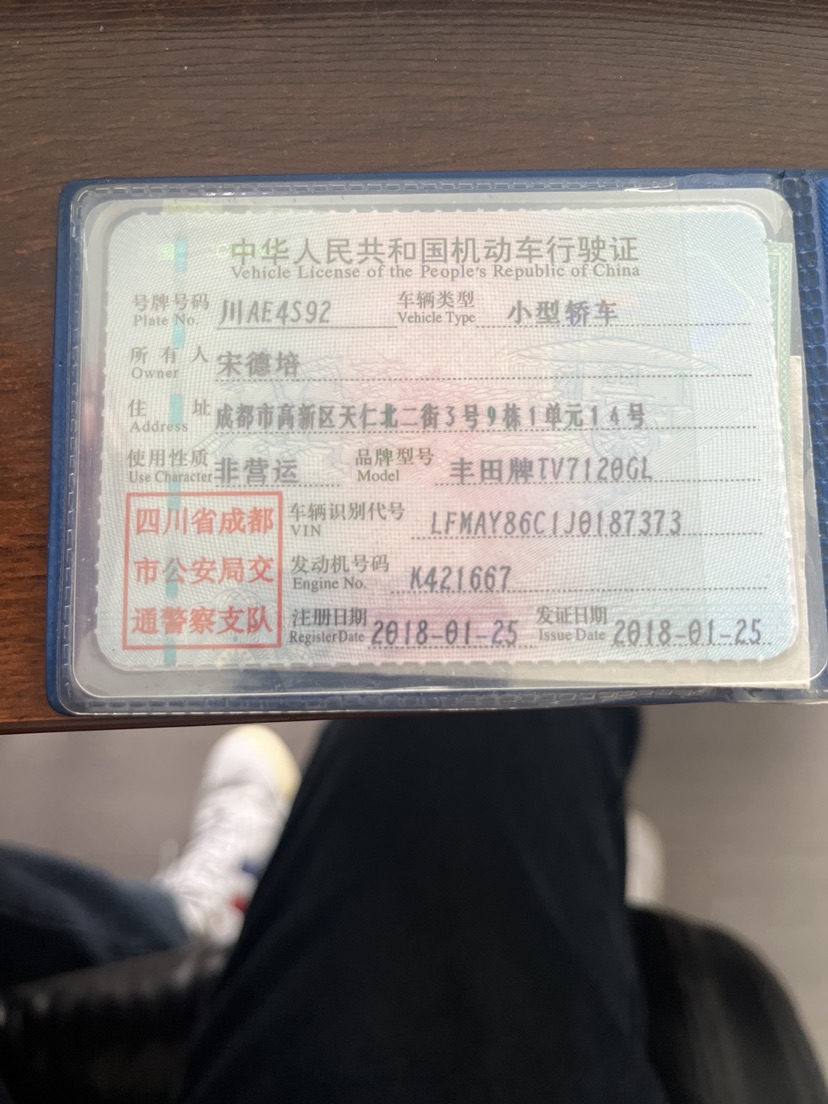
Year2018
First Registration2018/01
Mileage20,000km
Transfer Count1times
FuelGasoline
TransmissionCVT
Engine1.2T 116 L4
ColorWhite
Seats-

Condition Description

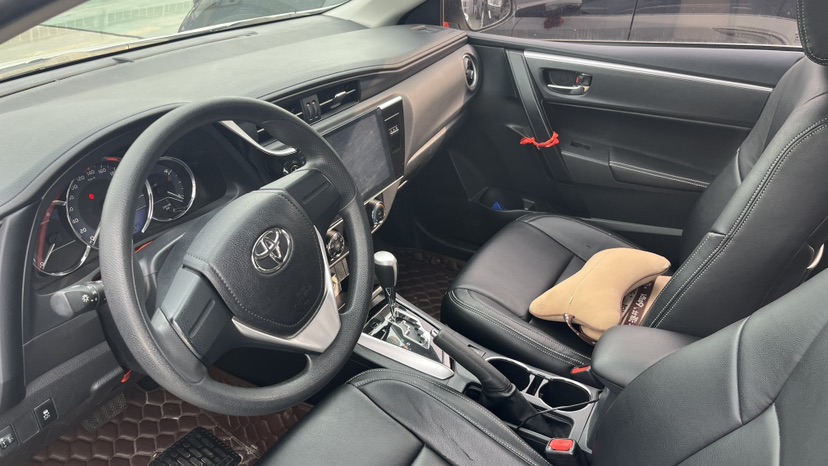
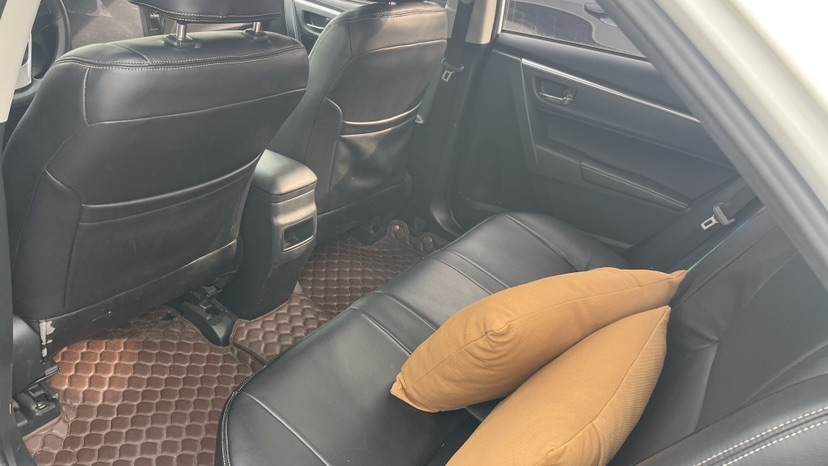
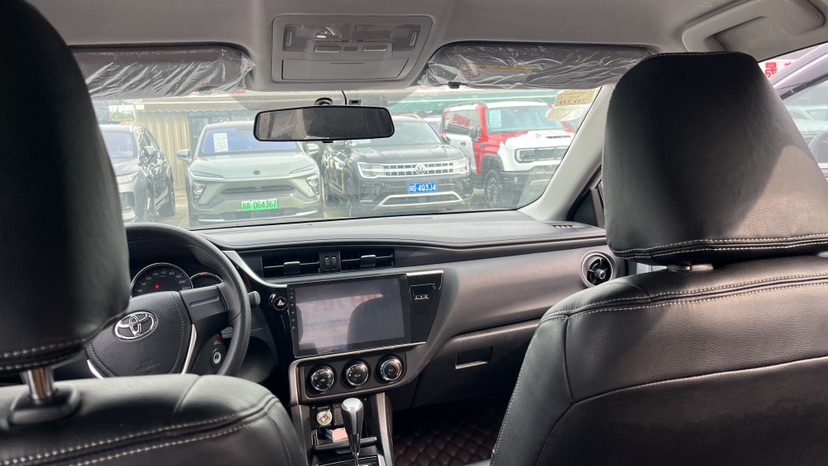
Original owner, original paint, actual mileage 20,000 km, four original tires, dual insurance with collision coverage.

燃油车
轿车
自动
维保开放
事故开放
查验开放

Configuration Highlights

✓品牌: 丰田
✓车系: 卡罗拉
✓车型: 2017款 改款 1.2T S-CVT GL
✓车身类型: 轿车
✓座位数: 5
✓排量: 1.2T
✓变速箱: 自动
✓能源类型: 燃油车
✓VIN: LFMAY86C1J0187373
✓搜索关键词: 丰田卡罗拉 2017款卡罗拉1.2TS-CVTGL

Document Information

Inspection Expiry Date2027/01
Warranty Expiry Date-
Insurance Expiry Date2027/01

Q&A

More

What can a pre-purchase OBD diagnostic scan actually reveal about a used Chinese car?

An OBD scan is one of the most cost-effective tools in a remote pre-purchase inspection, but you need to know what it can and cannot tell you. What it reveals well: current and stored fault codes across the engine, transmission, ABS, airbag, and body modules. A car with dozens of cleared codes in multiple modules may have electrical problems or a history of tampering. It also shows readiness monitors — if all monitors show 「not ready」 on a car that claims to be freshly serviced, the codes were probably cleared recently to hide something. What it reveals with the right software: live data. You can watch engine idle stability, coolant temperature under load, transmission shift behavior, and battery cell voltages on EVs. Abnormal fuel trims or misfire counters can flag worn injectors or coils before any warning light appears. What it cannot do: prove real mileage (odometers can be corrected digitally), detect physical accident repairs, or judge paint and rust. Practical advice: ask your inspector for a full-system scan report with screenshots, not just a 「no codes」 verbal summary. For Chinese brands, make sure the tool supports their protocols — mainstream scanners cover BYD, Geely, and Chery well, but some small brands need brand-specific software.


What documents should I prepare to import a used car from China?

Typically you will need: 1. The commercial invoice and packing list from the seller; 2. The bill of lading issued by the shipping line; 3. The vehicle's export customs declaration; 4. The original registration certificate and a deregistration or transfer proof from China; 5. A certificate of origin if your country requires it; 6. Destination-specific documents, such as a pre-shipment inspection certificate (for example ECTN for West African ports). Requirements vary by country, so confirm the full list with your customs broker before shipment.

What charging adapters or equipment will I need to charge a used Chinese EV in my country?

Chinese EVs ship with GB/T charging ports, which are not used in Europe (Type 2/CCS2), North America (J1772/CCS1/NACS), or most of Latin America. Plan for these extras: 1. GB/T to local standard adapter or converter box: this lets you charge at public stations. A simple passive adapter works for AC charging; DC fast charging needs an active converter, which is expensive — many owners skip it and rely on AC. 2. Portable charger swap: the included travel charger has a GB/T plug. Buy a local wallbox or a portable EVSE with your country's plug instead. 3. Home electrical check: confirm your home circuit can handle 7–11 kW, and have an electrician install a dedicated line if needed. Ask the exporter for the car's charging port photos and on-board charger capacity before buying. Budget roughly a few hundred dollars for adapters and a wallbox. Without planning, you may end up with a car that can only trickle-charge from a wall socket.