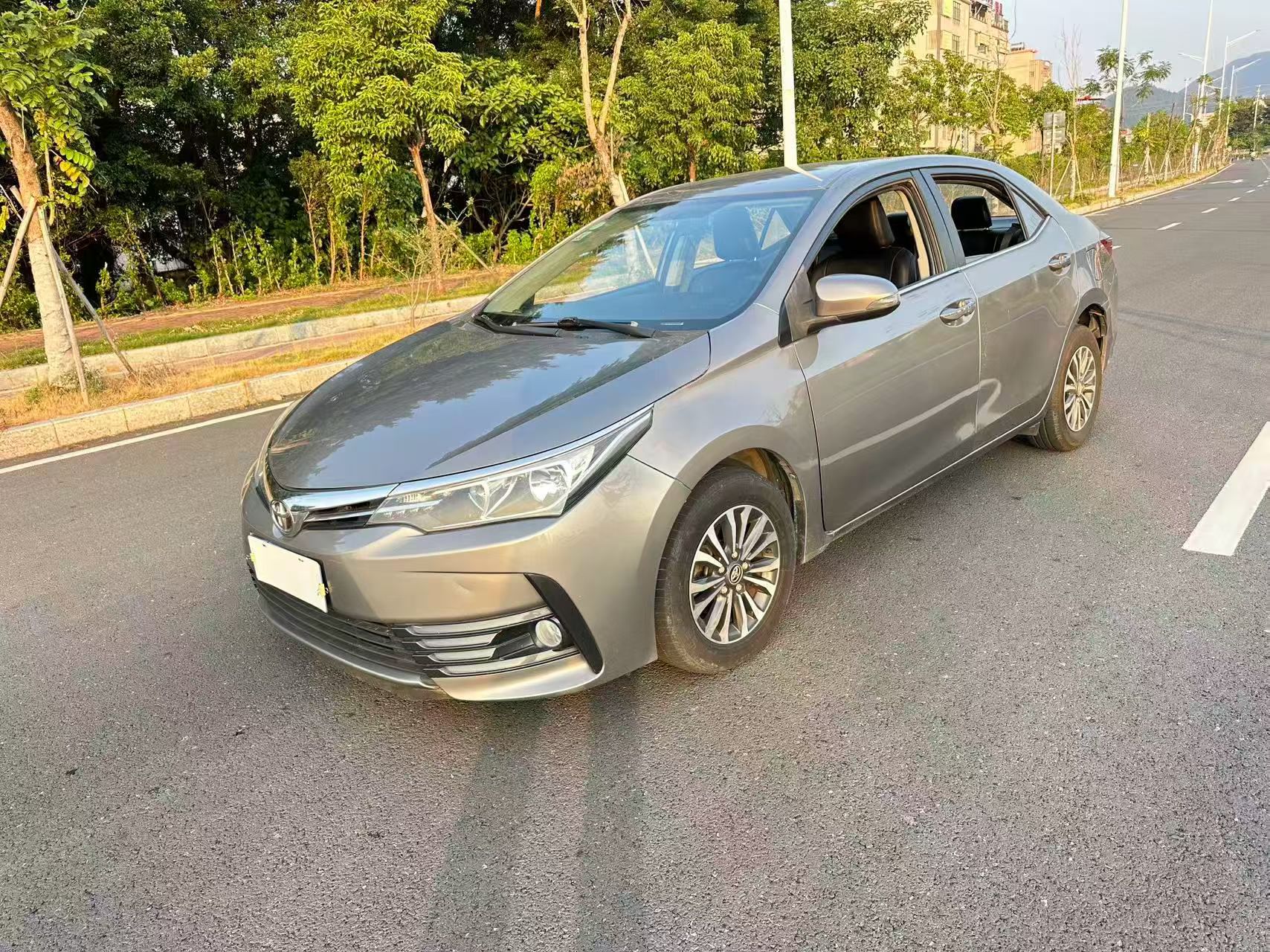
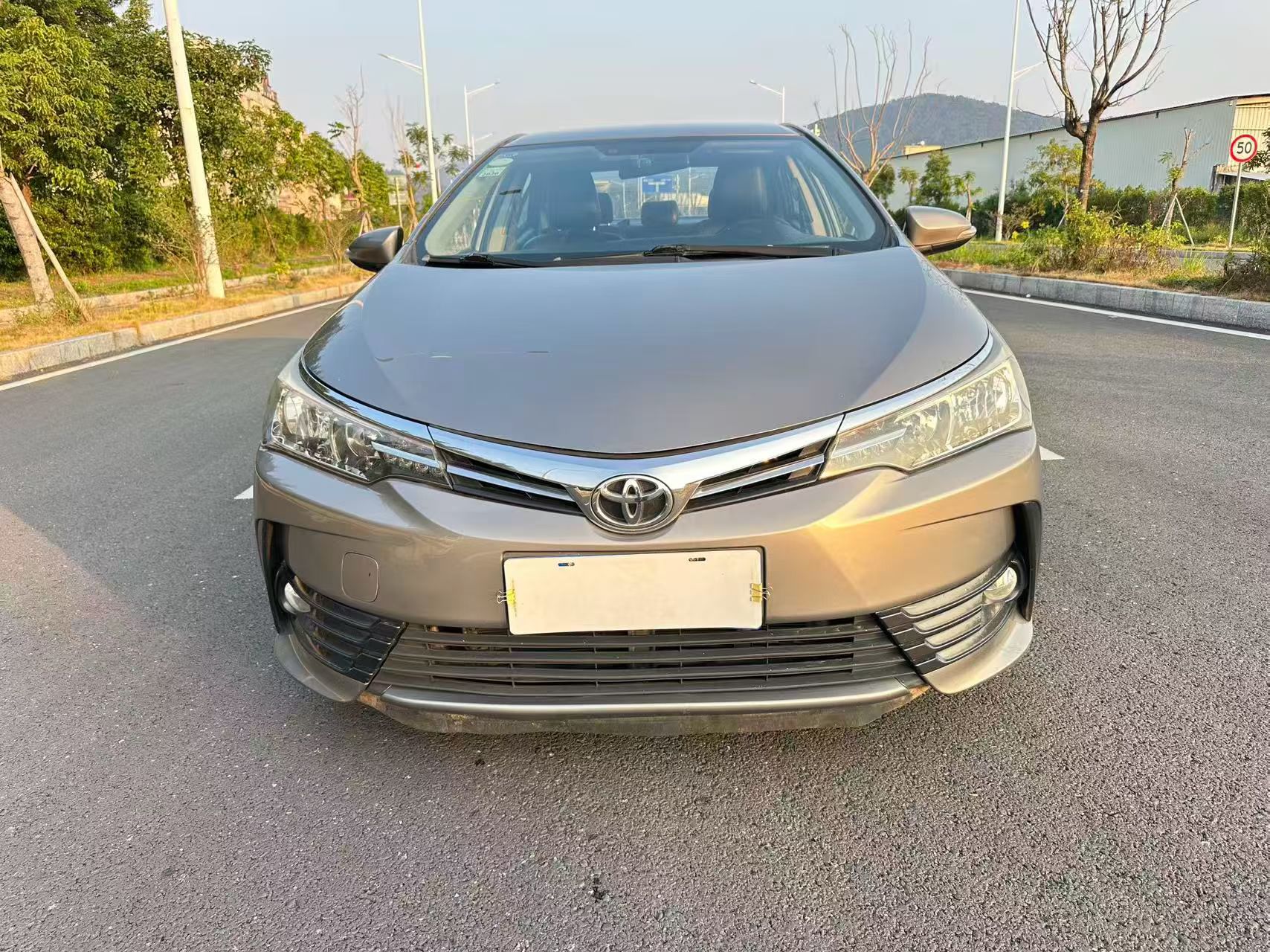
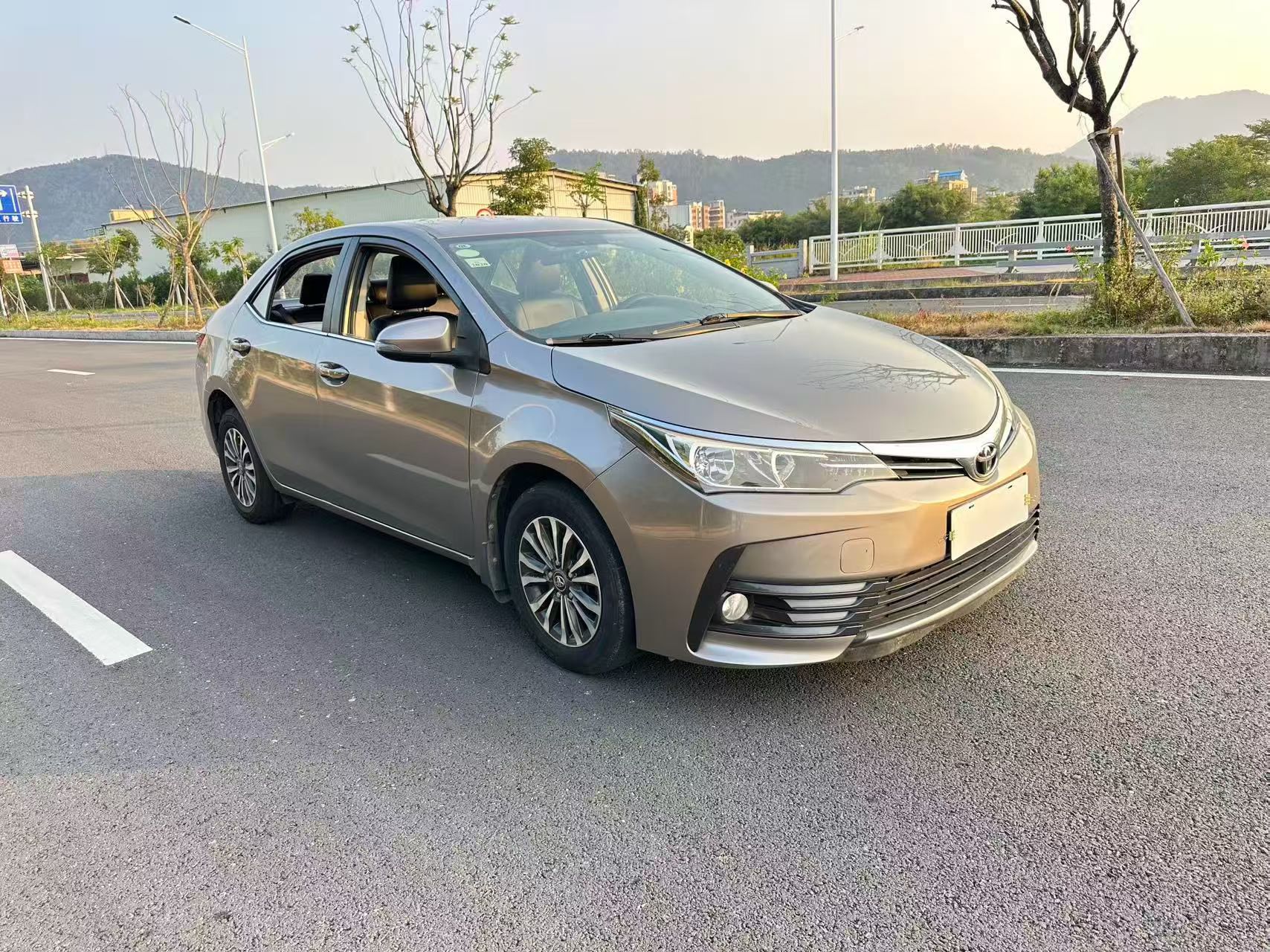
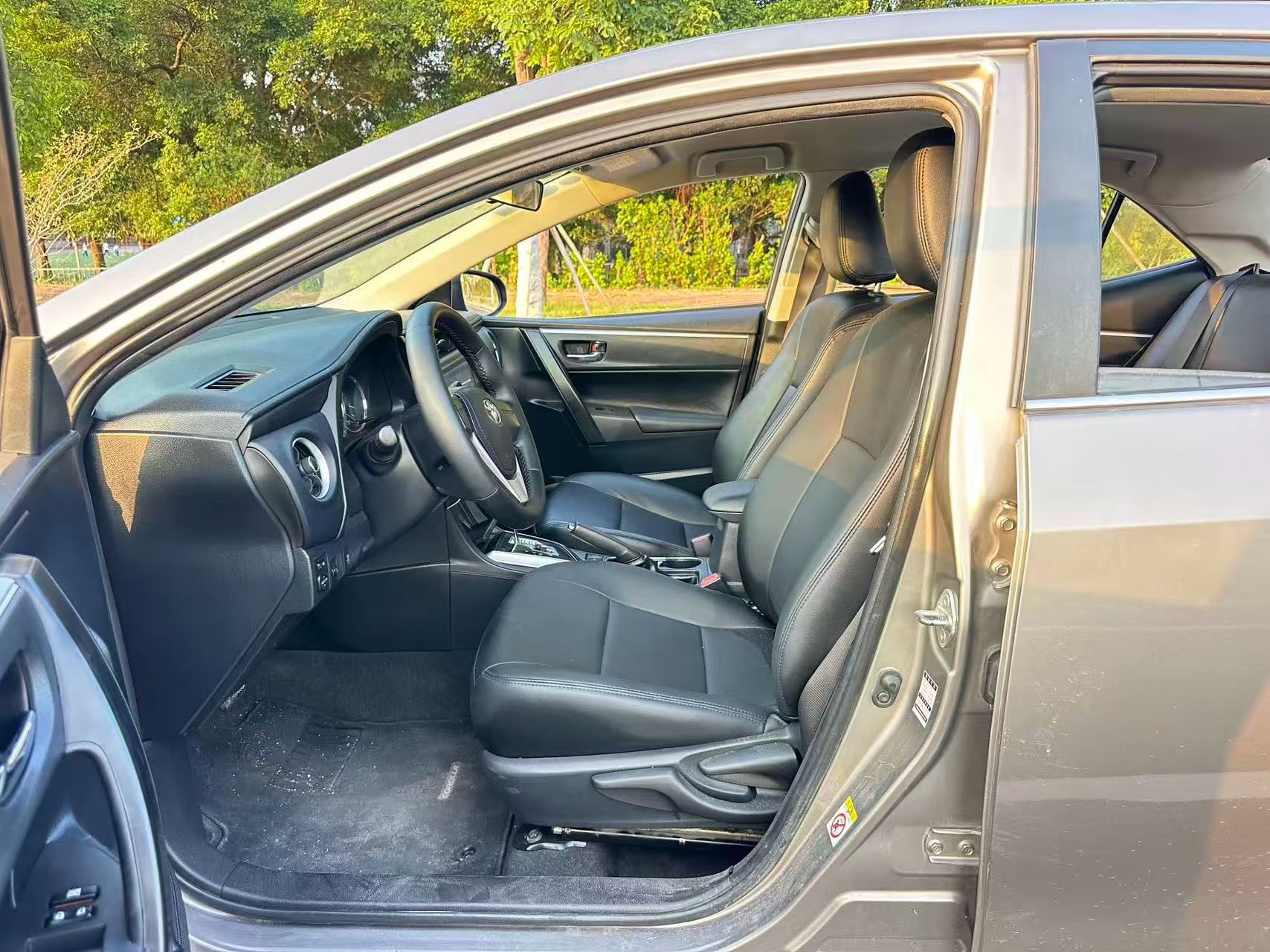
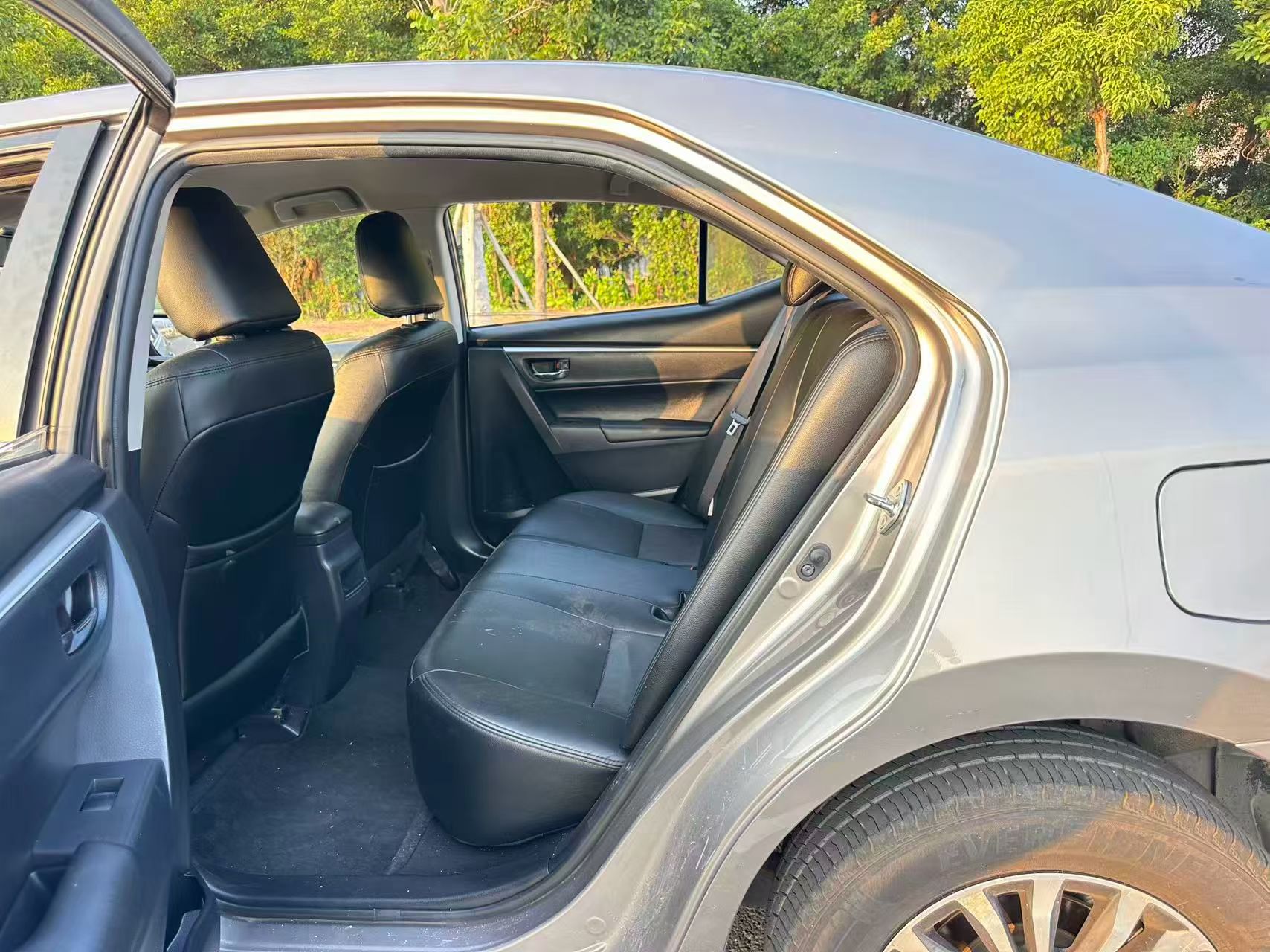
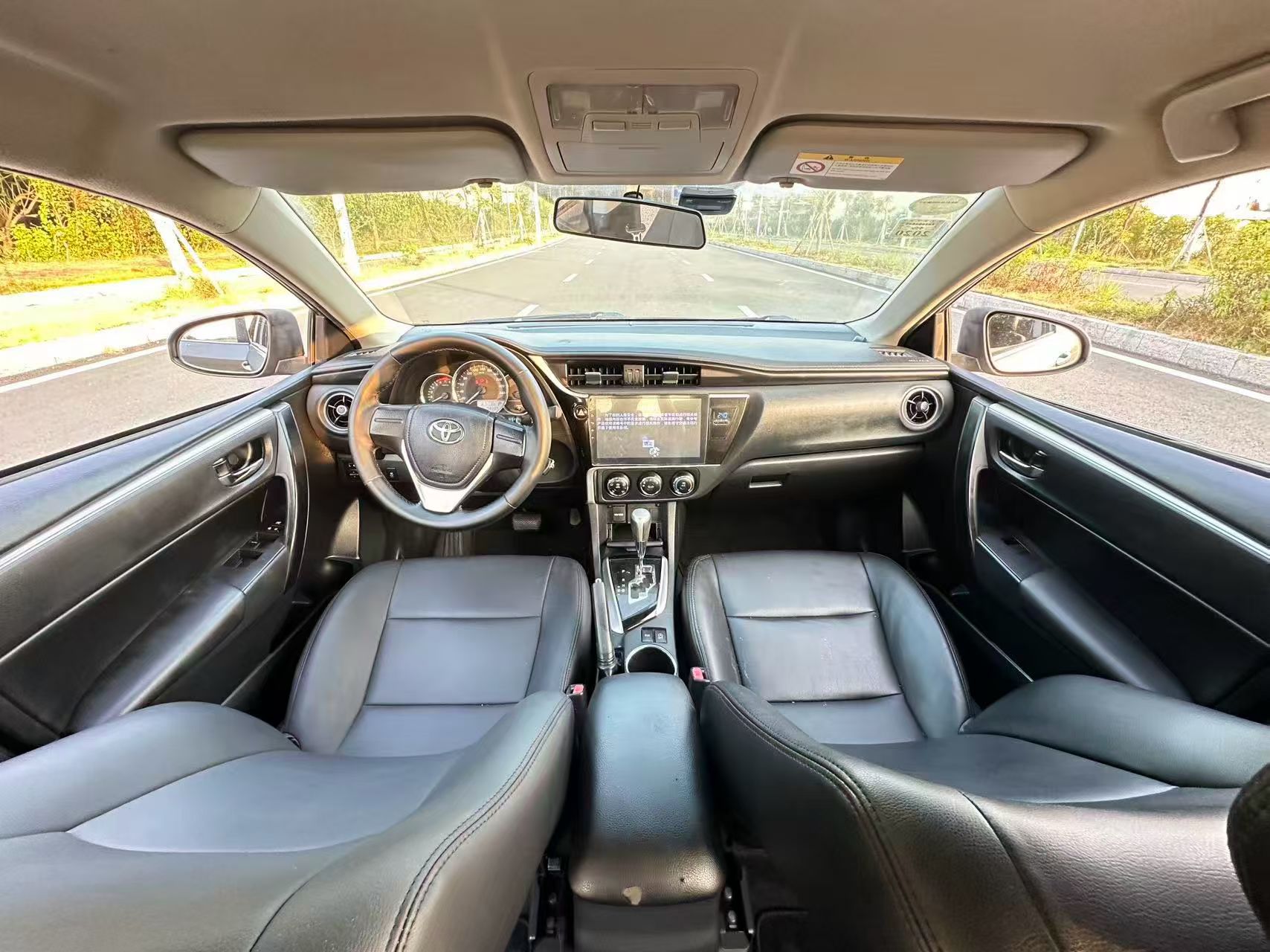
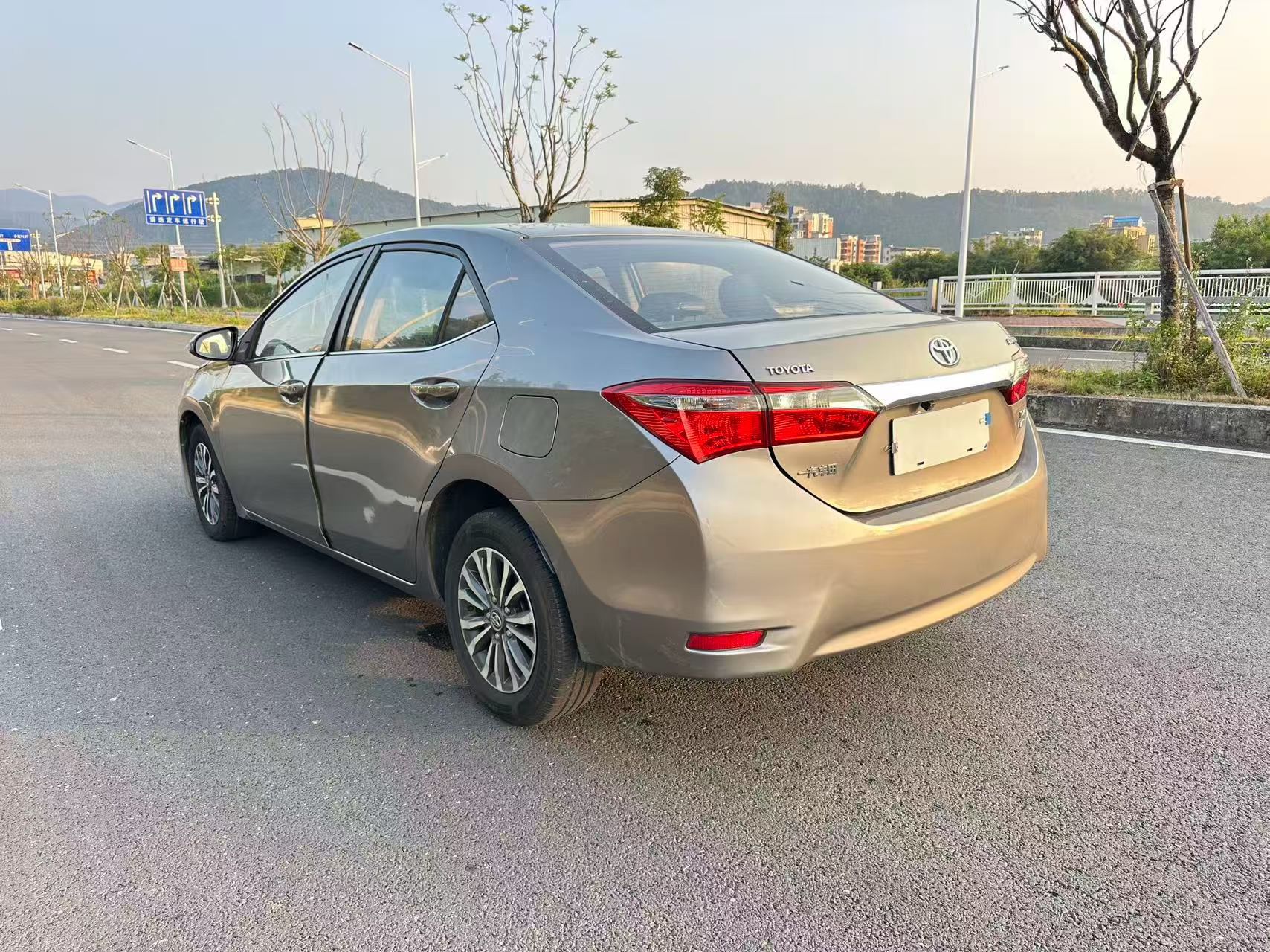
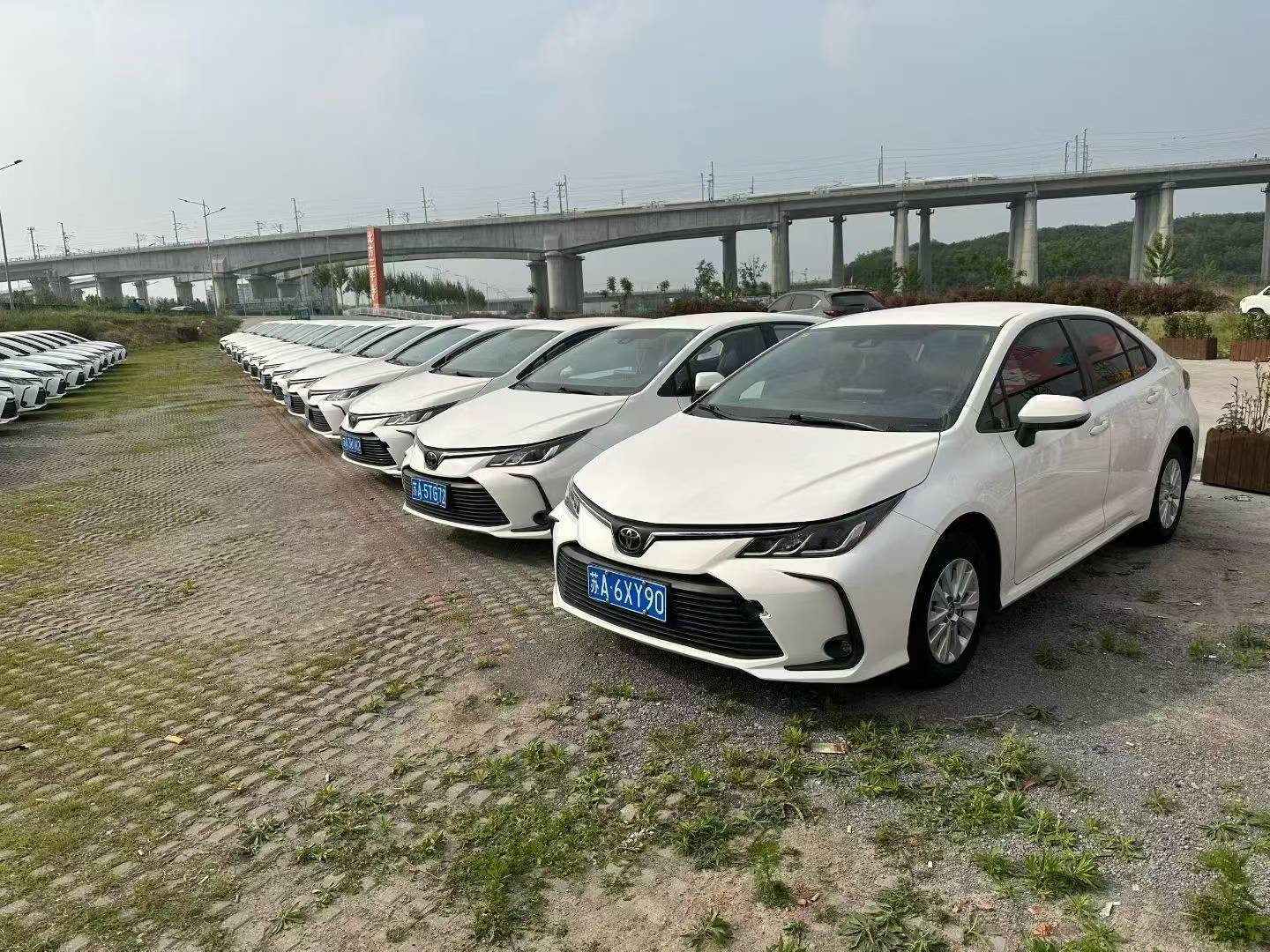
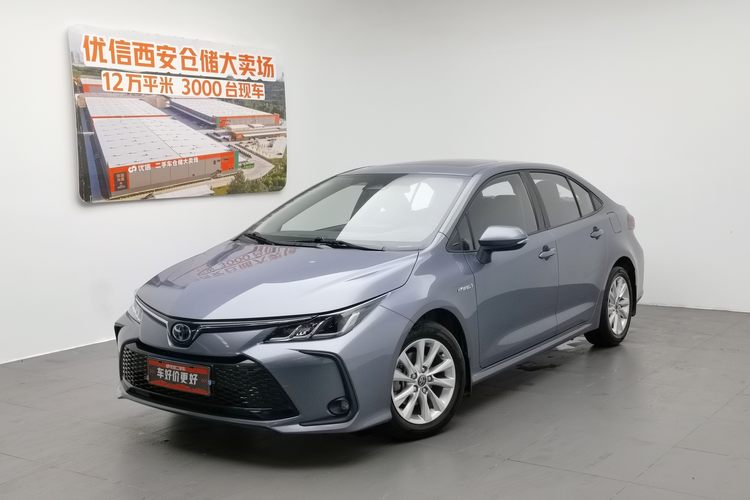
Basic Information

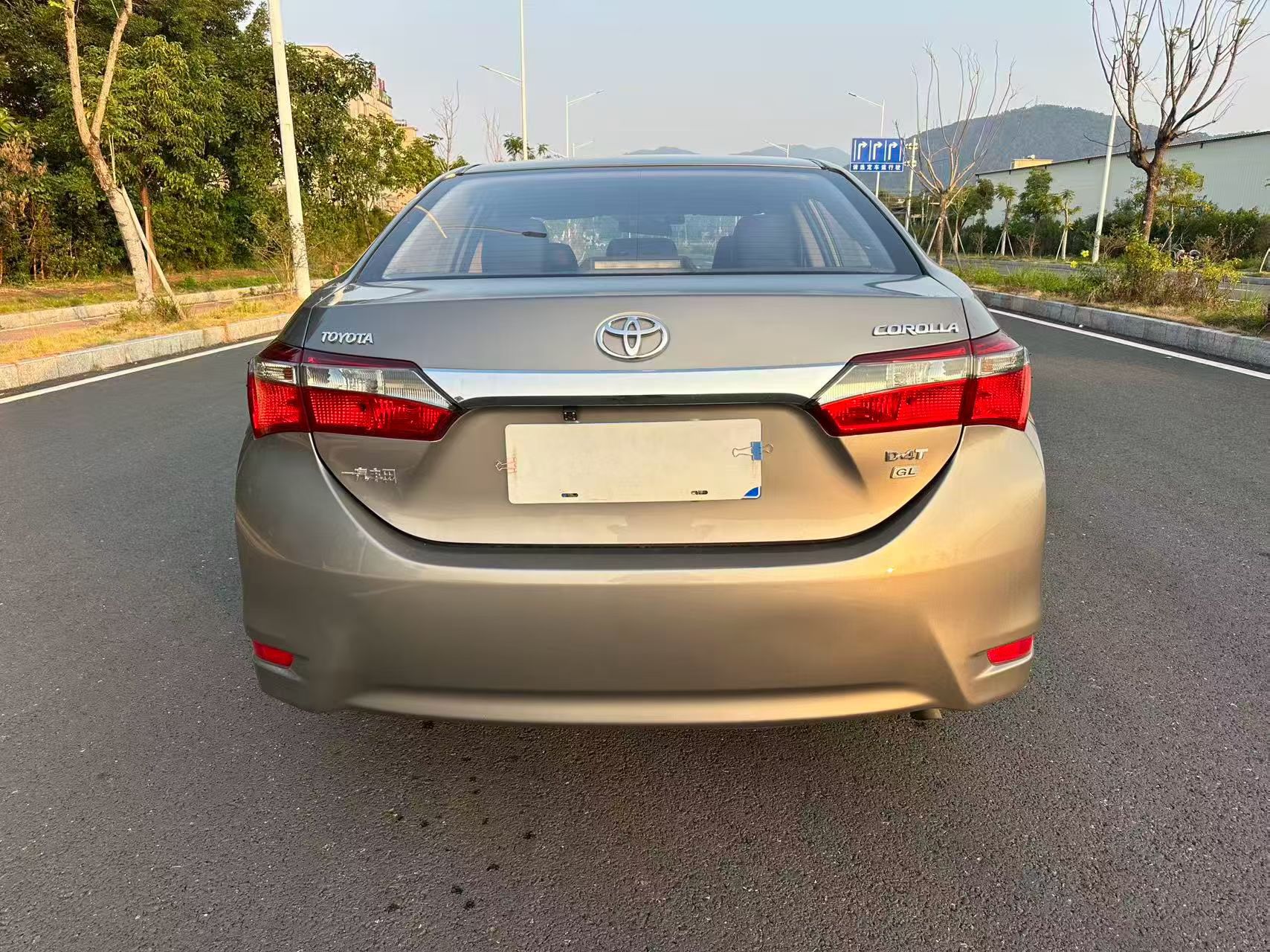
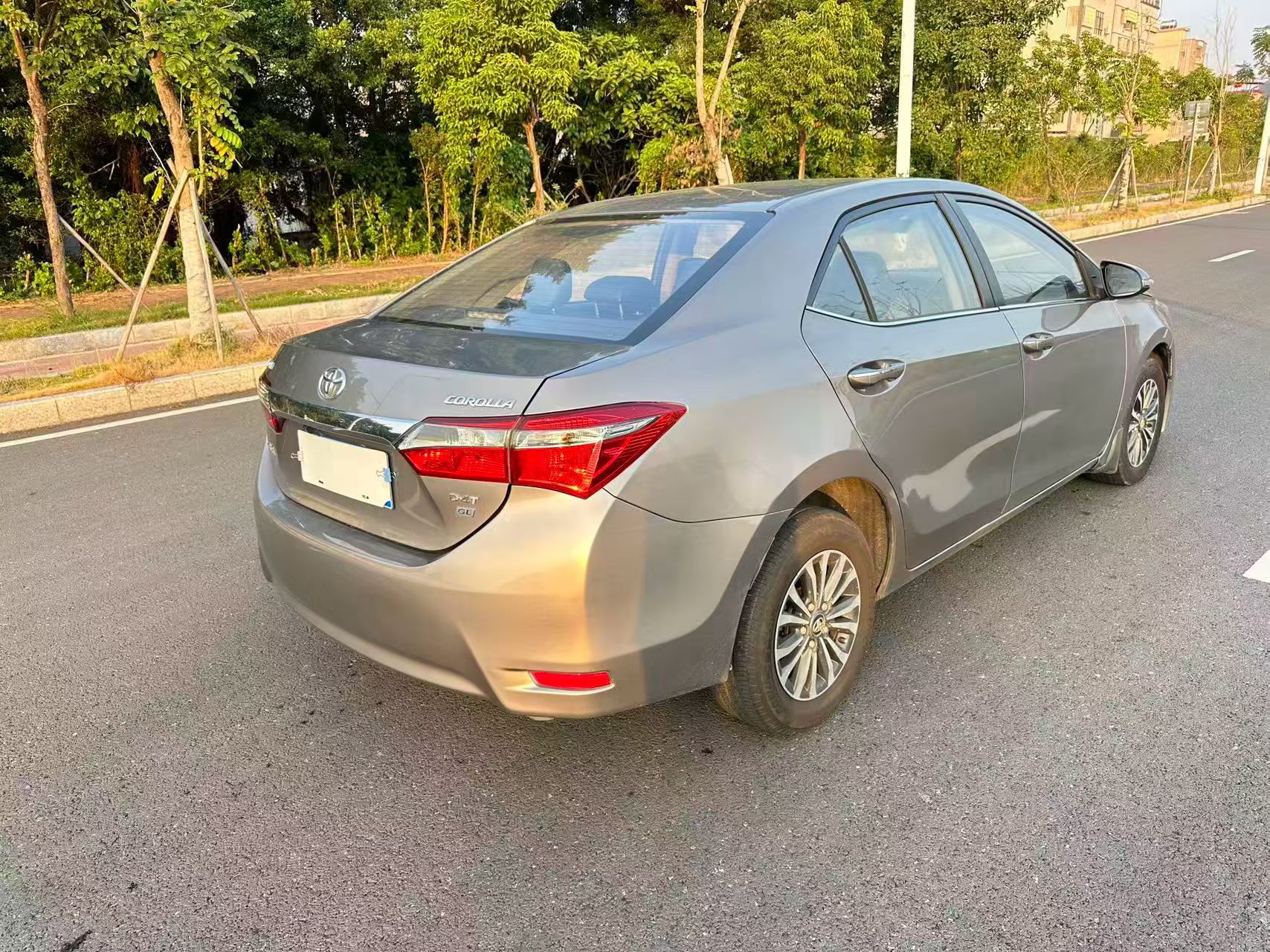
BrandToyota
SeriesCorolla
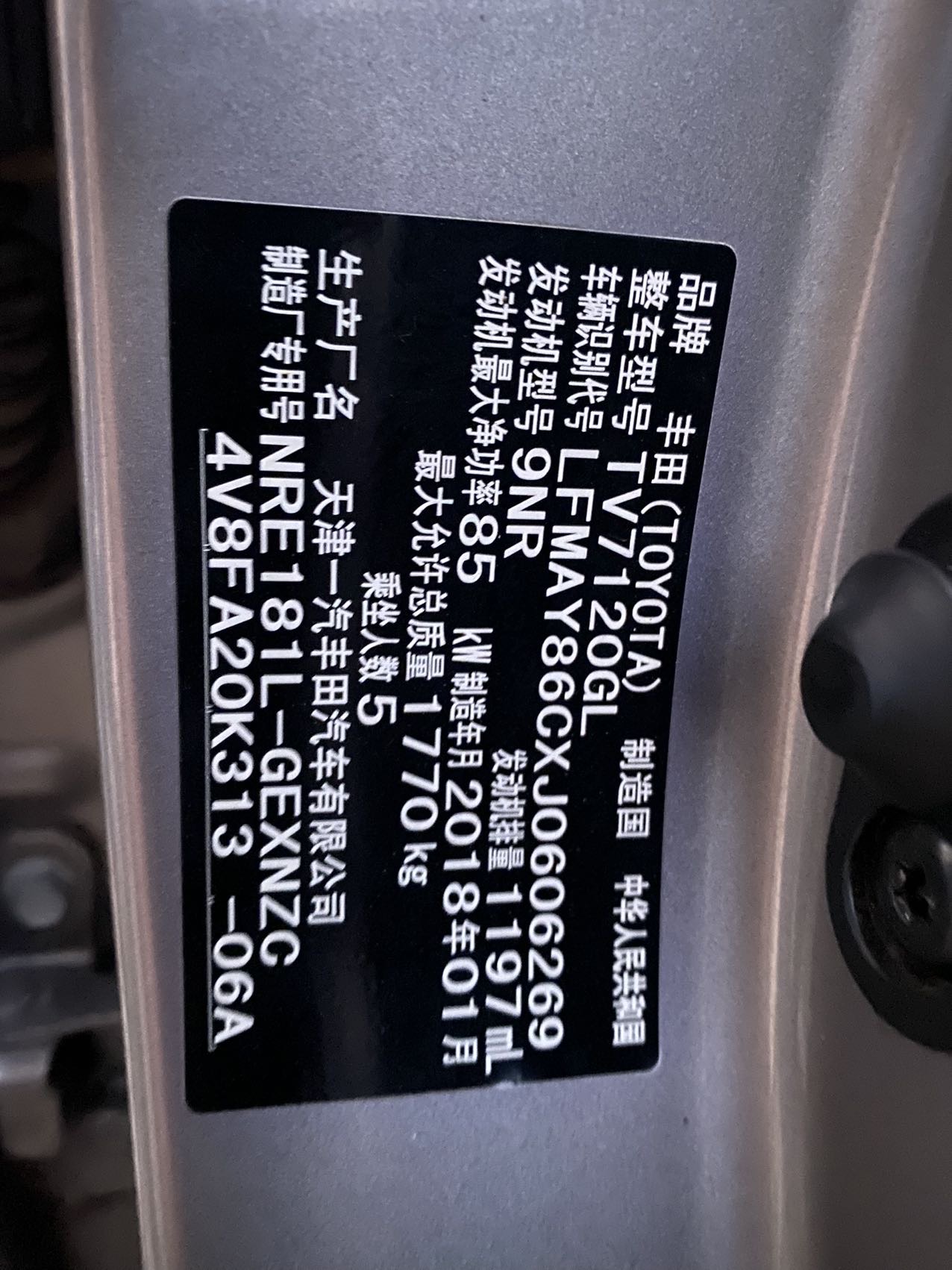
Year2018
First Registration2018/05
Mileage108,000km
Transfer Count0times
FuelGasoline
TransmissionCVT
Engine1.2T 116 L4
ColorYellow
Seats-

Condition Description

Average condition

可议价
已上架
Wholesale

Configuration Highlights

✓品牌: 丰田
✓车系: 卡罗拉
✓车型: 丰田 卡罗拉 2017款 1.2T CVT GL 改款 国V
✓能源类型: 燃油车
✓发动机: 1.2T
✓变速箱: CVT
✓驱动方式: 前轮驱动
✓排放标准: 国V
✓指导价: 11.78万
✓车源编号: 12805633
✓VIN: LFMA*******6O6269

Document Information

Inspection Expiry Date2026/12
Warranty Expiry Date-
Insurance Expiry Date2028/05

Q&A

More

How to ensure that the declared value on the export license matches the commercial invoice exactly to avoid allegations of underreporting for tax evasion?

Our legal red line is that the amounts on the China Customs declaration, export license, commercial invoice, and bank receipt must be consistent across all four documents. We firmly refuse to engage in the illegal act of issuing "false low-value invoices" to assist buyers in evading customs duties in the destination country.

If a car frequently transfers between extremely cold areas (like Northeast China) and extremely hot areas (like Hainan), would you provide special risk warnings?

Absolutely. The extreme temperature fluctuations will significantly accelerate the aging of chassis rubber parts, oil seals, and interior plastics. For vehicles frequently dispatched across such latitudes, we will conduct fatigue resistance checks on chassis rubber parts that are twice as stringent as those for vehicles in temperate regions.

How can I find out if a used Chinese car has flood or water damage history?

Flood cars are common after heavy rain seasons, and the damage often shows up months later in the wiring and electronics. Here is how to check before you buy. First, ask for the insurance claim history using the VIN. Flood claims are usually recorded, and any mention of water damage, interior drying, or electrical repair should stop the deal. Second, inspect the interior yourself or via video call. Pull up the carpet edges and look for mud residue, water marks, or rust on seat rails and seatbelt buckles. Seatbelts that retract slowly or have a musty smell were often submerged. Third, check hidden cavities: the spare tire well, glove box, and under the trunk lining. Silt or a tide line there is a strong flood indicator. Fourth, look for condensation behind the instrument cluster and inside the headlights. Persistent fog in the lamps is a classic sign of water immersion. Finally, an OBD scan can help: flood cars often store scattered error codes across unrelated modules (airbag, ABS, body control) because corroded connectors corrupt the network. If several of these signs appear together, walk away. Flood damage is almost never worth repairing, and it will haunt the car's electronics for its whole life.