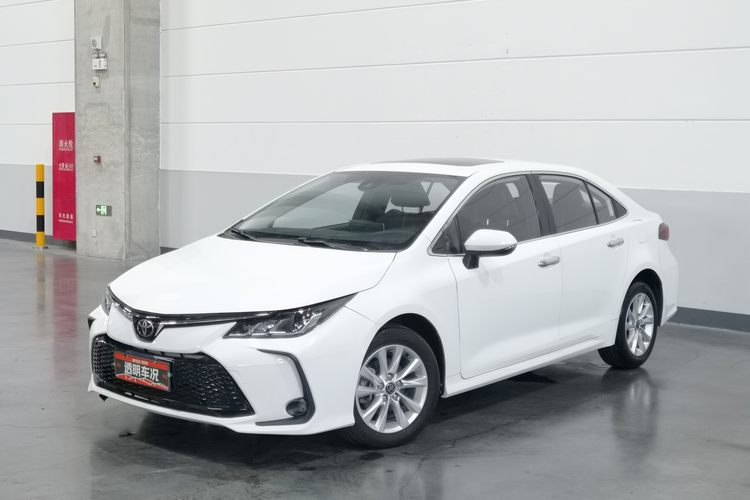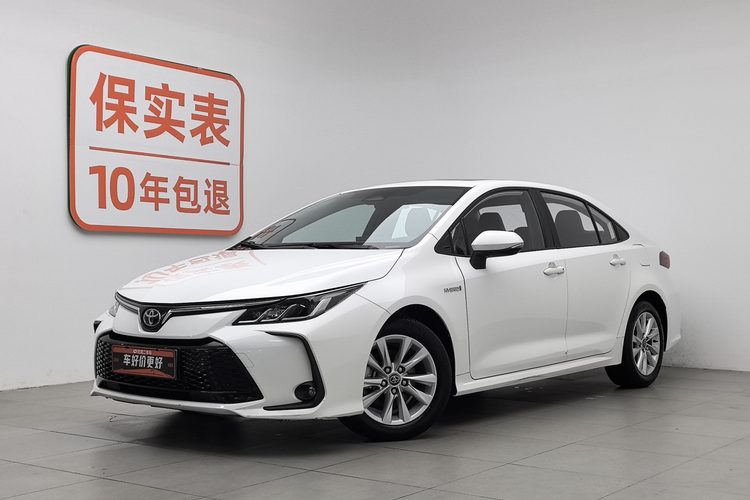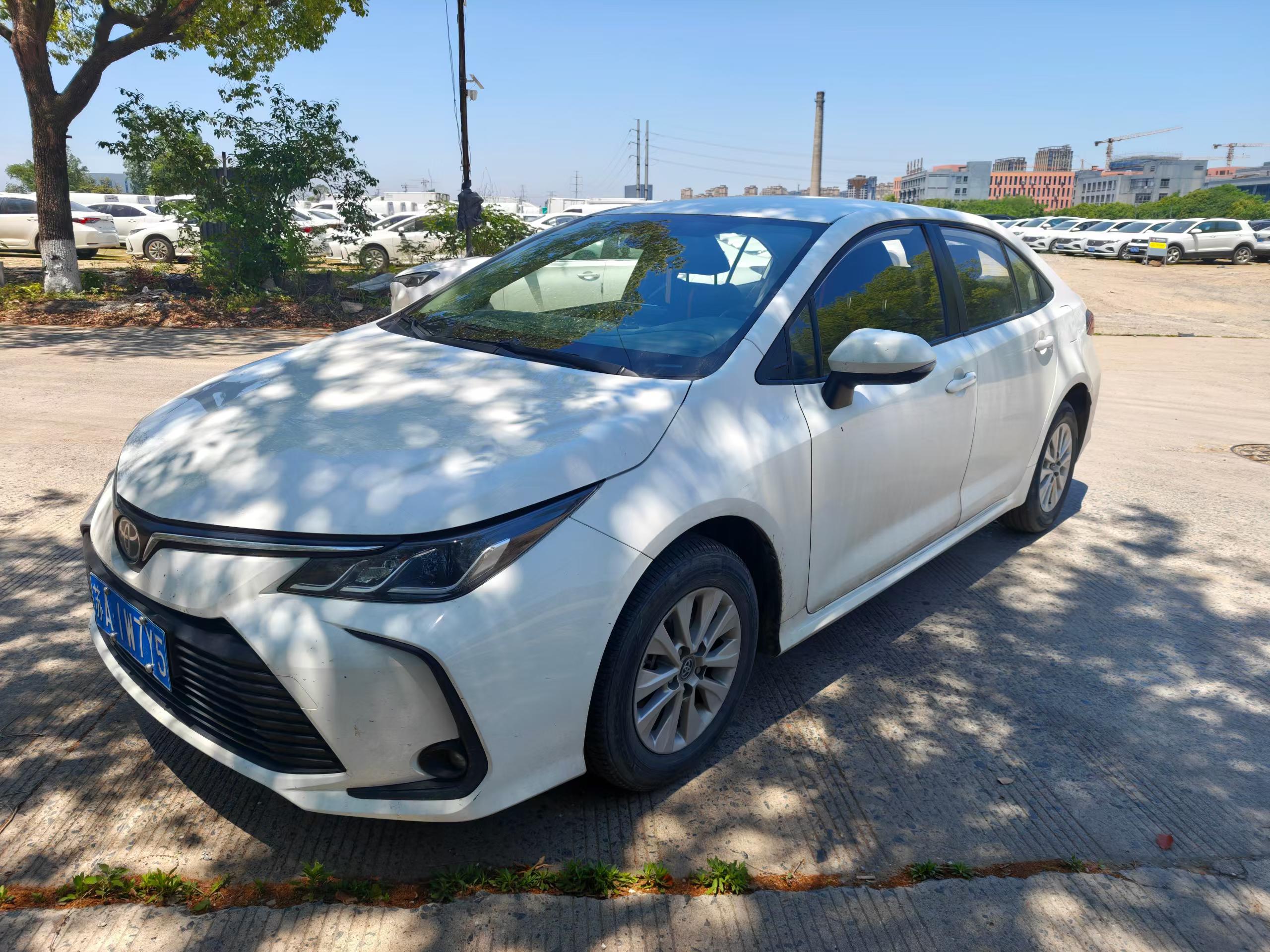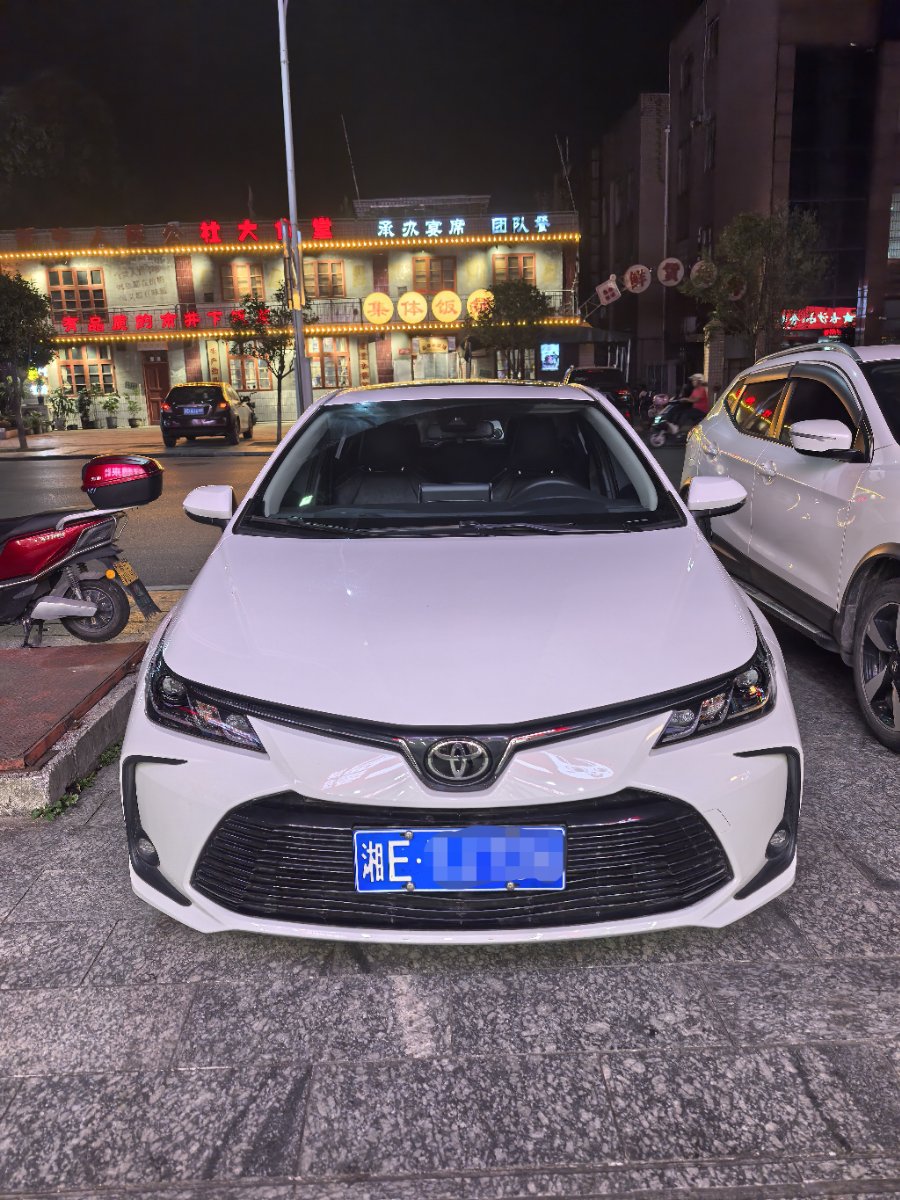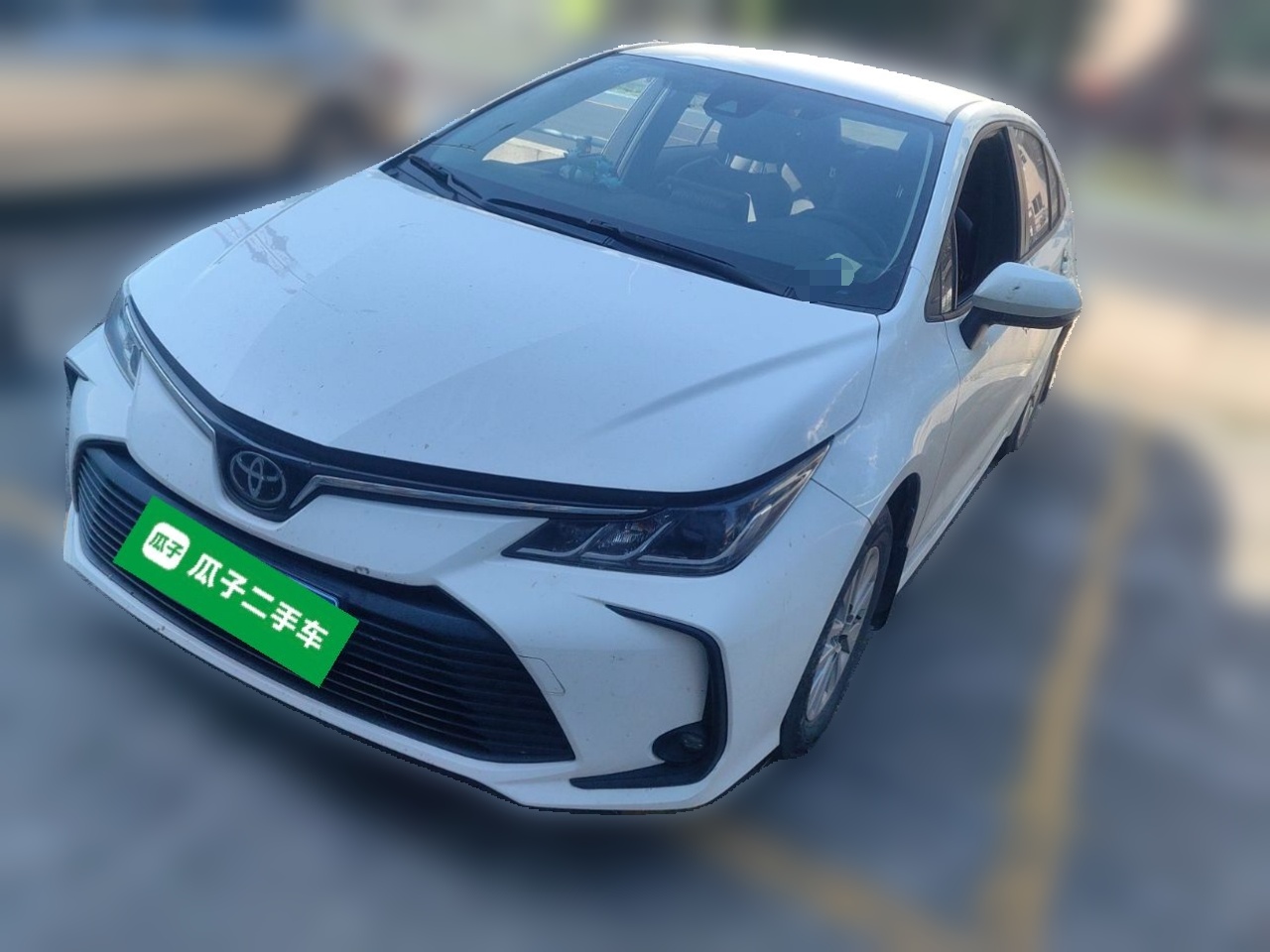
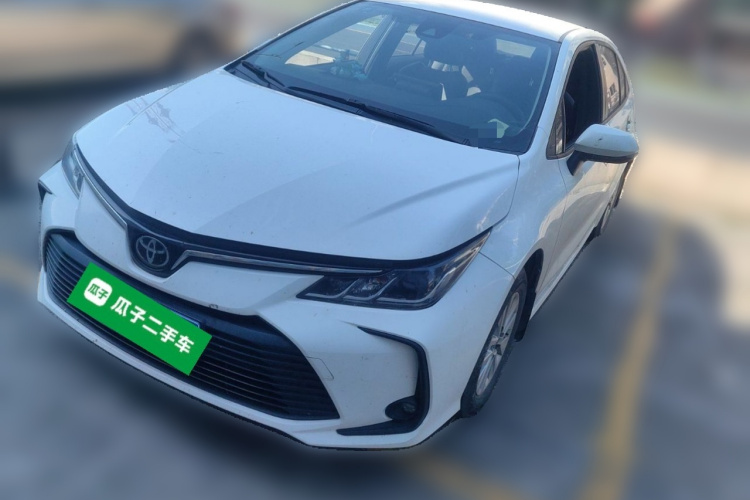
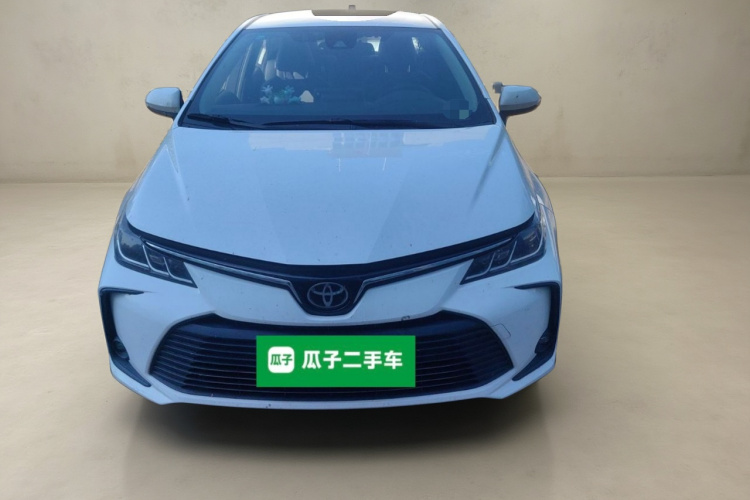
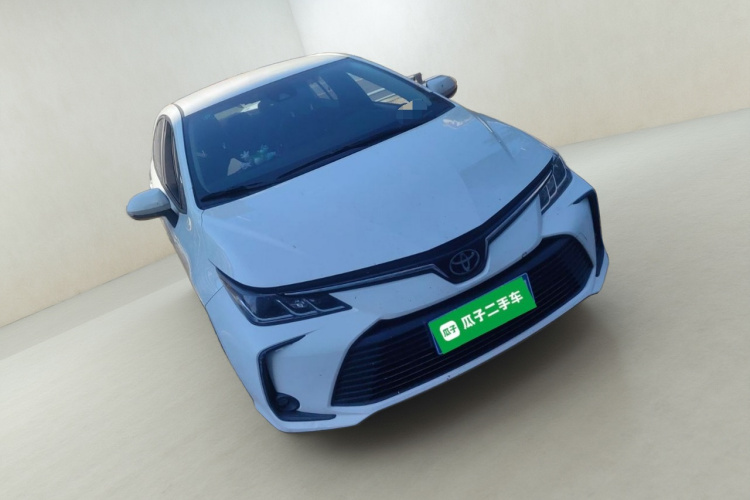
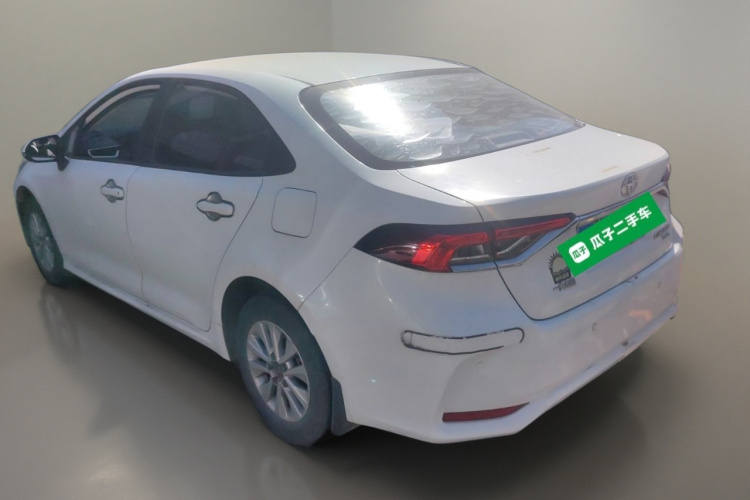
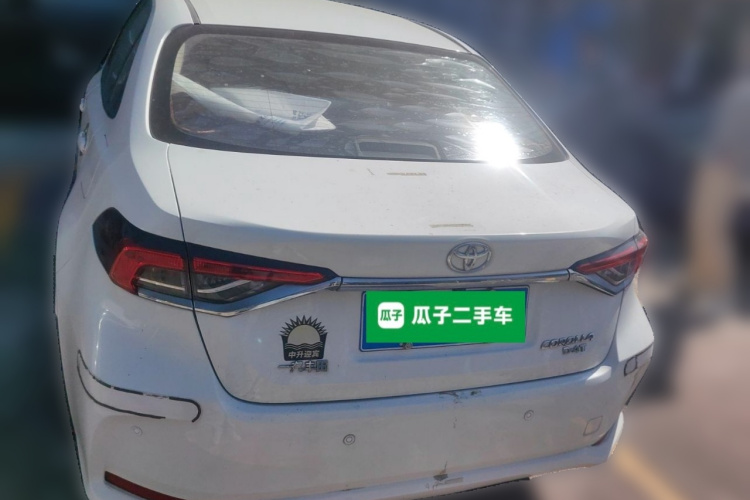
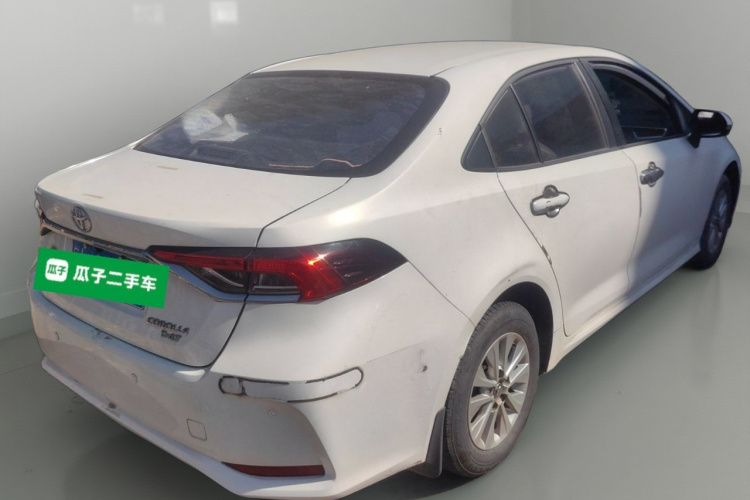
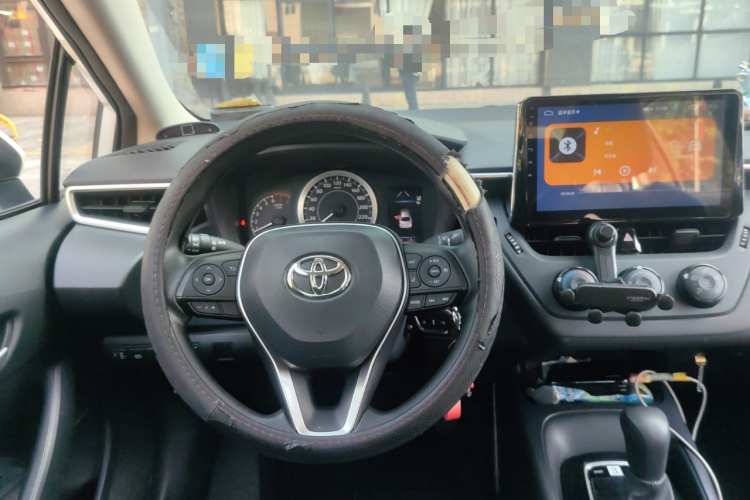
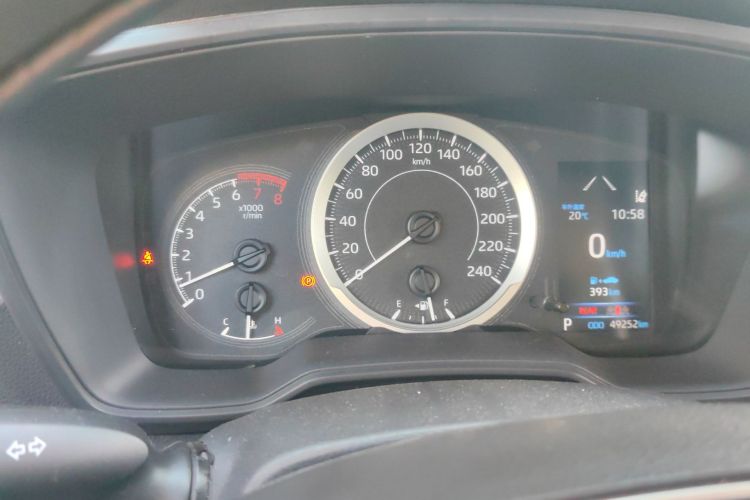
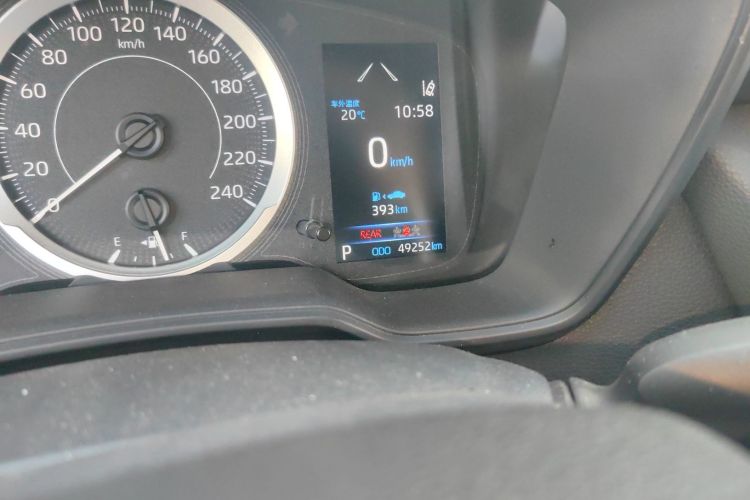
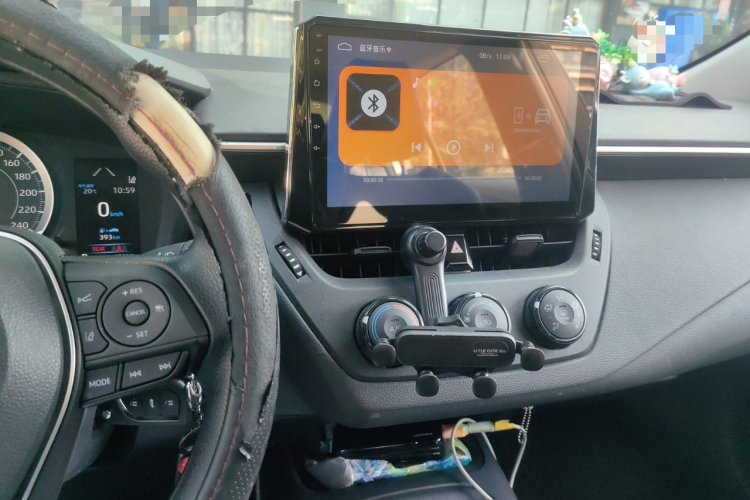
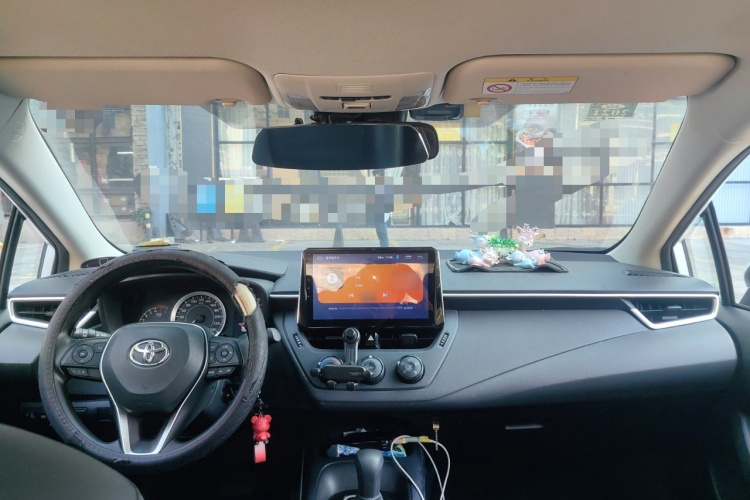
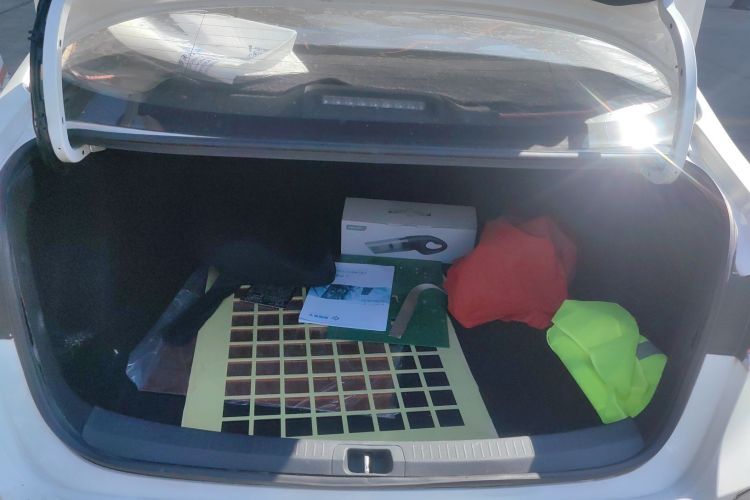
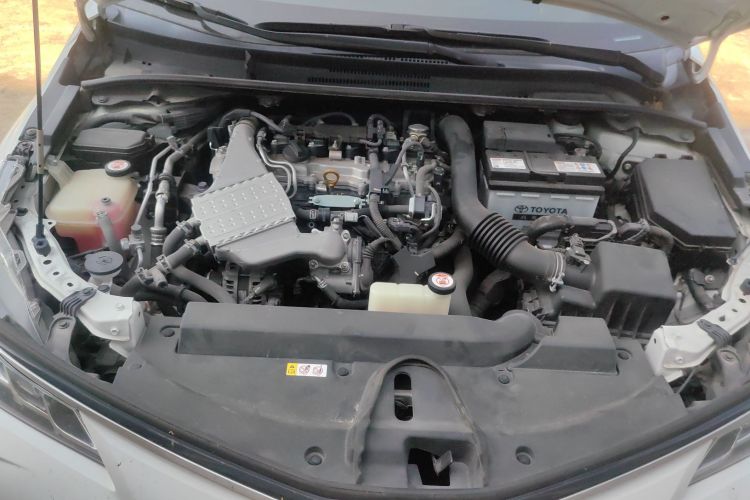



Basic Information

BrandToyota
SeriesCorolla
Year2019
First Registration2019/10
Mileage49,300km
Transfer Count-
FuelGasoline
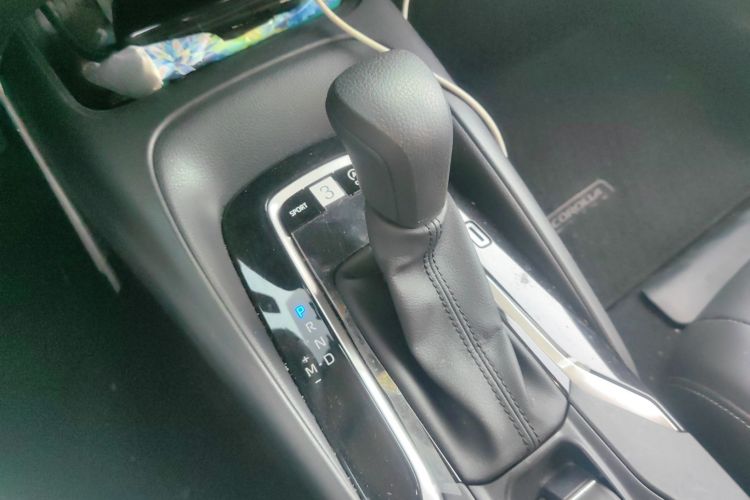
TransmissionCVT
Engine1.2T 116 L4
ColorWhite
Seats-

Condition Description

Vehicle condition meets standards, passed inspection, good condition, 0 claims, 0 ownership transfers.

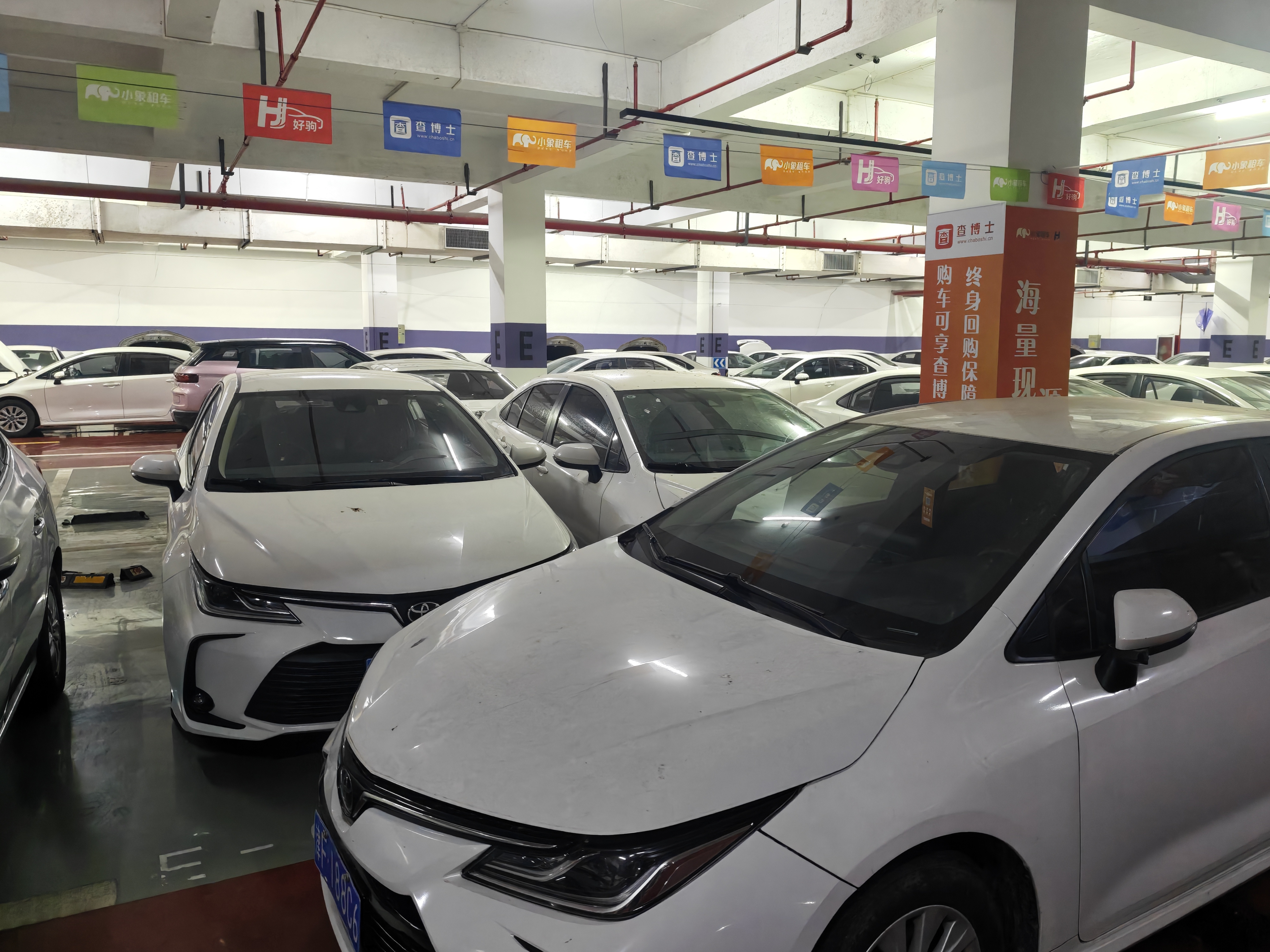
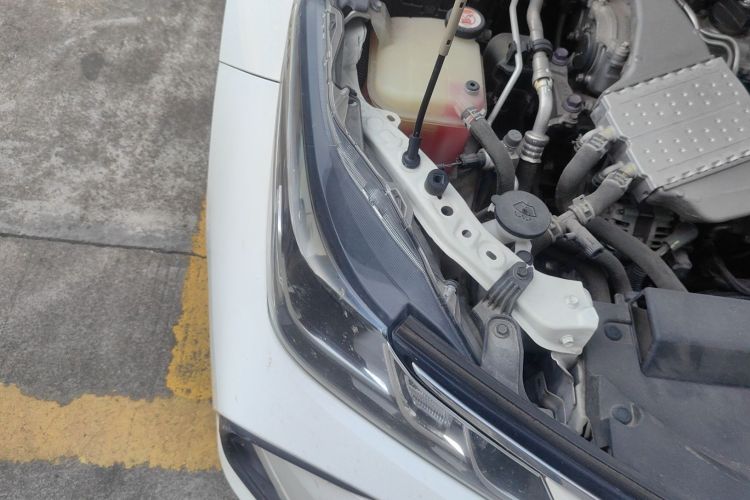
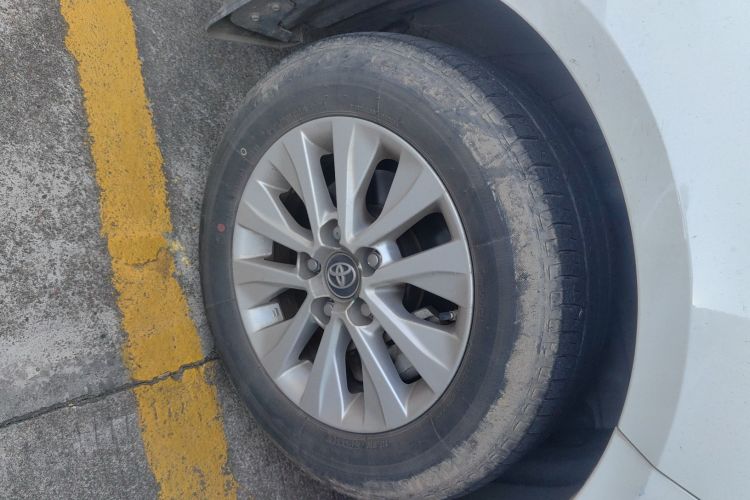
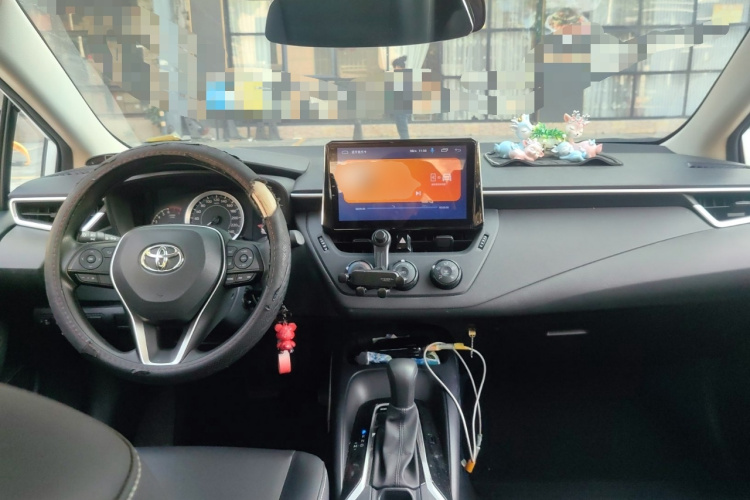
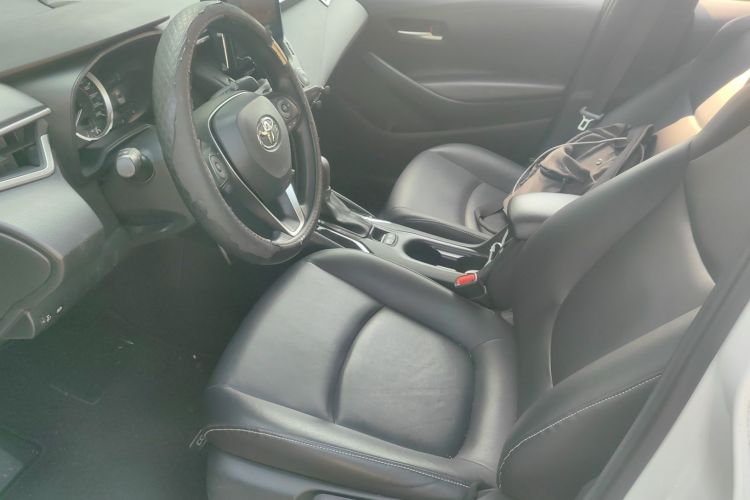
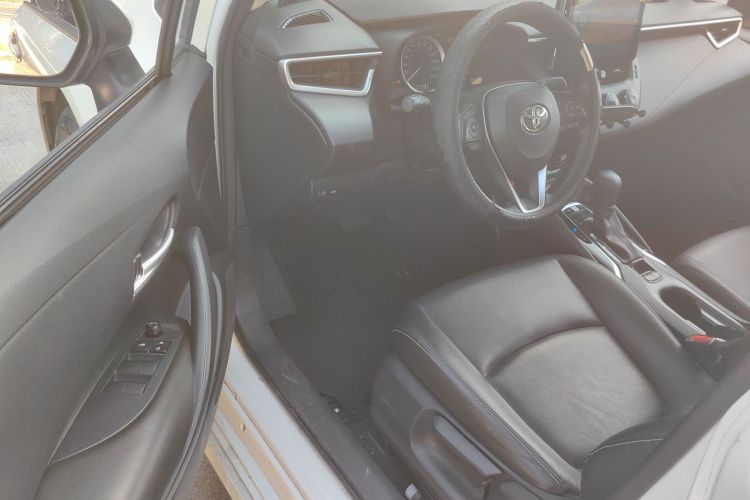
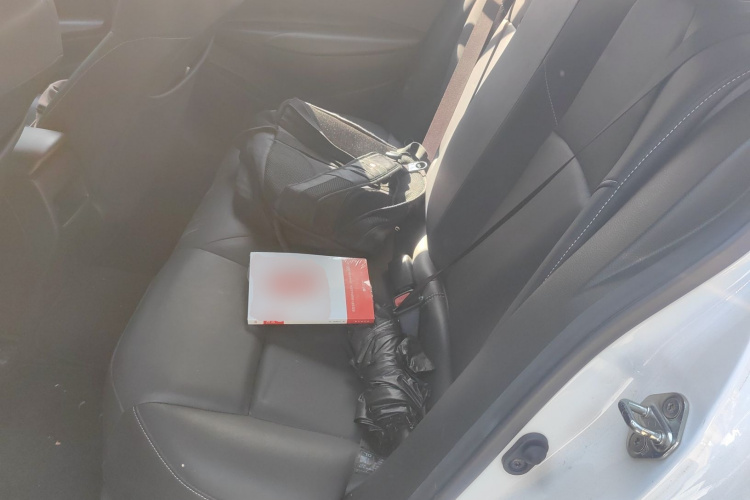
This vehicle is 7 years old, with an average annual mileage of 7,000 kilometers. It has a low frequency of daily use and has never been transferred to another owner, making it a good first-hand vehicle. The exterior may have obvious signs of wear and tear. The interior shows obvious signs of use or dirt. The overall body frame is intact, but there are a few abnormal issues. The powertrain is operating normally.

Configuration Highlights

✓Adaptive Cruise Control
✓Adaptive Headlights
✓Lane Departure Warning
✓Knee Airbags
✓Auto Hold
✓Engine Start-Stop
✓Auto Headlights
✓Tire Pressure Monitoring
✓Heated Mirrors
✓Hill Start Assist
✓Anti-pinch Windows

Q&A

More

How can I detect signs that a used Chinese car was used for heavy towing, ride-hailing, or overloaded work when buying remotely?

Heavy-use vehicles often look clean in photos but show specific wear patterns. Here's what to check: 1. Rear sag and suspension: ask for a side-profile photo of the car on level ground. If the rear sits noticeably lower than the front, the rear springs or shocks may be worn from constant heavy loads. Compare with factory ride height specs. 2. Pedal and seat wear: accelerator and brake pedals with polished metal patches, and a driver's seat bolster that is flattened or cracked, indicate high mileage or intensive commercial use — even if the odometer says otherwise. 3. Hitch and tow bar marks: check the rear bumper area in close-up photos for scratches, bolt holes, or a removed tow bar mount. Ask the seller directly whether the car ever towed. 4. Underbody and frame: request underbody photos. Look for bent or scraped crossmembers, fresh undercoating hiding damage, or uneven tire wear across the rear axle. 5. Data check: many ride-hailing cars in China have records in maintenance databases — a professional inspection agency can flag cars with commercial fleet history. If the seller refuses underbody or close-up photos, treat it as a warning sign and consider another vehicle.


What are the common issues with this car? Has this car resolved them?

We will honestly inform you of the common issues with this model (such as the water pump failure in certain German cars) and show that this car has had the improved parts replaced.

Is there specific data on paint thickness? How can we determine if it's the original factory paint?

We use a calibrated high-precision paint thickness gauge to take multiple measurements on at least 13 metal surfaces of the entire vehicle. The original paint thickness of mainstream Chinese models typically ranges from 90μm to 150μm. If any area exceeds 200μm or even reaches over 500μm, we will directly conclude that the area has undergone bodywork and filler repair.