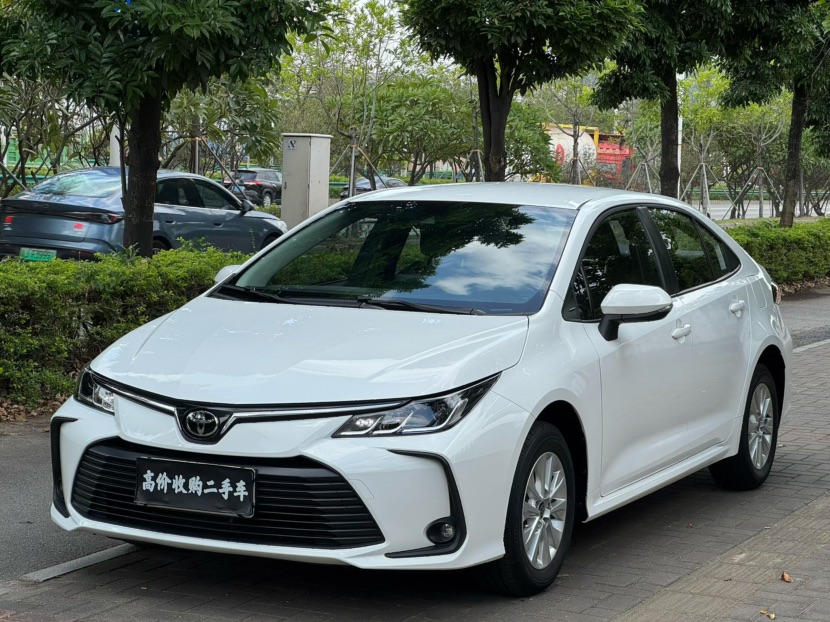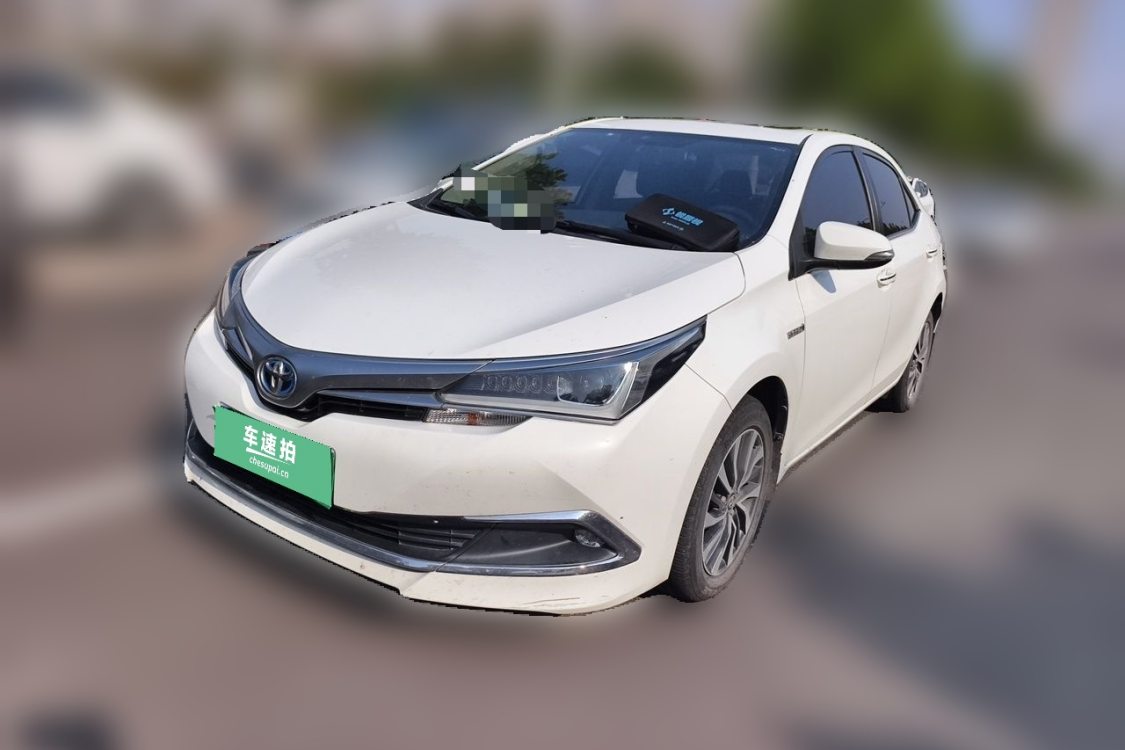
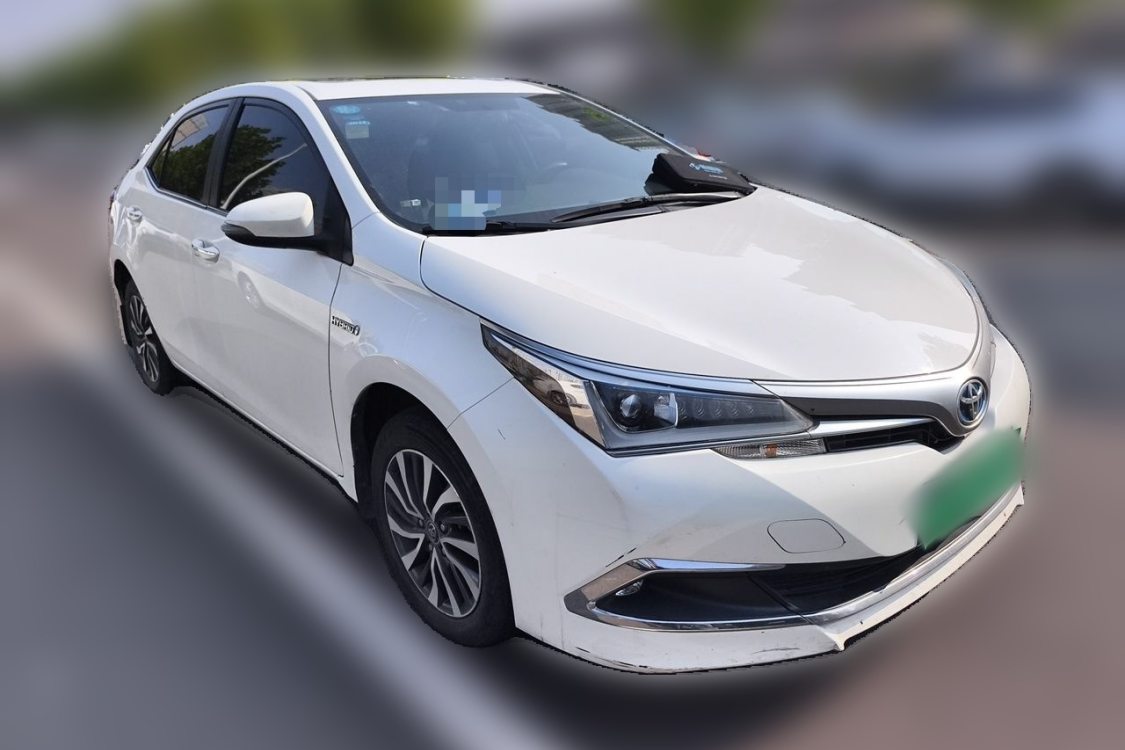
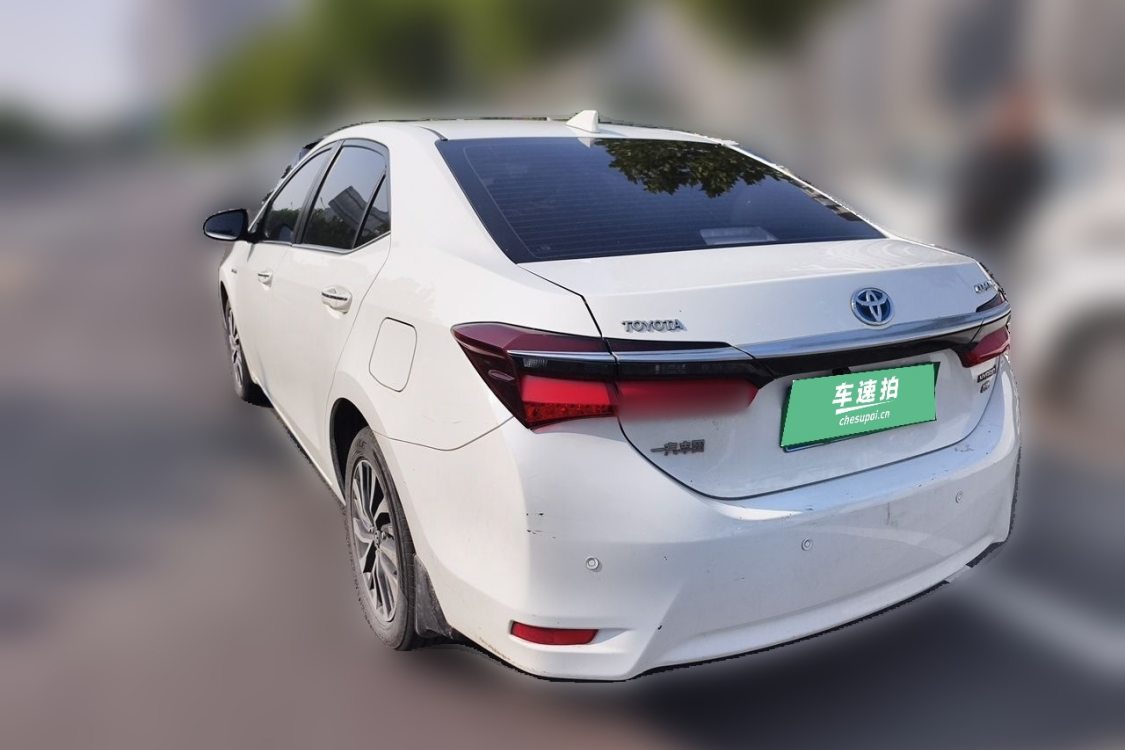
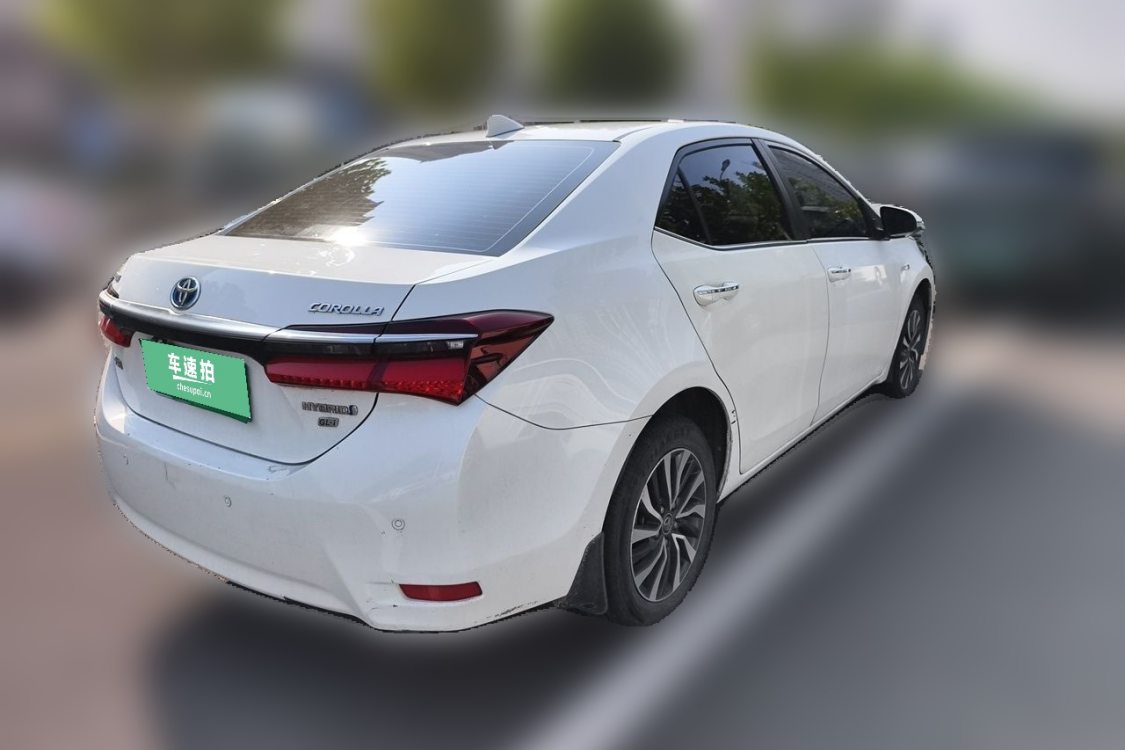
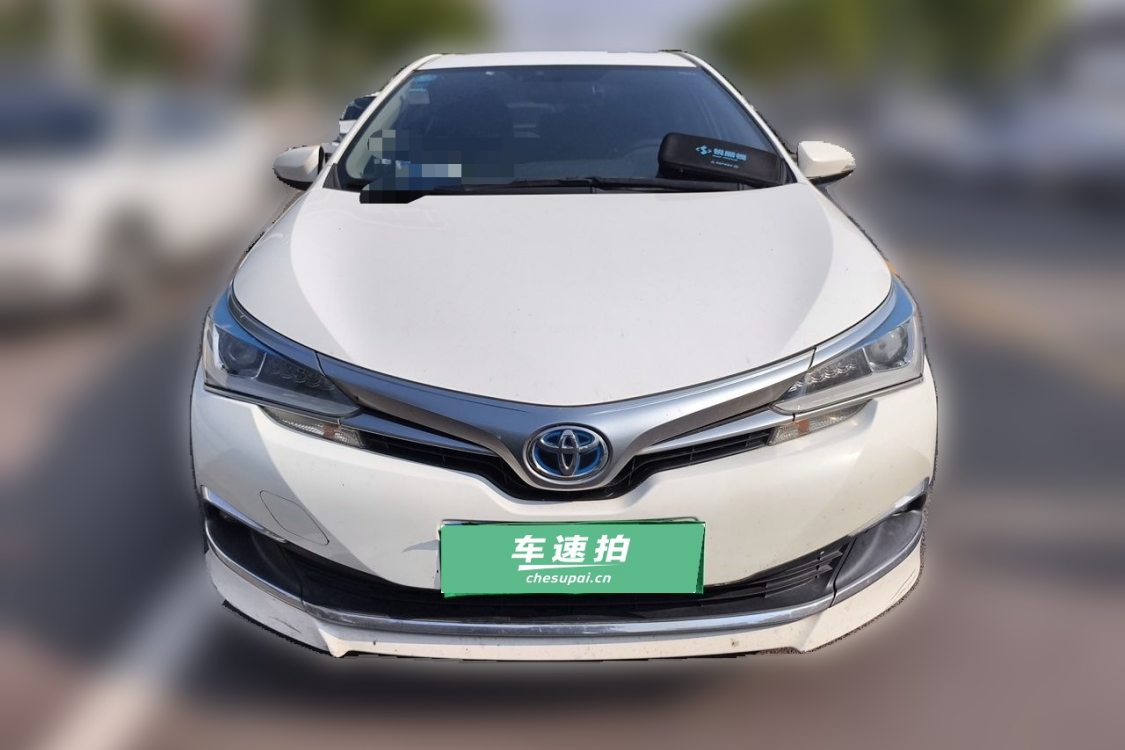
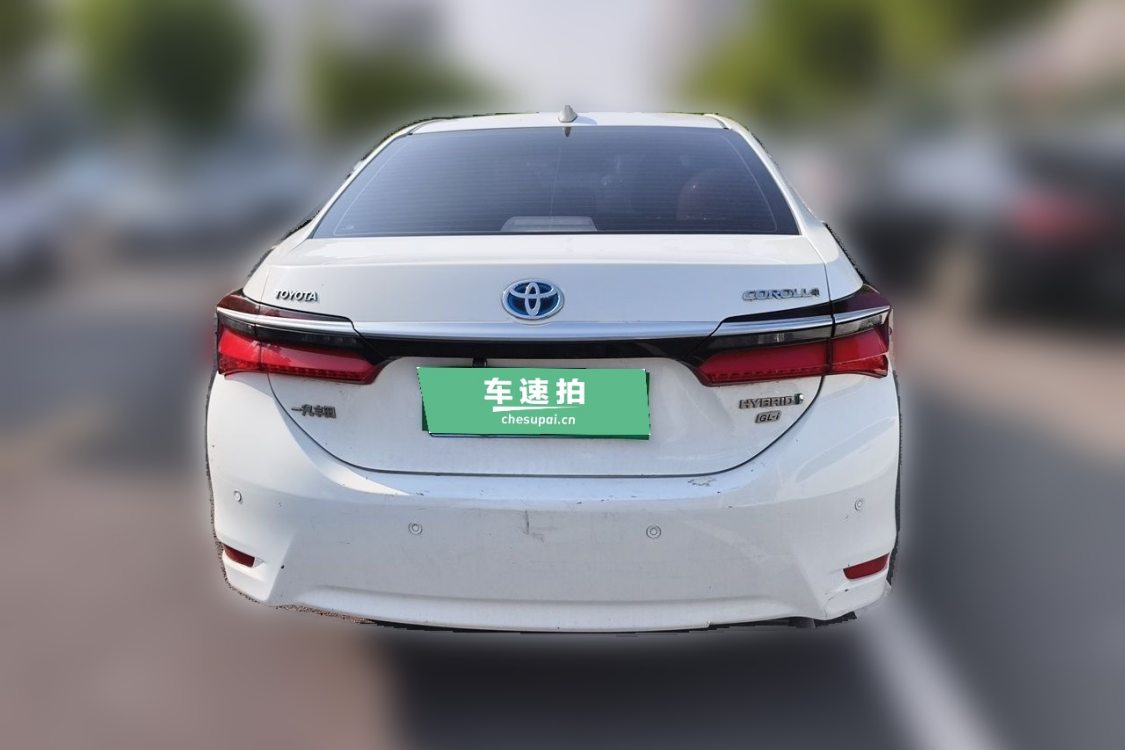
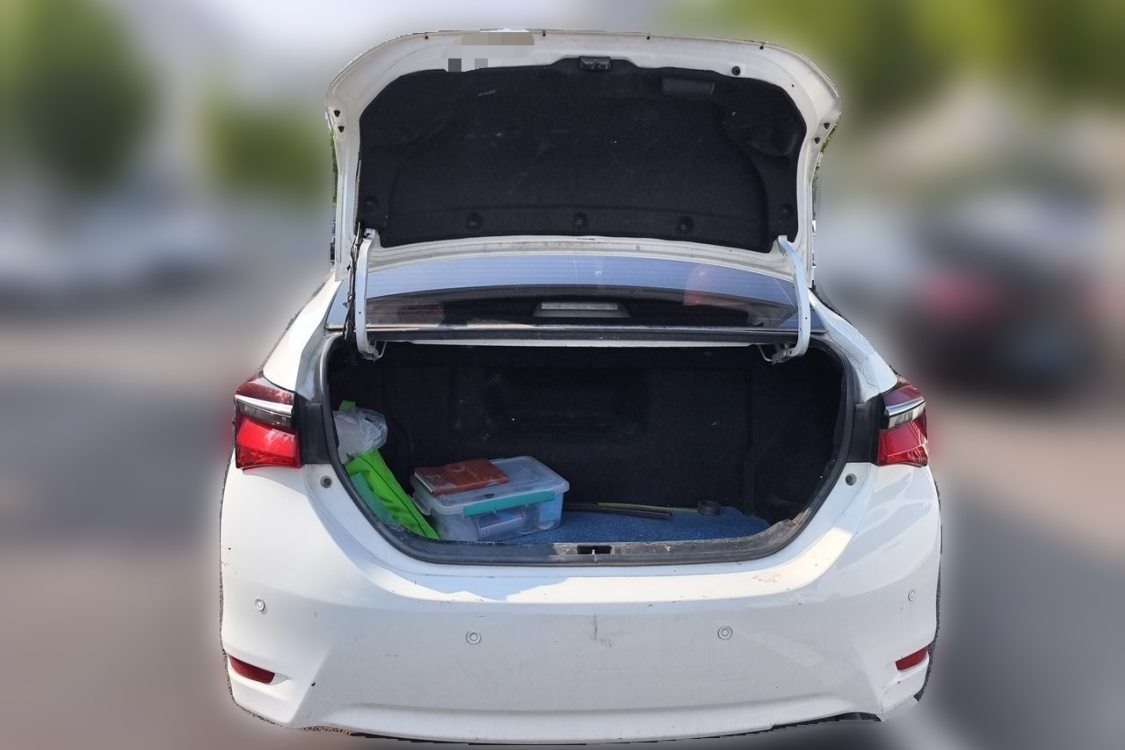
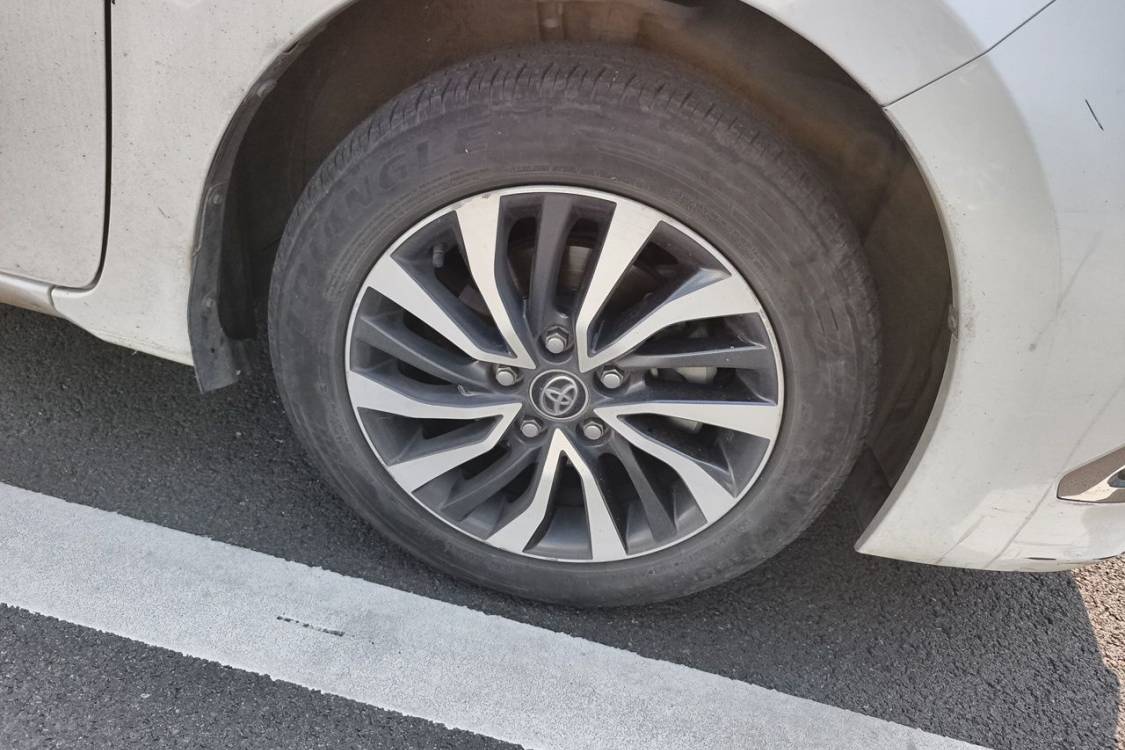
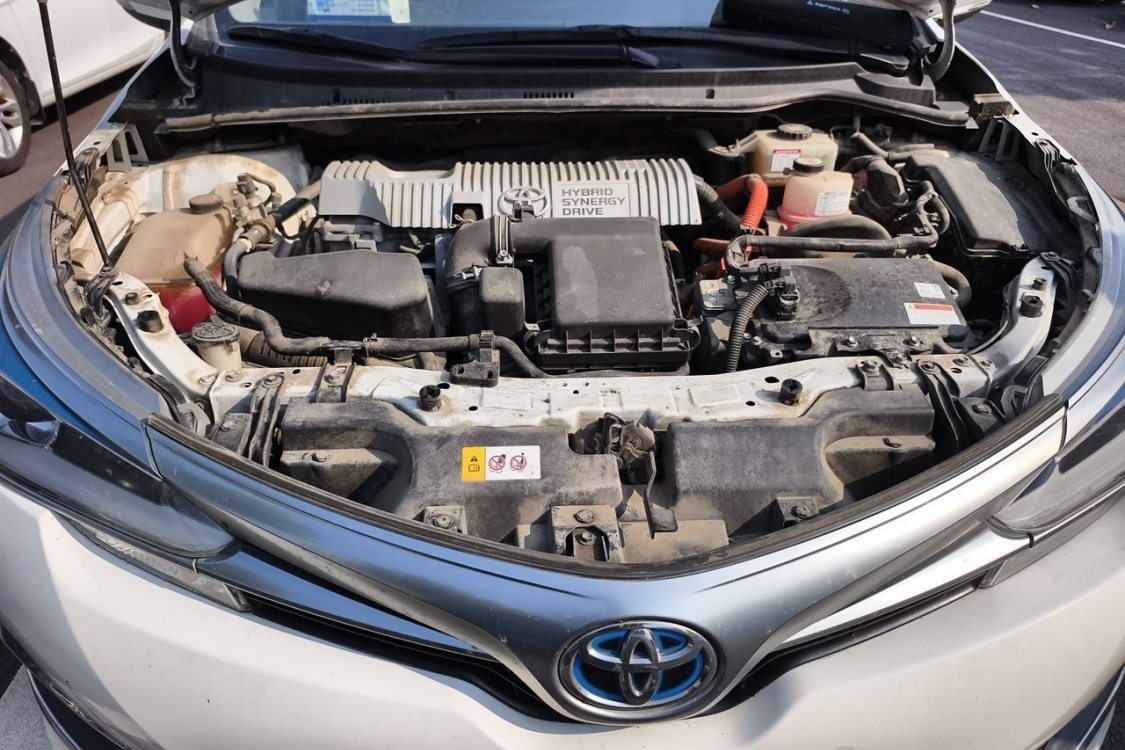
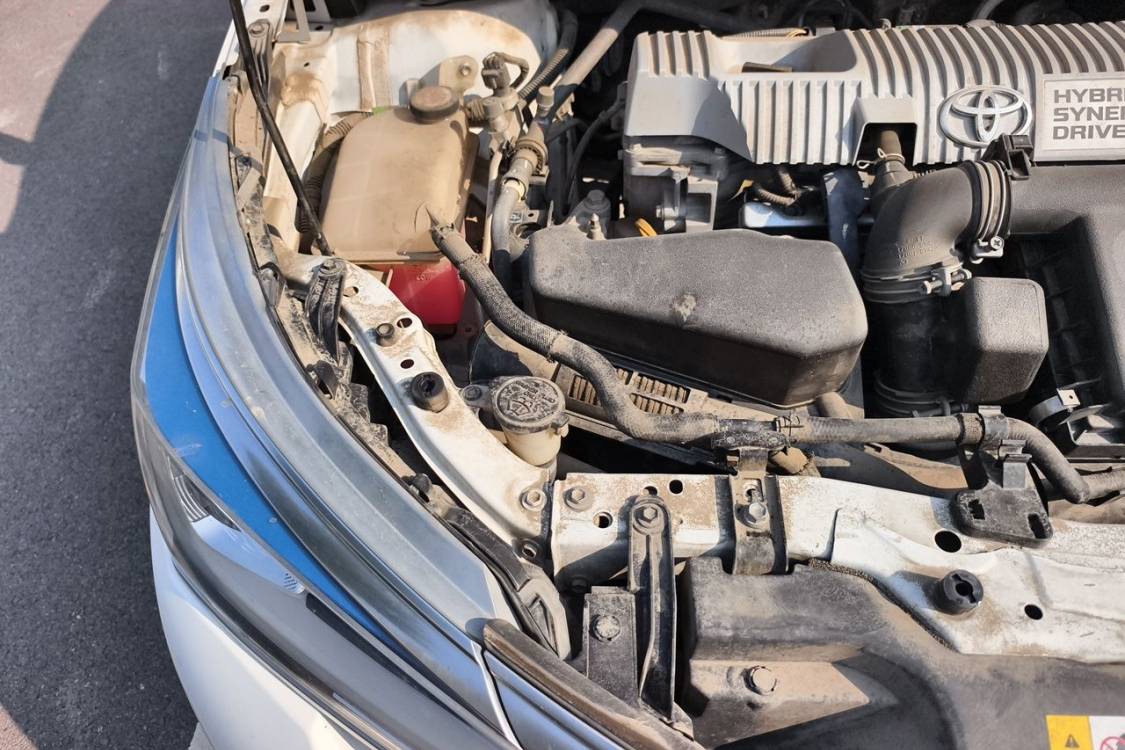
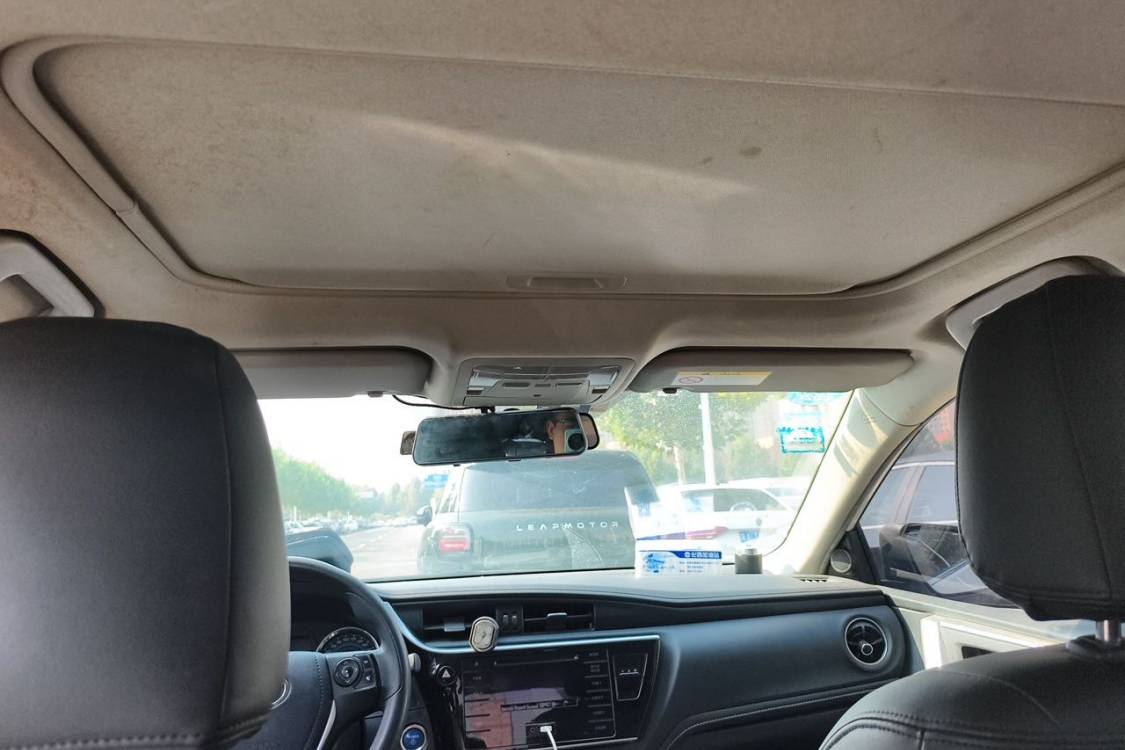
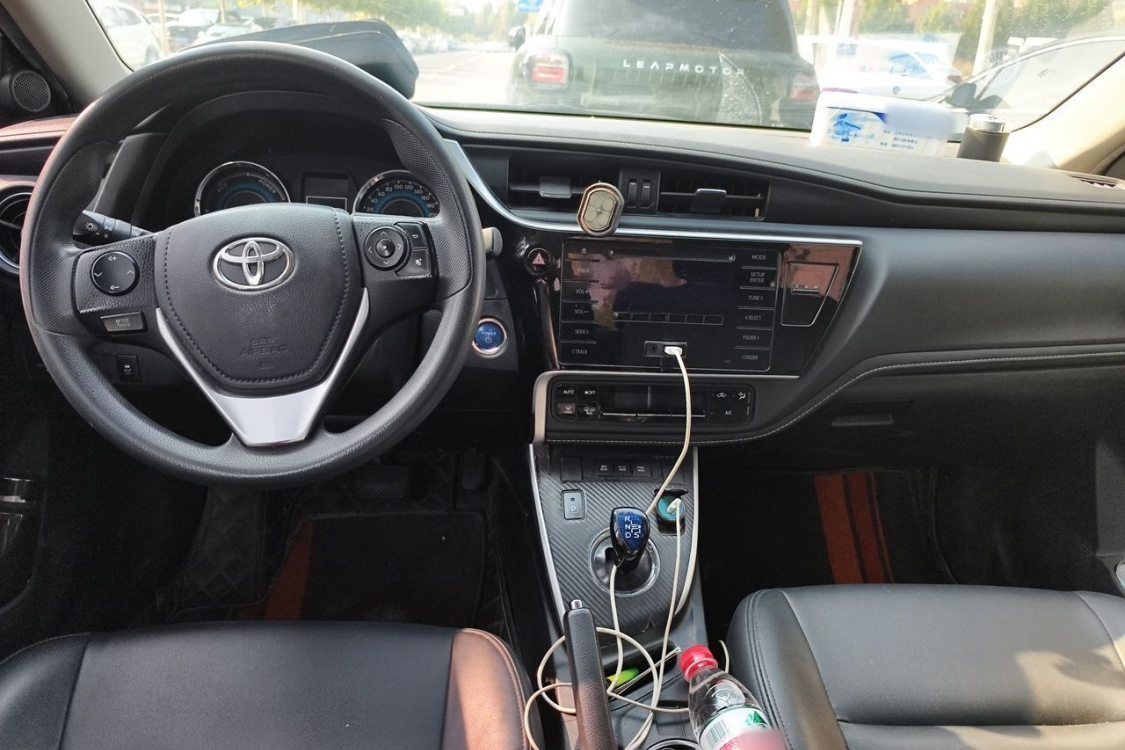
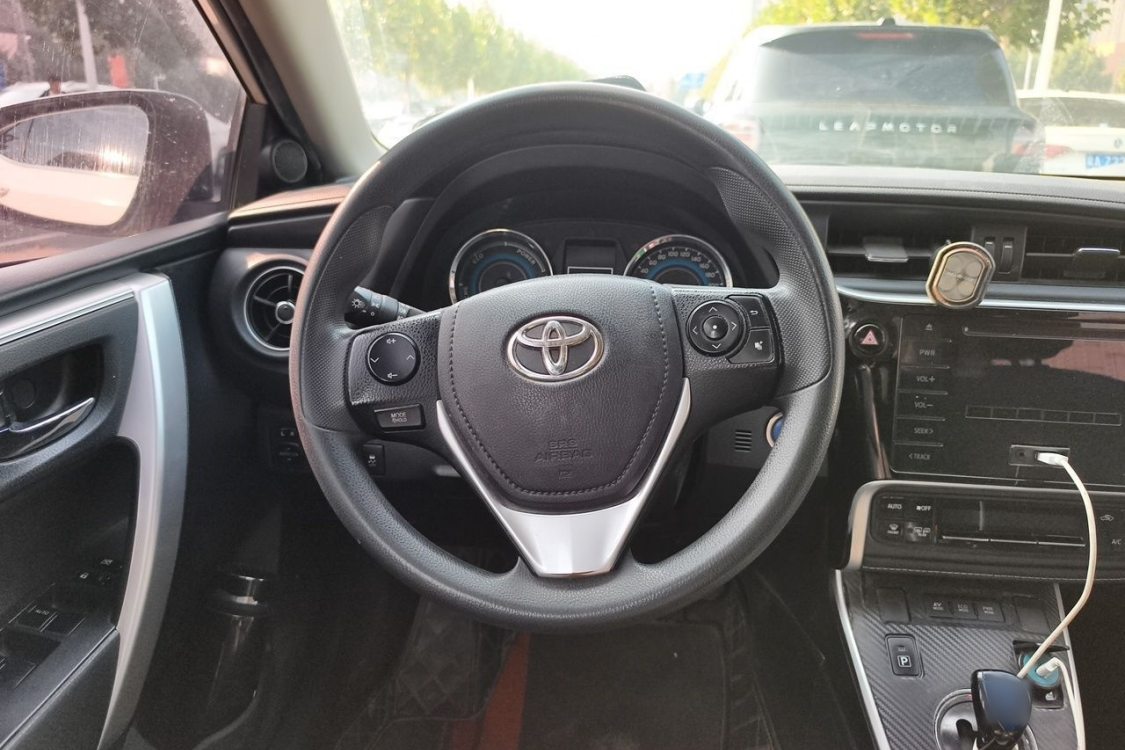
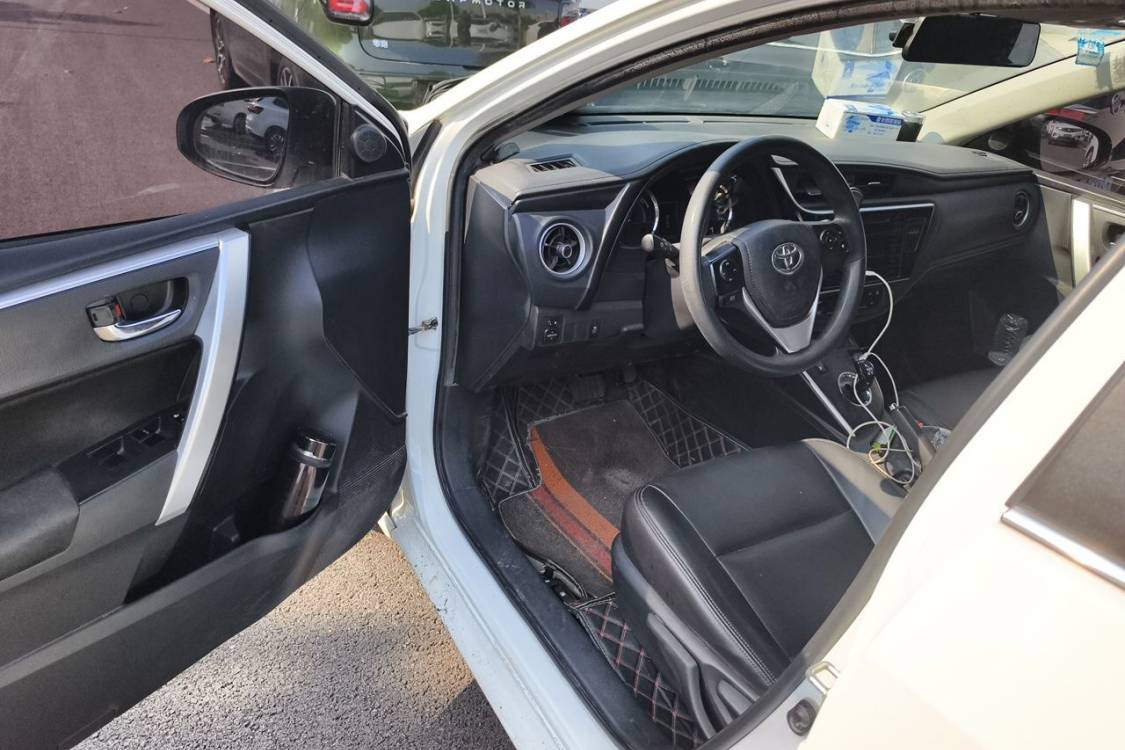
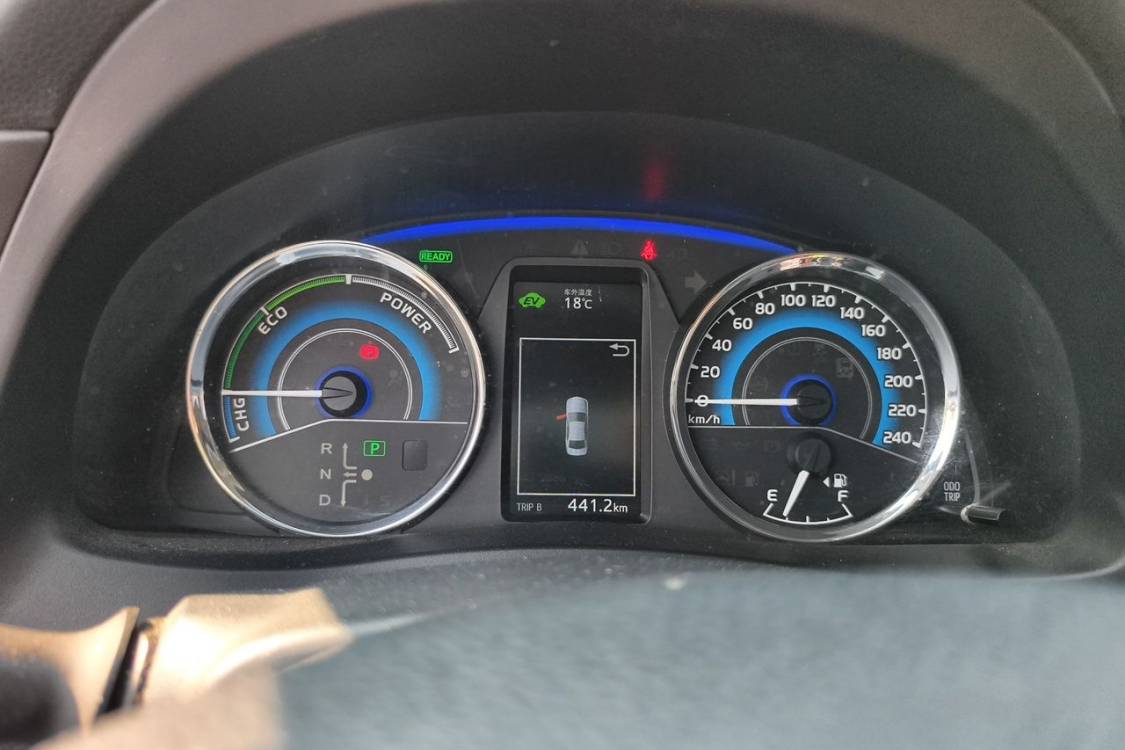
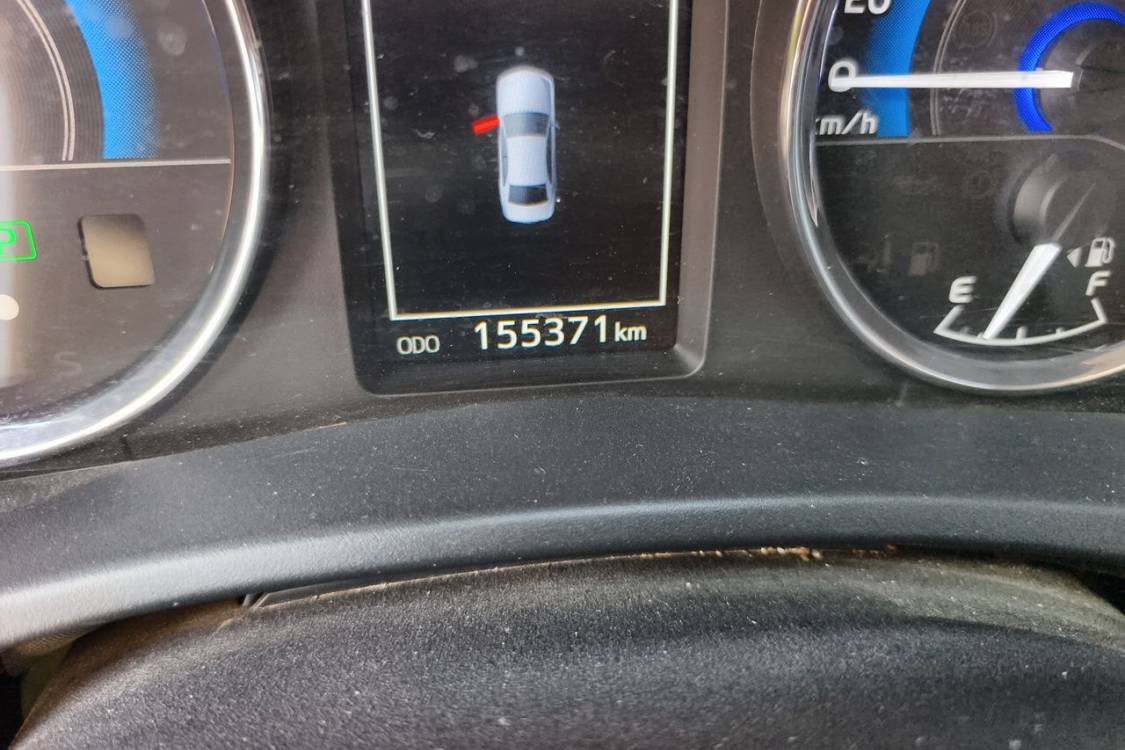
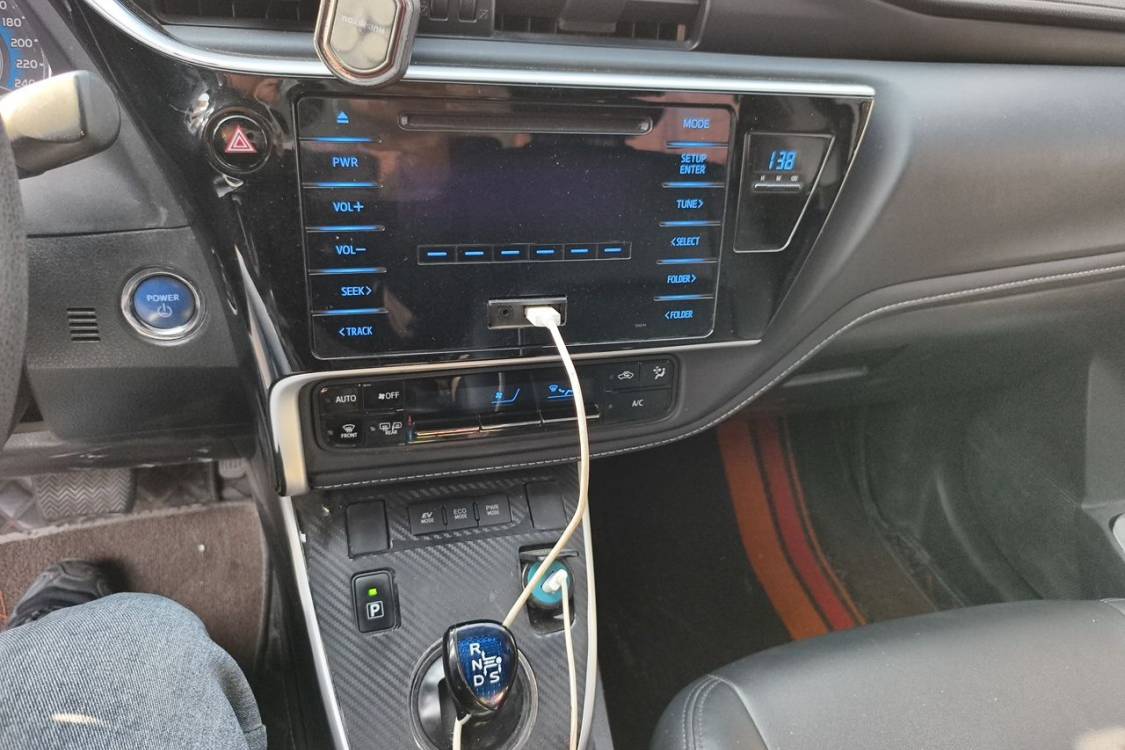
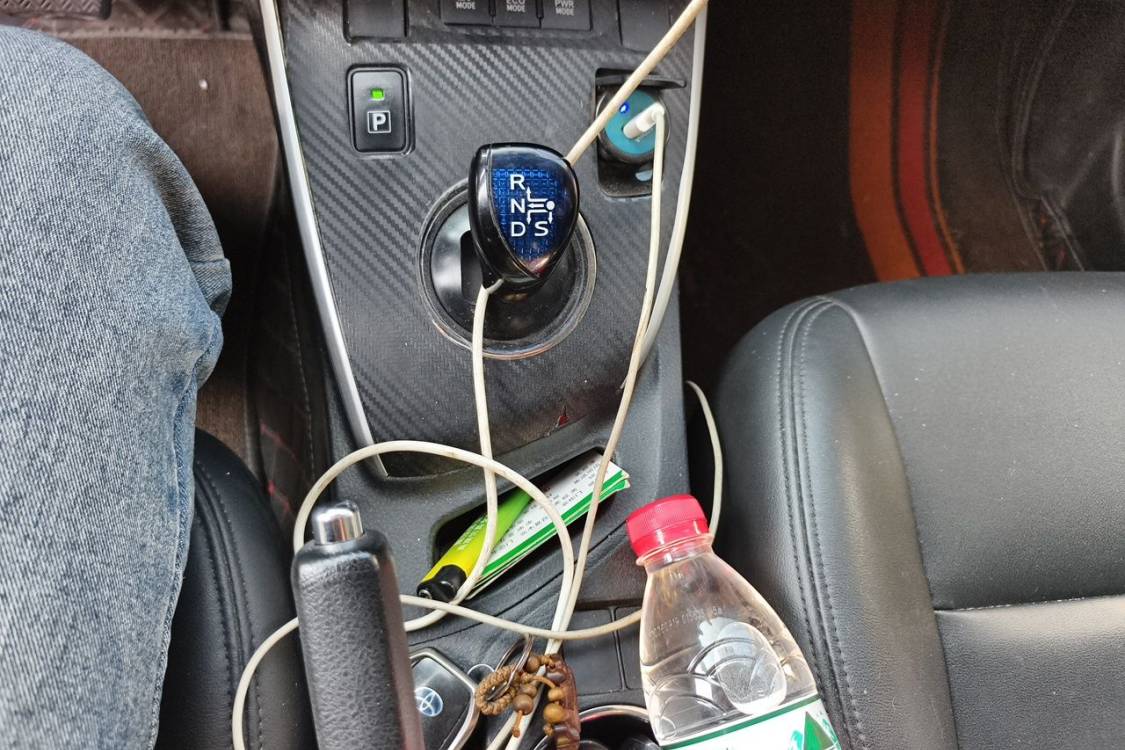



Basic Information

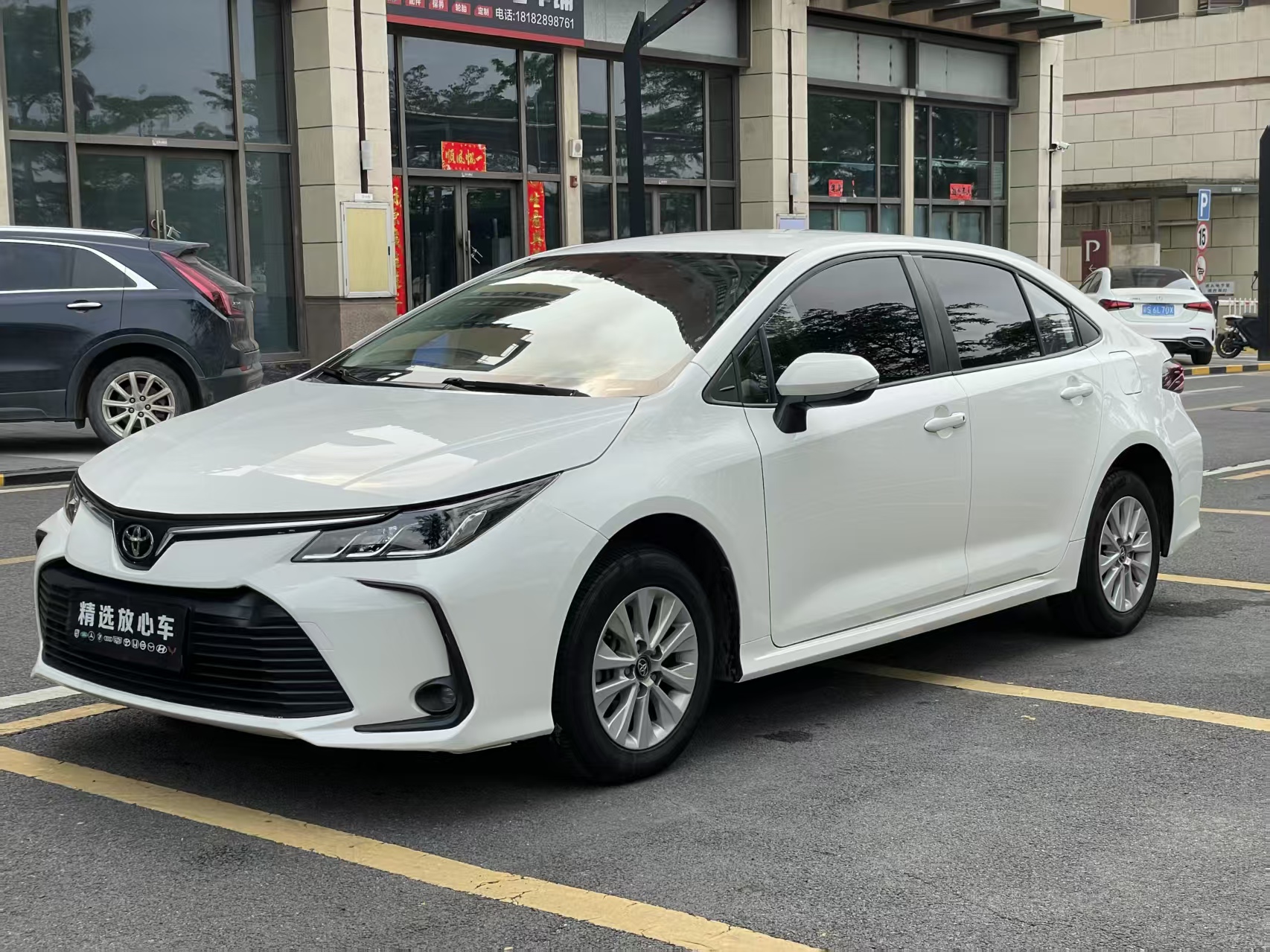
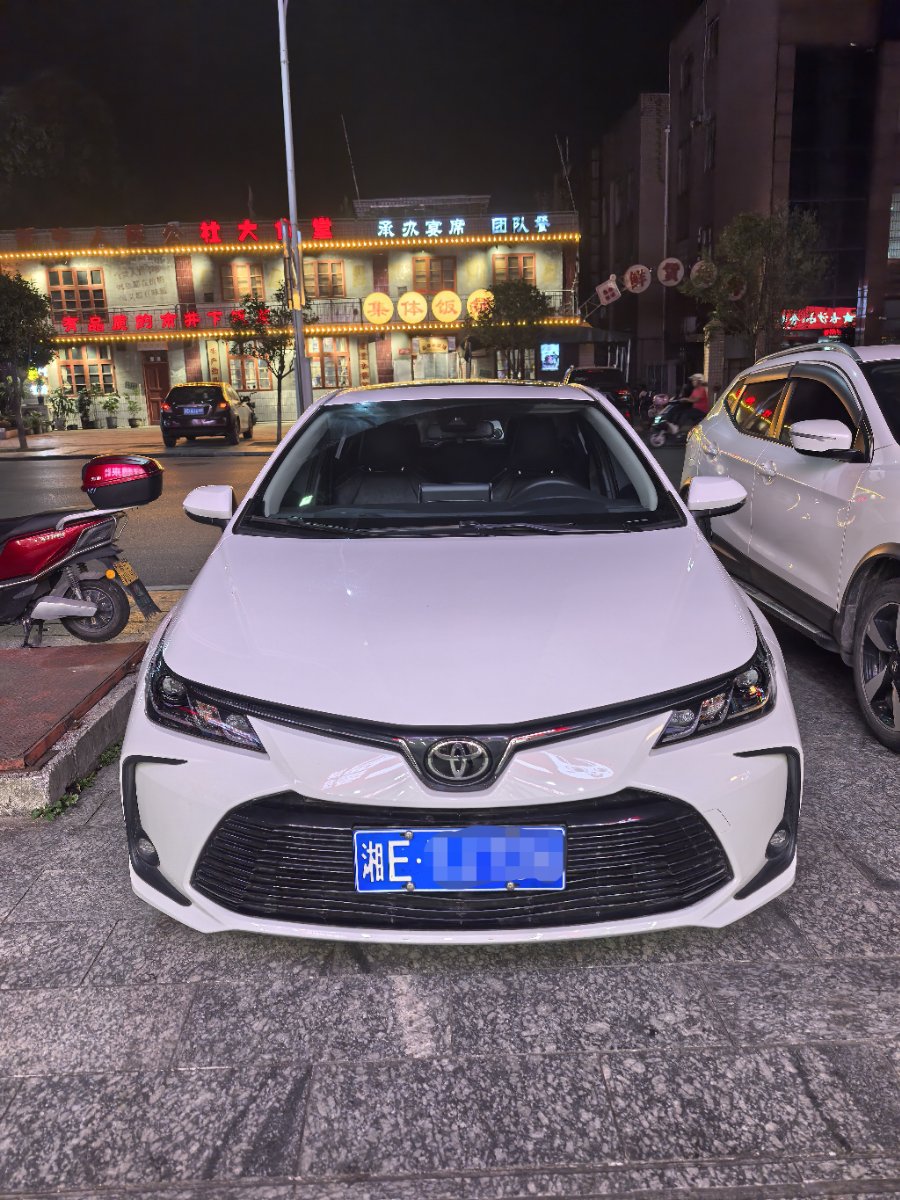
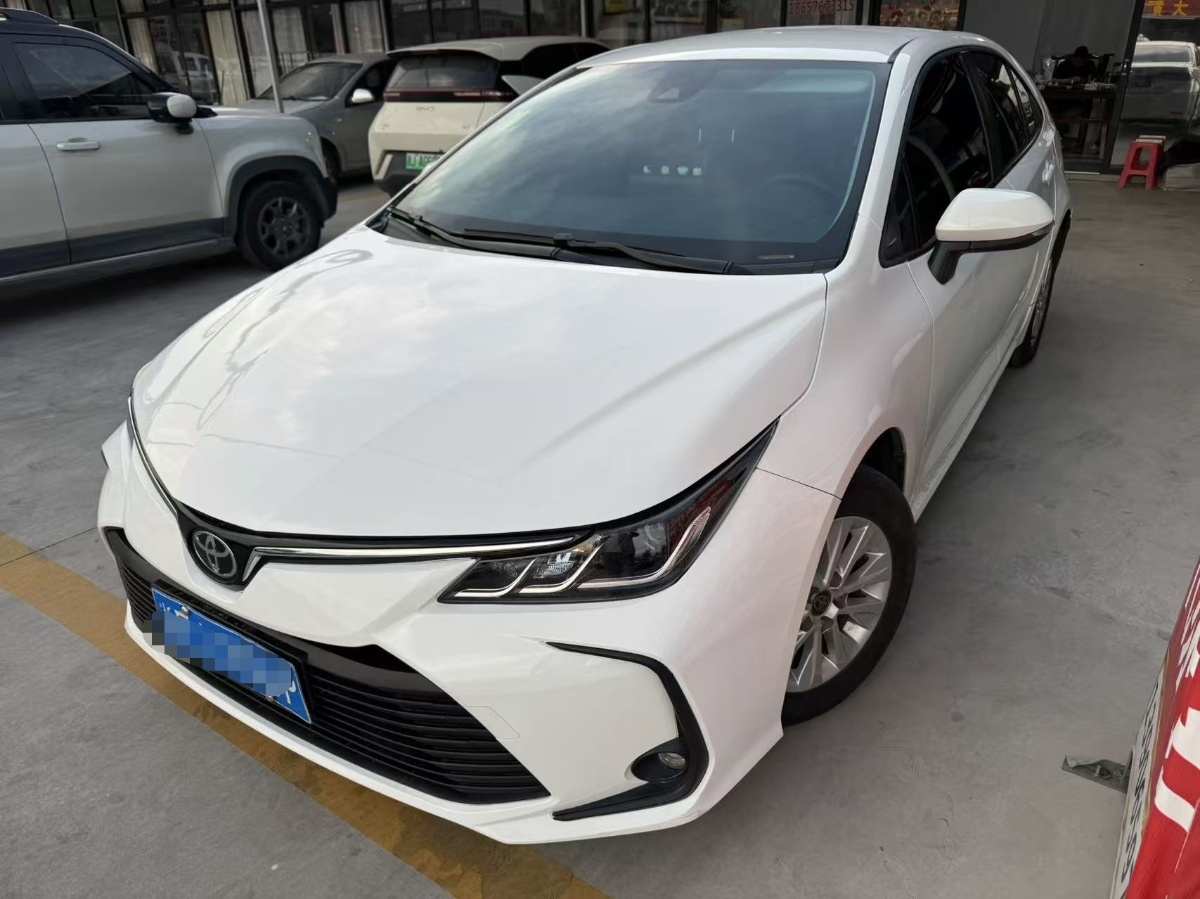
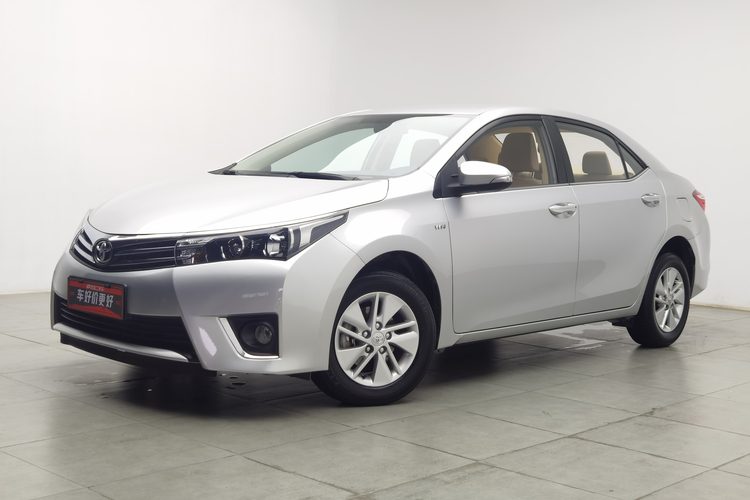
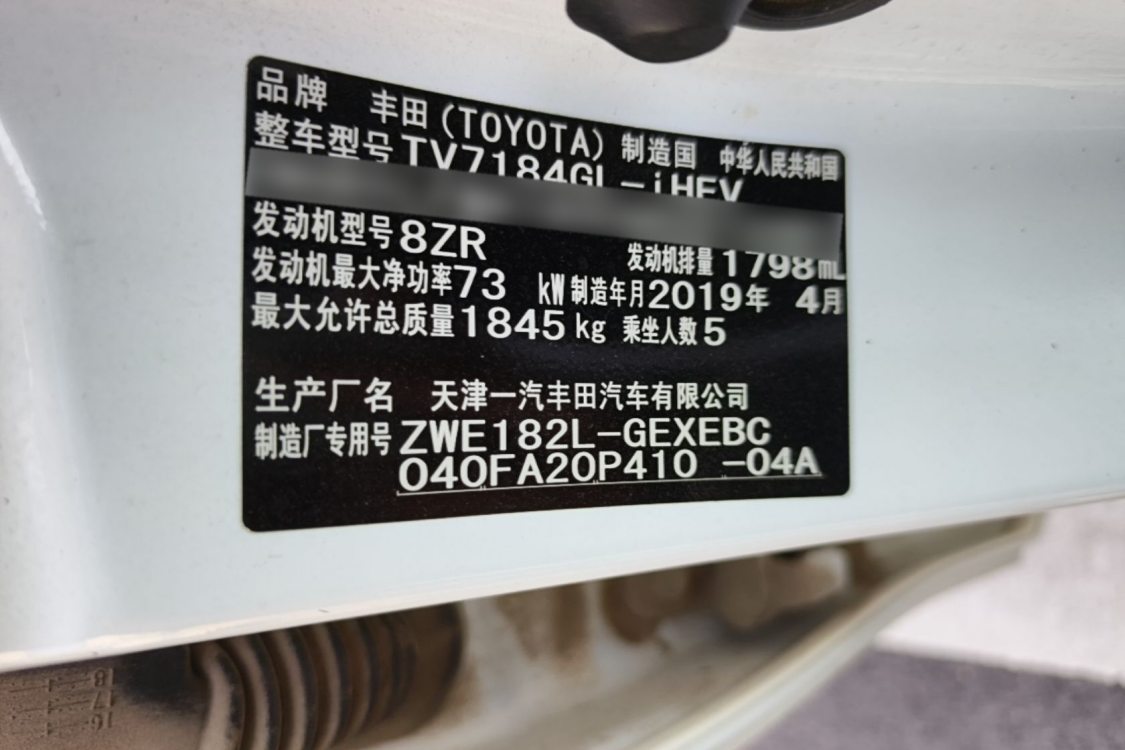
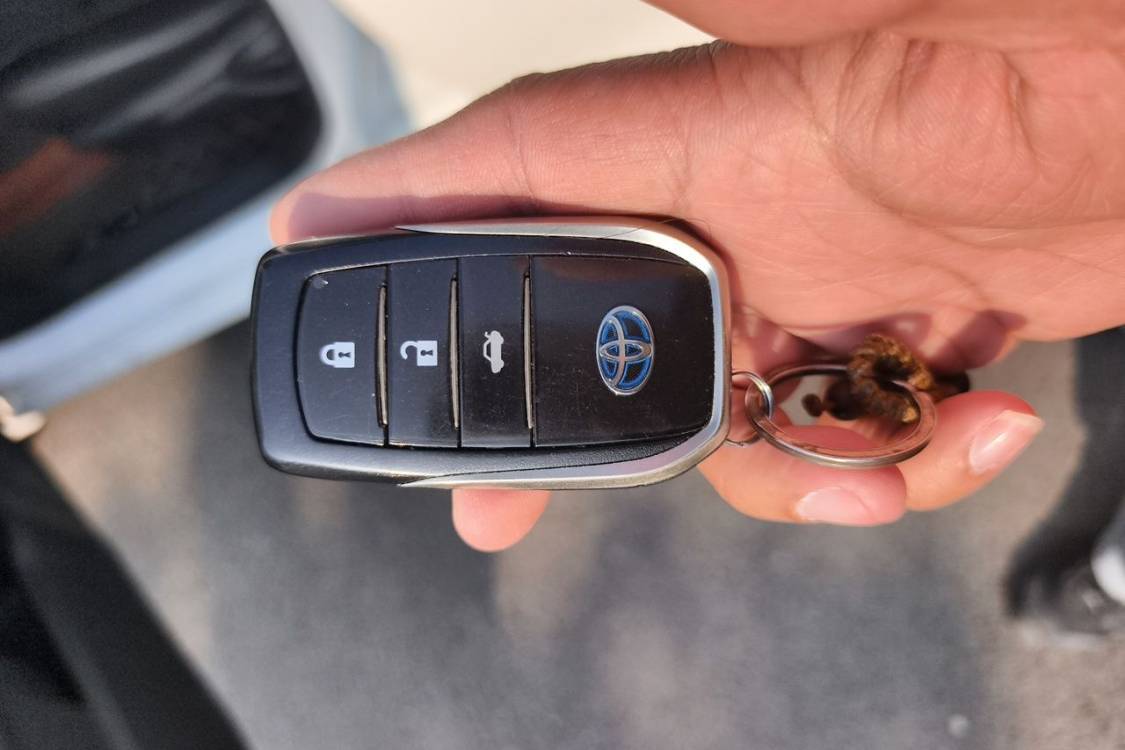
BrandToyota
SeriesCorolla
Year2019
First Registration2019/05
Mileage155,300km
Transfer Count1times
FuelHEV
TransmissionE-CVT
Engine1.8L 99 L4
ColorWhite
Seats-

Condition Description

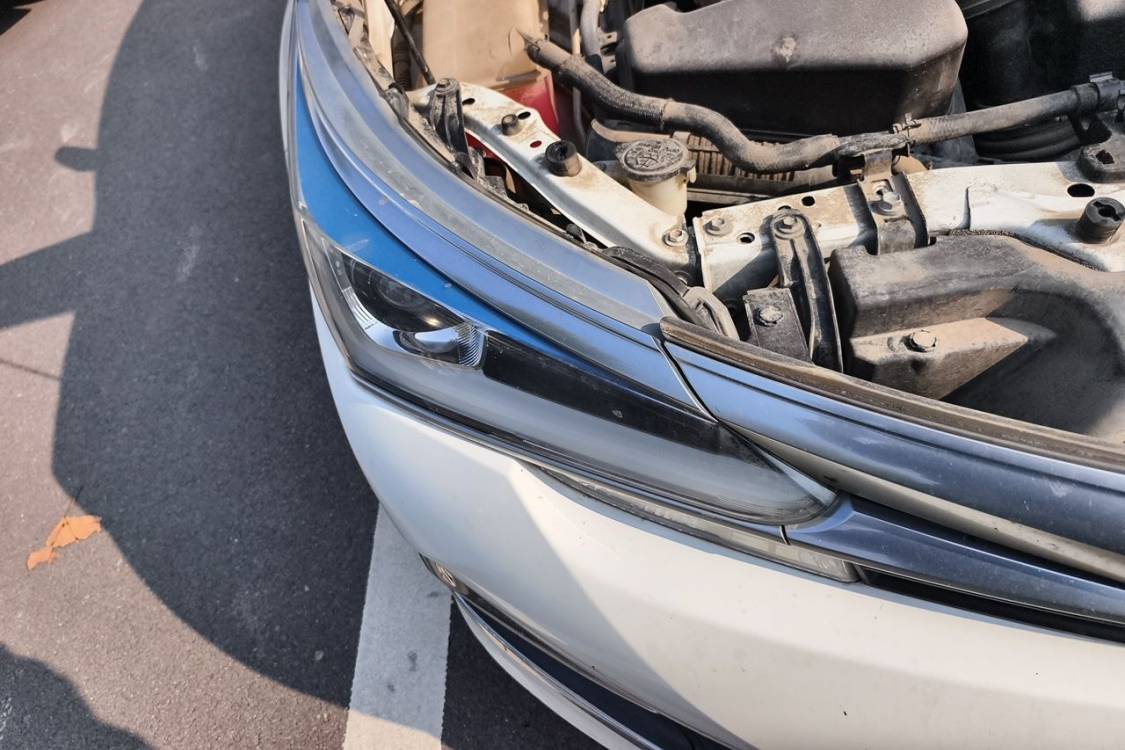
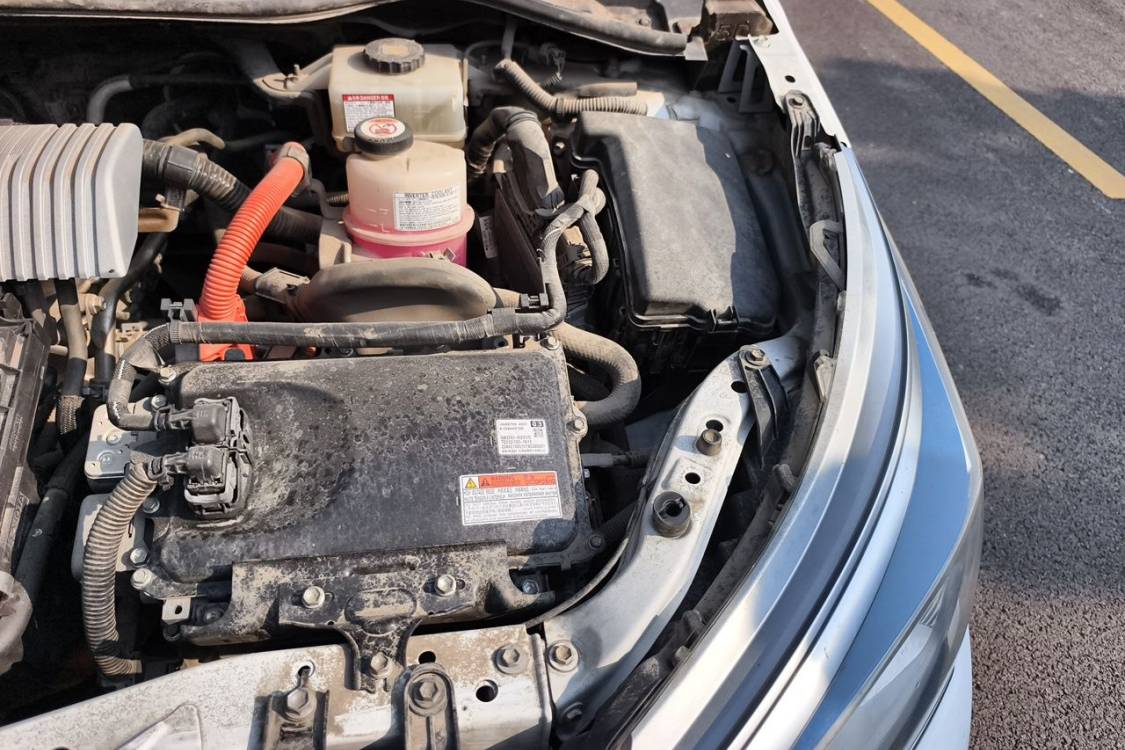
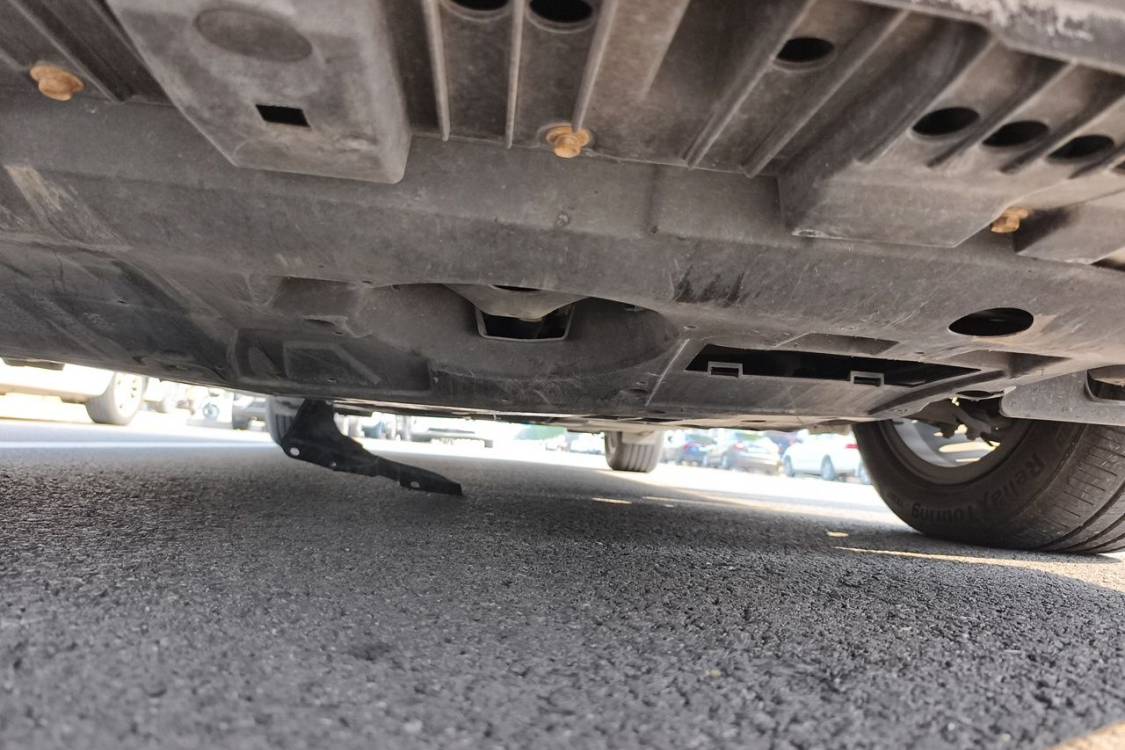
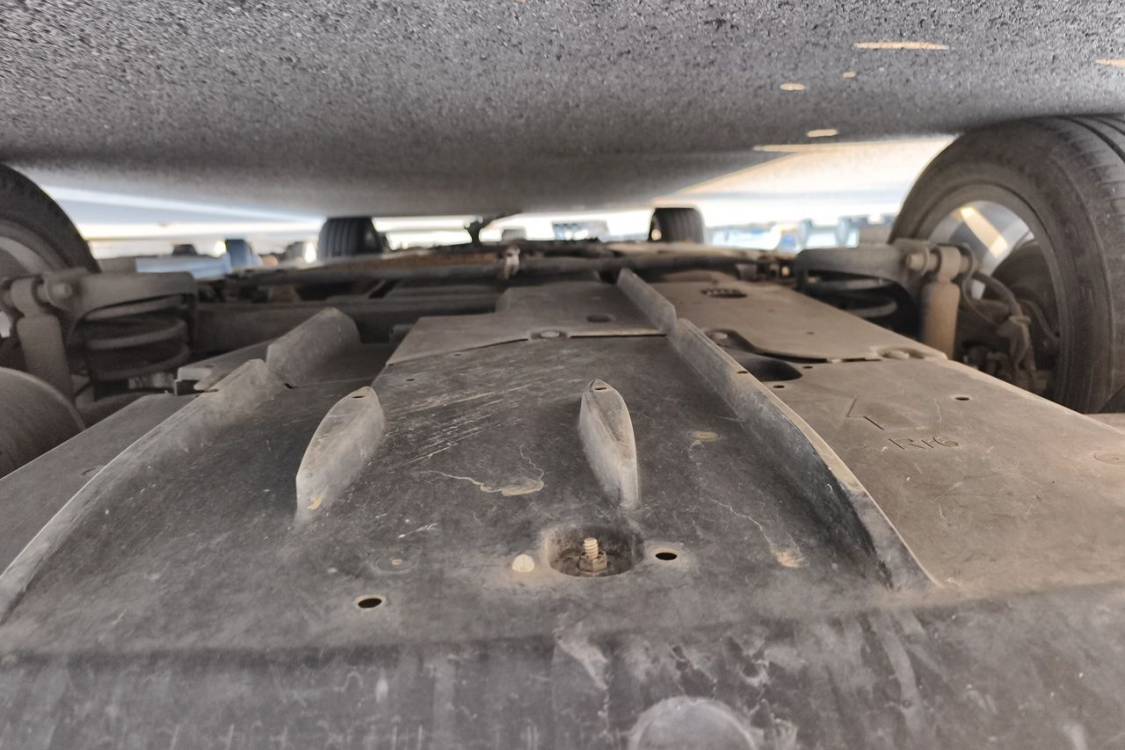
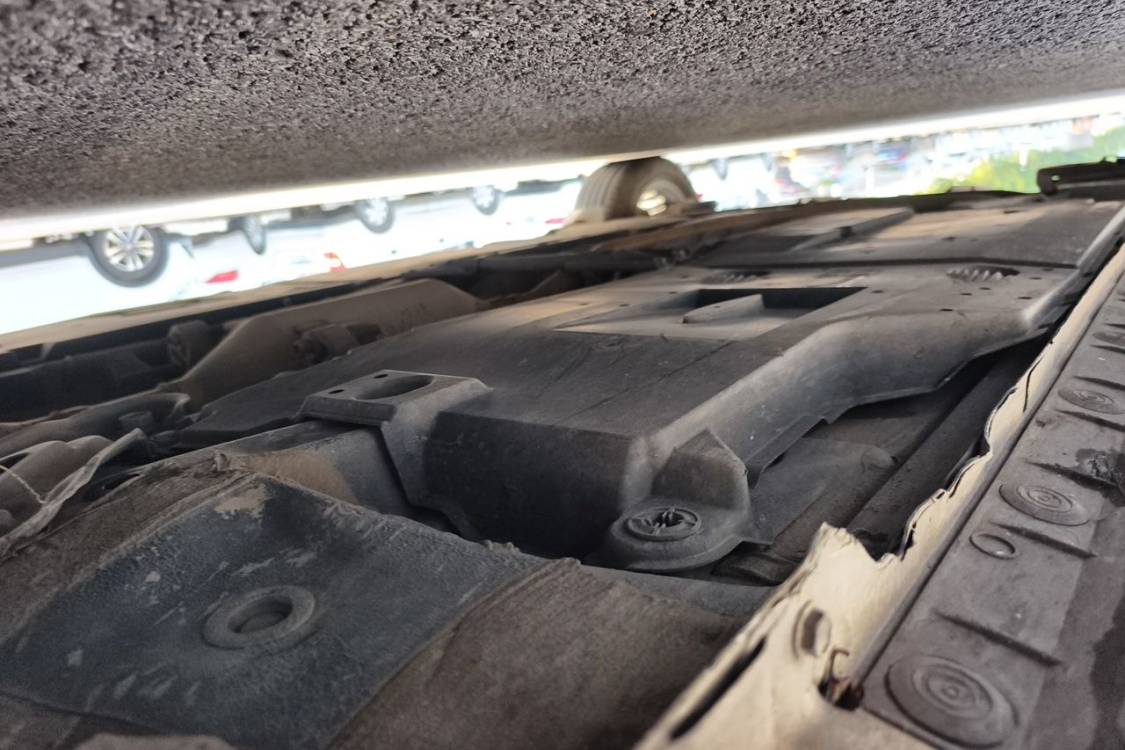
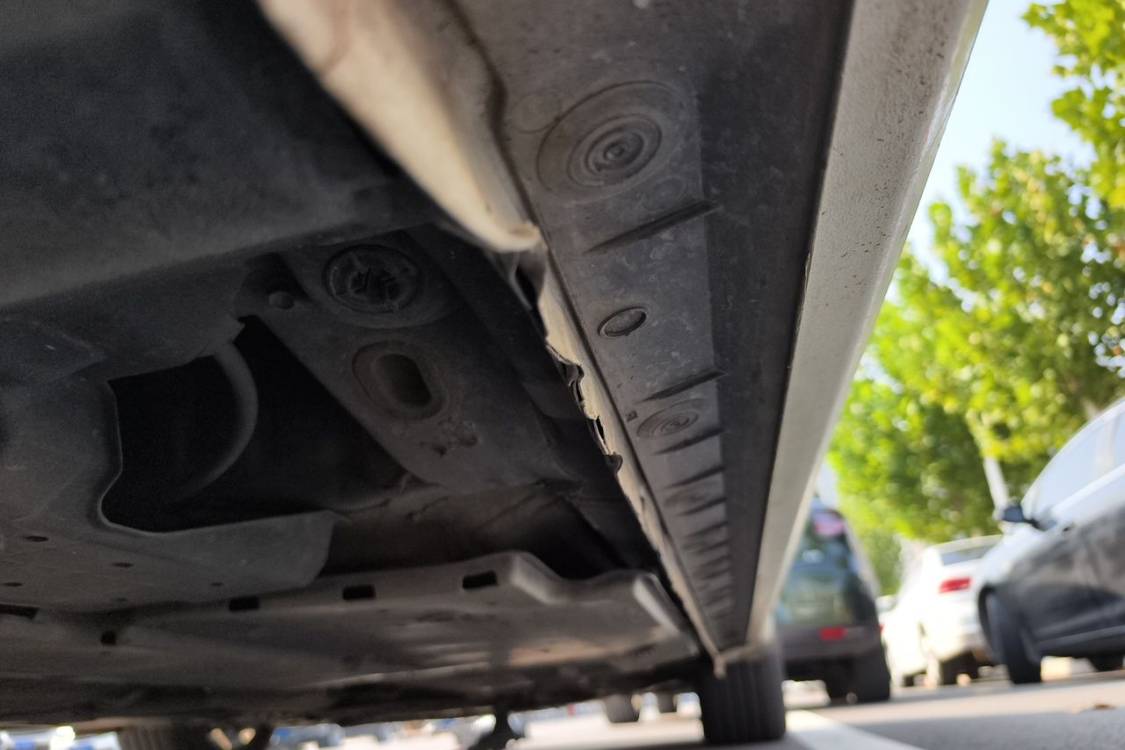
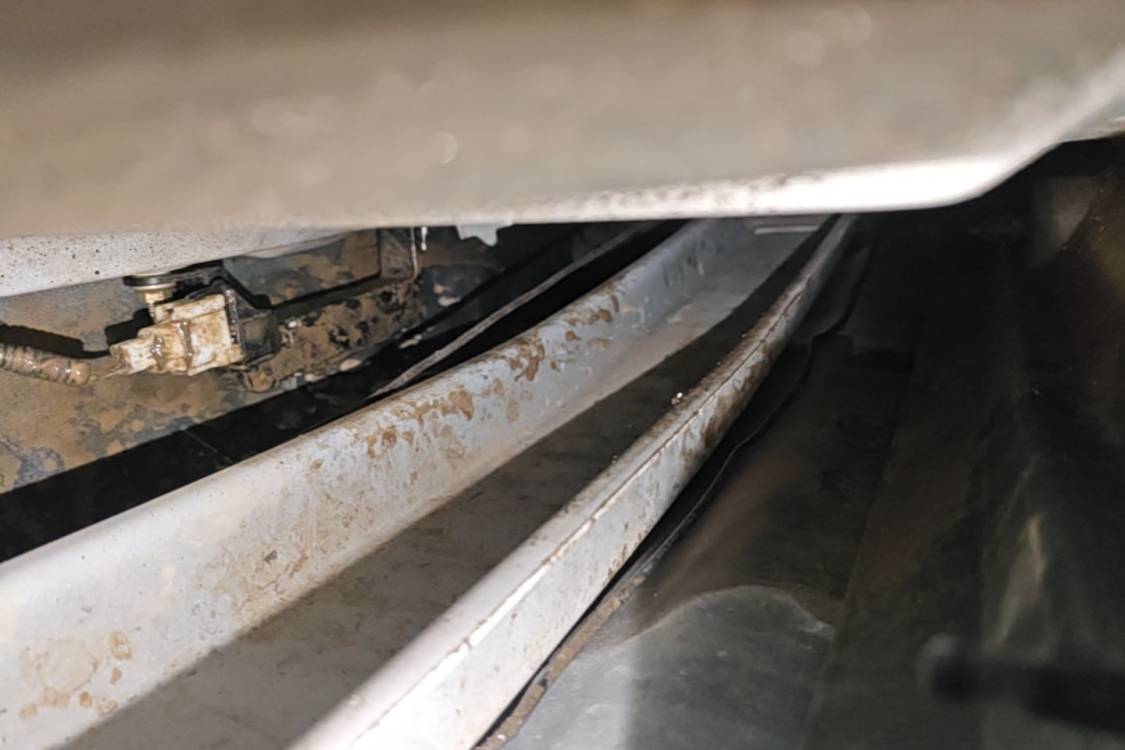
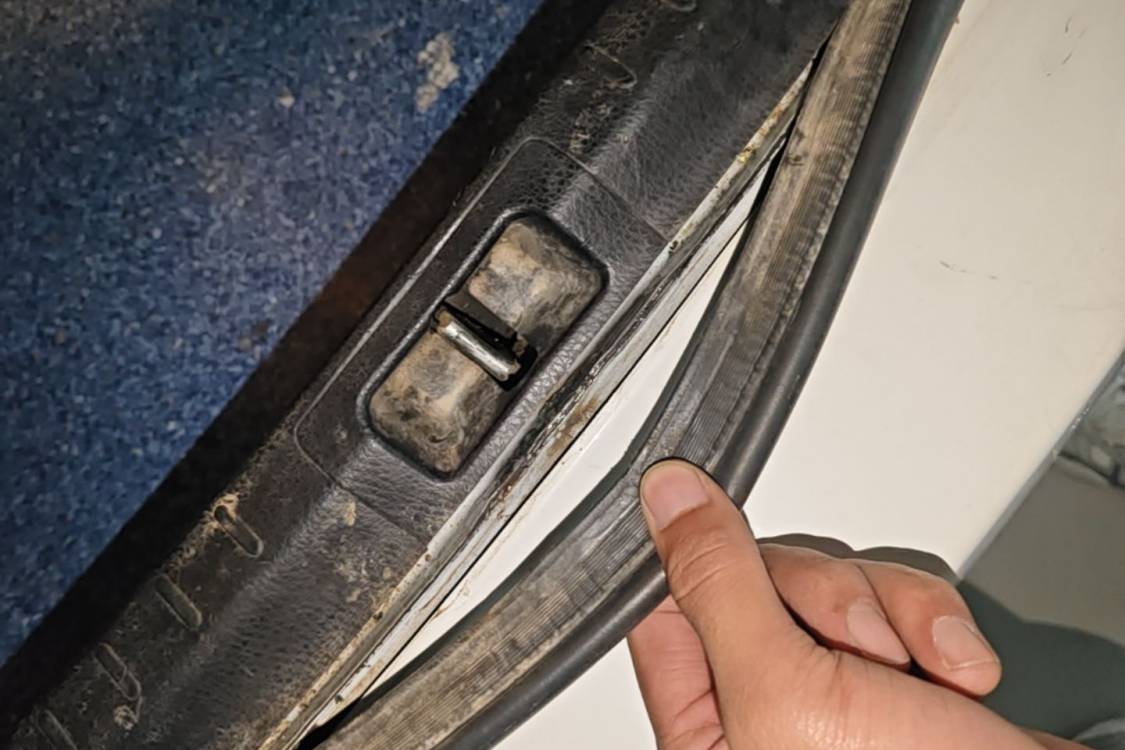
Body components (structural/reinforcing/panels) have accident-type damage; passive safety devices are defective; vehicle performance (including three-electric system) is degraded or remains performance-limited after repairs.

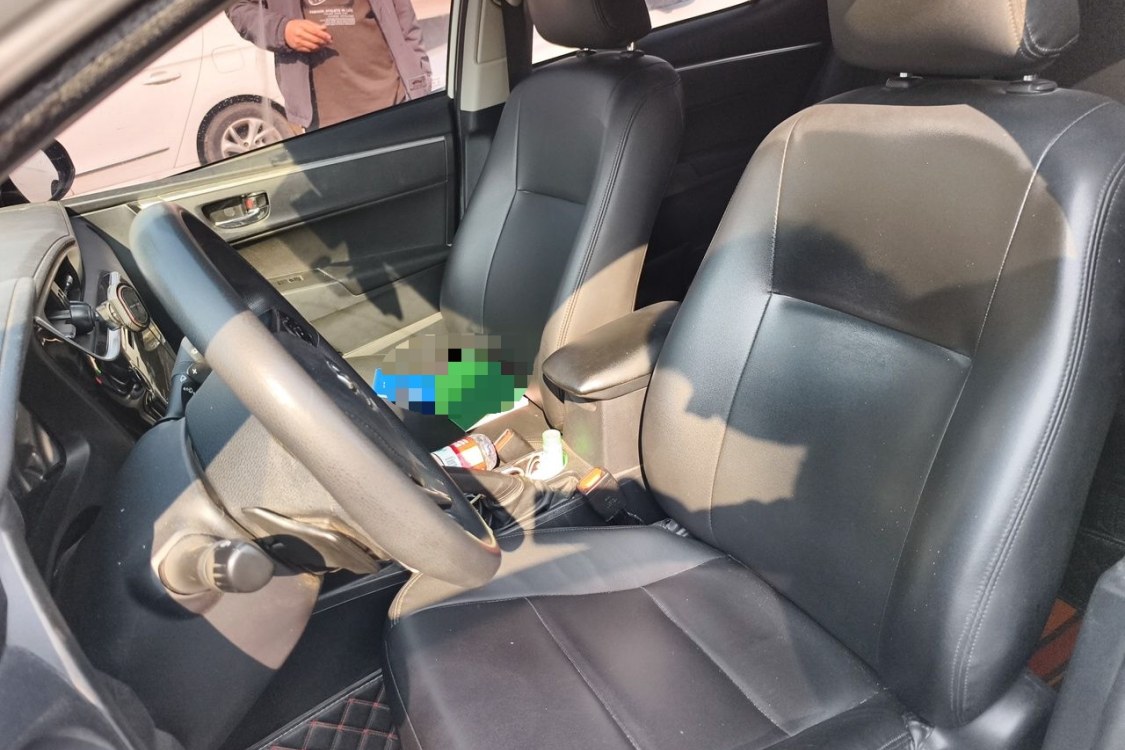
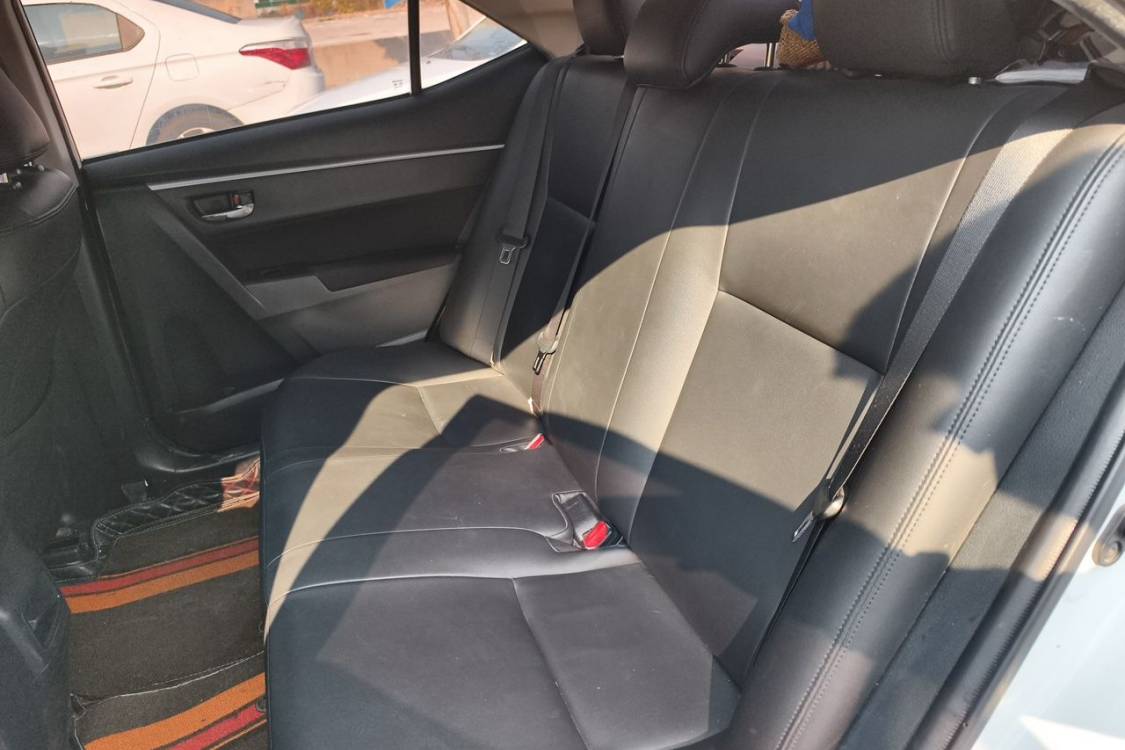
Accident inspection: main structure damaged, reinforcing parts damaged, cover panels damaged, hinges normal; engine bay: key mechanical components normal; exterior: 1 area of sheet metal repair; interior: most features normal, airbag normal, seatbelt normal, dashboard normal, instrument readings normal, lighting system normal; start-up test: main components normal; on-board tools: none.

可讲价
平台物流
可转售
VIP车源
新能源
新检测标准升级>
必卖车源
非泡水

Document Information

Inspection Expiry Date2027/05
Warranty Expiry Date-
Insurance Expiry Date2027/05

Q&A

More

How can I verify that a pre-shipment inspection report and photos really match the car I'm buying—timestamps, VIN, and live video?

Fake or recycled inspection reports are a real risk. Verify authenticity before wiring the balance payment. First, match the VIN: the report must show the full VIN, and the photos must include close-ups of the VIN plate on the chassis and the windshield tag. Ask for a live video call where the inspector walks to the car, shows the VIN tag, and then pans across the dashboard, odometer, and any defects noted in the report—on the same call. Check metadata: ask for original photos rather than screenshots. Files sent via WeChat often strip EXIF, so request the inspector to email originals or use a cloud link where timestamps and GPS data are visible. Cross-verify details: the odometer reading in the video should match the report exactly, and paint-thickness readings should be reproducible—ask the inspector to re-measure 2-3 spots live. Use a known inspection company rather than one recommended solely by the seller, and pay the inspector directly. An independent inspector has no incentive to hide defects.


If we have a dispute in the transaction, which country's laws govern the car purchase contract?

To ensure the legal rights of both parties, the "International Used Car Sales Contract" we signed is in both Chinese and English. Generally, the contract is governed by Chinese law. All liabilities for breach of contract and force majeure clauses will be clearly defined in the contract.

How do I read and interpret a Chinese vehicle history report—what do the records and codes mean, and which findings should stop the deal?

A Chinese history report (查博士, 精真估, or 4S-shop records) usually contains several sections. Here's how to read them. Accident records: entries tagged 重大事故 (major accident) or listings at an insurance payout above 30% of the car's value are serious red flags. Airbag deployment is a deal-breaker for most buyers. Mileage timeline: check that mileage increases logically between service visits. A sudden drop between two dates means odometer tampering—walk away. Ownership count: more than 3 owners in 5 years suggests a problem car. Also check the 使用性质 field: a car registered as 营运 (commercial/taxi use) has a much shorter legal lifespan. Maintenance entries: consistent 4S dealership records are a good sign; long gaps aren't necessarily fatal if the owner used independent shops, but ask for receipts. Cross-check the report against the VIN plate, registration certificate, and physical inspection. If the report shows no accidents but paint thickness readings say otherwise, trust the metal, not the paper.