Basic Information

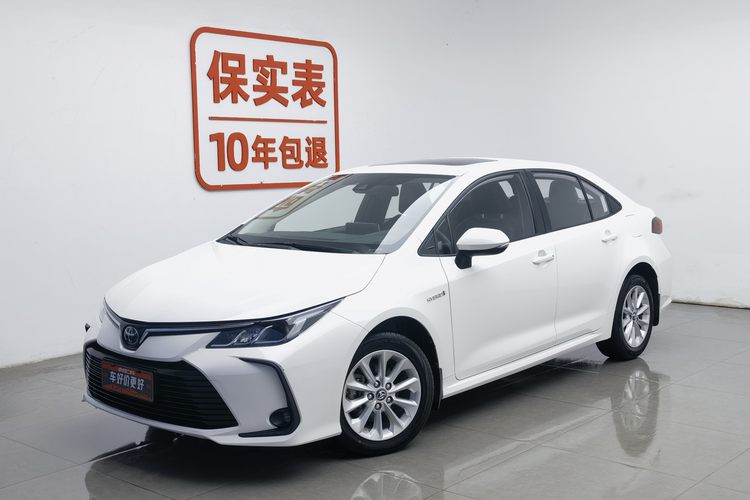
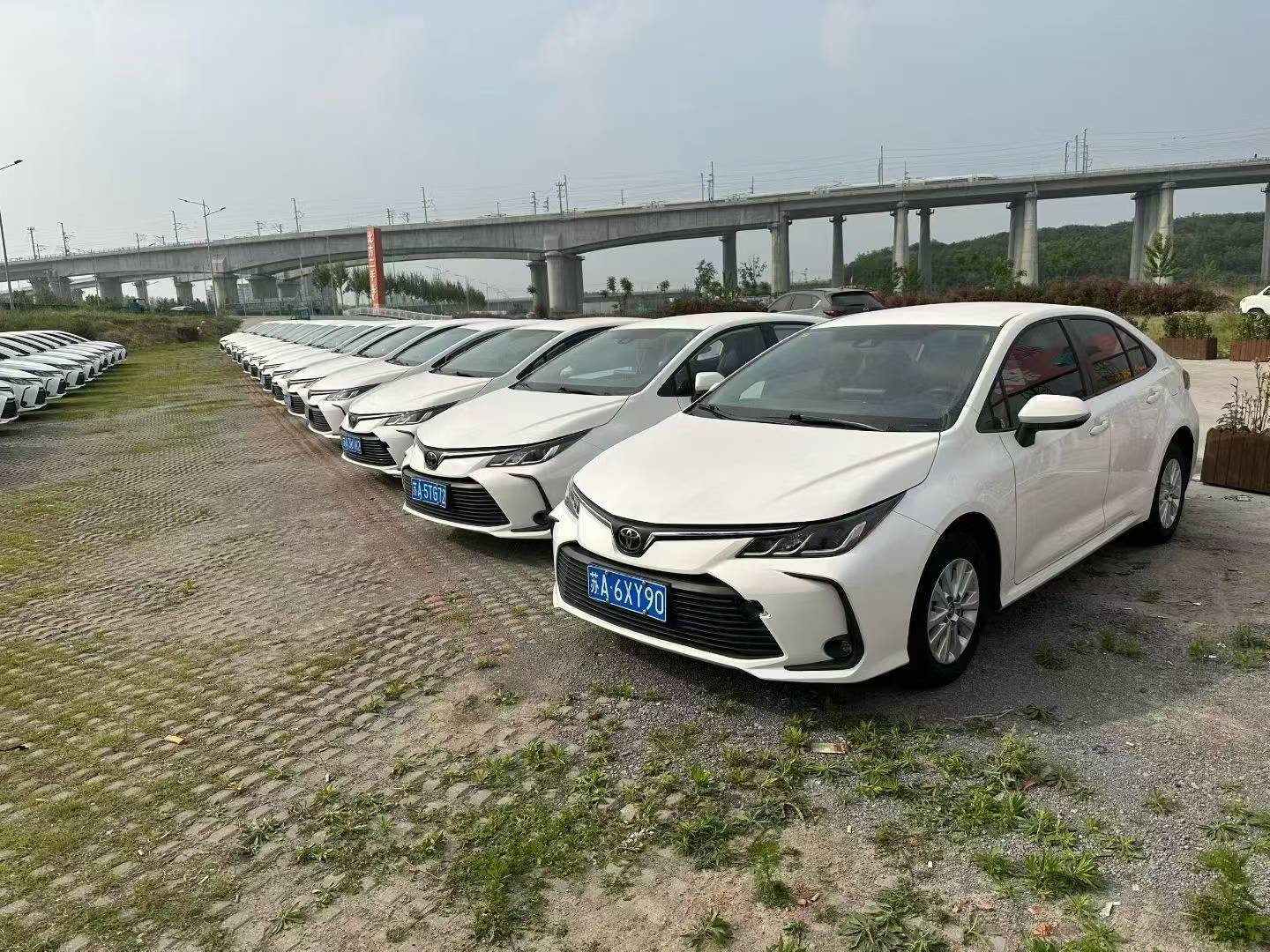
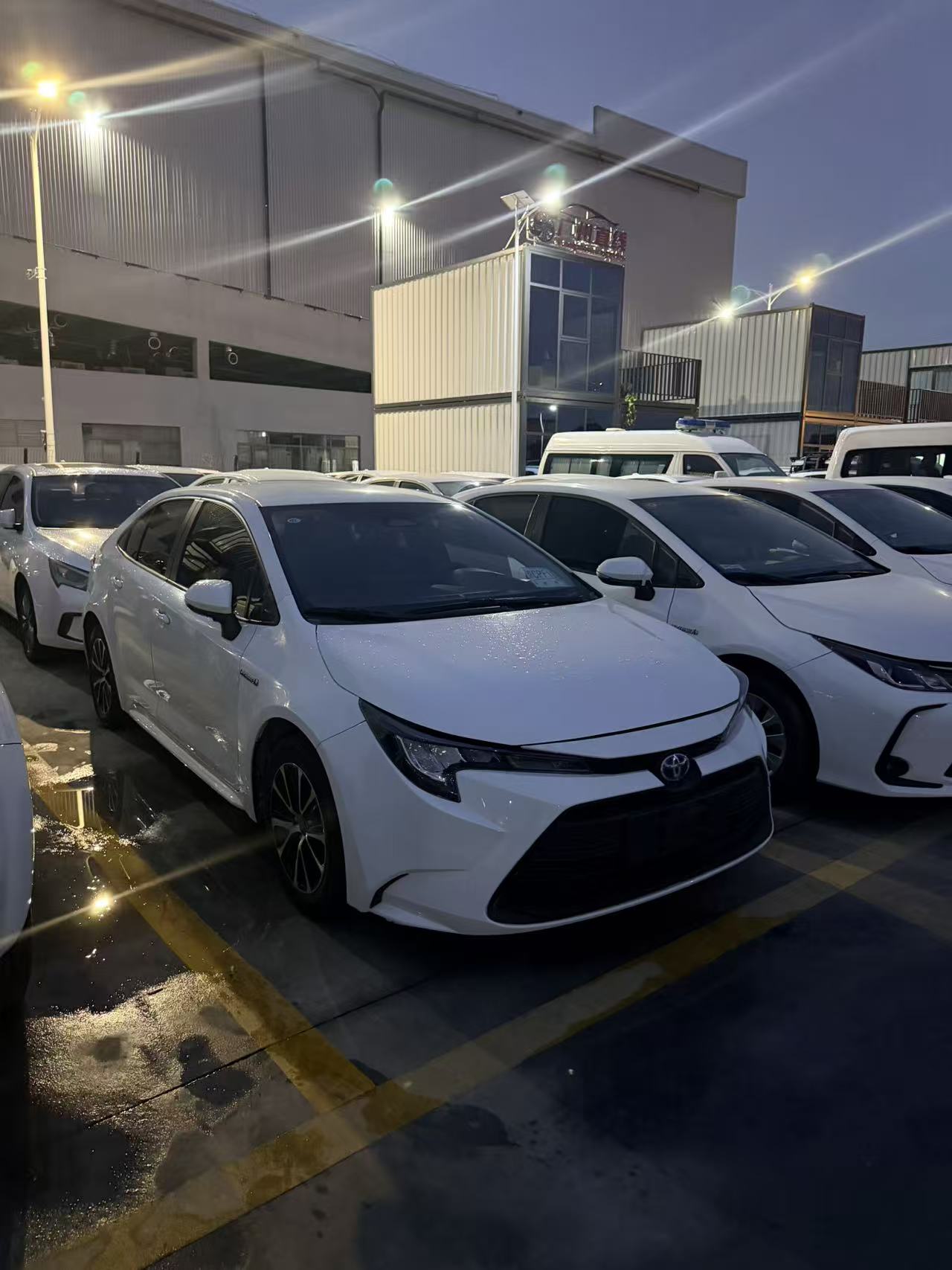
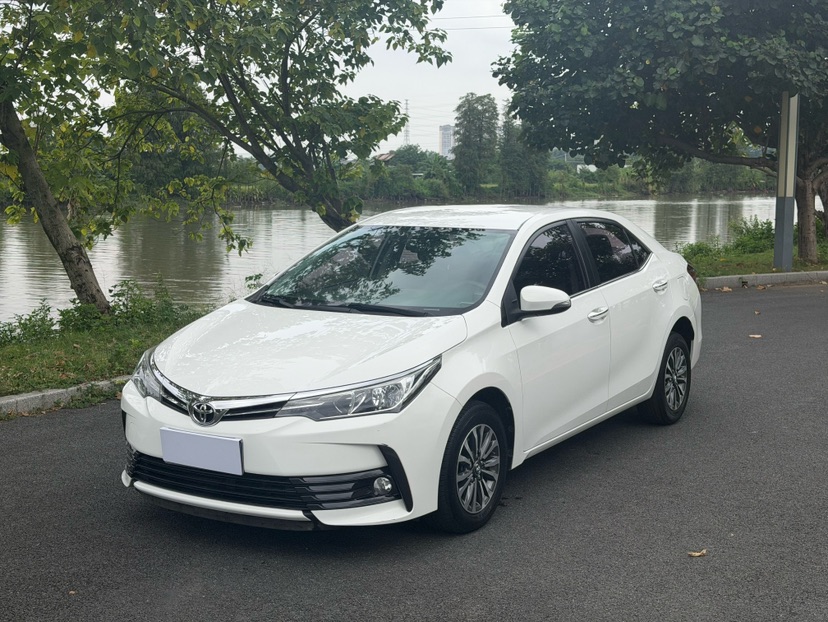
BrandToyota
SeriesCorolla
Year2019
First Registration2019/11
Mileage120,000km
Transfer Count0times
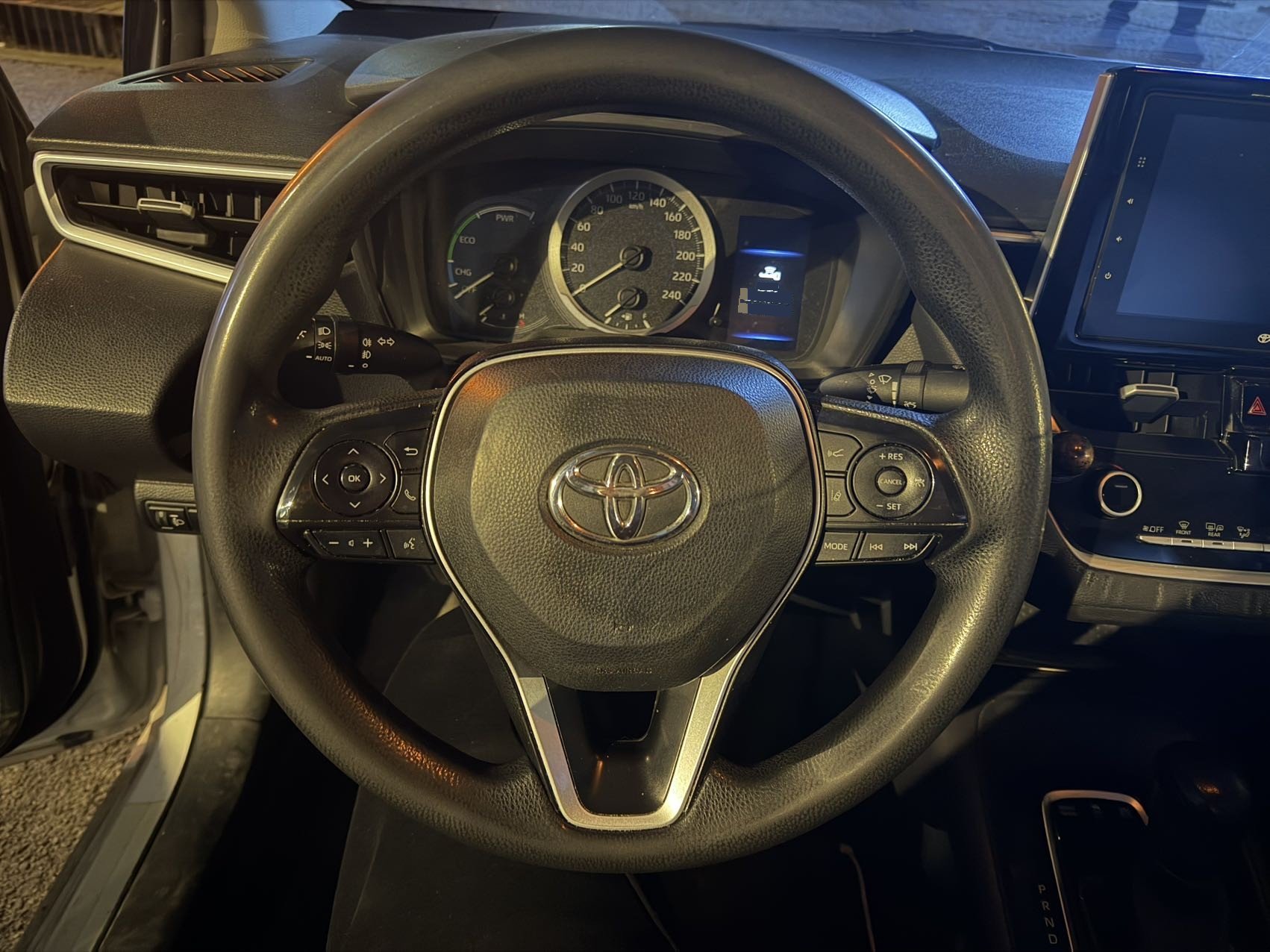
FuelHEV
TransmissionE-CVT
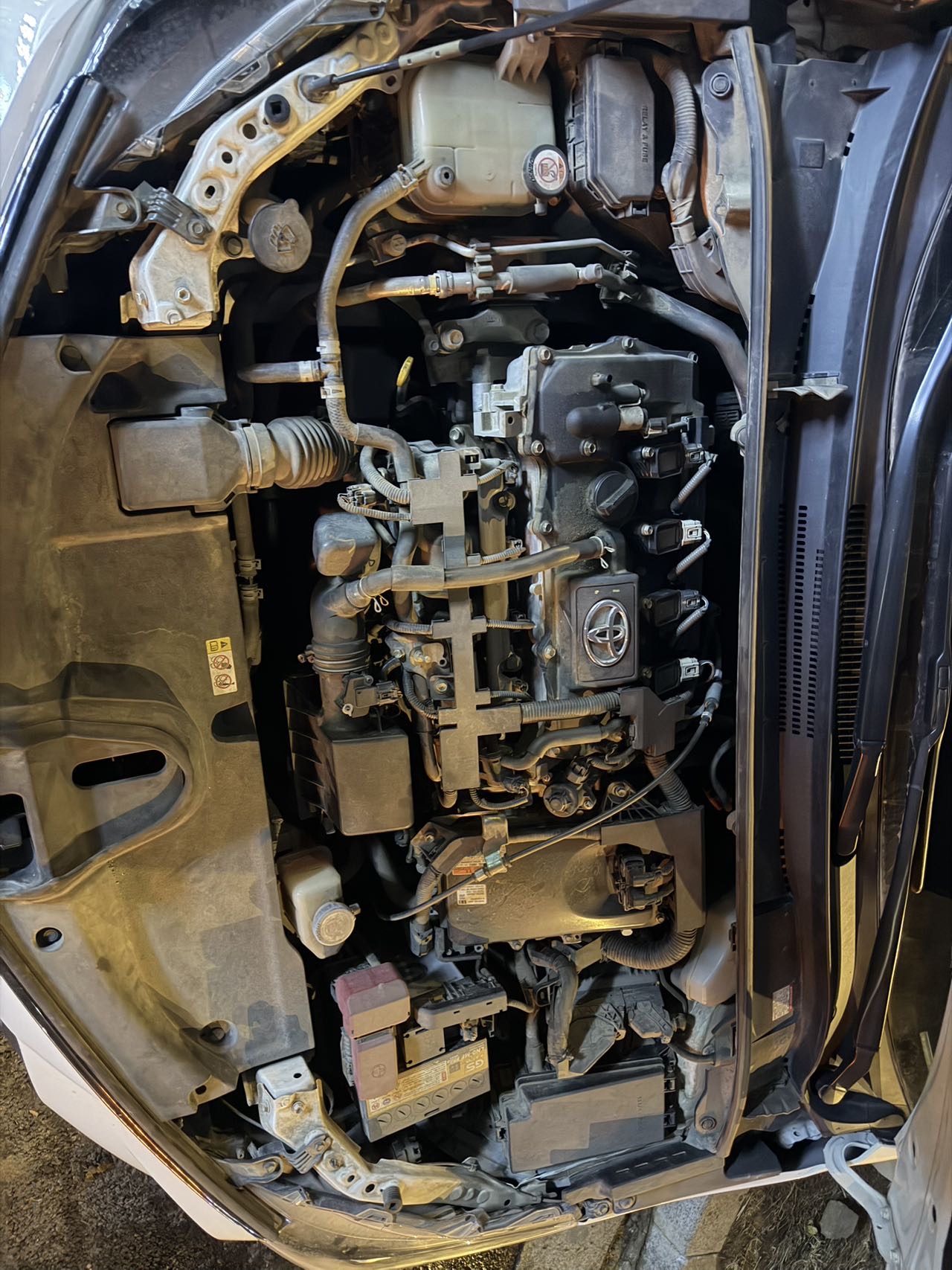
Engine1.8L 98 L4
ColorWhite
Seats-

Condition Description

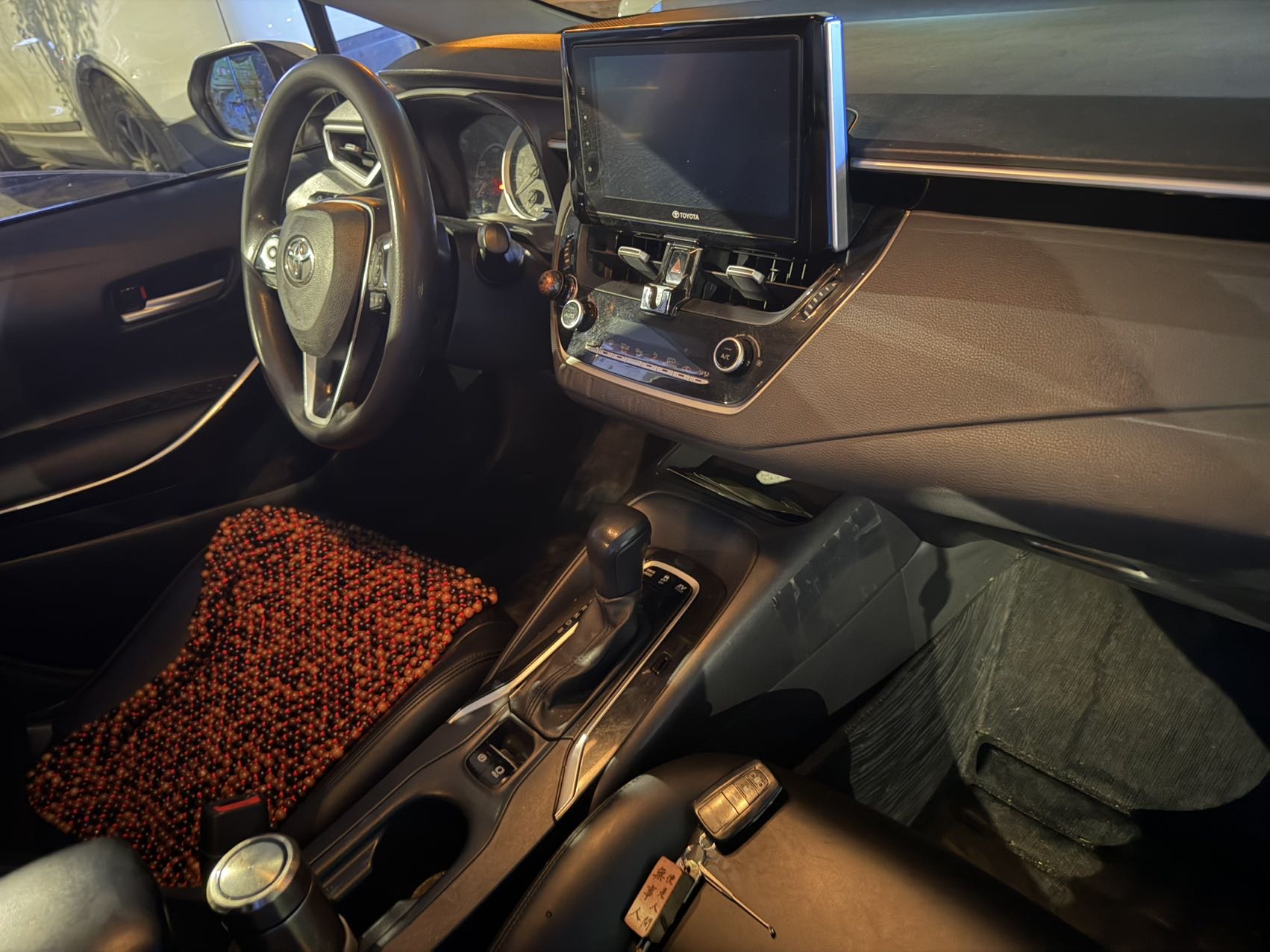
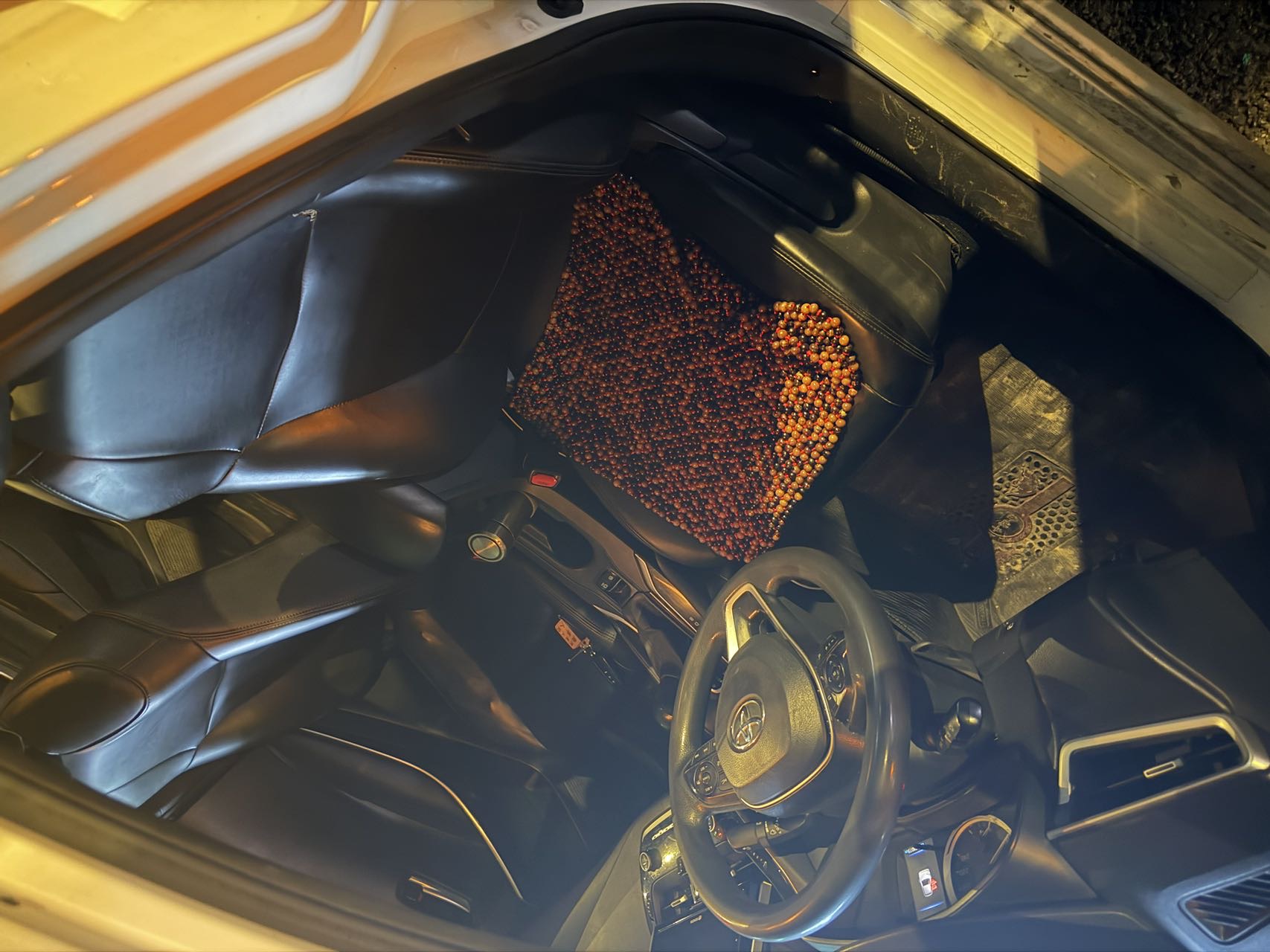
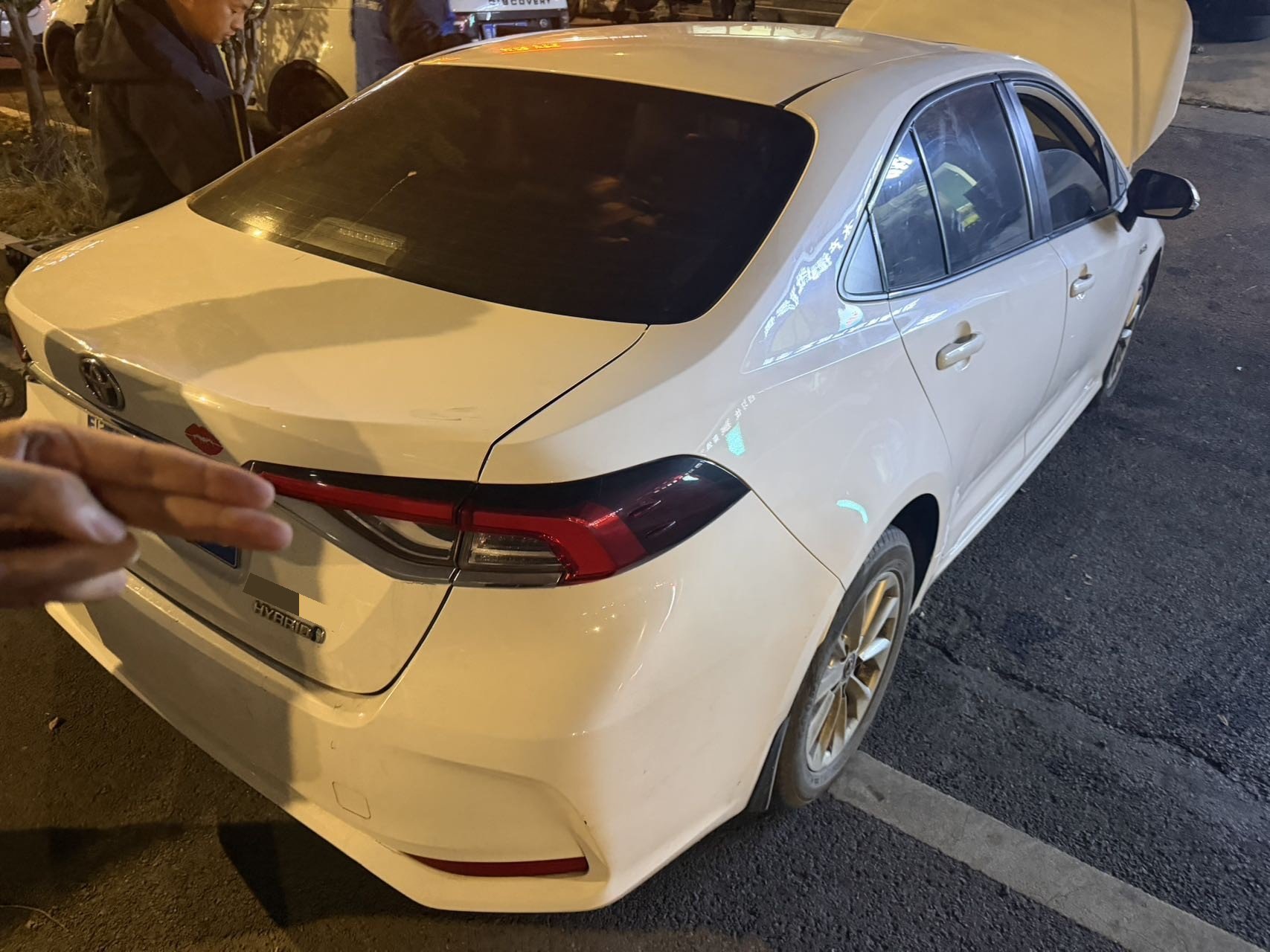
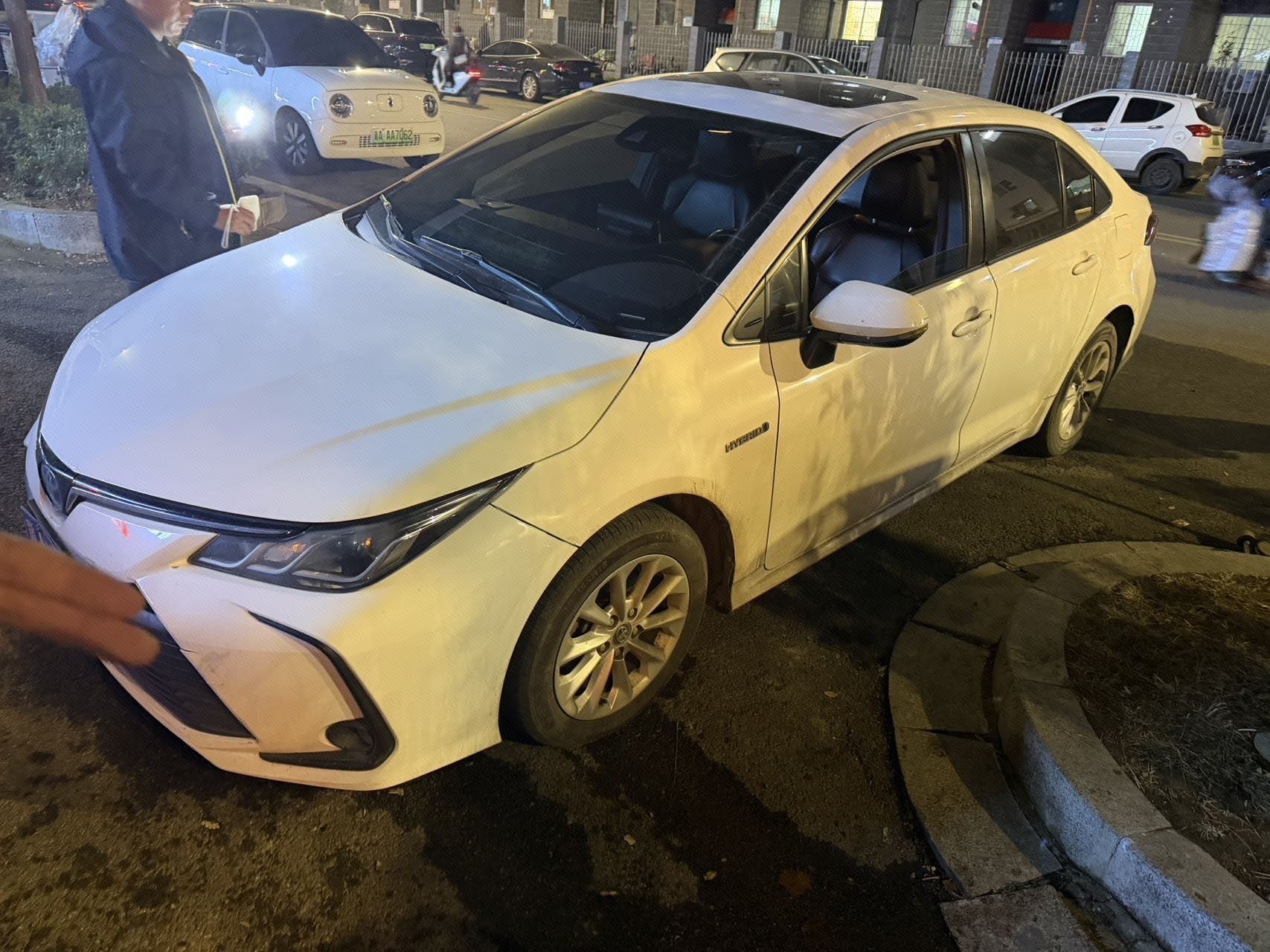
Actual vehicle condition is better than records. 120,000 km. Left rear fender has been repaired with bodywork (about a palm-sized area).

Document Information

Inspection Expiry Date-
Warranty Expiry Date-
Insurance Expiry Date2026/11

Q&A

More

Will the platform ask the buyer for an additional "service fee" or "commission" after the transaction is completed?

No hidden fees. The total amount on the FOB/CIF invoice is the final amount. We rely on professional supply chain operations to earn a reasonable margin and do not allow any sales personnel to privately request kickbacks or service fees from you.

If I cancel my order, how long should a refund of my deposit take, and what if the exporter keeps delaying?

A reasonable refund timeline is 5-15 business days after written cancellation, provided the car hasn't shipped or incurred costs. Legitimate deductions may apply: inspection fees, storage, or transport already spent on your order. To protect yourself, put refund terms in the contract before paying: state the refund amount, the deadline, and the payment method (same account you paid from). If delays occur, escalate in writing—email plus your messaging channel—and set a firm deadline referencing the contract clause. If the exporter keeps stalling beyond 30 days, your leverage is small from abroad, which is why the contract matters most. For large amounts, consider whether your bank can initiate a recall of the wire, or use escrow for future transactions so funds are only released against delivery milestones.
How can I detect signs of flood or water damage inside a used car from China during a remote inspection?

Water damage is one of the most common hidden problems in used cars, and it often escapes basic photo reviews. During a live video inspection, ask the inspector to check these specific points: 1. Smell test: A musty or moldy odor inside the cabin is the first red flag. Have them open all doors, run the AC briefly, and smell the air from the vents—musty AC often indicates water in the HVAC system. 2. Under the carpets: Lift the floor mats and look for water lines, rust stains, or dampness on the carpet backing and the metal floor underneath. Sediment or silt residue is a giveaway. 3. Seat rails and bolts: Pull the seats fully forward and backward. Rust on seat rails or fresh-looking bolts suggests the seats were removed for cleaning after flooding. 4. Trunk area: Check the spare tire well and under the trunk carpet for standing water marks or rust. 5. Electronics: Test every window, seat adjustment, and the infotainment screen—water-damaged electronics behave erratically. Also request a scan report: flood cars often store history codes for multiple control modules that failed simultaneously. Cross-check the car's origin; vehicles from flood-prone southern regions deserve extra scrutiny.