


24H

Basic Information

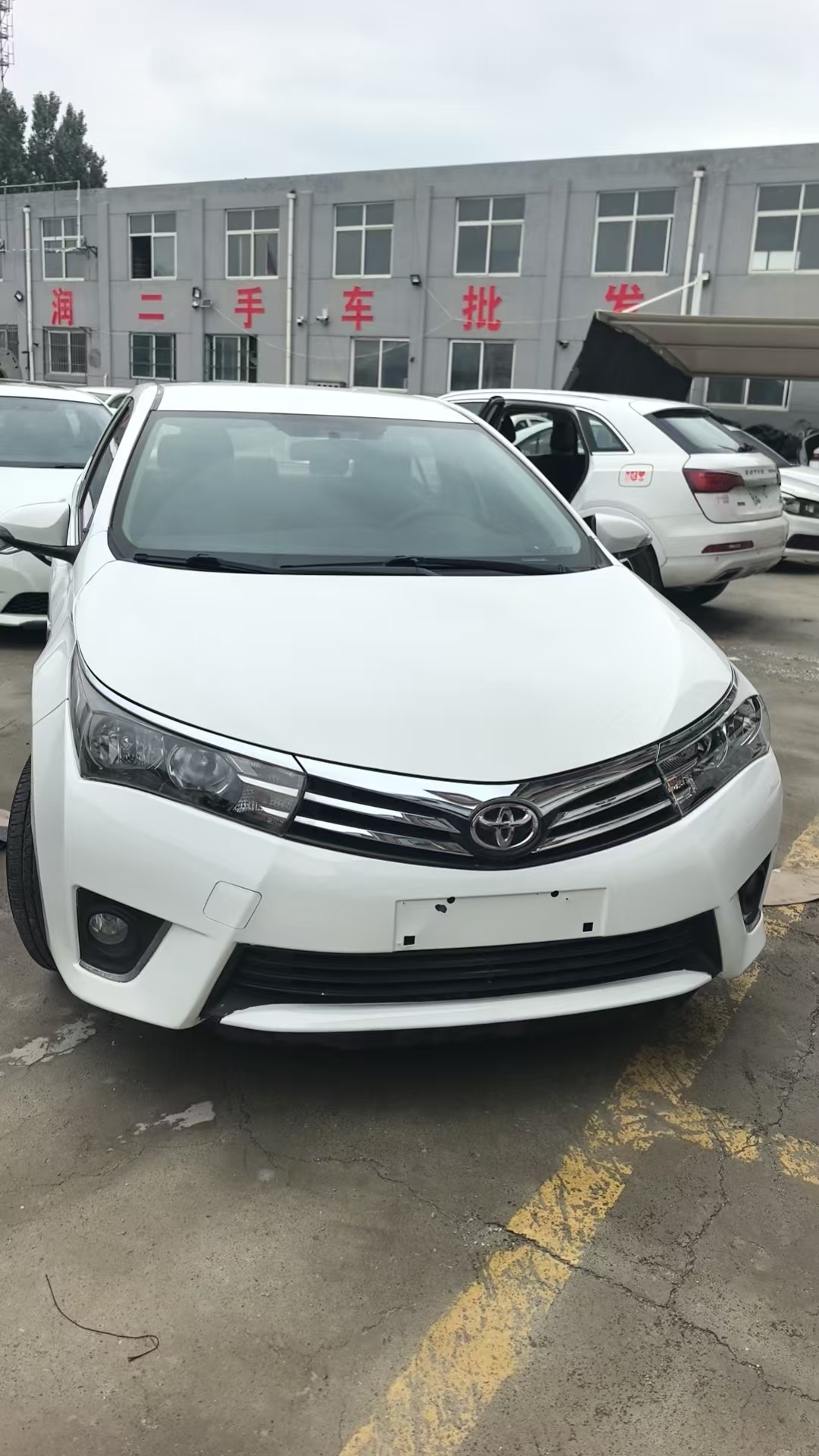
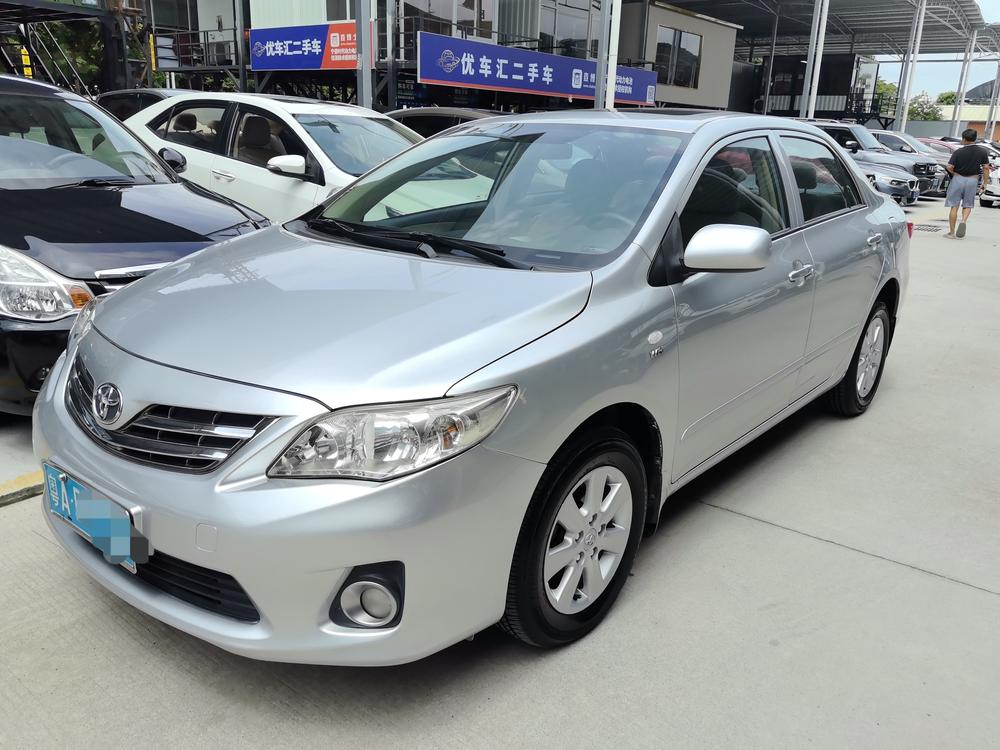
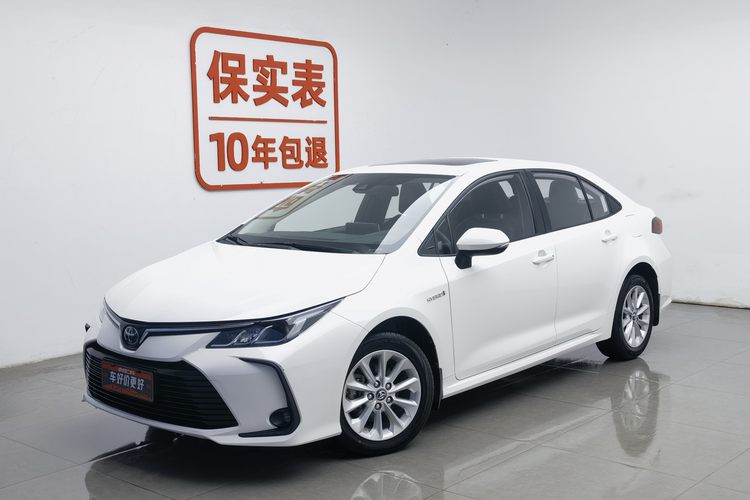
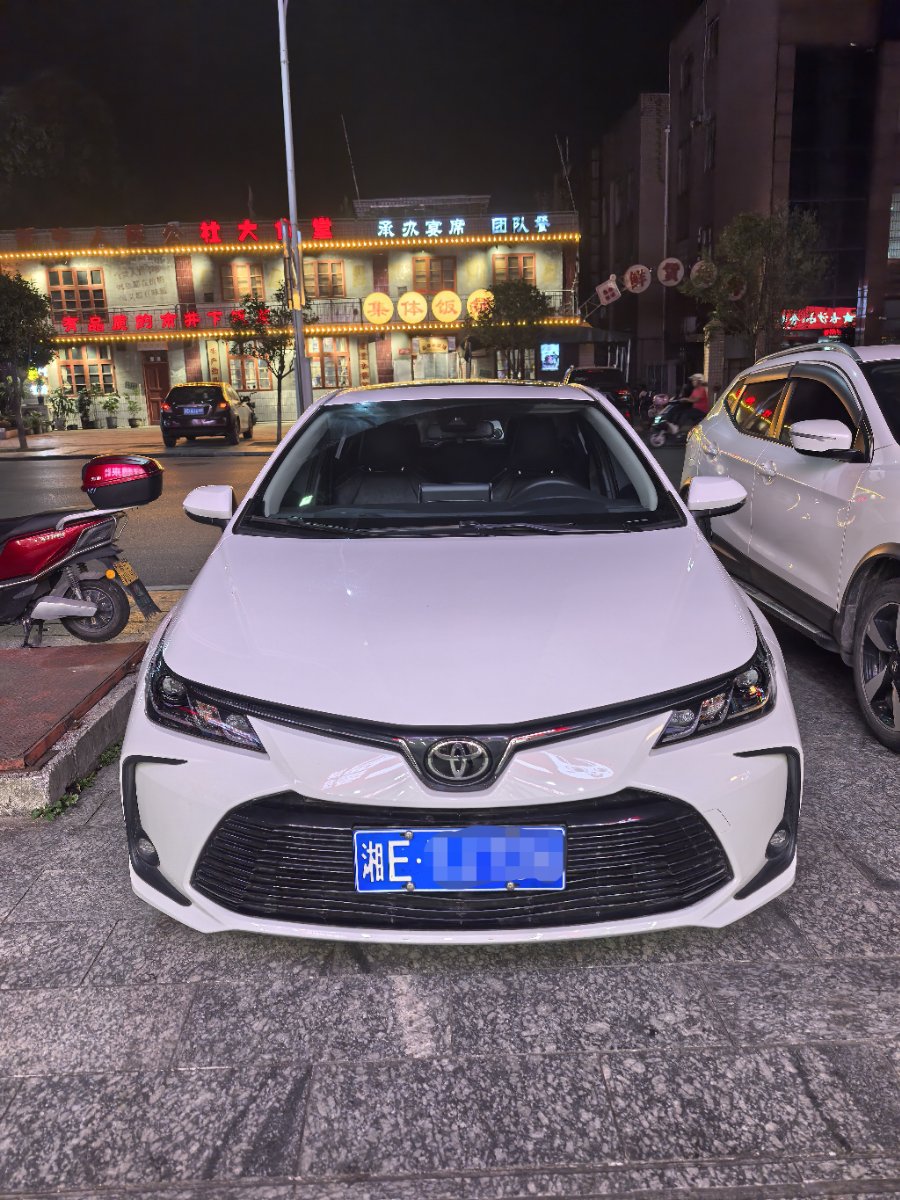
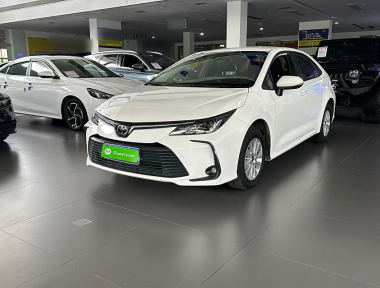
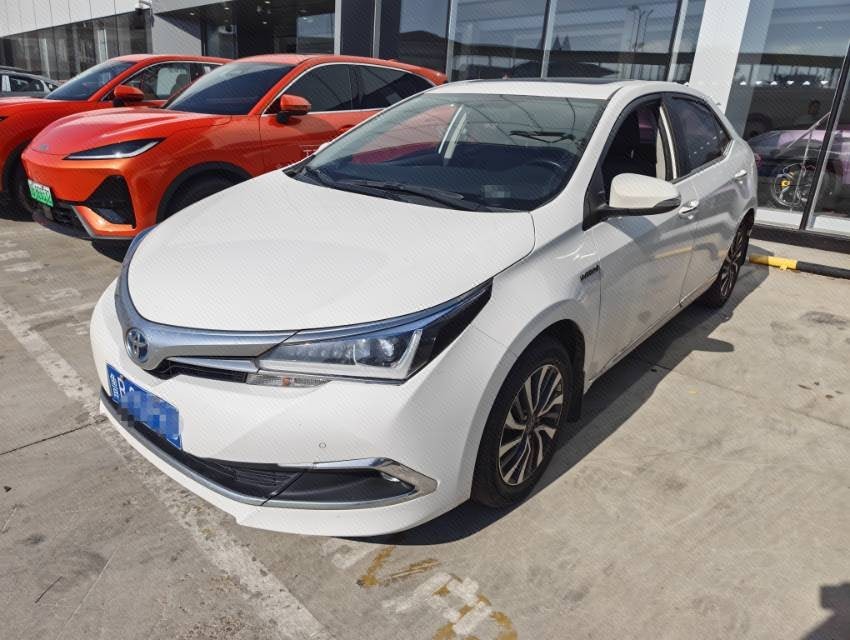
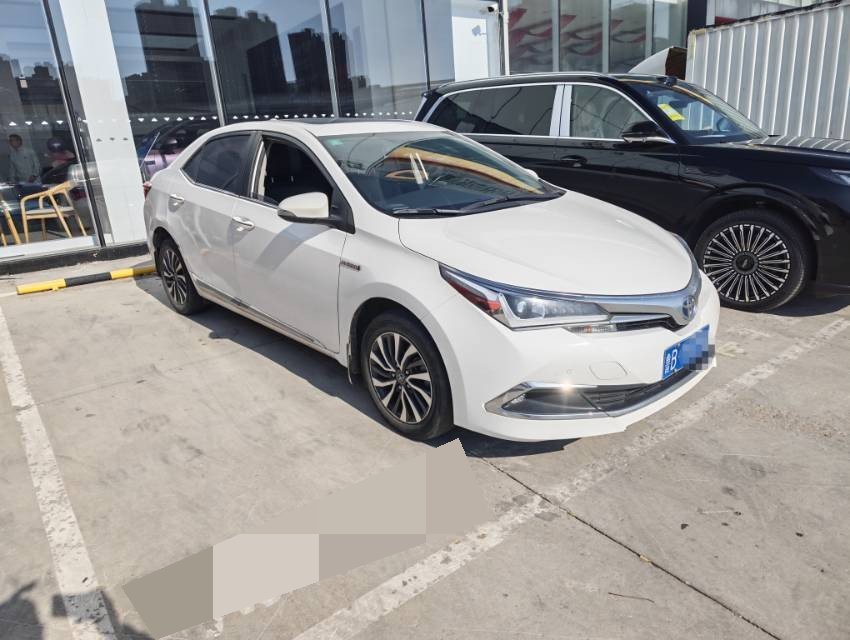
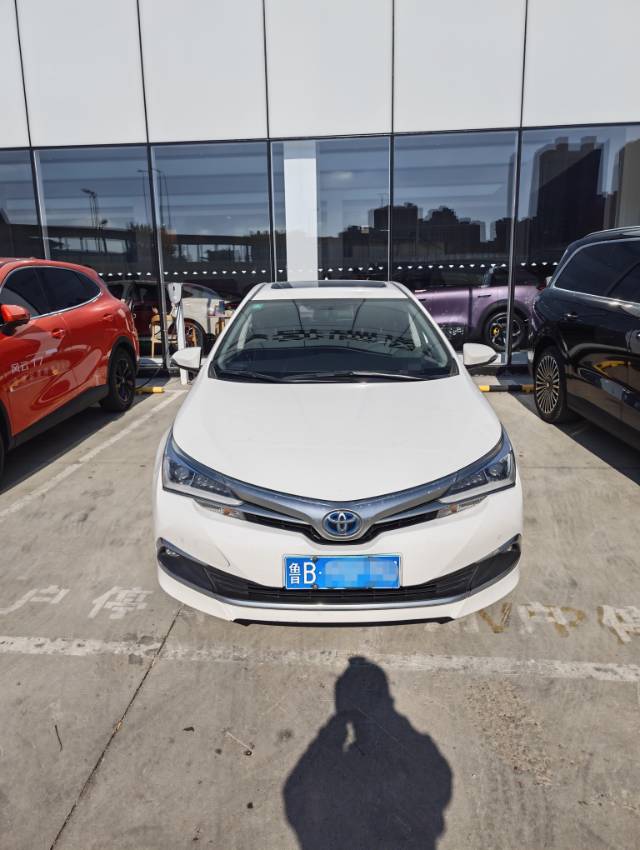
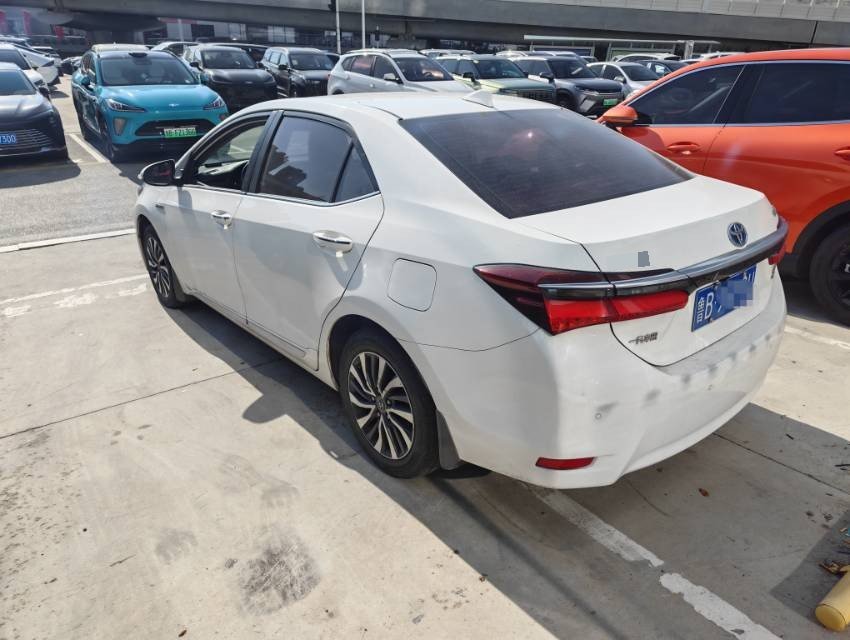
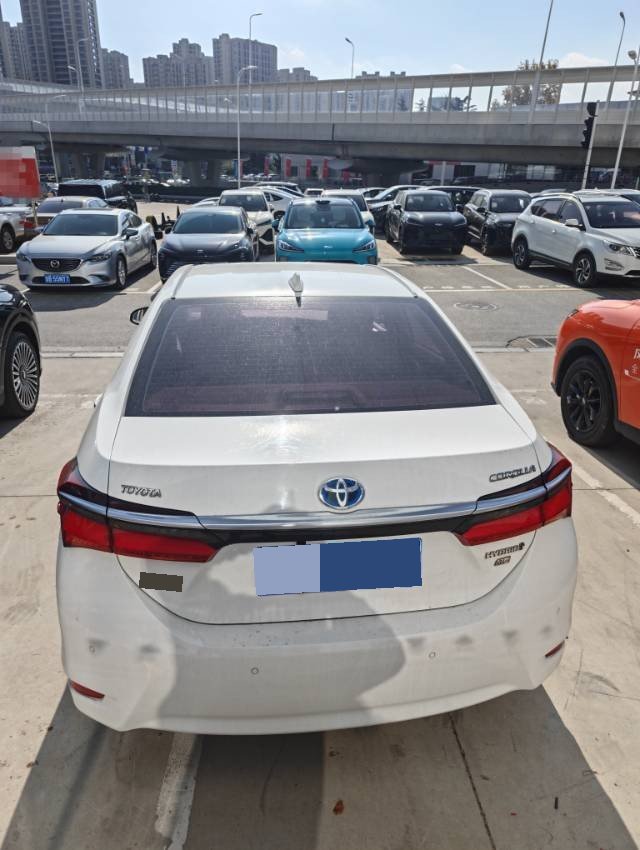
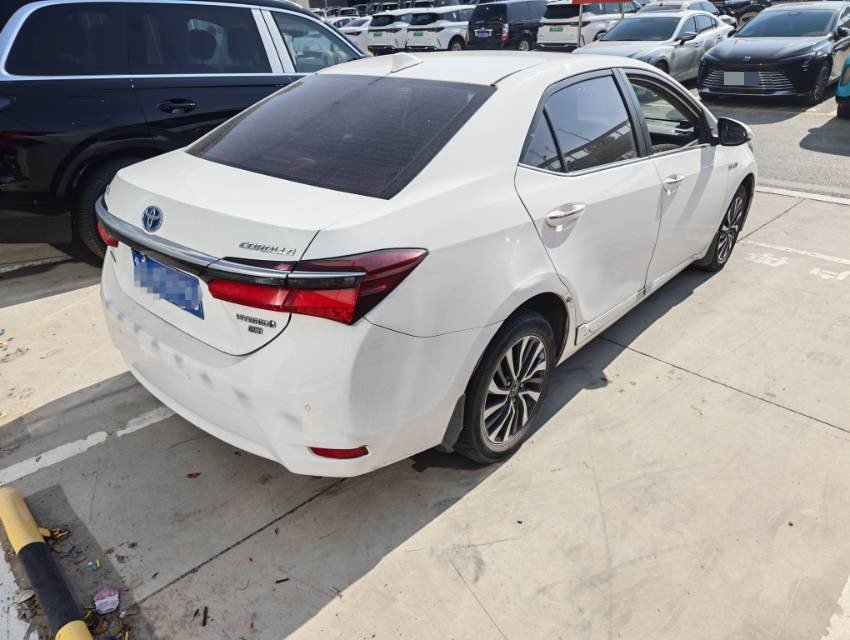
BrandToyota
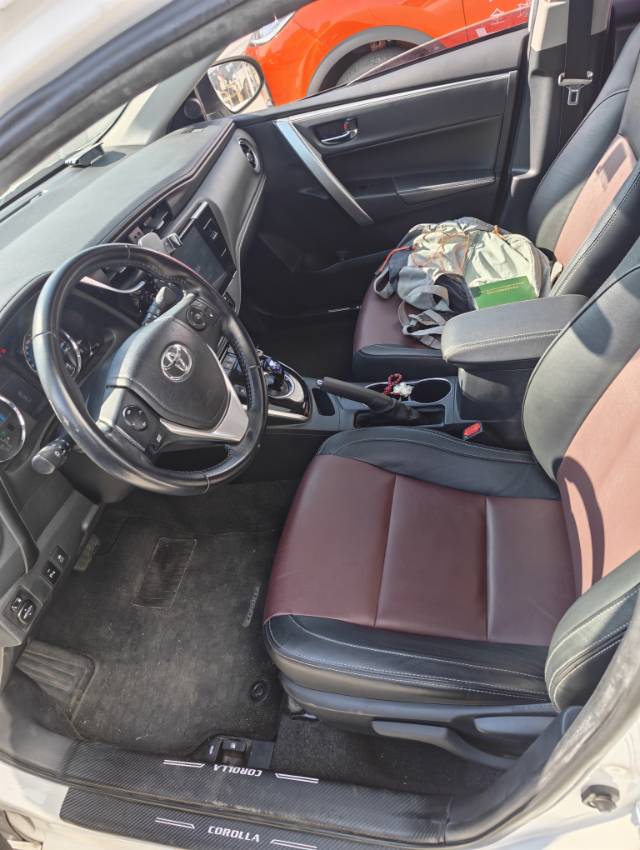
SeriesCorolla
Year2019
First Registration2019/05
Mileage120,000km
Transfer Count0times
FuelHEV
TransmissionE-CVT
Engine1.8L 99 L4
ColorWhite
Seats-

Condition Description

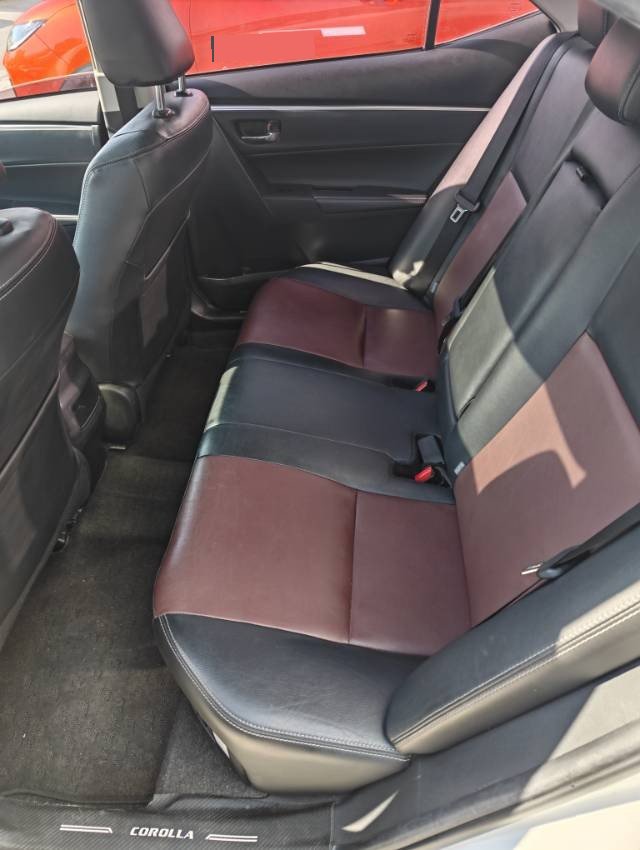
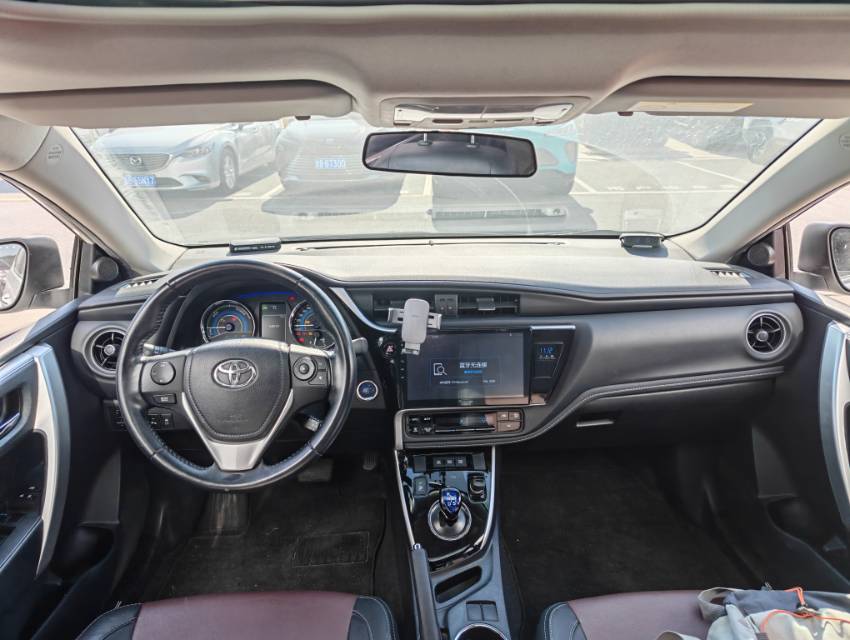
Personal one-owner car, non-commercial, actual mileage 120,000 km. Two doors replaced due to expanded damage at a 4S shop. The three major components retain original paint. Engine has no oil leaks; chassis is tight.

Document Information

Inspection Expiry Date-
Warranty Expiry Date-
Insurance Expiry Date2027/05

Q&A

More

If a coup occurs in the destination country or if import regulations are suddenly changed, preventing the vehicle from clearing customs, does this count as force majeure?

It completely falls under force majeure. After the delivery is completed (crossing the ship's rail) under FOB or CIF terms, the seller (us) bears no liability for refunds or compensation due to political risks or legal changes in the destination country that hinder customs clearance or lead to confiscation.


Beyond the car price, what costs should I budget when importing a used car from China?

A realistic budget has several layers beyond the vehicle price. First, inland logistics in China: moving the car to the export port typically costs $300-$800. Second, export handling: inspection, customs declaration and paperwork usually add $500-$1,000. Third, ocean freight. A 20ft container to most destinations runs $1,200-$3,000 depending on route; RoRo shipping can be cheaper for driveable cars. Add marine insurance, usually 0.3%-0.5% of the car value. Fourth, destination charges: port handling, customs duties, VAT/GST and local registration fees. These vary widely; some countries charge duties of 20%-80% of the vehicle value plus an excise based on engine capacity. Finally, any compliance work: inspection certificates, modifications to meet local standards, or homologation. Ask your exporter for a full CIF quote and have a local customs broker confirm destination taxes before you commit.

How does the step-by-step process work when buying a used car from China for export?

The standard process looks like this: 1. Selection: pick the car, request the VIN, registration certificate, and recent photos/videos. For higher-value cars, order an independent third-party inspection. 2. Negotiation and contract: agree on price and terms. Sign a written contract stating the car's condition, price, payment schedule, and delivery terms (FOB or CIF). 3. Deposit: typically 20-30% to reserve the car. Pay to the company's corporate account, never a personal one. 4. Verification: your agent or inspector confirms the car matches the contract before the balance is due. 5. Balance and export: pay the remaining amount; the seller arranges inland transport, export customs clearance, and port loading. 6. Shipping documents: you receive the commercial invoice, packing list, and bill of lading - usually by courier or email. 7. Arrival: your customs broker clears the car, you pay duties and taxes, then register it locally. Total timeline is usually 4-8 weeks depending on the shipping route.