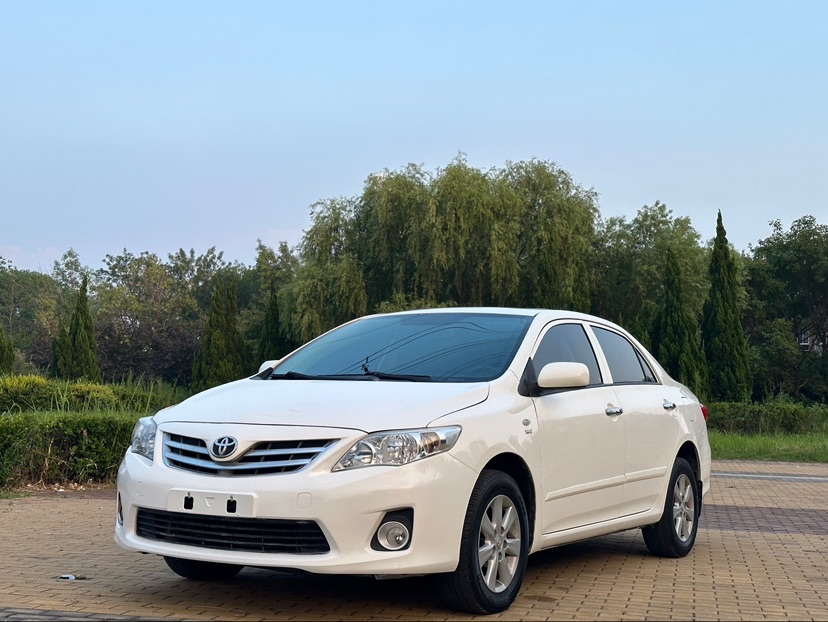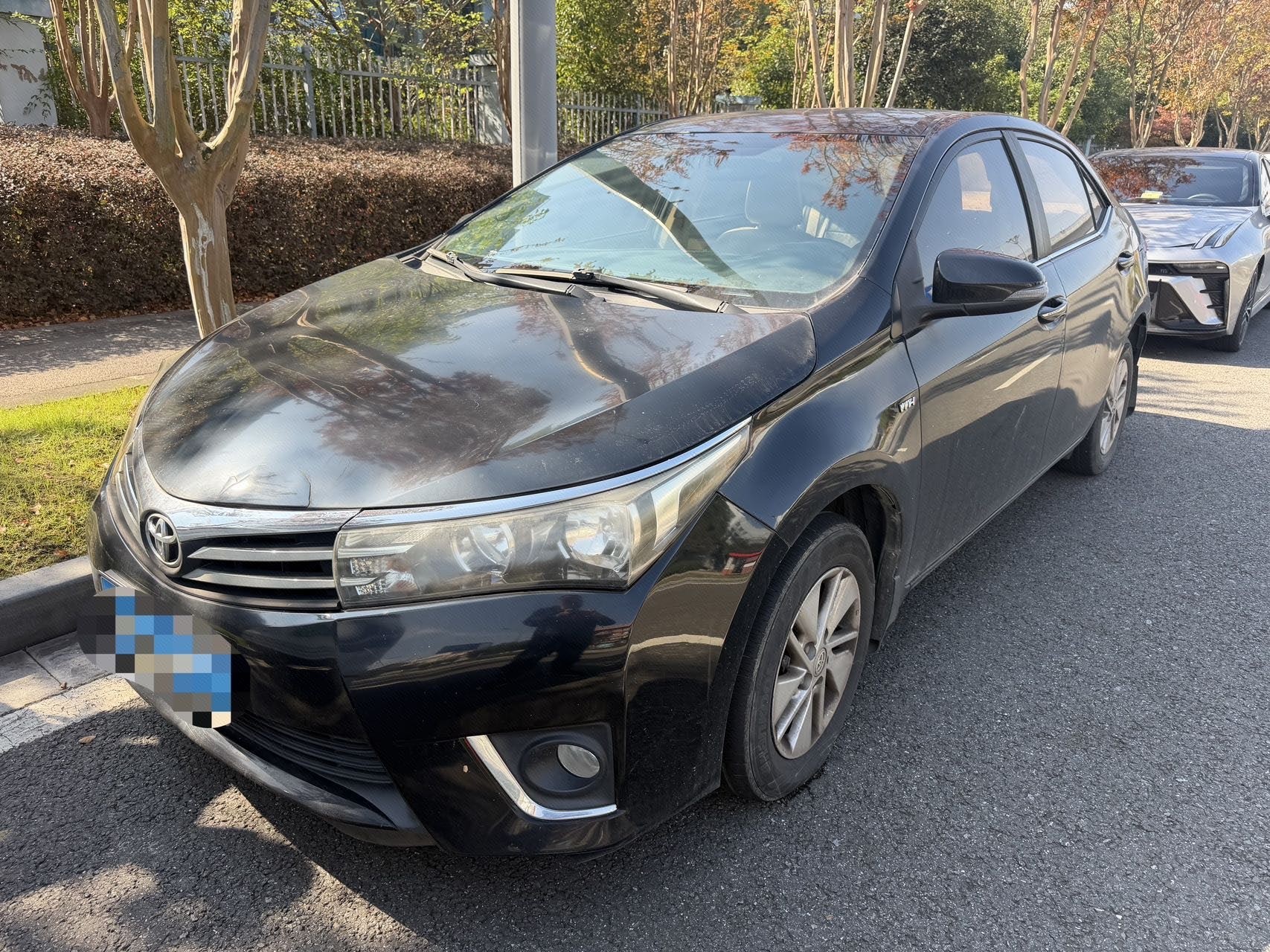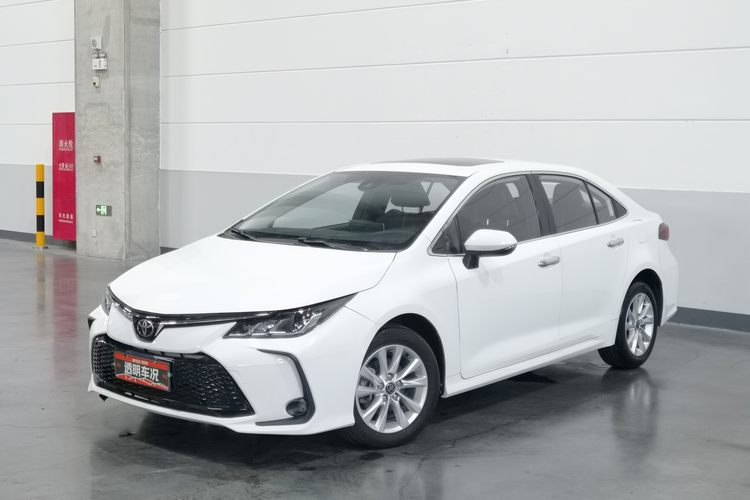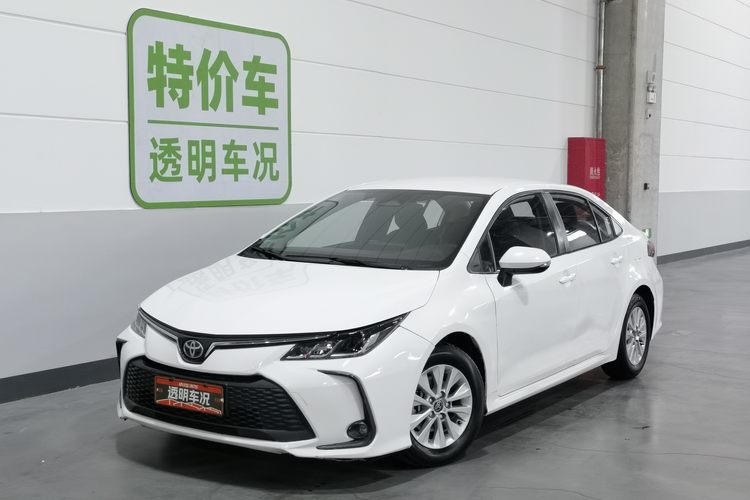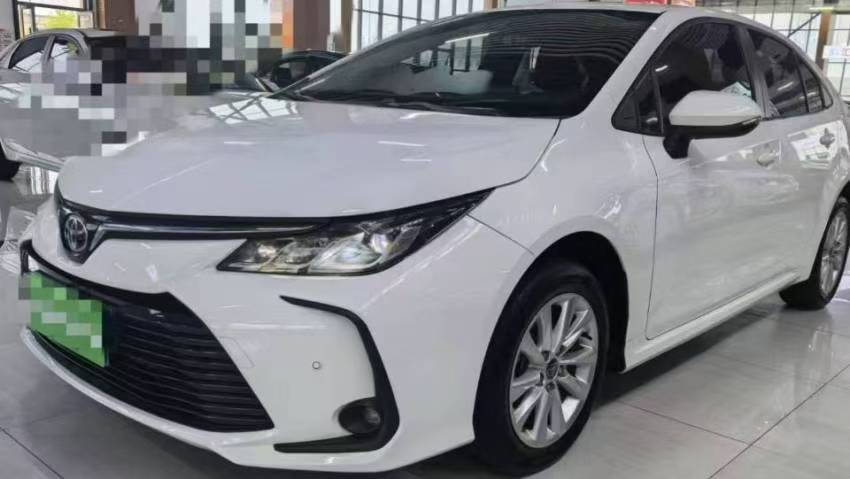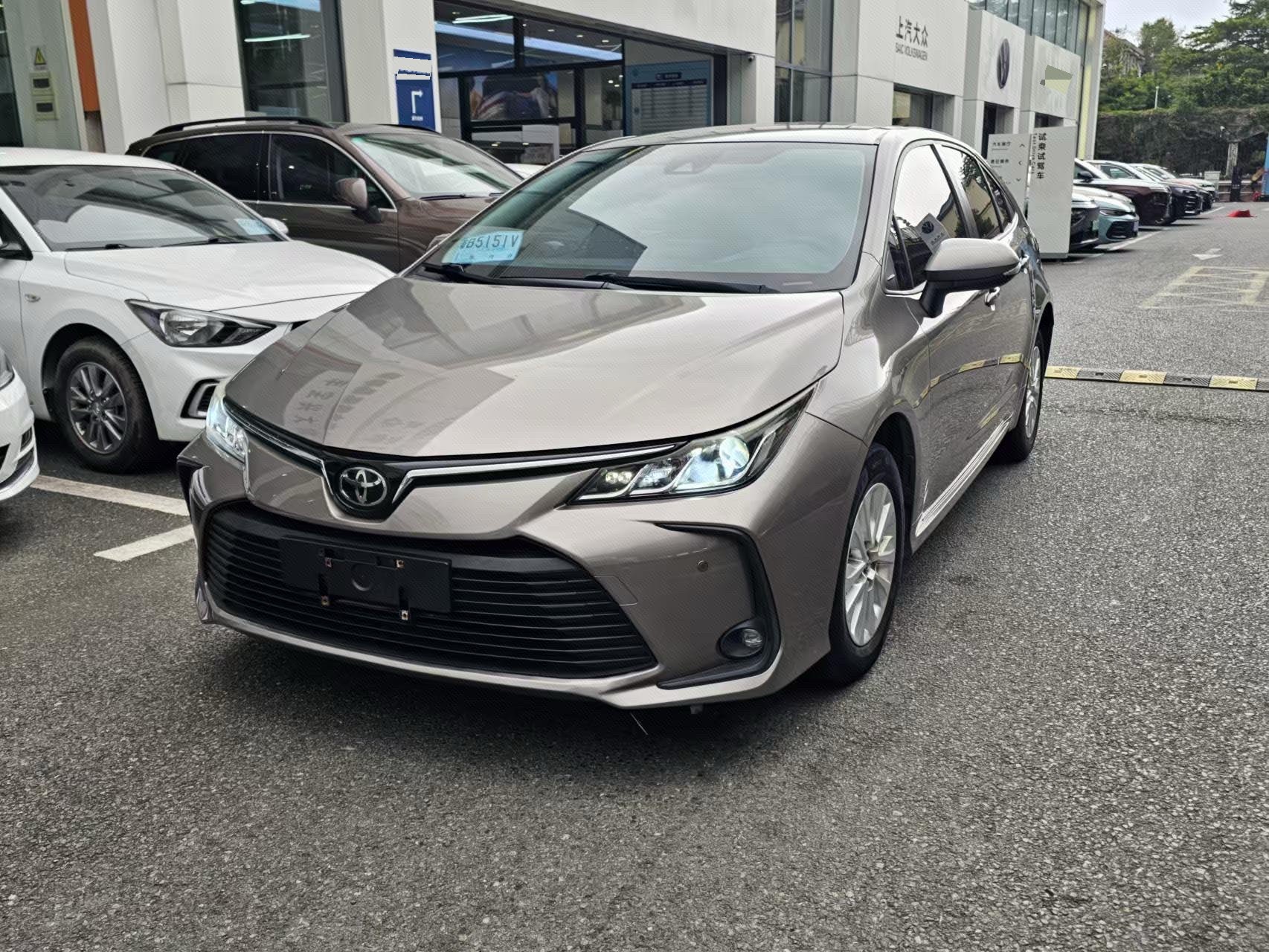
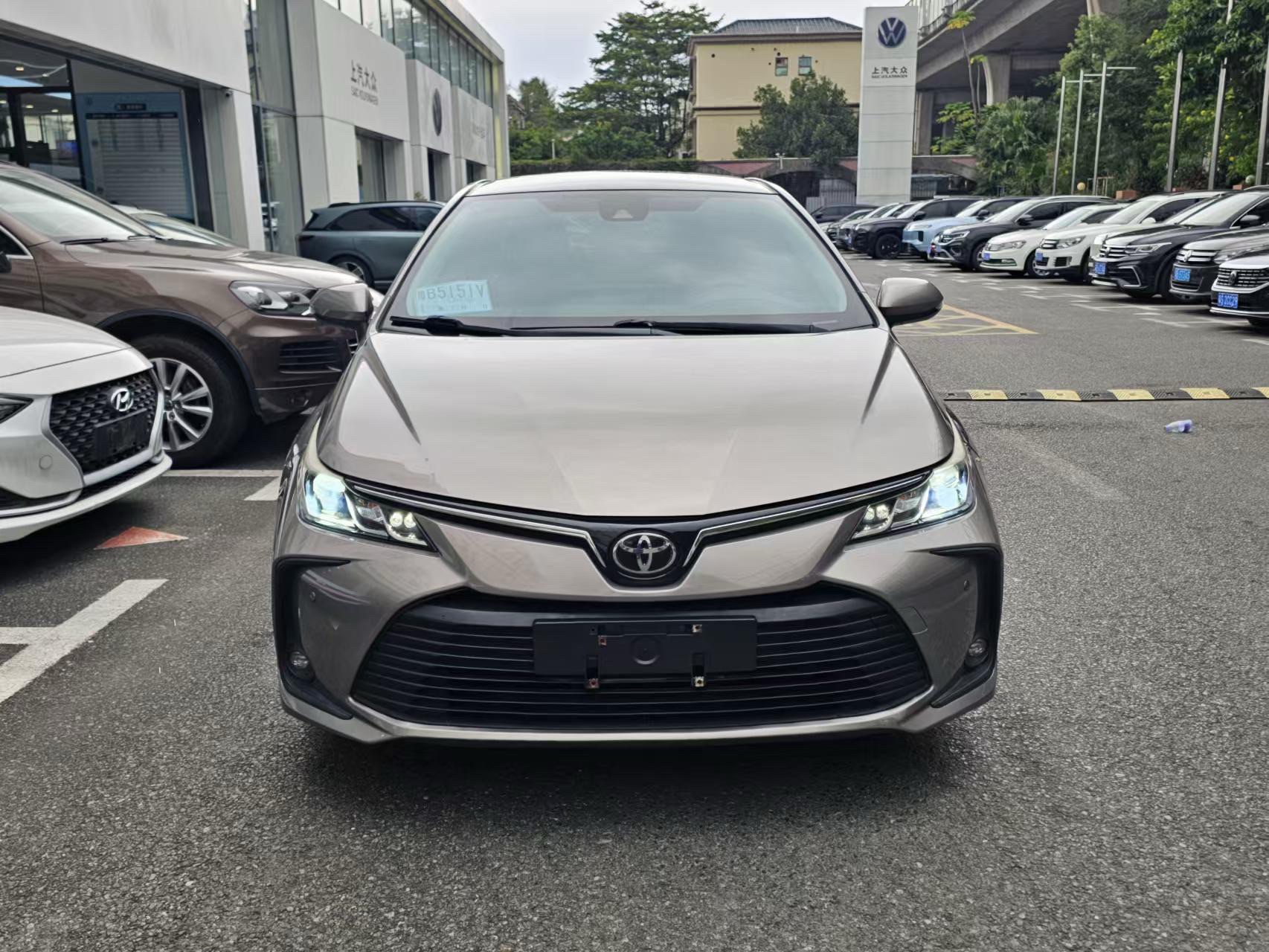
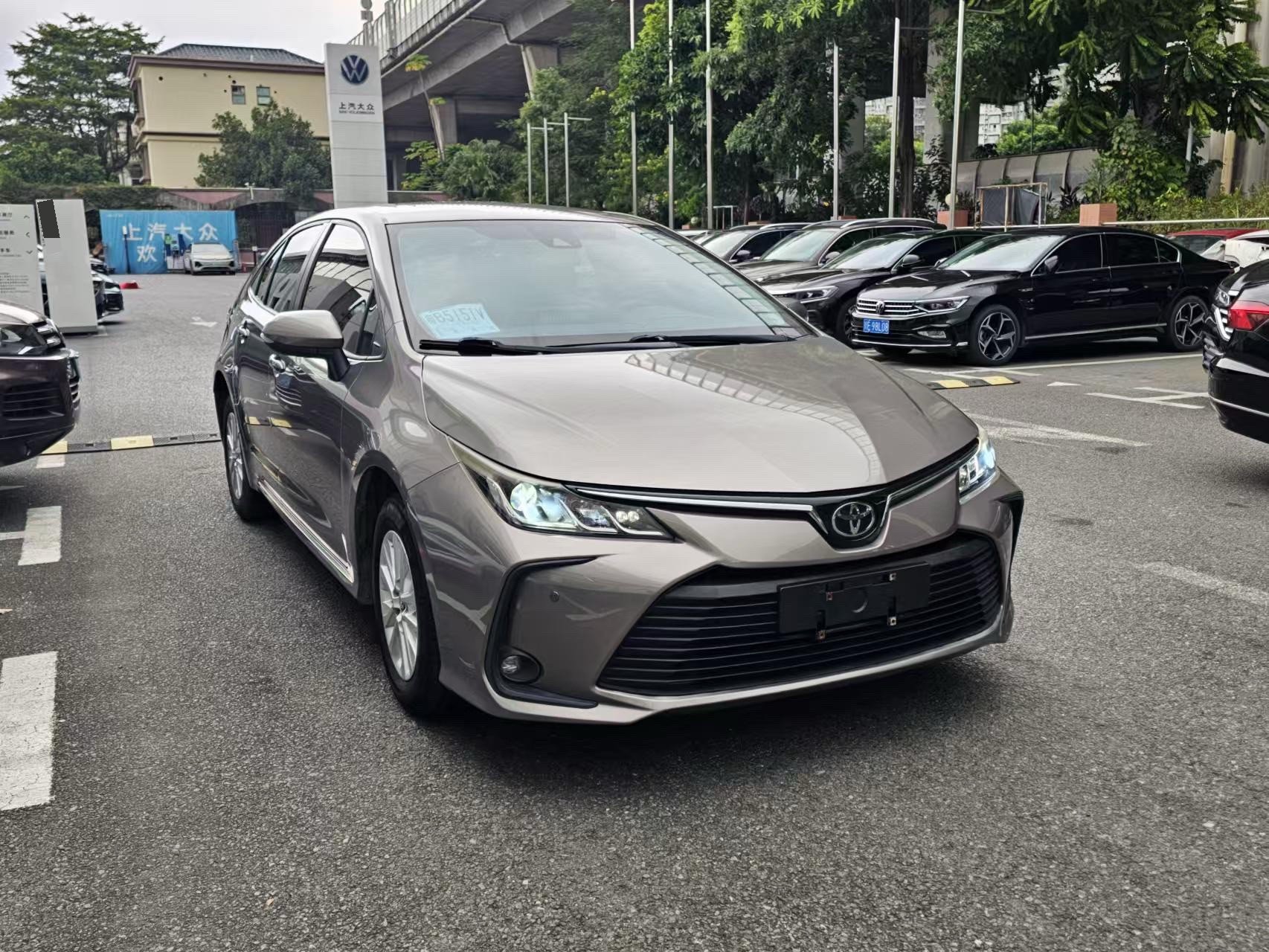
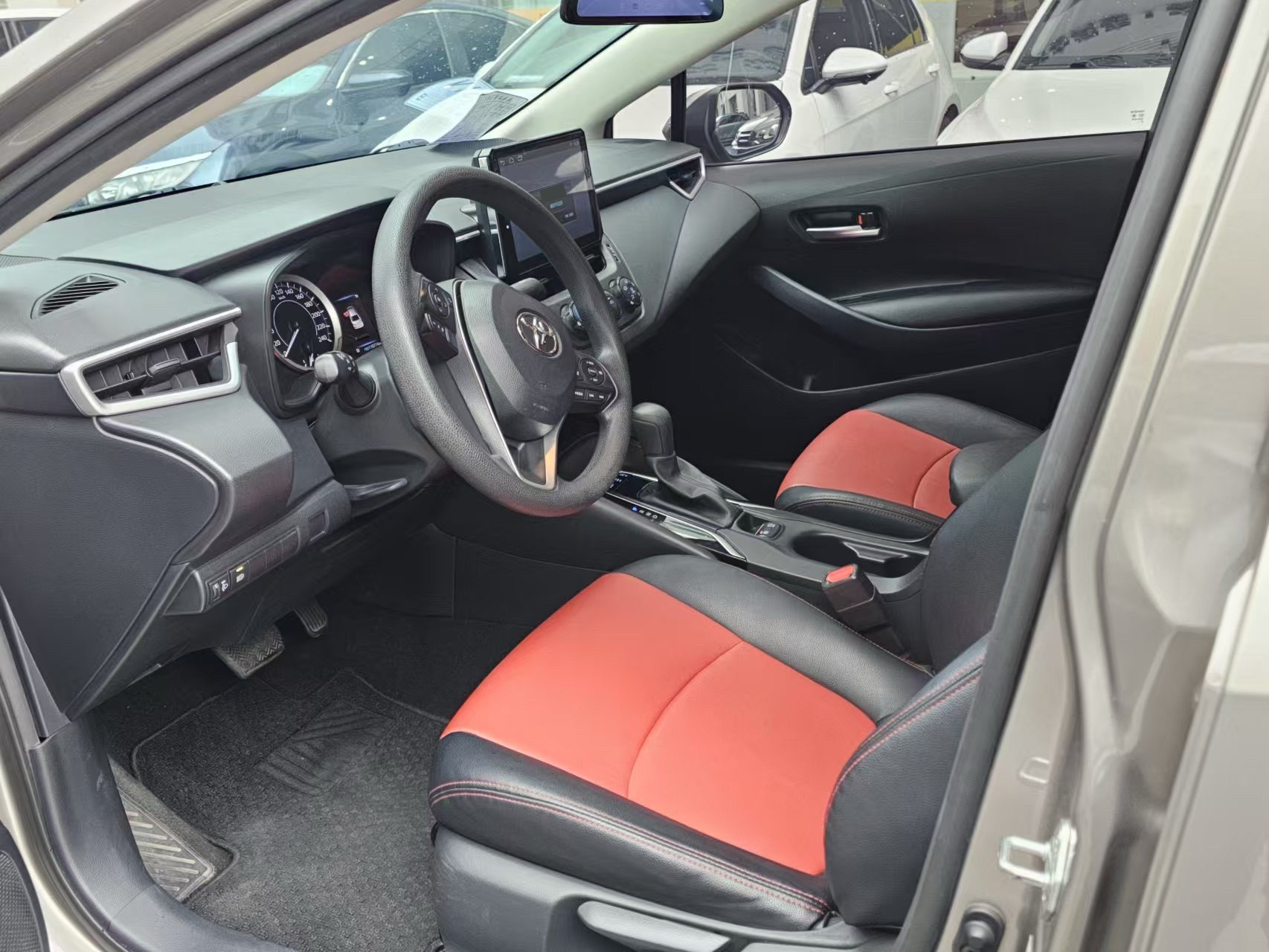
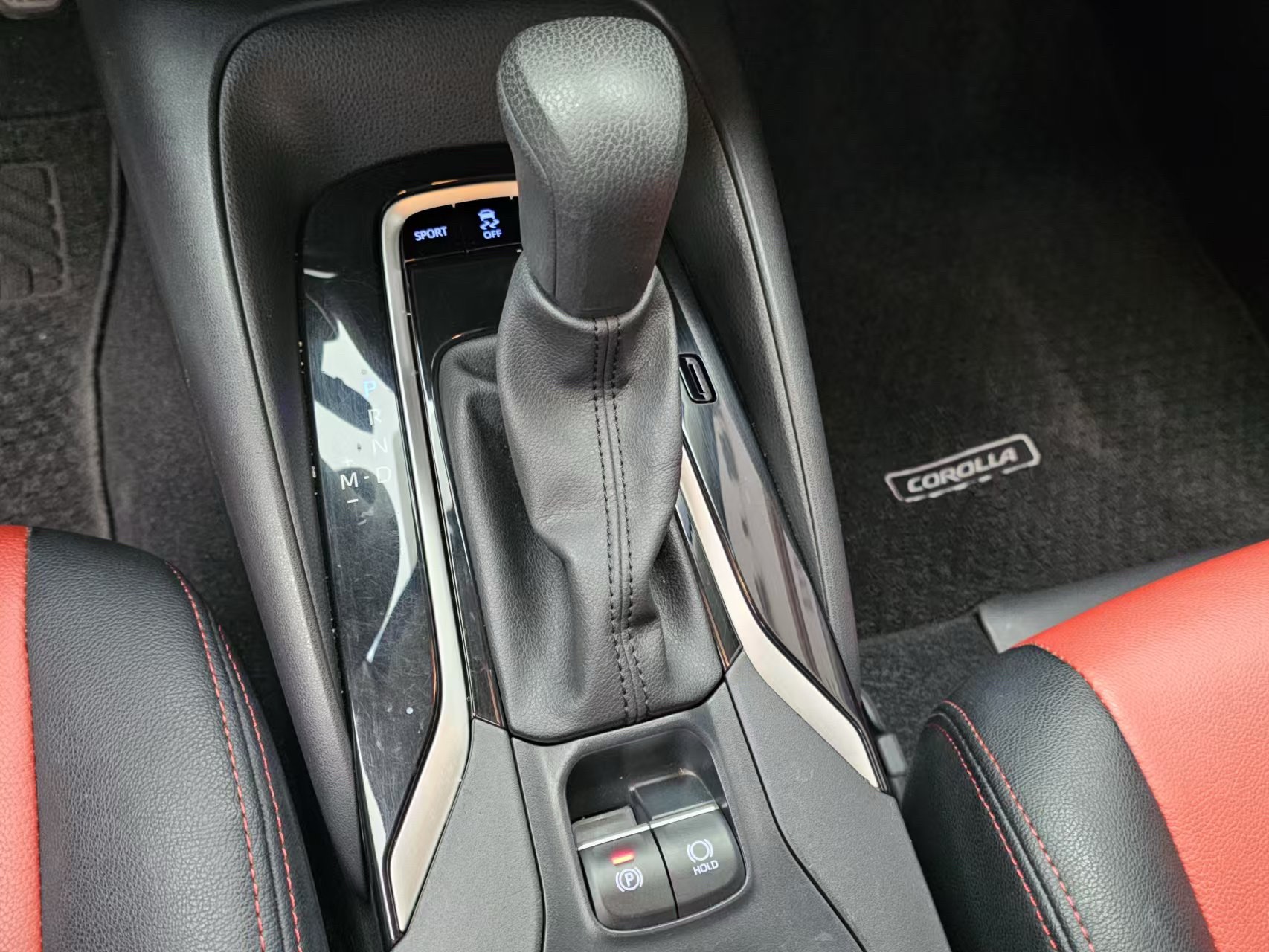
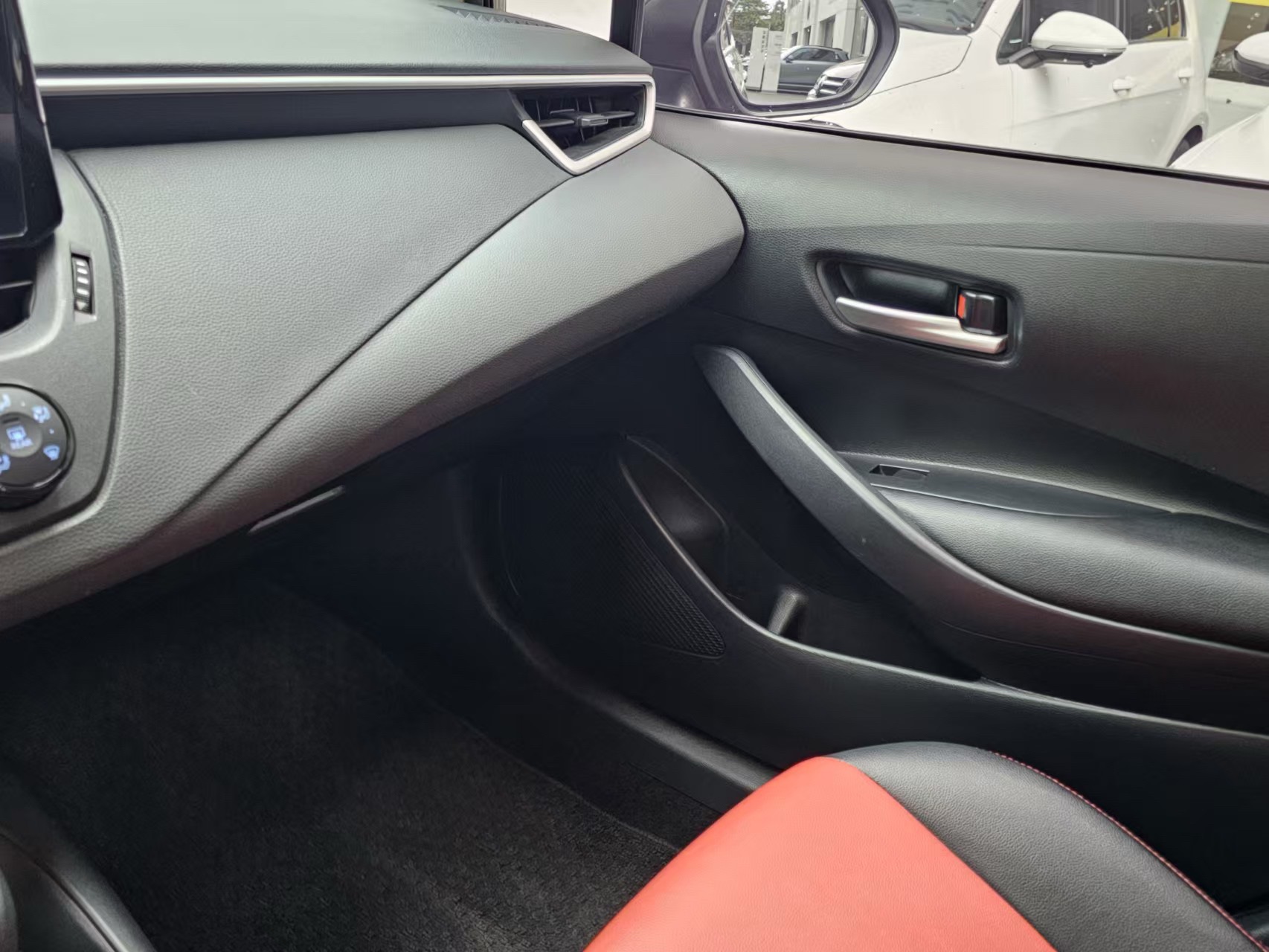
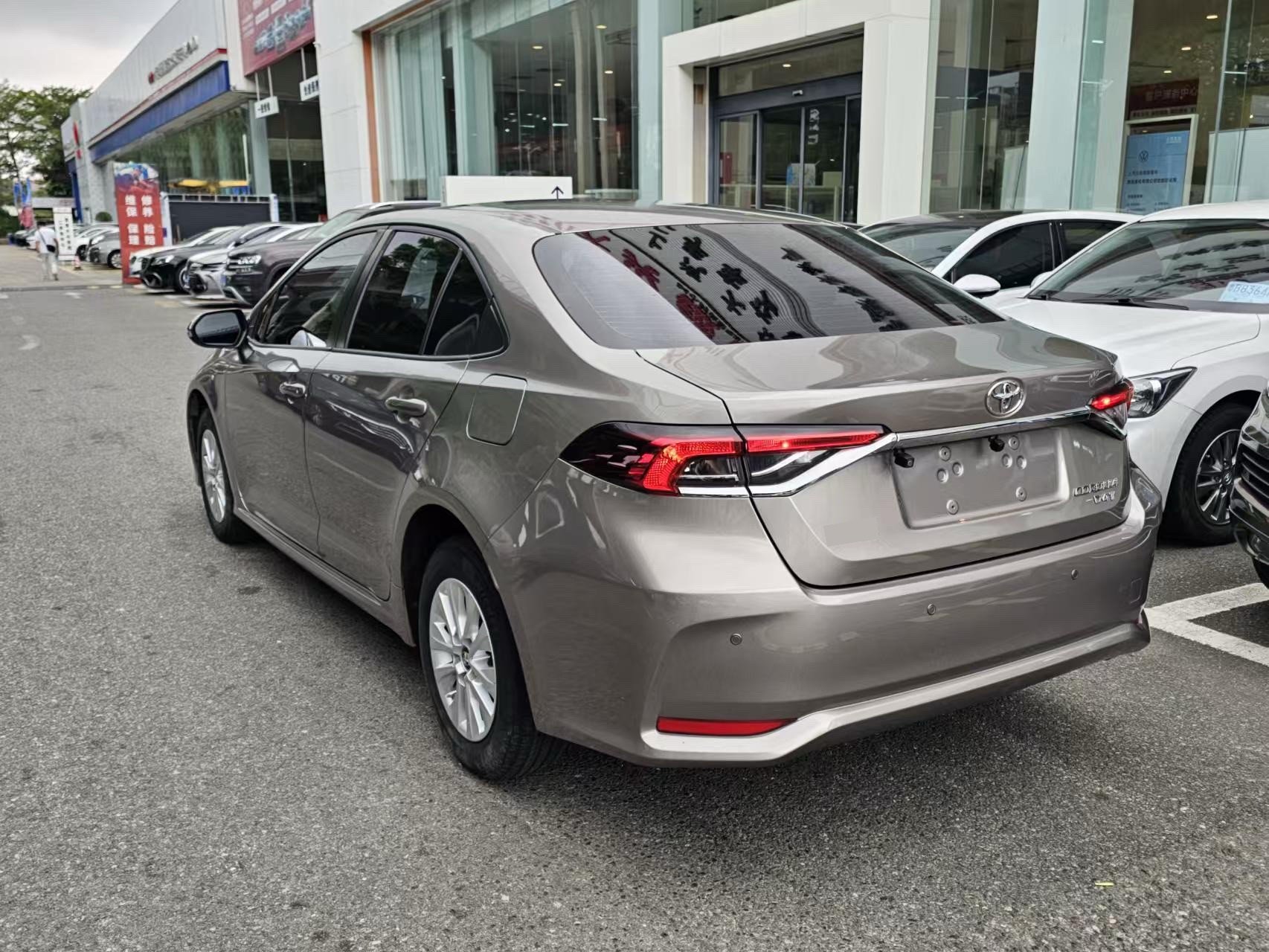
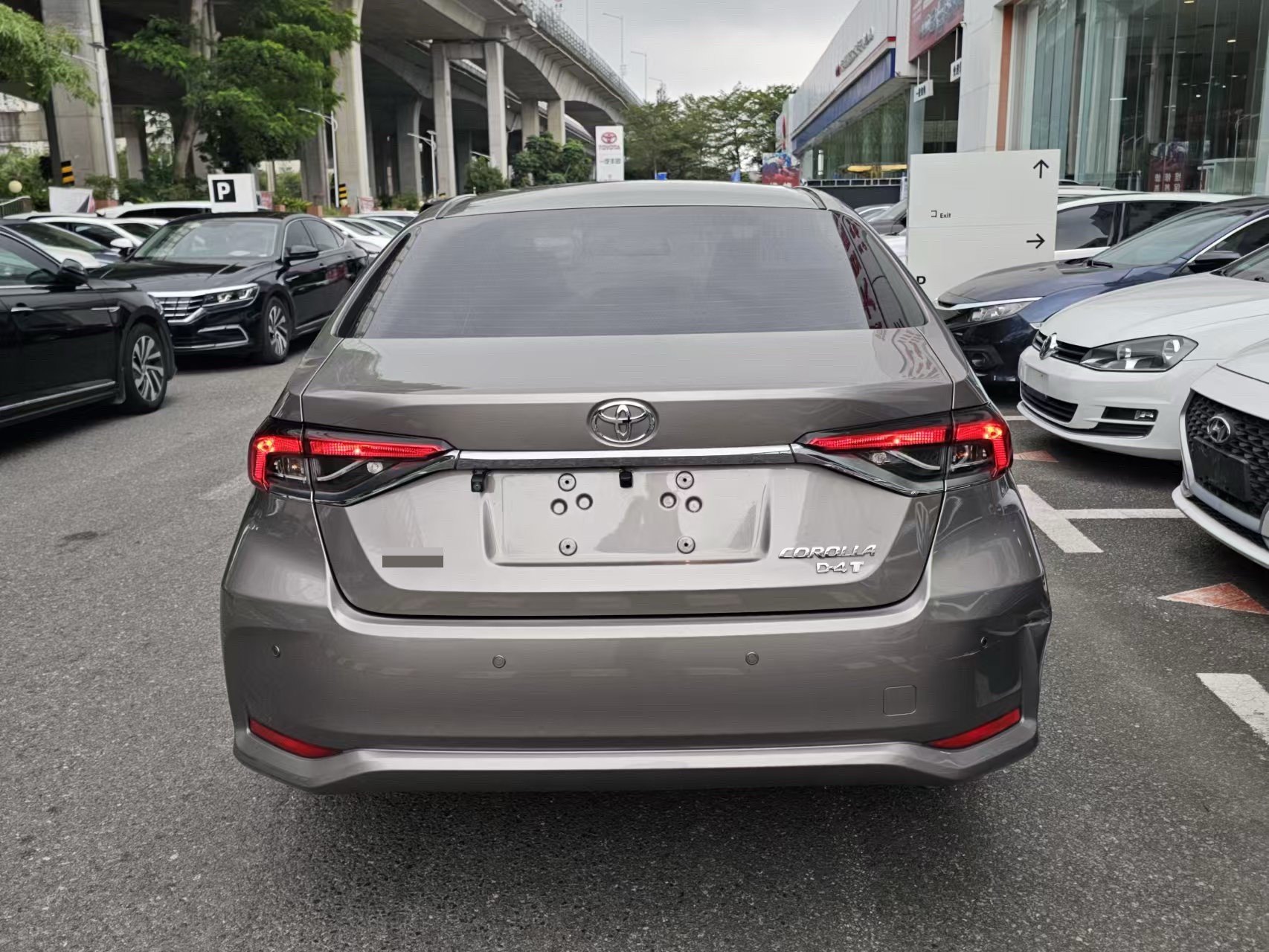
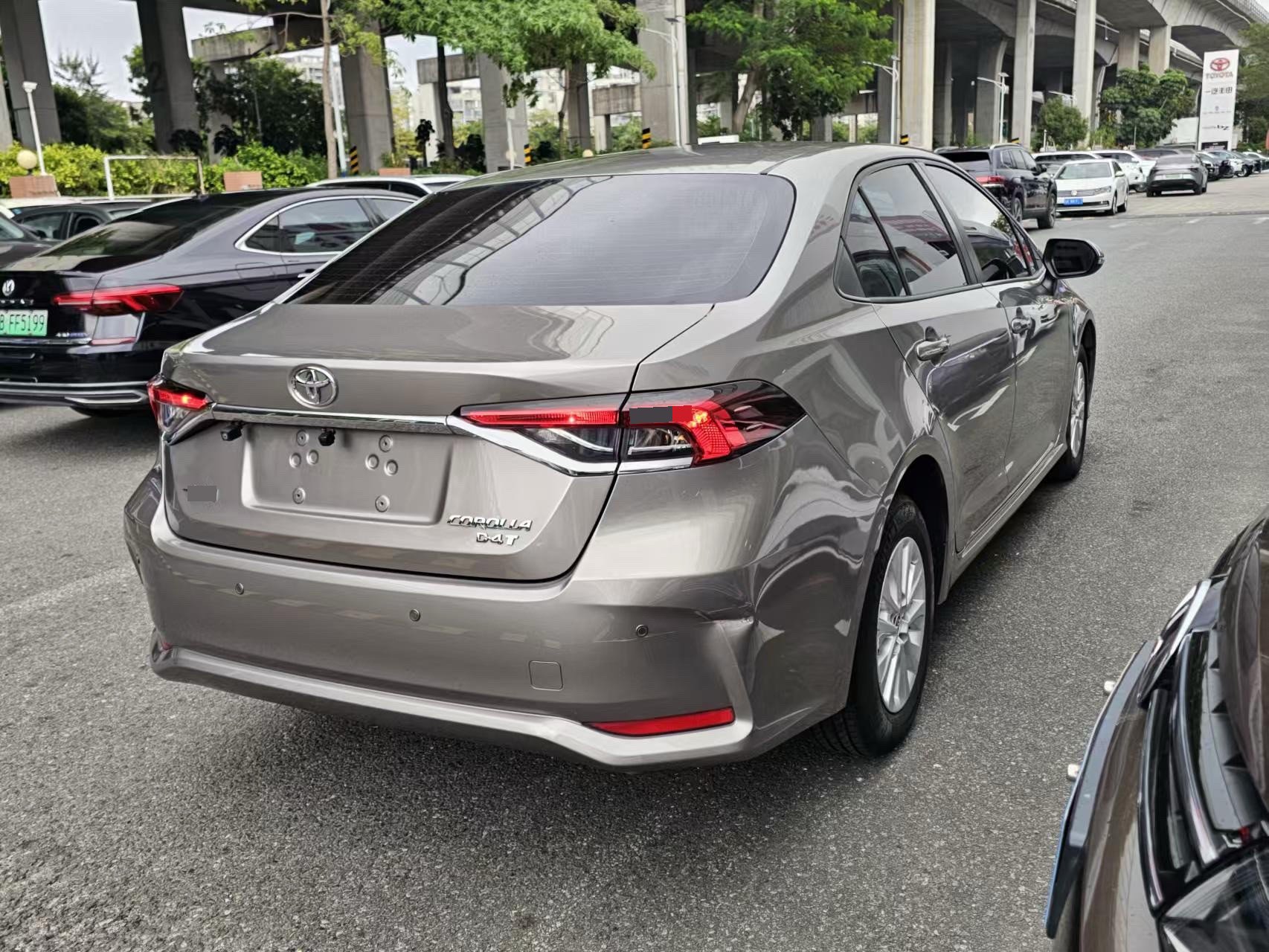
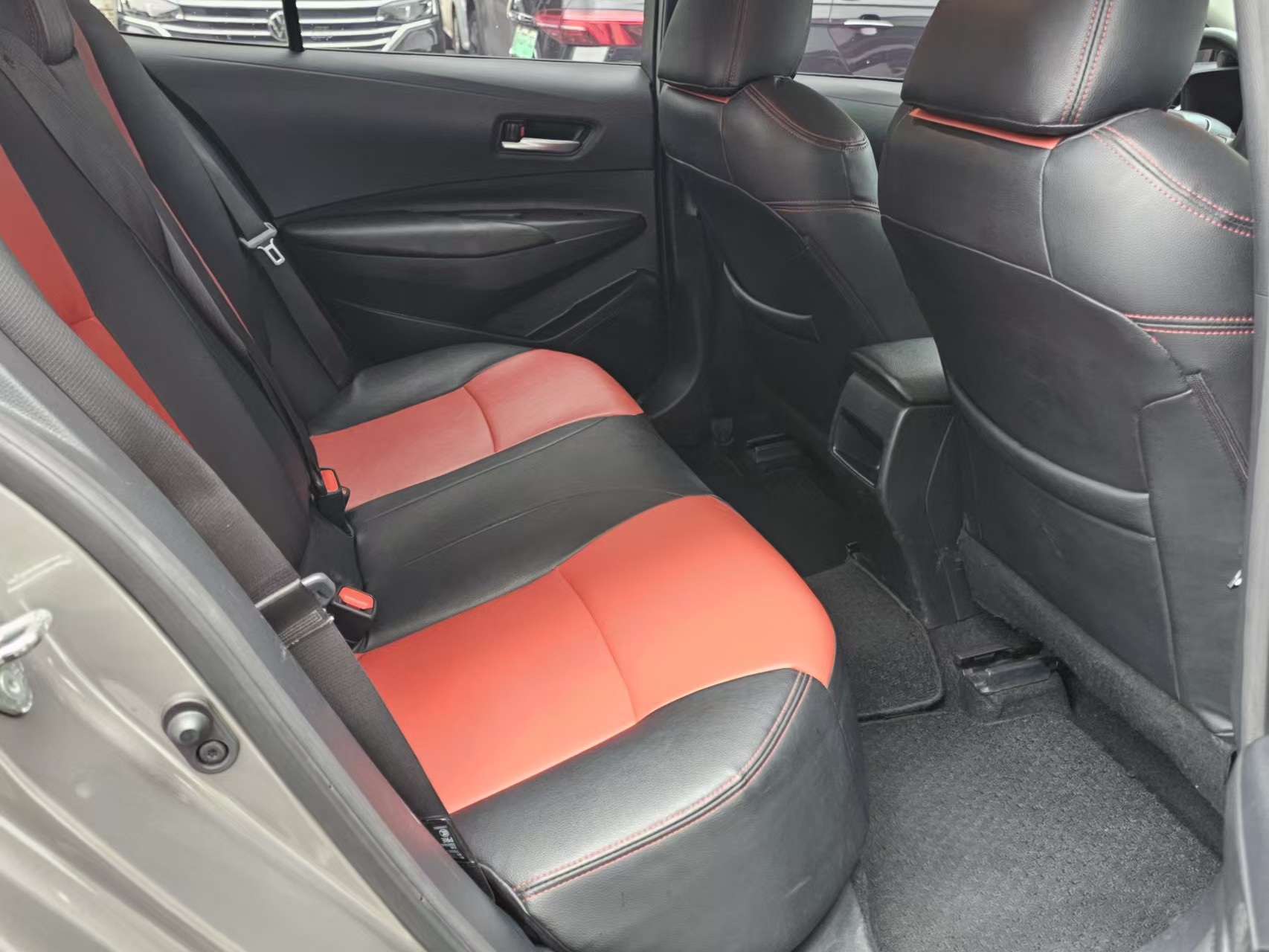
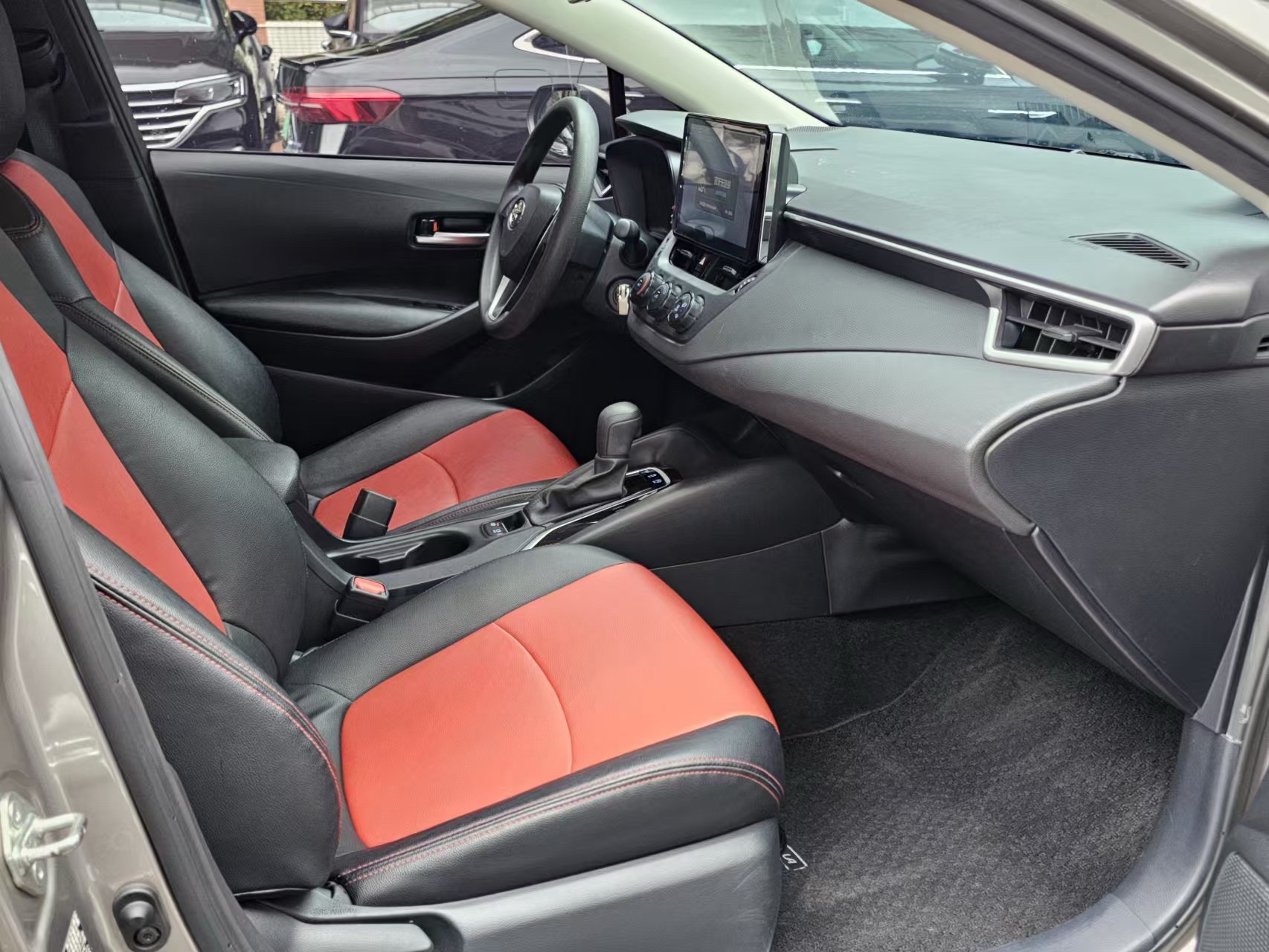




Basic Information

BrandToyota
SeriesCorolla
Year2019
First Registration2019/11
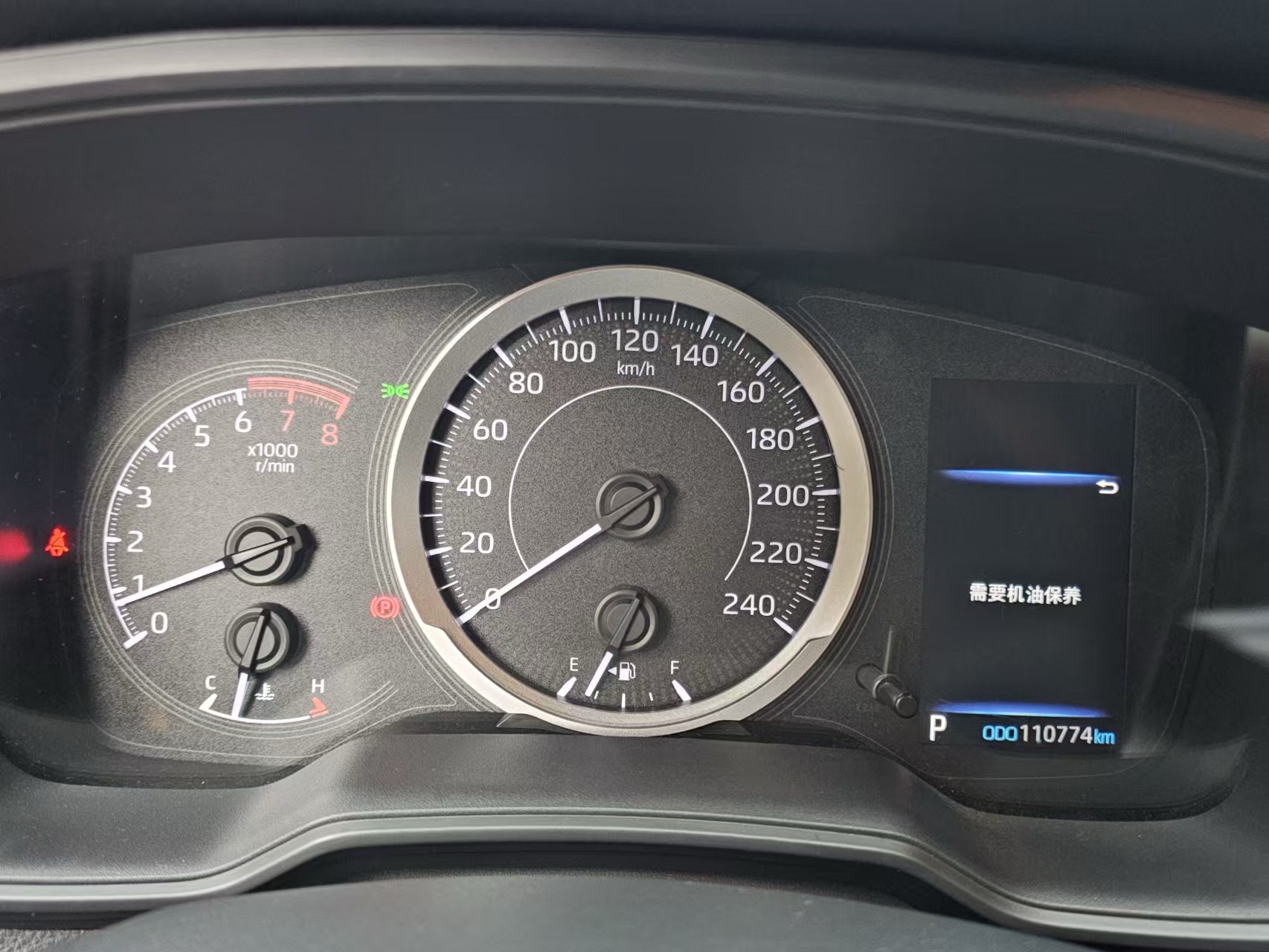
Mileage110,000km
Transfer Count0times
FuelGasoline
TransmissionCVT
Engine1.2T 116 L4
ColorYellow
Seats-

Condition Description

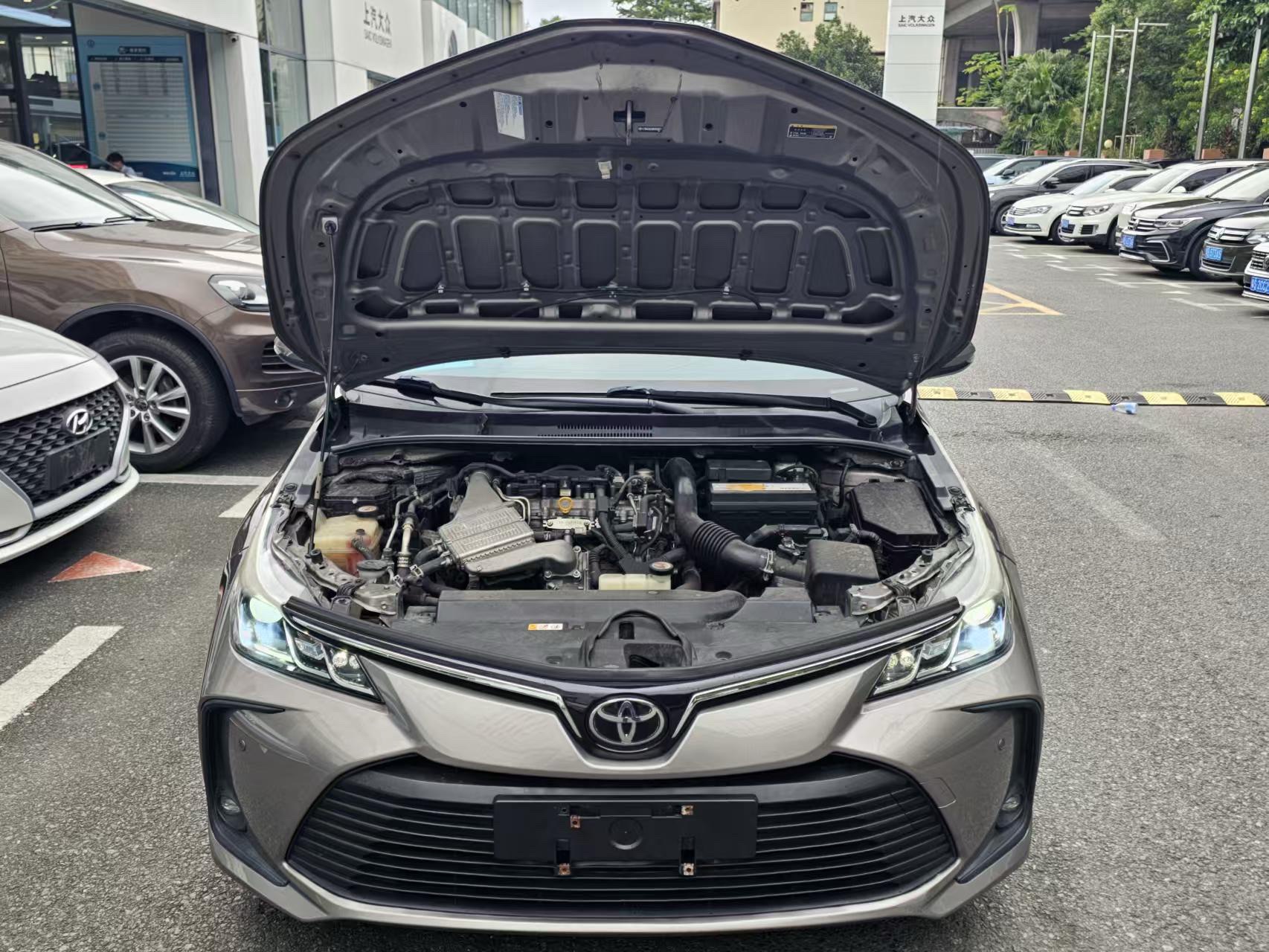
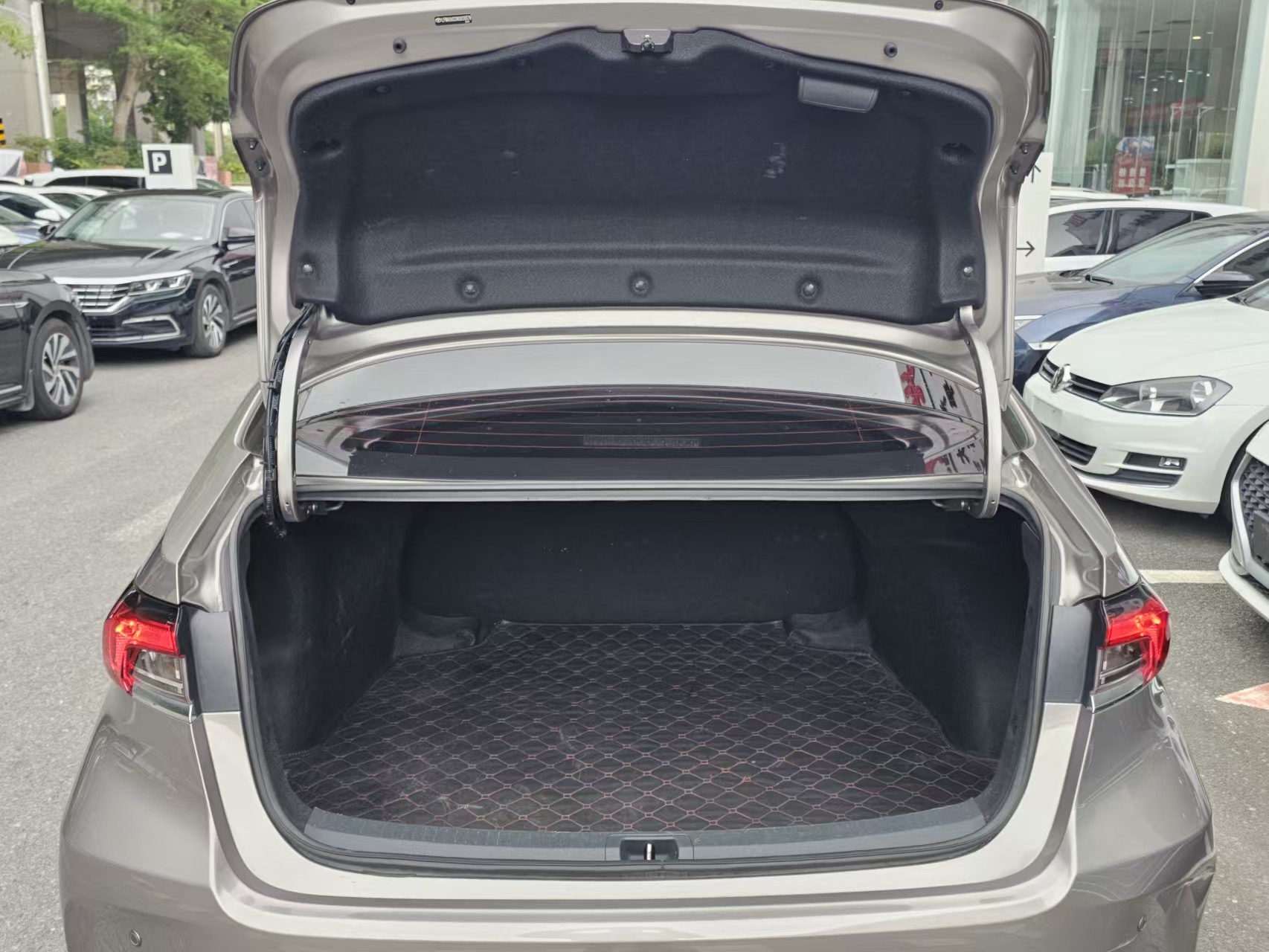
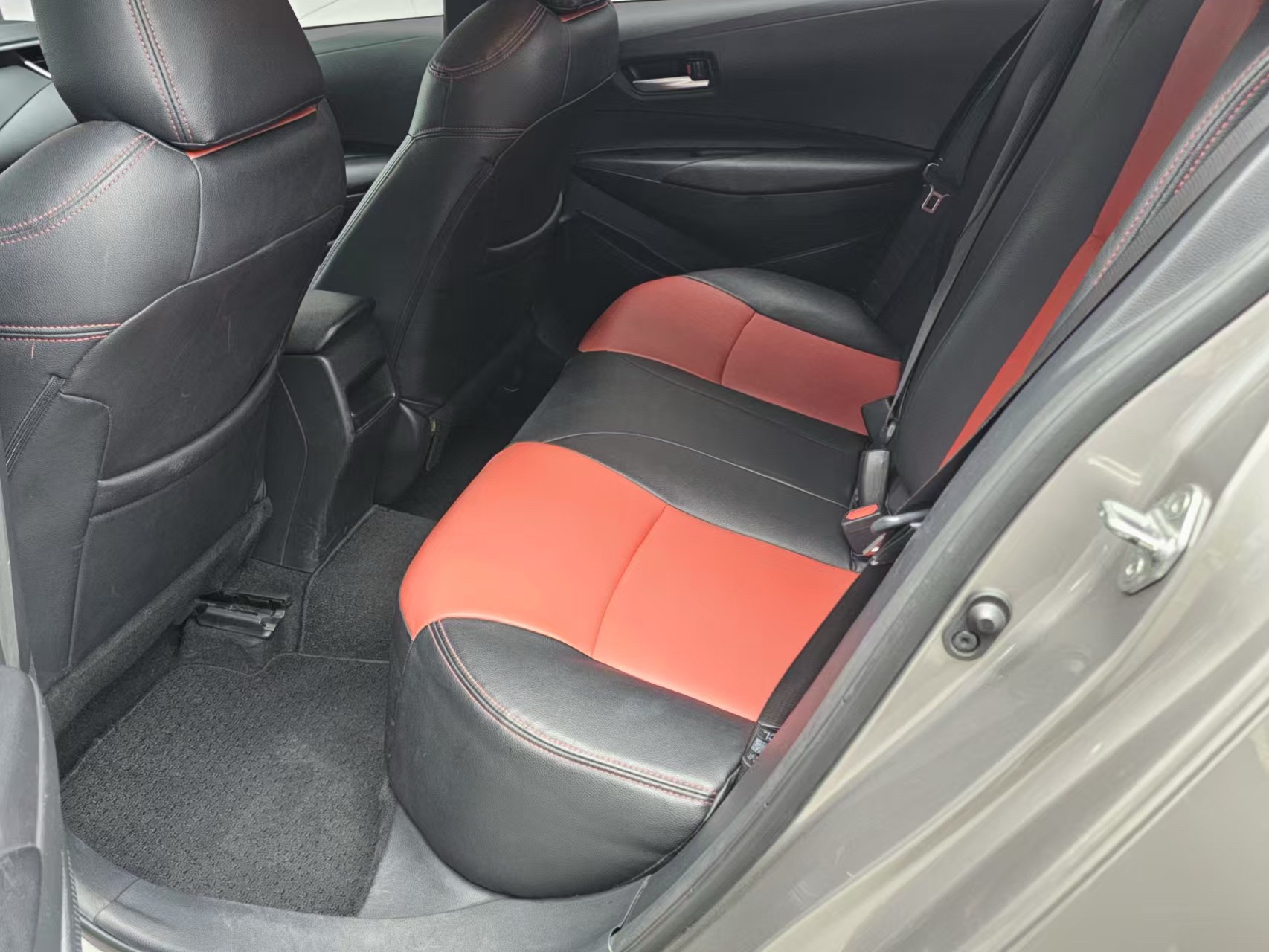
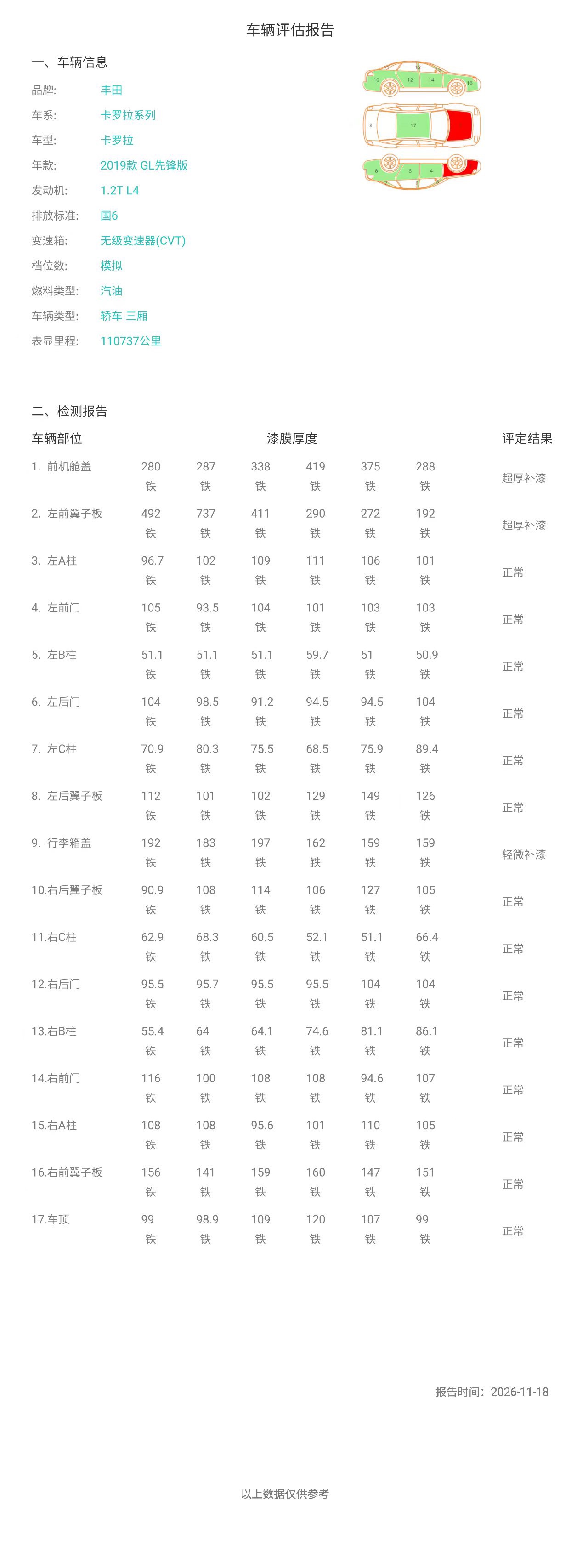
Inspection grade S. Repainted: hood, left front fender, trunk lid. Odometer reading: 110,000 km. 1 transfer of ownership.

Document Information

Inspection Expiry Date-
Warranty Expiry Date-
Insurance Expiry Date2027/10

Q&A

More

What additional fees do I need to pay when picking up the car at the destination port, besides the payment to sellwellauto?

As the importer, you mainly need to bear the following costs at the destination port: import duties, VAT or GST, terminal handling charges, local customs clearance fees, and inland logistics costs from the port to your company. Please consult your local customs broker before placing an order to accurately calculate the total landing costs.


What insurance should I arrange when shipping a used car from China, and what do Incoterms like FOB and CIF mean for me?

Two separate protections matter: cargo insurance and contractual risk transfer. Cargo insurance: for container or RoRo shipments, buy marine cargo insurance covering total loss and damage, typically 110% of the CIF value (average cost 0.3%–0.8%). Check exclusions — many policies exclude pre-existing damage, so a pre-shipment inspection report is essential to prove the car's condition at loading. Incoterms define who bears risk and cost at each stage: 1. FOB (Free On Board): exporter pays until the car is loaded on the vessel; risk passes to you at that point. You pay ocean freight and insurance. Common and usually cheapest if you have your own freight forwarder. 2. CIF (Cost, Insurance and Freight): exporter pays freight and minimum insurance to your port. Convenient but the insurance coverage is basic — consider topping it up. 3. EXW (Ex Works): you handle everything from the exporter's yard; only choose this if you have a trusted agent in China. Put the agreed Incoterm and port clearly in the contract, and never release final payment before the Bill of Lading is issued.

Why is there a time difference between the production date on the vehicle nameplate and the first registration date on the registration certificate?

The nameplate date is the absolute time when the vehicle leaves the factory; the registration date is when the vehicle is registered with the traffic management department after sale. The difference represents the time the vehicle spent in the dealer's warehouse or logistics. If the time difference exceeds 6-8 months, the vehicle is considered a "stock vehicle," and we pay special attention to the natural aging of its rubber components.