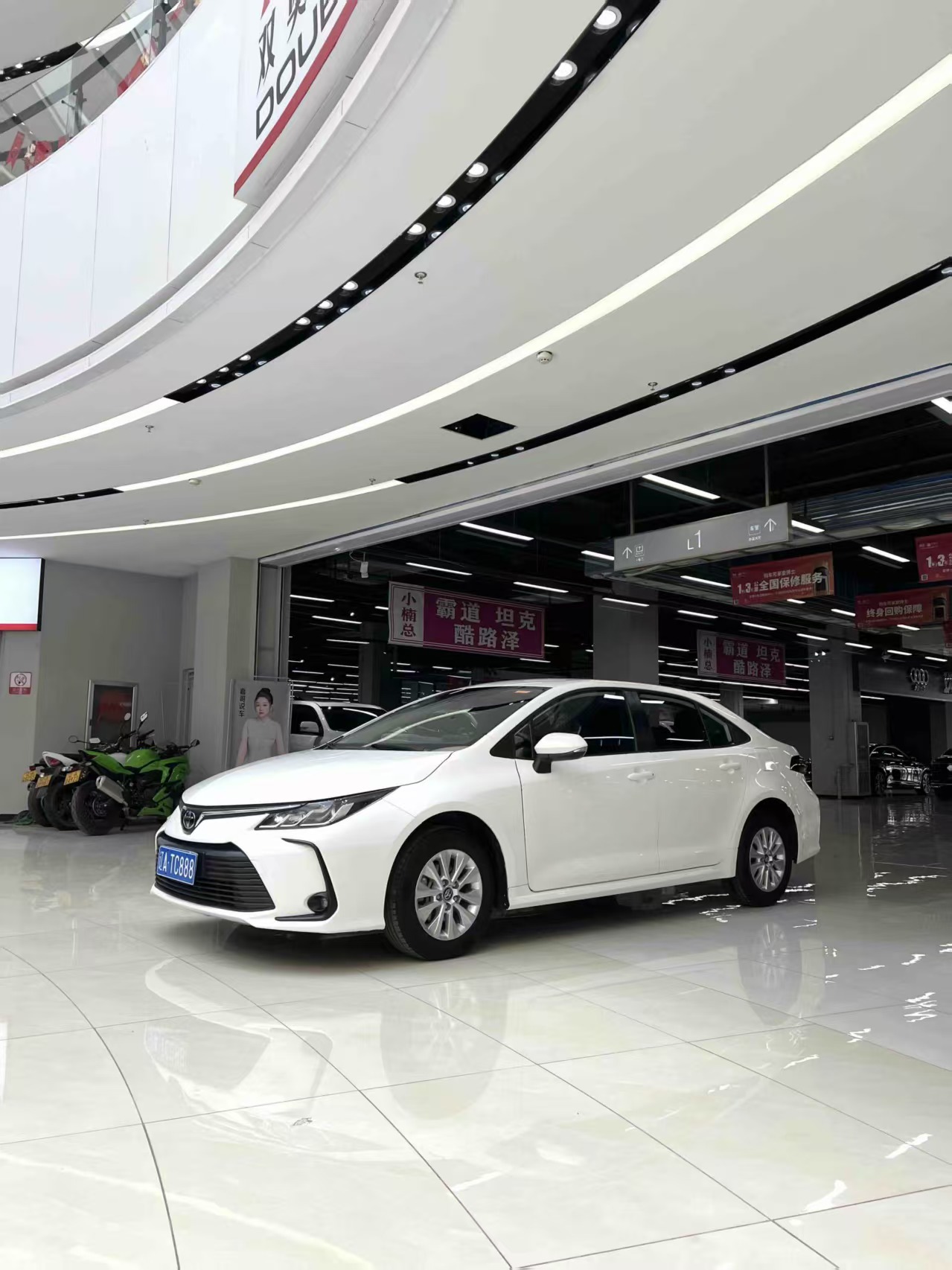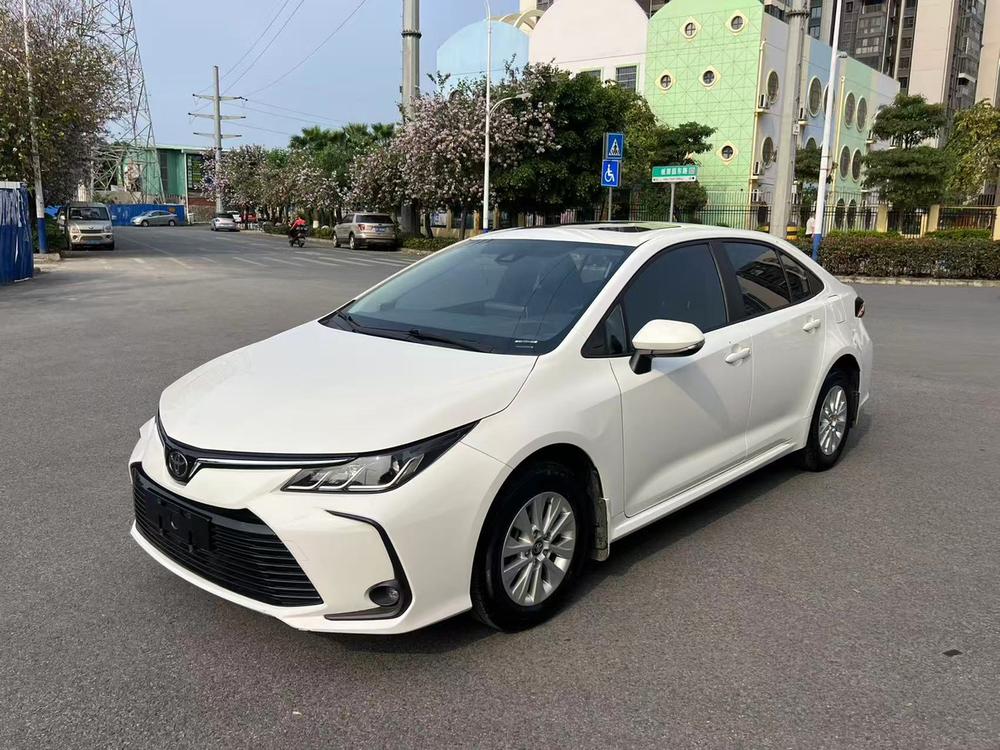
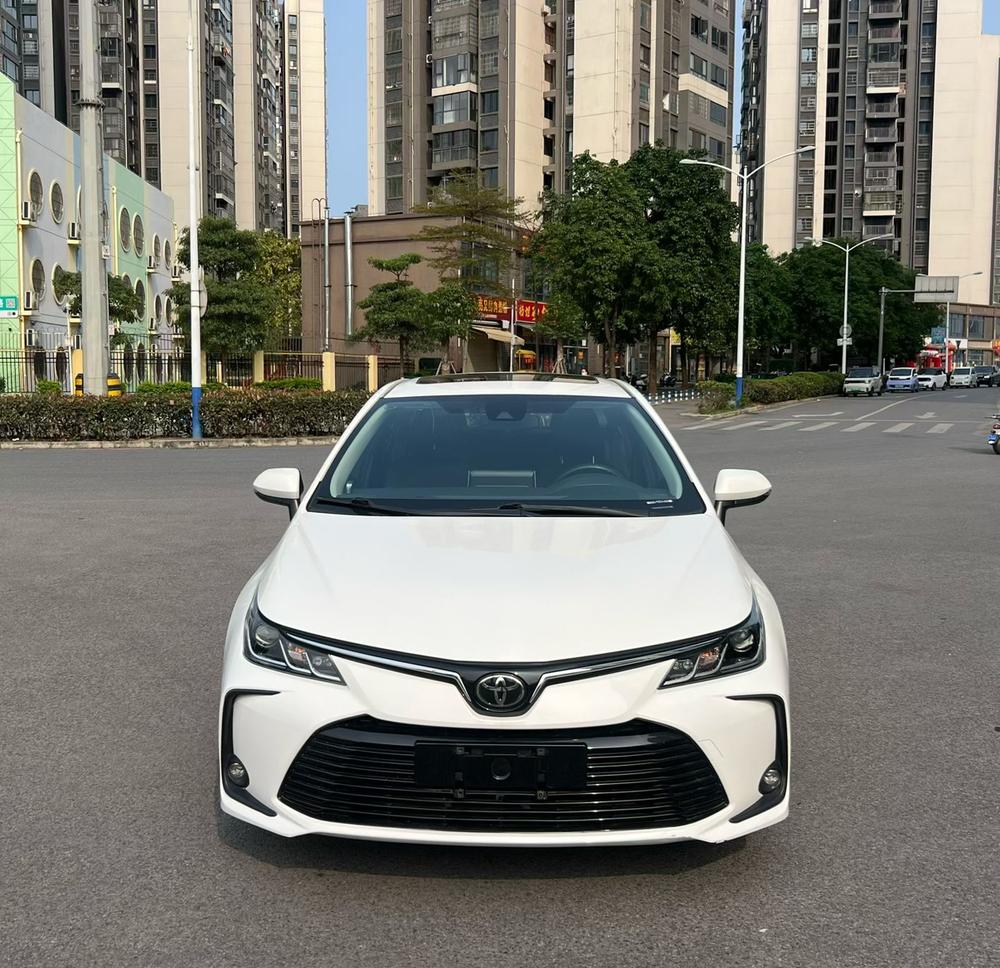
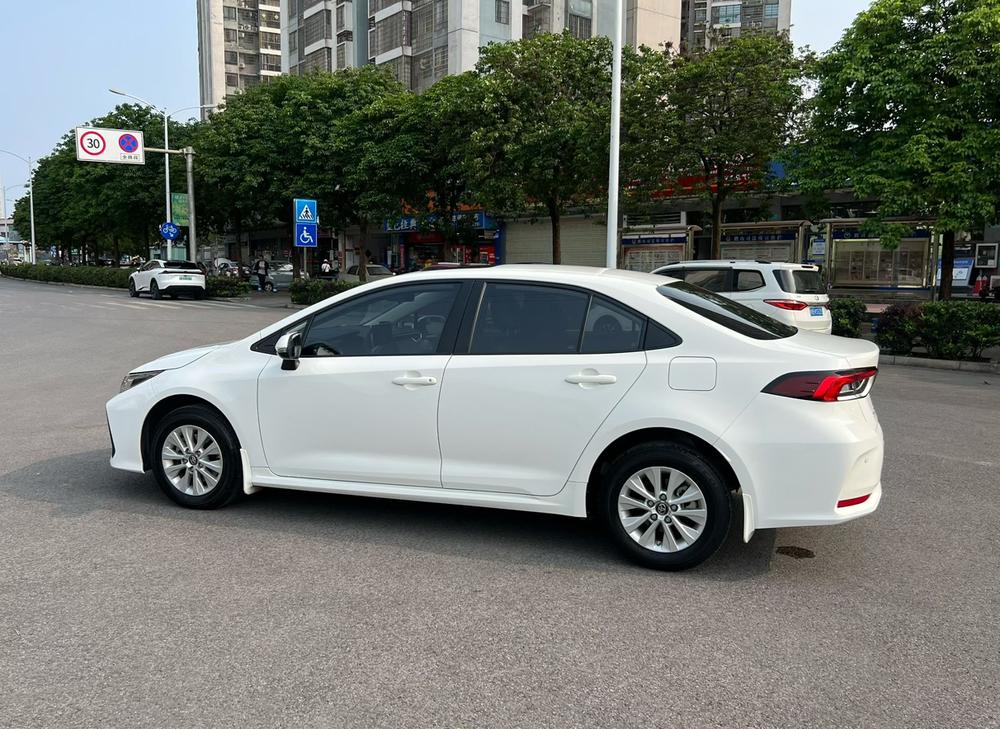
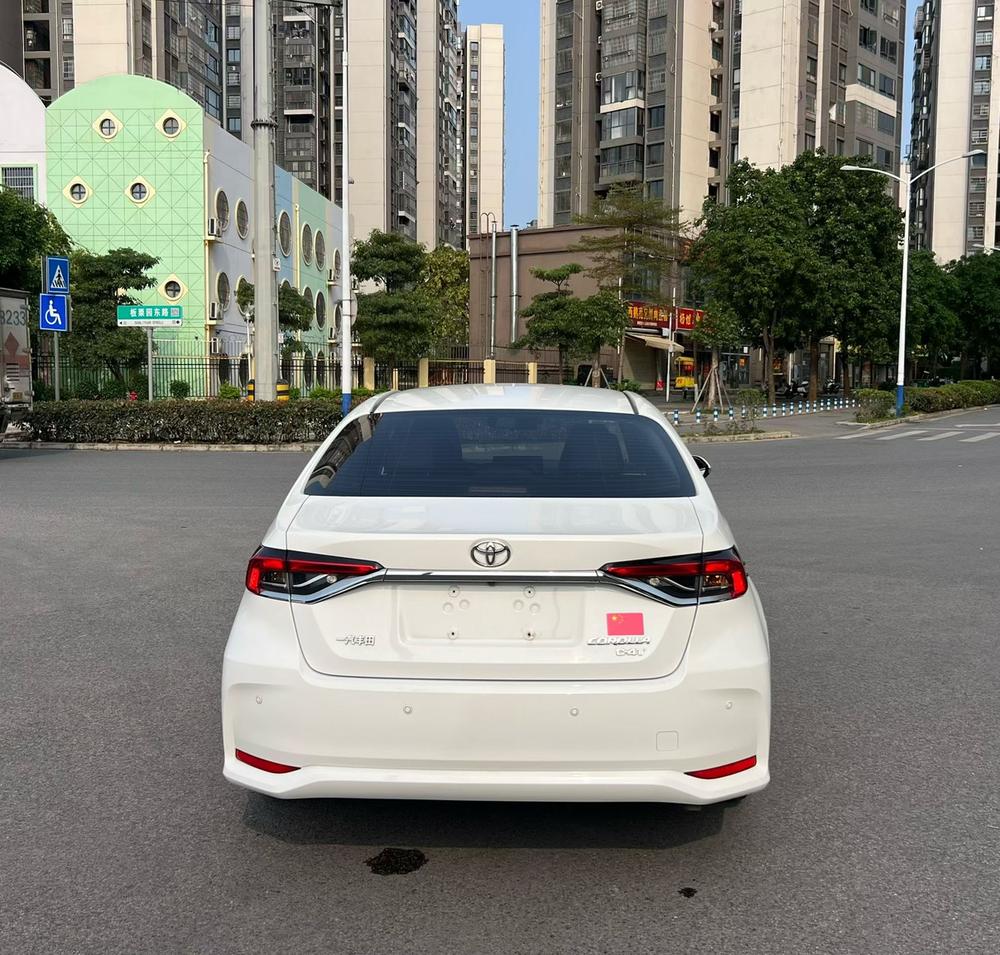
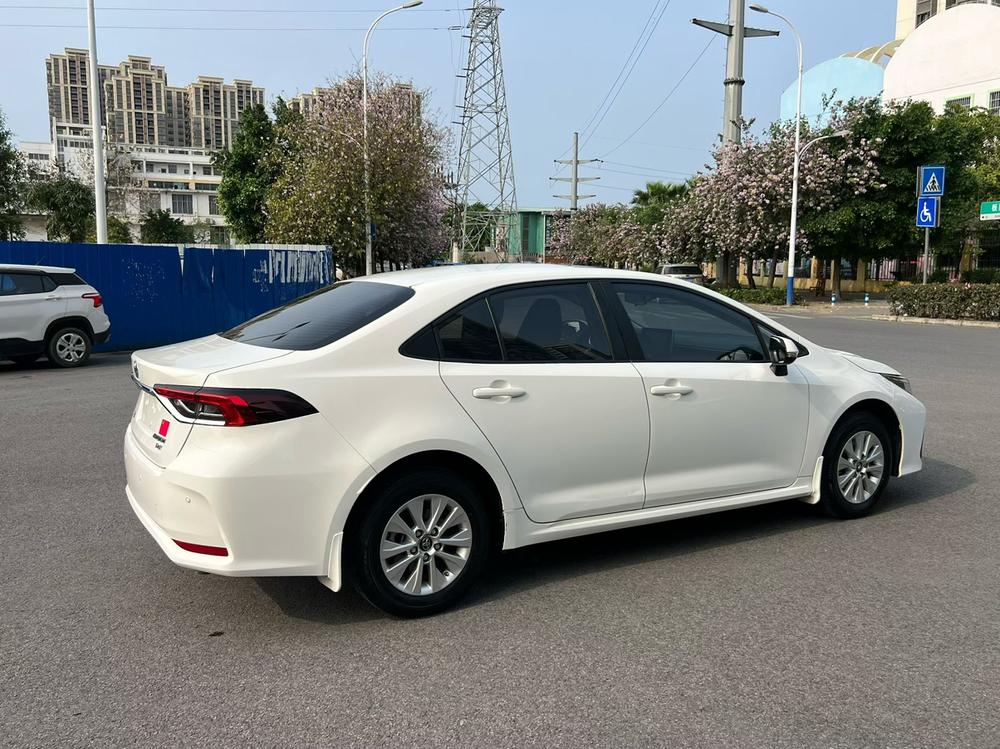
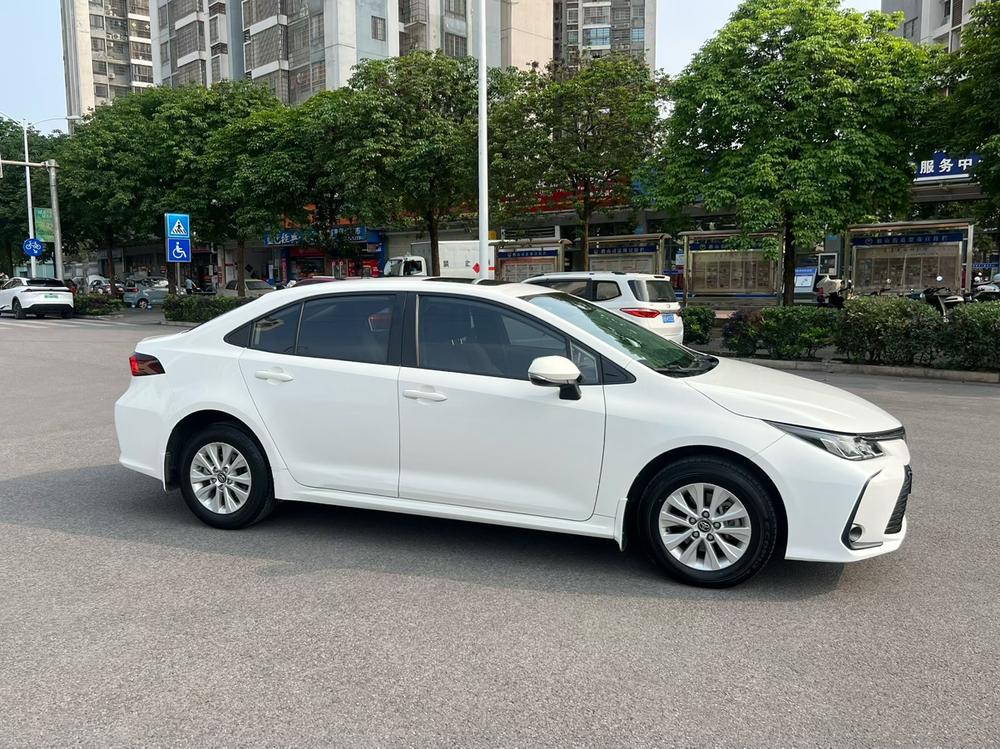
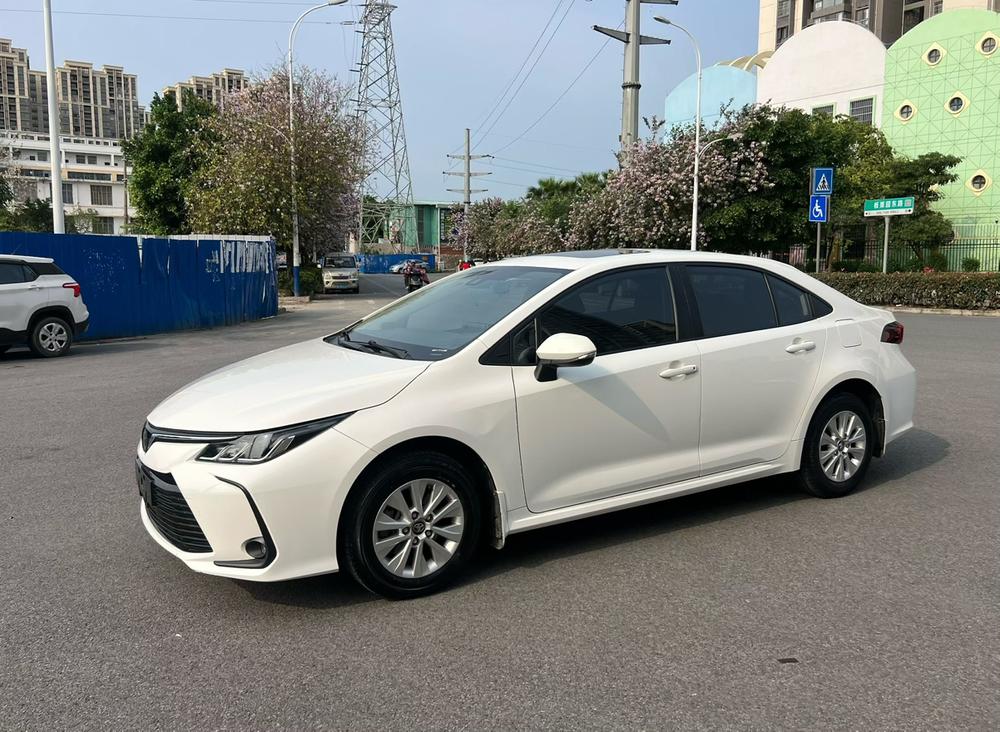
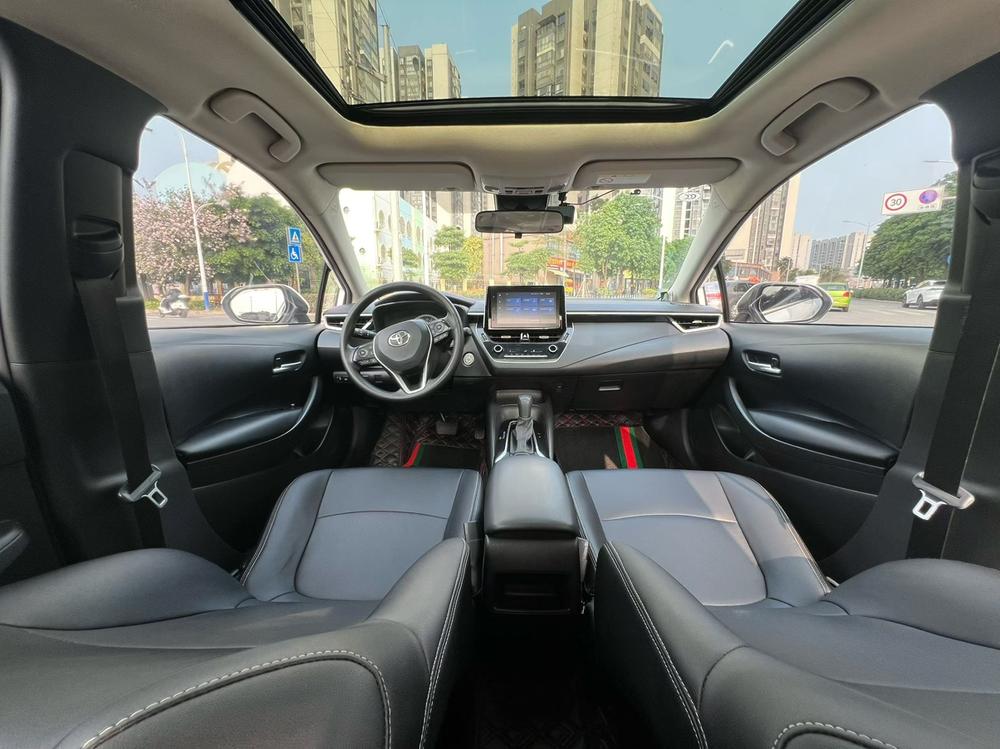
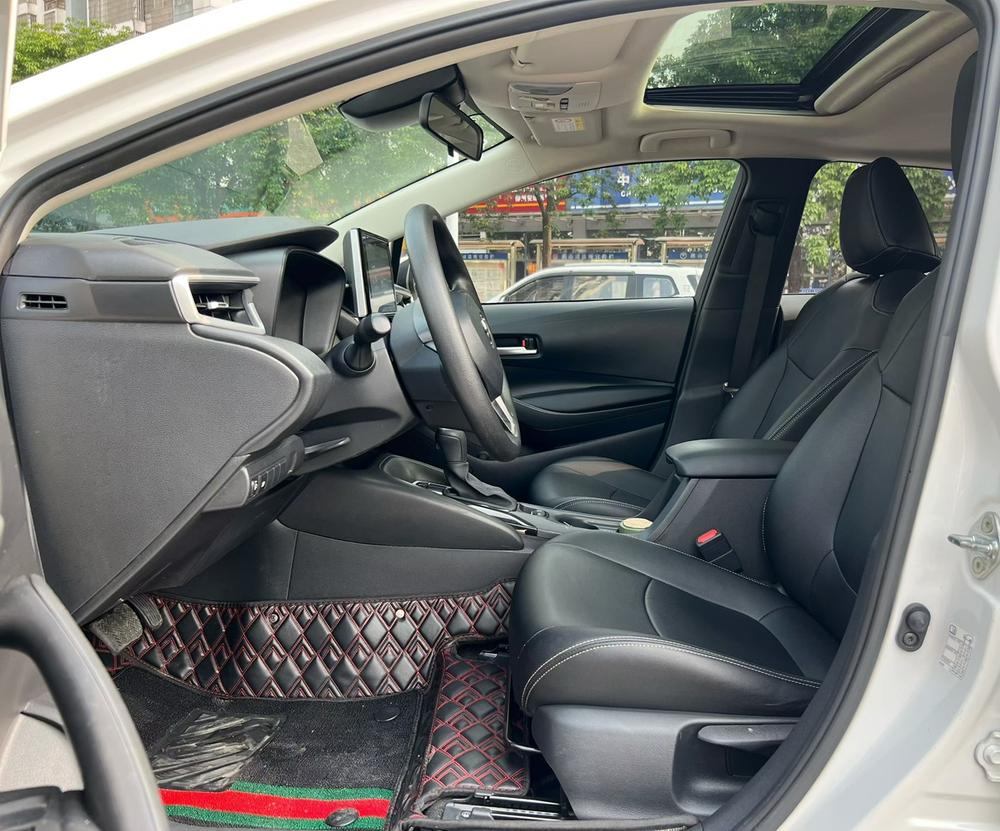
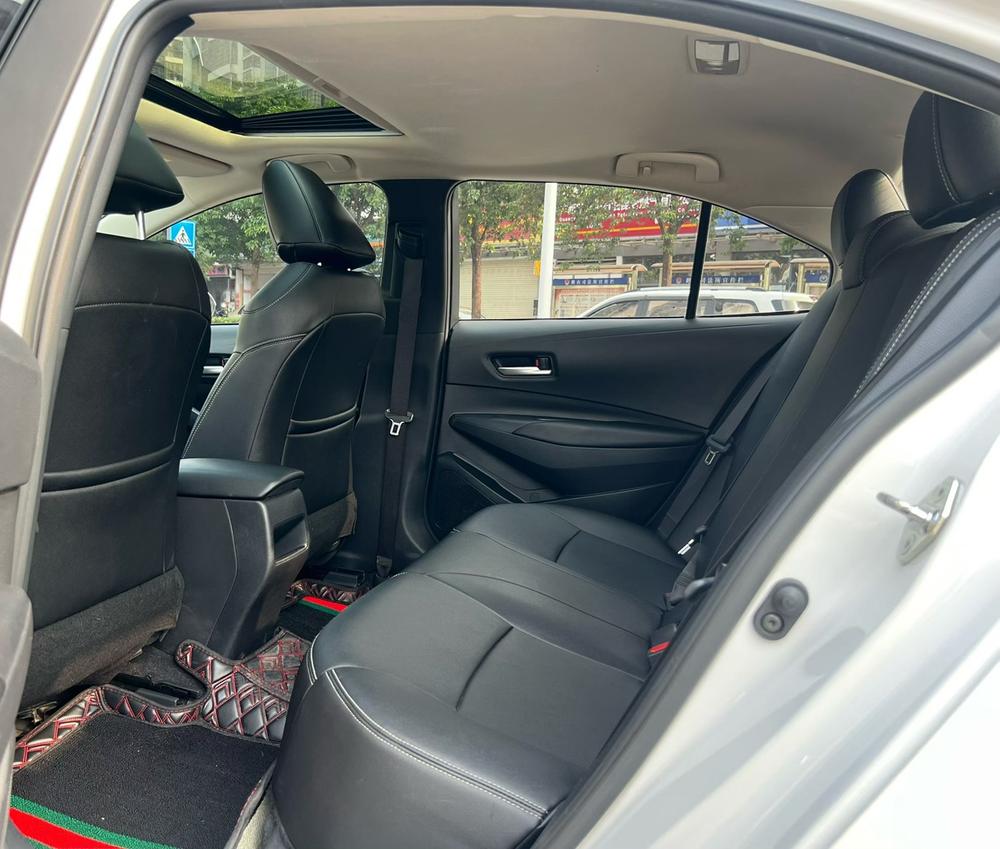
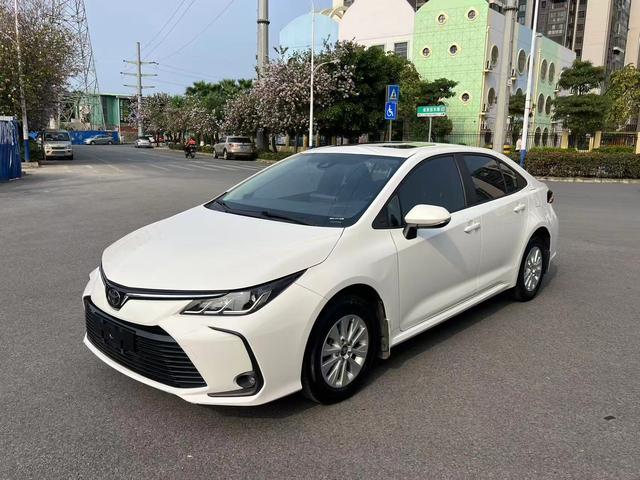



Basic Information

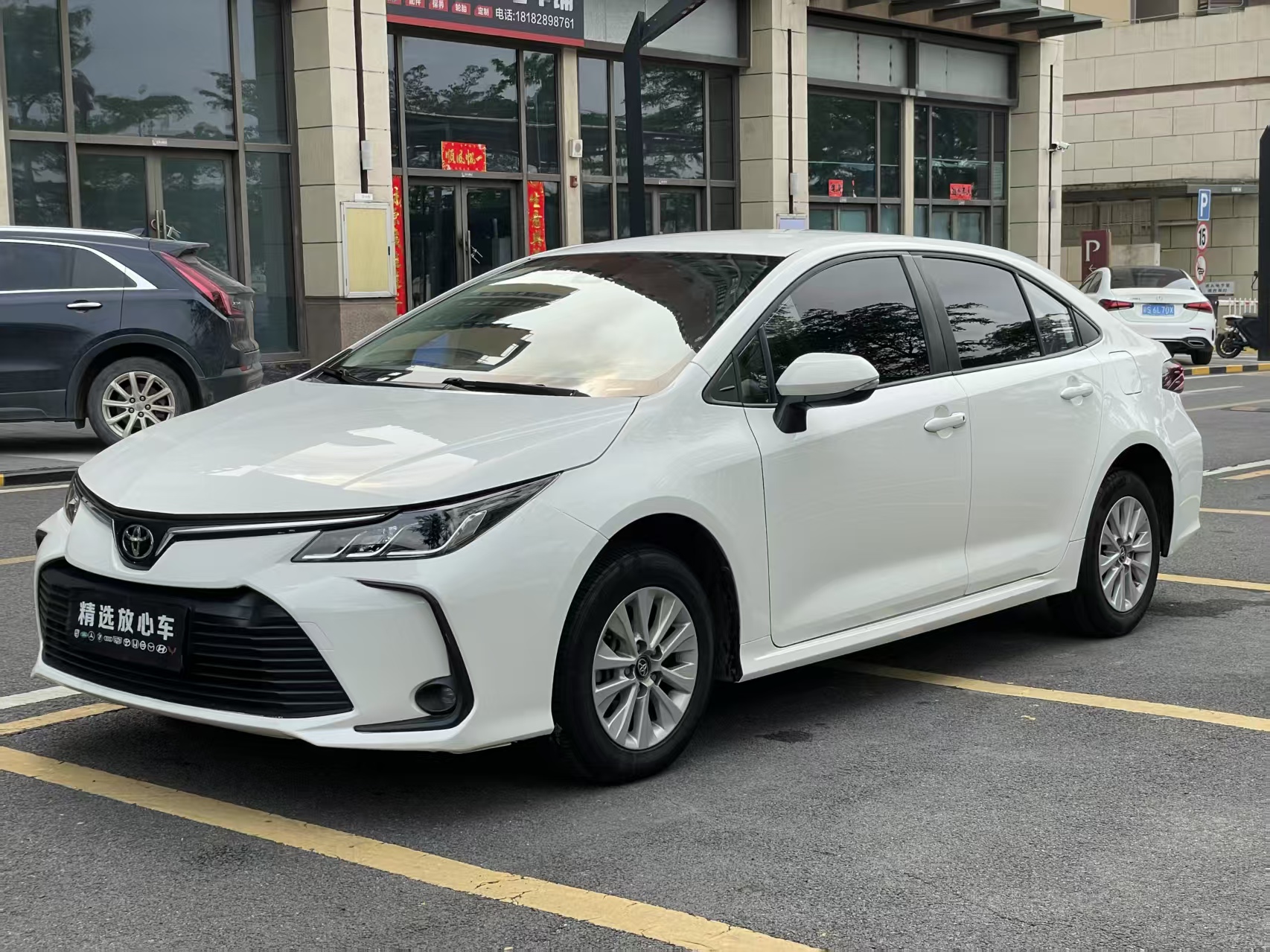
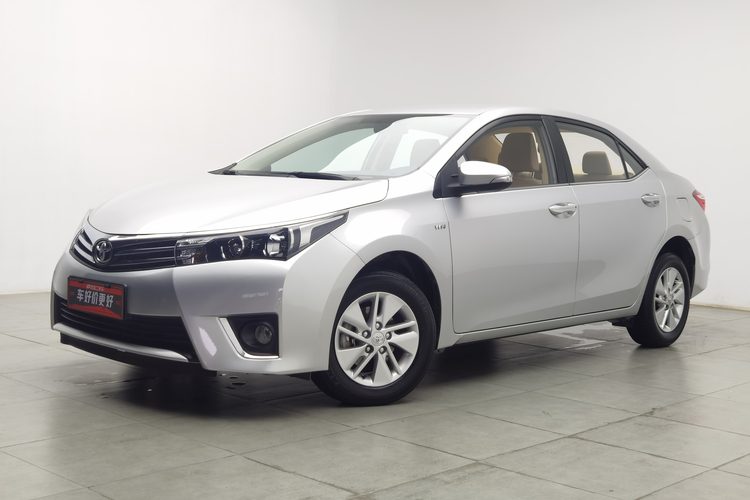
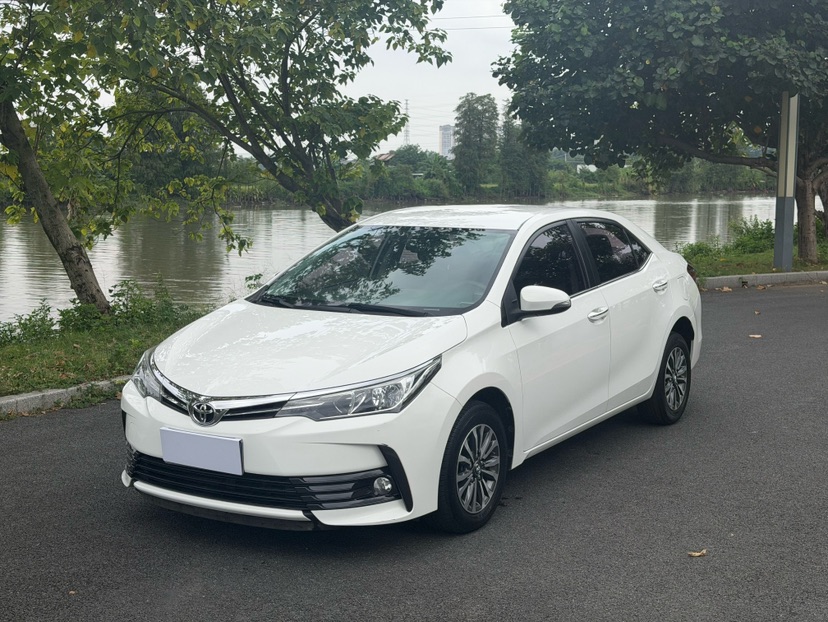
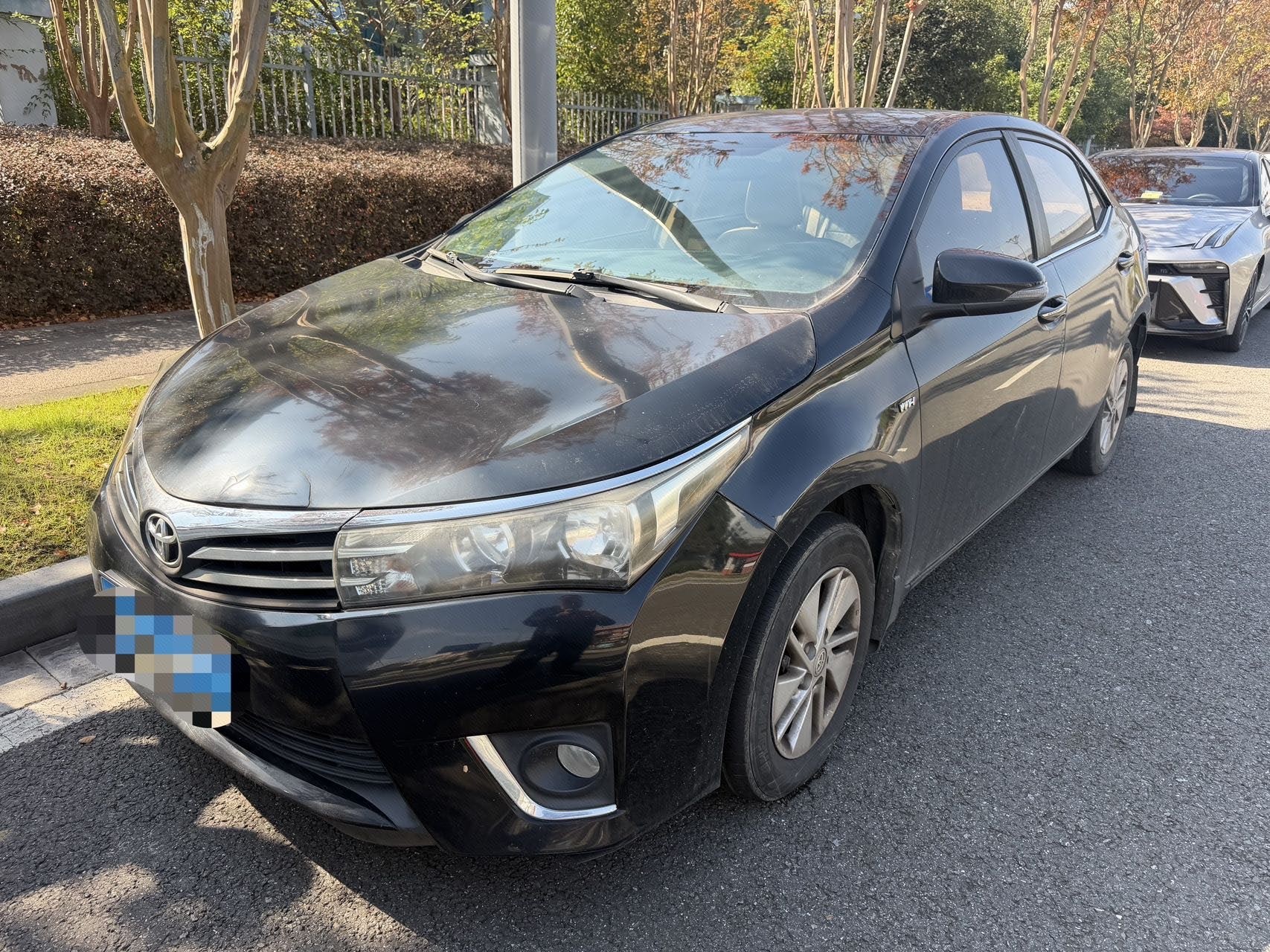
BrandToyota
SeriesCorolla
Year2020
First Registration2020/11
Mileage77,000km
Transfer Count0times
FuelGasoline
TransmissionCVT
Engine1.2T 116 L4
Color
Seats-

Condition Description

官方质检 · 60天全车质保· 7天无理由有偿退车

Configuration Highlights

✓上牌时间: 2020-11
✓表显里程: 7.7万公里
✓车源地: 柳州
✓排放标准: 国六
✓发动机: 1.2T
✓轴距: 2700mm
✓变速箱: 自动
✓最大功率: 85kW
✓功能配置: 12项
✓安全配置: 7项
✓动力类型: 前驱
✓空间舒适性: 一般

Q&A

More

Will the insect bodies and willow catkins on the vehicle's water tank and condenser surface be forcibly washed away with a high-pressure water gun before inspection?

Do not use a high-pressure water gun directly! The high-pressure water can instantly damage the fragile aluminum fins of the condenser, leading to a permanent decrease in cooling efficiency. We can only use a low-pressure air gun or a soft brush for surface cleaning.


What's the difference between RoRo and container shipping when importing a used car from China?

RoRo (roll-on/roll-off) means your car is driven onto the vessel and secured on an open deck. It's usually the cheapest option and has frequent sailings from Chinese ports like Shanghai and Guangzhou. The downside: the car is exposed to sea air and handling, and you typically can't load spare parts inside the car. Container shipping puts the car in a 20ft or 40ft container. It costs more per car (a 40ft can fit 2-4 cars if you share with other buyers), but the car is sealed and protected, and you can pack spare parts, tools, or personal items inside. Container is the better choice for high-value cars, EVs with sensitive electronics, or harsh-route destinations. Practical tips: RoRo requires the car to be drivable and the battery disconnected per shipping rules; EVs often must ship at low state of charge. Either way, photograph the car at the port of loading and buy marine insurance. Transit time difference between the two modes is usually small - port congestion matters more than the mode itself.

How do I verify the ownership and registration history of a used car in China before buying it for export?

Verifying ownership protects you from buying a car that can't legally be exported. Start with the registration certificate (机动车登记证书), China's title document. It lists every owner change with dates. Ask the seller for clear photos of all pages — check that the current seller's name matches the latest entry. Next, ask for the seller's ID (or business license for a dealer) and confirm it matches the registration certificate. A mismatch is a red flag unless there's a documented agency arrangement. Also verify the vehicle isn't mortgaged or seized: the registration certificate has a section for mortgage records, and your inspection agent can check the official vehicle management system by VIN. Finally, confirm the car is deregistered (or can be) before export — Chinese law requires deregistration and an export certificate for used cars leaving the country. Summary: title photos, seller ID match, no mortgage flags, export-ready status. Any gap in this chain should stop the deal.