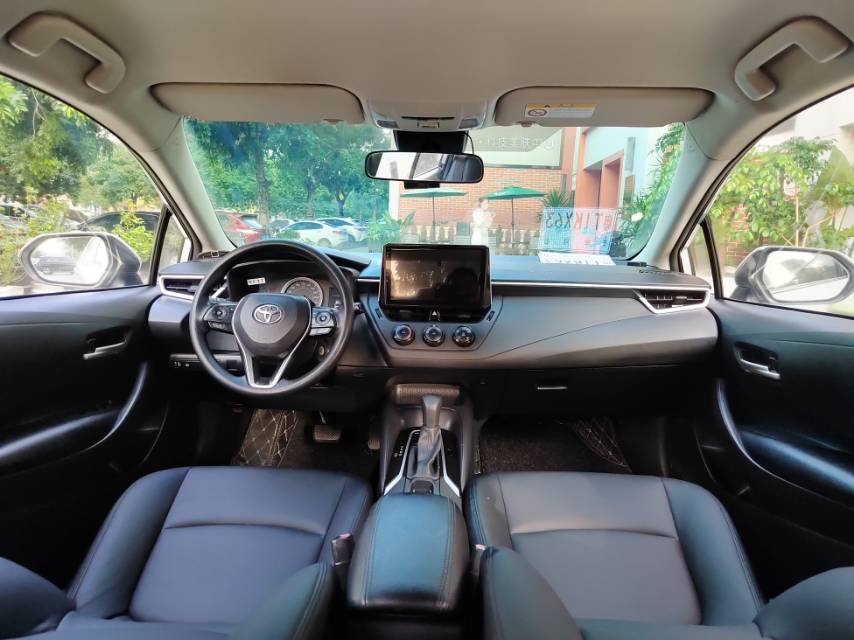
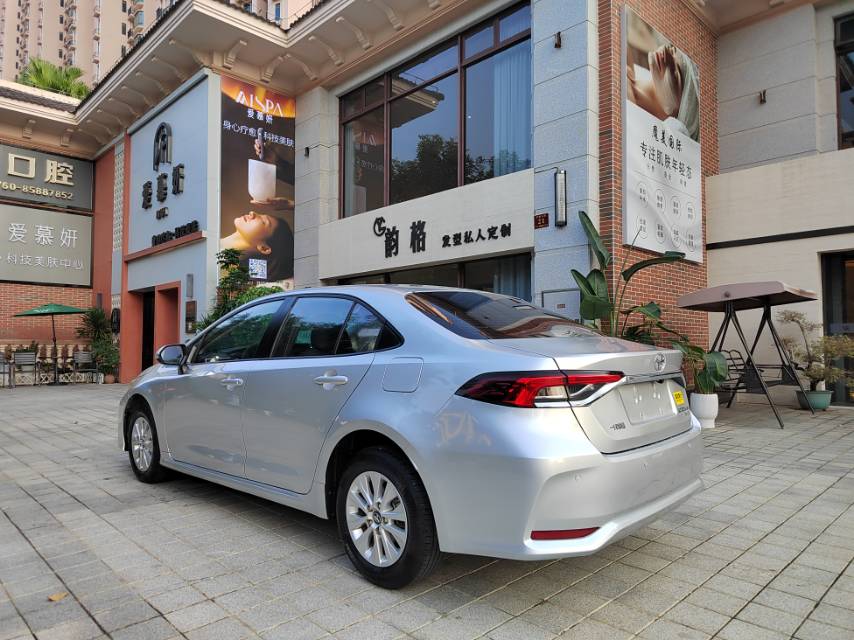
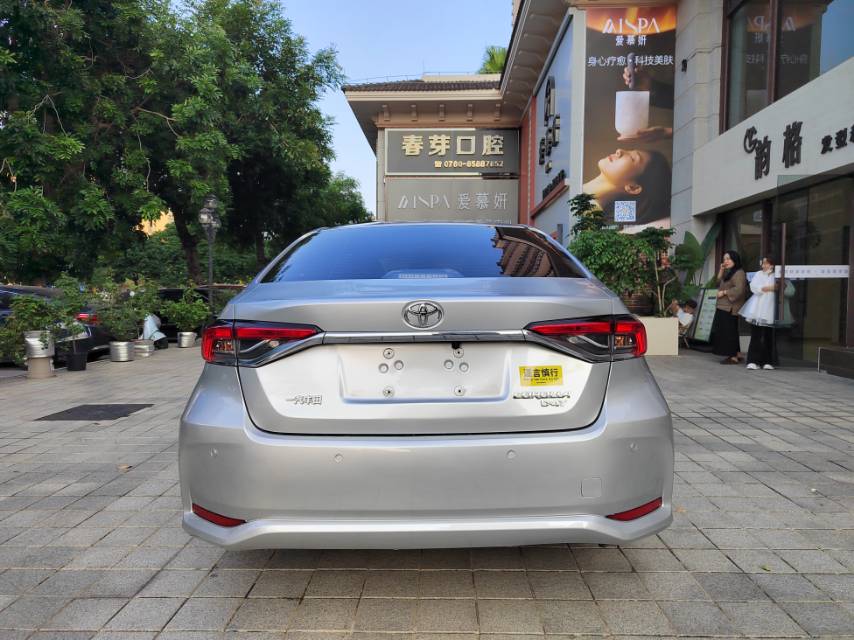
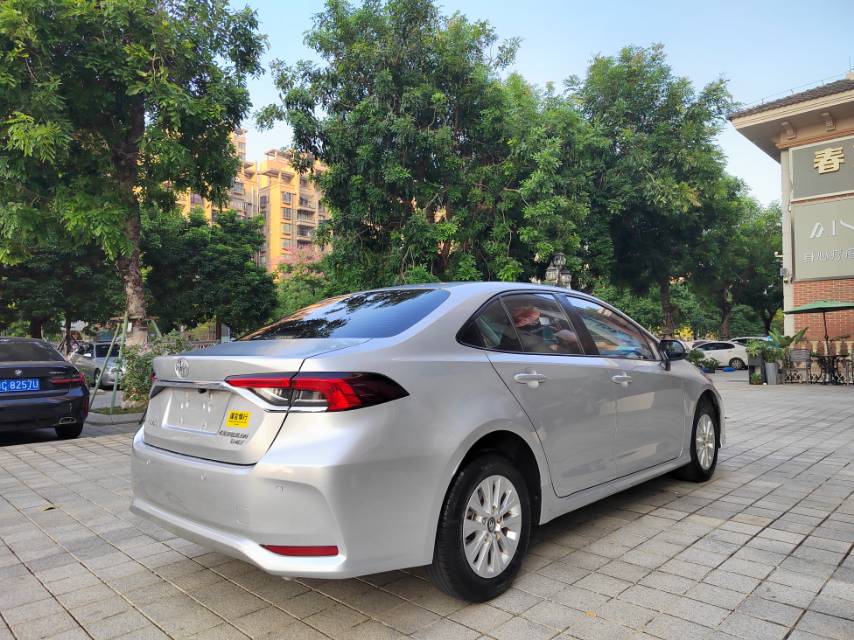



24H

Basic Information

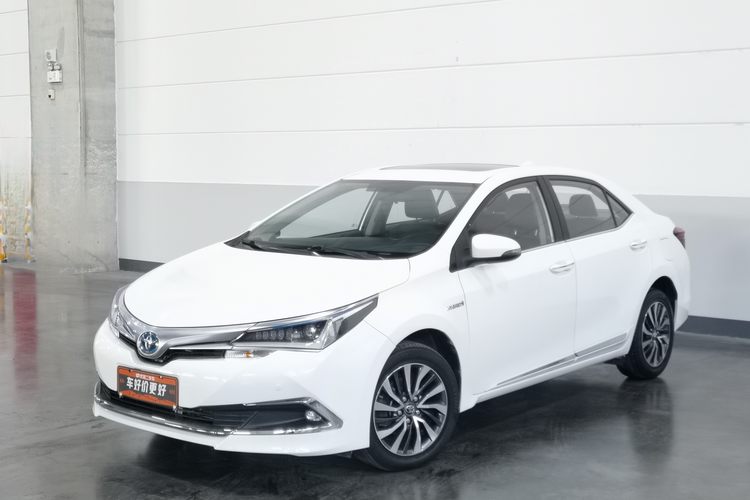
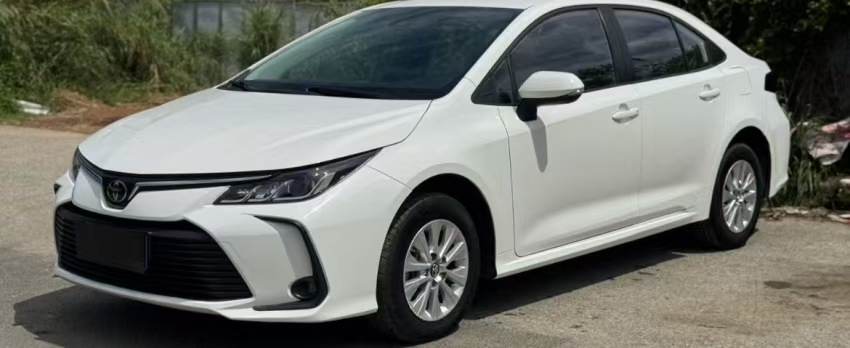
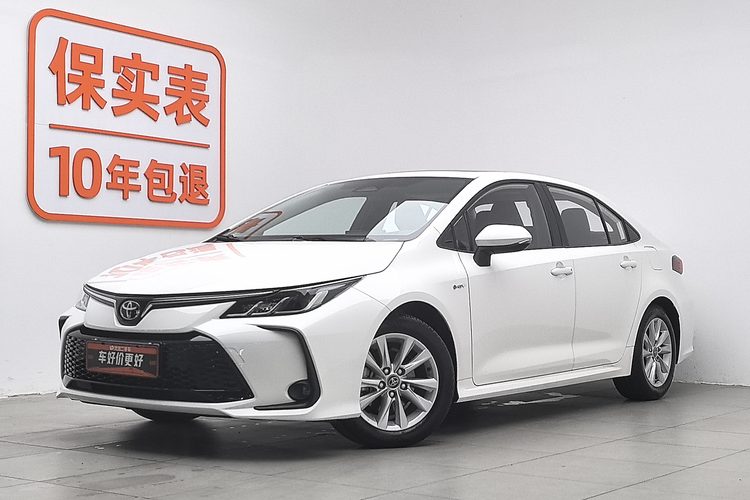
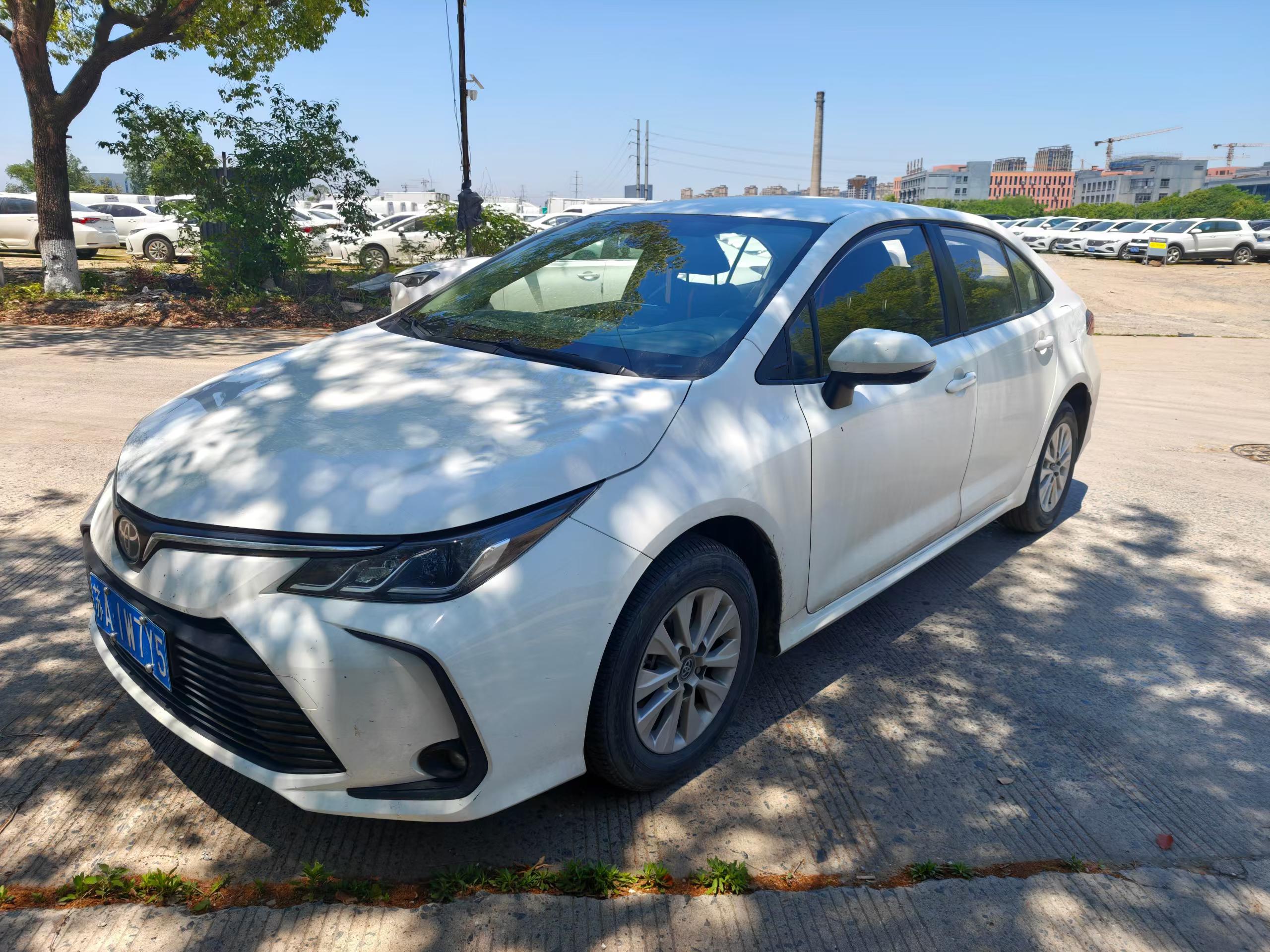
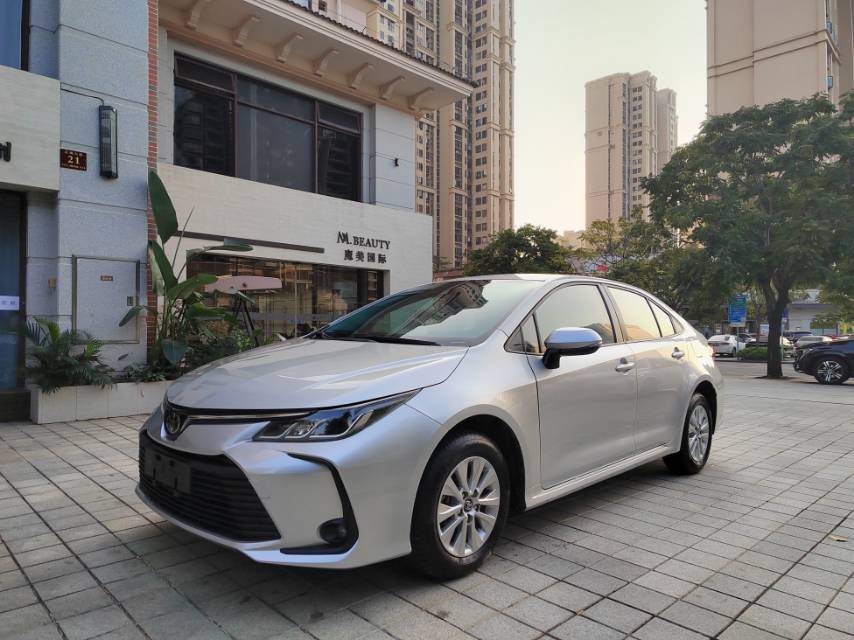
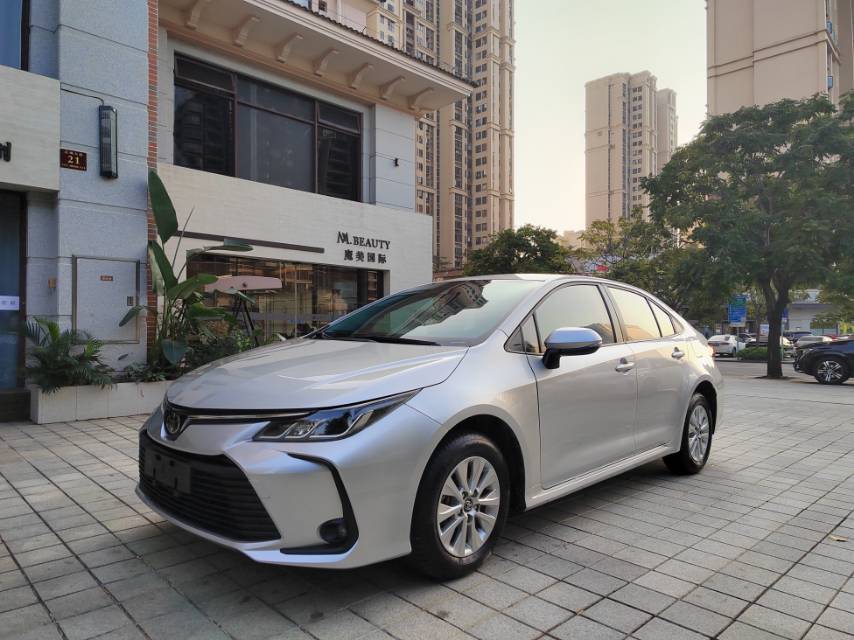
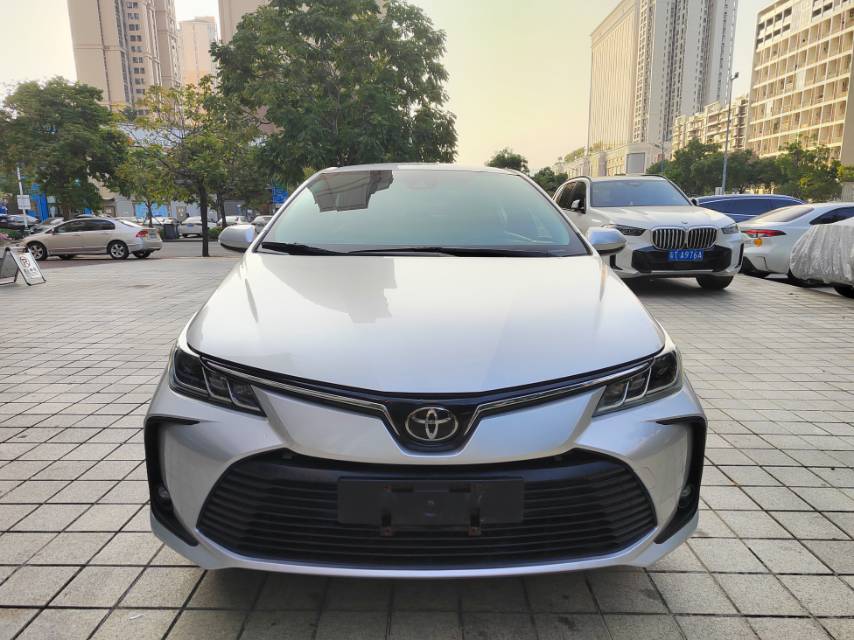
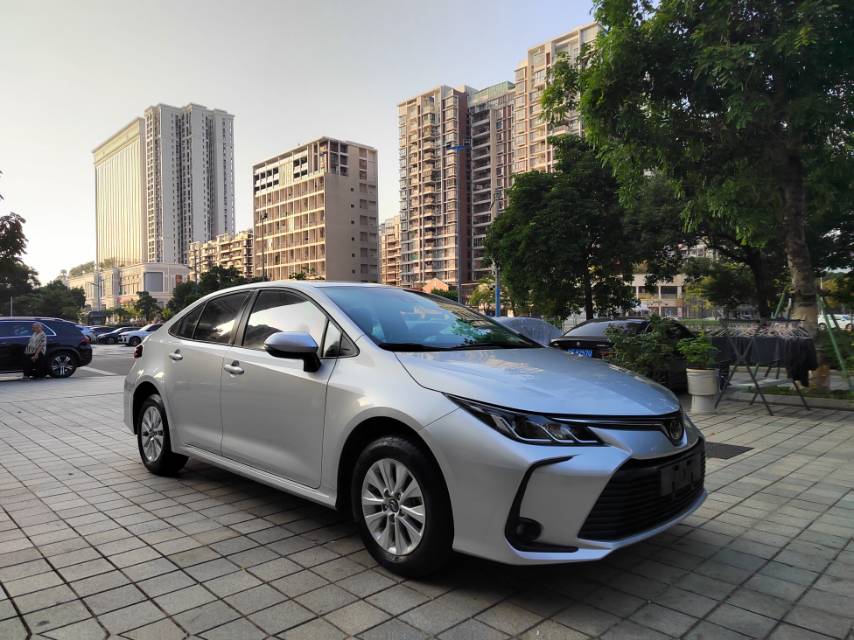
BrandToyota
SeriesCorolla
Year2020
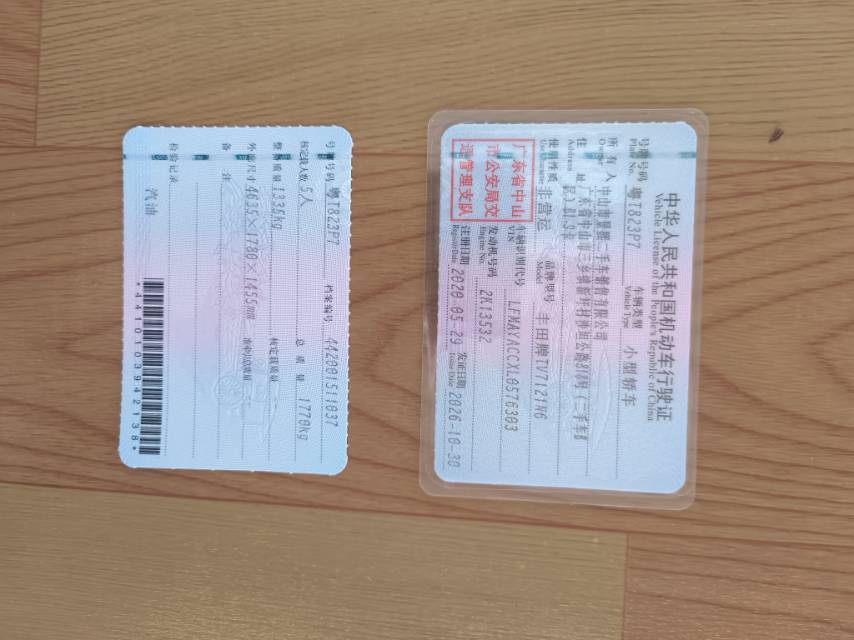
First Registration2020/05
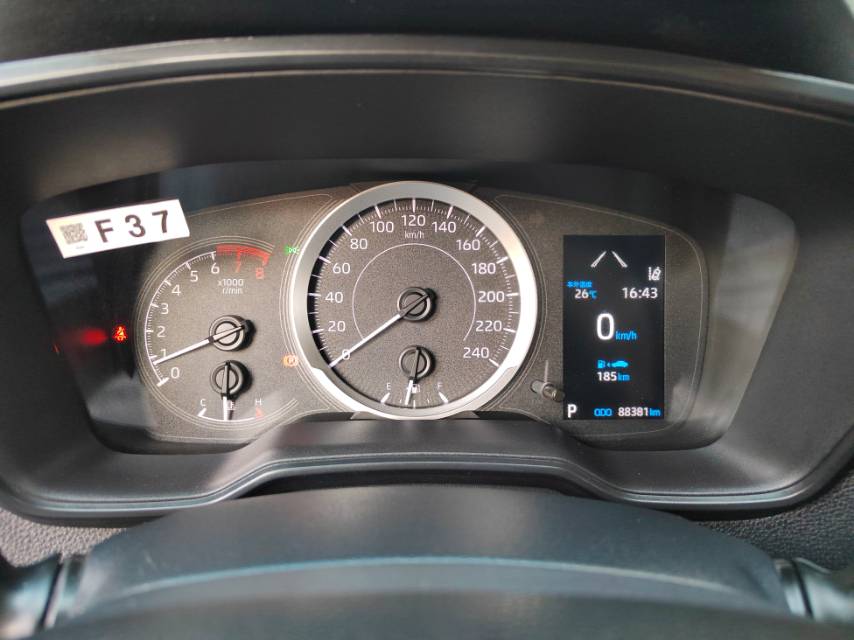
Mileage80,000km
Transfer Count0times
FuelGasoline
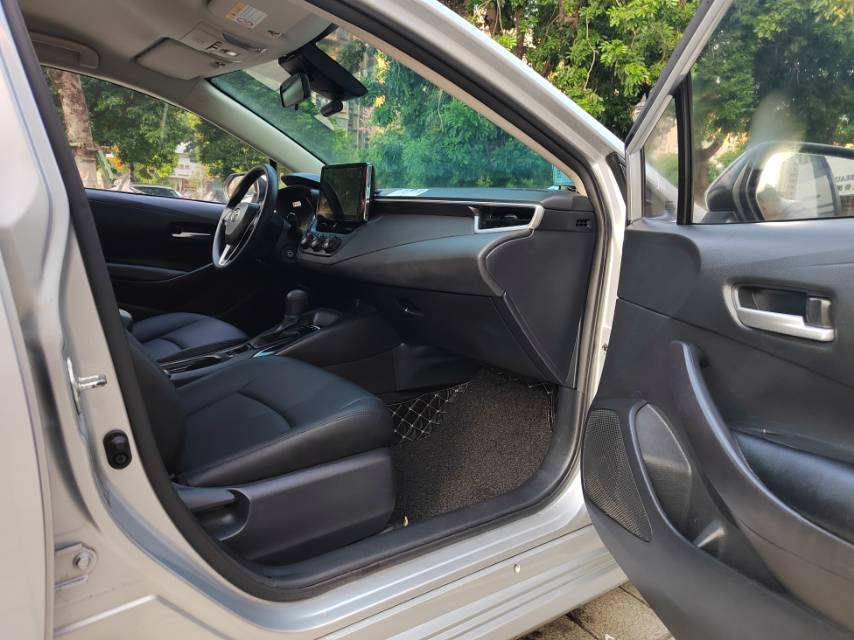
TransmissionCVT
Engine1.2T 116 L4
ColorGrey
Seats-

Condition Description

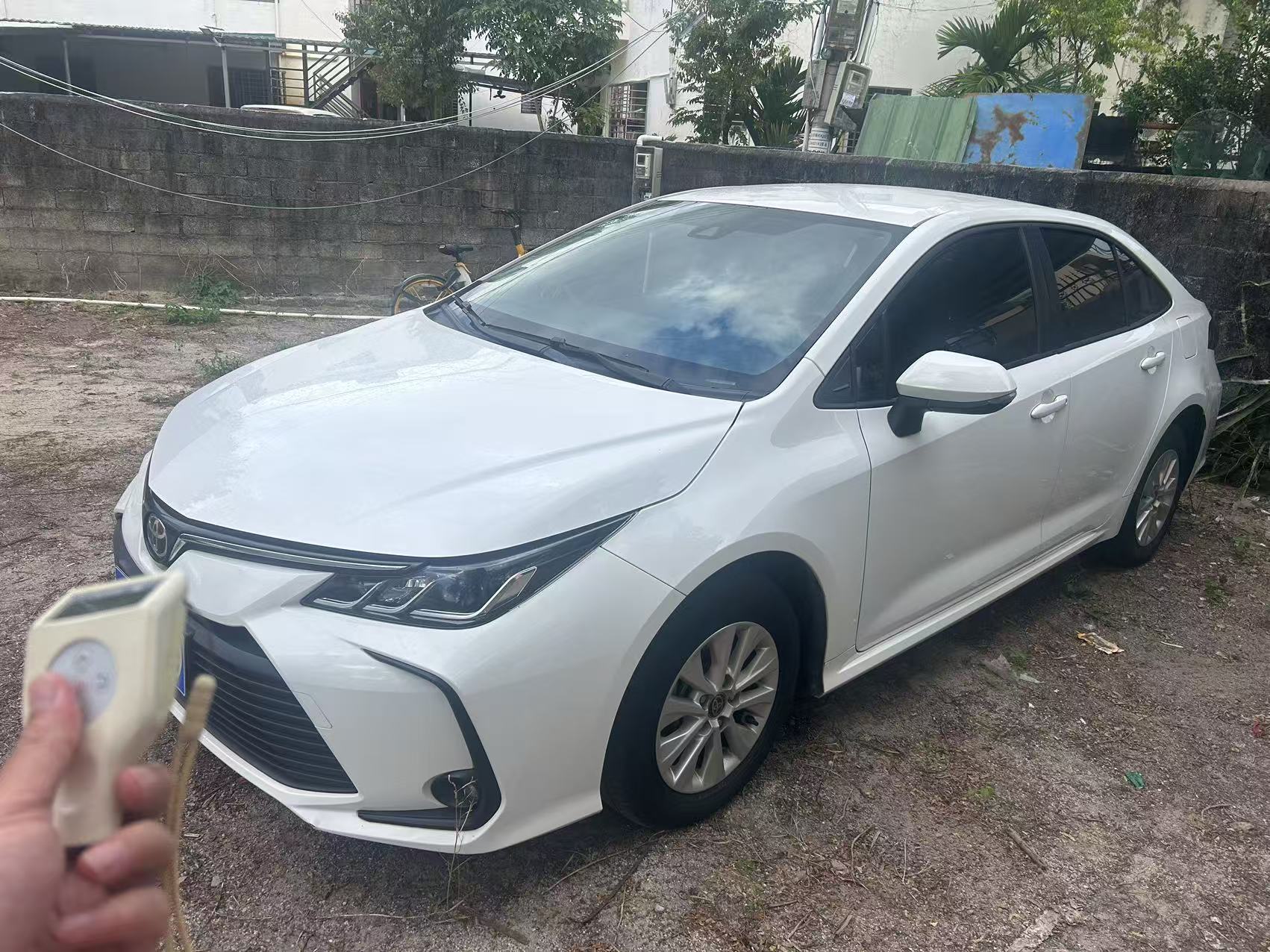
General condition.

Odometer: over 80,000 km. Insurance valid until May next year.

可议价
已上架
New
Wholesale

Configuration Highlights

✓品牌: 丰田
✓车系: 卡罗拉
✓车型: 丰田 卡罗拉 2019款 1.2T CVT 先锋版
✓能源类型: 燃油车
✓发动机: 1.2T
✓变速箱: CVT
✓驱动方式: 前轮驱动
✓排放标准: 国VI
✓指导价: 11.98万
✓车源编号: 12806122
✓VIN: LFMA*******576303

Document Information

Inspection Expiry Date2028/10
Warranty Expiry Date-
Insurance Expiry Date2027/05

Q&A

More

What is a Certificate of Origin and why do I need one when importing a car from China?

A Certificate of Origin (C/O) is an official document stating where the vehicle was manufactured. Customs authorities use it to decide which tariff rates and trade agreements apply to your import. Why it matters: many countries offer preferential tariffs for certain origins. With a valid C/O, such as the ASEAN-China Form E or a GSP Form A, you may pay reduced or zero duty. Without it, you typically pay the standard, higher rate. The certificate must match the vehicle exactly: VIN, make, model and invoice details. It is usually issued by the China Council for the Promotion of International Trade (CCPIT) or customs authorities. Practical tips: request the C/O before shipment, because adding it later is slow; check that your country's customs accepts the specific C/O format; and confirm with your broker whether your vehicle category qualifies for preferential rates. This single document can save you thousands in duty.


What hidden fees should I watch for in a Chinese exporter's quotation, and how do I get a transparent breakdown?

Common charges beyond the car price: pre-shipment inspection fee, inland trucking from the car's city to the port, export customs clearance, documentation fee, terminal handling charges (THC), certificate fees, and markups hidden inside the freight quote. How to protect yourself: ask for an itemized quotation with each charge listed separately; compare 2-3 exporters, because a very low car price is often offset by inflated fees; confirm which costs are included up to the port of loading and which you pay at destination; agree in writing on the payment currency and the exchange rate date. Your total budget should be: car price + export fees + freight + insurance + destination port charges + import duties and taxes.

Will the type of refrigerant in the vehicle (such as R134a or R1234yf) be indicated on the export documents for environmental customs clearance?

Europe and some developed countries have very strict regulations on greenhouse gases. If required by customs, we will specify the exact refrigerant type and charge amount according to the vehicle's air conditioning compressor nameplate in the remarks section of the packing list and commercial invoice.