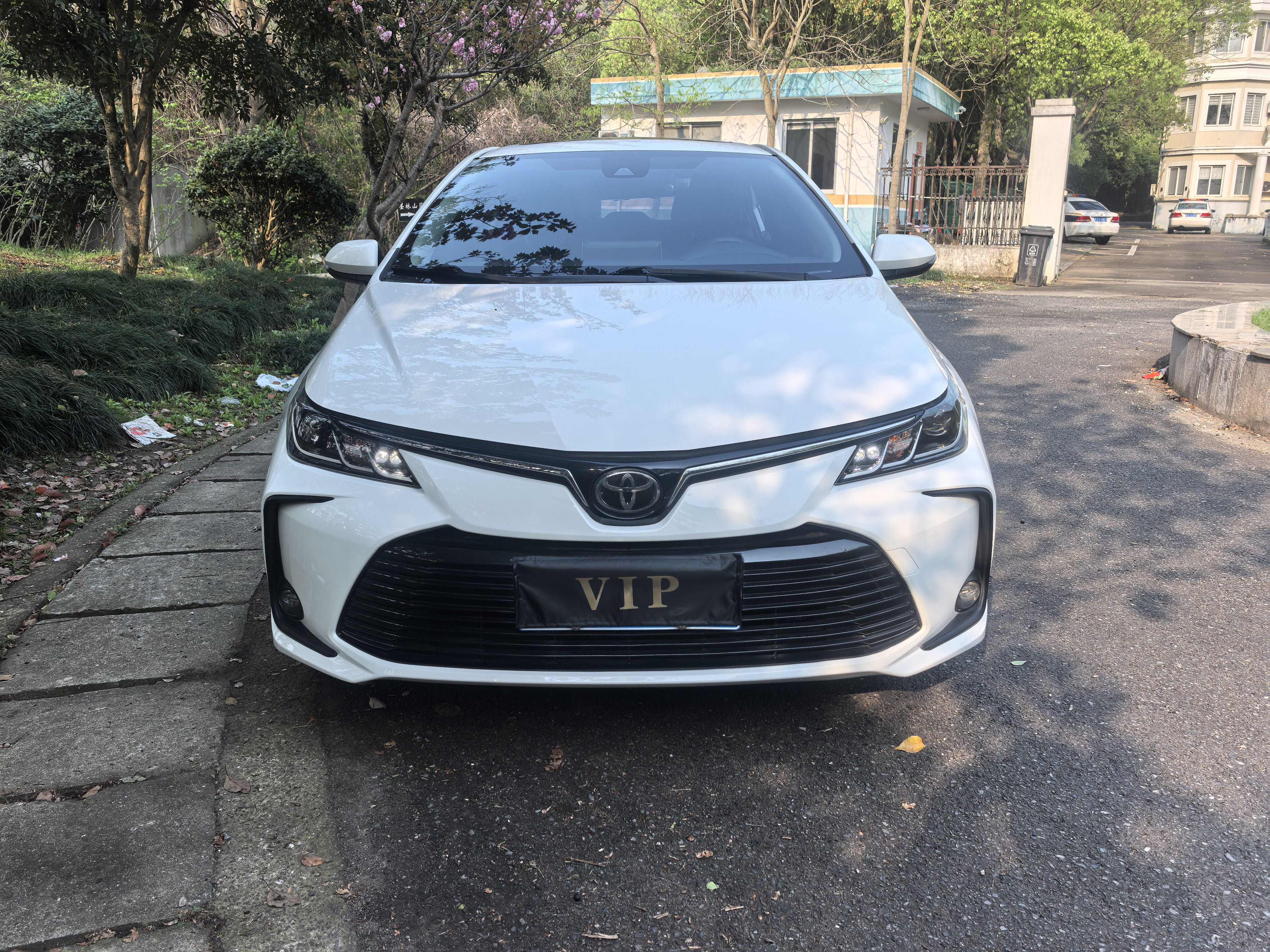
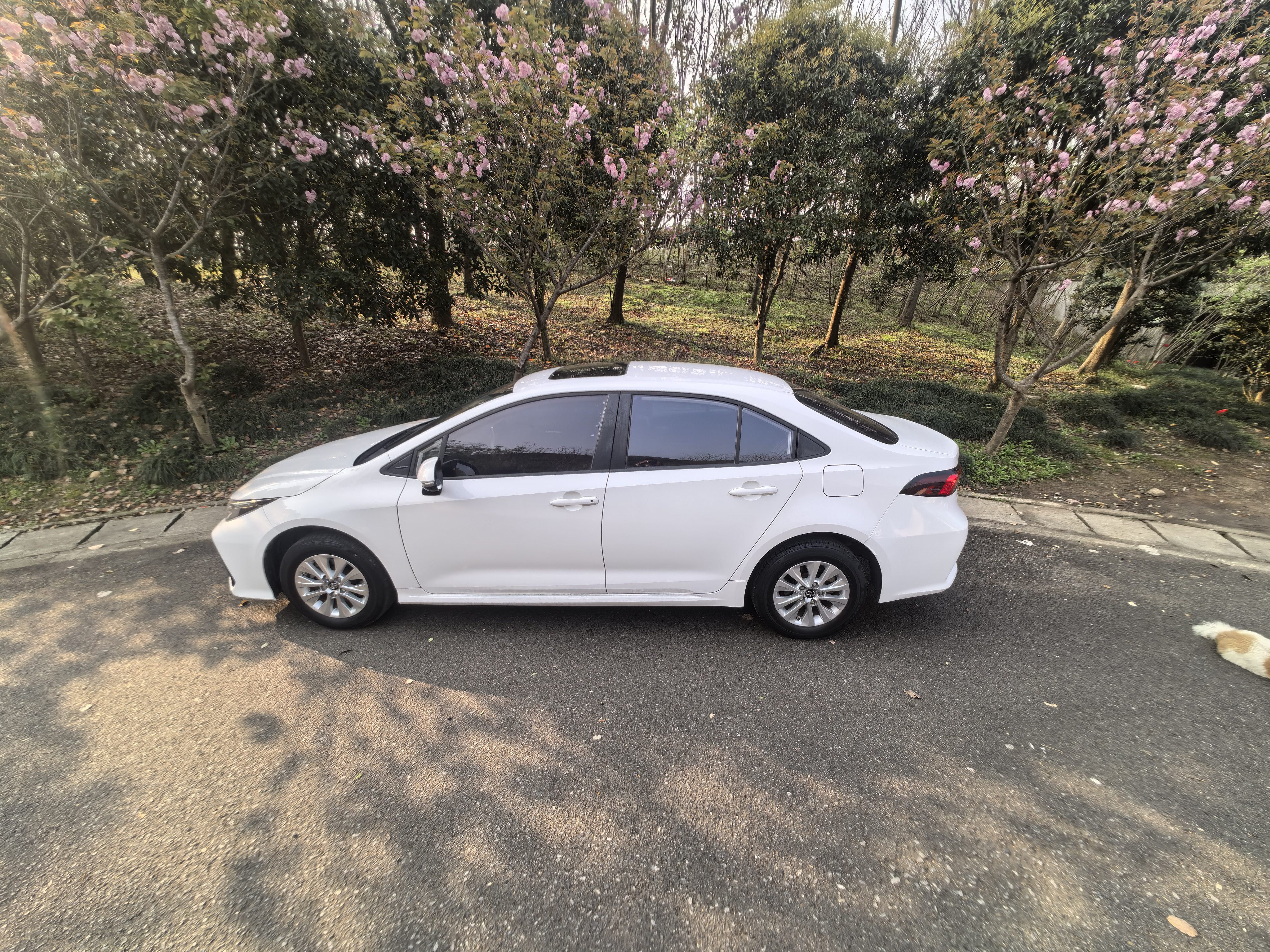
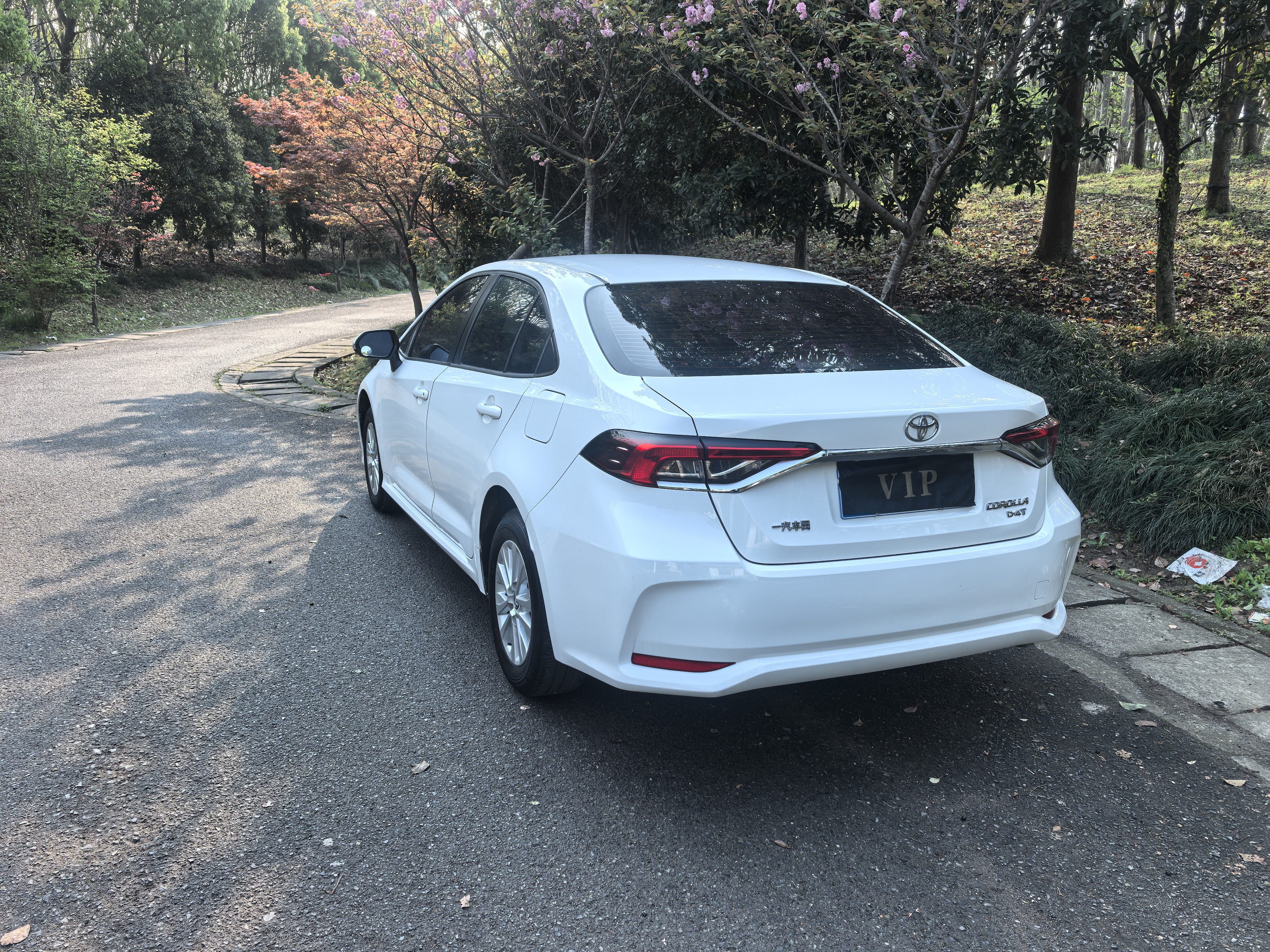
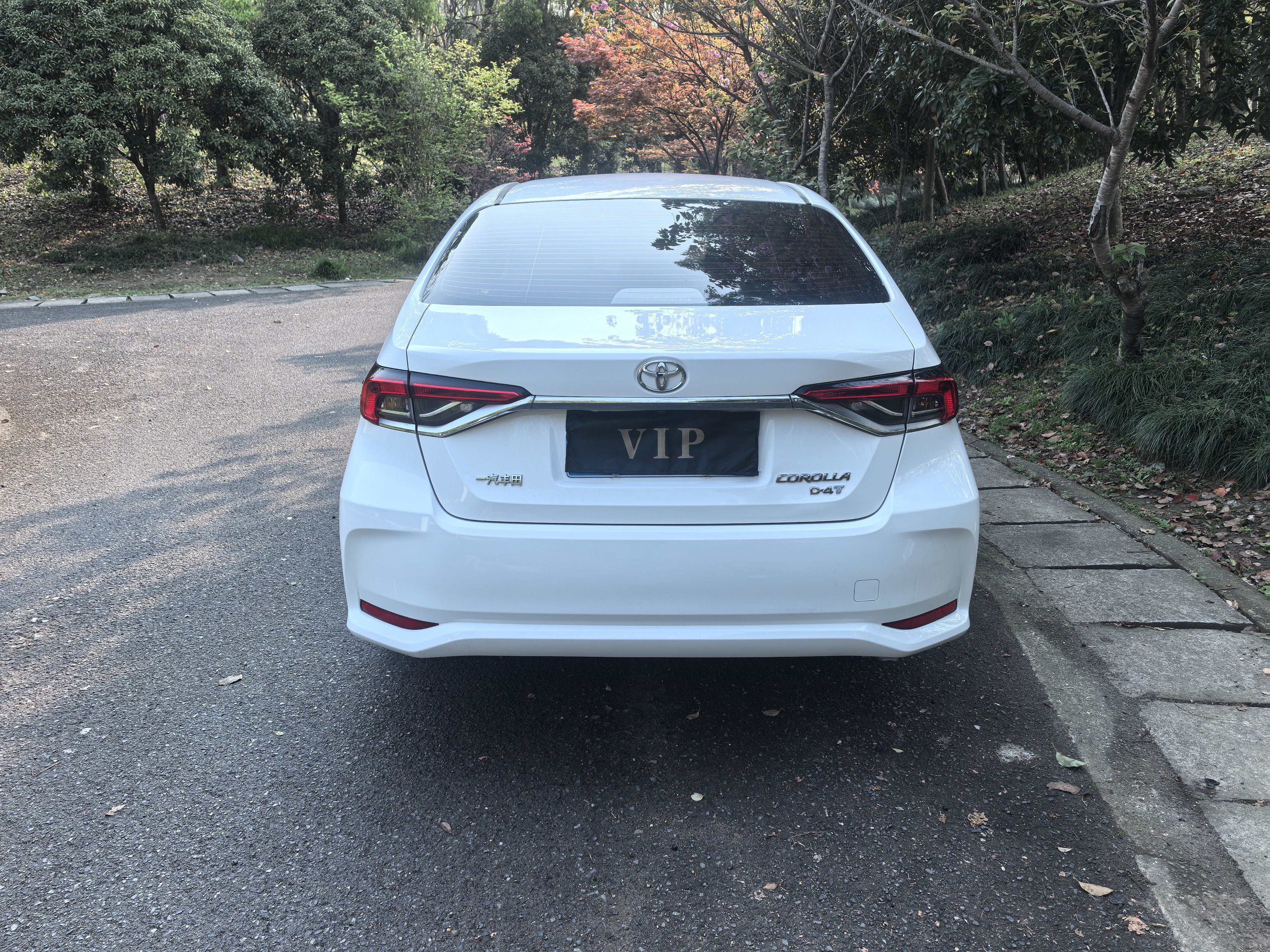
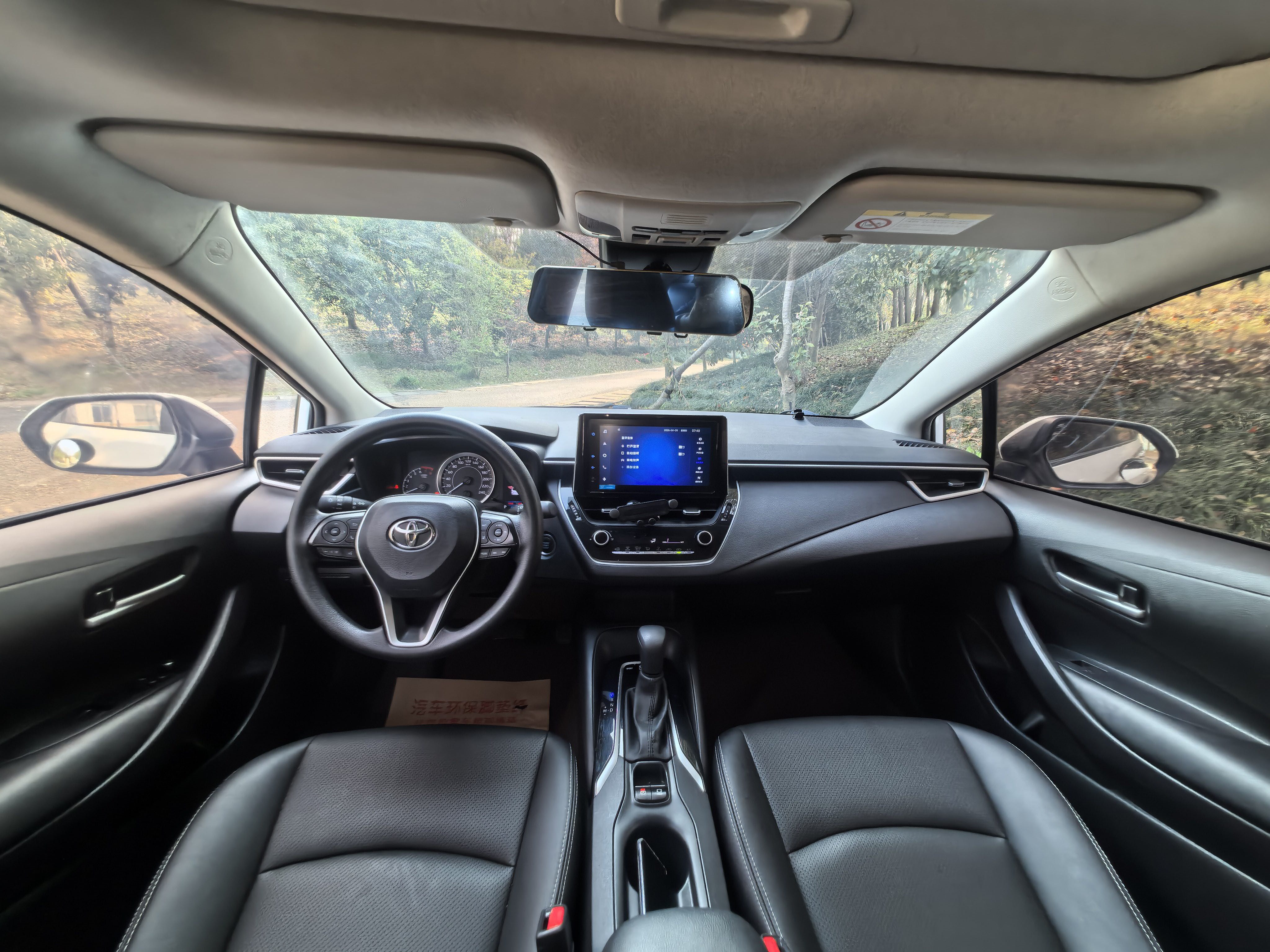
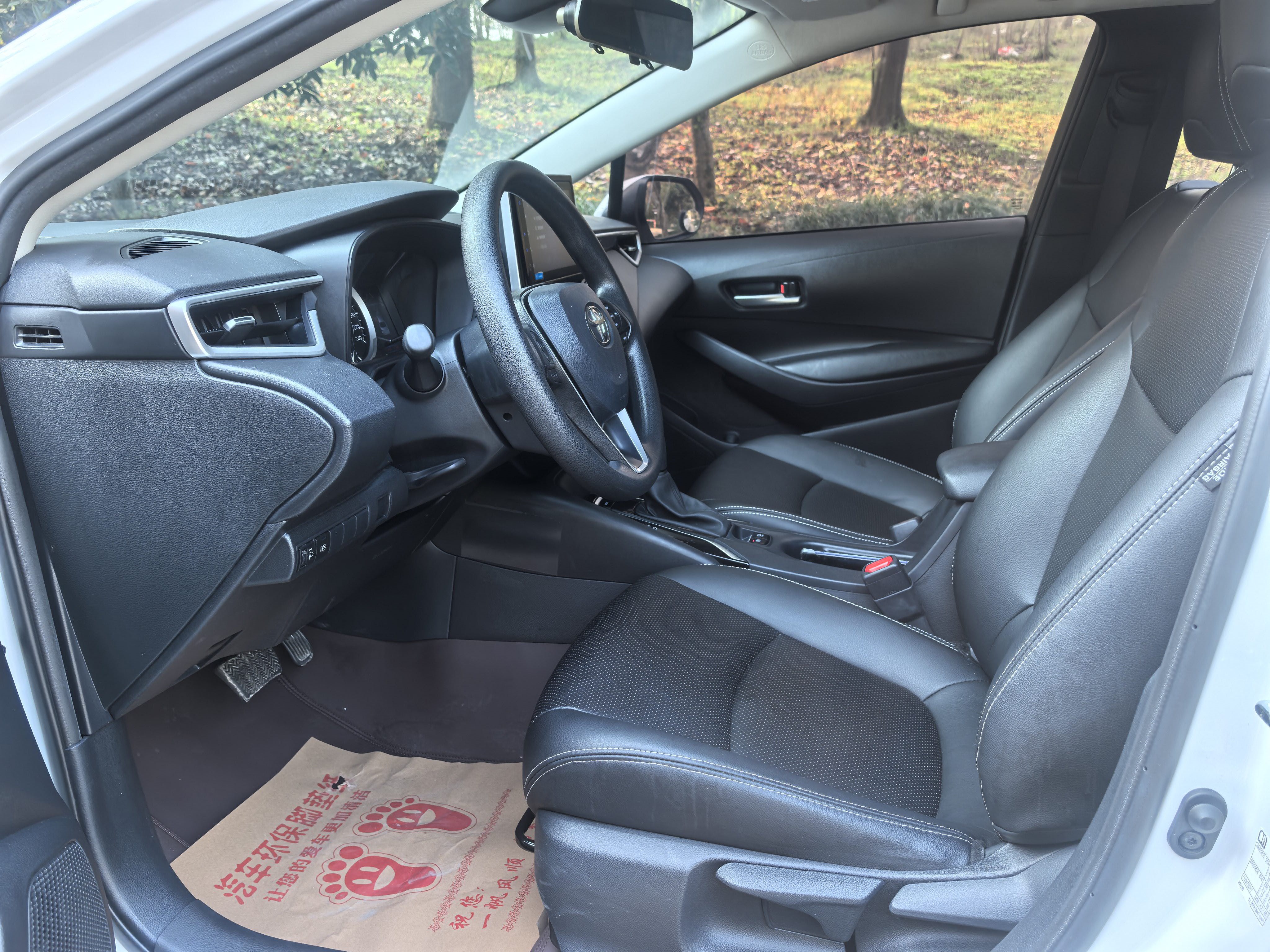
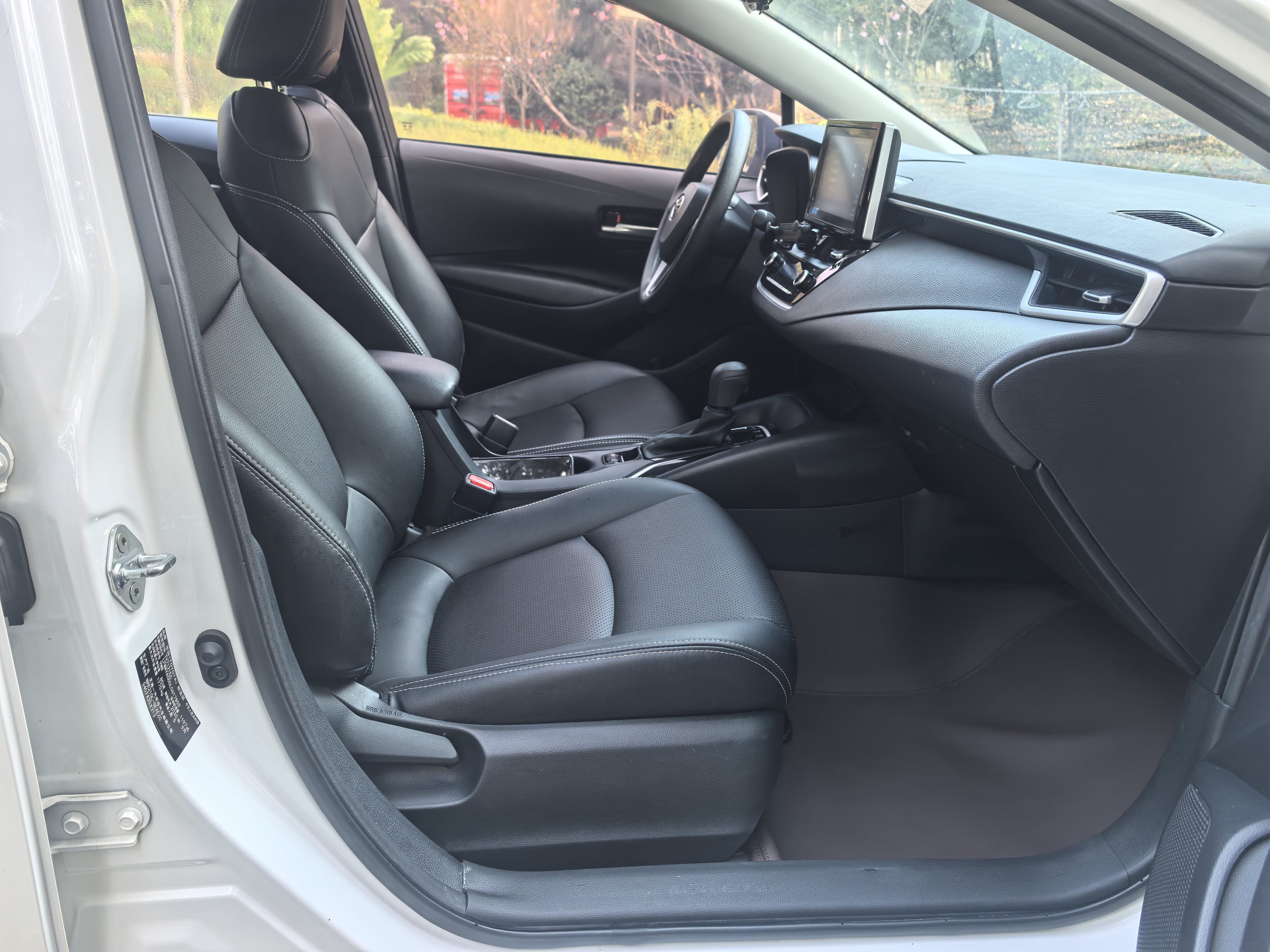
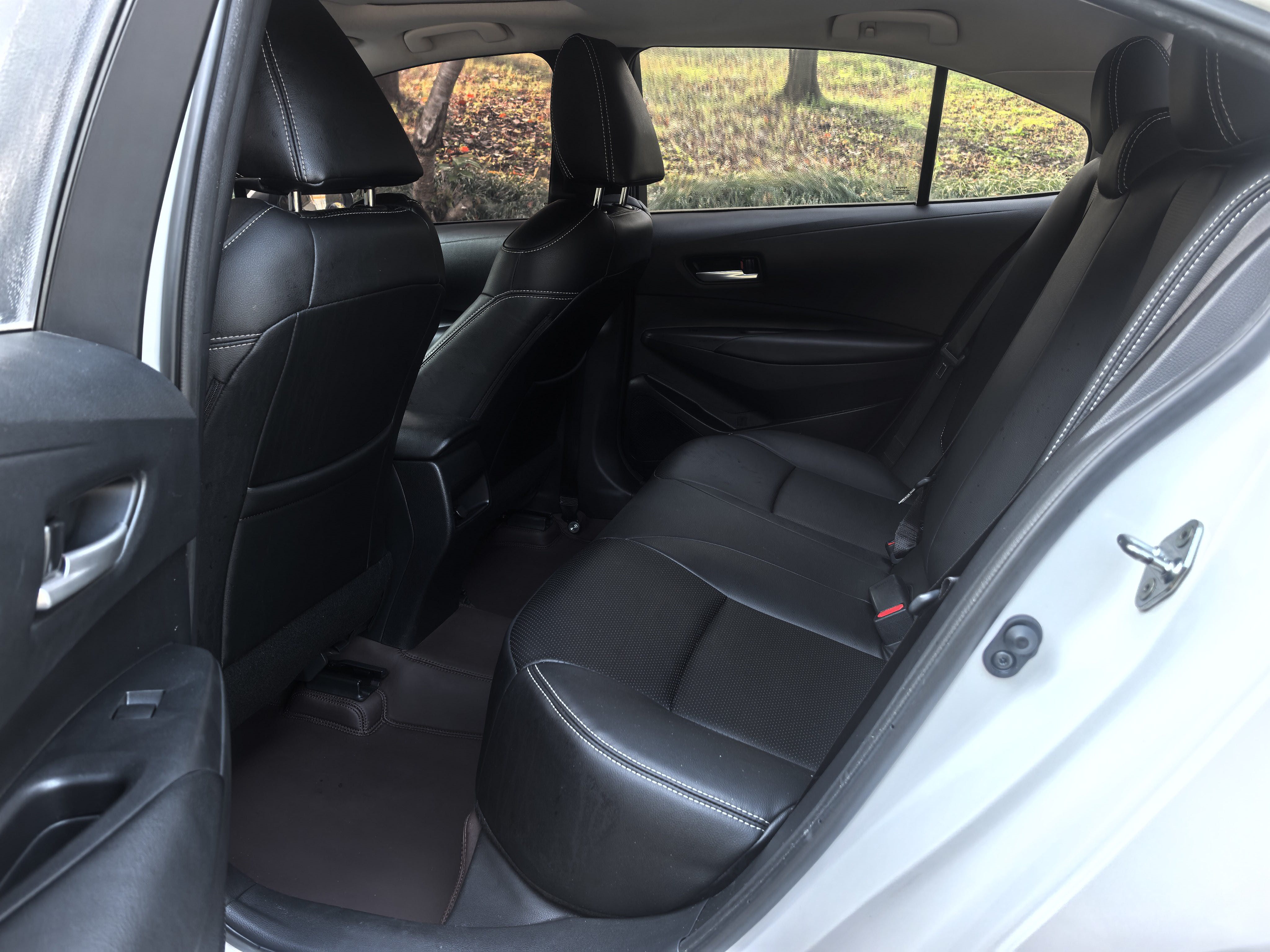

Basic Information

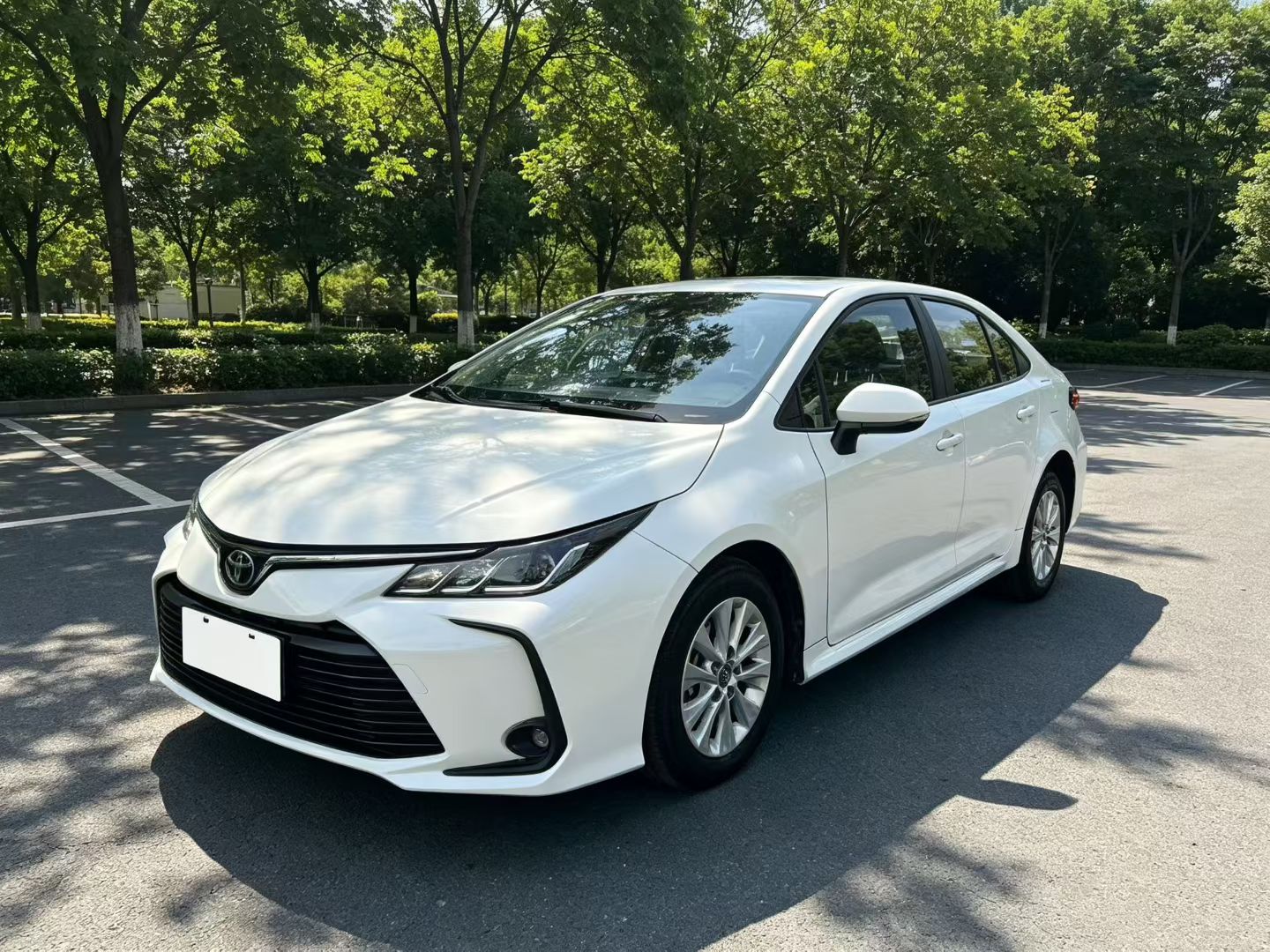
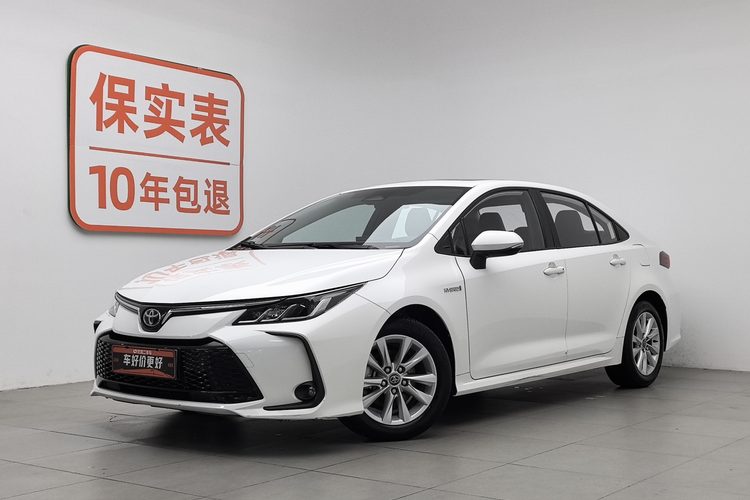
BrandToyota
SeriesCorolla
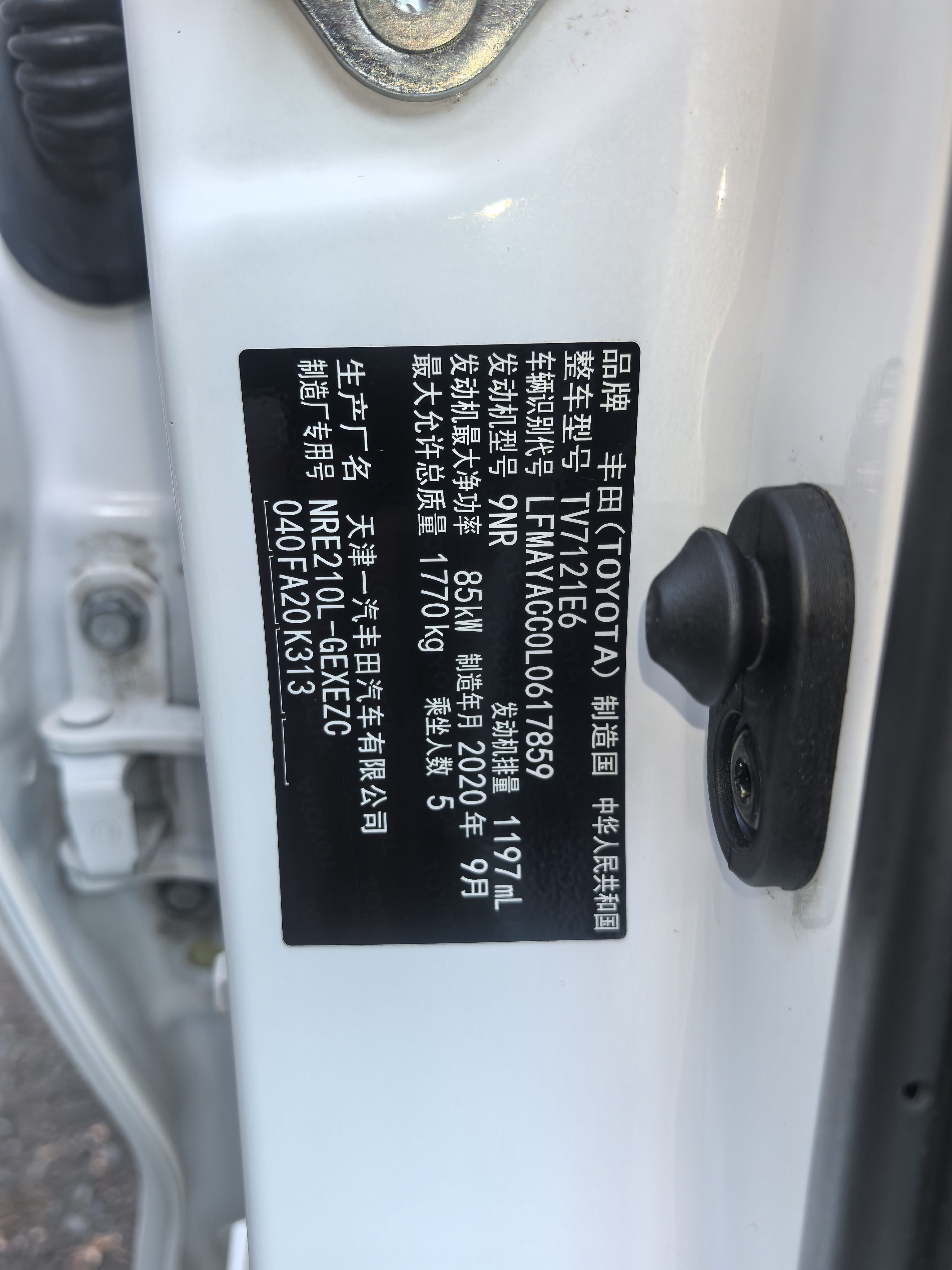
Year2020
First Registration2020/09
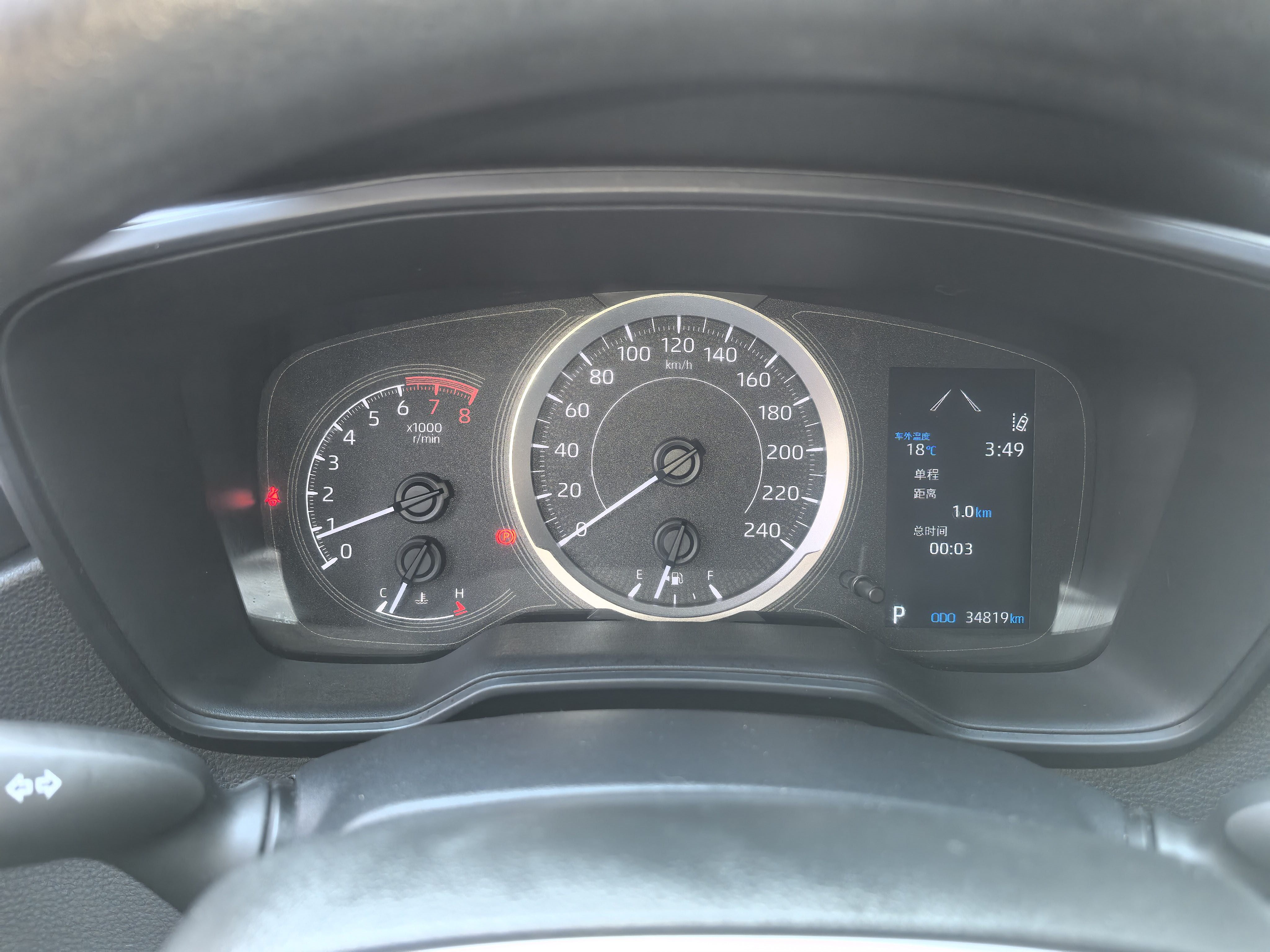
Mileage34,000km
Transfer Count1times
FuelGasoline
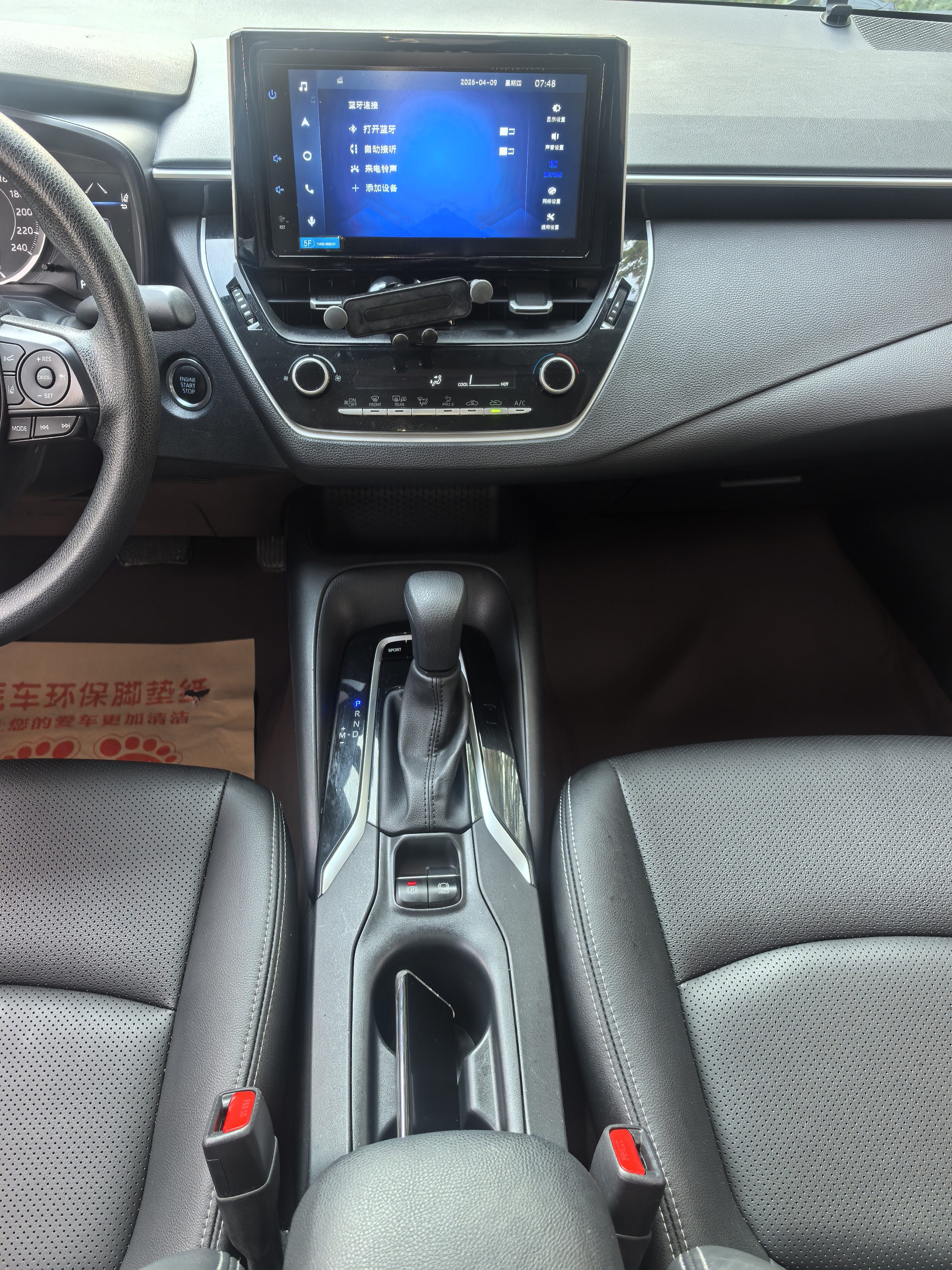
TransmissionCVT
Engine1.2T 116 L4
ColorWhite
Seats-

Condition Description

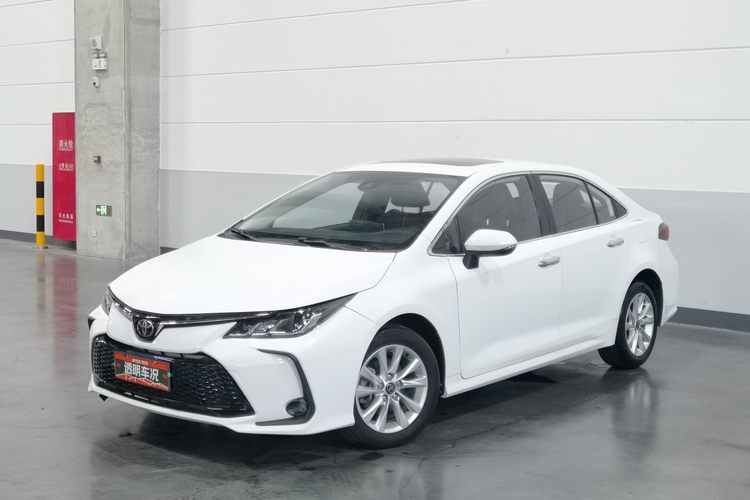
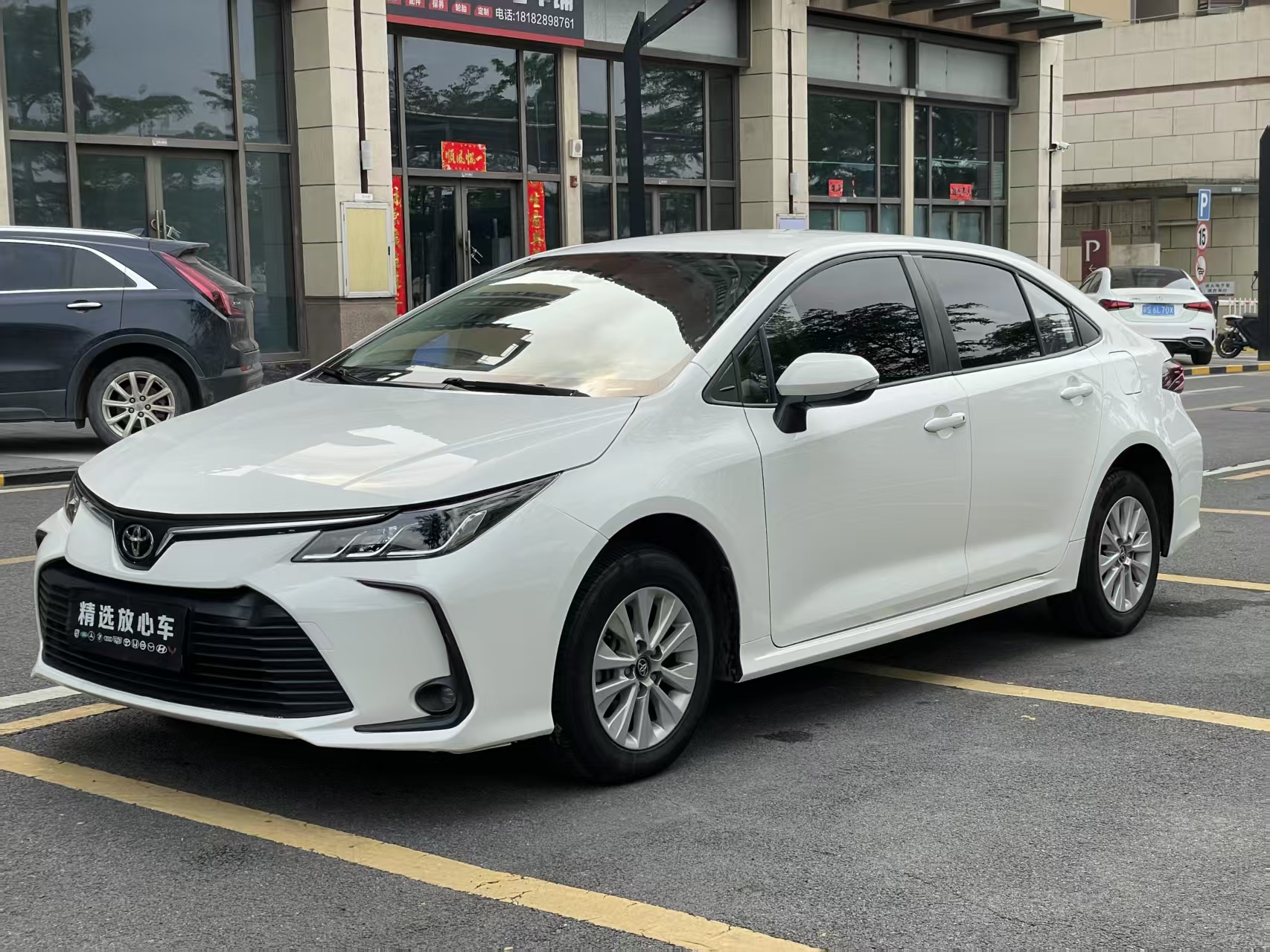
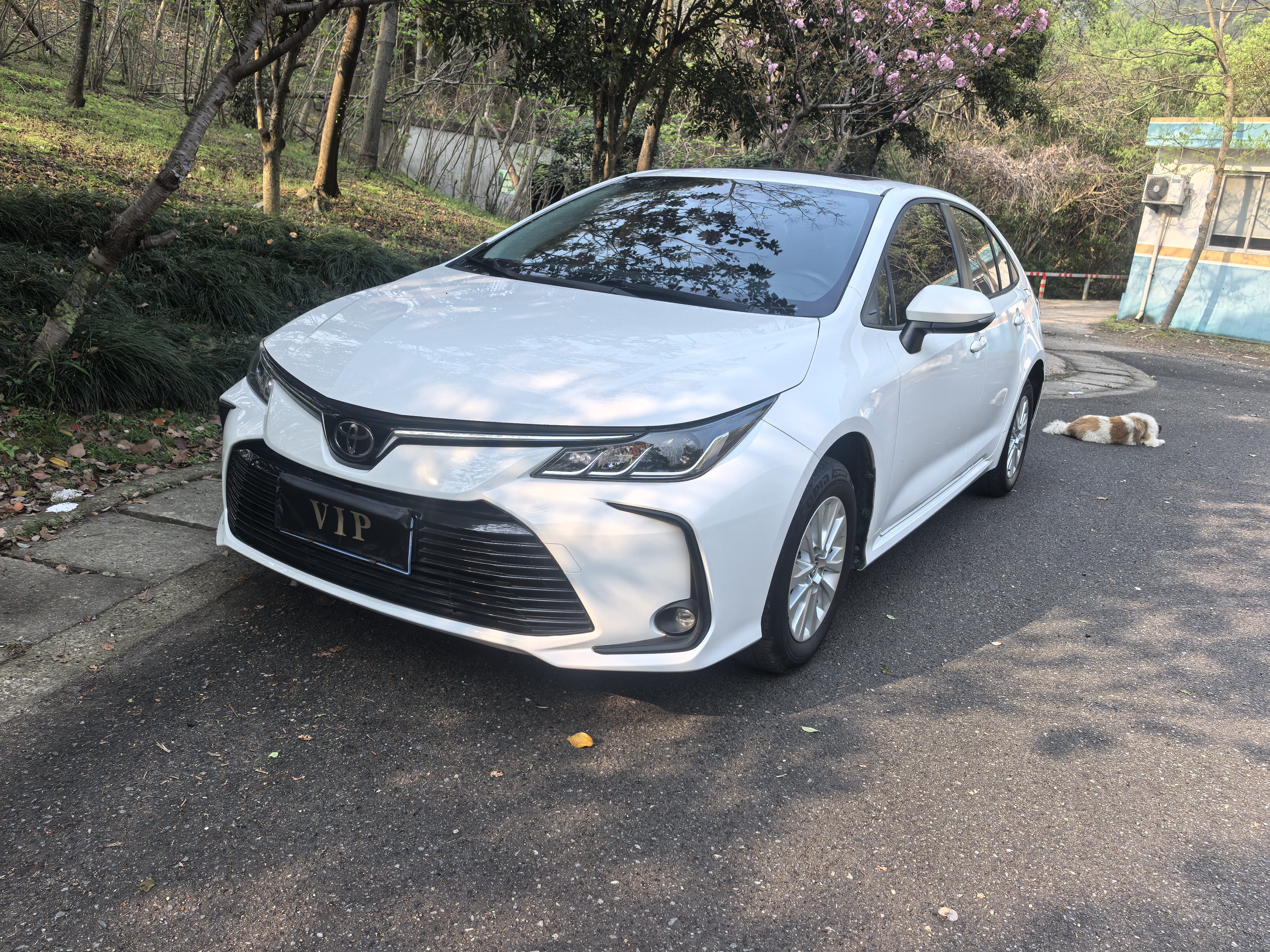
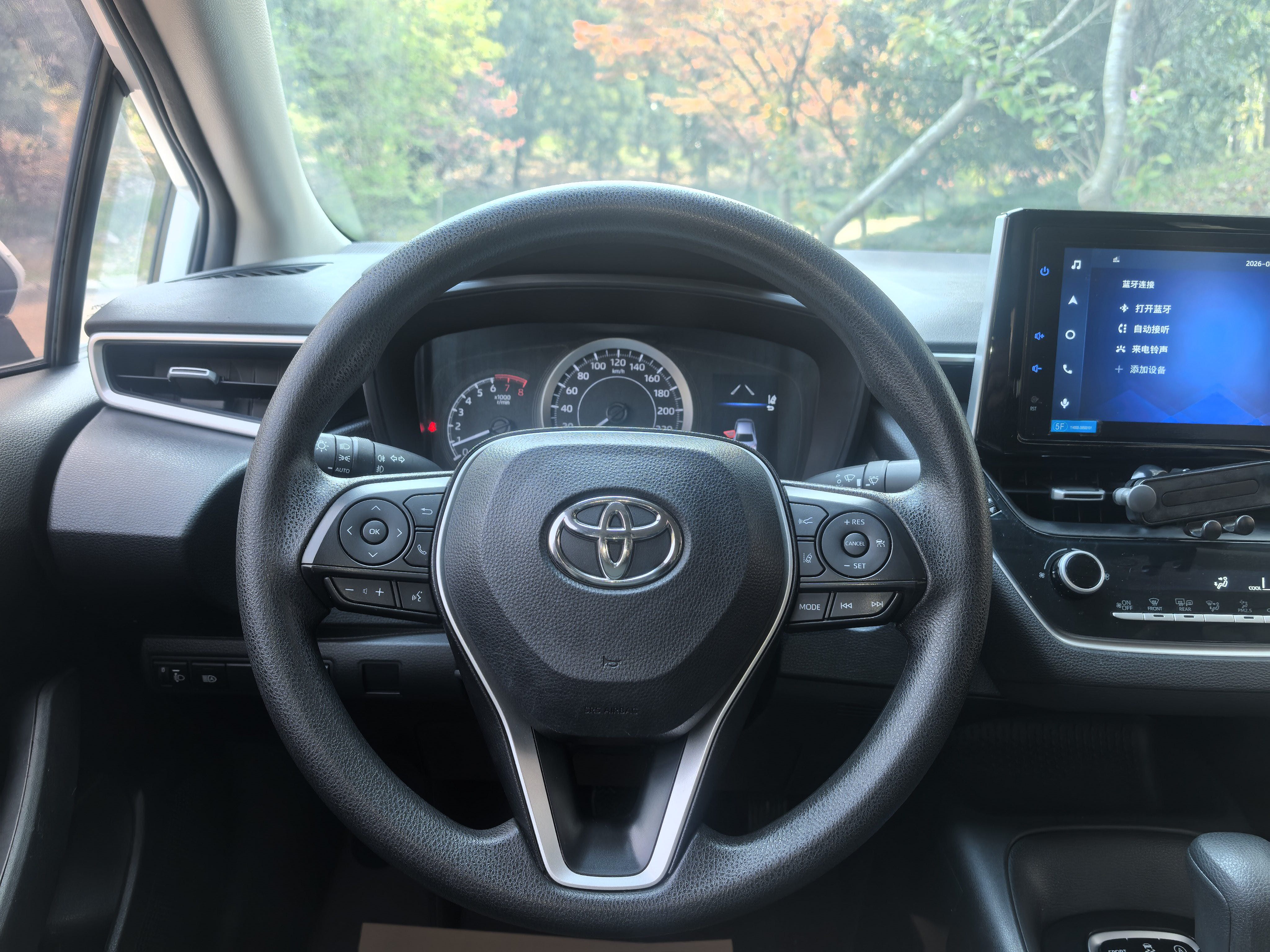
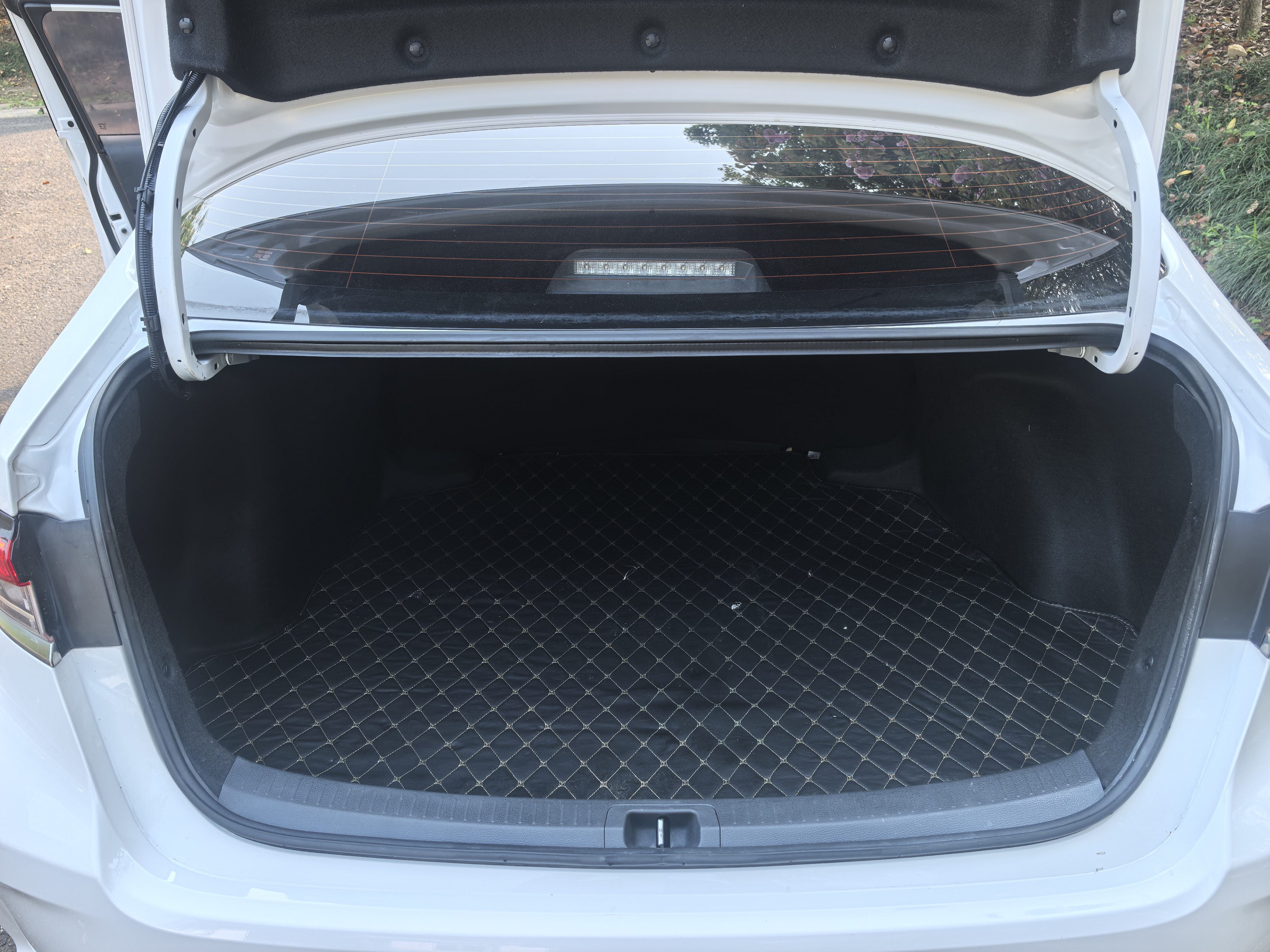
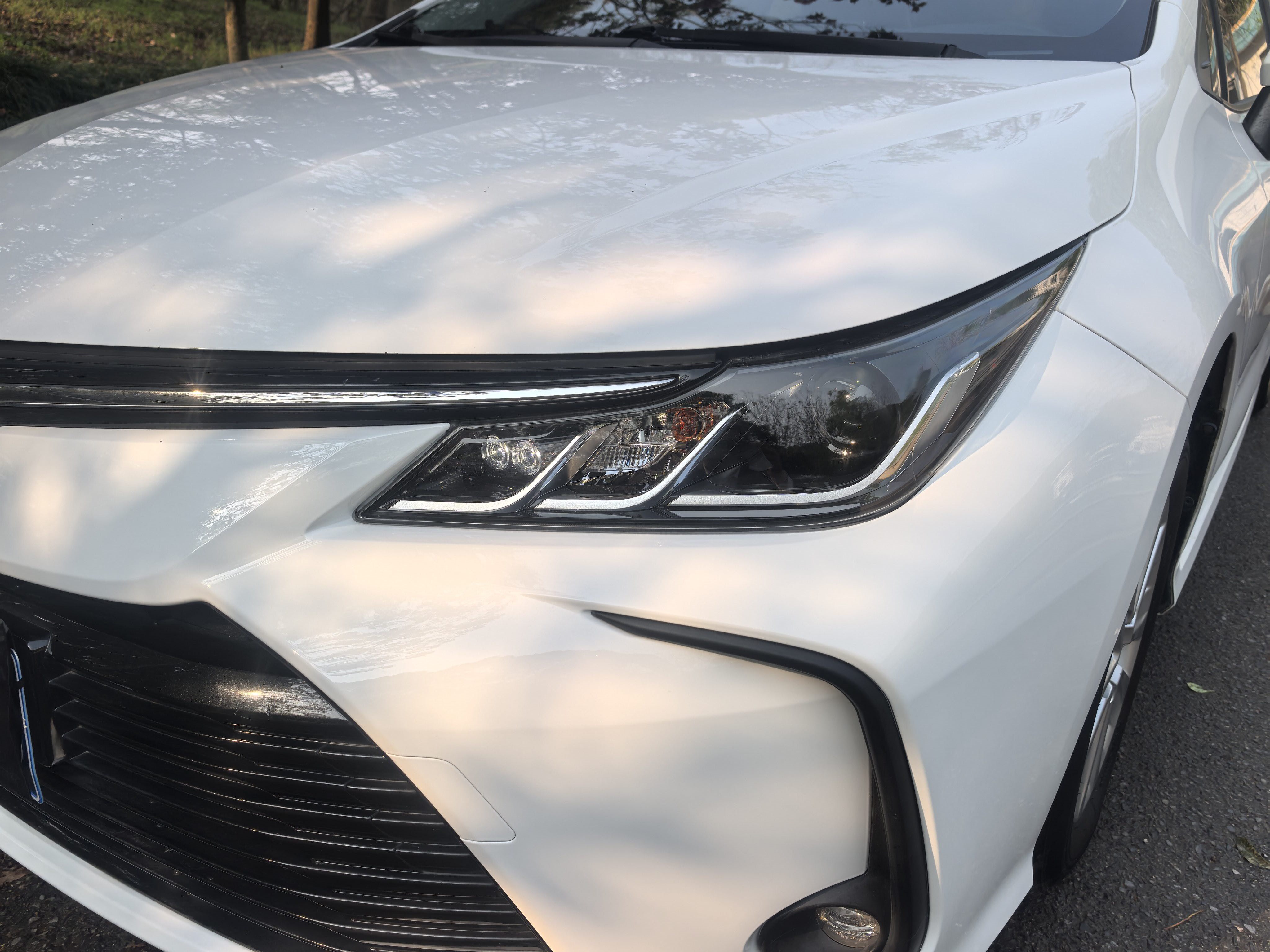
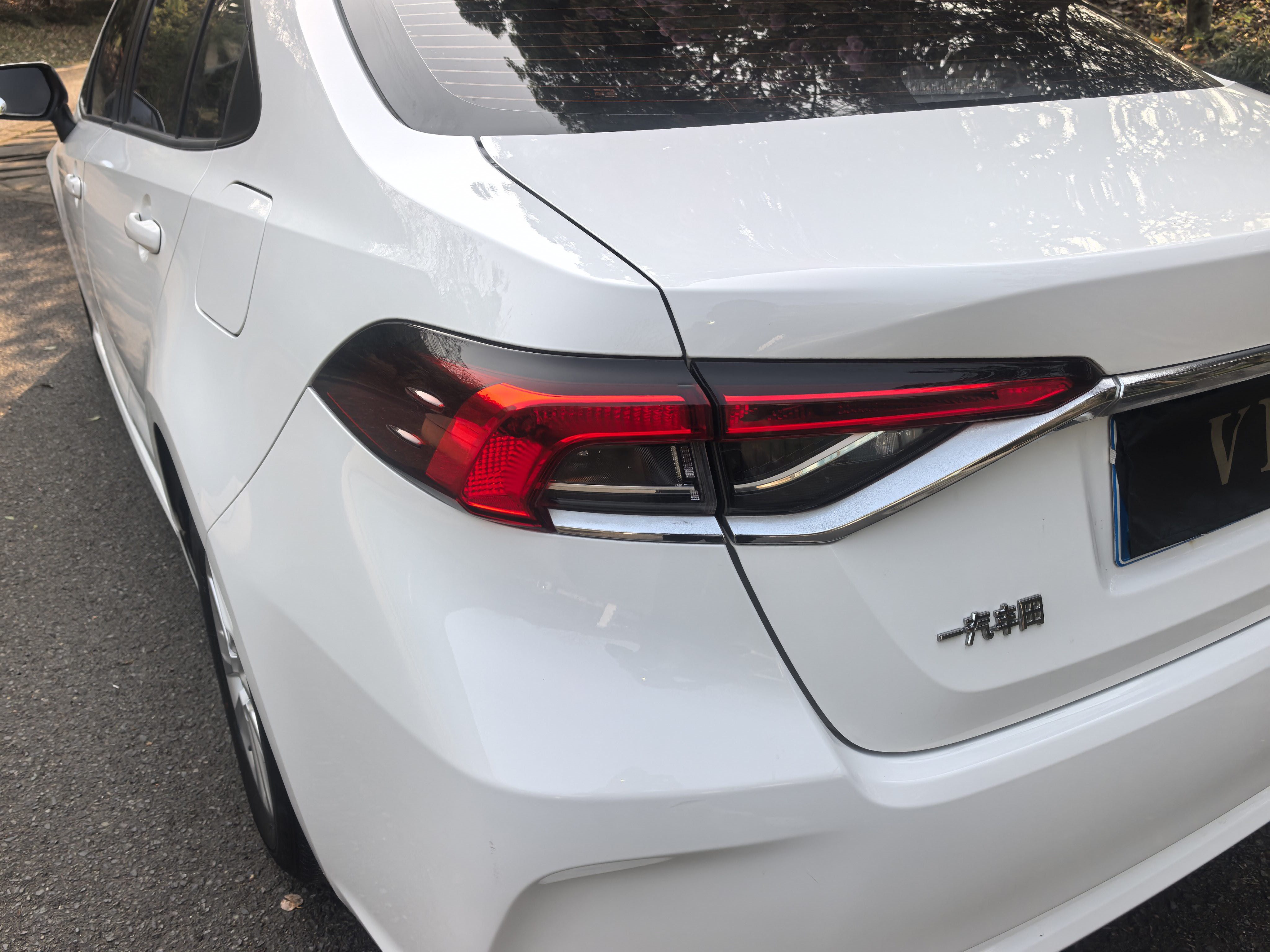
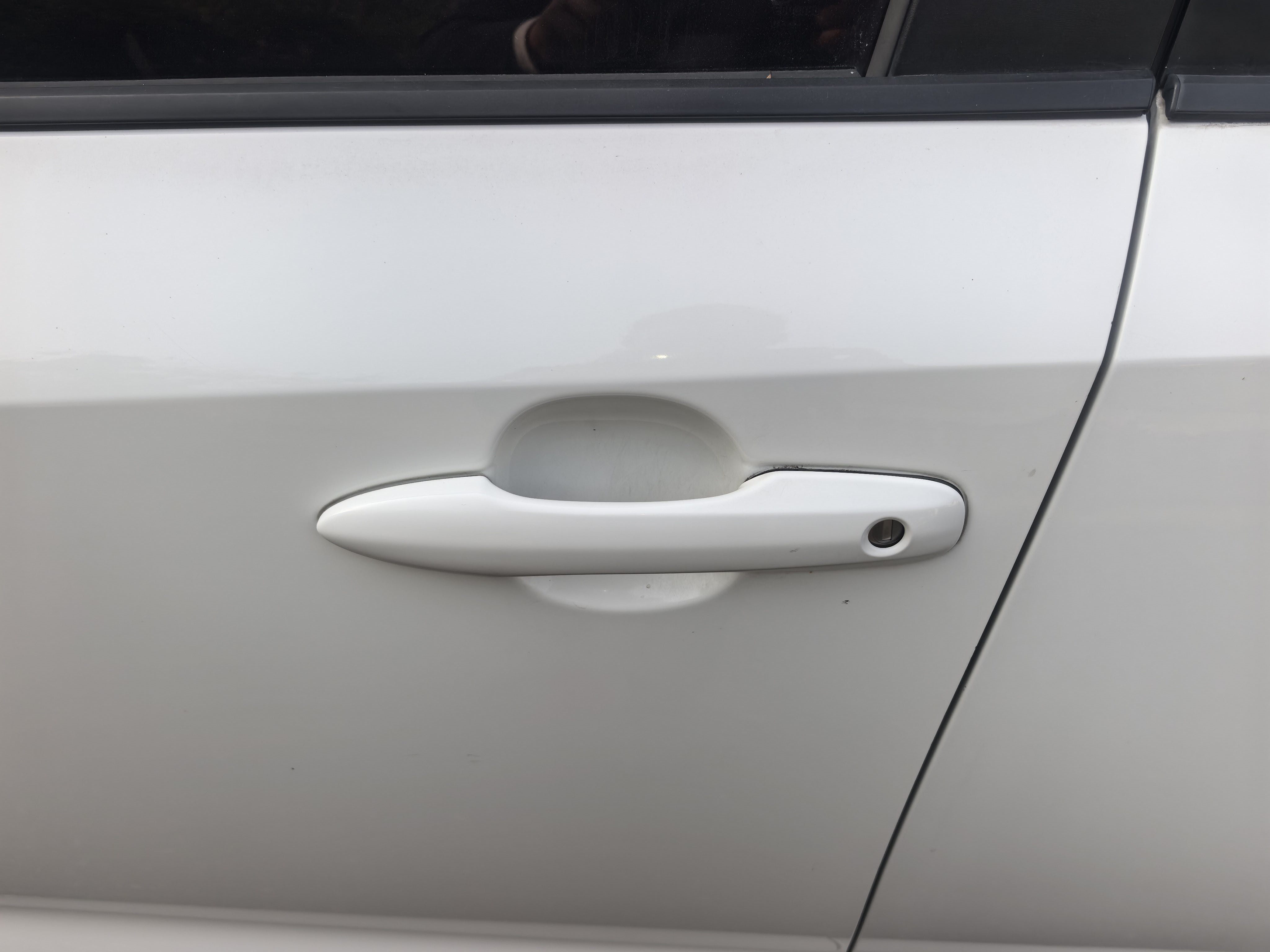
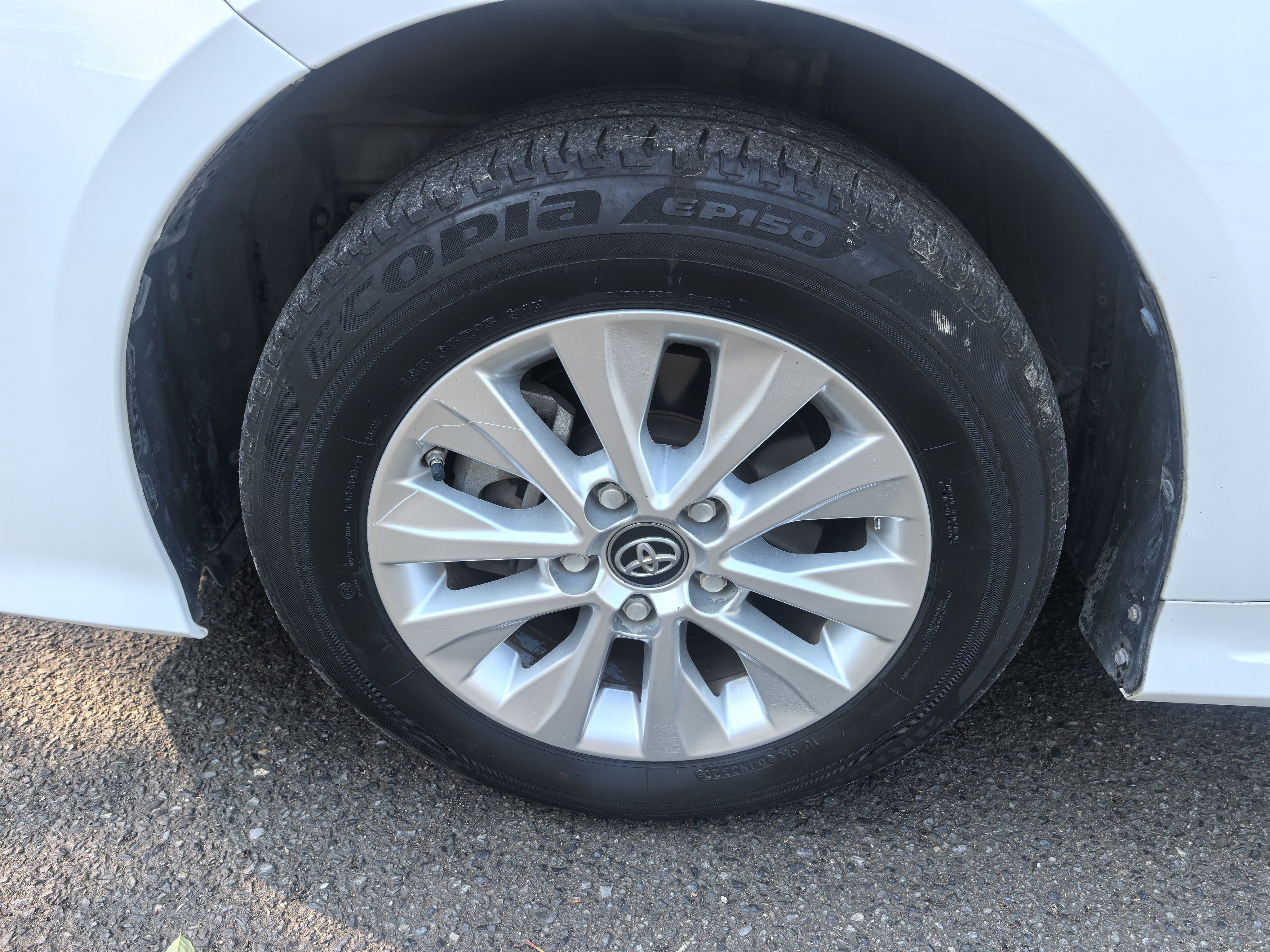
First-hand owner, actual mileage. Original condition. Four metal panels repainted: right front fender, right rear fender, left rear fender, left rear door.

燃油车
轿车
自动
维保开放
事故开放
查验开放

Configuration Highlights

✓品牌: 丰田
✓车系: 卡罗拉
✓车型: 2021款 1.2T S-CVT 精英版
✓车身类型: 轿车
✓座位数: 5
✓排量: 1.2T
✓变速箱: 自动
✓能源类型: 燃油车
✓VIN: LFMAYACC0L0617859
✓搜索关键词: 丰田卡罗拉 2021款卡罗拉1.2TS-CVT精英版

Document Information

Inspection Expiry Date2026/09
Warranty Expiry Date-
Insurance Expiry Date2026/09

Q&A

More

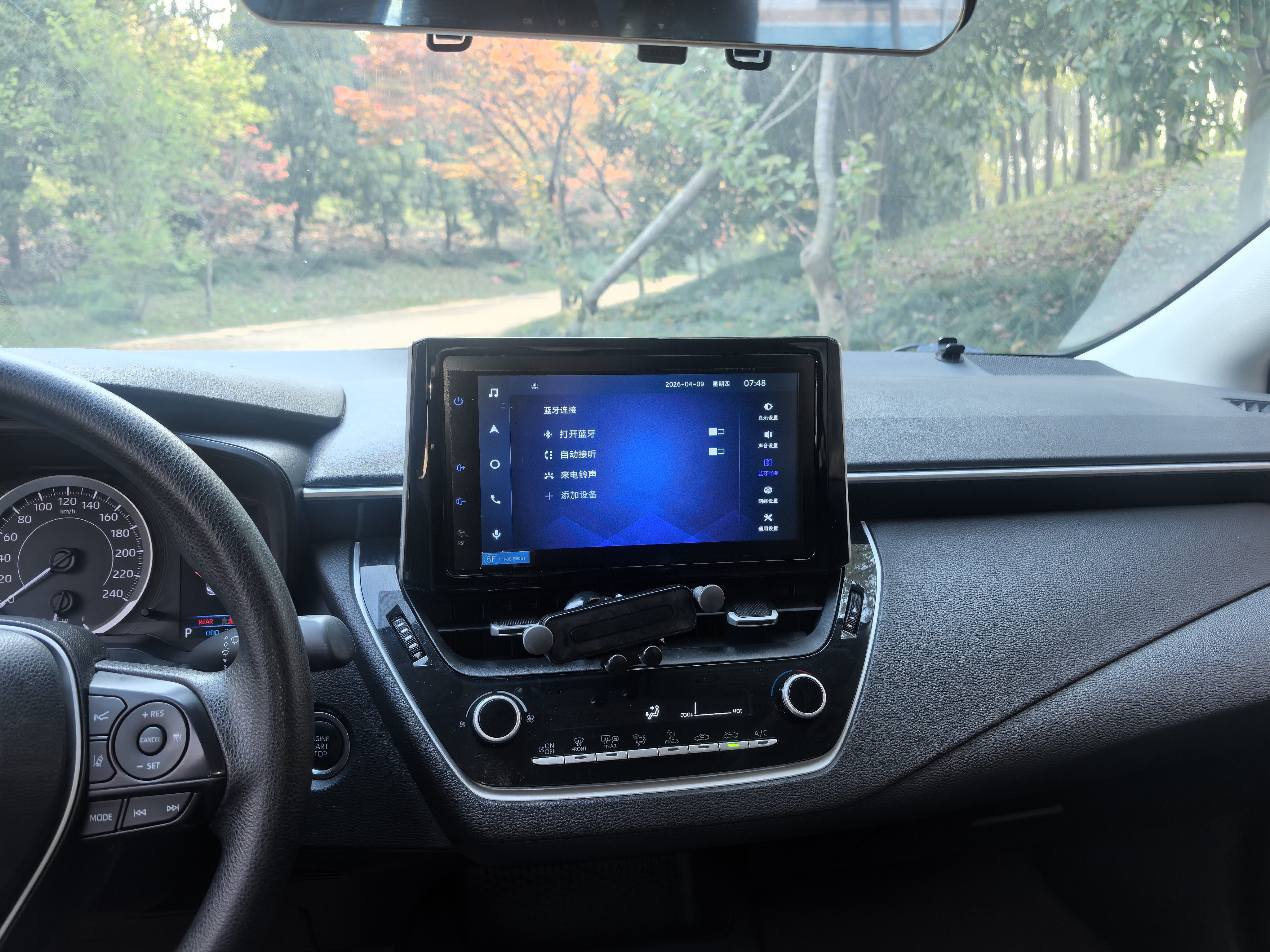
Does the vehicle's smart car system (central control screen) have an English version? Can Google Maps or YouTube be installed?

It depends on the specific brand and model. Some brands (like BYD and MG) have native multilingual systems that can switch to English directly; however, some models designed for the Chinese domestic market only have a Chinese interface. For systems that only have Chinese, we can assist with compliant system flashing (installing international firmware) or adding modules that support Apple CarPlay/Android Auto, so you can use Google Maps. The details page will clearly indicate the language status of each vehicle's system.
How do you assess the leak risk of vehicles with panoramic sunroofs?

We maintain an absolute skeptical attitude. In addition to regular visual inspections, we focus on checking for sediment accumulation around the sunroof drainage channels and look for water stains under the A-pillar trim and front floor mats. This is the only effective physical evidence to determine if the sunroof drainage holes are blocked, leading to hidden leaks.

Why are the shipping costs for used electric vehicles (EVs) usually higher than for internal combustion engine vehicles (ICEs)?

Pure electric vehicles are classified as Class 9 Dangerous Goods due to their large lithium batteries, leading to strict shipping regulations. Shipping companies have high requirements for the loading position and fire isolation measures for dangerous goods, and some roll-on/roll-off ships refuse to accept used EVs. As a result, EVs often require more expensive special container shipping and incur additional handling fees for hazardous materials.